PCB manufacturing PCB manufacturing
Home > Blog

RF Ceramic Substrate for Microwave, Ceramic PCB Prototype & Manufacturing

March 6th, 2025

What is RF Ceramic Substrate?

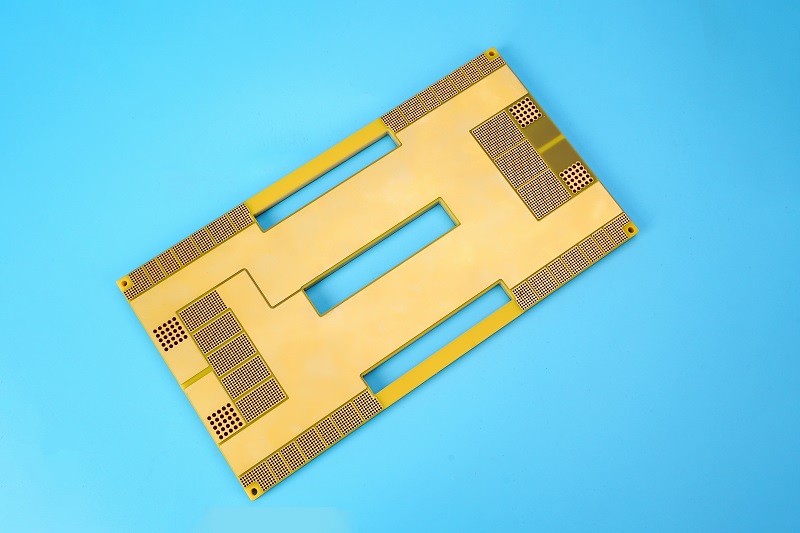
RF ceramic substrate is a key component for RF circuit and microwave circuit, it refers to a specialized ceramic material designed to support high-frequency circuits used in radio frequency systems. Unlike traditional materials, ceramic substrates used for RF circuits offer low signal loss, stable dielectric properties, and strong thermal resistance. It is usually made of alumina (Al₂O) ₃ ceramic material, with good insulation properties, high temperature stability and low dielectric loss characteristics, the dielectric constant is usually between 9-12, dielectric loss Angle is less than 0.0003.

RF Ceramic Substrate for Microwave, Ceramic PCB Prototype & Manufacturing

Types of RF Ceramic Substrate

1. Alumina-Based Substrate

Alumina (Al2O3) is widely used for RF ceramic substrates because it offers high thermal conductivity, good mechanical strength, and stable dielectric behavior at high frequencies. It can handle both RF and microwave signals, making it suitable for communication systems, radar, and aerospace devices.

2. Aluminum Nitride (AlN) Substrate

Aluminum nitride offers both high thermal conductivity and lower dielectric constant compared to alumina. This helps improve signal integrity in high-speed circuits. AlN substrates work well in applications needing both heat dissipation and frequency stability, like power amplifiers and phased array antennas.

3. Beryllium Oxide (BeO) Substrate

BeO substrates provide the highest thermal conductivity among ceramic options. Although used less frequently due to handling concerns, BeO still finds use in specialized high-power RF systems where heat removal is critical.

RF Ceramic Substrate vs. Normal Ceramic Substrate

Not all ceramic substrates perform equally, especially when handling RF signals. Regular ceramic substrates, like those used in standard circuits, mainly focus on mechanical strength and insulation. Electrical performance, especially at high frequencies, often comes second.

RF ceramic substrates, however, prioritize electrical performance. They offer low dielectric loss, controlled dielectric constant, and tight tolerances, all of which ensure signals move smoothly without distortion. In microwave circuits, even minor changes in material properties can cause signal loss or unwanted interference. In addition to this, they are differ from materials composition and applications:

1. Material Composition

  • RF Ceramic Substrates: Typically made from Class I ceramic materials, including alumina (Al₂O₃), aluminum nitride (AlN), and silicon nitride (Si₃N₄). These materials offer good thermal conductivity, high-frequency performance, and excellent high-temperature stability.
  • Normal Ceramic Substrates: Primarily made from inorganic materials like alumina (Al₂O₃) and aluminum nitride (AlN). While these materials perform well at high temperatures, they do not match RF ceramic substrates in terms of high-frequency performance.

2. Application Fields

  • RF Ceramic Substrates: Primarily used in RF and microwave circuits, such as mobile communication base stations, broadcast transmitters, MRI coils, semiconductor RF power supplies, laser equipment, military radios, radar systems, and complete RF microwave devices. They are also used in power amplifiers, LC filters, transceiver modules, and microwave components.
  • Normal Ceramic Substrates: Widely used in high-power LED lighting, high-frequency communication, and railway power systems. They are valued for their excellent heat dissipation and high-temperature stability.

Benefits of RF Ceramic Substrate for Microwave

1. Low Dielectric Loss

RF ceramic substrates minimize signal loss at high frequencies, which helps maintain signal strength even across longer transmission paths.

2. Stable Dielectric Properties

Ceramic substrates keep their dielectric constant stable across wide temperature and frequency ranges.

3. Excellent Thermal Management

Microwave circuits often generate heat, especially at higher power levels. Ceramic substrates, particularly AlN and BeO, offer strong heat dissipation, it helps prevent thermal damage while preserving electrical performance.

4. Environmental Durability

Microwave systems used in aerospace, defense, and satellite applications face harsh environments, including vibration, radiation, and extreme temperatures. Ceramic substrates handle these conditions without losing mechanical or electrical reliability.

5. Precision Manufacturing

Ceramic substrates for RF circuits support fine-line patterns, which allows designers to create high-density circuits without losing signal integrity.

RF Ceramic Substrate for Microwave, Ceramic PCB Prototype & Manufacturing

Ceramic Substrate HS Code

The HS code for ceramic substrates used in electronic circuits generally falls under 8547.10.00. However, for substrates specifically designed for RF or microwave circuits, local customs authorities may apply slight variations depending on composition, thickness, or intended use.

Well-Known RF Ceramic Substrate Brands

When choosing RF ceramic substrates, selecting reliable materials from established brands helps ensure consistent performance. Several companies specialize in developing high-performance ceramic materials specifically for RF and microwave applications. Below are some well-known names trusted across industries like telecom, aerospace, automotive radar, and satellite systems.

  • Rogers Corporation
  • Kyocera Fine Ceramics
  • Coorstek
  • Murata Manufacturing
  • Maruwa
  • NGK Spark Plug Co., Ltd.
  • Heraeus Electronics

At EBest Circuit (Best Technology), we offer customized RF ceramic PCBs for our customers, we have stable supply chain and enough stock in our warehouse. Therefore, we can handle time-sensitive orders and provide expedited service if you are urgent.

RF Ceramic Substrate Uses

  • Wireless communication modules like 5G antennas, RF front-end modules, and satellite communication devices.
  • Radar and sensing systems, including automotive radar, weather radar, and defense radar systems.
  • Aerospace and space electronics, such as satellite payloads, deep-space communication, and onboard electronics.
  • Medical imaging and equipment, including MRI and wireless telemetry devices.
  • Industrial RF Systems, like RF heating systems, test instruments, and high-frequency sensors.

RF Ceramic PCB Design Considerations

Designing RF ceramic PCBs requires a deep understanding of both high-frequency circuit behavior and ceramic material properties. Compared to standard FR4 or other organic substrates, ceramic materials handle RF signals differently, especially at microwave and millimeter-wave frequencies. Below are the key considerations to achieve stable signal transmission, low loss, and reliable performance.

RF Ceramic Substrate for Microwave, Ceramic PCB Prototype & Manufacturing

1. Dielectric Constant and Its Stability

The dielectric constant (Dk) directly affects signal propagation speed and impedance matching. Ceramic substrates, such as Al₂O₃ or AlN, typically have Dk values ranging from 9 to 10 for Al2O3 and 8 to 9 for AlN. It’s not just about Dk itself but also its stability over frequency and temperature changes. For RF circuits, materials with minimal Dk variation across frequencies (up to 40 GHz and beyond) help maintain consistent phase and impedance control, which directly impacts signal integrity.

2. Loss Tangent (Df) and Signal Attenuation

Loss tangent (Df) measures how much energy the substrate material absorbs during signal transmission. Lower Df leads to less signal attenuation, especially at high frequencies.

For comparison, FR4’s Df can exceed 0.015 at 10 GHz, While a reliable data from Murata’s ceramic materials shows Df values around 0.0005 to 0.0010 at 10 GHz, which outperforms many organic substrates.

3. Conductor Surface Roughness

For microwave circuits, copper foil roughness directly affects insertion loss. Rougher copper increases conductor loss, especially above 10 GHz. Ceramic PCBs often use low-profile copper, with surface roughness below 2 ”m (Rz), to minimize skin effect losses at high frequencies.

4. Coefficient of Thermal Expansion (CTE) Matching

Alumina substrates typically have a CTE around 6.5 ppm/°C, which aligns reasonably well with copper’s 17 ppm/°C when using proper bonding techniques. For applications like satellite communications, where temperature swings can exceed ±100°C, this balance ensures mechanical reliability.

5. Transmission Line Structures and Impedance Control

To design RF circuits on ceramic substrates, engineers often use microstrip, coplanar waveguide (CPW), or stripline structures. Achieving tight impedance control (±5% or better) requires precise trace width calculation, gap spacing, and accurate Dk data across the operating frequency range. For example, a 50-ohm microstrip line on 99.6% alumina with a 0.635 mm (25 mil) thickness requires a trace width around 1.5 mm, but the exact value shifts slightly based on the operating frequency and whether the substrate uses thin-film or thick-film copper.

6. Thermal Management for High-Power RF Circuits

High-power RF circuits, such as power amplifiers (PAs) or radar transmitters, generate considerable heat. Aluminum nitride (AlN) substrates, with thermal conductivity reaching 170 W/m·K, outperform alumina (20-25 W/m·K) by almost seven times. This high thermal conductivity helps dissipate heat efficiently, reducing thermal gradients that could detune RF circuits.

7. Via and Plating Quality

Plated vias connect RF traces between layers or serve as ground vias to improve EMI shielding. In RF ceramic PCBs, via diameters as small as 100 ”m are common, especially in LTCC packages.

For more information about RF ceramic PCB design guide, welcome to contact us at sales@bestpcbs.com. We offer free technical support for any PCB frequent asked questions.

Why Choose EBest Circuit (Best Technology) as Your RF Ceramic PCB Supplier?

At EBest Circuit (Best Technology), we specialize in RF ceramic PCB manufacturing with over 18 years of experience serving global clients. We understand how critical dielectric stability, thermal management, and mechanical precision are for RF and microwave systems. Our in-house testing and quality checks ensure every board meets your performance standards, whether for 5G modules, radar systems, or aerospace electronics. At EBest Circuit (Best Technology), you can enjoy:

  • Products control under ISO13485, IATF16949, AS9100D system
  • Stable supply chain (cover various brands ceramic substrate)
  • Cutting edge technology for ceramic PCB manufacturing
  • Professional ceramic PCB engineer technical support
  • DDU & DDP quotation
  • 2-3Weeks delivery
  • Highest quality
  • Customized RF ceramic PCB design
  • Turn-key service

With custom design support, quick turnaround, and flexible production options, we help clients bring RF innovations to market faster. Contact EBest Circuit (Best Technology) today to see how our RF ceramic PCB solutions can support your next project.

AlN PCB, Ceramic PCB Substrate

March 6th, 2025

AlN PCB stands out as a top choice when companies need strong heat management and reliable performance in advanced electronics. This ceramic PCB substrate uses aluminum nitride, known for its high thermal conductivity and excellent electrical insulation. With electronics getting smaller and more powerful, keeping heat under control is more important than ever. That’s why many industries rely on AlN ceramic PCB to improve both performance and reliability.

At the same time, customers often want to know how AlN PCB fabrication works, how it compares to other options, and what affects its final price. Understanding these details helps engineers and buyers make smarter choices for their projects. In this blog, we’ll explore everything from the properties of aluminum nitride to the benefits, pricing factors, and even common assembly challenges.

If you’re searching for a reliable ceramic PCB substrate or want to understand how AlN PCB fits into your next design, this guide will help. Whether you’re working on high-frequency devices, power modules, or advanced communication systems, knowing the strengths of AlN PCB can make a big difference.

AlN PCB, Ceramic PCB Substrate

What is aluminum nitride PCB material?

AlN PCB stands for aluminum nitride PCB, which uses aluminum nitride ceramic as the base material. It is known for excellent thermal conductivity, strong electrical insulation, and reliability in harsh environments. Compared to standard FR4 boards, AlN PCB supports much better heat dissipation. That’s why engineers choose this material for high-power circuits, laser systems, and advanced communication devices.

Aluminum nitride acts as both the base and heat spreader. This unique structure reduces thermal stress, helping sensitive components stay cooler. As technology grows, more industries lean toward AlN PCB to handle performance needs.

Is aluminum nitride a ceramic?

Yes, aluminum nitride is a ceramic. It belongs to the advanced ceramic family, valued for its high strength, electrical insulation, and outstanding heat transfer abilities. Unlike traditional ceramic materials, aluminum nitride supports fast heat removal, which helps extend component life.

Since AlN is ceramic, it also resists chemicals, high temperatures, and mechanical wear. These benefits make it suitable for AlN ceramic PCB manufacturing. Today, designers rely on it for high-frequency devices, power electronics, and communication modules.

Is Aluminium nitride brittle?

Like other ceramics, aluminum nitride is somewhat brittle, especially under sudden mechanical shock. However, it still performs better than some other ceramics used in electronics. Proper design, combined with experienced fabrication techniques, helps reduce risks related to brittleness.

The good news is that once AlN PCB fabrication completes and the board is installed correctly, its durability is impressive. This balance of strength, heat management, and electrical insulation keeps AlN ceramic PCBs in high demand across industries like automotive, aerospace, and telecom.

How does AlN PCB compare to alumina PCB in thermal performance?

Thermal performance directly affects the reliability of modern electronics. When comparing AlN PCB to alumina PCB, aluminum nitride performs much better in heat transfer. Its thermal conductivity reaches around 170-200 W/mK, which is far higher than alumina’s 20-30 W/mK.

This major difference matters when components generate heat in compact spaces. Devices that push high power levels or require stable performance over time benefit from this advantage. While alumina PCB offers good insulation and is more affordable, AlN remains the first choice for heat-sensitive applications.

AlN PCB, Ceramic PCB Substrate

What is the difference between aluminum nitride PCB and aluminum PCB?

This is a common question from customers comparing materials. AlN PCB uses a ceramic core made from aluminum nitride, while aluminum PCB uses a metal aluminum base with a dielectric layer on top. Both manage heat, but they work in different ways.

AlN ceramic PCB offers excellent electrical insulation, which allows designers to place components closer together. It also handles extreme heat better without expanding too much. On the other hand, aluminum PCB, though cheaper, has limited electrical insulation, making it less suitable for high-frequency and precision circuits.

In short, AlN PCB fits better where thermal management and signal performance both matter. Aluminum PCB works well in simpler applications where cost matters more than advanced performance.

AlN PCB, Ceramic PCB Substrate

What factors affect AlN PCB price?

Several factors affect AlN PCB price, and understanding them helps customers plan projects better. First, the raw material cost plays a key role. Aluminum nitride is more expensive than standard PCB materials, but the benefits often outweigh the cost.

Next, fabrication complexity impacts price. Multilayer designs, micro vias, and precision routing need advanced technology, adding to the total. Batch size also matters. Larger runs usually lower the cost per piece, while small or custom orders cost more.

Lastly, surface treatment choices, tolerances, and assembly needs contribute to the final cost. That’s why working with an experienced AlN PCB fabrication supplier helps balance price and performance.

What are common PCB assembly issues with AlN ceramic PCBs?

Even with advanced materials like AlN ceramic PCB, assembly issues can happen without careful handling. One common challenge is matching the thermal expansion of components with the ceramic base. Sudden thermal changes can stress solder joints if not managed well.

Another potential issue comes from the surface finish. Choosing the wrong finish for high-frequency circuits or high-temperature processes can lead to signal loss or poor solderability.

Lastly, poor handling during assembly can crack the ceramic substrate. This highlights the importance of choosing experienced assembly partners with expertise in AlN PCB fabrication and assembly. By working with a trusted supplier, these risks can be minimized, improving reliability and performance.

What is the use of Aluminium nitride?

Aluminium nitride offers broad uses across multiple industries. Its high thermal conductivity makes it perfect for high-power electronics, such as laser drivers, RF amplifiers, and power modules. These systems generate heat that needs to move away quickly to protect components.

Besides electronics, AlN ceramic plays a role in NFC communication systems, where thermal stability and electrical insulation enhance performance. Medical devices also benefit from aluminum nitride’s biocompatibility and thermal management properties.

In short, AlN PCB supports applications that demand precise performance, stability, and long-term reliability, especially under demanding conditions.

How to select the right manufacturer for AlN PCB fabrication?

Selecting the right AlN PCB fabrication partner directly affects project success. Start by checking the manufacturer’s experience with ceramic PCB substrates. Not all PCB companies have the technology or skills to handle aluminum nitride.

Next, ask about in-house capabilities for drilling, plating, and precision routing. AlN requires specialized equipment and processes, so a capable supplier handles every step under one roof. This ensures quality control and reduces lead times.

Also, consider the manufacturer’s knowledge in PCB assembly issues, especially for ceramics. Experienced suppliers know how to manage thermal stress, select the right surface treatments, and optimize designs for both performance and manufacturability.

Finally, check for customer support and willingness to provide design advice. A good partner not only builds your boards but also helps improve designs to balance performance, cost, and reliability.

AlN PCB, Ceramic PCB Substrate

In a nutshell, choosing AlN PCB means investing in better thermal performance, electrical insulation, and reliability. With growing demand for aln ceramic pcb in high-power and high-frequency applications, more engineers turn to this advanced material.

Working with a professional AlN PCB fabrication partner ensures your boards meet both performance and cost goals. If you’re looking for a ceramic PCB substrate that can handle the heat, aluminum nitride offers one of the best options available.

At EBest Circuit (Best Technology), we specialize in advanced ceramic PCBs, including AlN inlay PCB, alumina PCB, and more. Our experts understand the challenges of aln pcb fabrication and assembly issues, delivering high-quality boards for demanding projects. For more information or inquiries, feel free to contact us at sales@bestpcbs.com.

What is a keyboard pcb? Keyboard PCB guide

March 5th, 2025

The keyboard PCB is the core component inside the keyboard, responsible for connecting each key and transmitting electrical signals. It contains components such as microcontrollers, diodes, resistors, capacitors, and light-emitting diodes to process key signals and communicate with the computer.

The design and type of the keyboard PCB will affect the feel and performance of the keyboard. Common types include hot-swappable PCB and soldered PCB. Hot-swappable PCB is easy to disassemble and replace, suitable for users who pursue customization, while soldered PCB is more stable and suitable for high-end keyboards.

What is a keyboard pcb? Keyboard PCB guide

What is a Keyboard PCB?

A keyboard PCB (Printed Circuit Board) is a thin board made of fiberglass or other durable materials, with copper traces and electronic components that allow the keyboard to communicate with a computer. It connects all the switches and transfers keypress signals to a controller, which processes the input.

Unlike traditional rubber dome keyboards, mechanical keyboards use a more advanced PCB that supports various switch types, customizable firmware, and advanced features like RGB lighting and macros.

Some keyboards use a hot-swappable PCB, which allows users to change switches without soldering. Others require permanent soldering, making modifications more complex. More advanced versions, such as Hall effect PCBs, rely on magnets instead of physical contact for key activation, offering greater durability and precision.

How to Design a Keyboard PCB?

Designing a keyboard PCB starts with defining the layout. The first step is deciding the number of keys, spacing, and size. Keyboards come in various sizes—full-size, tenkeyless (TKL), 75%, 60%, and even split ergonomic layouts.

After defining the layout, engineers use software like KiCad, Eagle, or Altium to create schematics. The PCB must include appropriate traces for key signals, diodes for anti-ghosting, and microcontrollers like an Atmel ATmega32U4 or STM32, which processes key inputs.

What is a keyboard pcb? Keyboard PCB guide

Engineers must also consider USB connectivity, ensuring reliable power and data transfer. Once the design is complete, the PCB undergoes prototyping to test functionality before mass production.

How to Make a Keyboard PCB?

Manufacturers use FR4 for durability. The PCB is manufactured using a layering process where copper is etched to form electrical pathways. Holes are drilled to accommodate switches and components. After etching, a protective solder mask is applied, followed by a silkscreen layer for labeling.

Quality control is essential. Each PCB undergoes electrical testing to check for short circuits or defects. Once approved, it moves to the assembly process, where switches, diodes, resistors, and controllers are mounted onto the board.

How to Solder a Keyboard PCB?

Soldering a keyboard PCB requires patience. First, switches are placed into the PCB and secured with a plate. Each switch has two metal pins that must be soldered to their corresponding PCB pads. Using a soldering iron, heat is applied to the joint, melting solder to create a strong electrical connection.

Proper soldering techniques prevent cold joints, which can cause inconsistent key response. Lead-free solder is preferred for environmental reasons, but it requires higher temperatures.

What is a keyboard pcb? Keyboard PCB guide

Once all switches are soldered, the PCB is connected to a computer for testing. If any keys fail to register, reflowing the solder joint usually solves the issue.

How to Clean a Keyboard PCB?

Dirt and dust can accumulate on a PCB over time, leading to key malfunctions. Cleaning a keyboard PCB is simple. A soft brush, compressed air, or isopropyl alcohol helps remove debris. Avoid using water, as moisture can cause short circuits.

If liquid spills occur, immediate cleaning with alcohol prevents permanent damage. Regular maintenance ensures long-term performance.

What are the Types of Keyboard PCBs?

Keyboards come in different PCB configurations, each catering to specific needs:

  • Hot-Swappable PCBs: Feature socketed switch mounts, allowing easy replacement without soldering.
  • Flexible PCBs: Made from polyimide, commonly found in compact or ergonomic keyboards.
  • Hall Effect PCBs: Use magnetic fields instead of physical contacts, offering longer lifespan.

What are the Functions of a Keyboard PCB?

A keyboard PCB does more than just register keypresses. It manages power distribution, controls RGB lighting, and enables advanced features like macros and key remapping.

Many PCBs come with built-in support for QMK or VIA firmware, allowing users to program custom shortcuts and layouts.

What is a keyboard pcb? Keyboard PCB guide

Another key function is anti-ghosting and n-key rollover (NKRO), ensuring multiple keypresses register simultaneously. Some PCBs also integrate wireless capabilities, enabling Bluetooth connectivity.

How to Make a Keyboard PCB Hot-Swappable?

A hot-swappable keyboard PCB eliminates the need for soldering. Instead of fixed switch mounts, it uses hot-swap sockets that hold the switch pins securely. These sockets are soldered onto the PCB during manufacturing, allowing users to swap switches effortlessly.

Gamers and enthusiasts prefer hot-swappable keyboards because they offer customization without permanent modifications. If a switch malfunctions, replacing it takes seconds. However, these PCBs require careful handling, as frequent swapping can wear out the sockets over time.

Conclusion:

A keyboard PCB is the core of any mechanical or membrane keyboard. It controls everything from key registration to backlighting and custom macros. For high-quality custom keyboard PCBs, contact sales@bestpcbs.com

PCB vs. FPC, What’s the Difference?

March 5th, 2025

PCB vs. FPC is a common comparison when choosing the right type of circuit for modern devices. Both play important roles in electronics, but they serve different needs. To make the right choice, you need to know how they work, their uses, and their unique benefits.

In this blog, we’ll cover PCB vs. FPC in detail. We’ll also explore their antennas, pros, cons, and key applications. By the end, you’ll know which one fits your needs best.

What is PCB and types of PCB?

PCB stands for printed circuit board. It’s the most common type of circuit used in electronics. It supports components, connects them, and helps power flow correctly. Most devices today use PCBs for stable performance.

There are several types of PCBs, each suited for different tasks. Single-sided PCBs are the simplest. They have copper on one side and components on the other. These work well for simple products like toys or remotes.

Double-sided PCBs are a bit more complex. They have copper on both sides, which allows more connections. These are often used in home appliances and automotive parts.

Multilayer PCBs are more advanced. They have multiple layers of copper and insulating materials stacked together. These can handle complex circuits found in computers, medical devices, and industrial equipment.

There are also special types like rigid PCBs, flexible PCBs, and metal core PCBs, each with its own role.

PCB vs. FPC, What’s the Difference?

What is FPC in electronics?

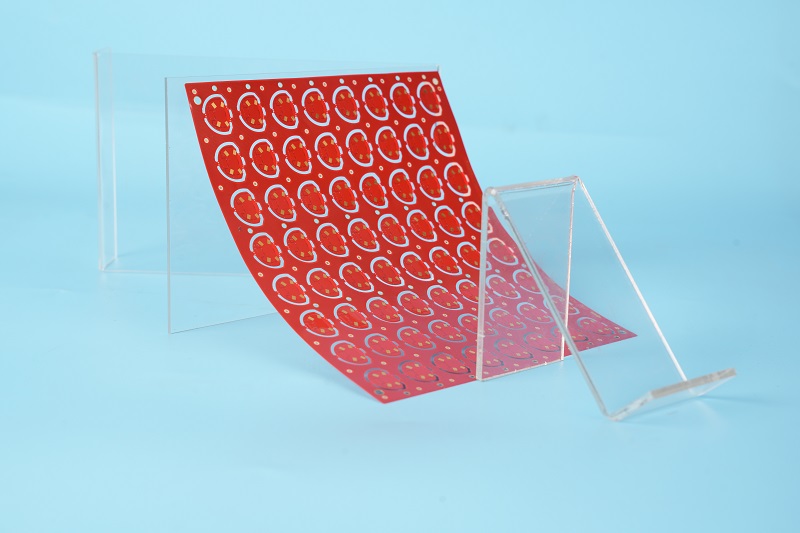
FPC stands for flexible printed circuit. As the name says, this type bends and twists. It’s made from flexible materials like polyimide, which handles bending without breaking.

Unlike standard boards, FPC circuits fit into tight spaces. This flexibility helps when devices need smaller, lighter, or more compact designs.

FPC technology has grown fast. Modern devices like wearables, foldable phones, and medical tools rely on it. Flexible circuits work well when regular boards are too stiff or bulky.

What is FPC used for?

FPC works well in devices where space is limited or flexibility is important. Wearables like smartwatches need circuits that bend with straps or bodies. FPC handles these shapes with ease.

Medical tools also benefit from FPC. Catheters, imaging devices, and hearing aids all use flexible circuits. They fit into tiny spaces without adding weight or bulk.

Cameras also rely on FPC. In phones and professional cameras, sensors need flexible connections to boards. FPC helps without taking up much room.

Automotive uses have also increased. Inside modern cars, FPC helps with touchscreens, sensors, and advanced controls. These circuits handle vibration and movement better than standard boards.

FPC can also be found in robotics, aerospace, and industrial tools where size, weight, and movement all matter.

PCB vs. FPC, What’s the Difference?

What is the difference between PCB and FPC?

PCB vs. FPC, What’s the Difference? The biggest difference in PCB vs. FPC comes from flexibility. Regular PCBs are rigid, while FPC bends. This difference impacts how they are used.

PCBs offer strong support for larger, heavier components. They are better for devices with fixed shapes and stable housings. FPC, on the other hand, fits into flexible, curved, or moving parts.

Weight is another difference. Flexible circuits are much lighter than rigid boards. In lightweight products, FPC saves weight without losing performance.

FPC also reduces assembly steps. It often combines several rigid boards into one flexible piece. This simplifies connections and reduces assembly time.

Cost also varies. In low volumes, FPC usually costs more. However, for complex designs or space-saving needs, the benefits outweigh the cost.

What is the difference between PCB antenna and FPC antenna?

PCB vs. FPC antennas is another important point. Both types support wireless signals, but they work differently.

PCB antennas are etched directly onto rigid boards. These antennas work well when space is not a big issue. They are sturdy and stable, making them reliable in stable devices like routers.

FPC antennas are flexible and thin. They fit into places where rigid antennas can’t. Wearables, smartphones, and small IoT devices often need FPC antennas to save space.

Performance-wise, both can offer good signal strength when designed well. However, FPC antennas handle curved surfaces better, while PCB antennas provide solid support in fixed devices.

What are the benefits of PCB?

PCB brings many benefits to electronics. First, it provides a stable base for components. This helps circuits perform reliably over time.

PCBs are also cost-effective for mass production. Automated assembly lines handle PCBs quickly, reducing labor costs.

Another benefit is versatility. From simple toys to complex industrial machines, PCBs adapt to all needs. They also handle higher power better than flexible boards.

PCBs also support many materials. Designers can choose materials to match heat, weight, and performance needs. This flexibility helps meet different project demands.

Finally, PCBs allow high precision. Advanced processes make tiny traces and complex layouts possible. This helps meet the needs of modern devices.

PCB vs. FPC, What’s the Difference?

What are the disadvantages of PCB?

Even though PCB works well in most cases, there are some limits. One key point is lack of flexibility. Once installed, PCBs can’t bend or move.

Another drawback is weight. Compared to flexible circuits, PCBs are heavier. In portable devices, this can be a concern.

Size can also be a problem. In ultra-compact designs, rigid boards take up more space than flexible ones.

Finally, in very high-frequency designs, signal loss may occur if materials or layouts are not perfect.

What are the advantages of FPC?

FPC offers several valuable benefits. Flexibility comes first. It fits into small, curved, or moving spaces where rigid boards can’t go.

Weight savings is another advantage. Flexible circuits are much lighter than traditional boards. In wearables and aerospace tools, this is a big plus.

Space-saving design also stands out. FPC reduces or even removes the need for connectors and cables. This simplifies the design and reduces assembly time.

Durability adds value too. Properly designed FPC handles bending, vibration, and repeated flexing without damage. This helps in automotive, medical, and industrial tools.

Finally, FPC supports complex designs. It allows more creative shapes, which helps designers create smarter, smaller products.

What are the disadvantages of FPC?

Even though FPC offers many benefits, there are a few limits. Cost is one point. In low volumes, flexible circuits usually cost more than standard boards.

Handling can also be more delicate. Because of the flexible materials, FPC needs more care during assembly.

Repair can be harder too. Once damaged, FPC is more difficult to repair than regular boards.

In some high-power cases, FPC may not handle heat or current as well as thick rigid boards.

However, most of these points depend on design, material, and proper handling.

In a nutshell, when comparing PCB vs. FPC, the right choice depends on your project needs. PCB works well for stable, cost-effective designs where space is not too limited. It supports heavier parts and handles higher power easily.

On the other hand, FPC excels in compact, lightweight, and flexible designs. It’s the best fit for wearables, medical tools, and space-saving devices.

At EBest Circuit (Best Technology), we offer both high-quality PCB and FPC solutions. With over 18 years of experience, we help you choose the right option for your needs. Whether you need simple boards or advanced flexible circuits, our team delivers reliable, cost-effective solutions. If you have any questions or inquiries, don’t hesitate to reach out to us at sales@bestpcbs.com.

What Is Solar Light PCB? How to Design Your Solar Light PCB?

March 5th, 2025

Solar light PCB plays a vital role in modern solar-powered lighting systems, allowing solar panels, batteries, and LED to work together smoothly. Whether it’s for street lighting, garden decoration, or night lamps, the right solar light PCB design helps the whole system run safely and efficiently. Many businesses and designers today focus on improving the performance of solar light PCB to make solar lighting smarter, more reliable, and longer-lasting.

At EBest Circuit (Best Technology), we specialize in solar light pcb solutions and PCBA services with fast delivery and affordable price. Feel free to contact us sales@bestpcbs.com if you have any request for solar light pcb.

Now, let’s explore the functions, benefits, materials, and design tips to help you better understand solar light PCB and how to make the right design choices.

What Is Solar Light PCB?

Solar light PCB refers to the printed circuit board used in solar lighting systems. These PCBs connect and support components like solar panels, batteries, charge controllers, LED drivers, and light sensors. Unlike regular PCBs used indoors, solar light PCB works outdoors, which means they must handle heat, moisture, and temperature changes.

In most cases, solar light PCB comes in compact layouts to fit inside street light poles, garden light fixtures, or small night lamps. A good design helps solar panels collect energy during the day, store it in the battery, and smoothly light up the LEDs at night.

Compared to traditional PCB designs, solar light PCB pays more attention to energy conversion, power control, and long-term reliability. Since solar lighting focuses on low energy waste, the solar light PCB must also ensure minimal power loss during energy transfer and storage.

What Is Solar Light PCB? How to Design Solar Light PCB?

Advantages of Solar Light PCB Board

Here are advantages of solar light PCB board:

  • Efficient energy conversion and integration

Optimized photoelectric conversion‌: Adopting high-transmittance substrate (such as FR-4 fiberglass board) and back-contact solar cell unit design, it can achieve up to 24% sunlight conversion efficiency and significantly improve energy utilization.

Simplified circuit integration‌: Directly integrate solar cells and drive circuits through PCB process, reduce external cable connections, reduce losses and improve system reliability.

  • ‌Compact and lightweight structure

Lightweight and portable‌: Using flexible substrates (such as polyimide or PET) for PCB design, the thickness can be less than 1.6mm, which is suitable for miniaturized devices and complex installation scenarios.

High-density layout‌: Supporting micro components of 0402/0603 packages, combined with multi-layer wiring technology, greatly reducing PCB area.

  • ‌Environmental adaptability and durability‌

Weather protection‌: FR4 substrate with black solder mask ink has excellent UV resistance, high temperature resistance (up to 260°C) and moisture resistance, and can adapt to extreme outdoor climates.

‌Dynamic optimization capability‌: Integrated photoresistors and dynamic tracking algorithms adjust the angle of solar panels or charging strategies in real time to improve energy capture efficiency under weak light conditions‌.

  • ‌Cost-effectiveness and scalability

‌Low mass production cost‌: Standardized PCB production processes (such as SMT patches) support batch manufacturing, and the cost per unit can be reduced to less than US$0.05, which is significantly economical.

‌Modular design‌: Reserved interfaces support battery expansion (such as 2600mAh lithium battery) or function expansion (such as Wi-Fi module), which facilitates product iteration and upgrade‌.

  • ‌Environmental protection and sustainability‌

‌Recyclable materials‌: Compliant RoHS lead-free solder and epoxy resin substrates reduce environmental pollution and meet green manufacturing standards‌.

‌Energy self-sufficiency‌: Reduce dependence on traditional power grids through solar power supply systems, suitable for remote areas or scenarios without power grid coverage.

Application of Solar Light PCB Board

Solar light PCB Board power many outdoor and indoor systems:

  • Street lighting in rural, urban, or off-grid areas.
  • Garden lighting for decorative or functional purposes.
  • Pathway and driveway lights to improve safety and visibility.
  • Fence and wall lights to highlight property boundaries.
  • Camping lights for portable, off-grid use.
  • Emergency backup lights for disaster situations.
What Is Solar Light PCB? How to Design Solar Light PCB?

These boards fit many settings, offering clean energy solutions where traditional power is limited or expensive.

What Are Types of Solar Light PCB?

The types of solar light PCB can be divided based on its structure and function. Here are a few common types you’ll see:

  • Single-sided PCB
    This type has all copper traces on one side. It’s commonly used in simple solar lights, especially garden or pathway lights. The cost is lower, but it works well for basic circuits.
  • Double-sided PCB
    For more complex designs, solar light PCB can have copper traces on both sides. This allows more connections and better space usage. Many solar street light PCB boards use this type to handle multiple components in limited space.
  • Multi-layer PCB
    It contains multiple conductive layers and insulating layers, and is electrically connected through internal vias, suitable for highly integrated and complex circuits.
What Is Solar Light PCB? How to Design Solar Light PCB?

The Best PCB Manufacturer of Solar Light PCB-EBest Circuit (Best Technology)

Choosing the right solar light PCB manufacturer matters as much as the design itself. At EBest Circuit (Best Technology), we specialize in producing high quality solar light PCB board for different solar lighting applications. With over 18 years of experience, our team understands the unique needs of solar projects, from small garden lights to large street lighting systems.

Our factory supports custom designs, fast prototyping, and reliable production for solar street light PCB, solar garden light PCB, and other types of solar lighting boards. We also focus on quality, using top materials and strict testing processes to deliver durable boards that perform well outdoors.

Besides product quality, EBest Circuit (Best Technology) offers professional technical support, helping customers turn their ideas into real products with the right solar light PCB design. Whether you’re building smart street lights or decorative garden systems, we can be your trusted partner in PCB manufacturing.

Materials of Solar Light PCB Board

The materials of solar lamp PCB mainly include the following types, which are based on the requirements of different application scenarios and production processes:

  • ‌Substrate material

FR-4 fiberglass board: It is made of glass fiber cloth and epoxy resin laminated together, with good mechanical strength, high temperature resistance and insulation, and is the mainstream PCB substrate choice‌.

‌PET laminate: Some solar lamp PCBs use polyethylene terephthalate (PET) as the base plate, which is often used in lightweight or flexible circuit demand scenarios‌5.

  • ‌Conductive layer material‌

Copper foil‌: As the core material of the PCB conductive path, it forms the circuit pattern through the etching process to ensure the stability of current transmission (conventional materials are not directly quoted, but are common in the industry).

  • ‌Solder mask and protective materials‌

Black solder mask ink‌: It is used for surface covering to prevent oxidation and short circuit, and has high temperature resistance. It is commonly used in automotive electronics or outdoor equipment.

‌Fireproof material‌: Such as 22F fireproof grade material, which enhances the safety of PCB in high temperature environment

  •  â€ŒSpecial functional materials‌

‌Insulating resin (epoxy resin): used for inter-layer bonding and insulation protection, improving the stability and weather resistance of the overall structure‌.

‌Wear-resistant laminated cloth‌: adding a wear-resistant layer to the surface of some fiberglass boards to extend the service life of PCBs in complex environments.

  • ‌Auxiliary component integration materials‌

‌Semiconductor materials (such as silicon-based components): integrating TP4056 charging IC, Mosfets driver chip, etc., for battery management and light control function realization.

How to Design Your Solar Light PCB?

Designing a solar light PCB involves several clear steps:

Step 1: Define Your Solar Light’s Needs

Before starting the actual PCB layout, understand your product’s needs. Is it a solar street light with high power LEDs? Or a solar garden light that needs a small, simple circuit? Defining power levels, light brightness, battery size, and working time helps choose the right parts and board type. Outdoor products often face heat, moisture, and dust, so all these need to be considered from the start.

Step 2: Choose the Right PCB Type

    Different solar lights need different board types. For solar street lights, heat control is critical. That’s why aluminum PCB or metal core PCB works better. For small solar night lights, flexible PCB can fit tight spaces. Choosing the right board helps your solar light PCB last longer while keeping costs under control.

    Step 3: Create the Circuit Diagram

    A clear solar street light circuit diagram helps guide the whole process. It shows how the solar panel, battery, LED driver, light sensor, and controller connect. This step is where you check voltage levels, current flow, and safety protections. A simple mistake here could cause power loss or shorten battery life. Keep it simple but cover every important part.

    Step 4: Component Placement Planning

    Next, think about where each part goes. Solar lights often use light sensors and charging controllers. These parts should sit close to each other for better signal control. LEDs usually sit on the outer edges, especially for solar street light PCB boards, where wide light coverage matters. Placing parts correctly helps with heat flow, power management, and even future repairs.

    Step 5: Trace Routing and Power Paths

    Good trace routing makes sure power flows smoothly across your solar light PCB board. High power traces, like those from the solar panel to the battery, need to be wide enough to handle current without heating up. Signal traces, like those from the light sensor to the controller, should stay short to avoid interference. Keeping power and signal paths separate reduces noise and helps the whole system work better.

    Step 6: Thermal Management Planning

    Outdoor solar lights face direct sunlight, so heat control is important. For solar garden light PCB boards and solar street light PCB boards, adding thermal vias or using a metal core PCB can pull heat away from sensitive parts. Placing heat-producing parts, like LED drivers, away from the battery extends battery life too. Good heat management helps prevent early failures.

    Step 7: Waterproofing and Protection

    Most solar light PCB boards work outside, so water and dust protection is critical. Adding conformal coating or waterproof housings helps protect the board. Using corrosion-resistant materials for connectors and ensuring the PCB edges are sealed also improves reliability. These steps help your solar light PCB last longer in all weather conditions.

    Step 8: Battery Charging and Protection Circuits

    A solar light isn’t just about lights and sensors. The battery charging circuit plays a huge role in the whole system. Overcharging, deep discharge, or uneven charging can shorten battery life. Adding smart charge controllers helps balance charging and discharging cycles. Including reverse polarity protection also prevents accidental damage during assembly.

    Step 9: Light Sensor and Control Integration

    To make your solar light smarter, the light sensor must work well with the controller. For solar night light PCBs, light sensors control when the lights turn on and off. Proper sensor placement, away from shadows or light reflections, makes the system more reliable. Adding software controls for dimming or timing also adds value, especially for solar street light PCB boards.

    Step 10: Testing and Prototyping

    Before moving to full production, testing the first solar light PCB board is critical. Check power flow, battery charging, light sensing, and LED brightness under real outdoor conditions. Testing in both sunny and cloudy weather helps make sure the light works well all year. Making small changes to improve power efficiency or adjust sensor sensitivity at this stage helps avoid bigger problems later.

    Step 11: Cost Control and Material Choice

    While design quality matters most, keeping costs under control helps stay competitive. Choosing the right substrate — FR4, aluminum, or ceramic — balances performance and cost. Picking components with good lifetime ratings but fair prices also helps. For solar street light PCB boards, spending more on heat-resistant parts pays off in the long run.

    Step 12: Partner with a Reliable Manufacturer

    Even the best design won’t work well if the manufacturing process isn’t strong. Working with a reliable solar light PCB manufacturer helps avoid common problems like uneven soldering, poor copper adhesion, or inconsistent coatings. A good partner can also suggest small improvements to make your design easier to produce or more durable outdoors.

    To sum up, it’s very important to design the right solar light PCB to ensures smoother performance and fewer failures down the road. Likewise, it is equally important to choose a good solar light PCB supplier. Best technology would be a good choice for providing you with high quality solar light pcb solutions.

    Conclusion
    Last but not the least, the solar light PCB brings clean, reliable lighting to homes, streets, and gardens. With careful selection, proper design, and regular maintenance, these boards offer long-term service with minimal cost. Whether you need a solar street light PCB board or a solar garden light PCB, following these tips helps you create strong, efficient solutions tailored to different settings.

    How Does A Metal Core PCB Efficiently Dissipate Heat?

    March 5th, 2025

    Metal Core PCB Heat Dissipation plays a key role in helping electronic devices handle rising temperatures during operation. For devices with power components, managing heat effectively can greatly impact performance, stability, and lifespan. A metal core PCB, often referred to as MCPCB, takes advantage of a metal layer to move heat quickly away from sensitive parts. This approach makes sure that devices stay cooler and more reliable, even in demanding conditions.

    Now, let’s explore how these boards work, their unique traits, and why they stand out in thermal management.

    How Does A Metal Core PCB Efficiently Dissipate Heat?

    What is a metal core PCB?

    A metal core PCB uses a metal layer, typically aluminum or copper, as its base. This metal core replaces the usual fiberglass layer found in regular PCBs. The core helps with mechanical strength and, more importantly, heat transfer. How does a metal core PCB efficiently dissipate heat? Above the metal, you’ll find the dielectric layer and the copper traces for circuits. This design helps spread heat evenly across the surface, reducing hotspots.

    Unlike traditional PCBs, which rely mainly on air or basic insulating materials for thermal relief, metal core PCBs offer a built-in solution for cooling. This structure makes them highly useful for high-power LED lighting, automotive electronics, and power supplies.

    What is the difference between metal core PCB and FR4?

    The biggest difference between metal core PCB and FR4 PCB comes down to the base material and thermal performance. FR4 boards use a glass-reinforced epoxy laminate, which is great for electrical insulation but poor at moving heat. Metal core PCBs, on the other hand, feature an aluminum or copper core that actively pulls heat away from hot components.

    Because FR4 holds onto heat longer, it can struggle in high-power circuits, especially if components generate continuous heat. Metal core PCBs don’t just offer better thermal performance — they also support stronger structural integrity, especially in applications that face vibrations or physical stress.

    Another important difference relates to processing. Metal core PCBs need specialized drilling, cutting, and etching processes because of the hard metal layer, while FR4 can be handled with standard PCB manufacturing equipment.

    What are the properties of metal core PCB?

    Metal core PCBs stand out because of several beneficial properties that enhance both performance and durability. One key property is their superior thermal conductivity compared to traditional PCBs. This allows heat to flow smoothly from heat-generating components to the metal core, where it spreads and dissipates.

    Another important property is mechanical strength. Metal cores provide strong support, which prevents the board from bending or warping under pressure. This stability helps in automotive, aerospace, and industrial environments where vibrations or impacts could damage weaker boards.

    Additionally, these boards resist thermal expansion better than FR4. That means components stay more secure, even when exposed to wide temperature shifts.

    Lastly, electrical insulation plays a vital role. Between the metal core and the copper layer, a special dielectric material separates conductive layers. This material balances heat transfer with high electrical resistance, keeping circuits safe from short circuits.

    What is the thermal conductivity of a metal core PCB?

    The Metal Core PCB Thermal Conductivity depends on the material used for the core and dielectric layer. Most aluminum core PCBs offer thermal conductivity between 1.0 to 2.5 W/mK for the dielectric layer. This may not sound high, but compared to FR4, which often measures around 0.3 W/mK, it’s a clear advantage.

    The metal core itself — whether aluminum or copper — has a much higher thermal conductivity. Aluminum typically ranges around 200 W/mK, while copper exceeds 380 W/mK. This strong thermal performance helps the board remove heat faster than traditional options, keeping devices cooler for longer.

    Thermal conductivity directly affects the speed at which heat spreads across the PCB, preventing localized overheating. This property makes metal core PCB heat dissipation so effective in demanding applications.

    How Does A Metal Core PCB Efficiently Dissipate Heat?

    Is copper or aluminum better for heat dissipation?

    Both copper and aluminum offer good thermal properties, but they excel in different areas. Copper has higher thermal conductivity, so it moves heat faster than aluminum. This makes it ideal for applications where thermal performance ranks above all else.

    However, aluminum offers an excellent balance between cost, weight, and thermal efficiency. It performs well enough for most applications while keeping manufacturing costs lower. That’s why many LED lighting products, automotive controls, and consumer devices prefer aluminum core PCBs.

    If weight is a concern, aluminum’s lower density helps create lighter boards, especially in handheld or mobile applications. For ultra-high power systems, copper may be the better option.

    How fast does aluminum dissipate heat?

    Aluminum stands out for its ability to spread heat quickly across its surface. Its thermal conductivity around 200 W/mK allows it to pull heat away from components almost immediately. This quick transfer reduces the chance of hotspots forming, which can extend component lifespan and improve stability.

    Compared to many non-metallic materials, aluminum sometimes moves heat even up to 1000 times faster, making it especially valuable in Metal Core PCB Heat Dissipation applications. This fast heat dissipation supports efficient thermal management in LED lights, power amplifiers, and automotive controls.  

    What are the advantages of metal core PCB?

    One clear advantage of metal core PCB technology lies in its exceptional heat management. By transferring heat directly into the metal core, these boards keep components cooler without needing external heat sinks in many cases.

    Another key advantage comes from structural stability. The metal core adds rigidity, so the PCB resists bending or cracking, even under mechanical stress.

    These boards also handle thermal cycling better than traditional materials, reducing the risk of cracks forming around solder joints. This helps in applications with frequent temperature swings, like outdoor lighting or automotive electronics.

    Besides thermal and mechanical benefits, metal core PCBs offer better EMI shielding, especially when using a copper core. This can reduce electromagnetic interference, which helps improve signal integrity in sensitive circuits.

    Finally, cost-efficiency in certain high-power applications means you may not need separate heat sinks or thermal pastes, saving on assembly costs.

    What are the applications of metal core PCB?

    Metal core PCBs have found success in a wide range of applications where efficient heat management matters most. LED lighting products, especially high-power fixtures, often rely on these boards to keep LEDs running cooler for longer.

    In automotive electronics, where heat from engines and power systems can cause issues, metal core PCBs help maintain stable performance even in harsh conditions.

    Power supplies, particularly high-current converters and amplifiers, also benefit from the thermal and structural properties of metal core boards. These boards help maintain reliable operation by spreading heat away from heat-generating components.

    Other industries, including renewable energy, industrial equipment, and military electronics, all benefit from the reliable heat dissipation and mechanical strength these boards provide. Anywhere heat buildup threatens performance or reliability, metal core PCBs offer a clear solution.

    How Does A Metal Core PCB Efficiently Dissipate Heat?

    In conclusion, when it comes to managing heat in modern electronics, metal core PCB heat dissipation stands out as one of the most effective methods available. By transferring heat away from components into a metal core, these boards improve stability, extend lifespan, and support higher power densities than traditional PCBs.

    If your product demands high reliability in a thermally challenging environment, choosing a trusted metal core PCB supplier can make a noticeable difference. At EBest Circuit (Best Technology), we combine 19 years of manufacturing experience with advanced materials and precise processing techniques to deliver metal core PCBs suited for demanding applications.

    With custom design support, high-quality materials, and competitive pricing, we help businesses achieve better performance while keeping costs under control. Contact our team at sales@bestpcbs.com for more details.

    Al2O3 Ceramic PCB Fabrication & Ceramic PCB Manufacturer

    March 4th, 2025

    Al2O3 ceramic PCB fabrication is the process of producing printed circuit boards using alumina (Al2O3) ceramic substrates. Alumina ceramics have high mechanical strength, hardness, heat resistance, electrical insulation and corrosion resistance, and are one of the most cost-effective materials in the electronic packaging industry.

    Al2O3 Ceramic PCB Fabrication & Ceramic PCB Manufacturer

    Unlike ordinary PCBs, ceramic PCBs are made by directly bonding copper foil and ceramic substrates under high temperature environments. They have strong bonding strength, the copper foil will not fall off, and have high reliability and performance stability under high temperature and high humidity environments.

    As a ceramic PCB manufacturer with 18 years of manufacturing experience, BEST Technology has accumulated rich professional strength in the manufacturing of alumina ceramic PCBs. In terms of manufacturing technology, it adopts advanced manufacturing processes to ensure that each alumina ceramic PCB meets high quality standards.

    What is Alumina Ceramic PCB?

    Alumina ceramic PCBs are circuit boards made using aluminum oxide (Al₂O₃) as the substrate material. This type of PCB is known for its excellent thermal management, high insulation resistance, and mechanical strength.

    Compared to conventional FR-4 boards, alumina ceramic PCBs offer better heat dissipation, making them ideal for high-power applications like LED lighting, automotive electronics, and aerospace systems.

    Unlike standard PCB materials, alumina ceramic is highly resistant to chemical corrosion and environmental stress. It can endure extreme temperatures without degrading, ensuring long-term reliability in demanding conditions.

    How Do You Make Al₂O₃ Ceramic PCB?

    Fabricating an alumina ceramic PCB requires a specialized manufacturing process. Unlike FR-4 boards, which are processed using laminates, ceramic PCBs are created through advanced sintering techniques.

    The process typically involves:

    • Material Preparation – High-purity alumina ceramic is selected based on thermal and electrical requirements.
    Al2O3 Ceramic PCB Fabrication & Ceramic PCB Manufacturer
    • Substrate Formation – The ceramic is shaped and sintered at high temperatures to achieve a dense, strong structure.
    • Metallization – Copper, silver, or gold is deposited onto the ceramic surface using thick-film or thin-film technology.
    • Circuit Patterning – The conductive layer is etched or laser-processed to define the circuit layout.
    • Component Assembly – SMD or through-hole components are mounted using high-temperature soldering or wire bonding.
    • Final Testing – The finished PCB undergoes electrical and thermal testing to ensure optimal performance.

    This fabrication method results in a robust, high-performance PCB with excellent electrical insulation and thermal efficiency.

    What Are the Advantages of Alumina Ceramic PCB?

    Al₂O₃ ceramic PCBs come with a range of benefits that make them superior to traditional materials.

    • Exceptional Heat Dissipation – The ceramic substrate effectively transfers heat away from components, preventing overheating.
    • High Mechanical Strength – Alumina ceramic is incredibly strong, resisting mechanical stress and impact.
    • Superior Electrical Insulation – This material prevents electrical leakage, ensuring stable circuit performance.
    • Corrosion Resistance – Unlike metal-based PCBs, alumina ceramic does not rust or degrade over time.
    • Dimensional Stability – It maintains its structure under extreme conditions, including high temperatures and humidity.

    These advantages make alumina ceramic PCBs a top choice for advanced electronic applications requiring reliability and efficiency.

    What Are the Materials Used in Ceramic Substrate?

    Ceramic PCBs can be made using different types of ceramics, each offering unique properties:

    • Alumina (Al₂O₃) – The most widely used ceramic material, known for its affordability and strong thermal performance.
    Al2O3 Ceramic PCB Fabrication & Ceramic PCB Manufacturer
    • Aluminum Nitride (AlN) – Offers higher thermal conductivity than alumina but comes at a higher cost.
    • Beryllium Oxide (BeO) – Provides outstanding thermal properties but has limited use due to toxicity concerns.
    • Silicon Carbide (SiC) – Used in specialized high-temperature applications.

    Each material is selected based on specific electrical, thermal, and mechanical requirements.

    Is Alumina Ceramic Better Than Zirconia Ceramic?

    Alumina and zirconia ceramics are both high-performance materials, but they serve different purposes.

    • Alumina Ceramic (Al₂O₃) – Offers better thermal conductivity, making it ideal for PCBs that require efficient heat dissipation.
    • Zirconia Ceramic (ZrO₂) – Has superior mechanical toughness and is often used in wear-resistant applications.

    For electronic circuit boards, alumina is the preferred choice due to its balance of strength, electrical insulation, and heat management.

    How Thick is Alumina Ceramic PCB?

    The thickness of an alumina ceramic PCB varies based on application needs. Typically, the substrate thickness ranges from 0.25mm to 5mm, depending on thermal and mechanical requirements.

    Thinner PCBs are used in compact electronics, while thicker substrates are chosen for heavy-duty applications requiring robust performance.

    What is the Difference Between Al₂O₃ Ceramic PCB and FR-4?

    FR-4 and alumina ceramic PCBs are widely used, but they differ in key ways:

    • Material Composition – FR-4 is a fiberglass-reinforced epoxy, while alumina ceramic is a solid ceramic substrate.
    Al2O3 Ceramic PCB Fabrication & Ceramic PCB Manufacturer
    • Thermal Conductivity – Alumina ceramic dissipates heat much more efficiently than FR-4.
    • Durability – Ceramic PCBs can withstand harsh environments, whereas FR-4 boards are more prone to degradation.
    • Electrical Performance – Alumina has superior insulation and minimal signal loss, making it ideal for high-frequency circuits.

    For applications where heat management and longevity are critical, alumina ceramic PCBs offer a clear advantage.

    What Are the Applications of Alumina Ceramic PCB?

    Due to their exceptional properties, alumina ceramic PCBs are used in various industries:

    • LED Lighting – Ensures efficient heat dissipation for high-brightness LEDs.
    • Power Electronics – Used in high-voltage circuits requiring stability and durability.
    • Automotive Electronics – Found in electric vehicles, sensors, and power management systems.
    • Aerospace & Defense – Used in radar, communication, and avionics due to reliability under extreme conditions.
    • Medical Devices – Integrated into imaging systems and surgical instruments for their biocompatibility and precision.

    As electronic devices continue to demand higher efficiency and performance, alumina ceramic PCBs are becoming an essential part of modern technology.

    Conclusion

    Al₂O₃ ceramic PCBs provide a superior solution for applications requiring durability, thermal efficiency, and electrical reliability. Compared to traditional FR-4 boards, they offer better heat dissipation, mechanical strength, and longevity.

    For high-quality alumina ceramic PCB fabrication, choosing the right manufacturer is crucial. At EBest Circuit (Best Technology), we specialize in custom ceramic PCBs designed to meet the most demanding requirements. Contact us at sales@bestpcbs.com to discuss your project needs!

    What is single side RF PCB?

    March 4th, 2025

    Single Side RF PCB is a radio frequency printed circuit board with all components and traces located on one side of the PCB. This design is usually used for simpler radio frequency applications, such as wireless communication devices, IoT devices, etc. The main features of single-sided RF PCB are low cost, easy installation, and high signal transmission quality.

    What is single side RF PCB?

    What is Single Side RF PCB?

    A single-side RF PCB is a type of PCB with conductive traces on only one side. The other side is typically non-conductive. These boards are widely used in RF circuits where simple layouts and minimal layers are sufficient for signal transmission.

    Unlike double-sided or multi-layer RF PCBs, a single-side RF PCB has a straightforward structure. It consists of a dielectric substrate with a layer of conductive material, usually copper, on one side. Components are mounted on this conductive side, and signal paths are carefully designed to minimize losses.

    What are the Types of RF PCBs?

    RF PCBs come in various configurations based on material, layer structure, and frequency handling capabilities. The most common types include:

    • Single-Sided RF PCB – A basic design with a conductive layer on one side, used in simple RF applications.
    What is single side RF PCB?
    • Double-Sided RF PCB – Features conductive layers on both sides, allowing for more complex circuit designs.
    • Multi-Layer RF PCB – Contains multiple layers of conductive material and dielectric, providing enhanced signal performance.
    • Rigid RF PCB – Made from solid, inflexible materials, ensuring durability in high-frequency applications.
    • Flexible RF PCB – Designed with bendable materials, ideal for compact or dynamic applications.

    Each type serves different needs based on frequency range, power levels, and circuit complexity.

    How to Manufacture Single Side RF PCB?

    The manufacturing of a single-side RF PCB follows a well-defined process:

    • Material Selection – A suitable dielectric material such as FR-4, PTFE, or ceramic is chosen based on frequency requirements.
    • Copper Cladding – A thin layer of copper is laminated onto one side of the substrate.
    • Circuit Patterning – The required circuit layout is printed onto the copper surface using photolithography or screen printing.
    • Etching – Unwanted copper is removed using chemical etching, leaving behind the designed circuit traces.
    • Drilling – Holes are drilled for mounting components.
    • Surface Finish Application – Protective coatings like ENIG (Electroless Nickel Immersion Gold) or HASL (Hot Air Solder Leveling) are applied to improve durability and solderability.
    • Quality Inspection – The finished PCB undergoes electrical and visual testing to ensure performance.

    The process ensures that single-side RF PCBs maintain signal integrity and minimize interference.

    What to Pay Attention to When Designing Single Side RF PCB?

    Designing a single-side RF PCB requires precision to avoid signal loss and interference. Here are key considerations:

    • Substrate Material – The dielectric constant (Dk) should be low and stable to reduce signal attenuation. PTFE and Rogers materials are popular choices.
    • Trace Width & Spacing – Proper trace dimensions help maintain impedance control and reduce signal distortion.
    What is single side RF PCB?
    • Component Placement – High-frequency components should be positioned to minimize signal path length and interference.
    • Impedance Matching – Transmission lines should be designed to match impedance, preventing signal reflections.
    • Shielding & Isolation – Sensitive signals should be shielded to avoid external interference.

    Careful design ensures the PCB delivers reliable RF performance without excessive signal losses.

    What are the Advantages of RF PCB?

    RF PCBs offer several benefits, making them ideal for wireless and high-frequency applications:

    • High-Frequency Performance – Designed for stability in GHz-range signals.
    • Low Signal Loss – Special materials reduce power loss during transmission.
    • Lightweight & Compact – Suitable for space-constrained applications like IoT devices.
    • High Thermal Stability – Can withstand temperature fluctuations without affecting signal integrity.
    • Reliable Signal Transmission – Minimizes interference, ensuring clean RF communication.

    These advantages make RF PCBs essential for applications like telecommunications, aerospace, and automotive radar systems.

    What are the Disadvantages of Single-Sided RF PCB?

    While single-side RF PCBs have many benefits, they come with certain limitations:

    • Limited Circuit Complexity – Not suitable for highly complex RF systems requiring multiple layers.
    • No Ground Plane – Can lead to increased interference and signal integrity challenges.
    • Higher Losses Compared to Multi-Layer PCBs – Single-layer designs may have more power dissipation.
    • Lower Component Density – Space constraints limit the number of components that can be placed on the board.

    Despite these drawbacks, they remain a cost-effective choice for simple RF designs.

    What are the Applications of RF PCB?

    RF PCBs play a critical role in various high-frequency applications. Some common uses include:

    • Wireless Communication – Used in antennas, Wi-Fi modules, and cellular base stations.
    What is single side RF PCB?
    • Radar Systems – Essential in automotive radar, military radar, and weather monitoring.
    • Medical Devices – Found in MRI machines, wireless patient monitoring, and diagnostic equipment.
    • Aerospace & Defense – Utilized in satellite communication and military-grade RF applications.

    Their ability to maintain signal integrity in high-frequency environments makes them indispensable in modern electronics.

    Conclusion

    Single-side RF PCBs are a crucial component in radio frequency applications. They provide cost-effective and efficient signal transmission for various industries. While they have some design limitations, their advantages in simplicity and performance make them a reliable choice for many RF systems.

    For high-quality RF PCB solutions, contact sales@bestpcbs.com. Whether you need single-side, double-sided, or multi-layer RF PCBs, expert support is available to meet your requirements.

    What is a light ballast PCB? How does it works?

    March 4th, 2025

    A Light ballast PCB controls the current flow inside different lighting systems, helping the lamps work properly while protecting them from too much power. Without a proper light ballast PCB, many lamps would either flicker all the time or fail before reaching their normal lifespan. Today, most lighting projects, whether for homes or factories, depend on some form of light ballast PCB to make sure lamps work smoothly. Since more people want brighter, longer-lasting, and energy-saving lights, the design and quality of light ballast PCB become even more important. In this blog, we will explain what a light ballast PCB is, how it works, and its wiring steps. We will also cover technical details, diagrams, and real-world uses to give you a better understanding. Let’s start by understanding the basics.

    What is a light ballast pcb?

    A light ballast PCB is a printed circuit board that manages the voltage and current delivered to lamps, mainly fluorescent, HID and some LED lamps. It controls the power flow to prevent too much electricity from reaching the lamp, which helps the light stay stable while avoiding flickering or overheating.

    What is a light ballast PCB? How does it works?

    In traditional systems, light ballasts were heavy metal boxes with coils and transformers. Now, with modern PCB technology, most ballasts are smaller boards with electronic components. These boards offer better control, longer lifespan, and smaller size, which helps in compact lighting systems.

    At its core, a light ballast PCB acts like a smart power gate, adjusting the electric supply to fit the lamp’s needs. For fluorescent lights, it also gives an initial high voltage to ignite the lamp before reducing the power to a safer level.

    At EBest Circuit (Best Technology), we are able to provide you with One-stop solution from light ballast PCBs design to production and final assembly with fast delivery and competitive price, because EBest Circuit (Best Technology) have 16 experience years in high-quality PCB solutions and PCBA service for all lighting applications. Whether you need standard or custom solutions, EBest Circuit (Best Technology) is your go-to partner for all your PCB needs. Welcome to inquiry us sales@bestpcbs.com if you have any needs for lighting pcb.

    What is wiring tips of light ballast PCB?

    • Layered wiring‌: Separate the power supply and load parts to avoid mutual interference and improve the stability and performance of the circuit‌.
    • Reasonable selection of power supply path‌: Ensure that the power supply path is clear and avoid unnecessary interference, especially when processing high-frequency signals, pay attention to the layout and direction of the signal line‌.
    • Top layer priority principle‌: Try to wire on the top layer to reduce signal interference.
    • Thickening the power line‌: Thickening the power line is conducive to the flow of current on the main road to ensure the stability of the circuit‌.
    • Travel direction control‌: The wires at the input and output ends should avoid being adjacent and parallel to reduce interference.
    • Chamfer rule‌: The corners of the trace should avoid being designed as sharp angles and right angles to reduce radiation.
    • Device decoupling‌: Add necessary decoupling capacitors to filter out interference signals on the power supply and stabilize the power supply signal.
    • ‌Impedance matching‌: The width of the same network wiring should be kept consistent, or the effective length of the inconsistent part should be minimized.
    • Ground wire loop rule‌: The loop area formed by the signal line and its loop should be as small as possible to reduce electromagnetic interference.
    • Shielding protection‌: Consider using a copper-axis cable shielding structure design to isolate the ground wires up and down, left and right with ground wires, and effectively combine the shielding ground with the actual ground plane‌.

    How does light ballast work on PCB?

    A pcb ballast works by regulating the electrical current that flows through the light fixture. When the light is turned on, the ballast provides an initial surge of voltage to start the lamp. Once the lamp is lit, the ballast continues to regulate the current to maintain steady light output.

    What is a light ballast PCB? How does it works?

    Here’s how it works in a bit more detail:

    Startup Phase: The ballast delivers a high voltage to the lamp to start it up. Fluorescent lights, in particular, require this surge of power to get started.

    Current Regulation: Once the light is on, the ballast regulates the current to keep it at a constant level. This ensures that the lamp doesn’t overheat or flicker, contributing to better light quality.

    Energy Efficiency: In electronic ballasts, the high-frequency switching of MOSFETs and capacitors allows for energy-efficient operation. This reduces power consumption while maintaining optimal lighting levels.

    What is technical parameters of light ballast PCB?

    • Input voltage range‌: The driver board needs to be able to accept AC input within a certain range, usually the mains voltage (such as 100V-240V).
    • Output current and voltage‌: The driver board provides stable DC output. The current and voltage need to be adjusted according to the requirements of the LED lamp, usually constant current or constant voltage output.
    • Power factor‌: Indicates the effective utilization of electrical energy. A high power factor means high efficiency in power conversion.
    • Efficiency‌: Indicates the ratio of output power to input power. Efficient conversion helps reduce energy waste.
    What is a light ballast PCB? How does it work?

    ‌Through the design and selection of these technical parameters, the stable operation and long life of the LED lamp can be ensured, achieving the best lighting effect.

    Explanation PCB diagram of ballast light

    The circuit structure of the ballast light is shown in the figure, which covers several key parts such as capacitor step-down circuit, rectifier circuit, LED light-emitting circuit and photoelectric control circuit. These circuits work together to ensure that the LED light can emit light stably and efficiently.

    A typical light ballast PCB diagram shows both input and output sides, along with key components like capacitors, inductors, and switching transistors.

    At the input stage, a fuse and filter block unwanted noise from the power source. Next, a rectifier converts AC to DC, which passes through smoothing capacitors to create stable voltage. The control section uses a micro-controller or driver IC to regulate switching transistors. These transistors adjust voltage and frequency, ensuring the lamp gets the right current flow. The output stage includes the final filter and connections to the lamp. In fluorescent lamps, this stage also includes a high-voltage starter circuit.

    Overall, the diagram reflects a balance between power conversion, current control, and protection, all packed into a compact PCB layout.

    Application of light ballast on PCB

    Light ballast PCBs appear in many everyday products and systems.

    • Kitchen lights, bathroom fixtures, and under-cabinet fluorescent lamps at home.
    • Ceiling panels, emergency lights, and retail display lamps in offices.
    • High-output lighting systems used for work areas, safety zones, and storage spaces in factories and warehouses.
    • Streetlights, parking lot lamps, stadium floodlights, and more. As outdoor lighting shifts to LED, many ballasts also act as LED drivers, offering advanced dimming and color control.
    • Growing application relates to recycling programs. Old ballasts, especially PCB fluorescent light ballasts, need careful handling due to environmental rules. Proper pcbs ballast recycling helps recover valuable metals while safely disposing of any hazardous materials.

    FAQ light ballast PCB

    • Aging of electronic components‌: Electronic components in light ballast power supplies, such as resistors, capacitors, diodes, transistors, etc., may age due to open circuits, short circuits, burnouts, leakage, functional failures, etc. during long-term use.
    • PCB quality impact: The quality of printed circuit boards (PCBs) and printed circuit board assemblies (PCBA) directly affects the reliability of LED driver power supplies. Problems such as poor wetting, board explosion, delamination, CAF (anode foil fiberization), open circuits, short circuits, etc. may cause power supply failure.
    • Heat dissipation problem‌: The electronic components in the light ballast PCB are very sensitive to temperature changes, especially the electrolytic capacitors. Poor heat dissipation may shorten the life of the components, thus affecting the stability of the LED lamps.
    • Solder joint failure: Solder joints are the key connection between electronic components and PCB boards, and their quality directly affects the reliability of the power supply. Solder joint failure may be caused by welding problems during the production process, or thermal stress fatigue caused by differences in thermal expansion coefficients.
    • Other issues: If the substrate hole is too large, the solder furnace temperature is too low, the board surface is poorly solderable, the solder mask is invalid, the board surface is contaminated, etc., it will also cause PCB problems.‌‌

    Conclusion
    The light ballast PCB plays a quiet but critical role in modern lighting systems. By delivering stable, efficient power, it protects lamps, saves energy, and supports advanced lighting controls. Whether you need simple fluorescent support or advanced smart lighting, the right light ballast PCB keeps your system running smoothly.

    MCPCB VS Regular PCB: What Are Differences?

    March 4th, 2025

    MCPCB VS Regular PCB is a topic many engineers and buyers search when choosing the right board for a project. Each type has clear benefits depending on the application, environment, and performance needs. Choosing between them needs more than just looking at the price. It also depends on thermal needs, material selection, and the product’s lifespan.

    In this blog, we’ll explore the core differences between MCPCB VS Regular PCB, focusing on materials, design, thermal resistance, and common applications. We’ll also highlight why metal core boards have become more popular for LED lighting and other heat-sensitive uses.

    MCPCB VS Regular PCB: What Are Differences?

    What is the most basic circuit board?

    The most basic circuit board used today is the FR4 PCB. FR4 refers to the fiberglass-reinforced epoxy laminate used as the core. This type of board acts as a solid foundation for electrical components. It supports the copper traces that carry signals across the board. FR4 has been the industry standard for decades due to its balanced electrical, mechanical, and thermal properties.

    Most everyday electronics, from home appliances to industrial equipment, rely on FR4 PCBs because of their low cost, stable structure, and easy processing.

    What is MCPCB?

    MCPCB stands for Metal Core Printed Circuit Board. Instead of a fiberglass base, these boards use a metal core layer, usually aluminum or copper. This design helps the board handle high heat better than regular FR4 boards.

    In MCPCB design, the metal core sits under the circuit layers. It helps pull heat away from hot components like LEDs or power transistors. This cooling method reduces the chance of overheating, extending the life of the whole board. MCPCB LED applications are some of the most common, especially in automotive, industrial, and high-power LED lighting.

    What is the material of MCPCB?

    The core material used in MCPCB design is usually aluminum or copper. Aluminum is more common due to its good heat conductivity and affordable cost. It balances performance and price, making it a top choice for MCPCB LED boards.

    Copper has higher thermal conductivity, but its cost is much higher. That’s why copper-core MCPCBs are mainly found in high-end equipment or where heat management is critical. On top of the metal core, dielectric layers provide electrical insulation and guide heat to the core. Copper traces on top complete the circuit.

    Why is FR4 used in PCB?

    FR4 remains popular in regular FR4 PCBs for many reasons. It has good mechanical strength, supports multi-layer designs, and offers decent thermal stability for common electronics. It also resists moisture well, making it reliable in humid environments.

    Another reason FR4 PCBs are used widely is their low manufacturing cost. They work well for low-power circuits where high heat dissipation isn’t a serious issue. For most general electronics, FR4 boards provide all the needed performance at a low price.

    MCPCB VS Regular PCB: What Are Differences?

    What are the thermal issues with PCB?

    Regular FR4 PCBs struggle when components produce high heat. Since fiberglass does not spread heat well, hot spots form near high-power parts. Over time, this localized heat can damage components, weaken solder joints, or deform the board itself.

    This thermal problem becomes more serious in high-density layouts where heat has nowhere to escape. That’s why high-power LED lighting, power converters, and some automotive systems have switched to MCPCB design.

    What is the thermal resistance of MCPCB?

    MCPCB thermal resistance is much lower than regular PCBs. This low resistance means heat can move through the board faster, keeping temperatures under control.

    In a well-designed MCPCB, heat moves directly from the component through the dielectric layer into the metal core, where it spreads across a larger area. This process reduces hot spots, protects components, and extends the product’s lifespan. Compared to regular FR4 boards, MCPCBs handle thermal stress far better.

    What are the uses of MCPCB?

    MCPCB design works best for products where heat dissipation matters most. Common uses include:

    High-power LED lighting, especially in automotive headlights and streetlights.

    Power supplies where voltage conversion creates heat.

    Solar inverters, handling high current and constant power flow.

    Telecom equipment, where stable performance under heat matters.

    Automotive control systems, especially in engine bays.

    Because of their thermal handling skills, MCPCB LED boards are some of the most common in today’s market.

    What are the advantages of metal core PCB?

    MCPCB design offers many advantages over regular PCBs. They include:

    Superior heat management, extending product life.

    Better mechanical strength, reducing vibration damage.

    Compact layouts, reducing weight and size.

    Reliable thermal paths, protecting sensitive parts.

    Stronger durability in tough environments.

    For projects where heat is a real issue, MCPCBs provide solutions that FR4 PCBs cannot match.

    What are the disadvantages of PCB?

    While FR4 PCBs work well for many products, they do have some limits in high-heat conditions. These boards:

    Do not spread heat well, leading to hot spots.

    May soften under high heat, reducing long-term stability.

    Offer weaker thermal paths, limiting high-power designs.

    However, for low-power and general devices, FR4 PCBs still provide affordable, reliable performance.

    What is the difference between FR4 and MCPCB?

    When comparing MCPCB VS Regular PCB, What are Differences? The biggest difference comes down to thermal performance. MCPCBs use metal cores, usually aluminum or copper, to spread heat faster and protect components.

    Regular FR4 PCBs rely on fiberglass, which does not move heat well. This makes them better for low-power circuits, where thermal buildup is not a concern.

    Cost is another difference. FR4 PCBs cost less to produce, especially in mass production. But for products where heat is a risk, spending more on MCPCB design reduces failure rates, protects components, and lowers maintenance costs.

    In short, MCPCB VS Regular PCB is not just about cost. It’s about matching the board to the product’s real-world needs.

    MCPCB VS Regular PCB: What Are Differences?

    In a nutshell, in the world of MCPCB VS Regular PCB, there’s no one-size-fits-all answer. FR4 PCBs remain the first choice for low-power electronics due to their low cost and easy manufacturing process. But when heat handling matters, especially for LED lighting, power electronics, or automotive systems, MCPCB design offers the best protection.

    At EBest Circuit (Best Technology), we specialize in custom MCPCB design, high-quality FR4 PCBs, and tailored thermal solutions. With over 18 years of experience, we help customers select the right PCB for each project. Whether you need reliable FR4 boards or advanced metal core solutions, our team provides fast support, expert advice, and global delivery. Please feel free to reach out to EBest Circuit (Best Technology) at sales@bestpcbs.com for your needs related to MCPCB and regular PCB. ‌