PCB manufacturing PCB manufacturing
Home > Blog

USB interface: From Type-A to Type-C, which interface do you use most?

September 2nd, 2024

What are USB Ports?

The USB end is a connection for connecting a consumer electronics device such as an accounting machine. USB’s general name is a universal skewer line. USB end support USB support for connection. If you have a USB connection, you can set up a number of numbers. In addition, a USB port is also available, as well as a power supply. This end is fully equipped with the power.

The USB calculation function has additional functions, and one small adjustment can be made alternately. Please contact us if you have any questions about USB. With the advancement of technology, the current functionality of the USB end is greatly enhanced. Because of this, this is a small change to the end of the road. USB is important for three major directions. In this regard, the dimensions are the external size, the number of speeds, the visual power of the power.
Usb connector types

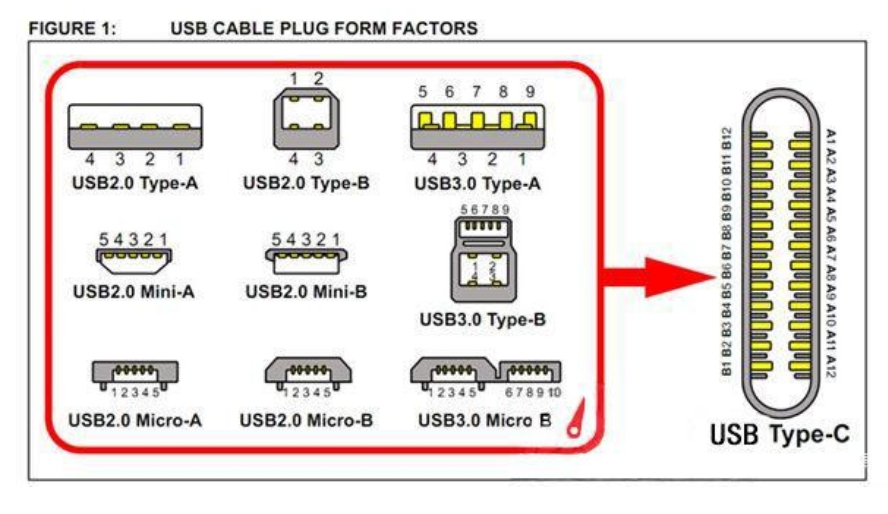
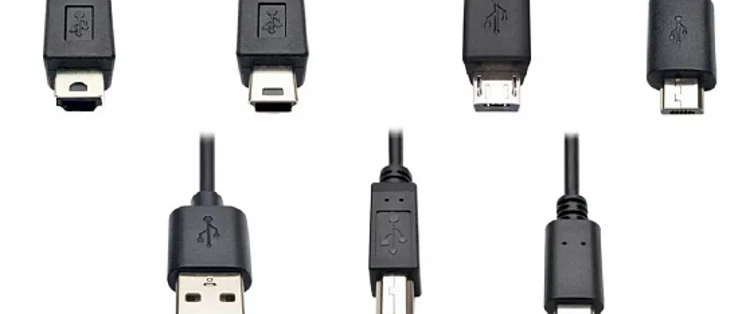
Types of USB connectors: different types of connectors with different shapes and directions, USB connectors can be separated into different types:
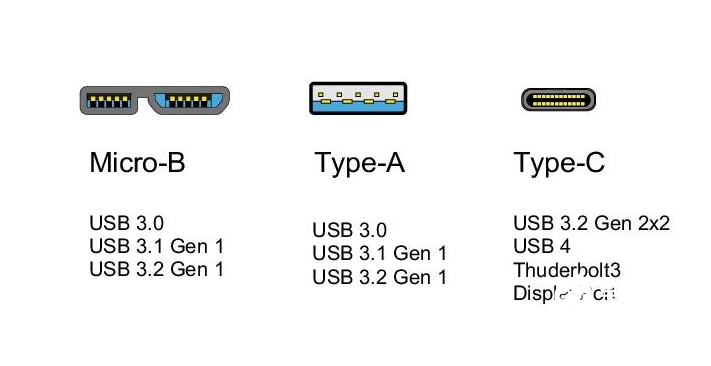
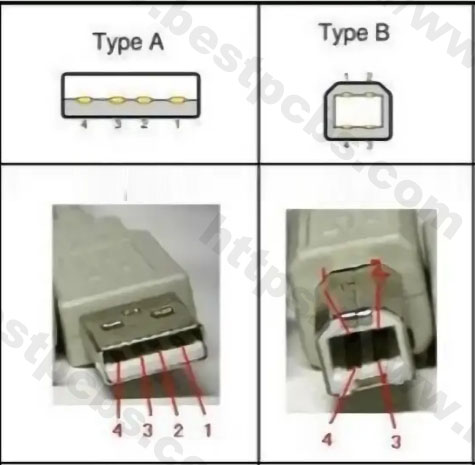
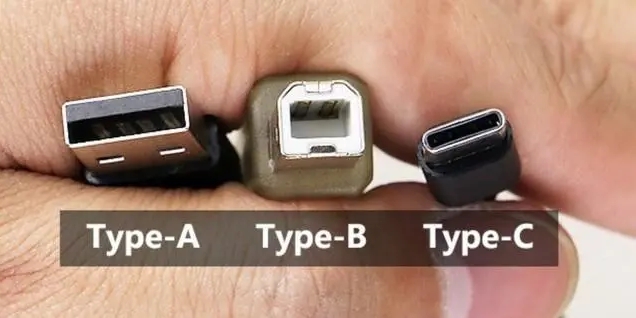
Type-A port: This is the most common type of USB port, the shape is long and rectangular, and the support is heat-resistant. Computer equipment such as printing machine, keypad, mouse button, driving device, etc. Type-A interface has USB 2.0 and USB 3.0 in different editions, among which USB 3.0 has faster speed, color is usually blue, and USB 2.0 has slow speed, color is black.

Type-B contact: Type-B contact shape is round shape, demand-specific connection. For general use, external equipment such as audio equipment, viewing equipment, etc., such as a 3.5 inch movable screen, stamping machine, display device, etc.Type-B verbal usage scene is relatively small, so this is an unusual sight in daily life.
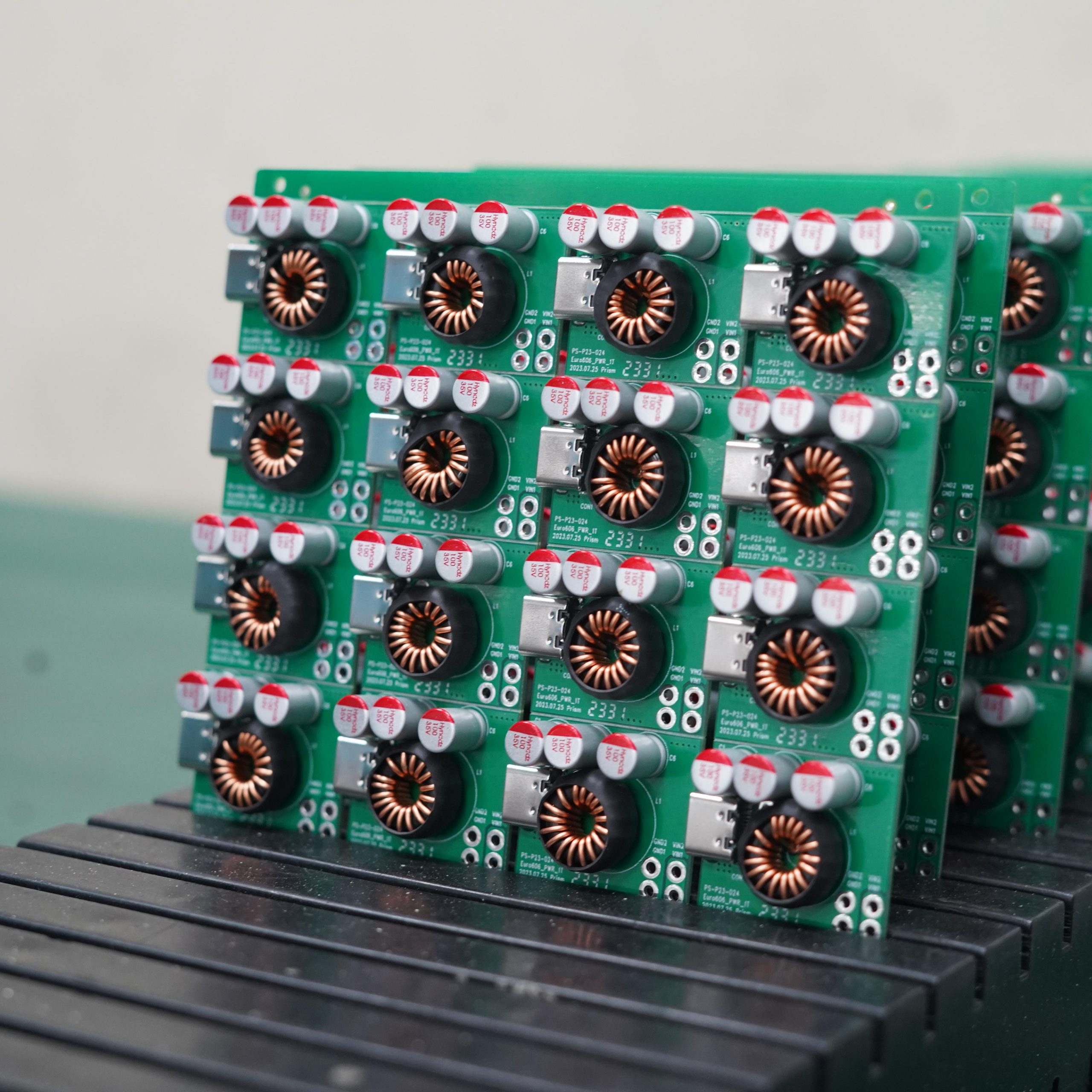
Type-C port: Type-C port is a new type of USB port that has emerged in recent years. Built-in USB 3.1, Type-C interface configuration, mainstream interface type, intelligent handheld computer, flat panel battery, notebook battery, etc. The biggest feature of the Type-C interface is its support and double-sided insertion, making it convenient and convenient to use.
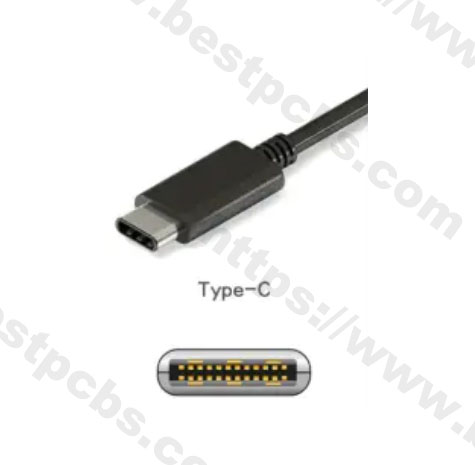

Type-C interface support further improves the speed and power of the power, and provides more advanced usage experience. Previously, when I came here, I was confused as to how to get around the main machine.

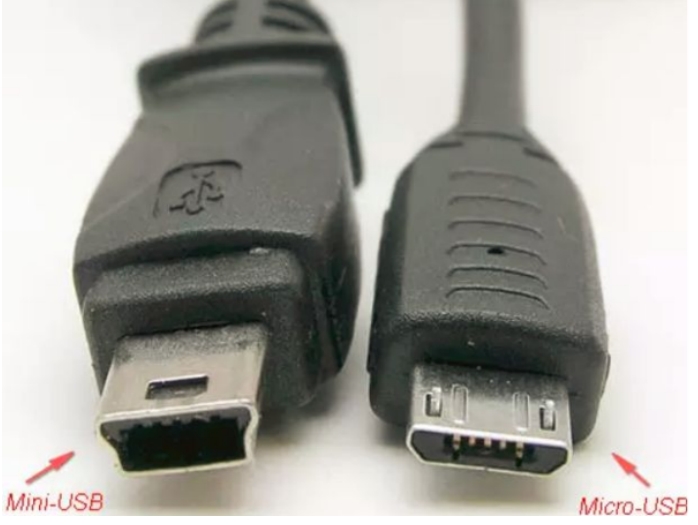
Mini USB port Micro USB port

Mini USB port Micro USB port: There are many types of ports for transfer equipment, digital reading machine, digital image machine, metering equipment, etc. Mini USB port ratio Micro USB port size is small, also known as a USB port, Micro USB port is smaller, thinner, supports OTG function, and provides a number of additional power functions. The Micro USB port is convenient and easy to use, and has various types of portability.
What functions does USB have?

  1. Power Delivery of USB Ports
    Some USB cables can deliver power as well as transfer data, but most USB cables can do both. Power delivery of USB ports is mainly divided into three categories: fast charging, quick charging, and power only.
  2. USB Data Transfer Speed
    USBs come in various sizes and shapes. Also, USB types have multiple speed standards. It is important to know that some USB cables are designed for data transfer only, while some can only deliver power. However, some USB cables can serve both purposes at the same time. Therefore, it is necessary to verify the performance of the cable before purchasing it.
  3. USB Video Transfer
    The ability of USB ports to power devices and transfer data between devices is already impressive enough. However, you can decide to integrate USB-C to connect a monitor in place of a VGA cable or HDMI. In addition, USB-C also supports 4K video transmission.
What are the advantages of USB interface?

  1. Standard uniformity. The most common ones are hard disks with IDE interfaces, mouse and keyboards with serial ports, and printers and scanners with parallel ports. However, with USB, all these application peripherals can be connected to personal computers using the same standard. At this time, there are USB hard disks, USB mice, USB printers, etc.
  2. Easy to carry. Most USB devices are known for being “small, light, and thin”, which is very convenient for users to carry large amounts of data with them.
  3. Hot-swappable. That is, when users use external devices, they do not need to shut down and restart the computer, but directly plug in the USB when the computer is working.
  4. Multiple devices can be connected. USB often has multiple interfaces on personal computers, and several devices can be connected at the same time. If a USB HUB with four ports is connected, four USB devices can be connected, and so on. You can connect all the devices to a personal computer at the same time without any problems (up to 127 devices can be connected).

How Do USB Ports Work?

USB is an external bus standard used to regulate the connection and communication between computers and external devices. The USB interface has plug-and-play and hot-swap functions. The USB interface can connect 127 peripherals, such as mice and keyboards. USB was jointly launched by Intel and other companies in 1994 and has successfully replaced serial and parallel ports since 1996. It has become a must-have interface for computers and a large number of smart devices today. For most engineers, the main obstacles to developing USB2.0 interface products are: facing the complex USB2.0 protocol, writing USB device drivers by themselves, and being familiar with microcontroller programming.
Why USB Ports Are Replacing Serial Ports

USB has three major advantages. It is superior to serial ports in several aspects.

Speed
USB ports are able to transfer data at a much faster speed. They work ten times faster than regular parallel ports. Also, they are much faster than serial ports. On average, serial ports offer a data transfer rate of 150kbps. On the other hand, USB ports offer about 12 Mbps. The data transfer rate depends on the type of USB port. For example, USB 2.0 has a maximum data transfer rate of 480 Mbps.

Compatibility
USB ports have replaced serial ports in the past few years. Various industrial devices are equipped with serial ports. This replacement has brought problems. USB ports are generally compatible with most USB devices.

Durability
USB ports are more durable than serial ports. The tiny pins on a serial port can break or bend easily. Whereas USB ports are very sturdy.

Frequently Asked Questions
The USB interface cannot be used. It may be due to a problem with the system. You need to check whether the system service is disabled or reinstall the operating system.

‌BIOS setting problem‌. If USB is disabled in BIOS or CMOS, you need to restore it to the factory default settings.

‌USB driver is not installed or the driver is deleted‌. You need to install the USB universal driver.

‌The front USB cable is not connected properly‌. Try to insert the USB flash drive into the USB interface on the back of the chassis.

‌The USB interface voltage is insufficient. When the mobile hard disk is connected to the front USB interface, it may not be recognized due to insufficient voltage. You should use a hard disk box with an external power supply or replace the power supply.

‌Compatibility issues between the motherboard and the system‌. For example, the compatibility issues between the NF2 motherboard and USB require the installation of the latest dedicated USB2.0 driver and patch.

‌System or BIOS problem‌. When USB is disabled in the BIOS or operating system, you need to enable options related to USB devices.

‌Be careful when plugging and unplugging. Do not unplug during reading and writing, otherwise the chip may be burned.

‌If the USB device is frequently disconnected‌, it may be that the USB cable connection is unstable or there is a problem with the USB port. Try changing the cable or connecting to another USB port.

‌If the USB device cannot be recognized or charged‌, make sure the device is compatible and the cable is intact. Try connecting to another computer or updating the driver.
Aluminum Printed Circuit Board DesignPrototyping

September 2nd, 2024

As a leading aluminum printed circuit boards manufacturer with over 18 years experience, we provide full turn-key service for all the world. In our aluminum base print circuit boards factories, we equipped with advanced high precision manufacturing and testing equipment to ensure the high quality and fast delivery.

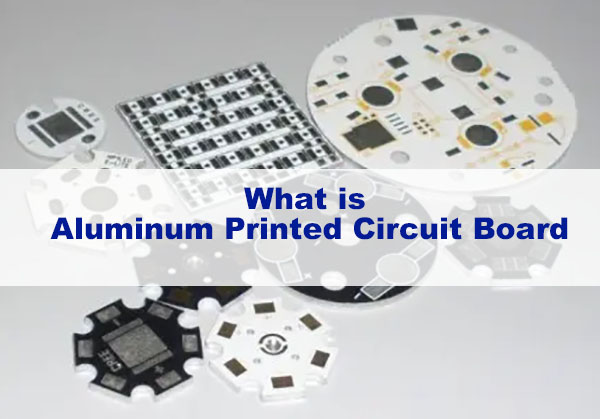
What is Aluminum Printed Circuit Board

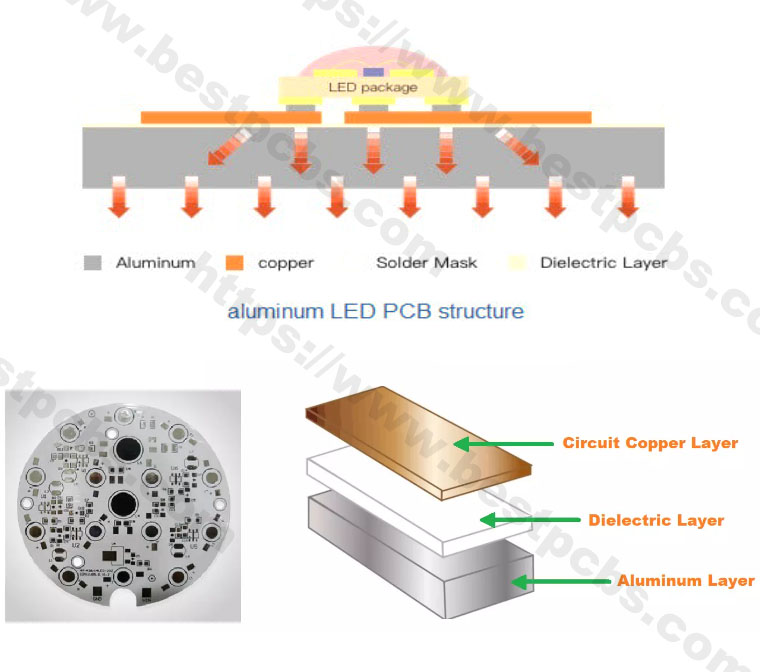
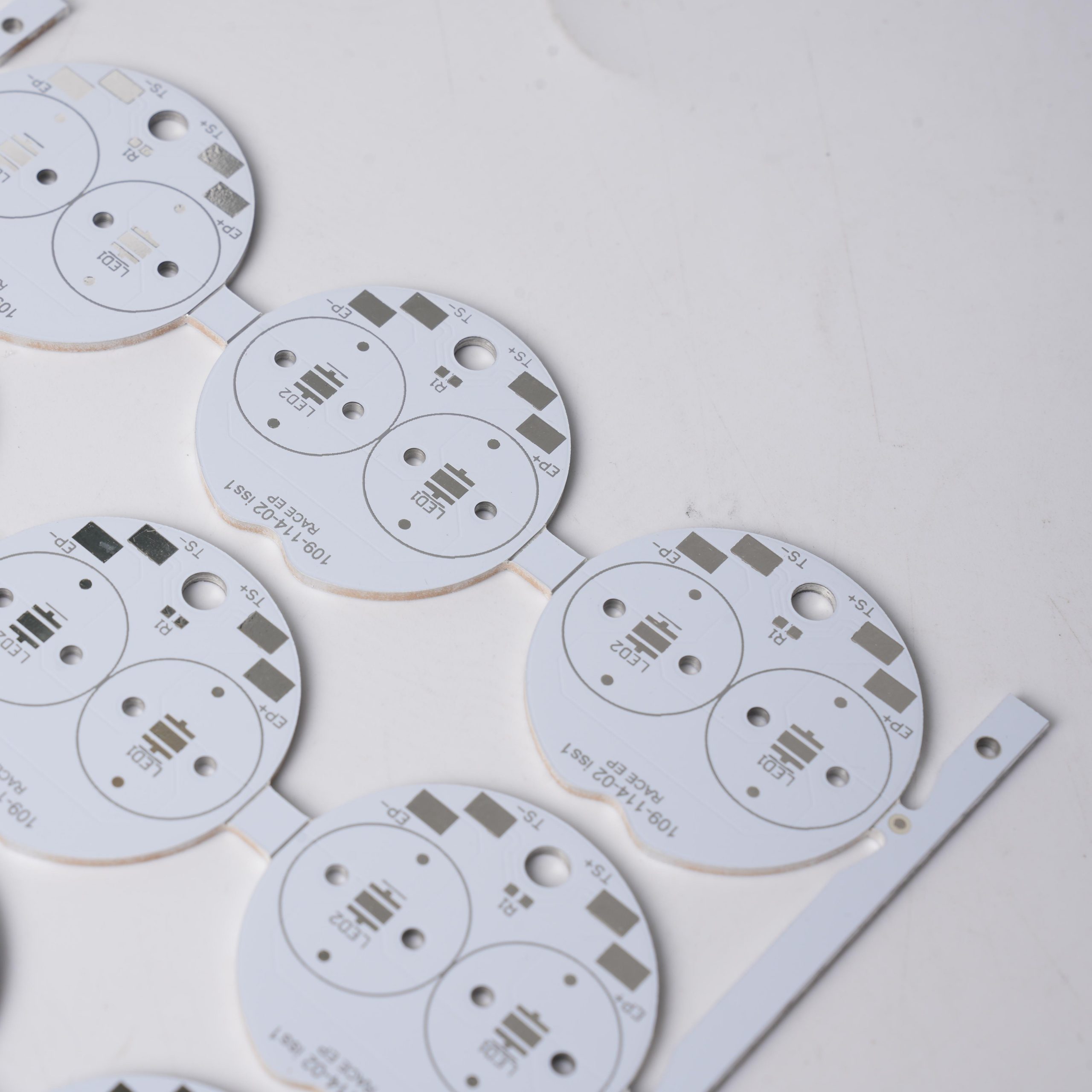
Aluminum printed circuit board is a metal-based copper-clad board with good heat dissipation function. Generally, a single-sided board consists of three layers, namely the circuit layer (copper foil), the insulation layer and the metal base layer. There are also designs for high-end use as double-sided boards, with the structure of circuit layer, insulation layer, aluminum base, insulation layer, and circuit layer. Very few applications are multi-layer boards, which can be made of ordinary multi-layer boards, insulation layers, and aluminum bases.

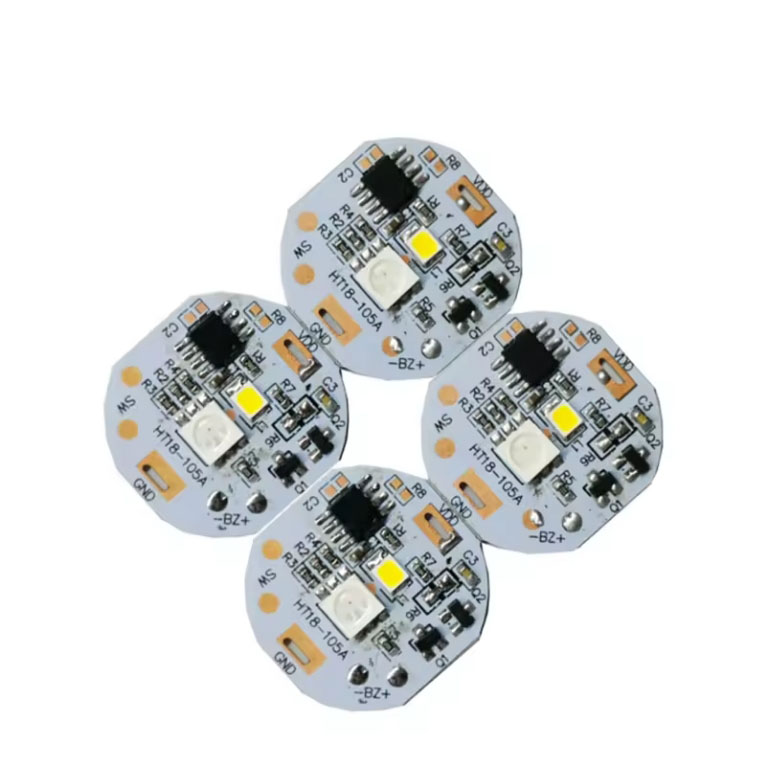
LED aluminum printed circuit boards are just circuit boards made of aluminum alloy. In the past, our general circuit boards were made of fiberglass, but because LEDs generate a lot of heat, the circuit boards used for LED lamps are generally aluminum printed circuit boards, which can conduct heat quickly. The circuit boards used for other equipment or electrical appliances are still fiberglass boards!


What are the advantages of aluminum PCB?

  1. Heat dissipation
    Many double-sided boards and multi-layer boards have high density and high power, and it is difficult to dissipate heat. Conventional printed circuit board substrates such as FR4 and CEM3 are poor conductors of heat, with insulation between layers, and heat cannot be dissipated. If local heating of electronic equipment is not eliminated, electronic components will fail at high temperatures, and aluminum printed circuit boards can solve this heat dissipation problem.
  2. Thermal expansion
    Thermal expansion and contraction are the common nature of materials, and the thermal expansion coefficients of different materials are different. Aluminum-based printed circuit boards can effectively solve the heat dissipation problem, thereby alleviating the thermal expansion and contraction problems of different materials of components on the printed circuit board, and improving the durability and reliability of the whole machine and electronic equipment. In particular, it solves the thermal expansion and contraction problems of SMT (surface mount technology).
  3. Dimensional stability
    Aluminum-based printed circuit boards are obviously much more stable in size than printed circuit boards made of insulating materials. Aluminum-based printed circuit boards and aluminum sandwich panels, heated from 30℃ to 140~150℃, have a dimensional change of 2.5~3.0%.
  4. Other advantages
    Aluminum-based printed circuit boards have a shielding effect; high strength, replacing brittle ceramic substrates; ease of use, safe use of surface mounting technology; reducing the truly effective area of ​​the printed circuit board; replacing components such as radiators, improving product heat resistance and physical properties; reducing production costs and labor.

How does an aluminum PCB work?

‌The working principle of aluminum printed circuit boards mainly relies on its unique three-layer structure: circuit layer (copper foil), insulation layer and metal base layer. This structure enables aluminum printed circuit boards to have good heat dissipation function.

Specifically, the power device is mounted on the circuit layer. When the device is running, the heat generated is quickly transferred to the metal base layer through the insulation layer, and then the metal base layer transfers the heat away, thereby achieving effective heat dissipation of the device. This design enables aluminum printed circuit boards to significantly reduce thermal resistance, provide excellent thermal conductivity, and maintain excellent mechanical properties.

Aluminum printed circuit boards also comply with RoHS requirements and are more suitable for SMT processes. In the circuit design scheme, heat diffusion is extremely effectively processed, the module operating temperature is reduced, the service life is extended, and the power density and reliability are improved. By reducing the configuration of heat sinks and other hardware, aluminum printed circuit boards can also reduce product size, reduce hardware and assembly costs, and optimize the combination of power circuits and control circuits.

Types of printed circuit board aluminum

‌The classification of aluminum printed circuit boards mainly includes flexible aluminum printed circuit boards, hybrid aluminum printed circuit boards, multi-layer aluminum printed circuit boards and through-hole aluminum printed circuit boards.
‌1. Flexible aluminum printed circuit boards ‌
Utilize flexible dielectric materials to provide excellent electrical insulation, flexibility and thermal conductivity, suitable for a variety of shapes and angles, and eliminate the need for expensive fixtures, cables and connectors.
‌2. Hybrid aluminum printed circuit boards ‌
In a “hybrid” IMS structure, “sub-assemblies” of non-thermal substances are processed independently and then bonded to an aluminum substrate using thermal materials. Common structures are 2-layer or 4-layer sub-assemblies made of FR-4, bonded to an aluminum substrate with thermal dielectrics, which helps dissipate heat, improve rigidity and act as a shield.
‌3. Multi-layer aluminum printed circuit boards ‌
In the high-performance power supply market, it is made of multi-layer thermally conductive dielectrics, with one or more layers of circuits buried in the dielectric, and blind holes are used as thermal vias or signal paths to provide effective heat dissipation solutions for complex designs.
‌4. Through-hole aluminum printed circuit boards‌
Before lamination, the aluminum is plated and filled with dielectric, thermal materials or sub-components are laminated to both sides of the aluminum using thermal bonding materials, and plated through holes pass through the gaps in the aluminum to maintain electrical insulation.

Aluminum PCB Structure

  1. Circuit layer
    The circuit layer (generally electrolytic copper foil) is etched to form a printed circuit for assembly and connection of devices. Compared with traditional FR-4, with the same thickness and line width, aluminum printed circuit boards can carry higher currents.
  2. Insulation layer
    The insulation layer is the core technology of aluminum printed circuit boards, which mainly plays the role of bonding, insulation and heat conduction. The insulation layer of aluminum printed circuit boards is the largest thermal barrier in the power module structure. The better the thermal conductivity of the insulation layer, the more conducive it is to the diffusion of heat generated by the device during operation, and the more conducive it is to reduce the operating temperature of the device, thereby achieving the purpose of increasing the power load of the module, reducing the volume, extending the life, and increasing the power output.
  3. Metal base
    The type of metal used for the insulated metal substrate depends on the comprehensive consideration of the thermal expansion coefficient, thermal conductivity, strength, hardness, weight, surface state and cost of the metal substrate.

Aluminum Printed Circuit Board Process

Material: Aluminum printed circuit board is a heat dissipation material with excellent thermal conductivity. Aluminum alloy materials with high thermal conductivity, high strength and good corrosion resistance are usually selected. Choosing the right substrate material has a very important influence on the stability and heat dissipation performance of aluminum printed circuit boards.

‌Cutting‌: Cut the substrate into plates of appropriate size and into the shape of the entire circuit board. Cutting methods include laser cutting, mechanical cutting, etc. After cutting, it needs to be polished to meet the requirements of the next drilling.

Grinding‌: Grinding is to form a smooth surface on the substrate material and facilitate the next drilling operation. Factors affecting the grinding effect include the type and accuracy of the tool, the type and concentration of the grinding fluid, the pressure, etc.

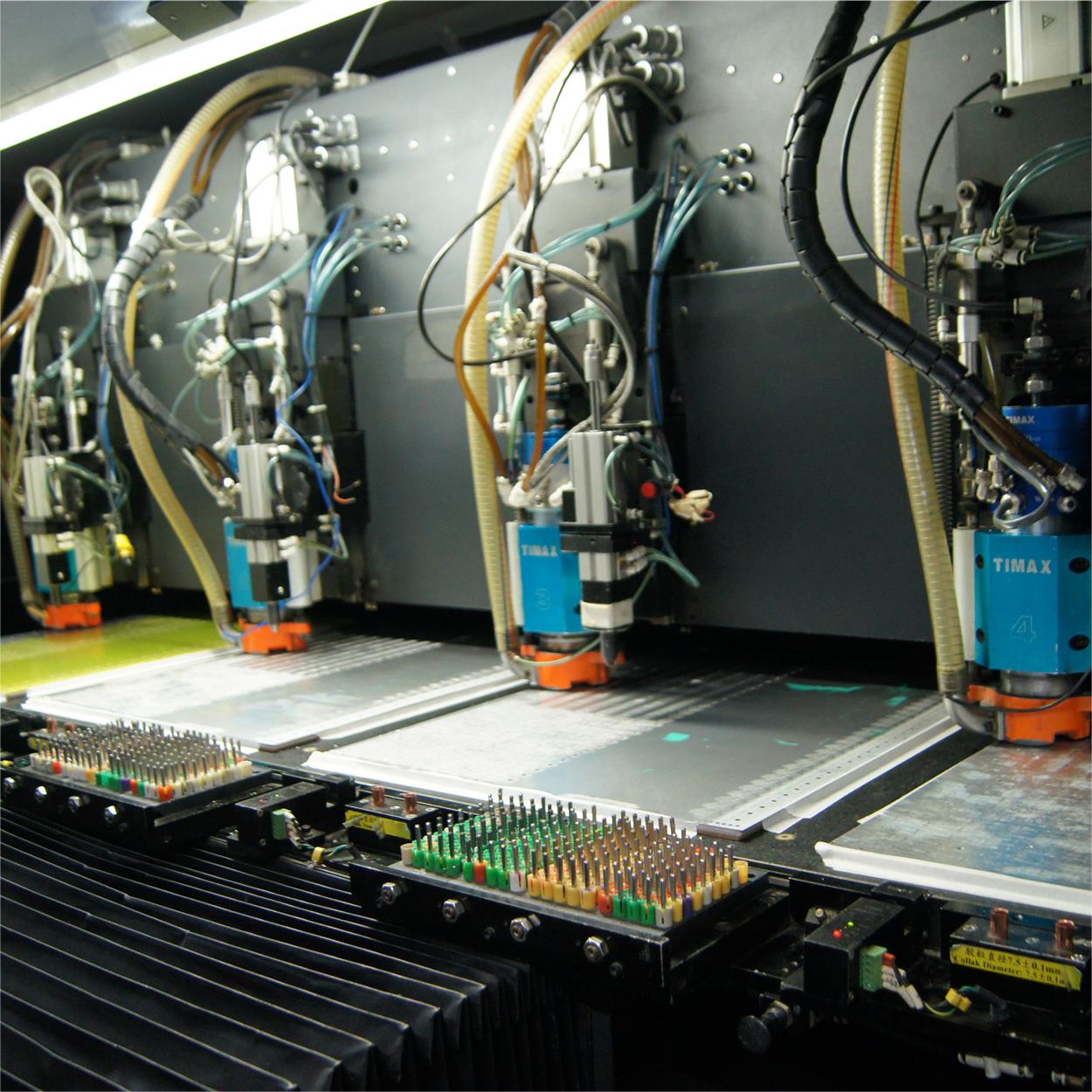
Drilling‌: Drilling is to form wiring holes for components on the circuit board. Most of them are now using CNC drilling machines, which can make the drilling accuracy higher. Factors affecting the drilling quality include the material and geometric characteristics of the drill bit, the drilling speed, the drilling depth, and the drilling position accuracy.

Chemical treatment: Chemical treatment is an extremely important step in the manufacturing process of aluminum printed circuit boards. The appropriate circuit layer structure is prepared by etching, copper plating, surface treatment and other methods. This step requires strict control of parameters such as the concentration, temperature and time of the corrosive agent and electrolyte to obtain the required surface structure and quality.

Copper plating: Copper plating is to form a copper layer that connects the circuit and the ground wire, usually using methods such as chemical copper plating. Adverse factors of copper plating include uneven copper layer, excessive roughness, pinholes, and deformation of the copper layer.

Welding: Welding is a necessary step to directly solder electronic devices to aluminum printed circuit boards. Welding methods include manual welding and automated welding. During the welding process, the welding temperature, time and welding quality need to be strictly controlled to ensure reliable solder joints.

What is the thermal conductivity of aluminum PCB?

‌‌The thermal conductivity of aluminum printed circuit boards refers to the amount of heat transferred by a material per unit time and per unit area, usually expressed in W/m·K. The difference between 1.0, 1.5, and 2.0 thermal conductivity.

‌1.0 W/m·K‌: The insulation layer of the general-purpose aluminum-based copper-clad laminate is composed of an epoxy glass cloth bonding sheet, which is suitable for the heat dissipation needs of general electronic products.
‌1.5 W/m·K‌: The insulation layer of the high-heat dissipation aluminum-based copper-clad laminate is composed of a high-thermal-conductivity epoxy resin or other resin, which is suitable for occasions requiring higher heat dissipation performance.
‌2.0 W/m·K‌: The insulation layer of the aluminum-based copper-clad laminate for high-frequency circuits is composed of a polyolefin resin or polyimide resin glass cloth bonding sheet.

What is the difference between aluminum PCB and FR4?

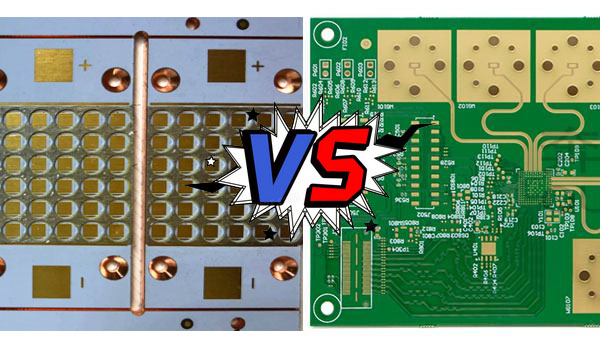
The main differences between aluminum printed circuit boards and FR-4 circuit boards are materials, thermal conductivity, mechanical properties, cost, and application areas. ‌

  • Materials‌:
    Aluminum printed circuit boards are mainly composed of aluminum alloys, and the surface is usually coated with an insulating layer with good thermal conductivity, such as aluminum oxide (Al2O3).
    The substrate of FR-4 circuit boards is a glass fiber reinforced epoxy resin, which is formed by impregnating glass fiber cloth with epoxy resin to form a composite material.
  • Thermal conductivity‌:
    Aluminum printed circuit boards have good thermal conductivity and are suitable for applications with high heat dissipation requirements, such as LED lighting and electronic power supplies.
    FR-4 circuit boards have relatively poor thermal conductivity and are usually used in general electronic devices, not suitable for scenarios with high heat dissipation requirements.
  • Mechanical properties‌:
    Aluminum printed circuit boards are relatively hard and have good mechanical properties, and are suitable for applications that require a certain mechanical strength.
    FR-4 circuit boards are relatively soft and easy to process, but may not be as good as aluminum printed circuit boards in terms of mechanical strength.
  • Cost‌:
    Due to the high manufacturing process and material costs of aluminum printed circuit boards, the cost of aluminum printed circuit boards is relatively high.
    FR-4 circuit boards have relatively low manufacturing processes and material costs, and are usually an affordable choice.
  • Application areas:
    Aluminum printed circuit boards are mainly used in applications that require good heat dissipation performance, such as LED lamps, power modules, automotive electronics, etc.
    FR-4 circuit boards are suitable for general electronic products, such as computer hardware, communication equipment, consumer electronics, etc.

What are aluminum PCBs used for?

  1. Audio equipment: input and output amplifiers, balanced amplifiers, audio amplifiers, preamplifiers, power amplifiers, etc.
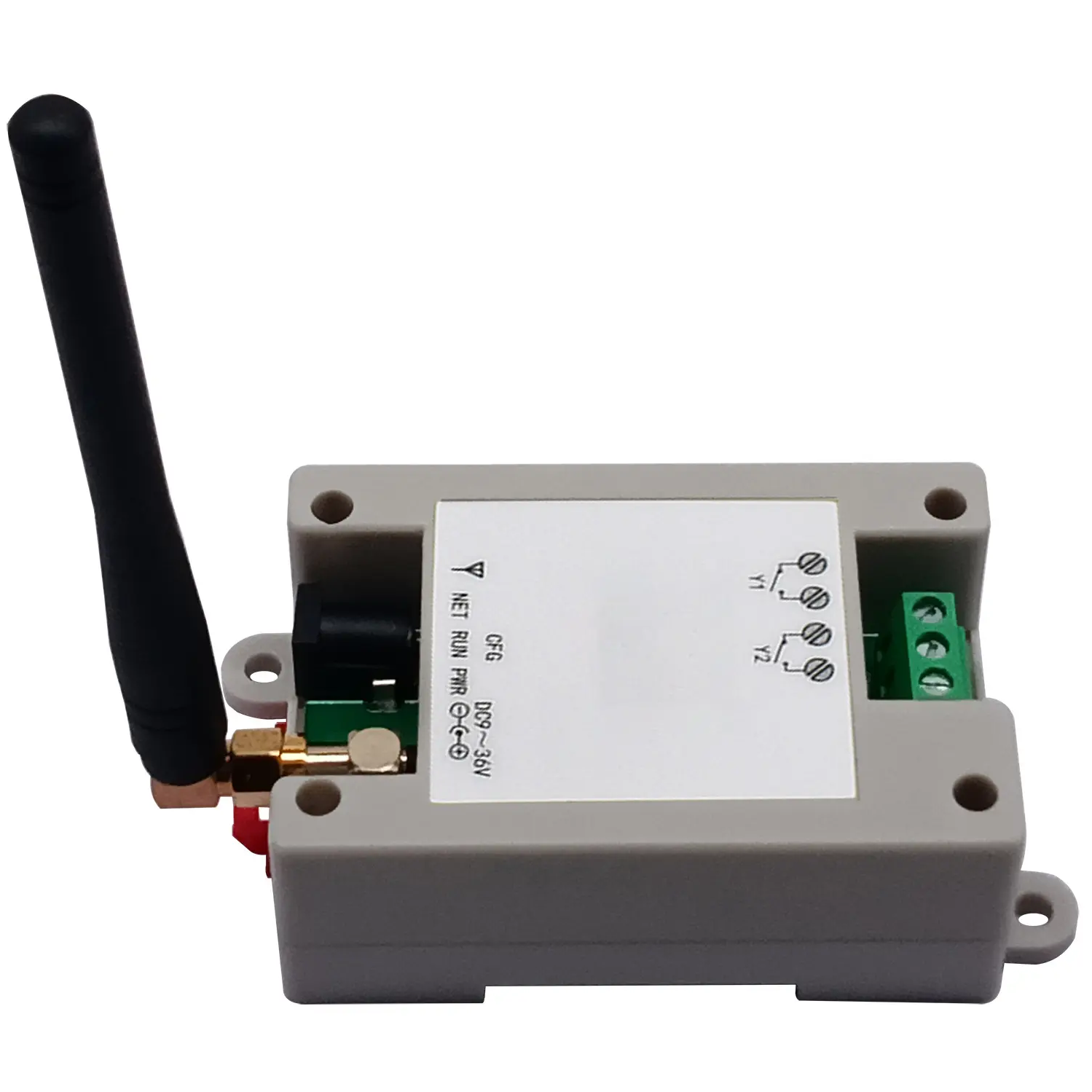
  2. Power supply equipment: voltage stabilizers, regulators, DC-AC adapters, etc.
  3. Communication electronic equipment: high-frequency amplifiers, filter appliances, and transmission circuits.
  4. Office automation equipment: motor drivers, etc.
  5. Computers: power supply devices, floppy disk drives, motherboards, etc.
  6. Power modules: inverters, solid-state relays, rectifier bridges, etc.
  7. Electronic control: relays, transistor bases, and cooling of components in various circuits;
  8. Switches, microwaves: radiators, semiconductor device insulation heat conduction, motor controllers;
  9. Industrial vehicles: igniters, voltage regulators, automatic safety control systems, and lighting conversion systems;
  10. LED displays (two modes: LED display; display using LED light sources)
  11. Lamps and lighting: With the promotion of energy-saving lamps, various energy-saving and gorgeous LED lamps are very popular in the market, and aluminum printed circuit boards used in LED lamps have also begun to be used on a large scale.

Aluminum printed circuit boards supplier

As a leading aluminum printed circuit boards manufacturer with over 18 years experience, we provide full turn-key service for all the world. In our aluminum base print circuit boards factories, we equipped with advanced high precision manufacturing and testing equipment to ensure the high quality and fast delivery

EBest Circuit (Best Technology) specializes in providing prototyping service of customized aluminum PCB solutions to meet the diverse needs of our clients. To make sure the one-time success of pcb prototyping, we proceed SI, PI, EMC, DFM analysis during the production. We are committed to be the most reliable aluminum printed circuit boards supplier in the world!

What is the use of relay in power system?

August 30th, 2024

Relays in power systems are important components that play a vital role in controlling circuits. The core of a relay is an electric switch that can automatically or manually open or close a circuit according to the design. Relays are commonly used in a variety of applications, from small electronic devices to large power systems, and they provide a reliable way to control high-power circuits using low-power signals.

What is relay?

Relay refers to a transfer device in a circuit that controls the switch through the electromagnetic principle to achieve the purpose of automatic control. In power systems, relays can control the switch of circuits by detecting changes in parameters such as current and voltage to achieve protection and control of the system.

What is the use of relay in power system?

The basic working principle of a relay is to use the electromagnetic effect to control the on and off of mechanical contacts. When the coil with an iron core is energized, the coil current generates a magnetic field, which attracts the armature to move, thereby opening and closing the contacts.

Why would you need a relay?

The reasons for needing a relay mainly include safety isolation, remote control, timing or delay control, protection equipment, signal conversion, etc. ‌

1. ‌Safety isolation‌: When a low-voltage device (such as a microcontroller or sensor) is used to control a high-voltage device, the relay can act as an isolation layer to ensure safe operation.

2. ‌Remote control‌: When a device needs to be controlled at a longer distance or in a longer environment, the relay can transmit and amplify the signal to achieve remote control.

3. ‌Timing or delay control‌: When a device needs to be started or shut down at a specific time or after a delay, the relay can achieve timing or delay control.

4. ‌Protective device‌: As a protective device, the relay can prevent the device from being affected by faults such as overload and short circuit.

5. ‌Signal conversion‌: When one signal needs to be converted to another, the relay can perform signal conversion, such as converting an analog signal to a digital signal, or converting a wireless signal to a wired signal.

In addition, relays have the advantages of high reliability, long life, and low power consumption, which can improve the safety and stability of the equipment. Therefore, relays are indispensable and important components in automated control circuits, remote control, telemetry, communication, automatic control, mechatronics and power electronic equipment.

What is the main function of a relay?

The main functions of relays include amplifying signals, realizing remote control, protecting circuits, realizing logical control and improving system reliability and stability. ‌

‌Amplifying signals‌: Relays can convert weak control signals into stronger control signals. Because the contact capacity of relays is large, they can control loads with large currents and high voltages.

‌Remote control‌: Through input signals, relays can control the switch state of load equipment at a distance and realize the function of remote control.

What is the use of relay in power system?

‌Protect circuit‌: Relays have overload protection and short-circuit protection functions. When abnormal conditions occur in the circuit, such as overload, short circuit, etc., the relay can automatically cut off the power supply to prevent the fault from expanding and protect the safety of circuits and equipment.

‌Realize logical control‌: Relays can realize complex logical control through multiple sets of normally open and normally closed contacts, and are widely used in automation control systems, industrial control and other fields.

‌Improve the reliability and stability of the system ‌: Relays have high stability and reliability, which can reduce the failure rate in the system and improve the stability and reliability of the entire system.

In addition, relays also have isolation functions, which can protect the control circuit from the influence of the external environment and prevent electric shock accidents, which is very useful in some occasions with high safety requirements. ‌

What is the difference between a switch and a relay?

Switches and relays have significant differences in function, application, structure and usage scenarios. ‌

1. ‌Function and application‌

Switches are mainly used to connect and disconnect circuits, while relays are mainly used to control the on and off of circuits to achieve protection and control of circuits.

Switches can be regarded as a basic electrical component used to simply connect or disconnect circuits, while relays control the on and off of large currents by controlling small currents in the circuit to achieve remote control or automatic control‌.

2. ‌Structure and design‌

The contacts of switches may be small and are generally used to control small currents. In contrast, the contact switches of relays are larger and can be used to drive larger loads.

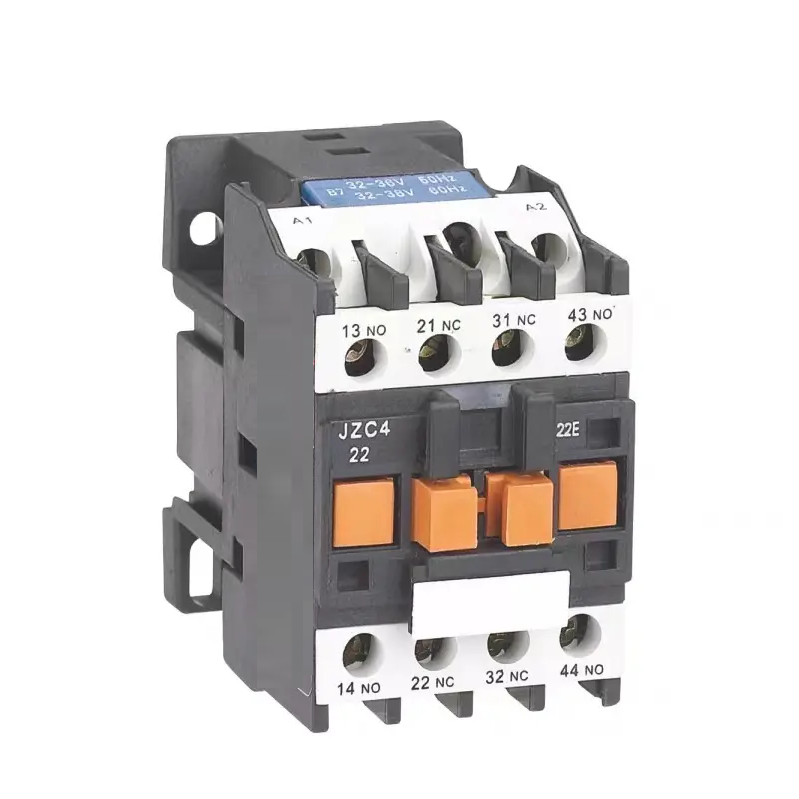
Contactors generally have arc extinguishing devices, while relays do not. This shows that relays and switches are different in design and application. Relays are more suitable for use in control circuits, while switches are used in main circuits.

3. Use scenarios

Switches are usually used to directly control the on and off of the main circuit, such as motor start-up, shutdown control, etc. Relays are more used in auxiliary circuits, such as the on and off of the control circuit, or after power is on or off, the on and off of the circuit is controlled by the change of position state, or the output node is given to other circuits.

Although switches and relays both play important roles in electrical systems, they have obvious differences in design, function and purpose. Switches are mainly used for simple circuit on and off operations, while relays are more used for the protection and control of control circuits, controlling the on and off of large currents by small currents, and realizing remote control or automatic control.

What is a relay vs fuse?

Fuses and relays play different roles in automotive circuits and have obvious differences. ‌

What is the use of relay in power system?

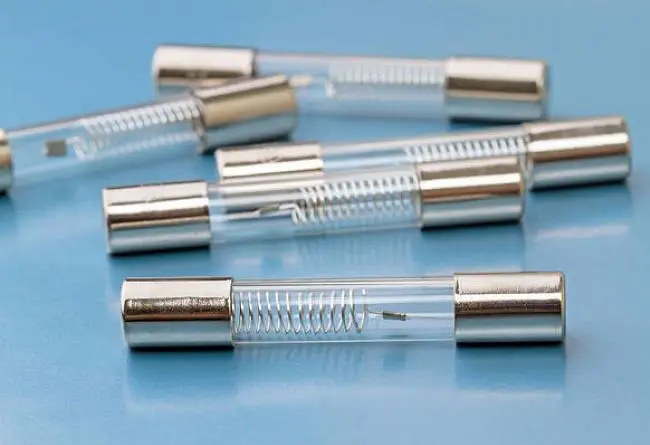
‌Fuse‌ is a non-resettable one-time thermal protection device, mainly used for overload protection. When a circuit fails or is abnormal, the current continues to increase. The increased current may damage some important components in the circuit, burn the circuit, or even cause a fire.

The function of the fuse is to disconnect the power supply of the electrical equipment on the vehicle when a short circuit or overload occurs, so as to protect other electrical appliances and lines.

The relay is an automatic control device. When the input (electricity, magnetism, sound, light, heat) reaches a certain value, the output will change in a jump-like manner. Relays are mainly used for overload protection. They control larger currents with smaller currents, and play the role of automatic adjustment, safety protection, and circuit conversion.

The working principle of the relay is to generate a magnetic field through the electromagnet coil, magnetize the iron core, attract it to the magnetic pole of the electromagnet, and then drive the contacts to close or open, so as to realize the switch control of the circuit.

In short, the function of the fuse is to cut off the current automatically when the current abnormally rises to a certain height and heats up, so as to protect the safe operation of the circuit; while the relay protects the circuit and electrical equipment from the influence of overload, short circuit and other faults by controlling the circuit, and at the same time improves the reliability of the circuit operation.

Conclusion:

As technology continues to evolve, relays become more sophisticated and in a world where the demand for power is increasing and the need for reliable power systems is more important than ever, relays will continue to play a vital role in ensuring our power systems remain safe, efficient, and more.

What are the advantages and disadvantages of PCB board?

August 30th, 2024

PCB is an important component of electronic equipment and comes in many types. Before the advent of printed circuits, electronic components were soldered together by hand, which led to manufacturing errors and resulted in bulky products with complex internal connections due to the large number of wires required.

Developments in printed circuit technology have facilitated more efficient and reliable design and manufacturing of electronic products, allowing for the precise arrangement of electronic components on small, compact circuit boards.

What are the advantages of PCB?

‌Miniaturization and lightweight‌: As consumer electronics products increasingly pursue portability and compact design, thin PCBs have become a key factor in achieving device miniaturization, which can significantly reduce the thickness and weight of the device, making the product more in line with modern aesthetics and use. Habit.

‌Improved heat dissipation performance‌: Thin PCB has a smaller heat capacity, which helps to quickly dissipate the heat generated by electronic components, thus improving the overall heat dissipation efficiency of the device‌.

‌Reduced production costs‌: Thin PCBs require relatively less raw materials during the manufacturing process, and coupled with the possible reduction in the number of assembly layers, the material cost per unit area is reduced.

‌Adapt to high-speed signal transmission‌: Due to its low dielectric loss, thin PCB can effectively reduce signal transmission delay, improve signal integrity, and meet the needs of high-speed data transmission‌.

What are the advantages and disadvantages of PCB board?

‌High-density integration capability‌: PCB multi-layer boards allow for higher-density circuit layouts in a limited space. By arranging conductive paths and components between multiple layers, the size of the circuit board can be greatly reduced and electronic equipment can be improved. overall performance‌.

What are the disadvantages of PCB?

‌Mechanical strength problem‌: The mechanical properties of thin PCB are relatively weak, and it is easy to deform or break due to improper stress during assembly, transportation and even daily use‌.

‌Increased processing difficulty‌: Thin PCBs place higher requirements on the production process. Processes such as drilling, etching, and lamination need to be precisely controlled to prevent problems such as warping and breakage of thin plates‌.

‌Electromagnetic compatibility challenges‌: Thin PCB may increase parasitic capacitance and inductance, affecting the electromagnetic compatibility of the circuit‌.

‌Higher manufacturing costs‌: The manufacturing process of multi-layer boards involves complex processes such as multiple laminations, drilling, and electroplating, resulting in relatively high production costs.

Long production cycle: Due to the complex production process of multi-layer boards, the production cycle is usually longer than that of single-layer or double-layer boards, which may affect the product’s time to market and market competitiveness.

As an indispensable basic material in electronic manufacturing, PCB has the advantages of high reliability, high precision, and small size, but it also has disadvantages such as design and cost restrictions. When choosing to use PCB, you need to comprehensively consider its advantages and disadvantages as well as specific application scenarios.

What are the limitations of PCB?

The limitations of PCB (Printed Circuit Board) mainly include the difficulty of design and manufacturing, complex testing and troubleshooting, and environmental impact. ‌

‌Design and manufacturing are difficult‌: Designing multi-layer PCBs requires highly specialized knowledge and software tools to ensure signal integrity and optimization of power distribution.

‌Complex testing and troubleshooting‌: Due to the complexity of the multi-layer structure, once a failure occurs, it becomes more difficult and time-consuming to locate and repair the problem.

‌Environmental impact‌: Special chemicals and precious metals may be used in the production process of high-end multi-layer PCBs. If not handled properly, they may have a certain impact on the environment.

These limitations have put forward higher requirements for the design, manufacturing, testing and use environment of PCB, which require comprehensive consideration and optimization in terms of technology, cost, environmental protection and other aspects.

Why do PCB boards fail?

1. ‌Improper design‌

Including unreasonable PCB board design, improper part orientation design, automatic plug-in bent legs, etc. These problems may lead to short circuit faults, and the part orientation or design needs to be modified to avoid short circuits.

2. ‌Poor manufacturing‌

Problems during the manufacturing process, such as solder joint problems, damaged pads, improper installation of components, etc. These problems will affect the reliability of the welding and cause the circuit board to deform or crack.

3. Poor usage environment

PCB boards are affected by the environment, such as extreme temperature changes, excessive humidity, high-intensity vibration, etc., which may cause damage to the PCB board and affect its performance and reliability.

4. ‌Other reasons

It also includes circuit board aging, design defects, manufacturing process problems, etc., such as metal components on the circuit board reacting with oxygen, causing oxidation, or assembly deviations during the manufacturing process causing component position deviation, etc.

What can damage a PCB?

Factors that damage PCB (Printed Circuit Board) mainly include physical damage, chemical corrosion, electrochemical corrosion, electrostatic discharge, humidity and moisture, temperature changes, etc. ‌

1. ‌Physical damage‌: including vibration, falling, hitting, and stacking, which may cause PCB deformation and cracks, leading to circuit breakage or short circuit‌.

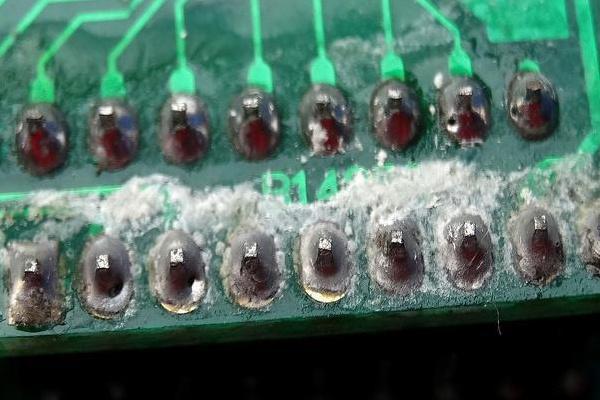
2. Chemical corrosion: The PCB surface may be exposed to chemicals, such as acids, alkalis or other corrosive solutions, causing corrosion.

What are the advantages and disadvantages of PCB board?

3. ‌Electrochemical corrosion‌: When there is a potential difference between different metal components, a battery is formed in a humid environment, which accelerates the corrosion of one of the metals. This is called electrochemical corrosion‌.

4. ‌Electrostatic discharge‌: Electrostatic discharge is the invisible killer of PCB. It can generate thousands of volts in an instant, which is enough to damage the components on the PCB‌.

5. Humidity and moisture: Extreme temperatures or temperature changes, as well as moisture in the air, can cause PCB board damage, such as deformation, short circuit, corrosion and other problems.

6. ‌Temperature changes‌: Temperature changes can also cause solder joints, substrate materials and even casings to crack. If the circuit is going to be exposed to high temperatures, you may need to choose components that can withstand higher temperatures‌.

What is the lifespan of a PCB?

There is no fixed international standard for the service life of PCB, and its specific life span depends on many factors. ‌

‌Materials and manufacturing processes‌: The materials and manufacturing processes of the PCB board have a decisive impact on its service life. PCB boards made of different materials and processes have different service lives.

‌Normal use and maintenance‌: Under normal use and no damage, the life of the circuit board itself is quite long. Manufacturers usually give a lifespan indicator of about 5 years, but this does not mean that the circuit board cannot be used after 5 years. In fact, as long as a circuit board is properly maintained and maintained, it can last for decades‌.

‌Lifetime under specific conditions‌: For PCBs containing OSP parts, the vacuum seal is valid for up to 3 months. For non-OSP PCBs, if the storage period exceeds 6 months but is less than one year, the chip factory will bake them before producing them; if the storage period exceeds one year, they will be scrapped. Boards opened during production should be used within 24 hours.

The service life of PCB is not a fixed value, but depends on the specific situation. With proper design, manufacturing, use and maintenance, the life of a PCB can be significantly extended‌.

What are the dangers of PCB?

The wastewater generated during the PCB manufacturing process contains heavy metals (such as copper, nickel, lead, etc.) and organic matter. If these pollutants are discharged without proper treatment, they will cause serious pollution to the environment.

What are the advantages and disadvantages of PCB board?

In electronic products, common defects in PCB boards include open circuits, short circuits, false soldering, solder beads, and substrate warping. These defects can cause electronic products to fail to work properly or even fail completely.

PCB circuit boards play a vital role in the manufacture of modern electronic devices. They are widely adopted for their high reliability, compactness, and high scalability. When choosing to use PCB circuit boards, you need to consider their advantages and disadvantages and make a wise decision based on the needs of the specific project.

BEST Technology has been deeply involved in the circuit board industry for many years and has many solutions for various PCB problems. You can find us for all your PCB problems.

What is solder paste? What is its function?

August 29th, 2024

What is the role of solder paste? Electronic devices have been deeply integrated into our daily lives. Whether it is mobile phones, tablets or household appliances, they are inseparable from electronic components. How are these components accurately soldered to the circuit board? The answer lies in surface mount technology (SMT) and the important material it uses – solder paste.

In the process of SMT patch processing, solder paste is an indispensable and important material. The quality and use method of solder paste directly affect the welding effect and the performance of the final product.

What is the composition of solder paste?

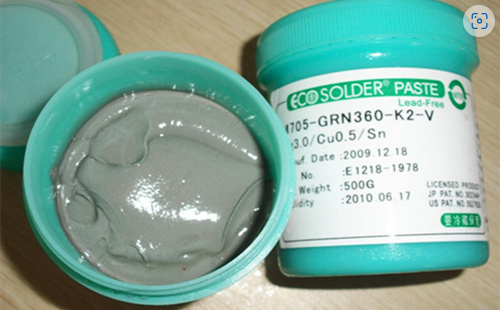
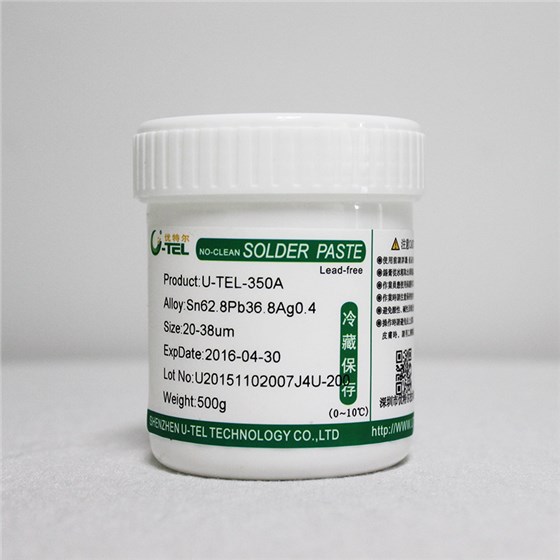
Solder paste is a complex mixture of multiple components, and its main components include metal powder, flux and solvent.

What is solder paste? What is its function?

The metal powder in solder paste is usually composed of metal alloys such as tin, silver and copper. The particle size and distribution of metal powder have a direct impact on the welding effect. The smaller the particle size, the more uniform the distribution, and the better the welding effect.

At the same time, the composition of the metal alloy also determines the mechanical strength and electrical properties of the solder joint.

Flux is another important component in solder paste. Its main function is to remove oxides on the welding surface and improve the wettability and reliability of welding.

The type and formula of flux directly affect the melting state and solder joint quality during the welding process. Common fluxes include rosin-based flux, organic acid flux and halogen-free flux.

Solvents are used to adjust the viscosity and printing performance of solder paste. Appropriate viscosity can ensure that the solder paste is evenly distributed during the printing process without problems such as drawing and collapse. The evaporation rate of the solvent will also affect the drying time and welding performance of the solder paste.

What is the role of solder paste in SMT patches?

In the SMT (surface mount technology) patch processing process, solder paste plays a vital role. It is not only used to bond components, but also the key to ensure the quality of electrical connections and mechanical strength.

1. Bonding components

One of the main functions of solder paste is to bond components. After the solder paste is accurately printed on the pads of the PCB (printed circuit board), the pins or contact points of the electronic components will be placed on the solder paste. The solder paste melts during the reflow soldering process to form a strong bond, ensuring that the components are stably attached to the PCB.

2. Provide electrical connection

Solder paste melts during the reflow soldering process and forms metal solder joints, which not only bond components but also provide electrical connections. Good electrical connections ensure the effective transmission of electrical signals on the PCB, which is the basis for ensuring the normal operation of electronic equipment.

The solder joints formed by the metal components (such as tin, silver, and copper) in the solder paste after melting have excellent conductivity, ensuring the reliability and stability of electrical connections.

3. Ensure mechanical strength

The mechanical strength of the solder joints is the key to ensuring the stable operation of electronic components in various environments. The solder joints formed by the solder paste after reflow soldering have sufficient mechanical strength to resist external stresses such as vibration, impact, and thermal expansion and contraction. This not only protects the components and PCB, but also improves the reliability and service life of the entire electronic equipment.

Is solder paste the same as flux?

Solder paste and flux are not the same. ‌

Although both solder paste and flux are materials used in the welding process, their functions and uses are different.

Solder paste is a paste-like viscous body, the main components of which include metal powder, rosin, organic acid, thixotropic agent, and activator, and is used for welding in SMT automatic mounting process.

Flux is a liquid, a mixture with rosin as the main component, which is used to remove oxides on the surface of solder and the base material to be welded, so that the metal surface reaches the necessary cleanliness, prevents the surface from re-oxidation during welding, reduces the surface tension of the solder, and improves welding performance.

In general, although both solder paste and flux are indispensable materials in the welding process, they have obvious differences in form, function, and usage.‌

What is the storage method of solder paste?

The correct storage method can extend the service life of the solder paste and ensure its stable performance.

1. Temperature control

Solder paste should be stored in a low temperature environment, usually 0-10℃. Excessive temperature will cause the solvent in the solder paste to volatilize, affecting its viscosity and printing performance. Avoid direct sunlight and high temperature environment during storage to prevent the solder paste from deteriorating.

2. Humidity control

Humidity has a great impact on solder paste. Excessive humidity will cause the solder paste to absorb moisture, affecting its printing performance and welding quality. The relative humidity of the storage environment should be controlled below 50% to ensure the stability of the solder paste.

3. Sealed storage

The solder paste should be stored in a sealed container to prevent oxygen and moisture from entering the air. The solder paste after opening should be used up as soon as possible, and the unused solder paste should be resealed and stored in a low temperature environment.

How to use solder paste correctly?

1. Reheating treatment

The solder paste stored in a low temperature environment should be reheated before use. The reheating time is usually 4-8 hours. During the reheating process, it should be avoided to be directly exposed to a high temperature environment to prevent the solvent in the solder paste from volatilizing. The solder paste after reheating should be fully stirred to ensure that the metal powder and flux are evenly distributed.

2. Printing process

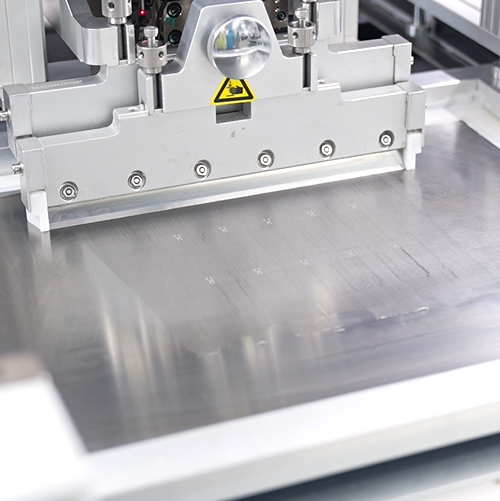
Solder paste printing is a key process in SMT patch processing. During the printing process, the scraper pressure, printing speed and template opening size should be controlled to ensure that the solder paste is evenly distributed on the pad. The printed solder paste should have a good shape and should not have problems such as drawing and collapse.

3. Solder paste reflow

The solder paste reflow process is the process of melting the solder paste and forming a firm solder joint with the pad and component pin. The temperature curve should be controlled during the reflow soldering process to ensure that the solder paste melts at an appropriate temperature and fully wets the pad and pin. Too high or too low reflow temperature will affect the welding quality.

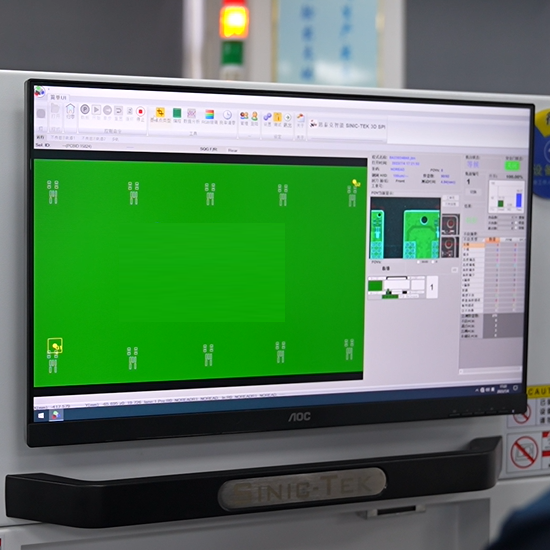
4. Solder joint detection

The quality of the solder joint is an important indicator for evaluating the welding effect. After the welding is completed, the solder joint detection should be carried out to check the shape, size and wettability of the solder joint. Qualified solder joints should have a smooth and complete surface without defects such as solder balls and cold solder joints.

What is solder paste? What is its function?

Conclusion:

Solder paste plays a vital role in SMT patch processing. Its composition, selection, storage and use methods directly affect the welding quality and the performance of the final product. By understanding and mastering the relevant knowledge of solder paste, the quality of SMT patch processing can be effectively improved, and defects and rework rates can be reduced.

BEST Technology has rich experience and strict control standards in the selection and use of solder paste, and can provide customers with high-quality SMT patch processing services. If you have any questions about our products or services, please feel free to contact us. Choose BEST Technology , choose quality assurance.

What is PCB test and What is Tested?

August 28th, 2024

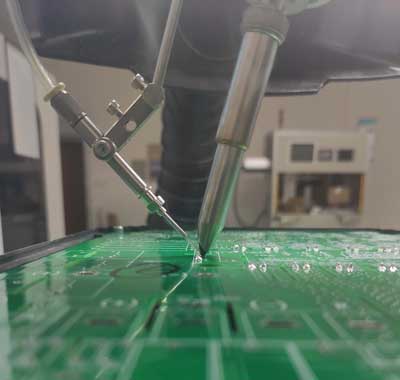
PCB test is a method of performing operational and functional tests on a circuit board and layout optimization. PCB test identifies any shorts, opens, incorrect component placement, or faulty components.

The purpose of PCB test and inspection is to check if the PCB meets the performance of a standard printed circuit board. It ensures that all PCB manufacturing processes are operating properly and without any defects as per the project specifications.

What is PCB test and What is Tested?

A PCB consists of different elements and components, each of which affects the overall performance of the electronic circuit. These components are analyzed in detail to ensure the quality of the PCB.

What is a PCB test?

PCB test is a technique that uses electronic testing instruments to detect the performance and quality of PCB (Printed Circuit Board) circuit boards. It is widely used in the electronics manufacturing industry to help manufacturers improve product quality and production efficiency.

The main purpose of PCB test is to ensure that all parts on the circuit board are properly connected and can still work properly under high voltage environments, while verifying whether the function of the circuit board is normal. Test methods include connectivity testing, withstand voltage testing, and functional testing, while inspection standards involve appearance inspection, size inspection, and performance inspection. In addition, PCB test also involves a series of professional techniques and methods, such as flying probe test, ICT test, FCT test, AOI test, etc., to ensure the electrical performance and structural integrity of the circuit board.

How to Test PCB?

PCB contains different components that affect the overall performance of electronic circuits. Tests are performed to check and optimize the status of these components using computerized machine software, simple electronic test equipment and tools, and even basic manual inspections.

1. Electrical test

2. Hole wall quality

3. Mechanical resistance test

4. Soldering quality

5. Cleanliness inspection, considering weather resistance, humidity and corrosion

6. Lamination, testing the ability of laminates to resist or heat peeling

Environmental testing is particularly necessary for PCBs used in humid environments.

What are the benefits of PCB test?

Error identification: The main benefit of PCB test is that it helps identify problems in PCBs. Whether the problem lies in functionality, manufacturability or other aspects, PCB test can identify problems in PCB design and layout.

Save time: Performing PCB test early helps save time in the long run by allowing designers to identify major issues during the prototyping phase. Comprehensive testing allows designers to quickly and easily identify the root cause of each issue and make adjustments so that they can move to production at a faster pace and reduce product lead times.

Reduce costs: PCB test avoids the waste of producing defective products by testing products using prototypes and small-scale components. By completing comprehensive testing early in the design process, designers can avoid the waste of producing defective PCBs, ensuring that the design is as perfect as possible before going into production.

Reduced returns: When PCB test is performed, the likelihood of selling defective products or products that do not meet performance standards is reduced, reducing the costs associated with refunding customers and handling defective goods.

Improved safety: Defective PCBs can cause fires, which can endanger people nearby. Pre-manufacturing testing also ensures that machines and workers are not damaged or injured due to poor design during the production process.

What are the types of PCB test?

1. In-circuit testing

In-circuit testing (ICT) is the most reliable type of PCB test available today. The high price reflects this – tens of thousands of dollars, although the cost depends on factors such as board and fixture size.

What is PCB test and What is Tested?

Also known as bed of nails testing, ICT fires and activates individual circuits on a board. In most cases, the test is designed to achieve 100% coverage, but actual coverage will be closer to 85-90%.

The test involves the use of fixed probes, whose layout matches the PCB design. The probes check the integrity of the soldered connections. A bed of nails tester simply pushes the board onto the probe bed to begin testing. Access points are pre-designed on the board to allow the ICT test probes to establish a connection with the circuit.

2. Flying probe testing

Flying probe testing is a tried and tested method that is cheaper than in-circuit testing. It is a non-powered test that checks for shorts, capacitance, inductance, diodes, and other problems.

What is PCB test and What is Tested?

The flying probe tester works by using needles connected to probes on an xy grid obtained from basic CAD. The ECM program coordinates to match the board and then runs the program connected to these test points.

In some cases, ICT makes flying probe testing unnecessary, but the PCB must be designed to fit the test fixture – which means a higher initial cost. ICT is faster and less error-prone than flying probe testing, and while flying probe testing may be cheaper initially, it may not actually be cost-effective for large orders. Finally, it is important to note that PCB flying probe testing does not power the board.

3. Automated Optical Inspection (AOl)

AOI is a contact-free visual inspection of printed circuit boards. AOI uses a camera and microscope to take photos of the PCB. The software then looks for inconsistencies between these photos and the board schematic. Technicians can thoroughly check each board and find any problems through this procedure.

The board is not powered during AOI, and it may not cover all part types. Due to these deficiencies, it should be used in conjunction with another test technology such as functional testing, flying probe testing, or ICT.

4. X-ray Inspection

As the name suggests, this type of test is essentially an inspection tool. It is also known as AXI. During this testing, X-ray technicians can detect defects early in the production process by carefully inspecting solder connections, internal traces, and barrels. Using X-ray inspection, invisible components can be inspected.

Due to the high density of SMT technology and the difficulty in locating connections in BGA and CSP (chip scale packages), more precise inspection techniques, such as those based on X-ray technology, are needed. Solder joints can be clearly seen in radiographs because they are made of materials with a higher atomic weight than other components on the board.

The main benefit of AXI technology is that it can identify every connection and solder joint, including those hidden by the package. In addition, solder joints can be inspected, highlighting any potential bubbles.

What are the difficulties in PCB test?

Increasing complexity: PCB designs are becoming more complex, with higher component density and smaller size, which makes it more difficult to access test points and increases the risk of undetected defects.

Cost: High-end test equipment such as X-ray inspection systems can be expensive to purchase and maintain. Testing also increases production costs, especially when test failures require rework.

Accuracy: Although the test equipment is designed precisely, errors may still occur due to calibration problems, software errors or human errors.

Conclusion:

PCB test is very important to the quality of the product. It ensures that the PCB, which forms the backbone of all electronic devices, operates normally and meets the required quality standards, effectively avoiding the impact of poor products, improving the quality of the finished product, and preventing problems when the product is used.

BEST Technology has a complete set of PCB test equipment and has very complete testing standards to ensure that each PCB finished product has extremely high quality. Choosing us, you will not need to worry about any PCB quality issues.

How to use solder flux?

August 27th, 2024

In the manufacturing process of printed circuit boards, it is very necessary to apply a proper amount of flux. The soldering pads, copper bars of components and the surface of solder paste are the places where flux should be applied, which can improve the firmness of the soldering points and the quality of printed circuit boards.

What is flux?

Flux: A chemical substance that can help and promote the soldering process in the soldering process, and at the same time has a protective effect and prevents oxidation reactions. Flux can be divided into solid, liquid and gas.

How to use solder flux

There are mainly several aspects such as “assisting heat conduction”, “removing oxides”, “reducing the surface tension of the material to be soldered”, “removing oil stains on the surface of the material to be soldered, increasing the soldering area”, and “preventing re-oxidation”. Among these aspects, the two most critical functions are: “removing oxides” and “reducing the surface tension of the material to be soldered”.

Do you apply flux before or after soldering?

Use flux before soldering printed circuit boards. ‌

How to use solder flux

During the soldering process of printed circuit boards, the main purpose of using flux is to improve soldering performance and help the metal avoid the formation of an oxide film that hinders solder wetting when heated, thereby promoting the formation of solder-metal alloys and avoiding the occurrence of cold soldering and false soldering.

Flux can be applied to the printed circuit board before soldering, or it can be used as part of the solder during the soldering process, such as solder paste or solder oil. When tinning the pins of components, rosin should be used as the flux, and if the printed circuit board is already coated with rosin solution, then no additional flux is required during soldering.

After using flux, make sure to wipe off the residual flux at the soldering site after soldering to avoid potential damage to electronic components and circuit boards.

In addition, the preparation work before soldering includes thoroughly cleaning the copper foil surface and then applying rosin water to protect the copper foil and help soldering. This step is performed before soldering to ensure the smooth progress of the soldering process. Therefore, the correct approach is to use flux before soldering printed circuit boards to ensure the quality and reliability of soldering.

How much flux to use when soldering?

When soldering printed circuit boards, the amount of flux used needs to be determined according to the specific soldering method and the type of flux. For wave soldering flux, when using brushing and foaming methods, the specific gravity of the flux should be controlled between 0.82-0.84 (specific gravity of liquid rosin flux stock solution).

During the soldering process, the specific gravity of the flux needs to be measured regularly. If the specific gravity is found to increase, it should be adjusted to the normal range with diluent in time, but the diluent should not be added too much to avoid affecting the soldering quality.

For the quantitative spraying method, the key is that the nozzle can control the spray volume. The nozzle should be cleaned frequently to ensure that the spray hole is not blocked. The spray pressure should be controlled at 0.2-0.3Mpa, the flux pressure should be controlled at 0.4±0.05Mpa, and the spray flow rate should be controlled at 20-35ml/min.

In addition, different types of flux formulas are also different. For example, rosin liquid can be made by mixing rosin blocks and alcohol in a ratio of 1:3. For the flux of printed circuit boards, you can directly use rosin water, and apply the prepared rosin water directly on the surface of the printed circuit board or the solder joints.

When using flux, you should also pay attention to the following points:

Put the bottle cap on immediately after use to prevent the flux from being in contact with air for a long time and causing oxidation reaction or absorbing water vapor in the air to cause the concentration to decrease.

Regularly replace the flux that has been stored for too long, because long-term storage will cause the flux composition to change and the activation performance to deteriorate, affecting the welding quality.

Clean it after welding, because the insulation performance of the flux will drop sharply at high temperature, and the residue may affect the heating components, and in severe cases may cause short circuits.

In summary, the amount of flux used in printed circuit board welding needs to be determined according to the specific welding method and flux type, and pay attention to the use and storage conditions of the flux to ensure welding quality and safety.

What happens if you use too much flux when soldering?

First, the main functions of flux include assisting heat conduction, removing oxides, reducing the surface tension of the material being soldered, removing oil stains on the surface of the material being soldered, increasing the soldering area, and preventing reoxidation.

However, excessive use of flux can lead to corrosion and electromigration. This is because improper use of flux, such as excessive use, can create more favorable conditions for potential chemical corrosion reactions.

In addition, if the flux used is not well controlled, resulting in excessive use of flux, more flux residue will be left, which creates more favorable conditions for potential chemical corrosion reactions.

Therefore, it is very important to control the amount of flux used to avoid negative effects on soldering quality and reliability.

What happens if I don’t use flux?

If flux is not used on printed circuit boards, it may lead to reduced soldering quality, increased soldering difficulty, and affect the performance and reliability of the circuit.

1. Increased soldering difficulty: Without flux, the solder may be difficult to flow to the soldering point, resulting in loose soldering, prone to cold soldering or poor soldering.

2. Reduce welding quality: Without the help of flux, the soldering point may not be smooth enough, with burrs or unevenness, which may affect the normal operation of the circuit.

3. Affect circuit performance and reliability: Flux can reduce the resistance of the soldering point and improve the conductivity of the circuit. Without flux, the resistance of the soldering point may increase, affecting the performance and stability of the circuit.

In addition, the flux can also prevent oxidation to a certain extent, protect the soldering point from the influence of the external environment, thereby improving the life of the circuit. Therefore, in the soldering process of printed circuit boards, it is very important to use the soldering flux correctly.

What is an alternative to soldering flux?

Alternatives to printed circuit board soldering flux include no-clean soldering flux, special solder resist for printed circuit boards, water-based cleaning agents and dry ice cleaning technology. ‌

1. No-clean soldering flux is a new type of soldering flux that does not contain halide activators. It does not need to be cleaned after use, which can save investment in cleaning equipment and cleaning solvents, while reducing the emission of waste gas and wastewater, and the pollution to the environment is also reduced accordingly.

2. The main function of the ‌PCB solder mask‌ is to prevent “wiring” and short circuits during wave soldering and protect the PCB permanently. In addition, it can save solder, reduce the weight of the PCB, and reduce costs.

3. As a new type of cleaning medium, the ‌water-based cleaning agent‌ achieves cleaning through the wetting, dissolution, emulsification, saponification, chelation and other effects of the surfactants, emulsifiers, penetrants, etc.

How to use solder flux

4. The ‌dry ice cleaning technology‌ uses extremely low-temperature dry ice particles to spray onto the treated object under the action of compressed air, so that the dirt is rapidly frozen to brittleness and burst, and then vaporized to take away the dirt.

These substitutes have their own characteristics and are suitable for different application scenarios and technical requirements. When choosing, specific process requirements and cost-effectiveness must be considered.

What does rosin do when soldering?

In the process of printed circuit board soldering, rosin plays a vital role. It is mainly used as a flux to help the soldering process be smoother and more efficient. The role of rosin is reflected in the following aspects:

‌Removing oxide film‌: Rosin can remove the oxide film formed on the copper surface due to contact with air. These oxide films will prevent the tin from wetting the copper wire, thus affecting the quality of welding.

‌Preventing re-oxidation‌: Rosin can not only remove the oxide film, but also prevent the soldering surface from re-oxidizing during the welding process, which helps to maintain the stability and reliability of the welding point.

‌Isolating air‌: Under high temperature conditions of welding, rosin can isolate the air and prevent oxidation of the metal surface.

In summary, rosin plays an important role in the soldering process of printed circuit boards. Through its fluxing effect, it improves the quality and reliability of soldering and is one of the indispensable materials in electronic manufacturing‌.

Conclusion:

Flux is a key part of the soldering process. Without it, your solder will not flow smoothly through the joint and the solder will not adhere properly to the various components on the circuit board. High-quality flux is necessary to produce good solder joints.

BEST Technology is a professional PCB circuit board manufacturer with many years of experience in PCB circuit board welding. The circuit boards it produces are of extremely high quality. We have the most extensive experience to deal with all aspects of PCB welding issues.

What are the types of PCB boards?

August 26th, 2024

PCB (Printed Circuit Board) boards can be classified according to their constituent materials and characteristics. PCBs are classified into single-sided boards, double-sided boards, and multi-layer boards according to board applications. They are classified into flexible PCB boards (flexible boards), rigid PCB boards, rigid-flexible PCB boards (rigid-flexible boards) according to materials, etc.

PCB is an important electronic component, a support for electronic components, and a provider of electrical connections for electronic components. Since it is made using electronic printing technology, it is also called a printed circuit board. PCB is simply a thin board with integrated circuits and other electronic components.

1. Single-sided board:

On the most basic printed circuit board, parts are concentrated on one side and wires are concentrated on the other side. Because wires only appear on one side, this type of printed circuit board is called a single-sided board. Because single-sided boards have many strict restrictions on designing circuits (because there is only one side, wiring cannot cross and must go around a separate path), early circuits used this type of circuit board.

2. Double-sided board

What are the types of PCB boards?

This type of circuit board has wiring on both sides. In order to connect the wires on both sides, there must be a proper circuit connection between the two sides. This connection between the circuits is called a guide hole. A guide hole is a small hole filled or coated with metal on a printed circuit board, which can be connected to the wires on both sides. Because the area of a double-sided board is doubled that of a single-sided board, and the wiring can be interlaced (can go around to the other side), double-sided boards can be used on more complex circuits than single-sided boards.

3. Multilayer board:

In order to increase the area that can be wired, multilayer boards use more single- or double-sided wiring boards. Multilayer boards use several double-sided boards, and put an insulating layer between each layer of boards and glue them firmly. The number of layers of the circuit board represents how many independent wiring layers there are, usually an even number of layers, and includes the two outermost layers.

4. Flexible PCB board

Flexible PCB board is a printed circuit board made of a flexible substrate. Its advantage is that it can be bent, which is convenient for the assembly of electrical components. Flexible circuit board, flexible PCB, flexible circuit and multi-function printed circuit are other names for these circuit boards. These printed circuit boards are made using the same components as rigid printed circuit boards. The main difference is that the circuit board is designed to bend to the desired shape throughout the application process. These PCBs are available in single-sided, double-sided, and multi-layer configurations. This helps reduce the complexity of unit assembly.

5. Rigid PCB Board

Rigid PCB is a circuit board that cannot be twisted or folded. The base material of the board is a rigid substrate, which gives the board rigidity and strength. They are composed of multiple layers, including substrate layers, copper layers, solder mask layers, and silk screen layers, which are bonded together by adhesives and heat. While some circuit boards are single-sided, double-sided, or multi-layered, rigid PCBs can be any of these as needed. However, once made, they cannot be modified or changed.

6. Rigid-Flex Board

Rigid-Flex Board is a hybrid circuit board that combines elements of flexible and rigid circuit boards to form a foldable or continuously bendable circuit board, which is usually molded into a curved shape or curve during the manufacturing process.

What are the types of PCB boards?

The flexible portion of the circuit board is often used for interconnections between rigid circuit boards, allowing narrower wires to take up less space, thereby reducing the size of the circuit board. Using flexible PCBs for interconnections often eliminates the need for bulky and heavy connectors, making rigid-flex boards lighter. The design of rigid-flex boards is slightly more complicated because these boards are 3D constructed, allowing the board to be folded or twisted to produce the shape required for the product.

7. High-frequency PCB board

High-frequency circuits refer to the overall circuit board design, not the other types of circuit board structures we described earlier. These PCBs are designed to conduct signals over 1 GHz.

High-frequency boards mostly use FR4-grade glass-reinforced epoxy boards, polyphenylene ether (PPO) resins, and Teflon, but Teflon has a low and stable Dk value, low dielectric loss, low hygroscopicity, and is slightly more expensive.

When designing high-frequency circuits, various factors must be considered, such as Dk value, dissipative loss, and dielectric thickness. The DK value of the substrate is an important factor to remember. Substrates with a higher probability of Dk value changes usually experience impedance changes, which affects the harmonics that make up the electrical signal, resulting in poor signal integrity.

8. Copper substrate

Copper substrate is a metal substrate with high thermal conductivity, suitable for high-frequency circuits and areas with large high and low temperature changes and heat dissipation and architectural decoration industries for precision communication equipment.

The copper substrate circuit layer requires a large current carrying capacity, and a thicker copper foil should be used, with a thickness of generally 35ÎŒm~280ÎŒm. The thermal conductive insulation layer is the core technology of the copper substrate. It is composed of core thermal conductive components and high molecular polymers, with low thermal resistance (0.15), excellent viscoelastic properties, resistance to thermal aging, and the ability to withstand mechanical and thermal stress.

The copper substrate metal base is the supporting member of the copper substrate, which is required to have high thermal conductivity. It is generally a copper plate, and a copper plate can also be used (where the copper plate can provide better thermal conductivity). It is suitable for conventional mechanical processing such as drilling, punching and cutting.

9. Aluminum-based PCB board

The design of aluminum-based PCB circuits is similar to that of copper-based PCBs, but the substrate material of aluminum-based PCBs is aluminum metal, rather than the standard glass fiber used in most circuits.

What are the types of PCB boards?

The aluminum layer is reinforced with the least heat-resistant insulation material, which means less heat is transferred from the insulation material to the backing. After applying the insulation layer, another layer of copper is required.

10. High Density Interconnect (HDI) PCB

Among the many types of PCBs, HDI PCB is a circuit with multiple interconnections that takes up very little space. HDI components are mounted close to each other, minimizing PCB space while maintaining high functionality. Boards containing 120-160 pins per square inch are classified as HDI PCBs.

HDI designs integrate dense device mounting and multi-purpose wiring. With the help of microvias, buried vias, and blind vias, compact circuits can be made, minimizing drilling to copper. For the electrical requirements of high-speed signals, HDI PCBs must have high-frequency conduction capabilities, impedance control, and minimal redundant radiation.

11. Thick Copper PCB

Thick copper PCB is also called heavy copper PCB. Basically, it contains more than 2 ounces of copper in the inner and outer layers of the board. Heavy copper transmitters significantly increase the overall thickness of the board; thick copper boards are known for supporting high currents, high temperatures, and cyclical thermal cycles.

12. High TG PCB

Among various types of PCBs, high Tg PCBs are circuit boards designed to work at high temperatures. Glass transition temperature (Tg) is an essential element of any epoxy resin. It is basically the temperature point at which the polymer changes from a hard glass substrate to a soft rubber substrate. The substrates used to make high Tg circuit boards must be flame retardant, which means that they soften instead of burning at the glass transition point (Tg).

The higher the Tg value, the higher the temperature requirement during lamination. Under such conditions, the PCB will become hard and brittle, affecting the aperture size and related electrical properties. Standard boards will soften, deform and melt under such conditions, and their mechanical and electrical properties will be significantly reduced.

Standard FR-4 Tg is between 130-1400C, medium Tg is between 150-1600C, and high Tg is above 1700C. The higher the Tg value, the better the board’s heat, moisture and chemical resistance.

Conclusion:

PCB board types are updated and iterated with the rapid development of the industry, and various types of PCB boards have gradually evolved to cope with various application scenarios, adding corresponding materials according to the required performance. BEST Technology has various PCB types of manufacturing technology, which can meet your any type of PCB needs.

What is the surface mount technology?

August 23rd, 2024

Surface mount technology (SMT) is a widely used surface assembly method in the electronic assembly industry. It mainly uses automated production equipment to directly solder surface mount components (SMD) to the pads on the surface of the printed circuit board (PCB). SMT has the advantages of high production efficiency, high space utilization, high density and miniaturization. However, it has high requirements for production equipment, processes and operating skills.

What is the surface mount technology process?

The process of surface mount technology (SMT) mainly includes the following steps:

1. Printed circuit board preparation: Before surface mounting, the printed circuit board needs to be prepared first, including cleaning the circuit board, removing the surface oxide layer, and applying solder paste.

What is the surface mount technology ?

2. Component mounting: Use appropriate equipment to accurately mount various electronic components on the printed circuit board.

3. Soldering: After the components are mounted, the solder paste is heated to melt it to form a reliable welding connection.

4. Inspection: After welding, use AOI for automatic inspection to ensure the correct mounting and welding quality of components.

5. Testing and debugging: Test and debug the mounted circuit board, and verify whether the function and performance of the circuit board meet the requirements through specific test equipment and procedures.

Each step needs to be carried out carefully to ensure that the mounted circuit board has good quality and reliability. In addition, surface mount technology is suitable for circuit board assembly, with the characteristics of compact structure and small size, and is widely used in the manufacture of electronic products.

What are the roles of surface mount?

The role of surface mount technology (SMT) is mainly reflected in improving the performance, reliability and production efficiency of electronic products, while reducing the volume and weight of products.

Surface mount technology (SMT) has the following significant effects:

Increase assembly density and reduce product volume: By using surface mount technology, the volume of electronic products can be reduced by 40%~60% and the weight can be reduced by 60%~80%.

What is the surface mount technology ?

‌Improve reliability: SMT has high reliability, low solder joint defect rate and strong vibration resistance.

Optimize high-frequency characteristics: SMT reduces electromagnetic and radio frequency interference and optimizes the high-frequency characteristics of the circuit.

Automated production: SMT is easy to automate, thereby improving production efficiency.

Enhanced compactness: Using small surface-mounted components can save a lot of space on the printed circuit board, and circuit assembly is easier to automate.

Adapt to a wide range of fields: As a new generation of electronic assembly technology, SMT has penetrated into various fields, including but not limited to computers, communication equipment, consumer electronics, etc.

In summary, surface mounting technology has significantly improved the comprehensive performance and production efficiency of modern electronic products by increasing assembly density, optimizing circuit performance, enhancing product reliability, and realizing automated production.

What is the advantage of surface mount?

The advantages of surface mounting mainly include:

High assembly density: Surface mounting technology (SMT) allows more electronic components to be installed in a limited space.

Small size and light weight of electronic products: By using SMT, smaller and lighter electronic products can be manufactured.

‌High reliability‌: SMT has a low solder joint defect rate, which improves the reliability of the product‌.

‌Easy to automate‌: SMT technology is very suitable for automated production and can greatly improve production efficiency‌.

‌Design flexibility‌: SMT allows different components to be used on the same circuit board, providing design flexibility‌.

‌EMC compliance‌: SMT technology helps meet electromagnetic compatibility (EMC) requirements and ensure the safety and performance of the equipment‌.

‌Selective soldering‌: SMT supports selective soldering, which increases the customizability of the product‌.

In addition, SMT technology is cost-effective because the packaging size of components is generally standardized and can be quickly and accurately installed using automated equipment, thereby reducing production costs‌. At the same time, SMT reduces human errors and improves product quality because the placement of components is very consistent, reducing errors or the need for rework.

What are the disadvantages of surface mount?

‌The disadvantages of surface mount technology (SMT) mainly include incompatibility with certain components, the possibility of soldering defects, and high equipment costs. ‌

‌Incompatibility with certain components‌: SMT technology is not suitable for all types of components.

‌Possibility of soldering defects‌: Although SMT technology reduces the need for drilling and shortens setup time, it is not a zero-defect soldering process. In actual applications, SMT may encounter various soldering defects.

‌Higher equipment cost‌: Although SMT technology can improve production efficiency and circuit density, it requires expensive special equipment and professional technicians.

In summary, although SMT technology has many advantages, such as reducing drilling, shortening setup time, and improving production efficiency, it also has some disadvantages, especially in terms of incompatibility with certain components, possible soldering defects, and high equipment costs.

What does SMD stand for in surface mount?

SMD stands for Surface Mounted Devices. ‌

SMD is a type of component in surface mount technology (SMT), which is characterized by small size, high power, stable performance, and easy automated assembly.

What is the surface mount technology ?

SMD packaging technology can maximize the space utilization on the circuit board, especially for the design of dense circuit boards. SMD packaging usually adopts metal oxide semiconductor (MOS) technology, and its packaging methods are diverse, including COB, QFN, LCC, BGA, etc.

In practical applications, the appearance inspection of SMD devices includes visual inspection or use of a magnifying glass to check whether the solder end or pin surface is oxidized or has contaminants, and to ensure that the nominal value, specification, model, accuracy, and external dimensions of the components are consistent with the product process requirements. To ensure the performance and reliability of the device.

The wide application of SMD technology not only improves the performance of electronic products, but also promotes the automation and efficiency improvement of the electronics manufacturing industry. It is an indispensable part of the modern electronics manufacturing industry, especially in applications that require high integration and high reliability.

What is the application of surface mount?

The application of surface mount technology is mainly reflected in improving production efficiency, reducing product volume and weight, and meeting the market demand for miniaturized, lightweight, and high-performance electronic products. This technology is mainly used to mount electronic components on printed circuit boards (PCBs) to achieve circuit connection and system integration.

Surface mount technology can replace traditional through-hole insertion technology, thereby improving product reliability and performance and reducing costs. The technology has a wide range of applications, including but not limited to consumer electronics, military cutting-edge electronics, and fire detectors, manual alarms, and various electronic modules.

In the manufacture of electronic products, surface mount technology has become a revolutionary change, dominating the development of electronic equipment and bringing about major changes in electronic products.

Conclusion:

Usually, the electronic products we use are designed by PCB plus various capacitors, resistors and other electronic components according to the designed circuit diagram, so most electrical appliances require various SMT (patch) processing technologies to process.

BEST Technology focuses on the procurement and processing of various electronic products and processing services for incoming materials, including but not limited to SMT patches, DIP plug-ins, welding, functional testing and maintenance, and assembly proofing and batch production. We can provide proofing, small batch and batch SMT mounting, and can also purchase electronic components and make PCBs.

PCB Stack-up and Impedance Control Guidelines

August 23rd, 2024

When designing a PCB board, careful attention to stack-up and impedance control is essential for achieving optimal signal integrity and performance. The PCB stack-up refers to the arrangement of copper and insulating layers that make up the board. Impedance control, on the other hand, involves maintaining consistent electrical characteristics within signal traces, especially in high-speed circuits. This post provide a detailed guideline of PCB stack-up and impedance control for designers.

PCB Stack-up Parameter

Internal Copper Thickness After Processing

Base FoilMin. After Processing
18um (1/2oz)11.4um
35um (1oz)24.9um
70um (2oz)55.7um
105um (3oz)86.6um
140um (4oz)117.5um

External Copper Thickness After Plating

Base FoilMin. Class 2Min. Class 3
12um (3/8oz)29.3um34.3um
18um (1/2oz)33.4um38.4um
35um (1oz)47.9um52.9um
70um (2oz)78.7um83.7um
105um (3oz)108.6um113.6um
140um (4oz)139.5um144.5um

Common Prepreg (PP) Properties

TypeThickness (mm)Resin (%)
1060.0565
10800.07565
21160.1255
76280.246

Common Material List

Medium TgShengyi S1000-H
ITEQ IT-158
Elite EMC-825
High TgShengyi S1000-2M
ITEQ IT-180A
Elite EMS-827

Common Core Thickness

PCB Stack-up and Impedance Control Guidelines

Design Tips – Stack-up

1. Ensure the stack-up remains symmetric.

2. Typically, a foil build is recommended. Special core builds, like those with Rogers, are possible but less common.

3. For boards thicker than 1mm, the standard thickness tolerance is +/-10%. For 1mm boards, the standard tolerance is +/-0.1mm. Any board with a thickness ≀1mm requires approval from Best Tech.

4. The minimum dielectric thickness will be 90”m, according to IPC standards, unless otherwise specified by the FAB drawing and there are no micro vias.

5. Use a maximum of three sheets of prepreg to bond the layers.

6. While the stack-up used in production may differ slightly from the specified one, an Engineering Query (EQ) will be sent for confirmation.

7. Variations can occur due to factors like copper distribution and available materials.

8. Thicker copper foils require thicker dielectrics between layers, and the foil thickness after processing differs from the base foil thickness.

9. Additionally, variations in resin percentage for the same prepreg type can impact the final prepreg thickness.

10. When incorporating micro vias, consider the aspect ratio—recommended at 0.8:1 and advanced at 1:1—when selecting prepreg.

If you need special materials, thickness tolerances, or stack-ups, contact EBest Circuit (Best Technology) for guidance. Below are some suggested stack-ups for different layers PCB.

PCB Stack-up and Impedance Control Guidelines

Impedance Parameters Needed for Calculation

PCB Stack-up and Impedance Control Guidelines
SymbolFeature
H1, H2, H3..Dielectric thickness between copper layers after pressing
Er1Dielectric constant of prepreg or core used between copper layers.
W1The bottom width od impedance lines, which is the customer required impedance trace width.
W2The top width of impedance lines.
S1The space between two differential impedance traces.
T1Finished copper thickness, which is different with our normal definition.
C1Solder mask thickness on material.
C2Solder mask thickness on copper.
C3Solder mask thickness on material between traces (C1 = C3).
CErDielectric constant of solder mask. Normally use 3.4 to calculate.

Tolerance of Impedance Control

Type of ImpedanceCommon Requested ValueTolerance of Impedance Control
GeneralModerateAdvanced
Single/Single Coplanar        40Ω/510Ω/75Ω+/-10%+/-8%+/-5%
Differential/Differential Coplanar90Ω/100Ω/120Ω+/-10%+/-8%+/-5%

Relationship between Parameters and Impedance Value

Parameters ModificationEffect on Impedance Value
ParametersIncrease/ReduceImpacts on impedanceImpedance value increase/reduced
H (dielectric thickness)IncreaseBigIncrease
W (trace width)IncreaseBigReduced
S (trace space)IncreaseBigIncrease
T (copper thickness)IncreaseLowReduced
C (solder mask thickness)IncreaseLowReduced

Design tips – Impedance

When signal speeds exceed 2 GHz and timing is critical, consider using better materials such as medium, high, or ultra-high-speed options, along with flat glass styles. To ensure a reliable lamination process and prevent resin starvation, allow the factory to select the number of prepregs, prepreg styles, and resin content in the stack-up.

Key factors influencing impedance signal losses include:

1. Line Length: Signal losses are directly proportional to the line length—shorter lines result in fewer losses, while longer lines lead to greater losses.

2. Dielectric Loss: These losses can be minimized by selecting appropriate materials.

3. Copper Loss: This includes losses from the cross-sectional area (affected by stack-up design) and surface roughness, which can be reduced through material selection and proper stack-up configuration.

If you require impedance tolerances tighter than +/-10%, discuss your design possibilities with the EBest Circuit (Best Technology) team.

When designing rigid-flex boards, note that separate calculations are necessary for both the rigid and flex sections of the same signal. Manufacturers will adjust the thickness and dielectric constant of the solder mask based on their solder mask properties and printing method. Variations in resin content for the same prepreg type can also affect impedance. For assistance with impedance calculations, contact EBest Circuit (Best Technology) for support.

PCB Stack-up and Impedance Control Guidelines

Checklist of Necessary Information for Impedance Calculations

1. Specify the type, value, and tolerance of impedance control.

2. Ensure you define the width and space of impedance traces, as well as the layers where these traces will be present, along with the layers to be considered as reference points.

3. Identify the type of material and final board thickness, and provide a reference stack-up for the design.

4. Confirm the finished copper thickness on external and internal layers, and note if any special type of solder mask is required.

5. Always request EBest Circuit (Best Technology)’s stack-up before starting the routing design.