PCB manufacturing PCB manufacturing
Home > Blog

Posts Tagged ‘Printed Circuit Board Assembly’

What Are Circuit Card Assemblies? Printed Circuit Board Assembly
Monday, December 15th, 2025

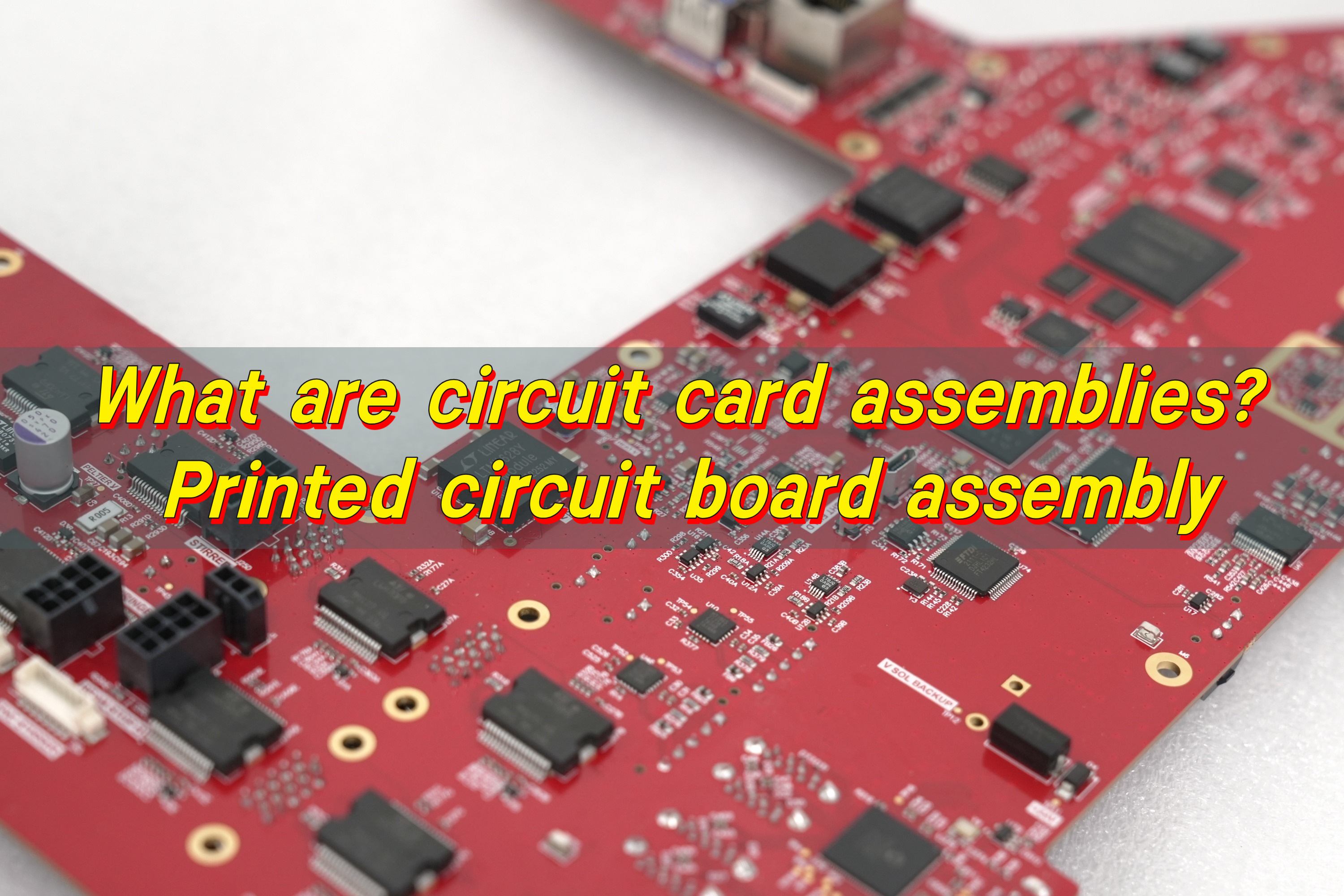
Circuit card assemblies sit at the core of modern electronics. A circuit card assembly is a printed circuit board that has been fully populated with electronic components and soldered into place. Once assembled, it becomes a working unit capable of controlling power, processing signals, and enabling communication within an electronic device.
What Are Circuit Card Assemblies? Printed Circuit Board Assembly

What Is a Circuit Card Assembly?

A circuit card assembly, often shortened to CCA, is a printed circuit board that has electronic components mounted and connected to it. These components are not loose. They are fixed, soldered, and electrically linked according to a design.

The circuit card assembly definition focuses on function. It is not just a board with copper paths. It is a working electronic unit. Once assembled, it can process signals, control power, or manage data.

Many people use the term printed circuit board assembly in the same way. In daily use, they often mean the same thing. Still, some industries prefer “circuit card assembly” because it highlights the complete, functional state.

A bare board cannot do anything alone. A circuit card assembly can. This is why CCAs are central to electronics manufacturing.

What Are the Main Components of a Circuit Card Assembly?

A circuit card assembly is a system. Every part plays a role. Each component adds a specific function, and together they create reliable operation.

  • The Printed Circuit Board: The printed circuit board is the foundation. It is usually made from fiberglass material like FR-4. Copper layers form electrical paths on the surface or inside the board. The board provides structure. It also controls signal flow.
  • Passive Components: Passive parts include resistors, capacitors, and inductors. These components shape current and voltage. They store energy, limit flow, or filter noise.
  • Active Components: Active components bring intelligence. These include microcontrollers, processors, and integrated circuits. They process signals. They make decisions. They control outputs.
  • Connectors and Interfaces: Connectors link the assembly to other systems. They allow power input, data transfer, or mechanical connection.
  • Solder Materials: solder joints connect everything. The quality of solder paste, reflow profile, and inspection determines long-term stability. A strong joint survives vibration and heat.

Each component matters. Together, they turn a simple board into a reliable circuit card assembly.

What Are the Different Types of CCA Assembly?

Different products need different assembly styles. Choosing the right type affects cost, size, and performance.

Through-Hole Assembly

Through-hole assembly uses components with long leads. These leads pass through holes in the board and are soldered on the opposite side.

This method offers strong mechanical bonds. It works well for large components and connectors. However, it takes more space. It also increases labor.

Surface Mount Assembly

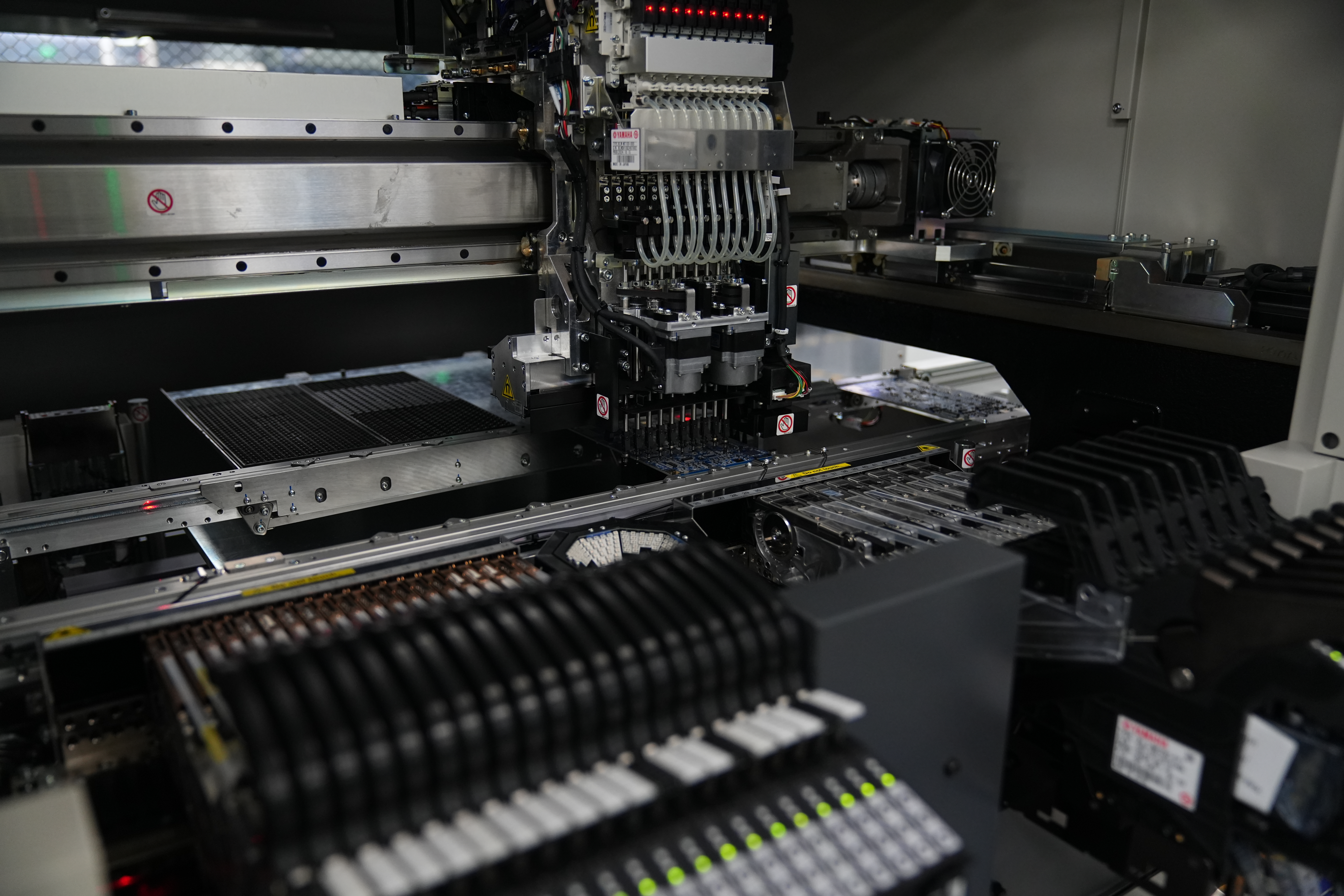
Surface mount technology places components directly onto the board surface. No holes are needed for most parts.

This approach allows higher density. Boards can be smaller and lighter. Most modern printed circuit board assembly manufacturers focus on this method. It suits automation and high-volume production.

Mixed Technology Assembly

Some assemblies combine both methods. Sensitive or heavy parts may use through-hole, while smaller parts use surface mount.

Prototype Printed Circuit Board Assembly

Prototype assembly focuses on early design stages. Volumes are low. Speed matters more than cost. This type supports testing and refinement. Many printed circuit board assembly services specialize in fast prototype builds.
What Are Circuit Card Assemblies? Printed Circuit Board Assembly

Each type serves a purpose. The best choice depends on product goals, budget, and lifecycle.

How Does a Circuit Card Work?

A circuit card assembly works by guiding electrical signals along designed paths. These paths connect components in a precise sequence.

Power enters through a connector or contact. It flows through regulators and filters. These parts stabilize voltage.

Signals then move into active components. Processors read inputs. Logic circuits decide actions. Outputs leave the board through connectors, displays, or motors. Signal integrity matters. Layout matters.

Even small design choices affect performance. Trace width, spacing, and grounding all play roles. A circuit card does not act alone. It interacts with firmware, mechanical housing, and external systems.

What Does a Circuit Card Assembly Do?

A circuit card assembly acts as the control center of an electronic device. It manages power, data, and interaction.

In some products, it handles simple switching. In others, it runs complex software. Its job is to turn input into output. Buttons become actions. Sensors become data. Signals become results.

A well-built assembly delivers stable performance. It handles heat. It resists vibration. It lasts for years.

What Are Circuit Card Assemblies? Printed Circuit Board Assembly

What Are Circuit Card Assemblies Used For?

Circuit card assemblies appear almost everywhere. If a device uses electricity, it likely includes one.

  • Consumer Electronics: Phones, laptops, and wearables rely on compact assemblies. Surface mount printed circuit assembly manufacturing supports this demand.
  • Industrial Equipment: Factories use assemblies for control systems and automation. These environments demand durability.
  • Medical Devices: Medical equipment depends on accuracy and safety. Circuit card assemblies control imaging, monitoring, and diagnostics. Quality standards are strict. Traceability matters.
  • Automotive Systems: Vehicles contain dozens of assemblies. They manage engines, safety systems, and infotainment. Temperature resistance and long life are critical.
  • Communication Systems: Routers, base stations, and networking gear rely on high-speed assemblies. Signal integrity and layout design play major roles.

What Is the Difference Between Circuit Card Assembly and PCB Assembly?

This question comes up often. The terms are closely related, yet they emphasize different stages.

A printed circuit board is the bare board. It has copper traces and holes, but no components.

  • A printed circuit board assembly includes components mounted and soldered. It is functional.
  • A circuit card assembly usually refers to the same assembled board. The term highlights readiness for use.

In many industries, people use these terms interchangeably. Still, “circuit card assembly” often appears in defense, aerospace, and industrial sectors.

What Are the Applications of Circuit Board Assemblies?

Circuit board assemblies support modern life. Their applications keep expanding as technology evolves.

  • They power smart homes.
  • They control renewable energy systems.
  • They drive automation.
  • They support innovation.

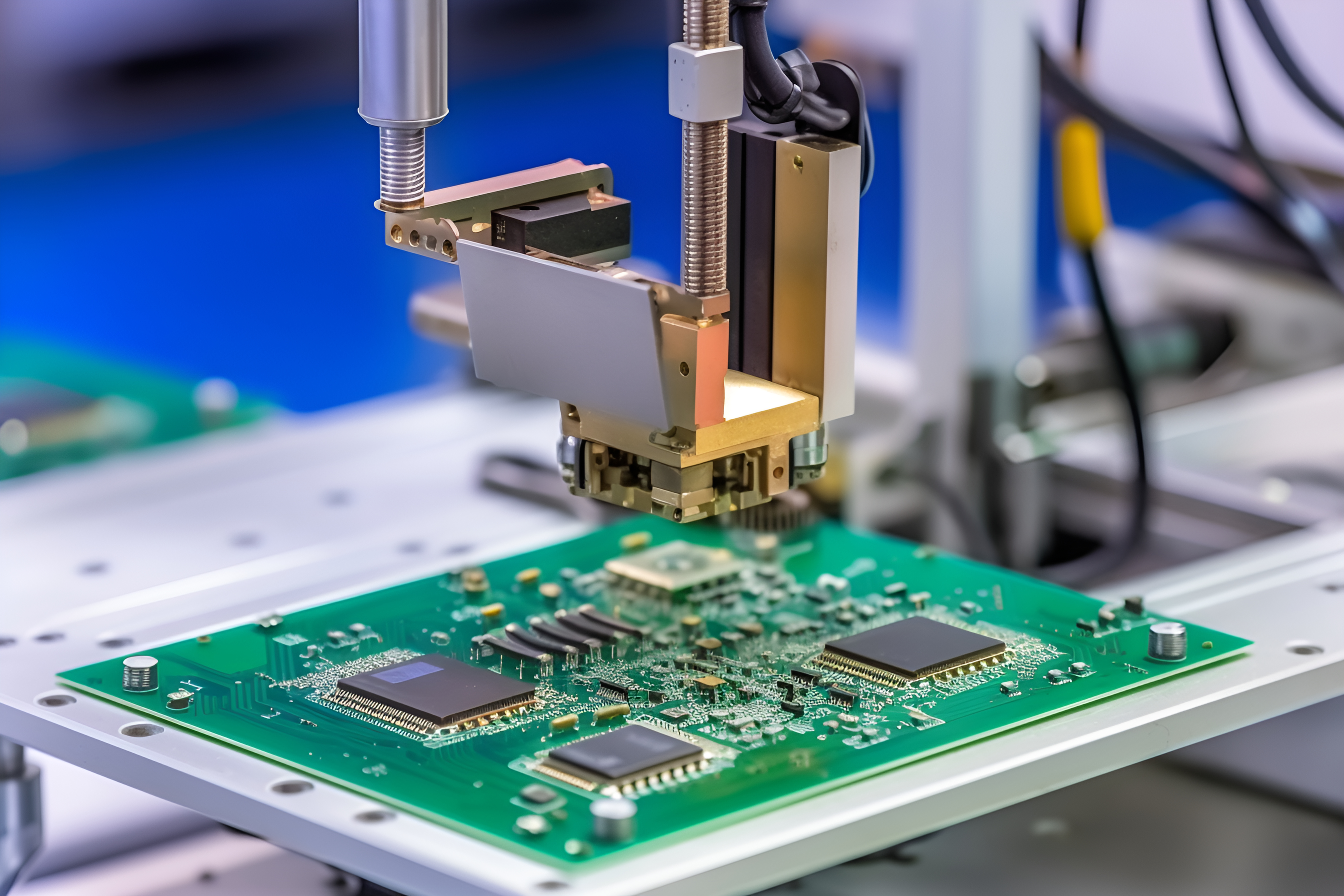
As demand grows, so does the need for skilled manufacturers. Printed circuit board assembly manufacturers now offer advanced inspection, testing, and box build options. Box build printed circuit board assembly services go even further. They deliver complete systems, not just boards.
What Are Circuit Card Assemblies? Printed Circuit Board Assembly

In global markets, China printed circuit board assembly plays a key role. Scale, experience, and supply chain strength support competitive production. With long-term manufacturing experience and a mature supply chain, BEST Technology combines regional strengths with consistent quality control, supporting both high-mix projects and volume production.

Conclusion:

A circuit card assembly is a fully populated and functional electronic board. It combines a printed circuit board with mounted components to create real performance. From consumer electronics to industrial systems, these assemblies power modern life.

For professional printed circuit board assembly services and reliable manufacturing support, contact our team at sales@bestpcbs.com
PCB Assembly Manufacturer, Quality-Focused PCBA Service
Tuesday, March 18th, 2025

PCB Assembly plays a crucial role in modern electronics, turning bare circuit boards into functional devices. Without proper assembly, even the most advanced PCB designs cannot perform as expected. Whether for consumer electronics, automotive applications, or aerospace systems, high-quality PCBA ensures reliability and performance. In this guide, we explore everything about PCB assembly, from types and materials to design considerations and industry applications. By the end, you’ll understand why Best Technology is the right partner for your PCB assembly needs.

At Best Technology, we specialize in precision-driven PCB assembly services, offering turnkey PCBA solutions, rigorous quality control, and advanced manufacturing capabilities to meet diverse industry needs. With over 18 years of experience, Best Technology provide cost-effective, high-accuracy printed circuit board assembly solutions tailored to your requirements. Feel free to contact us at sales@bestpcbs.com for any doubts or queries you might have.

PCB Assembly Manufacturer, Quality-Focused PCBA Service

What is a PCB Assembly?

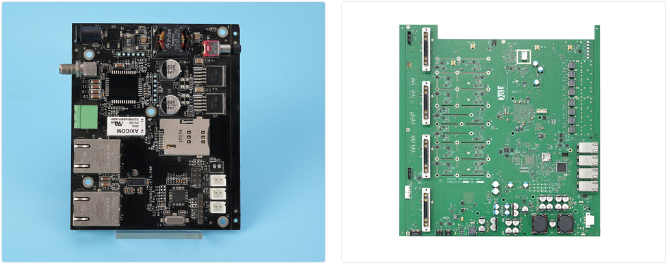
PCB assembly (PCBA) is the process of placing and soldering electronic components onto a printed circuit board (PCB) to create a functional electronic device. The assembly process involves multiple steps, including surface-mount technology (SMT), through-hole technology (THT), soldering, and quality inspections. Unlike a bare PCB, a fully assembled PCB has all the necessary components installed, making it ready for integration into electronic systems.

What Are the Different Types of PCB Assembly?

1. Surface-Mount Technology (SMT) Assembly – The most common assembly method, SMT involves mounting components directly onto the surface of the PCB. It allows for smaller, more compact designs and is ideal for high-density applications.
2. Through-Hole Technology (THT) Assembly – THT involves inserting component leads into pre-drilled holes on the PCB and soldering them in place. It provides strong mechanical connections and is used in applications requiring durability.
3. Mixed Assembly – A combination of SMT and THT, mixed assembly is used when a design requires both surface-mounted and through-hole components.
4. Single-Sided & Double-Sided Assembly – Single-sided assembly involves placing components on one side of the PCB, while double-sided assembly places components on both sides, maximizing space and functionality.
5. Box Build Assembly – This type of assembly goes beyond the PCB level, including wire harnesses, enclosures, and full system integration.
6. Turnkey PCB Assembly – A complete service where the manufacturer handles everything from PCB fabrication to component sourcing, assembly, and testing, providing a ready-to-use product.
7. Prototype PCB Assembly – Used for product development and testing before full-scale production.

PCB Assembly Manufacturer

What Materials Are Used to Make PCB Assembly?

Several materials are used in PCB assembly to ensure reliability and performance:

  • PCB Substrate – The base material of the PCB, commonly made from FR4 (fiberglass epoxy), metal core, or ceramic for high-performance applications.
  • Copper Traces – Thin layers of copper form the conductive pathways for electrical signals.
  • Solder Mask – A protective layer applied over copper traces to prevent oxidation and short circuits.
  • Silkscreen Layer – Used for labeling component positions and reference markings.
  • Solder Paste – A mixture of flux and metal alloy used in SMT assembly to attach components before reflow soldering.
  • Electronic Components – Resistors, capacitors, ICs, diodes, and other essential parts that enable the PCB to function.
  • Solder Wire & Flux – Used in THT assembly to create strong electrical connections between components and the PCB.

How to Design PCB Assembly?

  • Component Placement – Arrange components efficiently to optimize space, signal integrity, and heat dissipation.
  • Layer Stack-Up – Define the number of PCB layers to meet electrical and mechanical requirements.
  • Trace Routing – Ensure proper trace width, spacing, and routing strategies to minimize signal interference.
  • Power & Ground Planes – Design stable power distribution and ground layers for noise reduction.
  • Thermal Management – Use thermal vias, heat sinks, and copper pours to manage heat dissipation.
  • DFM (Design for Manufacturability) – Optimize the PCB layout for efficient assembly, reducing potential defects and rework.
  • DFT (Design for Testing) – Include test points and accessibility for automated testing.
  • Bill of Materials (BOM) Creation – List all required components, their specifications, and sourcing details.
Quality-Focused PCBA Service

What Are the Benefits of PCB Assembly?

  • Compact Design – Enables smaller, lightweight devices with high functionality.
  • Cost-Effective Production – Automated assembly reduces labor costs and increases efficiency.
  • High Reliability – Advanced soldering techniques and quality checks ensure long-lasting performance.
  • Scalability – Suitable for both low-volume prototypes and high-volume manufacturing.
  • Customization – Supports specialized requirements, such as high-speed, high-frequency, or high-temperature applications.

What Are the Applications of PCB Assembly?

  • Consumer Electronics – Smartphones, tablets, laptops, and wearable devices.
  • Automotive – Engine control units, infotainment systems, and safety sensors.
  • Medical Devices – Patient monitoring systems, diagnostic tools, and imaging equipment.
  • Aerospace & Defense – Avionics, communication systems, and radar technology.
  • Industrial Automation – Robotics, control systems, and power electronics.
  • Telecommunications – Networking equipment, signal processing, and wireless communication devices.

Why Choose Best Technology as Your PCB Assembly Manufacturer?

  • Experience & Expertise – Over 18 years of experience in PCB manufacturing and PCB assembly. Best Technology is a leading PCB Assembly Manufacturer, providing manufacturing and sale service of various types of printed circuit boards and quality-focused PCBA Service.
  • Comprehensive Services – Full turnkey, partial turnkey, and consignment assembly options. We provide one-stop service, including PCB assembly and component purchasing and all-around technical support before and after-sales.
  • Quality Assurance – Stringent IPC and industry-standard testing, including AOI, X-ray, and functional testing. The pursuit of quality and innovation is the driving force of Best Technology. Every stage, from sourcing raw materials to production, inspection, packaging, and even sales and marketing, strictly follows ISO quality standards to ensure consistency and reliability.
  • Reliable Component Sourcing – Direct partnerships with trusted suppliers to prevent counterfeit parts. We procure all components exclusively from manufacturers or trusted distributors like Digikey, Mouser, Future, TTI, Avnet, and Arrow, ensuring authenticity.
  • State-of-the-Art Equipment – Advanced assembly machines ensure precision and efficiency. By leveraging cutting-edge technology and advanced PCB assembly equipment, we constantly refine our manufacturing processes, enhance testing and measurement techniques, and optimize our quality management system.
  • On-Time Delivery – Expedited services available for urgent orders. No matter where you are, we guarantee on-time delivery for every order.
  • Competitive Pricing – Cost-effective solutions without compromising quality.
  • Customer Support – Dedicated one-on-one sales assistance for a smooth collaboration. With exceptional team, Best Technology ensures prompt responses within 12 hours.

In conclusion, choosing the right PCB assembly manufacturer ensures product reliability, cost-effectiveness, and timely delivery. Best Technology offers expert solutions for various industries with a focus on quality and efficiency. Whether you need a simple prototype or a high-volume production run, our team is ready to support your project. Just feel free to reach out to us at sales@bestpcbs.com to discuss your PCB assembly needs!

 PCB Assembly Manufacturer

FAQs of PCB Assembly

1. What is the difference between PCB and PCB assembly?

  • A PCB (Printed Circuit Board) is the bare board with copper traces, while a PCB Assembly (PCBA) includes all the necessary electronic components soldered onto the board, making it a fully functional unit ready for use.

2. What is the purpose of a pick and place drawing in the SMT process?

  • A pick and place drawing provides detailed guidance for automated SMT machines, specifying component placement, orientation, and reference designators on the PCB. It ensures accurate positioning (including polarity indicators for diodes and capacitors) and facilitates post-assembly inspection.

3. What are counterbores and countersinks?

  • Counterbore: A cylindrical recess with a flat bottom, designed to allow a screw head to sit flush with the PCB surface. Commonly used with flat-head screws to ensure secure mounting, such as for attaching heatsinks or connectors.
  • Countersink: A conical recess that matches the angle of a tapered screw head, such as self-tapping screws. Helps create a smooth, low-profile surface, often used when securing PCBs within enclosures.

The key difference is that counterbore provides a level surface by embedding the screw head within the material. Countersink features a tapered design that aligns the screw and evenly distributes stress.

4. How to distinguish the PTH & NPTH?

  • PTH is PLATING Through Hole, it has copper in the holes inside, which can be conductive.  NPTH is Non PLATING Through Hole, which don’t have copper inside the holes. Through holes means through the top and bottom on the PCB, it could be PTH and NPTH.