PCB manufacturing PCB manufacturing
Home > Blog

OEM Industrial Control PCBA

Industrial Control PCBA | 1.5-Week Rapid Delivery
Monday, March 9th, 2026

Industrial Control PCBA is critical for automation systems, providing stable signal control, high reliability, and long lifecycle performance. In this article, we will explore how industrial control PCBA works, what engineering requirements define reliable industrial controllers, and how manufacturers ensure stable long-term production for automation systems.

EBest Circuit (Best Technology) is a credible PCB and PCBA manufacturer with extensive industry mileage gained through 20 years of supporting demanding engineering projects across multiple industries. We work with many name-brand customers located in the United States, Germany, and Israel, delivering reliable manufacturing solutions tailored to their technical standards. By combining experienced engineering support, stable supply chains, and efficient production systems, EBest provides cost-effective PCB and PCBA services that help customers move from prototype to volume production.

Industrial Control PCBA

What Makes Industrial Control PCBA Essential For Modern Automation Systems?

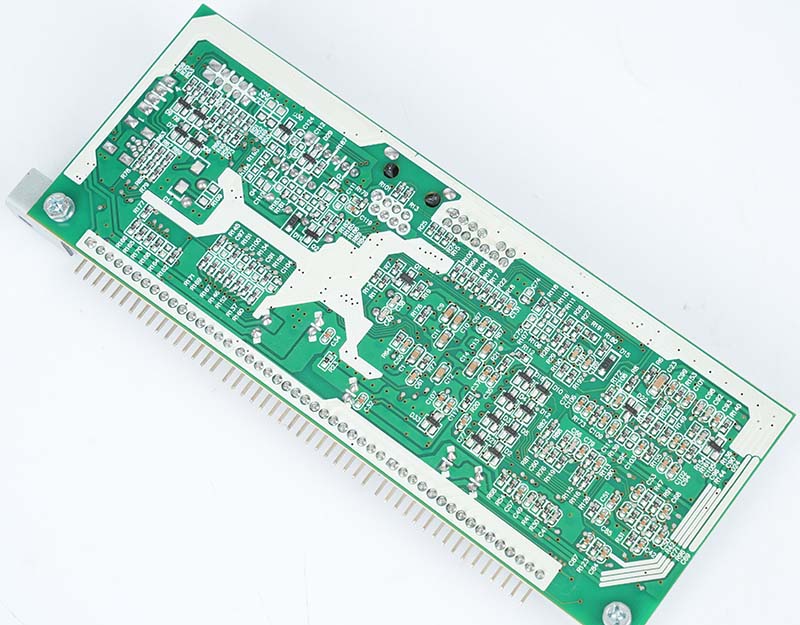
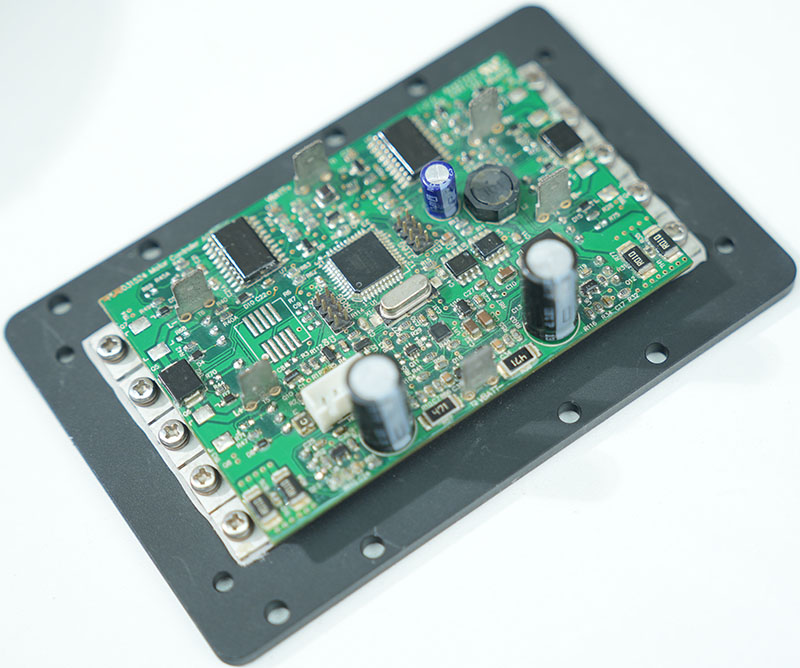
An industrial control PCBA is a printed circuit board assembly designed to manage and control industrial equipment. It integrates electronic components that perform signal processing, data communication, system monitoring, and device control.

Industrial control boards are widely used in:

  • PLC controllers
  • Robotics systems
  • Motor drives
  • CNC machines
  • Industrial IoT gateways
  • Power management equipment

These boards process sensor signals and control actuators such as motors, valves, or relays. They often communicate with upper-level systems like SCADA platforms or industrial networks.

A typical industrial controller PCBA includes:

  • Microcontrollers or industrial processors
  • Analog and digital signal circuits
  • Communication interfaces (RS485, CAN, Ethernet)
  • Power conversion circuits
  • Protection components and isolation circuits

Because industrial systems operate continuously, reliability becomes the most critical design goal. Even a small failure can interrupt production and cause significant economic losses.

Industrial Control PCBA

What Performance Requirements Define Industrial Control Equipment PCBA In Harsh Environments?

Industrial environments place strict requirements on industrial control equipment PCBA. Unlike consumer electronics, these systems must maintain stable performance under difficult operating conditions.

Common environmental challenges include:

  • High temperature operation
  • Electrical noise from motors
  • Mechanical vibration
  • Dust and humidity
  • Unstable industrial power systems

To meet these requirements, engineers often design industrial PCBA with enhanced reliability features.

Key Performance Requirements

RequirementEngineering Solution
Temperature toleranceHigh Tg PCB materials and thermal design
Electromagnetic compatibilityGround planes and EMI shielding
Electrical isolationOptocouplers or digital isolators
Vibration resistanceReinforced connectors and mechanical support
Power stabilityIndustrial grade voltage regulators

Many industrial boards operate in temperature ranges from -40°C to 85°C, and some specialized equipment must support even wider ranges.

Additionally, electromagnetic interference (EMI) from motors and inverters is common in factories. Engineers often use multi-layer PCB designs with dedicated ground planes to reduce noise and maintain signal integrity.

How Does Industrial Control Board PCBA Prototype Assembly Validate Hardware Before Mass Production?

Before large-scale manufacturing begins, engineers usually create a industrial control board PCBA prototype assembly. This prototype stage is critical for validating hardware design and ensuring system stability.

Prototype assembly allows engineers to evaluate several important aspects:

  • Hardware functionality
  • Signal integrity
  • Thermal performance
  • EMI compatibility
  • Firmware interaction

During this phase, engineers perform tests such as:

  • Functional testing of control algorithms
  • Communication interface verification
  • Thermal stress testing
  • Noise and EMI evaluation

If design issues are discovered, engineers can adjust PCB layout, component selection, or firmware configuration before mass production.

Prototype PCBA also helps verify manufacturability. Assembly engineers analyze solder joint quality, component placement accuracy, and potential production risks.

This early validation stage significantly reduces the risk of production defects and costly design changes later.

What Design Principles Ensure Reliable PCBA For Industrial Controller Systems?

Designing PCBA for industrial controller applications requires careful engineering decisions. Industrial controllers must remain stable during long operation cycles and under varying environmental conditions.

Several design principles are widely used in industrial PCBA development.

1. Robust Power Design

Industrial equipment often operates with fluctuating power sources. Engineers design multi-stage power regulation circuits to stabilize voltage supply.

Typical power architectures include:

  • DC-DC conversion modules
  • Over-voltage protection circuits
  • Reverse polarity protection

These circuits protect sensitive components from power disturbances.

2. Strong EMI And Noise Protection

Factories contain many electrical noise sources. Motors, inverters, and switching power supplies generate electromagnetic interference.

Engineers reduce EMI using several methods:

  • Multi-layer PCB grounding structure
  • Differential signal routing
  • Shielding and filtering circuits
  • Ferrite beads and common mode chokes

These design strategies ensure stable signal transmission.

3. Thermal Management

Industrial electronics often operate continuously. Heat accumulation can affect component reliability.

Thermal design techniques include:

  • Large copper planes
  • Thermal vias under power devices
  • Heat sinks and airflow design

Proper thermal design helps maintain long operating lifetimes.

4. Long Lifecycle Component Selection

Industrial systems often remain in service for more than ten years. Engineers choose components with long lifecycle availability to avoid redesign.

Industrial grade components also provide higher reliability compared with consumer parts.

How Is PCBA Industrial Controller Manufacturing Optimized For Long Lifecycle Products?

Manufacturing PCBA industrial controller boards requires strict process control. Industrial products demand consistent quality across many production cycles.

Key manufacturing practices include:

Stable PCB Fabrication

Industrial PCBs often use:

  • 4-layer or 6-layer stackups
  • Thick copper layers
  • High Tg FR-4 materials

These structures improve electrical stability and thermal performance.

Precision SMT Assembly

Surface mount technology ensures accurate component placement. Automated equipment such as SPI, AOI, and X-ray inspection helps detect assembly defects early.

Typical inspection flow includes:

These steps help maintain consistent solder joint quality.

Functional Testing

Industrial controller boards usually undergo functional testing before shipment.

Functional tests verify:

  • Communication ports
  • Input and output signals
  • Power supply stability
  • Processor operation

This testing ensures that every board performs correctly before integration into equipment.

Why Do Automation Companies Choose OEM Industrial Control PCBA Manufacturing?

Many automation companies prefer OEM industrial control PCBA manufacturing instead of building production lines internally.

OEM PCBA manufacturers provide several advantages.

Engineering Collaboration

Professional PCBA manufacturers often provide:

These services improve manufacturability and reduce production risk.

Advanced Manufacturing Equipment

OEM factories typically operate automated SMT lines with inspection equipment such as:

  • AOI inspection systems
  • X-ray inspection for BGA components
  • Flying probe testing machines

These tools ensure consistent manufacturing quality.

Supply Chain Management

Industrial control systems often require many electronic components. Professional manufacturers maintain strong supply chain networks to secure reliable component sourcing.

This reduces component shortages and production delays.

How To Evaluate A Professional Industrial Control PCBA Supplier For Stable Production?

Selecting the right industrial control PCBA supplier directly affects product reliability and long-term production stability.

Several key factors should be evaluated.

Manufacturing Experience

Industrial control electronics require specialized knowledge. Manufacturers with long industry experience better understand automation system requirements.

Quality Certifications

Reliable PCBA suppliers often maintain certifications such as:

These standards demonstrate structured quality management.

Engineering Support

Professional suppliers usually provide technical support including:

  • DFM review
  • PCB stackup recommendations
  • Assembly optimization

This collaboration improves overall product reliability.

Production Capacity

Industrial products may require both prototype and mass production. A strong PCBA partner should support flexible production volumes.

What Capabilities Should A PCBA Supplier For Industrial Control Provide To OEM Manufacturers?

A qualified PCBA supplier for industrial control should provide more than simple assembly services. Industrial systems require complete manufacturing support.

Important capabilities include:

CapabilityWhy It Matters
PCB fabricationIntegrated manufacturing improves quality control
Component sourcingReliable supply chain reduces production risk
SMT assemblyHigh precision assembly ensures stability
Functional testingEnsures controller operation before shipment
Traceability systemsSupports long lifecycle product management

Manufacturers with integrated PCB and PCBA services can often provide faster production cycles and better process control.

Industrial Control PCBA

In a nutshell, industrial automation continues to expand across manufacturing industries. Reliable electronics are essential for maintaining stable production systems. Industrial control PCBA plays a central role in controlling machines, processing signals, and managing industrial communication networks.

Designing and manufacturing these boards requires strong engineering expertise. Factors such as thermal design, EMI protection, robust power management, and strict testing procedures all contribute to long-term reliability.

Working with an experienced PCBA manufacturer helps automation companies reduce development risk and achieve stable product performance.

If you are looking for professional support for industrial controller electronics, feel free to contact our engineering team via sales@bestpcbs.com. Our team will be happy to assist with your industrial control PCBA projects.

FAQs About Industrial Control PCBA

What Is Industrial Control PCBA?

Industrial control PCBA is a printed circuit board assembly designed for automation systems such as PLC controllers, robotics equipment, and industrial communication devices.

What Is The Difference Between Industrial PCBA And Consumer Electronics PCBA?

Industrial PCBA focuses on reliability and long-term operation. Consumer electronics prioritize cost and compact design.

Industrial boards often include stronger protection circuits and higher grade components.

How Long Does Industrial Controller PCBA Typically Last?

Many industrial controllers operate for 10 to 15 years when properly designed and maintained.

Long lifecycle components and robust PCB design help achieve this durability.

What PCB Materials Are Common For Industrial Control Boards?

Most industrial boards use high Tg FR-4 materials, while some power control systems may require thicker copper layers or specialized laminates.

These materials improve thermal stability and electrical performance.

How Important Is Testing In Industrial PCBA Manufacturing?

Testing is extremely important. Industrial controller boards often undergo AOI inspection, electrical testing, and functional testing to ensure stable operation.

These tests help detect manufacturing defects early.
Industrial PCBA Manufacturers in Brazil with Custom Solutions
Wednesday, February 11th, 2026

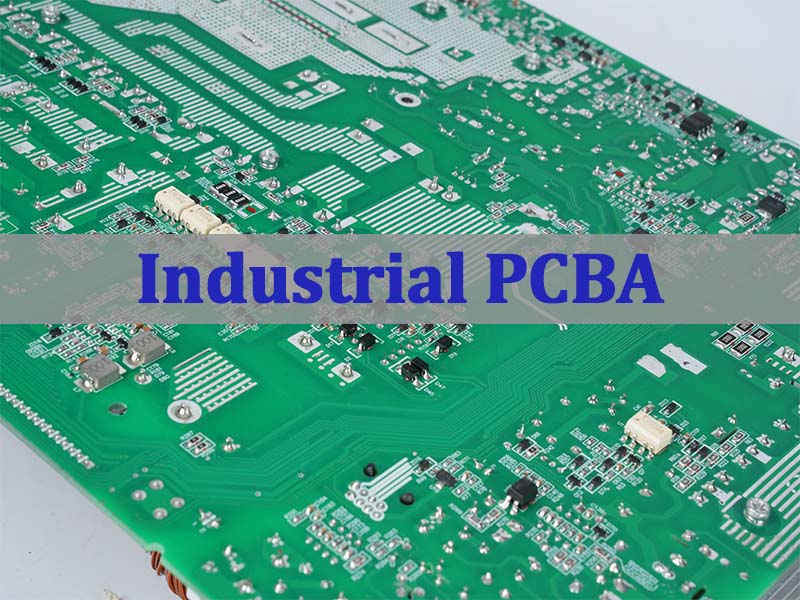
Industrial PCBAforms the operational core of modern industrial equipment, translating complex electronic designs into reliable, functional hardware that drives automation and control. This article explores the evolving landscape for Industrial PCBA manufacturers serving the Brazilian market, analyzing key trends, engineering challenges, and the strategic considerations between local and overseas sourcing, culminating in a guide for selecting the right manufacturing partner.

What are the most common pain points that delay or compromise industrial PCBA assembly projects?

  • Inconsistent quality and reliability​ in harsh plant environments, leading to premature field failures.
  • Unpredictable lead times and delivery delays​ from suppliers, disrupting production schedules.
  • Hidden costs and lack of cost transparency, eroding project budgets after initial industrial PCBA quotes.
  • Limited access to specialized engineering support​ for industrial control PCBA​ or industrial robotics PCBA​ design challenges.
  • Supply chain fragility and poor component traceability, risking production stoppages and complicating lifecycle management.

The solution lies in selecting a industrial PCBA manufacturer whose processes are specifically engineered to mitigate these exact risks.

  • Implement Rigorous, Process-Driven Quality Gates:​ Enforce standards like IPC Class 3 and ISO 9001/16949 at every stage, from industrial PCBA prototyping​ to volume runs.
  • Guarantee Supply Chain & Production Visibility:​ Provide transparent scheduling and real-time updates to ensure on-time delivery for industrial PCBA assembly services.
  • Offer Detailed, Upfront Cost Analysis:​ Break down all NRE, tooling, and unit costs clearly to avoid surprises and support budget planning.
  • Provide Dedicated DFM & Engineering Support:​ Assign experts to collaborate on thermal design, component selection, and layout for high-performance PCBA for industrial equipment.
  • Establish a Robust, Documented Supply Chain:​ Leverage strong supplier relationships and full component traceability to ensure resilience and support long lifecycle​ requirements.

EBest Circuit (Best Technology) is a dedicated industrial electronics PCBA manufacturer supporting global industrial markets, including Brazil, with engineering-driven and cost-efficient manufacturing solutions. By leveraging the capabilities of our China-based industrial PCBA facilities, we provide a seamless one-stop service for industrial electronics — from early-stage prototyping and design optimization to stable, scalable mass production. Rather than focusing only on assembly, our team works closely with customers to develop practical custom industrial PCBA solutions that balance performance, reliability, and long-term supply stability, meeting the expectations of industrial automation projects worldwide. For project discussions or quotation support, please contact sales@bestpcbs.com.

Industrial PCBA

How Industrial Automation Growth In Brazil Is Reshaping Demand For Industrial PCBA Manufacturers?

The rapid expansion of industrial automation in Brazil is fundamentally altering the specifications and expectations for Industrial PCBA manufacturers. Demand is shifting from simple, standard boards to complex, intelligent, and ruggedized assemblies.

  • Demand for Higher Complexity:​ Automation drives the need for boards with more processing power, connectivity (IoT), and sophisticated sensor integration.
  • Emphasis on Ruggedization:​ Equipment in mining, agriculture, and manufacturing requires PCBA that can withstand vibration, humidity, and wide temperature swings.
  • Need for Customization:​ Off-the-shelf solutions fall short. There is growing demand for custom industrial PCBA solutions​ tailored to specific machinery and processes.
  • Pressure on Reliability & Uptime:​ Automated lines cannot tolerate frequent failures. PCBA must achieve exceptional Mean Time Between Failures (MTBF).
  • Integration with Legacy Systems:​ New control boards often need to communicate with older industrial networks, requiring specialized interface design.

This growth creates a lucrative but demanding market for suppliers who can deliver not just assembly, but comprehensive industrial PCBA solutions​ that are robust, smart, and fully integrated.

Industrial PCBA

Why Many Brazil OEMs Source From China Industrial PCBA Instead Of Local EMS Providers?

While local EMS providers offer geographical proximity, many Brazilian OEMs choose China industrial PCBA partners for stronger scalability, broader engineering resources, and more stable delivery performance — especially in industrial PCBA manufacturing where long-term reliability and supply-chain efficiency matter more than simple location advantages.

ConsiderationSourcing From Local EMS (Brazil)Sourcing From Specialized China PCBA Manufacturer
Cost StructureHigher labor costScaled cost efficiency
Technical EcosystemLimited specializationDeep supplier network
Prototyping AgilitySlower iterationFast prototype cycles
High-Mix CapabilityStandard buildsComplex builds ready
Lead Time RealityShort shippingFast sourcing + build
Long-Term Cost VisionUnit-price focusTCO-driven approach

Many engineers assume local EMS automatically means faster delivery. In reality, lead time is often determined by component sourcing speed and engineering workflow rather than distance alone.

  • Local EMS may shorten final logistics but can face longer material preparation cycles.
  • China industrial PCBA manufacturers often reduce overall schedule through faster sourcing, rapid DFM feedback, and parallel manufacturing processes.
  • For industrial control board PCBA and automation projects, total turnaround time is frequently influenced more by engineering responsiveness than by shipping distance.

Because of this, many Brazil OEM teams evaluate partners based on total project lead time rather than geographic proximity alone, balancing sourcing speed, production stability, and long-term scalability.

Engineering Challenges Behind Industrial Control Equipment PCBA In Harsh Environments

Designing industrial control equipment PCBA​ for Brazilian industrial settings—such as sugarcane mills, mining operations, or offshore platforms—presents unique engineering hurdles that go beyond standard commercial design.

  • Environmental Contamination:​ Dust, moisture, and chemical vapors necessitate conformal coating (using an industrial coating machine for PCBA) and sealed enclosures.
  • Thermal Stress:​ High ambient temperatures and poor ventilation require meticulous thermal management via heatsinks, layout optimization, and derating.
  • Mechanical Stress:​ Continuous vibration and shock demand secure mounting, strategic underfilling of BGAs, and the use of rigid flexible PCB PCBA for industrial​ applications where movement is present.
  • Electrical Noise & ESD:​ Noisy motor drives and high-power equipment create EMI/RFI challenges, requiring careful grounding, shielding, and filtering circuit design.
  • Longevity & Obsolescence:​ Industrial machines have decades-long lifecycles. Designing for component longevity and managing obsolescence are critical planning activities.

Overcoming these challenges is not optional; it is fundamental to creating a reliable industrial control PCBA​ that will perform consistently in the field, minimizing downtime and maintenance costs.

From Prototype To Volume How Industrial Control Board PCBA Prototype Assembly Reduces Risk?

The industrial control board PCBA prototype assembly​ phase is a critical risk-mitigation step, not merely a first article check. A well-executed prototype run validates the entire production pathway before significant capital is committed.

  • Design for Manufacturability (DFM) Validation:​ Catches layout issues that could cause assembly defects or reliability problems in volume.
  • Component Sourcing & Compatibility Check:​ Verifies real-world component performance and availability within the supply chain.
  • Functional & Environmental Testing:​ Allows the PCBA to be tested under simulated harsh conditions (thermal cycling, vibration) before field deployment.
  • Process Proofing:​ Establishes the assembly process, solder profiles, and inspection criteria that will be scaled for volume.
  • Cost Refinement:​ Provides accurate data to refine the final industrial PCBA quotes​ for volume production.

Skipping or rushing the prototype phase for industrial control board PCBA often leads to costly re-spins, delayed launches, and quality issues in the field. It is an essential investment in project success.

Thermal Design And Reliability Considerations For Industrial Robotics PCBA Applications

Industrial robotics PCBA​ operates at the extreme end of performance and environmental demand. Servo drives, motor controllers, and vision systems generate significant heat in confined spaces, making thermal management paramount.

Key Design Considerations:

  • Power Density Mapping:​ Identify high-heat components (MOSFETs, FPGAs, processors) early in the layout phase.
  • Thermal Interface Materials (TIMs):​ Select appropriate thermal pads, greases, or phase-change materials to efficiently transfer heat to enclosures or heatsinks.
  • Strategic Layer Stack-up:​ Use dedicated power and ground planes to spread heat and use internal layers as thermal conduits.
  • Forced Air vs. Conduction Cooling:​ Decide based on the robot’s architecture. Joint controller PCBA may rely on conduction to the robot arm structure itself.
  • Reliability Modeling:​ Use formulas like the Arrhenius equation to model and test lifespan under elevated temperature stress, ensuring the PCBA for industrial controller​ meets its target MTBF.

Failure to adequately address thermal design is a leading cause of failure in high-performance PCBA for industrial equipment​ like robotics, directly impacting speed, precision, and uptime.

Why Industrial Electronics PCBA Manufacturers Focus On Traceability And Long Lifecycle Support?

For an industrial electronics PCBA manufacturer, the commitment extends far beyond the point of sale. Traceability and long lifecycle support​ are non-negotiable services for industrial clients.

  • Component Traceability:​ Full lot-code tracking for every IC and critical component is essential for rapid root-cause analysis if a field issue arises and for managing recalls.
  • Production Data Logging:​ Storing data from solder paste inspection (SPI), automated optical inspection (AOI), and in-circuit test (ICT) for each board serial number.
  • Obsolescence Management:​ Proactive notification of component end-of-life (EOL) and offering redesign or last-time-buy (LTB) services to keep production lines running for 10+ years.
  • Archival of Design & Process Files:​ Secure, long-term storage of Gerbers, BOMs, assembly drawings, and test procedures to enable reproduction years later.
  • Repair & Return Support:​ Maintaining the capability and spare parts to repair legacy boards, supporting the entire lifecycle of the industrial asset.

This focus transforms a manufacturer from a simple board assembler into a true long-term partner for oem customers in ems industry.

Comparing OEM Industrial Control PCBA And Standard EMS Manufacturing Models

Choosing between a partner focused on OEM industrial control PCBA and a standard EMS provider is a strategic decision with significant implications.

AspectOEM Industrial Control PCBA PartnerStandard EMS Provider
Core FocusIndustrial control specializationGeneral electronics focus
Engineering EngagementDeep engineering supportBasic DFM feedback
Quality MindsetReliability-driven buildsStandard IPC Class 2
Supply Chain StrategyLong-lifecycle componentsCost-driven sourcing
Value PropositionTCO and stabilityLowest unit price

For industrial equipment PCBA company projects, a specialized partner model often delivers stronger long-term reliability, lower operational risk, and more predictable lifecycle costs.

Why Choose EBest Circuit (Best Technology) for Industrial Robotics PCBA Fabrication?

Selecting EBest Circuit for your industrial robotics PCBA fabrication consolidates the advantages discussed throughout this article. We specialize in the niche where high complexity meets harsh environment requirements.

  • Proven Harsh-Environment Expertise:​ Our processes are fine-tuned for the thermal, mechanical, and environmental demands of robotics, ensuring robust precision PCBA assembly for industry.
  • Seamless Prototype-to-Volume Bridge:​ We mitigate risk through disciplined industrial PCBA prototyping, ensuring a smooth, scalable transition to volume production without surprises.
  • Dedicated Engineering Partnership:​ We act as an extension of your team, providing the deep industrial control PCBA​ design support needed to solve thermal, signal integrity, and power challenges.
  • China-Based Efficiency with Global Standards:​ You benefit from competitive industrial PCBA manufacturing​ costs and a vast component ecosystem, while we deliver quality certified to IPC Class 3 and ISO16949 approved​ processes.
  • Full Lifecycle Commitment:​ We build and support your PCBA boards for OEM EMS industry customers​ with complete traceability and long-term obsolescence management, protecting your investment.
Industrial PCBA

In a nutshell, industrial PCBA is the critical, intelligent backbone that powers innovation and efficiency across Brazil’s growing industrial sectors. This article has examined the market dynamics, engineering imperatives, and strategic sourcing decisions that define success in procuring reliable, high-performance industrial PCBA electronics. EBest Circuit (Best Technology) is positioned as a reliable industrial robotics PCBA partner, offering Brazilian OEMs access to custom industrial PCBA solutions​ built on a foundation of quality, reliability, and deep industrial expertise.To discuss your industrial PCBA assembly​ project, please contact us at sales@bestpcbs.com.

FAQs about Industrial PCBA

Why Do Industrial PCBA Prototype Runs Often Fail Even When The Design Looks Correct?

Even flawless schematics can hide manufacturing pitfalls. Prototype failures often uncover DFM issues (e.g., thermal reliefs, solder mask slivers), component sourcing/quality problems, or undetected signal integrity/power distribution flaws that only manifest when physically assembled and tested under load.

Is China Industrial PCBA Always Cheaper Than Local Manufacturing For Industrial Projects?

While unit cost is often lower, the true comparison is Total Cost of Ownership (TCO). For complex, reliability-critical industrial PCBA solutions, China’s combination of advanced technical expertise, supply chain scale, and focused industrial experience frequently results in a lower TCO despite logistics, when factoring in superior quality, reduced field failures, and better scalability.

Does IPC Class 3 Really Improve Reliability For Industrial Control PCBA?

Absolutely. IPC Class 3 defines the most stringent acceptance criteria for workmanship, targeting “high-performance electronic products where continued performance or performance on demand is critical.” For industrial control PCBA in harsh, inaccessible environments where failure is unacceptable, manufacturing to Class 3 standards is a fundamental requirement for achieving the necessary reliability and longevity.