





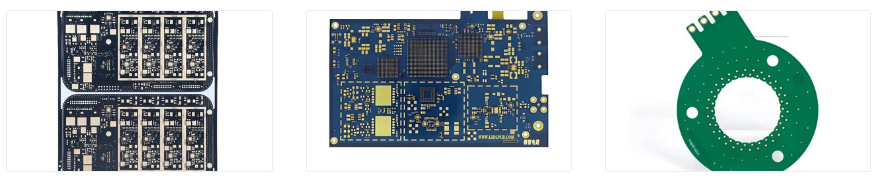
High Tg PCB is designed for electronic products that need better thermal stability, stronger dimensional control, and more reliable performance under heat. Compared with standard FR4 materials, high Tg PCB laminates maintain better mechanical integrity during elevated operating temperatures, repeated soldering cycles, and demanding thermal environments.
At EBest Circuit, we manufacture custom high Tg FR4 PCBs for customers in automotive, industrial control, LED lighting, power electronics, telecom, and other heat-sensitive applications.
Send your Gerber files, stackup, quantity, and material requirements to sales@bestpcbs.com for a fast quotation and engineering review.
What Is High Tg PCB?
Tg stands for Glass Transition Temperature. It is the temperature at which the PCB base material changes from a hard, glass-like state to a softer, rubber-like state. A high Tg PCB typically uses laminate materials with a Tg above 170°C, making it more suitable for thermal-intensive applications than standard FR4.
This type of PCB is widely used in products where heat is part of the design challenge, not just an occasional condition. That includes automotive electronics, industrial systems, LED modules, power conversion devices, telecom equipment, and other assemblies exposed to repeated or continuous thermal stress.
Why Choose High Tg PCB?
When the operating temperature of a PCB rises beyond the normal range, standard FR4 may no longer provide enough stability. Once the board temperature exceeds its Tg point, the substrate begins to soften, which can increase expansion, reduce dimensional stability, and affect long-term reliability. High Tg PCB materials help reduce these risks by offering better resistance to thermal stress.
A high Tg board is commonly selected when your project requires:
- Better heat resistance during operation
- Improved stability during lead-free soldering
- Stronger resistance to thermal cycling
- Lower risk of warpage in multilayer structures
- More reliable performance in demanding environments
In practical design, the Tg value of the PCB material should usually remain above the real working temperature to give the product a better reliability margin.
Standard FR4 vs High Tg FR4
Choosing between standard FR4 and high Tg FR4 depends on the actual thermal load of the product, not only on board cost.
| Material Grade | Typical Tg Value | Typical Use |
|---|---|---|
| Standard FR4 | 130–140°C | General electronics |
| Mid Tg FR4 | Around 150°C | Moderate thermal demand |
| High Tg FR4 | Around 170°C or above | High-temperature and high-reliability designs |
High Tg FR4 is often preferred when the design involves multiple lamination cycles, multilayer structures, higher soldering temperatures, stronger thermal stress during assembly, or elevated working temperatures during long-term operation.
Key Benefits of High Tg PCB
Better Thermal Stability
High Tg materials can withstand higher temperatures without softening as quickly as standard materials. This helps the board remain more stable during operation and assembly.
Lower CTE
A lower coefficient of thermal expansion helps reduce stress on copper circuits, plated holes, solder joints, and mounted components.
Improved Mechanical Strength
High Tg laminates offer better dimensional stability under thermal cycling, which is important in products exposed to repeated heating and cooling.
Enhanced Reliability
These materials are widely used in industrial, automotive, aerospace, and other harsh-environment electronics because they support more stable long-term performance.
Better Dimensional Stability
High Tg materials show smaller dimensional change under high temperature and humidity, which helps reduce manufacturing and reliability issues caused by environmental variation.
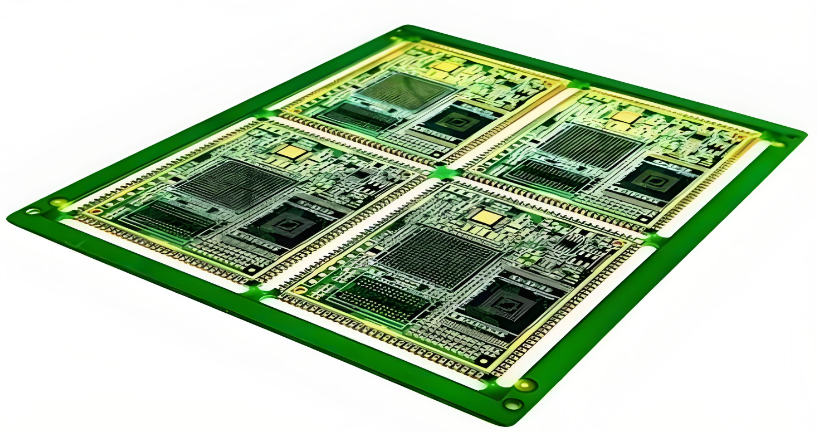
High Tg PCB Materials We Can Support
Different projects require different material systems. We can support a wide range of high Tg laminate options based on your application, stackup, and reliability target.
- SYL (Shengyi Technology): S1170 & S1000-2
- ISOLA: FR406, FR408, IS410 & DS370HR
- Hitachi: MCL-E-679
- Nelco: N4000-6 & N4000-11
- Rogers: RO4000 Series
For standard high Tg FR4 projects, S1170 is often used when the customer does not specify a laminate brand.
What Parameters Matter in a High Tg FR4 Datasheet?
When selecting a high Tg PCB material, engineers and buyers should review more than just one Tg number. Important parameters include:
- Tg value
- CTE
- Dielectric constant
- Flammability rating, typically UL94 V-0
- Thermal stability in actual application conditions
These values help determine whether the material fits the electrical, mechanical, and thermal requirements of the final product.
For specific datasheet of high Tg materials, please download:
- Download (PDF) S1170 Download (PDF) S1000-2 Download (PDF) FR406
- Download (PDF) FR408
- Download (PDF) IS410
- Download (PDF) DS370HR
- Download (PDF) N4000-6
- Download (PDF) N4000-11
- Download (PDF) Rogers 4350B
Tg vs Td: What Is the Difference?
Tg is the temperature where the PCB material begins to soften and lose rigidity. It mainly affects mechanical behavior and dimensional stability.
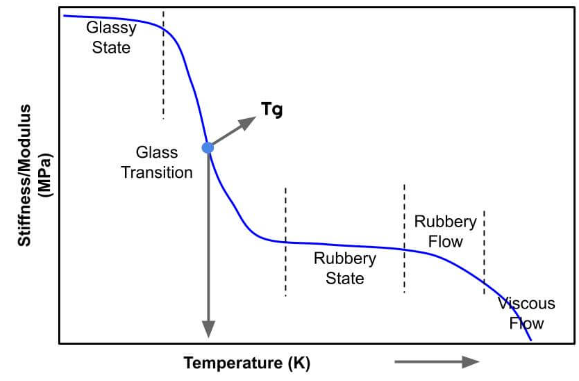
Td, or decomposition temperature, is the point where the material starts to chemically break down. This is irreversible and can cause permanent board failure.
| Property | Tg | Td |
|---|---|---|
| Full Name | Glass Transition Temperature | Decomposition Temperature |
| Main Effect | Mechanical softening | Chemical breakdown |
| Reversible | Generally reversible after cooling | Not reversible |
| Engineering Focus | Dimensional stability | Material survival limit |
Typical Applications of High Tg PCB
High Tg PCB is widely used in applications where thermal reliability matters more than using the lowest-cost standard laminate.
Automotive Electronics
Suitable for control units, lighting electronics, and other systems exposed to elevated temperatures and repeated thermal cycling.
Industrial Controls
Supports stable performance in control systems that operate in demanding factory or field environments.
LED Lighting
Offers better thermal tolerance than standard FR4 in LED modules and lighting drivers with higher heat dissipation needs.
Power Electronics
Useful in designs that handle higher currents, power conversion loads, and continuous heat generation.
Telecom Equipment
Supports more reliable operation in communication systems where thermal stability can affect performance consistency.
Aerospace and Harsh Environments
Applicable in electronics that require stronger reliability under wide temperature swings and long service cycles.
Our High Tg PCB Manufacturing Capabilities
| Item | Capability |
|---|---|
| Product Type | High Tg FR4 PCB, multilayer PCB, custom thermal-stable PCB |
| Material Options | Shengyi, Isola, Hitachi, Nelco, Rogers and other specified brands |
| Order Volume | Prototype, pilot run, and mass production |
| Support Service | Engineering review, material selection support, DFM assistance |
| Application Coverage | Automotive, industrial, LED, telecom, power electronics, aerospace-related projects |
| Supply Support | China and Vietnam factory support for global customers |
When Should You Consider Ceramic Instead?
High Tg FR4 is a strong upgrade over normal FR4, but it is not the right answer for every thermal design. If the board working temperature rises far beyond the normal range of high Tg FR4, such as in very high-temperature power or special industrial environments, ceramic PCB may be the better solution.
High Tg PCB is stronger than standard FR4, more cost-effective than ceramic in many applications, and suitable for a wide range of industrial and commercial electronics.
Why Work With EBest Circuit for High Tg PCB?
- 20+ years of PCB manufacturing experience
- Custom high Tg PCB support for different industries and reliability levels
- Quick-turn prototype service
- Flexible order quantities
- Engineering support for material and stackup review
- Strict quality control during fabrication
- China and Vietnam factory support
- Convenient export quotation support for overseas customers
For OEMs, EMS providers, and purchasing teams, a reliable high Tg PCB supplier should do more than fabricate the board. The supplier should also help confirm whether the selected material, structure, and production route truly match the end-use temperature and reliability target.
Custom High Tg PCB Services
We can support high Tg PCB projects for:
- Prototype builds
- Pilot runs
- Mass production
- Multilayer high Tg FR4 boards
- High-temperature industrial control boards
- Automotive-grade thermal-stable PCB projects
- LED and power electronics boards
- Application-specific material selection support
If your project already has Gerber files, stackup details, and material requirements, we can quote directly. If not, our engineering team can help review the design and recommend a suitable high Tg option based on temperature, process, and cost targets.
FAQs About High Tg PCB
What is considered a high Tg PCB material?
In most PCB applications, materials with a Tg around 170°C or higher are considered high Tg materials.
Is high Tg FR4 better than standard FR4?
For higher-temperature or high-reliability applications, yes. High Tg FR4 offers better thermal stability and dimensional control than standard FR4.
Can high Tg PCB be used for LED applications?
Yes. High Tg PCB is often used in LED products that generate more heat than general electronic assemblies.
What is the difference between Tg and Td?
Tg is the temperature where the material softens. Td is the temperature where the material starts to decompose chemically.
Is high Tg PCB suitable for multilayer boards?
Yes. High Tg materials are often selected for multilayer boards because they provide better dimensional stability during lamination and soldering processes.
Can you support prototype and mass production orders?
Yes. EBest Circuit supports prototype, pilot, and mass production orders for custom high Tg PCB projects.
Request a Quote for High Tg PCB
Looking for a dependable high Tg PCB manufacturer for your next project?
Send us your Gerber files, stackup, quantity, copper thickness, board thickness, material preference, and application requirements. Our engineering team will review your project and recommend a suitable high Tg PCB solution for both prototype and production.
Email: sales@bestpcbs.com