PCB manufacturing PCB manufacturing
Home > Blog

flex pcb manufacturer

Quick Turn Flex PCB Manufacturer | One-Stop PCB Assembly
Wednesday, March 11th, 2026

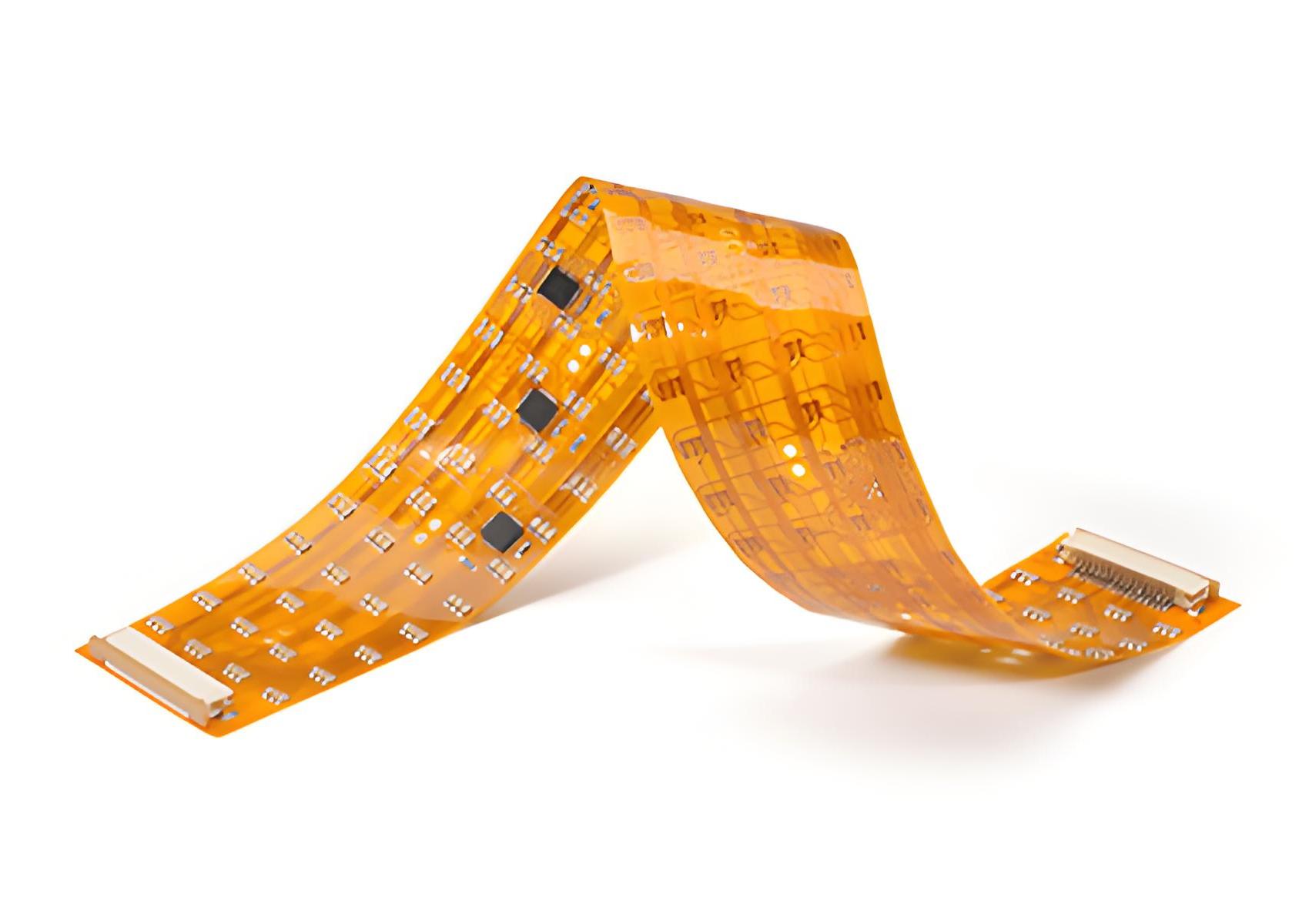
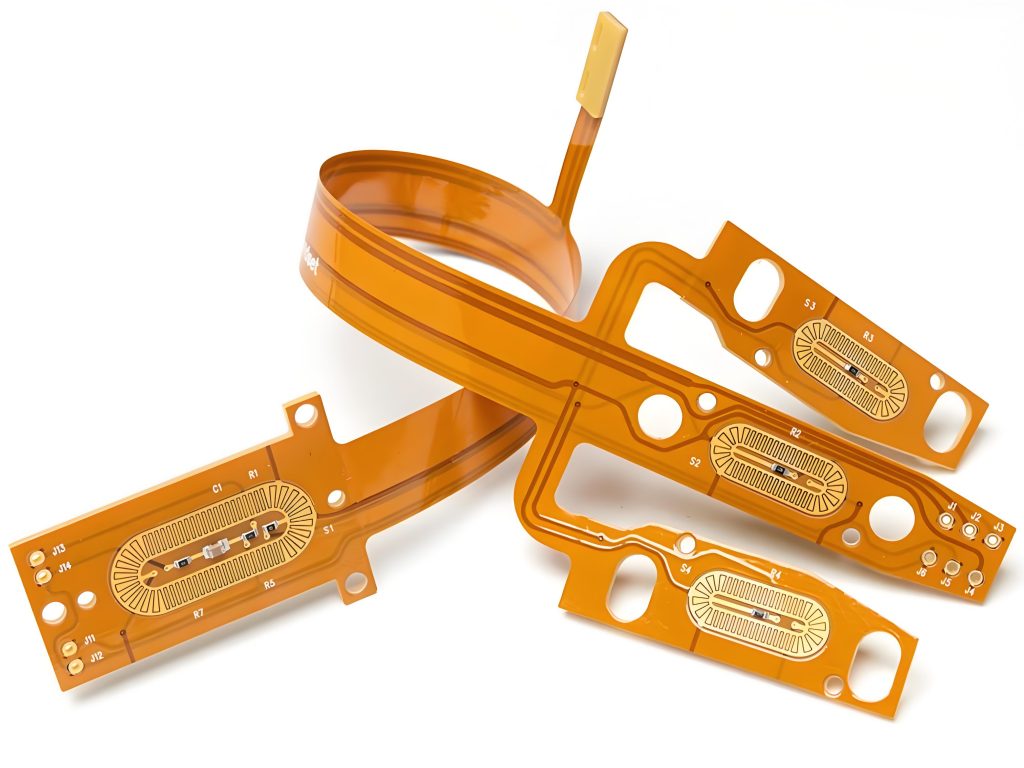
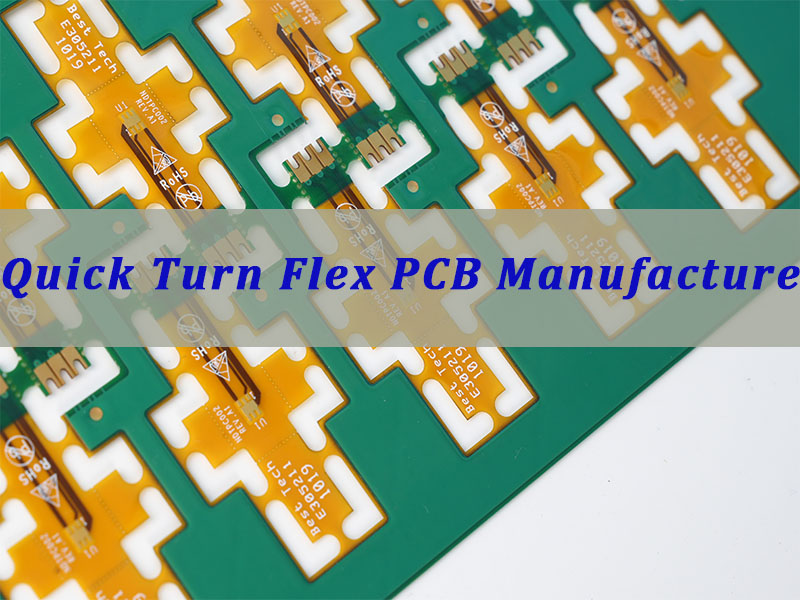
Quick turn flex PCB manufacturer services matter because they help engineers move from design files to validated hardware faster, with fewer process risks and better control over flexible and rigid-flex board performance. This article explains how flex and rigid-flex PCB manufacturing works, what customers should evaluate in a supplier, and why one-stop PCB assembly can reduce both development time and avoidable errors.

What usually frustrates customers when sourcing a quick turn flex PCB manufacturer?

  • Lead times slip when design review is weak.
  • Flex materials and stack-up choices are unclear.
  • Rigid-flex reliability risks appear too late.
  • PCB fabrication and assembly are split across vendors.
  • Prototype builds do not scale smoothly into small batches.

A capable one-stop supplier solves those problems by aligning design, fabrication, sourcing, and assembly from the start.

  • Perform early DFM review before tooling release.
  • Recommend fit-for-purpose materials, stack-up, and stiffeners.
  • Control critical rigid-flex process steps and bend-zone protection.
  • Integrate PCB fabrication, component sourcing, and PCB assembly.
  • Support prototype, pilot run, and low-volume production in one flow.

EBest Circuit (Best Technology) is a professional PCB and PCBA manufacturer with strong experience in flex PCB manufacturing, rigid flex PCB manufacturing, component sourcing, and one-stop assembly support. We help engineers shorten development cycles through DFM analysis, process matching advice, prototype support, and fast-response project coordination. For projects that demand speed and technical depth, pls contact us via sales@bestpcbs.com.
Quick Turn Flex PCB Manufacturer

How Does The Flex PCB Manufacturing Process Work From Design To Production?

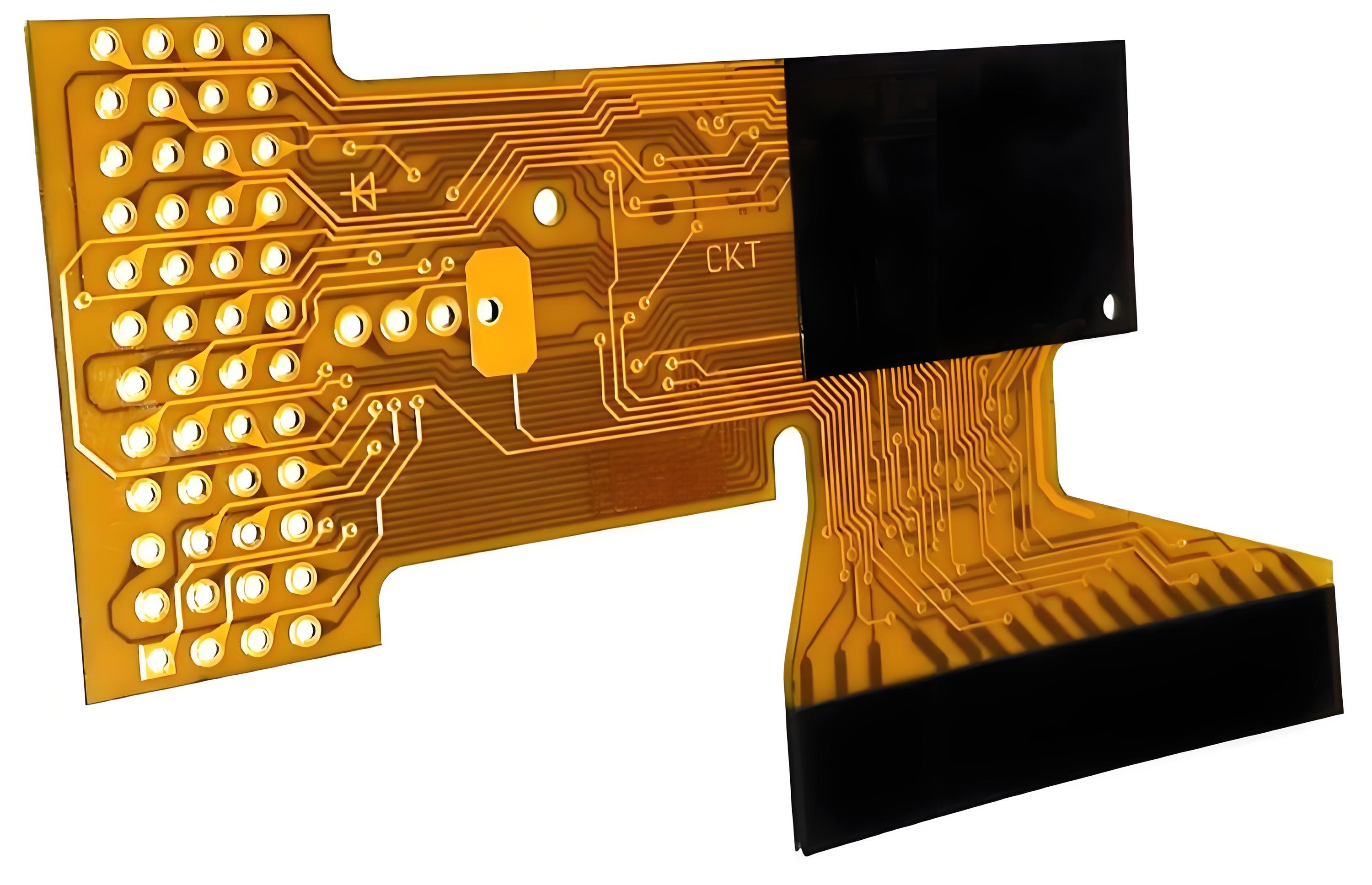
The flex PCB manufacturing process is not just a lighter version of standard PCB production. It is a controlled sequence built around thin base materials, bending performance, dimensional stability, and assembly compatibility. If any one of these is mishandled, the board may pass electrical test but still fail in use.

A practical production flow usually includes the following stages:

  1. Design Data Review
    Gerber, stack-up, coverlay openings, stiffener drawings, and bend-zone rules are checked first. This is where many prototype delays can be prevented.
  2. Material Selection
    Common flex materials include polyimide base film, rolled annealed copper, adhesive or adhesive-free constructions, coverlay, and stiffener materials such as FR-4, PI, or stainless steel.
  3. Circuit Pattern Formation
    Copper is etched to form traces. For fine-line flex PCB manufacture, line width and spacing control becomes more sensitive than in many rigid boards.
  4. Coverlay And Surface Protection
    Coverlay is laminated to protect copper traces. In some designs, flexible solder mask may also be used, but coverlay remains common for durability.
  5. Drilling, Plating, And Profiling
    Holes, slots, and outline routing are completed with close attention to registration, especially for dynamic bend areas and rigid-flex transitions.
  6. Surface Finish
    ENIG, immersion tin, OSP, and other finishes are selected based on assembly method, pad planarity, and end-use conditions.
  7. Stiffener Lamination And Final Inspection
    Stiffeners support connectors, components, and insertion zones. Final checks include dimensional inspection, appearance, impedance where required, and electrical test.

Key Process Focus

StageMain Control PointWhy It Matters
Data reviewBend area rulesPrevents copper cracking
Material selectionPI, copper typeAffects flexibility and life
CoverlayOpening accuracyProtects pads and traces
Stiffener bondingPosition toleranceSupports assembly stability
Final testContinuity and fitReduces build risk

In real projects, speed should not mean skipping engineering review. A reliable quick turn flex PCB manufacturer compresses the timeline by reducing iteration, not by reducing process discipline. That is what separates fast delivery from rushed delivery.

What Is The Recommended Bend Radius For A Flex PCB In Rigid-Flex Designs?

The recommended bend radius for a flex PCB in rigid-flex designs depends mainly on flex thickness, copper thickness, and whether the bend is static or dynamic. If the bend radius is too small, the copper traces and dielectric layers may experience excessive mechanical stress, which can lead to trace cracking, delamination, or early fatigue failure.

A commonly used engineering guideline is:

Quick Turn Flex PCB Manufacturer

Where:

  • R = Minimum bend radius
  • T = Total thickness of the flex section
  • k = Design factor depending on application

Typical values are:

Application TypeRecommended k Value
Static bend (installed once)6–10
Dynamic bend (repeated movement)10–20

For example, if the flex section thickness is 0.20 mm, the recommended bend radius is:

  • 1.2–2.0 mm for static bending
  • 2.0–4.0 mm or more for dynamic bending

Suppose the flex section thickness is 0.20 mm.

For a static bend:

Quick Turn Flex PCB Manufacturer

to

Quick Turn Flex PCB Manufacturer

For a dynamic bend:

Quick Turn Flex PCB Manufacturer

to

Quick Turn Flex PCB Manufacturer

In rigid-flex PCB manufacturing, engineers should also avoid placing vias, components, or sharp trace corners in bend areas, and consider using rolled annealed copper for better flexibility. Early design review with an experienced quick turn flex PCB manufacturer helps ensure the bend structure is both manufacturable and reliable.

What Should Engineers Consider When Choosing A Best Rigid Flex PCB Manufacturer?

Choosing the best rigid flex PCB manufacturer is less about marketing language and more about process competence. Rigid-flex structures combine the fabrication challenges of rigid boards with the mechanical demands of flex circuits. A supplier that handles only simple boards may struggle when the design includes multilayer transitions, controlled impedance, HDI features, or repeated bending.

Engineers should focus on these evaluation points:

  • Rigid-Flex Build Experience
    Ask how often the supplier builds multilayer rigid-flex designs, not just simple flex tails.
  • Stack-Up Engineering Support
    A good supplier helps optimize copper balance, adhesive system, coverlay structure, and rigid-flex transition design.
  • Bend Reliability Control
    Trace orientation, neutral bend axis planning, and copper thickness selection all matter.
  • Assembly Compatibility
    The manufacturer should understand how the board will be handled during SMT, fixture support, and final installation.
  • Inspection And Test Capability
    AOI, flying probe, impedance testing, dimensional inspection, and microsection analysis improve confidence.
  • Prototype To Volume Path
    A prototype-friendly factory should also support repeatable small-batch production.

Supplier Evaluation Snapshot

Evaluation ItemWhat To Ask
Process experienceHow many rigid-flex builds per month?
Engineering supportDo you provide stack-up and DFM feedback?
Quality controlDo you run microsection and reliability checks?
Assembly supportCan you handle one-stop PCB assembly?
Delivery modelCan prototype and small batch stay in one system?

A rigid-flex PCB manufacturer should not be judged only by price or nominal lead time. The real value comes from whether the supplier can protect reliability before the board reaches assembly and field use.

How To Choose A Reliable Quick Turn Flex PCB Manufacturer For Prototype And Small Batch Projects?

A reliable quick turn flex PCB manufacturer should help you win time at the prototype stage without creating hidden problems for the next build. For prototype and small batch projects, responsiveness is important, but engineering alignment is even more important.

Here is a practical selection framework:

  1. Check Response Speed To Technical Questions
    Fast quoting alone is not enough. The supplier should respond clearly to questions about bend radius, coverlay openings, stiffeners, and finish options.
  2. Review DFM Depth
    A valuable DFM report flags unsupported pads, sharp trace corners in bend zones, improper via placement, and risky copper distribution.
  3. Confirm Prototype-Friendly Production Setup
    Low-volume projects need flexible tooling, manageable MOQ, and engineering support rather than mass-production assumptions.
  4. Verify One-Stop Support
    When the same partner handles PCB fabrication and assembly, issues such as panel support, carrier design, and component placement near flex zones are solved earlier.
  5. Look At Material And Process Transparency
    A good supplier explains what material system is being used and why. That matters for both cost and performance.

What Reliable Quick Turn Support Looks Like

  • Fast engineering review
  • Clear manufacturability feedback
  • Stable prototype lead time
  • Flexible small-batch support
  • Joined-up PCB plus assembly workflow

For many development teams, a quick turn flex PCB manufacturer is valuable not because the board arrives fast, but because the prototype arrives usable, buildable, and ready for the next step.

What Technical Capabilities Should A Professional Flex PCB Manufacturer Provide?

A professional flex PCB manufacturer should offer more than basic etching and lamination. Technical capability is what determines whether the supplier can handle real engineering demands across product categories such as medical devices, industrial controls, wearables, telecom modules, and semiconductor equipment.

Core capabilities typically include:

  • Single-sided, double-sided, and multilayer flex PCB manufacturing
  • Rigid-flex and flex-rigid PCB structures
  • Fine-line trace capability for compact layouts
  • Coverlay processing and selective stiffener support
  • Controlled impedance for high-speed or RF interconnects
  • SMT-ready pad finish and assembly-friendly design support
  • Prototype through low-volume production service

Capability Reference Table

CapabilityTypical Value Focus
Base materialPolyimide systems
Copper typeRolled annealed preferred for bend zones
Layer countSingle to multilayer
Structure typeFlex, rigid-flex, flex-rigid
Build supportDFM, stack-up, assembly review

In advanced projects, flex PCB manufacturing capabilities also include dimensional control, IPC-oriented workmanship, fixture planning, and process traceability. This matters even more when evaluating a semiconductor flex PCB manufacturer or a supplier supporting compact computing systems.

A supplier with real technical range will also understand when not to overbuild. Sometimes the best solution is not the most complex one. It is the one that meets bend life, assembly stability, and cost targets at the same time.

What Are The Key Differences Between A Rigid Flex PCB Manufacturer And A Standard PCB Supplier?

A standard PCB supplier may produce excellent rigid boards, but that does not automatically qualify them as a rigid-flex PCB manufacturer. The materials, process controls, and failure modes are different.

The key differences usually appear in these areas:

1. Material System Knowledge

Rigid-flex boards involve polyimide flex cores, adhesive systems, coverlay, stiffeners, and transition-zone design. Standard suppliers may be less experienced in these combinations.

2. Mechanical Reliability Thinking

Rigid-flex design is not purely electrical. Bend stress, copper fatigue, and unsupported trace geometry must be considered early.

3. Registration And Lamination Complexity

Registration across rigid and flex sections is more demanding. Lamination windows are tighter.

4. Assembly Planning

A rigid-flex PCB manufacturer should anticipate carriers, support fixtures, and component keep-out rules for flex areas.

5. Inspection Depth

Microsection review and transition-zone inspection are more important in rigid-flex builds than in ordinary rigid boards.

Quick Comparison

ItemStandard PCB SupplierRigid Flex PCB Manufacturer
Main focusRigid boardsRigid + flex integration
Material expertiseConventional laminatesPI, coverlay, stiffeners
Mechanical design awarenessLimitedHigh
Bend-zone controlRareEssential
Assembly planningBasicStructure-aware

This difference is why engineers should be careful when comparing quotes. A lower price from a standard supplier may not reflect the real technical risk.

What Are The Critical Steps In The Rigid Flex PCB Manufacturing Process That Affect Reliability?

The rigid flex PCB manufacturing process affects long-term reliability most strongly at a few specific control points. If these steps are stable, the board has a much better chance of surviving both assembly and end-use stress.

The most critical steps include:

  1. Stack-Up Definition
    Layer build, copper thickness, adhesive structure, and rigid-to-flex transition must be engineered together.
  2. Lamination Control
    Pressure, temperature, and material flow affect dimensional stability and bonding quality.
  3. Drill And Plated Hole Integrity
    Hole wall quality and plating reliability are essential, especially near rigid-flex interface regions.
  4. Coverlay And Flex Area Registration
    Misregistration can expose copper or weaken pad protection.
  5. Outline Routing And Transition Shaping
    Poorly designed corners or stress concentration points reduce bend life.
  6. Surface Finish Compatibility
    Finish choice must match both assembly method and functional environment.
  7. Final Structural Inspection
    Electrical test alone is not enough. Mechanical and dimensional verification also matter.

Reliability Risk Map

Process StepCommon RiskReliability Impact
Stack-up designWrong copper balanceWarpage or stress
LaminationPoor bondingDelamination
Drilling/platingHole weaknessInterconnect failure
CoverlayOffset openingPad exposure risk
RoutingStress pointsCrack initiation

For rigid flex PCB manufacturing, reliability is rarely decided by one dramatic error. It is usually shaped by whether small process details were handled correctly, one after another.

What Design Rules Should Engineers Follow When Working With A Flex Rigid PCB Manufacturer?

When working with a flex rigid PCB manufacturer, good design rules reduce both fabrication difficulty and field failure risk. Many layout issues are avoidable if they are addressed before production release.

Important design rules include:

  • Use Smooth Trace Routing In Bend Areas
    Avoid sharp corners. Curved routing distributes stress better.
  • Keep Vias Out Of Dynamic Bend Zones
    Vias create local stress concentration and reduce flexibility.
  • Control Copper Thickness Carefully
    Thicker copper may improve current handling but reduces bend performance.
  • Plan Bend Radius Rationally
    A common engineering rule is that minimum bend radius increases with thickness and whether bending is static or dynamic.
  • Stagger Traces Where Possible
    This can reduce I-beam effect and improve flex behavior.
  • Protect Transition Areas
    Rigid-to-flex interfaces need good support and geometry control.
  • Reserve Space For Stiffeners And Assembly Support
    Connector zones often need reinforcement.

Simple Rule Guide

Design ItemPreferred Practice
Trace cornerUse arcs, not sharp angles
Via locationKeep out of bend zone
Copper in bend areaUse balanced layout
Bend radiusMatch thickness and use case
Stiffener zonesPlan early in layout

For practical engineering, the best design rule is early collaboration. A flex rigid PCB manufacturer can often spot a risk in minutes that would otherwise cost days in rework.

Why Do Many Global OEMs Choose A Flex PCB Manufacturer China For Rapid PCB Production?

Many global OEMs choose a flex PCB manufacturer China partner because China remains highly competitive in response speed, material ecosystem access, engineering support density, and one-stop production capability. The decision is not only about labor cost. It is often about supply chain efficiency.

Key reasons include:

  • Fast Prototype Turnaround
    Shorter internal coordination paths can accelerate quoting, tooling, fabrication, and assembly.
  • Dense Material And Component Supply Chain
    This supports rapid sourcing for prototype PCB assembly and small-batch builds.
  • Broad Process Coverage
    Many suppliers can support flex PCB manufacture, rigid-flex PCB manufacturing, SMT, testing, and box-level integration.
  • Engineering And Manufacturing Proximity
    DFM feedback, process adjustments, and material substitutions can move faster.
  • Scalable Cost Structure
    Prototype, pilot run, and repeat orders can often stay within one supplier network.

Why China Remains Strong

FactorPractical Benefit
Supply chain densityFaster sourcing
Process integrationFewer handoff delays
Prototype capacityBetter quick turn support
Technical manpowerFaster DFM response
Scale flexibilityGood for small batch and growth

That said, supplier selection still matters. Not every flex PCB manufacturer China option offers the same engineering quality. The right partner should combine speed, communication, process discipline, and one-stop PCB assembly support.

All in all, quick turn flex PCB manufacturer capability is important because it helps engineering teams shorten development cycles while protecting flex and rigid-flex board reliability through better process control and joined-up manufacturing support. This article covered the flex PCB manufacturing process, supplier evaluation logic, rigid-flex reliability controls, design rules, and the practical reasons many OEMs choose integrated one-stop production partners.

EBest Circuit (Best Technology) supports customers with flex PCB manufacturing, rigid flex PCB manufacturing, DFM review, component sourcing, and one-stop PCB assembly for prototype and small-batch projects. If you need a responsive manufacturing partner with practical engineering support and reliable execution, pls feel free to contact us via sales@bestpcbs.com.

FAQs About Quick Turn Flex PCB Manufacturer

How Fast Can A Quick Turn Flex PCB Manufacturer Deliver Prototypes?
Prototype lead time typically ranges from 3–7 working days, depending on layer count, board complexity, and material availability. Simple single-layer flex PCBs can sometimes be completed in as little as 48–72 hours, while multilayer rigid-flex boards may require slightly longer due to lamination and inspection steps.

Can A Quick Turn Flex PCB Manufacturer Also Provide PCB Assembly Services?
Yes. Many advanced suppliers provide one-stop PCB assembly, including PCB fabrication, component sourcing, SMT assembly, testing, and inspection. Working with a single flex PCB assembly manufacturer helps reduce coordination delays and improves reliability during prototype and small-batch production.
What is Rigid-Flex Copper Substrate? Rigid Flex PCB
Thursday, August 14th, 2025

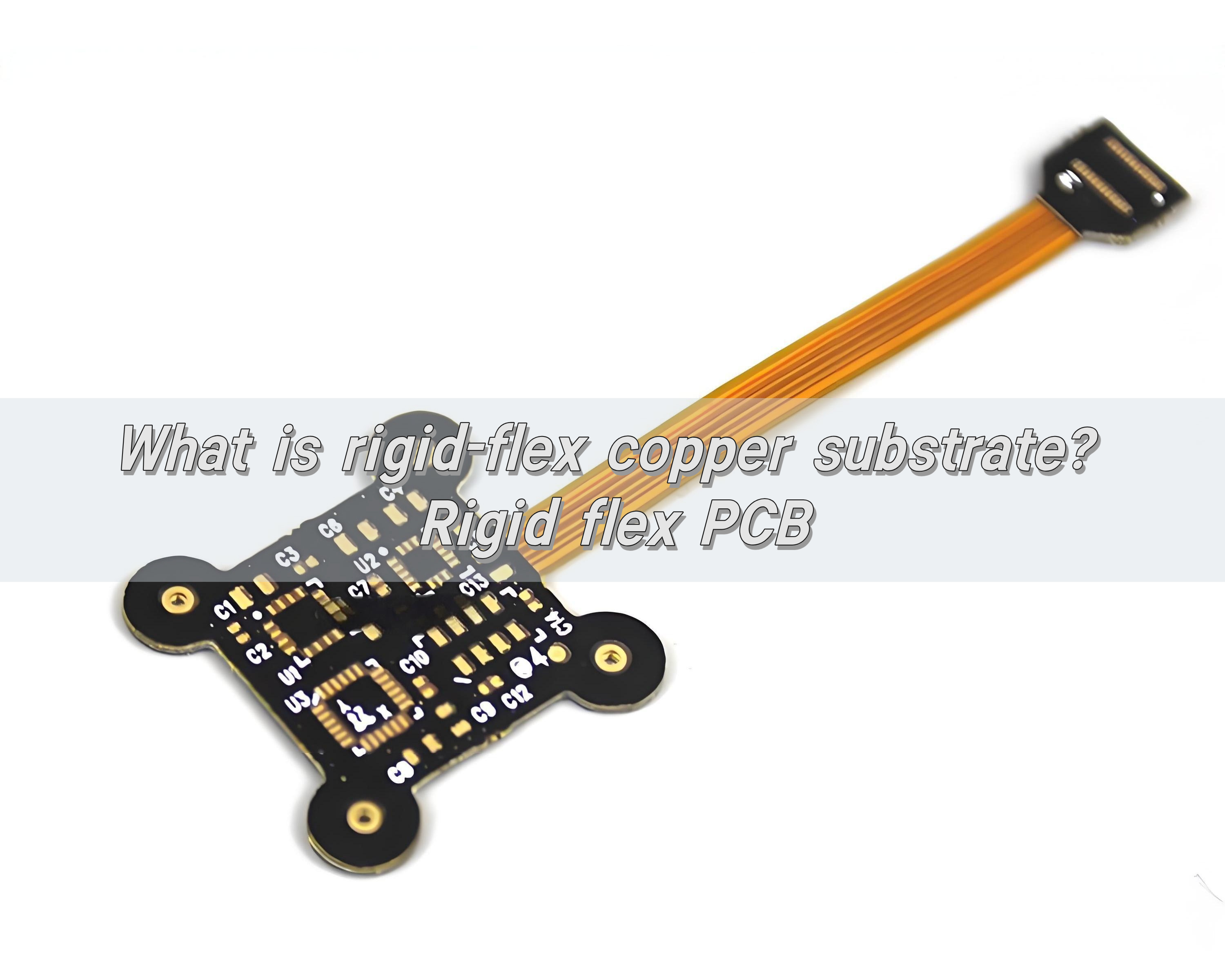
Rigid-flex copper substrate combines the best of both rigid PCBs and flexible circuits into a single circuit board. This design is both practical and innovative. Its applications range from advanced medical devices to aerospace systems. Its versatility stems from the way its copper layer is integrated with both flexible and rigid components, enabling smooth folding without disrupting connections.

What is Rigid-Flex Copper Substrate? Rigid Flex PCB

Do you want to know:

  • What are its advantages over ordinary substrates?
  • How many frequent bends can it withstand?
  • How is heat dissipation guaranteed?
  • Does it support complex circuits and unusual shapes?
  • What is the prototype production cycle?
  • What are the quality standards?

BEST Technology, a professional metal-based circuit board manufacturer, can answer your questions:

  • The high heat dissipation of a rigid substrate combined with the flexibility of a flexible substrate allows for complex applications.
  • Dynamic bending resistance of ≄100,000 times (R=1mm) ensures continuous circuitry and stable performance.
  • Highly conductive adhesive layer combined with a full copper surface design results in a thermal resistance of ≀0.8°C/W, improving heat dissipation by 30%+ in high-temperature environments.
  • Minimum line width/spacing of 3 mils, supports unusual shapes and stepped structures, and an accuracy error of ≀±0.1 mil.
  • Prototypes take 3 days, and mass production takes 7-15 days. Compliant with IPC-A-600H, with over 20 tests and 24-hour customer service.

What is rigid-flex copper substrate?

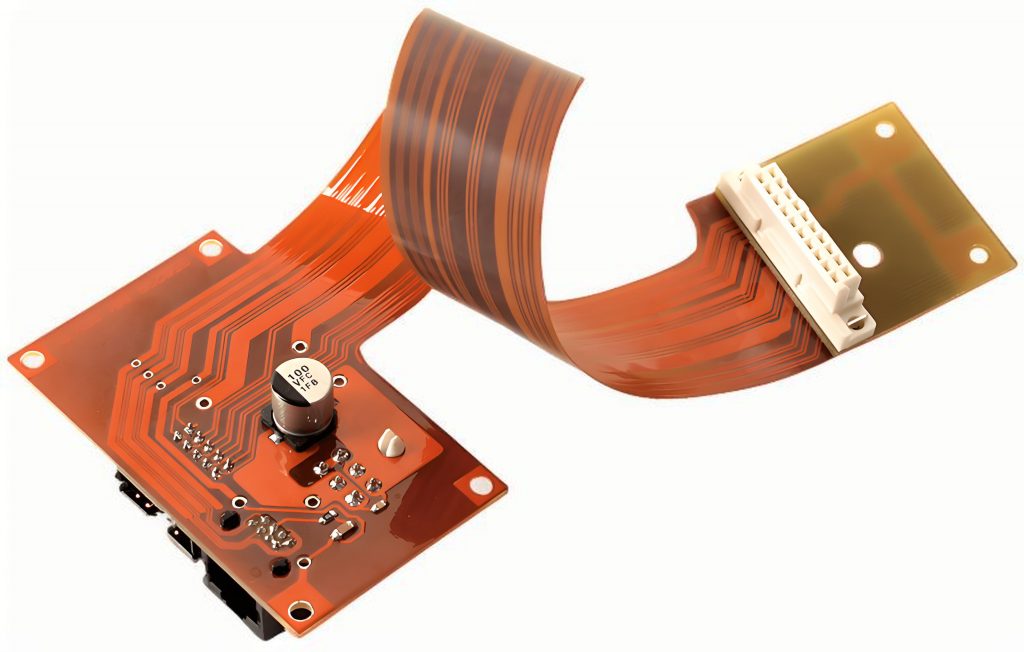
Rigid-flex copper substrate is a hybrid printed circuit board that has rigid and flexible layers combined into one structure. The rigid parts provide mechanical stability, while the flexible layers connect them, allowing bending or folding during assembly or use.

This combination removes the need for connectors or separate ribbon cables, reducing the risk of signal loss or failure. In many designs, rigid-flex boards improve reliability and performance at the same time.

The rigid flex PCB design typically uses copper foil as the conductor. Copper is preferred because it offers excellent conductivity, mechanical strength, and resistance to fatigue. The result is a board that can bend without losing electrical integrity.

Rigid-flex copper substrate with different layers

Layer count in a rigid-flex board greatly impacts performance, cost, and applications.

  • 1. 2-layer rigid-flex copper substrate

This is the simplest form. It offers enough flexibility for basic designs and is often used in consumer devices, portable gadgets, and small control panels. It’s affordable and fast to produce.

  • 2. Dual-layer rigid-flex copper substrate

Similar to the 2-layer version but often built with reinforced materials. It provides more strength and is ideal for designs that require slight bending during use.

  • 3. 4-layer rigid-flex copper substrate

With more copper layers, it allows complex routing, better signal performance, and improved EMI shielding. The 4-layer copper-based rigid-flex PCB is common in automotive electronics and handheld medical devices.

  • 4. 6-layer rigid-flex copper substrate

This high-end design is built for advanced technology. It supports multiple high-speed signals, complex interconnections, and precise impedance control. Aerospace systems, industrial control machines, and military electronics often use this type.

What is Rigid-Flex Copper Substrate? Rigid Flex PCB

Choosing the right layer count depends on design needs, available space, and budget. Each option balances performance and flexibility differently.

How does rigid flex PCB work?

The rigid flex PCB works by integrating multiple circuit layers—some rigid, some flexible—into one laminated structure. During manufacturing, the flexible layers are bonded with polyimide material, while the rigid parts are reinforced with FR4 or other stiffeners.

When installed, the flexible sections bend to fit inside tight enclosures. This makes it perfect for 3D assembly. The electrical signals flow through copper traces that remain continuous across the rigid and flexible areas, eliminating the need for connectors.

By reducing interconnections, rigid flex PCBs lower the risk of mechanical failure, improve signal speed, and make products more reliable in harsh conditions.

Why choose rigid-flex copper substrate?

There are many reasons to choose a rigid-flex copper substrate.

  • Space efficiency: This design allows components to be placed closer together, reducing product size.
  • Durability: Flexible sections handle repeated bending without breaking. This is important in devices exposed to motion or vibration.
  • Improved performance: Fewer connectors mean faster signal transmission and less interference.
  • Lightweight construction: Replacing multiple boards and cables with one unit cuts down weight.
  • Design freedom: Three-dimensional design is possible, allowing for better utilization of interior space.

From smartphones to satellites, rigid-flex boards help achieve higher performance without increasing size.

Which flexible PCB material is best?

The performance of a rigid-flex PCB depends heavily on the flexible material. Most use flexible circuit technologies with polyimide films, which offer excellent heat resistance, flexibility, and electrical insulation.

Polyimide is also stable in harsh environments, making it a trusted choice for aerospace, automotive, and industrial applications. For added strength, some designs use adhesive-less laminates, which improve bending capability and reduce thickness.

Copper foil is the heart of the conductor. Rolled annealed copper is preferred for its flexibility and fatigue resistance, while electro-deposited copper works well for more rigid applications.

What is Rigid-Flex Copper Substrate? Rigid Flex PCB

The choice of flexible PCB material depends on the final product’s environment, electrical needs, and mechanical requirements.

How durable is flexible PCB material?

Flexible PCB materials are surprisingly tough. High-quality polyimide can handle thousands of flex cycles without cracking. Even in high-temperature or high-vibration environments, it maintains structural integrity.

Durability also depends on copper type, layer thickness, and protective coatings. Protective coverlays shield copper traces from moisture, dust, and abrasion. When designed correctly, a rigid-flex PCB can last as long as the device itself.

It’s worth noting that durability is not just about materials—it’s also about design. Proper bend radius, trace routing, and reinforcement all increase lifespan.

How does rigid flex PCB save space?

One of the biggest advantages of rigid-flex PCBs is their space-saving ability. By combining rigid and flexible sections into one board, you remove the need for bulky connectors and cables.

This allows components to be stacked closer or arranged in creative ways. Devices can be slimmer, lighter, and easier to assemble. For example, in wearables or medical implants, every millimeter counts. The space saved often translates directly into more battery capacity, extra features, or lighter designs.

For manufacturers, fewer components mean faster assembly and fewer points of failure.

What affects rigid-flex copper substrate cost?

Cost can vary widely depending on several factors:

  • Layer count: More layers mean more complex manufacturing, which increases price.
  • Material choice: Premium copper foils and polyimide films cost more but offer better performance.
  • Size and shape: Complex shapes require more precise processing.
  • Production volume: Higher quantities often reduce per-unit cost.
  • Testing requirements: Rigid-flex boards for aerospace or medical devices require strict quality control, adding to cost.
What is Rigid-Flex Copper Substrate? Rigid Flex PCB

Working with a skilled flex PCB manufacturer ensures cost efficiency without compromising quality. BEST Technology will help you choose the best PCB stackup, optimize the number of layers, and select the most suitable flexible PCB material for your needs.

Need Rigid-Flex Copper Substrate? BEST Technology can help you contact sales@bestpcbs.com

Flex PCB-Flexible PCB Design, Production and Assembly
Friday, March 7th, 2025

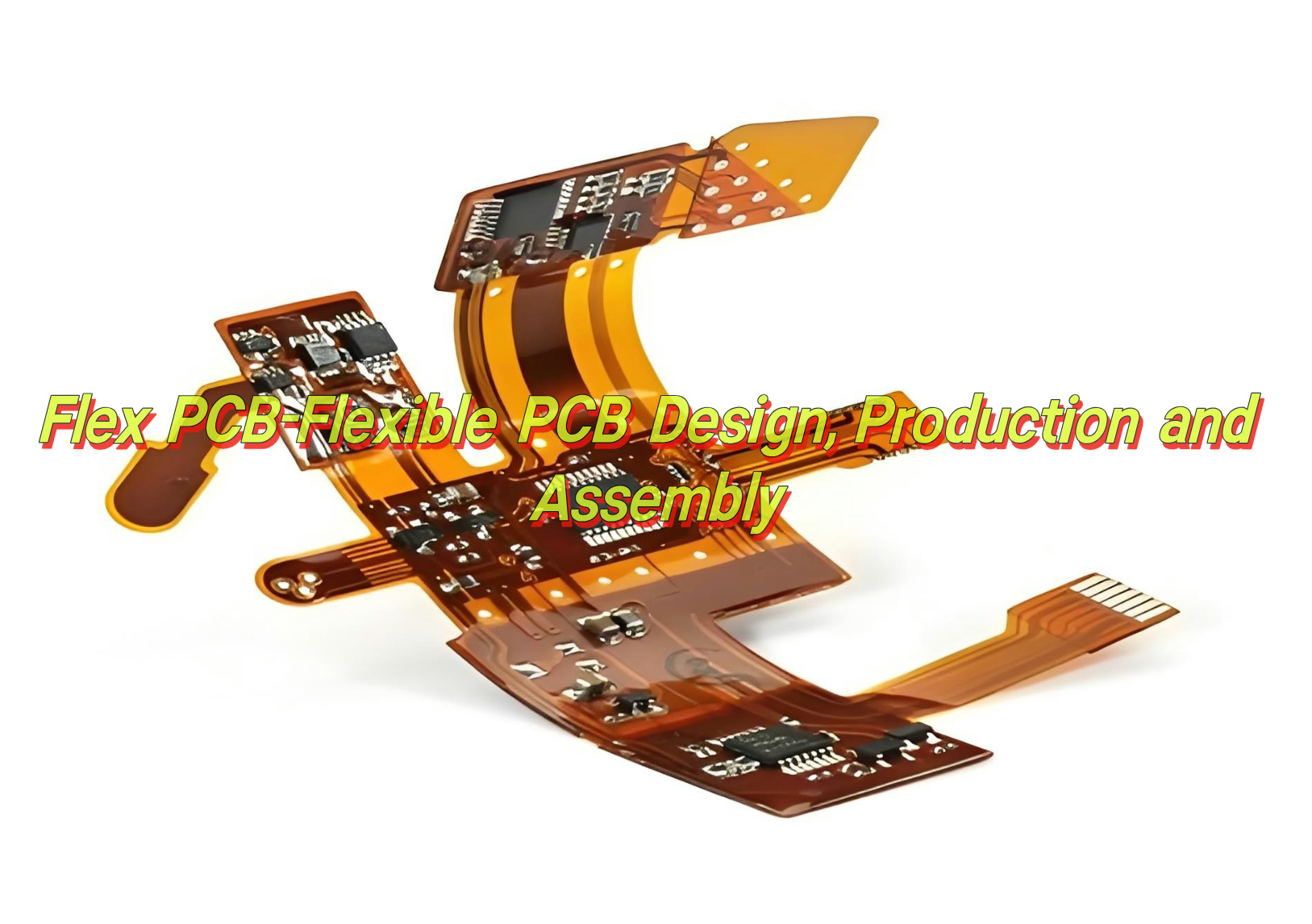
Flex PCB has become a popular solution in modern electronic designs, especially for devices where flexibility, weight reduction, and compact layouts matter. These boards bring many benefits that traditional rigid boards simply cannot match. Whether you’re looking into flexible circuits for the first time or need a trusted partner for flex PCB manufacturing, understanding the full process helps you make better choices. In this blog, we’ll cover the design, production, and assembly processes, so you know exactly what’s involved.

What Is a Flex PCB?

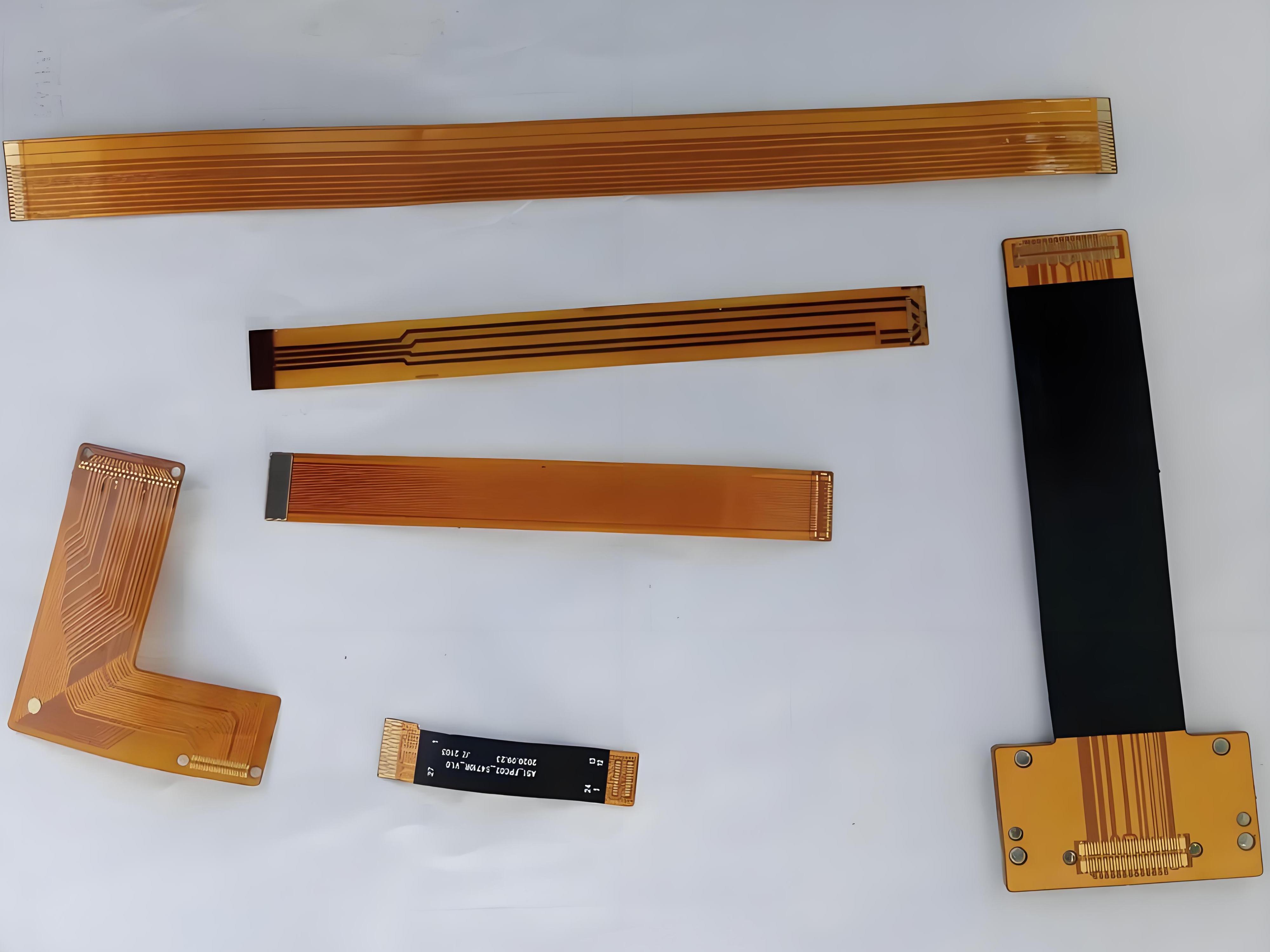
A flex PCB is a printed circuit board made on a flexible substrate instead of the stiff materials used in regular PCBs. Unlike traditional boards, which stay flat, flex PCBs can bend and twist without damaging the copper traces or breaking the substrate. This flexibility gives product designers more freedom to create compact, lightweight, and innovative devices.

Many flexible PCBs use polyimide as the base, which handles heat well and stands up to constant movement. Because they bend without breaking, they are ideal for wearable devices, automotive controls, medical equipment, and any application where space is tight. Plus, flexible PCBs reduce connectors and wiring, lowering the chance of failure points.

Flex PCB Manufacturer

EBest Circuit (Best Technology) has over 18 years of experience in flex PCB design, manufacturing and assembly. Our one-stop service helps you simplify your supply chain while improving product reliability. Contact EBest Circuit (Best Technology) at sales@bestpcbs.com today to learn how we support your projects with high-quality flex PCBs, low MOQ, fast delivery and competitive price.

What Are the Components of a Flex PCB?

‌Flex PCB mainly consists of the following parts‌:

  • ‌Substrate layer‌

The substrate layer of FPC is usually made of polyimide (PI) or polyester (PET) materials. PI has excellent heat resistance, mechanical strength and electrical insulation, while PET substrate is cheaper, but its heat resistance and chemical resistance are slightly inferior to PI.

  • ‌Conductive layer

The conductive layer is mainly composed of copper foil. There are two commonly used copper foils: electrolytic copper foil and rolled copper foil. Electrolytic copper foil has a lower cost and is suitable for applications with low flexibility requirements; while rolled copper foil has good ductility and is suitable for scenarios that require high flexibility and high-frequency bending‌.

  • ‌Coating film layer

The covering film layer is used to protect the copper foil circuit and prevent the influence of the external environment, such as moisture, dust and mechanical damage. The cover film is usually made of the same material as the substrate, such as PI or PET, with a thickness between 0.0125mm and 0.05mm.

  • ‌Adhesive layer

The adhesive layer is used to bond the materials of different layers together. Common adhesive materials are acrylic and epoxy resins, which perform well in heat resistance, chemical resistance and flexibility.

  • ‌Solder mask

The solder mask is used to protect the soldering area of the circuit, prevent the flow of tin during soldering, and protect the circuit from being short-circuited by solder. The solder mask usually uses green, blue or transparent solder mask ink.

  • ‌Surface treatment layer

The surface treatment layer is used to improve the welding performance and reliability of the FPC. Common surface treatments include tin plating and gold plating.

 Flex PCB Design

What Are the Components of a Flex PCB?

What Are the Advantages of Flexible PCB?

  • ‌Bendability and flexibility‌

Flexible PCB can bend and fold without affecting the circuit operation, and can adapt to various complex shapes and spatial layouts, which makes it adaptable to various irregular installation requirements.‌

  • ‌Light and thin features

Compared with rigid PCB, flexible PCB is thinner and lighter, which helps to reduce the size and weight of the device and make electronic equipment more portable.‌

  • ‌High reliability

Flexible PCB is not easily affected by vibration and shock, can work stably in harsh environments, and has high reliability.‌

  • ‌High temperature resistance‌

Flexible PCB can work in high temperature environments and is suitable for electronic equipment in high temperature working environments.‌

  • ‌High production efficiency

The production process of flexible PCB can be completed by robots, which can realize the production of multiple boards at one time, improve production efficiency, and shorten product development cycle.

  • Diversified design

Flexible PCB can be customized according to strict physical dimension restrictions to meet the needs of various complex equipment structures.‌

  • ‌High safety‌

The wires of flexible circuit boards are connected as a whole, which reduces the error problem when the wires are connected and reduces the occurrence of failures.

 Flex PCB Design, Flex PCB Manufacturer

What Are the Advantages of Flexible PCB?

How Do You Make a Flexible PCB?

The design process of flexible PCB can be divided into the following core steps, combined with key links such as material selection, structural planning and manufacturing process:

1. Demand analysis and planning stage

  • ‌Clear functional requirements

Determine the core parameters of the circuit such as functional modules, signal types (high frequency/low frequency), and current carrying capacity as constraints for subsequent design‌.

  • ‌Three-dimensional structure planning‌

Define the bending area, folding angle and dynamic motion path according to the product space layout to avoid the concentration of lines in the mechanical stress concentration area‌.

  • ‌Layer number and size definition‌

Select single-layer, double-layer or multi-layer structure according to the complexity of the circuit, and give priority to compact layout to save space‌.

2. Material selection and structural design

  • ‌Substrate selection

Select polyimide (PI) or polyester (PET) substrate according to the application scenario. PI material with stronger temperature resistance is preferred in high temperature environment‌.

  • ‌Conductive layer configuration‌

Use rolled copper foil to improve bending life. The copper thickness is selected in the range of 18ÎŒm-35ÎŒm according to the current demand. It is recommended to use ultra-thin copper layer in dynamic bending scenarios‌.

  • ‌Protective layer design‌

Cover the non-welding area with polyimide cover film, and use reinforcement materials (such as stainless steel sheets) in the dynamic bending area to improve mechanical strength‌.

3. Circuit design and verification

  • ‌Wiring rule setting‌

The line direction in the bending area is kept perpendicular to the bending direction, and arc corners are used to avoid right-angle routing‌. Equal-length routing is implemented for key signal lines, and staggered layout is used for adjacent.

  • Layer lines to reduce crosstalk

Grid copper plating is used to improve flexibility in the ground layer.

  • Impedance control and simulation

Impedance matching calculation is performed on high-speed signal lines, and electromagnetic simulation is performed using tools such as HFSS to verify signal integrity‌.

  • ‌Thermal stress analysis

Use FEA software to simulate the fatigue characteristics of materials after multiple bending, and optimize the routing path and reinforcement scheme‌.

4. Production file output

  • ‌Stack-up drawing

Clearly define the material thickness, adhesive type and cover film window position of each layer, and mark the special process requirements of the dynamic bending area‌.

  • ‌Gerber file generation‌

Includes circuit layer, drilling diagram, shape cutting diagram, etc. The rigid-flexible board needs to mark the transition structure of the rigid area and the flexible area separately‌.

  • ‌Process description document‌

Special areas are marked with electroplating requirements (such as selective gold treatment in dynamic bending areas), and the PI cover film window opening accuracy requirements (±0.05mm) are noted.

5. Manufacturability verification

  • ‌DFM inspection‌

Verify key parameters such as minimum line width/line spacing (generally ≄75ÎŒm), distance from via to bending area (≄3 times the board thickness), and reinforcement material fitting accuracy.

  • ‌Sample test‌

Perform reliability verification such as dynamic bending test (usually requiring more than 100,000 times without breakage), insulation resistance test under high temperature and high humidity environment, etc.

How to Manufacture Flex PCB Board?

The production process of flexible PCB (FPC) includes the following main steps:

1.‌ Design review

Before prototyping, the design of the flexible PCB needs to be reviewed first. This step mainly checks the rationality, feasibility and potential manufacturing problems of the design. Design review is usually completed by a professional team of engineers, who will carefully evaluate the design documents based on experience and technical specifications.

2. ‌Material preparation‌

Prepare the corresponding materials according to the requirements of the design documents. The main materials of flexible PCB include conductive materials, insulating materials and substrates. The choice of materials directly affects the performance and quality of flexible PCBs.

‌3. Production process‌:

  • ‌Graphic production‌

Coat a layer of dry film photoresist on the copper foil, expose and develop the circuit pattern, and then use an etchant to remove the unnecessary copper, retain the designed circuit part, and form the basic conductive pattern.

  • ‌Cover film bonding

Cover the protective film on the line through the lamination process to prevent the circuit from being oxidized or damaged. The cover film needs to be pressed under high temperature and high pressure to ensure good adhesion to the circuit.

  • Drilling and electroplating

Drill holes, through holes or mounting holes according to the design drawings. These holes are used for electrical connection between multi-layer FPCs or fixing of components. Hole metallization is to form metal channels through electroplating to ensure the conduction between the upper and lower layers of the circuit.

  • Surface treatment

Including gold plating, silver plating, tin plating, etc., select the appropriate treatment process according to the application requirements to improve the corrosion resistance and weldability of the FPC.

  • Forming and punching

Punch the FPC according to the specified size according to the designed shape to form the final board shape. This process requires high precision to ensure that the finished product size meets the design requirements.

  • Electrical testing

The FPC soft board after forming needs to be tested for electrical performance to ensure that the circuit is well conductive, the insulation meets the standard, and there is no short circuit and open circuit.

  • Quality inspection

After completing the production process, the flexible PCB needs to be quality inspected. Mainly check whether the appearance, size, electrical performance and other aspects of the product meet the design requirements. Quality inspection is usually completed by a professional quality inspection team, who will use a variety of advanced testing equipment and methods to conduct strict inspections on the products.

  • Packaging and shipment

Flexible PCBs that have passed quality inspection will be packaged and prepared for shipment. The selection of packaging materials and packaging methods need to take into account product protection and safety during transportation.

Flex PCB Manufacturer

Choosing the best flex PCB manufacturer means looking for experience, equipment quality, and customer support. Flex PCB production requires specialized machinery and careful handling at every step, so a factory with proven experience matters.

A good manufacturer offers design advice to help avoid costly errors. They also provide fast prototyping so design changes can be tested quickly before moving to full production. Beyond production, reliable after-sales support helps catch any issues during assembly at your facility.

EBest Circuit (Best Technology) offer full-service capabilities, including flex PCB design, prototyping, production, and assembly. This simplifies communication and reduces the chance of errors caused by working with multiple suppliers. A trusted manufacturer also keeps materials in stock, shortening lead times and helping you stay on schedule.

What Is Rigid PCB vs Flex PCB?

‌The main differences between rigid PCB and flexible PCB are in terms of substrate, structure, application field, stress resistance, cost, design requirements and maintainability.

  • Substrate

‌Rigid PCB‌: FR-4 (glass fiber reinforced epoxy board) is usually used as the substrate, which has high mechanical strength and stable electrical performance. ‌

‌Flexible PCB‌: The substrate is mostly polymer materials such as polyimide (PI) or polyester (PET), which has good flexibility and lightness. â€Œ

  • Structure

‌Rigid PCB‌: It usually has a multi-layer structure, consisting of multiple layers of substrate and conductive layer, suitable for applications requiring high mechanical strength and stable electrical performance. â€Œ

‌Flexible PCB‌: It is usually a single-layer or double-layer structure with a thin thickness, which is more suitable for miniaturized and lightweight product design. â€Œ

  • Application

Rigid PCB‌: It is widely used in computers, communication equipment, household appliances and other fields that require high strength and stable performance. â€Œ

‌Flexible PCB: Mainly used in flexible displays, wearable devices, smartphones and other fields that require flexibility and compact design.

  • Stress resistance

Rigid PCB: With high stress resistance, suitable for bearing large mechanical pressure and thermal stress.

Flexible PCB: Although the stress resistance is relatively low, it has good adaptability to bending and folding stress.

  • Cost

Rigid PCB: The production cost is relatively low, and the raw materials and production process are relatively mature.

Flexible PCB: Due to the special substrate and production process, the production cost is relatively high.

  • Design requirements

Rigid PCB: The design is relatively simple, and the wiring space and installation method requirements are relatively low.

Flexible PCB: The design needs to consider factors such as wiring space, bending radius, and folding times, and the design is more difficult.

Where are flexible PCBs used?

‌Flexible PCB (Flexible Printed Circuit Board, FPC) has a wide range of applications, mainly including the following aspects‌:

  • ‌Smartphones and smart watches

‌Flexible PCB is widely used in smartphones and smart watches with its light and flexible characteristics. It can adapt to complex internal structures and provide stable electrical performance‌.

  • ‌Automotive electronics‌

In the field of automotive electronics, flexible PCB is used for in-vehicle entertainment systems, sensors and control systems, etc., providing lightweight and high-reliability solutions‌.

  • ‌Medical devices

Flexible PCB also has important applications in medical devices, such as endoscopes and catheters, which can adapt to complex in vivo environments and provide high reliability and flexibility‌.

  • ‌Aerospace‌

In the field of aerospace, flexible PCB is used in satellite communication systems, navigation and control systems, power and energy management systems, etc., to meet the high reliability, lightweight and high-density integration requirements in extreme environments.

  • ‌Consumer electronics‌

Flexible PCB is also widely used in the field of consumer electronics, such as wearable devices, tablets and laptops, providing miniaturized and high-density installation design requirements.

Conclusion

Flex PCBs give product designers the freedom to create smaller, lighter, and more reliable products across many industries. Whether you need a simple flex PCB design for a wearable or a complex multi-layer flexible board for medical equipment, understanding the process helps you make better choices.