PCB manufacturing PCB manufacturing
Home > Blog

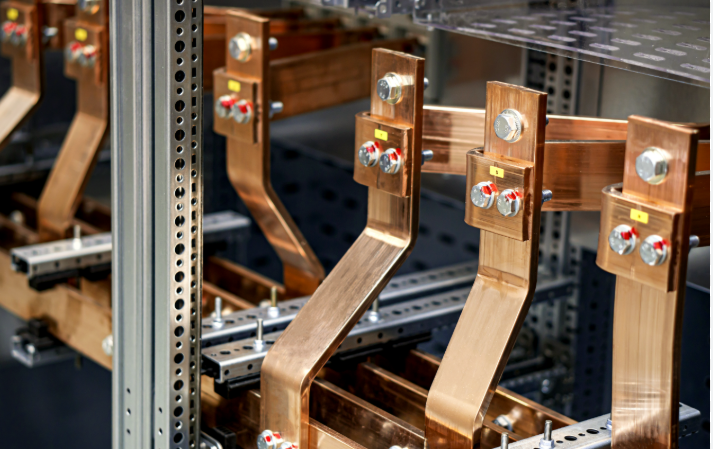
copper busbar manufacturer

Copper Busbar Current Carrying Capacity: Complete Guide (ANSI/IEC)
Friday, January 23rd, 2026

Copper busbar current carrying capacity (ampacity) is the maximum electrical current a copper busbar can safely conduct without overheating or failure, a critical parameter for electrical panel and power distribution design. Following ANSI C119.2 and IEC 60364 standards ensures copper busbar current carrying capacity meets industrial safety requirements, avoiding fire or equipment damage risks. This guide breaks down calculation methods, key influencing factors, and compliance checks for copper busbar current carrying capacity to help engineers make accurate decisions.
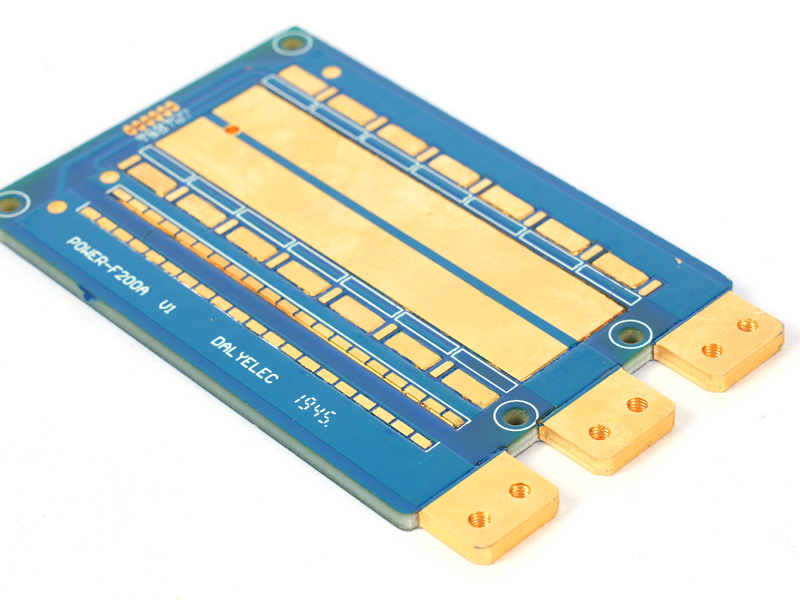
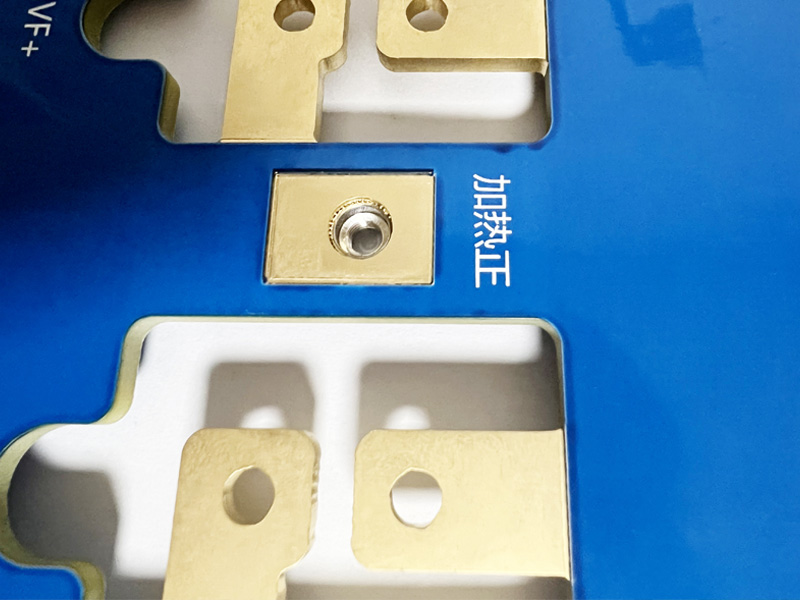
What Is Copper Busbar Current Carrying Capacity (Ampacity)?

Copper busbar current carrying capacity, also known as ampacity, refers to the maximum RMS current a copper busbar can carry continuously under specific environmental conditions (temperature, humidity, installation space). Unlike theoretical conductivity, practical ampacity accounts for heat dissipation, material resistivity, and long-term operational stability—key to preventing overheating in high-voltage applications.

How to Calculate Copper Busbar Current Carrying Capacity (Step-by-Step Formula)

The core formula for copper busbar ampacity calculation (per ANSI C119.2) is:
I = (k × A × ΔT^0.5) / L
– I = Current carrying capacity (amps)
– k = Material constant (5.7 for pure copper)
– A = Cross-sectional area (mm²)
– ΔT = Allowable temperature rise (°C, typically 30-60°C)
– L = Busbar length (meters)

This formula prioritizes real-world heat dissipation, not just theoretical conductivity. For 10x100mm copper busbars (1000mm²), the baseline ampacity is 2500A at 40°C ambient temperature—adjust for installation (air vs. enclosed) by ±15%.

Key Factors Affecting Copper Busbar Ampacity

Temperature (Ambient & Operating)

Ambient temperature directly impacts copper busbar current carrying capacity: every 10°C increase above 40°C reduces ampacity by 8-10%. For example, a copper busbar rated 2000A at 40°C only carries 1800A at 50°C. Operating temperature (from internal resistance) must stay below 90°C to avoid material degradation.

Busbar Size & Installation Method

  • Thicker busbars (≥10mm) have 20% higher ampacity than thin ones (≤5mm) of the same width, due to better heat dissipation.
  • Open-air installation increases ampacity by 15% vs. enclosed panels (common in switchgear).

Copper Busbar Current Rating Comparison (By Material/Thickness)

Copper Busbar SpecificationCross-Section (mm²)Ampacity at 40°C (A)Ampacity at 50°C (A)
5x50mm Pure Copper250800720
10x100mm Pure Copper100025002250
10x100mm Tinned Copper100024502205

Tinned copper busbars have slightly lower copper busbar current carrying capacity (2-3%) but better corrosion resistance—ideal for outdoor applications.

ANSI vs IEC: Copper Busbar Ampacity Standards Differences

ANSI C119.2 (US standard) uses 30°C ambient temperature as baseline, while IEC 60364 (EU standard) uses 40°C. This means a 10x100mm copper busbar rated 2600A per ANSI is only 2500A per IEC. Always align with regional standards to ensure copper busbar current carrying capacity compliance.

Common Mistakes in Copper Busbar Ampacity Calculation

  1. Ignoring ambient temperature: Using 40°C ratings for high-temperature environments (e.g., industrial plants) leads to 10-15% overload risk.
  2. Overlooking installation method: Enclosed panels require derating ampacity by 15%.
  3. Using theoretical conductivity instead of practical ampacity: Leads to inaccurate sizing and safety hazards.

FAQ: Copper Busbar Current Carrying Capacity (Engineer-Answered)

Q1: What is the maximum current a 10x100mm copper busbar can carry?

A 10x100mm pure copper busbar has a maximum copper busbar current carrying capacity of 2500A at 40°C (open-air installation). For enclosed panels, derate to 2125A; at 50°C, derate to 2250A.

Q2: How to adjust ampacity for high-temperature environments?

Use the temperature correction factor: For every 5°C above 40°C, multiply baseline ampacity by 0.95. For 60°C ambient, correction factor = 0.85 (2500A × 0.85 = 2125A).

Q3: Does coating affect copper busbar current capacity?

Non-conductive coatings (e.g., epoxy) reduce heat dissipation, lowering copper busbar current carrying capacity by 5-8%. Conductive coatings (e.g., tin plating) have minimal impact (≤3%).

Q4: What is the safety margin for copper busbar ampacity?

Industry best practice is a 15-20% safety margin: If your system requires 2000A, select a copper busbar with 2400A rated copper busbar current carrying capacity to account for voltage fluctuations and temperature spikes.

Q5: How to verify copper busbar ampacity compliance?

Use thermal imaging to check operating temperature (must be <90°C) and cross-verify with ANSI/IEC calculation formulas. Third-party testing (per UL 857) further validates compliance.

How to Select the Right Copper Busbar for Your Ampacity Needs

  1. Calculate required ampacity (including safety margin).
  2. Adjust for ambient temperature and installation method.
  3. Align with regional standards (ANSI/IEC).
  4. Choose material (pure/tinned copper) based on application environment.

Our engineering team provides free copper busbar current carrying capacity calculation support to ensure optimal sizing.

Our Copper Busbar Solutions for Reliable Current Carrying Capacity

We manufacture high-purity copper busbars (99.99% copper content) with precise copper busbar current carrying capacity ratings, compliant with ANSI and IEC standards. Whether you need custom sizes (5x50mm to 20x200mm) or tinned/epoxy-coated options, our products meet your exact ampacity requirements.

If you need reliable copper busbar current carrying capacity solutions for your electrical projects, place an order with us today. Contact our sales team via email: sales@bestpcbs.com.
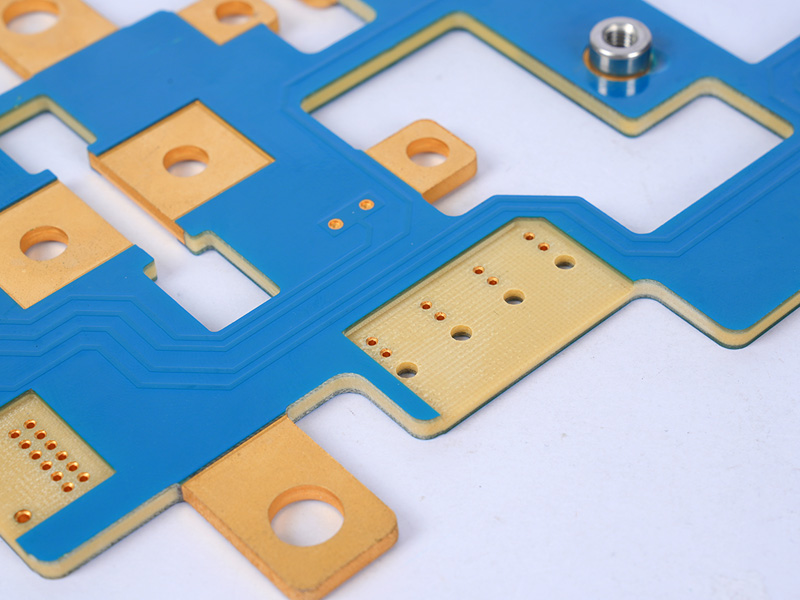
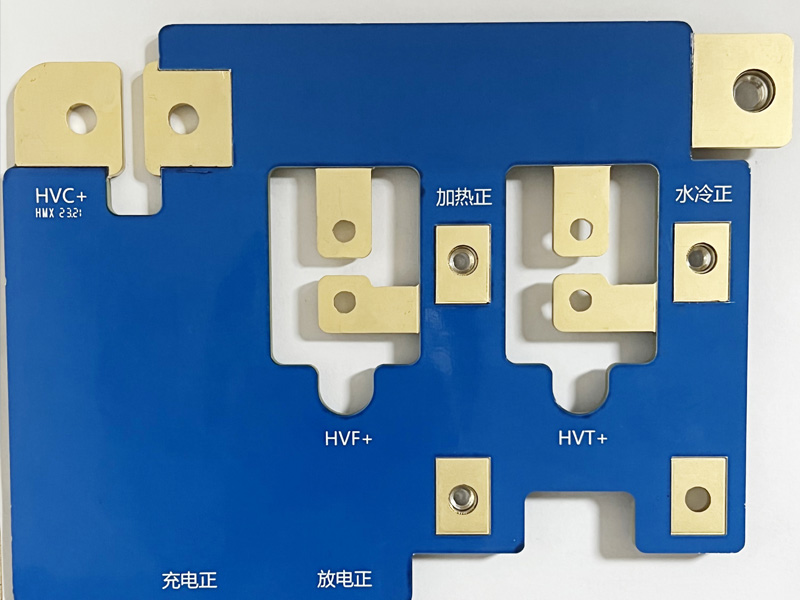
How to Choose Reliable Copper Busbar Manufacturers: A Complete Guide
Friday, January 23rd, 2026

Selecting the right copper busbar manufacturers is critical for ensuring electrical system reliability and performance. High-quality copper busbar manufacturers adhere to strict material and process standards, while poor suppliers may cause energy loss, equipment failure, or project delays. This guide breaks down key factors to evaluate manufacturers and addresses common pain points in sourcing.

How to Select Reliable Copper Busbar Manufacturers?

Prioritize manufacturers with proven material quality, advanced processes, and industry certifications. Start by verifying copper purity (≥99.9% is ideal), checking customization capabilities, and confirming compliance with global standards like ASTM B187 and UL. Partnering with such manufacturers avoids mismatched specs and delivery risks.

Key Evaluation Criteria

  • Raw material sourcing: Ensure use of high-purity copper (C11000 ETP or C10200 OF grade)
  • Manufacturing equipment: CNC machining, automated bending, and precision stamping capabilities
  • Quality control: In-house testing for conductivity, mechanical strength, and corrosion resistance
  • Customer cases: Track record in EV charging, data centers, or renewable energy sectors

What Are the Core Quality Standards for Copper Busbar Manufacturers?

What Are the Core Quality Standards for Copper Busbar Manufacturers?

Top copper busbar manufacturers follow strict standards to guarantee product performance. The primary benchmark is ASTM B187/B187M, which defines dimensional, mechanical, and chemical requirements for copper busbars. Additional standards include RoHS for environmental compliance and ISO 9001 for quality management systems.

Must-Meet Standards

StandardKey Requirements
ASTM B187Copper purity, tensile strength, and dimensional accuracy
ULElectrical safety and fire resistance for industrial use
RoHSRestriction of hazardous substances in surface treatments

Why Material Purity Matters for Copper Busbar Manufacturers?

Copper purity directly impacts conductivity and durability. copper busbar manufacturers using 99.9%+ pure copper minimize energy loss (resistivity ≤1.7241 μΩ·cm) and reduce overheating risks. Low-purity copper with impurities degrades performance over time, leading to costly system failures.

Common Copper Grades for Busbars

  • C11000 (ETP): 99.93% pure, ideal for general industrial applications
  • C10200 (OF): 99.95% pure, superior conductivity for high-current scenarios
  • C12200 (DHP): For general-purpose applications requiring corrosion resistance

Customization Capabilities: Key Competitiveness of Copper Busbar Manufacturers

Reliable copper busbar manufacturers offer tailored solutions for unique project needs. This includes custom dimensions, shapes, surface treatments, and insulation options. Advanced manufacturers handle complex designs (e.g., laminated busbars) and adapt to tight tolerances (±0.05mm) for seamless system integration.

Customization Options

  • Dimensions: Custom width, thickness, and length (up to 6m)
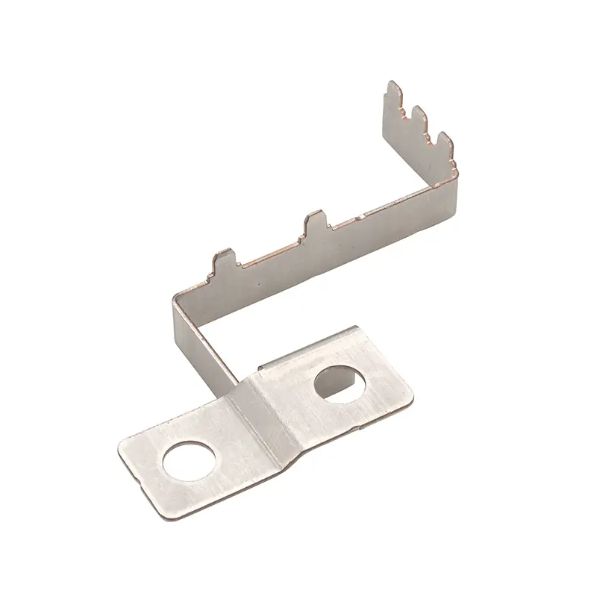
  • Shapes: Bending, punching, and CNC-machined complex profiles
  • Insulation: Epoxy coating, heat-shrink tubing, or powder coating

Surface Treatment Options from Top Copper Busbar Manufacturers

Surface treatments protect busbars from corrosion and enhance conductivity. Leading copper busbar manufacturers provide multiple finishing options to suit different environments, from humid industrial settings to clean data centers.

Popular Surface Treatments

  • Tin plating: Prevents oxidation, ideal for low-voltage applications
  • Nickel plating: Enhances wear resistance and solderability
  • Powder coating: Superior corrosion protection for outdoor use

How Do Copper Busbar Manufacturers Ensure Delivery Stability?

Delivery delays disrupt project timelines. Trusted copper busbar manufacturers maintain stable supply chains, keep inventory of standard specs, and offer clear lead-time commitments (7-15 days for standard orders, 2-4 weeks for custom). They also have backup production lines to handle unexpected demand.

Supply Chain Management Tips

  • Choose manufacturers with global raw material sourcing channels
  • Verify production capacity (minimum 100 tons/month for bulk orders)
  • Request clear delivery contracts with penalty clauses for delays

Industry Certifications to Verify Copper Busbar Manufacturers

Certifications are proof of a manufacturer’s expertise. Reputable copper busbar manufacturers hold ISO 9001 (quality management), IATF 16949 (automotive), and UL certifications. These credentials confirm compliance with global standards and reduce sourcing risks.

Differences in Manufacturing Processes Among Copper Busbar Manufacturers

Process gaps separate high-quality and low-grade copper busbar manufacturers. Advanced facilities use automated processes for consistency, while low-cost suppliers rely on manual labor (prone to errors). Precision machining ensures tight tolerances, avoiding fitment issues in assembly.

Process Comparison

  • Automated vs. manual: Automated processes reduce error rates to <0.5%
  • Heat treatment: Annealing (O60 temper) for flexibility or hardening (H04 temper) for strength
  • Testing: In-line conductivity testing vs. post-production sampling

Applications of Products from Copper Busbar Manufacturers

Copper busbar manufacturers supply components for diverse industries, where high conductivity and durability are critical. Key applications include EV charging stations, data center power distribution, renewable energy systems (solar/wind), and industrial machinery.

FAQ: Common Issues About Copper Busbar Manufacturers

Below are answers to frequent questions when sourcing from copper busbar manufacturers.

Q1: How to verify copper purity from manufacturers?

Request material test reports (MTRs) showing chemical composition. Reputable manufacturers provide MTRs compliant with ASTM standards, confirming copper purity ≥99.9%.

Q2: What is the typical lead time for custom busbars?

Most manufacturers deliver custom orders in 2-4 weeks. Rush orders (1 week) are available for urgent projects, often with a 10-15% premium.

Q3: Can manufacturers handle small-batch orders?

Yes, top manufacturers accept small batches (≥5 pieces) without compromising quality. Some offer discounted rates for repeat small orders.

Q4: How to resolve surface oxidation issues?

Choose manufacturers offering anti-oxidation treatments (tin/nickel plating). Post-delivery, store busbars in dry environments and avoid direct contact with corrosive substances.

Q5: Do manufacturers provide technical support for selection?

Reliable manufacturers assign engineers to assist with selection, based on current, voltage, and environmental requirements, ensuring optimal busbar design.

Q6: What certifications are mandatory for automotive busbars?

Automotive applications require IATF 16949 certification, along with RoHS compliance and UL 94 flammability ratings for insulation.

How to Evaluate the Cost-Effectiveness of Copper Busbar Manufacturers?

Cost-effectiveness goes beyond unit price. Evaluate total ownership cost, including quality (avoiding rework), delivery (preventing delays), and after-sales support. Cheap copper busbar manufacturers may cut corners on material or testing, leading to higher long-term costs.

Global Sourcing Guide for Copper Busbar Manufacturers

When sourcing globally, prioritize copper busbar manufacturers with local service centers to reduce logistics time and costs. US manufacturers excel in custom designs, while Asian suppliers offer competitive pricing for bulk orders. Always confirm import compliance with local standards.

We provide high-quality products from trusted copper busbar manufacturers, adhering to ASTM B187 and UL standards with customizable solutions for diverse industries. If you need reliable copper busbars, place your order with us via email at sales@bestpcbs.com.

Copper Busbar Selection Guide| Copper Busbar PCB Supplier
Monday, August 25th, 2025

How do I choose copper busbar? Let’s explore material, application, function, , difference between tin plated copper bus bar, selection guide and lifespan for copper busbar.

Are you troubled with these issues?

  • Is your busbar overheating and shutting down?
  • Is poor-quality copper causing resistance spikes?
  • Are supplier delivery delays disrupting your production schedule?

EBest Circuit (Best Technology) can provide service and solution:

  • High-Conductivity, Low-Loss Busbar Customization: Made with 99.99% electrolytic copper, achieving 8% lower energy loss.
  • Flexible Production Service: Supports custom thickness cutting (5mm-50mm), with daily production capacity exceeding 300 tons.
  • Intelligent Selection Support: Free current-carrying/temperature rise simulation reports provided to precisely match project requirements.

Welcome to contact us if you have any request for copper busbar: sales@bestpcbs.com.

What is Copper Busbar?

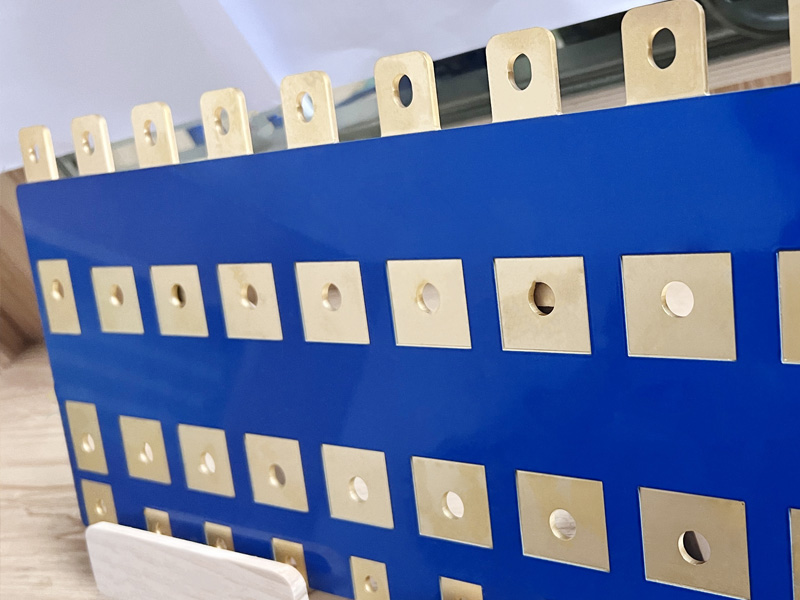
A Copper Busbar is a thick conductive strip integrated into a printed circuit board, typically made of highly conductive materials such as copper or aluminum, specifically designed for efficient power distribution and carrying high currents. Its core design breaks away from the traditional PCB reliance on etching copper traces, instead directly achieving circuit connections by embedding thick copper or aluminum strips (up to millimeter-level thickness), significantly enhancing current carrying capacity and conductivity efficiency.

What is Copper Busbar?

Copper Busbar Material Specification

ParameterSpecification
MaterialPure copper (>99.90% Cu) (Soft Copper)
Oxygen Content≤80ppm (Standard Cu) / ≤10ppm (High-purity Copper)
Surface TreatmentTin/Chrome/Hot-dip Galvanized (Tin-plated)
Dimensional RangeWidth:15-400mm
Thickness:1-80mm
Length:100-1000mm (Chrome-plated)
Mechanical PropertiesTensile Strength:200-250MPa
Elongation:15-45%
Hardness:HB≥65 (Galvanized)
Electrical Conductivity>56m/s (Room Temperature) (Standard Cu)

How Do I Select Copper Busbar?

Here’s a selection guide about copper busbar:

1. Define Current Requirements

    • Calculate the maximum system current and select a busbar with sufficient cross-sectional area (current density for copper busbars typically ≤4A/mm²).
    • Formula: Cross-sectional area (mm²) = Current (A) / Current density (A/mm²).

    2. Select Material Type

    • Pure copper: Prioritize T1/T2 electrolytic copper (Cu ≥99.9%) for high-conductivity scenarios (e.g., precision instruments).
    • Copper alloy: Choose copper-chromium (high-temperature resistance), copper-zirconium (creep resistance), or copper-nickel (corrosion resistance) based on needs.

    3. Consider Environmental Adaptability

    • Humid/corrosive environments: Prioritize for tin-plated (anti-oxidation) or nickel-plated (acid/alkali resistance) busbars.
    • High-temperature scenarios: Select silver-plated (softening temperature up to 300°C) or copper-chromium alloy.
    • Radiation/nuclear environments: Use radiation-resistant materials (e.g., special coatings).

    4. Verify Mechanical Connection

    • Check if screw holes, slots, or custom designs are needed to ensure compatibility with devices (e.g., PCBs, switchgear).
    • Prioritize pre-drilled or customizable busbars for simplified installation.

    5. Assess Thermal Needs

    • For high-current applications, choose thick copper busbars (leveraging copper’s high thermal conductivity).
    • For compact devices, opt for copper-aluminum composite busbars (35% lighter, similar thermal performance to pure copper).

    6. Match Installation Space

    • Measure available space in the device and select busbars with appropriate dimensions (length, width, thickness) to avoid layout conflicts.

    7. Validate Standards & Certifications

    • Ensure busbars comply with international standards (e.g., IEC 60228, UL 758) for safety and reliability.

    8. Balance Cost & Performance

    • For general use, select T2/T3 copper busbars (cost-effective). For demanding scenarios, prioritize alloy or plated busbars (performance-first).
    • Choose suppliers with ISO 9001 quality certificates to ensure consistent quality. (Like EBest Circuit (Best Technology))
    How Do I Select Copper Bus Bar?

    What is a Busbar Copper Used for?

    • Power Distribution: Connects generators, transformers, switchgear, and other equipment to form main circuits, enabling efficient power transmission and distribution.
    • Mechanical Connection: Acts as a rigid conductor with screw holes/slots to directly secure components, simplifying assembly.
    • High Current Carrying Capacity: Suitable for industrial power supplies, electric furnaces, rail transit, and other scenarios requiring 100s to 1,000s of amperes (A).
    • Thermal Management: Leverages copper’s high thermal conductivity to assist heat dissipation in devices like inverters and LED lighting, enhancing system stability.
    • Special Environment Adaptation: Corrosion-resistant coatings like nickel-plated for chemical or coastal facilities; radiation-resistant materials for nuclear equipment.
    • Compact Design: Replaces traditional cables to reduce wiring space, ideal for high-density devices such as data centers and photovoltaic (PV) inverters.
    • Composite Function Integration: Copper-aluminum composite structures reduce weight for new energy vehicle battery connections.

    When to Use Busbar Copper?

    Power Systems

    • Main wiring of substations (connecting transformers & HV switchgear).
    • UPS distribution in data centers.
    • LV switchgear internal connections for industrial plants.

    Renewable Energy

      • PV array convergence (connecting modules & inverters).
      • Wind turbine tower cable replacement.
      • Inter-module connections in battery energy storage systems.

      Rail Transportation

        • DC busbar systems for metro traction substations.
        • High-speed train rooftop HV equipment interconnection.
        • Railway signaling power distribution networks.

        Industrial Equipment

          • Motor Control Center (MCC) main incoming lines.
          • Power transmission for electric arc/medium frequency furnaces.
          • Power distribution units in automated production lines.

          Building Infrastructure

            • Vertical busway power supply for commercial complexes.
            • Backup power circuits for hospital operating rooms.
            • Hybrid lighting/power systems in airport terminals.

            Special Environments

              • Radiation-resistant power distribution in nuclear containment buildings.
              • Marine propulsion systems for high-salinity environments.
              • Explosion-proof electrical installations in chemical plants.

              Tin Plated Copper Bus Bar vs Copper Bus Bar

              CharacteristicTin-Plated CopperBare Copper
              Corrosion ResistanceExcellent (especially marine/humid environments)Standard (requires protective coatings)
              Electrical ConductivityComparable to pure copper (98% IACS)100% IACS Conductivity
              ApplicationsMarine equipment, appliance grounding, switchboard neutral linesGeneral industrial power distribution
              CostHigher (approx. ¥8,200/ton)Lower
              WeldabilityEasier to weld (standard soldering)Requires professional welding techniques (brazing/welding)
              Typical DimensionsCommon 300×40×5mm, etc.Wider size range available (thickness 1-80mm)

              What Is the Life Expectancy of a Copper Busbar?

              Copper busbars typically exhibit a service life of 20–50 years, contingent upon material quality, operating environment, and load conditions. Premium pure copper or alloyed busbars maintain long-term stability in dry, low-corrosion environments. Conversely, exposure to humid/corrosive atmospheres or persistent overcurrent loads may degrade performance due to oxidation, creep deformation, or thermal stress. Implementing protective coatings ( such as silver plating) or strength-enhanced alloys ( such as CuCr or CuZr) significantly extends longevity. Under standard industrial maintenance, decades of reliable operation are consistently achievable.

              Why Choose EBest Circuit (Best Technology) as Copper Busbar PCB Supplier?

              Reasons why choose us as copper busbar PCB supplier:

              • Certified Reliability: Full certifications (ISO/UL/IPC/RoHS/REACH) ensure global compliance, reducing clients’ regulatory risks by 40%.
              • High-Current Performance: 20A/mm² current density (33% higher than industry average) cuts copper usage by 30%, saving space/material costs.
              • Strict Quality Inspection: 99.7% defect detection rate + 12-parameter testing minimizes post-installation failures (<0.3%).
              • Free DFM Support: Avoid design errors in advance and reduce production costs by 15%.
              • 24 Hours Rapid Prototyping: accelerate project kickoff by 50%, enabling faster market entry.
              • Turnkey Solution: Providing one-stop service from copper busbar design to assembly, saving customers time and production costs.
              • Transparent Pricing: 12% cost advantage via optimized copper utilization, with all-inclusive quotes (no hidden fees).
              • Long-Term Durability: Uniform copper plating (≤15% thickness variation) enables 20+ years of reliable operation in extreme temperatures.

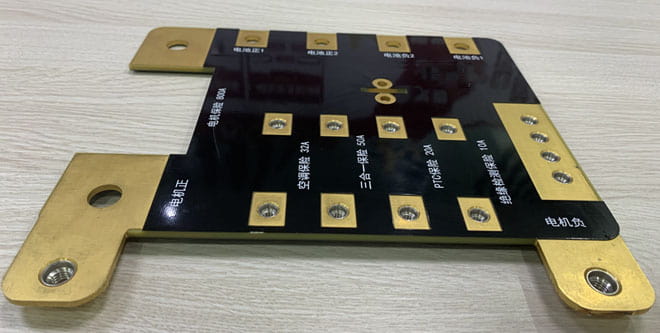
              Here is a photo of copper busbar PCB we made before:

              Why Choose EBest Circuit (Best Technology) as Copper Busbar PCB Supplier?

              Welcome to contact us if you have any inquiry for copper busbar PCB: sales@bestpcbs.com.