PCB manufacturing PCB manufacturing
Home > Blog

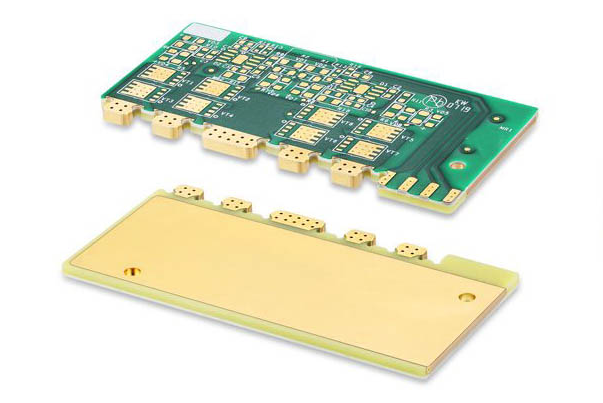
Custom PCB Sinkpad for High-power LED Solutions

May 23rd, 2025

High-power LED applications come with a serious challenge: heat. When LEDs generate too much heat and it’s not properly managed, it can shorten the life of the light, affect its brightness, or even cause total failure. That’s where SinkPAD PCBs come in. Unlike regular MCPCBs, a SinkPAD PCB offers a direct thermal path that transfers heat away from the LED quickly and effectively. If you’re working with powerful LEDs, custom SinkPAD PCBs can make a big difference. At EBest Circuit (Best Technology), we specialize in custom SinkPAD solutions designed for maximum heat dissipation and long-term reliability.

What is a SinkPAD PCB and How Does it Work?

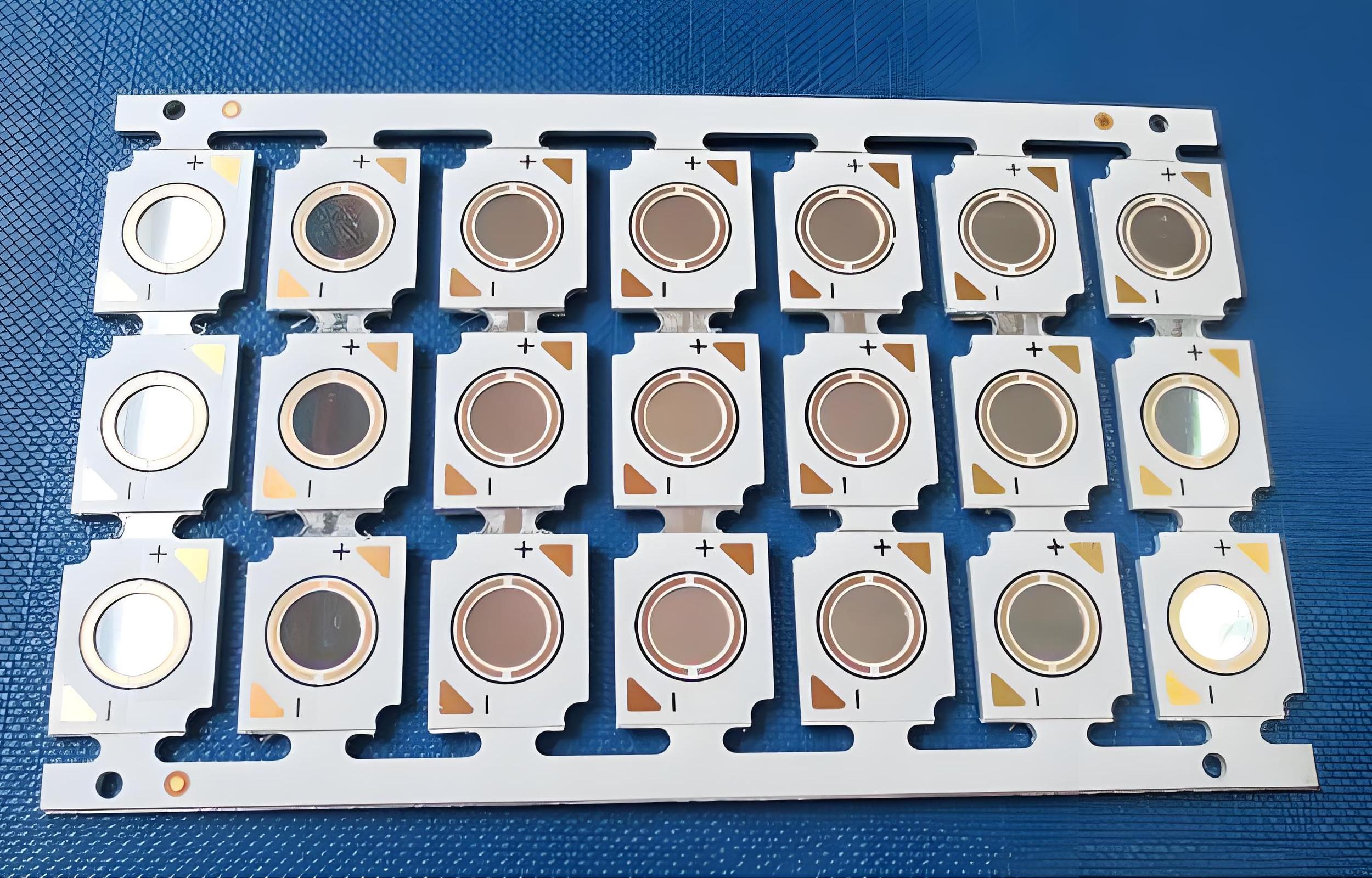
A SinkPAD PCB is a type of metal core PCB designed specifically for high-thermal performance. The term “SinkPAD” refers to a patented technology where the thermal pad of the LED is directly connected to the metal base of the PCB, creating an uninterrupted thermal path. In traditional MCPCBs, a dielectric layer sits between the copper circuit layer and the metal base, reducing thermal conductivity. But in a SinkPAD design, that barrier is removed or minimized in the area under the LED, allowing heat to flow directly to the metal core and then to the heatsink.

Custom PCB Sinkpad for High-power LED Solutions

Why is Thermal Management So Critical in High-Power LED Applications?

LEDs are efficient, but they’re not immune to heat. In fact, around 70%–85% of the electrical energy in an LED is converted into heat. If that heat isn’t quickly removed, it can cause several issues:

  • Decreased light output (lumen depreciation)
  • Color shifting over time
  • Shorter lifespan
  • Component failure in extreme cases

Good thermal management maintains LED brightness, performance, and stability. For high-power LEDs, such as those used in automotive headlights or industrial lighting, standard cooling methods often fall short. That’s why advanced thermal solutions like custom SinkPAD PCBs are essential — they offer superior heat dissipation to keep your LEDs working reliably.

What are the Advantages of Custom SinkPAD PCBs for LED Projects?

Choosing a custom SinkPAD PCB means tailoring the thermal design to fit your exact LED setup. Here are the key benefits:

  • Better heat dissipation: The direct thermal path lowers the junction temperature, which helps maintain brightness and prevent overheating.
  • Compact design: You can eliminate bulky heatsinks, which saves space in your lighting product.
  • Improved reliability: Lower operating temperatures lead to fewer failures and longer LED lifespan.
  • Higher power density: You can run brighter or more LEDs in a small area without worrying about thermal overload.
  • Consistent performance: No hotspots or uneven heat spread — just stable and predictable operation.

A custom SinkPAD solution allows you to match the board layout, materials, and thickness exactly to your LED requirements, which is especially helpful for complex or high-end lighting systems.

Custom PCB Sinkpad for High-power LED Solutions

What Materials are used in SinkPAD LED PCBs?

The choice of materials is crucial for any high-performance PCB, especially one handling thermal management. In SinkPAD PCBs, the most common materials include:

  • Aluminum base: Widely used due to its cost-effectiveness and good thermal conductivity. Suitable for medium-power LED applications.
  • Copper base: Offers superior heat conductivity compared to aluminum and is typically used in ultra-high-power or demanding environments.
  • High-thermal conductivity dielectric (if used): In areas not using the exposed metal pad, a thin dielectric layer may still be present. The goal is to keep thermal resistance as low as possible.

At EBest Circuit (Best Technology), we work with both aluminum and copper bases and can advise on the best choice depending on your heat requirements and budget.

How is a SinkPAD PCB Manufactured?

The SinkPAD PCB manufacturing process requires high precision and special techniques to expose the thermal pad directly to the metal base. Here’s how it typically works:

  1. Material preparation: Selection of copper or aluminum core with appropriate thickness.
  2. Drilling and routing: Laser or mechanical drilling is used to create openings that allow the thermal pad to contact the base metal directly.
  3. Etching and circuit formation: Copper traces are etched for the electrical circuit.
  4. Thermal pad exposure: Dielectric material is selectively removed from under the LED thermal pad area.
  5. Plating and finishing: Surface finishes like ENIG or OSP are applied to the copper pads.
  6. Testing and inspection: Thermal and electrical tests ensure the board performs as intended.

This process allows the heat from the LED to travel through the exposed pad directly into the metal base, rather than relying on thermal via stacking or thick dielectric layers.

Where are SinkPAD PCBs Used in Real Applications?

SinkPAD PCBs are used in any application where high power and reliable thermal control are required. Here are some real-world examples:

  • Automotive headlights and fog lamps: Require compact designs and powerful light with efficient heat dissipation.
  • Industrial floodlights: Often run for long hours and need stable performance under high thermal stress.
  • Medical lighting: Such as surgical lights that demand high brightness and zero failure during operation.
  • UV curing systems: Used in printing and adhesives, which generate intense heat.
  • Stage or studio lighting: Where color consistency and brightness are key, and high-powered LEDs are standard.

These applications benefit from the direct thermal pathway offered by SinkPAD PCBs, ensuring the LEDs can operate at full brightness for long periods without failure.

Design Considerations of SinkPAD PCB in LED Lighting Devices

When designing a SinkPAD PCB for LED lighting, it’s not just about efficient heat dissipation — it’s about optimizing performance, reliability, and manufacturability. Here are the key factors to consider:

1. LED Thermal Pad Alignment

Ensure the thermal pad of the LED package aligns precisely with the exposed metal area of the SinkPAD. Any misalignment can increase thermal resistance and reduce heat transfer efficiency.

2. Base Metal Selection

Aluminum is cost-effective and sufficient for many applications, but copper is preferable for ultra-high-power LEDs due to its superior thermal conductivity. Choose the base metal based on your LED’s power output and operating environment.

3. Board Thickness

The thickness of the metal core affects both heat spreading and mechanical strength. Thicker cores (e.g., 2.0mm copper or aluminum) can handle more heat but may increase the overall weight and cost.

4. Dielectric Isolation (If Applicable)

In areas that don’t require direct heat transfer, a thin dielectric layer may still be used. Select materials with high thermal conductivity (>1.0 W/m·K) and low thermal resistance to maintain performance.

5. Surface Finish

For high-reliability soldering and corrosion resistance, finishes like ENIG (Electroless Nickel Immersion Gold) or OSP (Organic Solderability Preservative) are commonly used. Choose a finish compatible with your LED’s soldering profile.

6. Component Layout and Spacing

Leave enough space between LEDs and other heat-sensitive components. This helps prevent local hotspots and ensures even heat distribution across the board.

How Does EBest Circuit (Best Technology) Serve You for Custom SinkPAD PCBs?

Choosing the right SinkPAD PCB partner is as important as the design itself. Here’s how EBest Circuit (Best Technology) supports you at every step:

  • Advanced thermal engineering support
  • Material flexibility including copper and aluminum
  • Custom layout design
  • Certified quality system
  • Full traceability
  • Fast quoting and prototyping

With over a decade of experience in custom thermal PCB design, EBest Circuit (Best Technology) is your reliable partner for SinkPAD LED solutions.

FAQs

1. What’s the difference between SinkPAD and standard MCPCBs?

Standard MCPCBs use a dielectric layer between the LED and the metal core, while SinkPAD removes that layer under the thermal pad for direct heat transfer.

2. Can SinkPAD PCBs handle very high-wattage LEDs like 10W or 50W?

Yes. SinkPAD PCBs are specifically designed for high-wattage LEDs where rapid and efficient heat dissipation is critical.

3. Is copper better than aluminum for SinkPAD PCBs?

Copper offers better thermal conductivity than aluminum, but it’s also more expensive. The choice depends on your application and thermal budget.

4. Are SinkPAD PCBs only used for LED lighting?

While they’re most commonly used in LED applications, they can be used in any high-power electronics needing excellent thermal control.

5. How can I get a quote for a custom SinkPAD PCB?

Simply send us your Gerber files and project details. Our engineering and sales team will respond with a tailored solution and quotation within 24 hours.

LED PCB Connector, LED PCB Board With Connector Manufacturer

May 22nd, 2025

Ever wondered how LED PCB connector ensure flawless performance in demanding applications? This guide unravels design secrets, durability hacks, and manufacturer selection strategies for gapless signal transmission and rock-solid connections.

EBest Circuit (Best Technology) excels as a LED PCB board with connector manufacturer by delivering industry-leading speed and reliability. Our 24-hour rapid prototyping service and fully automated SMT production lines enable same-day sample shipments and fast mass production. With a vertically integrated facility and stable electronic component supply chain, we eliminate material shortages while maintaining consistent quality across 12 inspection checkpoints. We keep extensive inventories of common connectors (3-pin, 4-pin gapless, RGB flex) to support urgent orders. Our engineering team provides 1-hour response times for technical queries and implements design changes within 4 working hours. All products undergo rigorous environmental testing for high-temperature performance. We offer free DFM analysis and specialized gapless connector prototyping with 72-hour evaluation reports, please contact us today for good price: sales@bestpcbs.com.

What Is LED PCB Connector?

A LED PCB connector is a specialized electrical component that forms the physical and electrical interface between LED modules and printed circuit boards. These LED PCB connectors facilitate secure power transmission while allowing for modular assembly and maintenance in lighting systems. Modern LED PCB connectors typically feature corrosion resistant contacts arranged in standardized configurations to ensure compatibility across different lighting applications. The design of an LED PCB connector often incorporates locking mechanisms to prevent accidental disconnection in high vibration environments. Engineers select LED PCB connectors based on current rating requirements, with common variants supporting between 1A to 5A per contact pin. High quality LED PCB connectors maintain stable conductivity even when exposed to temperature fluctuations common in LED operation. Proper implementation of LED PCB connectors significantly impacts the longevity and performance of lighting installations across residential, commercial and industrial settings.

What Is LED PCB Connector?

Why Use 3 Pin Quick Connector for LED PCB Wiring?

Here are the practical reasons for using 3 pin quick connectors in LED PCB wiring:

  • Enhanced Electrical Safety‌: The 3 pin LED PCB connector provides dedicated grounding alongside power connections, reducing electrical interference and improving system safety compared to 2 pin alternatives.
  • Standardized Compatibility‌: Most LED drivers and control systems are designed for 3 pin LED PCB connectors, ensuring broad interoperability across different lighting components.
  • Simplified Maintenance‌: LED PCB connectors with quick release features allow technicians to replace individual LED modules without disassembling entire lighting fixtures.
  • Improved Signal Integrity‌: In smart lighting systems, the third pin in LED PCB connectors carries control signals separately from power lines, preventing data corruption.
  • Stable Mechanical Connection‌: Quality LED PCB connectors feature locking mechanisms that withstand vibrations in automotive or industrial applications better than basic wire connections.
  • Efficient Thermal Management‌: The spaced pin configuration in LED PCB connectors helps distribute heat generation across multiple contact points rather than concentrating it at two terminals.
  • Future Proof Design‌: The 3 pin LED PCB connector accommodates potential upgrades to dimmable or addressable LED systems without requiring complete rewiring.
Why Use 3 Pin Quick Connector for LED PCB Wiring?

How 4 Pin Gapless Connector Improves LED Stability?

This is how 4 pin gapless connector improves LED stability:

  • Contact Point Optimization: The 4-pin design enhances contact area to minimize electrical resistance, ensuring stable current delivery through the LED PCB Connector. By increasing the physical interface between pins and sockets, this configuration reduces energy loss as heat, which is critical for maintaining consistent LED brightness. A larger contact surface also distributes current more evenly, preventing localized overheating that could degrade solder joints or LED chips over time.
  • Signal Integrity: The gapless structure minimizes electromagnetic interference (EMI) and cross-talk, allowing the LED PCB Connector to preserve signal clarity. This is particularly vital for addressable LED systems, where precise data transmission controls individual diode behavior. By eliminating air gaps that could act as dielectric insulators, the connector reduces impedance mismatches, ensuring commands for color changes or dimming reach their targets without distortion.
  • Thermal Management: Lower contact resistance directly reduces heat generation at the junction of the LED PCB Connector. Excessive heat accelerates LED lumen depreciation and shifts color temperatures, but the 4-pin design’s efficient current pathways mitigate this risk. Additionally, some connectors incorporate thermal vias or metal-core PCBs to dissipate heat proactively, extending the operational lifespan of both the connector and the LED array.
  • Mechanical Stability: The rigid housing of the 4-pin connector resists vibration and thermal expansion, maintaining reliable engagement with the LED PCB Connector. In automotive or outdoor lighting applications, mechanical stress from shocks or temperature fluctuations can loosen traditional connectors. The gapless design’s snug fit and latching mechanisms prevent micro-disconnections, ensuring uninterrupted power and signal transmission.
  • Compatibility and Installation: Standardized pin spacing and polarity markers on the LED PCB Connector simplify integration across diverse PCB layouts. Manufacturers can pre-assemble connectors during PCB population, reducing soldering steps and human error risks. The modular design also supports daisy-chaining or parallel configurations, allowing flexible system scaling without redesigning the entire circuit board.
  • Long-Term Reliability: By minimizing contact wear through gold-plated or nickel-coated pins, the LED PCB Connector resists oxidation and fretting corrosion. This is especially important in high-humidity environments where tarnishing could degrade performance. The 4-pin gapless architecture’s durability reduces maintenance cycles, as connectors retain their functional integrity even after thousands of mating cycles.
How 4 Pin Gapless Connector Improves LED Stability?

Can RGB LED PCB Flex Connectors Prevent Signal Loss?

Yes, RGB LED PCB flex connectors can effectively mitigate signal loss through a combination of mechanical, electrical, and material innovations. Below is an optimized explanation of their signal preservation capabilities:

  • Multi-Point Contact Geometry: These connectors use staggered or dual-contact pin arrangements to create redundant electrical pathways. This design compensates for micro-movements from bending or vibration, ensuring continuous signal transmission. For example, in automotive lighting systems, this redundancy prevents color flickering during dynamic driving conditions.
  • Differential Pair Routing: Advanced models integrate twisted-pair or coaxial-inspired structures within the flexible substrate to minimize inductive noise. By closely pairing data and return signals, electromagnetic interference (EMI) from adjacent power lines or wireless modules is suppressed, preserving pulse-width modulation (PWM) signal accuracy for precise RGB control.
  • High-Flex Conductor Alloys: The use of beryllium copper or phosphor bronze alloys in connector pins ensures millions of flex cycles without deformation. This resistance to work hardening prevents incremental contact resistance increases, a common failure mode in consumer electronics like gaming peripherals.
  • Thermal Expansion Compensation: Flex connectors often incorporate polymer fillers with matched coefficients of thermal expansion (CTE) to the PCB laminate. This prevents solder joint stress during temperature fluctuations, a critical factor in outdoor digital signage applications.
  • Impedance-Controlled Traces: Manufacturers engineer specific dielectric constants into the flexible insulation to maintain consistent characteristic impedance (typically 50Ω or 100Ω). This matching prevents signal reflections that cause data errors in high-speed protocols like DMX512 or SPI, ensuring synchronized color transitions across extended LED arrays.
  • Moisture-Resistant Coatings: Parylene or conformal coatings on connector surfaces repel humidity and conductive contaminants. In marine or industrial environments, this barrier prevents corrosion-induced resistive faults, maintaining signal integrity within operational thresholds.

How to Evaluate A LED PCB Board with Connector Manufacturer?

Below are how to evaluate a LED PCB board with connector manufacturer:

  • Review Design and Engineering Capabilities: Assess whether the manufacturer can handle complex LED PCB layouts, including thermal management for high-power LEDs and signal integrity for addressable strips. Inquire about their experience with connector integration, such as ensuring gapless contact designs or compatibility with flexible PCB materials. A strong supplier should demonstrate proficiency in tools like Altium or Eagle for PCB design and simulation software for thermal analysis.
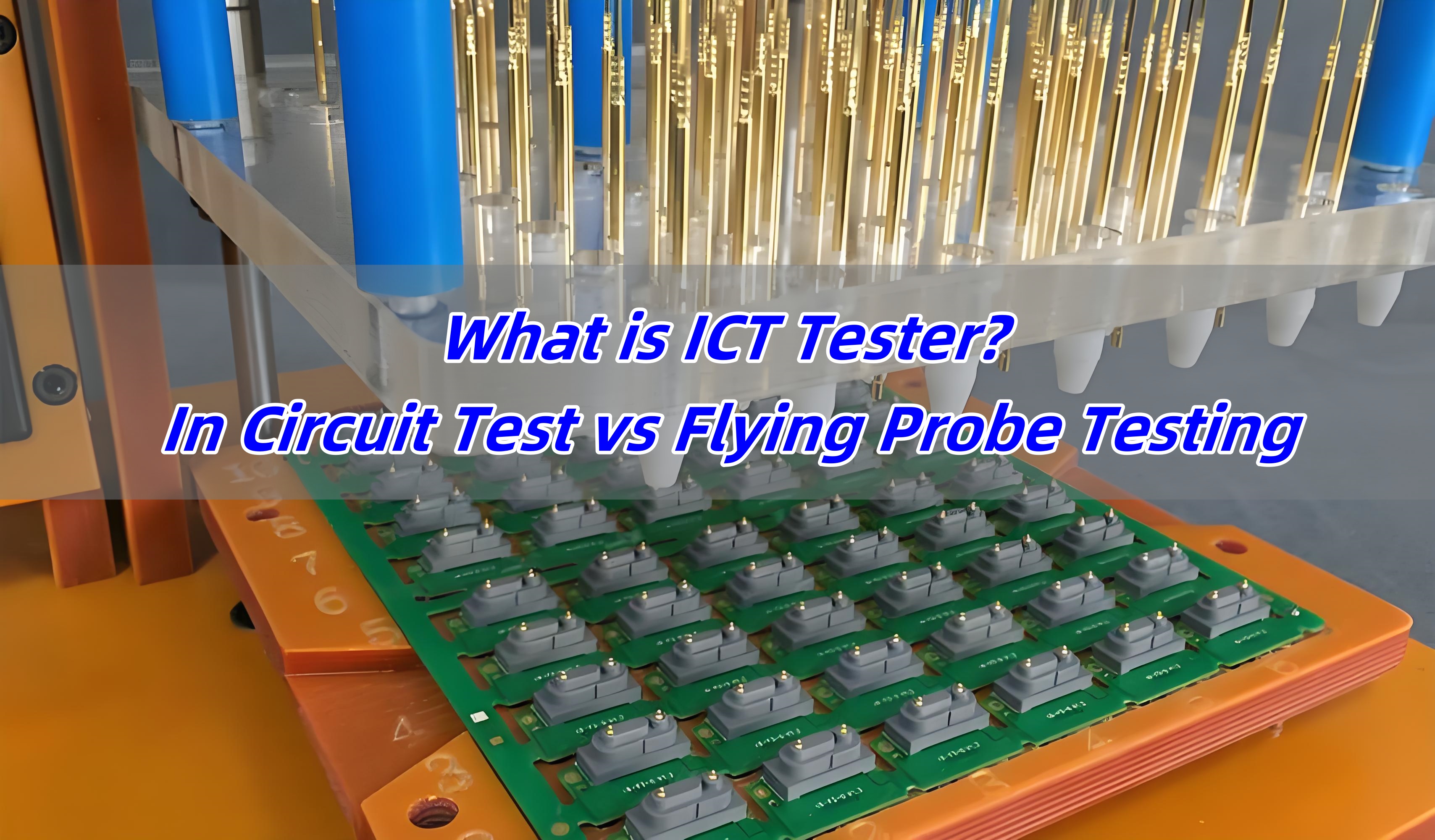
  • Examine Quality Control Processes: Request details on their testing protocols, including automated optical inspection (AOI) for solder joints, in-circuit testing (ICT) for electrical continuity, and burn-in tests for LED longevity. Verify if they adhere to industry standards such as IPC-A-610 for PCB assembly and ISO 9001 for quality management. Ask for sample test reports to evaluate consistency in connector pin alignment and LED luminance uniformity.
  • Evaluate Material Sourcing and Traceability: A reliable manufacturer should disclose their supply chain for copper-clad laminates, LED components, and connector materials. Inquire about certifications like UL for flame retardancy or RoHS compliance for lead-free soldering. Traceability systems that track batch numbers for raw materials can help identify root causes of defects, such as LED degradation or connector oxidation.
  • Assess Production Flexibility and Scalability: Determine if the manufacturer supports both prototype runs and mass production. For example, ask about their minimum order quantity (MOQ) for LED PCBs with custom connector pin counts and their lead times for reordering. Flexible suppliers often offer quick-turn PCB services and can adjust production lines for mixed models, such as combining rigid and flexible PCB sections in a single panel.
  • Analyze Cost Structure and Value Engineering: Compare quotes beyond unit pricing by evaluating value-added services, such as conformal coating for moisture resistance or connector pre-tinning to reduce assembly time. A transparent supplier will itemize costs for materials, labor, and testing while suggesting design tweaks—like optimizing trace widths for lower resistance—to reduce overall expenses without compromising performance.
  • Check Certifications and Compliance: Ensure the manufacturer holds relevant certifications for safety and environmental standards, such as UL 8750 for LED lighting or REACH compliance for chemical restrictions. For automotive or medical applications, verify their capability to meet AEC-Q102 stress tests or ISO 13485 medical device standards, which may impact connector durability and LED reliability.
  • Request Customer References and Case Studies: Ask for references from clients in similar industries, such as automotive lighting or consumer electronics, to gauge real-world performance. Case studies should detail how the manufacturer resolved challenges, like reducing signal loss in long LED strips or improving connector mating cycles in high-vibration environments.
  • Audit Post-Sales Support and Warranty: Clarify their warranty terms for LED PCB failures, such as lumen maintenance beyond 10,000 hours or connector contact resistance drift. Inquire about failure analysis services, including cross-sectioning to inspect solder joints or X-ray imaging for hidden connector defects. A responsive supplier will offer technical support within 24 hours and stock spare parts for urgent replacements.
How to Evaluate A LED PCB Board with Connector Manufacturer?

How to Verify Connector Durability for LED PCB Board with Connector?

 Below are verification methods:

  • Thermal Cycling Tests: Subject connectors to rapid temperature shifts (e.g., -40°C to 125°C) to simulate extreme environments. Monitor contact resistance and housing integrity over 500+ cycles to detect solder joint cracking or material embrittlement, common failure modes in automotive or outdoor lighting.
  • Mechanical Vibration Testing: Use shaker tables to apply sinusoidal or random vibration profiles (e.g., 20–2000 Hz) mimicking transportation or industrial equipment use. Inspect for pin loosening, housing fractures, or signal interruptions using in-situ resistance monitoring.
  • Humidity and Corrosion Resistance: Expose connectors to 85°C/85% relative humidity (RH) for 1000+ hours to accelerate oxidation. Measure insulation resistance and visualize contact surfaces with scanning electron microscopy (SEM) to assess tin whisker growth or plating degradation.
  • Insertion/Withdrawal Cycle Testing: Automate mating cycles (e.g., 500–1000 insertions) to evaluate wear on gold-plated or nickel-underplated contacts. Track increasing contact resistance and check for plating delamination using cross-sectional analysis.
  • Current Carrying Capacity Validation: Operate connectors at 120–150% of rated current while monitoring temperature rise via infrared thermography. Ensure compliance with UL i/i-ratio standards to prevent thermal runaway in high-power LED applications.
  • Flexural Endurance for Flex PCB Variants: For flexible PCB connectors, perform dynamic bending tests (e.g., 10mm radius, 10,000 cycles) while measuring signal integrity. Assess conductor cracking via electrical impedance tomography (EIT).
  • Material Compatibility Analysis: Conduct Fourier-transform infrared spectroscopy (FTIR) on polymer components to detect outgassing or chemical degradation when exposed to LED epoxies or solder flux residues.
  • Industry Standard Compliance: Verify adherence to IPC-9592 for connector performance in harsh environments and AEC-Q102 for automotive LED applications. Third-party certification bodies often provide accelerated stress test protocols.

What Causes Wire-to-PCB Connector Failures in High-Temperature Environments?

Below are causes wire-to-PCB connector failures in high temperature environments:

  • Material Degradation: Polymer-based connector housings or insulation layers may soften, deform, or embrittle at elevated temperatures. For example, PVC or LCP materials commonly used in connectors can lose mechanical integrity above their glass transition temperature (Tg), leading to misalignment of contacts or compromised sealing against contaminants. Similarly, metal alloys in pins or terminals may undergo annealing, reducing spring force and causing intermittent connections.
  • Thermal Expansion Mismatch: Dissimilar coefficients of thermal expansion (CTE) between connector components (e.g., brass terminals vs. FR-4 PCB laminate) induce mechanical stress during temperature cycling. This mismatch can warp the connector interface, creating micro-gaps that increase contact resistance or fracture solder joints. Over time, this leads to erratic signal transmission or open circuits in LED arrays or power supplies.
  • Oxidation and Corrosion: Elevated temperatures accelerate oxidation of metal surfaces, particularly at contact points. Even tin- or gold-plated terminals can develop insulating oxide layers that increase impedance, causing voltage drops or flickering in LED systems. Corrosion byproducts may also infiltrate connector interfaces, exacerbating wear during mating cycles.
  • Lubricant Breakdown: Many connectors use greases or films to reduce insertion force and prevent fretting. High temperatures can volatilize or carbonize these lubricants, leaving contacts vulnerable to friction-induced wear. In automotive or aerospace applications, this degradation often manifests as increased mating resistance or particle contamination in connectors.
  • Current Density and Joule Heating: At high ambient temperatures, connectors operating near their current-carrying capacity experience elevated internal heating due to Joule effects (IÂČR losses). This thermal runaway raises contact temperatures beyond design limits, melting solder joints or delaminating PCB traces. For instance, a connector rated for 5A at 25°C may derate to 3A at 85°C, risking failure if not de-rated appropriately.
  • Solder Joint Fatigue: Thermal cycling between high ambient temperatures and operational heating causes repetitive strain on solder joints connecting connectors to PCBs. Over time, this induces cracks in the solder matrix, particularly for lead-free alloys with higher rigidity. Such failures are common in outdoor LED fixtures subjected to diurnal temperature swings.
  • Insulation Resistance Reduction: Prolonged exposure to heat reduces the dielectric strength of connector insulation, increasing the risk of short circuits or arc tracking. This is critical in high-voltage applications, where compromised insulation can lead to catastrophic failure of LED drivers or power supplies.

Do Manufacturers Support Gapless LED PCB Board with Connector Prototyping?

Yes, Many manufacturers offer prototyping services for gapless LED PCB boards with integrated connectors, leveraging advanced design and production capabilities to address thermal, electrical, and mechanical challenges. These services typically include custom layout design for tight contact spacing, material selection for high-temperature stability, and iterative testing to validate signal integrity under vibration or thermal cycling. For instance, suppliers like EBest Circuit (Best Technology) provide rapid prototyping using automated optical shaping (AOS) to ensure precise alignment between LED arrays and connector pins, minimizing air gaps that could lead to arcing or signal degradation. They also incorporate simulation tools to predict thermal expansion effects on solder joints and connector housing, ensuring reliability in applications such as automotive headlights or industrial LED fixtures. Prototyping packages often include functional testing of color consistency, current leakage, and mating cycle durability, allowing engineers to refine designs before full-scale production.

Multi Layer PCB Manufacturer, Fast Delivery

May 22nd, 2025

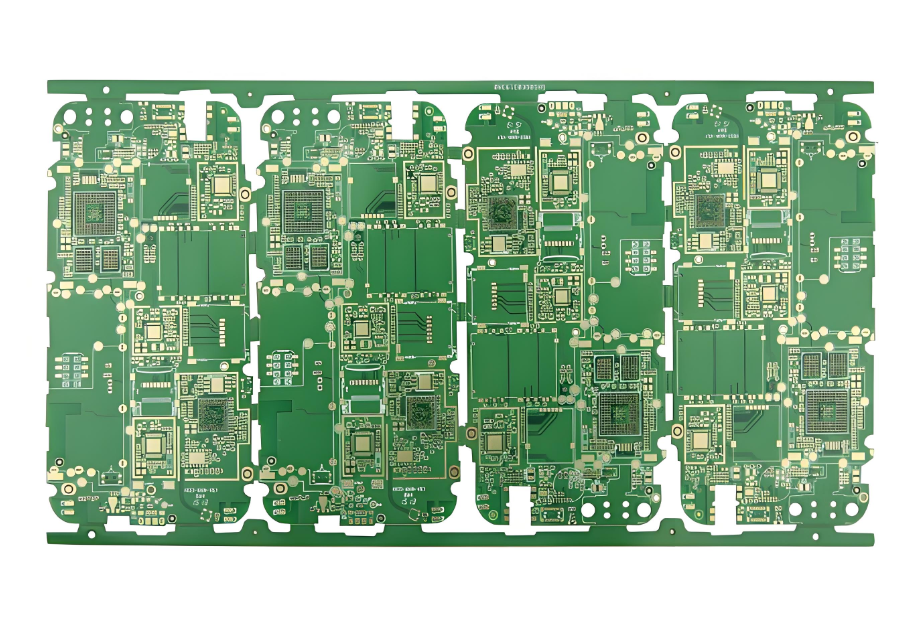
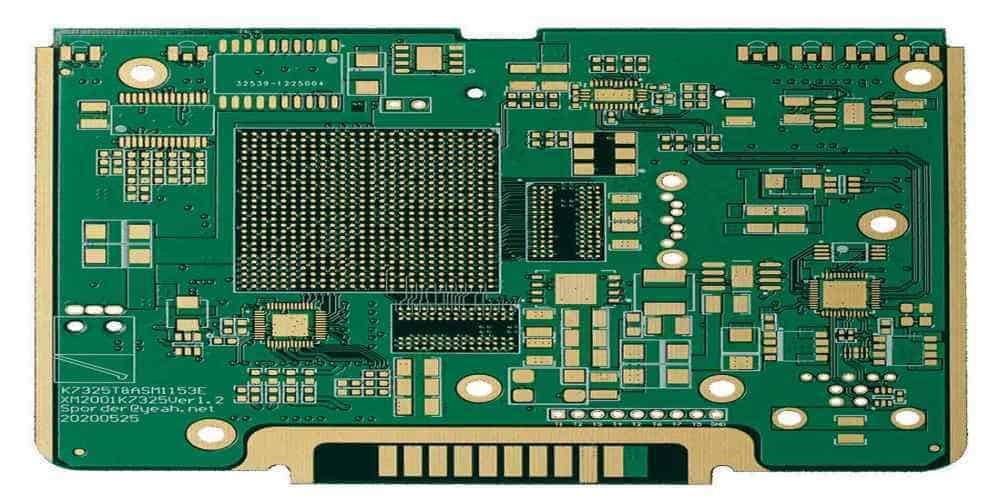
Are you looking for multi layer PCB manufacturer that provides with fast delivery service? As technology advances, the demand for multi layer PCBs (Printed Circuit Boards) continues to grow. These boards are essential in modern electronics, offering superior performance and reliability compared to single-layer or double-layer PCBs. In this blog, we’ll explore what makes a multi-layer PCB manufacturer the best choice, the materials used in their production, how long it takes to manufacture them, and why you should select EBest Circuit (Best Technology) as your trusted partner.

EBest Circuit (Best Technology) is your reliable multi layer PCB manufacturing partner with on-time delivery service. Our multi layer PCB quality is in line with AS9100D aerospace standards. We have good inventory management for the customer material. Our commitment is to provide high-quality PCB manufacturing and turnkey PCB assembly service to our global customers from rapid PCB Prototyping, and component sourcing to PCBA. Our engineers master the know-how, and we are happy to not only provide the final multi layer PCBs, but also the tailored multi layer PCB solutions for your applications. If you are looking for multi layer PCB manufacturer with fast delivery, kindly reach out to us at sales@bestpcbs.com.

Multi Layer PCB Manufacturer, Fast Delivery

1. What is the Best Multi Layer PCB Manufacturer?

In the dynamic world of electronics, multi layer printed circuit boards (PCBs) play a crucial role. They are the backbone of countless electronic devices, from smartphones and laptops to industrial machinery and aerospace equipment. But with so many PCB manufacturers out there, how do you determine the best multi layer PCB manufacturer? Let’s dive in and explore the key factors and some top contenders.

1. Technical Expertise

  • Design Capabilities: The best multi layer PCB manufacturers have a team of highly skilled designers. These experts can handle complex PCB designs, ensuring proper signal integrity, power distribution, and thermal management. For example, they can design multi layer boards with high speed signal traces, which are crucial for modern high performance electronics.
  • Manufacturing Processes: Advanced manufacturing processes are a must. This includes capabilities such as precise drilling, electroplating, and solder mask application. A manufacturer that uses state-of-the-art equipment can produce multi layer PCBs with tight tolerances and high reliability.

2. Quality Assurance

  • Testing Procedures: Rigorous testing is essential to ensure the quality of multi layer PCBs. The best manufacturers conduct a variety of tests, such as electrical testing, X-ray inspection, and automated optical inspection (AOI). These tests help detect any defects, such as short circuits, open circuits, or incorrect component placement.
  • Certifications: Certifications like ISO 9001, IPC standards, and RoHS compliance are indicators of a manufacturer’s commitment to quality. ISO 9001 ensures that the manufacturer has a well-defined quality management system in place, while IPC standards guarantee that the PCBs meet industry-recognized quality levels.

3. Production Capacity and Turnaround Time

  • Capacity: A good multi layer PCB manufacturer should have sufficient production capacity to meet your volume requirements. Whether you need a small batch of prototypes or large-scale production runs, they should be able to handle it.
  • Turnaround Time: In today’s fast-paced market, quick turnaround times are crucial. The best manufacturers can deliver your multi-layer PCBs in a timely manner, without compromising on quality. This is especially important for companies with tight product launch schedules.

4. Customer Service

  • Communication: Clear and effective communication is key. The manufacturer should be responsive to your inquiries, provide regular updates on the production progress, and be willing to work with you to address any issues or concerns.
  • Technical Support: Good technical support can make a big difference. Whether you need help with PCB design, troubleshooting, or understanding the manufacturing process, the manufacturer should have a team of experts available to assist you.

Choosing the right multi-layer PCB manufacturer is crucial for ensuring high-quality products that meet your specific requirements. EBest Circuit (Best Technology) stands out due to its extensive experience, advanced manufacturing capabilities, and commitment to customer satisfaction. With over 18 years of expertise in the PCB industry, EBest Circuit (Best Technology) offers reliable and efficient solutions tailored to various applications, from prototypes to mass production.

Multi Layer PCB Manufacturer

2. Multi Layer PCB Manufacturers in India

Multi-layer PCBs have become essential components in modern electronics, powering everything from smartphones to aerospace systems. India manufacturers leverage local talent and advanced technology to produce boards that are competitive globally. However, selecting the right one requires careful evaluation of factors such as experience, production capacity, and quality control measures.

1. Micropack Limited

(Established:1984 | Location: Bangalore)

A pioneer in adopting advanced Orbotech Nuvogo DI technology, Micropack specializes in high-reliability boards for aerospace application. Their technical capabilities include:

  • Advanced direct imaging solutions
  • Quick turnaround prototyping
  • Aerospace-grade multilayer boards

2. Ascent Circuits

(Established:1999 | Location: Hosur)

Recently secured â‚č500 million investment for expansion, positioning them as leaders in automotive and telecom PCBs. Key highlights:

  • Annual capacity:108000 multilayer boards
  • Caters to ISRO, BEL, and major auto companies
  • 23% revenue growth in FY2023

3. EIPRISM Circuitronics

(Established:1995 | Location: Pune)

A specialized manufacturer producing boards with up to 32 layers, particularly for space applications . Their expertise includes:

  • High-density interconnect (HDI) technology
  • Edge plating boards
  • Serving aerospace sector

3. What Materials Are Used in Multi Layer PCB?

Multi-layer PCBs are typically made from a combination of copper foil, insulating materials (like epoxy glass cloth), and prepreg layers. These materials are carefully selected to ensure durability, thermal stability, and electrical conductivity. The core layers are usually made from epoxy glass fabric, while the outer layers consist of copper foil bonded with insulating materials. This multi-layer structure allows for efficient signal routing and electromagnetic interference (EMI) shielding.

Multi Layer PCB Manufacturer, Fast Delivery

4. How Long Does It Take to Manufacture Multi Layer PCBs?

The manufacturing process of multi-layer PCBs is intricate and time-consuming. It involves several stages, including the design stage, layer creation, lamination, drilling, plating, etching, and final assembly. Depending on the complexity of the design and the number of layers, the production time can range from a few days to several weeks. For instance, the simple 4-layer prototypes might take around 7-10 business days, while more complex designs with eight layers or more layers could take up to 12 days or more. If you want to know more specific lead time of your demands, kindly contact us at sales@bestpcbs.com.

5. How Are 4 Layer PCBs Made?

Manufacturing a 4-layer PCB involves several key steps:

  1. Design Planning: Engineers create a detailed blueprint using specialized software to ensure accurate routing and component placement.
  2. Core Layer Preparation: Two inner layers are prepared by applying copper foil on both sides of an epoxy glass substrate.
  3. Lamination: The inner layers are bonded together with prepreg material under high pressure and temperature to form a single unit.
  4. Drilling and Plating: Holes are drilled for vias, followed by electroless copper plating to connect the layers.
  5. Etching: Excess copper is removed to create the desired circuit pattern.
  6. Final Assembly: The outer layers are laminated onto the core layers, followed by silk screening, solder mask application, and testing.
Multi Layer PCB Manufacturer

6. How to Choose a Multi Layer PCB Manufacturer?

Choosing the right manufacturer involves considering several factors:

  • Experience: Look for manufacturers with a proven track record of delivering high-quality products.
  • Capacity: Ensure they have sufficient production capacity to meet your order requirements.
  • Technology: Opt for manufacturers using advanced equipment and processes like CNC testing and FQC packaging.
  • Customization: Choose providers that offer flexible customization options to suit your unique needs.
  • Request Quotes: Contact multiple manufacturers and request detailed quotes. Compare the pricing, services, and delivery times offered by each manufacturer.
  • Support: Evaluate their customer support and response time to ensure timely assistance.
  • On – Site Inspection: If feasible, visit the manufacturer’s facility. This will give you an opportunity to see their production processes, quality control measures, and the overall working environment. It can also help you establish a better relationship with the manufacturer.

In conclusion, finding the best multi layer PCB manufacturer requires careful consideration of various factors. By evaluating technical expertise, quality assurance, production capacity, customer service, you can make an informed decision that meets your specific needs. You can select an established global player such as EBest Circuit (Best Technology), and the right choice will make a big difference to the success of your electronic project.

7. Why Should You Choose EBest Circuit (Best Technology) as Your Trusted Multi Layer PCB Manufacturer?

EBest Circuit (Best Technology) excels in providing top-notch multi-layer PCB manufacturing services due to its:

  • Extensive Experience: Over 18 years of expertise in PCB manufacturing ensures reliability and efficiency. We provide one-stop services such as design, layout, prototyping, PCBA, and box build assembly.
  • Advanced Equipment: State-of-the-art machinery enables precise manufacturing processes.
  • Quality Assurance: We follow strict quality control standards, from raw materials to final product testing. We comply with environmental regulations. All materials are lead-free and comply with UL, REACH, and RoHS standards. Moreover, our plants comply with international standards like ISO 9001, ISO 13485, IATF 16949, and AS9100D to ensure consistent quality.
  • Production Capacity: ‌‌Our current monthly production capacity is 260,000 square feet (28,900 square meters), allowing us to complete over 1,000 distinct PCB boards.

By partnering with EBest Circuit (Best Technology), you can trust that your multi-layer PCBs will be manufactured with precision, reliability, and adherence to your specifications. Whether you need prototypes or mass production runs, EBest Circuit (Best Technology) is your one-stop solution for all your PCB manufacturing needs.

Multi Layer PCB Manufacturer, Fast Delivery

In conclusion, finding a reliable multi layer PCB manufacturing partner with on-time delivery service is of significance to ensure the success of your project. By choosing a provider who not only provides high-quality products but also offers fast turnaround PCB Manufacturing services, you can be confident that your end product will meet the demanding timelines and expectations set by your client or market demand. This kind of partnership not only enhances customer satisfaction but also opens up new opportunities for growth and expansion within your business. EBest Circuit (Best Technology) is committed to delivering aerospace-grade quality PCBs and providing solutions for all series of PCBs. You can contact us at sales@bestpcbs.com. Thanks so much for your trust.

LED PCB Exporter, China LED Grow Light PCB Exporters

May 22nd, 2025

Seeking a certified LED PCB exporter?‌ This overview examines customization processes, cost optimization, vertical farming adaptations, compliance protocols, and emerging Chinese technologies.

At EBest Circuit (Best Technology), we deliver unmatched value as your LED PCB exporter by offering rapid turnaround times, transparent pricing, and rock-solid quality—all while handling everything from niche small-batch orders to large-scale production runs. Our expertise spans a wide array of metal-core PCBs, including aluminum, copper, and advanced composite substrates, tailored for high-performance LED applications like horticultural lighting, industrial fixtures, and beyond. With agile customization capabilities, strict quality certifications, and a proven track record of on-time delivery, we ensure your projects shine brighter, faster, and within budget. Ready to experience reliability, flexibility, and precision? Reach out to EBest Circuit (Best Technology) today and let’s power up your next innovation! Welcome to contact us if you have any request for LED PCB: sales@bestpcbs.com.
What Is LED PCB Exporter?

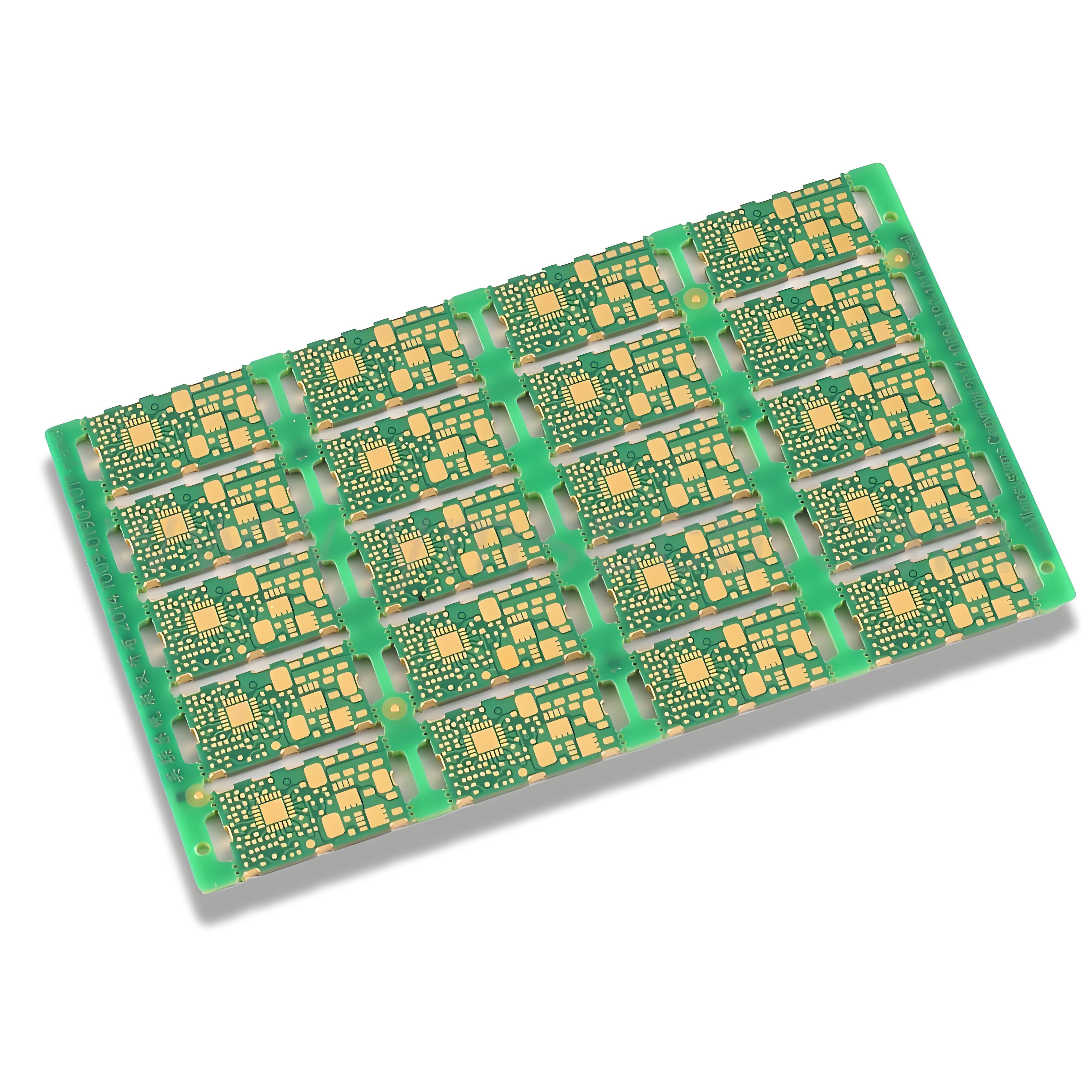
A LED PCB exporter specializes in designing, manufacturing, and distributing printed circuit boards optimized for LED applications, partnering with LED PCB factories and companies to deliver solutions for lighting systems, horticultural setups, and industrial controls. These exporters typically utilize advanced materials like aluminum substrates and integrate components such as drivers and thermal management systems to ensure reliability across diverse operating conditions. By adhering to standardized production workflows and maintaining certifications for safety and efficiency, they cater to global markets requiring precise electrical layouts and durable PCB configurations. The sector’s technical focus includes spectral tuning for agricultural lighting and compatibility with modular assembly processes.

What Is LED PCB Exporter?

How Do Leading LED PCB Exporters Handle Customization Requests?

This is how the leading LED PCB exporter handles custom requests:

  • Modular Design Platforms: Leading LED PCB exporters collaborate with LED PCB factories to create adaptable design templates, allowing clients to adjust parameters like layer stacks, impedance controls, or thermal management features without full custom tooling. This approach accelerates turnaround times by 20–30% compared to ground-up designs.
  • Agile Prototyping Workflows: They partner with LED PCB companies offering quick-turn prototyping services, often delivering samples within 48 hours. Exporters use iterative testing cycles to refine designs, ensuring functionality meets specs before scaling production.
  • Multi-Sourcing Strategies: Top LED PCB exporters maintain relationships with diverse substrate suppliers through LED PCB factories, providing alternatives if primary materials face shortages or price hikes. This flexibility supports niche requests like high-frequency laminates or halogen-free boards.
  • Automated Design Validation: They integrate automated design rule check (DRC) tools with LED PCB companies’ CAD systems, instantly flagging issues like trace/space violations or solder mask conflicts during client uploads. This reduces approval cycles by up to 50% for complex orders.
  • In-House Value-Added Services: Some LED PCB exporters operate or partner with LED PCB factories that offer post-manufacturing customization, such as conformal coating, peelable solder mask, or selective hard gold plating. This eliminates third-party coordination delays and ensures quality control.
  • Lifecycle Management Support: Leading exporters collaborate with LED PCB companies to provide documentation packages (e.g., Gerber files, assembly drawings) and revision control for customized boards. This simplifies reorders and reduces errors for clients with long-term product roadmaps.
How Do Leading LED PCB Exporters Handle Customization Requests?

How to Avoid Hidden LED PCB Costs When Choosing LED PCB Exporter?

This is how to avoid hidden LED PCB costs when choosing LED PCB exporter:

  • Request Detailed Cost Breakdowns: Require LED PCB exporters to provide itemized quotes separating material costs (e.g., substrate type, copper weight), fabrication fees (e.g., drilling, plating), and ancillary charges (e.g., tooling, testing). Compare these line items across multiple LED PCB companies to spot discrepancies, such as overpriced solder mask layers or inflated engineering fees.
  • Clarify Tooling Ownership and Fees: Confirm with LED PCB factories whether tooling costs (e.g., molds, stencils) are one-time charges or recurring. Some exporters retain tooling ownership, levying fees for every reorder. Negotiate to amortize these costs over large volumes or secure free tooling for multi-year contracts.
  • Validate Certification Inclusions: Ensure quotes from LED PCB companies explicitly include compliance testing (e.g., UL, RoHS, REACH) and documentation. Hidden costs may arise from last-minute charges for third-party lab reports or non-compliance fines, which can add 10–20% to total costs.
  • Negotiate Flexible MOQs: Partner with LED PCB exporters offering tiered pricing for smaller batches. High minimum order quantities (MOQs) at LED PCB factories can force clients to overstock, incurring warehousing fees. Propose staggered deliveries or shared tooling to reduce upfront investments.
  • Define Logistics Responsibilities: Require exporters to specify freight terms (e.g., FOB, CIF) and insurance liabilities in contracts. Hidden costs like customs duties, port storage fees, or delays from consolidated shipments can inflate costs by 15–25%. Use Incoterms 2020 to clarify obligations.
  • Audit Warranty and Liability Clauses: Ensure LED PCB companies cover defects beyond standard warranties. Some exporters exclude liabilities for design-related failures or limit warranty periods. Negotiate extended liability clauses (e.g., 3 years vs. 1 year) and free failure analysis for defective boards.
  • Leverage Long-Term Contracts: Secure volume discounts by signing multi-year agreements with LED PCB exporters. Factories often offer lower per-unit costs for committed forecasts, reducing risks of price hikes from material shortages (e.g., copper, laminate).
  • Visit Factories Pre-Order: Conduct audits of LED PCB factories to verify capabilities (e.g., laser drilling, HDI production) and quality systems (e.g., ISO 9001, IATF 16949). Hidden costs often stem from subcontracting to non-certified shops, leading to rework or scrap.
How to Avoid Hidden LED PCB Costs When Choosing LED PCB Exporter?

Where I Can Find A LED Grow Light PCB Exporters From China?

Here are methods about how to find a LED grow light PCB exporters from China:

Attend Industry-Specific Trade Shows

  • Participate in events like the China International Horticultural Lighting Expo, which gathers manufacturers specializing in LED-related components. These platforms allow direct engagement with exporters of LED PCBs showcasing products tailored for plant growth systems, including those with high thermal conductivity or UV-resistant coatings.

Use B2B Marketplaces with Verified Suppliers

  • Filter suppliers on Alibaba.com or Global Sources by selecting LED PCB exporters with certifications (e.g., ISO 9001, UL) and production capabilities for horticultural applications. Prioritize sellers offering samples or customization options, such as multi-layer boards with impedance-controlled traces for LED arrays.

Collaborate with Regional Industry Associations

  • Contact China’s National Semiconductor Lighting Engineering R&D and Industry Alliance for lists of certified manufacturers. These associations often publish directories of companies specializing in LED PCBs compliant with global standards, including those supplying PCBs for smart agriculture projects.

Focus on PCB Manufacturing Hubs

  • Target suppliers in regions like Guangdong Province, a global PCB production center. Local exporters of LED PCBs here typically offer competitive pricing due to mature supply chains and access to advanced materials like metal-core substrates or flexible circuits.

Evaluate Customization and Compliance

  • Ensure selected LED PCB companies provide solutions like aluminum-backed boards for heat dissipation or conformal coatings for humid environments. Verify their ability to meet target-market regulations, such as FCC (U.S.) or CE (Europe), to avoid post-shipment delays.

Visit Factories for Quality Assurance

  • Conduct on-site audits to assess equipment (e.g., laser drills, automated optical inspection machines) and processes. This step confirms if the exporter of LED PCBs can deliver consistent quality for high-density LED layouts used in plant lighting.

Leverage Free Trade Zones for Logistics

  • Partner with suppliers of LED PCBs based in zones like Shenzhen, China. These locations offer streamlined customs procedures and bonded warehousing, reducing lead times for international orders.

Seek Recommendations from Brand-Certified Partners

  • Identify LED PCB exporters that supply components to recognized lighting brands. For instance, EBest Circuit (Best Technology), a known name in precision PCBs, collaborates with manufacturers integrating advanced spectral layers for plant growth optimization.
Where I Can Find A LED Grow Light PCB Exporters From China?

How to Identify Reliable China LED Grow Light PCB Exporters?

Below are tips about how to identify reliable China LED grow light PCB exporters:

  • Verify Industry Certifications and Standards: Prioritize China LED grow light PCB exporters holding certifications like ISO 9001 (quality management), ISO 14001 (environmental management), UL (safety), and RoHS (hazardous substances). These credentials ensure adherence to global standards for materials, production, and safety.
  • Assess Production Capacity and Technology: Evaluate if the exporter of LED PCBs owns or partners with advanced facilities equipped with laser drilling machines, automated optical inspection (AOI) systems, and thermal stress testing chambers. These technologies are critical for producing high-density interconnect (HDI) boards or metal-core PCBs (MCPCBs) used in LED grow lights.
  • Review Quality Control Processes: Request details on their quality assurance protocols, including incoming material inspections, in-process testing (e.g., impedance checks), and final functional tests (e.g., thermal cycling). Reliable LED PCB companies often share lot-specific traceability data.
  • Check Customization Capabilities: Ensure the supplier of LED PCBs offers design flexibility, such as impedance-controlled traces, via-in-pad technology, or multi-layer boards with blind/buried vias. These features are essential for optimizing light distribution and thermal management in horticultural applications.
  • Analyze Customer References and Case Studies: Request references from clients in the horticultural sector or case studies detailing projects involving LED grow light PCBs. A reputable China LED PCB exporter will provide testimonials highlighting reliability in high-humidity or high-temperature environments.
  • Audit Compliance with Regional Regulations: Confirm the exporter of LED PCBs understands and complies with target-market regulations, such as FCC (U.S.), CE (Europe), or Energy Star ratings. Non-compliance can lead to costly recalls or market entry barriers.
  • Evaluate Pricing and Payment Terms: Compare quotes from multiple China LED PCB suppliers while considering payment terms (e.g., 30% deposit, balance against B/L). Avoid unusually low bids, as they may indicate compromised material quality or hidden fees.
  • Inspect Factory and Warehouse Facilities: Conduct on-site audits to verify inventory management, equipment calibration, and worker training programs. A well-maintained facility with cleanroom standards reduces contamination risks for sensitive LED components.
  • Leverage Third-Party Testing Services: Require independent lab reports (e.g., SGS) for samples to validate performance metrics like thermal conductivity, insulation resistance, and solderability before bulk orders.
  • Assess Post-Sale Support: Ensure the China LED PCB exporter offers a minimum 12-month warranty, rapid RMA (Return Material Authorization) processing, and technical support for design iterations. Prompt communication during issues is critical for minimizing downtime.

How to Verify Chinese Exporters’ Compliance with International Horticultural Standards?

  • Request Certification Documents: Ask China LED PCB exporters to provide copies of certifications such as UL (for safety), CE (European conformity), or FCC (for electromagnetic compatibility). These documents confirm compliance with regulations governing electrical safety and emissions in target markets.
  • Audit Material Safety Data Sheets (MSDS): Obtain MSDS for substrates, solder masks, and coatings used in LED PCBs. Ensure materials meet RoHS (Restriction of Hazardous Substances) standards, particularly for lead, mercury, and cadmium, which are critical for horticultural equipment exported to Europe or North America.
  • Verify Thermal Performance Testing: Request test reports for thermal conductivity, thermal cycling resistance, and operating temperature ranges. Compliance with standards like IEC 62368-1 ensures PCBs can withstand the high heat generated by LED grow lights without degradation.
  • Check Humidity and Corrosion Resistance: Confirm PCBs meet IP (Ingress Protection) ratings or MIL-STD-810 standards for moisture and corrosion resistance. This is vital for LED grow lights used in humid greenhouse environments.
  • Review Electrical Performance Certificates: Ensure suppliers of LED PCBs provide impedance control data, dielectric withstanding voltage test results, and insulation resistance reports. These metrics align with IPC-6012 standards for printed board quality.
  • Engage Third-Party Inspectors: Hire agencies like SGS to conduct pre-shipment inspections. They verify if PCBs meet specifications for layer count, trace/space tolerances, and finish quality, reducing risks of non-compliance.
  • Assess Regulatory Knowledge: Interview China LED PCB exporters on their understanding of regional horticultural standards, such as California’s Title 24 (energy efficiency) or Australia’s AS/NZS CISPR 15 (EMI limits). Providers with dedicated compliance teams are more likely to avoid violations.
  • Request Sample Testing: Order prototypes for independent lab evaluation. Test for light reflectivity, thermal expansion compatibility with LED chips, and long-term reliability under UV exposure to simulate horticultural use cases.
  • Review Export History: Analyze the exporter of LED PCBs’ track record in shipping to target regions. Frequent customs holds or product recalls indicate potential compliance gaps.
  • Leverage Trade Agreements: Utilize China’s free trade agreements (e.g., RCEP) to streamline certification processes. Suppliers of LED PCBs familiar with mutual recognition agreements (MRAs) can expedite approvals in member countries.

What Special Features Do Chinese Grow Light PCBs Offer for Vertical Farms?

  • High-Thermal-Conductivity Substrates: Chinese-made LED grow light PCBs often use aluminum or copper-core substrates to enhance heat dissipation. This prevents overheating in dense vertical farm setups, where multiple LED arrays operate continuously.
  • Multi-Layer Circuit Designs: Advanced PCBs feature 4–8 layers to accommodate complex wiring for RGBW LED chips and smart sensors. This enables precise spectral control and real-time adjustments to light intensity, critical for optimizing plant growth stages.
  • IP65+ Moisture Resistance: To withstand high-humidity environments in vertical farms, PCBs are coated with conformal materials or use immersion gold finishes. This protects against corrosion and electrical shorts caused by spray irrigation or condensation.
  • Flexible and Rigid-Flex Options: Some PCBs combine rigid and flexible sections to fit into compact, multi-tiered vertical farm structures. This design reduces assembly complexity and allows seamless integration with movable LED fixtures.
  • High-Frequency Drivers for Dimming: PCBs incorporate high-speed signal transmission layers to support PWM (Pulse Width Modulation) dimming. This enables smooth, flicker-free brightness adjustments, essential for simulating natural light cycles in indoor farms.
  • Embedded Sensors and Connectivity: Modern PCBs include built-in sensors for temperature, humidity, and light spectrum monitoring. Some support IoT protocols like LoRa or Zigbee, enabling remote management and data analytics for crop optimization.
  • UV-Resistant Coatings: To prevent degradation from prolonged UV exposure in LED grow lights, PCBs use specialized solder masks and laminates. This extends lifespan in vertical farms using UVA/UVB supplements for specific crops.
  •  Lightweight and Thin Profiles: Chinese manufacturers optimize PCB thickness (0.8mm–1.6mm) and weight to reduce load on vertical farm racks. This allows for safer stacking of multiple LED panels without compromising structural integrity.
  • Customizable Spectral Layers: PCBs can be engineered with trace patterns that distribute specific wavelengths (e.g., 660nm red, 450nm blue) evenly across the board. This ensures uniform light delivery to plants in vertically stacked tiers.
  •  Energy-Efficient Power Modules: Integrated DC-DC converters and low-loss circuitry minimize power waste, aligning with vertical farms’ sustainability goals. Some designs achieve >90% efficiency, reducing operational costs for 24/7 lighting.

Which Technological Breakthroughs Are Redefining China’s Grow Light PCB Exports?

Here are technological breakthroughs are redefining China’s grow light PCB exports:

  • High-Thermal-Conductivity Substrates: Chinese manufacturers now widely adopt aluminum-nitride (AlN) or ceramic-based PCBs to manage heat in high-power LED grow lights. These materials offer 3–5x better thermal dissipation than traditional FR-4, preventing LED degradation in 24/7 vertical farming operations.
  • Advanced Manufacturing Processes: Laser direct imaging (LDI) and modified semi-additive processes (MSAP) enable finer trace/space tolerances (<50”m). This supports high-density interconnect (HDI) PCBs for compact, multi-spectrum LED arrays used in vertical farms.
  • Embedded Passive Components: Innovations like embedded resistors and capacitors reduce PCB layer counts by 30%, lowering costs while improving signal integrity. This is critical for precision dimming and spectral tuning in smart LED fixtures.
  • Flexible Hybrid Electronics: Rigid-flex PCBs combining polyimide flexibility with FR-4 rigidity allow 3D lighting configurations. These designs conform to tiered vertical farm structures, eliminating wires and reducing assembly time by 40%.
  • AI-Driven Spectral Optimization: Machine learning algorithms integrated into PCB design tools auto-calculate copper trace patterns to distribute specific wavelengths (e.g., 660nm red, 450nm blue) uniformly. This ensures 5–10% higher crop yields in controlled environments. 
  • Energy-Harvesting Power Modules: PCBs now incorporate miniaturized energy-harvesting circuits that convert excess LED heat into auxiliary power for IoT sensors. This reduces energy consumption by 8–12% in smart vertical farms.
  • Biodegradable Substrates: Experimental PCBs using flax fiber or mushroom mycelium substrates align with global sustainability trends. While early-stage, these materials reduce e-waste risks for disposable LED grow light modules.
  • Quantum Dot Integration: Nano-coatings with quantum dots on PCB surfaces enable wavelength conversion, allowing single-color LEDs to emit full-spectrum light. This cuts component costs by 25% while maintaining crop quality.
  • 5G-Enabled Real-Time Monitoring: PCBs with embedded 5G antennas and edge-computing chips enable sub-1ms latency for light adjustment commands. This supports AI-driven dynamic lighting strategies in large-scale vertical farms.
  • Self-Healing Conformal Coatings: Polyurethane coatings with microcapsules containing healing agents automatically repair cracks from thermal stress. This extends PCB lifespan by 30% in high-humidity vertical farming environments.

Fast Turnaround PCB Manufacturer, On-time Delivery

May 22nd, 2025

A fast turnaround PCB manufacturer is a lifesaver in the fast-paced world of electronics. Whether you’re a startup in a hurry to launch a new product or an established company needing to meet a tight deadline, these manufacturers can get your printed circuit boards (PCBs) to you in record time. In this blog, we’ll explore various aspects related to fast turnaround PCB manufacturers.

EBest Circuit (Best Technology) specializes in fast-turnaround PCB manufacturing without compromising on quality. We serve a global customer base and can accommodate orders of various sizes. We offer a diverse range of PCB types and can deliver prototypes with on-time delivery service. Our state-of-the-art facility is equipped with advanced technology, and our team of experienced technicians ensures high standards in production. Our automated processes significantly enhance our turnaround times.

Typically, our lead time is around 14 days, depending on the complexity of the order. For urgent requests, we can ship boards within 24 hours. Our commitment is to provide high-quality, fast-turn PCB manufacturing to the global market. If you have any projects requiring quick-turnaround PCBs or PCB assembly, please don’t hesitate to reach out to us at sales@bestpcbs.com.

Fast Turnaround PCB Manufacturer, On-time Delivery

What is Best fast turnaround PCB manufacturer?

Determining the best fast turnaround PCB manufacturer involves looking at several factors.

  1. Speed and Efficiency: The primary characteristic of a top-notch fast turnaround manufacturer is their ability to produce PCBs quickly without sacrificing quality. They have streamlined production processes and a well-organized workflow that allows them to reduce production times significantly.
  2. Quality Assurance: Despite the fast pace, the best manufacturers don’t compromise on quality. They have strict quality control measures in place to ensure that every PCB meets the required standards. This includes testing for electrical connectivity, component placement accuracy, and overall functionality.
  3. Customer Service: Good customer service is also crucial. The best manufacturers are responsive to their customers’ needs, providing clear communication throughout the production process. They are willing to work with you to meet your specific requirements and deadlines.
  4. Cost-Effectiveness: While speed and quality are important, cost is also a factor. The best fast turnaround PCB manufacturers offer competitive pricing, giving you value for your money.
Fast Turnaround PCB Manufacturer

Who is fast turnaround PCB manufacturer?

EBest Circuit (Best Technology) is a quick turn PCB manufacturer offering rapid PCB prototyping, custom PCB design, and turnkey PCBA assembly service. If you have urgent orders, kindly let us know freely, and we can coordinate the production schedule. Generally speaking, our lead time policy is 2-3 weeks. But some urgent boards can be shipped out within 24 hours. We are committed to improving our production speed and better suit the demanding requirements in the market, and improving customer satisfaction further. We speed up the work efficiency, but we reassure you that all PCBs are high quality. EBest Circuit (Best Technology) is a credible, fast turnaround PCB manufacturer, ensuring that all PCBs are high quality.

If you have any quick turnaround projects, kindly contact us at sales@bestpcbs.com. We are happy to give you any technical support. We attend the trade show regularly, and warmly welcome you to visit our booth to discuss your specific demands face-to-face. We will publish the trade show invitation through our official website or social media account. Welcome to follow up.

Top 5 fast turnaround PCB manufacturers in world

Here are some of the top fast turnaround PCB manufacturers globally:

  1. EBest Circuit (Best Technology): EBest Circuit (Best Technology) offers fast turnaround times for both prototype and production PCBs. We have a manufacturing facility and a team of experienced engineers. Our ability to handle complex PCB designs with on-time delivery service makes us a popular choice.
  2. Sunstone Circuits: This US-based manufacturer focuses on high-quality, fast-turn PCBs. They have a commitment to customer satisfaction and offer quick delivery options. Their technical support team is also available to assist customers throughout the process.
  3. Multi-Circuit Boards: This manufacturer is known for its fast turnaround and high-quality PCBs. They have a team of experts who can handle complex projects and deliver them on time. Their customer service is also highly regarded.
  4. Circuit Specialists: Circuit Specialists provides fast-turn PCB services, including prototyping. They have a simple ordering process and can deliver PCBs in a short time. Their focus on customer service and quality has earned them a good reputation.
  5. Seeed Studio: Seeed Studio offers fast-turn PCB manufacturing along with other electronics services. They have a strong R & D team and can support customers from design to production. Their fast delivery and innovative solutions make them a top choice for many electronics enthusiasts and companies.

Fast turnaround PCB manufacturer USA

In the USA, there are several fast turnaround PCB manufacturers.

  1. Sunstone Circuits: Sunstone Circuits is another well-known US manufacturer. They offer fast-turn PCB production with a focus on quality. Their technical support and customer service are highly rated, making them a reliable choice for customers in the USA.
  2. Multi-Circuit Boards: Multi-Circuit Boards has a reputation for fast and high-quality PCB manufacturing. They can handle complex projects and deliver them within a short time frame. Their location in the USA also allows for easier communication and faster delivery for domestic customers.

How fast can a fast turnaround PCB manufacturer deliver your prototype?

The delivery time for a prototype from a fast turnaround PCB manufacturer can vary.

  1. Standard Fast-Turn Options: Many manufacturers offer standard fast-turn options that can deliver a prototype in as little as 24 to 48 hours. This is ideal for customers who need to test their design quickly and make any necessary adjustments.
  2. Complex Designs: For more complex PCB designs, the delivery time may be slightly longer, usually within 3 to 5 days. This is because these designs may require more time for manufacturing, testing, and quality control.
  3. Volume Orders: If you’re ordering a larger volume of prototypes, the delivery time may also increase. However, fast turnaround manufacturers are often able to optimize their processes to still deliver within a reasonable time frame, typically within 5 to 7 days.

How can I find fast turnaround PCB manufacturer?

If you’re starting a new project and need to find a reliable PCB circuit manufacturer, especially one that offers fast turnaround, here are several methods for your reference.

1. Define Your Requirements First
Start by identifying:

Clearly outlining these helps narrow your search and ensures you reach out to manufacturers who meet your specific needs.

2. Search Using Industry-Specific Keywords
Use search engines and directories with relevant long-tail keywords like:

These keywords lead you to manufacturers that specialize in speed, flexibility, and prototyping services.

3. Explore Industry Platforms and Directories
Professional directories are valuable resources:

  • IPC Directory
  • PCBShopper
  • Alibaba or Made-in-China (for overseas vendors)
  • Thomasnet (for North American manufacturers)

These platforms allow filtering based on lead time, location, certifications, and capabilities.

4. Check Company Credentials and Capabilities
When reviewing a manufacturer’s website:

  • Look for case studies, certification logos, and equipment lists
  • Check for in-house capabilities like SMT, AOI, flying probe testing, or X-ray inspection
  • Confirm if they support one-stop services: PCB fabrication + assembly

A trustworthy fast turnaround PCB manufacturer will be transparent about their lead times and have systems in place to handle urgent projects.

5. Request Quotes and Evaluate Responsiveness
Once you shortlist a few candidates:

  • Send them Gerber files or a project brief (if available)
  • Compare how fast and professionally they respond
  • Ask about production turnaround time and expedite options

A responsive manufacturer is more likely to handle time-sensitive jobs with care and precision.

6. Check Reviews, Testimonials, and References
Look for third-party reviews on:

  • Google
  • LinkedIn
  • Industry forums like EEVblog or AllAboutCircuits

You can also request customer references from the manufacturer to verify their claims.

7. Start Small and Test the Process
If possible, start with a small prototype batch to test:

  • Lead time accuracy
  • Manufacturing quality
  • Communication effectiveness

This minimizes risk before committing to full-scale production.

Fast Turnaround PCB Manufacturer, On-time Delivery

Why should you choose EBest Circuit (Best Technology) as your trusted fast turnaround PCB manufacturer?

EBest Circuit (Best Technology) offers several reasons to be your go-to fast turnaround PCB manufacturer.

  1. Lightning-Fast Turnaround: EBest Circuit (Best Technology) is renowned for its incredibly fast production times. They have optimized their manufacturing processes to ensure that your PCBs are produced and delivered in the shortest possible time. Whether it’s a simple prototype or a large-scale production order, they can meet your tight deadlines.
  2. Uncompromised Quality: Despite the speed, EBest Circuit (Best Technology) doesn’t cut corners on quality. They have a strict quality control system in place, from the selection of raw materials to the final testing of the PCBs. This ensures that every PCB they produce is of the highest quality and meets all the necessary standards.
  3. Customization Options: EBest Circuit (Best Technology) understands that every customer has unique requirements. They offer a wide range of customization options, allowing you to design PCBs that are tailored to your specific needs. Their experienced engineering team can work closely with you to bring your ideas to life.
  4. Excellent Customer Service: Their customer service team is always ready to assist you. They are available to answer your questions, provide technical support, and keep you updated on the progress of your order. Their commitment to customer satisfaction is evident in every interaction.
  5. Competitive Pricing: EBest Circuit (Best Technology) offers competitive pricing for their fast turnaround PCB services. They understand the importance of cost-effectiveness, especially for startups and small businesses. You can get high-quality PCBs at a reasonable price, making them a great value for your money.
Fast Turnaround PCB Manufacturer

In conclusion, a fast turnaround PCB manufacturer can make a significant difference in the success of your electronics projects. By knowing how to find the right one and understanding the benefits of choosing a reliable partner like EBest Circuit (Best Technology), you can ensure that your PCBs are produced quickly and to high-quality standards. Feel free to get in touch with us at sales@bestpcbs.com if you have any questions or need assistance in supporting the PCB projects.

How to Optimize PCB Panelization for Higher Yield and Lower Cost?

May 22nd, 2025

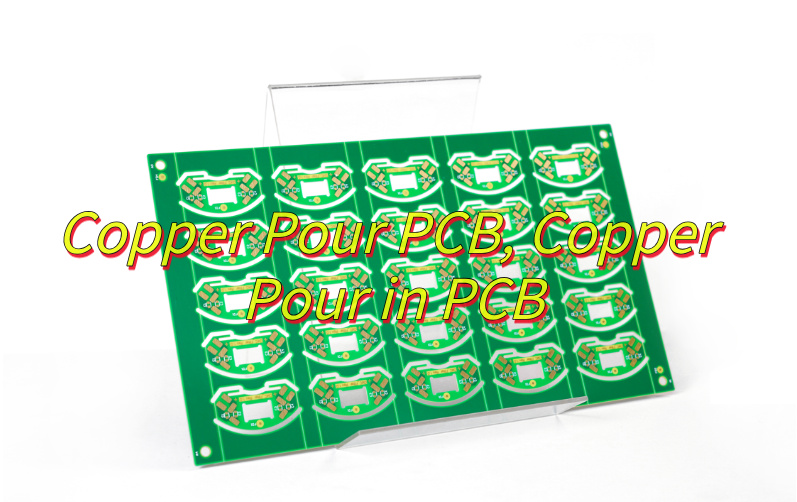
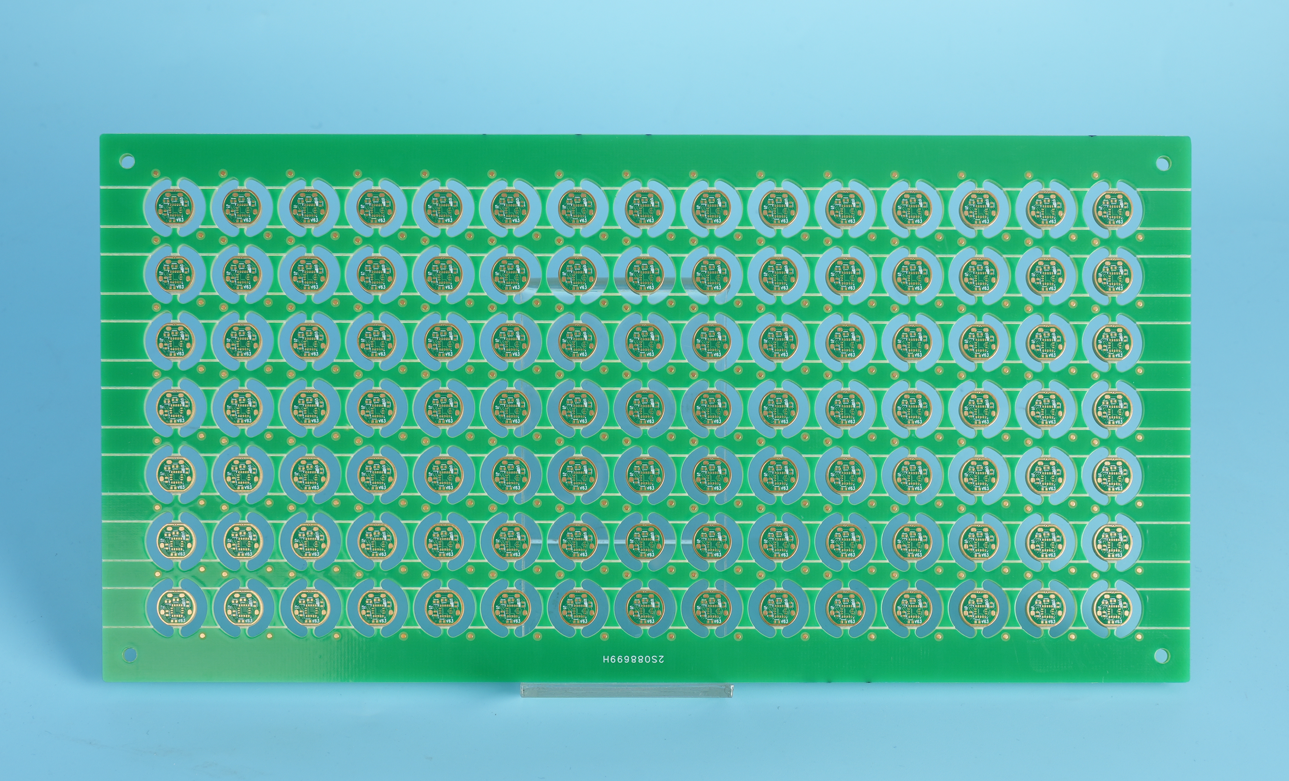
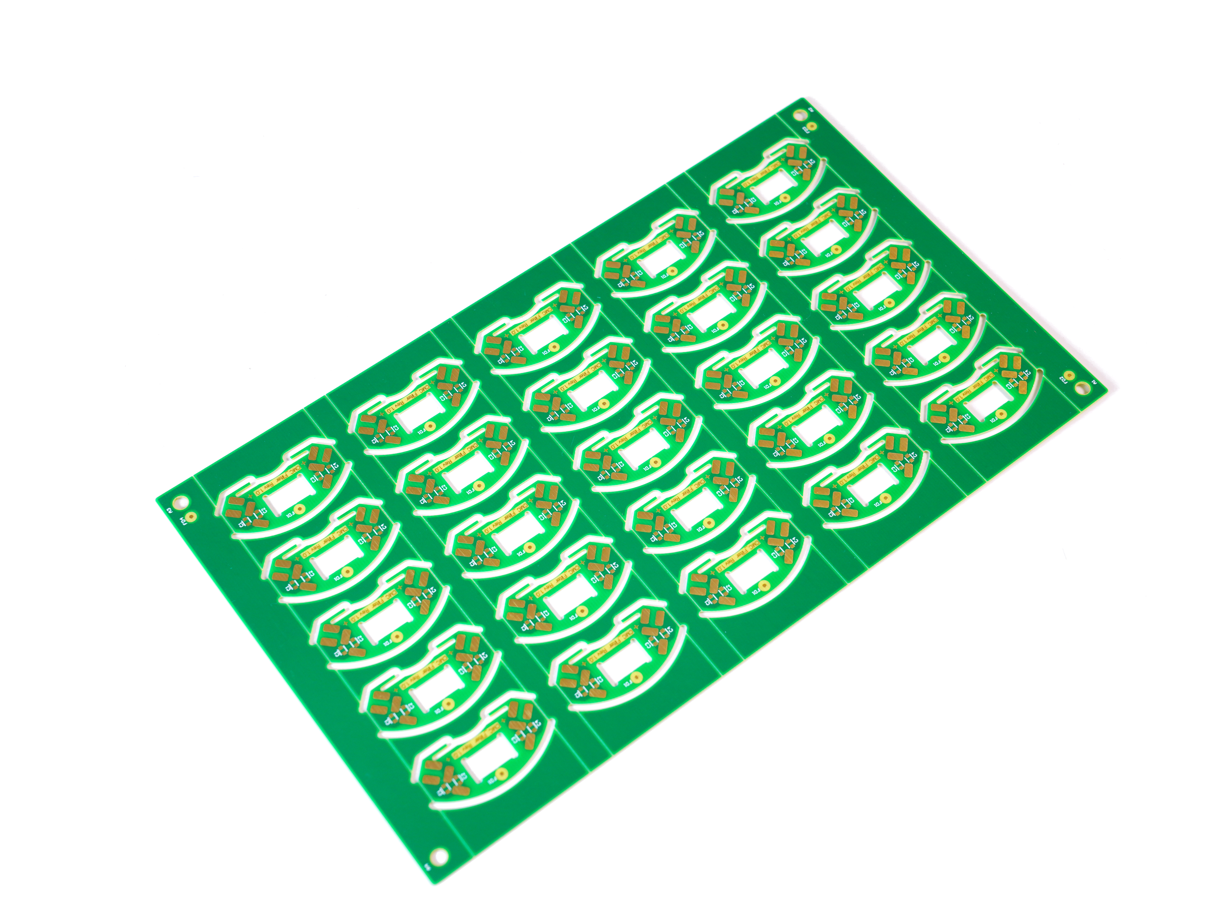
PCB panelization is a critical step in the manufacturing process that directly impacts production efficiency, material waste, and overall costs. Poor panel design can lead to lower yields, increased scrap, and delays in assembly. In this blog, we’ll explore actionable strategies to optimize PCB panelization for higher yield and cost savings.

How to Optimize PCB Panelization for Higher Yield and Lower Cost?

Why Panelization Matters in PCB Manufacturing?

Panelization refers to arranging multiple PCB designs onto a single manufacturing panel (or “array”) for batch processing. Key benefits include:

  • Reduced material waste: Maximizing panel space utilization.
  • Faster assembly: Enabling automated pick-and-place machines to process multiple boards simultaneously.
  • Lower handling costs: Fewer individual boards to manage during fabrication and assembly.

However, suboptimal panelization can lead to:

  • Warpage during soldering.
  • V-score or routing errors.
  • Increased breakage during depaneling.

6 Tips to Optimize PCB Panelization

Base on our 19+years experiences in the PCB manufacturing field, today I would like to share you 6 Strategies to Optimize PCB Panelization

1. Choose the Right Panel Size

  • Align your PCB dimensions with standard panel sizes (e.g., 18″x24″, 21″x24″) to minimize material trimming.
  • Example: If your board is 80mm x 60mm, arrange 4×6 units on a 324mm x 480mm panel to reduce unused space.
6 Tips to Optimize PCB Panelization

2. Optimize Board Arrangement

  • Rotation: Rotate boards to fit more units per panel.
  • Mirroring: Use symmetrical designs to avoid “wasted” gaps.
  • Nesting software: Leverage tools like CAM350 to automate optimal layout generation.

3. Select the Best Depaneling Method

The choice of depaneling (separating individual boards) affects yield and edge quality:

  • V-Score: Low cost and fast, but requires straight edges and may weaken boards.
  • Tab Routing: Ideal for irregular shapes but adds milling time.
  • Laser Cutting: Precision for high-density designs, but higher cost.

Rule of thumb: Use V-score for rectangular boards and routing for complex shapes.

4. Add Breakaway Tabs and Mouse Bites

  • Breakaway tabs: Small connectors between boards to prevent movement during assembly.
  • Mouse bites: Perforated holes for easy manual separation.
  • Spacing: Maintain 1.5–2mm between boards to avoid solder mask bridging.
How to Optimize PCB Panelization for Higher Yield and Lower Cost?

5. Incorporate Fiducials and Tooling Holes

  • Add global fiducials to the panel for accurate alignment during SMT assembly.
  • Include tooling holes (3.2mm diameter) to secure the panel during drilling and routing.

6. Balance Quantity vs. Risk

  • Overcrowding panels increases the risk of cross-board defects.
  • Underutilizing panels raises material costs.
  • Recommended: Aim for 4–20 boards per panel, depending on size and complexity.

Case Study: Cost Savings Through Smart Panelization

A consumer electronics manufacturer redesigned their 50mm x 50mm IoT module panel:

  • Initial design: 8 boards/panel with 15% wasted space.
  • Optimized design: 12 boards/panel using rotated layouts and shared tooling holes.
  • Results:
    • 15% reduction in material costs.
    • 10% faster SMT assembly.
    • Fewer depaneling errors due to improved tab routing.

Common Panelization Mistakes to Avoid

  1. Ignoring manufacturer capabilities: Always consult your PCB fab’s panel size and tolerances.
  2. Overcomplicating shapes: Complex panels increase milling time and scrap rates.
  3. Skipping test coupons: Include test patterns for impedance control and quality checks.

Conclusion

Optimizing PCB panelization requires a balance of geometric efficiency, process knowledge, and collaboration with manufacturers. By implementing these strategies, you can reduce waste, improve yields, and lower production costs without compromising quality.

Pro Tip: Use panelization-specific design rules in tools like Altium or KiCad to automate compliance checks.

Also, if you want to know more about how to optimize PCB Panelization for Higher Yield and Lower Cost, please feel free to inquiry from us.

How Does the Cost of Sinkpad MCPCB Compare to Conventional MCPCB?

May 22nd, 2025

What Is Sinkpad MCPCB?

SinkPAD MCPCB is a special kind of metal core printed circuit board designed for excellent heat dissipation. It’s different from regular MCPCBs because it removes one major barrier—the insulating dielectric layer under the LED.

In simple terms, it allows heat to flow directly from the LED chip to the metal base. That means less heat build-up, more efficiency, and longer lifespan for your components.

You’ll often find SinkPAD MCPCBs in high-power LED applications—like automotive lighting, industrial lamps, medical equipment, and even UV curing systems. These are places where heat control isn’t just helpful—it’s essential.

What Is Sinkpad MCPCB?

Advantages of Sinkpad MCPCB

1. Direct Heat Flow

With no dielectric between the LED and metal core, SinkPAD boards offer a direct thermal path, reducing resistance and increasing efficiency.

2. Lower Operating Temperatures

By improving heat transfer, components stay cooler. For LEDs, this means stable brightness and a longer working life.

3. Consistent Light Output

Temperature spikes can dim or discolor LEDs. SinkPAD keeps the junction temperature stable, maintaining consistent color and brightness.

4. Compact Design

Thanks to better heat handling, you can reduce or eliminate bulky heatsinks, helping make designs smaller and lighter.

5. Durability in Harsh Conditions

SinkPAD boards resist thermal cycling, shock, and vibration, making them perfect for tough environments like aerospace or outdoor lighting.

So if your design involves powerful LEDs or components that get hot fast, this type of board can be a game-changer.

Base Materials of Sinkpad MCPCB

SinkPAD boards come with different base metals. Each one has its own strengths depending on your project.

  • Aluminum Core Sinkpad PCB

Aluminum is the more common choice. It’s lightweight, easy to work with, and keeps costs low. Its thermal conductivity is good—usually around 150-200 W/m·K. For applications where heat output isn’t extreme, aluminum SinkPAD PCBs are a great fit. You’ll find them in general LED lighting, backlit signs, and other consumer electronics.

They’re also a smart option if you’re trying to keep your SinkPAD MCPCB price in check. But actually, for consumer electronics, conventional metal core PCB can cover it.

Aluminum Core Sinkpad PCB
  • Copper Core Sinkpad PCB

Copper is all about performance. It has much higher thermal conductivity—around 385-400 W/m·K—which means it can handle intense heat. If your LEDs are pushing a lot of power or operating in a hot environment, copper is the better option. Some industrial like UV lights, high-performance lasers, or automotive headlights that stay on for long hours.

Copper Core Sinkpad PCB

Copper boards are heavier and more expensive than aluminum ones, but they deliver top-tier thermal results.

How Does Sinkpad MCPCB Work?

In a standard MCPCB, the LED sits on a copper trace. Under that trace is a dielectric layer. Below that is the metal core, its structure just like below. Heat has to travel through all of this to get out. That creates resistance.

How Does Sinkpad MCPCB Work?

However, sinkPAD skips the dielectric layer—at least under the LED’s thermal pad. Instead, the heat flows straight from the LED’s thermal pad into a thermal cavity that connects directly to the base metal. This structure is often called a Direct Thermal Path (DTP).

How Does Sinkpad MCPCB Work?

It’s like giving heat a shortcut out of the system. No extra layers. No slowdowns. Just fast, efficient cooling. This design improves overall thermal conductivity and gives you tighter control over junction temperatures.

Thermal Conductivity of Sinkpad MCPCB

Thermal conductivity is key when you’re dealing with LEDs and power electronics. The better the board can spread heat, the better your device performs.

With aluminum cores, you’ll typically see thermal conductivity in the 150–200 W/m·K range. That’s solid for most LED needs. With copper cores, you’ll reach up to 400 W/m·K, giving you elite heat handling.

Sinkpad MCPCB vs. Conventional MCPCB

So what are the differences between sinkpad metal core PCB and traditional metal core PCB? Here we made a comparison between them:

PropertySinkPAD MCPCBConventional MCPCB
Heat TransferDirect path (through convexity pad)Through dielectric
Thermal conductivityUp to 400W/m.kUp to 8W/m.k
Thermal Resistance0.4°C/W or lower1.0–2.0°C/W
Light StabilityHigh (because most use copper)Medium
LED LifespanExtendedShorter under heat
Space NeededNoLarger cooling required
CostSlightly higherLower upfront

SinkPAD boards give better performance and better results—especially when heat control is non-negotiable. They cost more, but what you get in return is worth it in critical applications.

Considerations When Using Sinkpad MCPCB

SinkPAD MCPCBs aren’t plug-and-play for every project. There are a few things you’ll want to keep in mind before designing with them.

1. Know Your Heat Load

If your LEDs don’t generate much heat, you might not need SinkPAD. But if your design involves high wattage, tight spaces, or long run times—then yes, it’s worth considering.

2. Choose the Right Core

Use aluminum if your budget is tight or if weight is a concern. Go with copper when you need every ounce of thermal performance you can get.

3. Plan for Heatsinks

Even though the board transfers heat well, it still needs a place to send that heat. Match your SinkPAD PCB with a proper heatsink or thermal interface.

4. Soldering Profiles

Because these boards transfer heat so quickly, your reflow or wave soldering profile might need to be adjusted. Too much heat too fast can be a problem.

5. Work With an Experienced Supplier

Not all board suppliers are familiar with SinkPAD technology. Make sure your manufacturer knows how to handle the convexity design and machining process correctly. If you are searching for a reliable sinkpad MCPCB manufacturer, do not miss out EBest Circuit (Best Technology). We have over 18 years experiences, and we have experienced engineers and operators to give you a high quality sinkpad copper core PCB.

How Does the Cost of Sinkpad MCPCB Compare to Conventional MCPCB?

So, how does the cost of sinkpad MCPCB compare to the conventional MCPCB? Actually, the price of sinkpad PCB is higher than that of a standard MCPCB. Because the process is more complex. There’s more precision involved in removing the dielectric under the LED. And if you’re using copper, that adds more to the cost.

Here’s what influences the price:

  • Core material (aluminum vs. copper)
  • Board size and thickness
  • Layer count
  • Volume of your order
  • Custom thermal pad design

But here’s the real question: does it save you money in the long run? For many, the answer is yes. Here’s why:

  • You don’t need oversized heatsinks
  • Your LEDs last longer
  • Fewer failures mean lower service costs
  • Your product performs better, with fewer returns

When you weigh the total system cost—not just the board—the extra investment often pays off.

SinkPAD MCPCBs offer a smart solution for thermal challenges in LED and power electronics. They bring something special to the table—direct heat transfer from the source to the metal base.

If your design involves strong heat loads, tight spaces, or critical reliability, this is the kind of PCB that can make a difference. In our next blog, we will share the factors affect the cost of sinkpad PCB. If you want to know more about sinkpad PCB, you are welcome to contact us at any time.

FAQs

1. What makes Sinkpad MCPCB more effective than a standard MCPCB?

    It creates a direct path from the LED to the metal core, removing the thermal barrier and increasing heat flow.

    2. Can I use aluminum Sinkpad MCPCB for high-power LEDs?

    Yes, if thermal output is moderate. For extreme power or heat, copper may perform better.

    3. Does it support double-layer designs?

    Sinkpad technology is usually single-sided due to its thermal cavity, but custom options are available.

    4. Is the cost justified in consumer products?

    In mid- to high-end products where longevity and brightness matter, yes. It reduces long-term failures and service needs.

    5. How do I choose between aluminum and copper Sinkpad cores?

    Look at the application. If weight and cost are more critical, aluminum works well. For demanding environments, copper is better.

    PCB Circuit Manufacturer, ISO 13485 Certified

    May 21st, 2025

    A PCB circuit manufacturer is the driving force behind the production of printed circuit boards (PCBs), which are the heart of countless electronic devices. In this blog, we’ll dig deep into various aspects related to PCB circuit manufacturers, from identifying the best ones to understanding how to choose the right partner for your needs.

    As an ISO 13485 certified manufacturer, EBest Circuit (Best Technology) offers assorted PCB solutions to the domestic and international markets. Quality is the anchor that EBest Circuit (Best Technology) can build rapport with customers. We pay attention to the production effectiveness and the core benefits of customers. In EBest Circuit (Best Technology), our engineers excel in DFM analysis, PCB circuit design, component sourcing, production process improvement, technical support, and quality control. If any new demand about FR4, ceramic PCB, MCPCB, or PCB assembly, kindly contact us at sales@bestpcbs.com for support.

    PCB Circuit Manufacturer, ISO 13485 Certified

    What is the best PCB circuit manufacturer?

    Determining the best PCB circuit manufacturer depends on several factors. Quality, reliability, and cost effectiveness are key considerations.

    1. Quality-Focused Manufacturers: Some manufacturers are known for their high-quality standards. They use advanced manufacturing techniques and strict quality control processes. For example, companies that follow ISO 9001 and IPC standards ensure that their PCBs meet international quality benchmarks.
    2. Innovation-Driven Firms: Others stand out for their innovative approach. They are constantly researching and developing new technologies to improve the performance and functionality of PCBs. These manufacturers are often at the forefront of producing PCBs for emerging industries like artificial intelligence and the Internet of Things (IoT).
    3. Cost-Efficient Options: There are also manufacturers that offer a good balance between quality and cost. They can provide cost effective solutions without compromising on the basic requirements of the PCBs. This is especially important for small and medium-sized enterprises (SMEs) with budget constraints.
    PCB Circuit Manufacturer

    Who manufactures PCB circuit?

    EBest Circuit (Best Technology) is an ISO 13485 certified PCB circuit manufacturer. We have advanced production facilities and a global presence. We can handle from low-volume to large-volume orders. The mouthy capability in EBest Circuit (Best Technology) is 260,000 square feet (28,900 square meters).

    Apart from the traditional PCBs, we also focus on special PCBs, such as high-frequency PCBs for telecommunications,  bus bar PCBs for automotive and aerospace applications. Rapid PCB prototyping and high-quality PCB manufacturing are our assets, especially for small-scale projects or when quick turnaround times are needed. We can offer personalized service and faster delivery compared to some larger-scale manufacturers.

      Who is the largest PCB circuit manufacturer in the world?

      As of recent times, several companies compete for the title of the largest PCB circuit manufacturer.

      1. TTM Technologies: It is a well-known global player. With manufacturing facilities in multiple countries, TTM Technologies has the capacity to produce a large volume of PCBs. They serve a wide range of industries, including aerospace, defense, and telecommunications.
      2. Unimicron Technology Corporation: Based in Taiwan, Unimicron is another major manufacturer. They have a significant market share in the global PCB industry and are known for their advanced manufacturing capabilities and high-quality products.
      3. Zhen Ding Technology Holding Limited: This Chinese company has grown rapidly in recent years. It has large scale production facilities and a strong R & D team, enabling it to produce a vast number of PCBs for various applications.

      Top PCB circuit manufacturers in USA

      The United States has some top notch PCB circuit manufacturers.

      1. Sanmina Corporation: Sanmina offers a comprehensive range of PCB manufacturing services. They have state-of-the-art facilities and a team of experienced engineers. Their products are used in industries such as medical, industrial, and telecommunications.
      2. Advanced Circuits: Known for its quick-turn PCB services, Advanced Circuits is a popular choice among customers who need fast prototyping. They have a user-friendly online platform that allows customers to easily place orders and track the progress of their PCBs.
      3. TTM Technologies (USA Operations): In addition to its global presence, TTM’s US operations are significant. They can produce high-complexity PCBs with high precision, making them suitable for high-end applications like military and aerospace.

      How do I find the manufacturer of a PCB circuit?

      Finding the right PCB circuit manufacturer can be a crucial step. Here are some ways to do it:

      1. Online Search: Use search engines to look for PCB circuit manufacturers. You can filter your search by location, type of PCBs they produce, and customer reviews. Many manufacturers also have their own websites where you can learn more about their services and products.
      2. Industry Directories: There are industry specific directories that list PCB circuit manufacturers. These directories often provide detailed information about the companies, including their capabilities, certifications, and contact details.
      3. Referrals: Ask for recommendations from colleagues, business partners, or other professionals in the electronics industry. Word-of-mouth referrals can be a great way to find reliable manufacturers.
      4. Trade Shows: Attend electronics trade shows and exhibitions. This is a great opportunity to meet manufacturers in person, see their products, and discuss your requirements directly with them.

      How to choose a PCB circuit manufacturer?

      Choosing the right PCB circuit manufacturer is essential for the success of your project. Here are some factors to consider:

      1. Quality Standards: Look for manufacturers that follow strict quality control processes. Check if they have relevant certifications such as ISO 9001 and IPC standards. A manufacturer with high-quality standards is more likely to produce reliable PCBs.
      2. Technical Capabilities: Consider the manufacturer’s technical capabilities. Can they produce the type of PCBs you need, such as multi-layer PCBs or high-frequency PCBs? Do they have the necessary equipment and expertise to handle your project?
      3. Cost: Cost is an important factor, but it shouldn’t be the only one. Compare the prices of different manufacturers, but also consider the quality and service they offer. Sometimes, paying a little more for a higher-quality PCB can save you money in the long run.
      4. Turnaround Time: If you have a tight deadline, choose a manufacturer that can offer a fast turnaround time. Some manufacturers specialize in quick-turn PCBs and can deliver your order in a short period.
      5. Customer Service: Good customer service is crucial. A manufacturer that is responsive to your inquiries and provides support throughout the manufacturing process can make your experience much smoother.
      PCB Circuit Manufacturer, ISO 13485 Certified

      Why should you choose EBest Circuit (Best Technology) as your trusted PCB circuit manufacturer?

      EBest Circuit (Best Technology) offers several advantages as a PCB circuit manufacturer.

      1. Superior Quality: EBest Circuit (Best Technology) adheres to the highest quality standards. Their PCBs undergo rigorous testing at every stage of the manufacturing process. This ensures that the final products are reliable and meet or exceed your expectations.
      2. Advanced Technology: The company invests in the latest manufacturing technologies. They use advanced equipment and techniques to produce PCBs with high precision and efficiency. This allows them to handle complex projects and produce innovative PCB designs.
      3. Customization: EBest Circuit (Best Technology) understands that every customer has unique requirements. They offer customized PCB solutions, from the initial design to the final production. Their experienced engineering team can work closely with you to develop PCBs that are tailored to your specific needs.
      4. Fast Turnaround: In today’s fast-paced market, time is of the essence. EBest Circuit (Best Technology) has a streamlined production process that enables them to deliver PCBs quickly. Whether you need a prototype or a large scale production order, they can meet your deadlines.
      5. Excellent Customer Support: Their customer support team is always ready to assist you. They are available to answer your questions, provide technical advice, and ensure that your project runs smoothly from start to finish.
      PCB Circuit Manufacturer

      In conclusion, the world of PCB circuit manufacturers is diverse and full of options. By understanding the different aspects of choosing a manufacturer, from identifying the best ones to evaluating their capabilities, you can make an informed decision. And if you’re looking for a reliable partner, EBest Circuit (Best Technology) offers a combination of quality, technology, and excellent service that makes it a top choice. Kindly contact us at sales@bestpcbs.com for the PCB circuit technical support.

      China LED Ceiling Light PCB Board Factory, Fast Delivery

      May 21st, 2025

      Why choose LED ceiling light PCB board? This guide covers definition, components, functions, factory selection, fast delivery solutions, and safe replacement methods.

      When you need ‌high quality LED ceiling light PCB board with unbeatable value, ‌EBest Circuit (Best Technology)‌ stands out as your ideal China-based manufacturer. We offer ‌factory-direct pricing‌—cutting out middlemen to save you ‌20-30%‌ on costs while maintaining stringent ‌IPC Class 2/3 standards‌. With in-house production and vertically integrated supply chains, we guarantee ‌fast 15-day bulk order delivery‌—50% quicker than industry averages. Need samples to test? Our ‌24-hour rapid prototype service‌ ensures functional boards reach your lab within ‌1 working day‌ for standard designs, keeping your projects on track. Backed by ‌10+ years of OEM/ODM expertise‌, we provide ‌UL/CE/RoHS-certified‌ solutions with lifetime technical support. Whether you need ‌aluminum-core, high-CRI, or dimmable PCBs‌, we deliver reliability at speed. ‌Contact us today‌ if you have any request for LED ceiling light PCB board: sales@bestpcbs.com.
      What Is LED Ceiling Light PCB Board?

      The ‌LED ceiling light PCB board‌ serves as the structural and electrical foundation for modern ceiling-mounted lighting systems. This printed circuit board integrates multiple LED chips, power drivers, and thermal management components into a unified platform, enabling efficient light emission while ensuring stable operation. The LED ceiling light PCB board typically features aluminum or FR4 substrates to balance heat dissipation and circuit reliability. Its design accommodates various lighting layouts, from simple circular patterns to complex multi-zone configurations, making it adaptable for residential, commercial, and industrial applications. With optimized trace routing and component placement, the LED ceiling light PCB Board maximizes energy efficiency and longevity, often supporting dimming protocols and smart control interfaces. Proper thermal vias and copper layers in the LED ceiling light PCB Board prevent overheating, maintaining consistent brightness over extended periods.

      What Is LED Ceiling Light PCB Board?

      What Are Components of LED Ceiling Light PCB Board?

      Components of LED ceiling light PCB board:

      • Base Substrate Material: The foundation of an LED ceiling light PCB board is its substrate, typically made from FR-4 (glass-reinforced epoxy), aluminum, or ceramic. FR-4 is chosen for cost efficiency in standard lighting applications, while aluminum excels in thermal management for high-power LEDs. Ceramic substrates are reserved for premium designs demanding superior heat dissipation and electrical insulation properties.
      • Conductive Circuitry: Copper foil traces form the electrical pathways, with a minimum thickness of 35 micrometers to ensure low resistance and efficient current flow. These traces are precisely etched using advanced manufacturing techniques to maintain signal integrity and minimize energy loss during operation.
      • LED Mounting Pads: Metallized pads, usually copper with surface finishes like HASL (lead-free), ENIG, or OSP, serve as attachment points for LED chips. Their layout is carefully designed to accommodate the thermal expansion characteristics of LED packages, preventing solder joint fatigue over extended use.
      • Thermal Management Features: To manage heat, PCBs incorporate thermal vias and copper-filled plating that conduct heat away from LED junctions. In high-power designs, dielectric polymer layers with thermal conductivity up to 3.0 W/m·K bridge the gap between LED chips and aluminum heat sinks, ensuring efficient cooling.
      • Electrical Components: Surface-mount devices (SMDs) include resistors, capacitors, diodes, transistors, and integrated circuits such as constant-current drivers (e.g., PT4115 with ±5% accuracy). These components are placed with high precision using automated machinery, ensuring reliable performance.
      • Interconnect Structures: Plated through-holes (PTHs) connect circuitry between layers in multilayer boards, while blind/buried vias reduce signal interference in high-frequency designs. Edge connectors enable modular daisy-chaining, simplifying installation in linear lighting systems.
      • Protective Coatings: Conformal coatings (epoxy or urethane-based) shield the board from environmental hazards, including humidity (up to 85% RH), salt spray (ASTM B117 compliance), and chemical exposure (IP65+ ratings). Selective coating processes maintain solderability while protecting critical areas.
      • Mechanical Anchorage: Features like press-fit brass inserts for mounting holes, alignment pins for precise optical component registration, and breakaway tabs for panelized production ensure robust mechanical integrity and ease of assembly.
      • Identification Markings: Laser-etched markings include part numbers, polarity indicators, certification logos (UL/CE), and QR codes linking to digital datasheets. These markings use durable ceramic-filled ink for permanent legibility.
      • Test Access Points: Bed-of-nails test pads enable automated in-circuit testing (ICT) for continuity verification, isolation resistance (>1GΩ), and functional testing of components. Boundary-scan architectures comply with IEEE 1149.1 standards, ensuring thorough validation of complex designs.
      What Are Components of LED Ceiling Light PCB Board?

      What Is Function of Ceiling Light LED PCB Board?

      Function of ceiling light LED PCB board:

      • Power Distribution and Stability: The LED PCB board serves as the primary conductor, converting AC power to DC and distributing it evenly across multiple LED chips through precision-engineered traces. This ensures consistent brightness and prevents voltage drops, critical for maintaining uniform illumination in commercial spaces like offices or retail stores.
      • Thermal Management: Constructed with metal-core substrates such as aluminum, the PCB efficiently dissipates heat generated by LEDs. This design prevents thermal runaway, extending the lifespan of LED components and maintaining color consistency over extended periods, even in high-temperature environments.
      • Optical Integration Support: The board’s surface incorporates reflective coatings and optical-grade solder masks to enhance light output. By directing photons efficiently, it minimizes glare and maximizes luminous efficacy, essential for applications requiring precise lighting control, such as art galleries or museums.
      • Smart Connectivity: Modern PCB boards include embedded interfaces for IoT integration, enabling wireless control via protocols like Bluetooth or Wi-Fi. This allows dynamic adjustments to brightness, color temperature, and scheduling, aligning with smart building ecosystems for energy-efficient operations.
      • Structural Durability: Engineered with robust materials like FR-4 or CEM-3, the PCB withstands mechanical stress during installation and operation. Its rigid construction ensures long-term reliability, reducing maintenance needs in high-traffic areas such as airports or hospitals.
      • Safety Compliance: The board incorporates safety features like fuse links and insulation barriers to meet global standards (e.g., UL, IEC). These protections prevent electrical hazards, ensuring safe operation in environments with strict regulatory requirements.
      • Dimming Compatibility: Optimized circuitry supports advanced dimming methods, including PWM and 0-10V control, without causing flicker or color shift. This flexibility allows seamless integration with building management systems for personalized lighting experiences.
      • Modular Upgradeability: Standardized PCB designs facilitate easy replacement or expansion, enabling upgrades to newer technologies like Li-Fi or enhanced sensors. This adaptability protects investments by extending the functional lifespan of lighting fixtures.
      What Is Function of Ceiling Light LED PCB Board?

      Why Choose Built-in LED PCB Boards for Ceiling Light Designs?

      Here are reasons why choose built-in LED PCB boards for ceiling light designs:

      • Streamlined Aesthetic Integration
        Built-in LED PCB boards enable ultra-thin fixture profiles by eliminating external drivers, creating flush-mount designs ideal for contemporary interiors. This sleek form factor disappears into ceilings, preserving architectural lines in luxury residences or commercial spaces where visual minimalism is paramount.
      • Optimized Thermal Dissipation
        Direct bonding of PCBs to aluminum heat sinks creates a unified thermal path, reducing junction temperatures by 20–30% versus modular designs. This efficiency prevents lumen depreciation in environments like heated offices or industrial workshops, maintaining 95%+ light output over 50,000 hours.
      • Precision Optical Engineering
        Onboard microstructures—such as embedded lenses and diffusers—are factory-aligned with LED chips during SMT assembly. This calibration ensures ±5° beam accuracy and UGR <19 performance, critical for task lighting in hospitals or galleries requiring glare-free illumination.
      • Rapid Installation Protocols
        Tool-free PCB modules with push-pin connectors reduce installation time by 50% compared to traditional hardwiring. Electricians can pre-wire multiple fixtures during rough-ins, then snap boards into place for final commissioning in high-rise renovations or hotel projects.
      • Circuit-Level Energy Efficiency
        Compact PCB layouts shorten conductive pathways, cutting IÂČR losses by 28% according to thermal imaging studies. This allows 18W LED boards to match 25W fluorescent outputs, aligning with LEED v4.1 requirements for energy-efficient commercial lighting.
      • Smart Infrastructure Readiness
        PCB designs incorporate unused footprints for PoE+ modules or Zigbee chips, enabling future upgrades to connected lighting systems. This adaptability future-proofs investments in university campuses or corporate HQs planning IoT deployments.
      • Harsh Environment Resistance
        Conformal coatings (IPC-CC-830B compliant) and 2.5mm solder mask dam protect PCBs from corrosive agents like VOCs or salt spray. Fixtures in marine environments or swimming pools retain functionality through 1,000-hour salt fog tests per ASTM B117.
      • Code-Compliant Safety Architecture
        Double-sided insulation layers and 4mm creepage distances exceed IEC 60598-2-2 requirements for Class II construction. This design prevents electric shock risks in damp locations like bathrooms or spas, meeting NEC Article 410 stringency.
      Why Choose Built-in LED PCB Boards for Ceiling Light Designs?

      How to Evaluate A China LED Ceiling Light PCB Board Factory?

      Here are tips about how to evaluate a China LED ceiling light PCB board factory:

      • Production Certification & Compliance
        Verify the factory holds ISO 9001 (quality management), ISO 14001 (environmental management), and industry-specific certifications like IATF 16949 (automotive) or ISO 13485 (medical). Export-oriented products must meet RoHS (hazardous substance restrictions), REACH (chemical management), and UL (safety) standards. These certifications ensure adherence to global quality and environmental norms.
      • Technical Capabilities & Equipment
        Assess the presence of high-precision automated machinery such as SMT placers, AOI (Automated Optical Inspection), and X-ray detectors. Advanced equipment ensures soldering accuracy and defect detection. Inquire about their technical team’s expertise in handling complex processes like BGA assembly or fine-pitch component placement.
      • Quality Control System
        Evaluate welding quality metrics (e.g., solder penetration ≄75%, component deviation ≀1/4 of terminal size), visual inspections (board cleanliness, component alignment), and electrical tests (insulation resistance, voltage withstand). Environmental stress testing (thermal cycling, humidity, vibration) confirms product reliability under real-world conditions.
      • Supply Chain & Production Management
        Review material sourcing protocols to ensure raw material quality and supply stability. The production facility should maintain cleanroom standards and comply with occupational health regulations (e.g., wastewater/air treatment). Assess daily output capacity, lead times, and ability to meet rush orders, particularly during peak seasons.
      • Customer Service & Support
        Prioritize factories offering tailored solutions (e.g., circuit design optimization, material selection advice). Responsive after-sales teams for troubleshooting and repairs are critical. A robust feedback mechanism to address issues promptly reduces long-term partnership risks.
      • Environmental & Regulatory Compliance
        Confirm use of lead-free solder, waste recycling programs, and adherence to RoHS/REACH. Energy-efficient equipment and process optimizations (e.g., ISO 14001 practices) reduce ecological impact and operational costs.
      • Financial Stability & Reputation
        Analyze financial statements for profitability, cash flow, and R&D investments to gauge long-term viability. Industry reputation and client case studies provide insights into real-world performance; prioritize partners with proven success in relevant sectors.
      • Pricing & Delivery Competitiveness
        Compare quotes across suppliers while balancing quality and service. Clarify lead times (standard vs. expedited) and flexibility for urgent orders to align with project timelines.

      How to Achieve Fast Delivery of LED Ceiling Light PCB Board Orders?

      This is how to achieve fast delivery of LED ceiling light PCB board orders:

      • Optimize Supply Chain Collaboration: Partner with local or regionally aligned component suppliers to minimize lead times for materials like copper-clad laminates and LED packages. Implement real-time inventory synchronization to ensure raw materials arrive just-in-time for production, avoiding delays from stockouts or overordering.
      • Streamline Production Workflows: Deploy automated SMT (Surface Mount Technology) lines with adaptive scheduling systems to prioritize urgent orders. Implement cellular manufacturing layouts where PCB assembly, testing, and packaging occur in contiguous zones, reducing material handling time by up to 30%.
      • Maintain Strategic Buffer Stock: Hold safety stock for frequently specified PCB configurations (e.g., 2-layer 1.6mm FR-4 boards with 1oz copper). Use predictive analytics based on historical order patterns to replenish buffer inventory without incurring excessive carrying costs.
      • Leverage Express Logistics Networks: Pre-negotiate contracts with multiple couriers for expedited air freight options. For time-sensitive domestic deliveries, utilize dedicated last-mile delivery services with GPS tracking to ensure 24-hour turnaround from factory to customer.
      • Implement Digital Order Management: Adopt cloud-based platforms enabling customers to self-submit orders with BOM (Bill of Materials) files and receive instant DFM (Design for Manufacturability) feedback. Automated order confirmation emails with production timelines reduce back-and-forth communication delays.
      • Accelerate Quality Validation: Integrate in-line AOI (Automated Optical Inspection) and ICT (In-Circuit Test) systems to complete 100% functional testing in <2 minutes per board. Implement statistical process control charts to identify and correct process deviations in real time, preventing batch rework.
      • Design for Rapid Manufacturability: Encourage customers to adopt standardized board sizes and common component footprints during the design phase. Offer free DRC (Design Rule Check) services to identify potential production bottlenecks before fabrication begins.
      • Establish Contingency Production Lines: Maintain dedicated “express lanes” with isolated equipment and skilled operators for rush orders. These lines bypass standard production queues, ensuring 48-hour turnaround for simple PCB designs without disrupting ongoing larger projects.
      • Pre-Clear Customs Documentation: For international shipments, prepare export declarations and certificate of origin documents in parallel with production. Collaborate with customs brokers to secure AEO (Authorized Economic Operator) status, reducing clearance time by 40% at ports.
      • Post-Production Aggregation Strategy: Consolidate completed orders from multiple clients into full container loads for ocean freight where possible, balancing cost and speed. For air shipments, use pre-packed reusable crates to eliminate loading delays at the dock.

      How to Replace A LED Ceiling Light PCB Board Safely?

      Here are how to replace a LED ceiling light PCB board safely:

      • Power Disconnection Protocol: Begin by turning off the circuit breaker supplying power to the ceiling light. Use a non-contact voltage tester to confirm zero electrical potential at the fixture terminals. For added safety, place a warning sign on the electrical panel to prevent accidental reactivation during maintenance.
      • Fixture Deconstruction: Remove the decorative diffuser or lens by gently rotating counterclockwise or releasing spring-loaded clips. Unscrew retaining bolts securing the LED module using an insulated screwdriver. Support the PCB assembly during removal to prevent accidental falls or component damage.
      • Wiring Disconnection: Document wire connections using color photography or labeled tape before detachment. Use needle-nose pliers to release spade terminals or IDC connectors. For soldered connections, apply controlled heat with a temperature-controlled soldering station (280–320°C) to avoid thermal shock to adjacent components.
      • PCB Inspection Protocol: Visually examine the old board for signs of overheating (discoloration, solder flux residue) or mechanical stress (cracked traces). Perform continuity tests on removed components using a multimeter to identify potential reuse candidates.
      • New Board Preparation: Pre-bend component leads on the replacement PCB only if necessary for assembly. Apply a thin layer of heatsink compound to thermal pads if specified in the product documentation. Avoid touching conductive areas to prevent electrostatic discharge (ESD) damage.
      • Reassembly Sequence: Mount the new PCB using original hardware, ensuring proper alignment with optical components (lenses, reflectors). Torque screws to manufacturer specifications (typically 0.6–0.8 Nm) using a calibrated torque screwdriver. Reconnect wires following the documented color code or labeling.
      • Functional Verification: Restore power temporarily to test LED operation before finalizing installation. Confirm correct color temperature (measured with a spectrometer if available) and beam angle consistency. Check for flicker using smartphone camera slow-motion mode.
      • Final Assembly: Reattach the diffuser, ensuring proper seating to maintain IP rating (if applicable). Clean the fixture surface with isopropyl alcohol and a lint-free cloth to remove fingerprints or debris. Dispose of old PCBs through certified e-waste recyclers.
      • Documentation Update: Record the replacement date, PCB revision, and component lot numbers in the facility maintenance log. This creates an audit trail for warranty claims and facilitates troubleshooting in future service calls.
      • Post-Installation Monitoring: Observe the fixture for 24–48 hours to detect early failures. Monitor junction temperatures with an infrared thermometer (target <85°C for aluminum-backed PCBs). Schedule follow-up inspections at 6-month intervals for critical installations.

      How to Get Fast Delivery from China LED Ceiling Light PCB Board Factories?

      This is how to get fast delivery from China LED ceiling light PCB board factories:

      • Leverage Localized Supply Chains: Partner with factories that source components regionally to minimize lead times for materials like copper-clad laminates and LED packages. Prioritize suppliers with established relationships with nearby logistics hubs for faster material procurement.
      • Implement Agile Production Systems: Choose manufacturers using automated SMT lines with dynamic scheduling capabilities to prioritize urgent orders. Choose factories employing cellular manufacturing layouts, which reduce material handling time by grouping assembly, testing, and packaging in contiguous zones.
      • Maintain Strategic Buffer Stock: Work with suppliers to hold safety stock for commonly specified PCB configurations (e.g., 2-layer 1.6mm FR-4 boards with 1oz copper). Utilize predictive analytics based on historical order data to replenish inventory without incurring excessive storage costs.
      • Utilize Express Logistics Solutions: Pre-negotiate contracts with multiple couriers for expedited air freight options. For domestic deliveries, engage dedicated last-mile services with real-time GPS tracking to ensure 24-hour turnaround from factory to destination.
      • Adopt Digital Order Platforms: Select factories offering cloud-based systems for instant order submission, DFM (Design for Manufacturability) feedback, and automated order confirmation emails with production timelines. This reduces communication delays and accelerates order processing.
      • Accelerate Quality Assurance: Choose suppliers with in-line AOI (Automated Optical Inspection) and ICT (In-Circuit Test) systems that complete 100% functional testing in under 2 minutes per board. Statistical process control charts help identify and correct deviations in real time, preventing batch rework.
      • Encourage Standardized Designs: Advocate for standardized board sizes and common component footprints during the design phase. Factories often provide free DRC (Design Rule Check) services to identify potential production bottlenecks before fabrication begins.
      • Establish Dedicated Express Lines: Select manufacturers maintaining isolated “express lanes” with dedicated equipment and operators for rush orders. These lines bypass standard production queues, ensuring 48-hour turnaround for simple PCB designs without disrupting larger projects.
      • Pre-Clear Customs Documentation: For international shipments, ensure export declarations and certificates of origin are prepared in parallel with production. Collaborate with customs brokers holding AEO (Authorized Economic Operator) status to reduce clearance time by up to 40% at ports.
      • Consolidate Shipments Strategically: Aggregate completed orders from multiple clients into full container loads for ocean freight where feasible. For air shipments, use pre-packed reusable crates to minimize loading delays at the dock, balancing cost and speed effectively.

      Conclusion

      In conclusion, for reliable LED ceiling light PCB boards with superior performance and fast delivery, EBest Circuit (Best Technology) stands as your trusted China factory partner offering factory-direct prices and 24-hour sample service. Contact us today for a competitive quote on your next lighting project.

      Printed Circuit Manufacturer, Customized Solutions

      May 21st, 2025

      A printed circuit manufacturer is the backbone of the electronics world. They are the ones who transform the theoretical designs of printed circuit boards (PCBs) into tangible, functional components that power our devices. From the smartphones in our pockets to the complex machinery in factories, PCBs are everywhere, and the manufacturers behind them are the unsung heroes.

      As a well-established printed circuit manufacturer, ‌EBest Circuit (Best Technology) has about 10 engineers in the R&D department and about 20 engineers in the quality department. Most of our engineers have worked at EBest Circuit (Best Technology) for over 10 years, who know the ropes and have solved the assorted PCB cases for over 1700 customers across 40 countries. We are committed to providing the turnkey electronic circuit solution to global customers. Your trust is our invaluable treasure. If you have any printed circuit projects, warm welcome to contact us at sales@bestpcbs.com. Looking forward to getting your inquiries soon.

      Printed Circuit Manufacturer, Customized Solutions

      Who is Printed Circuit Manufacturer in China?

      China has emerged as a global powerhouse in the field of printed circuit manufacturing. There are several well-known manufacturers in the country that have earned a reputation for quality and efficiency.

      EBest Circuit (Best Technology)

      • EBest Circuit (Best Technology) is highly regarded for our advanced production technology. We have a factory and a professional R & D team. We can handle a wide range of PCB orders, from small-batch prototypes to large-scale mass production. EBest Circuit (Best Technology) has a comprehensive production system, covering everything from raw material procurement to the final product. Moreover, you not only get the final products, but you also get the solution for assorted PCBs. Our PCBs are known for the high reliability and stability, making us a popular choice for many international clients.
      Printed Circuit Manufacturer

      TTM Technologies

      • TTM has a significant presence in China. They focus on providing high-end PCB solutions. With a strong emphasis on innovation, they are constantly developing new technologies to meet the evolving needs of the electronics industry.

      Top Printed Circuit Manufacturers in USA

      The United States also has a number of top-notch printed circuit manufacturers. These companies are known for their high-quality products and strict adherence to industry standards.

      Sanmina Corporation

      • Sanmina is a global electronics manufacturing services company with a strong focus on printed circuit manufacturing. They offer a wide range of services, including PCB design, assembly, and testing. Their products are used in various industries, such as medical, industrial, and telecommunications. They have a reputation for delivering high-quality products on time.

      Celestica Inc.

      • Celestica is another well-known printed circuit manufacturer in the US. They provide end to end solutions for PCB manufacturing, from concept to production. They have a global network of manufacturing facilities, which allows them to serve customers around the world. Their products are used in a variety of industries, including automotive, consumer electronics, and energy.

      Printed Circuit Manufacturers in India

      India’s printed circuit manufacturing industry has been growing steadily in recent years. There are several manufacturers that are making a mark in the global market.

      Kaynes Technology India Limited

      • Kaynes is a leading PCB manufacturer in India. They have a modern manufacturing facility and a team of skilled technicians. They offer a wide range of PCB products, including single-sided, double-sided, and multi-layer PCBs. Their products are used in industries such as automotive, healthcare, and telecommunications.

      Moser Baer India Limited

      • Moser Baer is a diversified company with a significant presence in the printed circuit manufacturing sector. They have a focus on research and development, which allows them to produce innovative PCB solutions.

      Pratibha Industries Limited

      • Pratibha Industries is involved in the manufacturing of PCBs as well as other electronic components. They have a strong commitment to quality control and use advanced manufacturing processes. Their products are used in various industries, including consumer electronics and industrial automation.

      What is Printed Circuit Board Manufacturing?

      Printed circuit board manufacturing is the process of creating PCBs, which are essential components in almost all electronic devices. A PCB is a board made of insulating material with conductive pathways etched or printed on it. These pathways connect different electronic components, such as resistors, capacitors, and integrated circuits, allowing them to work together as a single unit.

      The manufacturing process involves several steps, from the initial design to the final testing. It requires a combination of technical expertise, advanced machinery, and strict quality control measures. The goal is to produce PCBs that are reliable, durable, and meet the specific requirements of the end-user.

      Printed Circuit Manufacturer, Customized Solutions

      What Materials are Commonly Used to Manufacture Printed Circuit Boards?

      1. **Substrate Materials**

      •    – **FR-4**: This is the most commonly used substrate material for PCBs. It is a glass fiber reinforced epoxy laminate. FR-4 is known for its good mechanical and electrical properties, as well as its relatively low cost. It can withstand high temperatures and is resistant to moisture, making it suitable for a wide range of applications.
      •    – **Polyimide**: Polyimide is a high-performance substrate material. It has excellent thermal stability, chemical resistance, and flexibility. Polyimide-based PCBs are often used in applications where high-temperature resistance and flexibility are required, such as in aerospace and flexible electronics.

      2. **Conductive Materials**

      •    – **Copper**: Copper is the primary conductive material used in PCBs. It has high electrical conductivity, which allows for efficient transmission of electrical signals. Copper is usually applied to the substrate in the form of a thin layer, either through electroplating or lamination.
      •    – **Gold**: Gold is sometimes used as a plating material on the contacts of PCBs. It has excellent corrosion resistance and low contact resistance, which ensures reliable electrical connections. Gold-plated contacts are commonly used in high-end applications such as military and aerospace.

      3. **Solder Mask**

      •    – Solder mask is a layer of polymer material that is applied to the PCB to protect the copper traces and prevent solder from flowing to unwanted areas during the soldering process. It is usually green in color, but other colors are also available. Solder mask helps to improve the reliability and appearance of the PCB.

      4. **Silkscreen**

      •    – Silkscreen is a layer of ink that is printed on the PCB to provide information such as component names, part numbers, and polarity markings. It helps technicians to assemble and troubleshoot the PCB more easily.
      Printed Circuit Manufacturer

      How are Printed Circuit Boards Manufactured?

      • **Conceptualization**: The first step is to understand the requirements of the end-product. This includes determining the number of layers, the size of the PCB, and the types of components that will be used.
      • **Schematic Design**: A schematic diagram is created to show the electrical connections between different components. This is a crucial step as it forms the basis for the physical layout of the PCB.
      • **Layout Design**: The layout design involves placing the components on the PCB and routing the conductive traces. This step requires careful consideration of factors such as signal integrity, power distribution, and thermal management.
      • **Substrate Preparation**: The substrate material is cut to the appropriate size and cleaned to remove any contaminants.
      • **Copper Deposition**: A thin layer of copper is deposited on the substrate. This can be done through electroplating or lamination.
      • **Photolithography**: A photoresist is applied to the copper layer, and a pattern is transferred onto it using a photomask. The exposed areas of the photoresist are then removed, leaving behind the desired copper pattern.
      • **Etching**: The unwanted copper is etched away, leaving only the conductive traces.
      • **Drilling**: Holes are drilled in the PCB to accommodate the component leads.
      • **Plating**: The drilled holes are plated with copper to provide electrical connections between different layers.
      • **Solder Mask Application**: The solder mask is applied to the PCB to protect the copper traces.
      • **Silkscreen Printing**: The silkscreen layer is printed on the PCB to provide component information.
      • **Surface Finish**: A surface finish is applied to the copper traces to prevent oxidation and improve solderability. Common surface finishes include HASL (Hot Air Solder Leveling), ENIG (Electroless Nickel Immersion Gold), and OSP (Organic Solderability Preservative).
      • **Electrical Testing**: The PCB is tested to ensure that all the electrical connections are working properly. This can be done using automated testing equipment.
      • **Functional Testing**: The assembled PCB is tested to ensure that it functions as intended in the end product.
      Printed Circuit Manufacturer

      Why Should You Choose EBest Circuit (Best Technology) as Your Trusted Printed Circuit Manufacturer?

      Quality Assurance

      • EBest Circuit (Best Technology) has a strict quality control system in place. We follow international standards such as ISO 9001 and IPC standards. Our products undergo multiple levels of testing, from in-process inspections to final product testing. This ensures that the PCBs we produce are of the highest quality and meet the specific requirements of the customers.

      Advanced Technology

      • The company invests heavily in research and development. We use the latest manufacturing technologies and equipment, such as high-precision drilling machines and advanced plating systems. This allows us to produce complex PCBs with high precision and efficiency.

      Customization

      • EBest Circuit (Best Technology) understands that requirements ‌vary‌ from customer to customer. We offer customized solutions, from small-batch prototypes to large-scale mass production. Our experienced engineering team can work closely with customers to design and manufacture PCBs that meet their specific needs.

      Fast Turnaround Time

      • In today’s fast-paced electronics industry, time is of the essence. EBest Circuit (Best Technology) has a streamlined production process that allows us to deliver products quickly. We can provide fast-turn prototypes within a short period, which is crucial for customers who need to test their products quickly.

      Excellent Customer Service

      • EBest Circuit (Best Technology) has a dedicated customer service team that is available to answer customers’ questions and provide support throughout the manufacturing process. We are committed to building long-term relationships with our customers and ensuring their satisfaction.
      Printed Circuit Manufacturer

      To sum up, the world of printed circuit manufacturers is vast and diverse. Whether you are looking for a manufacturer in China, the USA, or India, there are many options available. Understanding the manufacturing process, the materials used, and the key players in the industry can help you make an informed decision.

      And if you are looking for a trusted partner, EBest Circuit (Best Technology) offers a combination of quality, technology, customization, and excellent customer service that makes us a top choice. Kindly contact us at sales@bestpcbs.com for any printed circuit demands.