PCB manufacturing PCB manufacturing
Home > Blog

How to Read Circuit Boards and Schematics?

August 7th, 2024

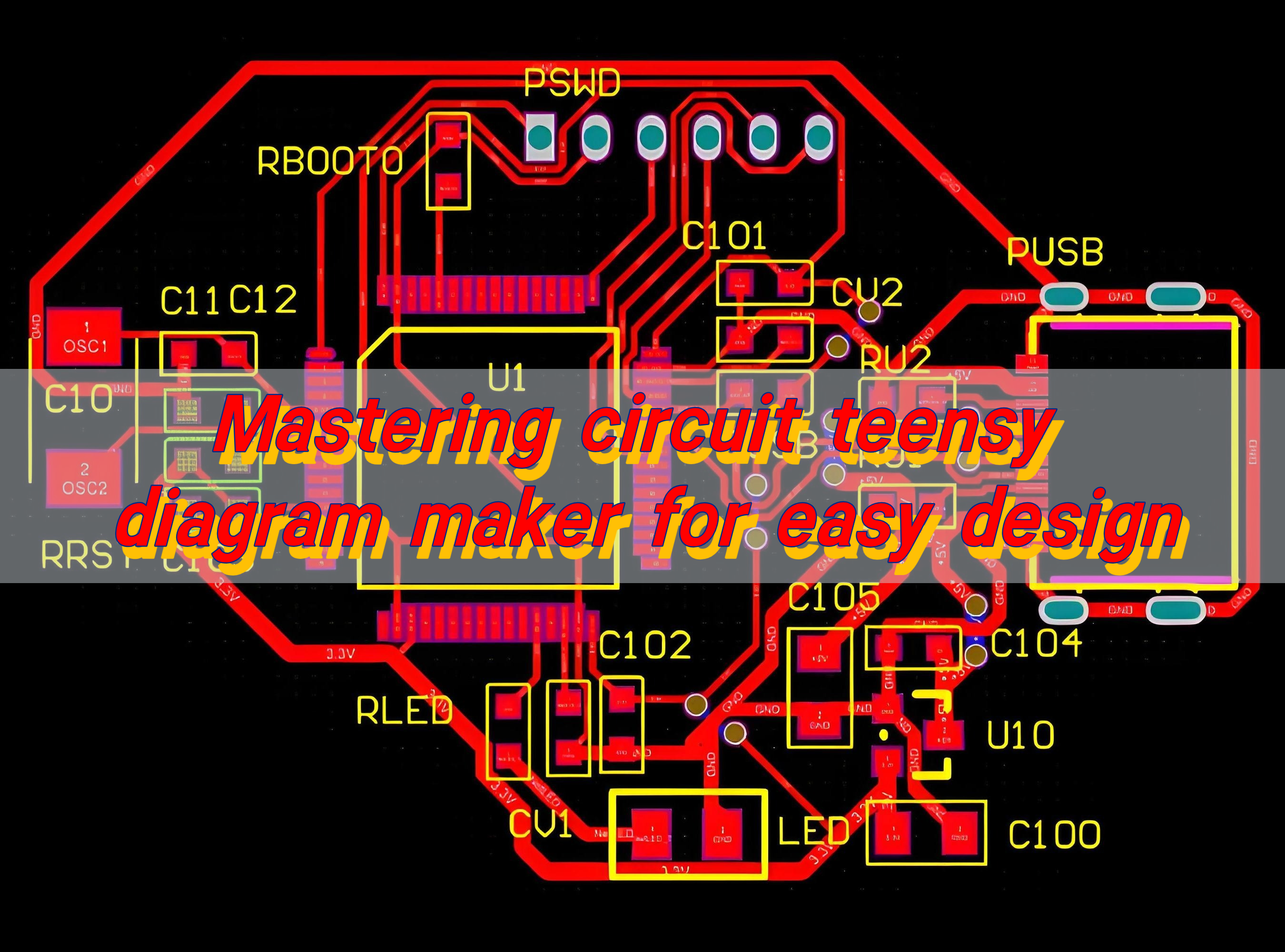
How to read circuit boards and schematics is a basic skill for anyone interested in electronics. Whether you’re a beginner or a technician, knowing how to read these diagrams is crucial. In this blog, we would like to share the key points and components symbols in the PCB schematics.

How to Understand a PCB Board?

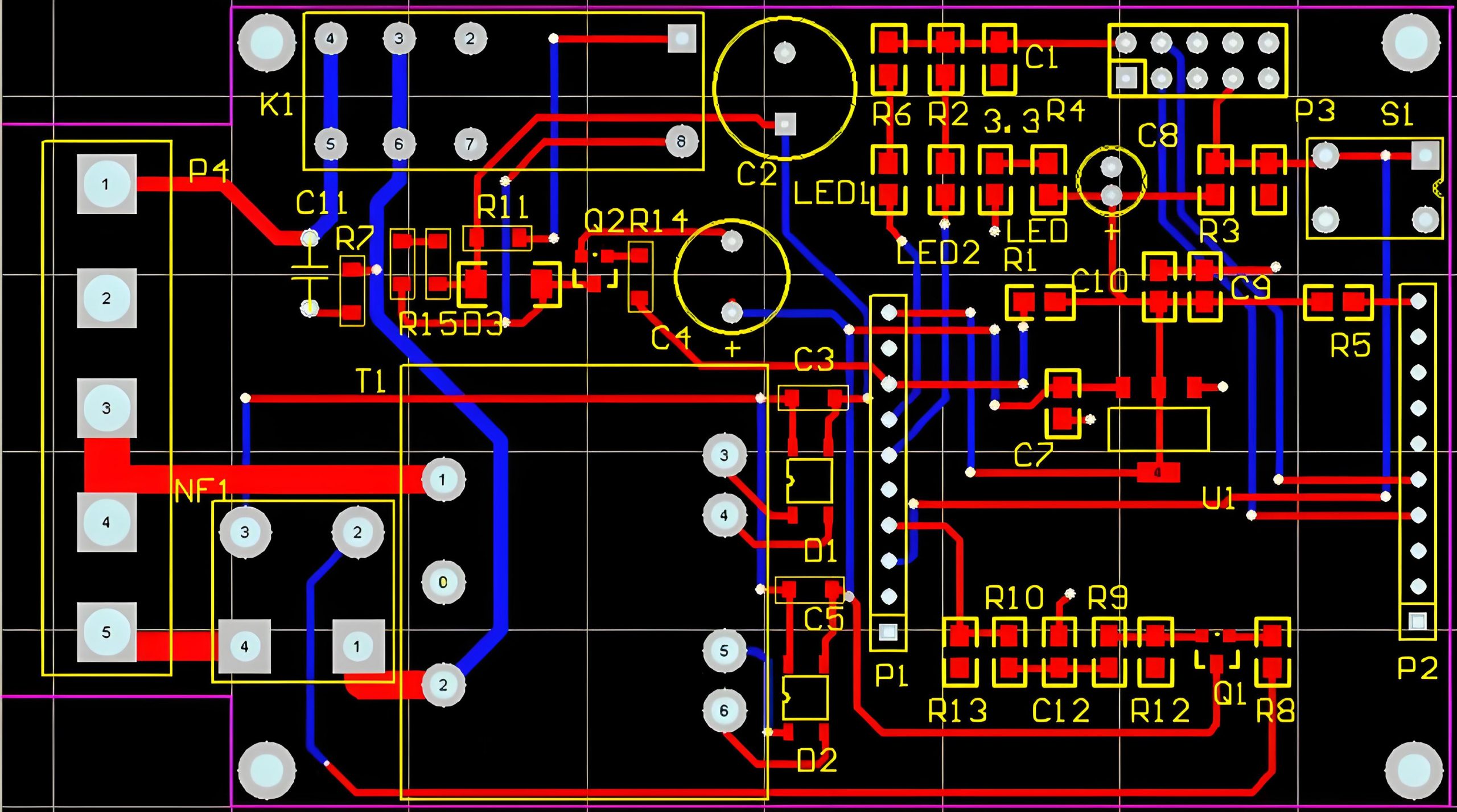
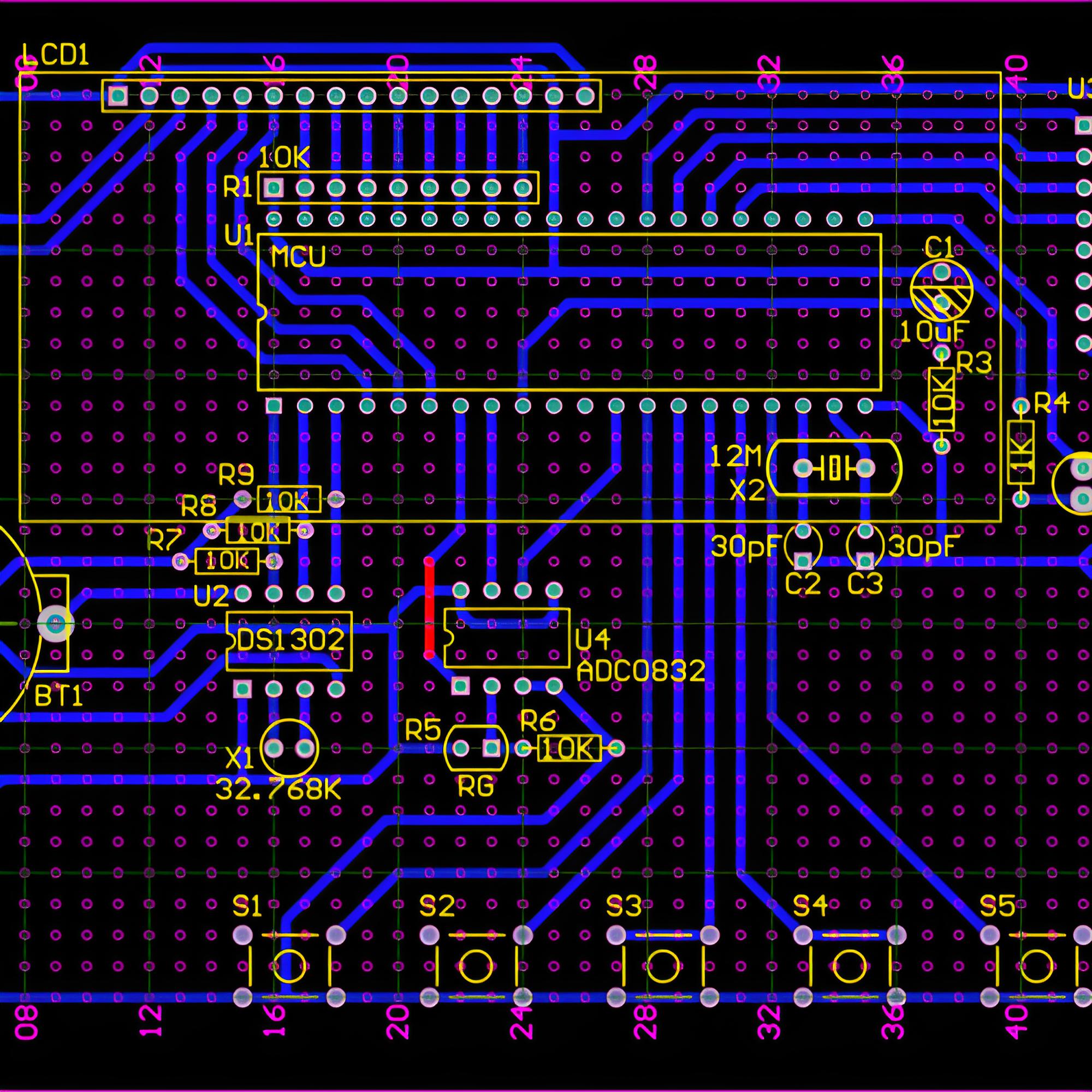
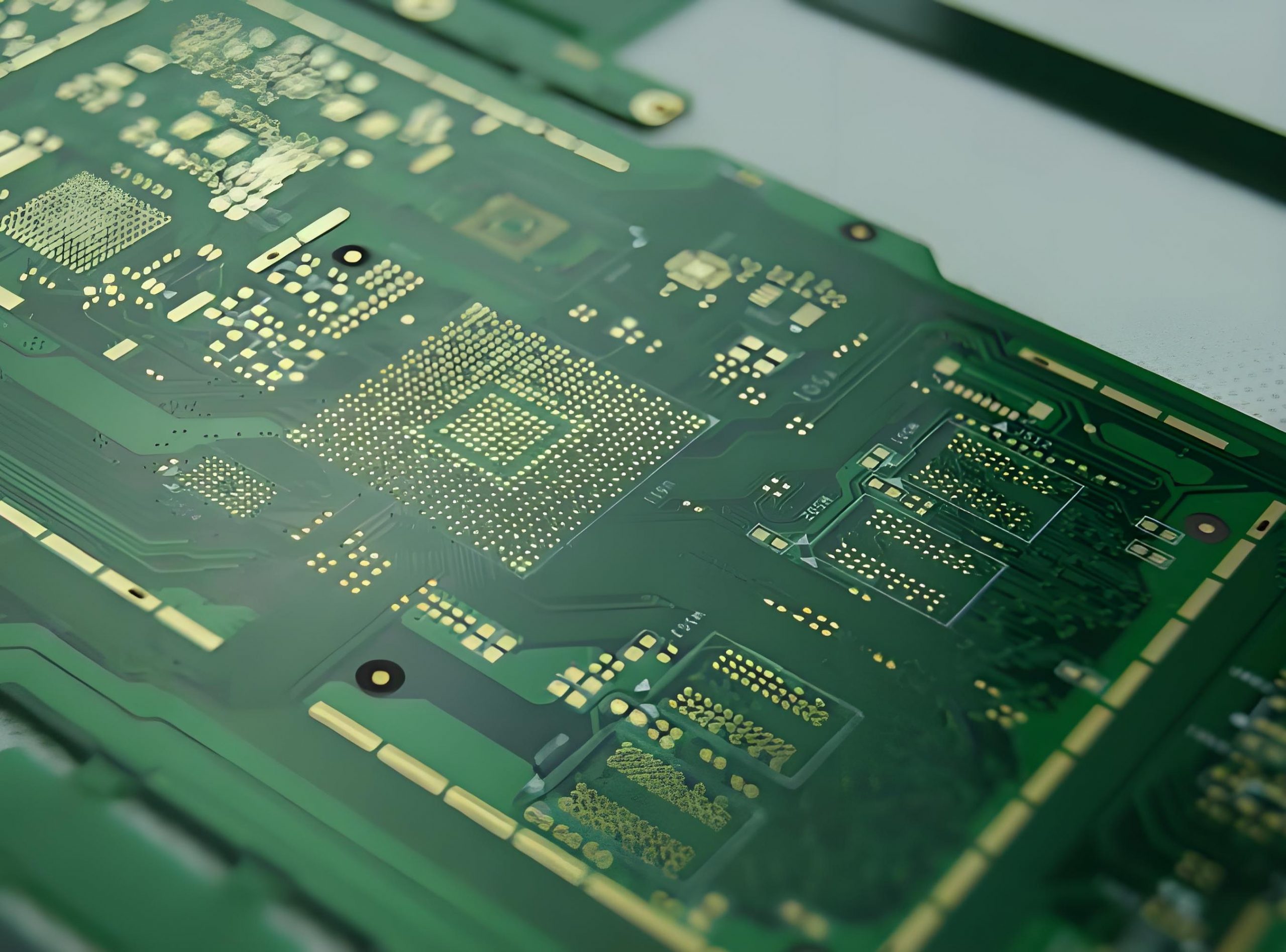
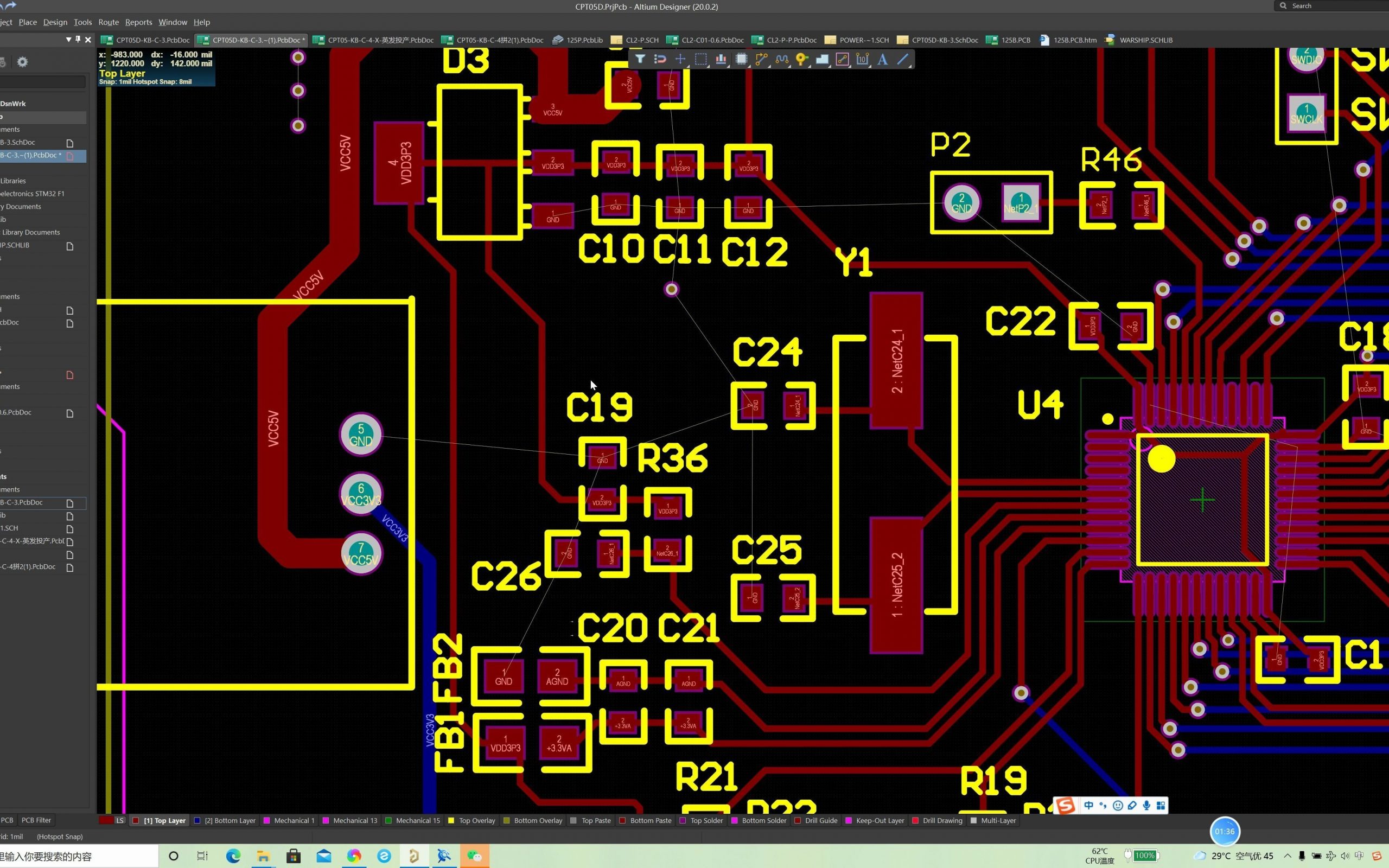
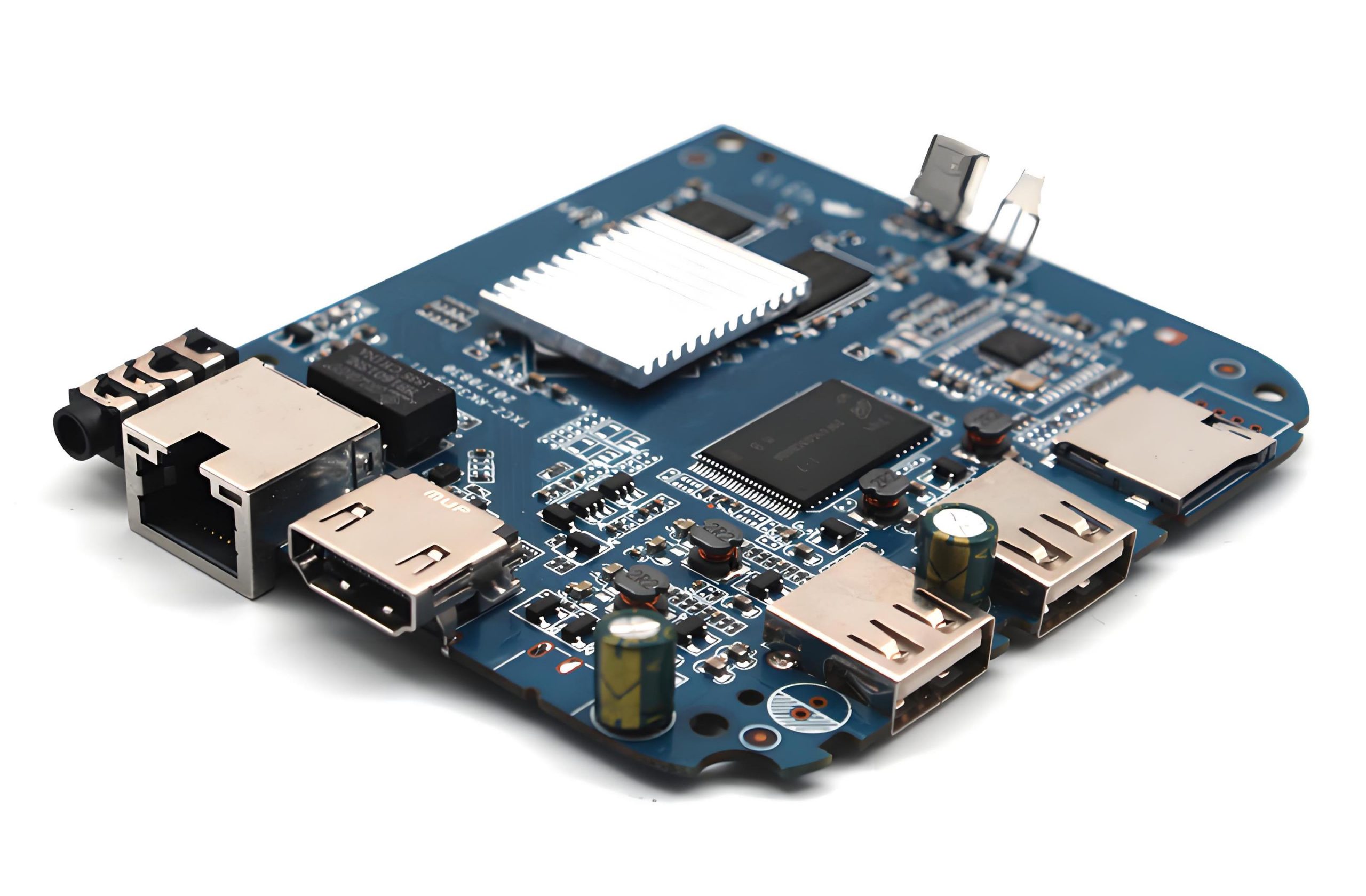
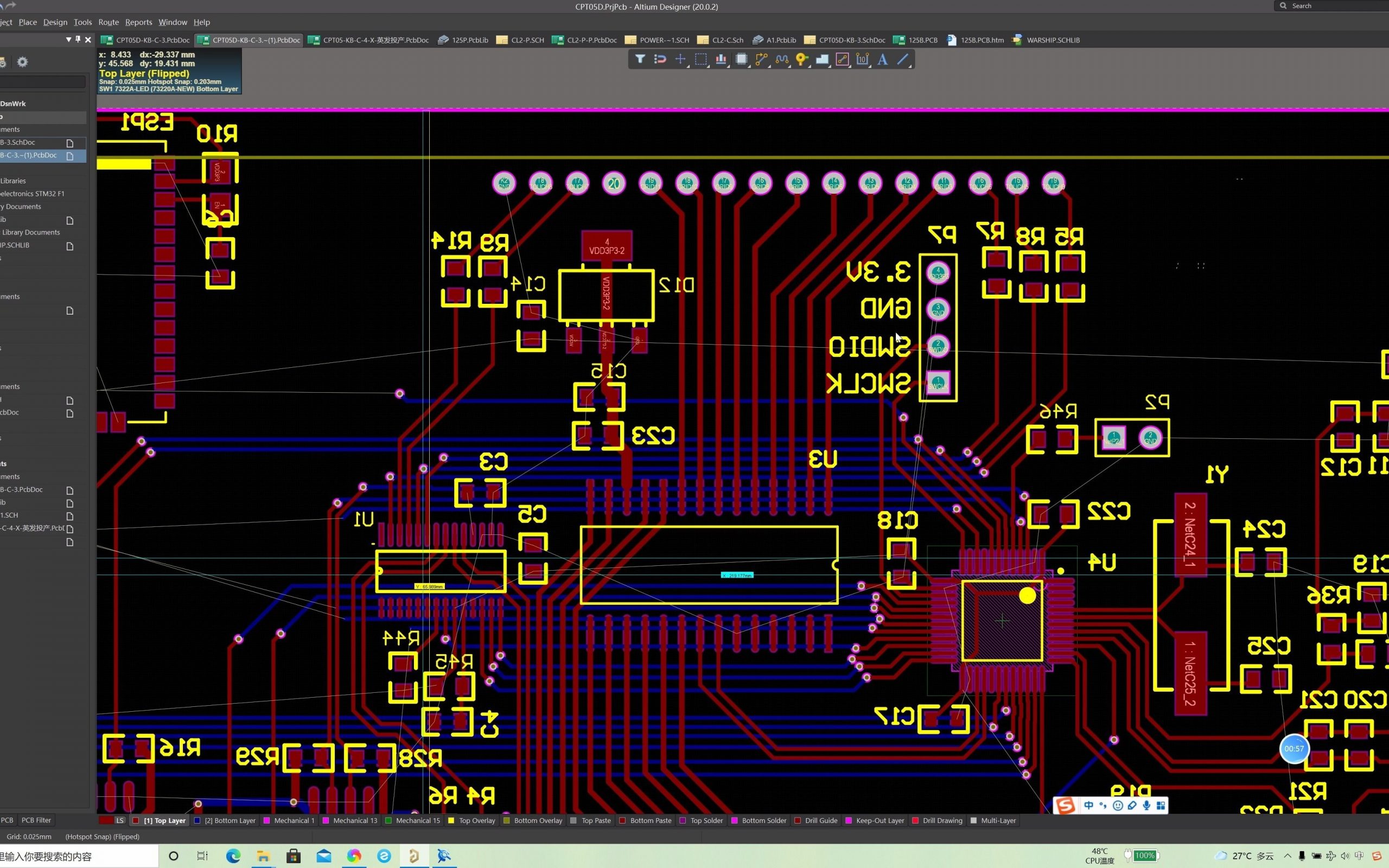
A printed circuit board is a basic of electronic components interconnected via conductive paths printed on a baseboard. We can see it everywhere. They connect and support various components using conductive tracks, pads, and other features. To understand a PCB, start by identifying its main sections: power supply, signal paths, and grounding. Look for the layout patterns, which often follow a logical flow.

Special Types of Circuit Boards

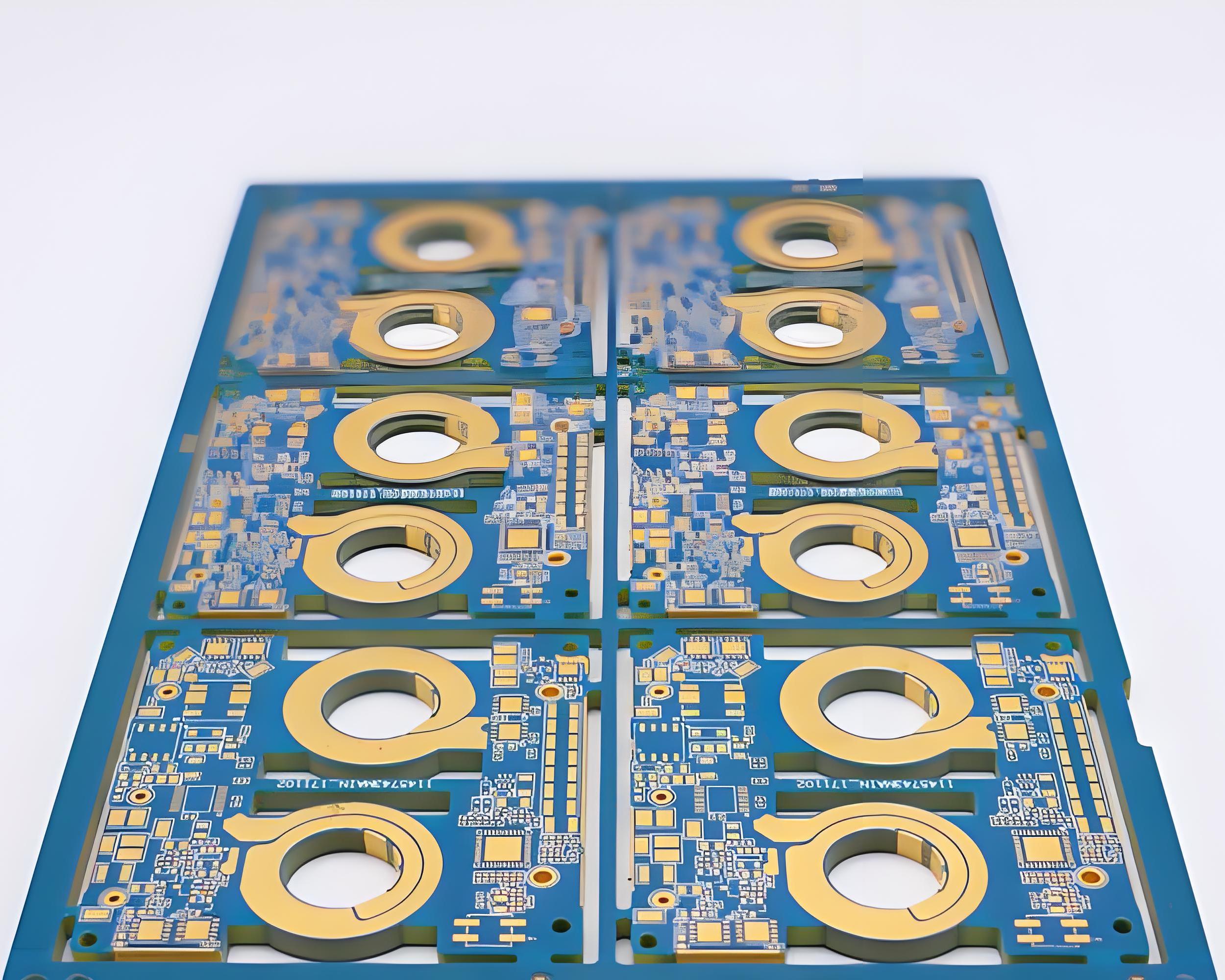
Circuit boards come in various types, each designed for specific applications and processes. Apart from the standard FR4 PCB, metal core PCB, ceramic PCB, rigid-flex PCB, there are some other special PCB uses different process. Here, we’ll explore them based on their unique manufacturing processes, including HDI, busbar, extra thin, IC substrate, high Tg, heavy copper, RF, and impedance control PCBs.

High-Density Interconnect (HDI) PCB

HDI PCBs are designed for compact and complex electronic devices. They feature higher wiring density per unit area compared to traditional PCBs. The process involves microvias, buried vias, and blind vias to create intricate pathways. HDI technology allows for more components on a smaller board, enhancing performance and reducing size. This type of PCB is commonly used in smartphones, tablets, and other high-tech gadgets. The HDI PCBs that EBest Circuit (Best Technology) can make is:

  • 1+N+1
  • 2+N+2
  • 3+N+3

Busbar PCB

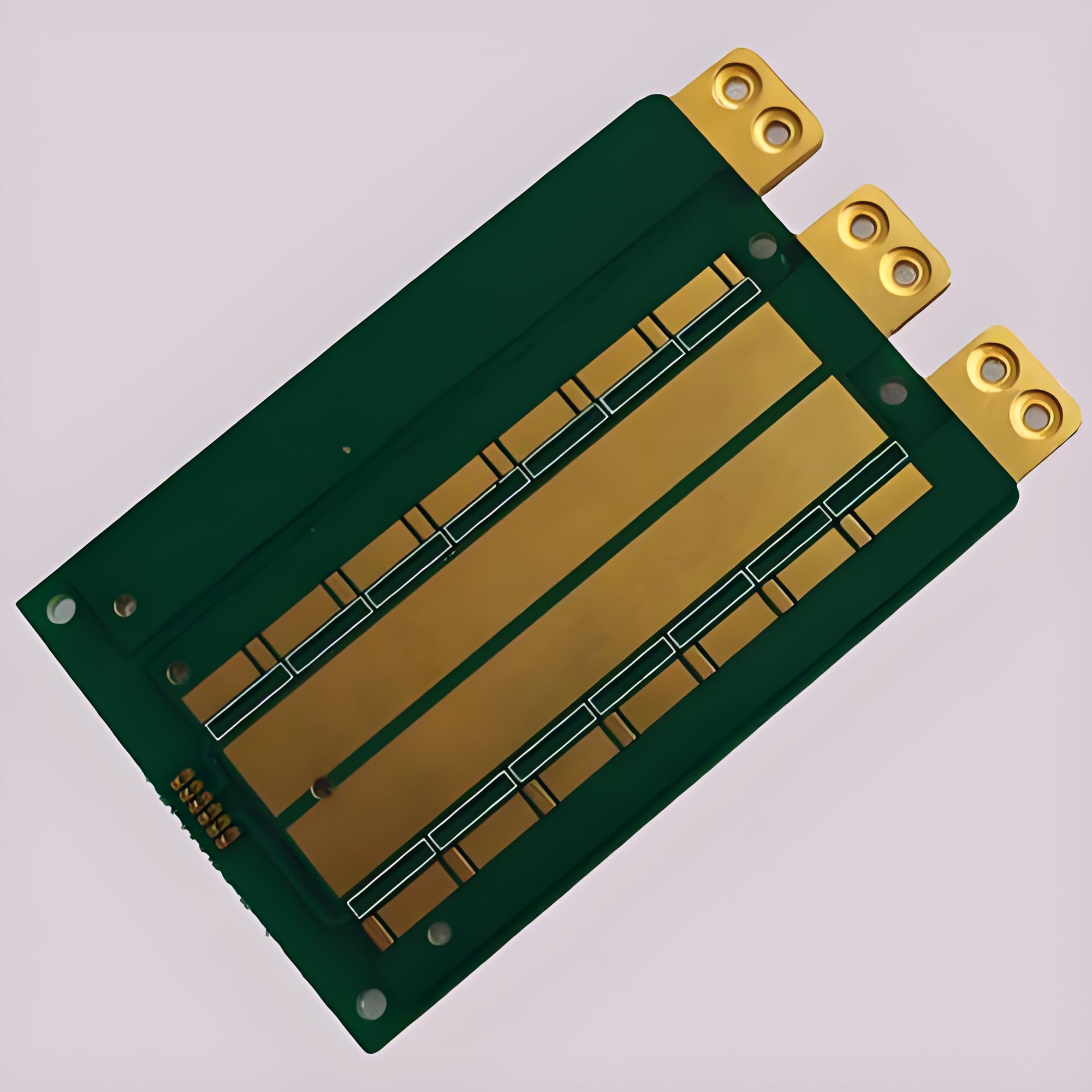
Busbar PCBs are specialized boards that handle high current loads efficiently. It belongs to the heavy copper PCB. They use thick copper layers to conduct electricity with minimal resistance. The busbar process involves integrating these thick copper bars within the PCB to distribute power uniformly. They are mainly used in the electric vehicles, power supplies and industrial machinery.
Extra Thin PCB

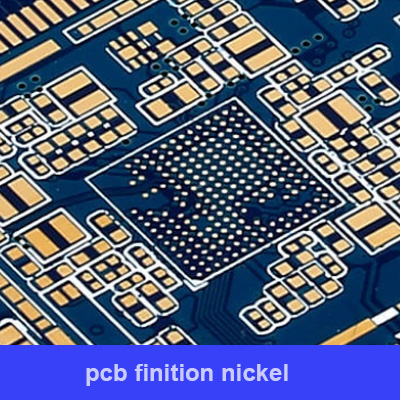
Extra thin PCBs are designed for applications where space and weight are critical constraints. These boards can be as thin as 0.2mm, allowing them to fit into slim devices like wearables and medical implants. The manufacturing process focuses on using thinner materials and precision etching techniques to achieve the desired thickness without compromising functionality.

IC Substrate PCB

IC substrate PCBs act as the base for integrated circuits (IC). They provide interconnections between the IC and the PCB. These PCBs are crucial in devices like processors, memory modules, and graphic cards, where precision and reliability are paramount.
High Tg PCB

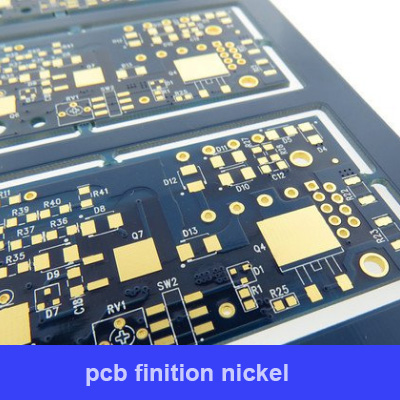
High Tg (glass transition temperature) PCBs are designed to withstand higher temperatures. The Tg value indicates the temperature at which the PCB material transitions from a rigid to a soft state. High Tg PCBs use materials that has over 170 Tg value. So, they are widely used in automotive, aerospace, and industrial applications.

Heavy Copper PCB

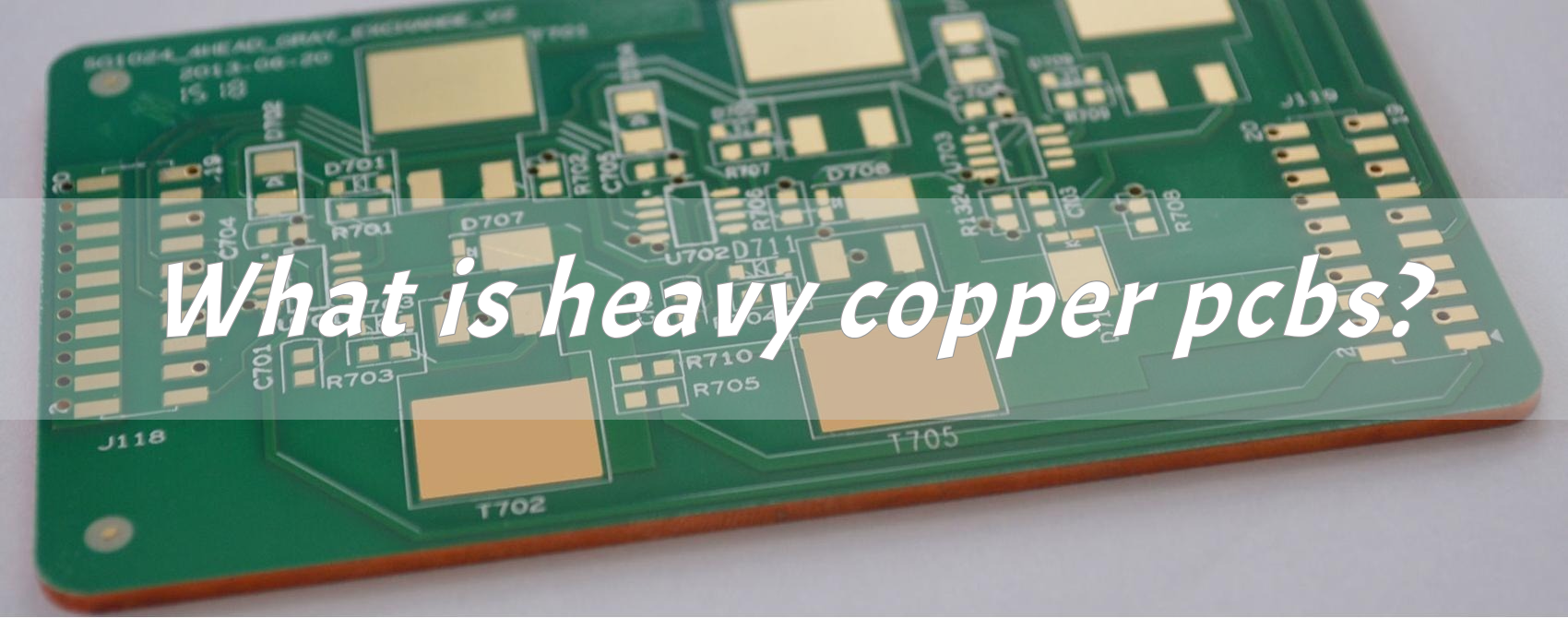
Heavy copper PCBs feature significantly thicker copper layers compared to standard PCBs. The process involves plating additional copper to achieve thicknesses of 3oz/ft² or more. These boards handle high currents and thermal cycles, making them ideal for power electronics, motor controllers, and high-power distribution systems.

Radio Frequency (RF) PCB

RF PCBs are designed for high-frequency applications. They use special materials like PTFE (Teflon) to minimize signal loss and interference. This kind of PCB always requires precise control over dielectric thickness and conductor widths to make sure optimal signal integrity. RF PCBs are essential in communication devices, radar systems, and microwave equipment.

What Do the Numbers on a Circuit Boards Mean?

Numbers and letters on a circuit board represent component values, reference designators, and sometimes manufacturing codes. Reference designators (like R for resistors, C for capacitors) help identify each component. The numbers often indicate the order of placement or specific values (e.g., R1, R2 for the first and second resistors).

In addition, some designers prefer to design series number on the PCB board, like 202400001…202400002. For this kind of numbers, they are always aim to easy identification during the assembly or testing.

How to Read Circuit Boards?

Reading a circuit board involves several steps. First, familiarize yourself with the board’s layout and components. Identify key parts such as the microcontroller, resistors, capacitors, and connectors. Trace the pathways or traces to understand the connections. Use the reference designators to match components with their schematic symbols.

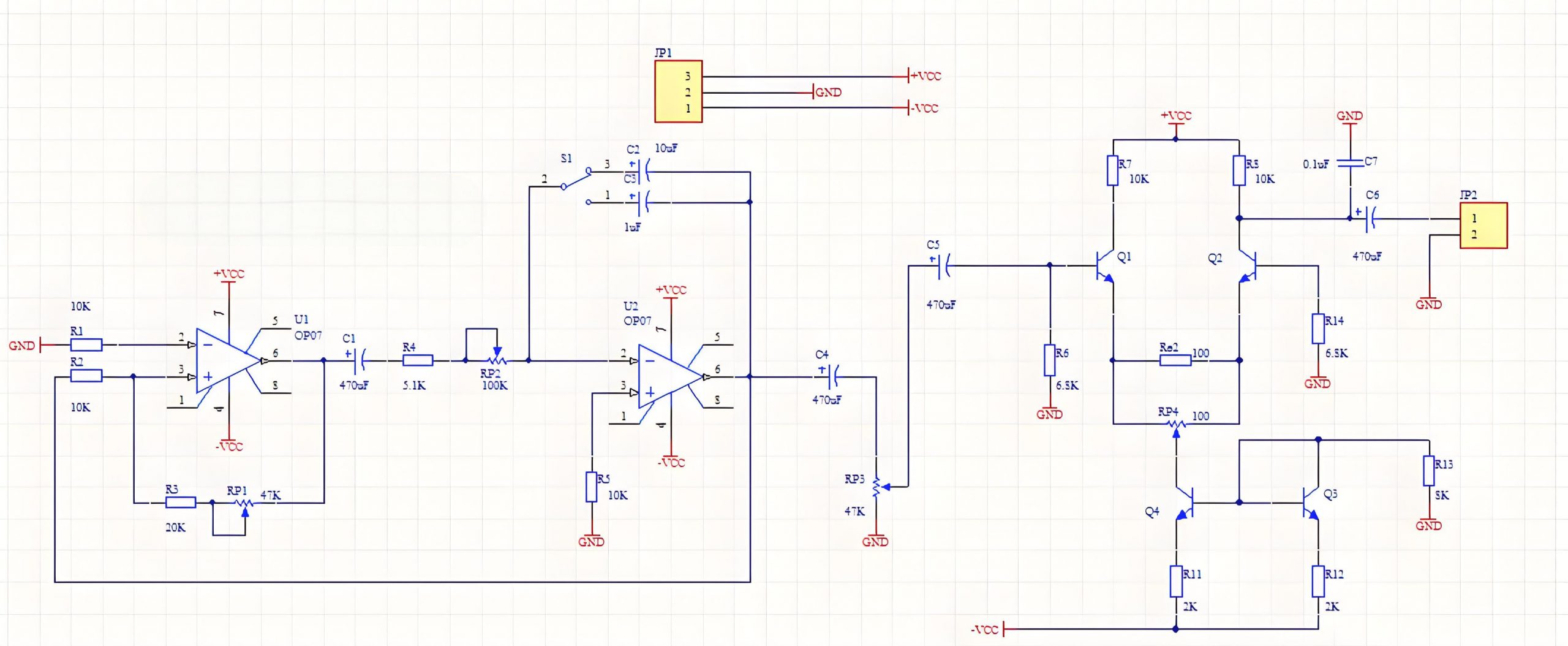
Electronic symbols follow standardized guidelines to ensure consistency. The most common standards include IEEE, IEC, and ANSI. These symbols represent various components like resistors, capacitors, diodes, and transistors.

  1. VCC – the positive power supply.
  2. GND – ground or negative power supply.
  3. R – resistor.
  4. C – capacitor.
  5. L – inductor.
  6. Q – transistor or field-effect transistor (FET).
  7. JP – connector or plug/socket.
  8. IC – integrated circuit or chip.
  9. + / – – input/output terminals of a signal.
  10. NC – no connection or an unused pin.

How Do You Read a Circuit Schematic for Beginners?

Read circuit diagram drawings can be consulted by experienced masters. Generally, the first look when reading a circuit schematic is look at the main loop. And then look at the control loop, the control loop requirements are from top to bottom or from left to right. The circuit diagram mainly consists of four parts: component symbol, connection, node and comment/note.

1. Component Symbols

These represent the actual components in the circuit. Their shapes may not resemble the actual components and can even be completely different. However, they generally indicate the characteristics of the components, and the number of pins matches the actual components.

2. Connections

These represent the wires in the actual circuit. While they appear as lines in the schematic, they are often not lines but various shapes of copper foil blocks on commonly used printed circuit boards (PCBs). For example, many connections in a radio schematic may not be line-shaped on the PCB but rather in specific shapes of copper film.

3. Nodes

These indicate the connections between multiple component pins or wires. All component pins and wires connected to a node are conductive, regardless of the number.

4. Comment/note

These are very important in a schematic. All the text in the schematic can be classified as notes. A close look at the schematics reveals annotations everywhere, used to indicate component models, names, and other information.

EBest Circuit (Best Technology) offer top-quality advanced PCB boards, from prototypes to mass production. Our range includes FR4 PCBs of any Tg, FPC, ceramic PCBs, aluminum PCBs, Teflon PCBs, and copper-base PCBs. Every product and service is traceable and verified with ISO, IATF, RoHS, UL, and REACH certifications. Enjoy free samples for bulk orders, complimentary functional testing, and fast delivery.

What is Tda7294 amplifier board &tda7294 datasheet

August 7th, 2024

TDA7294 is a class AB monolithic audio amplifier integrated circuit launched by SGS-THOMSON Microelectronics in the 1990s. It swept away the raw, cold and hard sound of previous linear integrated amplifiers and thick film integrated amplifiers, and is widely used in HiFi fields, such as home theaters, active speakers, high-performance TVs and other fields.

The chip adopts a 15-pin dual-row asymmetric plug-in package, the differential input stage is composed of bipolar transistors, and the driver stage and power output stage use DMOS field-effect transistor semiconductor technology. This hybrid semiconductor manufacturing process allows TDA7294 to take into account the advantages of bipolar signal processing circuits and MOS power tubes, and the playback sound is very friendly (it is praised by audiophiles as a “tube-flavored amplifier”); the built-in silent standby function, short-circuit current and overheating protection functions make its performance more perfect. It can be used in HiFi home audio, active audio, high-performance TVs and other fields.

Tda7294 amplifier board

tda7294 amplifier board

tda7294 amplifier board PCBA

  1. This circuit is an official standard circuit, stable and reliable.
  2. The filter uses a large electrolytic capacitor with a withstand voltage of 50V and a capacity of 2200uf.
  3. Power supply voltage: dual 12-36V ring transformer, dual 32V ring transformer is recommended
  4. Output power: 85W*1 undistorted rated power, peak power 100W
  5. Can easily drive speakers above 100W, speaker impedance: 4-8 ohms
  6. PCB size: 50*50mm
tda7294 amplifier board

Basic parameters:
Power supply: dual 18-28V AC
Power: 2X80W+160W subwoofer
Circuit board size: 218x98MM
Potentiometer function: low frequency frequency adjustment, subwoofer volume. Left and right channel volume, treble, bass.

Adopting the new laser dark word TDA7294
The power filter uses 6 63V3300UF capacitors, and the rectifier uses a 25A imported rectifier flat bridge.
PCB uses 1.6mm thick double-sided board, 2.0 ounces copper thickness, and full tin spraying process to ensure good passing performance of large and small currents.
Fever component assembly, the subwoofer part consists of two new TDA7294 BTL output,
The low-pass filter is designed according to the frequency adjustable design of home theater style (50-150HZ), with strong power!
The left and right channels are served by two TDA7294 respectively, and the input coupling capacitor uses the German imported WIMA 2.2UF coupling capacitor, which makes the sound sweeter!
The signal-to-noise ratio of the board is also very high, and even if you put your ear close to the speaker, you can’t hear the AC noise! ​​It is the best choice for upgrading 2.1 amplifiers!

TDA7294 datasheet

TDA7294 datasheet
TDA7294 datasheet

TDA7294 Main Features

Wide supply voltage range: ±10V ~±40V
High output power: 70W (up to 100W)
Standby and mute functions
Noiseless ON/OFF switch
Low noise and low distortion
Short circuit protection and overheat protection

TDA7294

Pin function
Pin 1 is the standby terminal;
Pin 2 is the inverting input terminal;
Pin 3 is the positive input terminal;
Pin 4 is grounded;
Pins 5, 11, and 12 are empty pins;
Pin 6 is the bootstrap terminal;
Pin 7 is +Vs (signal processing part);
Pin 8 is -Vs (signal processing part);
Pin 9 is the standby pin;
Pin 10 is the mute pin;
Pin 13 is +Vs (final stage);
Pin 14 is the output terminal;
Pin 15 is -Vs (final stage)

DIY Production

1) The first step is to get the PCB. Here you can make the PCB yourself by DIY ironing method. Since the PCB is easy to make, the PCB design is kept single layer only, or you can get ready-made quality PCB from best.or custom tda7294 amplifier board.
2) After the PCB is completed, carefully mount all small components like jumpers, resistors, diodes, etc. to the PCB and trim their terminals, then solder them to the PCB first, because there are many components on this board, so it is better to solder them one by one
3) After installing the small components, install the large components like capacitors, fuse holders, rectifiers to the PCB and solder them. (Don’t install the power filter capacitor, 22000uF capacitor for now. Completed in the following steps)
4) After that, it’s time to mount all 7 ICs to the PCB and solder them.
5) Now properly mount the heat sink on the IC using insulating MICA and insulating plastic shoulder washers. Remember to use good quality thermal paste between the heat sink and IC.
6) After mounting the IC on the heat sink. Check the continuity between the heat sink and the IC back plate using a multimeter. There should not be any continuity between them. Please note the heat sink isolation
7) Now mount the cooling fan to the PCB using cable ties or any other suitable method.
The board assembly is now complete. Clean the track side of the board using IPA (Isopropyl Alcohol) or cleaning flux and then power the board using a 20-0-20 VAC transformer or a 24-0-24 VAC transformer.

Which one has better sound quality, TDA7294 or LM3886? Voltage AC 28v

LM3886 has better bass because its maximum current can reach 10A, which means it can drive a 2-ohm box without any problems. From the parameters alone, LM3886 is worse than 7294. And it is true in practice, especially for bass. If the transformer is OK, it feels very powerful. 7294 is not as good as 3886 in bass. The current is large when it comes to bass. 7294 itself has overcurrent protection. When the current reaches a certain level, it starts to limit the output current. However, 7294 is better in treble.

The origin of inches and how to convert millimeters to inches

August 7th, 2024

Inches to MM conversion

In the imperial system, 12 inches is 1 foot, and 36 inches is 1 yard.
1mil=1/1000inch=0.00254cm=0.0254mm.
1inch=2.54cm=25.4mm=1000mil
1 inch=2.54cm=25.4mm.

10 mm = 0.393700787 inches
50 mm =1.96850394 inches

1400mm in inches
1400 mm = 55.1181102 inches

1500 mm to inches
1500 mm = 59.0551181 inches

1800mm to inches
1800 mm =70.8661417 inches

Origin of the inch

The word “inch” comes from the Old English word “ynce”, which comes from the Latin word “uncia” (meaning “one twelfth”).
In the 14th century, King Edward II of England promulgated the “standard legal inch”; its regulations were: the length of the three largest grains of wheat selected from the middle of the barley ear and placed end to end in a row is 1 inch.

mm or inches in the PCB industry

(including the substrate and all copper layers, solder mask and silk screen), either millimeters or inches can be used as units. However, 1.6 mm is not the only choice, and the thickness of the PCB can vary depending on the specific application, ranging from 0.3 mm to 4.0 mm1.
In PCB design, for design and layout units such as traces, pads, spacing and grids, the imperial unit “thou” (one thousandth of an inch) should be used instead of millimeters. For mechanical manufacturing unit requirements such as apertures and PCB board sizes, millimeters can be used. This shows that when designing PCBs, you need to be familiar with the conversion relationship between the imperial unit “thou” and the metric unit millimeter. ‌
In summary, the units used in the PCB industry depend on the specific application scenarios and requirements. When describing the thickness of the PCB board, millimeters or inches can be used as units, while in design and layout, the imperial unit “thou” should be used to adapt to design requirements.

PCB package size

PCB length units usually refer to the shortest distance between components on the PCB. Common length units are inches, centimeters and millimeters. For example, the minimum PCB length unit for the 0805 package size is 1 inch, while the minimum PCB length unit for the 0402 package size is 0.25 inches. In addition, there are some other commonly used PCB package sizes, such as 0101 package size, 0201 package size, 0302 package size, etc.

PCB package size is a standard size for mounting and connecting electronic components on PCBs. The following are the most commonly used device PCB package sizes:
1.0805 package size: This package size is used for electronic components of 8 inches (about 20 cm) in size, including transistors, capacitors, inductors and other small components.
2.0402 package size: This package size is used for electronic components with a size of 4 inches (about 10 cm), including transistors, capacitors, inductors and small components.
3.0603 package size: This package size is used for electronic components with a size of 6 inches (about 15 cm), including transistors, capacitors, inductors and small components.
4.1206 package size: This package size is used for electronic components with a size of 12 inches (about 30 cm), including transistors, capacitors, inductors and small components.

The unit of PCB length is usually millimeter (mm) or inch (inch), while the unit of copper foil thickness is OZ (ounce), which is about 35um or 1.35mil. When designing the PCB of the op amp circuit, factors such as layout, wiring, power decoupling, and heat dissipation design need to be considered to ensure signal integrity and stability.

What is a 5.1 amplifier board?

August 7th, 2024

A 5.1 amplifier board is a sound amplifier that can expand the current and voltage of an audio signal to make the sound louder. In addition, a 5.1 amplifier board also has a multi-channel processing function, which can output audio signals through multiple channels to enhance the sound field effect, making listening to music, watching movies, etc. more three-dimensional and realistic.
Compared with traditional 0 and 1 amplifiers, in addition to being able to connect two front speakers and two rear speakers, a 5.1 amplifier board can also connect a center speaker and a subwoofer, making the bass of music or movies more prominent and the sound deeper.
5.1 amplifiers are widely used in home theater systems. By combining with projectors, TVs and other equipment, a theater environment with excellent audio-visual effects can be created. In addition, for music lovers, a 5.1 amplifier board is also an indispensable device that can not only maximize the effect of music, but also allow people to experience the charm of music in an immersive way.

What is a 5.1 amplifier board?

5.1 Basic parameters of the amplifier board

Working mode: Class D
Quiescent current: 50mA
Working efficiency: 90%
Rated output power: 2200W+400W Frequency response: 20Hz to 20KHz Working voltage: DC24V-42V( Recommended voltage: DC42V Maximum output current: 10A PCB size: 114109MM
Potentiometer center distance: 21.5MM 21.5MM 21.5MM from left to right
Original TPA3223 is used

TPA3223 2.1 Digital Bluetooth 5.1 3034 Amplifier Board


1.The front input capacitor and interstage coupling capacitor use ELNA BP capacitor 10UF, the electrolytic capacitor signal main circuit uses Taiwan famous brand, and the main filter capacitor uses imported electrolytic capacitor 1000UF , ensuring strong and continuous power support.
2.The resistors are made of high-precision chip resistors, and the main circuit uses a five-ring metal film resistor with an accuracy of ±1%, which ensures a good signal-to-noise ratio for the whole machine.
3.The PCB uses a 1.6mm thick double-sided board, 2.0 ounces of copper thickness, and a full tin-spraying process to ensure good passing performance of large and small currents.
4.The fully enclosed dust-proof potentiometer is used, which has more stable performance and is more durable than ordinary potentiometers.
5.The red-gray ring high-current inductor and the fully shielded audio-specific output inductor are used to ensure a crisp and powerful sound.
The Bluetooth uses Qualcomm QCC3034 5.1 version Bluetooth module

5.1 amplifier board

5.1 amplifier board of working principle

  1. The core function of the amplifier board is to increase the amplification factor of the signal while protecting the circuit from damage. The amplifier board is usually used for isolation and current amplification between the programmable logic controller (PLC) and the input device or output device to improve the load capacity of the PLC and protect the PLC from faults such as overvoltage, overload, and load short circuit.
  2. The working principle of the amplifier board is based on the amplifier circuit, using electronic components with amplification characteristics, such as transistors. When the tiny current at the input end changes, a large current change will occur at the output end, and the change at the output end is several to hundreds of times greater than the change at the input end. The characteristic of this amplifier circuit is that only one potential point is amplified, and the other potential point is grounded by default. In addition, the integrated circuit (IC) is also an important part of the amplifier board. It integrates many transistors, resistors, capacitors and other components on a small piece of semiconductor silicon single crystal, and uses isolation technology to insulate them from each other in electrical properties, thereby realizing signal amplification and processing.

For example, an analog signal amplifier board can connect multiple sensors, collect differential signals and amplify them to the required multiples through an amplifier circuit. The board can work normally in the temperature range of -15℃ to 70℃, and the humidity can reach 90%, which is suitable for various harsh environments. This amplifier board is widely used in industrial automation, smart home, medical equipment and other fields to ensure stable signal transmission and processing

5.1 amplifier board of working principle

The role of the amplifier board

The main functions of the amplifier board:

  1. This is because some process control equipment such as proportional valves can only receive analog voltage or current signals. Therefore, in order to ensure that these devices can correctly receive and respond to the signals sent by the PLC, an intermediate amplification link, namely the amplifier board, is required.
    It can properly amplify the signal output by the PLC D/A module to make the proportional valve work normally.
  2. The amplifier board is also called the IO relay board. Its main functions include isolation, current amplification, and providing additional I/O channels. It can improve the load capacity and reliability of the PLC system and prevent the PLC host from being damaged due to overvoltage, overload or load short circuit. ‌
  3. The amplifier board is widely used in the field of industrial automation. It can not only improve the load capacity and reliability of the PLC system, but also protect the output or input points of the PLC.
  4. The amplifier board can save cabinet space, increase installation speed, facilitate maintenance and replacement, and has protection circuits and built-in insurance, which makes it difficult to damage the amplifier board itself and the load.
  5. The amplifier board can also play the role of amplifying interference, because its input and output are photoelectrically isolated, and the PLC will not be burned out due to high-voltage impact load.
    These features make the amplifier board play a vital role in industrial automation systems.

Application of 5.1 amplifier board

5.1 channel amplifiers are mainly used in home theater systems to provide surround sound audio output and an immersive listening experience for the audience. ‌
5.1 channel amplifiers are an indispensable component of home theater systems. They can provide five full-band channels and one low-frequency effect channel. Through carefully designed audio processing, the audience can feel the sound from different directions, thereby enhancing the immersion of movies or concerts.

Application of 5.1 amplifier board

In addition to home theater applications, 5.1 channel amplifiers are also suitable for professional audio systems, such as conference rooms, performance venues, etc., where high-quality audio output is required. ‌In these occasions, 5.1 channel amplifiers can ensure stable signal transmission and high-quality restoration to meet professional-level audio needs. ‌

In short, the 5.1 channel amplifier board provides multi-channel audio output, bringing a more realistic and three-dimensional sound experience to viewers or listeners, playing an important role in both home entertainment and professional applications.

FAQs About 5.1 amplifier board

Does the 5.1 amplifier front panel consist of 6 front panels?

  1. A true 5.1 should have 6 input interfaces (marked as: 5.1IN) and 6 speakers including a subwoofer.
  2. 5.1 is an independent 6-channel amplification and 6-channel speaker restoration, and of course an independent 5.1-channel sound source is required.
  3. The 5.1 speaker requires the amplifier to have an independent 6-channel amplifier. Virtual ring. Winding into multiple channels

How many power amplifiers are there in a 5.1 channel amplifier?
Two situations, the first is 5.1 full-channel power amplification, that is, 6 channels, but in this case the power of the bass channel is small, which can drive 6~8-inch bass, but it can’t drive large ones.
The second is 5-channel power amplification, except for the bass channel, the other channels are power amplified, the bass channel only provides a level signal, and the signal enters the active subwoofer amplifier board to drive the subwoofer, which is more common.

Can the 5.1 channel amplifier board use dual DC?

  1. Ordinary transistor power amplifiers use DC. What do you mean by “using dual DC power”? Does it mean using a backup power supply? … Using a backup power supply is completely possible.
  2. In addition, there are power amplifiers that are powered by [positive and negative symmetrical power supplies]. Such power amplifiers must use DC positive and negative symmetrical power supplies.

Can I make a 5.1 with two 2.1 amplifier boards?


One of them is used for 2.1 (the analog subwoofer circuit is removed as bass amplification), and the other is used for surround channels (remove the subwoofer circuit and change to center). After merging, it is 5.1. The 6 amplification channels must be connected to the 5.1 decoding output.


Can a 5.1 pre-stage board be used with a 2.0 amplifier?
It can definitely be used. The pre-stage board only plays the role of audio adjustment and does not perform power amplification. The input audio signal can be connected to the amplifier after being adjusted and output by the pre-stage board. For the 5.1 channel, just select 2 of the output signals.

How Much Does A PCB Board Cost?

August 6th, 2024

When communicate with clients, they always ask why the PCB board are so expensive? Is there any basis for that? Actually, the price of PCBs are made specifically according to its manufacturing process, layers, complexities and so on. Today, EBest Circuit (Best Technology) is deeply sharing the composition of PCB cost. Welcome to keep reading.

Why is PCB Board So Expensive?

The cost of a PCB can sometimes seem high due to several reasons. Firstly, the complexity of the design plays a significant role. High-density interconnect (HDI) PCBs, multi-layer PCBs, and those requiring advanced materials or special finishes can drive up the cost. Additionally, stringent quality control measures and the need for precise manufacturing processes add to the expense.

Another factor is the cost of raw materials. Copper, laminates, and specialty substrates can vary in price, affecting the overall cost of the PCB. Furthermore, labor costs in the region where the PCB is manufactured, along with overhead costs such as utilities and facility maintenance, contribute to the final price.

What Factors Affect the PCB Board Cost?

PCB board can cost from $10 to $500 to produce. Buyers are always amazing that why PCB cost so high? But they don’t know there are numerous factors a manufacturer considers in determining PCB costs. If you are in the market to design a PCB, this guide provides factors to consider that could increase or decrease the cost of circuit boards.

  • Manufacture technology

The specific technology used in the PCB can significantly impact the cost. Advanced technologies such as HDI (High-Density Interconnect), embedded busbar or flexible PCBs often require more complex manufacturing processes, which can increase the cost.

  • Material Type

The type of materials used for the PCB, such as standard FR4, high-frequency laminates, or other specialty substrates, can influence the cost. Higher quality or specialized materials typically cost more.

  • IPC Grade

The IPC standards and grades indicate the quality and reliability requirements of the PCB. In electronics manufacturing, printed circuit boards are divided into three levels: level 1, level 2 and level 3. These grades reflect the quality level of each board type, from the lowest (Level 1 standard) to the highest (Level 3 standard). This classification system was developed and defined by IPC and is specified in the IPC-6011 series.

  • Circuit Design

The complexity of the circuit design, including the number of layers, trace width, and spacing, affects the cost. More intricate designs require more precision and advanced techniques, leading to increased expenses.

  • PCB Size & Yield

The physical dimensions of the PCB and the yield rate during production play a role in the overall cost. Larger boards or designs with lower yield rates (more defects) will typically cost more to produce.

  • Material Thickness

The thickness of the materials used in the PCB construction, such as the substrate and copper layers, can impact the cost. Thicker materials may be more expensive and require more resources to process.

  • Copper Thickness

The thickness of the copper used in the PCB, measured in ounces per square foot, can affect the cost. Thicker copper layers provide better electrical performance but are more expensive.

  • Stack-up

The method of layering and stacking the materials in the PCB, known as the stack-up configuration, can influence the cost. Complex stack-ups with multiple layers and specific arrangements can be more costly to manufacture. Read our another post of How Can I Reduce and Optimize the Cost of My PCB in A Best Way?

Manufacturing Process of A Standard PCB

How Much Does A PCB Board Cost?

PCB Design and Layout

The manufacturing process begins with the design phase, where engineers use CAD (Computer-Aided Design) software to create the PCB layout. This includes defining the circuit paths, components, and layers, ensuring the design meets the electrical and mechanical requirements.

Once the design is finalized, a photomask is created, which is a transparent film with the PCB design printed on it. The PCB substrate, typically made of FR4, is then coated with a light-sensitive material called photoresist.

Drilling

Precise holes are drilled into the board for through-hole components and vias using computer-controlled drilling machines. The board is cleaned and deburred to remove any rough edges or debris from the drilling process.

Plating and Copper Deposition

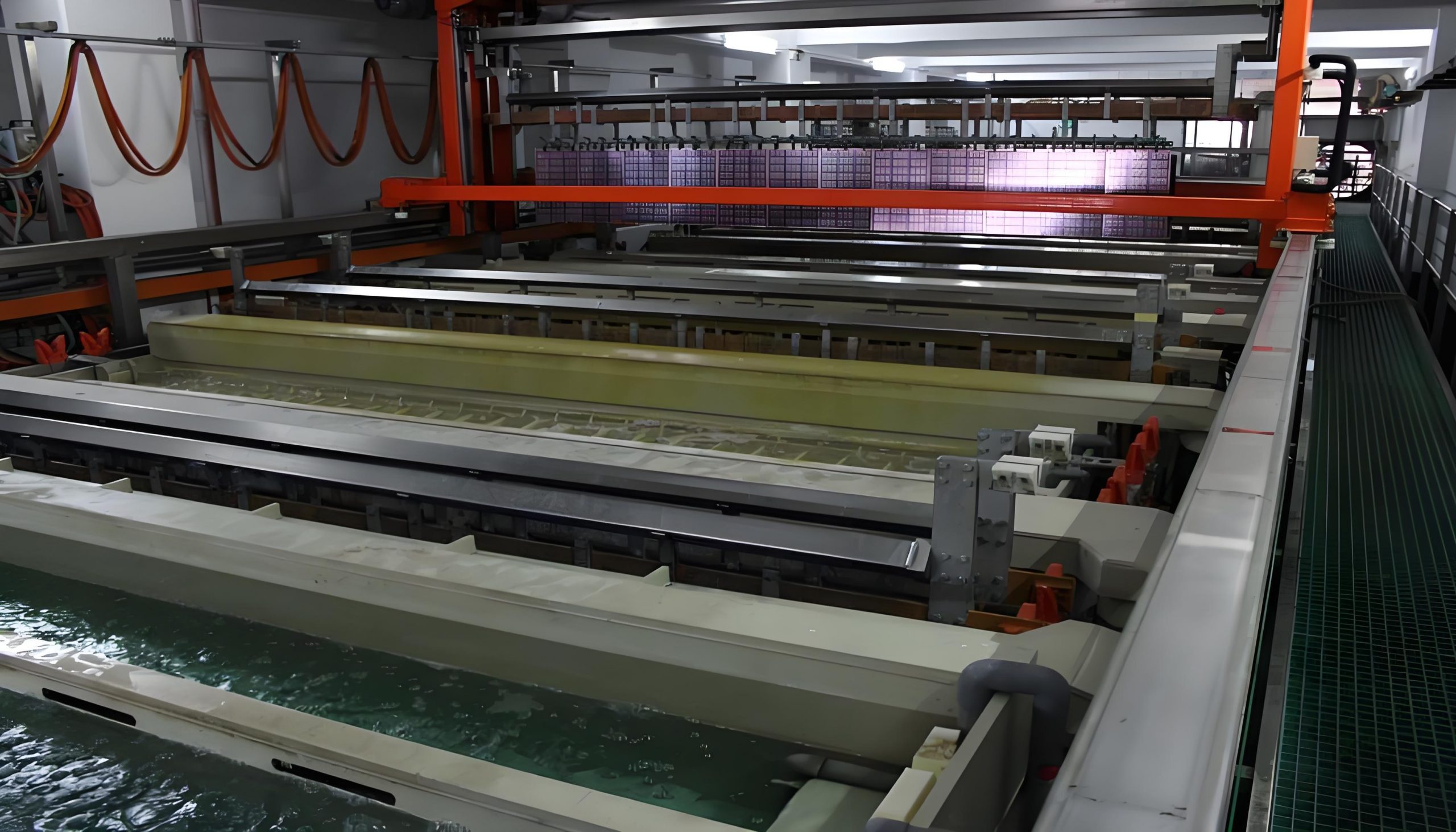
A thin layer of copper is deposited on the surface of the board and inside the drilled holes through an electroless plating process, providing a conductive base. Additional copper is electroplated onto the board, building up the thickness of the copper traces and plated through-holes.

Pattern Transfer

The photomask is placed over the photoresist-coated substrate and exposed to ultraviolet (UV) light. The UV light hardens the photoresist where the design allows light to pass through, and the board is then developed to wash away the unhardened photoresist, leaving behind the desired circuit pattern.

Etching

The PCB undergoes an etching process using a chemical solution to remove unwanted copper, leaving only the copper traces that form the circuits. The remaining hardened photoresist is then stripped away to reveal the clean copper pattern.

Applying Solder Mask

A layer of solder mask is applied to the board to protect the copper traces from oxidation and prevent solder bridges during assembly. The solder mask is cured using UV light, hardening it and making it durable.

Surface Finish/Surface Treatment

A surface finish is applied to the exposed copper areas to protect them and facilitate soldering. Common finishes include HASL (Hot Air Solder Leveling), ENIG (Electroless Nickel Immersion Gold), and OSP (Organic Solderability Preservatives).

Outline Routing

One the surface treatment finish, it will be routed according to the manufacturing file by CNC machine. And then individual PCBs are cut from the larger panel using routing or V-scoring, depending on the board design and requirements.

Electrical Testing & FQC

The PCB undergoes electrical testing to check for short circuits, open circuits, and other defects. This is typically done using a flying probe tester or a bed-of-nails tester. Then the board is visually inspected for any cosmetic defects or anomalies, and further tests and inspections are performed to ensure the PCB meets all specified requirements and standards. Below you can see the full manufacturing process video of a PCB:

EBest Circuit (Best Technology) – A 18+ Years Experience PCB Manufacturer

When you are looking for a reliable PCB manufacturer, considering EBest Circuit (Best Technology). We have transparent price and 5years quality warranty. We 24/7 hours online and welcome all the technical questions and PCB inquiries. Contact us for more!

How to Check PCB with a Multimeter?

August 5th, 2024

Common PCB failures are mainly concentrated on components such as capacitors, resistors, inductors, diodes, transistors, MOSFETs, integrated chips (IC), and crystals. Some obvious damages can be visually detected, while others require the use of tools. Today, let’s learn how to troubleshoot PCB faults using a multimeter.

How to Check PCB with a Multimeter?

How Will You Diagnose a Faulty PCB By Visually?

For some printed circuit boards, we can check by our naked eyes. Here are some common ways to follow:

1. Check the condition of components

When you get a faulty PCB, first observe if there are any obvious component damages, such as burnt or swollen electrolytic capacitors, burnt resistors, and damaged power devices.

2. Inspect the soldering of the PCB

Check if the printed circuit board (PCB) is deformed or warped; if there are any loose or poorly soldered joints; if the copper cladding on the PCB is lifted, burnt, or blackened.

3. Examine the component plug-ins

Ensure the correct orientation of integrated circuits, diodes, and the PCB power transformer.

How to Check PCB with a Multimeter?

Before you start testing your PCB, ensure you have the right tools and environment. Here’s a checklist to get you started:

1. Safety First: Wear anti-static gloves and ensure you are working on an anti-static mat to prevent damage to the PCB.

2. Multimeter Selection: Choose a multimeter with the ability to measure voltage, resistance, and continuity. A digital multimeter is preferred for accuracy.

3. Visual Inspection: Examine the PCB for visible signs of damage such as burnt components, broken traces, or solder bridges.

4. Power Off the Board: Always test the PCB with the power off to avoid any electrical hazards and damage to the multimeter.

How Do You Test Individual Components on a PCB?

Testing individual components like resistors, capacitors, and diodes can pinpoint the exact failure. Here’s a general approach:

  • Diode
  • Transistor
  • MOSFET
  • Electrolytic Capacitors

How to Test Diodes?

1. Set the MF47-type multimeter to measure resistance.

2. Place the red and black probes on the two ends of the diode and read the value.

3. Swap the probes and measure again.

4. Judge based on the two measurements: the forward resistance of small power germanium diodes is 300-500Ω, silicon diodes are about 1kΩ or larger. The reverse resistance of germanium diodes is tens of kilo-ohms, and silicon diodes are above 500kΩ (values are much smaller for high-power diodes). A good diode has low forward resistance and high reverse resistance, and the larger the difference, the better.

How to Check PCB with a Multimeter?

5. If both forward and reverse resistances are very low, the diode is short-circuited; if both are very high or infinite, the diode is open-circuited and needs to be discarded.

How to Test Transistors?

1. Set the digital multimeter to the diode mode.

2. Measure the PN junction with the probes. If it conducts forward, the displayed value is the forward voltage drop of the PN junction.

3. Determine the collector and emitter: measure the forward voltage drop of the two PN junctions, the larger drop is the emitter (e), and the smaller drop is the collector (c). If the red probe is connected to the common terminal, the transistor is NPN type, and the common terminal is the base (b); if the black probe is connected to the common terminal, the transistor is PNP type, and the common terminal is the base (b).

4. For in-circuit testing, measure the forward and reverse resistance of the PN junction to determine if the transistor is damaged. If the branch resistance is larger than the forward resistance of the PN junction, there should be a clear difference between the forward and reverse resistances, otherwise, the PN junction is damaged.

How to Check PCB with a Multimeter?

The Way to Test MOSFETs?

1. Connect the black probe to the drain (D) and the red probe to the source (S), the resistance should be 500-600.

2. Without moving the black probe, touch the gate (G) with the red probe, then measure the source (S) again; it should conduct.

3. Connect the red probe to the drain (D), touch the gate (G) with the black probe, then measure the source (S); the resistance should be the same as the first measurement, indicating the MOSFET is working normally.

How to Test Electrolytic Capacitors?

1. Select the appropriate range on the MF47-type multimeter based on the capacitor’s capacity. Use R×1K range for capacitors below 47μF, and R×100 range for those above 47μF.

2. Connect the red probe to the negative lead and the black probe to the positive lead of the capacitor.

3. On initial contact, the multimeter needle will deflect right and then gradually return to the left until it stops at a certain position (close to infinity). This value is the capacitor’s forward leakage resistance; the larger the value, the better the capacitor’s performance.

4. Swap the probes and repeat the process. The measured value will be the reverse leakage resistance, slightly smaller than the forward leakage resistance.

5. If no charging phenomenon occurs (the needle doesn’t move), the capacitor is either open or short-circuited internally. If the resistance is very small or zero, the capacitor is leaky or has broken down and cannot be used.

This is the end of this article, if you want to know more about it, welcome to contact us.

What is Thermal-Electric Separation Copper Substrate with Flexible PCB?

August 3rd, 2024

As electronic devices become increasingly miniaturized and high-performance, traditional circuit boards are no longer sufficient for certain high-demand applications. To address these challenges, the Thermal-Electric Separation Copper Substrate with Flexible PCB has emerged. This innovative composite circuit board combines the efficient heat dissipation characteristics of thermal-electric separation copper substrates with the flexibility of flexible PCBs (FPC). It is widely use for high-performance electronic products, which requires efficient heat dissipation and complex circuit.

What is Thermal-Electric Separation Copper Substrate with Flexible PCB?

The Thermal-Electric Separation Copper Substrate with Flexible PCB is a composite material that combines a rigid thermal-electric separation copper substrate with a flexible circuit board. It integrates the advantages of both, providing superior performance in high-power and high-density applications.

What is Thermal-Electric Separation Copper Substrate with Flexible PCB?

1. Thermal-Electric Separation Copper Substrate

The thermal-electric separation copper substrate is designed for high-power electronic devices, providing an efficient heat dissipation solution. It separates the paths of heat and electrical signals to avoid thermal interference with electrical performance. Its structure typically includes:

  • Single-sided design: Electronic components are placed on one side of the copper substrate, while the other side is used for heat dissipation.
  • High thermal conductivity materials: Such as copper or aluminum, which can quickly conduct heat, like copper is 400W/m.k, aluminum is 237W/m.k.
  • Thermal vias: Vertical heat conduction paths that rapidly transfer heat to the dissipation layer.

2. Flexible PCB (FPC)

Flexible PCBs (Flexible Printed Circuits, FPC) use flexible materials like polyimide (PI) or polyester (PET) that can bend and fold to adapt to complex three-dimensional structures and dynamic application scenarios. Their advantages include:

  • Lightweight: Reducing the overall weight of the device.
  • High-density wiring: Achieving complex circuit designs in limited space.
  • Flexibility: Meeting diverse design needs.

Structure and Characteristics

The structure of the Thermal-Electric Separation Copper Substrate with Flexible PCB includes rigid and flexible parts, connected together using conductive adhesives or other bonding materials to form a unified whole.

1. Rigid Part

The rigid part uses the thermal-electric separation copper substrate, responsible for efficient heat dissipation and mechanical support. This part usually carries high-power components to ensure rapid heat transfer and dissipation.

2. Flexible Part

The flexible part uses the flexible PCB, which can bend and fold to fit the complex internal structure of devices. This part is typically used to connect the rigid part with other modules that require flexible connections.

3. Bonding Method

The flexible and rigid parts are bonded together using conductive adhesives, welding, or mechanical connections. The design of the bonding area ensures stable electrical connections and reliability during bending and dynamic use.

Thermal-Electric Separation Copper Substrate with Flexible PCB Advantages

1. Efficient Heat Dissipation

The thermal-electric separation copper substrate provides excellent heat dissipation, effectively conducting away the heat generated by high-power components to maintain a reasonable operating temperature range. This is especially important for applications like high-power LEDs and power semiconductor devices.

2. Flexibility

The use of the flexible PCB offers great design freedom, allowing adaptation to the complex three-dimensional structures and dynamic application needs within devices. This enables designers to achieve more complex circuit designs in limited spaces, increasing device integration and functionality.

3. Reliability

The thermal-electric separation design and high thermal conductivity materials enhance the reliability of the circuit board, reducing the impact of heat on electrical performance. The flexible part reduces the number of connection points, lowering the risk of failure.

4. Space Saving

Combining the advantages of rigid and flexible circuit boards allows for efficient heat dissipation and complex circuit in limited space. This is crucial for modern miniaturized and high-density electronic product designs.

Where Thermal-Electric Separation Copper Substrate with Flexible PCB used?

1. High-Power LED Lighting

High-power LEDs generate a significant amount of heat during operation. The thermal-electric separation copper substrate provides an efficient heat dissipation solution, ensuring the stable operation and long lifespan of LEDs. The flexible part is used to connect different LED modules, accommodating diverse design requirements.

2. Automotive Electronics

In automotive electronics, such as in-vehicle cameras and sensor modules, efficient heat dissipation and compact design are required. The thermal-electric separation copper substrate with flexible PCB can meet these demands, enhancing device reliability and performance.

What is Thermal-Electric Separation Copper Substrate with Flexible PCB?

3. Consumer Electronics

Devices like smartphones and tablets require lightweight and miniaturized designs. The thermal-electric separation copper substrate with flexible PCB offers efficient heat dissipation and flexible circuit, optimizing device performance and user experience.

4. Medical Devices

In applications that require flexibility and reliability, such as portable diagnostic equipment and implantable medical devices, the thermal-electric separation copper substrate with flexible PCB can help to enhancing device performance and reliability.

How does Thermal-Electric Separation Copper Substrate with Flexible PCB manufactured?

The manufacturing process for the thermal-electric separation copper substrate with flexible PCB is complex, typically including the following steps:

  1. Material Preparation: Selecting appropriate rigid and flexible materials and performing pre-treatment.
  2. Circuit Printing: Printing circuit patterns on both rigid and flexible materials.
  3. Lamination and Bonding: Combining the flexible circuit board with the thermal-electric separation copper substrate, usually using conductive adhesives or other bonding materials.
  4. Drilling and Plating: Drilling holes and electroplating to form conductive paths on the combined board.
  5. Surface Treatment: Performing surface treatments such as pad coating on the circuit board.
  6. Testing and Inspection: Conducting electrical and mechanical performance tests to ensure the quality and reliability of the board.

The thermal-electric separation copper substrate with flexible PCB, as an innovative composite circuit board, combines the advantages of efficient heat dissipation and flexible wiring. It is widely used in high-performance and complex design electronic products. With continuous technological advancements and growing market demand, this composite circuit board will play an important role in more fields, driving the ongoing innovation of electronic manufacturing technology. Want know more about it, just feel your free to contact us.

hs code electronic,What is the HS code for circuit boards?

August 2nd, 2024

hs code electronic (HS codes) for electronic products involve multiple categories and specific commodities, including but not limited to laptops, tablets, portable devices, phones, electronic watches, smartphones, electronic game consoles, electric toys, electronic cigarettes, etc. The HS codes for these commodities are as follows:

The HS code for laptops and tablets is 8471301000.
The HS code for portable devices is 8471309000.
The HS code for phones is 8517129000.
The HS code for electronic watches is 9102190000.
The HS code for smartphones is 8517130000.
The HS code for electronic game consoles is 9504901000.
The HS code for electric toys is 8501101000.
The HS code for electronic cigarettes is 8516799000. ‌
The HS code for PCB (printed circuit board) is 8534001000.
PCBs made of FR-4 material (i.e. silicon tetrachloride fiberglass board) are classified under HS code 8534.00.00
HS code for integrated circuit and microelectronic component parts is 8542900000
Electronic circuit boards: HS code is 8534.00.00
Capacitors: HS code is 8532.10.00
Resistors: HS code is 8533.10.00
Transistors: HS code is 8541.10.00
Integrated circuits: HS code is 8542.31.00
Connectors: HS code is 8536.69.00

These HS codes are the standards used by customs to classify and count goods in international trade. Each commodity has a specific HS code to facilitate customs management and statistics of imported and exported goods. ‌Knowing these codes is very important for companies and individuals engaged in international trade, as it can help them declare goods correctly and avoid mistakes in tariffs or customs declarations.

How do I find an HS code?

You’ll often find HS codes on invoices and shipping documents around the world. HTS codes are like Schedule B numbers, but for importing goods into the United States instead. They’re also made up of 10 digits, and they help the US government to track imports and apply the right tariffs to different products.

How do I find an HS code?

HS code is a coding system consisting of six digits, each of which represents specific information in order to accurately define and classify goods. The following is the basic structure of HS code:

The first digit (chapter): represents the major category of goods, usually describing the general nature of the goods, such as raw materials, machinery and equipment, electronic products, etc.

The second digit (section): further subdivides the major category of the first digit to provide more specific information.

The third digit (subsection): continues to refine the classification of goods, usually including the materials and uses of goods.

The fourth digit (group): describes the specific characteristics and attributes of the goods.

The fifth digit (subgroup): provides more specific information related to the characteristics of the goods.

The sixth digit (item): the most specific code, used to identify specific goods.

What is the HS code for circuit boards?

he HS code for circuit boards is a standard international commodity code, the full name of which is “HS code for printed circuit boards”, which is part of the customs coding system. The coding system was formulated by the World Customs Organization (WCO) to uniformly identify the classification and classification of international goods.

The role of the HS code for circuit boards

The HS code for circuit boards is an important voucher in international trade, which can help customs to quickly and accurately count and classify imported or exported goods. At the same time, it is also an important basis for customs to determine tariff rates, levy import tariffs, supervise trade measures, and implement regional protectionist policies.

Classification of HS codes for circuit boards

According to WCO regulations, the HS code for circuit boards is divided into 16 chapters, Chapters 1 to 5 are industrial product codes, Chapters 6 to 14 are agricultural product codes, Chapter 15 is unlisted commodity codes, and Chapter 16 is supplementary codes for machinery and equipment. Among them, the HS code classification of circuit boards is in Chapter 85, which belongs to machinery and electrical equipment.

Application of HS code of circuit boards


HS code of circuit boards is one of the key points in international trade. Reasonable coding will have an important impact on trade costs and trade efficiency. When conducting import and export trade activities of circuit boards, relevant HS codes must be correctly declared, otherwise they may face customs control, return, fines and other consequences. Therefore, the correct understanding and application of HS code of circuit boards is of great significance to the commercial success of enterprises.

As a basic work in international trade, HS code of circuit boards not only plays an important role in facilitating and smooth trade, saving costs and improving efficiency, but also is a key link in the import and export trade of circuit boards. Therefore, enterprises should attach great importance to the correct understanding and application of HS code of circuit boards, making it a powerful tool to promote the development of enterprises.

What Is led ring light pcb

August 2nd, 2024

led ring light pcb leads the development of lighting industry with its innovative design, high efficiency and flexibility, bringing more intelligent and comfortable lighting experience to our life.

It is not only an integrated platform of electronic components, but also a perfect combination of modern technology and aesthetics, and is the focus of future lighting trends.

led ring light pcb, like a magic wand on the electronic stage, uses precise SMT technology to lightly attach LED components to it. Whether it is a warm small lamp for home decoration, efficient lighting in commercial space, or smart display inside the car, it is indispensable.

Its core structure includes efficient LED lamp beads, power cords that provide electricity, and intelligent controllers that adjust light effects, which together build an excellent lighting solution.

What Is led ring light pcb

Why use mcpcb for led ring light pcb

With the continuous development of LED technology, the heat generated by LEDs has gradually increased. The traditional FR4 printed circuit board (PCB) has been unable to meet the heat dissipation requirements due to its low thermal conductivity (only 0.36W/m.K). In order to solve this problem, the metal core printed circuit board (MCPCB) was proposed. It attaches the original printed circuit board to a metal with better thermal conductivity (such as aluminum and copper) to enhance the heat dissipation effect. The thermal conductivity efficiency of MCPCB is higher than that of traditional FR4 PCB, reaching 1W/m.K to 2.2W/m.K, which effectively improves the heat dissipation performance of LED PCB.

In addition, the use of MCPCB can also reduce the number of LEDs required to generate lighting, making it an ideal choice for street lights, automotive LED applications, and backlight unit applications. The use of metal substrates has practical advantages in heat dissipation, thermal conductivity, reliability, and electrical insulation, especially in harsh environments, and can also achieve reliable operation of LEDs. For example, using a metal substrate can reduce the LED junction temperature by 20-30°C, improve light output and enhance the overall performance of the product, ensure consistent UV light generation, and expand the possibilities of UV applications in various industries.

Unveiling the Components of LED PCBs

  • LED Chips: The heart of the LED PCB, these semiconductor chips emit light when current passes through them.
  • Substrate Material: The base layer of the PCB provides mechanical support and thermal conductivity.
  • Copper Traces: These conductive pathways connect the LEDs and other components, allowing current to flow through the circuit.
  • Solder Mask: A protective layer that covers the copper traces, safeguarding them from external factors and preventing short circuits.
  • Silkscreen: This layer contains markings and labels, providing important information about the PCB’s components and assembly.

Advantages of led ring light pcb?

Thermal performance advantages of metal substrate PCB

High thermal conductivity:
The thermal conductivity of metal substrate PCB is much better than that of traditional plastic substrates such as FR4. It can effectively conduct the heat generated by components, reduce the operating temperature of components, and improve the reliability and life of circuit boards.

Good thermal stability:
Metal substrate PCB can maintain good dimensional stability and electrical performance in high temperature environment, and is suitable for high temperature working environment.

Mechanical performance advantages of metal substrate PCB

High strength: Metal substrate PCB has high mechanical strength and rigidity, is not easy to deform and break, and can withstand large external forces and vibrations.

Good processability: Metal substrate PCB can be processed by conventional mechanical processing methods such as drilling and cutting, which is convenient for the production of circuit boards with complex shapes and sizes.

Electrical performance advantages of metal substrate PCB
Excellent electrical insulation performance: Metal substrate PCB has a special insulation layer design to ensure good electrical insulation performance and avoid electrical short circuits between components.

Low impedance: The conductive layer of metal substrate PCB is made of metal material, which has low impedance, which is conducive to signal transmission and processing.

How does led ring light pcb dissipate heat?

The power device is mounted on the circuit layer. The heat generated by the device during operation is quickly transferred to the metal base layer through the insulating layer, and then the metal base layer transfers the heat to achieve heat dissipation of the device.

Compared with the traditional FR-4, the aluminum substrate can reduce the thermal resistance to the minimum, making the aluminum substrate have excellent thermal conductivity; compared with the thick film ceramic circuit, its mechanical properties are extremely good.

In the circuit design scheme, the heat diffusion is handled very effectively, thereby reducing the module operating temperature, extending the service life, and improving the power density and reliability; reducing the assembly of the heat sink and other hardware (including thermal interface materials), reducing the product volume, and reducing the hardware and assembly costs; combining the power circuit and the control circuit

How to make a LED light circuit board?

Step 1: Design Your LED PCB:
Using PCB design software, create a schematic for your LED circuit and design the PCB layout, considering component placement and signal flow.

Step 2: Choose the Materials:
Select a suitable substrate material and copper-clad board based on your project requirements.

Step 3: Transfer the Design:
Print your PCB layout onto a special transfer paper and transfer it onto the copper-clad board using a heat press.

Step 4: Etch the Board:
Immerse the board in an etching solution to remove the excess copper and reveal the copper traces.

Step 5: Drill Holes:
Drill holes on the board to accommodate the LED chips and other components.

Step 6: Solder the Components:
Carefully solder the LED chips and other components onto the board, ensuring secure connections.

Step 7: Test Your LED PCB:
Connect your LED PCB to a power source and test the LEDs to ensure they light up correctly.

How to make a LED light circuit board?

Capabilities of led ring light pcb?

ItemCapabilities
Layer Count1 – 10 Layers
Max Board Dimension24*64″(610*1625mm)
Min Board Thickness0.6mm
Max Board Thickness4.0mm
Conductor Thickness0.5oz – 10oz
Min Line Width/Line Space4/4mil (0.10/0.10mm)
Min Hole Diameter10mil (0.25mm)
Min Punch Hole Dia0.12″ (3.0mm)
Min Hole Spacing16mil (0.4mm)
Min PAD Ring(Single)3mil (0.075mm)
PTH Wall ThicknessNormal: 0.59mil (15um); HDI: 0.48mil (12um)
Min Solder PAD Dia14mil (0.35mm)
Min Soldermask Bridge8mil (0.20mm)
Min BAG PAD Margin5mil (0.125mm)
PTH/NPTH Dia TolerancePTH: ±3 mil (0.075mm); NPTH: ±2mil (0.05mm)
Hole Position Deviation±3mil (0.075mm)
Outline ToleranceCNC: ±6 mil (0.15mm); Die Punch: ±6 mil (0.1mm)
Max Aspect Ratio10:01
Surface TreatmentENIG, Flash Gold, Hard Gold Finger, Gold Plating(50mil), Gold finger,
Selected Gold Plating, ENEPIG, ENIPIG, HAL, HASL(LF), OSP, Silver Imm., Tin Imm
Capabilities

Applications of led ring light pcb?

  1. Application in medical equipment
    The rapid progress of medicine is closely related to the rapid development of the electronics industry. Many medical devices are made of basic PCBs alone, such as pH meters, heart rate sensors, temperature measurements, electrocardiographs, electroencephalographs, MRIs, X-ray machines, CT scanners, blood pressure machines, blood sugar level measuring equipment, etc.
  2. Application in industrial equipment
    PCBs are widely used in manufacturing, especially in industries with high-power mechanical equipment; these devices run on high power and require high current circuit drive. Such as arc welding, large servo motor drives, lead-acid battery chargers, clothing cotton machines, etc.
  3. Application in lighting
    LED lights and high-intensity LEDs are mounted on PCBs based on aluminum substrates; aluminum has the property of absorbing heat and dissipating it in the air.
  4. Application in the automotive and aerospace industries
    Flexible PCBs are lightweight but can withstand high vibrations. Because of their light weight, they can reduce the total weight of spacecraft; flexible PCBs can be adjusted even in narrow spaces. These flexible PCBs are used as connectors, interfaces, and can be assembled even in compact spaces

FAQs About led ring light pcb

What is the thermal conductivities and withstanding voltages of BT/FR4 layer and Dielectric layer?
The SinkPAD conducts heat primarily through the copper base (400W/m.K), the withstanding voltages of Dielectric layer is around 4KV.

What is the placement accuracy for the SMT components?
+/-0.05mm is our SMT accuracy tolerance. You are welcome to come to our SMT factory in Shenzhen China and Vietnam.

Can the aluminum be made as the base of sinkpad MCPCB?

Actually, the sinkpad can only use copper as the base.
As you can see the below manufacturing steps, the SinkPad will etch the copper base into convex platform with Copper Etching Solution, then hollow out the Double Layer FR4 PCB, and do lamination with the convex platform.
However, regarding of current technical conditions, since aluminum or aluminum alloy cannot directly react with acid, the reaction process is too complex and difficult to control, which will increase the difficulty of etching the LED pad platform. Considering the scrap rate, the process of etching LED pad platform with aluminum is more complex and the overall cost is higher.

Can I plated copper in mcpcb via holes?
Generally speaking, copper plating through holes requires hole rings, otherwise the copper in the hole wall will easily fall off.

In addition, if it is a copper substrate, through the hole first to resin plug before copper plating. 

Otherwise there’s no chemical reaction between copper and copper. And if the copper layer is connected to each copper layer, it is easy to short circuit.

Are you UL certified led pcb manufacturer?

Yes, we are UL certified manufacturer, our UL is E475635. We have already passed UL certificated. Meanwhile, we are passed ISO9001, ISO13485 and IATF16949 certifications. 

Our LED pcbs are manufactured under highly monitored by these quality system controls.

How does the conveity of sinkpad manufactured?

Actually the sinkpad can only use copper as the base.

As you can see the below manufacturing steps, the SinkPad will etch the copper base into convex platform with Copper Etching Solution, then hollow out the Double Layer FR4 PCB, and do lamination with the convex platform.However, regarding of current technical conditions, since aluminum or aluminum alloy cannot directly react with acid, the reaction process is too complex and difficult to control, which will increase the difficulty of etching.

What Is led light pcb?

August 2nd, 2024

led light pcb , or printed circuit board, is a stable carrier of electronic components. It not only realizes electrical connection but also plays a supporting role. As the core component of electronic products, it is widely used in various electronic devices. In the field of LED lighting, PCB light board provides support and power for LED lamp beads, ensuring their stable operation in scenes such as home, commercial and automotive lighting. PCB with LED is often used to manufacture electronic products such as indicator lights, lighting equipment and display screens. The LED lamp beads on these PCBs are usually precisely soldered by SMT (surface mount technology).

What Is led light pcb?

led light pcb

LED PCB light board leads the development of the lighting industry with its innovative design, high efficiency and flexibility, bringing a more intelligent and comfortable lighting experience to our lives. It is not only an integrated platform for electronic components, but also a perfect combination of modern technology and aesthetics, and is the focus of future lighting trends.

Why use mcpcb for led light pcb

With the continuous development of LED technology, the heat generated by LEDs has gradually increased. The traditional FR4 printed circuit board (PCB) has been unable to meet the heat dissipation requirements due to its low thermal conductivity (only 0.36W/m.K). In order to solve this problem, the metal core printed circuit board (MCPCB) was proposed. It attaches the original printed circuit board to a metal with better thermal conductivity (such as aluminum and copper) to enhance the heat dissipation effect. The thermal conductivity efficiency of MCPCB is higher than that of traditional FR4 PCB, reaching 1W/m.K to 2.2W/m.K, which effectively improves the heat dissipation performance of LED PCB.

In addition, the use of MCPCB can also reduce the number of LEDs required to generate lighting, making it an ideal choice for street lights, automotive LED applications, and backlight unit applications. The use of metal substrates has practical advantages in heat dissipation, thermal conductivity, reliability, and electrical insulation, especially in harsh environments, and can also achieve reliable operation of LEDs. For example, using a metal substrate can reduce the LED junction temperature by 20-30°C, improve light output and enhance the overall performance of the product, ensure consistent UV light generation, and expand the possibilities of UV applications in various industries.

Why use mcpcb for led light pcb

Why use mcpcb for led light pcb

Advantages of led light pcb?

High thermal conductivity: LED PCB, especially aluminum substrate, uses aluminum alloy material with high thermal conductivity, which can effectively conduct away the heat generated by LED, maintain the stability of LED operation and extend the service life. This high thermal conductivity is essential to prevent heat accumulation and keep LED working at high brightness for a long time.

High efficiency: Compared with traditional incandescent lamps and energy-saving lamps, LED lamps have higher luminous efficiency and can provide better lighting effects while reducing energy consumption. This makes LED PCB have significant advantages in energy saving and environmental protection.

Long life: The service life of LED PCB far exceeds that of traditional lighting products, and it can provide longer continuous lighting, reducing the trouble of frequent bulb replacement and reducing maintenance costs.

Low energy consumption: LED PCB requires much less electricity than traditional lighting equipment while providing the same brightness, which is very important for energy saving, emission reduction and sustainable development

How does led light pcb dissipate heat?

The power device is mounted on the circuit layer. The heat generated by the device during operation is quickly transferred to the metal base layer through the insulating layer, and then the metal base layer transfers the heat to achieve heat dissipation of the device. Compared with the traditional FR-4, the aluminum substrate can reduce the thermal resistance to the minimum, making the aluminum substrate have excellent thermal conductivity; compared with the thick film ceramic circuit, its mechanical properties are extremely good. In the circuit design scheme, the heat diffusion is handled very effectively, thereby reducing the module operating temperature, extending the service life, and improving the power density and reliability; reducing the assembly of the heat sink and other hardware (including thermal interface materials), reducing the product volume, and reducing the hardware and assembly costs; combining the power circuit and the control circuit

How to make a LED light circuit board?

  1. Cutting
  2. Cutting process Picking materials – cutting
  3. The purpose of cutting
    Cut the large-sized incoming materials into the size required for production
  4. Precautions for cutting
    ① Check the size of the first piece of material
    ② Pay attention to the scratches on the aluminum surface and the copper surface
    ③ Pay attention to the delamination and flash of the board edge
  5. Drilling
  6. Drilling process
    Pinning – drilling – board inspection
  7. The purpose of drilling
    Positioning and drilling holes in the board to assist the subsequent production process and customer assembly
  8. Precautions for drilling
    ① Check the number of holes and the size of the holes
    ② Avoid scratches on the board
    ③ Check the flash of the aluminum surface and the hole position deviation
    ④ Check and replace the drill bit in time
    ⑤ Drilling is divided into two stages, one drilling: drilling holes after cutting for peripheral tool holes
    Second drilling: tool holes in the unit after solder mask
  9. Dry/wet film imaging
  10. Dry/wet film imaging process
    Grinding board – film pasting – exposure – development
  11. Purpose of dry/wet film imaging
    To present the part required for making circuits on the board
  12. Precautions for dry/wet film imaging
    ① Check whether the circuit is open after development
    ② Whether the development alignment is biased to prevent the generation of dry film fragments
    ③ Pay attention to the circuit defects caused by scratches on the board
    ④ No air should remain during exposure to prevent poor exposure
    ⑤ After exposure, it should be still for more than 15 minutes before development
    IV. Acid/alkaline etching
  13. Acid/alkaline etching process
    Etching-film stripping-drying-board inspection
  14. Purpose of acid/alkaline etching
    After imaging the dry/wet film, keep the required circuit part and remove the excess part outside the circuit. During acid etching, attention should be paid to the corrosion of the etching solution to the aluminum substrate;
  15. Precautions for acid/alkaline etching
    ① Pay attention to incomplete etching and excessive etching
    ② Pay attention to line width and line thickness
    ③ Oxidation and scratches are not allowed on the copper surface
    ④ The dry film should be removed cleanly
    V. Silk screen solder mask and characters
  16. Silk screen solder mask and character process
    Silk screen-pre-bake-exposure-development-characters
  17. Purpose of silk screen solder mask and characters
    ① Anti-soldering: protect circuits that do not need soldering and prevent tin from entering and causing short circuits
    ② Characters: serve as markings
  18. Precautions for silk screen solder mask and characters
    ① Check whether there is garbage or foreign matter on the board
    ② Check the cleanliness of the stencil ③ Pre-bake for more than 30 minutes after silk screen printing to avoid bubbles in the circuit
    ④ Pay attention to the thickness and uniformity of the silk screen
    ⑤ After pre-bake, the board should be completely cooled to avoid film contamination or damage to the glossiness of the ink surface
    ⑥ Place the ink side down during development
    VI. V-CUT, gong board
  19. V-CUT, gong board process
    V-CUT——gong board——tear protective film——remove burrs
  20. Purpose of V-CUT, gong board
    ① V-CUT: Cut the single PCS circuit and the entire PNL board to leave a small part connected for easy packaging and removal
    ② Gong board: remove the excess part of the circuit board
  21. Precautions for V-CUT, gong board
    ① During the V-CUT process, pay attention to the size of the V, the incompleteness and burrs of the edges
    ② Pay attention to the burrs caused by the gong board, the gong knife is tilted, and the gong knife is checked and replaced in time
    ③ Finally, avoid scratches on the board when removing the burr
    VII. Testing, OSP
  22. Testing, OSP process
    Circuit test-voltage resistance test-OSP
  23. Testing, the purpose of OSP
    ① Circuit test: Check whether the completed circuit is working normally
    ② Voltage resistance test: Check whether the completed circuit can withstand the specified voltage environment
    ③ OSP: Allow the circuit to be soldered better
  24. Testing, OSP precautions
    ① How to distinguish and store qualified and unqualified products after testing
    ② Placement after OSP
    ③ Avoid damage to the circuit
    VIII. FQC, FQA, packaging, shipment
  25. Process
    FQC-FQA-packaging-shipping
  26. Purpose
    ① FQC conducts full inspection and confirmation of the product
    ② FQA spot check and verification
    ③ Pack and ship to customers as required
  27. Note
    ① FQC should pay attention to the appearance confirmation during the visual inspection and make reasonable distinctions
    ② FQA should conduct random inspections to verify the inspection standards of FQC
    ③ Confirm the packaging quantity to avoid mixed boards, wrong boards and packaging damage

Capabilities of led light pcb?

ItemCapabilities
Layer Count1 – 10 Layers
Max Board Dimension24*64″(610*1625mm)
Min Board Thickness0.6mm
Max Board Thickness4.0mm
Conductor Thickness0.5oz – 10oz
Min Line Width/Line Space4/4mil (0.10/0.10mm)
Min Hole Diameter10mil (0.25mm)
Min Punch Hole Dia0.12″ (3.0mm)
Min Hole Spacing16mil (0.4mm)
Min PAD Ring(Single)3mil (0.075mm)
PTH Wall ThicknessNormal: 0.59mil (15um); HDI: 0.48mil (12um)
Min Solder PAD Dia14mil (0.35mm)
Min Soldermask Bridge8mil (0.20mm)
Min BAG PAD Margin5mil (0.125mm)
PTH/NPTH Dia TolerancePTH: ±3 mil (0.075mm); NPTH: ±2mil (0.05mm)
Hole Position Deviation±3mil (0.075mm)
Outline ToleranceCNC: ±6 mil (0.15mm); Die Punch: ±6 mil (0.1mm)
Max Aspect Ratio10:01
Surface TreatmentENIG, Flash Gold, Hard Gold Finger, Gold Plating(50mil), Gold finger,
Selected Gold Plating, ENEPIG, ENIPIG, HAL, HASL(LF), OSP, Silver Imm., Tin Imm

Applications of led light pcb?

  1. Application in medical equipment
    The rapid progress of medicine is closely related to the rapid development of the electronics industry. Many medical devices are made of basic PCBs alone, such as pH meters, heart rate sensors, temperature measurements, electrocardiographs, electroencephalographs, MRIs, X-ray machines, CT scanners, blood pressure machines, blood sugar level measuring equipment, etc.
  2. Application in industrial equipment
    PCBs are widely used in manufacturing, especially in industries with high-power mechanical equipment; these devices run on high power and require high current circuit drive. Such as arc welding, large servo motor drives, lead-acid battery chargers, clothing cotton machines, etc.
  3. Application in lighting
    LED lights and high-intensity LEDs are mounted on PCBs based on aluminum substrates; aluminum has the property of absorbing heat and dissipating it in the air.
  4. Application in the automotive and aerospace industries
    Flexible PCBs are lightweight but can withstand high vibrations. Because of their light weight, they can reduce the total weight of spacecraft; flexible PCBs can be adjusted even in narrow spaces. These flexible PCBs are used as connectors, interfaces, and can be assembled even in compact spaces