PCB manufacturing PCB manufacturing
Home > Blog

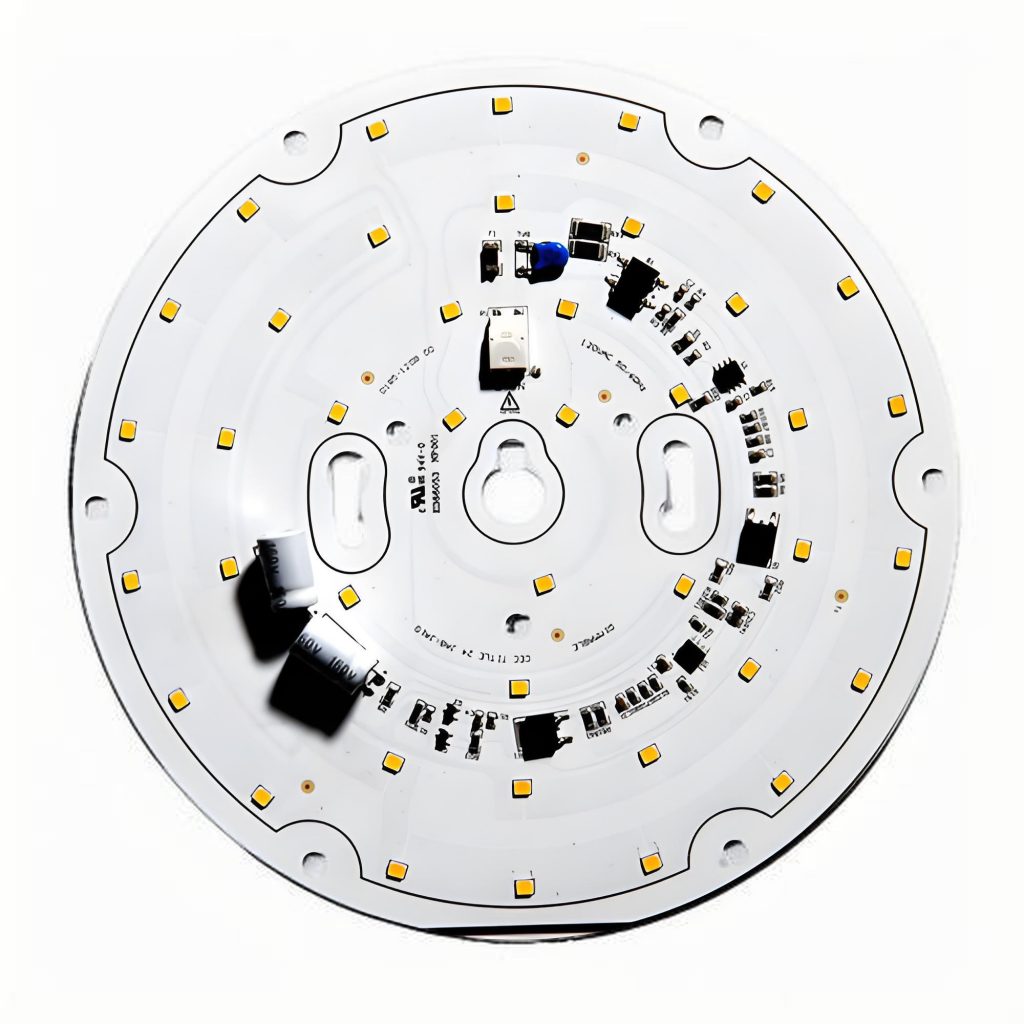
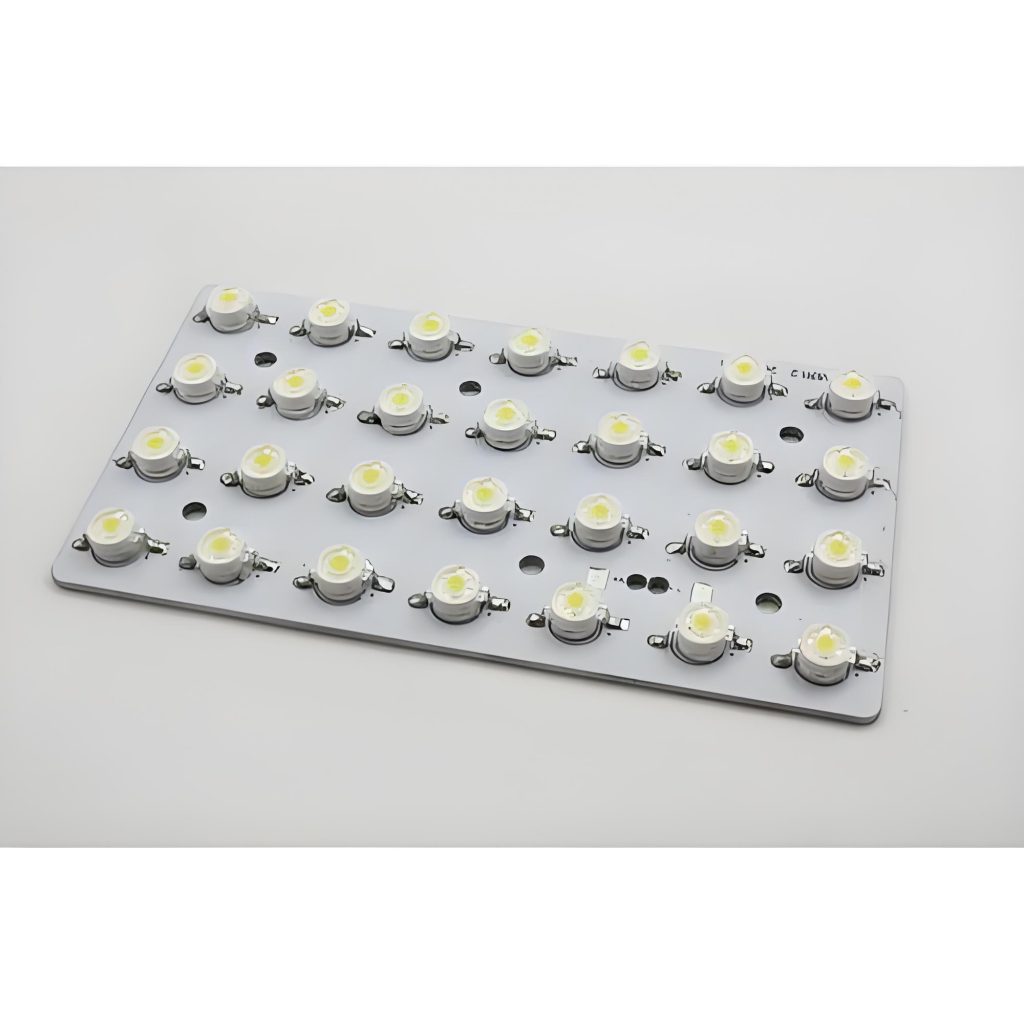
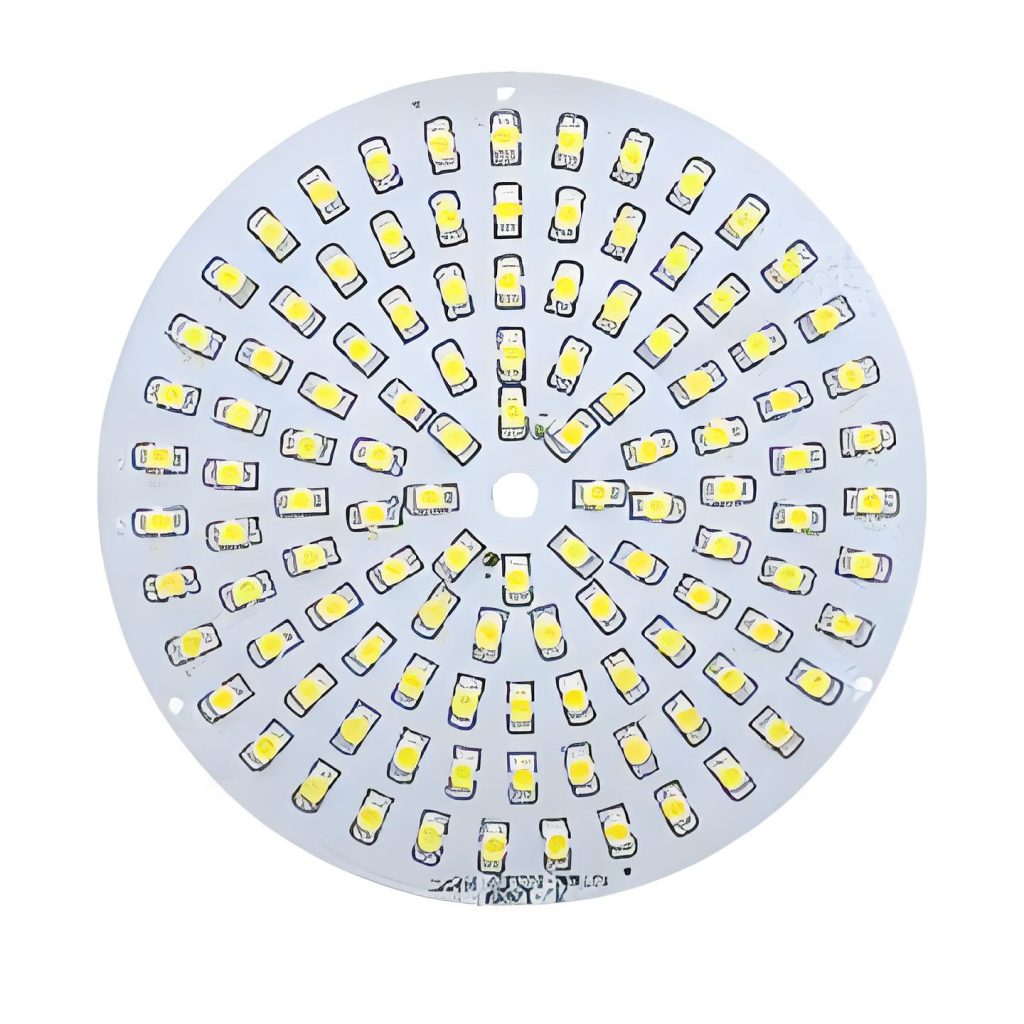
SMD LED PCB Design, SMD LED PCB Board Manufacturer

March 24th, 2025

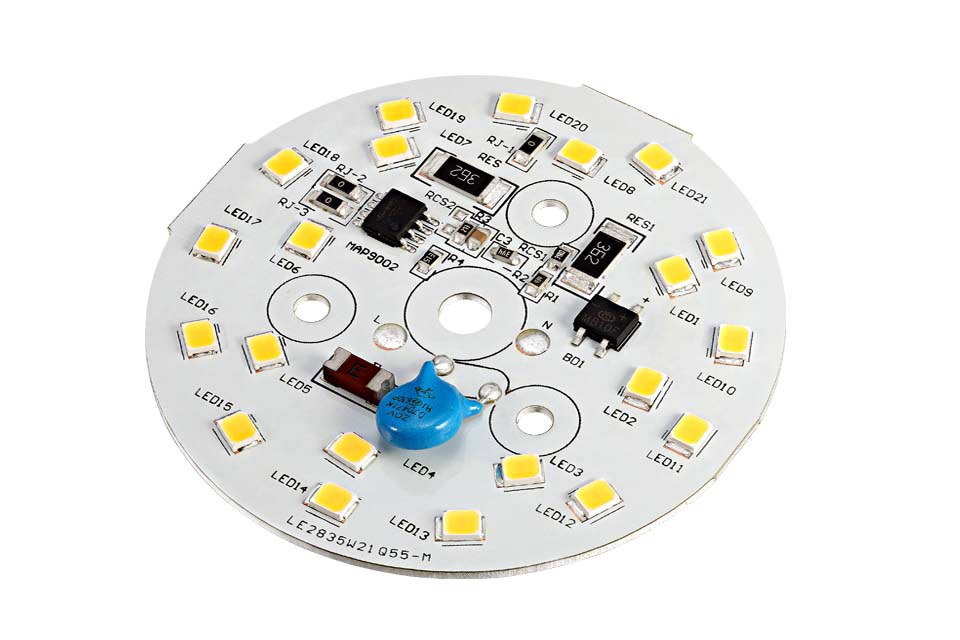
Today let us explore everything about SMD LED PCB, their advantages, design tips, and the main differences between SMD LED and COB LED PCBs together.

At Best technology, we focus on one stop solution PCB solution for SMD LED PCB over 18 years, and we have a SMT patch line that can support mass production with fast delivery. And we can provide you PI Analysis, SI Analysis, EMC Testing with the SMD LED PCB you designed. Then we can provide you with one piece MOQ rapid prototyping at 24-72 hours delivery. Welcome to contact us sales@bestpcbs.com if you have any request for SMD LED PCB.

What Is SMD LED PCB ?

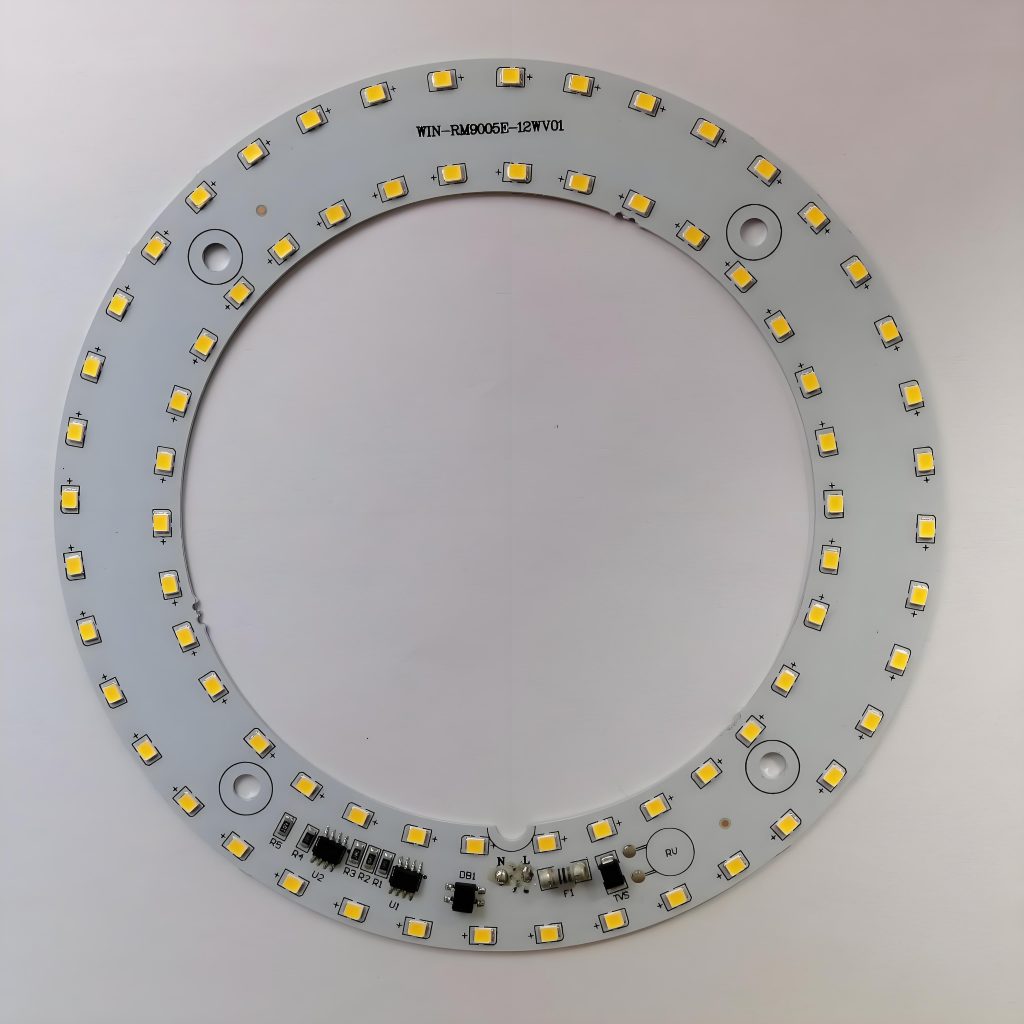
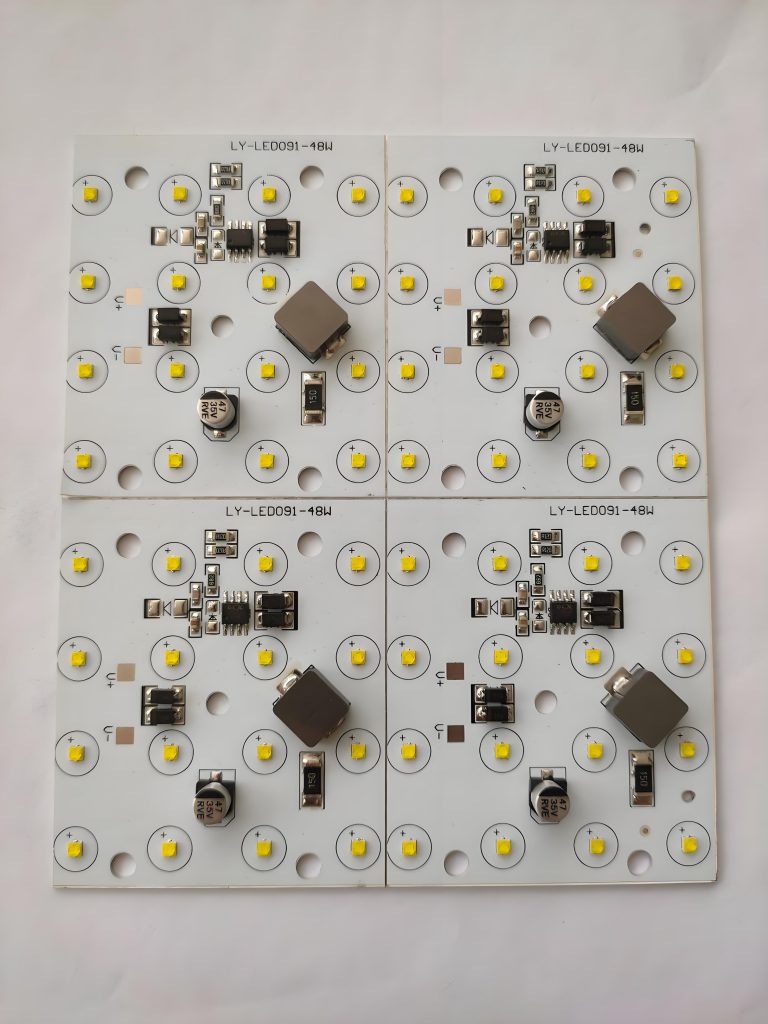
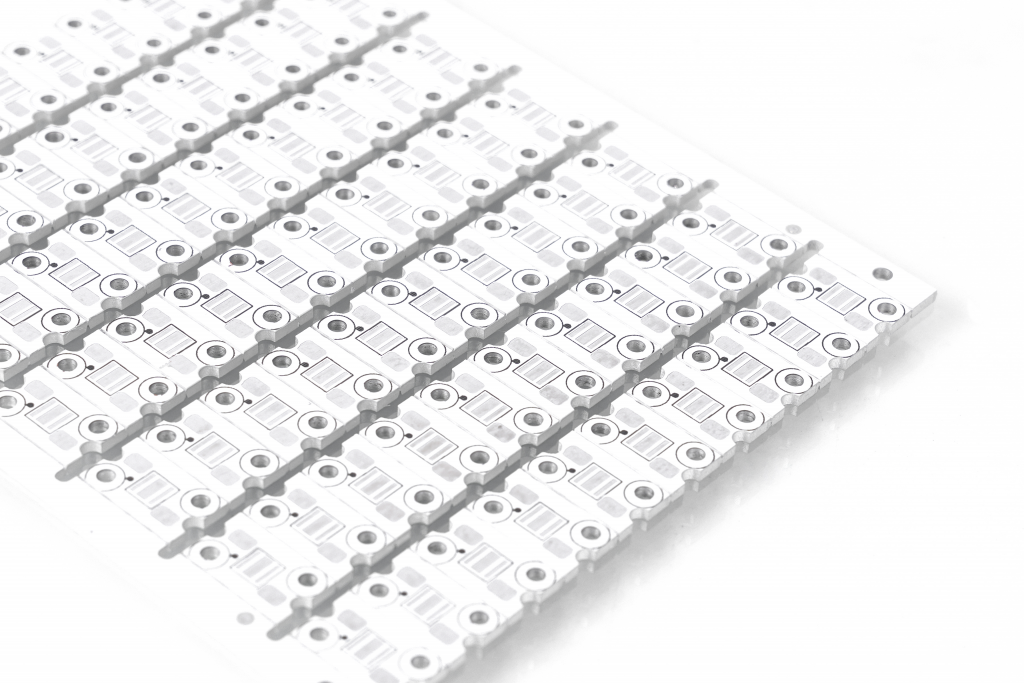
SMD LED PCB, or Surface-Mounted Device Printed Circuit Board, is designed specifically for mounting and connecting SMD LEDs, which are compact and efficient light sources. Unlike traditional through-hole LEDs, SMD LEDs are mounted directly onto the surface of the PCB, saving space and enabling more intricate designs. These boards are commonly used in modern electronics, offering versatility in applications like lighting, displays, and automotive systems.
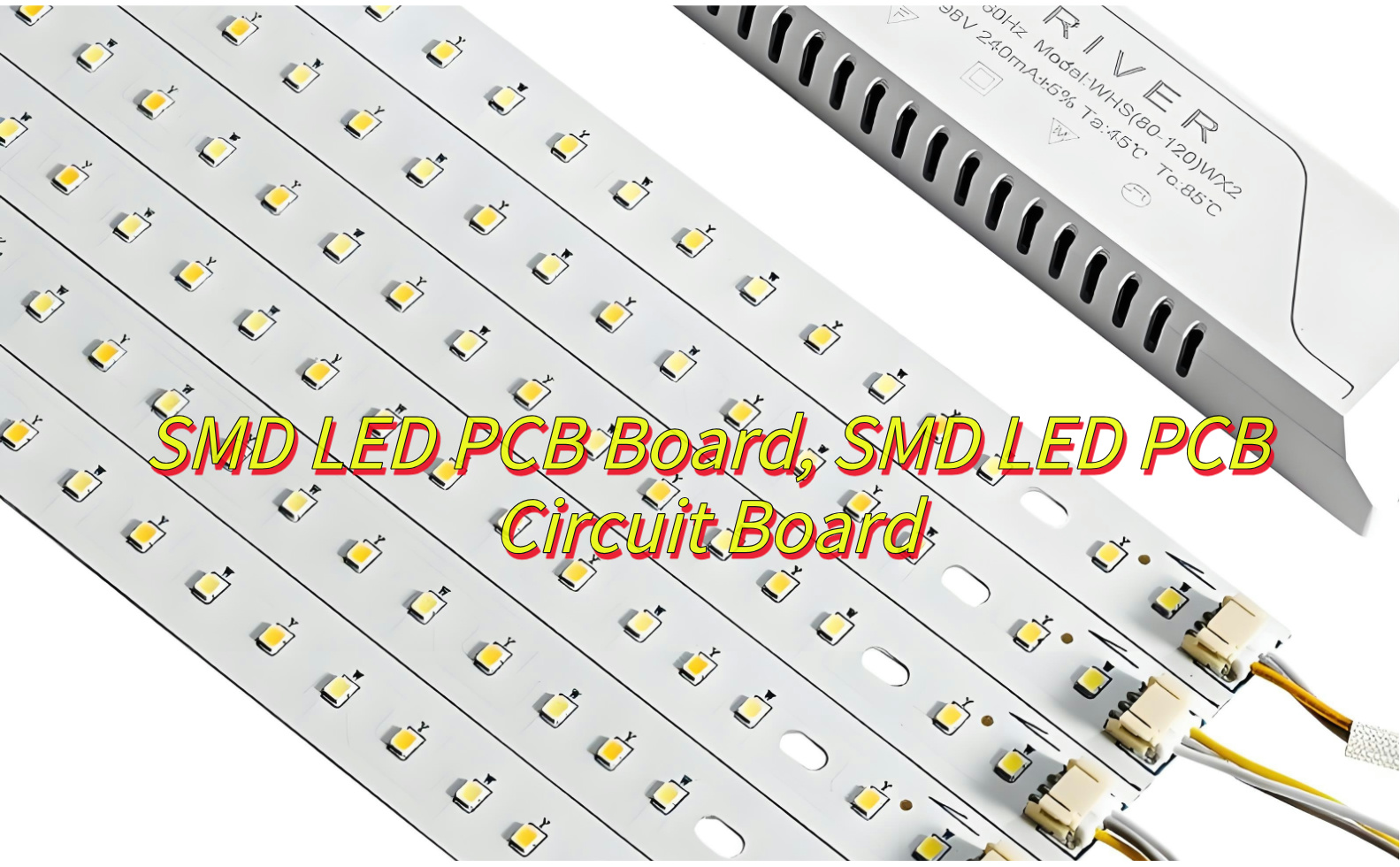
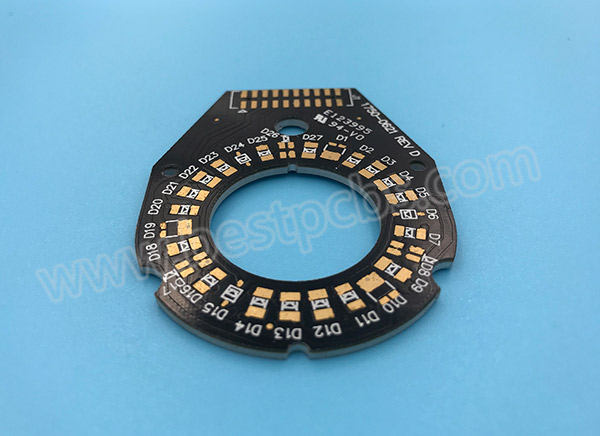
SMD LED PCB board

‌What Are the Advantages of SMD LED PCB Board?

  • ‌Space Efficiency‌: 50–70% smaller than traditional through-hole LED designs.
  • ‌High Brightness‌: Achieves 100–200 lumens per watt (e.g., Samsung LM301B SMD LEDs).
  • ‌Thermal Management‌: Aluminum-core PCBs reduce junction temperatures by 15–25°C vs. FR4.
  • ‌Energy Savings‌: 30–50% lower power consumption than COB LEDs in task lighting.
  • ‌Design Flexibility‌: Supports circular, hexagonal, or custom-shaped boards.
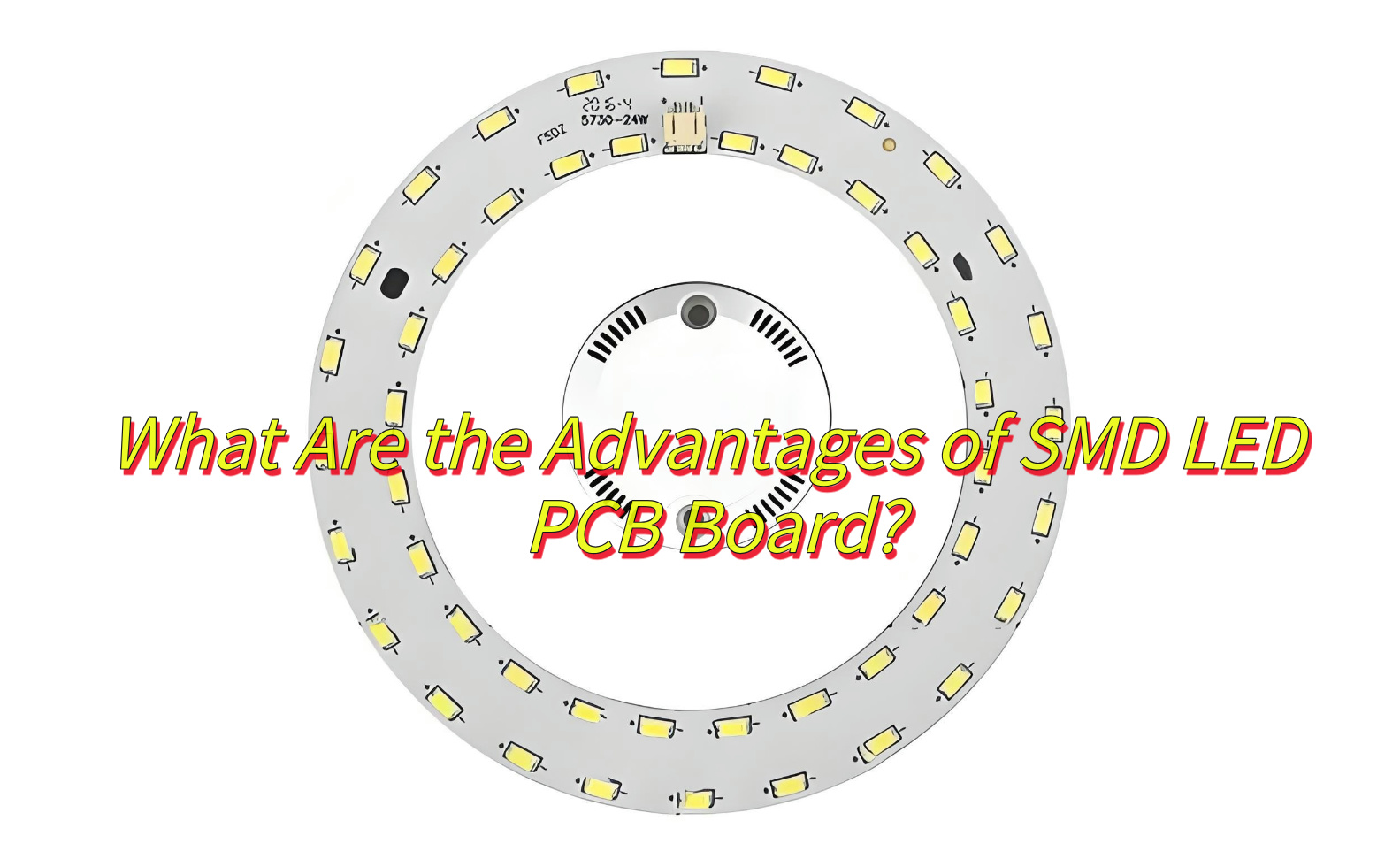
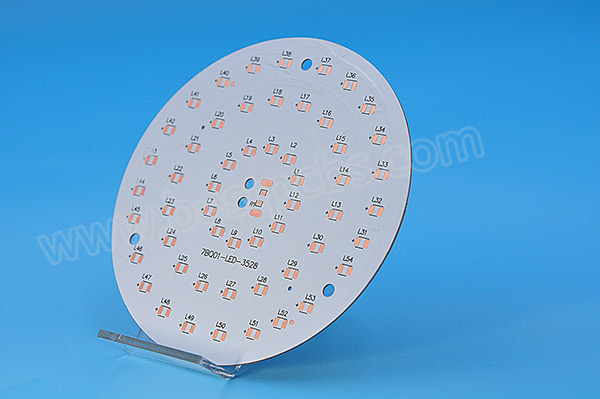
SMD LED PCB circuit pcb

‌What Are the Disadvantages of LED SMD PCB?

  • ‌Poor heat dissipation‌-low power is prone to overheating, high power requires aluminum substrate, but the price is high.
  • ‌Difficult to repair‌-dense patches, replacement of easily damaged peripherals.
  • ‌Strict process‌-precision equipment is required, manual soldering is prone to false soldering.
  • ‌Easy to damage‌-lamp beads are exposed, afraid of collision and bending.
  • ‌Uneven light‌-grainy, poor brightness.
  • ‌Not resistant to dirt‌-afraid of moisture and dust, easy to age outdoors.

‌How to Choose a SMD LED PCB?

  • ‌Scene Matching‌: SMD is used in common scenes, such as outdoor advertising and stage rental screens, which are low-cost.
  • ‌Material Matching‌: FR-4 is selected for low power, and aluminum substrate is used for high power/heat dissipation.
  • ‌Reliable Process‌: Precision welding equipment to avoid cold soldering.
  • ‌Density Selection‌: High density (such as P1.2+) is more delicate when viewed up close, and low density saves costs.
  • ‌Protection Adaptation‌: Moisture and dustproof is required outdoors, and simplified protection is required indoors to reduce costs.
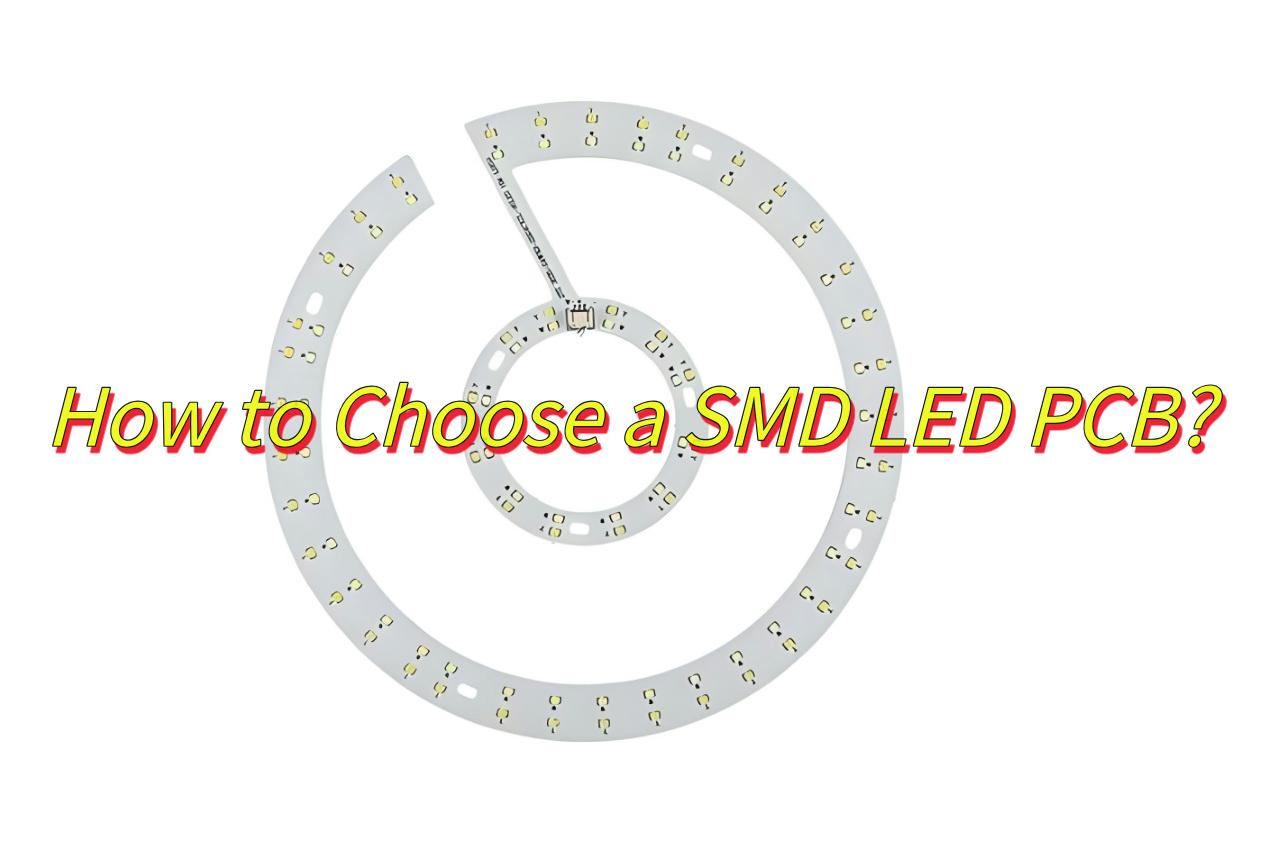
SMD LED PCB

How to Design a SMD LED PCB Board?

Here are main steps for SMD LED PCB board design:

1.‌ Thermal Design‌: Use 1.5–2mm thick aluminum PCBs for >3W LEDs. And add thermal vias under LED pads (0.3–0.5mm diameter).

2.‌ Trace Width‌: 0.5mm traces for 1A current (FR4) / 0.3mm (aluminum).

3.‌ Pad Layout‌: Match pad dimensions to LED specs (e.g., 2.8×3.5mm for 2835 LEDs).

4. Optical Spacing‌: Maintain 5–10mm between LEDs to avoid color mixing.

5. Circular PCB Design Tips‌: Rotate LED placement at 15–30° angles for uniform illumination.
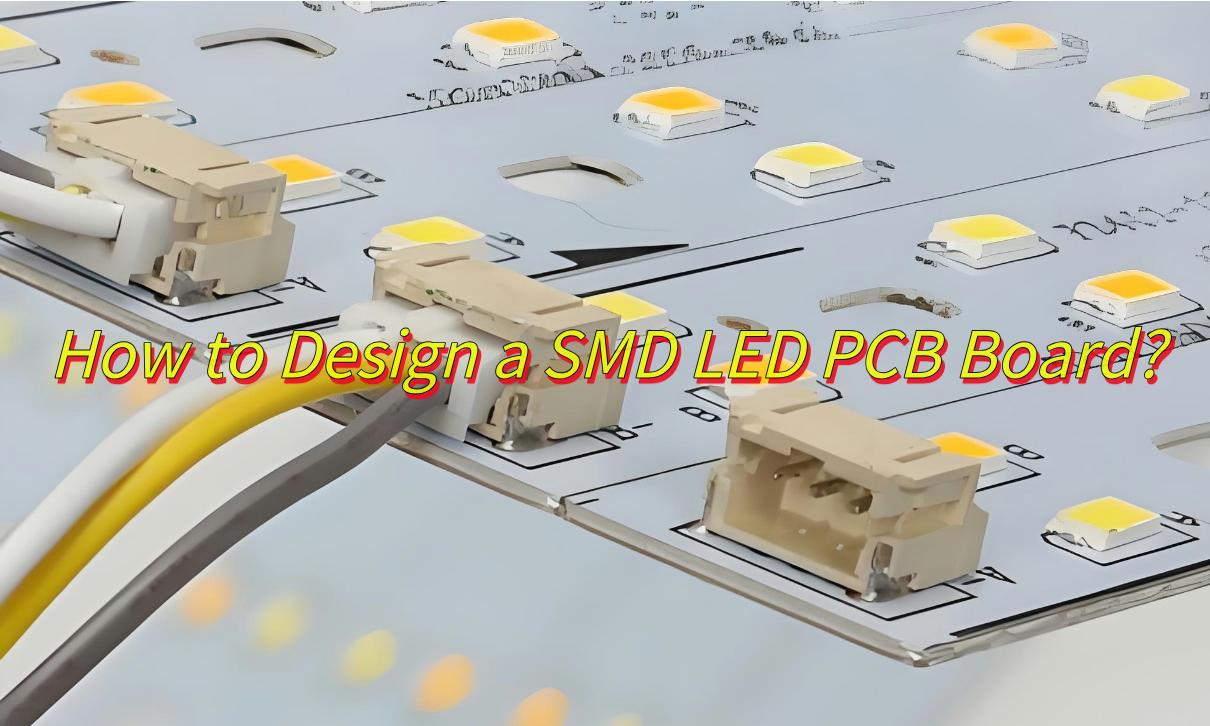
SMD LED PCB Board

If you have any other issues with SMD LED PCB design, please feel free to leave a message below this blog.

SMD LED PCB Board Manufacturer

As a SMD LED PCB board manufacturer, EBest Circuit (Best Technology), establish on June 28, 2006, is a Hong Kong registered company whom specialize in one stop solution PCB solution for SMD LED PCB. We are dedicated to be your best partner of advance and high-precision SMD LED PCB boards manufacturer. Here are more information about us:

  • With SMT patch production line, AOI/X-RAY inspection equipment
  • Obtained RoHS, ISO, UL certificates that can promise quality assurance.
  • Provide expedited proofing service, and ship within 24 hours at the fastest
  • Provide DFM data analysis service, predict problems encountered in design in advance, and reduce production costs
  • One-to-one customer service online 24 hours a day to answer your product questions.

If you want to get a quote for your case, please feel free to contact us.

Which is better SMD LED PCB or COB LED PCB?

‌Packaging method‌

  • SMD: independent lamp bead patch, point light source.
  • COB: bare chip integration, surface light source.

‌Applicable scenarios‌

  • SMD: outdoor advertising screen, stage screen (pitch above P1.25).
  • COB: control room, medical screen (micro pitch below P1.25).

‌Display effect‌

  • SMD: slight graininess, no color difference when squinting.
  • COB: no graininess, color deviation may occur when squinting.

‌Maintenance and protection‌

  • SMD: lamp beads can be replaced individually, but easy to bump.
  • COB: fully sealed waterproof and dustproof, need to return to the factory for repair.

‌Power consumption and cost‌

  • SMD: high power consumption, low cost.
  • COB: 20-30% lower power consumption, 50% higher cost.

‌How Do You Know If a SMD LED Terminal Is Positive or Negative?‌

  • ‌Markings‌:Look for a green dot, notch, or “+” symbol on the anode.
  • ‌Pin Length‌: The anode (positive) pin is slightly longer in some packages.
  • ‌Datasheet Check‌: Cross-reference the part number (e.g., Cree X-Lamp XM-L2 anode = left pin).

In conclusion, that’s all about SMD LED PCB. At EBest Circuit (Best Technology), we specialize in producing high-quality LED SMD PCBs tailored to your needs, ensuring superior performance and durability. With over 18 years of experience in the industry, our commitment to excellence makes us a trusted partner in PCB manufacturing.
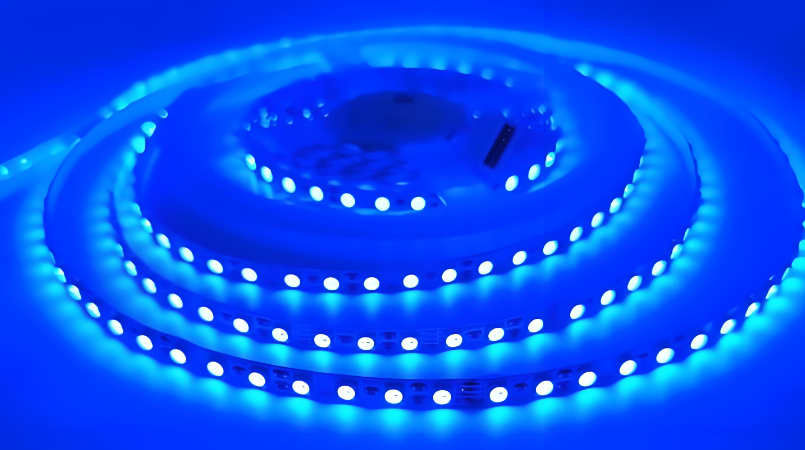
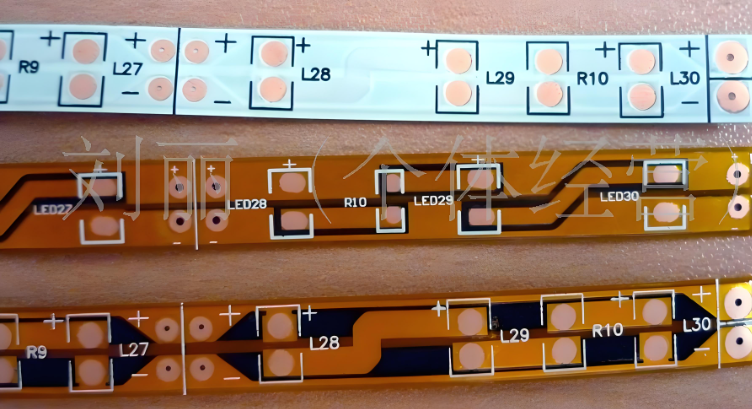
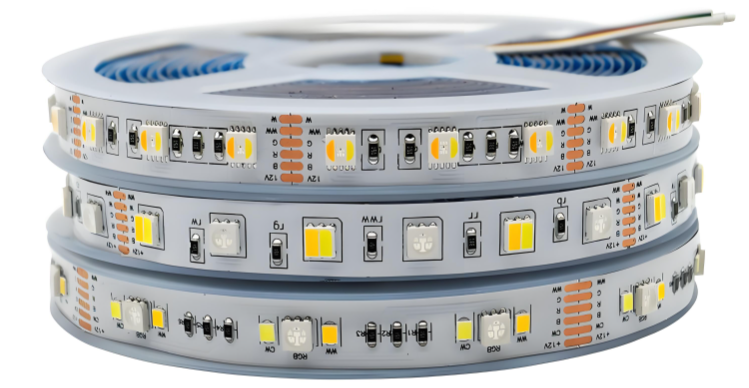
Flexible PCB for LED Strip, LED PCB Strip Manufacturer

March 24th, 2025

What is a Flexible PCB for LED Strip?

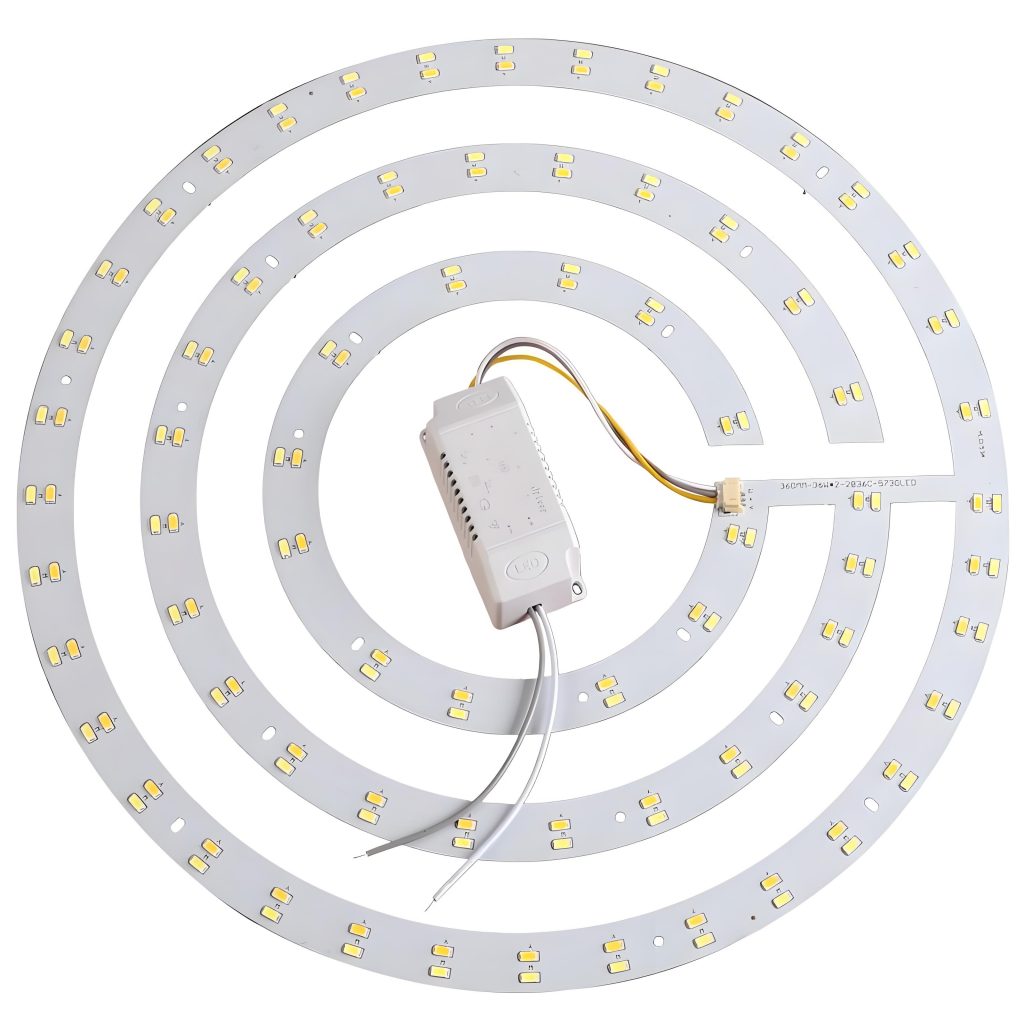
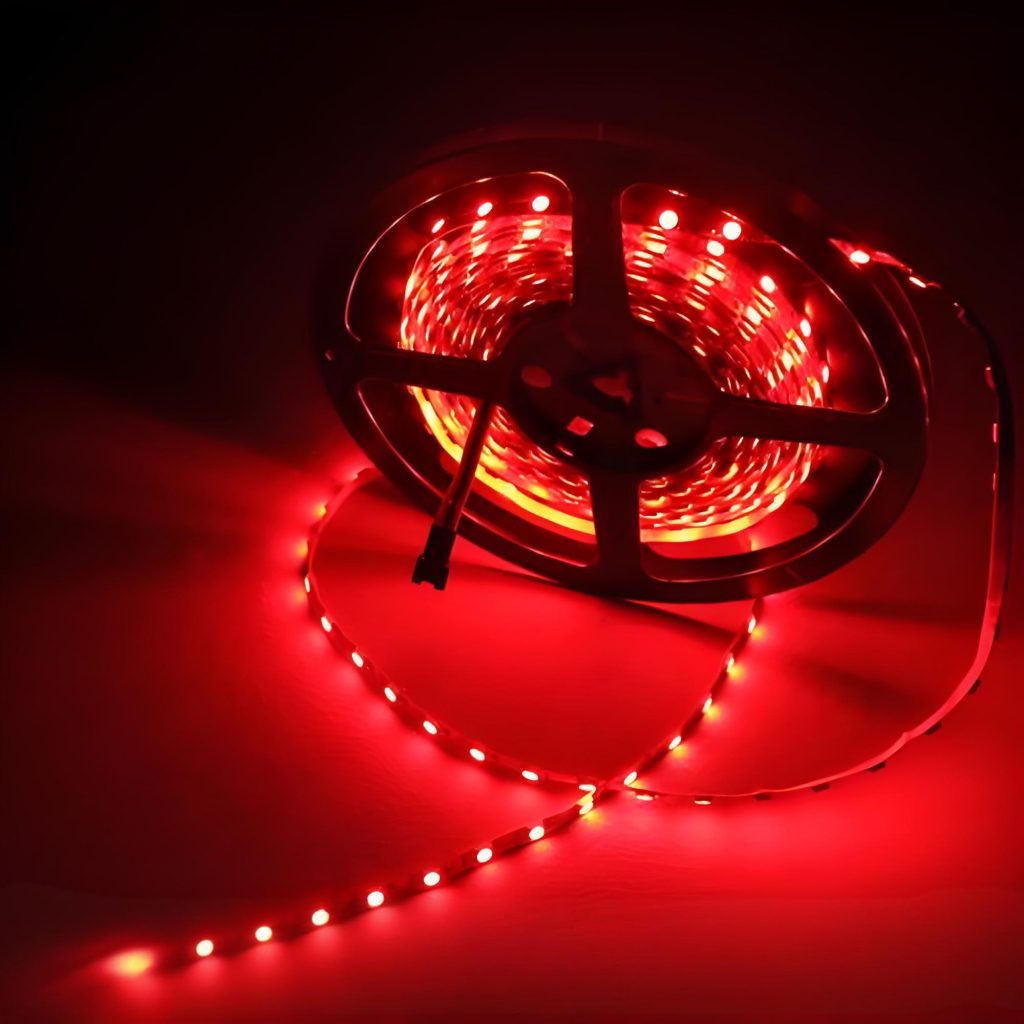
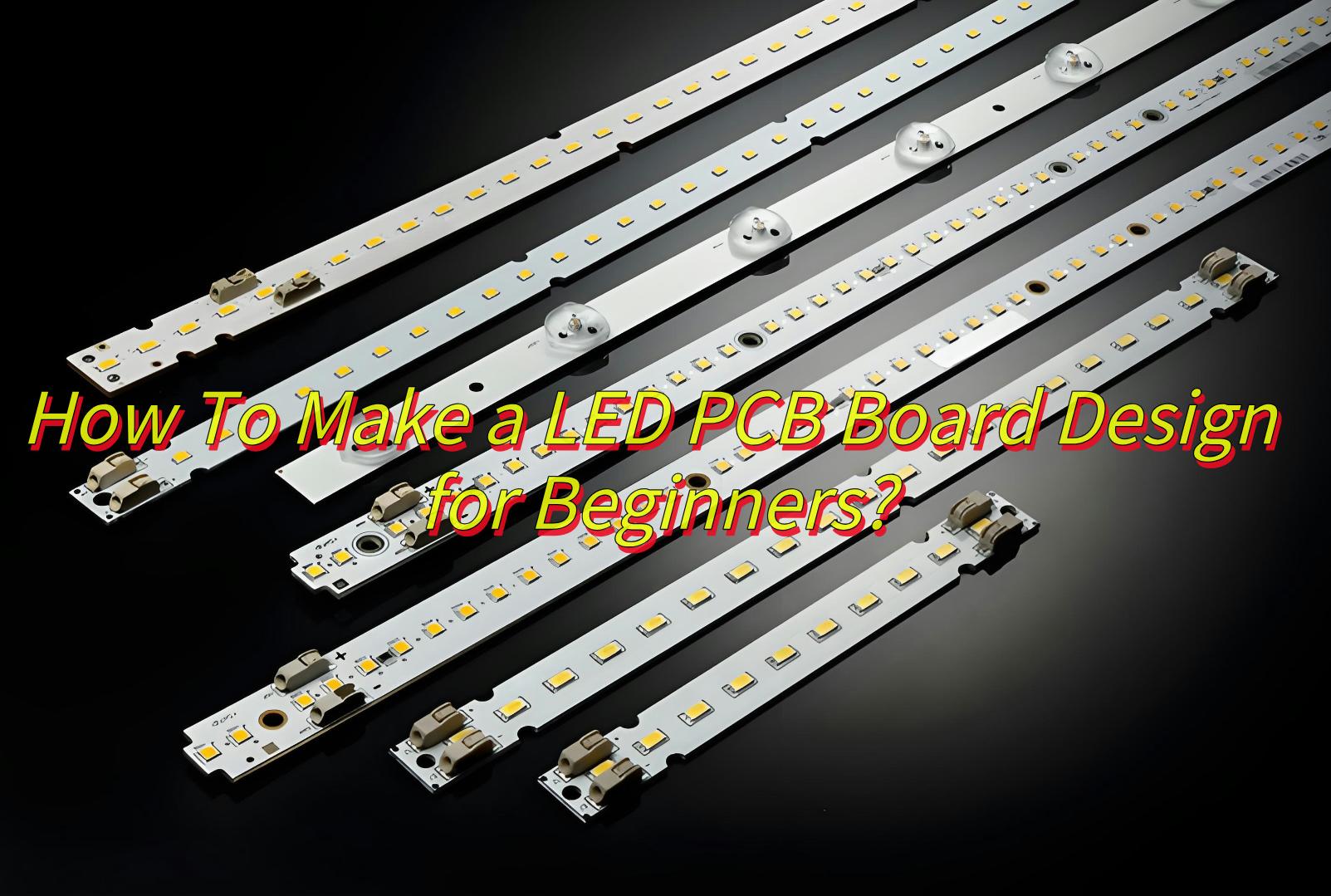
A flexible PCB for LED strip is a thin, bendable circuit board that holds LED components. Unlike rigid boards, it allows easy installation on curved surfaces. These PCBs are made with flexible base materials, such as polyimide or PET (polyethylene terephthalate), to support LED lighting applications that require flexibility, lightweight construction, and compact form factors. Unlike traditional rigid PCBs, flexible LED strips can be bent, twisted, or curved to fit various surfaces without breaking, so they are always used in wearable devices.

Flexible PCB for LED Strip, LED PCB Strip Manufacturer

Structure of a Flexible PCB for LED Strip

A flexible LED PCB strip consists of multiple layers that work together to provide electrical conductivity, mechanical strength, and heat dissipation:

  • Base Material (Substrate): The most common base material is polyimide (PI) due to its excellent flexibility, high-temperature resistance (up to 400°C), and durability. PET is used in cost-sensitive applications but has lower heat resistance.
  • Copper Layer: The conductive traces are made from rolled annealed (RA) copper or electrodeposited (ED) copper, typically 18”m (0.5oz) to 70”m (2oz) thick, depending on current requirements.
  • Adhesive Layer: Some flexible PCBs use adhesive-based or adhesiveless constructions to bond layers. Adhesiveless designs provide better thermal and electrical performance.
  • Solder Mask & Protective Coating: A flexible solder mask, such as PSR-9000FX from Taiyo, prevents oxidation and ensures insulation. Some LED strips use silicone or epoxy coatings for additional protection against moisture and dust.

Types of LED PCB Strip

LED PCB strips are classified based on the base material used for the PCB, which affects flexibility, heat dissipation, and durability. The most common types include FR4, aluminum, flexible polyimide, and ceramic PCBs (though copper base material has very good thermal conductivity, its heavy weight limited its usage in led PCB strip design).

  • FR4 LED PCB Strip: FR4 is a fiberglass-reinforced epoxy laminate that offers mechanical strength and cost-effectiveness. It has a low thermal conductivity (~0.3W/m·K), so it always used into low-power LED strips that do not generate excessive heat. However, it lacks flexibility, limiting its use in curved or flexible applications.
  • Aluminum LED PCB Strip: Aluminum-backed PCBs are designed for high-power LED applications, where efficient heat dissipation is critical. With a thermal conductivity of 1.0–3.0W/m·K, they outperform FR4 in heat management, ensuring longer LED lifespan and stable performance. These strips are commonly used in outdoor lighting, automotive headlights, and industrial applications.
  • Flexible Polyimide LED PCB Strip: Polyimide-based PCBs provide superior flexibility, allowing LED strips to bend without breaking. These PCBs typically have a thickness of 25–50”m, they are ideal for wearable lighting, signage, and decorative applications. While they do not dissipate heat as efficiently as aluminum PCBs, adding thermal vias can improve heat transfer.
  • Ceramic LED PCB Strip: Ceramic PCBs, such as aluminum oxide (Al₂O₃) and aluminum nitride (AlN), are used for high-temperature LED applications. They have an exceptional thermal conductivity of up to 180W/m·K (AlN). Due to it is expensive and classified into a kind of high-end product, it is mostly used in aerospace applications, where extreme durability is required.
Flexible PCB for LED Strip, LED PCB Strip Manufacturer

Advantages of LED PCB Strip

  • Space-saving design – Thin and flexible, can be used in tight spaces that rigid PCB can’t achieve.
  • Durability – Resistant to bending, vibrations, and mechanical stress.
  • Heat dissipation – Transfers heat efficiently, improving LED lifespan.
  • Energy efficiency – Supports low power consumption, reducing costs.
  • Lightweight – Reduces overall weight in applications like automotive and wearable tech.
  • Customizable – Allows different layouts, colors, and LED densities, various material base available.

LED PCB Strip Design Considerations

Designing an LED PCB strip requires careful consideration of electrical, thermal, mechanical, and environmental factors to ensure efficiency, durability, and reliability. Here EBest Circuit (Best Technology) listing some must-have to smooth your design phase:

1. Power Distribution: Voltage drops can cause inconsistent brightness, especially in long LED strips. For every 1-meter length, a 12V LED strip can lose 0.5V to 1V due to resistance. To prevent this, using parallel power feeds and power injection every 2–5 meters helps maintain stable voltage and brightness.

2. Current Handling: The copper thickness directly affects the strip’s ability to handle current. A 1oz (35”m) copper layer can safely carry up to 1.5A per mm of trace width, while a 2oz (70”m) copper layer can handle about 2.4A per mm. Selecting the right copper weight reduces resistance and prevents overheating, especially for high-power LED strips drawing more than 3A per meter.

3. Voltage Selection: Choosing the correct voltage improves efficiency. A 5V LED strip is best for short lengths but has higher current draw, while 12V and 24V LED strips offer better efficiency and lower current demand. A 24V strip allows longer runs (up to 10m) without noticeable voltage drop, making it ideal for commercial installations.

4. Heat Dissipation: LEDs convert 20-40% of electrical energy into light, with the rest generating heat. Aluminum-backed PCBs can dissipate heat 3-5 times more efficiently than standard FR4, reducing the risk of LED failure. Thermal vias with 0.3-0.5mm hole diameter can also improve heat dissipation by transferring heat from LED pads to the copper layers below.

5. Material Selection: FR4 PCBs are commonly used but have low thermal conductivity (~0.3W/m·K), making them less effective for heat dissipation. Polyimide flexible PCBs are better for bendable applications but require additional thermal management. Aluminum PCBs provide superior thermal conductivity of 1.0-3.0W/m·K, making them ideal for high-power LED applications.

6. Bendability and Flexibility: Flexible LED strips should maintain a minimum bend radius of 10mm to avoid stress fractures. For extreme flexibility, a polyimide PCB with 50”m thickness can be used. Components should be placed at least 1.5mm away from bending zones to prevent mechanical stress and circuit damage.

Flexible PCB for LED Strip, LED PCB Strip Manufacturer

LED PCB Strip Applications

  • Automotive lighting – Interior and exterior vehicle lighting.
  • Home and commercial lighting – Decorative and functional lighting solutions.
  • Wearable technology – Integrated into smart clothing and accessories.
  • Medical devices – Used in diagnostic tools and surgical lights.
  • Signage and displays – Ideal for advertising boards and digital screens.
  • Consumer electronics – Found in keyboards, gadgets, and ambient lighting.

Best Flexible PCB for LED Strip Manufacturer – EBest Circuit (Best Technology)

When selecting a flexible LED PCB strip manufacturer, quality and reliability matter. EBest Circuit (Best Technology) has been producing LED PCB strips for over 18 years. They offer:

  • High-quality materials – Ensuring durability and performance.
  • Customization options – Tailored designs to meet specific needs.
  • Advanced manufacturing – Cutting-edge technology for precise production.
  • Fast delivery – Efficient processes to meet deadlines.
  • Excellent customer service – Professional support from design to delivery.

FAQs of LED PCB Strip

1. What is the lifespan of a flexible LED PCB strip?

With proper materials and design, an LED PCB strip can last over 50,000 hours.

2. Can flexible PCB strips handle high temperatures?

Yes, polyimide-based PCBs offer good heat resistance, but additional cooling may be needed.

3. Are flexible LED PCBs waterproof?

Some designs include waterproof coatings or encapsulation for outdoor use.

4. What is the best material for a flexible PCB?

Polyimide is the most durable and heat-resistant option.

5. Can I cut an LED PCB strip?

Yes, but it should be cut at designated points to avoid damage.

For the best flexible PCB for LED strip, EBest Circuit (Best Technology) offers customized, high-quality solutions. Contact us today to discuss your project!

MCPCB LED​ Design, Prototype, LED MCPCB Manufacturer​

March 24th, 2025

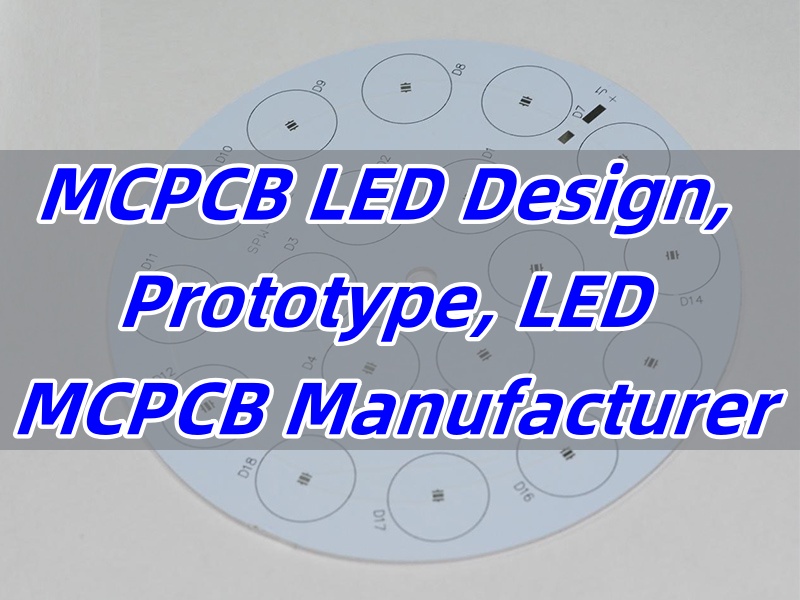
LED MCPCB, or Metal Core Printed Circuit Board, plays a crucial role in the performance and longevity of modern LED lighting systems. By efficiently dissipating heat, it ensures that LEDs operate at their best, even in high-power applications. As the demand for more energy-efficient and durable LED solutions grows, LED MCPCB has become an essential component in industries ranging from automotive lighting to consumer electronics. In this blog, we’ll explore the different types of LED MCPCBs, the design process, their key advantages.

As a professional LED MCPCB manufacturer, EBest Circuit (Best Technology) specializes in MCPCB LED design solutions. We offer high-quality MCPCB LED prototype, MCPCB LED assembly with innovative LED PCB board designs. Whether you need an LED bulb MCPCB or an MCPCB LED strip, feel free to contact us at sales@bestpcbs.com. We’ll provide you with a competitive LED MCPCB price as quickly as possible. Choosing the right LED MCPCB manufacturer, like EBest Circuit (Best Technology), is vital for ensuring the optimal performance of your LED systems.

MCPCB LED Design, Prototype, LED MCPCB Manufacturer

What is an MCPCB LED?

LED MCPCB, or Metal Core Printed Circuit Board, is a specialized PCB designed to improve thermal management in LED applications. Unlike standard PCBs, MCPCBs use a metal core, typically aluminum or copper, to efficiently dissipate heat. This design extends LED lifespan, enhances performance, and ensures stable operation even in high-power applications.

LEDs generate a lot of heat, and if it is not managed properly, performance drops, and the lifespan shortens. MCPCBs help solve this issue by transferring heat away from LEDs to prevent overheating. This is why they are used in applications where bright and long-lasting illumination is necessary. From LED bulbs to automotive lighting and streetlights, LED MCPCB boards are essential for efficient performance.

MCPCB LED Design

What is the Difference Between FR4 and MCPCB?

To better understand the advantages of MCPCB, let’s compare it with traditional FR4 PCBs. MCPCB VS Regular PCB: What are Differences? The main difference lies in thermal conductivity. FR4 PCBs use fiberglass material with low heat dissipation, making them less suitable for high-power LEDs. MCPCBs, on the other hand, feature metal cores with thermal conductivity ranging from 1.0W/mK to 4.0W/mK, effectively transferring heat away from LEDs. This reduces overheating risks and improves efficiency.

Material Composition: FR4 is made of epoxy and fiberglass, while MCPCB consists of metal (usually aluminum or copper).

Heat Dissipation: MCPCB is far superior in handling heat compared to FR4.

Durability: MCPCB can withstand extreme conditions better than FR4.

Cost: FR4 is cheaper but lacks thermal efficiency.

When designing LED circuits, using MCPCB ensures stable and long-lasting performance, especially in high-power applications.

What Are the Different Types of LED MCPCBs?

There are several types of LED MCPCBs based on design and application needs:

Single-Layer MCPCB: A single conductive layer on a metal core, used in simple circuits like LED bulbs and small lighting fixtures.

Double-Layer MCPCB: For more complex designs, double-layer MCPCBs are often used. Two conductive layers separated by an insulating layer, suitable for more complex designs such as LED drivers and automotive lighting.

Multi-Layer MCPCB: Multiple conductive layers, ideal for high-performance LED applications like medical equipment and industrial lighting.

Flexible MCPCB: Designed with bendable insulating materials for non-traditional shapes, used in wearable tech and curved LED strips.

Each type serves specific applications, and selecting the right one depends on the complexity and power requirements of the LED system.

MCPCB LED Prototype

What Are the Key Steps in LED PCB Design?

Designing an LED MCPCB requires several steps to ensure efficiency and performance:

Define Requirements: Determine electrical and thermal needs based on LED type and power. Once the requirements are clear, the next step is material selection.

Select Materials: Choose between aluminum and copper based on heat dissipation needs.

Create Circuit Schematic: Map out LED placements and connections.

Optimize Layout: Arrange components for efficient thermal performance.

Perform Thermal Analysis: Simulate heat dissipation to identify potential issues.

Develop Prototypes: Test the design under real conditions.

Conduct Testing: Ensure electrical and thermal stability before mass production.

A well-designed LED MCPCB improves efficiency, reduces failures, and ensures the best performance in real-world applications.

How to Remove LED Die on MCPCB?

Removing an LED die from an MCPCB must be done carefully to avoid damage:

Turn Off Power: Disconnect the board from power sources.

Apply Heat: Use a soldering iron or heat gun to soften the adhesive or solder. Once the adhesive or solder is softened, the LED die can be safely removed.

Remove LED Die: Use tweezers to lift the LED gently once loosened.

Clean the Surface: Remove residual solder or adhesive for a clean reinstallation.

This process is necessary when replacing faulty LEDs or upgrading components in an LED MCPCB.

What Are the Advantages of LED MCPCB?

LED MCPCB provides multiple advantages over traditional PCB designs:

Superior Heat Dissipation: Prevents overheating and extends LED life.

Increased Reliability: Withstands high temperatures without performance loss.

Compact and Efficient Design: Supports high-density LED placement.

Stronger Mechanical Support: Metal core enhances durability and stability.

Better Power Efficiency: Reduces energy waste by maintaining optimal LED temperature.

These benefits make MCPCB LED boards suitable for a wide range of applications, particularly those requiring high performance and longevity.

LED MCPCB Manufacturer

What Are the Applications of LED MCPCB?

LED MCPCBs are widely used in various industries due to their efficiency and reliability:

Automotive Lighting: Used in headlights and signal lights for better durability.

Consumer Electronics: Found in LED TVs, mobile screens, and backlighting.

Aerospace: Essential in aircraft lighting systems requiring high stability.

Medical Equipment: Applied in surgical and diagnostic lighting systems.

Industrial and Street Lighting: High-power LEDs require MCPCBs to function efficiently under extreme conditions.

LED Grow Lights: Used in indoor farming where heat management is essential.

As LED technology continues to advance, the demand for high-quality MCPCBs will only grow.

Why Should You Choose EBest Circuit (Best Technology) as Your LED MCPCB Manufacturer?

EBest Circuit (Best Technology) stands out as a trusted LED MCPCB manufacturer, delivering high-quality solutions with advanced technology and exceptional service. Here’s why we are the right choice for your LED MCPCB needs:

1. Over 18 Years of Industry Expertise

With nearly two decades of experience, EBest Circuit (Best Technology) has been providing top-quality MCPCBs for various industries. Our team includes skilled R&D professionals and engineers with over 10 years of expertise, ensuring technical excellence. Backed by a strong management team, we respond to customer inquiries within 12 hours, no matter where you are, and always ensure on-time delivery.

2. Comprehensive Customization Options

Equipped with in-house core technology, including a thermal conductivity value tester and laminator, we can manufacture MCPCBs with high thermal efficiency and specialized parameters. Our ability to produce custom designs quickly allows us to meet the unique requirements of different applications.

3. Strict Quality Control Standards

Quality is at the heart of everything we do. Our engineers, each with over a decade of experience, ensure that every product meets the highest industry standards. We comply with UL, REACH, RoHS, ISO9001, ISO13485, IATF16949, and AS9100D certifications. Our goal is to deliver defect-free products that fully align with customer specifications, guaranteeing exceptional quality in every part we manufacture.

4. State-of-the-Art Manufacturing Facilities

Our facility is equipped with advanced computer-controlled auto-routing and V-cutting machines, enabling precise and efficient production. We specialize in high thermal conductivity MCPCBs (up to 3W/mK), heavy copper boards (up to 10 ounces), ultra-thin MCPCBs (0.3mm), and COB PCBs. Additionally, we are one of only three manufacturers in mainland China producing metal core PCB thermal dielectric raw materials, setting us apart in the industry.

By choosing EBest Circuit (Best Technology), you gain a reliable partner dedicated to delivering high-performance LED MCPCB solutions that meet and exceed industry standards.

MCPCB LED​

In conclusion, LED MCPCB plays a crucial role in modern LED applications, enhancing performance through superior heat dissipation. Understanding the different types, design steps, and applications helps in making the right choices for various industries. Choosing a trusted manufacturer like EBest Circuit (Best Technology) guarantees high-quality LED MCPCB solutions tailored to specific needs.

EBest Circuit (Best Technology) implement strict quality control at every stage, from LED MCPCB raw materials to the LED MCPCB making machine and LED MCPCB testing machine. If you need the MCPCB LED 9W price or have any other inquiries, feel free to contact us at sales@bestpcbs.com. We are committed to fast responses, efficient manufacturing, and consistently delivering high-quality products. EBest Circuit (Best Technology) will be your reliable partner in China.

LED PCB Board Design, LED PCB Board Manufacturer

March 24th, 2025

Looking for a reliable LED PCB board manufacturer? Learn about LED PCB board design, manufacturing process, and how to reduce costs effectively in this blog.

Best technology, a LED PCB board manufacturer, we focus on LED PCB Board design and manufacturing for 18 years. We provide one-stop PCB solutions and PCBA service for LED PCB board to achieve fast delivery. we can provide DFM analysis for led board design, which can predict production issues in advance and reduce production costs a lot.‌ Then we have obtained ISO 9001, RoHS and UL We have obtained ISO 9001, RoHS and UL certification, so we can provide you high quality PCB products If you’re interested in our service, welcome to contact us sales@bestpcbs.com.  â€Œ

What Is LED PCB Board?

LED PCB board is a type of printed circuit board specifically designed to support and power light-emitting diodes (LEDs). These boards use materials with high thermal conductivity, such as aluminum, to efficiently dissipate heat generated by LEDs. LED PCBs are widely used in applications like automotive lighting, display screens, medical devices, and general illumination systems.

LED PCB Board

What Are the Advantages of LED PCB Board?

  • Excellent heat dissipation: The aluminum substrate dissipates heat quickly through thermal conductive media, protecting components from high temperatures.
  • High energy efficiency: LED light sources consume 80% less power than traditional incandescent bulbs and have a lifespan of over 20,000 hours.
  • Strong reliability: Resistant to high temperatures, humidity, and impact, suitable for harsh environments.
  • Flexible design: Customizable in size, shape, and circuit layout, adaptable to different application scenarios.
  • Environmental friendliness: Aluminum materials are recyclable, reducing resource waste and environmental pollution.
LED PCB Board

How to Design LED PCB Board?

Here’re steps for LED PCB board design:

1. Circuit design

  • Determine the power supply type: constant voltage (with current limiting resistor) or constant current (dedicated driver chip).
  • Calculate the total current: single LED current × quantity, ensure that the power margin is ≄20%.

2. Wiring rules:

  • Main current path line width ≄1.5mm (1A current corresponds to 0.5mm width).
  • Signal line width ≄0.2mm, spacing ≄0.3mm.
  • Add protection circuit: TVS surge protection, reverse connection protection diode.

3. ‌Layout optimization‌

  • LED spacing: evenly distributed according to the light-emitting angle to avoid dark areas.
  • High-heat area: reserve heat dissipation copper foil around high-power LEDs (copper plating area ≄2 times the LED size).
  • Partition isolation: high-voltage and low-voltage circuits are placed separately, and high-frequency signal lines are short and straight.

‌4. Heat dissipation design

  • A heat sink (thickness ≄3mm) is attached to the back of the aluminum substrate, and thermal grease is applied.
  • Add heat dissipation holes: hole diameter 0.5-1mm, spacing ≀5mm.
  • High-temperature area: install temperature sensor or thermistor.

5. PCB prototyping verification

  • Visual inspection: whether the pad size and aperture match the LED pin;
  • Power-on test: step-by-step voltage boost (0V→rated voltage), monitor current and temperature rise.
  • Aging test: run at full load for 24 hours to confirm that there is no light decay or solder joint virtual connection.

Then next step you can find move your Gerber file to production.

What Is LED PCB Manufacturing Process?

Here are LED PCB manufacturing processes:

  • Cutting substrates ‌: Cut aluminum substrates/FR-4 substrates according to the design size.
  • ‌Photoresist coating ‌: Evenly cover the surface of the substrate with a photosensitive resist layer.
  • ‌Exposure and development ‌: Irradiate the circuit pattern with ultraviolet light to wash away the uncured parts.
  • ‌Etching copper layer ‌: Use chemical liquid to remove excess copper foil to form a conductive circuit.
  • ‌Drilling: Mechanically drill LED pin holes, heat dissipation holes and fixing holes.
  • ‌Surface treatment ‌: OSP (anti-oxidation) or tin spraying (anti-oxidation, easy to solder).
  • ‌SMT patch ‌: Machine mounting of LED lamp beads, resistors, driver chips and other components.
  • ‌Reflow soldering ‌: High-temperature furnace melts solder and fixes components.
  • Electrical test & Functional test: Check short circuit, open circuit, and current consistency; Light up the LED to verify brightness, color temperature, and heat dissipation performance.
  • ‌Finished product assembly ‌: Add a heat sink, lens or shell, and package for shipment.

LED PCB Board Manufacturer

As a LED PCB Board Manufacturer, EBest Circuit (Best Technology) can provide the following service:

  • Rich Production Experience: 18 years’ experience in multi-layer LED PCB board design and production‌ and can handle production issues flexibly.
  • ‌Qualification Certification‌& DFM Analysis‌: Obtained ISO 9001, UL certification or RoHS compliance.
  • One-Stop PCB solution and PCBA service: Comprehensive services from design to final assembly.
  • Quick Turnaround Time& Affordable Price: Offer rapid delivery options ranging from 24 hours to 3 days at affordable price, accommodating urgent project needs.
  • Excellent Customer Service& Free Technical Support:  Provide customers with exclusive pre-sales and after-sales services and free technical support.
  • High-Quality Standards: Adheres to stringent quality standards, significantly reducing the need for reworks and ensuring reliable products.
LED PCB Board Manufacturer

If you want to know more about us, welcome to leave a message below this blog.

How to Choose a LED PCB Board Manufacturer?

Here are tips about how to choose a LED PCB board manufacturer:

  • Experience in LED PCB manufacturing for quality assurance.
  • Certifications (ISO, UL, RoHS) for safety and reliability.
  • One-stop PCB solution and PCBA service
  • Fast delivery and competitive price
  • Strong customer support for technical assistance.
LED PCB Board Manufacturer

How Much does LED PCB Cost?

1. Material Cost

  • FR4 (Standard PCB): Around $0.50–$5 per board.
  • Aluminum (Better heat dissipation): Around $1–$10 per board.
  • Copper (High-performance applications): Around $5–$50 per board.
  • Ceramic (Extreme heat resistance): Around $10–$100 per board.

2. Layers & Thickness

  • Single-layer: Around $0.50–$10.  
  • Double-layer: Around $1–$20.  
  • Multilayer: Around $5–$100+.  
  • Thicker copper (better heat dissipation) increases cost.

3. Order Quantity

  • Small orders (1–10 pcs): Around $5–$50 per piece.
  • Bulk orders (1000+ pcs): Around $0.50–$10 per piece.

4. Assembly Costs

  • Manual assembly: Around $0.05–$0.50 per LED.
  • Automated SMT assembly: Around $0.01–$0.20 per LED.

5. Final Estimate

  • Basic LED PCB: Around$1–$5 per board.
  • Aluminum LED PCB: Around $3–$20 per board.
  • High-end Ceramic LED PCB: Around $10–$100+ per board.

Do you want to get an accurate quote? If you want to get an accurate quote for your case, please feel free to contact EBest Circuit (Best Technology).

How Can I Make LED PCB Cheaper?

Here are some methods about how can you make LED PCB board cheaper:

‌Material optimization

  • ‌Board selection‌: Use FR-4 substrate for conventional scenarios, and avoid unnecessary aluminum substrate/ceramic substrate.
  • ‌Copper thickness and ink‌: Copper thickness ≀1oz for non-high-power scenarios, use ordinary green ink, and avoid special colors (blue oil/white oil).

Design optimization

  • ‌Number of layers and wiring‌: Single/double-sided boards are preferred to reduce the number of layers; line width and line spacing ≄5/5mil to avoid fine line price increase.
  • ‌Through holes and processes‌: Standard aperture ≄0.3mm to reduce the cost of micro holes; avoid special processes such as blind buried holes and half holes.

Simplification of production process

  • ‌Surface treatment‌: Use tin spraying (lead-free) or OSP for conventional scenarios to avoid immersion gold/gold plating.
  • ‌Processing standard‌: Use conventional testing (non-military standard/IPC3) to reduce the cost of pass rate loss.

Choose Reliable supplier collaboration

  • ‌DFM analysis‌: choose manufacturers that support design optimization to reduce rework risks.
  • Board matching‌: flexibly adjust the design according to the manufacturer’s inventory boards (such as TG130/150) to reduce the cost of stock preparation

In conclusion, selecting the right LED PCB board manufacturer is very important for achieving high-quality lighting solutions. Understanding the design, manufacturing process, and cost factors can help in making informed decisions. Whether you need a small batch or large-scale production, working with an experienced LED PCB supplier ensures reliability, performance, and cost-effectiveness.

2 Layer Aluminum PCB, Aluminum Backed PCB 2 Layer Manufacturer

March 21st, 2025

What is a 2 Layer Aluminum PCB?

A 2 layer aluminum PCB is a high-performance metal core PCB (MCPCB) designed for applications where heat dissipation and mechanical strength are critical. Unlike FR4-based PCBs, which rely on fiberglass as the core, aluminum PCBs use an aluminum alloy base to improve heat transfer and enhance mechanical support.

In a 2-layer aluminum PCB, two copper layers are stacked on top of a dielectric layer, which is then bonded to the aluminum substrate. Different with double sided aluminum PCB, the two copper trace layers of 2 layer aluminum PCB are on the one side, there is only one side enable to mount components.

Key Features of a 2-Layer Aluminum PCB:

  • Aluminum core for structural support & stable dimensions
  • Two copper layers for improved conductivity
  • Dielectric layers for electrical insulation
  • Efficient heat dissipation to prevent overheating

What Are the Layers of a 2 Layer Aluminum PCB?

A 2 layer aluminum PCB is constructed with the following layers:

  • Copper layer 1 (top layer) – The top conductive layer, where surface-mount components are placed.
  • FR4 material – Provides electrical insulation while allowing heat dissipation to the next layer.
  • Copper layer 2 (bottom layer) – The second conductive layer, allowing for more complex routing compared to single-layer designs.
  • Dielectric layer (thermal conductivity layer) – Filled with dielectric material, aiming to further insulates the second copper layer from the aluminum core.
  • Aluminum Base – A metal core that improves heat dissipation and mechanical durability. Commonly made of 6061, 5052, or 1060-grade aluminum

Additional layers, such as a solder mask and silkscreen, are often applied onto the top copper layer for protection and labeling.

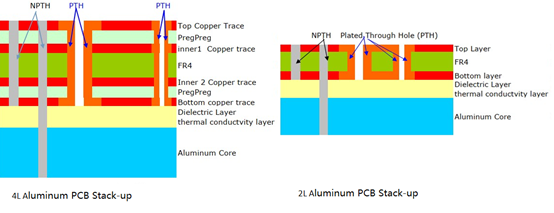
4 vs 2 Layer Aluminum PCB Stack up

A 4-layer aluminum PCB adds more conductive layers to support higher circuit complexity, but it also increases manufacturing costs and thickness. They have different stack ups, but the layers construction is the same, see the stack ups as following:

4 vs 2 Layer Aluminum PCB Stack up

Advantages & Disadvantages of Aluminum PCB

  • Advantages:

✅ Excellent Heat Dissipation – Aluminum conducts heat 8–9 times better than FR4, reducing thermal stress and preventing higher thermal damage to the components.

✅ Better Mechanical Strength – Due to its metal base, it is more durable than traditional PCBs, resistant to bending and cracking.

✅ Higher Circuit Density – Two stacked copper layers allow for more intricate circuit designs.

✅ Reduced PCB Size and Money Saving – Since heat dissipation is built-in, external heat sinks are often not needed, reducing the overall circuit footprint.

✅ Lower Thermal Expansion – Aluminum base has stable dimension and lower thermal expansion, prevents warping or deformation under high temperatures.

✅ Lightweight – Lighter than copper-based PCBs, it is suitable for those weight sensitive projects, such as automotives.

✅ Eco-Friendly – Aluminum is recyclable, making it a greener choice.

  • Disadvantages:

❌ Higher Cost – More expensive than FR4 PCBs due to complex manufacturing.
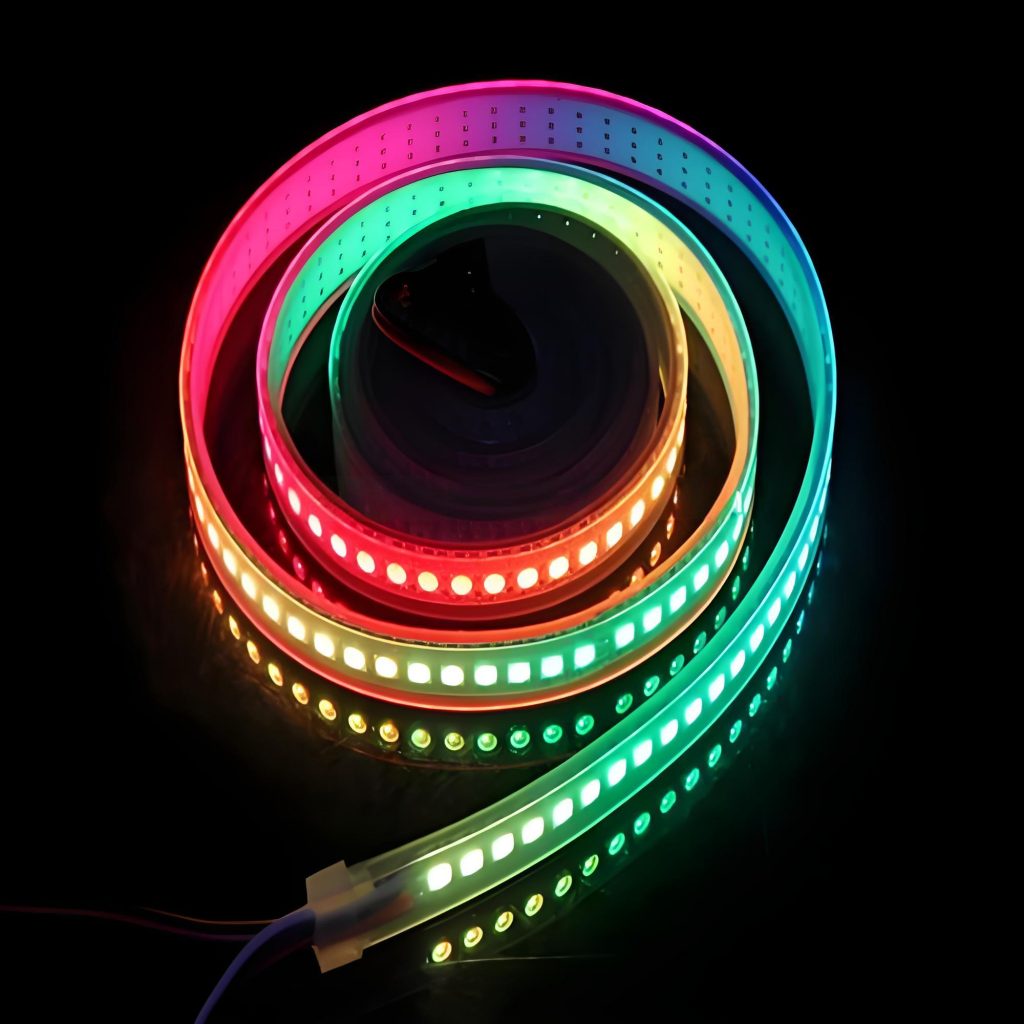
❌ Limited Multilayer Options – Aluminum PCBs typically do not exceed 4 layers, unlike FR4, which can have up to 40 layers.

What is the Difference Between FR4 and Aluminum PCB?

When our sales talking with customers, there is always be mentioned that what are the differences between normal FR4 pcb and aluminum PCB? Most of them in the design consultation stage are not sure which circuit board is more suitable for their needs. Today, to give more engineers a clear understanding, Best Team listing the different characteristics and parameters between them, hope it is easy to make you sense.

FeatureFR4 PCBAluminum PCB
Core MaterialFiberglass (FR4)Aluminum Metal Base
Thermal Conductivity0.3 – 0.4 W/m·K1.0 – 3.0 W/m·K
Heat DissipationRequires external heat sinksDirect heat dissipation
Mechanical StrengthModerateHigh (resistant to bending)
WeightLightweightSlightly heavier, but lighter than copper-based PCB
Electrical InsulationHighLower (requires dielectric layer)
Manufacturing Cost (under the same design)LowerHigher
Maximum LayersUp to 100 layersTypically 1 – 4 layers
FlexibilityCan be rigid or flexibleCan be rigid and semi-flexible (use special technique)
ApplicationsConsumer electronics, computing
Mainly in LEDl lightings
DurabilityLess resistant to thermal expansionHigh thermal stability

How Thick is the Dielectric Layer of an 2 Layer Aluminum PCB?

As we know, a thinner dielectric layer offers better heat transfer, but lower insulation resistance. Normally, the dielectric layer used in a 2-layer aluminum PCB typically ranges between 75”m to 200”m. Each has its different thermal conductivity, choosing the right thickness depends on current requirements and operating conditions.

Dielectric Thickness (mm)  Thermal Conductivity (W/m·K)Common Application
0.075 mm (75”m)1.0 – 1.5Low-power circuits
0.1 mm (100”m)2.0 – 3.0LED lighting, power modules
0.15 mm (150”m)3.0 – 5.0High-power applications

How to Make a 2 Layer Aluminum PCB?

The manufacturing process of a 2 layer aluminum PCB is different from standard FR4 PCBs due to the presence of a metal core. The following steps detail the fabrication process, show how EBest Circuit (Best Technology) manufacture the 2 layer aluminum PCB:

1. Material Selection

Choosing high-quality materials is the foundation of a reliable 2 layer aluminum PCB.

  • Aluminum Core: Typically 6061, 5052, or 1060-grade aluminum, offering high thermal conductivity and mechanical strength.
  • Copper Foil: 1 oz to 4 oz copper thickness, depending on current-carrying requirements.
  • Dielectric Layer: 75um-200um, depends on the project demand.

2. Manufacture a Double Sided FR4 PCB

Manufacture a double sided FR4 PCB according to the files. Both top and bottom copper traces are plated into the required thickness.

3. Laminate the Dielectric Layer

A dielectric layer is added between the aluminum base and the FR4 PCB, then laminate them into a whole product. The thickness of this layer varies from 0.075 mm to 0.15 mm, depending on the thermal performance required.

4. Circuit Patterning (Imaging & Etching)

  • A photosensitive dry film is applied to define circuit traces.
  • UV exposure and development create the desired circuit pattern.
  • An etching process removes unnecessary copper, leaving behind precise circuit traces.

5. Drilling & Plating

  • Precision drilling creates vias and mounting holes.
  • A plating process is used to form electrically conductive vias, connecting the top and bottom copper layers.
  • The aluminum base is not conductive, so plated through-holes (PTHs) require special insulation to prevent electrical shorts.

6. Solder Mask & Silkscreen

  • A protective solder mask is applied to prevent oxidation and improve insulation.
  • Silkscreen printing is added for component labeling and identification.

7. Surface Finish Application

The surface finish ensures solderability and prevents oxidation. Common options include:

  • HASL (Hot Air Solder Leveling) – Cost-effective but not ideal for fine-pitch components.
  • ENIG (Electroless Nickel Immersion Gold) – Provides a smooth, corrosion-resistant surface.
  • OSP (Organic Solderability Preservative) – Environmentally friendly and cost-efficient.

8. Testing & Quality Inspection

  • Automated Optical Inspection (AOI) verifies circuit accuracy.
  • Electrical testing ensures there are no open circuits or shorts.
  • Thermal testing checks heat dissipation performance.

Once the PCB passes inspection, it is ready for component assembly or shipping to customers. Here is a manufacturing process video of aluminum, hope this is easy for you to understand.

Differences Between 6061, 5052, and 1060 Aluminum Alloy

When manufacturing a 2 layer aluminum PCB, selecting the right aluminum alloy is essential for achieving the desired thermal conductivity, mechanical strength, and corrosion resistance. The three most common aluminum alloys used in PCBs are 6061, 5052, and 1060, each offering different properties suitable for various applications.

Property6061 Aluminum5052 Aluminum1060 Aluminum
Composition  Al-Mg-Si alloyAl-Mg alloyHigh-purity aluminum (≄99.6%)
Thermal Conductivity150 – 170 W/m·K138 – 147 W/m·K230 – 237 W/m·K
Mechanical StrengthHigh (275 – 310 MPa tensile strength)Moderate (190 – 240 MPa tensile strength)Low (60 – 100 MPa tensile strength)
Corrosion ResistanceModerateHigh (excellent saltwater resistance)Low (prone to corrosion)
WorkabilityGood machinability, harder to bendEasy to form and bendVery soft, easy to process
CostHigherModerateLower
  • For high-power applications (e.g., power amplifiers, automotive circuits): 6061 is ideal due to its strength.
  • For outdoor or humid environments (e.g., industrial lighting, marine electronics): 5052 offers the best balance.
  • For cost-effective, high-thermal applications (e.g., LED lighting, heat-sensitive electronics): 1060 is the best choice.

At EBest Circuit (Best Technology), we have various aluminum base in our storage, whatever you want to use 6061, 5052 or 1060, we can meet your requirements. As a reliable 2-4 layer metal core pcb (mcpcb) aluminum manufacturer, we specialize in custom aluminum-backed PCBs, ensuring high quality, competitive pricing, and fast turnaround times. Whether you need prototyping or mass production, our engineering team is ready to assist you. Contact us right now to get your quotation!

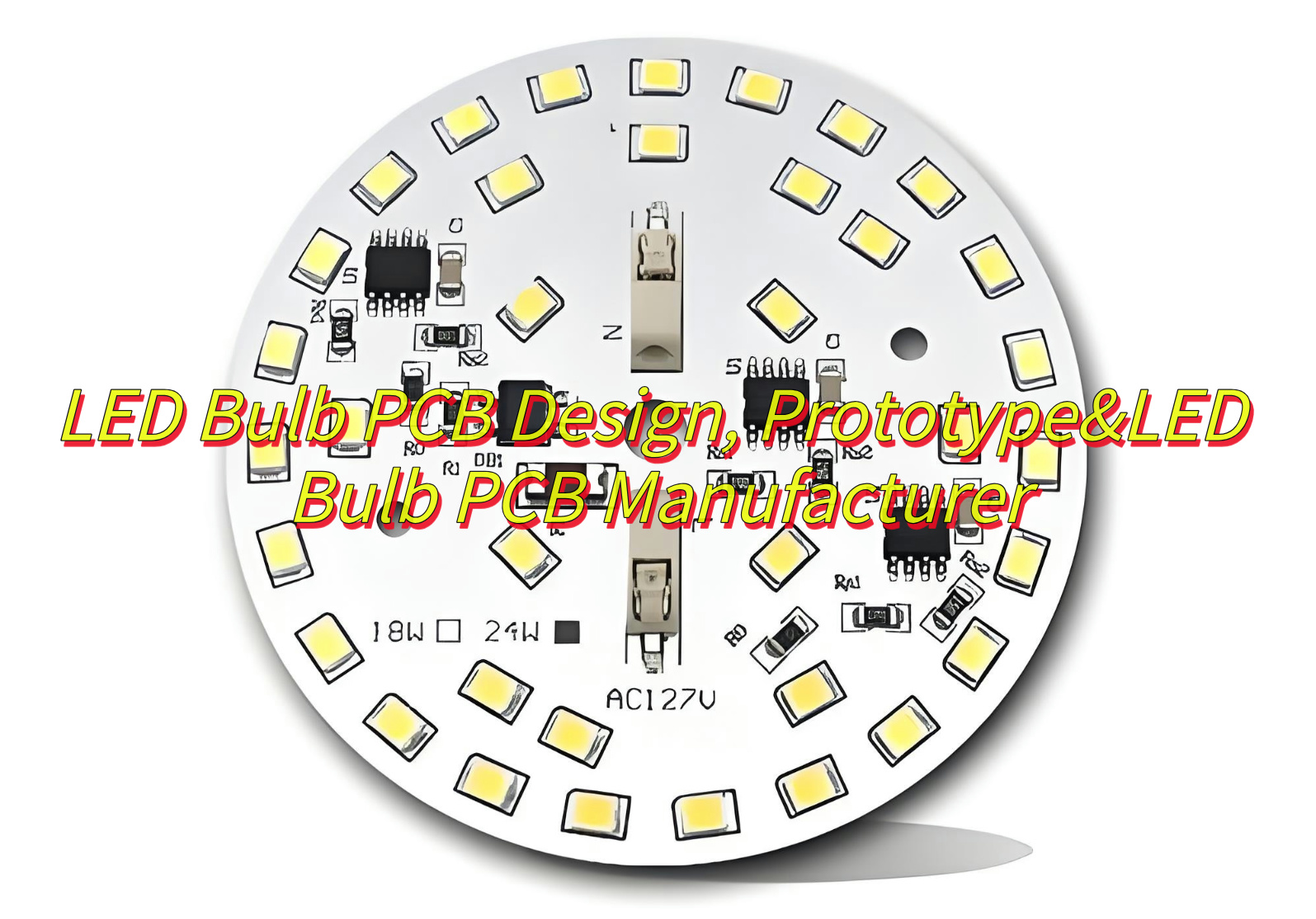
LED Bulb PCB Design, Prototype & LED Bulb PCB Manufacturer

March 20th, 2025

LED Bulb PCB integrates power supply and heat dissipation to ensure stable and efficient operation. Would you like to know more about it? Let’s learn more about advantages, types, materials and design steps of LED Bulb PCB from this blog.

At Best technology, we focus on high quality LED Bulb PCB design, prototype and manufacturing over 18 years. We adopt lead-free and halogen-free material boards and obtain RoHS environmental certification to achieve no pollution to the environment. And we can provide one-stop PCB solutions services from signal integrity optimization, thermal management simulation to dynamic heat dissipation of aluminum substrates. And we have professional engineer team provides free technical support for board design and brightness scheme adjustment, which can help you reduce BOM costs a lot. If you’re interested in our service, please feel free to contact us sales@bestpcbs.com.

What Is LED Bulb PCB?

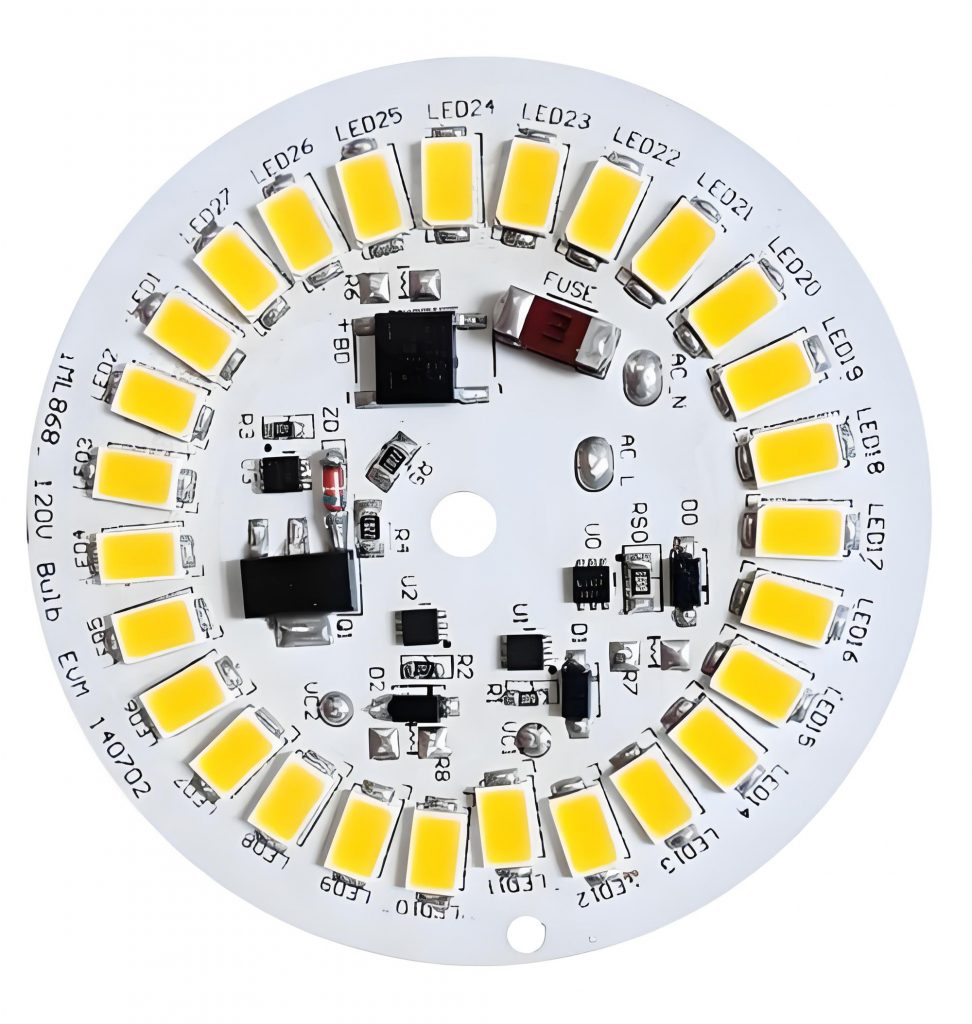
LED bulb PCB is a specialized circuit board designed to power and control light-emitting diodes (LEDs) in lighting applications. It acts as the backbone, providing electrical connections, heat dissipation, and mechanical support for LED components. Unlike traditional bulbs, LED PCBs ensure energy efficiency, longer lifespan, and compact designs.

LED Bulb PCB

What Are the Advantages of LED Bulb PCB?

  • High Energy Efficiency‌ – Optimizes power use for brighter light with lower energy consumption.
  • ‌Thermal Management‌ – Aluminum or ceramic substrates prevent overheating.
  • ‌Compact Design‌ – Fits seamlessly into slim LED bulb housings.
  • ‌Long Lifespan‌ – Robust materials ensure 50,000+ hours of operation.
  • ‌Customization‌ – Flexible layouts for unique lighting requirements.
LED Bulb PCB Board

LED Bulb PCB Board

Application of LED PCB Board

  • Household lighting-such as ceiling lamp, desk lamp.
  • Commercial lighting-High-brightness lighting in shopping malls, offices, and other scenarios.
  • Automotive lighting-Vehicle light sources such as headlights and brake lights.
  • Industrial equipment indicators-Device status indicator light, operation panel backlight
  • Smart lighting systems-Home/City Intelligent Lighting System.
LED Bulb PCB

Application of LED Bulb PCB

What Are the Types of LED PCB Board?

  • ‌Aluminum PCB‌ – Superior heat dissipation for high-power LEDs.
  • FR4 PCB-Suitable for Medium and low power LED bulbs.
  • ‌Flexible PCB‌ – Bendable designs for compact or curved fixtures.
  • ‌Ceramic PCB‌ – Extreme thermal stability for industrial us.
LED Bulb PCB

What Are the Types of LED Bulb PCB?

LED Bulb PCB Manufacturer

Choosing the right LED bulb PCB manufacturer is crucial for quality and performance. EBest Circuit (Best Technology), with over 18 years of experience, specializes in manufacturing high-quality LED PCBs, ensuring superior thermal management, durability, and precision in design. Our advanced production techniques guarantee reliable PCBs for various LED applications, making us a trusted partner for LED lighting solutions. Here are more information about us:

  • Adopt lead-free and halogen-free raw materials with PCB and obtain RoHS and UL certificates.
  • A professional team provides free technical support for circuit and brightness scheme adjustments, helping you save lots of material costs.  
  • Offer one-stop PCB solutions and PCBA service, we can help you purchase all the components you want to purchase.
  • Support rapid prototyping with low MOQ.

If you want to move your design into reality, Best technology will meet your all customized requirements.

What Are the Raw Materials of LED Bulb PCB Board?

Here are LED Bulb PCB raw materials:

  • FR4 epoxy resin substrate
  • Aluminum substrate
  • Ceramic substrate
  • Electrolytic copper foil
  • Gold/nickel plating
  • Prepreg (PP sheet)
  • Solder mask ink (green/white)
  • Fiberglass cloth (E-fiberglass)
  • Polyimide film(PI)
  • Solder (tin-lead/lead-free alloy)
  • Silk screen ink

How to Design LED Bulb PCB Board?

Here are main steps of LED bulb PCB design:

‌Step 1: Circuit Design

  • ‌Schematic Creation‌: Use KiCad or Altium Designer to draft the circuit. Include LEDs, resistors, driver ICs (e.g., LM2596S), and power input ports.
  • ‌Component Selection‌: Choose SMD or COB, resistor values for current limiting, and thermal vias for high-power LEDs.

‌Step 2: PCB Layout Design‌

Component Placement‌:

  • Arrange LEDs evenly for uniform illumination.
  • Position driver ICs and resistors close to LEDs to reduce trace length.

Thermal Design‌:

  • Use aluminum substrates or copper pours for heat dissipation.
  • Add thermal vias under LED pads.

‌Trace Routing‌:

  • Avoid sharp angles (use 45° bends) to minimize EMI.
  • Ensure trace width matches current requirements (e.g., 20–30 mils for 1A).

‌Step 3: PCB Fabrication

‌DIY Method‌:

  • Print circuit on glossy paper and transfer to copper-clad board via heat press.
  • Etch with ferric chloride, drill holes, and clean the board.

‌Professional Fabrication‌:

  • Submit Gerber files to manufacturers(such as EBest Circuit (Best Technology).)
  • Select substrate material (FR4 for low power, aluminum for high power).

‌Step 4: Component Assembly‌

  • ‌SMD Soldering‌: Apply solder paste, place components with tweezers, and reflow with a hot-air gun.
  • ‌Through-Hole Soldering‌: Manually solder connectors and large components.
  • ‌Post-Assembly‌: Clean flux residues and inspect for cold joints.

‌Step 5: ‌Electrical Checks‌&‌Operational Testing‌:

  • Use a multimeter to verify voltage/current at key nodes (e.g., LED terminals).
  • Test continuity to detect short circuits.
  • Power the circuit and check LED brightness uniformity.
  • Monitor temperature with an IR thermometer; ensure no overheating (>80°C).

If you want to do LED Bulb PCB prototype to verify your design, welcome to contact EBest Circuit (Best Technology).( The email is at the beginning of this blog.)

FAQ of LED Bulb PCB Board

1. What is the ideal thickness for an LED PCB?
The ideal thickness varies based on the design, but commonly ranges from 1.0mm to 1.6mm for standard LED applications.

2. How does thermal management affect LED PCB performance?
Efficient thermal management prevents overheating, extends the LED’s lifespan, and maintains consistent light output.

3. Can LED PCBs be waterproof?
Yes, LED PCBs can be coated with protective layers such as conformal coating or encapsulation to achieve waterproofing.

4. What is the difference between single-layer and multi-layer LED PCBs?
Single-layer PCBs are cost-effective and used for basic LED bulbs, while multi-layer PCBs allow for complex circuits and better heat dissipation in high-power applications.

5. How do I test an LED bulb PCB before mass production?
Testing methods include electrical continuity testing, thermal testing, and functional performance evaluation to ensure reliability.‌

In conclusion, through this blog, we can learn about meaning, advantages, types and design steps of LED Bulb PCB Board. If you have any other issues about LED bulb PCB board, welcome to leave a message below this blog. Looking forward to hearing from you!

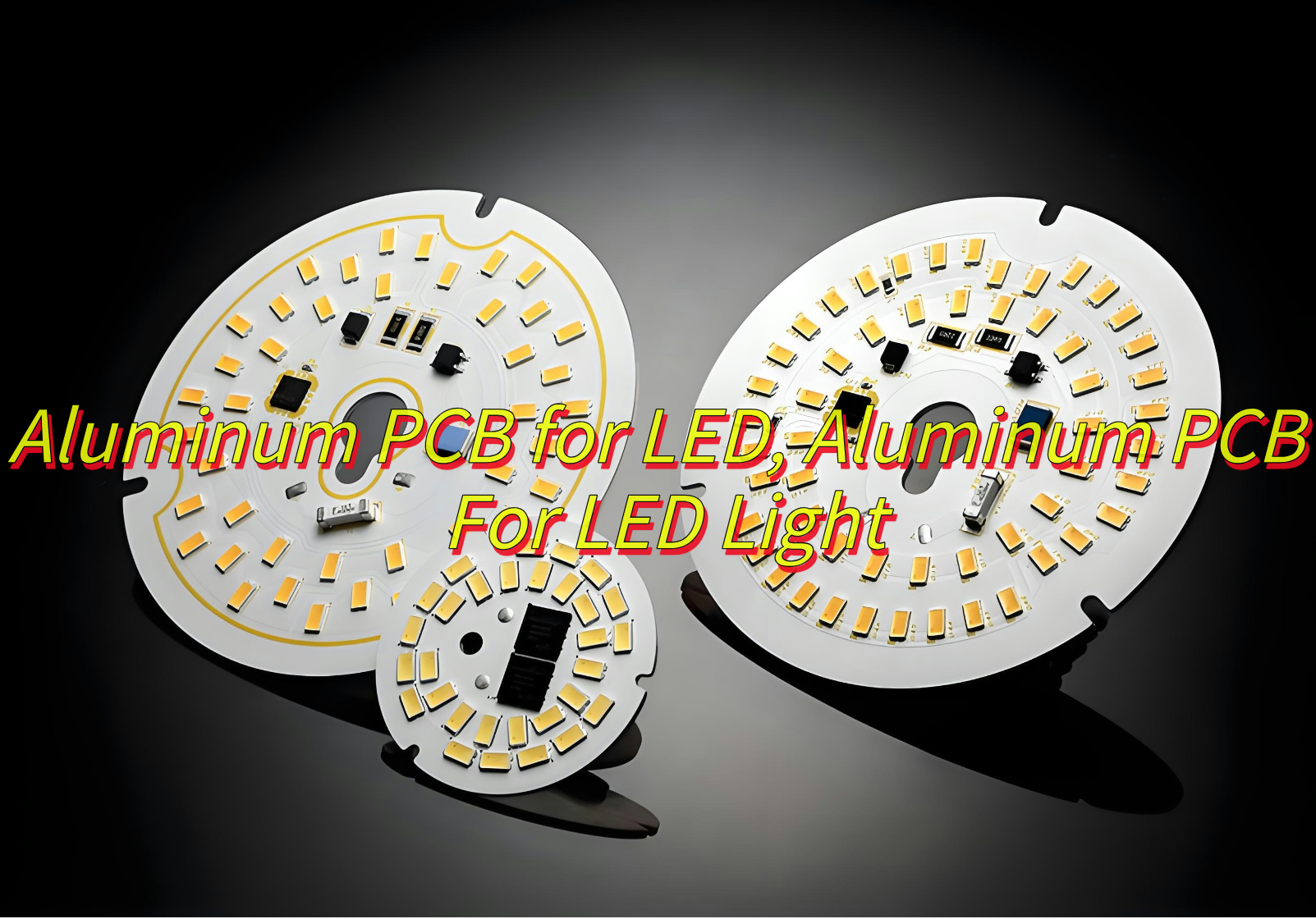
Aluminum PCB for LED, Aluminum PCB For LED Light

March 20th, 2025

Are you looking for the best aluminum PCB for LED? Let’s Learn about its advantages, types , materials, design process and how to find a reliable PCB supplier.

At EBest Circuit (Best Technology), we focus on one stop aluminum PCB solution for LED, including aluminum LED PCB design, prototype and manufacturing. We have a stable supply chain and automated production lines that can achieve 72 hours fast delivery. And we have professional engineer teams who can provide you DFM analysis and free technical support to save production cost a lot. Feel free to contact us sales@bestpcbs.com if you have any request for aluminum LED PCB.
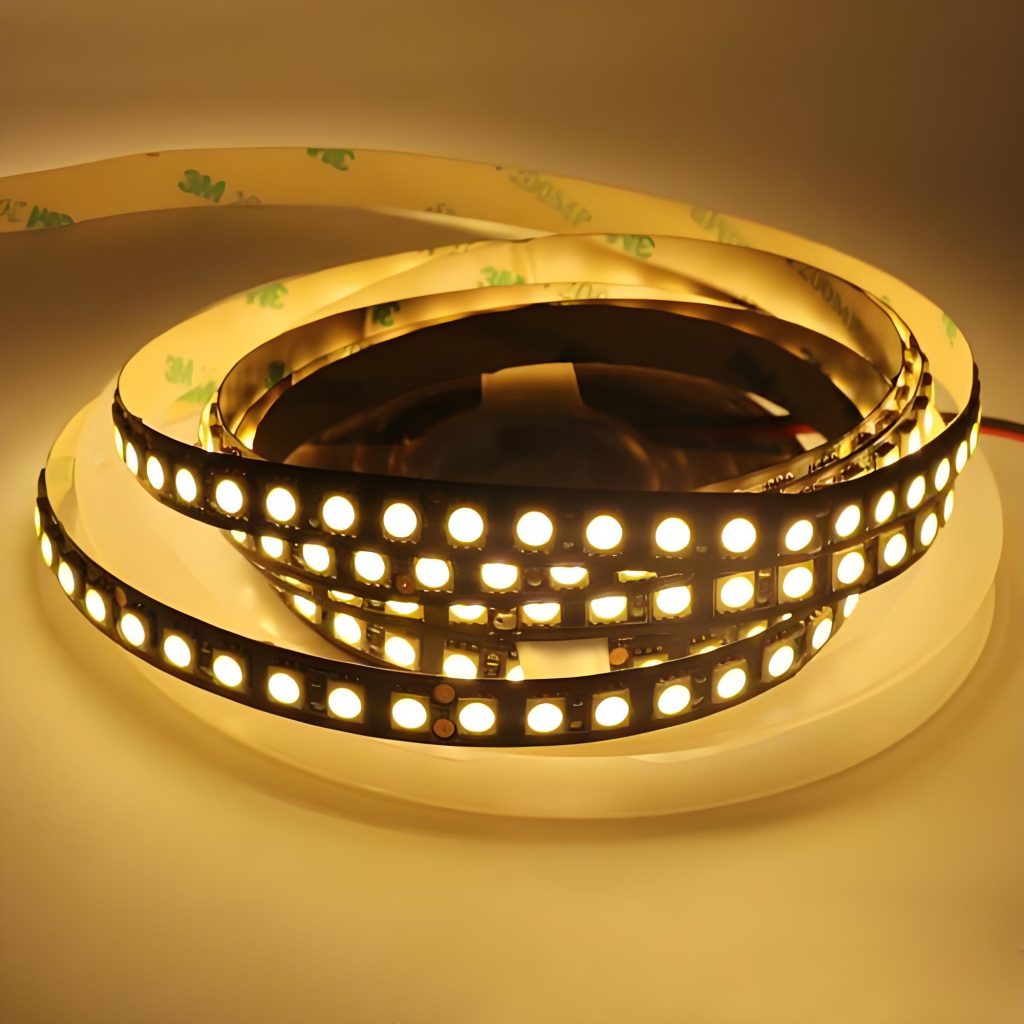
What is Aluminum PCB For LED?

Aluminum PCB for LED is a metal-based printed circuit board specifically designed for LED lighting. It achieves efficient heat dissipation by combining an aluminum substrate with insulating layers, ensuring the stable operation of high-power LED fixtures and extending their lifespan.

Aluminum PCB For LED Light

What Are the Advantages of Aluminum PCB For LED?

Here are main advantages of aluminum PCB for LED:

  • Efficient heat dissipation: quickly export the heat generated by the LED, reduce the operating temperature and extend the service life.
  • ‌High current carrying capacity: carry higher current than traditional PCB at the same thickness, suitable for high-power scenarios.
  • ‌Lightweight: lightweight aluminum material, simplifying installation and reducing the overall weight of the equipment.
  • ‌Process compatibility: adapt to SMT mounting technology to simplify mass production process
  • ‌High mechanical strength: impact and vibration resistance, adaptable to harsh working environments.
  • ‌Electromagnetic shielding: effectively reduce electromagnetic interference and improve circuit stability.
  • ‌High voltage resistance: support voltage above 3000V to ensure safe operation.
  • ‌Environmentally friendly and recyclable: aluminum material is non-toxic and recyclable, meeting environmental standards.
 Aluminum PCB For LED

Aluminum PCB For LED

Application of Aluminum PCB For LED

Here are application of aluminum PCB for LED:

  • LED bulbs-home and commercial lighting fixtures to prevent overheating and burning.
  • Automotive lighting-headlights, brake lights, fog lights, high temperature resistance and vibration resistance.
  • Advertising display screen-outdoor LED large screen, resistant to temperature changes and rain erosion.
  • Industrial lighting-factory high-brightness searchlights, 24-hour stable operation.
  • Medical equipment lights-surgical lights, detector light sources, fast heat dissipation to ensure safety.
  • Traffic lights-traffic lights, street lights, adapt to extreme weather.
  • Solar lights-garden lights, landscape lights, resistant to outdoor environment aging.
  • Stage lighting– high-power spotlights.
  • Household appliances– smart lamps, refrigerator backlight, thin and easy to install.

What Are the Types of Aluminum PCB For LED Light?

The aluminum PCB For LED light is divided into these types:

  • Fluorescent lamp aluminum substrate: used for fluorescent lamps and other lighting equipment.
  • ‌Street lamp aluminum substrate: used for street lamps and other outdoor lighting equipment.
  • ‌Downlight aluminum substrate: used for downlights and other embedded lighting equipment.
  • ‌Wall lamp aluminum substrate: used for wall lamps and other wall lighting equipment.
  • ‌Spotlight aluminum substrate: used for spotlights and other directional lighting equipment.
Aluminum PCB For LED Light

Aluminum PCB For LED Light

Aluminum PCB Board For LED Manufacturer

When uneven heat dissipation of LEDs causes accelerated light decay and a halved lifespan – what you lack is not just an aluminum substrate, but a full supply chain service from design to mass production! EBest Circuit (Best Technology) as an aluminum PCB board for LED manufacturer over 18 years who can provide you one-stop PCB solutions from design, prototype and production. Here are some information about our company:

  • Made of high-quality aluminum raw materials, it has high thermal conductivity, fast heat dissipation, and extends the life of LEDs.
  • With a stable supply chain and automated production lines, it can quickly respond to customer needs and achieve fast delivery (samples can be delivered in 72 hours at the fastest)
  • Support DFM analysis, it can predict problems that may be encountered in the production process in advance during the design stage to reduce production costs a lot.
  • Support low MOQ diversified customization services to create exclusive customization
  • Provide free technical support, 24-hour professional engineer team will answer your questions online one-on-one.

If you’re interested in our services, welcome to leave a message below this blog.

What Are the Materials of Aluminum PCB Board For LED?

Here are the materials of aluminum PCB board for LED:

  • Substrate LayerAluminum(such as 6061 Aluminum alloy)
  • Insulation layerFR4 for normal thermal conductivity; ceramic powder mixture (such as alumina), silicone or special polymer for high thermal conductivity
  • Conductive layerCopper foil (1oz~6oz thickness), used for circuit routing.
  • Surface treatment layerOSP, HASL, silver/gold plating
  • Additional coatingWhite solder mask ink (high reflection), black solder mask (anti-light interference)
Aluminum PCB Board For LED

Aluminum PCB Board For LED

How to Design Aluminum PCB Board For LED?

Aluminum PCB for LED Design is mainly divided into five steps:

‌1. Basic design

  • ‌Select single/double-sided board‌: single-sided board (aluminum base + insulation layer + copper foil) for simple circuits, double-sided board for complex wiring.
  • ‌Aluminum base thickness‌: conventional 1.0~1.5mm, high power 2.0~3.0mm (such as 5052/6061 aluminum).

‌2. Circuit layout‌

  • ‌LED arrangement‌: evenly distributed, spacing ≄3mm (to prevent heat concentration).
  • ‌Line width calculation‌: Formula: Line width (mm) = current (A) / (copper thickness × 0.038).
  • ‌Wiring rules‌: Low voltage line spacing ≄ 0.2mm, high voltage (>50V) ≄ 1.0mm; Sharp angle routing is prohibited (arcs or 45° fold lines are preferred).

‌3. Pad design

  • ‌Size‌: 0.2~0.5mm larger than the LED pin (compatible with soldering process).
  • ‌Surface treatment‌: OSP is selected for general use, and immersion gold/silver plating is used for high reliability.

‌4. Thermal management

  • ‌Thermal conduction path‌: The aluminum base directly contacts the heat sink (insulating gasket is prohibited).
  • ‌Thermal resistance target‌: Total thermal resistance <5℃/W (high power requires <3℃/W).
  • ‌Verification method‌: Infrared thermal imager measures temperature rise (full load T<30℃).

‌5. Design output

  • ‌Gerber file‌: Insulation layer thickness, copper foil parameters, and Mark points are marked.
  • ‌DFM check‌: Line width error <±10%, pad and aluminum base edge >1mm.

FAQ of Aluminum PCB For LED

Q1: Why use aluminum PCB instead of FR4 for LED applications?
Aluminum PCBs offer superior heat dissipation, improving LED efficiency and longevity compared to FR4.

Q2: What is the typical thickness of an aluminum PCB for LED?
The standard thickness ranges from 1.0mm to 3.0mm, depending on application requirements.

Q3: Can aluminum PCBs be customized for different LED designs?
Yes, manufacturers like EBest Circuit (Best Technology) provide custom solutions for various LED applications.

Q4: How does aluminum PCB improve LED lifespan?
Efficient heat dissipation reduces LED degradation, ensuring consistent performance over time.

Q5: What surface finishes are recommended for aluminum PCB?
ENIG, HASL, and OSP are common surface finishes, each offering different benefits in terms of durability and solderability.

In conclusion, that’s all about aluminum PCB for LED. If you want to learn more, welcome to leave a message below this blog. Looking forward to your message!

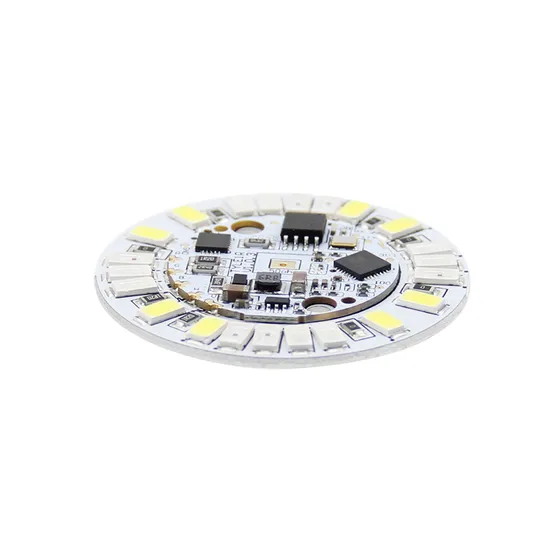
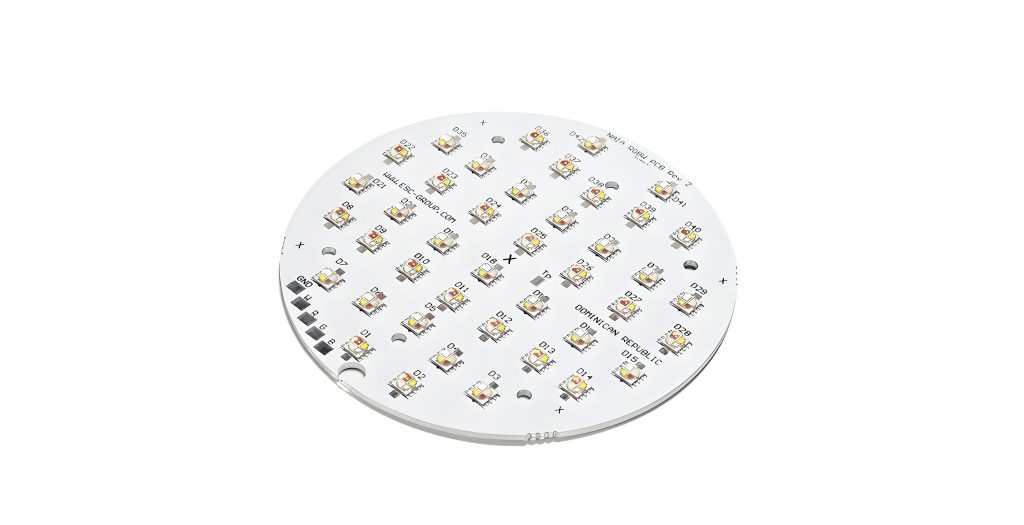
RGB LED PCB Design, Prototype&RGB LED PCB Manufacturer

March 18th, 2025

RGB LED PCB is an important part in modern lightening system, It can be seen everywhere in our lives, such as the breathing light strips of smart homes, dynamic special effects of stage lighting and so on. Would you like to get more information about RGB LED PCB? In this blog, let’s explore information about feature overview of RGB LED PCB , and how to design, how to select a PCB supplier together.

Best technology specialize in high quality RGB LED PCB design, prototype and manufacturing over 18 years. We provide one-stop PCB solutions services from signal integrity optimization, thermal management simulation to dynamic heat dissipation of aluminum substrates. And we support PWM precise dimming protocol, integrated EMC protection and impedance matching design. It can ensure 24-bit color restoration accuracy. We can meet the strict demands of stage lighting, architectural lighting, and smart home fields for full-color LED PCBs, helping you seamlessly transition from optical design to mass production. If you’re interested in our service, welcome to contact us at sales@bestpcbs.com.

What Is RGB LED PCB?

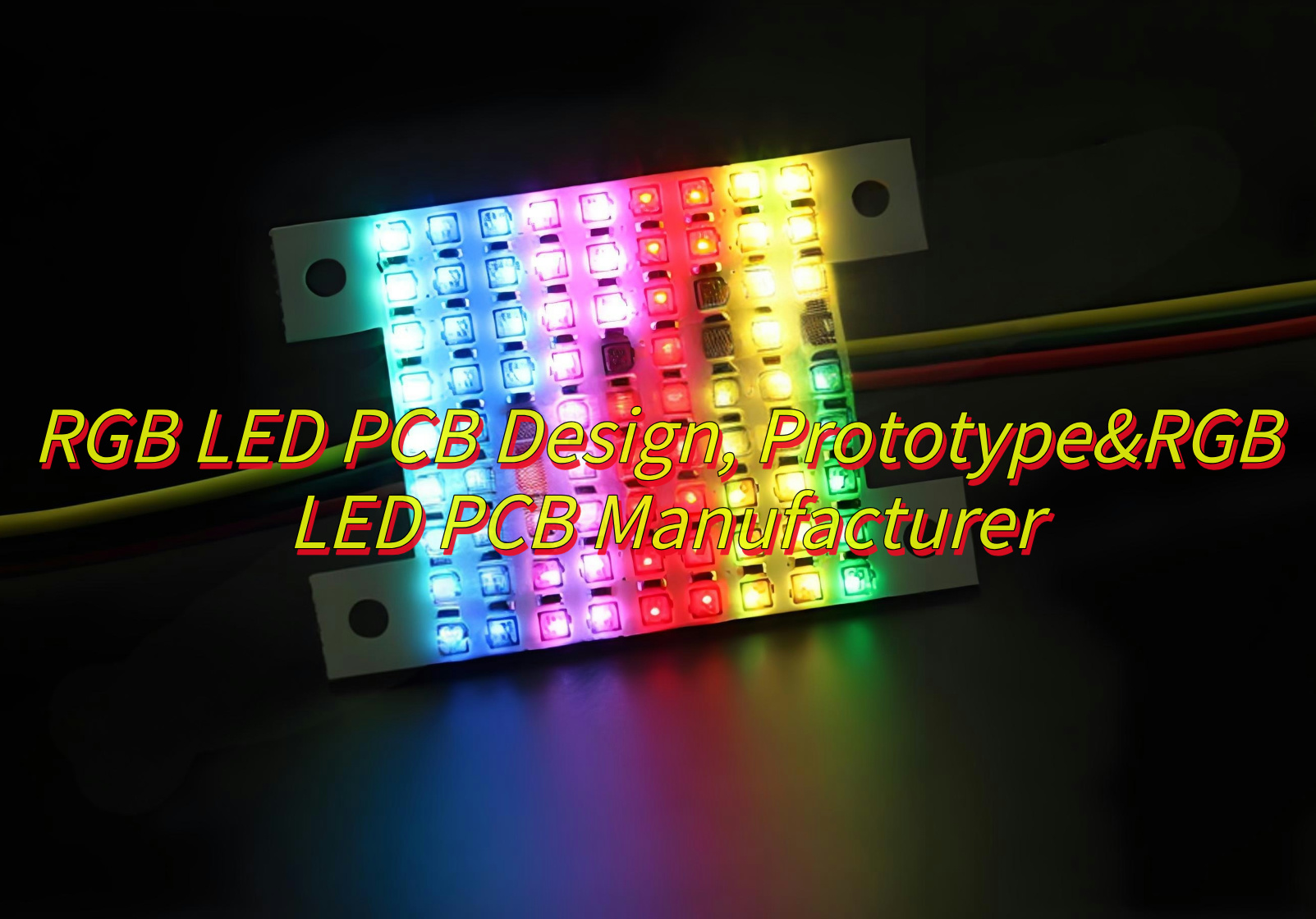
RGB LED PCB is a type of printed circuit board (PCB) that integrates Red, Green, and Blue LEDs. It achieves a wide variety of color effects by mixing the light of these three colors (the primary colors of light) and is commonly used in lighting, decoration, and display devices.

RGB LED PCB

What Are the Advantages of RGB LED PCB Board?

  • Excellent heat dissipation performance– Adopting aluminum substrate design and suitable for high-power RGB LED applications
  • ‌Precise color control and diversity-supports dynamic gradient and breathing light and can mix a million of colors.
  • ‌High integration and design flexibility-‌ integrate multiple RGB LEDs, driver chips and control circuits and support modular design
  • ‌Energy saving and environmental protection– 80% energy saving compared to traditional light sources‌ and adopt recyclable aluminum substrate and LED does not contain harmful mercury.
  • ‌High reliability and stability-‌resistant to high temperature, moisture and impact, and can adapt to complex environments (such as outdoor display screens and industrial equipment).
  • ‌Fast response and dynamic performance-‌ LED response speed reaches nanoseconds, and with high-speed PCB signal transmission, smooth dynamic effects (such as game lighting synchronization) can be achieved.
  • ‌Wide application scenarios-‌ decorative lighting (ambient lighting, advertising screens), electronic equipment (keyboard backlight), industrial indication and so on.
rgb led light pcb

Advantages of RGB LED PCB Board

What Is the Use of LED RGB PCB board?

  • Decorative lighting– Ambient lighting, holiday decorative lights, dynamic color gradient, breathing lights, music-synchronized lighting effects.
  • ‌Electronic equipment-‌ Keyboard backlight, computer case lighting effects, status indication of  mobile phones/headphones, personalized lighting feedback of mouse, monitor.
  • ‌Display and advertising– ‌LED large screen(stage, shopping mall, stadium), full-color dynamic display of billboards and signboards.
  • ‌Industrial and signal indication -‌ Equipment status indicator (operation/fault/warning) and multi-color prompts for traffic signals and security systems.
  • ‌Smart home -ceiling lights, table lamps with adjustable color temperature/color.
  • ‌Art and entertainment– ‌Stage lighting, art installations, interactive light shows, background light adjustment for movies/studios.
  • ‌Automotive lighting-‌ Interior atmosphere lights, chassis lights.
LED RGB PCB board

What Is the Use of LED RGB PCB board?

RGB LED PCB Manufacturers

Selecting the right RGB LED PCB manufacturer ensures high-quality PCBs for efficient LED performance. Reputable manufacturers provide design support, high-precision manufacturing, and customized solutions. EBest Circuit (Best Technology), a leading PCB manufacturer, offers expert engineering services and high-quality RGB LED PCBs tailored to specific applications. Here are more information about our company:

  • Technology leadership-Utilizes aluminum-based board with high-precision Surface Mounted Technology(SMT) , supporting monochrome/full-color RGB solutions.
  • One stop PCB solution: provide a wide range of RGB LED PCBs (including RGB LED strip PCB ) and matching electronic components, such as RGB LED driver PCB and RGB LED controller PCB.
  • Customized Solutions-Provide customized service( including custom logo) with low MOQ( one piece)
  • Quick Respond to Customers-Professional team online 24 hours, providing full process tracking from scheme design to prototyping and mass production.
  • Fast Delivery-Have a electronic manufacturing supply chain, providing one-stop solutions and PCBA services.

What Are the Materials of RGB LED light PCB?

  • Aluminum substrate– Suitable for high-power RGB LED scenarios (outdoor displays, wall washers).
  • FR4 board – Suitable for low-cost, low-power solutions (advertising light boxes, indoor decorative lights).
  • Flexible substrate (PI base material) : Suitable for bendable scenarios (LED strip lights, curved decorations).
  • Copper substrate– Suitable for high-power precision equipment (industrial equipment, high current modules).
  • Double-sided fully fiberglass PCB board-Suitable for high stability scenarios (commercial lighting, moisture resistance requirements).
rgb led strip pcb

Materials of RGB LED light PCB

How To Design RGB LED PCB?

1. Select LED and drive solution ‌

‌LED model‌: Prioritize models with integrated driver IC (such as WS2812B) to reduce peripheral circuits.

Diver Mode: Low power suitable for Direct MCU PWM drive (such as Arduino). High power suitable for Constant current driver chip (such as TLC5940) or MOSFET+resistor.

‌Interface type‌: Determine common anode or common cathode, and unify circuit logic.

‌2. Circuit schematic design ‌

‌Power input‌: Indicate voltage (5V/12V/24V) and maximum current.

Series control: short signal line + data flow direction mark (such as DIN→DOUT of WS2812B).

Parallel control: independent PWM signal line grouping.

‌Filter design‌: Add capacitor (10ÎŒF~100ÎŒF) to the power supply end, and add RC filter (100Ω+100pF) to the signal line.

‌3. PCB layout planning‌

‌LED arrangement‌: uniform spacing (avoid light spots), high-power LED spacing ≄10mm. Close to the edge of the PCB (reduce heat impact on sensitive components).

‌Component partitioning‌: the power module is away from the signal line. The MCU/driver chip is centrally arranged to shorten the signal path.

‌4. Power and ground wiring‌

‌Power line‌: line width ≄1mm/1A current, avoid right-angle routing.

‌Ground copper laying‌: full board laying to reduce noise and impedance.

‌Single-point grounding‌: digital ground, analog ground, and power ground are connected through 0Ω resistors or magnetic beads.

‌5. Signal line optimization‌

‌Signal priority‌: high-frequency signals (such as PWM) are given priority to short and straight routing.

Avoid parallel long-distance power lines (anti-interference).

‌Impedance control‌: add termination resistors (22~100Ω) when necessary.

‌6. Add test and debug interface‌

‌Power test point‌: VCC and GND reserved pads or through holes.

‌Signal test point‌: Key PWM signal lines are led out to the pin header.

‌Reserve jumper next to LED‌: Convenient for disconnection detection in case of fault.

‌7. Silkscreen and marking‌

‌Polarity mark‌: All LEDs are marked with “+” or “-” poles.

‌Interface marking‌: Clearly define the position of power, signal, and ground wires (such as “VIN”, “DIN”, “GND”).

‌Version number‌: The version is marked in the corner of the PCB (such as V1.0).

‌8. DRC rule check‌

‌Line width/spacing‌: Comply with PCB factory process (for example: minimum line width 0.2mm, spacing 0.15mm).

‌Short circuit/open circuit‌: EDA tool automatically checks (such as KiCad, EasyEDA).

‌Heat dissipation verification‌: Ensure that there are no dense traces in high-power areas.

‌9. Prototyping and test verification

‌After you made a RGB LED PCB prototype, you can do some functional and heat tests with it.

‌Color switching: Check whether the RGB mixing is normal.

Brightness consistency: Measure the voltage/current of each LED.

‌Heat test‌: Run continuously for 1 hour in a high-power scenario and measure the temperature rise (recommended ≀60℃)

FAQs of RGB LED PCB

  • What is the lifespan of an RGB LED PCB?
    RGB LED PCBs can last over 50,000 hours, depending on heat management and component quality.
  • Can RGB LED PCB be customized?
    Yes, RGB LED PCBs can be customized in terms of size, shape, and control features based on application needs.
  • What is the difference between RGB LED FR4 PCB and RGB LED aluminum PCB?
    RGB LED aluminum PCB offer better heat dissipation, while RGB LED FR4 PCB are more cost-effective and suitable for low-power LEDs.
  • How do I control the colors in an RGB LED PCB?
    Colors are controlled using PWM (Pulse Width Modulation) technology via an LED driver or microcontroller.
  • Where can I buy high-quality RGB LED PCBs?
    EBest Circuit (Best Technology) provides high-quality RGB LED PCBs with expert design and manufacturing services.

In conclusion, that’s all about RGB LED PCB. If you want to know more about RGB LED PCB design, prototype and production, please feel free to contact EBest Circuit (Best Technology).(The email is at the beginning of this blog). Looking forward to hearing from you soon!

SMD LED PCB Board Design,Prototype&SMD LED PCB Manufacturer

March 18th, 2025

SMD LED PCB board design is very important in electronic products industry. From precise pad layout to efficient heat dissipation solutions, every detail is related to light efficiency and life. Whether it is rapid iteration in the prototype verification stage or cost optimization in the mass production stage, professional design needs to integrate electrical performance and process compatibility. In this blog, let’s learn together how to design SMD LED PCB boards and how to choose a good SMD LED PCB manufacturer.

If you want to move design to prototype and manufacture, Best technology can meet your all requirements for SMD LED PCB Board. Because we specializing in SMD LED PCB Board design, prototyping and production over 18 years, and we have an experienced PCB designers team who can give you free technical support. And we can provide you PI Analysis, SI Analysis, EMC Testing with the SMD LED PCB you designed. Then we can provide you with customized services (including customized Logo) with low MOQ (one piece is okay) at reasonable prices. You can feel free to contact us sales@bestpcbs.com if you have any request for SMD LED PCB.

What Is SMD LED PCB Board Design?

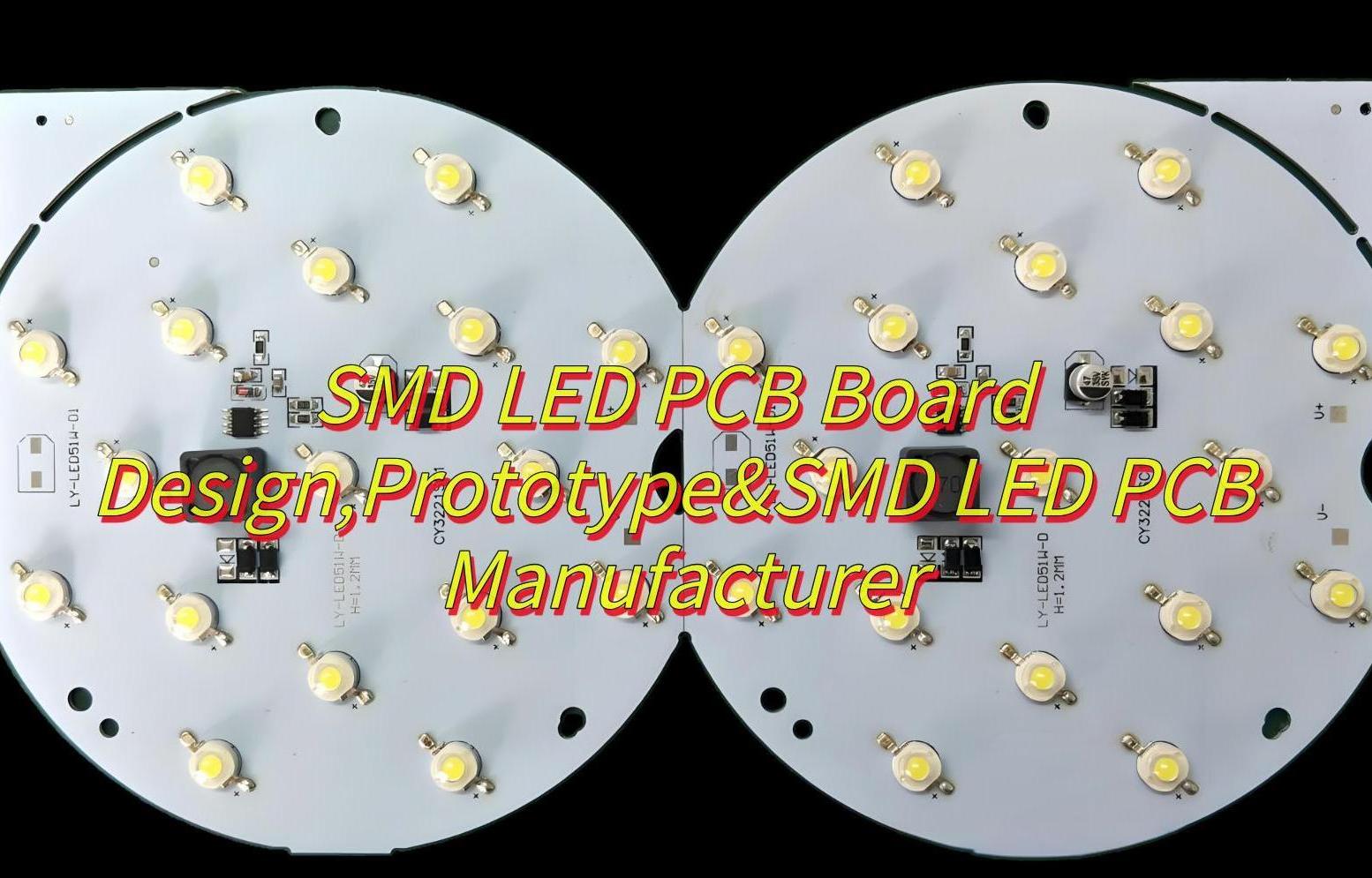
SMD LED PCB board design refers to the process of designing printed circuit boards that support Surface Mount Device (SMD) LEDs. These boards are commonly used in lighting applications, display panels, and electronic signage. Unlike through-hole LEDs, SMD LEDs are mounted directly onto the PCB surface, enhancing efficiency and reducing assembly costs.

SMD LED PCB Design Software 

Here are common SMD LED PCB design software:

  • ‌Altium Designer-Offers comprehensive PCB design tools with 3D visualization.
  • KiCad: A free, open-source option for designing SMD LED PCBs.
  • EAGLE: User friendly and widely used in hobbyist and professional projects.
  • Cadence Allegro: Suitable for High-speed signal design field

SMD LED PCB Design Layout

The design layout of SMD LED PCBs mainly includes the following aspects:

  • Heat dissipation priority‌: copper is laid in the concentrated area of ​​LED for heat dissipation, away from high-temperature components to avoid heat accumulation.
  • ‌Wire optimization‌: the power line is short and wide to reduce impedance; the signal line and the power line are layered or spaced to prevent interference.
  • ‌Uniform arrangement‌: the LED spacing is consistent, avoiding obstructions to ensure that the light-emitting surface faces the same direction.
  • ‌Pad matching‌: the pad is designed according to the package size to avoid cold soldering; sufficient soldering spacing is reserved.
  • ‌Polarity identification‌: clearly mark the positive and negative poles of the LED to avoid reverse patch; leave debugging marks on the board.

SMD LED PCB Design Layout

SMD LED Circuit Board Diagram

Here is an example of SMD LED Circuit Board Diagram for reference:

This picture is only for reference, please refer to the actual SMD LED Circuit board design diagram. If you need support on this aspect, please contact us.( the email is at the beginning of this blog)

SMD LED PCB Board Manufacturer

When you have finished the design and want to find a SMD LED PCB Board Manufacturer to verify your design. At EBest Circuit (Best Technology), we can provide affordable prototyping cost with fast delivery, Here are more information about us:

  • Focus on SMD LED PCB Board design, prototype and manufacturing over 18 years and have an experienced designers team. We can provide you professional and free technical support quickly.
  • Have a complete electronic manufacturing supply chain, providing one-stop solutions and PCBA services. All components you needed we can help you purchase and assemble with PCB.
  • Strong process capability

Here is a chart of our process capabilities:

Base materialAluminum/Copper/Iron Alloy
Thermal Conductivity  0.8, 1.0, 1.5, 2.0, 3.0 W/m.K.
Board Thickness0.5mm~3.0mm(0.02″~0.12″)
Copper thickness:0.5 OZ, 1.0 OZ, 2.0 OZ, 3.0 OZ, up to 10 OZ
Outline:Routing, punching, V-Cut
Solder mask:White/Black/Blue/Green/Red Oil
Legend/Silkscreen Color:Black/White
Surface finishing:Immersion Gold, HASL, OSP
Max Panel size: 600*500mm(23.62″*19.68″)
Packing:Vacuum/Plastic bag
Samples L/T:4~6 Days
MP L/T:5~7 Days

How To Design SMD LED PCB Board?

1. Parameter confirmation and selection ‌

  • Single LED operating voltage (such as 3V), current (20mA) and maximum power consumption (power = voltage × current).
  • Series/parallel configuration: series voltage superposition (total voltage = single voltage × quantity), parallel connection requires current equalization design.
  • Materials For general scenario‌: FR4 board (cost-effective, temperature resistance 130℃).
  • Materials For high power scenario‌: Aluminum substrate (thermal conductivity ≄2.0W/m·K, temperature resistance 150℃).

‌2. Layout design‌

  • ‌Similar LED spacing‌ rule: ≄0.3mm (to prevent solder bridging).
  • ‌Dissimilar device spacing‌ rule: calculated according to the formula ‌0.13×height difference (mm)+0.3mm‌ (such as LED height 1mm, resistor height 0.5mm, spacing = 0.13×0.5+0.3≈0.365mm).
  • All LEDs have the same long axis direction and are perpendicular to the reflow soldering direction (to prevent hot air from causing deviation).
  • The distance between the component and the edge of the PCB is ≄3mm. If it cannot be avoided.
  • V-Cut board division‌: Cut after extending the board edge, and wiring is prohibited at the cut.
  • ‌Stamp hole board division‌: Separated by a 0.8mm diameter hole array, the hole center is ≄1.5mm from the board edge

‌3. Routing and power design‌

  • ‌Line width calculation‌: Under 1oz copper thickness, line width (mil) = current (A) Ă· 0.024 (such as 1A current requires ≄42mil).
  • ‌Copper plating stiffener: The LED negative pad is connected to a large area of ​​copper plating (to reduce impedance and assist heat dissipation).
  • Filter capacitor layout‌: Each LED is connected in parallel with a 0.1ÎŒF ceramic capacitor (mounting distance ≀5mm).
  • Add 10ÎŒF~100ÎŒF electrolytic capacitors to the power inlet (to suppress low-frequency ripple).
  • ‌Ground plane division‌: Single-point connection between digital ground and power ground to avoid noise coupling.

‌4. Thermal management design‌

  • Heat dissipation hole array‌: 0.3~0.5mm diameter through holes (1~2mm spacing) are drilled directly below the high-power LED, and the inner wall of the hole is metallized (to enhance thermal conductivity).
  • Copper foil area expansion‌: The copper area under the LED is ≄ 3 times the pad area (the aluminum substrate can be omitted).
  • The distance between LED and heating components such as driver IC and MOS tube is ≄ 5mm.
  • Avoid arranging electrolytic capacitors in high-temperature areas.

‌5. Design for manufacturability (DFM)‌

  • ‌Pad design‌: The pad size is 0.2mm larger than the LED pin (e.g. LED pin is 1.6×0.8mm, and the pad design is 1.8×1.0mm).
  • The solder mask opening is 0.05~0.1mm wider than the pad (to prevent the solder mask from covering the pad).
  • Polarity mark‌: Add a “+” symbol or silk screen frame next to the LED pad (to prevent reverse connection).
  • Mark point: a solid copper point with a diameter of 1mm is arranged diagonally, and there is no component within 3mm around it. ‌

‌6. Test and debugging reservation‌

  • Reserve a 30mil diameter circular test point for each LED string circuit (connect to the positive pole of the power supply, ground and dimming signal).
  • The test point spacing is ≄2mm to avoid probe short circuit.
  • Reserve ≄1.5mm channels in dense LED arrays to facilitate hot air gun rework.

7. Design verification and simulation‌

  • ‌Thermal simulation‌: Use ANSYS Icepak or similar tools to verify the high temperature area (the temperature rise of the aluminum substrate should be ≀30℃).
  • ‌Power integrity simulation‌: Check the power ripple through Sigrity or HyperLynx (target ≀5% rated voltage).
  • ‌DRC inspection‌: Focus on checking line spacing (≄0.2mm), aperture (≄0.3mm), and pad and through-hole avoidance (≄0.15mm).

‌8. Production file output‌

  • ‌Gerber file‌: Contains circuit layer, solder mask layer, silk screen layer, and drilling file (aperture tolerance ±0.05mm).
  • Process marking‌: Clearly specify the solder mask color (white is preferred), surface treatment (immersion gold/OSP), and whether the aluminum substrate needs an insulation layer.

Lastly, you can move the production file to the make a SMD LED PCB board prototype.

What Are SMD LED PCB Board Design Rules?

  • Minimum spacing rule: When SMD layout is in progress, ensuring a certain spacing between components can reduce the probability of problems such as cold soldering, bridging, and shadow effects during welding.
  • PCB edge requirements: SMD components should not be laid out within 3mm from the two sides of the SMD PCB. This is because the guide groove of the placement machine requires that no components are allowed within 3 to 5mm of the PCB board edge. If this size cannot be guaranteed, consider using V-grooves or stamp holes to lengthen the board, and then remove the excess board after welding.
  • Arrangement direction: The arrangement direction of the same components should be as consistent as possible, and a test point with a diameter of 30mil must be left on the same gold track. In addition, the arrangement direction of CHIP, SOT, and SOIC components should be perpendicular to the tinning direction as much as possible to avoid shadow effects.
  • Shadow effect: When wave soldering is used, components with large height differences should not be arranged close together to prevent the shadow effect of high components from affecting the soldering of low components.
  • Test point requirements: When a right-angle (vertical) arrangement is required, sufficient tinning space must be reserved. The distance of this space should be 0.635mm.
What Are SMD LED PCB Board Design Rules?

SMD LED PCB Board Design Rules

FAQ of SMD LED PCB Board Design

1. ‌Improper pad design leads to welding defects‌

  • Use “water drop” routing transition to avoid right-angle connection of pads.
  • Symmetrically design the pad size to ensure balanced heat capacity on both sides.

2. ‌Insufficient heat dissipation leads to shortened LED life‌

  • Lay a sufficient area of heat dissipation copper foil (≄50mmÂČ/W) under the LED and add heat dissipation through holes.
  • Aluminum substrate or metal core PCB is preferred for high-power scenarios.

3. ‌Uneven current distribution of parallel LEDs‌

  • Use star topology wiring to ensure that the length and impedance of each parallel branch are consistent.
  • Use constant current driver chip instead of traditional resistor current limiting solution.

4. ‌Process problems caused by overly dense component layout‌

  • Ensure that the LED spacing is ≄0.5mm and is more than 3mm away from the board edge.
  • During wave soldering, adjust the LED arrangement direction perpendicular to the tinning direction, and use a stepped steel mesh to control the amount of solder paste.

5. ‌Polarity marking error or silk screen blocking the pad‌

  • Clearly mark the LED polarity (such as the “+” symbol), and keep the silk screen away from the edge of the pad by ≄0.2mm.
  • During design verification, check whether the solder mask opening fully exposes the pad.

To sum up, the above is about SMD LED PCB design and how to select a good PCB supplier. If you have any other questions about designing SMD LED PCB, please leave a message below our blog. Looking forward to hearing from you soon!

How To Make a LED PCB Board Design For Beginners?

March 14th, 2025

LED PCB Board design is very important for modern lighting systems, so learning how to design LED PCB Board is a necessary step for both beginners and engineers. As a beginner, you may be confused about how to start LED PCB design. This article will explore the design tools, design principles, design layout of LED PCB. Let’s start the discussion now! 

If you want to find a supplier to help you design, prototyping and production, Best technology would be a good choice. Because we focus on LED PCB design, prototyping and production for 18 years, and we have a complete PCB production chain that can respond to your needs quickly and achieve fast delivery. We can provide you with customized services (including customized Logo) with low MOQ at affordable prices. which can turn your good design into high quality PCB products. Then you can have one piece LED PCB that only belongs to you. Please feel free to contact us at sales@bestpcbs.com if you’re interested in us.

What is LED PCB Board Design?

‌LED PCB board design‌ refers to the process of designing PCBs for packaging and mounting LED chips. The main purpose of LED PCB design is to ensure that the LED chip can emit light efficiently and then the entire circuit board has good electrical performance and thermal management capabilities.

led pcb board design

Which Software Tool is Used for LED PCB Board Design?

Here are some common LED board design software as below:

  • Altium Designer– best for complex, professional designs, high cost, hard to learn.
  • KiCad-best for open-source, hobbyist projects, Free cost, Not too easy and not too hard to learn.
  • Autodesk Eagle– best for small-scale designs, Freemium cost, easy to learn.
  • Proteus– best for simulation-driven workflows, need to be paid, Not too easy and not too hard to learn.

‌Here is a small tip can help you how to choose the right software tool:

‌Beginners‌: Start with KiCad or Eagle for affordability.

‌Professionals‌: Altium for advanced features like 3D modeling.

led pcb design software

What Is the Best Practice for LED PCB Board Design Layout?

LED PCB Board Design Layout best practices include the following aspects:

  • ‌Design optimization‌: During the design phase, DFM (design for manufacturability) checks are required to avoid concentrated distribution of high-heat generating components and to design heat dissipation channels reasonably. Ensure that pad size, line width and line spacing meet process capabilities.
  • Layout principles‌: Layout designers usually use schematics as a guide for placing components on the board to ensure optimal network connectivity between parts. Fixed-position parts such as connectors and switches should be placed first, and processors and memory components should be placed close to their connectors for optimal routing.
  • ‌Signal routing tips‌: Add a common ground layer under the signal routing to minimize the impedance between ground points. Add vias in the grid to avoid hot spots, and use 135° routing bends when routing high-speed signals to reduce characteristic impedance changes and signal loss of transmission lines. Increase signal spacing outside the bottleneck area to avoid crosstalk, use daisy chains to maintain signal integrity, and maintain a constant distance when laying out differential pairs to achieve the specified differential impedance.
  • ‌Power supply layout‌: The power supply should be placed near the load to prevent long traces from affecting power supply accuracy and dynamic load response. In multi-layer PCB design, a ground or DC voltage layer should be added between the high current layer and the sensitive small signal layer as a shielding layer to reduce interference.

What Is the Basic Rule of LED PCB Board Design?

The basic rules of LED PCB Board Design is mainly about the following aspects:

  • Control trace length: In design, it is advisable to control the trace length as much as possible, especially for important signal lines such as clock signals. The oscillator should be placed very close to the device to reduce unnecessary interference.
  • Control trace width and spacing: To reduce crosstalk between lines, ensure that the line spacing is sufficient. When the center-to-center distance of lines is no less than three times the width of the lines, 70% of the electric field can remain unperturbed from each other, known as the 3W rule.
  • Avoid sharp corners and right angles: In PCB design, avoid creating sharp corners and right angles, as they can produce unnecessary radiation and affect process performance. All line-to-line angles should be ≄135°.
  • Avoid self-looping traces: During design, pay attention to whether signal lines form self-loops between different layers, especially when routing on multilayer boards. Self-loops can cause radiated interference.
  • Avoid ‘antenna effect’: Generally, do not allow one end of a trace to be suspended to avoid the ‘antenna effect’, which reduces unnecessary interference radiation and reception.
  • Crosstalk control: Crosstalk refers to the mutual interference caused by long parallel traces between different networks. The main measures to overcome crosstalk are to increase the spacing between parallel traces, follow the 3W rule; insert grounded isolation lines between parallel lines; and reduce the distance between the wiring layer and the ground plane.
  • Ground loop rule: The area enclosed by the signal line and its return path should be as small as possible. The smaller the loop area, the less external radiation there is, and the less interference from the outside world.

How To Design a LED PCB for Beginners?

That’s all you need to know about how to make LED PCB Board Design for beginners:

1. Define Your Requirements

‌Start with the basics‌:

  • ‌Voltage‌: Will it run on 5V (USB), 12V (car battery), or 24V (industrial)?
  • ‌Current‌: Calculate total current = Number of LEDs × Forward Current per LED.
  • Example: 10 LEDs × 20mA each = 200mA (0.2A).

LED Type‌:

  • Low-power‌: 5mm LEDs (0.1W each, good for indicators).
  • ‌High-power‌: COB (Chip-on-Board) LEDs (3W+, for lighting).
  • ‌Small Tips‌: Always add a 20% safety margin to your current/voltage calculations.

2.‌ Draw the Schematic

‌Tools for Beginners‌:

  • ‌KiCad‌ (free): Easy-to-use symbol libraries.
  • ‌Easy EDA‌ (web-based): Drag-and-drop interface.

Add LEDs: Place symbols in series/parallel.

  • Series‌: Higher voltage requirement (e.g., 3 LEDs × 3V = 9V).
  • ‌Parallel‌: Same voltage, independent control (add resistors to each branch).
  • Add Resistors: Use Ohm’s Law
  • Include Drivers: For high-power LEDs, use constant-current drivers (e.g., LM3414).
  • ‌Common Mistake‌: Forgetting reverse polarity protection (add a diode in series).

3. Choose Components

‌Critical Parts‌: ‌LEDs‌ and ‌PCB Substrate‌

‌LEDs‌:

  • CREE XML2 (for high brightness)
  • WS2812B (addressable RGB LEDs)
  • ‌Resistors‌: 1/4W for low-power, 1W+ for high-current.

‌PCB Substrate‌:

  • ‌FR4‌: Cheap, good for low-power (<1W/LED).
  • Aluminum Core (MCPCB)‌: Mandatory for high-power LEDs (3W+).

Small Tips‌: Buy extra components – beginners often burn LEDs during testing!

4. Points of Wiring Technology

Power supply line

  • Main power line width ≄ 0.5mm (1A current corresponds to a line width of about 0.8mm)
  • Use star topology for power supply to avoid cascade voltage drop

Signal line

  • The distance between the control signal line (such as PWM dimming line) and the power line ≄ 3 times the line width.
  • Add terminal matching resistors to long-distance signal lines

Special treatment

  • Large-area copper grounding (grid copper can reduce thermal stress)
  • Avoid routing under the LED (to prevent light interference)

5. Design Verification

Electrical inspection‌:

  • Use DRC to check the minimum line spacing (recommended ≄0.2mm) and pad spacing‌
  • Verify current carrying capacity: 1oz copper thickness carries 1A current per mm line width‌

‌Actual test‌:

  • Use a multimeter to test short circuit/open circuit before welding
  • Use an infrared thermometer to detect LED temperature rise after power on (≀60℃)‌

6. Production File Output
When you are generating Gerber files, please pay attention to:

  • Mark the polarity of LEDs (+/- symbols)
  • Add silk screen layer positioning marks
  • Indicate board thickness (recommended 1.6mm) and surface process (recommended immersion gold)

7. Prototype & Test

If you have made a LED PCB prototype, the next step is testing. Here are three steps for testing:

‌Safety Checks‌:

  • Visual Inspection‌: Look for solder bridges or misaligned components.
  • Continuity Test‌: Use a multimeter to check shorts.

‌Power Up‌:

  • Start with 50% of max voltage.
  • Measure temperature with a â€Œthermal camera‌ or IR thermometer.

‌Troubleshooting‌:

  • LEDs Not Lighting‌: Check polarity and resistor values.
  • Overheating‌: Reduce current or improve heat dissipation.

If you have any issues about this design process, welcome to leave a message below this blog.

How To Make LED Circuit Board?

Here are the production processes of how to make LED circuit board:

  • Cutting Materials: Cut the copper clad board into the required size to ensure that the material size meets the requirements of subsequent processing.
  • Drilling Holes: Use a high-precision drilling machine to drill precise through holes on the circuit board. The hole wall is smooth and burr-free to ensure that the hole wall has good adhesion.
  • Copper Plating: Chemically treat the hole wall of the PCB to ensure that the hole wall has good adhesion. The copper ions in the electrolyte are evenly deposited on the hole wall by electrochemical methods to form a thin and uniform copper foil layer.
  • Graphic Transfer: Use LDI (laser direct imaging) technology to accurately project the circuit diagram onto the copper clad layer of the PCB, and display the prototype of the circuit diagram through exposure and development processes
  • Electroplating: Further increase the thickness of the copper layer on the developed circuit and hole wall to ensure Its conductive properties and mechanical strength
  • Etching: Remove unnecessary copper foil through etching process and retain the required circuit pattern.
  • Solder Mask: Apply solder mask on PCB board to reduce short circuit risk and provide electrical insulation.
  • Legends Identification: Identify different component types through a combination of letters and numbers to avoid mounting errors.
  • Surface Treatment: Protect copper layer, improve welding performance, enhance corrosion resistance, etc., including hot air solder leveling (HASL), immersion tin (IMSN), chemical nickel immersion gold (ENIG), etc.
  • Molding: Cut into specific shapes as needed.
  • Testing: Detect defects such as open circuit and short circuit that affect functionality through electronic testing.
  • Final inspection: Visually inspect the appearance defects of the board and repair minor defects.

LED PCB Manufacturers

When you have completed the design and want to find a LED PCB Manufacturer to produce samples to verify your design. Are you worried about the high cost and long delivery time of PCB prototyping? Choose EBest Circuit (Best Technology), we can provide affordable prototyping cost with fast delivery, so you don’t worry about these problems. Here are more information about us.

  • Specialize in high quality LED PCB design, prototype and manufacturing over 18 years and have an experienced production teams. We can handle a lot of issues quickly if there is any issue with the production and achieve fast delivery.
  • Providing customized services based on customer’s need with low MOQ and competitive price.
  • Strict Quality Management Systems. We have obtained ISO certificate and adopted automatic optical inspection (AOI) and X-ray machines.
  • Have a complete electronic manufacturing supply chain, providing one-stop solutions and PCBA services. You don’t need to spending time and energy to purchase electronic parts everywhere.
  • Have professional pre-sales and after-sales team. Pre-sales can help you solve various design and production questions. and after-sales can help you deal with after-sales problems if your goods have any quality problem.
  • Have a branch factory in Vietnam to respond to fast delivery.

FAQs of LED PCB Board Design

1. What is the best material for LED PCB?

Aluminum are preferred for their heat dissipation properties.

FR4 is another option but requires additional cooling mechanisms.

2. Can I design an LED PCB without software?

While hand-drawing is possible, software provides accuracy, efficiency, and simulation capabilities for better results.

3. What are the challenges in LED PCB design?

Managing heat, ensuring uniform brightness, and optimizing power efficiency are key challenges. Proper layout and material selection help overcome these issues.

4. How to reduce heat in an LED PCB?

Use aluminum substrates, thermal vias, and heat sinks. Proper component placement and copper pours also improve heat dissipation.

If you want to know more about how to design a LED PCB board, welcome to contact us. (The email is at the beginning of this blog) Looking forward to hearing from you soon!