





Through-hole assembly (also known as Thru-Hole Technology or THT) is a printed circuit board (PCB) mounting process where electronic component leads are inserted into pre-drilled holes in the board and soldered to pads on the opposite side. While newer Surface Mount Technology (SMT) has become the industry standard for smaller devices, THT remains essential for components that require high mechanical strength or heat resistance.
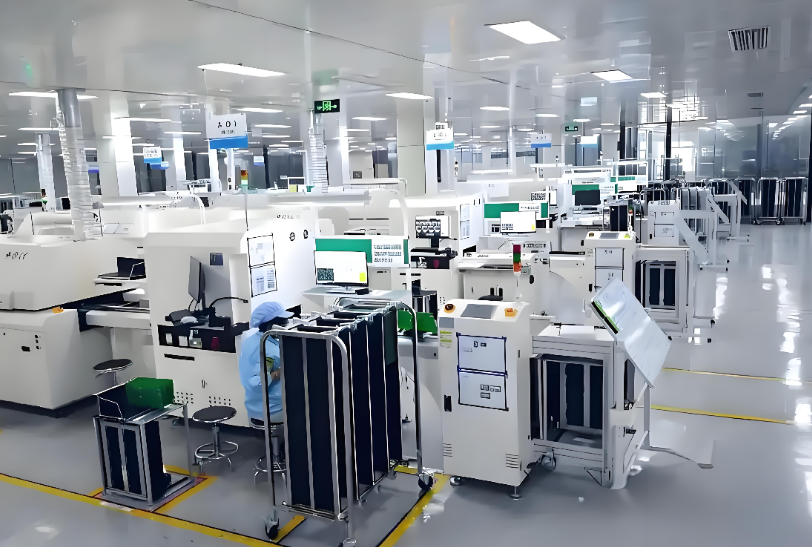
Through-Hole Assembly
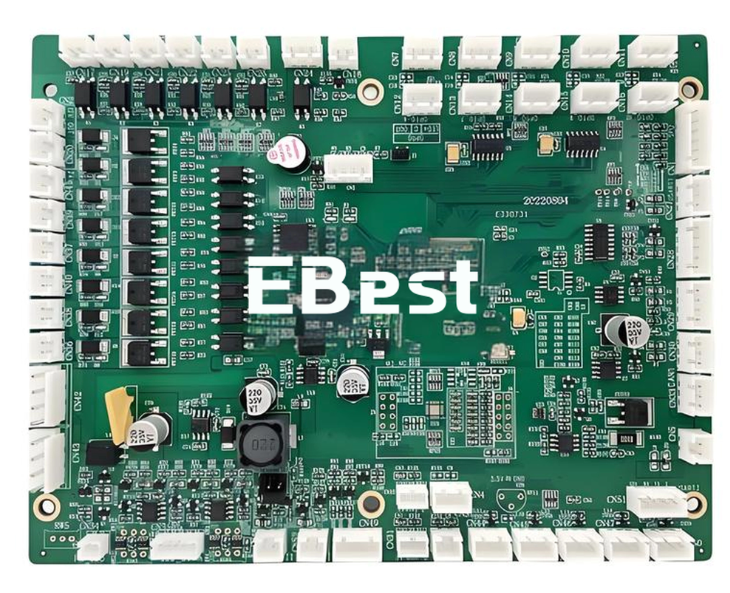
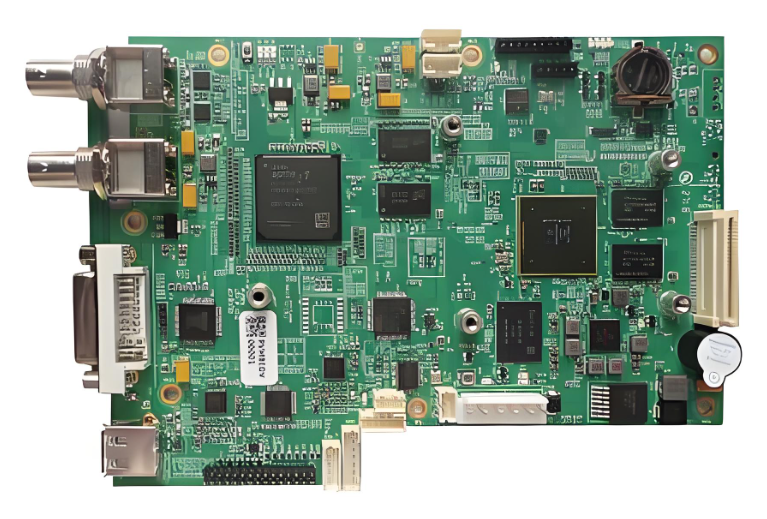
Are You Facing These Through-Hole Assembly Challenges?
Many engineers and buyers encounter similar issues when scaling through hole pcb assembly from prototype to production, especially when consistency becomes critical.
- Unstable solder quality in wave soldering
- High defect rate in manual insertion
- Difficulty handling large connectors or transformers
- Long lead time for mixed SMT + THT projects
- Reliability issues under vibration or thermal stress
These problems often lead to rework, delays, and increased cost, while also affecting product performance in the field.
How We Solve These Through-Hole Assembly Challenges?
Instead of only offering manufacturing, we focus on solving the root causes behind these issues through process control and engineering support.
- Inconsistent solder quality → Optimized wave soldering profile (245–260°C) with controlled dwell time (2–4 sec), ensuring stable hole fill
- High defect rate in insertion → Hybrid approach combining automated insertion and standardized manual processes with fixtures
- Handling heavy components → Custom support fixtures to prevent movement and improve solder joint strength
- Mixed SMT + THT inefficiency → Integrated production flow to reduce handling and improve efficiency
- Reliability concerns → Multi-stage inspection with AOI and X-ray to ensure consistency
Our Through-Hole PCB Assembly Capability
Our through hole pcb assembly service is built on both advanced equipment and real production experience, which allows us to deliver consistent results across different industries. EBest Circuit (Best Technology), founded in 2006, provides one-stop PCB and PCBA solutions with over 20 years of manufacturing experience and multiple quality certifications.
Key Capabilities
- Selective soldering for complex assemblies
- Wave soldering lines with precise thermal control
- Automated insertion for radial and axial components
- Support for large pin components (up to 1.8–2.0 mm)
- PCB thickness capability up to 3.2 mm
- AOI and X-ray inspection for quality assurance
Production Performance Indicators
| Metric | Typical Value |
|---|---|
| Solder joint yield | >99.2% |
| First pass yield | >98.5% |
| Rework rate | <1.5% |
| Standard PCBA lead time | ~1.5 weeks |
| Prototype turnaround | 3–5 days |
How We Control Solder Quality in Real Production?
Solder quality is the most critical factor in through hole assembly, and it depends on precise process control rather than equipment alone.
In our production environment, we control:
- Wave soldering temperature: 245–260°C
- Preheating ramp: 1–3°C/sec
- Contact time: 2–4 sec
- Cooling profile: controlled to reduce stress
Typical Defects and Control Methods
| Defect Type | Root Cause | Control Method |
|---|---|---|
| Insufficient hole fill | Low temp / short dwell | Optimize wave profile |
| Solder bridging | Excess solder | Adjust flux and process |
| Cold joints | Poor wetting | Control preheat and flux |
| Component misalignment | Manual variation | Use fixtures and AOI |
| Voids / weak joints | Improper heating | Stable thermal control |
By continuously monitoring these parameters, we ensure stable quality across batches, even for complex boards.
What Results Can You Expect from Our Through Hole Assembly Service?
Customers do not only need capability, they need predictable results that improve production efficiency and reliability.
- More consistent solder quality across batches
- Reduced defect rate during mass production
- Faster turnaround for mixed SMT + THT projects
- Improved reliability in harsh environments
In addition, DFM support before production helps identify risks early, which reduces rework and saves both time and cost.
Through Hole Assembly Process – Step-by-Step Overview
Through hole assembly follows a structured workflow, and each step must be controlled to ensure stable quality.
1. Component preparation and lead forming
2. PCB drilling and plating
3. Manual or automated insertion
4. Wave or selective soldering
5. Cleaning when required
6. Inspection (AOI / X-ray / visual)
7. Functional testing
Key Process Control Parameters
| Process Step | Parameter | Typical Range |
|---|---|---|
| Preheating | Temperature ramp | 1–3°C/sec |
| Soldering | Temperature | 245–260°C |
| Contact time | Dwell | 2–4 sec |
| Cooling | Rate | Controlled |
| Lead protrusion | Length | 1–2 mm |
What Is the Difference Between Through-Hole and SMT?
Through-hole assembly and SMT differ in structure, reliability, and production efficiency. While SMT is suitable for compact and high-speed designs, through hole pcb assembly is preferred for high-reliability applications.
Detailed Comparison
| Feature | Through-Hole Assembly | SMT |
|---|---|---|
| Mounting method | Inserted leads | Surface mount |
| Mechanical strength | 30–50% higher | Lower |
| Soldering temperature | 245–260°C | 235–250°C |
| Contact time | 2–4 sec | 60–90 sec |
| Board density | Lower | Up to 10× higher |
| Automation level | 30–70% | 80–95% |
| Defect rate | ~1–2% | ~0.5–1% |
| Reliability | Excellent | Moderate |
| Application | Industrial / automotive | Consumer electronics |
When Should You Choose Through-Hole PCB Assembly Instead of SMT?
Through hole pcb assembly is preferred when mechanical strength and durability are more important than size.
- High-current applications
- Large or heavy components
- Harsh environments with vibration
- Long-life industrial systems
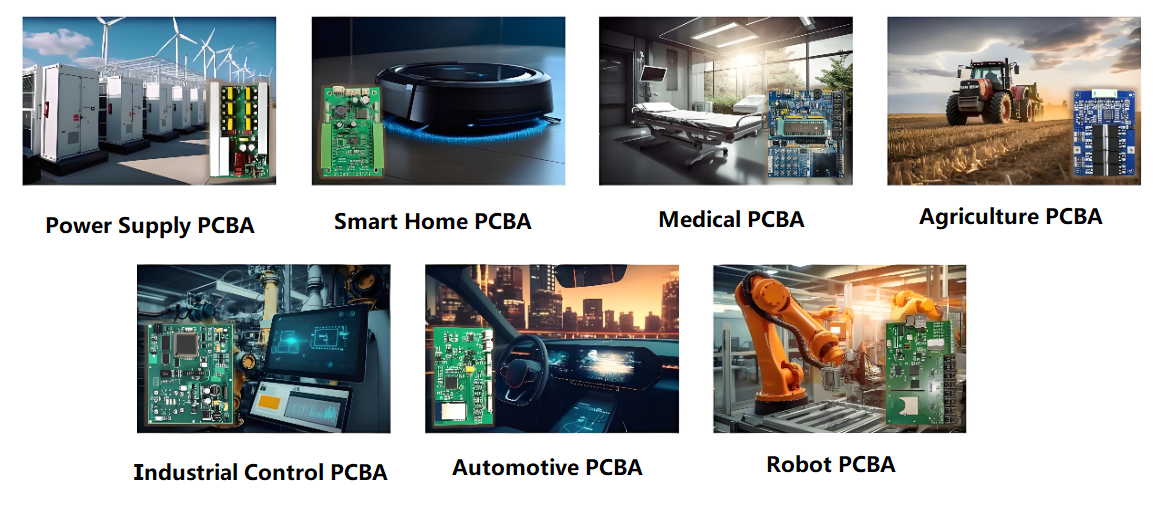
Which Industries Use Through-Hole Assembly the Most?
Through hole assembly services are widely used in industries that require stable and long-term performance.
- Industrial control
- Automotive electronics
- Aerospace and defense
- Power and energy systems
- Medical equipment
Why Customers Switch to Us from Other Suppliers?
Many customers switch to us after facing recurring issues during mass production, rather than at the prototype stage.
Common reasons include:
- Unstable solder quality
- Poor SMT + THT coordination
- Lack of engineering support
- Delivery delays
By addressing these issues through process optimization and engineering collaboration, we help customers achieve more stable production.
FAQ About Through-Hole Assembly
1. Is through-hole assembly better than SMT?
It depends on the application. Through-hole assembly (THT) is superior for components requiring high mechanical strength, such as connectors and heavy transformers, or for devices used in extreme environments. However, Surface Mount Technology (SMT) is better for high-density, compact electronics (like smartphones) because it allows for smaller components and faster, automated mass production.
2. Why is through-hole technology still used?
Through-hole technology remains essential because it provides the strongest mechanical bond between a component and the PCB. Engineers specify THT for:
- High-stress environments: Aerospace and military gear that face intense vibration.
- High-power applications: Components that handle high voltage or generate significant heat.
- Prototyping: Parts that need to be manually swapped or tested during the design phase.
3. What are the disadvantages of through-hole assembly?
The primary drawbacks of through-hole assembly are increased board size and higher production costs. Because THT requires holes to be drilled through every layer of the board, it limits available routing space and prevents components from being packed as densely as they are in SMT. Additionally, the process often requires more manual labor, which slows down the manufacturing timeline.
4. Can you mix through-hole and SMT on the same board?
Yes. This is known as mixed technology assembly. It is very common in modern electronics to use SMT for small, high-speed chips (like microprocessors) and THT for bulky or high-stress parts (like power plugs, large capacitors, or switches). This approach balances the space-saving benefits of SMT with the durability of THT.
5. What are the two main types of through-hole components?
Through-hole components generally fall into two categories based on their lead configuration:
- Axial Leads: Leads exit from opposite ends of the component (like a standard resistor), usually lying flat across the board.
- Radial Leads: Leads exit from the same side of the component (like a disc capacitor), allowing the part to stand upright and save horizontal board space.
6. Is through-hole assembly more expensive than SMT?
Generally, yes. THT is more expensive for high-volume production because of the drilling requirements and the difficulty of fully automating the placement of “loose” components. While SMT machines can place thousands of parts per hour, THT often involves semi-automated or manual insertion followed by wave soldering, leading to higher labor and fabrication costs per unit.
Ready to Improve Your Through-Hole Assembly Quality and Reduce Defects?
If you are dealing with soldering issues, inconsistent quality, or long lead times, working with the right manufacturer can make a real difference.
- DFM feedback within 24 hours
- Process optimization suggestions
- Fast quotation with lead time
Contact us: sales@bestpcbs.com