





Automotive camera MCPCB is a specialized metal-core printed circuit board designed to support high-performance imaging modules in vehicles by delivering superior thermal management and mechanical stability. This article explores how rigid-flex integration enhances compact vision systems, addresses common design and manufacturing challenges, and explains why choosing the right MCPCB partner matters for automotive applications.
Are you facing these common obstacles when developing automotive camera modules?
- Overheating sensors causing image noise and failure
- Limited space for routing and component placement
- Poor signal quality due to EMI and impedance mismatch
- Mechanical stress damaging rigid boards in moving parts
- Inconsistent quality from unreliable PCB suppliers
As an experienced MCPCB manufacturer, EBest Circuit (Best Technology) provides targeted solutions to overcome these issues.
- Metal core construction for efficient heat dissipation
- Rigid-flex design enabling 3D folding and space savings
- Controlled impedance and shielding for clean signals
- Durable stack-ups resisting vibration and flexing
- Strict process control ensuring consistent reliability
EBest Circuit (Best Technology) is a professional Automotive Camera MCPCB manufacturer specializing in thermal management and rigid-flex integration for compact vision systems. With advanced production capabilities and automotive-grade quality standards, we deliver MCPCB For Automotive Camera Systems that meet stringent thermal, mechanical, and signal performance requirements. Pls feel free to contact us at sales@bestpcbs.com for custom solutions.
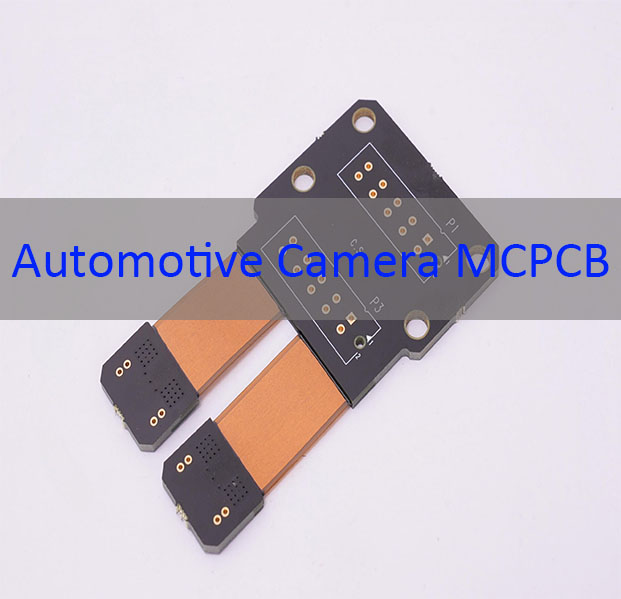
What Is Automotive Camera MCPCB?
An Automotive Camera MCPCB Module integrates a metal-core substrate with precision circuitry to support image sensors, lenses, and processing components in vehicle vision applications. Unlike standard FR-4 boards, MCPCBs use aluminum or copper cores to rapidly transfer heat away from sensitive electronics.
Key characteristics include:
- Metal Core Substrate – Aluminum or copper base for thermal conductivity
- Dielectric Layer – Thin insulating material balancing heat transfer and electrical isolation
- Circuit Layer – Copper traces for signal routing and power delivery
- Surface Finish – ENIG or immersion silver for solderability and corrosion resistance
This structure makes Thermal MCPCB For Automotive Camera applications ideal for ADAS, surround-view, and night-vision systems where temperature control is critical.
Why Combine Automotive Camera MCPCB With Flex PCB In Compact Vision Modules?
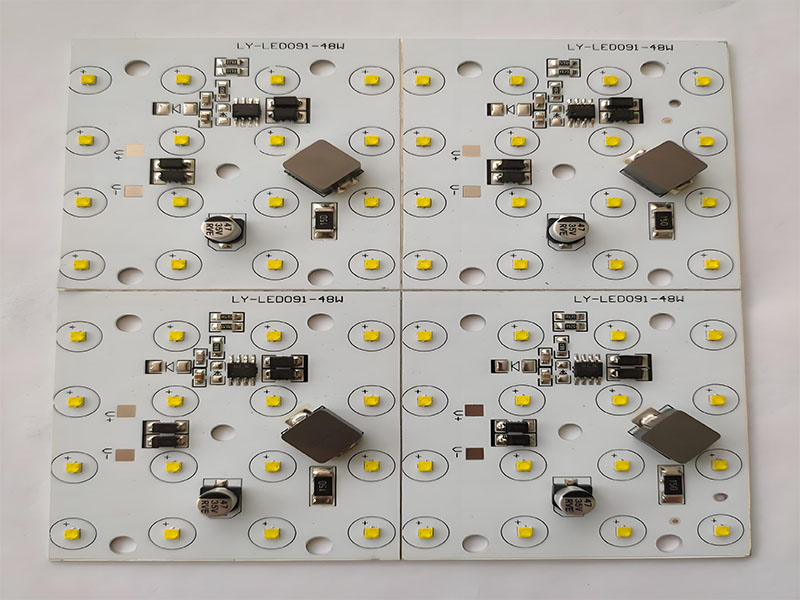
Integrating Automotive Camera MCPCB With Flex PCB Integration creates a rigid-flex solution that solves space and reliability challenges in compact designs.
| Feature | Rigid Section | Flex Section | Benefit |
|---|---|---|---|
| Structure | Metal core for heat dissipation | Polyimide for bending | Combines thermal + mechanical flexibility |
| Space | Supports components | Folds into tight spaces | Reduces module size by 30–50% |
| Reliability | Stable mounting | Absorbs vibration | Improves durability in moving vehicles |
| Assembly | Standard SMT processes | Dynamic routing | Simplifies integration with vehicle harnesses |
Rigid-flex designs allow cameras to fit into slim housings while maintaining thermal performance—essential for modern compact vision systems.
When Should You Use Automotive Camera MCPCB In Vehicle Vision Systems?
Use Automotive Camera MCPCB when your application requires:
- High Thermal Loads – Image sensors generating >2W of heat
- Space Constraints – Modules <20mm × 20mm footprint
- Vibration Resistance – Operation in engine bays or wheel wells
- Signal Integrity – High-speed MIPI or LVDS interfaces
- Automotive Certification – AEC-Q100 or ISO 26262 compliance
These conditions are common in backup cameras, driver monitoring systems, and autonomous driving sensors.
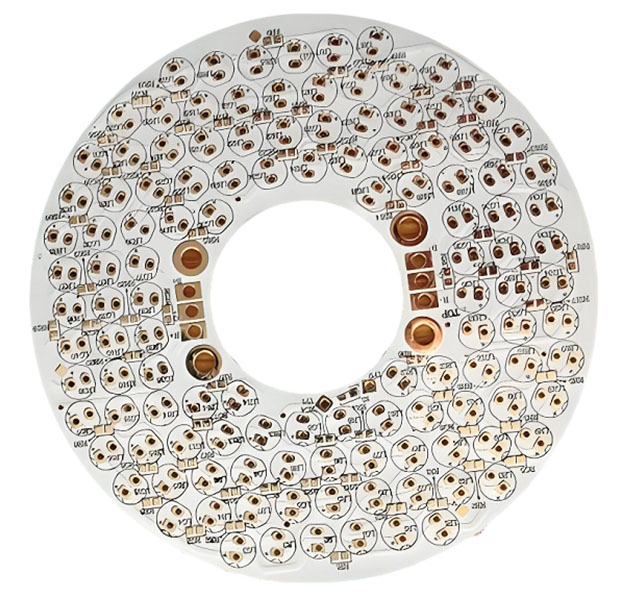
What Materials Are Used In Automotive Camera MCPCB Thermal Stackups?
Material selection directly impacts thermal and electrical performance:
| Layer | Common Materials | Key Properties |
|---|---|---|
| Metal Core | Aluminum 5052/6061, Copper | Thermal conductivity: 150–400 W/mK |
| Dielectric | Thermally conductive epoxy, ceramic-filled | Breakdown voltage: >3kV, CTE matching |
| Circuit | 1–3oz copper | Low resistance, high current capacity |
| Coverlay | Polyimide, solder mask | Protection against moisture and chemicals |
For Thermal MCPCB For Automotive Camera, aluminum cores are most common due to cost-effectiveness and sufficient thermal performance.
How To Optimize Automotive Camera MCPCB Layout For Better Thermal And Signal Performance?
Optimization strategies include:
- Thermal Vias – Place under heat-generating components to conduct heat to metal core
- Ground Planes – Continuous reference planes for signal integrity and EMI reduction
- Trace Geometry – Controlled impedance (50Ω single-ended, 100Ω differential) for high-speed signals
- Component Placement – Keep heat sources away from sensitive analog circuits
- Flex Region Design – Minimum bend radius >10× thickness to prevent cracking
These techniques ensure MCPCB For Automotive Camera Systems delivers reliable operation across temperature extremes (-40°C to +125°C).
How To Choose A Reliable Automotive Camera MCPCB Manufacturer For Vision Systems?
Evaluate suppliers based on:
- Automotive Experience – Proven track record in ADAS and camera modules
- Technical Capabilities – Rigid-flex and thermal management expertise
- Quality Certifications – IATF 16949, ISO 9001, and IPC-A-600 Class 3
- Testing Capabilities – Thermal cycling, vibration, and AOI inspection
- Supply Chain Stability – Consistent material sourcing and lead times
A qualified manufacturer ensures your Automotive Camera MCPCB Module meets both performance and reliability requirements.
Why Choose EBest Circuit (Best Technology) As Your Automotive Camera MCPCB Manufacturer?
EBest Circuit specializes in Automotive Camera MCPCB With Flex PCB Integration for compact vision systems. Our advantages include:
- Thermal Expertise – Optimized stack-ups for heat dissipation up to 5W/cm²
- Rigid-Flex Capability – Seamless integration of metal core and flexible circuits
- Automotive Compliance – IATF 16949 certified processes
- Rapid Prototyping – 5–7 day turnaround for samples
- Global Support – Technical consultation and volume production
Pls feel free to contact sales@bestpcbs.com to discuss your automotive metal core PCB project requirements.
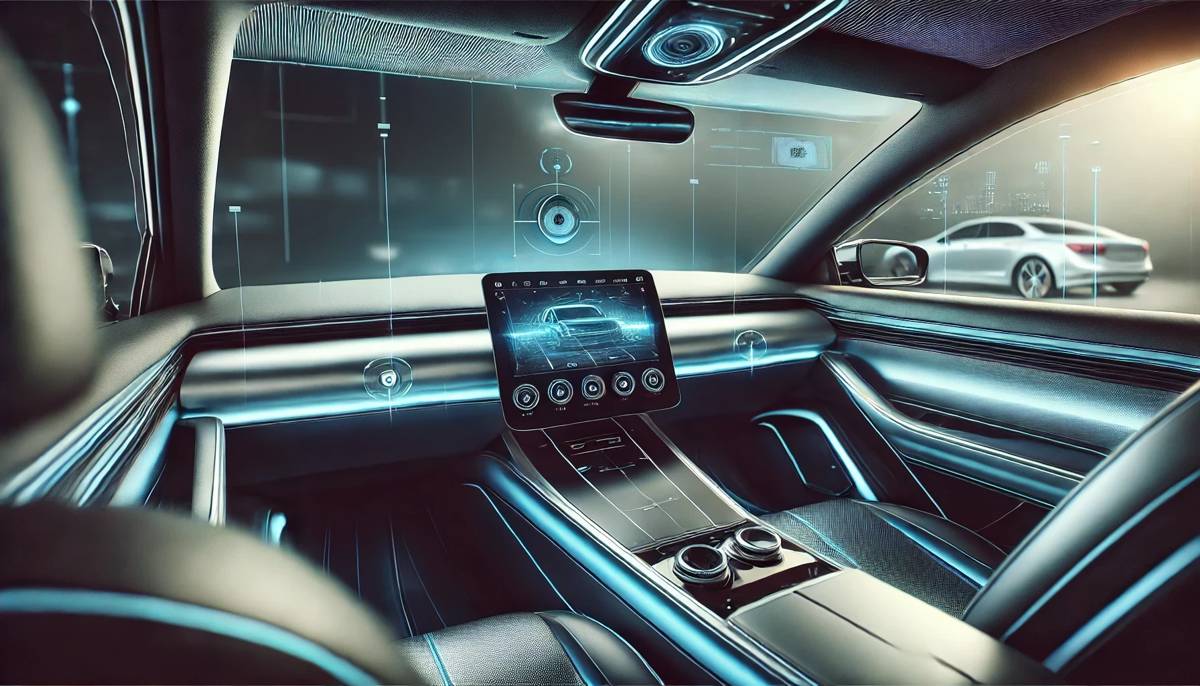
In summary, automotive camera MCPCB enables compact, thermally efficient vision systems essential for modern vehicles through rigid-flex integration and advanced thermal management. This article covered design considerations, material selection, optimization techniques, and supplier evaluation criteria for successful implementation. EBest Circuit (Best Technology) provides industry-leading MCPCB For Automotive Camera Systems with proven reliability and technical support. Pls feel free to contact us at sales@bestpcbs.com to start your next automotive vision project.
FAQs About Automotive Camera MCPCB
Q: Can MCPCB handle high-resolution camera sensors?
A: Yes, with proper thermal design and controlled impedance layouts supporting MIPI CSI-2 interfaces up to 4K resolution.
Q: What’s the minimum bend radius for flex sections?
A: Typically 10× the total thickness; we recommend 15× for automotive vibration environments.
Q: How does MCPCB compare to ceramic substrates?
A: MCPCB offers better cost-to-performance ratio for most automotive cameras, while ceramics excel in extreme thermal cycling.
Q: Are these boards waterproof?
A: The base MCPCB is not waterproof, but can be conformal coated or integrated into sealed modules.
Q: What’s the typical lead time?
A: Prototypes: 5–7 days; mass production: 2–3 weeks depending on complexity.