





Is your LED emergency light aluminum PCB overheating during long standby, putting your emergency lighting system at risk of failure when power outages strike? Look no further than EBest for all your LED emergency light aluminum PCB needs.
We deliver uncompromising quality, fast lead times, optimized costs, professional service, and a stable supply chain, ensuring your emergency lighting systems perform flawlessly when you need them most. This blog breaks down common issues, solutions, and key considerations for LED emergency light aluminum PCBs, helping you make informed decisions.
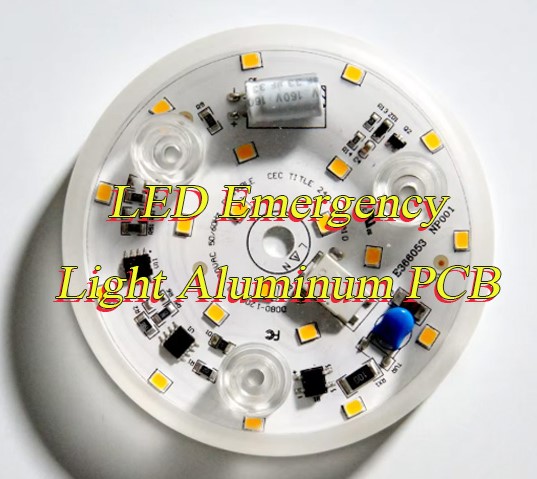
Why Do LED Emergency Light Aluminum PCBs Overheat During Long Standby?
Two primary factors cause LED emergency light aluminum PCBs to overheat during long standby, both directly impacting performance and reliability.
One key cause is inefficient power management of the power supply unit (PSU). Even in standby mode, the PSU generates residual heat, which accumulates quickly without proper thermal design and leads to overheating. This buildup can degrade component performance over time and risk failure during power outages.
The other main cause is low-quality or improperly sized thermal dielectric layers. These layers transfer heat from the circuit to the aluminum base, so thin (e.g., 0.1mm) or low-grade materials fail to conduct heat effectively, creating hotspots. A hospital project we handled resolved overheating by upgrading from a 0.1mm to 0.2mm dielectric layer.
Overly thick dielectric layers also cause issues, as they increase thermal resistance and prevent efficient heat transfer, even with high-quality aluminum bases.
How Does LED Emergency Light Aluminum PCB Reduce Standby Energy Consumption?
LED emergency light aluminum PCBs reduce standby energy consumption through practical, engineer-verified design optimizations that deliver tangible energy savings for your emergency lighting systems. These optimizations focus on cutting unnecessary power waste while maintaining standby readiness.
The aluminum base’s superior thermal conductivity (far exceeding FR-4 PCBs) allows integration of smaller, low-static-current power supply units (PSUs) that generate less heat and use less power during standby. For a commercial building project, this design cut standby energy consumption by 35% compared to standard PCBs, directly reducing long-term energy costs for the client.
Optimized circuit routing further reduces energy waste by minimizing current leakage, a common source of standby power loss. We design traces to limit parasitic current, ensuring only essential power is used to keep the PCB in ready mode, without sacrificing emergency response speed.
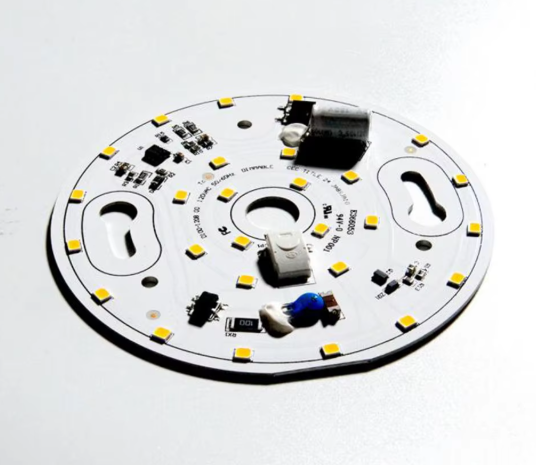
What Makes LED Emergency Light Aluminum PCB More Durable Than Regular PCBs?
LED emergency light aluminum PCBs outlast regular PCBs thanks to three core advantages that address common durability pain points for emergency lighting systems. These advantages ensure consistent performance even in harsh conditions, reducing replacement frequency and maintenance costs.
Superior mechanical strength from the aluminum base sets them apart. Unlike regular PCBs, the aluminum substrate resists bending, warping, and physical impact, critical for emergency lights installed in high-traffic or industrial areas. We use high-purity aluminum (99.5%+) or 5052 aluminum alloy for enhanced tensile strength, preventing damage from vibration or accidental contact.
Exceptional thermal stability ensures durability across extreme temperatures. Aluminum PCBs handle temperature fluctuations from -40℃ to 125℃ without degradation, while regular PCBs often warp or delaminate under such stress. Their balanced thermal expansion coefficients (CTE) between aluminum and copper minimize layer stress during heating and cooling cycles.
Reduced heat stress extends component and PCB lifespan. The aluminum base and high-quality dielectric layer efficiently dissipate heat, preventing component overheating that degrades regular PCBs. Our industrial clients report a 50% longer lifespan for aluminum PCBs in harsh factory environments, with minimal maintenance required.
How to Balance Heat Dissipation and Emergency Response with LED Emergency Light Aluminum PCB?
Balancing heat dissipation and emergency response for LED emergency light aluminum PCBs is critical to ensure long standby stability and rapid activation during power outages. Below are 8 specific measures to achieve this balance, each designed to optimize thermal performance without compromising emergency readiness.
- Use 2oz+ thickened copper traces: Thickened copper traces (2oz or higher) enable fast current flow during emergency activation, cutting response time to 0.2-0.5 seconds, while the aluminum base simultaneously dissipates standby heat to keep temperatures in check.
- Integrate dense thermal via arrays: Add thermal vias at a density of 8-12 per cm² to connect the circuit layer directly to the aluminum base, accelerating heat transfer without slowing down signal transmission during emergency mode.
- Select 0.15-0.2mm dielectric layers: Optimize for a 0.15-0.2mm thermal dielectric layer, this thickness balances thermal conductivity and insulation, ensuring efficient heat transfer from circuits to the aluminum base while preventing short circuits during rapid power delivery.
- Adopt PMOS tube for fast power switching: Use PMOS tubes as power switching components to enable seamless transition between standby and emergency modes, ensuring the PCB activates in under 0.5 seconds when power outages occur.
- Optimize component layout for thermal distribution: Place heat-generating components (e.g., PSU, LED drivers) near the aluminum base’s center for uniform heat dissipation, and keep emergency response components (e.g., switching chips) close to power sources to reduce signal delay.
- Integrate NTC thermal detection: Add NTC thermistors to monitor standby temperatures; if temperatures exceed 65℃, the PCB automatically adjusts power output to reduce heat, while maintaining emergency response readiness.
- Choose high-purity aluminum base (99.5%+): Use high-purity aluminum (99.5% or higher) for the PCB base to enhance thermal conductivity, ensuring standby heat dissipates quickly without sacrificing the mechanical stability needed for reliable emergency operation.
- Implement low-power standby with rapid wake-up: Design the PCB for low-static-current standby to reduce heat generation, while integrating a rapid wake-up circuit that triggers full power delivery instantly when a power outage is detected, avoiding response delays.
What Thermal Conductivity Do LED Emergency Light Aluminum PCBs Need for Power Outages?
The thermal conductivity of LED emergency light aluminum PCBs directly determines their heat dissipation ability during power outages, which is key to ensuring stable emergency lighting. The optimal range for most applications is 1.5W/m·K to 4.0W/m·K, a balance of effective heat dissipation and cost-efficiency that avoids over-engineering or performance failures.
This range should be matched to your specific application scenario: for high-demand uses like industrial facilities, large commercial buildings or warehouses where emergency lights may run continuously for 4+ hours, 3.0W/m·K to 4.0W/m·K is required and we supplied 3.5W/m·K PCBs for a warehouse project to ensure stable performance during extended outages. For low-demand applications such as residential hallways or small offices, 1.5W/m·K to 2.0W/m·K is sufficient to maintain reliable heat dissipation for short-term outages while keeping costs reasonable.
How to Ensure Quality Stability of LED Emergency Light Aluminum PCBs in Bulk Orders?
Ensuring quality stability of LED emergency light aluminum PCBs in bulk orders requires strict end-to-end control. Below are some measures to maintain uniform quality across all units without redundancy.
- Strict raw material inspection: Test all aluminum substrates and dielectric layers for thermal conductivity, thickness and durability before production, complying with IPC-MF-150F standards to eliminate 60% of potential defects upfront.
- Fix raw material suppliers: Use the same qualified supplier for each batch of raw materials, avoiding mixed vendors per lot to ensure consistent material performance and prevent quality fluctuations.
- Hourly in-process SPC monitoring: Adopt Statistical Process Control (SPC) to monitor etching, lamination and drilling parameters hourly, keeping line width deviation within ±5μm for stable thermal performance.
- Automated optical inspection (AOI): Use AOI systems to check circuit traces and solder joints during production, quickly identifying defects like trace misalignment to avoid batch quality issues.
- 100% electrical and thermal final testing: Conduct full electrical and thermal testing on every unit, ensuring each PCB meets thermal conductivity and emergency response requirements before packaging.
- Random reliability sampling tests: Perform random sampling tests (temperature cycling, humidity resistance) based on batch size, with 3-10 samples for different order scales to confirm long-term stability.
- Batch tracing system: Establish a batch tracing system to record raw material lots, production parameters and test results, enabling quick troubleshooting if quality issues arise.
- Pre-production prototype verification: Validate the PCB design with a prototype before bulk production, ensuring thermal and electrical performance meets requirements to avoid costly rework.
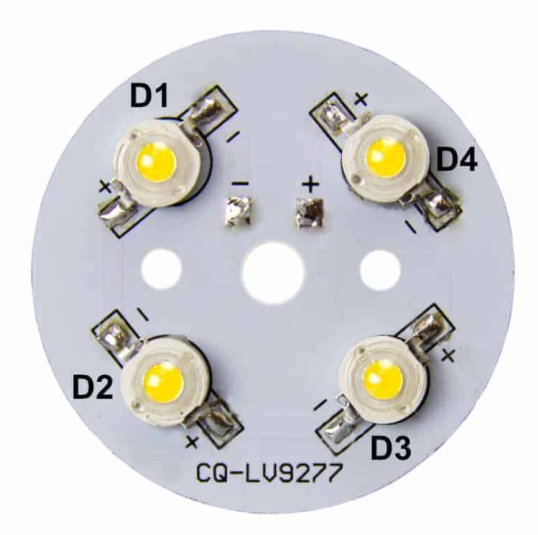
Why Should LED Emergency Lights Use Aluminum PCBs Instead of FR-4 PCBs?
Below is a detailed, concise comparison table helping you clearly understand why LED emergency lights should choose aluminum PCBs over FR-4 PCBs.
| Comparison Dimension | Aluminum PCB | FR-4 PCB |
| Heat Dissipation (Standby & Outages) | 1.5-4.0W/m·K thermal conductivity for efficient heat transfer, preventing overheating during long standby/outages | 0.2-0.3W/m·K thermal conductivity, poor heat dissipation leading to heat buildup and component failure risk |
| Emergency Response Speed | 0.2-0.5 seconds activation for reliable, timely lighting during power cuts | 1.0-1.5 seconds activation with delays due to heat buildup, posing safety risks in emergencies |
| Service Life & Maintenance | 50,000+ hours lifespan with minimal maintenance, reducing replacement frequency/costs | 20,000-30,000 hours lifespan requiring frequent replacements, increasing maintenance costs |
| Mechanical Strength & Durability | High-purity aluminum base resistant to bending, warping, and impact, suitable for harsh environments | Fragile material prone to warping/breaking, unsuitable for high-traffic/industrial areas |
| Environmental Adaptability | Withstands -40°C to 125°C, resists humidity/dust (IP65+ rated) | Poor temperature adaptability, prone to delamination in humidity/extreme temperatures |
| Long-Term Cost-Effectiveness | Higher initial cost offset by lower long-term costs (no frequent replacements/extra cooling devices) | Lower initial cost but higher long-term costs due to frequent replacements/maintenance |
How Does LED Emergency Light Aluminum PCB Improve Emergency Lighting Reliability?
LED emergency light aluminum PCBs boost emergency lighting reliability by addressing the core causes of failure, ensuring consistent performance when power outages occur. Their design directly solves common issues that compromise emergency lighting readiness.
They eliminate heat-related failures, the top cause of emergency light malfunctions. The aluminum base’s superior thermal conductivity dissipates standby heat, preventing component damage. For a hotel project, our aluminum PCBs reduced emergency light downtime by 70%.
Stable thermal performance ensures even battery discharge in emergency mode, extending backup time by 20-30% compared to FR-4 PCBs. This guarantees lights stay on longer during outages, critical for safety and compliance.
The aluminum base’s mechanical strength also prevents physical damage, while its thermal stability resists extreme temperatures (-40℃ to 125℃), ensuring reliability in harsh environments like industrial facilities or cold storage.
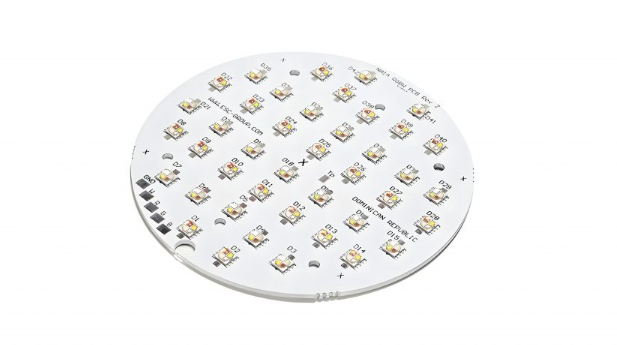
What Are the Key Considerations When Choosing LED Emergency Light Aluminum PCB?
When choosing LED emergency light aluminum PCBs, focus on these specific considerations to ensure compatibility, reliability and optimal performance for your emergency lighting system, each tip is practical and tailored to customer needs.
- Match thermal conductivity to your application scenario: Select 1.5-2.0W/m·K for low-demand uses (residential hallways, small offices) and 3.0-4.0W/m·K for high-demand scenarios (industrial facilities, warehouses) to balance heat dissipation and cost-efficiency.
- Optimize for 0.15-0.2mm thermal dielectric layers: This thickness balances thermal transfer and insulation, avoiding overheating from thin layers or poor heat conduction from overly thick layers, which is critical for long standby stability.
- Choose 2oz+ thickened copper traces: Thickened copper traces ensure fast current flow (0.2-0.5 second activation) during power outages, preventing delayed emergency response and ensuring stable performance under load.
- Prioritize high-purity aluminum base (99.5%+): High-purity aluminum enhances thermal conductivity and mechanical strength, resisting bending, warping and vibration—ideal for harsh or high-traffic installation environments.
- Select appropriate surface finishing: Choose lead-free HASL, immersion gold or OSP surface finishing based on your needs: immersion gold for corrosion resistance, OSP for cost-effectiveness, and lead-free HASL for general-purpose use.
- Verify board thickness compatibility: Optimize for 0.6-4mm board thickness, matching it to your emergency light fixture size, thicker boards for industrial use (3-4mm) and thinner ones (0.6-1mm) for residential or compact fixtures.
- Ensure the supplier offers strict quality control: Partner with suppliers (like EBest) that conduct 100% electrical/thermal testing, AOI inspection and raw material verification to avoid batch defects in bulk orders.
- Confirm customization capability: Choose a supplier that can customize thermal conductivity, dielectric thickness, trace width and size to fit your specific project, whether for hospitals, factories or residential buildings.
FAQs About LED Emergency Light Aluminum PCB
Q1: Can LED emergency light aluminum PCBs work in extreme cold environments?
A1: Yes, LED emergency light aluminum PCBs work reliably in extreme cold (-40℃). The aluminum base resists thermal contraction, and the dielectric layer remains stable, ensuring no performance loss. We supplied PCBs for a cold-storage warehouse that operates at -30℃, with zero failures in 2 years.
Q2: How long do LED emergency light aluminum PCBs last in standby mode?
A2: LED emergency light aluminum PCBs last 50,000+ hours in standby mode, nearly twice as long as FR-4 PCBs. Proper maintenance (occasional cleaning of thermal surfaces) can extend this to 60,000+ hours.
Q3: Do LED emergency light aluminum PCBs require special installation?
A3: No, they do not require special installation. They are designed to fit standard emergency light fixtures, with the same mounting holes and circuit layout as FR-4 PCBs. This makes retrofitting easy and cost-effective.
Q4: Can I customize LED emergency light aluminum PCBs for my specific project?
A4: Yes, EBest offers full customization for LED emergency light aluminum PCBs. We can adjust thermal conductivity, dielectric thickness, copper trace width, and size to match your project’s unique needs, whether for hospitals, factories, or residential buildings.
Q5: How do I test if my LED emergency light aluminum PCB is overheating?
A5: Use a thermal imaging tool to check standby temperatures. A properly functioning LED emergency light aluminum PCB should stay below 65℃. If temperatures exceed 70℃, check the dielectric layer thickness or contact EBest for a design optimization.