





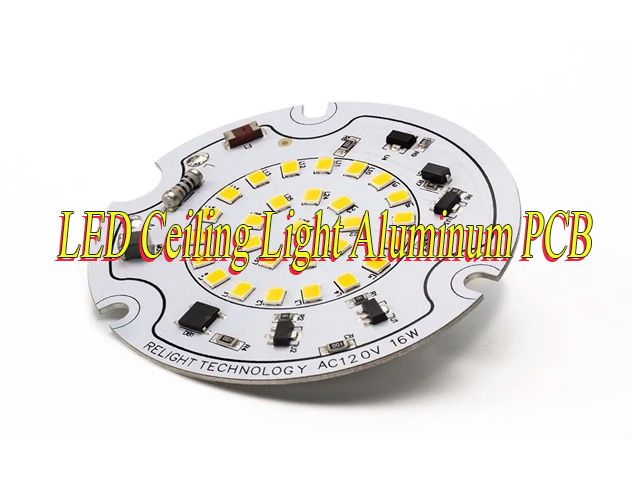
For anyone building, repairing, or sourcing high-performance LED ceiling lights, the right circuit board directly dictates lifespan, brightness, and reliability. A LED ceiling light aluminum PCB solves the core heat-related flaws of standard PCBs, keeping LED chips cool, maintaining consistent light output, and cutting down on premature failures. This guide breaks down everything you need to know about these specialized PCBs, from core specs to real-world use cases, and why EBest is your top source for consistent, high-quality boards.
What Are the Top Pain Points with Standard PCBs for LED Ceiling Lights?
Most LED ceiling light failures stem from standard FR-4 PCBs that fail to handle heat and long-term use properly. Below are the top 6 common pain points that plague designers, manufacturers, and end users alike, all of which are solved by switching to a dedicated LED ceiling light aluminum PCB.
- Why do standard PCBs cause severe heat buildup in LED ceiling lights and shorten chip lifespan?
- How do standard PCBs lead to uneven lighting and visible hotspots across LED ceiling panels?
- Why do standard fiberglass PCBs warp or delaminate under long-term LED operation?
- How do standard PCBs trigger early LED burnout and frequent fixture replacements?
- Why do standard PCBs cause color shifting and inconsistent light output over time?
- How do standard PCBs lower overall product reliability and increase maintenance costs?
These recurring issues make standard PCBs a poor fit for LED ceiling lighting, as they cannot match the thermal stability and durability of aluminum-based PCBs. Partner with EBest to eliminate these pain points completely with reliable LED ceiling light aluminum PCB solutions.
Our Solutions to Solve the Challenges of LED Ceiling Light Aluminum PCB
Here are our solutions to these pain points of LED ceiling light aluminum PCB:
- Against severe heat buildup and shortened LED lifespan: Our LED Ceiling Light Aluminum PCB uses a high-thermal-conductivity aluminum base (1.0-4.0 W/(m·K)) that rapidly transfers heat away from LED chips, keeping operating temperatures stable and extending chip service life far beyond standard FR-4 PCB limits.
- Against uneven lighting and hotspots: The uniform thermal conductivity of our aluminum PCB spreads heat evenly across the entire board surface, eliminating concentrated hotspots and ensuring consistent brightness and light distribution across the whole ceiling light panel.
- Against warping and delamination: We use a rigid, heavy-duty aluminum substrate paired with a high-temperature resistant insulation layer that withstands long-term heat exposure without warping, bending, or layer separation, maintaining structural integrity for continuous use.
- Against early LED burnout and frequent replacements: By maintaining consistent, safe operating temperatures and eliminating heat-induced damage, our aluminum PCB drastically reduces LED chip burnout rates, cutting down on fixture replacements and downtime for both manufacturers and end users.
- Against color shifting and inconsistent light output: Stable thermal performance prevents LED chip degradation and light wavelength shifts, preserving consistent color rendering and brightness levels throughout the lifespan of the ceiling light, with no gradual fading or discoloration.
- Against low reliability and high maintenance costs: Our durable, heat-stable LED Ceiling Light Aluminum PCB boosts overall fixture reliability, reduces long-term maintenance and repair needs, and lowers total ownership costs while improving product quality and customer satisfaction.
These recurring issues make standard PCBs a poor fit for LED ceiling lighting, as they cannot match the thermal stability and durability of aluminum-based PCBs. Partner with EBest to eliminate these pain points completely with reliable LED ceiling light aluminum PCB solutions.
Why EBest Stands Out for LED Ceiling Light Aluminum PCB Orders?
Here are reasons why EBest stands out for LED ceiling light aluminum PCB orders:
We deliver uncompromising, consistent quality for every LED ceiling light aluminum PCB we manufacture. Every board undergoes full structural and thermal performance checks before shipment, ensuring zero defects and uniform performance across every batch, so your LED ceiling light products maintain stable quality and long-term reliability with no unexpected failures.
We honor reliable, on-time lead times for both small-batch prototype orders and large-scale mass production runs. Our streamlined, efficient production workflow eliminates unnecessary delays and bottlenecks, ensuring you receive your PCB order exactly when you need it to keep your lighting production schedule on track, no last-minute holdups.
Our supply chain is fully vetted and rock-solid, with long-term partnerships with premium raw material suppliers. We source only high-grade aluminum substrates and heat-resistant insulation materials, guaranteeing consistent material quality across all orders and eliminating production disruptions from material shortages or subpar inputs.
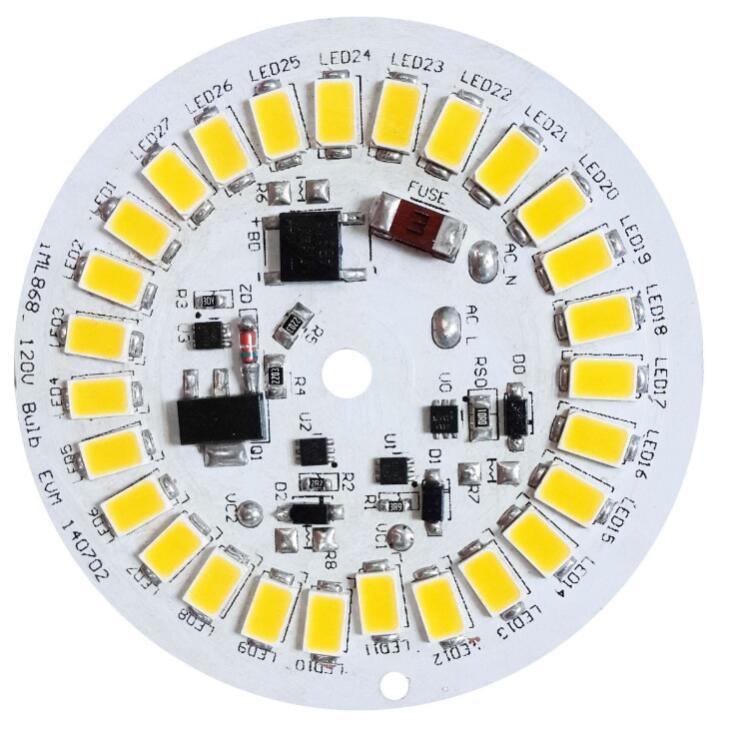
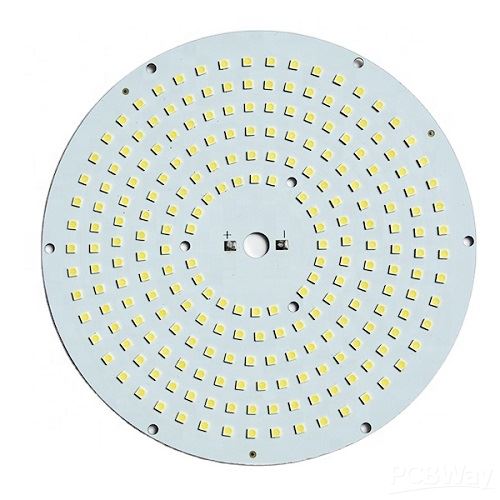
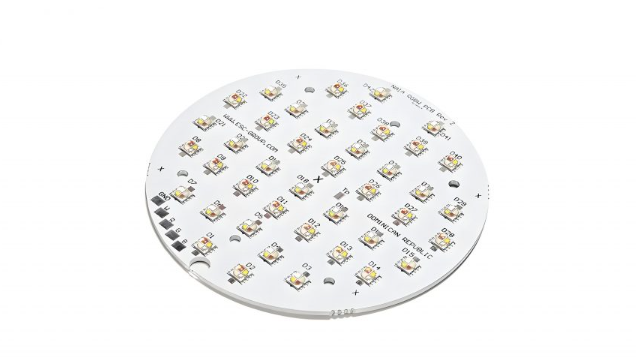
We offer full customization flexibility to match your unique LED ceiling light design requirements. From custom board sizes and circuit layouts to tailored thermal conductivity specs and surface finishes, we adjust every detail to fit your fixture housing, LED chip type, and performance needs, no one-size-fits-all limitations.
We provide end-to-end customer support from initial inquiry to post-delivery assistance. Our technical team offers free, practical design guidance to optimize manufacturability and thermal performance, and we provide responsive troubleshooting and assembly support to make your entire sourcing process smooth and low-effort.
As a trusted specialist in LED aluminum PCBs, we focus fully on the lighting industry’s unique needs. We build our products to meet global safety and quality standards, pairing durable, high-performance materials with precise manufacturing to help you create LED ceiling lights that stand out for longevity and consistent performance in the market.
EBest Certifications & Quality Credentials for LED Ceiling Light Aluminum PCB
Our certifications confirm full compliance with global industry standards for PCB manufacturing and LED lighting components, giving you complete confidence in product reliability, safety, and market eligibility. All our LED ceiling light aluminum PCB boards are produced under these certified quality systems, with consistent adherence to every standard.
- ISO 9001: Validated international quality management system certification, covering our full production, inspection, and quality control processes for LED Ceiling Light Aluminum PCB. This certification ensures strict process standardization and consistent batch quality across all orders.
- RoHS: Full compliance with EU hazardous substance restriction directives, confirming our LED Ceiling Light Aluminum PCB is free from restricted harmful materials. This makes our boards safe for indoor residential and commercial lighting use, and eligible for sale across EU and global markets.
- UL Recognized: Certification meeting North American safety and performance standards for printed circuit boards. This credential validates the safety, thermal stability, and operational reliability of our LED Ceiling Light Aluminum PCB for use in the North American lighting market.
- IPC Class 2/3: Compliance with industry-leading PCB manufacturing and assembly standards. IPC Class 2 suits general commercial LED lighting applications, while Class 3 supports high-reliability, long-performance lighting projects, ensuring our boards meet diverse project quality demands.
Every LED ceiling light aluminum PCB from EBest is manufactured to meet these certified standards, guaranteeing reliable performance, global regulatory compliance, and consistent quality for your lighting products.
How Does a Reliable LED Ceiling Light Aluminum PCB Improve Heat Dissipation?
LED ceiling lights generate consistent heat during operation, and standard FR-4 PCBs act as heat insulators rather than heat conductors, trapping heat close to LED chips and causing long-term damage. A LED ceiling light aluminum PCB fixes this flaw by using a purpose-built three-layer structure designed for efficient, passive heat transfer, moving heat away from sensitive LED components quickly and evenly.
The board consists of a circuit layer for LED mounting, a thin, high-thermal-conductivity dielectric insulation layer, and a solid aluminum base layer. This layered design creates a direct thermal path that standard fiberglass PCBs cannot match, drastically lowering thermal resistance and speeding up heat movement.
Heat generated by LED chips first transfers from the circuit layer through the stable insulation layer to the thick aluminum base. The aluminum base acts as a built-in heat sink, spreading heat across its entire surface to avoid concentrated hotspots, and then releases heat into the surrounding fixture and air.
Unlike standard PCBs that hold heat and drive up operating temperatures, this design maintains lower, consistent temperatures for LED chips. Stable temperatures prevent accelerated light degradation, color shift, and premature burnout, directly extending the overall lifespan and performance consistency of LED ceiling lights.
This passive cooling method requires no extra fans, heat fins, or bulky cooling parts, keeping ceiling light fixtures slim, lightweight, and easy to install for both residential and commercial settings. It also simplifies assembly and reduces overall fixture complexity without sacrificing thermal performance.
What Key Features Define a Reliable LED Ceiling Light Aluminum PCB?
A truly reliable LED ceiling light aluminum PCB stands out through consistent performance, long-term durability, and seamless compatibility with LED lighting systems, with several core features that separate high-quality boards from generic alternatives. These features work together to deliver stable thermal management, dependable operation, and easy assembly, directly boosting the lifespan and performance of finished LED ceiling lights.
First and foremost, targeted thermal conductivity is non-negotiable. A quality aluminum PCB uses a specially formulated aluminum base with balanced thermal transfer capabilities, designed to pull heat away from LED chips quickly without creating uneven hotspots. This targeted heat dissipation keeps LED components at safe operating temperatures during continuous use, preventing light degradation and premature burnout that plague lower-quality boards.
A durable, heat-resistant insulation layer is another critical feature. The insulation layer between the copper circuit layer and aluminum base must withstand high soldering temperatures and long-term heat exposure without peeling, cracking, or losing thermal efficiency. This layer maintains electrical isolation while supporting consistent heat transfer, ensuring the board remains structurally intact even after thousands of hours of operation.
Precise manufacturing and dimensional accuracy also define a reliable board. Every trace, pad, and drill hole must be etched and machined to tight tolerances, ensuring a perfect fit for LED chips, drivers, and fixture housing. Accurate dimensions eliminate assembly issues, poor solder connections, and misalignment that can compromise both performance and safety, making production smoother for lighting manufacturers.
Compliant, reliable surface finishing is equally important. A proper surface finish protects the copper circuitry from oxidation, supports strong solder bonds, and meets global environmental and safety standards for indoor lighting. Lead-free finishes ensure the board is safe for residential and commercial use, while also resisting corrosion and extending shelf life before assembly.
Finally, a reliable aluminum PCB offers consistent batch-to-batch quality, with uniform material composition and performance across every unit. This consistency eliminates variations between individual boards, ensuring every finished LED ceiling light performs the same, with predictable lifespan and light output. Choosing a board with all these features ensures long-term reliability and reduces costly rework or product failures down the line.
How to Choose the Right LED Ceiling Light Aluminum PCB?
Selecting the correct LED Ceiling Light Aluminum PCB requires matching core specifications to your fixture design, LED power, and usage scenario. Follow these clear, actionable guidelines to pick the ideal board for consistent performance and long service life:
- Match thermal conductivity to LED power level: For high-power LED ceiling lights (above 15W), choose a board with 2.0–4.0 W/(m·K) thermal conductivity for maximum heat dissipation. For low-power residential fixtures, 1.0–1.5 W/(m·K) is sufficient to maintain stable operating temperatures.
- Select board thickness for fixture fit: Stick to 1.0mm–1.6mm thickness for most standard slim ceiling light housings to ensure a clean, proper fit. Use thicker boards (1.8mm–2.0mm) for heavy-duty or larger commercial fixtures that need extra structural rigidity.
- Pick copper foil thickness based on current load: Use 1oz copper foil for low-power, low-current LED setups. Upgrade to 2oz–3oz copper foil for high-power LEDs or boards with multiple LED chips, to support steady current flow and avoid overheating or voltage drops.
- Choose a compatible surface finish: Optimize for lead-free HASL for cost-effective, reliable assembly. Use OSP for smooth, oxidation-resistant solder pads, or ENIG for high-precision, long-term durability in premium or commercial lighting projects.
- Verify insulation layer quality: Ensure the board uses a high-temperature resistant insulation layer to prevent delamination, cracking, or thermal performance loss during long hours of operation, even under consistent heat exposure.
- Confirm dimensional and manufacturing accuracy: Select boards with tight tolerance etching and drilling to guarantee proper LED component alignment, easy assembly, and consistent fit across all production batches.
What Happens If You Use a Standard PCB Instead of LED Ceiling Light Aluminum PCB?
Standard FR-4 PCBs lack the thermal design and structural stability needed for LED ceiling lights, leading to consistent performance and durability issues. Below are the key drawbacks of using standard PCBs in this application, broken down clearly for quick understanding:
- Severe heat buildup and shortened LED lifespan: Standard PCBs have poor thermal conductivity and trap heat near LED chips. This raises operating temperatures, accelerates chip degradation, and cuts the overall lifespan of the ceiling light by half or more compared to using an aluminum PCB.
- Uneven lighting and visible hotspots: Without uniform heat distribution, standard PCBs create concentrated hotspots across the board. This causes uneven brightness across the ceiling light panel and inconsistent light output in different areas of the fixture.
- Warping, delamination, and structural failure: Long-term heat exposure weakens standard fiberglass PCBs, leading to warping, bending, or layer separation. This damages internal circuits, causes loose connections, and often results in complete fixture failure.
- Early LED burnout and frequent replacements: Heat-induced damage to LED chips leads to premature burnout, requiring frequent fixture repairs or full replacements. This raises long-term costs for both manufacturers and end users.
- Color shifting and fading light output: Consistent overheating alters LED chip performance, causing gradual color shifting, dimming, and loss of consistent light quality over time. The fixture will not maintain its original brightness or color rendering.
- Lower reliability and higher maintenance costs: Standard PCBs reduce overall fixture reliability and increase the need for ongoing maintenance. This leads to higher total ownership costs and lower customer satisfaction with the finished lighting product.
How to Ensure Proper Assembly of LED Ceiling Light Aluminum PCBs?
Proper assembly of LED ceiling light aluminum PCB is critical to preserve full thermal performance, avoid component damage, and guarantee long-term reliability of finished ceiling lights. Unlike standard FR-4 PCBs, aluminum PCBs require careful handling to maintain heat transfer efficiency and prevent structural or electrical defects. Follow these detailed, practical guidelines for consistent, high-quality assembly results every time.
- Use optimized solder profiles for aluminum substrates: Aluminum PCB conducts heat faster than fiberglass, so standard solder profiles often cause cold joints or overheating. Use a stepped, low-peak-temperature solder profile designed for metal-core PCBs to avoid thermal stress, component damage, or poor solder adhesion. Never use excessive heat that could damage the insulation layer between the copper circuit and aluminum base.
- Align LED components with exact footprint placement: Precise alignment of SMD or COB LEDs to the designated board footprints is non-negotiable for optimal heat transfer. Misaligned LEDs create gaps that block heat flow to the aluminum base, leading to hotspots and premature burnout. Double-check positioning before soldering to ensure full contact between LED bases and PCB pads.
- Apply thermal interface material correctly (when needed): For high-power LED setups, apply a thin, uniform layer of thermal grease or thermal pad between the aluminum PCB and fixture housing. Avoid over-application, as excess material can reduce heat transfer efficiency and create messy buildup. This step enhances heat dissipation from the board to the outer fixture casing.
- Secure the PCB firmly and evenly to the fixture housing: Mount the aluminum PCB to the metal or plastic housing using evenly spaced screws or clips, ensuring full, flat contact across the entire board surface. Uneven mounting creates air gaps that reduce thermal performance. Tighten fasteners evenly to avoid warping the rigid aluminum substrate, which can damage internal circuits or LED connections.
- Avoid bending, flexing, or rough handling: Aluminum PCBs are rigid but can develop internal cracks or insulation damage if bent or dropped during assembly. Handle boards by the edges only, and avoid applying pressure to LED pads or circuit traces. Never force a board into an ill-fitting housing, as this compromises both structural integrity and heat dissipation.
- Follow anti-static handling procedures: Static electricity can damage sensitive LED components and circuit traces. Use anti-static mats, wrist straps, and storage containers throughout the assembly process to prevent electrostatic discharge. This step protects both LEDs and the aluminum PCB from hidden damage that causes early failure.
- Inspect solder joints and connections post-assembly: After soldering and mounting, visually inspect all solder joints for cold joints, bridges, or insufficient solder. Test electrical connections to ensure consistent power flow, and check for any signs of insulation damage or board warping. A quick post-assembly inspection catches defects early and ensures every finished light performs reliably.
Following these assembly best practices ensures your LED ceiling light aluminum PCB retains its full thermal efficiency and durability, resulting in ceiling lights with consistent brightness, long lifespan, and minimal maintenance needs. Our team at EBest can provide custom assembly guidelines tailored to your specific board design for perfect, repeatable results.
How to Test the Thermal Performance of LED Ceiling Light Aluminum PCB?
Testing the thermal performance of your LED ceiling light aluminum PCB helps verify heat dissipation efficiency, ensure stable LED operation, and confirm the board meets your design and durability requirements. Follow these standardized, easy-to-follow steps for accurate, repeatable test results.
- Prepare the test setup and control ambient conditions: Set up a test environment with stable ambient temperature, controlled at 22–25°C with no forced air flow or direct sunlight to avoid skewing temperature readings. Mount the aluminum PCB into a complete LED ceiling light fixture, following standard assembly guidelines to ensure full, flat contact between the PCB and fixture housing, and install the intended LED chips and driver to mimic real working conditions.
- Calibrate testing tools and mark measurement points: Prepare a thermal imaging camera and a high-precision digital thermometer, calibrating both tools before testing to ensure accuracy. Mark key measurement points on the PCB: the center of each LED chip pad (the main heat source), the aluminum base surface, and the outer edge of the board, to track temperature distribution across the entire panel.
- Power on the fixture and run a pre-test warm-up cycle: Connect the fixture to its rated voltage and power supply, then run a continuous warm-up cycle for 60 minutes. This allows the LED chips and PCB to reach a stable operating temperature, eliminating temporary temperature fluctuations that can distort test results, and mimics long-term daily use of the ceiling light.
- Record temperature data and check for hotspots: Use the thermal imaging camera to capture a full thermal image of the PCB and fixture, and record temperature readings at all pre-marked points with the digital thermometer. Check the thermal image for concentrated hotspots: a high-quality aluminum PCB will show uniform heat distribution, with no localized areas of extreme heat. Note the peak temperature of LED chips and the average temperature of the aluminum base.
- Compare results to performance standards and evaluate: Compare your recorded data to industry benchmarks: LED chip temperature should stay below 85°C for optimal lifespan and performance, and the temperature difference between the LED chip and aluminum base should be minimal, indicating efficient heat transfer. If temperatures exceed this threshold or uneven hotspots are present, review assembly practices or PCB specification adjustments.
- Complete a post-test stability check: Keep the fixture running for an additional 2–4 hours to conduct a long-term stability test, rechecking temperature readings at 30-minute intervals. Consistent, steady temperatures confirm reliable thermal performance; rising temperatures over time indicate poor heat dissipation or assembly flaws that need correction before mass production or deployment.
Following this full step-by-step test ensures your LED ceiling light aluminum PCB delivers consistent, efficient heat dissipation, protecting LED components and extending the overall service life of the finished ceiling light fixture.
FAQs About LED Ceiling Light Aluminum Printed Circuit Board
Q1: How is an LED ceiling light aluminum PCB different from a standard FR-4 PCB, and why does it matter for ceiling lights?
A1: Unlike standard FR-4 PCBs that trap heat and act as insulators, our LED ceiling light aluminum PCB features a solid aluminum base with high thermal conductivity, designed specifically for passive heat dissipation. This core difference keeps LED chips at stable, low operating temperatures, prevents premature burnout, avoids color shifting, and doubles or triples the overall lifespan of ceiling light fixtures. Standard PCBs quickly lead to heat damage, uneven lighting, and frequent failures, making aluminum PCBs a necessary upgrade for reliable, long-lasting ceiling lighting.
Q2: Can you customize aluminum PCBs to match our unique ceiling light fixture designs and LED layouts?
A2: Yes, we offer full customization to fit your exact project needs. We can adjust board size, shape, thickness, circuit layout, drill holes, and pad positions to align with your fixture housing and SMD/COB LED configurations. We also support custom thermal conductivity ratings and surface finishes to match your performance and assembly requirements, with no rigid one-size-fits-all limitations. Our team can review your design files and provide free DFM guidance to optimize manufacturability.
Q3: Are your LED ceiling light aluminum PCBs compliant with global market certifications like RoHS and UL?
A3: All our aluminum PCBs are fully RoHS compliant, free from restricted hazardous materials, making them eligible for sale in the EU and other strict environmental markets. We also offer UL-recognized options for North American projects, and our production follows IPC Class 2/3 standards for consistent quality. Every board is manufactured under our ISO 9001 certified quality management system, ensuring full regulatory compliance and safe indoor use for residential and commercial lighting.
Q4: What is the typical lead time for prototype and bulk orders of these aluminum PCBs?
A4: We maintain fast, reliable lead times to support your production schedule. Small-batch prototype orders typically ship within 3-5 working days, while standard bulk orders are completed in 7-10 working days. Our streamlined production process and stable raw material supply eliminate unnecessary delays, and we offer priority handling for urgent orders. We also provide consistent order tracking so you can plan your assembly and production timeline with confidence.
Q5: Will switching to aluminum PCBs increase our overall production cost for ceiling lights?
A5: While aluminum PCBs have a slightly higher upfront cost than standard FR-4 PCBs, they deliver significant long-term cost savings. The improved durability and heat resistance reduce fixture failure rates, cut down on after-sales repairs, returns, and replacements, and boost your product reputation. Additionally, our competitive bulk pricing and efficient manufacturing keep incremental costs minimal, and the extended lifespan of finished lights creates better value for your customers and stronger market competitiveness for your brand.
Order Your LED Ceiling Light Aluminum PCBs from EBest Today
EBest is your trusted source for high-performance, reliable LED Ceiling Light Aluminum PCB boards for residential, commercial, retail, and hospitality lighting projects. We deliver consistent quality, stable lead times, and dedicated support for every order, no matter the size.
We offer custom and standard LED Ceiling Light Aluminum PCB solutions tailored to your exact project needs, with full compliance to global industry standards. Our team is ready to assist with design reviews, spec selection, and order processing.
To place your order or request a customized solution for your LED ceiling light project, contact us directly at sales@bestpcbs.com. EBest is here to provide the durable, thermally efficient aluminum PCBs your lighting projects need.