





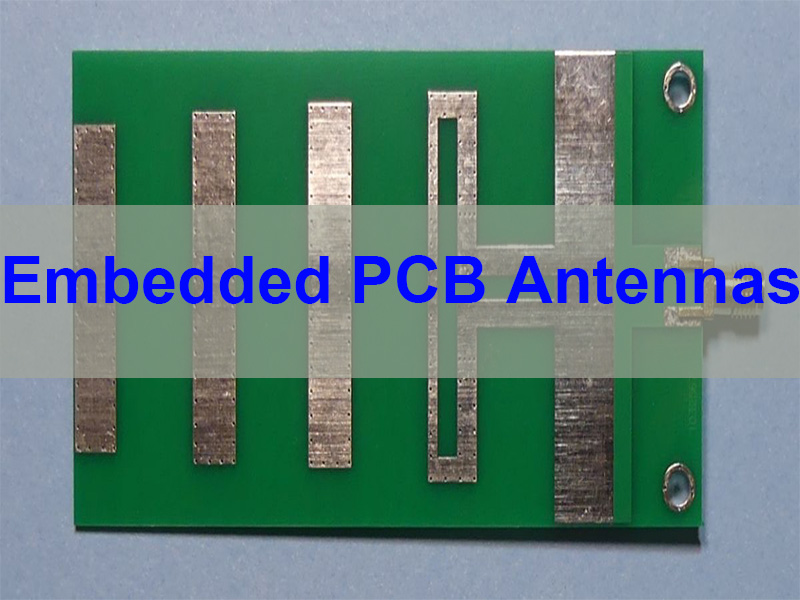
Embedded PCB Antennas are antenna structures directly integrated into the copper layers of a printed circuit board, enabling wireless communication without the need for external antenna components. This article explains how embedded PCB antennas work, their design principles, common structures such as 2.4 GHz embedded PCB antenna designs, and how manufacturers optimize antenna performance for wireless products.
Wireless connectivity has become fundamental in modern electronics. From IoT sensors and smart home devices to wearable technology and industrial control systems, engineers increasingly prefer antenna solutions that reduce product size, simplify assembly, and lower cost. Embedded antennas meet these goals by integrating RF functionality directly into the PCB itself. EBest Circuit specializes in RF antenna PCB design, prototyping, and full PCBA assembly. With over 20 years of experience in RF PCB manufacturing, we help engineers bring wireless products to market faster and more reliably. For inquiries or factory visits, please contact us at sales@bestpcbs.com.
Why Embedded PCB Antennas Are Popular in Modern Electronics?
Electronic devices are becoming smaller while requiring more connectivity options. This trend makes traditional external antennas less practical in many applications.
Embedded antennas provide several advantages.
Space Saving Design
An embedded antenna PCB eliminates the need for external antennas or connectors. This is especially useful in compact products such as smart sensors, wearables, and IoT modules.
Lower Manufacturing Cost
Because the antenna is etched directly into the PCB copper layer, there is no need for additional antenna components, coaxial connectors, or cables.
Improved Mechanical Reliability
External antennas can break, loosen, or suffer from connector wear. An embedded PCB antenna removes these potential failure points.
Simplified Product Design
Industrial designers often prefer products without visible antennas. Embedded antennas allow sleek product designs without compromising wireless functionality.
Because of these benefits, embedded antenna technology is widely used across modern electronics.
What Is an Embedded PCB Antenna?
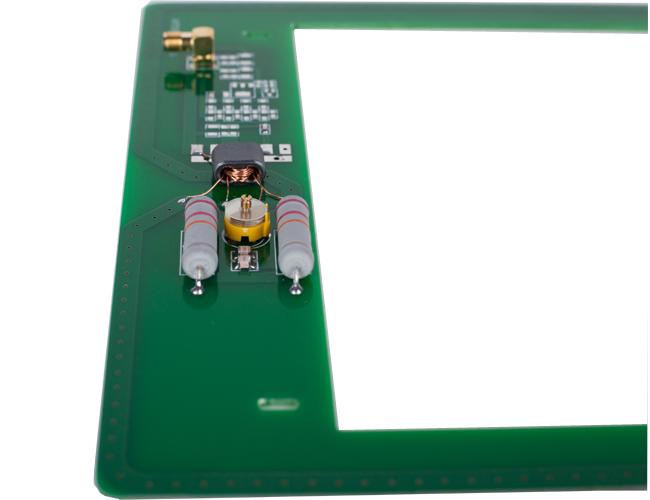
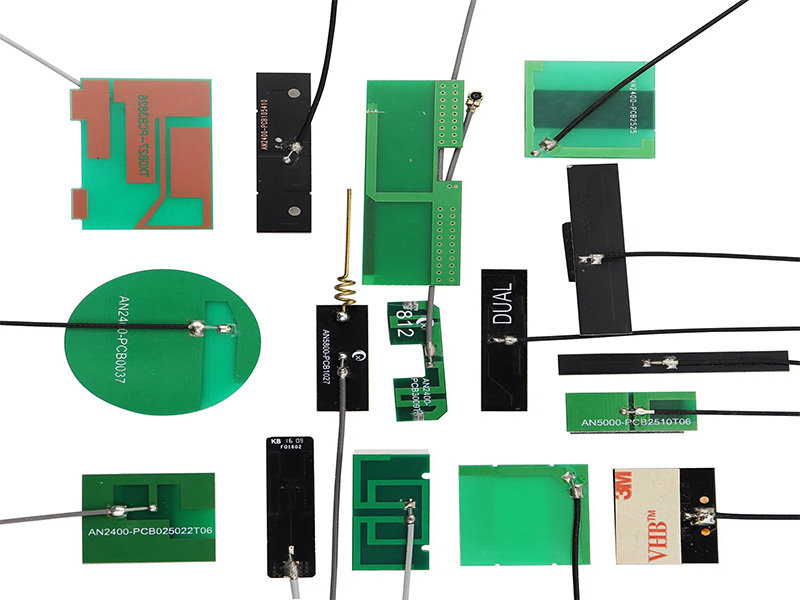
An embedded PCB antenna is an antenna structure created using copper traces on the PCB. Instead of installing a discrete antenna module, engineers design a specific copper pattern that radiates RF signals.
These antennas operate using electromagnetic radiation generated by alternating current flowing through the copper trace.
Typical characteristics include:
- Copper trace acting as the radiating element
- Integration into PCB layers or surface traces
- Connection to RF transceivers via a 50-ohm impedance line
- Use of tuning components for impedance matching
Embedded antennas are commonly used in frequencies such as:
| Frequency | Typical Application |
|---|---|
| 433 MHz | Remote controls |
| 868 / 915 MHz | LoRa communication |
| 2.4 GHz | WiFi / Bluetooth |
| 5 GHz | High-speed WiFi |
| 13.56 MHz | NFC systems |
Among these, the 2.4 GHz embedded PCB antenna is the most widely used due to the popularity of WiFi and Bluetooth devices.
Types of Embedded PCB Antennas
Different antenna structures are used depending on frequency, PCB size, and product design constraints.
Inverted-F Antenna (IFA)
The inverted-F antenna is one of the most common pcb embedded antenna designs.
Key characteristics include:
- Compact layout
- Good impedance matching
- Suitable for 2.4 GHz communication
This antenna structure is widely used in:
- WiFi modules
- Bluetooth devices
- IoT communication modules
Meandered PCB Antenna
A meandered antenna uses a serpentine copper trace that increases electrical length without increasing physical size.
Advantages include:
- Compact footprint
- Efficient low-frequency operation
- Suitable for small devices
It is commonly used in:
- IoT sensors
- LoRa devices
- wireless control modules
Loop Antenna
A loop antenna consists of a closed copper loop that radiates electromagnetic energy.
Typical uses include:
- RFID systems
- wireless communication devices
- NFC systems
In many smartphones and access control systems, an embedded pcb nfc antenna is implemented as a loop antenna around the PCB.
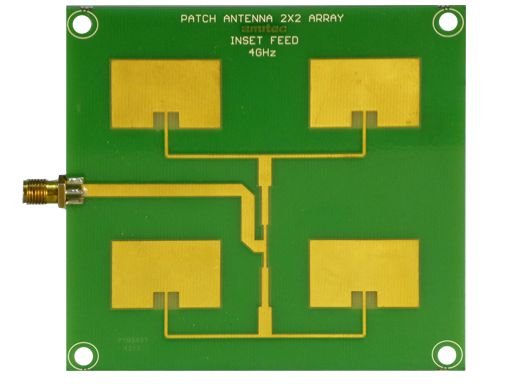
Patch Antenna
Patch antennas are flat metal patches placed above a ground plane.
They provide:
- directional radiation
- higher gain
- stable performance
Applications include:
- GPS receivers
- satellite communication systems
- automotive radar
How Embedded PCB Antennas Work?
Embedded antennas convert electrical signals into electromagnetic waves. When RF current flows through the antenna trace, it generates an oscillating electromagnetic field that radiates into space.
The efficiency of radiation depends on several design factors.
Antenna Length
A key rule in antenna design is the quarter-wavelength principle.
The approximate antenna length is:
| Frequency | Quarter Wavelength |
|---|---|
| 433 MHz | ~17 cm |
| 915 MHz | ~8 cm |
| 2.4 GHz | ~3.1 cm |
Because space is limited on PCBs, engineers often use meander structures to compress antenna length.
Impedance Matching
Most RF systems use 50-ohm impedance. If the antenna impedance does not match the RF circuit, signal reflections occur.
Matching networks are commonly used.
Typical structures include:
- Pi matching network
- T matching network
- LC matching circuits
These components help optimize antenna efficiency and radiation performance.
Ground Plane Influence
The ground plane strongly affects antenna performance.
Key considerations include:
- sufficient ground clearance around the antenna
- avoiding large metal components nearby
- controlling return current paths
Improper ground design can significantly reduce antenna efficiency.
Embedded PCB Antennas vs External Antennas
Engineers often choose between embedded antennas and external antennas depending on product requirements.
| Feature | Embedded PCB Antenna | External Antenna |
|---|---|---|
| Size | Very compact | Larger |
| Cost | Lower | Higher |
| RF performance | Moderate | Usually stronger |
| Integration | High | Low |
| Mechanical reliability | High | Connector dependent |
External antennas are often preferred when:
- maximum transmission distance is required
- RF performance is critical
- PCB size is extremely small
Embedded antennas are preferred when:
- product size is limited
- cost must be minimized
- industrial design requires hidden antennas
Design Factors That Affect Embedded PCB Antenna Performance
Designing a reliable embedded antenna PCB requires careful consideration of multiple parameters.
PCB Material
The dielectric constant of the PCB affects signal propagation.
Common materials include:
| Material | Typical Use |
|---|---|
| FR4 | Standard IoT devices |
| Rogers | High-frequency applications |
| PTFE | Advanced RF designs |
For most consumer devices, FR4 is sufficient for 2.4 GHz embedded PCB antenna designs.
PCB Stackup
Stackup influences antenna impedance and radiation pattern.
Key parameters include:
- dielectric thickness
- copper thickness
- ground plane position
Proper stackup planning is critical for RF performance.
Component Placement
Components near the antenna can interfere with signal radiation.
Engineers typically avoid placing these near antennas:
- batteries
- shielding cans
- large metal connectors
Maintaining a dedicated antenna clearance area is essential.
Antenna Tuning
Even well-designed antennas often require tuning during prototyping.
Common RF testing tools include:
- Vector Network Analyzer (VNA)
- RF simulation software
- spectrum analyzers
These tools help optimize antenna performance before mass production.
Applications of Embedded PCB Antennas
Embedded antennas are widely used across many industries.
| Industry | Application |
|---|---|
| IoT | smart sensors |
| Smart home | WiFi devices |
| Medical | wireless monitoring |
| Automotive | telematics |
| Industrial | wireless automation |
| Consumer electronics | wearable devices |
For example, smart home devices often use 2.4 GHz embedded PCB antennas to support WiFi or Bluetooth connectivity.
Similarly, access control systems rely on embedded PCB NFC antennas for contactless communication.
Why Choose EBest Circuit for Embedded PCB Antennas?
Designing and manufacturing embedded antennas requires expertise in both RF engineering and PCB fabrication.
EBest Circuit (Best Technology) provides complete support for antenna PCB development, including design consultation, prototyping, and mass production.
Key advantages include:
- Professional engineering support team for full-process technical assistance
- Free DFM review and BOM optimization by experienced engineers
- Complete PCB + component sourcing + PCBA assembly services
- Support for prototypes and small-batch production
- Certifications including ISO9001, ISO13485, IATF16949, and AS9100D
- Digital manufacturing system with full traceability
With more than 20 years of PCB and PCBA manufacturing experience, EBest Circuit helps customers successfully develop high-performance wireless products.
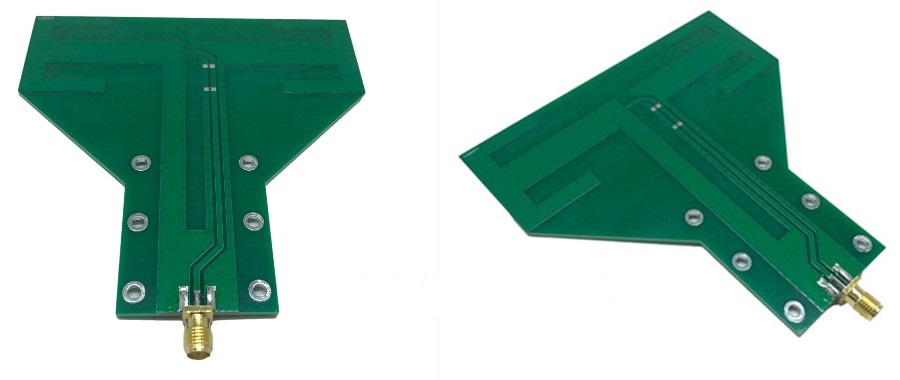
In summary‌, embedded PCB antennas have become an essential technology in modern wireless electronics. By integrating antenna structures directly into the PCB, designers can reduce product size, lower manufacturing cost, and improve reliability.
From 2.4 GHz embedded PCB antennas used in WiFi devices to embedded PCB NFC antennas used in contactless systems, this antenna technology enables compact and efficient wireless products across many industries.
As wireless devices continue to expand across IoT, medical, automotive, and industrial markets, embedded antenna design will remain a critical element of PCB engineering.
Ready to integrate an embedded PCB antenna into your next product? EBest Circuit provides professional antenna PCB design support, rapid prototyping, and complete PCBA manufacturing services. Pls feel free to contact us at sales@bestpcbs.com.
FAQs About Embedded PCB Antennas
What is an embedded PCB antenna?
An embedded PCB antenna is a wireless antenna created directly from copper traces on a printed circuit board instead of using an external antenna component.
What frequency is commonly used for embedded PCB antennas?
The most common frequency is 2.4 GHz, which supports WiFi and Bluetooth communication.
Can FR4 be used for embedded antennas?
Yes. FR4 is widely used for most consumer electronics and works well for 2.4 GHz embedded PCB antenna designs.
What is an embedded PCB NFC antenna?
An embedded PCB NFC antenna is typically a loop antenna designed on the PCB to enable near-field communication at 13.56 MHz.
How do engineers tune PCB antennas?
Engineers use RF test equipment such as vector network analyzers to measure antenna impedance and adjust matching components.