





Ceramic PCB assembly is the specialized process of mounting components onto substrates made of ceramic materials like Alumina (Al2O3), Aluminum Nitride (AlN), or Beryllium Oxide (BeO). Unlike traditional FR-4, ceramic assembly offers superior thermal conductivity (up to 230 W/mK), a matched Coefficient of Thermal Expansion (CTE) with silicon chips, and high-temperature resistance exceeding 350C.
What is Ceramic PCB Assembly?
Ceramic PCB assembly refers to mounting electronic components onto ceramic-based substrates such as alumina (Al₂O₃), aluminum nitride (AlN), or beryllium oxide (BeO). These materials replace traditional FR-4 to deliver superior thermal conductivity and dimensional stability.
Unlike organic laminates, ceramic substrates behave differently during processing. They do not expand easily under heat. This makes them ideal for high-power and high-frequency applications.
Key characteristics include:
- Excellent thermal conductivity (up to 170–230 W/m·K for AlN)
- Low dielectric loss at high frequency
- High mechanical rigidity
- Strong resistance to thermal shock
Ceramic PCB assembly is often used where heat dissipation defines system reliability. That includes power modules, RF systems, and LED lighting.
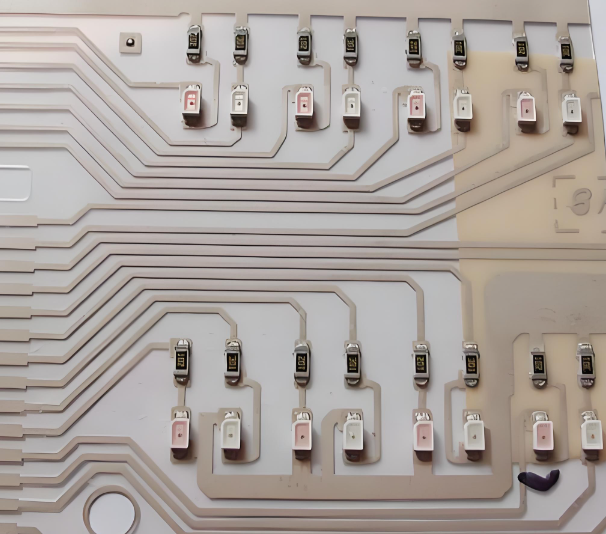
Ceramic PCB Assembly
Why choose EBest Circuit as your Ceramic PCB assembly manufacturer?
Selecting the right manufacturer directly impacts yield, reliability, and time-to-market—especially for ceramic substrates that are inherently brittle and process-sensitive.
EBest Circuit (Best Technology) offers a highly integrated and engineering-driven approach:
- 1+3 Technical Team Support
Dedicated engineering, DFM, and production teams collaborate throughout the project lifecycle.
- Free DFM & BOM Optimization
Early-stage design validation minimizes risks such as cracking, warpage, and solder joint failure.
- 20+ Years of Experience in High-Reliability PCBA
Serving 10,000+ engineers across medical, automotive, and RF industries.
- Advanced Ceramic Handling Process
Controlled reflow profiles, vacuum fixtures, and stress-reduction assembly methods.
- Full In-House Capability
PCB fabrication + SMT assembly + component sourcing + box build.
- Certifications for Critical Applications
ISO 9001, ISO 13485, IATF 16949, AS9100D.
- Fast Turnaround
Prototype to production within 1.5 weeks, even for complex ceramic builds.
If your application involves high thermal load or harsh environments, engineering support during assembly is not optional—it is essential.
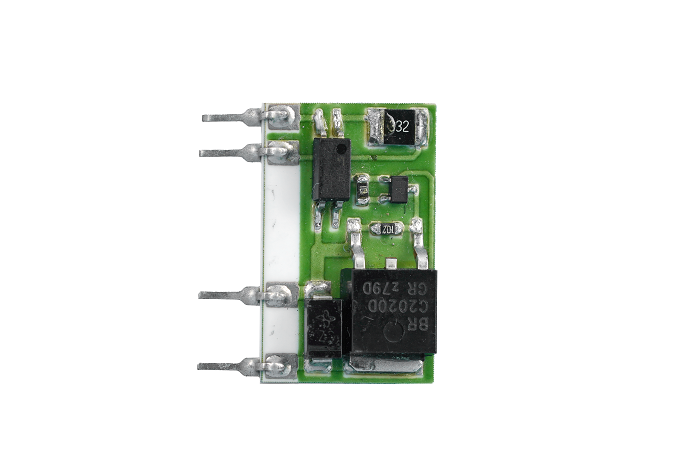
Ceramic PCB assembly Manufacturer
Our Ceramic PCB Assembly Services
EBest Circuit provides end-to-end ceramic PCB assembly solutions tailored for high-performance electronics:
Core Services Include:
- Ceramic PCB fabrication (Alumina / AlN / hybrid)
- SMT assembly for fine-pitch and high-density designs
- Die attach and wire bonding (for RF modules)
- Selective soldering and through-hole assembly
- Underfill and encapsulation for mechanical reinforcement
- AOI, X-ray, and functional testing
- Thermal cycling and reliability validation
This vertically integrated model reduces supply chain complexity and ensures process consistency.
Ceramic PCB Assembly Capabilities
A typical ceramic PCB assembly line must accommodate both material fragility and process precision.
Key Capabilities:
| Capability | Specification |
| Minimum component size | 01005 |
| Placement accuracy | ±25 μm |
| Reflow atmosphere | Nitrogen-supported |
| Max board size | 300 × 300 mm |
| Substrate types | Al₂O₃, AlN, BeO |
| Solder paste | Lead-free (SAC305), AuSn optional |
| Inspection | AOI + X-ray + ICT |
In ceramic assembly, process control is more critical than equipment capability, particularly in thermal profiling and mechanical handling.
Which Industries Rely Most on Ceramic PCB Technology?
Ceramic PCBs are not niche anymore, many industries depend on them for performance and reliability. Key industries include:
- Power electronics: IGBT modules, power converters
- LED lighting: high-power LED modules
- Automotive: EV power systems, sensors
- Aerospace: high-reliability electronics
- Medical devices: imaging and diagnostic equipment
- RF and microwave: antennas and communication systems
What are the Key Steps in the Ceramic PCB Assembly Process?
Ceramic PCB assembly follows a carefully controlled workflow, and each stage must be executed with precision to ensure consistent quality and long-term reliability. Since ceramic materials are rigid and sensitive to thermal stress, even small process variations can lead to defects if not properly managed.
1. Substrate Preparation
First, the ceramic substrate is thoroughly cleaned and visually inspected to remove any contamination or surface defects. At the same time, dimensional accuracy and pad integrity are verified to ensure the board is ready for assembly.
2. Solder Paste Printing
Next, solder paste is applied onto the pads using a precisely designed stencil, which helps control the paste volume and distribution. Because ceramic substrates do not absorb stress like FR-4, maintaining uniform paste deposition is especially important to avoid soldering issues later.
3. Component Placement
After printing, components are placed onto the board using high-precision pick-and-place equipment, ensuring accurate alignment with the pads. In addition, careful handling is required during this step, since ceramic boards lack flexibility and are more prone to mechanical damage.
4. Reflow Soldering
The assembled board then enters the reflow oven, where the solder paste melts and forms reliable joints between components and pads. However, the temperature profile must be tightly controlled, as gradual heating and cooling help minimize thermal stress and reduce the risk of cracking.
5. Cleaning (If Required)
Once soldering is complete, flux residues may be removed depending on the application requirements and cleanliness standards. This step becomes particularly important in high-reliability or high-frequency designs, where contamination could affect performance.
6. Inspection and Testing
Finally, the assembled PCB undergoes inspection and testing using methods such as AOI, X-ray, and functional verification to confirm solder joint quality and electrical performance.
Overall, each step in the ceramic PCB assembly process is interconnected, and maintaining tight control throughout the workflow is essential for achieving high yield and dependable results.
Why is Thermal Reflowing the Most Difficult Part of Ceramic Assembly?
Thermal reflow is the most sensitive stage in ceramic PCB assembly, because ceramic materials respond to heat very differently compared to traditional FR-4. Unlike FR-4, ceramic substrates do not absorb stress easily, so any rapid temperature change can directly translate into mechanical stress.
At the same time, the high thermal conductivity of ceramic materials makes heat distribution faster but harder to control, which further increases process complexity. These challenges are typically reflected in the following aspects:
- Low thermal expansion mismatch with components
- Risk of cracking due to rapid temperature change
- Uneven heating due to high thermal conductivity
Therefore, precise control of the reflow profile is essential, and both heating and cooling rates must be carefully managed to avoid defects.
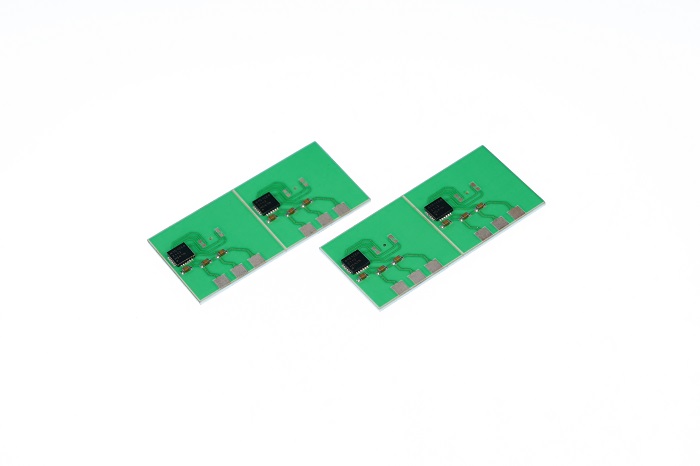
Ceramic PCB Soldering
How to Prevent Cracking During Ceramic PCB Soldering?
Cracking is one of the main risks in ceramic PCB assembly, so preventing it requires both process control and proper design considerations. Since ceramic materials are rigid, even small stress variations can lead to failure if not properly handled.
To reduce this risk, several practical methods can be applied:
- Use gradual heating and cooling profiles
- Avoid large temperature gradients
- Optimize pad design to reduce stress
- Select compatible solder alloys
- Control board handling during assembly
In addition, design layout also plays an important role, because uneven component distribution can increase local stress and affect reliability.
How to Optimize Stencil Design for Ceramic Substrates?
Stencil design directly affects solder paste deposition, and this becomes more critical when working with ceramic substrates. Because ceramic boards are less tolerant to solder variation, improper paste volume can easily lead to defects.
To achieve better results, stencil design should be optimized as follows:
- Use thinner stencil to control paste volume
- Adjust aperture design to prevent excess solder
- Ensure proper alignment with ceramic pads
- Consider stepped stencil for mixed components
By improving stencil parameters, manufacturers can achieve more consistent solder joints and better overall yield.
What are the Best Surface Finishes for Ceramic PCB Assembly?
Surface finish plays a key role in ensuring solderability and long-term reliability in ceramic PCB assembly. Since ceramic PCBs are often used in demanding environments, the choice of finish must match both performance and application needs.
Common options include:
- ENIG (Electroless Nickel Immersion Gold)
- ENEPIG (adds palladium layer for better bonding)
- Silver or gold thick film metallization
Each finish has its own advantages, so selecting the right one helps ensure stable solder joints and reliable performance over time.
FAQs about Ceramic PCB Assembly
Q1: Is ceramic PCB assembly more expensive than FR-4?
Answer: Yes, significantly. Due to the raw material costs and the specialized, slower assembly process, you can expect the cost to be 3 to 10 times higher. However, for high-power applications, it is the only way to ensure the device doesn’t fail prematurely.
Q2: Can I use standard hand-soldering for ceramic boards?
Answer: I strongly advise against it. A soldering iron creates a massive “hot spot” (350C) on a cold board. Because ceramic conducts heat so well, it will pull the heat away from the iron instantly, causing the user to press harder or wait longer, which almost always results in the substrate cracking.
Q3: What is the maximum size for a ceramic PCB?
Answer: Most ceramic substrates are limited to 150 * 150mm or 200 * 200mm. Beyond this size, the brittleness makes them too risky to handle in standard automated assembly lines.
Q4: Do ceramic PCBs require special cleaning?
Answer: Yes. Because ceramic is often used in high-voltage applications, any flux residue can cause “dendrite growth” or arcing. We use high-pressure deionized water and ultrasonic cleaning to ensure the surface is chemically pure.
Q5: Are there different “grades” of ceramic?
Answer: Yes, Alumina ranges from 92% to 99.9% purity. Higher purity offers better thermal performance and better dielectric properties but is more fragile.
Q6: Can I have multi-layer ceramic PCBs?
Answer: Yes, via LTCC (Low Temperature Co-fired Ceramic) or HTCC technology. This allows us to bake the traces inside the ceramic, creating a 3D circuit that is virtually indestructible.