





A Bluetooth headset PCB is a compact printed circuit board that integrates wireless communication, audio processing, power management, and peripheral control circuits to enable stable Bluetooth connectivity and high-quality sound transmission in headset devices. This blog delves into the critical role of Bluetooth headset PCBs, exploring design considerations, manufacturing challenges, and how to choose the right partner for fast, reliable prototyping and production.
What are the most common pain points when developing a Bluetooth headset PCB?
- Design Complexity: Integrating RF (Bluetooth), audio codec, power management, and often flexible circuits into a tiny form factor is overwhelmingly complex.
- Slow Prototyping Cycles: Lengthy lead times for PCB prototypes delay testing, iteration, and ultimately, your time-to-market.
- Component Sourcing Hassles: Procuring genuine, miniaturized components (like 01005 packages) and dealing with supply chain instability.
- Assembly Precision Challenges: Achieving flawless soldering on high-density, rigid-flex designs with fine-pitch components (e.g., 0.25mm BGA).
- Reliability & Compliance Anxiety: Ensuring the final product is durable, delivers consistent audio quality, and meets necessary quality and safety standards.
The solution lies in partnering with a manufacturer that transforms these challenges into streamlined processes.
- Expert ODM Design Support: Leverage a team that provides end-to-end design services, optimizing your schematic and layout for performance, manufacturability, and cost.
- Accelerated Prototyping Pipeline: Access services that guarantee quick-turn FPC prototyping, with the capability to deliver initial samples within days, not weeks.
- Reliable Supply Chain Access: Benefit from established partnerships with authorized distributors (e.g., Digikey, Mouser) to source authentic components and manage your BOM effectively.
- High-Precision Assembly Lines: Utilize state-of-the-art SMT lines equipped with advanced printers, SPI, and precision placers capable of handling 01005 components to ensure flawless PCBA.
- Rigorous Quality Assurance: Implement a full suite of inspections (AOI, X-Ray, functional testing) adhering to IPC standards, guaranteeing the reliability and performance of every board.
At EBest Circuit (Best Technology), we are a specialized flexible PCB and PCBA manufacturer with 20 years of experience. We bridge the gap between complex design and reliable mass production. Our one-stop service covers everything from FPC/rigid-flex design and rapid prototyping to component procurement and turnkey PCBA assembly. With a 3,000㎡ factory equipped with advanced machinery like Yamaha SMT lines and comprehensive testing equipment, we are built to handle your project from the initial quote for flex PCB prototypes to full-scale production. Pls feel free to contact our team anytime at sales@bestpcbs.com for a consultation.
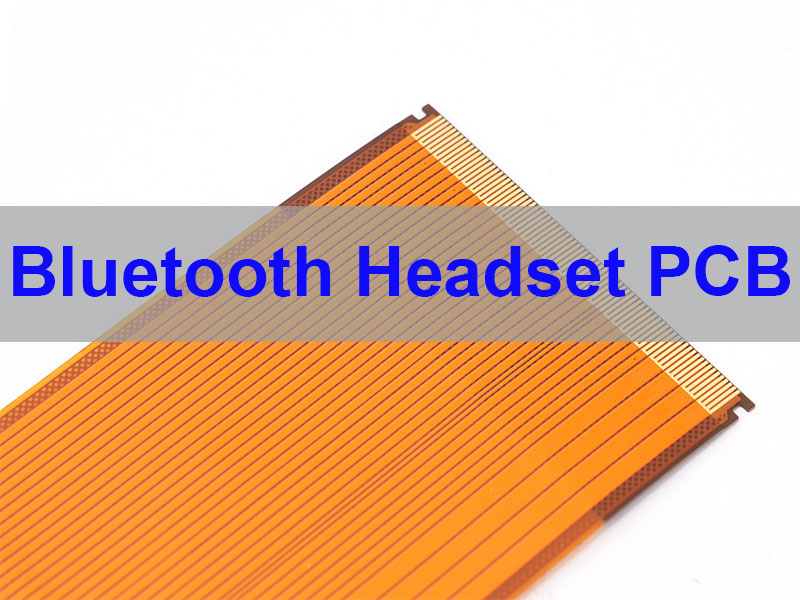
Key Considerations for Bluetooth Headset PCB Design
Designing the PCB for a Bluetooth headset is a multidisciplinary challenge. It requires a harmonious balance between RF performance, audio fidelity, power efficiency, and mechanical constraints, especially when using flexible circuits to fit ergonomic forms.
- RF Layout Optimization: The Bluetooth antenna and RF trace layout are paramount. Impedance must be tightly controlled (typically 50Ω), and the RF section needs isolation from digital noise sources to ensure stable connectivity and range.
- Audio Signal Integrity: Separate analog and digital ground planes, use proper filtering, and shield audio lines to minimize noise, crosstalk, and distortion for clear sound output.
- Power Management Design: Implement efficient DC-DC converters and LDOs to minimize quiescent current drain. Careful PCB layout for the battery management system (BMS) is crucial for safety and longevity.
- Miniaturization Strategies: Employing HDI (High-Density Interconnect) techniques, micro-vias, and finer trace/space (down to 3/3mil) is often necessary to shrink the board size without sacrificing functionality.
- Thermal Management: Even in small devices, heat from the Bluetooth SoC or audio amplifier must be dissipated via thermal vias and careful copper pours to prevent throttling or discomfort.
- Mechanical Durability: For designs incorporating flexible circuits, bend radius, stiffener placement (using PI or FR4), and material selection (Polyimide) must be engineered to withstand repeated flexing during use.
In summary, a successful Bluetooth headset PCB design is a feat of integration, demanding expertise in RF, analog, digital, and mechanical domains to create a reliable, high-performance, and compact board.
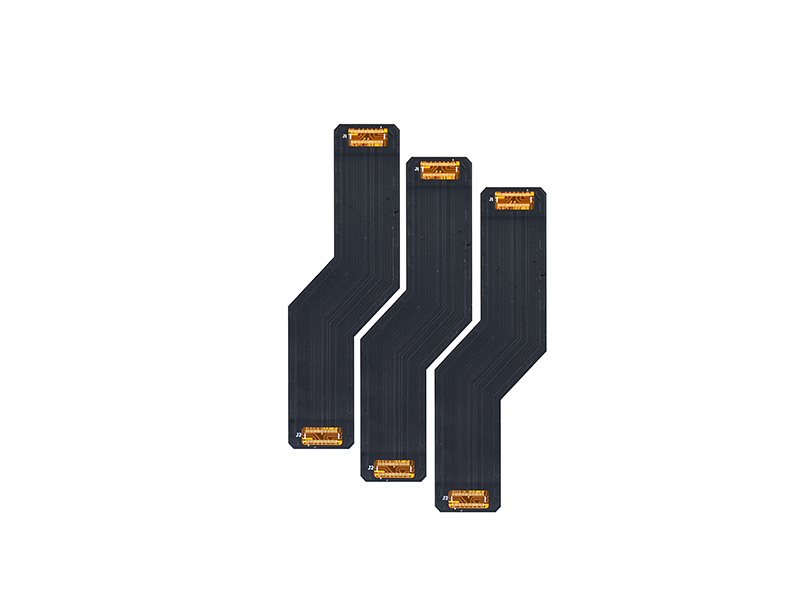
Material Selection for Flexible PCBs in Headsets
The choice of materials directly impacts the performance, durability, and cost of the bluetooth headset PCB. Flexible circuits enable the sleek, comfortable designs modern users expect.
- Base Substrate: Polyimide (PI) is the industry standard (e.g., DuPont’s Kapton), offering excellent thermal stability (>500°C), chemical resistance, and flexibility. Polyester (PET) is a lower-cost alternative for less demanding applications.
- Copper Foil: Rolled annealed copper is preferred for dynamic flex applications due to its superior fatigue resistance. Thickness options range from 1/3 OZ (12µm) to 2 OZ (70µm) to balance current carrying capacity and flexibility.
- Coverlay/Stiffener: Photo-imageable coverlay or polyimide film protects the circuits. Strategic stiffeners (made of PI, FR4, or even stainless steel) are added at connector areas or where components are mounted to provide rigidity for soldering.
- Adhesives: Acrylic or epoxy-based adhesives bond layers. Adhesiveless constructions (e.g., 2-layer FCCL) offer better thermal performance and thinner, more reliable profiles for high-end applications.
- Surface Finish: Choices like ENIG (Electroless Nickel Immersion Gold) provide a flat, solderable, and wire-bondable surface. Hard gold is used for edge connectors (gold fingers) that withstand repeated insertion wear.
The table below summarizes common flexible PCB material capabilities relevant to headset manufacturing:
| Parameter | Polyimide (PI) | PET |
|---|---|---|
| Laminate Thickness | 0.025 / 0.050 / 0.125 / 0.175 mm | 0.025 / 0.050 / 0.075 mm |
| Copper Foil | 0.012, 0.018, 0.035, 0.070 mm | 0.035, 0.070 mm |
| Min Trace/Space | 0.075 mm (3 mil) | 0.075 mm (3 mil) |
| Solder Heat Resistance | 280°C for 10 secs | 280°C for 10 secs |
Selecting the right material stack-up is a critical decision that influences the board’s electrical performance, bend life, and overall reliability in the final product.
Fast-Turn Prototyping and Assembly Process
Speed is critical in the fast-paced consumer electronics market. A streamlined prototyping and assembly process allows for rapid iteration and validation of your bluetooth speaker headset PCB module.
- Design Review & DFM Analysis: Our engineers perform a thorough design for manufacturability (DFM) check upon receiving your Gerber files, identifying potential issues before production begins.
- Rapid Fabrication: Leveraging in-house manufacturing of flexible, rigid-flex, and FR4 PCBs, we can produce prototype boards quickly. For standard FR4 prototypes, lead times can be as fast as 24 hours for 1-2 layer boards.
- Component Kitting: For turnkey projects, we source all components from authorized distributors. Every part undergoes incoming inspection to verify authenticity and specification against the BOM.
- Precision Assembly: The process follows strict IPC standards:
- Solder Paste Printing: Using laser-cut stencils and 3D SPI (Solder Paste Inspection) to ensure precise deposition.
- Component Placement: High-speed chip shooters and precision placers accurately mount components, down to 01005 size.
- Reflow Soldering: A controlled, nitrogen-inerted reflow profile ensures perfect solder joints.
- Through-Hole Assembly: For any THT components, selective or wave soldering is employed.
- Comprehensive Testing: Every assembled board goes through AOI (Automated Optical Inspection) and X-Ray inspection (for BGA). Functional testing validates the Bluetooth pairing, audio playback, and all key features.
This integrated, quality-focused process ensures that you receive fully functional, reliable PCBA prototypes in the shortest possible timeframe, accelerating your development cycle.
Quality Control and Testing Standards
Quality cannot be an afterthought. For a bluetooth headset PCB, rigorous testing is essential to ensure audio clarity, connection stability, and long-term user satisfaction.
- In-Process Inspection (IPQC): Quality checks are embedded at every stage—from raw material (copper clad laminate) inspection to etching, lamination, and plating processes.
- Automated Optical Inspection (AOI): 2D and 3D AOI machines scan the assembled board to detect soldering defects, component misplacement, or missing parts.
- X-Ray Inspection: Critical for examining hidden solder joints under BGA, QFN, or inside rigid-flex constructions, ensuring there are no voids or bridges.
- Flying Probe & Electrical Test: Verifies circuit connectivity (open/short) and basic electrical functionality of the bare PCB and the final assembly.
- Functional Testing (FCT): The most critical step. Custom test jigs and software simulate real-world operation—testing Bluetooth connectivity range, audio input/output quality, battery charging, button response, and firmware performance.
- Reliability Testing: Depending on requirements, boards may undergo stress testing like thermal cycling, bend testing for flex circuits, and drop testing to validate durability.
We adhere to international quality management systems (ISO 9001:2015, ISO 13485:2016) and IPC standards, building quality into the process rather than just inspecting it out at the end. This systematic approach is what delivers the reliable bluetooth speaker headset PCB module that your product deserves.
Cost Optimization Strategies
While quality is paramount, managing costs is essential for maintaining product viability. Smart decisions during the design and manufacturing phases can significantly optimize the cost of your bluetooth headset PCB.
- Design for Cost (DFC): Work with your manufacturer’s engineers early. Simplifying the layer count, standardizing hole sizes, and optimizing the panel layout to maximize yield can lead to substantial savings.
- Material Selection Balance: Choose material grades and copper weights that meet but do not exceed the electrical and mechanical requirements. For instance, using 1/2 OZ copper instead of 1 OZ where current allows reduces cost.
- Standardize Processes: Where possible, opt for standard surface finishes (like ENIG over ENEPIG), common drill sizes, and standard solder mask colors to avoid special process charges.
- Panelization Efficiency: Designing your board in a shape that nests efficiently with others on a production panel minimizes material waste. Our engineers can advise on the most efficient panelization strategy.
- Volume Forecasting: While prototyping costs are higher per unit, providing realistic volume forecasts allows the manufacturer to plan material procurement and production scheduling for better long-term pricing.
- Component Alternatives: For long-lead or expensive components, our sourcing team can suggest form-fit-function alternatives that maintain performance at a lower cost.
Effective cost optimization is a collaborative effort between your design team and a manufacturing partner with deep supply chain knowledge and production expertise.
Applications and Use Cases for Bluetooth Headset PCBs
Bluetooth headset PCBs are widely used across consumer and professional audio devices.
Typical applications include:
- True Wireless Stereo (TWS) earbuds
- Over-ear wireless headphones
- Sports and waterproof headsets
- Gaming headsets with low-latency requirements
- Call center and business communication headsets
Each application has different priorities, such as battery life, RF stability, or mechanical durability.
How to Choose a Reliable Bluetooth Headset PCB Manufacturer?
Selecting the right manufacturer directly impacts product quality, cost, and delivery time.
Key evaluation criteria:
- RF PCB experience (Bluetooth, WiFi, antenna design support)
- Flex PCB manufacturing capability (fine pitch, thin materials)
- PCBA integration (one-stop service reduces lead time)
- Testing capability (RF + functional test support)
- Supply chain stability (authorized component sourcing)
- Certifications (ISO, IPC standards compliance)
A reliable partner should also provide:
- Free DFM feedback
- Engineering support during design phase
- Transparent communication and fast response
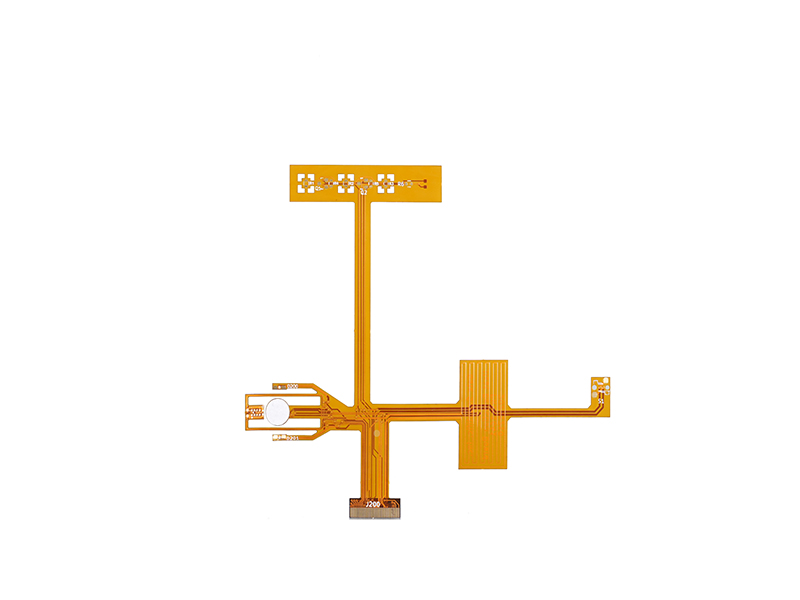
Overall, bluetooth headset PCB is the unsung hero that determines the performance, reliability, and user experience of modern wireless audio devices. This article has explored the critical aspects of its design, material selection, fast prototyping, stringent quality control, and cost management.
With 20 years of dedicated experience in flexible and rigid-flex PCB manufacturing, a full turnkey PCBA assembly service, and a commitment to rapid prototyping, EBest Circuit (Best Technology) is equipped to guide your project from concept to mass production efficiently and reliably. Ready to discuss your Bluetooth headset project? Pls feel free to contact us at sales@bestpcbs.com for a quote or consultation.
FAQs About Bluetooth Headset PCB
1. What type of PCB is used in Bluetooth headsets?
Most designs use a combination of rigid PCB and flexible PCB (rigid-flex or FPC).
2. How many layers are typical for headset PCBs?
Usually 2–4 layers, depending on RF and power complexity.
3. Why is impedance control important?
It ensures stable RF signal transmission and minimizes signal loss.
4. Can you support low-volume prototyping?
Yes, small batch production is commonly supported for product validation.
5. What is the typical turnaround time?
PCB prototypes can be completed in 3–7 days, with PCBA in about 1–2 weeks.