





Are you struggling with overheating, signal drift and early failures in automotive sensor MCPCB applications? EBest solves these pain points with high thermal conductivity, full automotive certifications and stable performance in harsh environments, supporting fast prototypes and reliable mass production.
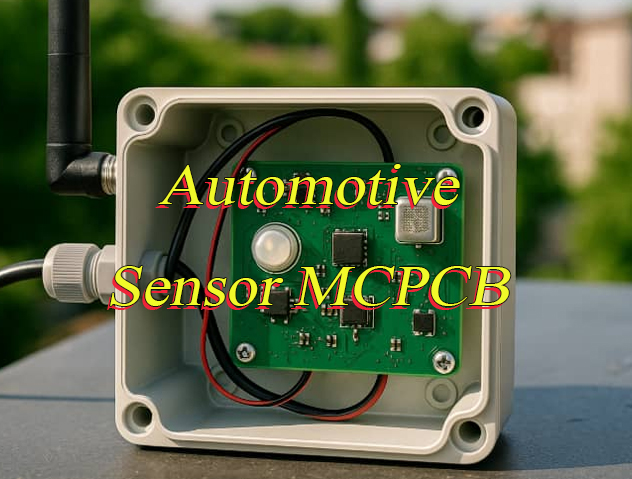
Why Choose EBest for Your Automotive Sensor MCPCB Needs?
We specialize in automotive sensor MCPCB solutions with proven thermal performance, consistent quality, fast lead times and end-to-end supply chain stability.
- Quality Assurance: Full automotive compliance with IATF 16949, ISO 9001, ISO 13485, AS9100D, REACH, RoHS and UL.
- Thermal Performance: Thermal conductivity up to 8.0 W/mK for efficient heat dissipation in compact sensor modules.
- Lead Time Speed: Expedited 24-hour shipping for urgent prototypes; stable mass-production capacity.
- Manufacturing Stability: Monthly output of 260,000 ft² supporting over 1,000 unique board designs.
- Supply Chain Reliability: In-house component sourcing and assembly reduce risks and delays.
Our Services & Quality Certifications for Automotive Sensor MCPCB
Our Services for Automotive Sensor MCPCB
- PCB Design
- PCB Prototype
- Mass Production
- Component Sourcing
- PCB Assembly
Our Quality Certifications for Automotive Sensor MCPCB
- IATF 16949: Ensures zero-defect, traceable production for mission-critical vehicle electronics.
- ISO 9001:2015: Consistent process control and high product reliability.
- ISO 13485:2016: Strict quality for high-sensitivity, safety-related electronics.
- AS9100D: Meets high-reliability standards for harsh-environment applications.
- REACH: Complies with environmental and material safety regulations.
- RoHS: Restricts hazardous substances for global automotive use.
- UL: Verified safety and performance for vehicle-mounted electronics.
What Is an Automotive Sensor MCPCB and Why Does It Matter?
An automotive sensor MCPCB is a metal-core PCB built exclusively for vehicle sensing applications.Its metal base delivers far stronger thermal management than standard FR4 boards.
Standard PCBs fail quickly in harsh automotive environments.They trap heat, cause signal drift, and lead to early sensor breakdown. Automotive sensor MCPCBs resolve these issues.They dissipate heat fast, resist vibration, and stay stable in extreme temperatures.
This makes them essential for ADAS, powertrain, and EV sensors.They ensure safety, reliability, and compliance in every vehicle system.
How Does Automotive Sensor MCPCB Improve Thermal Management?
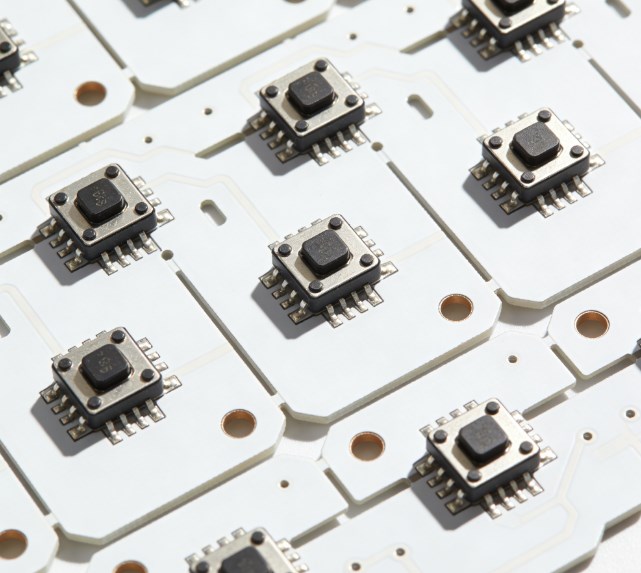
Automotive sensor MCPCB relies on a metal base to rapidly extract heat from sensitive components, unlike standard FR4 PCBs that trap heat and create dangerous hotspots. This built-in heat spreading keeps sensor modules at stable, safe operating temperatures even under continuous load.
With thermal conductivity from 1.0 to 8.0 W/mK, this board provides up to 26 times better heat transfer than traditional PCBs. It efficiently moves thermal energy away from chips and sensing elements, eliminating the need for bulky external heatsinks in compact designs.
By lowering operating temperatures and reducing thermal stress, automotive sensor MCPCB prevents signal drift and performance degradation. It maintains accuracy, extends service life, and boosts long-term reliability for ADAS, powertrain, and EV battery sensors.
How Does Automotive Sensor MCPCB Boost Sensor Reliability?
Automotive sensor MCPCB significantly lowers thermal stress, the top cause of early sensor failure. By dissipating heat quickly, it keeps components within safe operating temperatures and avoids overheating damage.
The rigid metal core reduces board bending and flex, which directly prevents solder joint fatigue and trace breakage. This stability is critical in high‑vibration vehicle environments like engines and chassis mounts.
Better thermal and mechanical stability eliminates signal drift and inconsistent readings. Sensors maintain accurate performance over their lifetime, lowering failure rates and warranty risks.
Consistent material performance and automotive‑grade design also ensure long‑term durability. This makes the system more dependable for safety‑critical ADAS, powertrain, and EV applications.
What Design Rules Apply to Automotive Sensor MCPCB?
Designs must prioritize thermal paths, mechanical rigidity and automotive compliance. Here are design rules apply to automotive sensor MCPCB:
- Prioritize thermal pad design with direct thermal vias to the metal base; keep via diameter 0.2–0.5 mm for best heat transfer.
- Use wide copper traces (minimum 0.15 mm for signal, 0.3 mm+ for power) to support current and reduce heat concentration.
- Maintain layer CTE matching to avoid thermal stress; align dielectric, copper, and metal base expansion rates.
- Set clearance & creepage to 0.4 mm+ for high-temperature and high-voltage sensor circuits.
- Keep dielectric thickness between 50–150 μm to balance insulation and thermal conductivity.
- Use automotive-grade materials only; comply with IATF 16949 and AEC‑Q200 material standards.
- Minimize board flex zones; avoid thin, unsupported areas to strengthen vibration resistance.
- Optimize component placement to keep heat-generating devices near the center of the metal base.
How Are Automotive Sensor MCPCB Tested for Automotive Use?
Automotive sensor MCPCB must pass strict, repeatable reliability tests to meet vehicle safety and durability standards. All testing follows IATF 16949 controls for full traceability and zero-defect performance in real driving conditions.
- Temperature cycling test: ‐40°C to +125°C, 1000+ cycles to verify resistance to thermal fatigue.
- Thermal shock test: rapid high–low temperature switches to check layer adhesion and structural stability.
- Vibration & mechanical shock test: simulate engine and vehicle vibration to prevent solder joint failure.
- High-temperature storage test: continuous exposure at +150°C to confirm long-term stability.
- Humidity bias test: 85°C / 85% RH to validate performance in high-moisture environments.
- Solderability & adhesion test: ensure strong bonding between layers and reliable assembly.
- Dielectric strength test: verify electrical isolation and safety under high-voltage conditions.
Real Automotive Use Cases: Automotive Sensor MCPCB
Automotive sensor MCPCB delivers proven performance across safety‑critical automotive systems, solving real‑world thermal, vibration, and reliability challenges for today’s vehicles.
ADAS radar, camera, and LiDAR sensors use automotive sensor MCPCB to dissipate concentrated heat from high‑power processing chips, maintaining clear signal output and stable detection in extreme temperatures from -40°C to +150°C, preventing false alerts or signal loss during continuous operation.
Engine and powertrain sensors including oxygen sensors, intake air flow sensors, oil pressure sensors, and exhaust temperature sensors rely on the metal core structure to resist high temperatures, fuel vapors, and intense under‑hood vibration, ensuring consistent measurement accuracy and long‑term durability.
EV battery management sensors for temperature, voltage, and current monitoring use automotive sensor MCPCB for superior thermal control and high‑voltage isolation, supporting safe battery operation, reducing thermal runaway risks, and extending the service life of the entire battery system.
Chassis and safety sensors such as wheel speed sensors, suspension position sensors, and brake pressure sensors use rigid, thermally stable MCPCB to withstand road vibration, shock, and moisture exposure, maintaining stable signal transmission for critical vehicle control systems.
Cabin comfort and environmental sensors including temperature, humidity, and air quality sensors use automotive sensor MCPCB to avoid signal drift from cabin temperature fluctuations, ensuring stable and accurate feedback for climate control and air purification systems.
How to Source Stable Automotive Sensor MCPCB with Fast Lead Time?
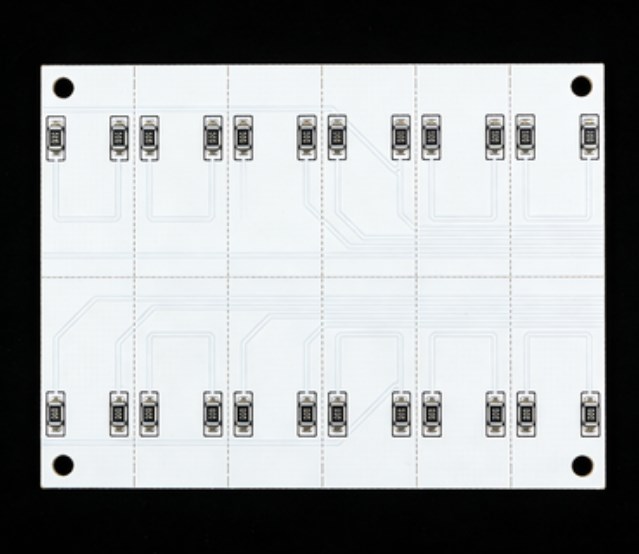
Sourcing reliable automotive sensor MCPCB quickly requires a certified, full‑service partner that controls production, materials, and timelines. The right supplier keeps you on schedule without compromising automotive quality.
- Select an IATF 16949 certified manufacturer to ensure consistent automotive‑grade quality, full process traceability, and zero‑defect production stability.
- Work with a one‑stop solution provider covering design, prototyping, assembly, and mass production to simplify workflows and shorten lead time.
- Choose a supplier with 24‑hour expedited prototype service to support urgent testing, rapid validation, and faster project launches.
- Prioritize partners with secure, in‑house supply chains to avoid material shortages, production holdups, and unexpected delays.
- Use suppliers with on‑site reliability testing to speed up verification and eliminate wait times for external labs.
- Collaborate with experts in automotive DFM design to reduce revisions, improve yield, and ensure smooth, fast mass production.
How Does Automotive Sensor MCPCB Improve Long-Term Stability?
Automotive sensor MCPCB greatly improves long-term stability by reducing thermal fatigue, which is the primary cause of sensor performance decline over years of use. Consistent heat dissipation lowers repeated stress from heating and cooling, slowing material aging and failure.
The rigid metal core structure stops board flexing and vibration damage. It protects solder joints, copper traces, and sensitive components from cracking or breaking, even under constant vehicle vibration and shock. Stable thermal and electrical performance eliminates signal drift and measurement errors. Sensors keep accurate output throughout their lifetime, without degradation or calibration loss.
Automotive-grade materials and layer design resist humidity, chemicals, and high temperatures. They prevent delamination, oxidation, and performance drop, ensuring steady operation in harsh environments for years. Better long-term stability means fewer field failures, lower maintenance costs, and consistent safety performance for ADAS, powertrain, and EV sensor systems.
FAQ About Automotive Sensor MCPCBs
Q1: What thermal conductivity do I need for my automotive sensor?
A1: For most automotive sensors, 2.0–4.0 W/mK works well; high-power modules need 4.0–8.0 W/mK for aggressive cooling.
Q2: Are your automotive sensor MCPCBs compliant with IATF 16949?
A2: Yes. EBest is IATF 16949 certified, ensuring full automotive process control and traceability for every MCPCB.
Q3: Can you handle urgent prototype orders for automotive sensor MCPCB?
A3: Yes, we provide expedited service with shipping within 24 hours for critical prototype needs.
Q4: What temperature range do your automotive sensor MCPCB support?
A4: Our standard designs support -40°C to +125°C; high-temp versions go to +150°C for under-hood use.
Q5: Do you provide design support for automotive sensor MCPCB?
A5: Yes, our engineering team optimizes stack-up, thermal paths and DFM for automotive sensor MCPCB performance and yield.
Q6: What’s the minimum order quantity for automotive sensor MCPCB?
A6: We support both small prototype runs and high-volume mass production with flexible MOQs.
Q7: Can you provide full PCB assembly for sensor modules?
A7: Yes, we offer turnkey PCB Assembly with component sourcing, testing and delivery.