PCB manufacturing PCB manufacturing
Home > Blog

aln ceramic substrate

Metallized Ceramic Substrate
Friday, April 3rd, 2026

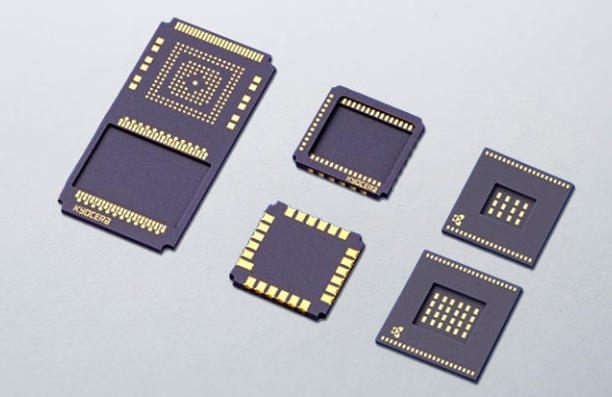
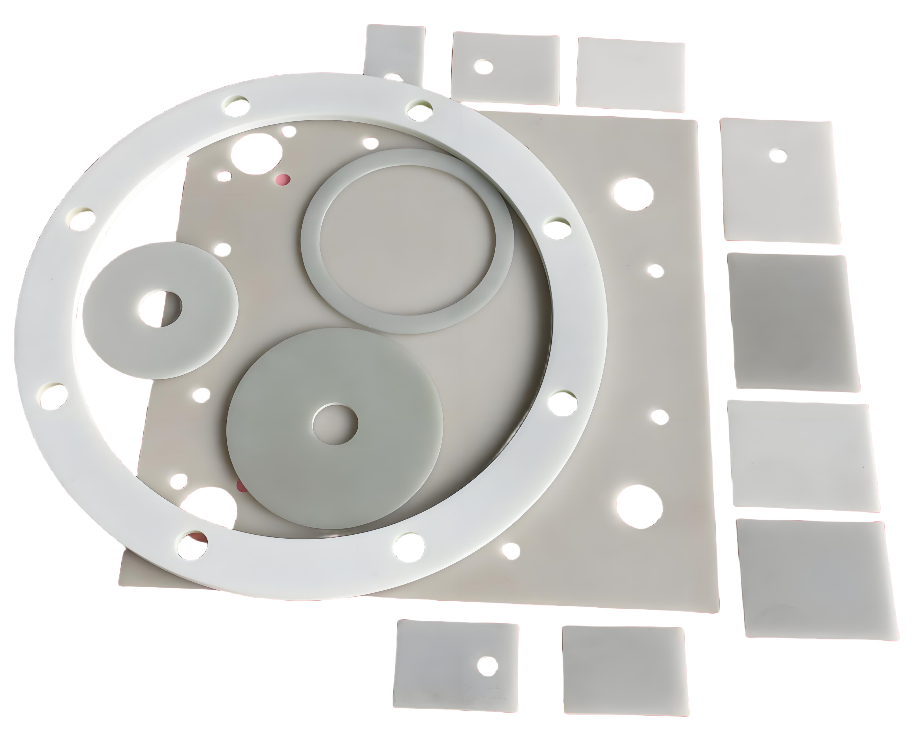
Metallized ceramic substrate is the critical foundation for high-temperature, high-power, and mission-critical electronic designs—indispensable for medical devices, aerospace systems, and industrial equipment. Selecting the right metallized ceramic substrate directly impacts thermal performance, signal integrity, and long-term reliability. This expert guide covers everything you need to know about metallized ceramic substrate, from core principles to real-world solutions and trusted manufacturing.
Metallized Ceramic Substrate
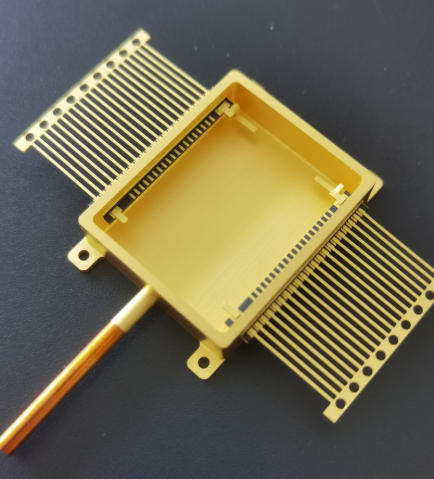
Metallized Ceramic Substrate

What Is Metallized Ceramic Substrate & How Does It Work?

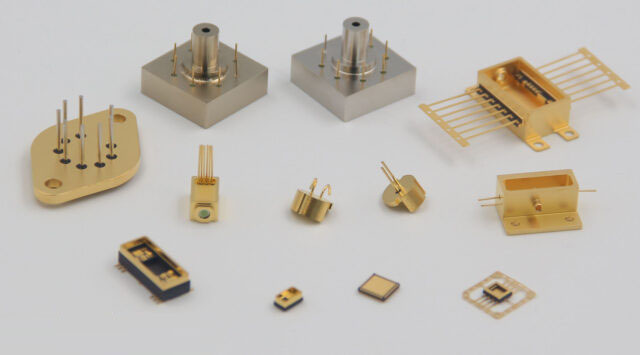
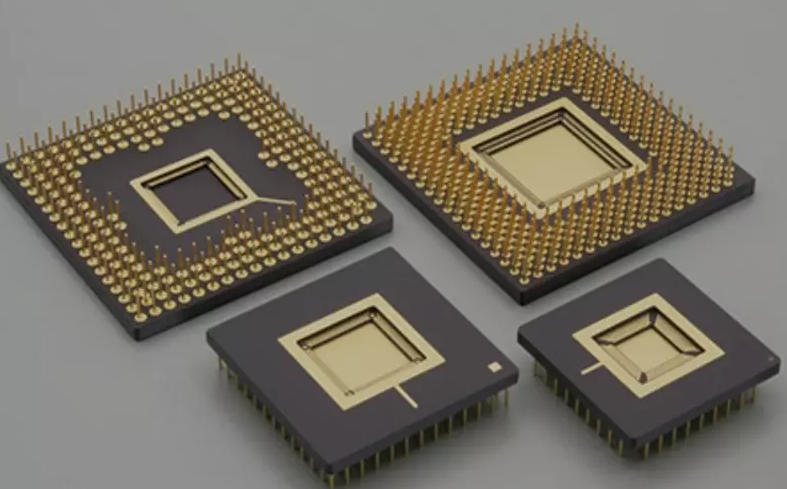
A metallized ceramic substrate consists of a ceramic base (Alā‚‚Oā‚ƒ, AlN, Siā‚ƒNā‚„) with precision-bonded metal layers, combining ceramic’s excellent thermal conductivity and electrical insulation with metal’s electrical conductivity. It efficiently dissipates heat from high-power components, solving the thermal bottleneck of standard PCBs.

Core Structure

Ceramic insulating layer: Provides thermal dissipation and electrical isolation

Metal conductive layer: Forms circuit traces and component mounting pads

Strong metal-ceramic bond: Prevents delamination under thermal and mechanical stress

Why Use Metallized Ceramic Substrate for High-Power Electronics?

Metallized ceramic substrate delivers unmatched advantages over FR-4 and thick-film substrates in extreme operating conditions. It is the only choice for designs requiring stable performance under high heat and stress.

Key Advantages

Ultra-high thermal conductivity (up to 200 W/mĀ·K for AlN, compared to 0.35 W/mĀ·K for FR-4)

Excellent electrical insulation and high voltage breakdown resistance

Stable operation from -55°C to 200°C+

Low thermal expansion that matches silicon chips, reducing thermal fatigue

High mechanical strength and resistance to vibration and shock

Metallized Ceramic Substrate vs Thick Film vs Thin Film: Which Is Better?

Parameter | Metallized Ceramic Substrate | Thick Film Substrate | Thin Film Substrate

Thermal Conductivity | High (170–200 W/mĀ·K for AlN) | Medium (10–30 W/mĀ·K) | Low (5–15 W/mĀ·K)

Line Precision | High (50–100μm) | Medium (100–200μm) | Ultra-High (10–50μm)

Power Handling | High (kW-level) | Medium (100W-level) | Low (10W-level)

Bond Strength | Excellent | Good | Fair

Best Application | High-power, aerospace, medical | Consumer electronics, sensors | RF, microwave, precision circuits

What Materials Are Used for Metallized Ceramic Substrate?

Three primary ceramic materials are used for metallized ceramic substrates, each with unique thermal and mechanical properties tailored to specific applications.

Alumina (Alā‚‚Oā‚ƒ)

Cost-effective, high in mechanical strength, and widely adopted

Thermal conductivity: 25–35 W/mĀ·K

Ideal for general industrial, automotive, and mid-power designs

Aluminum Nitride (AlN)

Ultra-high thermal conductivity and a near-perfect thermal expansion match with silicon

Thermal conductivity: 170–200 W/mĀ·K

Best for high-power semiconductors, aerospace, and laser systems

Silicon Nitride (Siā‚ƒNā‚„)

Exceptional resistance to thermal shock and fracture

Thermal conductivity: 60–90 W/mĀ·K

Perfect for high-vibration aerospace and heavy industrial equipment

What Specifications Matter Most for Metallized Ceramic Substrate?

These critical specifications determine whether a metallized ceramic substrate will meet your design’s performance and reliability requirements.

Must-Verify Specifications

Thermal conductivity (W/mĀ·K): Matches your heat dissipation needs

Metal layer thickness and adhesion strength: Prevents delamination

Dimensional tolerance: ±0.02mm for high-precision designs

Insulation resistance and voltage breakdown rating

Plating finish (Ni/Au, ENIG): Ensures reliable soldering

Thermal expansion coefficient: Matches the attached semiconductor chips

How Is Metallized Ceramic Substrate Manufactured?

Strict process control ensures consistent quality and performance in metallized ceramic substrate production.

Step-by-Step Manufacturing Flow

Ceramic blank preparation: Precision cutting, polishing, and deep cleaning

Surface activation: Enhances metal-ceramic bonding strength

Metallization: Sputtering, screen printing, or direct metal bonding

High-temperature sintering: Forms permanent, robust metal-ceramic bonds

Photolithography and etching: Defines precise circuit patterns

Plating: Ni/Au, Ni/Pd/Au for corrosion resistance and solderability

Final inspection: 100% testing of thermal resistance, adhesion, and dimensional accuracy

Where Is Metallized Ceramic Substrate Used in Medical, Aerospace & Industry?

Metallized ceramic substrate enables mission-critical performance across high-reliability industries.

Medical Application

MRI gradient coil power modules: AlN metallized ceramic substrate dissipates 500W+ of heat with zero signal interference, ensuring clear diagnostic imaging.

Aerospace Application

Satellite DC-DC converters: Withstands extreme temperature cycles (-40°C to 150°C) and cosmic radiation, delivering 10+ years of orbital reliability.

Industrial Application

IGBT inverter substrates: Siā‚ƒNā‚„ metallized ceramic substrate resists thermal shock from thousands of on/off cycles, eliminating factory downtime.

What Are Common Failures of Metallized Ceramic Substrate & Solutions?

Top Failures & Proven Fixes

Metal-ceramic delamination: Optimize surface activation and sintering parameters; use complimentary DFM analysis to avoid design-induced stress.

Insufficient thermal dissipation: Upgrade to AlN or Siā‚ƒNā‚„ material; optimize trace layout for maximum heat spreading.

Poor solderability: Apply uniform Ni/Au plating; control surface contamination during production.

Dimensional warpage: Use precision-ground ceramic blanks; balance metallization layer thickness across the substrate.

Why Choose EBestpcb as Your Metallized Ceramic Substrate Manufacturer?

For reliable, high-performance metallized ceramic substrate, EBestpcb is your top partner.

Fast lead times for prototypes and mass production

100% quality inspection with a zero-defect guarantee

Full industry certifications for medical, aerospace, and industrial compliance

Complimentary DFM analysis to optimize your design

Flexible MOQ for prototype sampling and dedicated technical support

What Services Do We Offer for Metallized Ceramic Substrate?

We provide end-to-end solutions for metallized ceramic substrate from design to finished parts.

Custom metallized ceramic substrate design and complimentary DFM review

Material selection support (Alā‚‚Oā‚ƒ, AlN, Siā‚ƒNā‚„)

Precision metallization (sputtering, screen printing, direct bonding)

Plating services (ENIG, Ni/Au, Ni/Pd/Au)

Prototyping and mass production capabilities

Full reliability testing and quality validation

What Certifications Do We Hold for Metallized Ceramic Substrate Production?

Our certifications ensure global compliance and quality for metallized ceramic substrate.

ISO 9001: Quality management system certification

ISO 13485: Medical device manufacturing compliance

IATF 16949: Automotive quality standard

UL and RoHS certified for safety and environmental requirements

Aerospace material and process validation credentials

Our Metallized Ceramic Substrate Production Capabilities

Capability | Specification

Ceramic Materials | Alā‚‚Oā‚ƒ (96%/99%), AlN, Siā‚ƒNā‚„

Max Substrate Size | 200mm Ɨ 300mm

Thickness Range | 0.25mm – 5.0mm

Min Line Width/Space | 50μm / 50μm

Metallization Layers | Cu, Ni/Au, Ag/Pd

Plating Options | ENIG, Ni/Au, Ni/Pd/Au

Dimensional Tolerance | ±0.02mm

Thermal Conductivity | Up to 200 W/mĀ·K (AlN)

Solve Your Toughest Metallized Ceramic Substrate Challenges—Partner With EBestpcb

Engineers and teams consistently face pain points with metallized ceramic substrate: thermal bottlenecks, delamination risks, inconsistent quality, long lead times, and lack of design support. We resolve these issues with optimized material selection, strict process control, complimentary DFM analysis, fast turnaround, and full compliance certifications. For mission-critical medical, aerospace, and industrial designs, trust EBestpcb for your metallized ceramic substrate needs—we deliver performance you can count on.

FAQ: Frequently Asked Questions About Metallized Ceramic Substrate

What is the best material for high-power metallized ceramic substrate?

Aluminum Nitride (AlN) is ideal, offering ultra-high thermal conductivity and thermal expansion that matches silicon chips.

How to prevent metallized ceramic substrate delamination?

Ensure proper surface activation, controlled sintering, balanced metal thickness, and complimentary DFM analysis before production.

What industries use metallized ceramic substrate most?

Medical devices, aerospace systems, industrial power electronics, automotive inverters, and laser equipment.

What is the difference between metallized ceramic substrate and thick film substrate?

Metallized ceramic substrate offers higher thermal conductivity and power handling, while thick film is cost-effective for low-power consumer electronics.

Can you customize metallized ceramic substrate for specific applications?

Yes—we provide custom materials, sizes, thicknesses, metallization, and plating for medical, aerospace, and industrial use cases.

What certifications do you hold for metallized ceramic substrate production?

We hold ISO 9001, ISO 13485, IATF 16949, UL, and RoHS certifications for full industry compliance.

How long is the lead time for metallized ceramic substrate prototypes?

Prototype lead times start at 7–10 days, with mass production timelines optimized for your volume requirements.
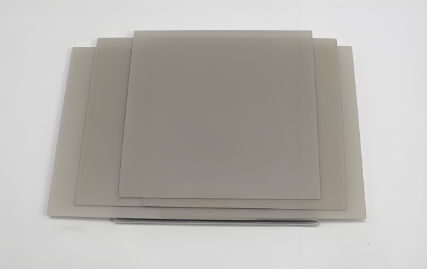
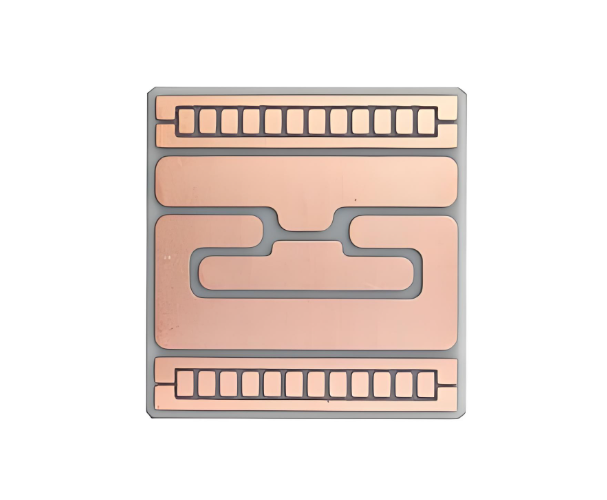
Aluminum Nitride AlN Ceramic Substrate Manufacturers
Tuesday, April 22nd, 2025

EBest Circuit (Best Technology) is a leading ceramic PCB manufacturer with over 18 years of experience delivering premium-quality printed circuit boards to customers around the world. We specialize in ceramic PCB substrates, especially AlN ceramic substrates, for high-performance applications.

From Direct Plated Copper (DPC) aluminum nitride aln ceramic substrates to thick-film hybrid circuits, our products are trusted in sectors like automotive, aerospace, LED lighting, power electronics, and RF communication. Whether you need high thermal conductivity materials, customized substrate thickness, or precision copper metallization, we deliver with speed and accuracy.

What Is Aluminum Nitride (AlN) Ceramic Substrate?

An AlN ceramic substrate is an advanced ceramic material made by sintering aluminum nitride powder at high temperatures. It combines excellent thermal conductivity with strong electrical insulation—a rare but valuable combination.

Unlike traditional FR4 or even alumina (Alā‚‚Oā‚ƒ), aluminum nitride ceramic boards handle both heat and voltage in compact, high-power systems. That’s why they’re widely used in:

  • High-power LED modules
  • IGBT and MOSFET packages
  • Power modules for EVs
  • 5G and RF components
  • Aerospace and defense electronics

With DPC (Direct Plated Copper) technology, AlN substrates are layered with thick copper (35μm–300μm), allowing for efficient heat spreading and high current handling.

Aluminum Nitride AlN Ceramic Substrate Manufacturers

What Are the Material Properties of AlN?

Aluminum nitride delivers a powerful balance of properties that few ceramics can match:

Material PropertyUnitValue
ColorWhite Grey
Medium grain sizeum3-5
Surface roughness (Ra)um0.3-0.5
DensityKg/m3>3300
Rate of water absorption%0
Bending strength4 point method (40x4x3mm3)Mpa400
Dual ring method (0.63mm substrate thickness)Mpa500
Thermal conductivity (20-100ā„ƒ)W/m-k>=170
Specific heatJ/kg.K800
Coefficient of Linear expansion1*E-6 / K4.4
Dielectric constant怀9.0+/-10%
Dielectric loss factor (1 MHz)1*E-30.3
Breakdown Voltage2.0mm substrateKV/mm34
1.0mm substrate17
0.635mm substrate11
Volume resistivity20ā„ƒOhm * cm

Aluminum Nitride Thermal Conductivity vs. Temperature

One of the standout features of AlN is its thermal conductivity, often ranging from 160 to 180 W/mĀ·K. However, conductivity changes with temperature.

  • At room temperature: ~170–180 W/mĀ·K
  • At 300°C: Drops slightly to ~150 W/mĀ·K
  • At 500°C: May fall to ~130 W/mĀ·K

This predictable behavior allows engineers to model heat dissipation accurately. Unlike FR4 or alumina, AlN can handle continuous high temperatures without degrading or delaminating. Our DPC AlN ceramic PCBs at EBest Circuit (Best Technology) are tested for thermal cycling, ensuring they perform reliably under dynamic load conditions—especially in EVs, telecom equipment, and military electronics.

Aluminum Nitride AlN Ceramic Substrate Manufacturers

What Is the Difference Between Ceramic Substrate and FR4?

This is a common question from design engineers and procurement teams alike. Ceramic substrates (such as aluminum nitride (AlN), alumina (Alā‚‚Oā‚ƒ), and silicon nitride) and FR4 PCBs are used in very different types of applications, even though both serve as the base materials for electronic circuits. Their differences go far beyond appearance and cost—they impact performance, reliability, and product lifespan.

Here’s a detailed breakdown of the key differences between ceramic substrates and FR4 PCBs:

FeatureCeramic Substrate (AlN, Alā‚‚Oā‚ƒ, Siā‚ƒNā‚„)FR4 PCB
Thermal ConductivityVery high (AlN: 170–180 W/mĀ·K, Alā‚‚Oā‚ƒ: 20–30 W/mĀ·K)Low (~0.3–0.4 W/mĀ·K)
Electrical InsulationExcellent (ideal for high-voltage applications)Good, but breaks down at high heat
Heat ResistanceCan operate >500°CLimited to ~130–150°C continuous
Dielectric Constant (High Frequency)Stable, low-lossLess stable, higher losses at GHz
Coefficient of Thermal Expansion (CTE)Matches semiconductor materials like siliconHigher, may cause stress and delamination
Mechanical StrengthHigh, especially with silicon nitrideModerate, prone to cracking under thermal cycles
Miniaturization CapabilitySupports fine pitch, thin linesLimited to standard line widths
Chemical StabilityInert, resists corrosion and oxidationSensitive to moisture and chemicals
Signal IntegrityExcellent for high-frequency and high-speed signalsSusceptible to cross-talk and signal loss
Thermal Cycling PerformanceOutstanding for power modulesWeaker in applications with frequent heating and cooling
Moisture AbsorptionVery low (typically <0.01%)Higher (can absorb up to 0.1% or more)
Design FlexibilitySuitable for multilayer, 3D packagingMostly used in 2-layer or 4-layer boards
WeightHeavier, especially with metal coatingsLightweight
CostHigher upfront cost, longer lifespanLower initial cost, shorter lifespan
ApplicationsPower electronics, LEDs, lasers, RF, EVsConsumer electronics, computers, IoT

How Thick Is Aluminum Nitride Substrate?

The typical thickness of an AlN substrate ranges from 0.25 mm to 2.0 mm, depending on the application. Thinner boards are used in space-constrained designs like portable RF devices. Thicker versions are preferred in power modules and thermal management systems.

EBest Circuit (Best Technology) supports a wide range of substrate thicknesses, such as:

  • 0.25 mm for sensors and miniaturized circuits
  • 0.38 mm or 0.5 mm for LED modules
  • mm and 2.0 mm for high-power electronics
  • Custom thickness options available upon request

Our team evaluates your thermal and electrical needs to recommend the optimal ceramic board thickness.

What Is an Alternative to Aluminum Nitride?

While AlN is powerful, it’s not always the default choice for every budget or function. Alternatives include:

  • Alumina (Alā‚‚Oā‚ƒ): Lower cost, but only 20–30 W/mĀ·K thermal conductivity
  • Silicon nitride (Si3N4) substrate: Good thermal and superior mechanical strength
  • Beryllium oxide (BeO): High thermal performance, but health concerns during processing

Of these, silicon nitride stands out as the closest functional competitor. It’s mechanically superior but falls behind in thermal conductivity. In many cases, choosing between the two comes down to application specifics—space, vibration, power load, and cost.

Aluminum Nitride AlN Ceramic Substrate Manufacturers

AlN Ceramic Substrate vs. Silicon Nitride Substrate

Let’s take a closer look at how AlN and silicon nitride compare:

PropertyAlN Ceramic SubstrateSilicon Nitride Substrate
Thermal Conductivity170–180 W/mĀ·K70–90 W/mĀ·K
Mechanical ToughnessGoodExcellent
Electrical InsulationHighModerate
Dielectric StrengthHighModerate
CTE Match with SiliconCloseSlightly higher
WeightLighterHeavier

In high-vibration environments such as engine control units, silicon nitride is a strong choice. But in RF, LED, or power modules, AlN ceramic boards are the go-to for managing heat and electrical insulation.

DPC AlN Ceramic Substrate Market Trend

The DPC AlN ceramic substrate market is experiencing remarkable growth due to the explosion of high-frequency and power-dense electronics. Key market drivers include:

  • Electric vehicles: IGBT modules and inverters demand high-thermal substrates
  • 5G infrastructure: Base stations and RF filters use ceramic substrates
  • LED lighting: High-power LEDs need efficient thermal paths
  • Defense and aerospace: Require reliable materials with long service life
  • Industrial power: Servo drives, CNCs, and high-voltage equipment depend on thermal stability

Global market studies forecast a CAGR of 8–12% in the AlN ceramic sector. The increasing demand also impacts the AlN ceramic substrate price, which may rise due to material cost and purity level. At EBest Circuit (Best Technology), we maintain strong relationships with raw material suppliers, ensuring competitive pricing, high-quality sourcing, and fast lead times.

FAQs about AlN Ceramic Substrate

1. What is the current AlN ceramic substrate price?

Prices vary based on thickness, purity, metallization, and quantity. But ceramic PCB price is always higher than FR4 PCB. Expect around $2 to $10 or even $50 per piece for custom solutions. Bulk orders offer better rates.

2. Why choose DPC over other copper technologies?

DPC AlN ceramic substrates offer better adhesion, smoother copper layers, and more precise etching. Ideal for fine pitch designs and high-frequency modules.

3. Can I use AlN substrates for high-frequency RF circuits?

Yes. AlN offers a low dielectric constant (~8.8) and stable performance up to GHz frequencies.

4. Are AlN ceramic substrates environmentally safe?

Absolutely. They are non-toxic, inert, and recyclable—safe for manufacturing and long-term operation.

5. Do you offer AlN substrates with plated vias?

Yes. EBest Circuit (Best Technology) provides vias, through-holes, and multilayer AlN ceramic substrates for complex 3D packaging.

Why Choose EBest Circuit (Best Technology) as Your AlN Ceramic Substrate Manufacturer?

  • 18+ years of PCB manufacturing experience
  • ISO9001, ISO13485, and IATF16949 certified
  • In-house DPC/DBC/AMB/HTCC/LTCC/thick film/thin film processing with precise copper thickness control
  • Custom AlN ceramic substrate solutions with fast prototyping
  • Global shipping with professional support
  • Proven success across EV, LED, medical, RF, and defense sectors

From prototype to production, EBest Circuit (Best Technology) provides tailored ceramic solutions that enhance reliability, extend product life, and help you build better electronics.