PCB manufacturing PCB manufacturing
Home > Blog

active metal brazing ceramic pcb

AMB Ceramic PCB
Wednesday, April 1st, 2026

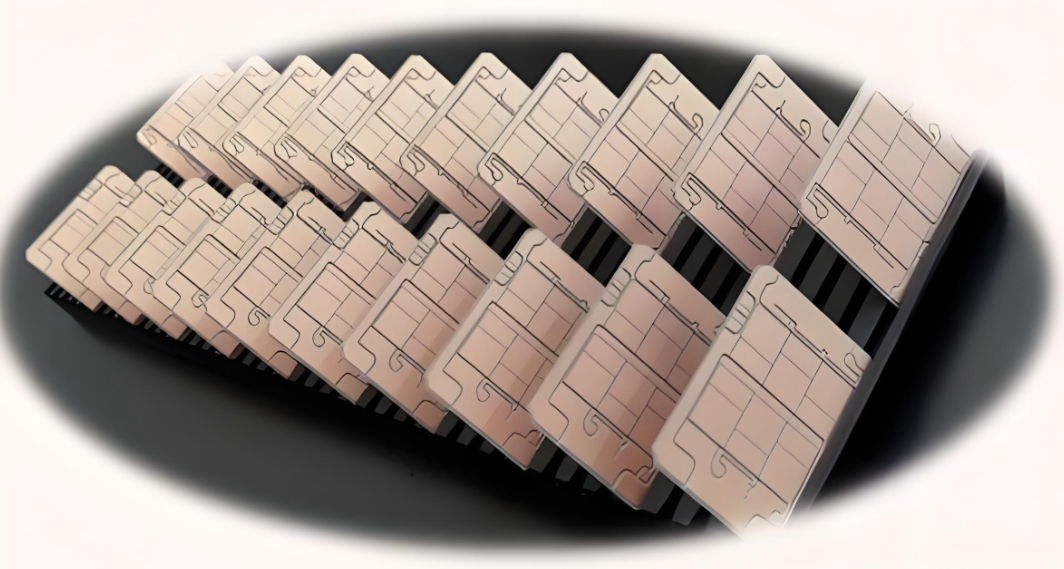
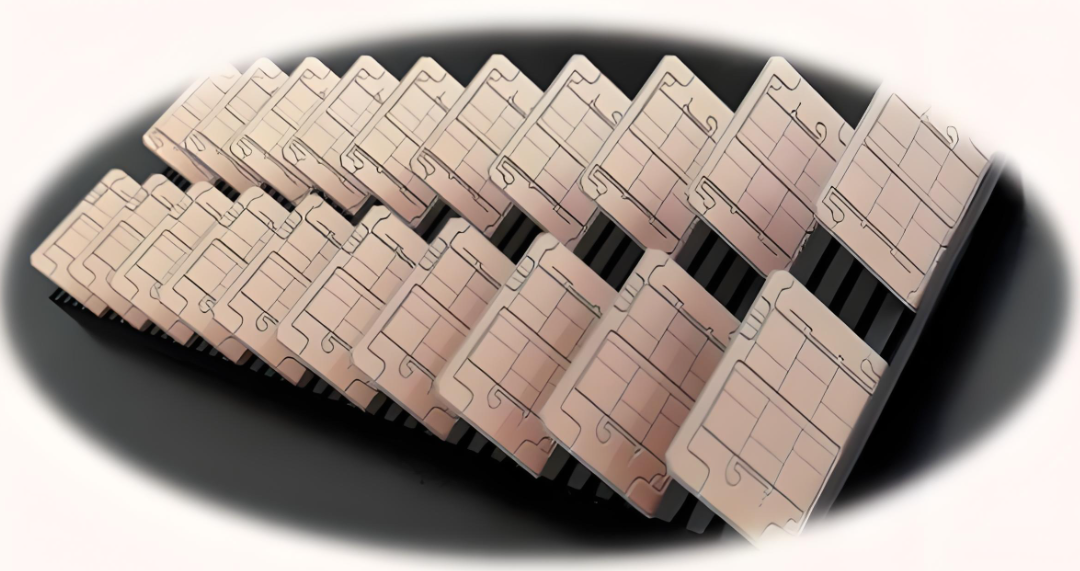
AMB Ceramic PCB is a high-performance ceramic substrate designed for power electronics that demand strong copper-to-ceramic bonding, efficient heat dissipation, and long-term reliability. At Best Technology, we provide custom AMB ceramic PCB solutions using Al2O3, AlN, and Si3N4 ceramic materials for customers in automotive, industrial, energy, rail transit, and high-power semiconductor industries.

If your project requires a substrate that can handle high current, thermal cycling, and harsh operating conditions, AMB PCB is a dependable choice.

Why Choose Best Technology for AMB Ceramic PCB?

At Best Technology (EBest Circuit), we provide advanced ceramic PCB solutions tailored for high-performance applications.

Our Strengths

  • 20+ years of PCB and PCBA experience
  • Support for Al2O3, AlN, and Si3N4 substrates
  • Copper thickness up to 800 碌m
  • Strong expertise in power modules and thermal design
  • Full turnkey service from PCB to assembly
  • Certified with ISO 9001, ISO 13485, and IATF 16949

We work closely with engineers to optimize designs for manufacturability, reliability, and cost efficiency.
AMB Ceramic PCB

What Is AMB Ceramic PCB?

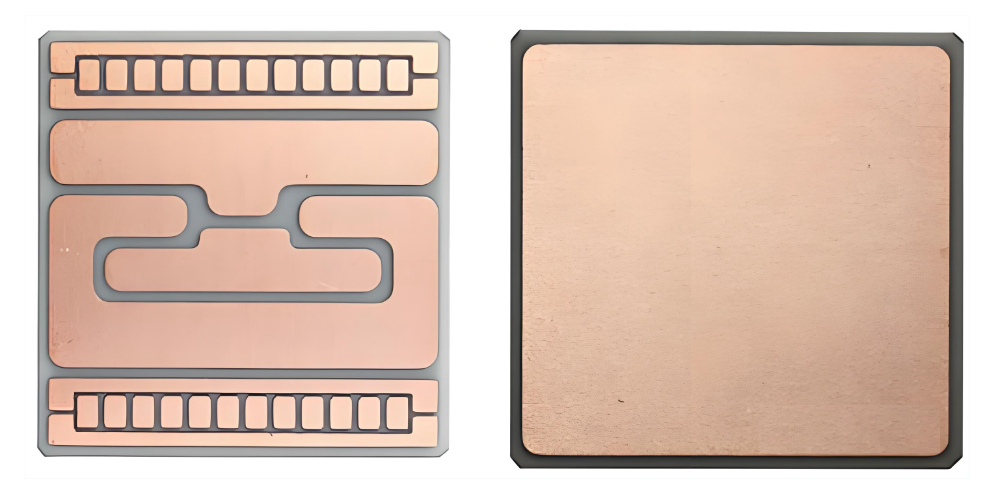
AMB stands for Active Metal Brazing. It is a ceramic substrate technology that bonds copper foil to ceramic by using active brazing materials containing metal elements such as titanium, silver, zirconium, or copper.

Unlike standard bonding methods, AMB creates a strong chemical bond between metal and ceramic at high temperature. This gives the finished substrate:

  • Higher bonding strength
  • Better resistance to thermal stress
  • Excellent heat transfer performance
  • Higher reliability in demanding environments

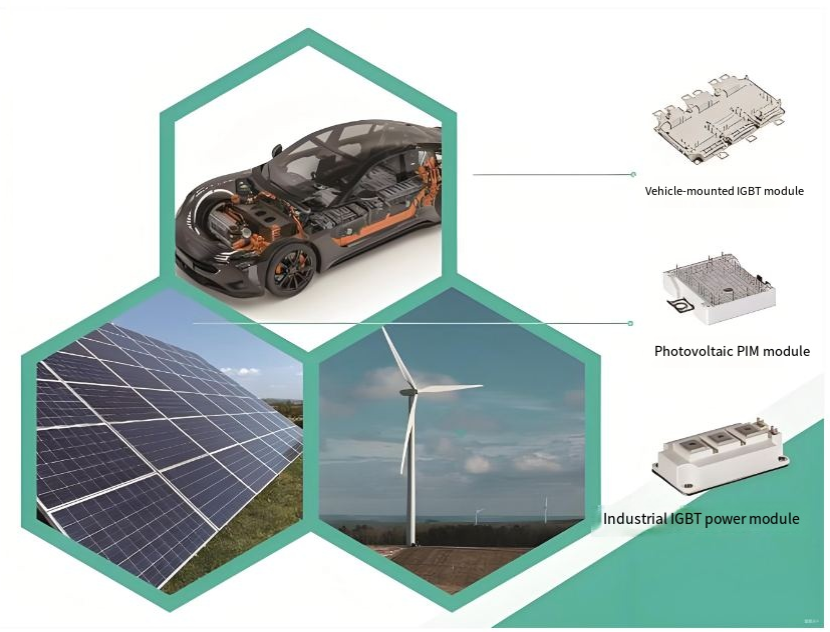
AMB ceramic PCB is widely used in power modules, IGBT modules, SiC packaging, EV systems, traction inverters, and renewable energy equipment.

Why Choose AMB Ceramic PCB?

For many power electronics projects, the substrate must do more than just carry traces. It must also help control heat, maintain insulation, and survive repeated thermal cycling. AMB ceramic PCB is chosen because it offers:

  • Stronger Bonding Performance

The active metal brazing process creates a reliable bond between copper and ceramic, making the substrate more suitable for high-power module packaging.

  • Better Reliability Under Thermal Stress

AMB substrates are designed for applications with frequent temperature changes and high operating loads. In advanced module structures, they can support very high thermal shock resistance.

  • Excellent Heat Dissipation

With the right ceramic material, AMB PCB can provide strong thermal performance for power semiconductors, converters, and high-current designs.

  • Good Match for Advanced Power Devices

AMB substrates are widely used with SiC chips, silver sintering processes, and thick copper designs, where both heat and reliability matter.

AMB Ceramic PCB vs DBC Ceramic PCB

Both AMB and DBC are used in ceramic substrate manufacturing, but they are not the same.

ItemDBC Ceramic PCBAMB Ceramic PCB
Bonding methodDirect bonding of copper to ceramicActive metal brazing
Process structureSimplerMore complex
Bonding strengthGoodHigher in many demanding applications
Thermal cycling reliabilityGoodExcellent
Suitable for harsh environmentsYesBetter suited for severe conditions
Typical high-reliability useStandard power modulesEV, traction, SiC, high-reliability power modules

In short, DBC is a strong option for many standard power applications, while AMB is often preferred when stronger bonding and better long-term reliability are required.

Ceramic Materials Available for AMB PCB

We provide AMB ceramic substrates based on different ceramic materials to match different power levels, cost targets, and reliability requirements.

1. Alumina AMB Ceramic PCB

Alumina is the most mature and cost-effective option.

Advantages:

  • Lower material cost
  • Stable supply
  • Mature manufacturing route
  • Good electrical insulation

Best for:

  • Cost-sensitive projects
  • Medium-power applications
  • Products with moderate thermal requirements

2. Aluminum Nitride AMB Ceramic PCB

AlN offers very high thermal conductivity, making it ideal for fast heat transfer.

Advantages:

  • High thermal conductivity
  • Excellent heat spreading
  • Suitable for high-power devices

Best for:

  • High-current applications
  • Power conversion systems
  • Compact designs with high heat density

3. Silicon Nitride AMB Ceramic PCB

Si3N4 is the preferred material for projects that require both mechanical reliability and thermal performance.

Advantages:

  • High bending strength
  • Strong thermal shock resistance
  • Thermal expansion closer to silicon
  • Excellent reliability in demanding environments

Best for:

  • Automotive power modules
  • Traction systems
  • Wind power converters
  • High-reliability SiC and IGBT packaging

Material Property Comparison

ItemUnitAl2O3AlNSi3N4
Densityg/cm鲁3.73.33.22
Thermal conductivityW/(m路K)>20>170>80
Coefficient of thermal expansionppm/掳C6.94.72.5
Bending strengthMPa>350>350>700
Dielectric constant@1MHz9.89.08.0
Breakdown strengthkV/mm>15>20>20

Alumina AMB Ceramic PCB

Alumina ceramic PCB is the most mature and cost-effective option among AMB substrate materials.

Because alumina is widely available and easier to process, it is often used where budget control matters. The manufacturing base for alumina is also more established, which helps keep cost lower.

Advantages of Alumina AMB Substrates

  • Mature production process
  • Lower material cost
  • Stable electrical insulation
  • Good availability for volume production

Limitations of Alumina

The main limitation is its relatively low thermal conductivity. Compared with AlN and Si3N4, alumina transfers heat less efficiently. For that reason, it is more suitable for:

  • Low to medium power applications
  • Products with lower thermal load
  • Systems with moderate reliability requirements

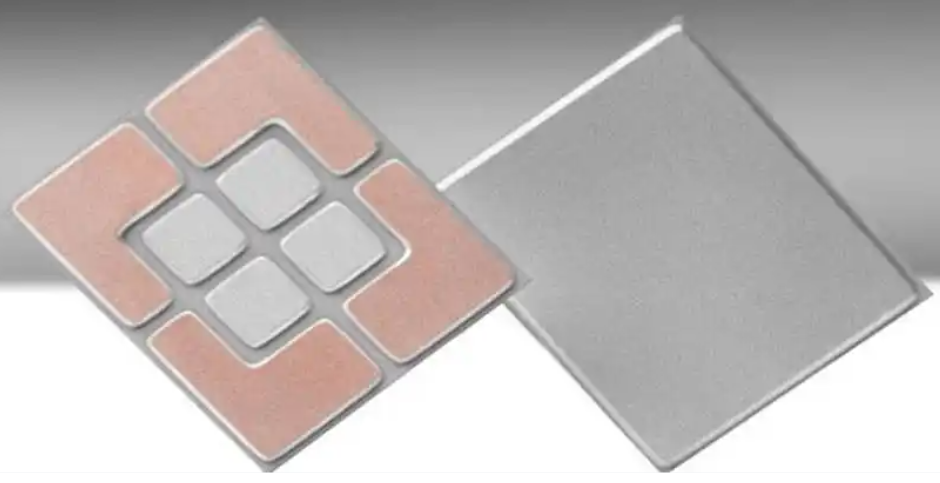
Aluminum Nitride AMB Ceramic PCB

Aluminum nitride ceramic PCB is known for its very high thermal conductivity. This makes it a strong option for electronic products that need fast heat removal. With thermal conductivity above 170 W/(m路K), AlN performs much better than alumina in heat dissipation. It is often selected for:

  • High-power electronic devices
  • High-current modules
  • Power conversion systems
  • Applications with limited space for heat spreading

Benefits of AlN AMB Substrates

  • Excellent thermal conductivity
  • Strong electrical insulation
  • Good performance in high-power designs
  • Better thermal management than alumina

Design Consideration

Although AlN performs very well thermally, its mechanical toughness is not as strong as silicon nitride. In repeated high and low temperature cycling, this can limit its service life in some harsh environments.

So while AlN is a very capable choice, it is usually best for applications where heat transfer is the top priority, but extreme mechanical shock resistance is not the main concern.
Aluminum Nitride AMB Ceramic PCB

Silicon Nitride AMB Ceramic PCB

Silicon nitride ceramic PCB is often considered the premium choice for AMB applications that require both thermal performance and mechanical reliability.

Silicon nitride has a thermal conductivity above 90 W/(m路K) and a coefficient of thermal expansion very close to silicon. This helps reduce stress between the substrate and semiconductor chip during temperature changes.

It also offers very high bending strength, often above 700 MPa, which is much higher than alumina and AlN.

Why Si3N4 Stands Out

  • High mechanical strength
  • Good thermal conductivity
  • Excellent thermal shock resistance
  • Strong resistance to corrosion and oxidation
  • Better long-term reliability in harsh environments

High thermal conductivity silicon nitride ceramics usually contain a large proportion of the stable 尾-Si3N4 phase, which contributes to stronger and more reliable performance.

Typical Applications of Si3N4 AMB PCB

  • Automotive power modules
  • Wind turbine converters
  • Traction systems
  • High-voltage DC transmission
  • Power modules with partial discharge resistance requirements

In many advanced power systems, Si3N4 AMB substrates are selected when reliability matters just as much as heat dissipation.

Main Manufacturing Process of AMB Ceramic PCB

The manufacturing process of AMB ceramic PCB is more complex than standard PCB production because it combines ceramic processing, metal brazing, and precision patterning.

A typical AMB PCB production flow includes the following steps:
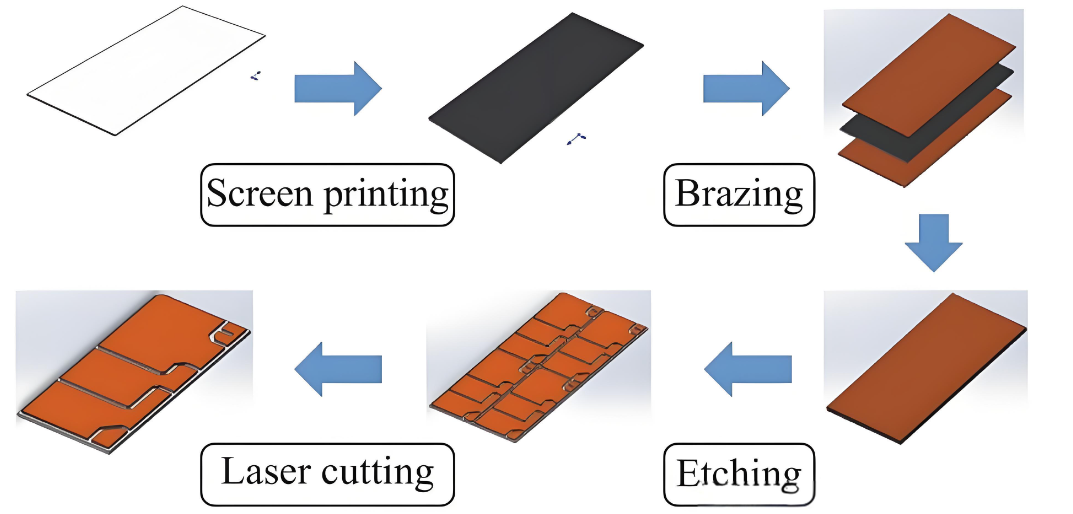
Main Manufacturing Process of AMB Ceramic PCB

1. Ceramic substrate preparation

The ceramic sheet is cleaned and prepared for bonding.

2. Active metal brazing paste or filler application

A brazing material containing active metal elements is applied evenly to the ceramic surface.

3. Copper foil alignment

Copper foil is placed on the ceramic substrate.

4. High-temperature brazing

The assembly is heated under controlled conditions so the active metal reacts with the ceramic and forms a strong bond.

5. Cooling and bond stabilization

The bonded structure is cooled carefully to maintain flatness and bond quality.

6. Circuit pattern imaging

The copper layer is patterned according to the circuit design.

7. Etching

Copper is etched, and in AMB structures the extra solder layer may also need to be removed.

8. Surface finishing and inspection

The finished substrate goes through surface treatment, dimensional inspection, and reliability checks.

Because AMB products include an additional brazing layer, the production route is more demanding than DBC. However, this extra process is also what enables AMB to achieve stronger bonding and better reliability in many power module applications.

Main Features of AMB PCB

  • High bonding strength between copper and ceramic
  • Excellent thermal dissipation for high-power devices
  • Strong thermal cycling reliability
  • Good compatibility with SiC and other advanced semiconductors
  • Stable electrical insulation under demanding conditions
  • High mechanical durability, especially with silicon nitride
  • Support for thick copper layers, in some cases up to 800 渭m
  • Suitable for high-voltage and high-current applications

Common Applications of AMB Ceramic PCB

  • High-power semiconductor modules
  • High-frequency switching devices
  • Wind power systems
  • Solar energy equipment
  • Automotive electronics
  • Locomotives and rail transportation
  • Aerospace electronics
  • IGBT modules
  • 5G communication electronics
  • Medical devices
  • High-power LED lighting
  • Industrial control equipment
  • Defense and security systems

These applications often require a substrate that can operate under heat, vibration, current stress, and repeated thermal cycling without early failure.

Need a Reliable AMB Ceramic PCB Supplier?

If you are looking for an AMB ceramic PCB manufacturer for automotive, IGBT, SiC, renewable energy, or industrial power applications, Best Technology is ready to support your project.

Send us your design files or technical requirements, and our engineering team will review them and provide a suitable solution.

Email: sales@bestpcbs.com
What Is Active and Passive Components?
Wednesday, March 18th, 2026

Understanding active and passive components is essential for designing reliable circuits. Whether you work in consumer electronics, automotive, or industrial systems, mastering active and passive components helps you choose the right parts for performance, cost, and longevity. This guide breaks down everything you need to know about active and passive components, from definitions to real-world applications.

What Is Active and Passive Components?

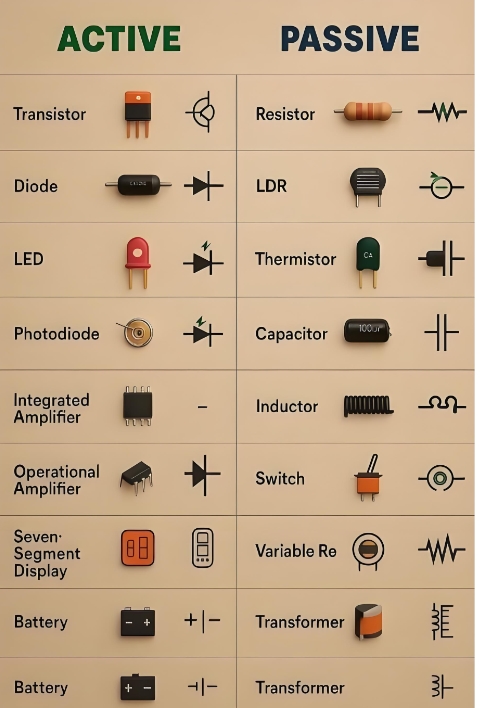
What Are Active Components in Electronics? Definition & Examples

Active components need an external power source to function. They control or amplify electrical signals, making them critical for circuit performance.

Common examples of active components include transistors, ICs (integrated circuits), diodes, LEDs, and relays.

These components are the “workhorses” of active and passive components in PCB design, enabling signal amplification and precise control in all electronic devices.

What Are Passive Components in Electronics? Definition & Examples

Passive components do not need external power to operate. They store or dissipate energy without amplifying signals, supporting the core function of active components.

Common examples of passive components include resistors, capacitors, inductors, and transformers.

They are essential for active and passive components for circuit design, handling filtering, timing, load matching, and energy storage.

What Is the Difference Between Active and Passive Components? Comparison Table

Knowing the key differences between these components ensures you select the right parts for your project. Below is a detailed comparison of active vs passive components.

FeatureActive ComponentsPassive ComponentsCommon Use Case
Power RequirementNeeds external power to operateNo external power requiredAll electronic circuits
Core FunctionAmplify, switch, or control electrical signalsStore, dissipate, or transfer energySignal management and power regulation
ExamplesTransistors, ICs, diodes, LEDs, relaysResistors, capacitors, inductors, transformersPCB design and circuit assembly
Energy RoleSupplies energy to the circuitUses or reserves energy from the circuitPower systems and signal processing

What Are the Advantages and Disadvantages of Active Components?

Understanding the advantages of active components and their limitations helps you make informed design decisions.

Advantages: High performance, signal amplification, precise control over circuit behavior, and ability to switch signals quickly.

Disadvantages: Higher cost compared to passive components, requires external power, and adds complexity to PCB design.

What Are the Advantages and Disadvantages of Passive Components?

The advantages of passive components make them indispensable for reliable, cost-effective circuits.

Advantages: Low cost, simple design, high reliability, no external power needed, and long service life.

Disadvantages: No signal amplification capability, limited function, and fixed electrical parameters that cannot be adjusted.

How to Choose Between Active and Passive Components?

Selecting between active and passive components depends on your circuit鈥檚 specific needs.

Use active components for amplification, switching, or signal control鈥攊deal for circuits that need to boost or modify signals.

Use passive components for filtering, timing, load matching, or energy storage鈥攃ritical for stabilizing circuits and managing power flow.

Active and Passive Components in PCB Design (Top 4 Industries)

Consumer Electronics

Smartphones, tablets, and wearables rely on active and passive components in consumer electronics.

ICs (active) and capacitors (passive) are used to ensure small size, low power consumption, and stable performance.

Automotive Electronics

EV controllers, infotainment systems, and safety modules use active and passive components in automotive electronics.

Transistors (active) and power resistors (passive) meet high reliability and temperature resistance standards for vehicle environments.

Industrial Control & Automation

PLCs (Programmable Logic Controllers) and factory automation systems use active and passive components in industrial electronics.

Relays (active) and inductors (passive) provide signal isolation and stability in harsh factory conditions.

Medical Electronics

Patient monitors, diagnostic devices, and medical implants use active and passive components in medical devices.

Op-amps (active) and precision passive components comply with strict safety and accuracy regulations for medical applications.

How to Identify Active and Passive Components?

Identifying active and passive components is simple with these key indicators.

Active components: Require a power pin or connection (e.g., ICs with VCC pins, transistors with base/emitter pins).

Passive components: No power connection needed (e.g., resistors with two leads, capacitors with two terminals).

Common Failures of Active & Passive Components & Fixes

Even high-quality active and passive components can fail鈥攈ere鈥檚 how to troubleshoot and fix common issues.

Active components: Overheating or voltage damage 鈫 Use proper cooling solutions and voltage protection circuits.

Passive components: Parameter drift or short circuits 鈫 Select high-quality, rated parts from reliable suppliers.

How Do Active & Passive Components Affect PCB Quality & Supply Chain?

The quality of active and passive components directly impacts PCB performance and supply chain stability.

Quality: Choose certified components to ensure long-term reliability and compliance with industry standards.

Supply chain: Select widely available parts to avoid delays鈥擡Best ensures a stable supply chain for electronic components.

Latest Trends for Active and Passive Components (2026)

The types of active and passive components with examples are evolving to meet industry demands in 2026.

Miniaturization: Smaller component packages for compact PCBs in consumer and medical devices.

High reliability: Automotive and medical grade components with enhanced durability and performance.

Sustainability: Low-power active components and eco-friendly passive components to reduce energy consumption.

FAQ: Frequently Asked Questions About Active and Passive Components

Is a transistor active or passive component?

A transistor is an active component. It requires external power to amplify or switch electrical signals, which is a key characteristic of active components.

Is a resistor active or passive component?

A resistor is a passive component. It dissipates energy as heat and does not require external power to operate, fitting the definition of passive components.

Is a capacitor active or passive?

A capacitor is a passive component. It stores electrical energy and releases it as needed, without requiring external power to function.

Do active components need power?

Yes, active components need external power. They cannot amplify or control signals without a power source, unlike passive components.

Do passive components need a power supply?

No, passive components do not need a power supply. They operate using the energy available in the circuit, such as storing or dissipating energy from active components.

Why are active and passive components important?

Active and passive components are important because they work together to create functional electronic circuits. Active components provide control and amplification, while passive components stabilize and support signal flow.

Active vs passive components which is better?

Neither is “better”鈥攖hey serve different purposes. Active components are essential for signal control/amplification, while passive components are critical for stability and energy management. Both are required for most circuits.

Summary: Master Active and Passive Components for Better PCBs

active and passive components form the foundation of all electronic circuits. The function of active and passive components works in harmony to ensure circuits perform reliably, efficiently, and cost-effectively.

Correct selection of active and passive components improves PCB quality, reduces failures, and ensures your device meets industry standards.

EBest provides high quality PCB with active and passive components and reliable active and passive components for PCB manufacturing. We specialize in PCB manufacturing with active and passive components and custom PCB using active and passive components, with a stable supply chain and on-time delivery. If you need high-quality components and PCB solutions, place your order with us. Email us at sales@bestpcbs.com for inquiries and quotes.

What is Active Metal Brazing鈥 AMB Ceramic PCB?
Thursday, November 6th, 2025

Active metal brazing (AMB) has become a cornerstone technology for bonding ceramics to metals in high-demand industries. From power electronics and aerospace to automotive applications, this process delivers strong, hermetic joints that conventional methods can鈥檛 match. Unlike typical soldering or standard brazing, AMB uses filler alloys containing active elements that directly react with ceramics, creating a chemical bond rather than relying only on mechanical adhesion.

As design engineers pursue lighter, stronger, and more thermally stable components, active metal brazing substrate technology offers unmatched reliability. Let鈥檚 explore how this process works, what materials are commonly used, and the recent advances that continue to refine its performance.

What is Active Metal Brazing鈥 AMB Ceramic PCB?

What Is Active Metal Brazing (AMB) and How Does It Work?

At its core, active metal brazing is a joining method that bonds ceramics to metals using a special filler alloy that contains 鈥渁ctive鈥 elements such as titanium, zirconium, or hafnium. These elements react chemically with the ceramic surface when heated, creating an ultra-strong bond.

The process usually happens inside a vacuum or inert atmosphere, at temperatures between 850掳C and 1000掳C. As the alloy melts, it wets the ceramic surface, and the active element forms reaction layers鈥攍ike titanium oxide or titanium nitride鈥攔ight at the interface. This reaction is what gives AMB its exceptional strength.

For example, a typical active metal brazing ceramic substrate might use aluminum nitride (AlN) or aluminum oxide (Al鈧侽鈧) bonded with copper. This combination provides high thermal conductivity, electrical insulation, and strong adhesion鈥攑erfect for applications like power inverters and IGBT modules.

What Are the Main Materials Used in Active Metal Brazing Substrate?

The performance of active metal brazing amb depends heavily on material selection. Both the filler metal and the base materials (ceramic and metal) must be carefully chosen to ensure thermal expansion compatibility and chemical stability.

Common Ceramic Materials

  • Aluminum Oxide (Al鈧侽鈧):

Known for its mechanical strength and cost-effectiveness, Al鈧侽鈧 is often paired with copper or molybdenum. It鈥檚 widely used in power devices and insulators.

  • Aluminum Nitride (AlN):

Offers higher thermal conductivity than alumina and lower dielectric loss, ideal for high-power applications such as IGBT modules and power inverters.

  • Silicon Nitride (Si鈧僋鈧):

Exhibits excellent thermal shock resistance and mechanical strength, often used in automotive and aerospace applications.

Common Metal Materials

  • Copper (Cu): Excellent thermal and electrical conductor, widely used for substrates.
  • Molybdenum (Mo): Offers better thermal expansion match with ceramics.
  • Tungsten (W): Used where high-temperature resistance is crucial.

Active Brazing Alloys (ABA)

Filler alloys used in AMB typically consist of silver (Ag), copper (Cu), or nickel (Ni) base combined with active elements. For example:

  • Ag鈥揅u鈥揟i alloy is one of the most popular systems.
  • Cu鈥揝n鈥揟i or Ni鈥揟i alloys are used for high-temperature applications.

Each alloy composition determines the wetting behavior and joint reliability. Choosing the right system depends on the ceramic鈥檚 chemistry and the operational environment.

What Are the Main Materials Used in Active Metal Brazing Substrate?

Why Are Active Metal Brazing Ceramic Substrates So Popular?

If you look at how active metal brazing ceramic substrates perform compared to other joining methods, it鈥檚 easy to see why they鈥檙e so widely used.

1. Exceptional Bond Strength

The bond isn鈥檛 just surface-level鈥攊t鈥檚 chemical. This means the ceramic and metal essentially become one unit, able to handle mechanical and thermal stress for years without failure.

2. Great Heat Management

AMB substrates are made for high-power environments. They conduct heat quickly and efficiently, preventing hot spots that could damage components.

3. Natural Electrical Insulation

Ceramics act as built-in insulators, allowing for compact layouts without risking electrical short circuits.

4. Hermetic Sealing

Because AMB joints are dense and void-free, they perform well in vacuum or pressurized systems where leaks can鈥檛 be tolerated.

5. Custom Design Flexibility

AMB supports a wide range of materials and geometries, so engineers can design modules that perfectly fit their thermal and electrical needs.

Simply put, AMB substrates make devices stronger, cooler, and more dependable.

AMB Ceramic Substrate vs. DBC Ceramic Substrate

Both AMB and DBC ceramic PCBs combine excellent heat dissipation with strong electrical insulation, making them ideal for automotive, industrial, and power module applications. However, the difference lies in how the copper layer bonds to the ceramic substrate and how each method performs under thermal, mechanical, and environmental stress. Below is a detailed comparison that highlights how these two technologies stack up in performance, reliability, and cost.

ParameterAMB Ceramic PCBDBC Ceramic PCB
Full NameActive Metal Brazed Ceramic PCBDirect Bonded Copper Ceramic PCB
Bonding MethodCopper is bonded to ceramic using active metal brazing (usually Ti or Zr-based alloys)Copper is bonded directly to ceramic through an oxidation and diffusion process
Bonding Temperature~850鈥1000掳C~1065掳C
Bonding StrengthVery high (strong metallurgical bond due to active elements)High, but slightly lower than AMB
Ceramic Material OptionsAlN, Si鈧僋鈧, Al鈧侽鈧Al鈧侽鈧, AlN
Thermal ConductivityExcellent, especially with AlN or Si鈧僋鈧 substratesGood, depends on ceramic type (AlN > Al鈧侽鈧)
Electrical InsulationHighHigh
Thermal Expansion (CTE Match)Better matched with power devices due to flexible alloy layerSlightly less matched, may stress under thermal cycling
Copper Thickness Range0.2鈥1.0 mm0.3鈥0.8 mm
Surface FlatnessVery smooth, suitable for high-precision mountingSmooth, but not as ideal for thin layers
Typical ApplicationsHigh-power automotive, EV inverters, power modules, IGBT substratesPower modules, LEDs, RF devices, industrial control
Reliability Under Thermal CyclingExcellent (superior resistance to cracking)Good, but can degrade under repeated cycling
Manufacturing CostHigher due to complex brazing processLower, mature and cost-effective
Main AdvantageExceptional reliability and thermal performance for demanding environmentsCost-effective and widely available
Main LimitationHigher cost and more complex fabricationLimited in high-stress or high-current conditions

AMB Substrate Applications

  • Power Modules: Used in EVs, renewable energy, and industrial drives. They keep heat under control and extend lifespan.
  • LED Lighting: High-power LEDs need strong heat dissipation, and AMB substrates handle that with ease.
  • Automotive Inverters: As electric vehicles evolve, AMB provides thermal stability and vibration resistance.
  • Aerospace Components: Critical systems require joints that won鈥檛 fail under pressure or temperature extremes.
  • Medical Devices and RF Equipment: Their hermetic sealing and precision bonding support sensitive, high-frequency electronics.
AMB Substrate Applications

What Are the Challenges in Active Metal Brazing?

Even with its many benefits, active metal brazing does come with challenges. The biggest one is managing the thermal expansion difference between metal and ceramic. If not balanced properly, it can create internal stress that leads to cracking.

The process also demands an extremely clean and controlled environment. Even a small trace of oxygen or moisture can interfere with the reaction between the active metal and ceramic surface.

Another consideration is the thickness of the interfacial reaction layer. If it becomes too thick, it may reduce ductility and make the joint brittle. That鈥檚 why tight temperature control and precise timing are so important.

Still, with the right design and quality control, these issues can be easily managed.

Recent Advances in Active Metal Brazing of Ceramics and Process

The field of active metal brazing has seen big improvements in recent years. Researchers and manufacturers are constantly exploring ways to make joints even stronger, cleaner, and more consistent. Some of the latest developments include:

1. Nano-Enhanced Alloys

Adding nanoparticles like TiC or TiB鈧 to the brazing filler improves how the molten alloy wets the ceramic. It also reduces voids and creates smoother interfaces, boosting long-term reliability.

2. Improved Surface Treatments

Using plasma or ion cleaning before brazing makes the ceramic surface more reactive. This promotes better wetting and stronger chemical bonding without damaging the base material.

3. Low-Temperature Brazing Alloys

New filler compositions allow brazing at lower temperatures, which minimizes residual stress from thermal expansion differences. This is a huge advantage for thinner or more fragile components.

4. Process Simulation Tools

Finite element analysis (FEA) now helps predict how the interface will behave under stress and temperature changes, reducing the need for trial runs.

5. Greener Manufacturing

Modern AMB techniques favor lead-free, flux-free systems that are safer for the environment and easier to manage in clean production lines.

Together, these recent advances in active metal brazing of ceramics and process design have helped manufacturers produce cleaner, stronger, and more stable joints鈥攕upporting the next generation of high-performance electronics.

Why Partner with EBest Circuit (Best Technology) for Active Metal Brazing Substrates?

At EBest Circuit (Best Technology), we take pride in producing reliable active metal brazing ceramic substrates tailored for the most demanding applications. Our AMB products are used in automotive power modules, aerospace equipment, medical systems, and industrial electronics worldwide.

From selecting the right ceramic-to-metal pair to optimizing brazing parameters, we help clients achieve designs that balance performance, reliability, and cost. Whether it鈥檚 aluminum oxide or aluminum nitride with copper, molybdenum, or tungsten, our active metal brazing amb technology delivers long-term stability and consistent quality.

We鈥檙e certified under ISO9001, ISO13485, IATF16949, and AS9100D, ensuring every process meets strict global standards. Our vacuum brazing systems and MES-controlled production lines guarantee full traceability from raw material to finished substrate. If you鈥檙e seeking dependable substrates for your high-power projects, EBest Circuit (Best Technology) can be your trusted partner.

FAQs

1. What temperature does active metal brazing use?

Typically between 850掳C and 1000掳C, depending on the alloy and materials used.

2. Why is titanium important in AMB?

Titanium is the 鈥渁ctive鈥 element that reacts with ceramics, creating a strong chemical bond.

3. Can AMB join both aluminum oxide and aluminum nitride?

Yes, both are popular choices for AMB substrates due to their strength and insulation.

4. How is AMB different from DBC substrates?

DBC (Direct Bonded Copper) relies on oxidation bonding, while AMB uses a reactive alloy for a stronger chemical interface.

5. How does EBest Circuit (Best Technology) ensure AMB quality?

Through vacuum brazing, 100% inspection, full MES traceability, and globally recognized quality certifications.