PCB manufacturing PCB manufacturing
Home > Blog

Multilayer ceramic pcb: its process and advantages

September 13th, 2024

As an innovative technological achievement in the field of electronics, multilayer ceramic pcb are gradually becoming a key force in promoting the development of the electronics industry. It uses ceramic materials as substrates and integrates advanced printed circuit technology, providing solid support for the miniaturization and high performance of electronic equipment.

What is a multilayer ceramic pcb?

A multilayer ceramic pcb is an electronic component that uses ceramic as a matrix material and makes metal circuits on it. It is mainly divided into planar ceramic printed circuit boards and multilayer ceramic pcb.

Planar ceramic printed circuit boards are usually used in some simple electronic devices, while multilayer ceramic pcb are widely used in multiple high-end technology fields due to their higher integration and performance.

From a classification point of view, multilayer ceramic pcb can be divided from different angles. In terms of the number of layers, ceramic circuit boards are currently dominated by single and double panels.

According to materials, there are Al2O3 ceramics, AIN ceramics and BeO ceramics.

  • Alumina substrates are commonly used substrate materials in the electronics industry, with high strength and chemical stability and abundant raw material sources.
  • AIN ceramics have high thermal conductivity and expansion coefficients that match Si, but there are relatively few domestic production technologies and the price is high.
  • Although BeO has high thermal conductivity, its development is limited by toxicity.

According to the manufacturing process, it can be roughly divided into four types: HTCC, LTCC, DBC, and DPC.

  • DBC combines Al2O3 with Cu plate by high temperature heating.
  • DPC deposits Cu on Al2O3 substrate by direct copper plating technology.
  • LTCC is also called low-temperature co-fired multilayer ceramic substrate, and HTCC is also called high-temperature co-fired multilayer ceramic.
Multilayer ceramic pcb: its process and advantages

At present, these ceramic substrates have been maturely applied to various required fields, such as cooling sheets, high-power LEDs and other industries.

What are the manufacturing processes of multilayer ceramic pcb?

Common manufacturing processes of multilayer ceramic pcb:

  • One-time sintering multilayer method: After the ceramic blank is stamped and formed, the conductive layer is printed, and then laminated or printed with an insulating layer, followed by shape punching, and finally sintered and plated with precious metals.
  • Thick film multilayer method: After the ceramic blank is stamped and sintered, the conductive layer is printed, and the conductive layer and the insulating layer are printed repeatedly, and finally sintered.
Multilayer ceramic pcb: its process and advantages
  • High temperature co-firing technology (HTCC): High temperature sintering is adopted, and the sintering temperature is usually above 1500ā„ƒ. This technology can produce ceramic circuit boards with high mechanical strength, which can make the package more solid and durable. However, high melting metals such as tungsten, molybdenum, and manganese have poor conductivity and sintering shrinkage is difficult to control.
  • Low temperature co-firing technology (LTCC): Sintering at 850-900 degrees Celsius, low-capacitance capacitors, resistors, coupling and other passive components are buried in the multilayer ceramic substrate, and low-impedance metals such as gold, silver, and copper are co-fired as electrodes, and then parallel printing is used to coat the circuit.
  • Direct pressing technology (DBC): Al2O3 is combined with Cu plate by high temperature heating. The production process is relatively simple and direct, and ceramic circuit boards with certain performance can be quickly produced.
  • Vacuum sputtering technology (DPC): Cu is deposited on Al2O3 substrate using direct copper plating technology, which can produce ceramic circuit boards with high precision.

What are the application fields of multilayer ceramic pcb?

(I) Covering high-end technology fields

multilayer ceramic pcb play a vital role in the aerospace field.

Ceramic materials do not decompose chemical bonds due to heat and ultraviolet radiation, do not absorb or release moisture in large quantities, and do not outgas in extreme vacuums. They have excellent temperature resistance and high reliability.

In satellite communication systems, navigation systems, and aircraft control systems, multilayer ceramic pcb ensure that circuits work stably in extreme environments.

Multilayer ceramic pcb: its process and advantages

In the field of medical equipment, multilayer ceramic pcb are widely used in imaging equipment and life support systems. The multilayer design can integrate more functions in a limited space, meeting the key needs of portable medical devices and compact designs.

In the field of automotive electronics, as cars develop towards electronicization and intelligence, the use of multilayer ceramic pcb is becoming more and more common. From engine management systems to entertainment systems, it improves circuit reliability, reduces weight, and improves overall performance.

In communication systems, especially in data centers and network equipment, multilayer ceramic pcb are widely used due to their superior signal integrity and electromagnetic interference shielding capabilities. High-speed signal transmission is possible while ensuring the quality and stability of data transmission.

In the field of high-performance computing, the high integration and high performance of multilayer ceramic pcb can meet the needs of large-scale data processing and high-speed computing.

(II) Significant advantages are widely used

multilayer ceramic pcb have a high degree of integration and can arrange more components and circuits in a limited space to achieve more complex circuit designs.

It has extremely high reliability and adopts professional manufacturing processes with good electrical and mechanical properties. Through strict quality control and testing, the stability and reliability of the circuit board are guaranteed.

Strong design flexibility allows more complex circuit layouts, providing space for innovation and technological progress. Designers can optimize circuit design and reduce the length of signal paths, thereby speeding up signal transmission.

What are the unique advantages of multilayer ceramic pcb?

(I) Excellent performance

multilayer ceramic pcb have many excellent properties. First, high thermal conductivity enables them to dissipate heat quickly and effectively, ensuring that electronic components maintain a stable temperature during operation.

The good thermal expansion coefficient makes the thermal expansion coefficient of the ceramic circuit board similar to that of the chip, which can reduce the impact of thermal stress on the chip. When the temperature changes, the thermal stress between the circuit board and the chip is reduced, which improves the reliability and service life of the electronic equipment.

The low-resistance metal film layer ensures good conductivity and reduces the loss of signal transmission.

The substrate has good solderability, which is convenient for the installation and welding of electronic components and improves production efficiency. Good insulation can effectively prevent circuit short circuits and ensure the safe operation of electronic equipment.

The low high-frequency loss makes the multilayer ceramic pcb have significant advantages in the field of high-frequency communication. In high-frequency signal transmission, the signal loss is low, which can ensure the quality and stability of the signal.

The high-density assembly feature enables the ceramic circuit board to integrate more electronic components in a limited space and realize more complex circuit design.

(II) Rich types suitable for different scenarios

  • Aluminum nitride ceramic circuit boards have the advantages of high thermal conductivity and expansion coefficient matching Si. Its high thermal conductivity can quickly dissipate the heat generated inside the device, making it an ideal packaging material for high-power electronic devices. In the field of high-power LED lighting, aluminum nitride ceramic circuit boards can provide good heat dissipation performance and extend the service life of LED lamps.
  • Alumina ceramic circuit boards are more common, cost-effective, with good insulation and moderate thermal conductivity. Alumina substrates are commonly used substrate materials in the electronics industry, with high strength and chemical stability, abundant raw material sources, and are suitable for a variety of technical manufacturing and different shapes.
  • Thick film ceramic circuit boards consist of gold and dielectric paste printed on a ceramic substrate and baked at a temperature slightly below 1000°C. Thick film ceramic PCBs can use gold or copper, and copper is used most due to its lower cost.
  • LTCC has excellent high frequency, high Q characteristics and high-speed transmission characteristics, good temperature characteristics, can adapt to high current and high temperature resistance requirements, easy to achieve multi-functionality and improve assembly density, and high reliability.
  • High temperature co-fired ceramic (HTCC) circuit boards use alumina and adhesives as well as plasticizers, solvents and lubricants. This method is most suitable for small circuit boards and carrier circuits. HTCC has the advantages of high mechanical strength, high wiring density, and stable chemical properties.

What is the future development of multilayer ceramic pcb?

(I) The market size continues to grow

In recent years, the market size of my country’s ceramic circuit board industry has shown a trend of continuous growth. According to statistics, the market size will be about 2.399 billion yuan by 2023, and the CAGR from 2015 to 2023 will be 19.1%. With the continuous development of the electronic information industry, the market demand for ceramic circuit boards as key electronic components will continue to grow.

(II) Technological progress drives development

With the rapid development of the new generation of information technology, downstream demand will inevitably be more diversified and more technologically advanced, which will put forward higher requirements on the R&D level and process level of ceramic circuit board industry manufacturers.

The downstream industries include integrated circuit packaging, LED, automotive electronics, aerospace and military electronic components. The scale development of the downstream market has created considerable new market capacity for the ceramic circuit board industry. At the same time, the structural upgrading of the downstream industry will help the technological progress of the ceramic circuit board industry.

(III) The global market has broad prospects

In 2023, the global multilayer printed circuit board market size is about 168.8 billion yuan, and it is expected that the market size will be close to 192.9 billion yuan by 2030, with a CAGR of 1.9% in the next six years.

At present, China is the world’s largest market for multilayer printed circuit boards, accounting for nearly 60% of the market share. From the perspective of the global market competition landscape, the sales volume, revenue, price market share and industry ranking of multilayer printed circuit boards of leading companies in the global market are constantly changing.

Conclusion:

In short, multilayer ceramic pcb have shown great potential in the electronics industry with their unique advantages. With the continuous advancement of science and technology, it will play a more key role in more fields and continue to inject new vitality into the innovation and development of electronic technology. BEST Techbology has always been committed to providing customers with high-quality products and professional services, and continuously promoting the development of the ceramic circuit board industry.

What is 95x64mm Strip Board? – EBest Circuit (Best Technology)

September 13th, 2024

Definition of a 95x64mm Strip Board

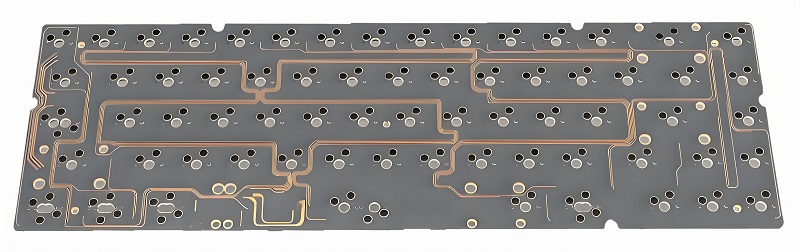
The 95x64mm strip board, commonly known as stripboard or veroboard, is a versatile tool used in PCB prototyping. This type of board is pre-drilled with holes arranged in a grid pattern, with copper strips running parallel to one side. The size, 95x64mm, refers to its dimensions: 95 millimeters in length and 64 millimeters in width.

A 95x64mm strip board is a specific size of stripboard. It’s a board with a grid of holes and copper strips that are connected to facilitate the easy construction of electronic circuits. The copper strips can be cut and modified to create connections between different components, making it an invaluable tool for hobbyists and engineers alike.

What is 95x64mm Strip Board? - EBest Circuit (Best Technology)

How to Cut a Stripboard to Size?

Cutting a stripboard to size is essential when working on custom electronic projects, as the default size of the board might not always fit your design requirements. While the process may seem simple, precision is important to ensure a clean cut and a properly functioning circuit. Here’s a step-by-step guide on how to cut a stripboard efficiently:

1. Measure the Required Size

Before making any cuts, it’s crucial to measure the exact size of the stripboard you need for your project. Use a ruler or measuring tape to determine the length and width of the area you will be working with.

After measuring, use a pencil or fine-tip marker to draw cutting lines on the board. It’s essential that the lines are precise and straight. You can use the pre-drilled holes on the stripboard as a guide, ensuring that your cuts are aligned with the rows and columns of the board.

2. Prepare the Work Area

Set up your workspace to ensure that you have a safe and stable area for cutting. Place the stripboard on a flat, stable surface, such as a cutting mat or a workbench. To avoid slipping while cutting, use clamps or a vise to secure the stripboard in place.

3. Cutting Tools

Choose the right tool for the job. A few common tools for cutting a stripboard include:

  • Fine-toothed hacksaw: Ideal for making precise cuts through the stripboard material without damaging the copper strips.
  • Rotary tool (Dremel): A rotary tool with a cutting wheel can make cleaner and more controlled cuts. It’s especially useful for intricate or delicate work.
  • Score and snap method: For small, simple cuts, you can score the board with a sharp utility knife along the marked lines. Once scored deeply, you can snap the board along the cut line.

4. Cut Carefully

Once your stripboard is secure and you have chosen the right tool, it’s time to cut. Begin by gently sawing along the marked line. Use steady, even pressure, allowing the saw to do the work. Avoid rushing the cut, as this could lead to uneven or jagged edges. For more precise cuts, guide the rotary tool along the cutting line with steady pressure. The rotary tool can provide smoother edges, but take care to maintain control over the tool for safety and accuracy.

5. Finish the Cut

After the board has been cut, you may notice that the edges are rough or uneven. Smoothing the edges will prevent accidental shorts or damage to the board’s components.

  • File the edges: Use a fine-grit file or sandpaper to carefully smooth out the rough edges of the board. This step is particularly important if you are working with sensitive components or high-density circuits, as sharp edges can lead to unwanted contact with other parts.
  • Check the copper strips: After smoothing the edges, inspect the copper strips on the cut board. Ensure that no copper traces have been damaged during the cutting process. If necessary, you can use a small utility knife or a file to clean up any rough spots near the copper strips.
What is 95x64mm Strip Board? - EBest Circuit (Best Technology)

6. Cutting Strips (Optional)

In many cases, you’ll also need to cut the copper strips on the underside of the board to isolate specific circuits or prevent unwanted connections. Use a small drill bit, sharp knife, or strip cutter to make small breaks in the copper strips where needed. Carefully break the strip without damaging the surrounding area. These cuts should align with your circuit design to ensure proper functionality.

Difference Between a Strip Board and a Breadboard

While both strip boards and breadboards are used for prototyping, they have distinct differences:

Strip boards have fixed copper strips on one side, which makes them suitable for permanent or semi-permanent circuit assembly. They require soldering to connect components.

Howevery, breadboards are used for temporary circuit designs. They have a grid of holes that allow for easy insertion and removal of components without soldering. They are ideal for testing and experimenting with different circuit configurations.

What is 95x64mm Strip Board? - EBest Circuit (Best Technology)

What Size is a Stripboard?

Stripboards come in a variety of sizes, allowing engineers, hobbyists, and professionals to choose the right one for their projects. A standard stripboard typically measures around 100x160mm, but smaller or larger sizes are available depending on the complexity and scope of the circuit being designed. One of the most commonly used sizes for prototyping is the 95x64mm stripboard, which offers a compact but functional area for small to mid-range circuits, like:

1. 25 x 64 mm: Has 9 rows and 25 holes

2. 64 x 95 mm: Has 24 rows and 37 holes

3. 95 x 127 mm: Has 36 rows and 50 holes

4. 50 x 80 mm: Also known as the ST1 StripBoard, this is 1.97 x 3.15 in and 1/16 in thick

5. 160 x 100 mm: A common size in the United Kingdom

6. 160 x 233 mm: A standard double height (6U) Eurocard/VME size, which is 9.2 in wide, 6.3 in long, and 1/16 in thick

Stripboards are prototyping boards made from insulating material, like fiberglass or resin-bonded plastic. One side of the board has parallel copper strips that are typically spaced 2.54 mm apart.

Layout of a Stripboard

The layout of a stripboard is quite functional:

Copper Strips: One side of the board has copper strips running parallel to each other. These strips can be cut to create breaks and allow for more flexible circuit designs.

Holes: The board is drilled with a grid of holes that line up with the copper strips. Components can be inserted into these holes, and connections can be made by soldering to the copper strips.

Breaks and Jumps: To customize the circuit, you can cut the copper strips or use wire “jumps” to make connections that don’t follow the copper strips.

Difference Between Donut Board and Strip Board

Board Structure and Layout

Donut boards, also known as perfboards, have isolated copper pads around each hole, meaning no automatic connections between adjacent holes. In contrast, stripboards have parallel copper strips that connect rows of holes, allowing predefined electrical connections.

Component Placement

On donut boards, components can be placed freely without layout restrictions. Stripboards, however, require components to align with the copper strips, which can limit layout flexibility but simplify organization for linear designs.

Wiring and Soldering

With donut boards, each connection must be made manually, which increases soldering time. Stripboards reduce wiring by offering predefined connections, but cutting the strips may still be necessary for more intricate designs.

Fault Diagnosis

Diagnosing faults on a donut board is easier because each connection is made manually, allowing clear visibility of potential issues. On a stripboard, diagnosing faults can be more difficult due to the copper strips, which may cause unintentional short circuits.

As an advanced PCB and PCBA manufacturer, we have over 18years manufacturing experience. “High mixed, low volume, high quality and fast delivery” is our core values. 70% of our employees are the core memebers in our company, they have professional and rich skills in this industry. Contact us for your PCB projects!

What is Copper Clad Laminate (CCL)?

September 13th, 2024

What is Copper Clad Laminate?

Copper clad laminate short for CCL, it is a foundational material in the electronics industry. It consists of a thin copper foil bonded to one or both sides of a non-conductive substrate like fiberglass or resin. This combination creates a durable and conductive material that serves as the base for creating printed circuit boards (PCBs). The copper layer facilitates the transmission of electrical signals, while the insulating substrate supports the board’s structural integrity.

CCL comes in various thicknesses and types, depending on the application. It’s a critical part of most electronic devices, from smartphones to industrial machines. Its main role is to support the etching of circuit patterns, where unnecessary copper is removed, leaving conductive paths that enable electrical connections. Below is a structure of a double sided copper clad laminate:

What is Copper Clad Laminate (CCL)?

What is Copper Clad Board Used For?

Copper clad boards are widely used in PCB manufacturing. Their role is to provide a surface for electrical components to connect through conductive copper traces. CCLs are widely used in applications including, but not limited to:

  • Electronic products: Copper clad board is the basic material of electronic products, used to manufacture various electronic equipment circuit board, such as TV, radio, computer, computer and so on.
  • Communication equipment: Mobile phones, tablet computers, routers and other communication equipment a large number of copper clad laminate.
  • Computers and peripherals: Computer motherboards, graphics cards, hard disks, etc., need a large number of copper-clad boards.
  • Automotive electronics: Electronic equipment in modern automobiles, such as ABS, air conditioning, navigation, etc., need to use copper clad board.
  • Military: Electronic components in military equipment also need to use a large number of copper-clad boards.

In addition, copper clad boards are also used in industrial control, medical instruments, national defense, aerospace and other fields. With the development of technology and the increase of application demand, the use of copper clad plate in electronic products is more and more extensive, which plays an important role in promoting the renewal of social production and living tools. For example, the development of the Internet of Things and artificial intelligence, as well as the application of 5G communication technology, have greatly increased the demand for copper clad sheets. ā€Œ

What is the Market Report for Copper Clad Laminate?

The market for copper clad laminate has grown steadily due to the increasing demand for consumer electronics, automotive advancements, and telecommunication developments. The global CCL market is expected to expand significantly over the next few years, driven by technological advancements in 5G, renewable energy systems, and electric vehicles.

Key players in this market are working to develop lighter, thinner, and more efficient CCLs to keep pace with the growing need for high-performance electronics. Manufacturers exploring new materials and production methods to reduce costs while enhancing performance. The future looks promising, with a forecast of rapid growth driven by the electronics industry’s evolution.

Is Copper Clad Better Than Copper?

Copper clad laminate is a more practical option for PCBs than solid copper because it provides the required conductive properties at a lower cost. While copper is an excellent conductor, using copper as metal core PCBs would be expensive and impractical. CCL offers the same conductivity benefits but adds a lightweight, non-conductive layer that provides structural support.

What is Copper Clad Laminate (CCL)?

Electrical Conductivity and Cost Efficiency

While pure copper has excellent electrical conductivity, copper clad laminates (CCLs) provide a balance between cost and performance. In a copper clad board, only a thin copper layer is used, which significantly reduces the amount of copper needed compared to using solid copper. For applications like PCBs, where large surfaces need copper conductivity but do not require the full thickness of copper, copper clad is more efficient and economical.

Thermal Management

Copper clad materials often have better thermal management properties due to the substrate’s ability to dissipate heat while maintaining the copper layer’s high conductivity. Pure copper, while an excellent heat conductor, may not offer the same level of thermal dissipation when used alone in complex electronic assemblies. For instance, in multi-layer PCBs, copper clad boards help balance the need for heat management and conductivity by using the copper layer efficiently while the base material manages thermal stress.

Structural Support and Durability

Copper clad laminates provide added structural support compared to pure copper sheets. The non-conductive substrate, often made of fiberglass, resin, or other materials, adds durability and rigidity to the thin copper layer. By contrast, is soft and flexible, making it unsuitable for structural applications without some form of backing material.

Corrosion Resistance

Copper, though highly conductive, is prone to oxidation and corrosion over time, which can affect its performance in certain environments. Copper clad laminates, however, are often treated with protective coatings or layered with other materials to enhance their resistance to corrosion.

Weight Considerations

Another important factor is weight. Copper is a dense metal, and using thick copper layers can significantly increase the weight of a product. In contrast, copper clad laminates achieve high conductivity with only a fraction of the copper’s weight.

How Thick is Copper Clad Board?

The thickness of a copper clad board depends on its intended application. Standard copper thicknesses for CCL are measured in ounces per square foot, typically ranging from 0.5 oz to 2 oz per square foot. This translates to about 17 to 70 microns. For high-power applications, thicker copper, such as 3 oz or more, may be used.

What is Copper Clad Laminate (CCL)?

On the other hand, the thickness of the laminate itself can also vary, depending on whether it’s a single-layer, double-layer, or multilayer board. The insulating substrate can range from 0.2 mm to several millimeters, depending on the application. The total thickness of the copper clad board is a combination of the copper foil and the insulating material.

How Much Does Copper Cladding Weigh?

The weight of copper cladding is typically expressed in ounces per square foot. A common weight is 1 oz of copper, which means that a square foot of copper clad board has a 1-ounce copper layer. This is approximately 35 microns thick. Heavier copper cladding, such as 2 oz or 3 oz, is also used for applications that require higher current-carrying capacity or greater durability.

It’s important to balance the weight with the application needs. Higher copper weight provides better conductivity and durability but adds cost and weight to the final product. Therefore, the choice of copper weight in CCL depends largely on the required performance and cost considerations.

Copper Clad Laminate Price

The price of copper clad laminate varies based on several factors such as copper thickness, substrate material, board size, and production volume. Standard-grade CCL is more affordable, while high-end options with specialty substrates like Teflon or ceramic tend to be more expensive.

On average, copper clad laminate costs range from $5 to $15 per square meter for common types. However, high-performance laminates designed for demanding environments, such as those used in aerospace or military applications, can be significantly more expensive.

Global market trends, material shortages, and the demand for electronics heavily influence pricing. Recently, fluctuations in copper prices and supply chain disruptions have impacted the cost of CCL. Still, bulk orders or long-term contracts with suppliers can help reduce costs for large manufacturers.

How to Cut Copper Clad Laminate?

CCL requires careful handling to ensure precise cuts without damaging the copper layer or the substrate. The cutting method will vary depending on the thickness and material, but overall, clean and accurate techniques are key.

What is Copper Clad Laminate (CCL)?

1. Choose the Right Tools

    The tools you use depend on the thickness of the copper clad laminate. Thin CCL can be cut with a utility knife, while thicker boards require specialized tools like a PCB shear or laser cutter.

    2. Prepare the Work Area

    Before cutting, ensure that your workspace is clean and stable. Use a flat surface to keep the laminate steady during cutting. For larger boards, use clamps to secure them in place. Always wear protective gear like goggles and a mask, especially when working with power tools to avoid dust and debris.

    3. Measure and Mark the Cutting Line

    Accurate measurements are crucial for a clean cut. Use a ruler or measuring tape to mark the cutting line and draw it clearly with a permanent marker. Double-check your measurements to avoid mistakes before cutting.

    4. Score the Copper Clad Laminate

    For thin laminates, use a utility knife to score along the marked line. Score the copper side first, then flip it over and score the substrate. Once both sides are scored, gently bend the laminate along the line until it snaps cleanly.

    5. Cut Thick Copper Clad Laminate

    For thicker CCL, use a guillotine PCB shear or a Dremel tool. A PCB shear provides a clean, straight cut, while a Dremel is useful for cutting complex shapes. For high precision, a laser cutter is the best choice, especially for intricate designs.

    6. Deburr and Smooth the Edges

    After cutting, the edges may be rough. Use a file to smooth out any jagged areas, then finish with fine-grit sandpaper.

    Safety is important when cutting CCL. Fiberglass and other substrate materials can produce harmful dust. Always wear a dust mask and safety goggles, and work in a well-ventilated area to minimize exposure to particles. In addition to this, avoid over-scoring the laminate, which can damage the substrate or cause copper peeling. Make sure to apply consistent pressure while cutting to prevent uneven edges. Always prioritize safety by using proper protective gear to avoid injuries.

    Copper Clad Laminate Suppliers

    Numerous suppliers provide copper clad laminate globally. The selection of a supplier depends on factors like the type of laminate, application requirements, and volume needed. Some well-known suppliers include:

    • Kingboard Laminates
    • Panasonic
    • Isola Group
    • Nan Ya Plastics
    • Shengyi Technology
    • Rogers Corporation
    • Ventec International Group
    • Doosan Corporation
    • Iteq Corporation
    • Mitsubishi Gas Chemical

    With over a decade of effort and experience, EBest Circuit (Best Technology) has been actively contributing to the growth of this business. Certified with ISO9001, ISO13485, IATF16949, UL, and RoHS, the company is fully capable of delivering high-quality, eco-friendly PCBs and various types of copper clad laminates at competitive prices.

    Dam PCB: What is Solder Mask Dam?

    September 12th, 2024

    What is Dam in PCB?

    A dam PCB refers to the solder mask dam in a circuit board, a thin barrier that separates areas of exposed copper. The dam is created to prevent solder from flowing across areas where it isn’t wanted, especially during the assembly process. These barriers ensure precise and clean soldering, which is critical for the functionality of the circuit board.

    What is a Solder Mask Dam?

    Solder mask dam, some engineers also call it solder resistance bridge. It is a narrow strip of solder mask material placed on the PCB between closely spaced pads or traces. It acts as a protective shield, ensuring that the solder sticks only to the pad used for the component and does not spread to adjacent areas.

    Dam PCB: What is Solder Mask Dam?

    By introducing a small barrier, the solder mask dam ensures that solder joints are created only in the intended areas, thereby preventing electrical shorts and other types of damage that could lead to device malfunctions or failures. They safeguard copper traces and other metal features from oxidation, contamination, and other forms of damage. In the process of batch placement in the factory, the “isolation belt” of the solder resistance bridge can effectively avoid short circuit in the welding process of the SMD component pin, so as to ensure the normal operation of the electronic equipment. It can be said: without a proper solder stop dam, solder can flow uncontrollably, causing a short circuit or damaging other parts of the board.

    Types of Solder Mask Dams

    There are various types of solder mask dams, primarily depending on their width and the area of the PCB they protect. Each offering different advantages depending on the PCB design’s specific requirements. The main types include open, hatched, and round dams.

    Open Solder Mask Dams

    Open solder mask dams are the simplest and most commonly used type. They are created by leaving a small gap around each pad or through-hole, allowing solder to flow onto these areas without spreading to nearby conductive features. Here are their advantages:

    • Simple to design and implement
    • Suitable for most PCB designs
    • Compatible with various soldering techniques

    Hatched Solder Mask Dams

    Hatched solder mask dams are similar to open dams but use a pattern of diagonal lines to create barriers around each pad or through-hole. These diagonal lines form small gaps in the solder mask, directing solder to the pad or through-hole while minimizing spreading.

    It offers better protection against solder bridging compared to open solder mask dams and suitable for designs with closely spaced components or high-density PCBs.

    Round Solder Mask Dams

    Round solder mask dams use circular shapes to encircle each pad or through-hole. This circular barrier effectively prevents solder from flowing onto adjacent conductive features. Round solder mask dams provide the highest level of protection against solder bridging and damage. So it ideal for designs with fine-pitch components or high pin-count devices.

    Role of Solder Mask Dams

    The primary role of solder mask dams is to prevent solder from creating unintended connections between pads or traces. During the soldering process, when molten solder is applied to the PCB, it can sometimes spread beyond the desired area. A solder mask dam prevents this by creating a physical barrier.

    • Prevention of solder bridges

    Solder mask dams help prevent solder from flowing into unintended areas, reducing the risk of solder bridges and electrical shorts.

    • Improve precision in soldering

    By controlling where solder can flow, solder mask dams ensure that solder is applied only to the intended pads and through-holes.

    • Protection against oxidation and contamination

    Solder mask dams shield underlying copper traces from oxidation and contamination.

    • Improved design flexibility

    Solder mask dams allow for greater flexibility in PCB design by accommodating various component layouts and soldering techniques.

    • Cleaner soldering process

    By preventing solder from spreading to adjacent conductive features, solder mask dams contribute to a cleaner soldering process, resulting in fewer defects and a more polished final product.

    How Solder Mask Dams Work?

    The solder mask dam works by setting specific isolation strips on the printed circuit board (PCB) to prevent short circuits in the pins of the SMD components. The solder mask covers the part of the PCB that does not need to be welded, and the exposed part is the copper sheet that needs to be welded. The solder stop layer is set to follow the principle of negative output, that is, after the shape of the solder mask layer is mapped to the PCB, the exposed is actually copper, rather than the part with green oil. This design helps ensure the accuracy of the welding and the stability of the circuit.

    Dam PCB: What is Solder Mask Dam?

    In reflow welding process, solder mask layer is very important to control welding defects. The designer should minimize the spacing or air gap around the pad features to avoid the formation of tin Bridges. For closely spaced components, such as QFPS on four sides, the openings or Windows of the solder shield may require special consideration in order to facilitate control of the tin bridge between the element pins. In addition, the thickness of the solder mask is also an important factor, if the thickness is more than 0.04mm, it may affect the application of the solder paste.

    Solder mask materials can be used by liquid wet process or dry film lamination. Dry film solder resistance materials are usually available in a thickness of 0.07-0.1mm and are suitable for some surface mount products, but are less recommended for close pitch applications. Liquid photoresist materials are often specified for surface mount applications due to their economy and accuracy.

    What is the Minimum Solder Mask Dam?

    The minimum width of a solder mask dam depends on the design rules of the PCB manufacturer and the capabilities of the solder mask material. Typically, the minimum solder mask dam width ranges from 6 to 8 mils. In high-density designs, where components are packed closely together, achieving a consistent and effective solder mask dam at the minimum width can be challenging. Here is the PCB manufacturing capability in EBest Circuit (Best Technology) of FR4 PCB:

    Dam PCB: What is Solder Mask Dam?

    How Thick Should Solder Mask Be in PCB?

    The thickness of the solder mask plays a crucial role in its effectiveness. Standard solder mask thickness is usually between 15 to 25 microns. This thickness provides adequate protection against solder bridging while allowing the mask to withstand the heat and pressure of the soldering process. If the solder mask is too thin, it may not provide sufficient protection, leading to solder bleed. Conversely, if it’s too thick, it can cause misalignment issues during the assembly process.

    How to Design a Solder Mask Dam?

    Designing an effective solder mask dam requires careful planning and attention to detail. Here are key steps to follow when designing a solder mask dam:

    1. Evaluate Component Density: Start by assessing the layout of your PCB. For high-density boards, you’ll need to design thinner dams that still provide sufficient protection.

    2. Check Manufacturer’s Guidelines: Manufacturers have specific design rules for solder mask dams. It’s important to consult these guidelines to ensure your design meets the minimum and maximum dam widths allowed.

    3. Optimize Pad and Trace Spacing: Ensure that there’s enough spacing between pads and traces to accommodate the solder mask dam. The spacing should be consistent to prevent solder bridges.

    4. Simulate Solder Flow: Use simulation tools to visualize how the solder will flow during the assembly process. This helps identify areas where the solder mask dam may need to be adjusted for optimal performance.

    5. Review Tolerance Requirements: PCB manufacturing involves tight tolerances. Make sure your solder mask dam design accounts for potential variations during fabrication.

    EBest Circuit (Best Technology) is a leading PCB manufacturer in Asia, we are certificated with ISO9001, IAFT16949, ISO13485 quality control systems to monitor our quality process. Get touch with us now to get your PCB instant quotes!

    Differences Guide, ceramic antenna vs pcb antenna

    September 12th, 2024

    Antenna plays a vital role in wireless devices, and ceramic antenna and PCB antenna have their own characteristics. Ceramic antenna is small, low cost, easy to use, and has good anti-interference, waterproof, dustproof, lightning protection and other properties. PCB antenna is an important RF component and is also indispensable in wireless communication equipment.

    What is a ceramic antenna?

    Ceramic antenna is a miniaturized antenna suitable for Bluetooth devices. It uses a ceramic shell and has anti-interference, lightning resistance, waterproof and dustproof capabilities.

    Differences Guide, ceramic antenna vs pcb antenna

    It mainly uses GPS satellites to achieve navigation and positioning. It is divided into block ceramic antenna and multilayer ceramic antenna. Block antenna uses high temperature to sinter the entire ceramic body once and then prints the metal part of the antenna on the surface of the ceramic block.

    Multilayer antenna firing uses low temperature co-firing to stack and align multiple layers of ceramics and then sinter at high temperature. The metal conductor of the antenna can be printed on each layer of ceramic dielectric layer according to design requirements, which can effectively reduce the size of the antenna and achieve the purpose of hiding the antenna.

    Since the dielectric constant of ceramic itself is higher than that of PCB circuit board, and the dielectric loss is also smaller than that of PCB circuit board, the use of ceramic antenna can effectively reduce the size of antenna while ensuring antenna performance, and is more suitable for use in low-power Bluetooth modules.

    Ceramic antennas are widely used in Bluetooth devices, such as Bluetooth headsets, smart watches, Bluetooth e-cigarettes, smart small appliances, smart medical, smart home products, etc. Its gain is generally 2dbi, and the reading distance can reach 2 meters. It is an industrial-grade product for indoor use, with an external size of 78mmƗ78mmƗ5mm.

    What is a PCB antenna?

    PCB antenna refers to the part on the PCB used for wireless reception and transmission.

    Differences Guide, ceramic antenna vs pcb antenna

    When transmitting, it converts the high-frequency current of the transmitter into electromagnetic waves in space; when receiving, it converts the electromagnetic waves intercepted from space into high-frequency current and sends them to the receiver. Usually set on Bluetooth or wireless transmission modules. For example, PCB antennas play an important role in ZM602 series Wi-Fi modules, achieving performance indicators such as gain > 2.0dBi, working bandwidth > 150MHz, S11 within bandwidth < -10dB, input impedance 50Ī©, and standing wave ratio < 2.0.

    The most common structure of PCB antenna is the inverted F antenna. The length of the antenna needs to meet the quarter free space wavelength of the transmitted signal. In actual design, it is often designed as a serpentine trace to reduce the occupied space.

    The advantages of PCB antennas are small space occupation, low cost, no need to assemble the antenna separately, not easy to touch and damage, and convenient assembly of the whole machine; the disadvantages are that it is difficult to make a single antenna field round, the insertion loss is high, the efficiency is relatively low, and it is easy to be interfered by the motherboard.

    What are the differences between ceramic antennas and PCB antennas?

    • (I) Difference in dielectric constant:

    In terms of dielectric constant, ceramic antennas have obvious advantages. The dielectric constant of ceramic antennas is higher than that of PCB antennas, which enables ceramic antennas to gather and transmit electromagnetic wave signals more effectively.

    The higher dielectric constant allows ceramic antennas to be more compact in design, effectively reducing the size of the antenna. In some miniaturized Bluetooth devices, such as smart watches and Bluetooth headsets, the high dielectric constant characteristics of ceramic antennas can meet the strict space requirements of the device, leaving more design space for other electronic components.

    • (II) Difference in dielectric loss:

    Ceramic dielectrics also perform well in dielectric loss. Compared with PCB circuit boards, ceramic dielectrics have lower dielectric losses, which means that in low-power Bluetooth modules, ceramic antennas can transmit signals more efficiently while reducing energy loss.

    The use of ceramic antennas in low-power Bluetooth modules is significantly better than PCB antennas, which can effectively extend the battery life of Bluetooth devices. The low dielectric loss characteristics of ceramic antennas can ensure that the device still maintains stable signal transmission when running for a long time.

    • (III) Difference in size and effect:

    The size of ceramic antennas is generally comparable to that of 1210 packages. In practical applications, antennas of this size can well meet the design requirements of various miniaturized electronic devices. At the same time, the effect of ceramic antennas is stronger than that of PCB antennas. This is because the special structure and material properties of ceramic antennas make them more efficient and stable in signal reception and transmission.

    In some Bluetooth audio devices with high signal quality requirements, ceramic antennas can provide clearer and more stable audio transmission effects, reducing signal interference and distortion. However, due to the limitations of its design and manufacturing, PCB antennas are often not as good as ceramic antennas in signal transmission effects.

    What are the benefits of ceramic antennas?

    Advantages:

    Ceramic antennas take up little space, which makes them very advantageous in miniaturized electronic devices. For example, in wearable devices such as smart watches and Bluetooth headsets, more space can be left for other electronic components, making the design of the device more compact.

    Its performance is good, and it can effectively reduce power consumption while ensuring signal strength. For example, in some low-power Bluetooth devices, ceramic antennas can extend the battery life of the device.

    Ceramic antennas can also effectively improve the integration of the motherboard, reduce the antenna’s restrictions on ID, and introduce the design in the early stage of product design, so that it can be better integrated with the motherboard and improve the overall performance of the product.

    Disadvantages:

    The bandwidth of ceramic antennas is narrow, and it is difficult to achieve multi-band. This means that in some application scenarios that need to support multiple frequency bands at the same time, ceramic antennas may not meet the needs.

    In some multifunctional wireless communication devices, it is necessary to support multiple frequency bands such as Bluetooth, Wi-Fi, GPS, etc. at the same time. Ceramic antennas may need to be used in conjunction with other antennas, which increases the complexity and cost of the design.

    What are the benefits of PCB antennas?

    Advantages:

    PCB antennas take up less space and are especially suitable for electronic devices that have strict space requirements. For example, in some ultra-thin smartphones and laptops, PCB antennas can be directly integrated on the circuit board without taking up additional space.

    Low cost is also an important advantage of PCB antennas. Since it can be made directly on the PCB board, no additional assembly process is required, which reduces production costs.

    PCB antennas do not need to be assembled separately, are not easily damaged by touch, and are easy to assemble as a whole, which improves production efficiency.

    Disadvantages:

    It is difficult to make a single antenna field of a PCB antenna round, which will affect the coverage and stability of the signal.

    High insertion loss means that the signal is lost more during transmission, reducing the strength and quality of the signal.

    PCB antennas are easily interfered by other electronic components on the motherboard, which requires careful consideration and optimization during design and layout to reduce the impact of interference on the signal.

    Application scenarios and selection of ceramic antennas and PCB antennas

    According to different needs, PCB onboard antennas can be selected in environments without metal coverage, IPEX external antennas can be selected with metal coverage, and ceramic antennas can be selected if the space is not large.

    Differences Guide, ceramic antenna vs pcb antenna

    In actual applications, different usage environments and needs determine the choice of antenna type. If it is in an environment without metal coverage, PCB onboard antennas are an economical and convenient choice. PCB onboard antennas have the advantages of low cost, no need to assemble antennas separately, not easy to touch and damage, and easy assembly.

    When in an environment with metal coverage, IPEX external antennas are more suitable. IPEX external antennas have good directional directivity, high efficiency, strong anti-interference ability, and can stay away from interference on the motherboard. Although it is costly and difficult to assemble, it can ensure stable signal transmission in a metal environment.

    If the PCB board space is not large, ceramic antennas are an ideal choice. Ceramic antennas can effectively reduce the size of the antenna to achieve the purpose of hiding the antenna. At the same time, since the dielectric constant of ceramic itself is higher than that of PCB circuit board, it can better adapt to the design requirements of small space while ensuring performance.

    In summary, when choosing an antenna, we need to comprehensively consider the specific use environment and needs and choose the most suitable antenna type to ensure that the device can achieve stable and efficient wireless communication.

    Conclusion:

    Ceramic antennas and PCB antennas each have their own characteristics and advantages. Understanding their differences will help you make the most appropriate decision when choosing wireless devices.

    BEST Technology has many years of experience in manufacturing ceramic circuit boards. Its products can provide stable and reliable signal transmission in the fields of GPS navigation, Bluetooth devices, wireless LAN, and the Internet of Things.

    Ceramic PCB Manufacturers: Development History and Future

    September 12th, 2024

    In today’s era of rapid technological development, ceramic PCBs have emerged in many fields with their excellent performance and unique advantages. Behind ceramic PCBs are a group of professional ceramic PCB manufacturers who are promoting the progress and development of the electronics industry with their unremitting efforts and superb skills.

    Ceramic PCB Manufacturers: Development History and Future

    Reasons for the development of ceramic pcb manufacturer

    • (I) Expansion of market size

    In recent years, the ceramic PCB market size has shown a growing trend. According to statistics, the global ceramic substrate market size reached US$1.13 billion in 2022 and is expected to reach US$4.15 billion in 2029, with a compound annual growth rate (CAGR) of 18.23%.

    In the Chinese market, the market size of China’s ceramic circuit board industry is about 2.399 billion yuan by 2023, with a CAGR of 19.1% from 2015 to 2023.

    In terms of output, China’s ceramic substrate output accounted for about 35.9% of the world’s total in 2022, and is expected to reach 54.9% in 2029. Europe is the second largest market region, with a share of 33% in 2022 and an estimated 21.99% in 2029. Japan, Southeast Asia, South Korea and Taiwan are also important production areas.

    • (II) Promotion of technological progress

    Technological innovation plays a vital role in promoting ceramic PCB manufacturers. In terms of the application of new materials, the research and development of new ceramic materials provides more options for ceramic PCBs.

    In terms of production process improvements, ceramic PCB manufacturing technology includes steps such as pressing, welding, metallization and printing. By optimizing process parameters and process control, higher quality ceramic PCBs can be obtained.

    The application of laser cutting and punching technology in the production of ceramic circuit boards improves processing accuracy and speed, and meets the requirements of small size and high density of electronic devices and semiconductor components.

    What are the well-known ceramic pcb manufacturers?

    BEST Technology:

    • Product features: A domestic manufacturer that focuses on the R&D and production of large, medium and small batches of ceramic circuit boards and prototypes, serving high-tech enterprises and scientific research institutions at home and abroad. Mainly focused on MCPCB, FR4 PCB, Ceramic PCB, Special PCB such as Heavy Copper (up to 20 OZ), and PCB assembly service.
    • Market share: Ranked among the top domestic ceramic substrate manufacturers, with a monthly production capacity of 100,000 sheets.
    Ceramic PCB Manufacturers: Development History and Future
    • Technical advantages: Over 18 years of experience in the PCB industry. Proficient in DPC, AMB, DBC, LTCC, HTCC production processes, fully passed TS16949, ISO9001, ISO14001 certification. With the aim of “zero quality defects”, we provide high-quality products and services, with short delivery time and stable quality for ceramic boards.

    What are the production processes of ceramic PCBs?

    (I) Laser processing technology

    Lasers play a vital role in ceramic PCB processing. Laser drilling has the advantages of high precision and high efficiency, and can meet the requirements of electronic devices and semiconductor components for micropore diameters ranging from 0.05 to 0.2 mm.

    Ceramic PCB Manufacturers: Development History and Future

    Laser cutting also has many advantages. First, it has high precision, fast speed, narrow slits, small heat-affected zone, and smooth cut surfaces without burrs.

    (II) Other molding processes

    • Tape casting: The advantage is that it can produce large-area, thin-thickness and uniform ceramic substrates, which are suitable for large-scale production. However, tape casting has high requirements for equipment, and the viscosity and fluidity of the slurry need to be controlled during the process.
    • Powder pressing: Simple operation and low cost. However, the pressed ceramic substrate may have problems of uneven density and high porosity, which affect its performance.
    • Extrusion molding: Suitable for the production of long strip or tubular ceramic substrates with high production efficiency. However, the shape of the extruded ceramic substrate is relatively simple and the dimensional accuracy is relatively low.

    (III) LAM process advantages

    The LAM process has significant advantages in ceramic PCB manufacturing.

    First, the bonding strength between the metal layer and the ceramic is high, up to 45 MPa (the strength of the ceramic sheet is greater than 1mm thick), the conductivity is good, and the heat is small when the current passes through.

    Secondly, the thermal conductivity is high. The thermal conductivity of alumina ceramics is 20-35 W/mk, and the thermal conductivity of aluminum nitride ceramics is 170-230 W/mk, which is much higher than the thermal conductivity of the traditional aluminum-based circuit board MCPCB of 1 to 2 W/mk.

    In addition, the insulation is good, and the breakdown voltage is as high as 20KV/mm. The thickness of the conductive layer can be customized arbitrarily within the range of 1μm-1mm, and the current can be designed according to the circuit module. The thicker the copper layer, the greater the current passing through.

    The high-frequency loss is small, and high-frequency circuits can be designed and assembled; the dielectric constant is very small, and the line/spacing (L/S) resolution can reach 20μm, thus achieving short and thin devices.

    It does not contain organic components, is resistant to cosmic rays, and has high reliability and long service life in the aerospace field; the copper layer does not contain an oxide layer and can be used for a long time in a reducing atmosphere.

    What are the characteristics of ceramic pcb manufacturer?

    • (I) Obvious technical advantages

    Ceramic PCB manufacturers have significant technical advantages. First of all, high thermal conductivity is one of the outstanding features of ceramic PCB. This enables ceramic PCB to effectively dissipate heat in high-power electronic equipment and improve the reliability and stability of the equipment.

    Low thermal expansion coefficient is also an important technical feature of ceramic PCB. Its thermal expansion coefficient is close to that of silicon chips, which can save labor and materials and reduce costs. At the same time, when the temperature changes, it can reduce the stress caused by thermal expansion and contraction, and ensure the stability of the circuit.

    High surface hardness makes ceramic PCB more durable and longer service life. Compared with traditional PCBs, ceramic PCBs are not easily scratched and worn, and can maintain good performance in harsh environments.

    • (II) Adapt to a variety of fields

    Ceramic PCB has a wide range of application advantages in many fields.

    In the field of LED lighting, the excellent heat dissipation performance of ceramic PCB can effectively reduce the temperature of LED chips, improve luminous efficiency and life. At the same time, ceramic PCB has good insulation and high pressure resistance, which ensures personal safety and equipment protection.

    Ceramic PCB Manufacturers: Development History and Future

    In the semiconductor field, the high thermal conductivity of ceramic PCB can quickly conduct heat away from semiconductor chips and improve cooling efficiency. In addition, the low thermal expansion coefficient and high surface hardness of ceramic PCB can adapt to the working environment of semiconductor coolers at different temperatures and ensure its stable performance.

    • (III) Clear market structure

    At present, the ceramic PCB market presents a clear competitive pattern. In the global market, a few internationally renowned companies occupy a large market share. These companies have advanced technology and rich experience, and have strong strength in material research and development, production technology and market expansion.

    The development opportunities for domestic manufacturers lie in the huge demand and policy support of the domestic market. With the rapid development of strategic emerging industries such as 5G communications, new energy vehicles, and high-end manufacturing, the market demand for ceramic PCBs will continue to grow.

    At the same time, domestic manufacturers are also facing some challenges. On the one hand, international competitors have strong technical strength and brand influence, and domestic manufacturers need to increase investment in technological innovation and brand building. On the other hand, the production cost of ceramic PCBs is high, and domestic manufacturers need to continuously optimize production processes, reduce costs, and improve the cost performance of products.

    What is the market prospect of ceramic PCB manufacturers?

    (I) Strong policy support

    As the core material of passive electronic components, electronic ceramics are an important material basis for electronic information technology.

    In order to promote the development of the electronic ceramics industry, the state has issued a series of policies, such as “Opinions on Deepening the Reform of the Management System of the Electronic and Electrical Industry”, “The 14th Five-Year Plan for the Development of the Digital Economy”, “The 14th Five-Year Plan for the Development of Intelligent Manufacturing”, and “The 14th Five-Year Plan for the Development of China’s Electronic Components Industry”.

    At the same time, the state has also strengthened quality management supervision of the PCB board industry, formulated strict quality standards and testing requirements, and supported enterprises to carry out ISO quality management system certification to improve product quality and competitiveness.

    In terms of environmental protection, the Chinese government has adopted strict environmental protection policies to regulate the production and processing processes of the PCB board industry, restrict the use of hazardous substances, promote the recycling of resources and promote clean production, laying a solid policy foundation for the development of ceramic PCB manufacturers.

    (II) Market demand growth

    With the rapid development of downstream application fields such as new energy vehicles and 5G communications, the market demand for ceramic PCBs has shown a strong growth trend.

    In the field of new energy vehicles, a large number of high-voltage and high-power devices contained in new energy vehicles, such as IGBT and MOSFET, have high requirements for heat dissipation.

    Ceramic substrates have a good heat dissipation effect, which can dissipate the high heat in the power system in time to ensure the normal operation of large power loads, further increasing the use of PCBs for new energy vehicles.

    In the field of 5G communications, the advent of the 5G era has made signal base stations more dense, with the number reaching 100 times that of 4G, including a series of software and hardware upgrades brought about by the iterative upgrade of terminal receiving devices.

    As hardware for high-frequency transmission, the core of it is the circuit board. At present, the circuit board with the smallest transmission loss is the ceramic circuit board, which has long been widely used in the communications industry.

    In the future, entering 2020, 5G will be expected to be commercially available. With the development of the new era of 5G, it is expected that by 2030, the domestic direct economic output will reach 6.3 trillion, and 8 million jobs will be created.

    (III) Future development trends

    • Technological innovation: Ceramic PCB manufacturers will continue to increase their technological innovation efforts, develop new ceramic materials and advanced production processes.
    • Product upgrade: With the continuous improvement of PCB performance requirements in downstream application fields, ceramic PCB manufacturers will launch higher-end and more personalized products.
    • Market expansion: Ceramic PCB manufacturers will actively expand domestic and foreign markets, strengthen cooperation with downstream customers, and increase the market share of products. In the international market, domestic manufacturers can enhance brand awareness and influence and expand overseas markets by participating in international exhibitions and cooperating with internationally renowned companies.

    What Determines A Circuit’s Capacity? – EBest Circuit (Best Technology)

    September 11th, 2024

    What is the capacity of a circuit?

    The capacity of a circuit, often referred to as PCB current-carrying capacity, is the maximum amount of electrical current it can handle without overheating or causing a fault. This capacity is crucial for ensuring that the circuit operates safely, powering all connected devices without causing damage. A circuit’s capacity is typically measured in amperes (amps), which shows the flow of electrical current. The capacity of a circuit is determined by its components, such as the wire size, the circuit breaker, and the connected devices.

    What Determines A Circuit's Capacity?

    Circuits need to be designed and maintained within their safe capacity. If you overload a circuit, it could lead to overheating, equipment failure, or even an electrical fire. The circuit breaker is the main defense against this, as it cuts off the current flow if the circuit exceeds its capacity.

    How can an electrician predict a circuit’s capacity?

    Electricians can predict a circuit’s capacity by analyzing the components of the electrical system. The wire gauge, breaker rating, and the types of devices connected to the circuit are all factors in this determination. The wire gauge (or thickness) is one of the most important factors—thicker wires can carry more current.

    Another key element is the circuit breaker or fuse. These devices are rated for a specific current. For example, a typical household circuit breaker may be rated for 15 or 20 amps. Electricians calculate the expected load, considering how many devices are likely to run on that circuit at the same time.

    To predict the capacity accurately, electricians follow safety codes and standards like the National Electrical Code (NEC). This ensures that the circuits can handle the loads without risks of overload.

    What determines the size of a circuit?

    The size of the circuit is mainly determined by the supply voltage and resistance. ā€Œ

    The size of the current is affected by a number of factors, of which the power supply voltage and resistance are the most direct and critical factors. The power supply voltage directly determines the driving force of the electron flow in the circuit, and the resistance is the obstacle of the electron flow, and the two work together to determine the size of the current in the circuit. To be specific:

    ā€ŒPower supply voltage

    The power supply voltage directly affects the size of the current. According to Ohm’s law, current is proportional to voltage. This means that the higher the voltage, the greater the current in the circuit.

    What Determines A Circuit's Capacity?

    ā€ŒResistance size

    The larger the resistance, the less current passes through the circuit. According to Ohm’s law, current is inversely proportional to resistance. This means that the greater the resistance, the smaller the current in the circuit.

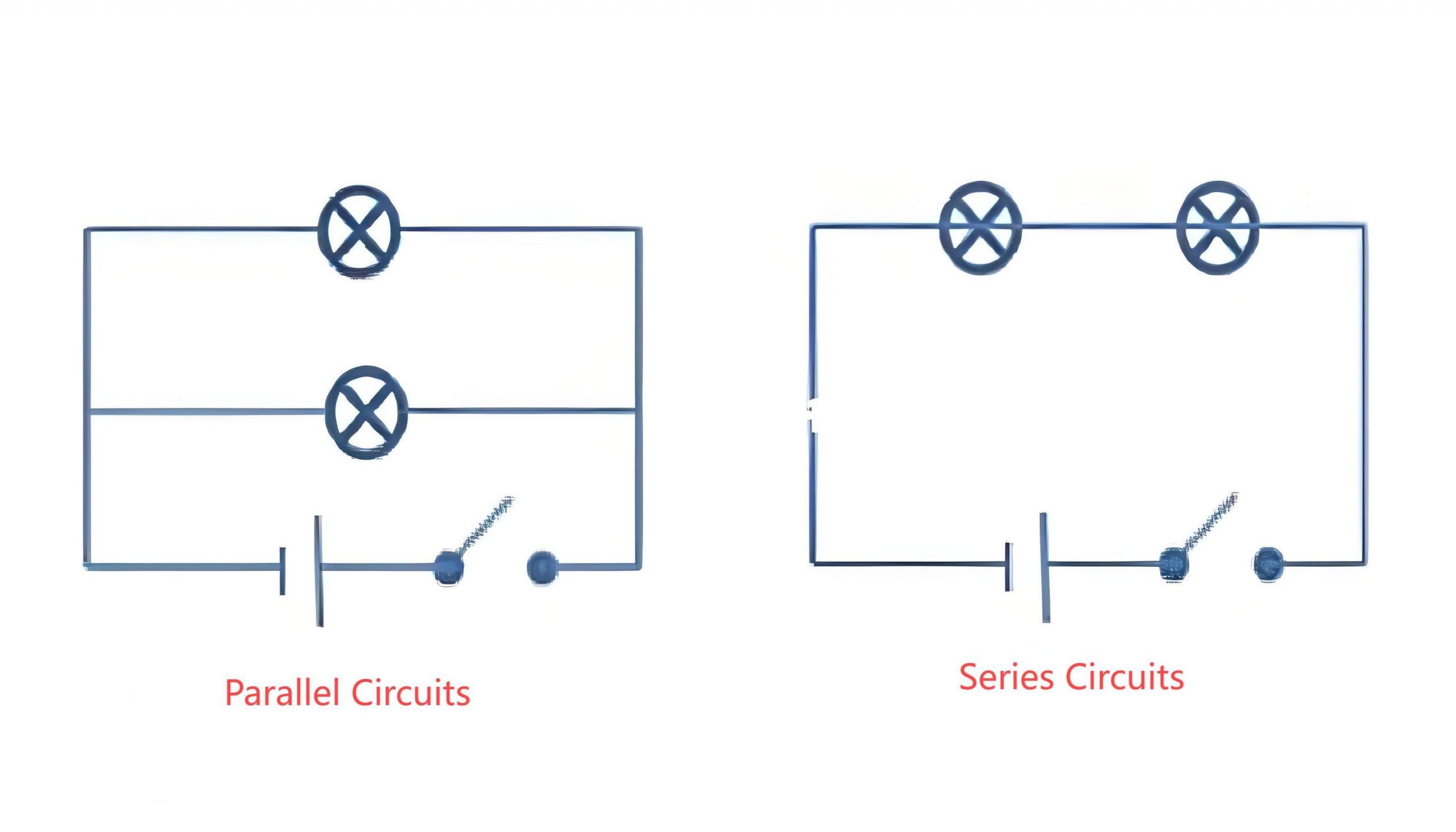
    In addition, the series-parallel relationship of the circuit and the temperature also affect the size of the current. In a series circuit, the total current is equal to the sum of the currents of each resistor; In a parallel circuit, the total current is also the sum of the individual resistance currents. A change in temperature will affect the value of the resistance and thus the magnitude of the current.

    What is the making capacity of the circuit?

    The making capacity of a circuit refers to the ability of a breaker or switch to handle the initial surge of current when it is first energized. This initial surge, often called inrush current, can be much higher than the normal operating current. The making capacity is crucial because it ensures that the breaker can handle this brief spike without tripping unnecessarily.

    In industrial applications, the making capacity is even more important, as many machines and motors draw a high inrush current when starting up. The breaker must be able to manage this surge without interrupting the power flow. Typically, the making capacity is higher than the breaker’s rated current capacity to account for these surges.

    What determines circuit capacity?

    The factors that determine the capacity of a circuit mainly include the structure of the capacitor itself, environmental conditions, and application scenarios. The structure of the capacitor is a key factor in determining its capacity, specifically including:

    • Distance between the plates

    The smaller the distance between the plates, the greater the capacitance. This is because reducing the distance increases the electric field strength, allowing the capacitor to store more charge.

    • Relative area of the plates

    The larger the relative area of the plates, the greater the capacitance. A larger area makes the electric field more uniform, thus increasing the capacitor’s capacitance.

    • Dielectric constant of the insulating material

    The higher the dielectric constant of the insulating material, the greater the capacitance of the capacitor. The dielectric constant reflects the material’s ability to influence the electric field, affecting the capacitor’s capacitance.

    • Material of the metal plates

    The material of the metal plates also affects the capacitance. Factors such as the purity and conductivity of the metal can influence the capacity. Higher purity and better conductivity in the metal plates can increase the electric field strength, thus enhancing the capacitor’s capacitance.

    Environmental conditions and application scenarios can also affect the circuit’s capacity, including:

    • Ambient temperature

    Changes in ambient temperature can affect the resistivity of the metal plates and insulating material, which in turn affects the capacitance. An increase in temperature typically lowers resistivity, which may either increase or decrease capacitance, depending on how temperature influences resistivity.

    • Load resistance

    In practical applications, when the capacitor works together with load resistance, the size of the load resistance affects the capacitor’s charging and discharging process, thereby influencing its capacitance. The size of the load resistance determines the speed at which the capacitor stores and releases charge, thus impacting the capacitor’s performance.

    How do you calculate circuit load capacity?

    To calculate circuit load capacity, electricians follow a few simple steps. First, they determine the total wattage of all the devices on the circuit. For example, a room may have several light bulbs, a television, and a computer, each with their own wattage rating.

    Once they have the total wattage, they divide this by the voltage (typically 120V in homes). This gives them the total current in amps that the circuit is using. Electricians then compare this value to the circuit breaker’s rating. For safety, the total load should not exceed 80% of the breaker’s capacity. So, on a 20-amp circuit, the maximum continuous load would be 16 amps.

    What Determines A Circuit's Capacity?

    What is the maximum load on a 20-amp breaker?

    A standard 20-amp breaker can handle up to 2,400 watts, based on a 120V system (20 amps x 120 volts = 2,400 watts). However, the NEC recommends only using 80% of the breaker’s capacity for continuous loads. That means a 20-amp breaker should typically handle no more than 1,920 watts (80% of 2,400 watts) for ongoing use.

    This buffer is important because many appliances and devices draw more power when they first turn on, especially if they have motors or heating elements. By keeping the load below 80%, you avoid overloading the circuit.

    In practical terms, a 20-amp breaker is commonly used for kitchen appliances like microwaves, toasters, or coffee makers. It’s also used in rooms where many devices might be connected, like living rooms or offices. By calculating the load and making sure it stays below the maximum, you can safely use your circuit without causing it to trip.

    What is the body to body clearance for smt parts?

    September 11th, 2024

    Surface Mount Technology (SMT) has revolutionized electronics manufacturing, allowing for compact, efficient, and high-speed production of printed circuit boards (PCBs).

    But designing an effective PCB requires an understanding of critical clearance rules, especially when dealing with SMT components. Proper body-to-body clearance can influence reliability, manufacturability, and long-term performance.

    What Is the Clearance Rule for PCB?

    PCB design follows strict clearance rules to ensure that components work as expected. Clearance refers to the minimum space required between elements on the board to prevent interference, short circuits, or damage during soldering and operation.

    What is the body to body clearance for smt parts?

    The general clearance rules for PCBs depend on factors such as voltage, current, and operational environment. For standard PCBs, a common clearance rule is 0.1 mm to 0.2 mm between components, though this can vary based on specific needs. It’s essential to consult design guidelines from the PCB manufacturer, as they may provide specific instructions based on their capabilities.

    How Close Can Components Be on a PCB?

    Component spacing is one of the most crucial elements in PCB design. The minimum distance between SMT parts, or body-to-body clearance, is influenced by several factors, including component size, heat dissipation, and soldering methods.

    For standard designs, a minimum body-to-body clearance of 0.2 mm to 0.5 mm is typical for most SMT components. This spacing ensures proper airflow, heat dissipation, and avoids accidental shorts during soldering. Smaller devices may require tighter clearances, but you should always account for potential manufacturing limitations and performance requirements.

    Maintaining adequate clearance also helps with inspection and rework. If components are too close together, it becomes challenging to check for soldering defects or make repairs, increasing costs and time for revisions.

    What Is the Spacing Between SMD Pads?

    Surface Mount Devices (SMD) pads are small metal areas on the PCB where components are soldered. The pad spacing plays a critical role in ensuring good electrical contact while avoiding issues like bridging, where solder connects unintended pads, causing shorts.

    What is the body to body clearance for smt parts?

    The spacing between SMD pads is often defined by the component’s package type.

    For example:

    – For a 0603 package, the typical pad spacing might be around 0.8 mm.

    – For a larger 1206 package, it could be around 1.5 mm or more.

    In addition to pad spacing, the size of the pad must be carefully chosen to ensure that it supports the component correctly without causing issues during soldering. If the pads are too close, there is a higher chance of bridging, especially when using automated processes like reflow soldering. On the other hand, too much spacing could lead to poor contact, reducing the reliability of the connection.

    What Is the Difference Between SMT and SMD Components?

    SMT (Surface Mount Technology) refers to the process of mounting components directly onto the surface of a PCB. SMD (Surface Mount Device) is the term for the components themselves.

    In essence:

    SMT: The technology and process of assembling components on a PCB.

    SMD: The individual components that are placed using SMT techniques.

    The two terms are often used interchangeably, but it’s helpful to remember that SMT refers to the process, while SMD refers to the devices used in that process.

    SMT has advantages over older methods like through-hole mounting, including reduced size and weight, faster production, and the ability to place components on both sides of the PCB. SMD components are designed specifically to benefit from these advantages, often smaller and lighter than their through-hole counterparts.

    How Close Can PCB Traces Be?

    PCB traces are the conductive pathways that connect components on the board. Proper spacing between these traces is critical to avoid electrical interference, arcing, or short circuits.

    What is the body to body clearance for smt parts?

    The minimum trace clearance depends on the operating voltage and current. For low-voltage circuits, traces can be closer together, but higher-voltage designs require more significant separation to avoid electrical breakdown.

    For example:

    – For a PCB operating at less than 100V, a typical trace clearance might be around 0.2 mm to 0.5 mm.

    – For high-voltage designs (e.g., 600V), trace spacing might need to increase to 3 mm or more.

    It’s essential to follow the manufacturer’s recommendations and industry standards like IPC-2221 when determining trace clearance. Additionally, wider spacing can improve performance, particularly in high-frequency circuits where issues like crosstalk become more prominent.

    What Is the Edge Clearance of a PCB?

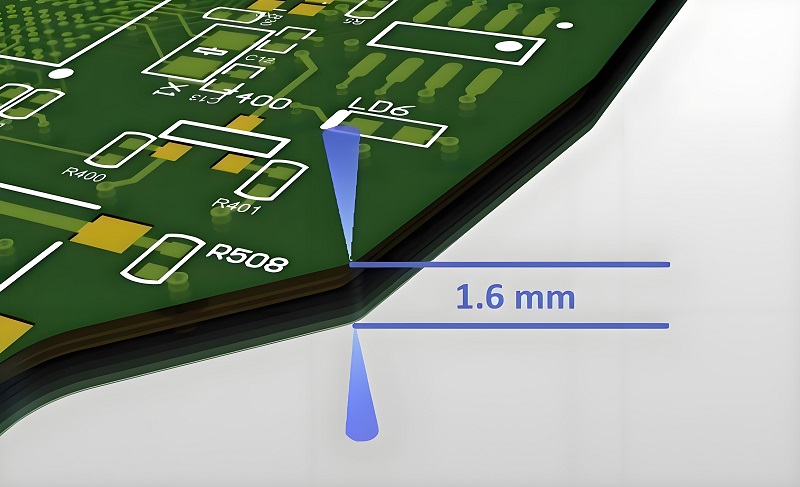
    Edge clearance refers to the distance between components or traces and the outer edges of the PCB. Ensuring adequate clearance near the edges prevents damage during manufacturing and assembly. It also allows room for board routing, where mechanical tooling may cut the board from a larger panel.

    The general rule for edge clearance is to keep components at least 1 mm to 2 mm away from the PCB’s edge. This gives enough room for mechanical handling, ensures that traces aren’t damaged during cutting, and reduces the risk of short circuits due to edge contact.

    In designs that incorporate connectors or other mechanical features near the board’s edge, additional clearance may be necessary to accommodate mounting holes or alignment features.

    Additional Considerations for SMT Clearance and Spacing

    In addition to the factors already covered, there are several other considerations when designing SMT PCBs:

    • 1. Thermal Considerations: Proper body-to-body clearance helps ensure that heat can dissipate effectively. Crowding components too closely together can lead to hot spots, reducing the life of the board and its components.
    • 2. Automated Assembly: If you’re using automated pick-and-place machines for assembly, sufficient clearance is needed for accurate placement. Overly tight layouts can lead to assembly errors or slower production times.
    • 3. Manufacturability: PCB fabricators have limitations on how closely they can place components, traces, and vias. These limitations vary from one manufacturer to another, so it’s essential to consult with them early in the design process to avoid issues during production.
    • 4. Inspection and Rework: Allowing enough space between components simplifies inspection and rework. If something goes wrong during assembly, having accessible components makes repairs quicker and more cost-effective.

    Practical Tips for Ensuring Proper Clearance Between PCBs

    • Use Design Guidelines: Always reference your PCB manufacturer’s design rules. These will give you specific guidance on spacing, trace widths, and clearances based on their capabilities.
    • Optimize Component Placement: Group similar components together when possible. For instance, resistors and capacitors can often be placed closer together than components that require heat dissipation.
    • Account for Heat Dissipation: Keep heat-generating components like power ICs and transformers farther apart from sensitive components like sensors. This minimizes heat transfer and reduces the chance of thermal stress.
    • Perform Electrical Testing: Simulate your design using PCB software to check for potential clearance violations, especially around high-voltage areas and traces that could experience crosstalk.
    • Test with Prototypes: Before full production, build a prototype to test clearance in real-world conditions. This will allow you to identify any spacing issues and resolve them before scaling production.

    Conclusion:

    Achieving proper body-to-body clearance for SMT parts is critical for the performance and longevity of your PCB. By following the established guidelines for component spacing, pad placement, trace clearance, and edge spacing, you can ensure that your design meets both functional and manufacturability requirements. This not only improves the reliability of your board but also reduces the likelihood of costly errors during assembly and operation.

    Invest time in careful planning during the design phase to avoid unnecessary revisions later on. Working closely with your PCB manufacturer and utilizing design simulation tools can go a long way in ensuring your final product performs as expected.

    In the end, understanding and applying the right clearance rules will result in a robust, reliable, and efficient PCB design that meets the demands of modern electronics.

    What are the common compenents on a pcba?

    September 11th, 2024

    In the field of electronic technology, PCBA (Printed Circuit Board Assembly) plays a vital role as a core component of electronic products. The various components on the PCBA are like precise components, which together build an efficient and stable electronic system. Among them, common components include resistors, capacitors, inductors, diodes, transistors, etc., each of which plays a unique function.

    What is PCBA components?

    PCBA is the assembly of printed circuit boards (PCBs), which is the abbreviation of Printed Circuit Board Assembly. ā€ŒIt refers to the process of installing and connecting components on printed circuit boards, including soldering electronic components to circuit boards through surface mounting technology (SMT) or through-hole mounting technology (DIP) to form electronic assemblies with specific functions.

    What are the common compenents on a pcba?

    Each PCBA is essentially a finished circuit board with all the necessary electronic components installed on it. These components work together to ensure that the device operates as expected. The exact combination of components depends on the requirements of the device. However, there are some common components on most PCBA assemblies.

    PCBA is a key component in electronic devices and is widely used in various electronic devices and systems, such as home appliances, 3C digital products, network communication equipment, automotive electronics, military research and other fields.

    In general, PCBA is a core component in electronic devices. It realizes the electrical connection and mechanical support of various components in electronic devices by mounting electronic components on printed circuit boards, so that electronic devices can work properly.

    What are PCBA made of?

    PCBA consists of printed circuit boards (PCBs), electronic components and solder. ā€Œ

    • ā€ŒPrinted circuit board (PCB): It is the core part of PCBA, made of insulating materials and has conductive traces and pads for connecting electronic components.
    • ā€ŒElectronic components: It includes resistors, capacitors, transistors, integrated circuits and other components to provide circuit functions.
    • ā€ŒSolder: The role of solder is to firmly fix electronic components on PCBs to ensure the correct connection of circuits and the reliability of components.

    The production process of PCBA involves steps such as PCB design, manufacturing, component placement, soldering and testing to ensure that electronic devices can work properly.

    What is common on a circuit board?

    1. Capacitor

    Capacitors are the most common components on circuit boards after resistors. Their main function is to store charge. Capacitors consist of two metal plates separated by a dielectric. The two plates store opposite charges. The dielectric is used to separate them.

    What are the common compenents on a pcba?

    2. Resistors

    Resistors are an indispensable component on circuit boards. They are mainly used to limit the flow of current and protect circuits. They actively dissipate or disperse electricity by converting electrical energy into internal energy, thereby reducing the current flowing through the circuit.

    What are the common compenents on a pcba?

    3. Potentiometers

    Potentiometers are essentially more complex versions of simple resistors. The resistance value of a simple resistor is set, while the resistance value of a potentiometer can be changed as needed. It has three leads and consists of a resistor body and a movable brush. When the brush moves along the resistor body, the output end will obtain a resistance value or voltage that is related to the displacement.

    4. Inductors

    Inductors are one of the three members of passive linear components on circuit boards. The other two are capacitors and resistors. Inductors are also used to store energy, but they do so by creating a magnetic field, whereas capacitors store energy. Static electricity is used to generate energy.

    An inductor is a component that converts electrical energy into magnetic energy and stores it. Its structure is similar to that of a transformer, but it has only one winding. Inductors primarily block changes in current, and when no current is flowing, a circuit is closed to block the flow of current; when current is flowing, a circuit is opened to try to maintain the current.

    5. Diode

    The diode is one of the most important components on a circuit board, and its main function is to limit the flow of current. Since current can flow from the positive terminal to the negative terminal and vice versa, but not both at the same time, the diode can achieve this by providing infinite resistance in one direction and zero resistance in the other direction.

    What are the common compenents on a pcba?

    6. Transformer

    The transformer is a key component in a circuit board to ensure that electrical energy is transferred efficiently. Its main function is to convert voltage, either stepping it up or stepping it down. A transformer consists of a soft iron core with at least two windings on it, the primary and secondary coils.

    7. Transistor

    Transistors are core components in modern electronics and are widely used in various electronic devices such as amplifiers, switches, and computers. There are two main types of transistors: bipolar and field effect transistors (FET). Bipolar transistors have three pins: collector, base, and emitter.

    8. Integrated Circuits

    Integrated circuits are an important part of circuit boards. They are made by shrinking certain circuits and electronic components and then embedding them in semiconductor films.

    They make it possible to package a large number of electronic components into a single chip, realizing the functions of multiple electronic components on a small chip. Integrated circuits are widely used in electronic devices such as computers, mobile phones, and televisions, and are the brains of the entire PCB.

    9. Switching elements

    Switching elements play the role of controlling the on and off of current in circuit boards. Diodes are a commonly used switching element. When a forward voltage is applied, its resistance is very small, showing an on state, like a switched on switch; under the action of a reverse voltage, its resistance becomes very large, showing an off state, like a switched off switch.

    10. Relays

    Relays are important components on circuit boards and are divided into two types: normally open and normally closed. Electromagnetic relays work by using the suction force generated by the current in the input circuit between the electromagnet core and the armature.

    11. Sensors

    Sensors are circuit board components that can detect changes in the environment and provide signals reflecting the changes after identification. Sensors convert physical energy into electrical energy and are often called sensors because they send electrical signals to various components on the circuit board (because they can convert energy into another energy).

    How to identify components on a circuit board?

    The components on the circuit board can be mainly divided into two categories: passive components and active components. Passive components include resistors, capacitors, inductors, etc., which are mainly used to change the basic parameters of the circuit such as current, voltage and frequency.

    Components on the circuit board usually have corresponding identification, which provides important information about the components, such as model, specification, manufacturer, etc. For passive components such as resistors, capacitors and inductors, their identification is usually printed directly on the component body, and their parameter values ​​are indicated by color rings or numbers.

    What is the difference between PCB and PCBA?

    1. About PCB

    PCB is the abbreviation of printed circuit board. It is an important electronic component in the electronics industry, a support for electronic components, and a carrier for electrical connection of electronic components. PCB is widely used in the production and manufacturing of electronic products, and its characteristics are as follows:

    • High wiring density, small size, light weight, conducive to miniaturization of electronic equipment.
    • Reduces wiring and assembly errors, saving equipment maintenance, debugging and inspection time.
    • Facilitates mechanized and automated production, improves productivity and reduces the cost of electronic equipment.
    • The design can be standardized, which is conducive to interchangeability.

    2. About PCBA

    • PCBA is the entire process of SMT mounting on PCB blank board and then DIP plug-in.
    • SMT mounting mainly uses mounting machines to mount some micro-small parts on PCB board.
    • DIP means “plug-in”, which means inserting parts on PCB board. This is a plug-in form of integrated parts when some parts are large in size and not suitable for mounting technology.
    • Both SMT and DIP are ways to integrate parts on PCB boards. The main difference is that SMT does not require drilling holes on the PCB, while DIP requires the pins of the parts to be inserted into the already drilled holes.

    What does SMT mean in PCBA?

    SMT in PCBA is the abbreviation of Surface Mount Technology. ā€Œ

    SMT is an electronic processing technology used to mount electronic components on the surface of a printed circuit board (PCBA substrate) to produce electronic products.

    SMT technology is the most popular technology and process in the electronic assembly industry, which can achieve high-density, high-reliability, miniaturization, low-cost electronic product assembly and automate production.

    As the development trend of electronic products is towards miniaturization and precision, traditional perforated plug-in components can no longer meet the demand. Therefore, SMT technology is widely used in the electronic processing industry and has become one of the most important assembly processesā€Œ.

    Conclusion:

    In short, the common components on PCBA, with their respective characteristics and functions, jointly build a complex and efficient electronic system. Their synergistic effect ensures the stable operation and excellent performance of electronic products, and plays an irreplaceable and important role in modern technological life.

    Does A Circuit Board Base Have Low Resistance?

    September 10th, 2024

    What is Resistance in a Circuit Board?

    Resistance in a circuit board determines how easily electric current flows through the board. Every component and trace on the board offers some resistance, but the goal is to minimize it. Resistance happens when the flow of electrons is blocked or slowed down by the material they travel through. This blockage causes energy loss, often as heat.

    In printed circuit boards (PCBs), low resistance is preferred in traces and paths to ensure smooth current flow. However, resistors are intentionally added in circuits to control and manage current flow, protecting sensitive components.

    Does A Circuit Board Base Have Low Resistance?

    What is the Base of a Circuit Board?

    The base of a circuit board is the foundation on which components are mounted and connected. The copper layers, laminated onto the base, provide the conductive pathways that allow current to flow between components. It usually consists of layers of different materials, including a non-conductive substrate like fiberglass, often referred to as FR4. Some other materials also can be used as the base of circuit board, like:

    • Glass fiber cloth substrate: commonly used in the production of double panels and multi-layer boards, with good mechanical properties and cost effectiveness.
    • Paper substrate: lower cost suitable for cost-sensitive applications.
    • Epoxy resin substrate: it has good mechanical properties and thermal stability, widely used in electronic products
    • Polyimide substrate: it has excellent high temperature resistance, suitable for high performance electronic products.
    • Polytetrafluoroethylene (PTFE) substrate: very high temperature resistance and low dielectric constant, suitable for high frequency and high temperature environments.
    • Ceramic substrates: such as alumina, aluminum nitride, etc., with high thermal stability and low dielectric constant, suitable for extreme environments.
    • Teflon (ETFE) substrate, it has good corrosion resistance, high frequency properties and low dielectric constant.
    • Metal substrates: metal materials like aluminum or copper are always serve as the base of metal core PCBs, they have very good thermal conductivity, and suitable for high power applications where need good heat dissipation.

    How Does a Basic Circuit Board Work?

    The basic circuit board connects various electronic components through conductive paths called traces, and performs specific functions through the interaction of electronic components. These tracks are made of copper and are designed to create specific circuits that control the flow of electricity. The circuit board uses insulating materials to isolate the conductive layer of copper foil on the surface, so that the current flows in each component along the pre-designed path to complete the functions of work, amplification, attenuation, modulation, demodulation, coding and so on.

    Components such as capacitors, resistors, transistors, and diodes are soldered onto the board. The current flows through the components, following the paths designed in the layout, executing the required tasks, such as powering an LED or processing signals.

    For the circuit to work, all components must be properly connected and powered. Any break in these connections can disrupt the flow of current, leading to malfunctions.

    Does A Circuit Board Base Have Low Resistance?

    The main components and functions of the circuit board:

    • Pad – metal holes for welding the pins of components.
    • Through hole – there are metal through holes and non-metal through holes, used to connect the component pins between each layer.
    • Conductor – the conductive path connecting electronic components.
    • Components – such as resistors, capacitors, inductors, etc., are connected to each other by conducting lines.
    • Connector – used to connect external devices.
    • Electrical boundary – defines the electrical characteristics of the board.

    Does an Open Circuit Have Low Resistance?

    No, an open circuit has high resistance, often considered infinite.

    Open circuit refers to the circuit state when no current passes between two points in the circuit or is connected by a conductor with a very large impedance value (or resistance value). When the branch between two points in the circuit is open, the potential difference between the two points is called “open voltage” and can be measured by a voltmeter. In the open state, because there is no current flow, the resistance is very high, this is because the current path in the open circuit is interrupted, resulting in the current cannot flow, so that the resistance in the open state is extremely high ā€Œ

    In contrast, a short circuit refers to the situation where the current does not pass through the electrical appliance and directly constitutes a path. In a short circuit, the resistance in the circuit is small, because the current flows directly through the wire, rather than through the load, resulting in a large current. In this state, the fuse may automatically blow due to excessive current, to prevent the wire from causing a fire due to heat ā€Œ

    How to Tell If a Circuit Board is Shorted?

    Identifying a shorted circuit board involves looking for signs like:

    • Burn marks or discoloration on the board.
    • Swollen or damaged components.
    • Overheating, causing the board to feel hot to the touch.
    • The device or board not powering on or malfunctioning.

    To confirm a short, a multimeter can be used. By measuring the resistance between points where there should be separation, a very low resistance could indicate a short. This can help pinpoint faulty components or traces.

    Does A Circuit Board Base Have Low Resistance?

    How to Check Resistors on a Circuit Board?

    To check resistors on a circuit board, you can use a multimeter in resistance mode.

    • Turn off the power to the board and discharge capacitors to avoid any residual current.
    • Set the multimeter to the appropriate resistance range.
    • Place the probes across the resistor’s terminals and read the value displayed on the meter.

    Compare this value with the expected resistance value, usually printed on the resistor or found in the circuit’s schematic. A large discrepancy could indicate a faulty resistor.

    How Are Circuit Boards Grounded?

    Circuit boards are grounded by connecting the ground plane, often a large layer of copper, to a grounding point. The grounding modes of the circuit board mainly include single point grounding, multi-point grounding, floating ground and virtual ground. ā€Œ

    • Single-point grounding

    Single-point grounding ā€Œ is suitable for low-frequency circuits where only one physical point in the entire circuit system is defined as the grounding reference point and all other points that need to be grounded are directly connected to this point. This approach can reduce common ground impedance coupling and low-frequency ground loop interference, and is usually used for circuits with frequencies less than 1MHz.

    • Multi-point grounding

    Multipoint grounding ā€Œ is suitable for high-frequency circuits, where each ground point of the electronic device is directly connected to the nearest ground plane (that is, the metal base plate of the device). This method can reduce the interference generated by the common ground impedance, and also reduce the parasitic capacitance and inductance, which is usually used for circuits with frequencies greater than 10MHz.

    • Floating ground

    ā€ŒFloating ā€Œ that is, the ground of the circuit is connected to the ground without a conductor, but at a higher potential. The advantage of floating ground is that the circuit is not affected by geoelectrical properties, and can prevent electromagnetic interference caused by the coupling of common ground impedance circuits. However, the disadvantage of this method is that it is affected by the parasitic capacitance, which leads to the change of ground potential and increases the inductive interference to the analog circuit.

    • Virtual ground

    Virtual ground ā€Œ is similar to floating ground and can be understood as the “floating ground” when the operational amplifier is short and broken.

    What is the Rule for Resistance in a Circuit?

    The fundamental rule of resistance is governed by Ohm’s Law: V=IR, where voltage (V) is equal to the current (I) multiplied by resistance (R). This shows that the resistance directly affects how much current flows for a given voltage.

    In circuits, resistors are used to control current, and their value determines how much current is allowed through. For example, higher resistance lowers the current flow, while lower resistance allows more current to pass.

    With over 18 years as an industry leader, EBest Circuit (Best Technology) is one of the most experienced PCB and PCB assembly manufacturer in Asia. We are highly specialized not only in quick-turn PCB prototype and PCB assembly, but also medium and small volume PCB fabrication. In EBest Circuit (Best Technology), you can enjoy a full-comprehensive one-stop service from PCB design, layout, PCB fabricate, PCB assembly, function testing and delivery. We always try our best to fabricate your PCB with copper clad laminate with the highest quality to meet your demands.

    If you have any questions, please feel free to contact us with sales@bestpcbs.com, we will be happy to help you.