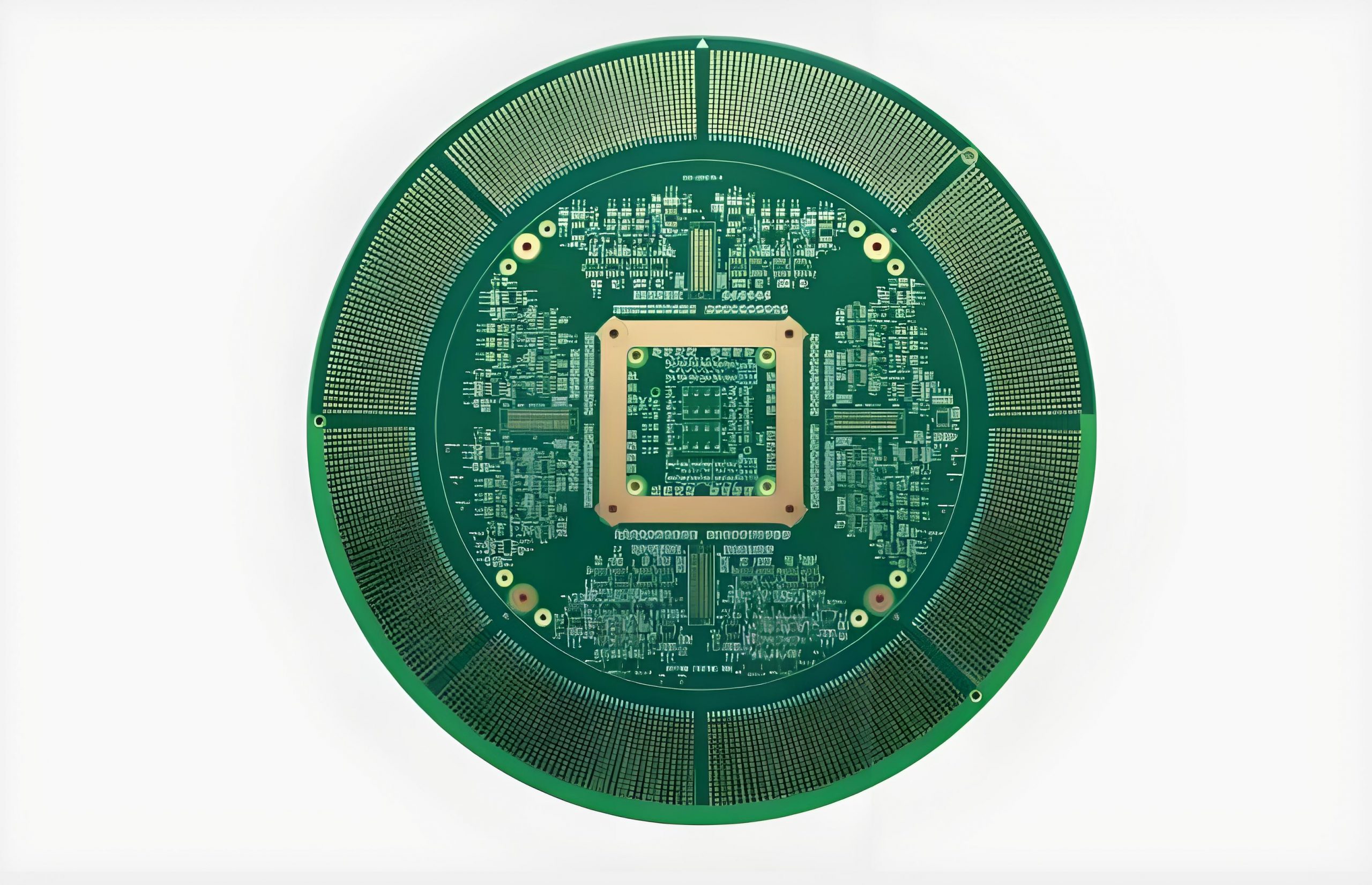
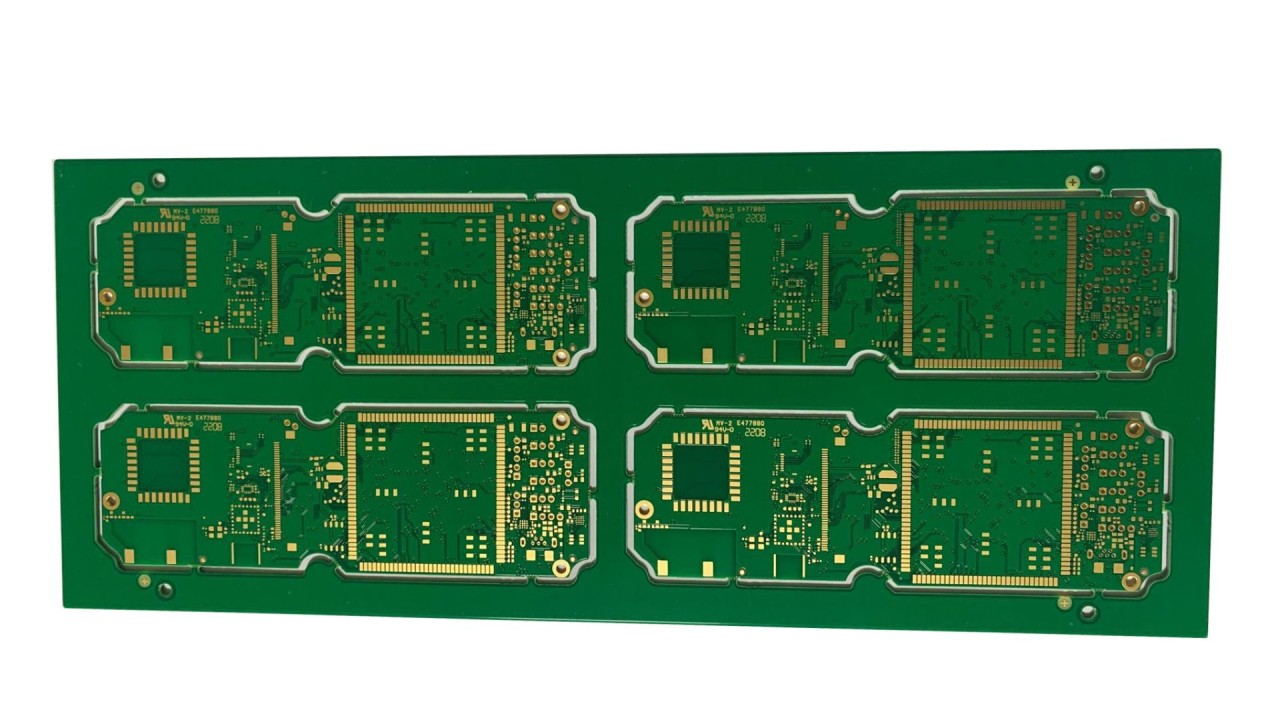
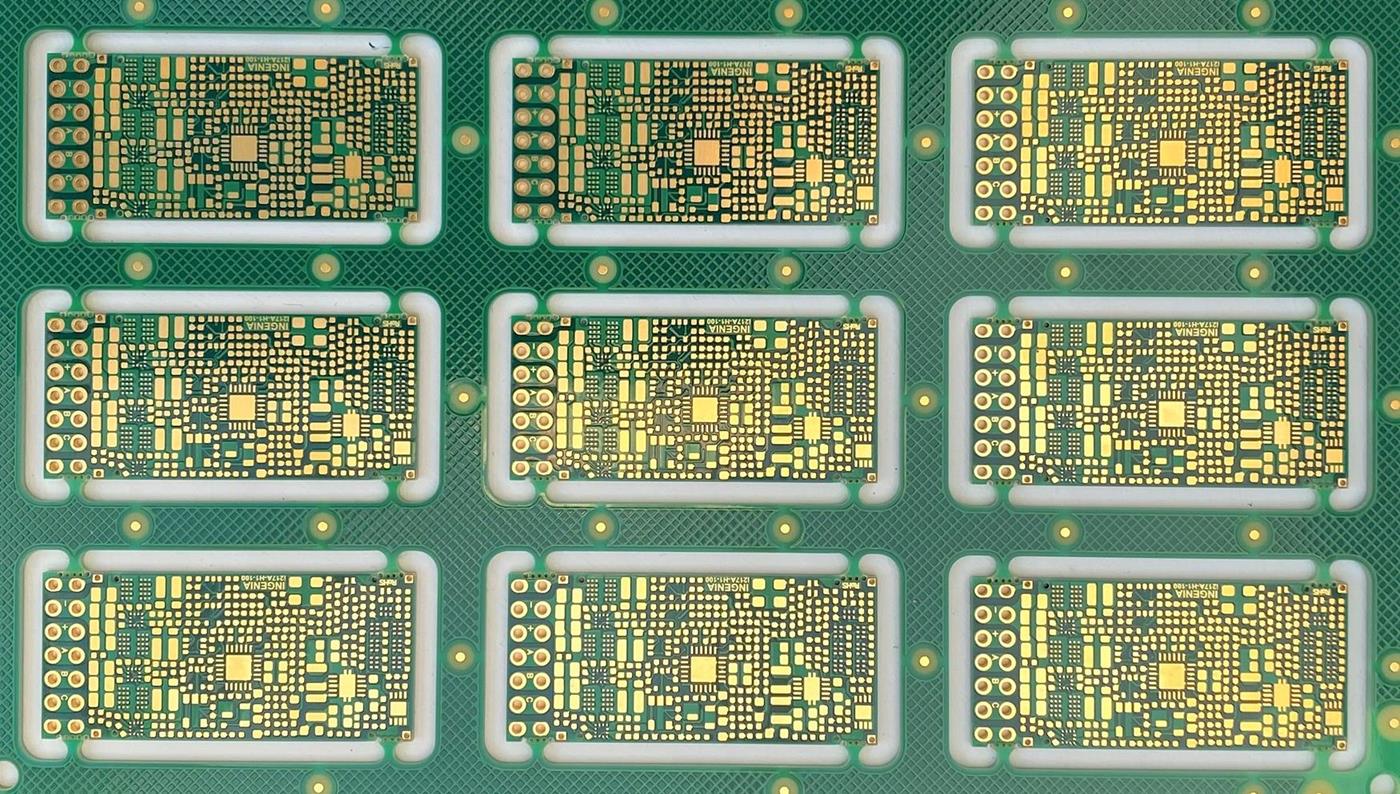
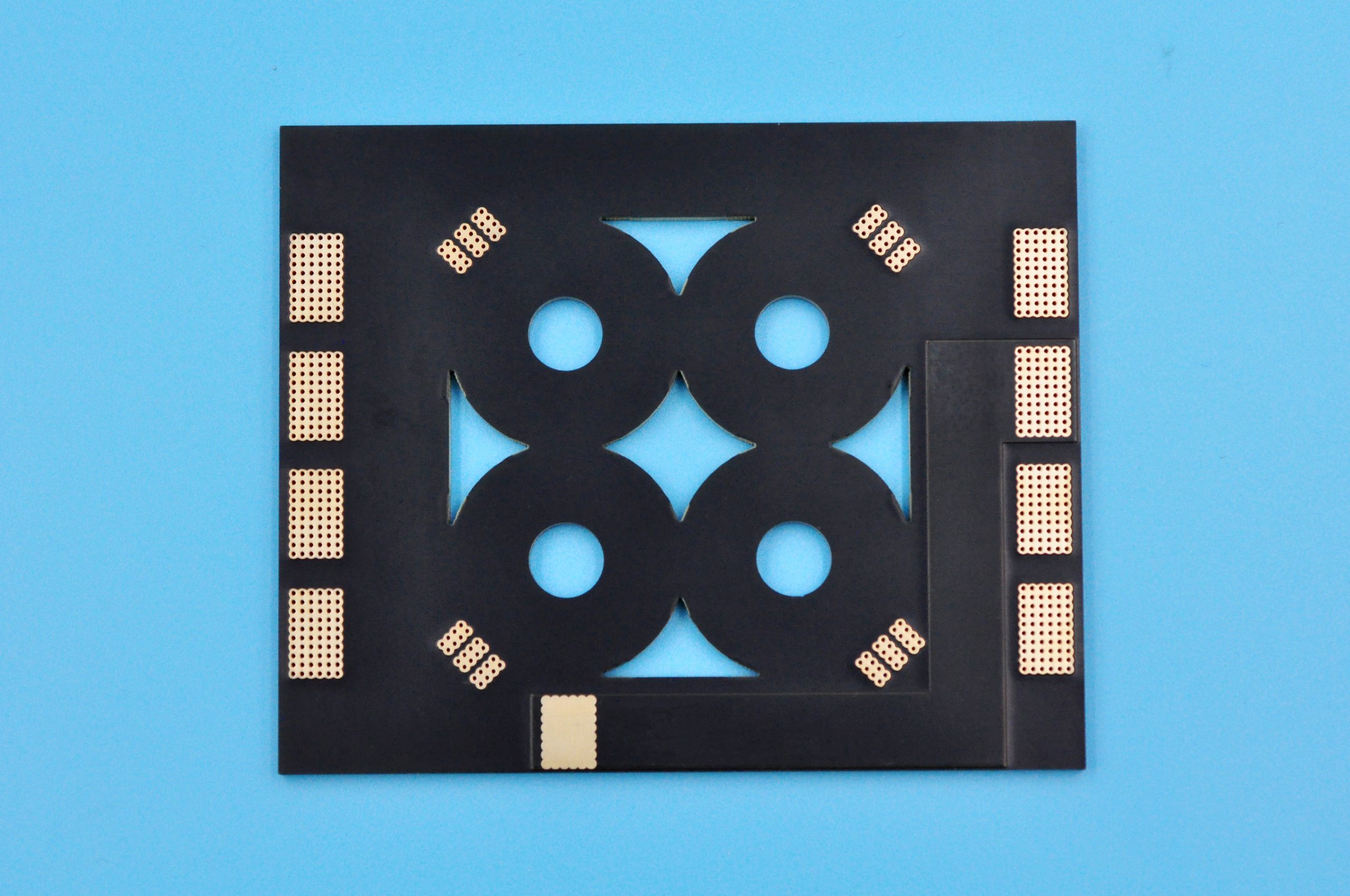
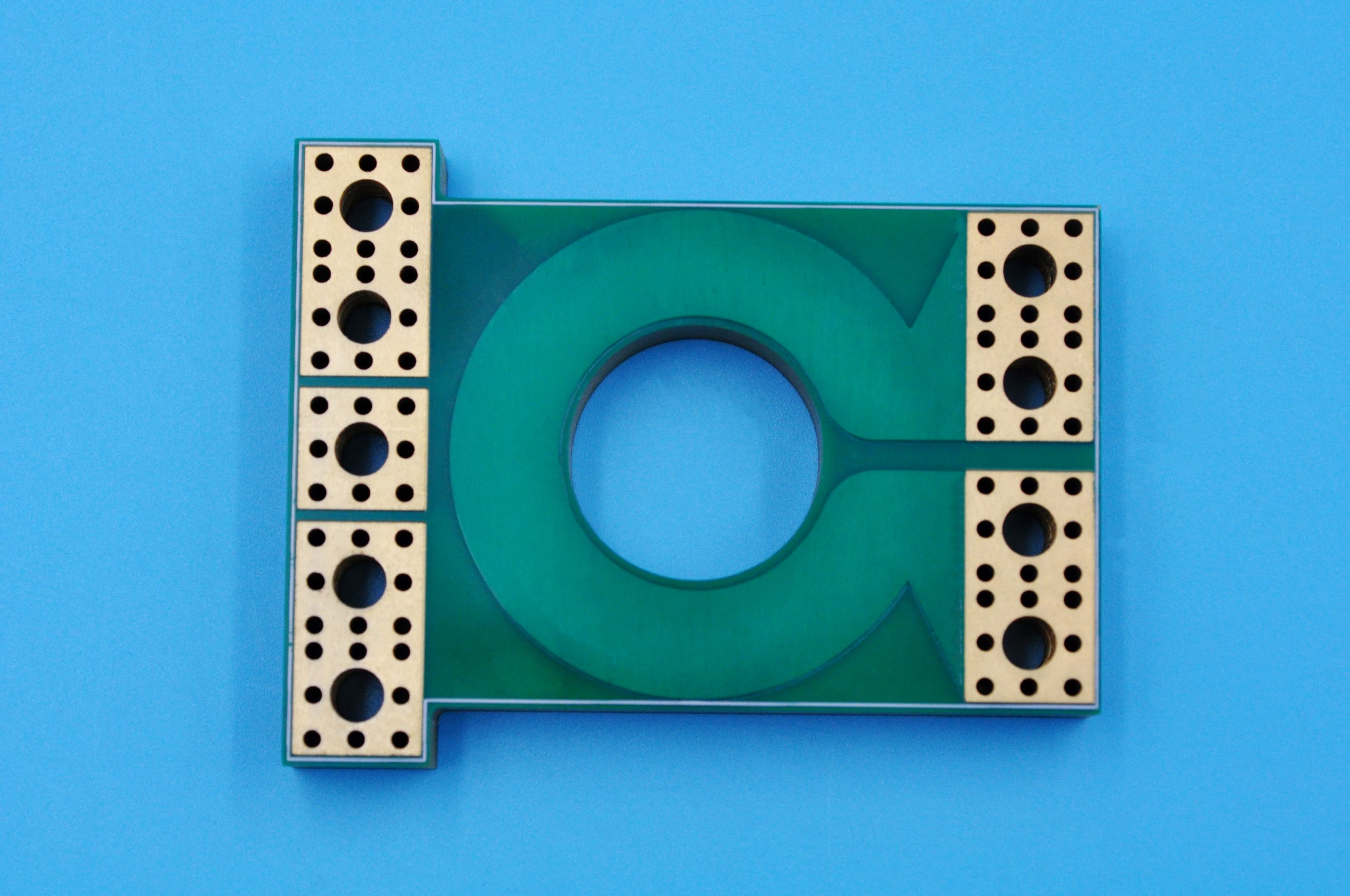
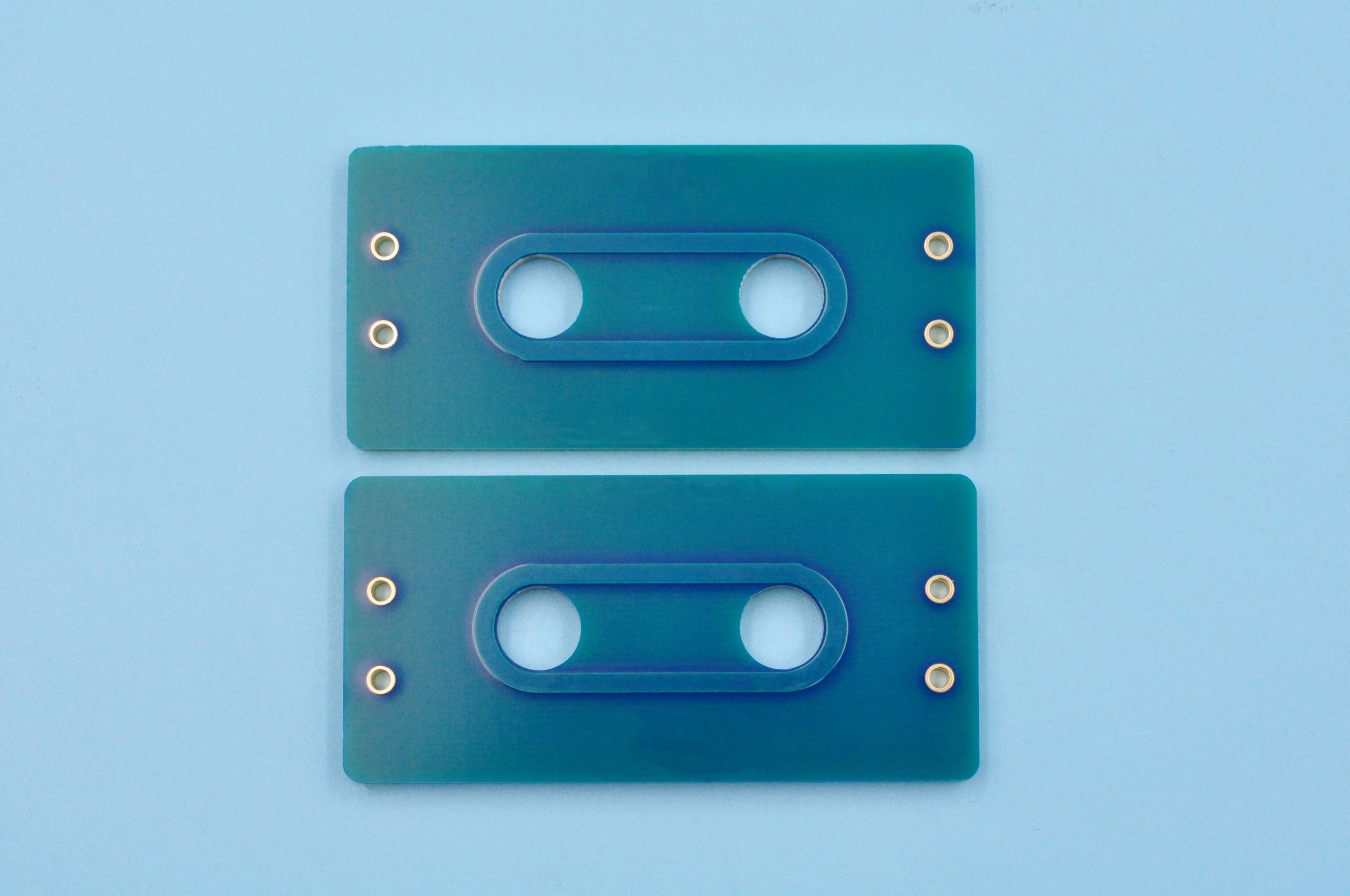
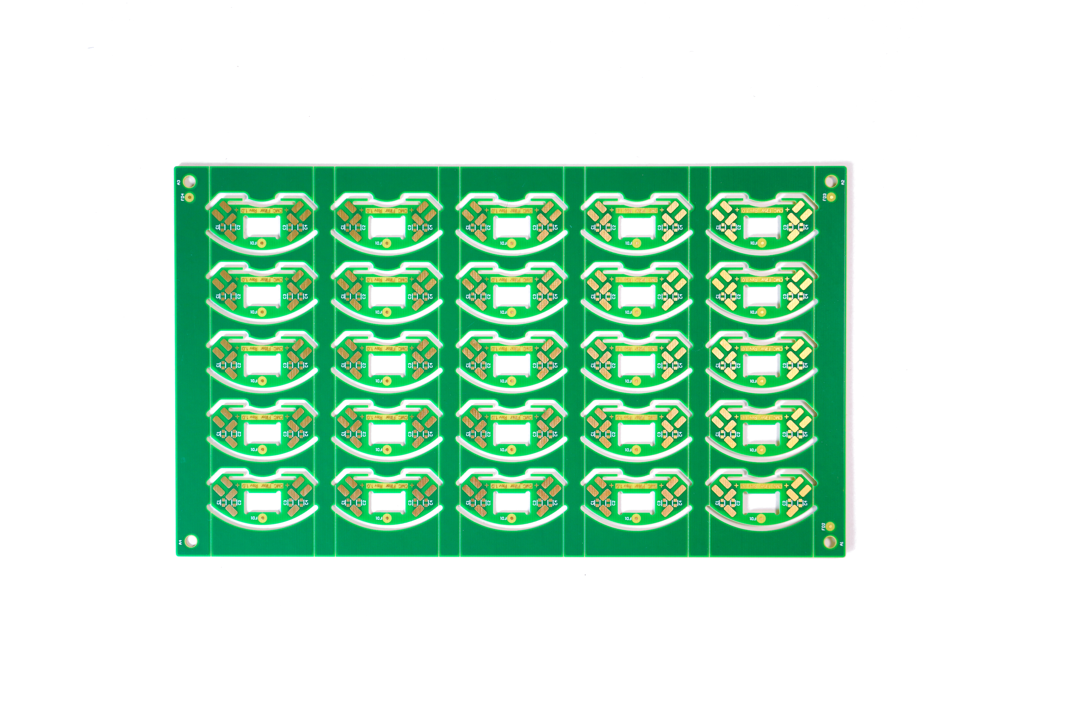
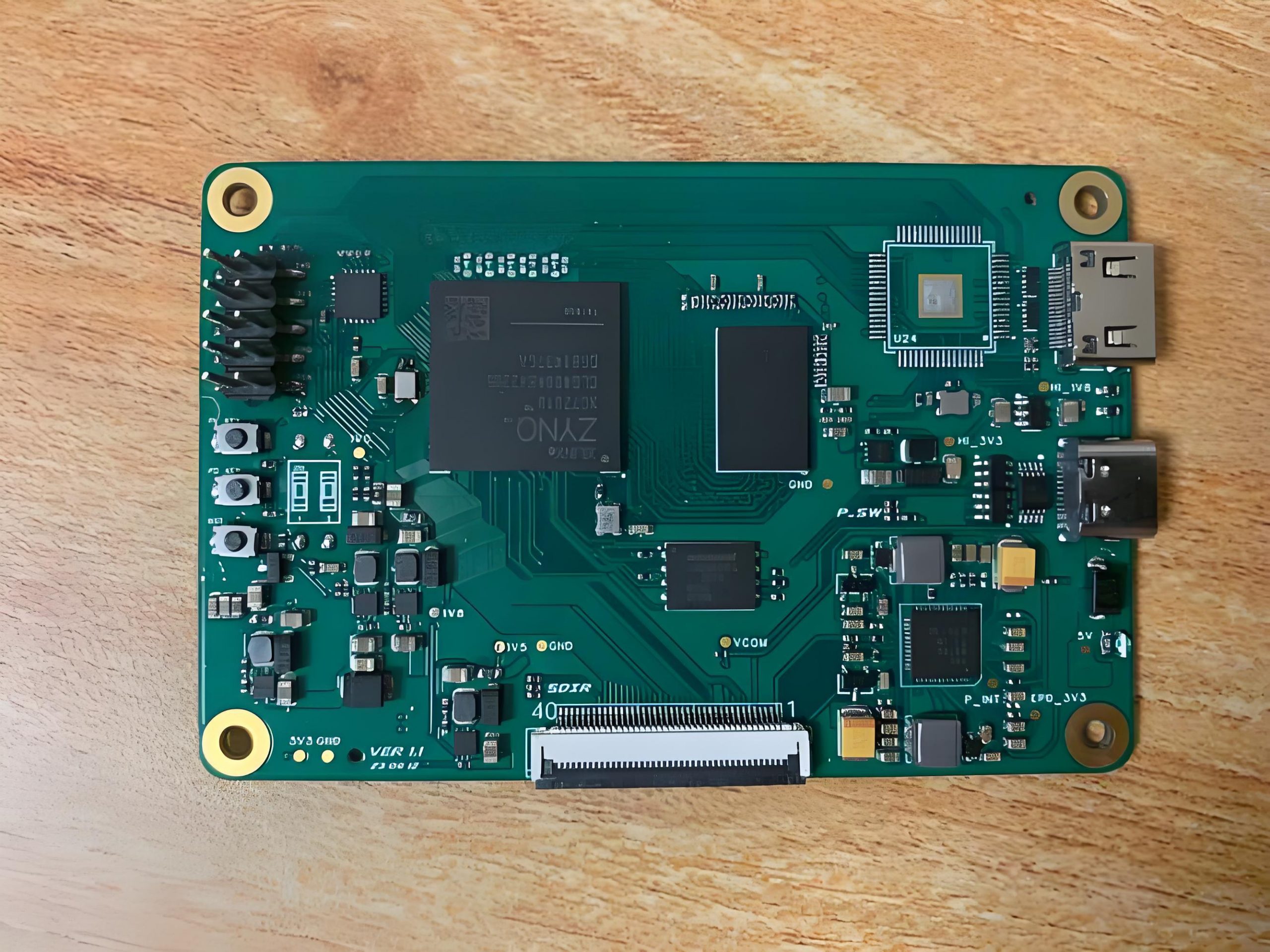
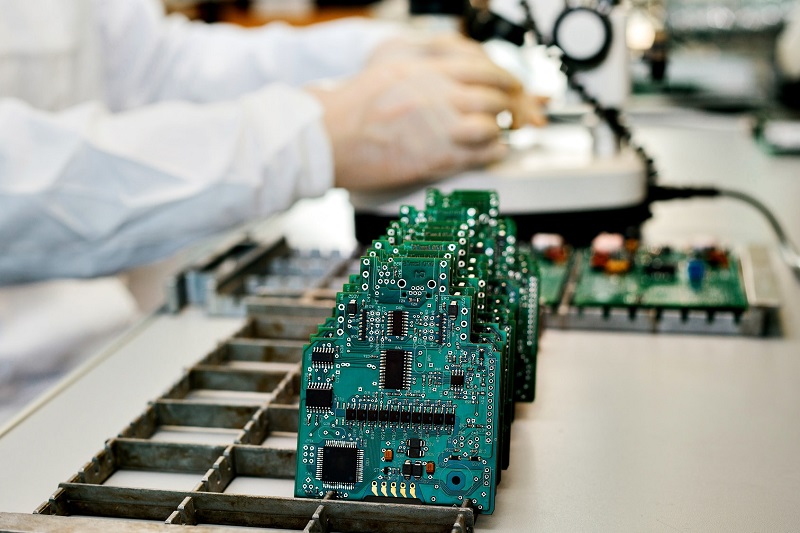
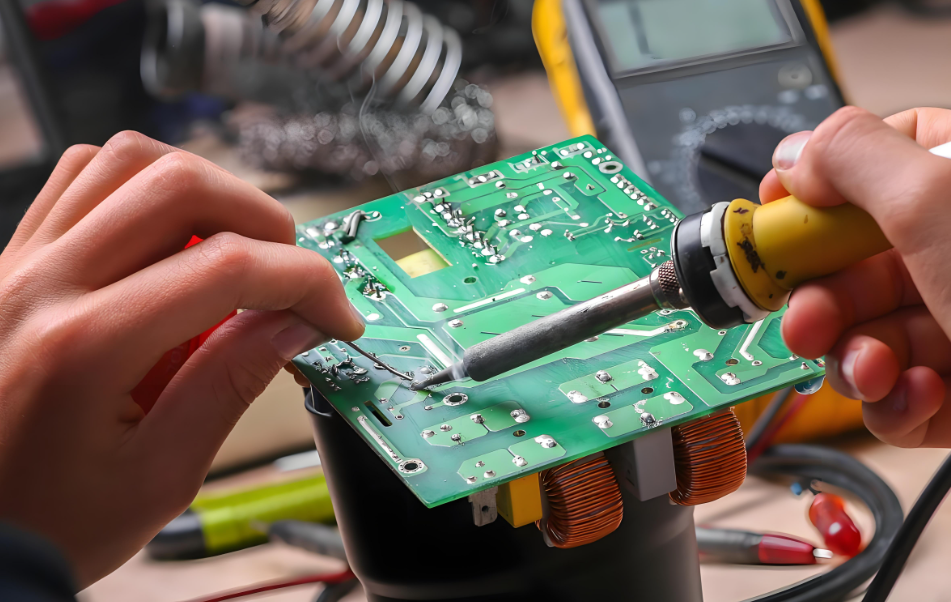
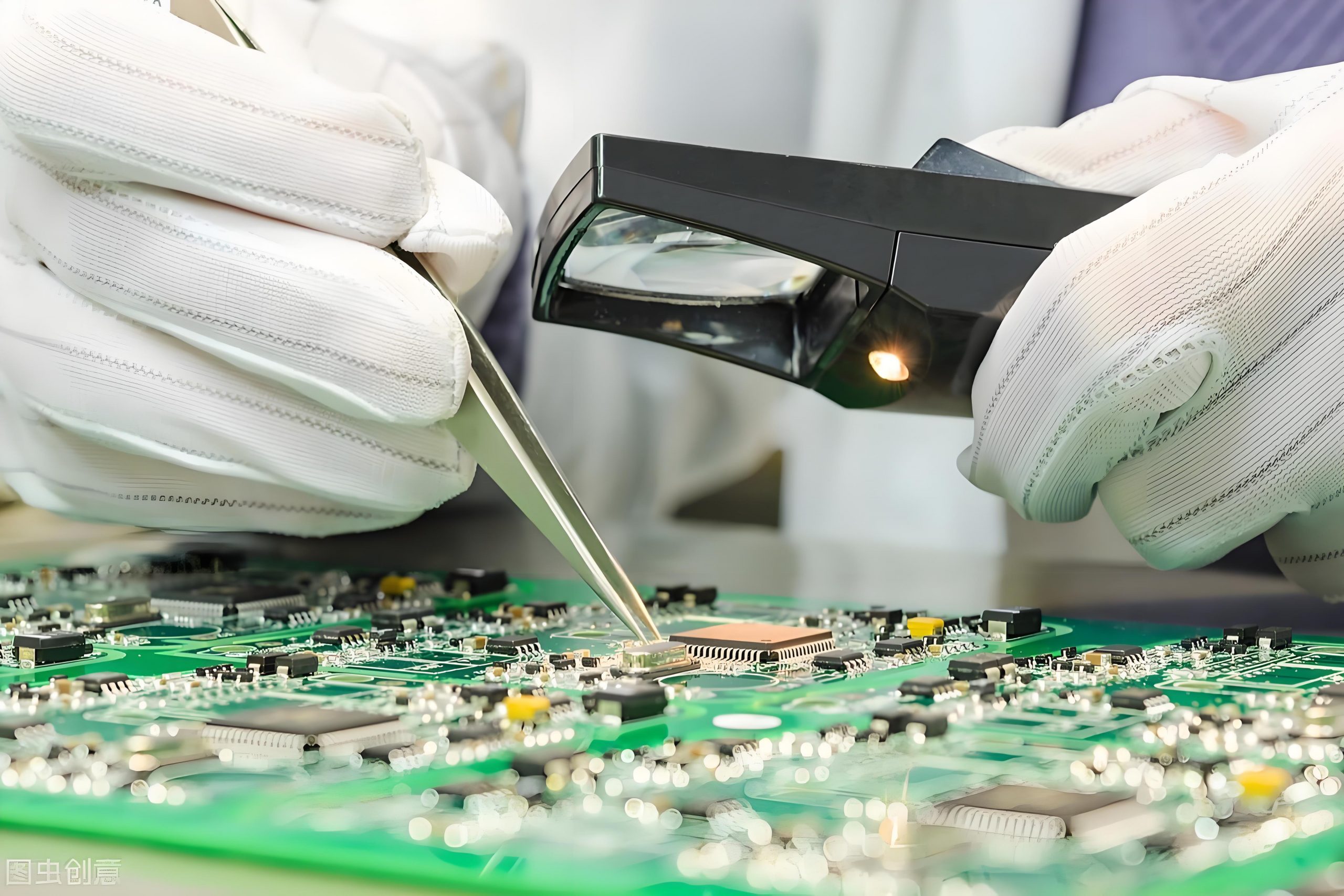
Flex rigid PCB manufacturer plays a crucial role in the electronics industry, providing innovative circuit board solutions that blend flexibility with rigidity. These advanced PCBs are widely used in aerospace, medical, automotive, and consumer electronics due to their durability and space-saving design. Understanding how they are made, their stackup structure, and the key factors in selecting a reliable manufacturer can help businesses make informed decisions. In this blog, we will explore everything from the manufacturing process to design considerations, ensuring you have all the details needed to choose the best supplier for your needs.
EBest Circuit (Best Technology) is a leading flex rigid PCB manufacturer with a direct factory in China. Our FPC factory was established in 2013. Rigid-flex PCB lead time in EBest Circuit (Best Technology) is 2~3 weeks. Rigid-flex PCB lead time in EBest Circuit (Best Technology) is 2~3 weeks. EBest Circuit (Best Technology) support PCBA. Customers provided components. If BOM is purchased by us, 1 week will be added for most cases. For components without stock, or with longer lead time, lead time will be negotiated with customers. If you have any questions or doubts about flex rigid PCB, just feel free to let us know at sales@bestpcbs.com at any time.    Â
What is a Rigid-Flex PCB?
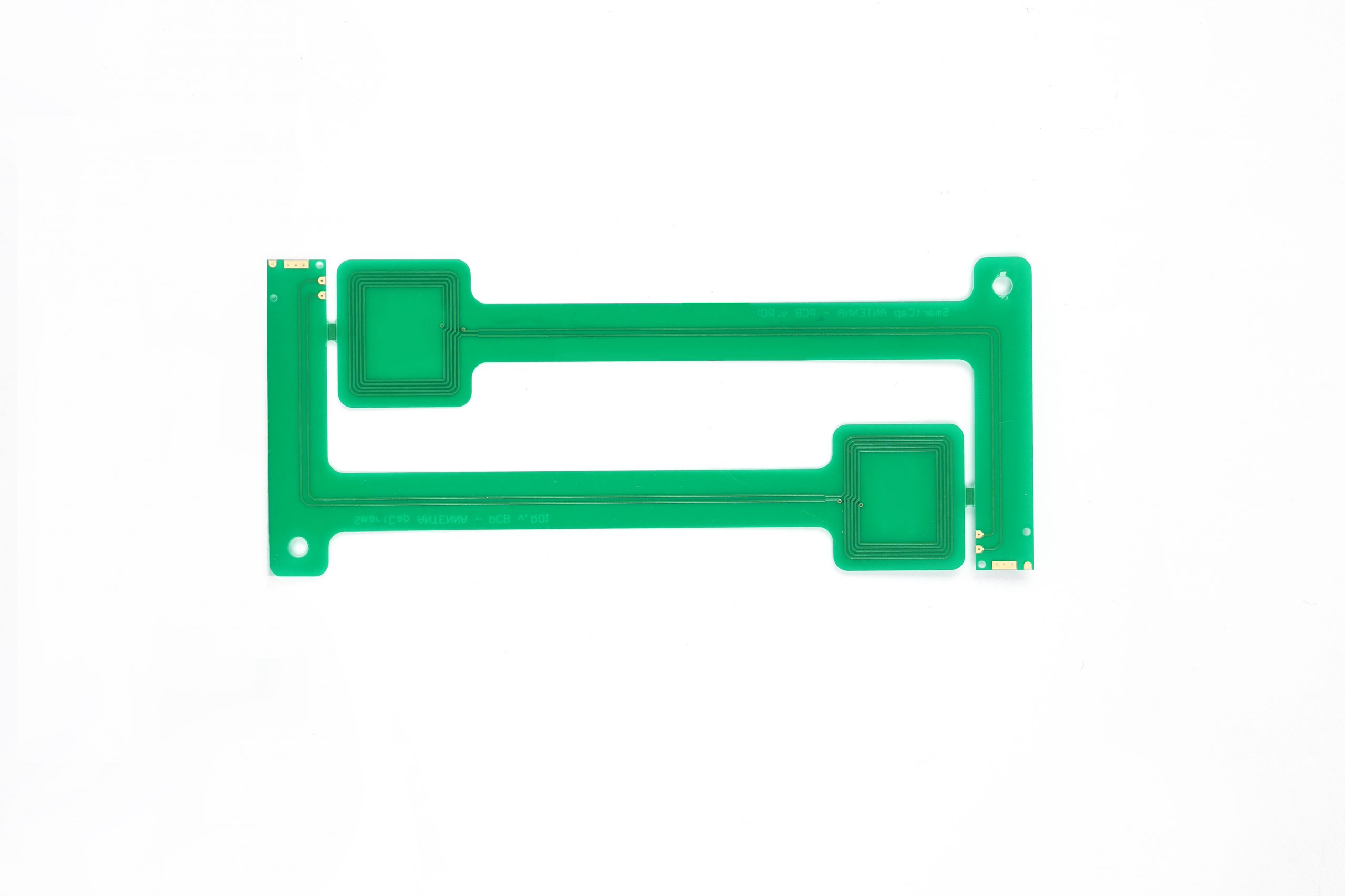
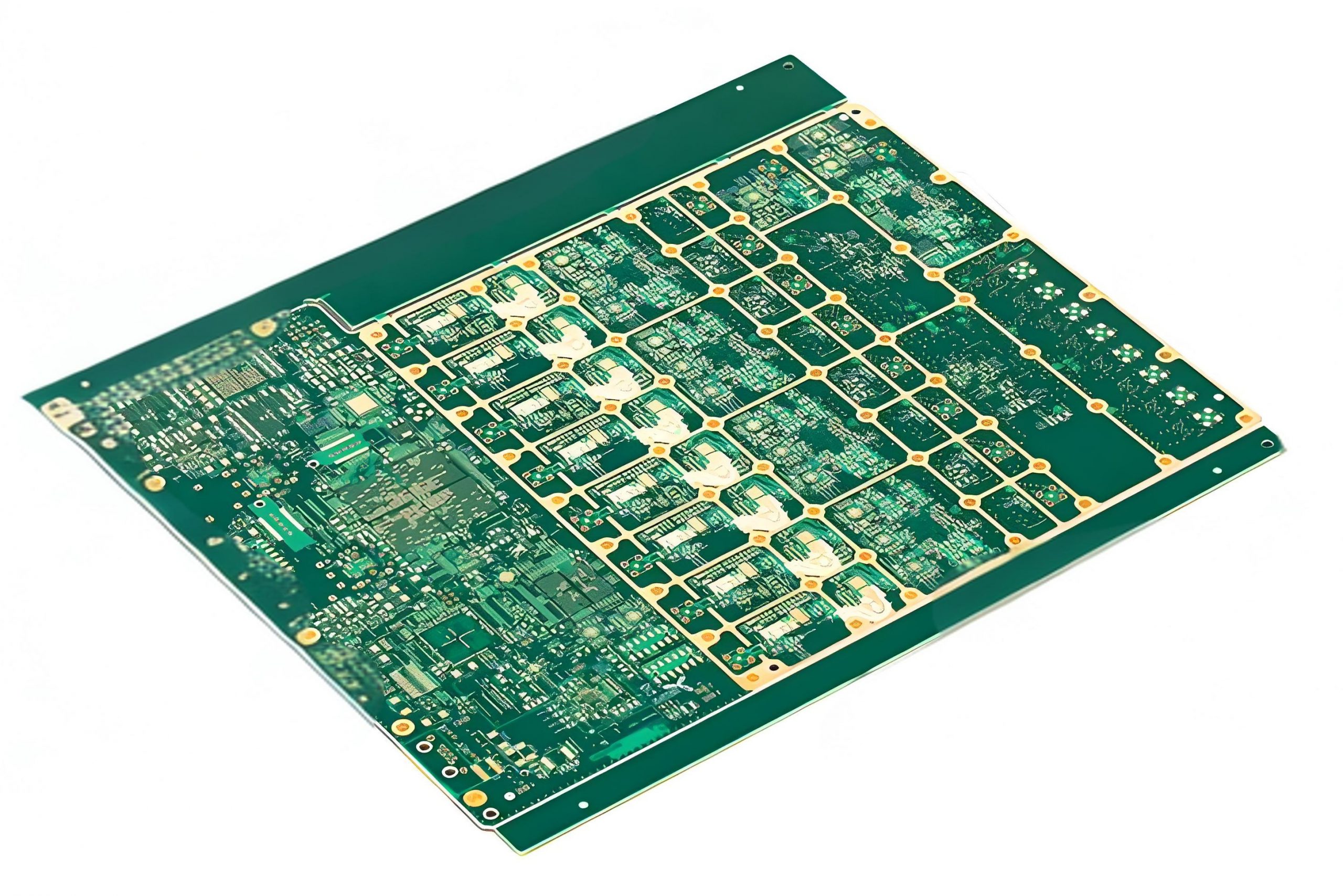
A rigid-flex PCB combines both rigid and flexible circuits into a single board. The rigid sections provide structural support, while the flexible parts allow for bending and movement. This design eliminates the need for connectors and cables, reducing weight and improving reliability. Many industries, including medical, aerospace, and consumer electronics, use these PCBs for compact and durable devices. By integrating flexible and rigid layers, they enhance mechanical performance and reduce assembly complexity.
What is the Standard Rigid-Flex PCB Stackup Used by Manufacturers?
A proper stackup is crucial for performance and durability. Manufacturers use multiple layers of flexible and rigid materials bonded together. A typical stackup consists of rigid FR4 sections, flexible polyimide layers, and adhesive or prepreg for bonding. The number of layers varies based on complexity, but maintaining a balanced stackup prevents warping. Some designs also incorporate shielding layers to reduce electromagnetic interference, ensuring signal integrity in high-speed applications.
Industry Certifications: Compliance with ISO, IPC, and UL standards guarantees quality assurance.
Consistent quality control ensures each PCB performs optimally in demanding environments, reducing failures and increasing reliability.
How to Select the Best Flex Rigid PCB Manufacturer?
Choosing the right manufacturer affects product performance and reliability. Consider these factors:
Experience and Expertise: A manufacturer with years of experience understands complex designs.
Production Capability: Check their ability to handle multilayer and high-precision PCBs.
Quality Assurance: Look for certifications like ISO 9001 and IPC standards.
Customer Support: Responsive service ensures smooth project completion.
Global Supply Chain: Reliable logistics ensure timely delivery.
A well-established manufacturer guarantees high-quality production, helping businesses meet their technical requirements efficiently.
Why Choose EBest Circuit (Best Technology) as Your Flex Rigid PCB Manufacturer?
Precision Engineering: Utilizing state-of-the-art equipment, we deliver meticulous fabrication and assembly for highly complex non-standard flex rigid printed circuit boards like 16 layers rigid-flex circuit with impedance control. We offer integrated IC programming and in-house testing capabilities, ensuring end-to-end quality for even the most demanding technical requirements.
Strict Quality Control: Every board undergoes rigorous inspection and testing. In our flex rigid circuit board workshop, we have parallel exposure machines. And each production lot, each product will be checked strictly following IPC standards. And all of our products, Bech Technology are compliant with the latest ROHS.
Customized Solutions: We tailor designs based on customer specifications. If you have any unique technical and functional requirements, just feel free to let us know in advance, our R&D team and engineers is able to reply within 12 hours.
Fast and Reliable Delivery: Leveraging our extensive global supply chain network, we guarantee timely shipments and consistent on-time delivery. EBest Circuit (Best Technology) prioritizes efficiency through rapid turnaround processes, with our entire team committed to delivering orders within 2-3 weeks to meet customer needs seamlessly.
Working with EBest Circuit (Best Technology) means partnering with a manufacturer that prioritizes quality, innovation, and customer satisfaction.
In conclusion, finding the right flex rigid PCB manufacturer is essential for high-performance applications. Understanding the stackup, design considerations, and fabrication process helps in selecting the best supplier. EBest Circuit (Best Technology) stands out with its expertise, quality control, and customer support. Just feel free to contact us at sales@bestpcbs.com to get a quote for any rigid-flex PCB project!
Just as its name implies, LED PCBs are specialized circuit boards designed to power and support LED (Light Emitting Diode) lights. These PCBs must manage heat efficiently and distribute power effectively to handle the electrical load and heat generated by LEDs. They provide the essential platform for mounting LEDs and connecting them to other electronic components. LED PCBs are used in a wide variety of applications, ranging from basic light fixtures to sophisticated lighting systems in automotive, signage, and consumer electronics.
Typically, LED PCBs are made from materials with high thermal conductivity, such as aluminum or copper, to effectively manage heat. The design of these boards varies depending on the type of LED chips, such as surface-mount (SMD) LED or through-hole. LED PCBs also come in various forms, including flexible, rigid, and semi-flexible options, each tailored to specific lighting applications. Regardless of the type, careful attention to the LED PCB design is essential to achieve optimal performance and efficiency.
LED PCB Design Basics
Actually, the basics of a LED PCB design is a deep understanding and practice of both electrical and thermal engineering principles. LED circuit boards differ from standard PCBs because they must support higher currents and dissipate more heat. Therefore, careful planning is required in selecting materials, components, and layout strategies to ensure long-term reliability and efficiency.
At its core, LED PCB design focuses on three main factors:
Thermal Management: LED devices generate heat, which can damage the components if not managed correctly.
Current Distribution: The PCB must handle the specific current requirements of each LED.
Power Design: Since LEDs operate at specific voltages and currents, the power supply must be designed to match these needs.
5 Commonly Used LED PCB Design Software
Before starting a LED PCB design, letâs know the commonly used software during the design process. These tools can help to handle complex circuits, including component placement, routing, and thermal management. It can save much time and money for us.
1. Altium Designer
Altium is a powerful tool known for its user-friendly interface and extensive design features. It offers comprehensive options for both schematic capture and PCB layout, it is a popular choice for professional LED PCB design.
2. Eagle
For smaller business and hobbyists, Eagle is a good choice because it offers an easy-to-use interface and a solid set of features to creating LED circuit boards without steep learning curves.
3. KiCad
KiCad is an open-source and free PCB design tool that is well-regarded for its flexibility and cost-effectiveness. Itâs suitable for users who need a more customizable design solution.
4. Mentor Graphics PADS
PADS is well-suited for complex and high-performance PCB designs, particularly for high-frequency LED applications that demand precision and accuracy.
5. DipTrace
DipTrace offers a combination of schematic capture and PCB layout in a user-friendly environment. Its drag-and-drop interface helps reduce design time.
How to Design a LED Circuit Board? â Step by Step
A good LED circuit board is based on a good LED PCB design. When you have a clear ideal and thought about your LED PCB, then you can start designing your PCB. Same as normal FR4 PCB, the LED PCB design starts from schematic drawing â layout â trace wiring â power integrity checking.
1. LED PCB Schematic Diagram Design
This diagram serves as the foundation for the PCB design, so any errors at this stage can lead to problems in the final board. Using a reliable schematic diagram tool to draw your circuit accurately and efficiently. Additionally, avoid overly complex circuits with multiple connections in a single diagram. Keeping the schematic clear and simple will make troubleshooting easier and ensure the design process progresses without issues.
2. LED PCB Layout
Once the schematic is finalized, the next step is the PCB layout. This involves placing the components and routing the traces that will carry the electrical signals to power the LEDs. This stage directly impacts the PCBâs performance, so precise planning and routing are essential. During the pcb layout, remember these tips:
High-power LEDs should be placed in areas with good airflow or close to heat sinks. Itâs also important to keep resistors and power supply components away from heat-sensitive parts.
To ensure that the traces can handle the required current without overheating, you need to calculate the trace width. Tools like IPC-2221 or use our Online PCB Trace Width Calculators can help determine the appropriate width based on the current and copper thickness used in the PCB. For example, a 1oz copper PCB might need a trace width of 2mm to carry a 2A current safely.
Using separate power and ground planes to avoid voltage drops and noise. Power planes provide a low-resistance path for high-current traces, while ground planes help with signal integrity and reduce noise.
Thermal vias are often used to transfer heat from the LED to the PCBâs back layers or heat sinks. For high-power LEDs, these vias must be carefully placed to ensure that heat is efficiently dissipated.
3. LED PCB Wiring
Wiring refers to the creation of the electrical traces that connect the components on the PCB. Compared with FR4 PCB, wiring an LED circuit board is generally straightforward, but attention to detail is essential, particularly when it comes to the lead lengths of each component in the LED PCB design. Typically, the cathode lead is the shortest and connects to the same socket as the anode. Similarly, the resistor should be connected to the anode’s socket, and the other wire, often red or black, should follow the same principle.
Here are some important LED PCB design guidelines for wiring the LED circuit board:
Component Selection: Before starting the design, choose the LED components based on the specific requirements of your LED circuit board.
Plan the Wiring Layout: Carefully plan your LED PCB wiring layout and double-check its accuracy before proceeding with the wiring process.
Via and Trace Optimization: Minimize the use of vias, as they can introduce resistance and inductance. If vias are necessary, ensure they are appropriately sized and placed to handle the current.
Proper Grounding: Ensure that all LED components in the PCB design are correctly grounded to the circuit board.
Wire Gauge Selection: Use the appropriate wire gauge for each section of the LED PCB, depending on the current load in each path.
Prevent Interference: If any wire leads cross over other conductive paths, clamp them securely to prevent interference or accidental contact with other components.
Heat Shrinking: Apply heat shrink tubing to exposed wire junctions to protect against interference and reduce the risk of short circuits.
Signal Routing: Ensure that signal traces (such as PWM signals in RGB LED designs) are routed separately from power traces to prevent interference and maintain signal integrity.
Continuity Check: Before powering up your LED PCB, check for continuity throughout the circuit to ensure everything is connected properly.
Power Source: Always use an approved power supply when connecting external voltage to the LED PCB.
Final Check: Before applying power, make sure there are no short circuits, open circuits, reverse polarity issues, or incorrect component placements.
Test the LEDs: Regularly test the LEDs to ensure optimal performance under various operating conditions.
4. LED PCB Power Design and Analyzing
LED PCBs often require specific power designs to prevent overloading and ensure efficient energy consumption. You must consider the input voltage and how power will be distributed across the board. Proper power analysis ensures that the PCB operates within its designed power specifications.
5. LED PCB Signal Integrity Analysis
Signal integrity is an essential aspect of LED PCB design, particularly for high-speed or high-frequency LED applications. Ensuring that signals are not distorted during transmission will improve the overall performance and efficiency of the LED circuit. This phase involves simulating the behavior of the circuit to ensure it performs optimally under various conditions.
Simulate circuit behavior: Use specialized tools to simulate how the circuit will behave under different loads and environmental conditions.
Ensure minimal noise: Check for potential interference or noise in the circuit that could affect LED performance.
LED PCBs come in various shapes, such as round, rectangular, or custom forms, depending on the final application. For example, LED strip PCBs are often flexible and come in long, narrow shapes, while LED array PCBs may need to accommodate multiple LEDs in a compact rectangular form.
2. Thermal Management
Effective thermal management is one of the most critical considerations when designing an LED PCB. LEDs generate heat during operation, and without proper heat dissipation, performance can degrade quickly, leading to shorter lifespan and possible failure. Aluminum PCBs are often used in LED designs due to their excellent thermal conductivity. Alternatively, copper-clad PCBs may be chosen for high-power applications to ensure that heat is efficiently transferred away from the LEDs.
3. Current Control
Each LED needs a current-limiting resistor to avoid excessive current that could damage the LED. In high-power LED applications, constant current drivers are often used to regulate the current supply.
4. Component Placement
Components should be arranged to minimize heat buildup, reduce interference, and maintain a clean signal path.
LED Positioning: Place high-power LEDs in areas with better airflow or near heat sinks. Ensuring adequate space around each LED can help manage heat more effectively.
Resistor and Capacitor Placement: Resistors and capacitors should be placed near the LEDs to minimize the impact of parasitic inductance or resistance. Proper placement also improves the overall efficiency of the circuit and minimizes signal loss.
5. Layout Optimization
The layout takes into account signal integrity and power integrity. In the layout, you need to follow the following principles:
Power and signal lines should be as wide as possible to reduce resistance and inductance.
The length of the power and signal lines should be as short as possible to reduce signal delay and noise.
Sensitive signal lines should be kept away from noise sources, such as motors, switches, etc.
The arrangement of power and signal lines should take into account the issue of electromagnetic interference (EMI).
LED PCB Design Success Cases at EBest Circuit (Best Technology)
EBest Circuit (Best Technology) is a leading LED PCB manufacturer in Shenzhen China, a city famous of its well-developed electronics industry. Since established in 2006, we have rich experiences in metal core PCB manufacturing, including every aluminum LED PCB and copper core LED PCBs. Different with FR4 PCB, the key manufacturing difficulty of LED PCB is its lamination between dielectric and base, we deeply know its importance, so we set a separate lamination department with experience operators to solve this problem. Additionally, our factory equipped with advanced manufacturing machines to improve our capacity and efficiency. With strong R&D team, we are able to offer better LED PCB design solution to our customers, ensure one-time prototype success. Below, we highlight several success cases that demonstrate how we served our customers.
1. High-Power LED PCB Design for Street Lighting
Customer Challenge:
One of our clients, a leading provider of outdoor lighting solutions, approached us with a high-power LED streetlight project. The primary difficulty they faced was heat dissipation. LED streetlights generate a significant amount of heat, and without effective thermal management, the lifespan of the LEDs would dramatically decrease, leading to frequent failures and increased maintenance costs. The client needed a robust and reliable LED PCB design that could handle the heat produced by high-power LEDs while ensuring energy efficiency and long operational life.
Our Solution:
We suggested aluminum-based PCBs since it has better thermal conductivity than FR4 PCB. To improve heat dissipation further, we added thermal vias and designed the layout to maximize the heat transfer from the LEDs to the surface. In this way, heat sinks can be removed to save some spaces and costs. Additionally, we incorporated constant-current drivers to maintain a stable power supply and prevent current surges that could further exacerbate the heating issue.
Outcome:
Our high-power LED PCB design successfully met the clientâs stringent requirements. The energy-efficient design led to reduced operational costs, and the improved thermal management extended the lifespan of the streetlights.
2. RGB LED PCB Design for Swimming Pool
Customer Challenge:
A client in the entertainment industry required a RGB LED PCB for dynamic visual displays in a large-scale concert venue. The biggest challenge was ensuring color accuracy, brightness consistency, and signal integrity across a large array of LEDs. Given the complexity of RGB mixing, the client needed a design that would maintain color uniformity and prevent color distortion or flickering, especially during high-speed color transitions.
Our Solution:
We tackled the signal integrity problem by carefully routing the RGB signal traces to minimize interference and crosstalk. We also integrated pulse-width modulation (PWM) to control brightness, allowing for smooth color transitions and fine-tuned brightness control. The PCB layout included dedicated ground planes to prevent noise from power traces and ensured that the voltage regulators could handle the high current demands without introducing voltage fluctuations that could impact color performance.
Outcome:
The final design ensured vibrant, accurate colors and consistent brightness, even across large areas of the display. The client was able to achieve visually stunning, seamless light transitions for dynamic effects, greatly enhancing the overall viewing experience.
3. SMD LED PCB Design for Compact Devices
Customer Challenge:
A customer in the consumer electronics industry needed an SMD LED PCB for a handheld device. The main challenge here was to design a compact PCB that could handle the power requirements of high-brightness LEDs without compromising the device’s sleek profile. Additionally, the customer faced the issue of heat buildup in such a confined space, which could negatively affect both performance and lifespan.
Our Solution:
To accommodate the clientâs space constraints, we employed fine-pitch SMD LEDs and used multi-layer PCB technology to stack components vertically. This allowed us to maximize the use of the available space while maintaining efficient current flow and power distribution. For heat dissipation, we incorporated thermal vias and copper planes to spread heat away from the LEDs. Our design also included current-limiting resistors and voltage regulators to stabilize the power supply to each LED, ensuring consistent performance despite the small size of the PCB.
Outcome:
The customer was extremely satisfied with the reliable, long-lasting solution, which became a cornerstone feature of their product line.
4. Simple LED PCB Design for Residential Lighting
Customer Challenge:
A client in the home lighting industry required a simple LED PCB for mass production of affordable, energy-efficient residential lighting solutions. The challenge was to design a PCB that was both cost-effective and reliable, while ensuring that the LEDs would not overheat or burn out prematurely, especially in long-duration use cases.
Our Solution:
For this project, we designed a single-layer PCB to minimize costs while maintaining functionality. We incorporated current-limiting resistors to protect the LEDs and used low-cost components that could be easily sourced for mass production. Thermal considerations were addressed by optimizing the component placement and providing ample space around the LEDs for heat dissipation. We also ensured the design could handle voltage fluctuations by incorporating a voltage regulator.
Outcome:
The design resulted in a highly affordable, yet durable LED PCB that was well-suited for high-volume production.
5. Flexible LED Strip PCB Design for Custom Installations
Customer Challenge:
A client involved in decorative lighting for both residential and commercial spaces required a flexible LED strip PCB that could be easily bent and shaped around various installations. The major hurdle was ensuring consistent power distribution along the strip while maintaining a compact and flexible design. The client also needed the strips to withstand outdoor conditions without compromising on performance.
Our Solution:
We designed the flexible LED PCB using polyimide film for its excellent flexibility and durability. To ensure uniform brightness across the entire length of the strip, we used constant voltage circuits and low-resistance traces to minimize power loss. We also applied encapsulation to protect the PCB from environmental factors such as moisture, UV rays, and physical wear and tear.
Outcome:
The resulting LED strip was not only flexible but also highly durable and weather-resistant, making it suitable for both indoor and outdoor use. The customer was able to offer a customizable, high-quality lighting solution that could be used in a wide range of applications, from commercial signage to home decor.
FAQs
Q1: Are the viaâs important for the thermal conduction?
From the viaâs perspective, the via can be helpful in thermal conduction. At the same time, it is not that more heat dissipation through holes is better. The design of Via needs to be followed the minimax distance between holes. From the metal core material, the copper material is better than aluminum core in same situation. And sinkpad copper core PCB is better than copper core PCB. Because the convexity pad will be helpful in thermal conductivity. From the dielectric film, the 3W material is best. 2W material is better than 1W material. From the design of metal core PCB, the larger the area of solder mask opening means the larger the exposed copper surface outside, and the better the heat dissipation effect.
Q2: Does the dielectric in MCPCB cause problems at high temperatures?
The dielectric in MCPCB will cause problems at high temperatures, and the dielectric layer of MCPCB is the bottleneck of high temperature, because the Tg value of the layer is only 130â.
Q3: What is the thickness of the thermal conductivity?
0.8W/m.kïŒThickness=50-75um
1.0W/m.kïŒThickness=75-100umïŒ
1.5W/m.kïŒThickness=100um
2.0W/m.kïŒThickness=100-125umïŒ
3.0W/m.kïŒThickness=125-200um
For the breakdown, it is bigger when the line space is wider and the dielectric layer is thicker. Normally, the copper thickness is 10Z and 2OZ and surface finishing is HASL(LF), ENIG and OSP.
Q4: Can the aluminum be made as the base of sinkpad MCPCB?
Actually, the sinkpad can only use copper as the base. Because the SinkPad will etch the copper base into convex platform with Copper Etching Solution, then hollow out the Double Layer FR4 PCB, and do lamination with the convex platform. However, regarding of current technical conditions, since aluminum or aluminum alloy cannot directly react with acid, the reaction process is too complex and difficult to control, which will increase the difficulty of etching the LED pad platform. Considering the scrap rate, the process of etching LED pad platform with aluminum is more complex and the overall cost is higher.
Q5: It is possible dielectric + top metal layer to be >500um for wire bonding?
The dielectric layer and metal layer donât affect the wire bonding, it depend on ENEPIG thickness, we do a lot of this kind of boards for our customers, as long as the do it with 3uâ, then it is very good for wire bonding. If you insist on needing dielectric + top metal layer to be >500um, then the copper thickness need to be 10 OZ(350um), the price will be very high.
Are you looking for a reliable LED round PCB manufacturer? Let’s learn about structure and application of LED round PCBs as well as how to select a good LED round PCBs supplier.
âEBest Circuit (Best Technology)â focuses onLED round PCBmanufacturing, with âhigh-density layoutâ and âaluminum/copper substrate heat dissipation technologyâ, and has passed ISO/UL/IPC certification to ensure that the process can meet international standards. In addition, we provide âone-stop serviceâ (from design to mass production), with the fastest 24-48 hours prototypingâ, combined with mixed substrate solutions and batch tiered quotations, reducing costs by 20%. âThermal cycle testingâ and fully automatic testing equipment are used to ensure the reliability of products in extreme environments. Choose us, and you will be ahead in technology, efficiency, and quality. Feel free to contact us sales@bestpcbs.com
âWhat Is an LED Round PCB?
âAnLED Round PCBÂ is a circular printed circuit board designed to mount LEDs in a compact, space-efficient layout. Unlike traditional rectangular boards, its shape allows for innovative lighting designs in products requiring curvature or minimal footprint. Common variants include the â1.5-inch LED Round PCB Boardâ (ideal for wearables) and âAddressable Micro LED Round PCBâ (enabling pixel-level control for dynamic displays).
What Are Structure of LED Round PCB?
A typical Round LED PCB consists of:
âBase Materialâ: FR-4 (standard) or aluminum (for heat dissipation).
âCopper Layerâ: Etched conductive pathways for electrical connectivity.
âSolder Maskâ: Insulating layer to prevent short circuits.
âSilkscreenâ: Component labels for assembly accuracy.
âLED Mounting Padsâ: Precision-placed to ensure uniform light distribution.
Confirm that the manufacturer has round LED PCB special technology, including thermal management system design, multilayer board (4-16 layers) production capacity and precision drilling process, and requires the use of advanced equipment such as automated assembly lines and LDI exposure machines.
Require ISO 9001 certification, provide AOI/X-ray inspection reports, and verify the quality of sample solder joints, component alignment accuracy and heat dissipation performance.
Ensure the use of LED-specific substrates (such as aluminum substrates, CEM-3), prohibit non-certified components, and the thickness of copper foil must meet the high current carrying requirements.
Support 24-hour rapid prototyping, seamless switching from small batches to large batches, and provide design for manufacturability (DFM) optimization services.
Compare the price-marking scheme (including surface treatment costs such as HASL/ENIG), and negotiate long-term cooperation ladder prices and free first sample policies.
Confirm to provide 24-hour technical support and 48-hour response to after-sales issues, and give priority to integrating the whole process of design-procurement-assembly service providers.
How to Reduce the Production Cost of LED Round PCB board?
Design Optimizationâ: Minimize board size and layers; reuse standardized layouts to cut material and design costs.
âMaterial Selectionâ: Use cost-effective substrates (e.g., CEM-3), optimize copper thickness, and prioritize generic LEDs.
âTesting & QCâ: Validate with prototypes early and implement SPC to reduce defects.
âSupply Chainâ: Bulk purchase materials and source locally to lower logistics costs.
âLED-Specificâ: Adopt COB integration to eliminate packaging and optimize thermal design with aluminum-core substrates.
How Does Addressable Micro LED Round PCB Achieve Pixel-Level Control?
This is how addressable micro LED round PCB achieve pixel-level control:
Integrated CMOS Controlâ-Each Micro LED connects to a dedicated CMOS driver for individual control, enabling ultra-fast response (25 ns) and low power use (5 mW/pixel). Shared P-electrode and isolated N-electrode structures ensure precise pixel activation.
High-Density Circuit Designâ-Precision drilling (â€50 ÎŒm holes) and multi-layer stacking (4-16 layers) achieve 4 ÎŒm pixel spacing (5100 PPI). Flip-chip bonding integrates LEDs and drivers, reducing signal delays.
Digital Signal Systemsâ-Single-wire protocols (e.g., WS2811/WS2812) cascade RGB data to driver ICs for dynamic color control. Active drivers (TFT/NMOS) offer 450 MHz bandwidth for smooth brightness/grayscale adjustments.
Precision Manufacturingâ-Laser/elastic transfer methods place LEDs on PCB pads with >99% accuracy. Transparent epoxy encapsulation minimizes light interference and improves heat management.
Signal Stabilityâ-LVDS reduces noise; flexible polyimide substrates prevent circuit damage in curved layouts. Isolated power zones protect signal integrity between digital/analog components.
Smart Software Integrationâ-Custom algorithms (PWM, gamma correction) sync with hardware via SPI/I2C for 240 Hz refresh rates. Backup circuits replace failed pixels automatically to maintain display quality.
Can 1.5 inch LED Round PCB Board Be Customized?
Yes, 1.5-inch LED round PCB boards can be customized and other sizes can be customized. Suppliers like EBest Circuit (Best Technology) offer tailored designs for circular layouts, including aluminum or copper-core materials for heat dissipation and signal integrity optimization. Customization options cover touchscreen integration, high-density LED arrangements, and compatibility with standard mounting structures.
To sum up, that’s all about definition, structure, application of round LED PCB, as well as how to select a trusted LED PCB round board manufacturers, how addressable micro LED round PCB works and if 1.5 inch LED round PCB board be customized. If you have any other issue for round LED PCBs, please leave a message below this blog.
A HASL lead free 94V-0 LED PCB is a printed circuit board that designed for LED lightings, while coating with HASL lead free surface treatment and meet the 94V-0 flame retardant standard. HASL, full name is Hot Air Solder Leveling, it is a cost-effective surface finish used in the PCB manufacturing process. In the HASL lead-free process, the traditional lead-based soldering is replaced with a lead-free solder material, which is in line with environmental regulations like RoHS.
The 94V0 rating refers to the flame retardant standard of the PCB material, usually indicating that the material will not catch fire easily and can withstand higher temperatures. For LED PCBs, this is particularly important as LED devices can generate significant heat. The combination of lead-free HASL and 94V0 flame retardant material creates a reliable, durable, and environmentally safe solution for LED circuit boards. These types of PCBs are typically used in consumer LED lighting, display systems, and other applications that require low toxicity, high reliability, and long service life.
HASL Lead Free 94V0 LED PCB Product Photos
HASL Lead Free 94V0 LED PCBSpecifications
Product Name
HASL Lead Free 94V0 LED PCB
Base Material
Aluminum
Layer Count
1L (Single Sided)
Board Thickness
1.6mm +/-10%
Dielectric Thermal Conductivity
1W
Copper Thickness
1OZ
Solder Mask
White
Silkscreen
Black
Surface Finishing
HASL Lead-Free
Hole Tolerance
PTH: ±0.075; NTPH: ±0.05
Testing
Testing Jig
Assembly
YES
Shape
Round
Features of HASL Lead Free 94V0 LED PCB
Lead-Free Soldering Process: HASL Lead-Free uses a soldering process that does not involve lead. It means this kind of PCB is safer for the environment and human health, especially in applications like LED lighting, where ROHS environmental compliance is important.
Flame Retardant (94V-0): The 94V0 rating is one of the highest in terms of flame resistance and thermal stability. If a PCB has 94V-0 remarks, it means its PCB material can withstand high temperatures without catching fire. Because LED devices always generate much heat, it essential to use 94V-0 PCB to ensure the safety.
Good Solderability: The surface finish provided by HASL offers an excellent soldering surface, it offers a reliable connection for LED components, minimizing the risk of poor solder joints that could lead to failure.
Cost-Effective: The HASL process is one of the most cost-effective PCB finishes available. It offers an excellent balance between affordability and reliability, especially for high-volume production runs.
Durability: The HASL Lead-Free 94V0 PCB is durable and resistant to wear and tear, it performs well even under demanding conditions, such as prolonged exposure to high temperatures and physical stress.
Advantages of Lead-Free HASL LED PCB
The most significant advantage of lead-free HASL PCBs is that they are RoHS-compliant, meaning they do not contain any hazardous materials like lead.
These PCBs can withstand and manage the heat generated by LEDs, thanks to the 94V0 flame retardant material. Combined with aluminum base, it offers better heat dissipation and reduce the risks of overheating in the high-power applications.
The HASL process is less expensive compared to other surface finishes like ENIG, so it is a cost-effective solution for LED PCB manufacturing, especially in high-volume production.
The uniformity of the soldering surface reduces the risk of defects and improves the overall performance of the LED circuit.
The combination of a lead-free process and 94V0 flame-retardant rating means these PCBs are less likely to degrade over time due to high temperatures.
Lead-Free HASL vs ENIG LED PCB
The HASL process involves coating the PCB with a thin layer of solder, which is then leveled with hot air. Its full process is Clean PCB -> Micro-etch -> Apply high temperature flux -> Coated with tin -> Hot air smoothing -> Water washing. In the case of Lead-Free HASL, the solder used is free of lead, typically made of a combination of tin, silver, and copper. The result is a smooth, solderable surface, which is ideal for most standard PCB applications.
Pros:
More affordable for high-volume production.
Adequate for most standard LED applications.
Environmentally friendly due to the lead-free process.
Provides good solderability.
Cons:
The surface finish is not as flat as ENIG, which can pose challenges for fine-pitch components or high-density boards.
Less resistant to oxidation compared to ENIG.
Choose Lead-Free HASL if:
You are looking for a cost-effective solution for standard LED applications.
The operating environment is not excessively harsh.
You are working with larger components or moderate-density designs.
The application does not require extreme durability or long-term reliability.
In the ENIG process, a layer of nickel is first electroplated on the surface of copper then followed by immersion gold plating. The nickel acts as a barrier layer and the adhesion layer of gold, preventing oxidation and corrosion. And the gold layer provides good electrical conductivity and corrosion resistance, ensures a smooth and corrosion-resistant finish. ENIG provides a much flatter surface than HASL, which is ideal for fine-pitch components and high-density designs.
Pros:
Extremely flat and smooth surface, ideal for fine-pitch and high-density boards.
Superior corrosion resistance.
Longer shelf life and better performance for high-end applications.
Cons:
More expensive than HASL.
Requires more complex manufacturing processes.
Choose ENIG if:
You need premium performance for high-end applications.
Your design involves fine-pitch components or high-density circuits.
The LED application is exposed to harsh environments or requires long-term performance.
Corrosion resistance and soldering reliability are critical for the application.
LED PCB Manufacturing Capabilities in EBest Circuit (Best Technology)
LED PCB Prototype Lead Time
Prototype(<1mÂČ)
Layers
Normal Service
Expedited Service
LED PCB
1 Layer
1 – 1.5 weeks
48 hours
2 Layers
2.5 – 3 weeks
168 hours
4 Layers
3 – 4 weeks
1.5 weeks
6 Layers
4 – 5 weeks
2 weeks
8 Layers
5 – 6 weeks
TBD
10 Layers
6 – 7 weeks
TBD
LED PCB Prototype Lead Time in EBest Circuit (Best Technology)
LED PCB Mass Production Lead Time
Mass Production
Layers
Normal Service
Expedited Service
LED PCB
1 Layer
2 – 2.5 weeks
1 week
2 Layers
3 – 4 weeks
1.5 – 2 weeks
4 Layers
4 – 5 weeks
2 weeks
6 Layers
5 – 6 weeks
2.5 weeks
8 Layers
6 – 7 weeks
3 – 4 weeks
10 Layers
7 – 8 weeks
TBD
LED PCB Mass Production Lead Time in EBest Circuit (Best Technology)
Package Method
Standard Packaging: PCBs are carefully packed in anti-static bags or ESD-safe boxes with vacuum to prevent damage during shipping, and outer standard carton box packing.
Custom Packaging: We also offer custom packaging based on customer specifications to suit unique shipping or storage requirements.
Payment & Shipping Terms
Payment Terms: We accept major payment methods, including T/T (Telegraphic Transfer), PayPal, and L/C (Letter of Credit) for large orders.
Shipping Terms: We offer various shipping methods including express (DHL, FedEx, UPS), air, and sea freight depending on urgency and order size.
Incoterms: EXW, FOB, CIF, DDP, DDU, as per customer preference.
Lead Time for Shipping: Typically 4-6 days for express and 15-30 days for sea freight, depending on the destination.
Would you like to know how to design LED display PCB to reduce costs? In this blog, Letâs learn more about the components and function of LED display PCB, as well as how it works, how to design to reduce costs.
EBest Circuit (Best Technology), we specialize in LED display PCBdesign and manufacturing over 18 years. We support special-shaped LED display PCB board design customization services. And we have professional engineer teams who can provide you with free design technical support 24 hours online. Then we can provide DFM analysis and EMC testing service to avoid cost risks caused by design errors. If you have any request for LED display PCB board, welcome to contact us: sales@bestpcbs.com
What Is LED Display PCB?
An LED Display PCBÂ is the critical circuit board that connects and controls thousands of LEDs in a screen. Itâs a high-performance system engineered to handle power distribution, heat dissipation, and signal integrity. Whether youâre building a curved video wall or an outdoor billboard, the PCB ensures precise color accuracy, brightness uniformity, and long-term reliability.
What Are Components of LED Display PCBs?
LED Arraysâ: Surface-mount (SMD) or chip-on-board (COB) LEDs arranged in grids for pixel-level control.
âDriver Circuitsâ: ICs like MBI5124 or TLC5947 convert data signals into precise current outputs.
âPCB Substrateâ: âAluminum coreâ For high-power outdoor screens; âFR4 for indoor applications with moderate heat.
âThermal Managementâ: Heat sinks, thermal vias, and copper layers to prevent overheating.
âControl Interfacesâ: HDMI, DVI, or Ethernet ports for seamless integration.
What Are Function of LED Display PCB Board?
Structural Support & Component Mountingââ Provides rigid base for securing LED beads in precise pixel arrangements and integrates driver ICs, resistors, and other circuitry components.
Circuit Connectivity & Power Distributionââ Copper traces deliver uniform power to all LEDs and transmit control signals to coordinate brightness adjustments and color transitions.
Thermal Regulationââ Aluminum substrates or metal-core designs rapidly dissipate heat from high-intensity LEDs, preventing overheating and ensuring stable operation.
âSignal Conversion & Controlââ Translates input control signals into executable commands, enabling precise on/off timing, grayscale modulation, and RGB color mixing for each LED.
System ProtectionââIncorporates surge protection, short-circuit prevention, and anti-interference designs to enhance reliability in humid/dusty environments.
How Does LED Display PCB Boards Work?
âSignal Processingâ: Video data is decoded by a controller and split into pixel-specific instructions.
âCurrent Regulationâ: Driver ICs adjust current flow to each LED, controlling brightness and color.
âHeat Dissipationâ: Aluminum substrates or thermal vias channel heat away from sensitive components.
âOutputâ: LEDs emit light at defined intensities, blending colors to create sharp, vibrant images.
Signal integrity control (long wiring such as CAN/SPI protocol).
Customization supportâ:
Special-shaped PCB design (non-standard shapes such as round and curved).
Function expansion (touch screen, high refresh rate integration).
Modular compatibility (adaptation to standard installation structure).
Supply chain and cost controlâ:
Whether to provide full-process services (PCB production, patch, component procurement).
Low-cost solution capabilities (such as FR-4 substrate selection, mass production optimization).
EBest Circuit (Best Technology) focuses on the full-process service of LED display PCB, integrating high-density layout (supporting small pitch optimization), aluminum substrate heat dissipation and precise signal control to ensure thermal stability and low latency; supporting special-shaped PCB processing, touch screen integration and modular design; relying on self-built factories to achieve one-stop delivery of PCB production, patch and component procurement, and reducing costs by 30%+ through FR-4 substrate and batch process optimization. If youâre interested in our service, please feel free to contact us.( The email is at the beginning of this blog)
Can LED Display PCBs Design Be Customized?
Yes, LED display PCBs design can be customized. Here are customizable options for LED display PCB boards:
Size/resolutionâ: Adapt to different scenarios (indoor/outdoor), support modular splicing (such as 160mmĂ160mm standard module).
âSpecial designâ: Support irregular shapes such as round and curved surfaces (additional process cost required).
âFunction expansionâ: Integrated touch, high refresh rate, CAN bus and other protocols.
âMaterial selectionâ: Aluminum substrate for high power, FR-4 for low cost; OSP/metallurgy optional surface process.
How to Design to Reduce LED Display PCB Costs?
Here is two kinds of methods to how to design to reduce LED display PCB costs:
Material Substitutionâ: Use FR4 + thermal vias instead of aluminum for indoor screens (saves â30%â). âDriver Flexibilityâ: Design boards compatible with multiple ICs (e.g., ICN2038S, MBI5124) to avoid vendor lock-in.
âStandardized Modulesâ: Pre-tested power and control circuits reduce development time by â40%â. âCase Study: High-Brightness Stadium Displayâ
Here is a case want to share with you:
âChallengeâ:A client needed a 12,000-nit LED board resistant to extreme heat and vibration.
âOur Solutionâ: 4-layer aluminum PCB with embedded copper heat sinks. Optimized driver placement to reduce trace length by â35%â. Achieved â50,000+ hoursâ MTBF with zero color degradation.
To sum up, the above content is all about the components and function of LED display PCB, as well as how it works, how to select a design service to reduce costs. If you want to get more information for LED display PCB, please feel free to leave a message below this blog. Looking forward to your message!
PCB design for manufacturing plays a crucial role in ensuring that circuit boards are not only functional but also cost-effective and easy to produce. A well-designed PCB minimizes production challenges, reduces material waste, and enhances reliability. Whether you’re developing simple single-layer boards or complex multilayer PCBs, applying design for manufacturing (DFM) principles can make a significant difference. In this guide, weâll explore everything you need to know about PCB design for manufacturing, from material selection to industry applications and best practices for efficient production.
EBest Circuit (Best Technology) has over 18 years of experience in PCB design & manufacturing services. Since 2006, EBest Circuit (Best Technology) has continued to provide various high-quality printed circuit boards for telecommunication, wearable products, control & security systems, power supply, mobile phones, LEDs, and others. EBest Circuit (Best Technology) is to be the most reliable one-stop fast solution provider of electronics and circuit boards in the world, which is our company vision. If you have questions or inquiries about PCB design for manufacturing, just let us know via sales@bestpcbs.com.Â
What is PCB Design for Manufacturing?
PCB design for manufacturing focuses on creating circuit boards that are easy to produce while maintaining high quality. This process ensures fewer errors, lower costs, and faster production. By following design for manufacturing (DFM) principles, engineers prevent issues that may arise during fabrication, assembly, and testing.
What Material Will Be Used for PCB Design for Manufacturing?
Material selection plays a vital role in PCB performance. The common options include:
FR4 â A cost-effective, widely used material with good insulation properties.
Metal Core â Ideal for high-power applications requiring heat dissipation.
Polyimide â Preferred for flexible and high-temperature applications.
Rogers Material â Used in high-frequency PCBs where signal integrity is critical.
Choosing the right material impacts durability, thermal management, and overall functionality.
Are There Different Types of PCB Designs for Manufacturing?
Yes, PCB designs vary based on application and complexity. Some common types include:
Single-layer PCBs â Simple and cost-effective, used in low-power applications.
Double-layer PCBs â Offer more routing flexibility and higher component density.
Multilayer PCBs â Used in complex electronics like medical devices and aerospace systems.
Rigid-flex PCBs â Combine flexibility and rigidity for compact electronic products.
High-frequency PCBs â Designed for fast signal transmission with minimal interference.
Understanding these types helps in selecting the best design for specific requirements.
What Are the Benefits of PCB Design for Manufacturing?
A well-optimized design offers multiple advantages:
Lower production costs â Reducing design errors minimizes rework and material wastage.
Improved reliability â Well-planned layouts ensure better performance and longevity.
Faster production â Streamlined designs lead to shorter fabrication and assembly times.
Better thermal management â Selecting the right material prevents overheating.
Higher yield rates â Fewer design flaws increase the number of functional boards per batch.
Enhanced manufacturability â Simplifying layouts and optimizing trace routing make production smoother.
Reduced time-to-market â A properly designed PCB speeds up the entire production cycle.
Implementing DFM principles results in cost-effective and high-quality PCBs.
What Are the Applications of PCB Design for Manufacturing?
PCBs are essential in many industries. Common applications include:
Consumer Electronics â Smartphones, laptops, and wearable devices.
Automotive â Engine control units, infotainment systems, and sensors.
Medical Devices â Diagnostic equipment and patient monitoring systems.
Aerospace and Defense â Radar, communication systems, and navigation equipment.
Industrial Automation â Robotics, power supplies, and control systems.
Telecommunications â High-speed networking equipment and wireless communication systems.
Each sector requires specific design considerations to meet performance and safety standards.
Why Should You Choose EBest Circuit (Best Technology) as Your PCB Design Partner?
Strong R&D Team, Know How-To: EBest Circuit (Best Technology) has a strong R&D team and engineers with more than 10 years of experience, and excellent management personnel, which give us access to optimize the PCB design and manufacturing process and minimize product costs to customers. The manager of the engineering department has accumulated about 17 years of experience. He is proficient in engineering design, cost estimation, and systematic PCB knowledge, with extensive team management experience. The director of the quality department has over 10 years of experience in PCB engineering design, with a background in engineering EQ(Engineering Query) and customer complaint handling, and extensive expertise in the PCB industry.
One-stop Service (PCB+BOM+Assembly): Our services cover the entire process, from assembly and component sourcing to seamless technical support at every stage of your projectâensuring expert guidance from initial planning through post-sales implementation.
Quick Turn-out, On-time Delivery: EBest Circuit (Best Technology) now offers a rapid 2-3 week delivery timeframe to help customers accelerate product launches and reduce time-to-market.
High Quality, Special Request Available: We are dedicated to providing high quality, service and value to our customers while maintaining our traditional dedication to excellence. Apart from the normal PCB, we also customized the PCB products according to our customersâ requests, such as some highly difficult non-standard, complicated PCB projects.
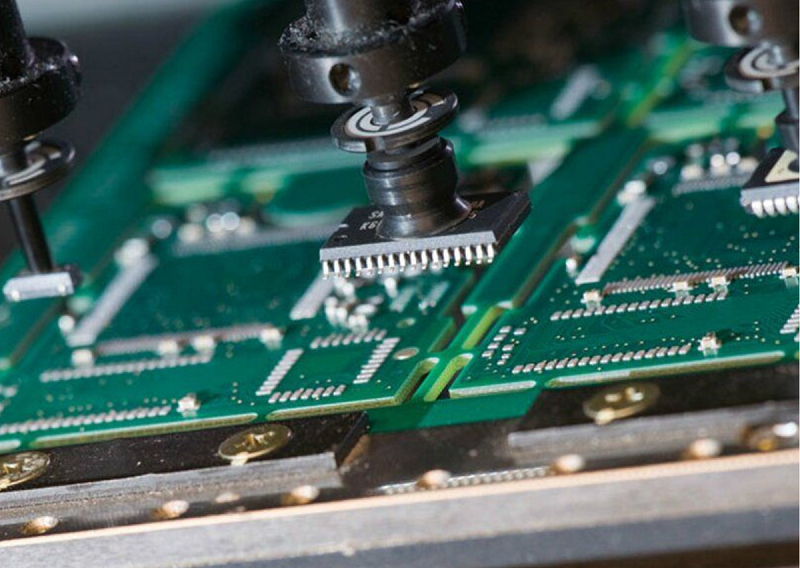
Engineers design the circuit using PCB design software, ensuring proper component placement and routing.
Step 2: Design Rule Check (DRC) and DFM Analysis
Running a DRC and DFM analysis prevents potential manufacturing issues early in the process.
Step 3: Generating Gerber Files
Gerber files contain all the information needed for PCB fabrication, including copper layers, drill files, and solder masks.
Step 4: PCB Fabrication Process
The PCB manufacturing process follows these steps:
Material Preparation â Cutting and preparing the base material.
Circuit Patterning â Applying the circuit layout using etching or additive processes.
Drilling â Creating holes for vias and components.
Plating and Solder Mask Application â Enhancing conductivity and protecting the board.
Silkscreen Printing â Adding component labels and markings.
Final Inspection and Testing â Ensuring the board meets specifications.
Step 5: PCB Assembly
After fabrication, components are soldered onto the board using SMT or through-hole assembly.
Step 6: Testing and Quality Assurance
Each PCB undergoes electrical testing, visual inspection, and functional tests to verify performance.
Step 7: Final Delivery
Once approved, the finished PCBs are packed and shipped to customers.
In conclusion, PCB design for manufacturing enhances production efficiency, reduces costs, and improves reliability. Choosing the right materials and design principles ensures better performance across industries. EBest Circuit (Best Technology) provides expert support, advanced DFM analysis, and high-quality PCB manufacturing to meet diverse needs. Whether you need quick prototypes or large-scale production, we ensure smooth execution. If any new inquiries about PCB design & manufacturing services, feel free to let us know at sales@bestpcbs.com. Itâs our pleasure to cooperate with you about any PCB projects to get a win-win situation.
A PCB board manufacturing machine plays a key role in producing high-quality circuit boards. Whether for mass production or prototyping, choosing the proper machine ensures efficiency and precision. The proper equipment speeds up production, reduces errors, and improves overall quality. Understanding the manufacturing process and selecting the proper machines can save costs and boost performance. Letâs explore everything you need to know about PCB manufacturing machines.
EBest Circuit (Best Technology) is a leading PCB manufacturer in China. We are not a trading company; we are a direct factory manufacturing PCBs. Our SMT factory has 2 YAMAHA and 2 JUKI production lines. The equipment is imported from Japan. Our advanced PCB Board Manufacturing Machine allows EBest Circuit (Best Technology) to shorten the delivery time to 2-3 weeks without compromising product quality. If you have any inquiries about the PCB, you are warmly welcome to reach out to us via sales@bestpcbs.com. We will get back to you within 12 hours.
What Machines Are Used in PCB Manufacturing?
PCB manufacturing involves several machines, each designed for a specific task. Here are the most important ones:
Drilling Machines: These create precise holes for component leads and vias, ensuring proper connections between PCB layers.
Etching Machines: They remove excess copper to define the circuit pathways, ensuring clear and accurate traces.
Lamination Machines: These bond multiple PCB layers together, essential for multilayer boards.
Solder Mask Printers: These apply a protective layer to the PCB, preventing oxidation and short circuits.
Pick and Place Machines: These position surface-mount components with speed and accuracy.
Reflow Ovens: They heat solder paste to secure components, ensuring strong electrical connections.
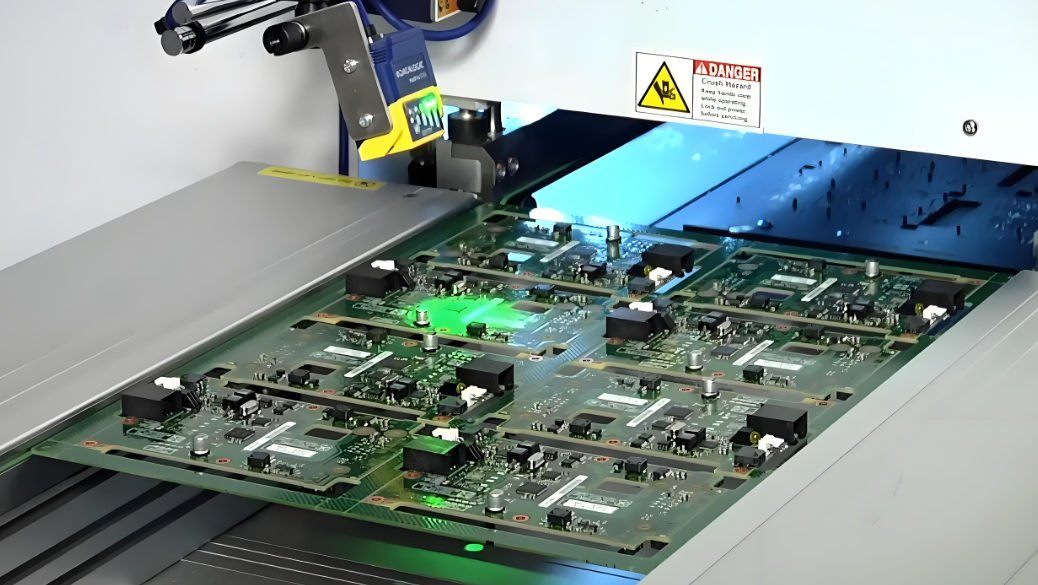
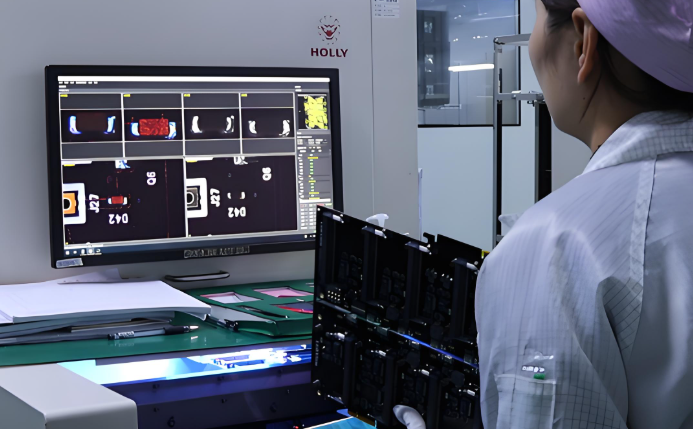
AOI (Automated Optical Inspection) Machines: These scan PCBs for defects, reducing errors before final assembly.
Testing Equipment: Essential for verifying functionality, including electrical testing and X-ray inspection for complex designs.
What Is a PCB Prototyping Machine?
A PCB prototyping machine allows engineers to create test boards quickly before moving to full production. These machines help in reducing development time and costs by allowing in-house prototype fabrication. Some popular types include:
CNC Milling Machines: These carve circuit paths onto a copper-clad board, eliminating the need for etching chemicals.
Laser Etching Machines: They use high-precision lasers to create PCB patterns.
Desktop PCB Printers: These print conductive traces on flexible substrates for rapid testing.
Prototyping machines are great for small-batch production, enabling quick iterations in the design process.
What Machine Prints PCBs?
A PCB printing machine creates circuit patterns on PCB material. These machines use different technologies, including:
Inkjet PCB Printers: These print conductive ink directly onto the PCB surface, ideal for flexible circuits.
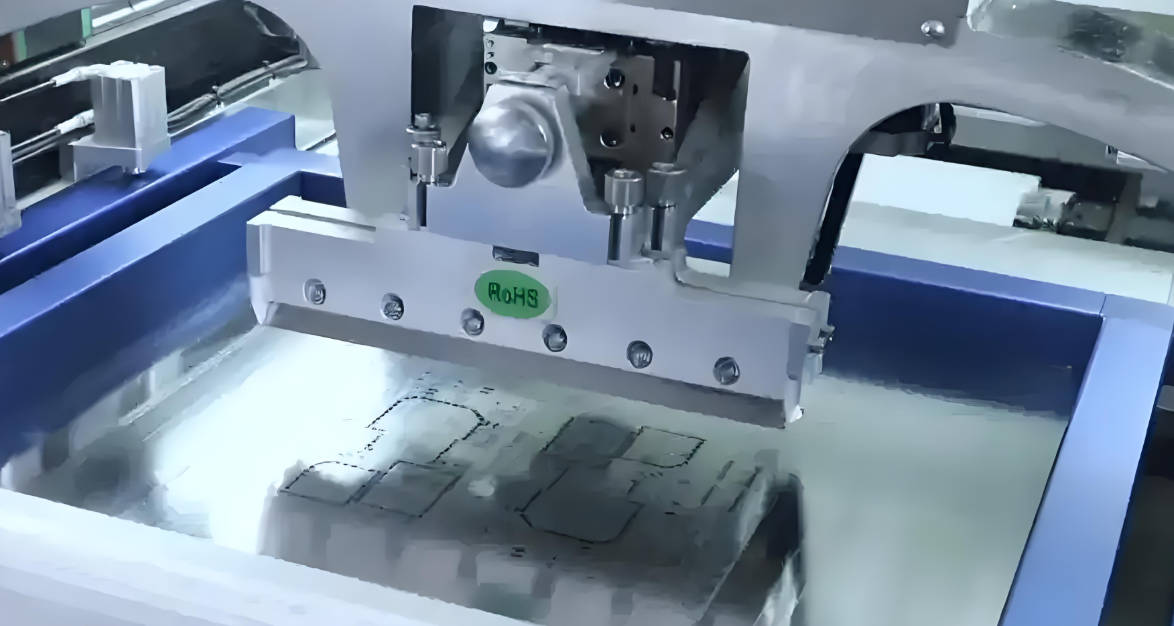
Screen Printing Machines: These apply solder paste and component markings onto the board.
Laser Direct Imaging (LDI) Machines: These use laser beams to transfer the circuit design onto the board, ensuring high precision.
3D PCB Printers: These advanced machines can print multilayer circuits directly onto substrates.
The choice depends on production needs, with high-end machines offering better precision and speed.
What Is the Difference Between PCB Assembly and PCB Manufacturing?
Many people confuse PCB manufacturing with PCB assembly. However, they are different processes:
PCB Manufacturing: This involves creating the bare board, including drilling, etching, laminating, and applying solder masks.
PCB Assembly: This involves placing and soldering components onto the board, using SMT machines for PCB assembly or through-hole soldering.
Both processes are crucial for building functional circuit boards, but assembly requires additional equipment like reflow ovens and wave soldering machines.
Design & Layout: Engineers design the PCB using software like Altium or Eagle.
Printing & Etching: The circuit pattern is transferred onto the copper-clad board and unwanted copper is removed.
Drilling & Plating: Holes are drilled for components, followed by electroplating to ensure conductivity.
Lamination: Multiple layers are bonded together for multilayer boards.
Solder Mask Application: A protective layer is applied to prevent short circuits and oxidation.
Silkscreen Printing: Labels and component markings are printed for easy identification.
Cutting & Testing: Boards are cut to the required size and undergo electrical testing to ensure functionality.
This process ensures that PCBs meet industry standards and function as expected in electronic devices.
How Are PCB Boards Printed?
PCB printing involves several methods, including:
Photolithography: UV light transfers circuit patterns onto a copper layer for high precision.
Screen Printing: Used for applying solder paste and component labels.
Inkjet Printing: Prints conductive traces on PCBs, suitable for flexible electronics.
Laser Imaging: Creates fine-pitch circuits with excellent accuracy.
Advanced printing techniques ensure precision, especially for high-density PCBs.
How Much Does It Cost to Manufacture a Custom PCB?
The PCB board manufacturing machine cost depends on its type and capabilities. Hereâs a rough breakdown:
The advanced equipment will help to save the manual process and help to save the cost. The equipment like small PCB board manufacturing machines, industrial PCB manufacturing machines, PCB prototyping machines, SMT machines for PCB assembly. Other cost factors include:
PCB complexity: More layers and finer traces increase production costs.
Material choice: High-frequency boards cost more than standard FR4 boards.
Order quantity: Bulk orders reduce per-unit costs significantly.
Understanding these costs helps businesses make informed investment decisions.
How to Choose a PCB Manufacturer?
Selecting the right PCB board manufacturing machine companies is key to quality production. Consider these factors:
Industry Experience: Choose a manufacturer with a strong track record.
Customization Options: Ensure the manufacturer supports specialized designs.
Certifications & Quality Standards: Compliance with ISO and IPC standards guarantees reliable products.
Turnaround Time: Faster production times improve time-to-market for new designs.
Customer Support: Responsive service helps with troubleshooting and order management.
A good manufacturer provides not only high-quality PCBs but also technical support and flexible solutions.
In conclusion, understanding PCB board manufacturing machine help businesses choose the right equipment for their production needs. From small prototyping machines to large-scale SMT assembly lines, every machine plays a vital role in ensuring efficiency and quality. Investing in the right equipment reduces errors, speeds up production, and ensures consistent results. If youâre looking for a reliable PCB supplier, EBest Circuit (Best Technology) offers cutting-edge PCB solutions backed by 18 years of expertise. Get in touch with us via sales@bestpcbs.com to get the proper solution for your PCB manufacturing needs!
How to design a cost-effective LED strip PCB board? What mass production problems can be avoided through prototyping? How do manufacturers balance cost and quality control? This article will explores the fundamentals of LED strip PCB board, their types, cost-saving design strategies, prototyping processes, and tips for selecting a reliable LED strip PCB board manufacturer.
At EBest Circuit (Best Technology), we focus onLED strip PCB board designing, prototyping and manufacturing over 18 years. The team of senior engineers provides free design support and solution optimization online 24 hours a day to ensure accurate and reliable circuit layout. The company’s original expedited proofing system can achieve 24-hour rapid delivery, relying on DMF data analysis and engineers’ manual pre-examination of drawings to ensure the first-time success of the first version. The production end is equipped with industrial-grade automated production lines, which increase the abnormal response speed by 40%, and urgent large-volume orders can be delivered within two weeks, fully meeting the rapid development and stable mass production needs of high-difficulty LED strip PCB products. Please feel free to contact us sales@bestpcbs.com
What Is LED Strip PCB Board?
A LED Strip PCB board combines printed circuit board (PCB) technology with light-emitting diodes (LEDs) to create flexible or rigid lighting solutions. The PCB serves as the backbone, providing electrical connectivity and structural support. LED strips with PCB boards are widely used due to their compact design, high durability, and adaptability to curved surfaces. Black PCB LED strips, for instance, use dark substrates to minimize light reflection and enhance contrast in display applications.
What Advantages of LED Strip PCB Board?
Here are advantages of LED strip PCB board:
Flexible design for easy installation at various angles
Displays 1600+ colors with dynamic lighting effects
Superior heat dissipation, lifespan exceeding 50,000 hours
âSimplifying circuitryâ: Reduce complex traces to lower material waste.
âUsing standardized componentsâ:Off-the-shelf LEDs and resistors cut procurement costs.
âOptimizing panel utilizationâ:Arrange multiple PCBs on a single panel to reduce fabrication expenses.
âSelecting cost-effective materialsâ:Flexible PCBs with polyimide substrates balance durability and affordability.
What Is Prototyping Process of LED Strip Flexible PCB Board?
Hereâs a simplified overview of the LED strip flexible PCB prototypingprocess, focusing on sampling and production steps:
1.Circuit Design & Layout
Circuit Designâ: Create schematics for LED placement, driver integration, and power distribution.
Layoutâ: Plan bendable PCB dimensions, cut points, and connector placements.
2.Material Selectionâ
Base Materialâ: Flexible polyimide substrate (heat-resistant, bendable).
Conductive Layerâ: Thin copper foil for circuitry.
Encapsulationâ: Silicone or TPU for protection.
3.Conductive Layer Processingâ
Laser Cuttingâ: Precision-etch copper traces to form circuits.
Platingâ: Apply anti-oxidation coatings (e.g., nickel/gold) on copper.
4.Component Assemblyâ
SMT (Surface Mount Technology)â: Machine-mount LEDs, resistors, and drivers onto the PCB.
COB (Chip-on-Board)â: Directly bond LED chips to the PCB for high-density strips.
Solderingâ: Use reflow ovens for secure electrical connections.
5.Encapsulationâ
Coatingâ: Apply silicone or TPU evenly over the PCB to waterproof and diffuse light.
Curingâ: Harden the coating under UV light or heat.
Heat Sinksâ: Attach aluminum strips to high-power LED sections for cooling.
6.Prototype Testing & Final Samplingââ
Electrical Testsâ: Verify voltage stability, current flow, and color consistency.
Flex Testâ: Bend the strip repeatedly to check for circuit integrity.
Environmental Testsâ: Expose to humidity, heat, and cold to validate durability.
Adjustmentsâ: Optimize trace thickness, LED spacing, or heat dissipation based on test results.
Final Samplingâ: Produce revised prototypes for client approval before mass production.
Why Do We Need to Make A LED Strip PCB Prototype Before Mass Production?
Making aLED Strip PCB prototype before mass production can identify design flaws early, preventing costly revisions before formal production. Benefits include:
âRisk mitigationâ Fix issues like overheating or poor solder joints before scaling up.
âPerformance verificationâ Ensure the strip meets brightness, color, and lifespan standards.
âClient approvalâ Prototypes help clients visualize the final product and request adjustments.
How to Find A Reliable LED Strip PCB Board Manufacturer?
Assess Production Capacityâ: Confirm ability to scale from prototyping to bulk orders without quality loss.
Read Client Feedbackâ: Check reviews for on-time delivery, post-sales support, and defect resolution.
EBest Circuit (Best Technology) can meet all above requirements. If you’re interested in our LED strip PCB board design, prototyping and manufacturing service, welcome to leave a message below this blog.
How to Keep Costs Low and Quality High in LED Strip PCB Board Manufacturing?
Here are some tips for how to keep costs low and quality in LED strip PCB board manufacturing:
Simplify Designâ: Minimize layers, use standard specs.
âTest Prototypesâ: Refine design before mass production.
In conclusion, thatâs all about LED strip PCB Board design, prototyping and how to select a reliable LED strip PCB manufacturer. If you have any other issues about LED strip PCB board need our help, please feel free to contact us.( The email is at the beginning of this blog)
Best PCB manufacturers provide high-quality circuit boards for industries like telecommunications, automotive, and medical devices. Choosing the proper manufacturer is key to getting reliable boards that meet your needs. With so many options available, itâs important to understand what makes a PCB manufacturer stand out. Letâs explore the leading manufacturers, the best PCB board types, and other essential details.
EBest Circuit (Best Technology) specializes in manufacturing and selling various types of printed circuit boards and assemblies. BEST is our brand name, and we have our factory. Directly controlling the quality and the delivery time is our competitive edge. The pursuit of quality and innovation is the driving force of EBest Circuit (Best Technology). We can provide more fast delivery time service to customers and be one of the best manufacturers of PCB in China. If you have any demand about PCB, feel free to send your request to sales@bestpcbs.com, and the sales engineering team will reply to you within 12 hours.
Who is the best manufacturer of PCB in China?
China has become a global leader in PCB manufacturing, offering high-quality boards at competitive prices. EBest Circuit (Best Technology) is one of the best manufacturers of PCBs in China. With more than 18 years of experience, EBest Circuit (Best Technology) specializes in multiple types of PCBs, including ceramic and metal core types. Our focus on quality and advanced technology makes us a reliable choice for demanding applications, such as consumer electronics, medical devices, and industrial applications.
Our factory is in Shenzhen City, China, our extensive production capabilities serve industries worldwide. Currently, our mouthy capability is 260,000 square feet (28,900 square meters), and more than 1,000 different boards will be completed.
EBest Circuit (Best Technology) offers innovative designs that meet modern electronic demands. With a strong R&D team and engineers with more than 10 years of experience, and excellent management personnel, EBest Circuit (Best Technology) is able to reply to customers within 12 hours wherever you are on Earth and ship out goods always on time. If you need any special PCB, just donât hesitate to let us know, all our PCB products can be customized. Our R&D team will provide a corresponding PCB design, and PCB prototype according to your requirements.
EBest Circuit (Best Technology) believes customer first, and face second. The percentage of on-time delivery is get to 97%. EBest Circuit (Best Technology) has a strong reputation for producing high-quality PCBs and offering excellent customer service. We appreciate all support from our customers and never quarrel with our customers, but always try to understand them deeply. Therefore, if you have any needs, just feel free to let us know.
What is the best PCB board?
The best PCB board depends on the application. Different industries require specific types of PCBs to meet performance standards. Here are some of the most commonly used PCBs:
FR4 PCB â Made from fiberglass and epoxy resin, this is the most widely used PCB for consumer electronics. It offers good electrical insulation and mechanical strength.
Metal Core PCB â Often used in LED lighting and power electronics, these PCBs provide excellent heat dissipation, making them ideal for high-power applications.
Ceramic PCB â Known for its high thermal conductivity and low dielectric loss, ceramic PCBs are used in aerospace, military, and medical devices.
Rigid-Flex PCB â A combination of rigid and flexible PCBs, commonly found in compact electronic devices like smartphones and wearable technology.
HDI PCB â High-Density Interconnect PCBs allow for more components in a smaller space, making them essential for modern, high-performance electronics.
Selecting the proper PCB type ensures better performance and durability for specific applications.
What is the most expensive PCB board?
PCBs with complex designs and advanced materials tend to be the most expensive. Some of the costliest types include:
High-Layer-Count PCBs â These boards have multiple layers, making them expensive due to their intricate manufacturing process.
HDI PCBs â These high-density interconnect boards require fine lines, microvias, and precise manufacturing, increasing production costs.
Ceramic PCBs â Due to their high thermal and electrical performance, ceramic PCBs are among the most expensive. They are commonly used in aerospace, military, and advanced medical applications.
The cost of a PCB depends on material selection, layer count, and design complexity.
Which color PCB is best?
PCB color does not affect functionality, but it can impact visual inspection and aesthetics. Here are the most common PCB colors:
Green â The most widely used color, offering good contrast for inspections.
Blue â Commonly used in high-end applications; it provides a modern look.
Black â Looks premium but can absorb more heat, which may impact thermal performance.
Red â Often chosen for branding purposes.
White â Frequently used in LED applications to reflect light effectively.
Choosing a PCB color is mainly about aesthetics and ease of inspection.
What is the cheapest PCB finish?
The surface finish of a PCB protects the copper traces from oxidation. The most affordable option is HASL (Hot Air Solder Leveling). It provides good solderability and is widely used in consumer electronics. However, for finer pitch components, ENIG (Electroless Nickel Immersion Gold) is a better option, though it comes at a higher cost.
How long does a PCB board last?
The lifespan of a PCB depends on material quality, environmental factors, and usage conditions. On average, a well-manufactured PCB can last more than 10 years. Factors that affect longevity include:
Material Quality â High-quality laminates and finishes improve durability.
Operating Conditions â Exposure to high temperatures and humidity can degrade PCBs over time.
Manufacturing Process â Precision in manufacturing ensures longer-lasting boards.
Regular maintenance and proper usage help extend the lifespan of a PCB.
Who is the largest PCB manufacturer in the world?
Several companies dominate the global PCB industry. The largest PCB manufacturers include:
EBest Circuit (Best Technology) (China)– provides one-stop service from designing, DFM, and fabrication of all types of printed circuit boards to components purchasing, PCBA (printed circuit board assembly), and box assembly. Offers 2-3 weeks delivery time without compromising the quality.
Zhen Ding Technology (Taiwan, China) â Supplies high-end PCBs for major tech brands.
TTM Technologies (USA) â Offers aerospace and military-grade PCBs.
Samsung Electro-Mechanics (South Korea) â Focuses on smartphone and display PCBs.
Nippon Mektron (Japan) â Leads in flexible PCB production.
These companies are known for innovation, quality, and large-scale production capabilities. As one of the top PCB manufacturers in world, EBest Circuit (Best Technology)’s goal is to provide customers defect defect-free products fully consistent with their requirements to ensure each part presented to customers has top excellent quality. Warm welcome to contact us to cooperate for low-volume or large-volume PCB projects.
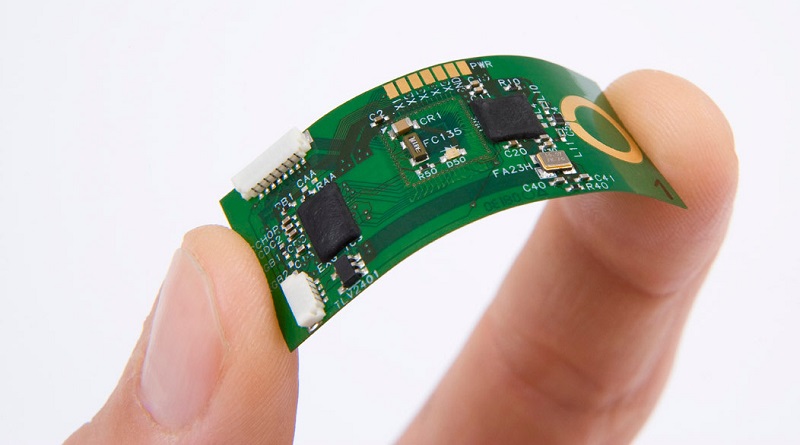
How to choose a PCB manufacturer?
Selecting the proper PCB manufacturer is crucial for ensuring high-quality boards. Here are some key factors to consider:
Manufacturing Capabilities â Check if they can produce multilayer, HDI, or flexible PCBs.
Quality Standards â Ensure they follow IPC standards and have certifications like ISO 9001.
Lead Time â Choose a manufacturer with fast turnaround times.
Material Quality â High-quality materials improve durability and performance.
Customer Support â Reliable manufacturers provide excellent technical support.
Pricing â Compare prices but avoid sacrificing quality for cost.
By evaluating these aspects, you can find the best PCB manufacturer for your needs.
In conclusion, finding the best PCB manufacturers ensures you get high-quality boards for your applications. Top manufacturers in China and worldwide offer advanced technology and reliable service. Whether you need rigid, flexible, metal core, or ceramic PCBs, choosing the proper supplier makes a big difference. If you need high-performance PCBs, EBest Circuit (Best Technology) can provide top-quality solutions with excellent support. Just feel free to reach out to us at sales@bestpcbs.com for more information.
Are you find durable LED tube light PCB solutions? How do you choose a reliable LED Tube light assembly partner? This blog breaks down the essentials: materials, assembly processes, cost factors, and how to identify manufacturers that deliver precision, durability, and value.
EBest Circuit (Best Technology), we specialize in LED tube light PCB manufacturing and assembly over 18 years. We can achieve LED tube light PCB fast assembly (48-72hours delivery) by our own electronics supply chains, such as T8/T5 LED tube PCB. And we have four high precision SMT full-automatic production lines to ensure uniform distribution of the light beads and consistency in luminous efficiency. Then all the LED tube light PCB we produced and assembled will be full tested and inspected before and after assembly in order to reduce reworking cost. If you have any request for LED tube light PCB, please feel free to contact us sales@bestpcbs.com
What Is LED Tube Light PCB?â
An LED tube light PCBÂ is a printed circuit board designed to power and control LEDs in tubular fixtures. It acts as the electrical foundation, connecting components like LEDs, resistors, and drivers while managing heat and ensuring stable performance.
âWhat Are the Advantages of LED Tube Light?
Here are advantages ofLED tube light PCB board:
Energy Efficiencyâ â Minimizes power loss through optimized circuit design.
âHeat Resistanceâ â Built-in thermal management extends LED lifespan.
âCustomizationâ â Supports dimming, smart controls, and varied lumen outputs.
âCost Savingsâ â Reduces long-term maintenance and replacement expenses.
ââWhich Materials Make LED Tube Light PCBs Durable?â
Main materials include:
Aluminum coresâ for heat dissipation.
âFR-4 fiberglassâ for electrical insulation.
âHigh-purity copperâ for efficient current flow.
âCeramic coatingsâ to resist moisture and corrosion.
âWhat Is LED Tube Light PCB Assembly?â
LED tube light PCB assembly involves mounting components onto the board through automated and manual processes. Precision here ensures functionality, safety, and compliance with lighting standards.
âWhat Are Assembly Processes of LED Tube Light PCB Board?
Reverse Polarity-âMark polarity clearly on the PCB and test during in-circuit testing.
âHow to Choose a Reliable LED Tube Light PCB Board Assembly Manufacturer?
Technical Expertise & Certifications:â Prioritize manufacturers with precision SMT assembly (e.g., ±0.01mm accuracy), automated soldering, and certifications like ISO 9001/IPC-A-610.
âQuality Control & Testing: âEnsure AOI, X-ray inspection, and burn-in testing (e.g., 48+ hours) to eliminate defects.
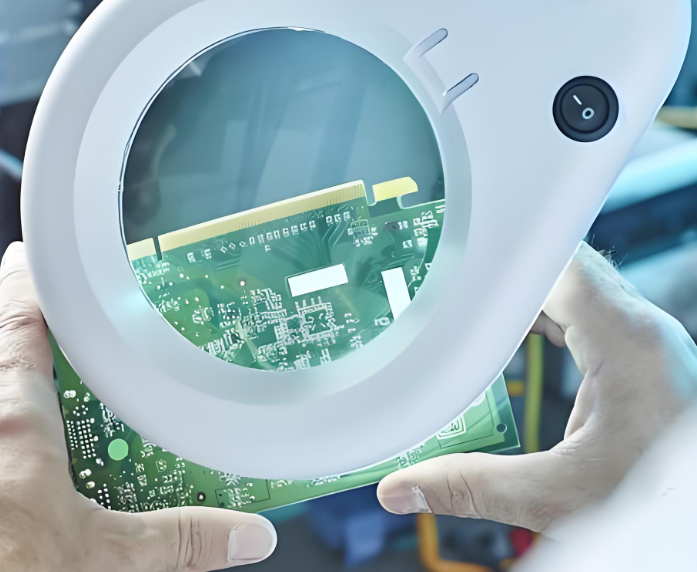
âSupply Chain Integration: Choose suppliers offering end-to-end services (design, component sourcing, assembly) for faster delivery (e.g., 5-7 day prototyping).
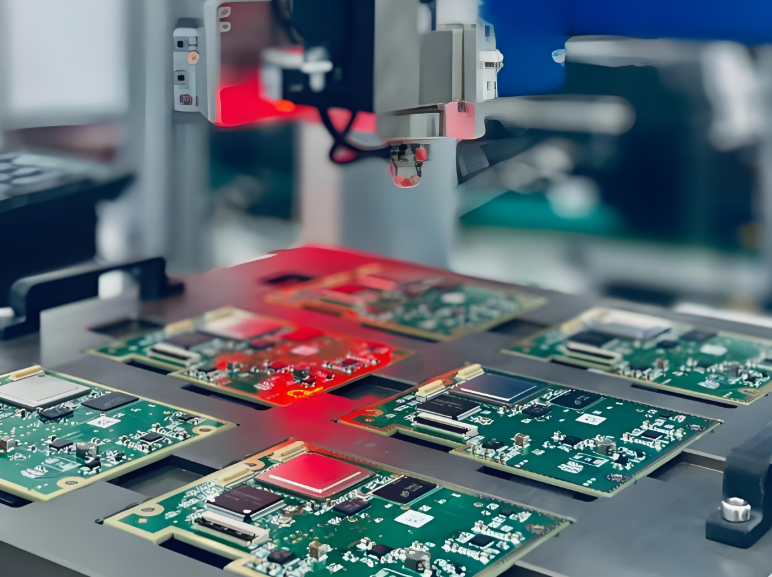
âFlexible Production:â Verify support for small-batch orders (100+ units), custom designs (e.g., PCB length adjustments), and rapid engineering feedback.
âIndustry Experience:â Select manufacturers with proven LED lighting projects (T8/T5 LED tube PCB) and certifications (UL/CE).
EBest Circuit (Best Technology) have obtained ISO9001, UL, CE, RoHS certifications and have industry experience in LED lighting projects, especially for T8/T5 LED tubes light PCB board. so we can support small quantity customized LED tube PCB board. Then we can achieve high precision SMT assembly and fast delivery by full automotive SMT production line and electronics supply chain. Please feel free to contact us if you are interested in our service.( The email is at the beginning of this blog)
How Much Does It Cost to Get a LED Tube Light PCB Assembled?â
Costs range from $0.50 to $5 per unit, depending on layer count, component complexity, and order volume. Bulk orders typically lower per-unit prices by 20-40%.
In conclusion, the above contents all includes materials, assembly processes, cost factors of LED tube light PCB and how to select a good LED tube light PCB assembly manufacturer. If you have any other issues about LED tube light PCB, please leave a message below this blog. Looking forward to your message!