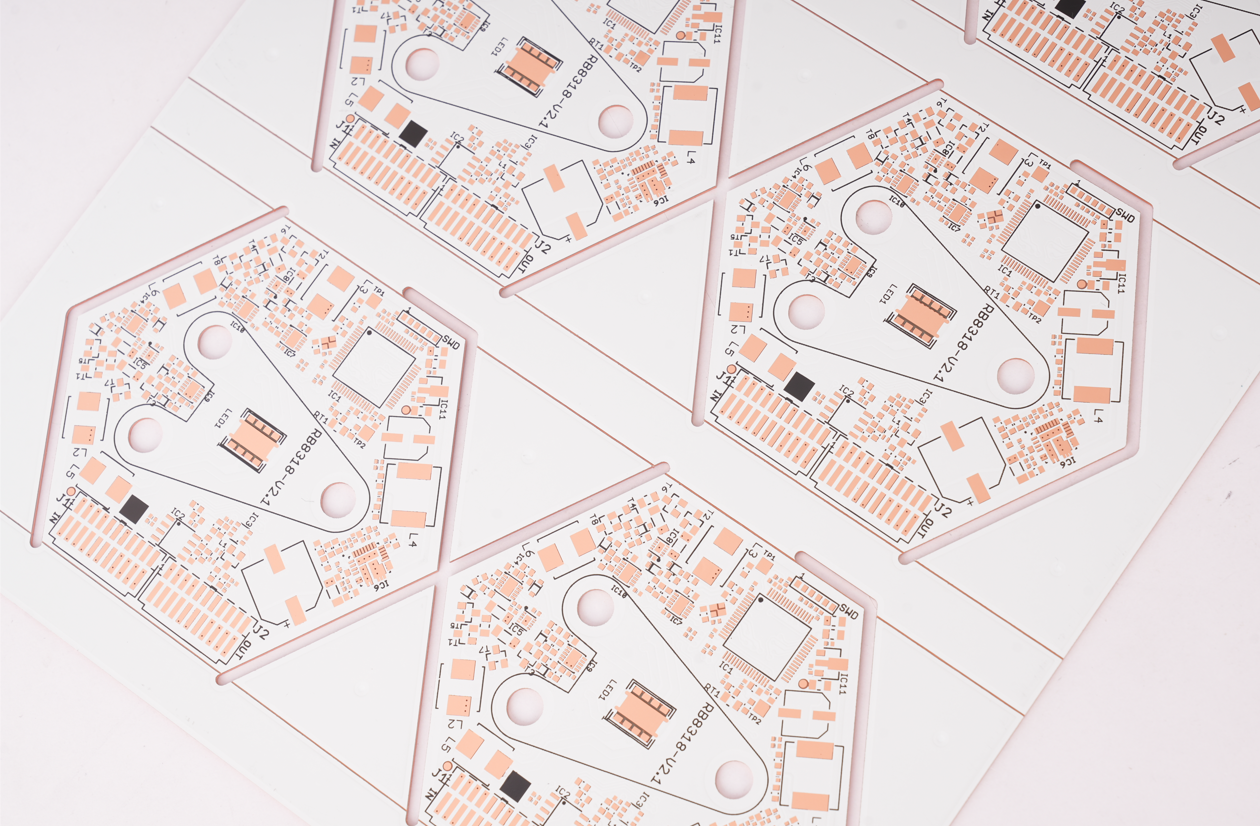
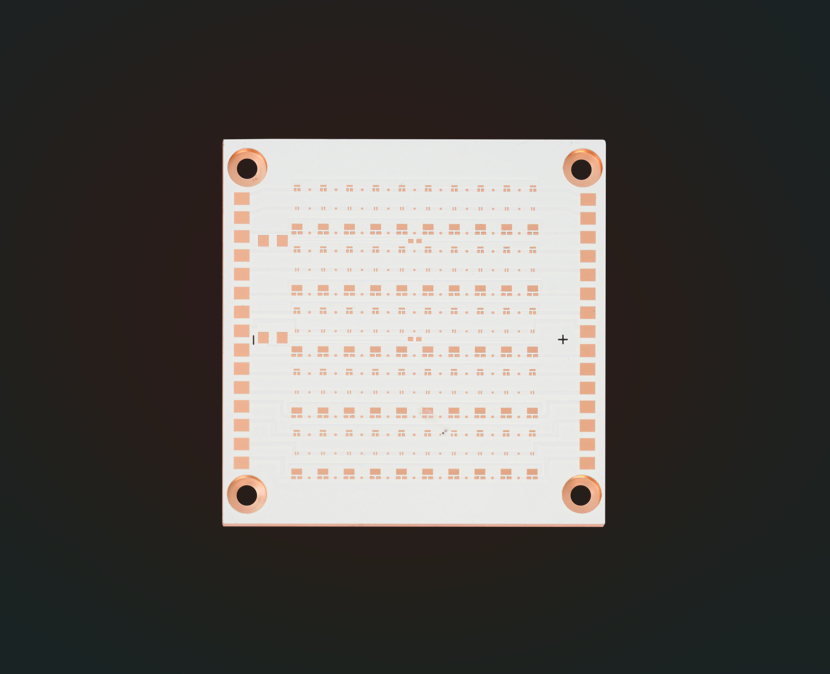
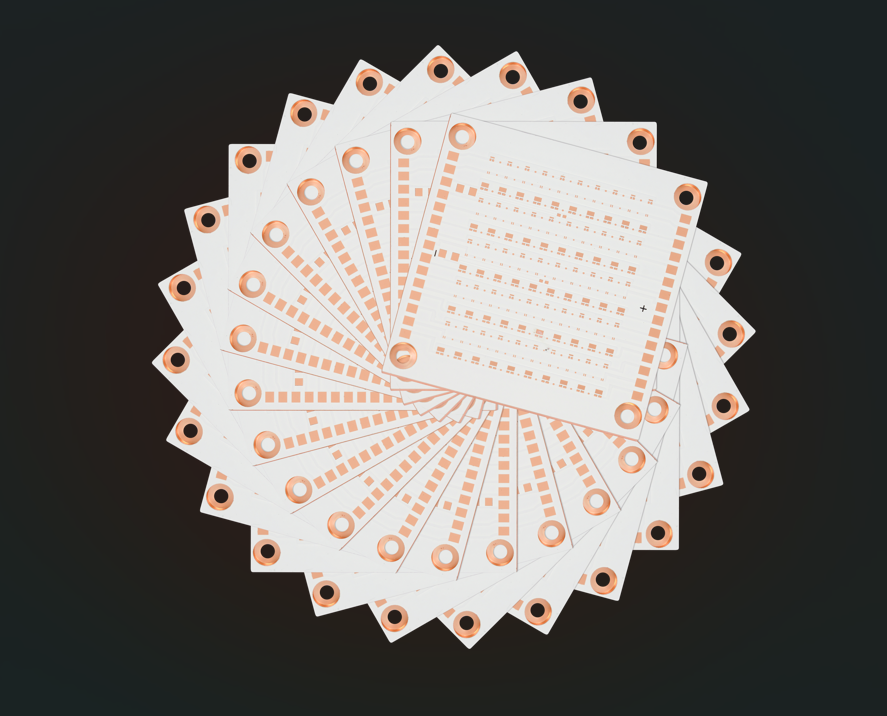
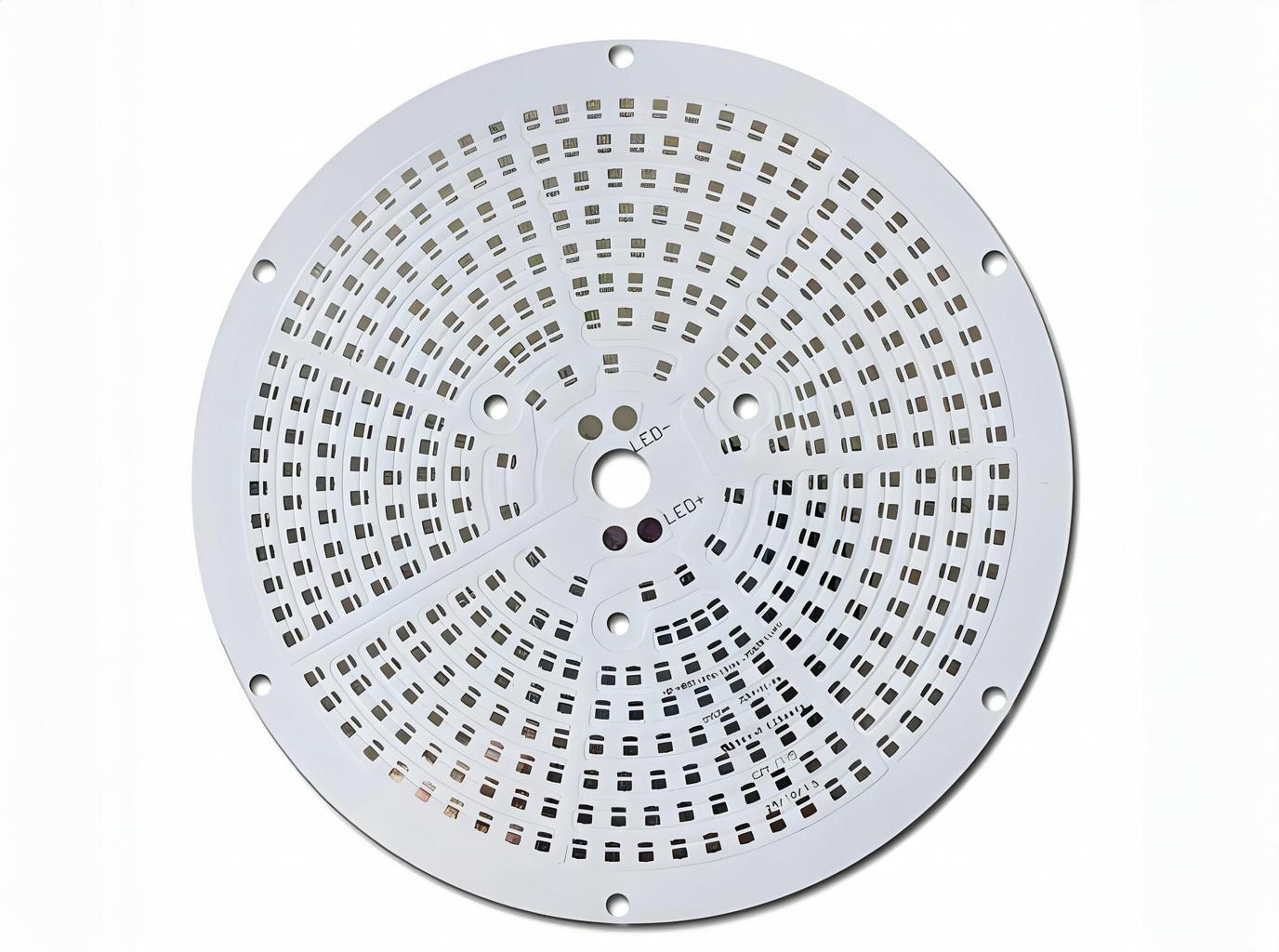
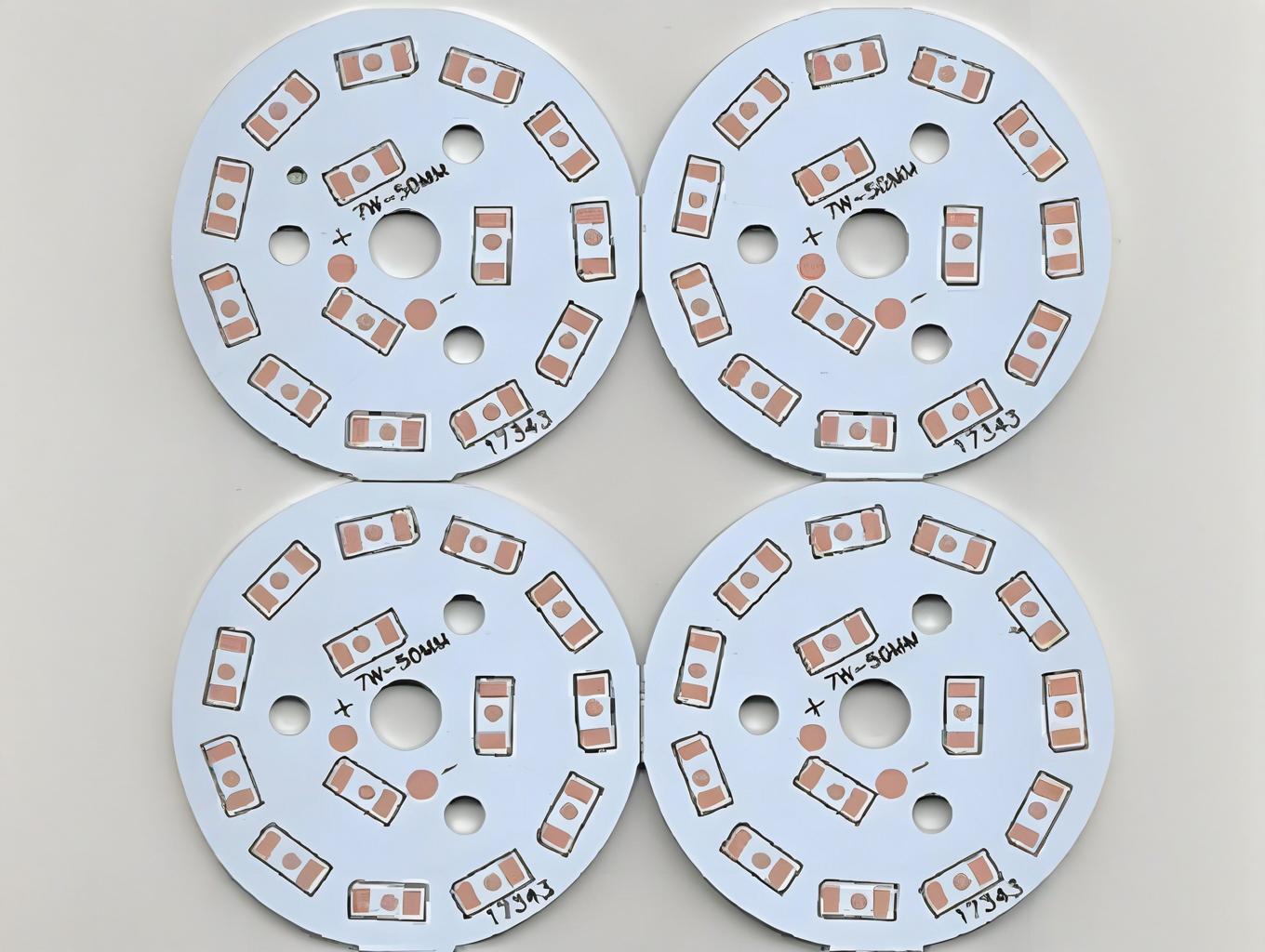
PCB PCBA China is no longer just about low prices. Today, customers want stable supply chains, traceable production, and fast deliveryâall backed by strong technical support. In this blog, we explore why EBest Circuit (Best Technology) is a trustworthy partner for your PCB and PCBA needs in China.
EBest Circuit (Best Technology) focuses on excellent quality PCB PCBA China for effective delivery. Both our factories in China and Vietnam have sophisticated SMT technology and engineers with lots of seniority. Most engineers have over 10 years of experience in the PCB industry and know how the PCBA process works. Strict inspection is performed in our factories, such as SPI, 3D AOI, X-Ray, and QC inspections. Low volume, high mix, consistent quality, and effective quality is our specialty. Welcome to chat with us over email at sales@bestpcbs.com about viable solutions and the specific quote for your project.Â
Who is the Best Manufacturer of PCB PCBA China?
Among many PCB manufacturers in China, EBest Circuit (Best Technology) stands out with its advanced MES systems, flexible production scheduling, and industry certifications. With ISO 9001, IATF 16949, and AS9100D certifications, we meet strict quality standards required in automotive, medical, and aerospace sectors.
What Are the Problems with PCB PCBA China?
Clients often face material shortages, delivery delays, and unstable quality. Many suppliers rely on manual systems for warehouse and quality control. This leads to missing components, inconsistent results, and long lead times. At EBest Circuit (Best Technology), we solve this by combining digital warehouse systems, JIT supply models, and automated testing lines to ensure real-time tracking and accurate results.
What is the Difference Between a PCB and a PCBA?
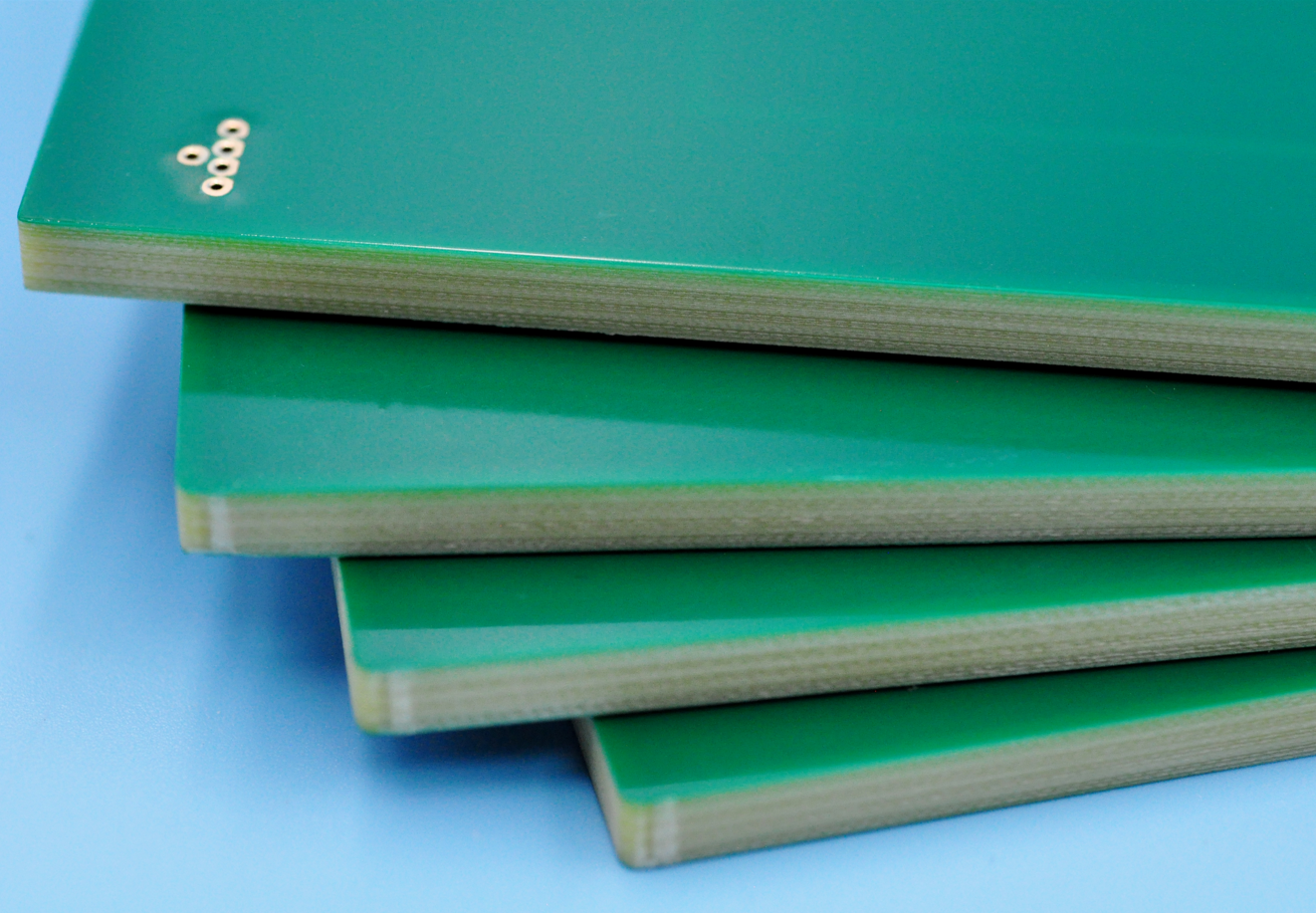
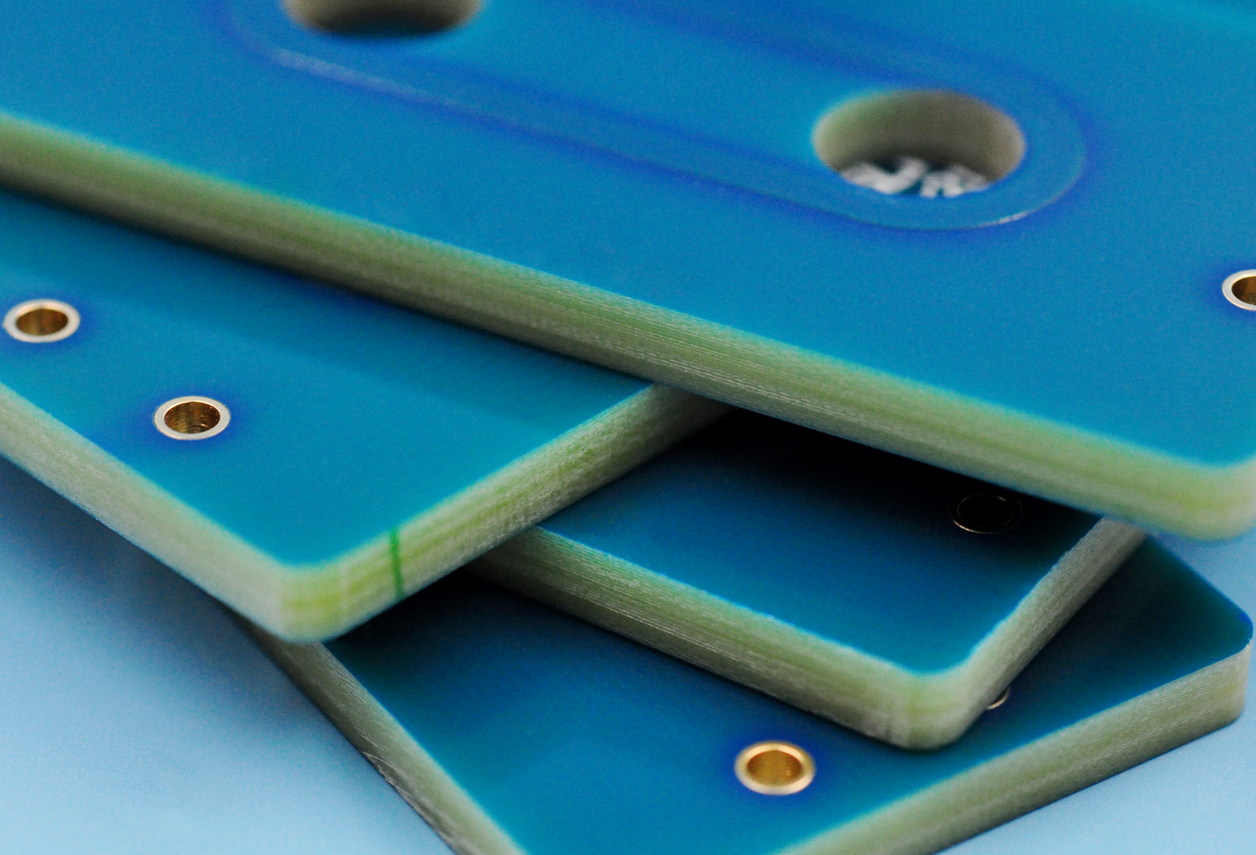
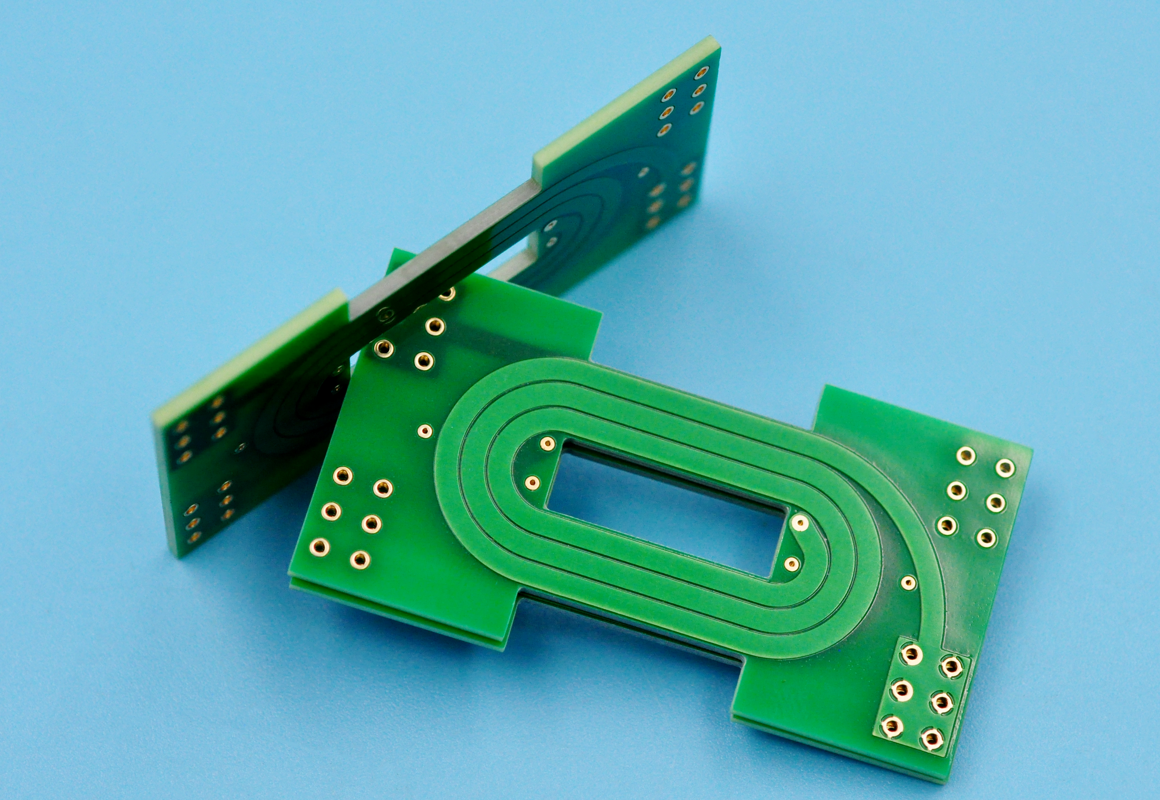
A PCB is the bare board, typically made of fiberglass or ceramic, with copper traces. PCBA is the complete assembly where components are soldered onto the PCB. In simple terms, PCB is the skeleton, while PCBA is the full body with all working parts in place. Understanding this helps you choose the right service level.
Are Motherboards Just PCBs?
Not exactly. While motherboards start as PCBs, they become PCBAs once fully assembled with CPUs, capacitors, connectors, and chips. This makes motherboards a finished electronic module, not just a printed board.
What Makes Chinese PCB Assembly Services Cost-Effective?
Chinese PCB assembly is cost-effective due to streamlined supply chains, shared infrastructure, and optimized labor. For example, EBest Circuit (Best Technology) reduces costs through BOM optimization engines that match substitute materials. We also use photovoltaic energy and waste heat recovery, cutting energy costs by 25%.
How to Choose a Reliable PCBA Manufacturer in China?
Look for key indicators: cleanroom production, certification coverage, transparent pricing, and a stable sourcing network. EBest Circuit (Best Technology) offers 72-hour agile delivery for urgent orders and real-time DFM checks through our customer portal. This helps reduce design flaws early and saves time and money.
Why Choose EBest Circuit (Best Technology) for PCB PCBA China?
We understand what matters to youâreliable delivery, consistent quality, and expert support. Our strengths include:
Smart Warehousing: With MES integration and RFID, we track materials in real time and reduce supply delays.
Effective Delivery: A dual-supplier strategy, and three-month critical component coverage help us respond fast.
Real-Time Support:Â Our engineers support 24/7 consultation service. Â And our factory âproduction lines operateâ round the clock.
Besides that, we donât just offer a product; we provide long-term value. Our smart systems reduce downtime by 40%, and our DFM review boosts your productâs first-pass yield over 95%.
In brief, choosing a partner for PCB PCBA China is more than comparing prices. You need a supplier who prevents material shortages, keeps quality in check, and ships on timeâevery time. EBest Circuit (Best Technology) builds trust with its transparent process, cutting-edge systems, and customer-first approach. Whether youâre building medical devices or EV battery boards, our solutions are ready to help you grow. Letâs talk about how our expertise can speed up your project while keeping quality high. If you are interested in our efficient PCB assembly services, please contact us via email at sales@bestpcbs.com, on Twitter, or Facebook.
Isola 370HR is a well-established choice for engineers who need a durable, high-frequency compatible PCB base material. Its high Tg, low loss, and excellent reliability make it suitable for everything from aerospace to telecommunications.
If you’re working on a complex design or RF application, switching to Isola 370HR PCB materials might be the upgrade you need. And with a reliable partner like EBest Circuit (Best Technology), you’re assured of quality from the first prototype to volume production.
What Is Isola 370HR Material?
Isola 370HR is a high-performance, high-Tg epoxy laminate and prepreg system developed by Isola Group. Designed specifically for multilayer printed circuit boards, it offers a great balance between electrical stability and thermal durability. Itâs classified as a high-Tg FR4 material but provides better signal handling and thermal behavior compared to standard FR4.
Isola engineered this material for demanding sectors like telecommunications, data networking, and military electronics. Its low dielectric loss and stable performance across a wide frequency range make it suitable for modern high-speed circuits.
Advantages of Using Isola 370HR in PCB Manufacturing
Choosing Isola 370HR for your PCB manufacturing brings several key benefits that directly impact the performance and reliability of your finished products:
Superior Thermal Stability: With a high glass transition temperature (~180°C), Isola 370HR withstands the high temperatures of lead-free soldering and multiple reflow cycles without warping or delamination.
Low Dielectric Loss: This material minimizes signal loss at high frequencies, making it perfect for RF circuits and high-speed digital designs.
Excellent Signal Integrity: Stable dielectric constant (Dk) across frequency ranges means consistent signal propagation and reduced timing errors.
Enhanced Moisture and CAF Resistance: Improved resistance to moisture-induced failures helps maintain long-term reliability, especially in humid or harsh environments.
Dimensional Stability: Reduced Z-axis expansion ensures layers stay aligned during manufacturing and operation, critical for multilayer PCBs.
IPC Compliance: Isola 370HR meets rigorous industry standards, ensuring compatibility with demanding aerospace, automotive, and medical applications.
RoHS and Environmental Compliance: Fully compliant with environmental regulations, supporting green manufacturing practices.
ISOLA 370HR Datasheet
Property
Typical Value
Test Method / Notes
Glass Transition Temperature (Tg)
180°C (DSC)
Differential Scanning Calorimetry
Decomposition Temperature (Td)
>340°C
TGA (Thermogravimetric Analysis)
Dielectric Constant (Dk)
4.04 @ 1 GHz
IPC-TM-650 2.5.5.5
Dissipation Factor (Df)
0.0127 @ 1 GHz
IPC-TM-650 2.5.5.5
Coefficient of Thermal Expansion (CTE)
15 ppm/°C (X-Y), 65 ppm/°C (Z)
IPC-TM-650 2.4.24
Thermal Conductivity
0.4 W/m·K
ASTM E1461
Tensile Strength
24,000 psi
IPC-TM-650 2.4.18
Flexural Strength
32,000 psi
IPC-TM-650 2.4.4
Water Absorption
<0.10%
IPC-TM-650 2.6.2.1
Flammability Rating
UL 94 V-0
UL 94
Copper Peel Strength
>1.0 lbs/inch
IPC-TM-650 2.4.8
Surface Resistivity
>1×10^6 ohms
ASTM D257
Volume Resistivity
>1×10^9 ohm-cm
ASTM D257
Dielectric Breakdown Voltage
>50 kV/mm
IPC-TM-650 2.5.6
What Is the Difference Between FR4 and 370HR?
While both standard FR4 and Isola 370HR are epoxy-based materials widely used in PCB manufacturing, they differ significantly in performanceâespecially when it comes to high-speed and high-frequency applications.
Standard FR4 is the go-to material for many general-purpose PCBs. It offers decent mechanical strength, good manufacturability, and cost-effectiveness for everyday electronics. However, its glass transition temperature (Tg) typically ranges from 130°C to 140°C, and it has relatively higher dielectric loss (Df). These limitations can cause signal degradation and reliability issues in circuits operating at higher frequencies or elevated temperatures.
In contrast, Isola 370HR is a high-Tg FR4 variant designed to meet the demands of more challenging environments. Its Tg is around 180°C, which provides superior thermal stability during lead-free soldering and extended use in high-temperature settings. More importantly, it exhibits a lower dielectric constant (Dk) and dissipation factor (Df), which translates to lower signal loss and better signal integrity at microwave and radio frequencies.
Why Isola 370HR PCBs Are Suitable for High Frequency Applications?
As electronic devices evolve to support faster data rates, the performance of PCB materials under high-frequency conditions has become a serious concern. This is where Isola 370HR PCB materials shine.
Its consistent dielectric constant (Dk) and low dissipation factor (Df) ensure that high-frequency signals do not lose strength or become distorted. Thatâs a major reason why 370HR is used in:
Gigabit Ethernet systems
High-speed backplanes
Automotive radar systems
Satellite communications
Advanced test equipment
Its ability to handle GHz-level signals without distortion helps maintain data accuracy and reduces EMI-related issues.
When to Choose Isola 370HR Material for Your PCB?
You might consider Isola 370HR when your design falls into any of the following categories:
High-speed or RF designs: If your circuit runs at over 1 GHz, this material can preserve signal quality.
Multilayer PCBs: When stacking 8 or more layers, 370HR offers great registration control and stability.
Thermal stress tolerance: It performs reliably through multiple reflow cycles and temperature extremes.
CAF-resistant needs: Ideal for products exposed to moisture or long-term outdoor use.
Strict industry compliance: It meets IPC-4101/126 and 129, as well as UL and RoHS requirements.
Choosing this material isnât just about performanceâitâs about peace of mind over the productâs lifecycle.
How to Identify Genuine Isola 370HR PCB Material?
To avoid counterfeit materials or unverified substitutions, itâs important to:
Request the original datasheet with the Isola logo and batch number.
Check board markings for Isola brand identification or laminate codes.
Work with certified suppliers who purchase directly from Isola or its authorized distributors.
Ask for certification documents, especially if your application is regulated by aerospace or medical standards.
Genuine Isola 370HR PCB materials ensure consistency in production and performance.
Typical Applications of Isola 370HR in PCB Design
Here are common industries and devices where Isola 370HR is frequently used:
Telecommunications: High-speed switches, routers, and fiber optic systems.
Aerospace and Defense: Radar, avionics, satellite boards.
Medical Equipment: Imaging devices, patient monitoring systems.
Automotive: Advanced driver-assistance systems (ADAS), LiDAR modules.
Industrial Automation: Motor controls, power management systems.
Designers across these sectors rely on its thermal reliability and signal control to reduce field failures.
What Is the Equivalent of Isola 370HR?
While Isola 370HR is a preferred material, there are other options that offer similar characteristics. Hereâs how some alternatives compare:
Material Name
Tg (°C)
Df @ 1GHz
Notable Feature
Nelco N4000-13EP
~180
~0.013
Known for stability
Panasonic MEGTRON 6
~185
~0.0025
Ultra-low loss, but expensive
Ventec VT-47
~180
~0.014
Cost-effective option
If you need better electrical performance than 370HR, MEGTRON 6 is a great choice. For general high-frequency use with cost control, 370HR remains the most balanced option.
With over 18 years of experience in printed circuit boards and as one of the leading PCB manufacturers, we support over 1,000 customers in different industrial areas worldwide. You can count on a PCB board manufacturer like us to meet your one-stop electronics manufacturing demands.
We are your one-stop PCB manufacturer in China who can meet all your diversified PCB requirements. We have an experienced engineering, production, and quality team that fully understands the unique needs of your industryâespecially in medical, automotive, and aerospace applications. As a printed circuit board manufacturer, we always follow the most widely accepted standards in the industry: IPC-A-600 for fabrication and IPC-A-610 for PCB assembly. All our products meet IPC Class 2 by default, and we can also meet Class 3 or 3A when your application requires it.
If you have any questions about our products, services, pricing, lead times, quality control, certifications, or technical support, please feel free to contact us anytime. Our goal is to be one of the best PCB manufacturers in China, offering exceptional quality, fair pricing, and professional service.
FAQs
1. Is Isola 370HR good for RF applications?
Yes, it offers low dielectric loss and stable Dk, perfect for high-frequency circuits.
2. How is Isola 370HR different from standard FR4?
It has higher Tg, better thermal stability, and lower signal loss.
3. What industries use Isola 370HR PCB materials?
Telecom, automotive, aerospace, medical, and industrial electronics.
4. Can Isola 370HR support lead-free assembly?
Yes, itâs fully compatible with RoHS and lead-free soldering processes.
5. Where can I get a quote for Isola 370HR PCB fabrication?
Contact EBest Circuit (Best Technology) for fast, custom quotes and expert support.
Why is 1L SinkPAD PCBthe ultimate thermal solution for high-power LEDs?â This guide explores its unique substrate design, thermal optimization techniques, electrical isolation capabilities, and energy efficiency improvements for superior LED performance and longevity.
1L SinkPAD PCB Technology – Ultimate Solution for High-Power LED Thermal Management
Risk of thermal runaway? â Patented copper-based direct bonding technology achieves ultra-low thermal resistance <3°C/W, life extended to 50,000 hours)
Development cycle delays? â 24-hour rapid proofing + simultaneous delivery of thermal simulation reports
Electromagnetic interference problems? â Multi-layer dielectric isolation structure achieves 65dB noise suppression, reducing signal loss by 92%)
Cost control pressure? â Intelligent panelization system achieves optimal cutting of 300Ă400mm standard boards, 12% lower mold cost than traditional FR4 solutions)
Professional services EBest Circuit (Best Technology) provide:
Precise thermal control solution â Single-layer 8W/m·K thermal path, junction temperature fluctuation controlled within ±2°C
Full-cycle technical support â One-stop engineering guidance from thermal simulation to mass production
Risk pre-verification service â Free provision of 5 sets of samples for high temperature aging/mechanical stress testing
Flexible production support â Supports customized proofing needs with a minimum order of 10 pieces
A 1L SinkPAD PCB refers to a single-layer printed circuit board specifically designed with an integrated thermal management feature called a “sink pad.” This specialized copper pad area efficiently dissipates heat generated by high-power components, such as LEDs or power transistors, directly into the board structure. Unlike standard PCBs, the 1L SinkPAD design strategically exposes the copper layer through openings in the solder mask, creating direct thermal pathways that bypass traditional insulating layers.
The construction allows for improved heat transfer without requiring additional thermal interface materials, making it particularly useful in space-constrained applications. While maintaining the simplicity of single-layer circuitry, this design enhances reliability by reducing operating temperatures of heat-sensitive components. Manufacturers often utilize thicker copper weights (2oz or more) in these boards to further boost thermal performance. When properly implemented, 1L SinkPAD technology can extend component lifespan and maintain stable electrical characteristics under sustained thermal loads.
Prolongs LED Lifespan: Direct copper-to-junction heat transfer minimizes thermal buildup, preventing lumen loss and color drift. Extends operational life vs. standard PCBs.
Cuts Costs & Complexity: Eliminates thermal interface materials, heat sinks, and vias. Simplifies BOM, assembly, and failure risks.
Withstands Harsh Environments: Reduced thermal stress stabilizes electrical performance and resists thermal cycling failuresâideal for industrial/outdoor use.
Enables Slimmer Designs: Efficient cooling reduces reliance on bulky external heat sinks, freeing space for compact fixtures (e.g., architectural lighting).
Accelerates Development: Predictable thermal pathways streamline modeling and layout, cutting prototyping time for faster market launch.
How to Achieve the Best Thermal Performance of 1L SinkPAD PCB?
Strategic Copper Pad Placementâ: Position exposed copper pads directly beneath heat-generating components. Ensure complete coverage of LED thermal footprints while maintaining safe electrical isolation distances. This direct contact approach creates efficient heat transfer pathways.
Precision Surface Treatment Selectionâ: Choose surface finishes that balance thermal conductivity with reliability. Consider finishes like ENIG or immersion silver that maintain long-term performance while preventing thermal interface degradation.
Optimized Board Architectureâ: Design appropriate board thickness considering both thermal and mechanical requirements. Thicker copper layers improve lateral heat spreading, while proper dielectric materials preserve electrical characteristics.
Complementary Cooling Integrationâ: When additional cooling is necessary, select thermal interface materials that complement rather than hinder the 1L SinkPAD PCB’s natural thermal properties. Ensure proper material thickness and conductivity for seamless heat transfer.
Comprehensive Thermal Validationâ: Implement thorough testing protocols using thermal imaging under actual operating conditions. This verification process identifies potential hotspots and confirms the design meets thermal performance targets.
Manufacturing Process Controlâ: Maintain strict process controls during assembly to ensure optimal solder joint formation. Complete thermal connections between components and the board are essential for maximum heat transfer efficiency.
System-Level Thermal Designâ: Incorporate the 1L SinkPAD PCB into complete thermal management solutions, considering airflow patterns and secondary heat dissipation methods that work synergistically with the board’s capabilities.
Design Considerations for Integrating 1L SinkPAD PCBs into LED Systems
Here are practical implementation guidelines for integrating 1L SinkPAD PCBs in LED systems, presented with specific technical parameters:
Thermal Pad Geometryâ
Design rectangular pads with 3:2 aspect ratio for optimal heat spreading.
Maintain 1.2mm minimum pad spacing for 100-277V AC systems.
Implement 45° chamfered corners to reduce thermal stress concentrations.
Via Pattern Configurationâ
Place 0.25mm diameter vias on 1.2mm staggered grid patterns.
Fill vias with 60% copper plating for balanced conductivity.
Position vias within 0.5mm of LED solder pads.
Material Stackupâ
Specify 1.6mm thick boards with 35ÎŒm copper layers.
Use thermally conductive prepreg with >0.8W/m·K rating.
Select solder mask with 85% infrared emissivity.
Assembly Process Controlsâ
Apply solder paste with 0.12mm stencil thickness.
Maintain peak reflow temperature at 245±5°C.
Implement nitrogen atmosphere during reflow.
Mechanical Integrationâ
Allow 0.2mm expansion gap per 10°C expected temperature rise.
Design for 5N/mmÂČ clamping pressure with heat sinks.
Include alignment features for ±0.1mm placement accuracy.
Performance Validationâ
Measure thermal resistance from junction to board (<3°C/W).
Verify <5% light output reduction after 3000 thermal cycles.
Test dielectric withstand at 2.5kV for 60 seconds.
Field Reliabilityâ
Design for 50,000-hour operation at 85°C ambient.
Validate dust/water resistance per IP65 requirements.
Test vibration resistance to 5G RMS acceleration.
Can a 1L SinkPAD PCB Achieve Both High Thermal Conductivity and Electrical Isolation?
Yes, a 1L (single-layer) SinkPAD PCB can achieve both high thermal conductivity and electrical isolation. The solution involves multiple engineering considerations:
Material Compositionâ
Metal core (typically aluminum or copper) provides the primary thermal path.
Dielectric layer thickness (usually 50-200ÎŒm) determines both insulation strength and thermal resistance.
Typical junction-to-ambient thermal resistance of 2.8-4.5°C/W in real-world LED arrays
Demonstrated 15-25°C junction temperature reduction versus conventional MCPCBs at 5W/mmÂČ power density
How Can 1L SinkPAD PCB for High-Power LEDs Achieve Higher Energy Efficiency?
Reduced Junction Temperature = Higher Luminous Efficiency
LEDs lose ~5â10% of their luminous efficacy for every 10°C rise in junction temperature. By channeling heat directly to the metal core, the 1L SinkPAD PCB keeps junctions 20â40°C cooler than standard PCBs. This preserves light output, allowing you to use fewer LEDs or lower drive currents to achieve the same brightness, cutting energy use by 15â30%.
Elimination of Wasteful Thermal Barriers
Traditional PCBs rely on dielectric layers that act as thermal insulators. The 1L SinkPADâs design removes these barriers, creating a direct thermal path from LED to metal core. This reduces thermal resistance by 40â60%, meaning less energy is lost as heat. For a 100W LED system, this translates to 10â15W saved annually per fixture.
Lower Reliance on Active Cooling
By naturally dissipating heat, the 1L SinkPAD PCB reduces or eliminates the need for fans, heat pipes, or liquid cooling systems. This cuts energy consumption from auxiliary cooling components by 100% in passive designs and up to 75% in hybrid systems. For large-scale installations (e.g., warehouses or stadiums), these savings compound significantly.
Extended Driver and Component Lifespan
Cooler operating temperatures reduce stress on LED drivers, capacitors, and solder joints. Fewer component failures mean less downtime and replacement costs. Over five years, this can lower maintenance expenses by 25â40%, indirectly improving energy ROI by keeping systems operational longer.
Smaller Form Factors, Bigger Efficiency Gains
Slimmer fixtures (made possible by eliminating bulky heat sinks) improve airflow and reduce material weight. Lighter products cost less to ship and install. For solar-powered or battery-operated LED systems, this weight reduction extends runtime by 10â20%, critical for off-grid applications.
Conclusion
In conclusion, 1L SinkPAD PCB revolutionizes high-power LED systems by combining superior thermal management with electrical isolation through its optimized substrate design23. The technology achieves <3°C/W thermal resistance via direct copper bonding and dielectric composites, while maintaining >2.5kV isolation voltage13. For precise thermal-electrical performance specifications and cost-optimized solutions, contact EBest Circuit (Best Technology)’s engineering team for a customized quotation: sales@bestpcbs.com.
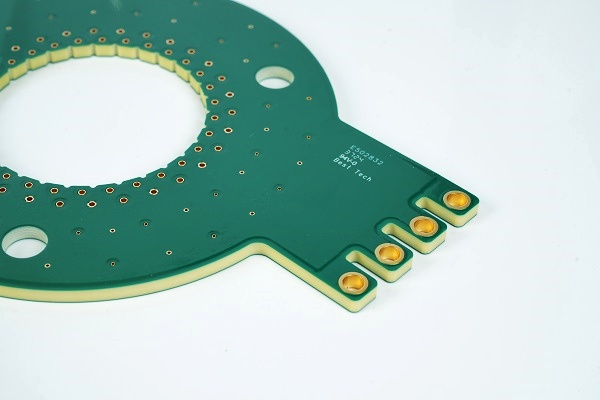
High speed PCB routing plays a critical role in signal integrity, system performance, and EMI control. When designing boards that operate at higher frequencies or faster edge rates, simple routing mistakes can lead to severe issuesâsuch as signal reflections, timing delays, and crosstalk.
To help engineers and designers avoid these common pitfalls, weâve outlined the 11 most effective high-speed PCB routing practices to keep your circuits stable and reliable.
1. Use Short and Direct Signal Paths
In high-speed designs, longer traces become transmission lines. This causes delays and possible signal degradation. The longer the path, the more distortion your signal might encounter. Thatâs why you should keep all critical netsâlike clocks, differential pairs, and high-speed data linesâas short and direct as possible.
For example, a 2-inch trace might seem negligible, but at 5Gbps speeds, even a small delay could impact timing budgets. The best routing practice is to go from point A to point B without meandering.
Choose the correct trace width based on the PCB stackup.
Keep dielectric thickness uniform.
Avoid inconsistent copper weights.
EBest Circuit (Best Technology) helps you calculate and verify impedance before production using simulation tools and TDR measurements.
3. Avoid 90-Degree Trace Bends
Sharp bends look neat, but at high frequencies, they act like mini antennas. A 90-degree corner changes the trace width at the bend, creating impedance discontinuity and increasing EMI.
Instead of sharp corners, route traces using:
Two 45-degree angles
Or a smooth arc
This method maintains uniform impedance, reduces reflections, and looks cleaner from a manufacturing standpoint.
4. Implement Solid and Continuous Ground Planes
Every signal needs a return path, and that path usually travels directly under the trace on the ground plane. If that plane is broken or has cutouts, the return path becomes longer and induces unwanted noise.
To fix this:
Place a solid, unbroken ground plane beneath high-speed layers.
Avoid crossing plane splits with high-speed signals.
Minimize layer transitions that force return paths to detour.
EBest Circuit (Best Technology) uses dedicated ground planes and simulation validation to ensure return paths are uninterrupted.
5. Match Lengths of Differential Pairs
Differential pairs, such as USB, HDMI, or LVDS lines, must be length-matched to prevent signal skew. If one trace is longer than the other, the timing mismatch can cause errors.
Some tips:
Match lengths to within a few mils.
Maintain consistent spacing (edge-to-edge).
Route them together, avoiding different layers unless absolutely needed.
At EBest Circuit (Best Technology), we support tight differential pair matching down to ±5 mil during production.
6. Minimize the Use of Vias
Every via adds capacitance and inductance, which degrades signal quality. High-speed signals donât like jumping between layers unless absolutely necessary.
If you must use vias:
Keep them short and consistent.
Avoid unnecessary layer transitions.
Use via stitching to maintain continuous return paths.
Our engineering team optimizes via placement and offers blind and buried vias for complex HDI boards to reduce signal loss.
7. Use Proper Termination Techniques
Termination prevents reflections and stabilizes high-speed signals. Whether itâs series, parallel, or AC termination, it depends on your driver and load setup.
For instance:
Series termination works well for point-to-point connections.
Parallel termination helps in multi-drop setups.
Improper termination can cause overshoot, ringing, or logic errors. We assist customers in selecting proper termination resistors during DFM review.
8. Isolate Analog and Digital Grounds
Mixing analog and digital signals is risky. Digital circuits generate switching noise that can interfere with sensitive analog components.
Good layout practices include:
Keeping analog and digital circuits physically separated.
Avoiding crossover between analog and digital return paths.
Using ground islands connected at a single point if necessary.
Our layout reviews always evaluate signal isolation to avoid interference in mixed-signal boards.
9. Route Differential Pairs Together
Differential pairs must be routed together, in parallel, and on the same layer. If one signal strays away or loops, it creates an imbalance, which defeats the benefit of differential signaling.
Also:
Avoid routing them across split planes.
Keep them tightly coupled (consistent spacing).
Avoid fan-out unless necessary at termination points.
Our advanced PCB manufacturing equipment keeps tight trace spacing and alignment even on high-density interconnects (HDI).
10. Observe Return Current Paths
High-speed return currents donât follow the shortest pathâthey follow the path of least inductance, usually right beneath the trace.
Interrupting that path causes:
Ground loops
Crosstalk
Increased EMI
To prevent this:
Avoid crossing plane splits with signal traces.
Use stitching vias to keep the return path near.
Place decoupling capacitors close to where the signal changes layer.
We validate return paths during layout verification using signal integrity tools.
11. Use Stitching Capacitors and Ground Vias
To suppress high-frequency noise and EMI:
Use stitching capacitors between power and ground.
Place ground vias near signal transitions and connectors.
These components act like firewalls, keeping noise from traveling across the board.
We help customers determine the best placement for decoupling caps and ground stitching to maintain signal purity.
Why Trust EBest Circuit (Best Technology) for Your High-Speed PCB Projects?
At EBest Circuit (Best Technology), we specialize in advanced PCB manufacturing and assembly solutions, supporting industries like automotive, aerospace, medical, and telecom. With ISO-certifications, we bring rigorous quality control to every project.
Since its establishment in 2006 as a printed circuit board manufacturer, EBest Circuit (Best Technology) has focused on high-quality, low to medium-volume PCB fabrication, PCB assembly and electronics manufacturing. Our products and services include 1-40 layers printed circuit boards, thru-hole assembly, SMT assembly including BGA assembly, components sourcing, turnkey box build and electronic product development. Whether you need quick-turn prototypes or volume production with controlled impedance, we’re your reliable partner in high-speed design.
High-speed PCB design is more than just routingâitâs about understanding physics, signal behavior, and layout strategy. At EBest Circuit (Best Technology), we not only manufacture your boards, but also optimize them for real-world performance.
Whether you need HDI PCBs, controlled impedance, differential pair routing, or quick prototypes, our team is ready to help.
👉 Letâs turn your next design into a high-speed success. Contact us now to get a quote or design consultation!
Frequently Asked Questions (FAQs)
1. What is considered a high-speed signal in PCB design?
Any signal with a rise/fall time below 1ns or operating above 100MHz is considered high-speed, as it starts behaving like a transmission line.
2. Can I use auto-routing for high-speed signals?
Auto-routers are not recommended for high-speed nets. Manual routing provides better control over trace length, impedance, and matching.
3. What is skew in differential pairs?
Skew refers to the time delay between the two signals in a differential pair. Skew can cause data errors and must be minimized.
4. How do I calculate trace impedance?
Trace impedance depends on trace width, thickness, dielectric height, and PCB material. Use online calculators or simulation tools like Polar or Altium.
5. Can I run high-speed signals on outer layers?
Itâs better to route high-speed signals on internal layers between solid ground planes to reduce EMI and maintain impedance.
China PCBA PCB assembly offers a fast, reliable solution for electronics manufacturing with high quality and immediate delivery. In this blog, we will show you the customer pain points, our competitive edges, PCBA PCB assembly capacities, qualification certifications, etc. EBest Circuit (Best Technology) is a turnkey EMS PCB manufacturer offering high quality China PCBA PCB assembly by immediate delivery in world markets. We have 19 years of experience in the PCB & SMT PCBA industry. If you are interested in PCB assembly China, please contact us via our contact link here.
China PCBA PCB Assembly Pain Points from Customers
Quality Control Issues
Supply Chain Management
Soldering Process Challenges
Production Efficiency & Lead Time
Information & Data Management
After-sales Service Response
Category
Specific Issues
1. Quality Control Issues
– Component misalignment, soldering defects, open or short circuits at solder joints – Unstable raw material quality reduces overall product reliability – Manual operation errors lead to batch-level quality problems
2. Supply Chain Management
– Material shortages and delivery delays affect production schedules – Raw material price fluctuations make cost control difficult – Over-reliance on a single supplier creates supply chain vulnerability
3. Soldering Process Challenges
– High failure rate in BGA component soldering – Fine-pitch pads in high-density layouts are hard to solder – Inaccurate temperature control leads to thermal stress failures
4. Production Efficiency & Lead Time
– Traditional manufacturing methods are inefficient and slow – Manual paneling, dispensing, and other steps are time-consuming and error-prone – Lack of lean production mindset leads to wasted resources
5. Information & Data Management
– Complex production processes with poor traceability – Slow data collection makes real-time monitoring difficult – Troubleshooting takes time due to limited traceability
6. After-sales Service Response
– Long and complicated after-sales processes – Difficult to locate problems due to weak data tracking – Lack of a closed-loop system reduces problem resolution efficiency
What can EBest Circuit (Best Technology) offer you?
Rigorous Moisture Control for Soldering Reliability
Advanced SMT Equipment and High Precision Printing & Placement
Comprehensive Quality Control and In-line Inspection Systems
Full Traceability and First Article Inspection for Every Project
Specialized Capabilities in Large Boards, Selective Soldering, and Conformal Coating
NO MOQ Requirement, Supporting Oder QTY from Large Volume to Small Batch
Immediate Delivery with a Lead Time of 1-5 days
24/7 Rapid Responsiveness by Our Engineers and Account Representatives
SMD, Through Hole, Hand Soldering, Wire Assembly, DIP
Testing Capabilities
Functional Test, ICT, X-RAY, AOI, SPI, IC Programming, Aging Test
Box Building
Assembly of enclosures including metal and plastic housings
Quality and Certifications
Certified & Compliant Standards: ISO 9001, ISO 13485, IATF 16949, AS9100D Certified, and UL, REACH, RoHS Compliant
100% Flying Probe Test â Verifies electrical connectivity for prototype or low-volume PCBs without needing a fixture.
100% AOI (Automated Optical Inspection) â Full inspection of components and solder joints for placement accuracy, polarity, bridging, tombstoning, and missing parts.
X-RAY Alignment Inspection â Checks hidden solder joints (e.g., BGA, QFN) for misalignment, voids, and bridging.
Impedance Testing â Ensures controlled impedance traces meet design specifications, critical for high-speed signal transmission.
ICT (In-Circuit Test) â Detects manufacturing defects such as shorts, opens, component values, and soldering faults.
Functional Test (FCT) â Simulates real working conditions to verify the entire assembled board functions as intended.
SPI (Solder Paste Inspection) â Measures solder paste volume, height, area, and alignment before placement.
First Article Inspection (FAI) â Confirms all components are correctly placed and values are within tolerance before mass production.
Aging Test / Burn-in Test â Stresses the assembled boards under high temperature/load to identify early failures.
ESD Testing â Ensures boards are protected against electrostatic discharge during and after assembly.
Visual Inspection â Manual quality check for cosmetic and mechanical issues not easily captured by machines.
Continuity and Short Circuit Test â Verifies that there are no unwanted connections and all circuits are properly closed.
LED Lighting â LED drivers, street lights, automotive lighting, and smart lighting systems
IoT & Smart Devices â Smart home products, tracking devices, and wireless communication modules
Renewable Energy â Solar inverters, battery storage systems, and power controllers
Computing & Storage â Servers, SSDs, memory modules, and data processing boards
FAQs
Q: What is the minimum stencil thickness you can make? A: 0.06mm, 0.08mm, 0.10mm, 0.12mm.
Q: What is the recommended warming time, mixing time, and storage temperature for solder paste? A: The solder paste should be warmed to room temperature for about 4 hours before use. It needs to be mixed or stirred thoroughly for approximately 3 minutes to ensure uniform consistency. For storage, the solder paste should be kept refrigerated at a temperature between 2°C and 10°C to maintain its quality and shelf life.
Instant Quote
China PCBA PCB assembly is your trusted solution for high quality, fast turnaround, and reliable manufacturing to meet urgent project demands. If you have any further questions or would like to discuss the details of your project, please call us at +86-755-2909-1601 or email us at sales@bestpcbs.com. You can also chat with us through our online customer service option located on the right side of the Contact Us page.
In PCB layout design, routing angles have a direct impact on signal integrity, manufacturing quality, and overall board performance. The two most common routing anglesâ45-degree and 90-degreeâhave long been debated among engineers and designers. While both have their uses, the choice between them depends on electrical performance, fabrication processes, and design goals.
This blog explores the differences between 45-degree and 90-degree routing angles. Weâll break down how each angle affects your boardâs reliability, signal flow, and manufacturability. Youâll also get practical insights into when and why to choose one over the other.
Why Routing Angles Matter in PCB Design?
Routing angles may seem like a minor detail, but they carry more weight than you might expect. When copper traces change direction sharply, it impacts how current flows through the circuit. This is especially critical for high-speed and high-frequency designs. Uneven trace transitions can cause reflections, impedance discontinuity, and even signal degradation.
Aside from performance, routing angles influence how easy it is to manufacture, etch, and inspect the board. Smooth routing not only helps the signals but also improves the final product’s consistency and durability.
What Is a 90-Degree Routing Angle?
A 90-degree angle in PCB routing refers to a sharp right-angle corner where a trace takes a turn. It is often called a right-angle bend and used mostly in older or simpler PCB layouts.
Characteristics:
Easy to draw and route.
Common in low-frequency, analog, or single-layer PCBs.
Produces a clear, angular look on CAD tools.
Despite its simplicity, the 90-degree bend has downsides when it comes to electrical performance and manufacturing precision, which weâll explore in detail later.
What Is a 45-Degree Routing Angle?
A 45-degree angle is a more gradual, beveled bend in PCB traces. Instead of a sharp corner, the trace changes direction at an angle, forming a smoother path. Some layouts even use two 45-degree bends to make a soft curve.
Characteristics:
Smoother current flow.
Reduced signal reflection.
Preferred for high-speed and high-frequency circuits.
Many modern CAD tools default to 45-degree routing due to its positive effect on signal integrity and trace etching quality.
Main Differences Between 45-Degree and 90-Degree Angles
Feature
45-Degree Angle
90-Degree Angle
Signal Integrity
Better, due to smooth transitions
Worse, due to corner reflections
EMI/EMC
Lower emissions
Higher emissions
Manufacturing
Easier to etch; fewer defects
Etch traps can form at corners
Trace Length
Slightly longer
Shorter, more direct
CAD Complexity
Slightly harder to route manually
Very easy to route
Aesthetic & Professionalism
Industry standard for high-speed
Looks dated in modern designs
Why 90-Degree Angles Can Be a Problem?
1. Impedance Discontinuity
Sharp corners create impedance mismatches that disrupt uniform signal travel. This is especially noticeable in controlled impedance traces, where precision is key. Signal reflection at a 90-degree turn can distort waveforms and cause errors in communication lines.
2. Electromagnetic Interference (EMI)
A sharp angle acts like a small antenna. This increases electromagnetic emissions, which may lead to your product failing EMI compliance tests. It also raises the risk of cross-talk in dense layouts.
3. Etching Defects
During fabrication, etching around a sharp 90-degree corner can cause acid traps, where chemical etchants get stuck and over-etch the copper. This can weaken the trace or cause open circuits.
4. Signal Reflection
Right-angle bends can cause signal reflection and ringing, particularly at high frequencies. This distorts the signal waveform and affects timing, which is critical in fast digital or RF systems.
Why 45-Degree Routing Is Widely Used?
The use of 45-degree routing in PCB design has become a standard practice in the industry. While older layouts sometimes featured sharp 90-degree angles for simplicity, most modern PCB designs now adopt 45-degree bends. Below are the key factors that explain why 45-degree routing is widely used.
1. Smoother Signal Transitions
In high-speed PCB designs, signal integrity is everything. Signals travel along copper traces like waves, and any abrupt direction change can reflect or distort the waveform. A 90-degree corner creates a sudden path change, which introduces a small but sharp discontinuity.
2. Lower Electromagnetic Interference (EMI)
Electromagnetic interference (EMI) is a growing concern in todayâs electronics, especially in wireless and communication systems. Sharp trace corners such as 90-degree bends tend to behave like antennas. They concentrate electric fields and can emit higher levels of radiation, contributing to EMI. Designs that follow 45-degree routing are more likely to pass EMI compliance tests and meet international standards for electromagnetic compatibility.
3. Improved Manufacturability
From a manufacturing point of view, sharp corners can introduce several problems. During the etching process, chemical etchants used to remove unwanted copper may get trapped in 90-degree corners. These are known as acid traps. They can lead to over-etching, where too much copper is removed, or even undercutting, which weakens the trace at the bend.
4. Better Heat Distribution
Although routing angles donât directly affect thermal conductivity, trace shapes can influence heat flow, especially in power boards. Smooth traces, like those formed with 45-degree bends, allow more even heat distribution along the path. Sharp corners may act as stress points where heat can build up, potentially weakening the copper over time.
5. Supports High-Speed and RF Design Standards
High-speed digital and RF designs demand strict control over trace geometry, impedance, and layout structure. In such designs, even minor trace irregularities can lead to signal degradation, noise coupling, or timing issues. Most high-speed PCB design guidelinesâsuch as those for DDR memory, USB 3.0, HDMI, or RF transceiversâexplicitly discourage the use of 90-degree angles.
How to Avoid 90-Degree Angles in PCB Design?
Most PCB layout software supports angle snapping, which makes it easy to design 45-degree routes. Here are a few tips:
Use 45-degree snap mode in your routing tool.
Use arc routing for smoother transitions in sensitive areas.
Double-bend technique: Instead of a single 90-degree, use two 45-degree bends to redirect the trace.
Check your DRC (Design Rule Check) for right-angle warnings if available.
Many RF and microwave design rules prohibit 90-degree bends.
Professional board reviewers often flag right angles as poor practice.
Following these standards doesnât just improve performanceâit also gives clients and manufacturers confidence in your designs.
Common Myths About Routing Angles
Myth 1: 90-Degree Bends Always Break the Signal
Not always. If you’re working with low-speed signals or power lines, the impact is negligible. The problem grows with frequency, edge rate, and sensitive signals.
Myth 2: 45-Degree Routing Takes More Space
It may take a tiny bit more space, but not enough to justify poor signal integrity. Most modern designs can accommodate 45-degree bends with minor effort.
Myth 3: 90-Degree Angles Are Cheaper to Fabricate
Not true. They can actually increase manufacturing costs due to over-etch risks or inspection failures.
Why Choose EBest Circuit (Best Technology) for PCB Design and Manufacturing?
At EBest Circuit (Best Technology), we go beyond just making PCBs. We help you design better boards from the start. Whether you’re routing high-speed digital signals or managing dense analog layouts, our engineering team follows best practicesâincluding angle rulesâto improve your product’s performance.
We are certified under ISO9001, ISO13485, IATF16949, and AS9100D, with an MES system that ensures traceability and quality control. We specialize in both standard and complex PCB manufacturing, including HDI, RF, and metal-core designs.
Contact Us Today
If you need help with routing strategy or want high-quality PCB production, our team is ready. From prototype to volume production, we can support your needs with fast delivery, quality control, and engineering guidance.
📩 Reach out now to get your quote and talk to our experts.
FAQs
1. Do 90-degree angles always cause EMI issues?
Not always. At low frequencies, the impact is minimal. But in high-speed or RF designs, they can be problematic.
2. Is 45-degree routing mandatory for all traces?
Itâs not mandatory, but itâs highly recommended for signal traces, especially in complex or fast designs.
3. Can I use rounded corners instead of 45-degree angles?
Yes. Rounded corners are even better for very high-speed signals but may increase layout complexity.
4. Are 90-degree bends allowed in power planes?
Yes. Since power planes donât carry high-speed signals, 90-degree turns are generally safe there.
5. How can I check for right angles in my layout?
Use your PCB toolâs DRC (Design Rule Check) to scan for sharp angles or manual review if needed.
Looking for 2L aluminum base PCB prototyping solutions? This guide explores everything from material specs to cost-saving prototyping strategies for high-performance LED panel.
18 Years of Thermal Management Expertise â Your LED Panel’s Heat Dissipation Solved!
Thermal Throttling? â Our “Heat Tunnel” via design drops junction temps by 40%
Prototype Delays? â CAD-to-board in 24 hours with real-time DFM feedback
Signal Noise? â Isolated power planes maintain 65dB EMI suppression
Precision Thermal Control â 2L aluminum base PCB with 8W/m·K conductivity prevents LED lumen decay under 85°C continuous operation
Instant Prototyping â 24-hour rapid sampling with ±0.1mm drilling accuracy for design verification
Cost-Smart Design â Panelization-ready layouts reduce 15% material waste vs. standard FR4
Vibration Resistance â 1.5mm aluminum substrate withstands 20G mechanical shock in outdoor LED displays
Every 2L Aluminum base PCB â A Thermal Guardian for Brighter LED Performance! Welcome to contact us now: sales@bestpcbs.com.
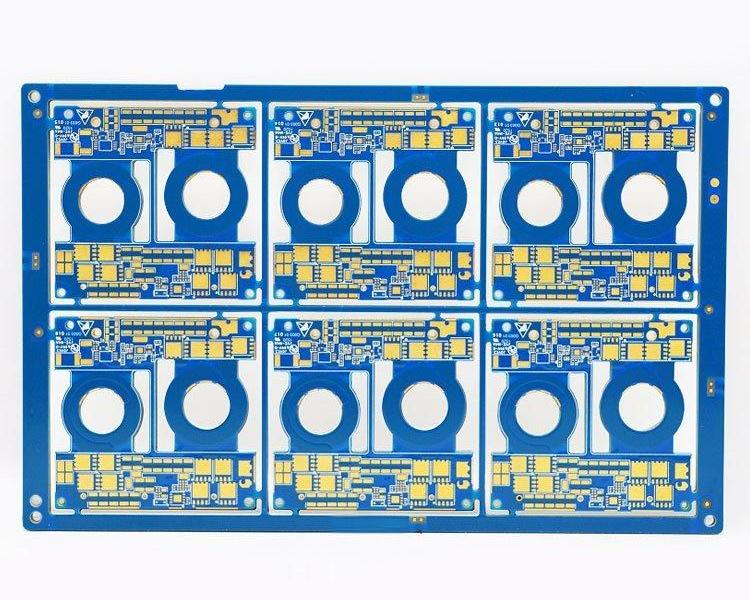
What Is 2L Aluminum Base PCB?
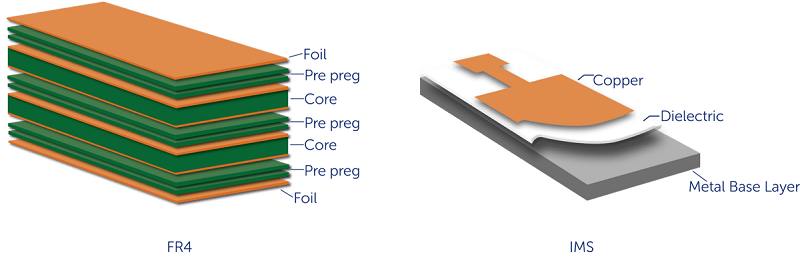
A 2L aluminum base PCB, also known as a double-layer aluminum substrate printed circuit board, is a specialized type of PCB designed for applications requiring efficient heat dissipation and mechanical stability. Unlike traditional PCBs, it features a layered structure with a conductive circuit layer bonded to an aluminum base, which acts as a heat sink to quickly transfer and disperse thermal energy.
This design makes 2L Aluminum Base PCBs particularly useful in high-power LED lighting, power converters, and automotive electronics, where managing excessive heat is essential for performance and longevity. The aluminum core not only enhances thermal conductivity but also provides structural rigidity, reducing warping under thermal stress. Additionally, the double-layer configuration allows for more complex circuitry while maintaining compact dimensions.
Due to their durability and thermal management capabilities, these PCBs are increasingly preferred in industries where reliability and heat resistance are priorities. Their construction typically includes a dielectric layer to ensure electrical insulation between the circuit and the metal base, balancing electrical functionality with thermal efficiency.
What Is Stackup Structure of 2L Aluminum Base PCB?
Below are the stackup structure of a 2L aluminum base PCB:
Top Copper Layer (Circuit Layer)â
Typically 1â4 oz copper foil thickness
Contains etched conductive traces and component mounting pads
Supports surface-mount device (SMD) assembly
Dielectric Insulation Layerâ
Composed of thermally conductive polymer (e.g., polyimide or epoxy) with ceramic fillers
Superior Heat Dissipationâ – The aluminum core efficiently transfers heat away from LED chips, preventing overheating and extending lifespan by maintaining stable operating temperatures.
Enhanced Durabilityâ – Aluminumâs structural rigidity reduces warping under thermal cycling, ensuring long-term reliability in high-power or continuous-use LED installations.
Improved Energy Efficiencyâ – Effective thermal management minimizes energy loss due to heat buildup, optimizing LED brightness and power consumption.
Compact Design Flexibilityâ – The double-layer construction allows complex circuitry in a slim profile, enabling sleek, space-saving LED panel designs without compromising functionality.
High Current Capacityâ – Thicker copper layers (up to 10 oz) support robust electrical pathways, ideal for high-intensity LEDs or densely packed arrays.
Simplified Thermal Interfaceâ – Eliminates the need for additional heat sinks in many designs, reducing assembly steps and material costs.
Consistent Light Outputâ – Stable temperature control prevents luminance degradation over time, maintaining uniform brightness across the LED panel.
How to Choose the Right 2L Aluminum PCB Prototype Manufacturer for Your LED Panel?
Methods about how to choose the right 2L aluminum PCB prototype manufacturer for your LED panel:
Verify Thermal Management Specialization
Confirm the manufacturerâs expertise in thermal simulation (e.g., ANSYS Icepak) for validating heat dissipation paths in your design. Request case studies demonstrating successful thermal solutions for LED arrays exceeding 100W. Ensure dielectric materials meet â„1.5 W/mK thermal conductivity with UL 94 V-0 flame ratings.
Assess Aluminum-Specific Process Controls
Require documentation of aluminum substrate pretreatment (chemical cleaning, anodization) to prevent delamination. Validate micro-etching techniques maintaining â€3ÎŒm copper line precision and AOI systems detecting 15ÎŒm defects. Thermal shock testing protocols (-40°C to +150°C cycling) should be mandatory.
Evaluate Rapid Prototyping Capabilities
Prioritize suppliers offering â€72-hour prototype turnaround with live production tracking. Confirm readiness for engineering changes during fabrication without cost penalties. Small-batch capabilities (5-10 boards) with panelization efficiency â„90% reduce material waste.
Scrutinize LED-Specific DFM Support
Demand manufacturers provide design rule checks (DRC) for high-current traces (â„3A/mmÂČ) and thermal pad optimization. Verify impedance control for mixed-signal designs and anti-caustic solder mask formulations resisting LED chemical exposure.
Confirm Multi-Stage Testing Protocols
Ensure 100% electrical testing includes HV isolation (â„1500V AC/DC) between layers and aluminum base. Require thermal imaging reports showing â€15°C hotspot differentials across LED clusters. Microsection analysis should validate dielectric thickness consistency (±10%).
Review Scalability Pathways
Audit transition plans from prototypes to mid-volume production (1k-5k/month). Assess material inventory buffers for aluminum substrates and compatibility with automated SMT lines handling panel sizes â„350Ă450mm.
Validate Supply Chain Transparency
Require full material traceability including aluminum alloy grades (e.g., 5052/6061) and dielectric batch numbers. MES systems should provide real-time defect analytics and CPK data for critical parameters like copper thickness and insulation resistance.
How to Ensure 2L Aluminum PCB Prototype Fits Your LED Panel Design?
Ways to ensure 2L aluminum PCB prototype fits your LED panel design:
Validate Design Files Pre-Production
Submit Gerber files, BOM, and assembly drawings to your manufacturer for a Design for Manufacturing (DFM) review. Confirm copper trace widths, via diameters, and solder mask layers align with the fabricatorâs capabilities to avoid costly rework.
Match Material Specifications to LED Requirements
Select aluminum substrate thickness (e.g., 1.5 mm for standard LED panels) and dielectric thermal conductivity (1.5â2.0 W/m·K) based on your LEDâs power dissipation. Thicker copper layers (2 oz+) improve current handling for high-brightness LEDs.
Incorporate Thermal Vias and Pads Strategically
Add thermal vias beneath LED footprints to enhance heat transfer to the aluminum base. Ensure via diameters and spacing comply with your manufacturerâs drilling limits to prevent misalignment during assembly.
Test Mechanical Fit Early
Request a bare prototype board to verify mounting hole positions, panel cutouts, and edge clearances against your enclosure or heat sink. This prevents assembly delays caused by dimensional mismatches.
Simulate Thermal Performance Digitally
Use thermal simulation tools to model heat flow from LEDs to the aluminum core. Compare results with real-world IR temperature testing on the prototype to refine dielectric layer thickness or copper weight.
Collaborate on Tolerance Stack-Up
Work with your PCB supplier to define acceptable tolerances for board thickness, copper plating, and solder resist. Tighter tolerances (e.g., ±0.1 mm for board edges) ensure consistent alignment in multi-panel assemblies.
Perform Functional Testing Under Real Conditions
Subject the prototype to accelerated aging tests at elevated temperatures (85°C+) and current loads matching your LEDâs maximum rating. Monitor for solder joint fatigue or dielectric layer degradation before full-scale production.
How to Reduce the Cost of 2L Aluminum PCB Prototyping for LED Panels?
Maximize Panel Utilization via Array Nesting
Action: Arrange multiple PCB designs on a single production panel (e.g., 8â12 small LED modules per 300mmĂ400mm panel).
Cost Saved: Up to 40% on material costs by reducing scrap and optimizing aluminum substrate usage.
Standardize Material Specifications
Action: Use common aluminum thicknesses (1.5mm) and dielectric layers (1.6mm prepreg, 1.5W/m·K thermal conductivity).
Cost Saved: 15â20% through bulk purchasing discounts and shorter lead times.
Select HASL Surface Finish for Non-Critical Areas
Action: Apply HASL to most of the board and reserve ENIG only for fine-pitch components.
Cost Saved: 25â30% per unit by avoiding premium ENIG pricing (0.25â0.30/sq.in. vs. 0.10â0.15/sq.in. for HASL).
Early Design for Manufacturing (DFM) Collaboration
Action: Engage your fabricator during layout design to fix issues like overly tight tolerances.
Cost Saved: 30â50% on rework fees by eliminating errors before production (e.g., widening traces reduces etching scrap by 30%).
Order Prototypes in Small Batches for Volume Discounts
Action: Request 5â10 units instead of 1â2 to qualify for tiered pricing.
Cost Saved: 10â25% per unit
Reuse Modular Test Fixtures
Action: Design adjustable jigs with interchangeable LED holders and thermal sensors.
Cost Saved: 60â70% on test setup costs by avoiding custom fixtures for each design revision.
Adopt Open-Source Component Libraries
Action: Use pre-certified LED footprints (e.g., KiCadâs 3535/5050 packages) instead of custom designs.
Cost Saved: 40% on engineering time, saving 400â800 per project in labor costs.
How to Align 2L Aluminum PCB Prototypes with Your Fabrication Requirements?
Collaborate Early on Design for Manufacturability (DFM)
Share your design files (Gerber, BOM, assembly drawings) with your fabricator before prototyping. They can flag issues like incompatible trace widths, insufficient solder mask clearances, or unrealistic tolerance demands. This reduces rework risks and ensures the design aligns with their machinery capabilities.
Specify Material and Thermal Performance Upfront
Clearly define aluminum substrate thickness (e.g., 1.0mm, 1.5mm), dielectric thermal conductivity (1.0â3.0 W/m·K), and copper weight (1â3 oz). For example, high-power LEDs require 2.0 W/m·K dielectric to prevent overheating. Providing these specs upfront prevents delays from material substitutions.
Define Tolerances and Surface Finish Requirements
Set acceptable tolerances for board thickness (±10%), hole diameters (±0.05mm), and copper plating (±10%). Choose surface finishes like HASL or ENIG based on your assembly process (e.g., wave soldering vs. reflow). Vague specs lead to mismatched prototypes and costly revisions.
Include Fabrication Notes for Special Features
Highlight non-standard elements like countersunk holes, edge plating, or blind vias in your documentation. For instance, a note like â0.5mm depth countersink required for M3 screwsâ ensures manufacturers allocate the right tools and avoids errors during drilling.
Conduct Pre-Production Thermal Simulations
Use software to model heat dissipation from LEDs to the aluminum base. Compare results with fabricator-provided dielectric specs. For example, a simulation might reveal that 1.5mm aluminum with 2.0 W/m·K dielectric keeps junctions below 90°C, validating your material choices.
Agree on Testing and Quality Assurance Protocols
Define acceptance criteria like dielectric breakdown voltage (â„1.5kV DC), peel strength (â„1.4 N/mm), and solderability (per IPC-J-STD-003). Including these in your purchase order ensures prototypes meet reliability standards before shipment.
How to Improve the Efficiency of 2L Aluminum PCB Prototyping for LED Panels?
Automate Design Rule Checks (DRC) with DFM Software
Use PCB design software (e.g., Altium, Eagle) with built-in DFM tools to auto-detect issues like trace spacing violations or incompatible hole sizes. This reduces manual review time by 50â70% and catches errors before fabrication.
Adopt Parallel Engineering for Design and Testing
Begin thermal simulation and reliability testing planning while finalizing the PCB layout. For example, start sourcing thermal test chambers and drafting validation protocols during design iterations, shortening overall project timelines by 2â3 weeks.
Use Rapid Prototyping Technologies
Prioritize laser-cut stencils and automated solder paste printers instead of manual stencils. Laser-cut stencils improve solder paste deposition accuracy by 30%, reducing rework from bridging or insufficient joints.
Implement Real-Time Collaboration Platforms
Share 3D PCB models and thermal simulations with fabricators via cloud platforms (e.g., Onshape, Fusion 360). Real-time feedback loops cut communication delays by 40â60%, accelerating design iterations.
Leverage Pre-Certified LED Driver Circuit Libraries
Use vendor-provided reference designs for LED drivers. These libraries reduce schematic entry time by 40% and ensure compliance with safety standards like UL or IEC.
Utilize Modular Test Fixtures with Quick-Change Inserts
Design fixtures with magnetic or snap-fit inserts for different LED panel sizes. A modular system reduces setup time by 70% compared to custom fixtures, enabling faster functional testing across prototypes.
Prioritize In-House Thermal Imaging During Validation
Invest in a low-cost thermal camera (500â1,000) to validate heat dissipation during early testing. Identifying hotspots in-house cuts reliance on external labs by 50%, accelerating design tweaks by 2â4 days per iteration.
Conclusion
This guide has explored the critical advantages of 2L Aluminum Base PCBs for LED panels, from their superior thermal management to cost-effective prototyping strategies. By understanding stackup design, material selection, and manufacturer alignment, you can optimize both performance and production efficiency. For reliable rapid prototyping with guaranteed thermal conductivity (â„2.0 W/m·K) and 24-hour turnaround options, contact EBest Circuit (Best Technology) for a competitive quotation. Our expertise in LED-specific aluminum PCBs ensures your design transitions seamlessly from prototype to mass production. Request your customized quote today to accelerate your LED panel development timeline: sales@bestpcbs.com.
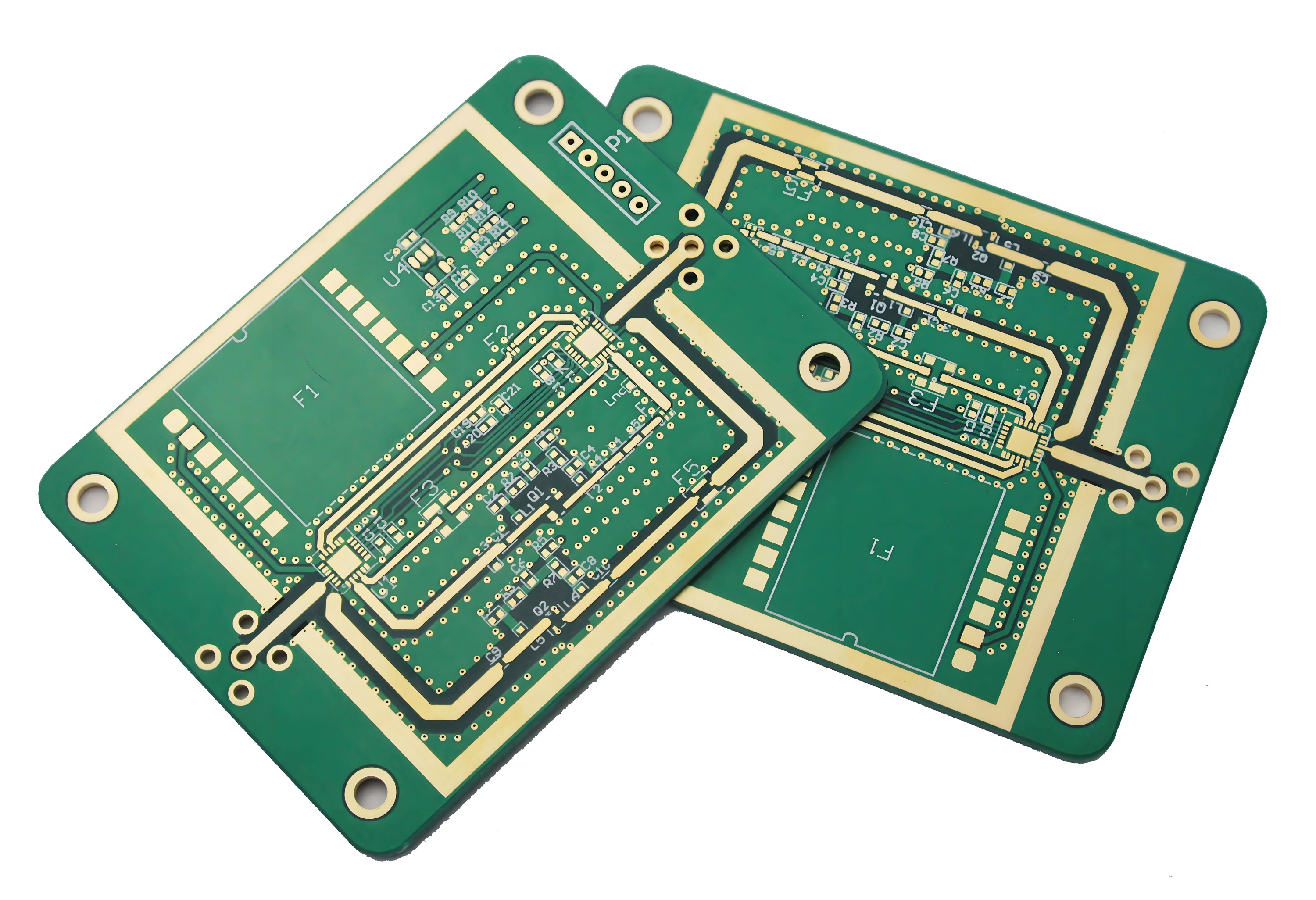
China SMT PCBA is the first choice for many global brands when they need speed, flexibility, and quality all in one package. In recent years, more companies have switched to turnkey services to cut costs and reduce lead time. But not all suppliers are equal. Thatâs why understanding what makes a solution truly premium is key to making the right decision.
EBest Circuit (Best Technology) offers premium quality China SMT PCBA turnkey solutions in the global market. Our customer orders can be ârouted flexiblyâ through our âSMT facilities in China or Vietnam, subject to âtechnical requirementsâ and âtrade considerationsâ. The advanced equipment, comprehensive process control, and intelligent manufacturing capabilities give us a competitive edge over the average competitors. âOur SMT factories are equipped with state-of-the-art equipment, including high-speed chip mounters from Panasonic, as well as SMT PCBA machines from YAMAHA and JUKI. We also utilize advanced inspection tools, such as 3D AOI, X-ray machines, and 3D SPI. Feel free to send us an e-mail at sales@bestpcbs.com for turnkey SMT PCBA solutions.
What Services Are Included in a China SMT PCBA Turnkey Solution?
A full turnkey service means more than just soldering components. It covers the entire journeyâcomponent sourcing, PCB fabrication, SMT and DIP assembly, testing, packaging, and even delivery. Some providers also assist with design verification or offer DFM checks early in the process to prevent future issues. With a reliable partner, you get all services from a single source, reducing delays and miscommunication.
Who Is the Best Manufacturer of China SMT PCBA?
The best partner is one who delivers quality consistently and solves customer demands. EBest Circuit (Best Technology) stands out for its combination of advanced MES systems, certified quality management (ISO 9001, ISO 13485, IATF 16949, AS9100D), and real-time material tracking. Itâs not just about making boards. Itâs about helping customers reduce their defect rate, stay on schedule, and get traceable production data.
Who Is the Largest China SMT PCBA Manufacturer?
While there are large players like Foxconn or BYD that serve big OEMs, mid-size companies often need faster responses and more flexibility. Thatâs where EBest Circuit (Best Technology) shines. With factories in both Shenzhen and Dongguan, and dedicated engineering teams, Best offers tailored PCBA services without the high MOQs and long queues seen at large OEM suppliers.
How Does PCBA in China Compare to Other Regions in Terms of Cost and Quality?
China provides a unique mix of cost advantage and technical depth. While countries like Vietnam offer lower wages, they often lack strong supply chains and technical support. In contrast, China SMT PCBA manufacturers like EBest Circuit (Best Technology) combine automation, quality control, and skilled labor, which drives down rework rates and total cost over the project lifecycle.
How to Evaluate the Quality of a China SMT PCBA Manufacturer?
Start with certifications. Look for ISO, IATF, or medical-grade credentials. Then dig deeper. Do they use SPI, AOI, ICT, and X-ray inspection? Can they provide traceable data for every step? At EBest Circuit (Best Technology), full process control and material tracking are standard. Our MES system gives real-time visibility into material use, which helps solve problems like stock errors or replenishment delays.
What Should You Check Before Choosing a China SMT PCBA Manufacturer?
Check these points:
Do they have in-house PCB fabrication or rely on outsourcing?
Can they handle small batch orders and scale when needed?
Do they support after-sales engineering and rework?
EBest Circuit (Best Technology) not only ticks all the above boxes but also helps manage unexpected changes. Whether it’s last-minute part replacements or urgent lead time adjustments, we respond fast with flexible production plans.
Why Choose EBest Circuit (Best Technology) for China SMT PCBA?
Hereâs why so many brands rely on us:
ERP + MES Integration:Â We solve warehouse and stock visibility issues by using ERP and MES systems. No more line-side material delays.
Intelligent Production:Â Our SMT lines include inline SPI, AOI, and X-ray checks, reducing solder defects like cold joints, shorts, or bridging.
Responsive Team:Â Fast DFM feedback, rapid quote turnaround, and 24/7 engineering support make project launch smoother.
Custom-Tailored Support:Â We help you find the balance between cost and quality, even with complex or high-mix builds.
To sum up, choosing the right China SMT PCBA partner is more than finding the lowest price. Itâs about trust, responsiveness, and being ready to handle complexity. EBest Circuit (Best Technology) doesnât just assemble boards. We help solve deeper challengesâlike poor stock management, unclear traceability, inconsistent soldering, and late deliveries.
With our strong process control, real-time systems, and highly responsive team, we help you reduce risk, speed up delivery, and improve product reliability. If you’re looking for a long-term PCBA partner who understands real manufacturing needs, we’re ready to help. Please feel free to e-mail us directly at sales@bestpcbs.com for a viable solution for China SMT PCBA.
Struggling with waterproof circuit board failures in harsh environments? This guide covers prototyping essentials from material selection to cost-performance optimization for reliable waterproof PCBs.
Waiting for samples for a long time? – 24-hour lightning delivery, 5 times faster than peers
Waterproof does not meet the standard? – Triple protection process, 72-hour salt spray test zero failure
Small batch cost is high? – Shared engineering fee model, free mold opening fee within 5 pieces
Mass production conversion is difficult? – Use the same equipment and process for mass production, yield deviation <0.5%
EBest Circuit (Best Technology) provide
Ultra-fast sample service – 24-hour ultra-fast delivery process, tracking the whole process from document confirmation to finished product shipment
Full process support – Nano-level three-proof paint spraying process, passed IP68 waterproof test
Intelligent detection system – Automatic optical inspection (AOI) + manual re-inspection double insurance, first sample pass rate 99.2%
Full process support – Free DFM analysis + engineering confirmation to ensure the design is successful at the first time
Let every waterproof circuit board withstand the test of extreme environments! Contact us now: sales@bestpcbs.com.
What Is Waterproof Circuit Board?
A waterproof circuit boardis a printed circuit board engineered to resist water, moisture, and other liquids, preventing damage such as electrical shorts, corrosion, or component failure. Often essential in environments like outdoor electronics, marine systems, or medical devices, it ensures electronics operate reliably despite exposure to wet conditions.
Achieving this involves protective methods, for example, applying conformal coatingsâthin protective films made from materials like silicone or acrylicâthat cover components to repel water. Alternatively, potting compounds encapsulate the entire board in a solid barrier, while design features such as sealed enclosures or gaskets enhance resistance. These approaches help maintain functionality in demanding applications, from automotive sensors to industrial controls.
How to Waterproof Circuit Board?
Hereâs how to waterproof circuit boards:
Apply Conformal Coating
Use a silicone, polyurethane, or parylene coating to create a thin, protective layer. These materials resist moisture, chemicals, and temperature extremes.
Ensure even coverage on components, solder joints, and exposed traces. Mask connectors or ports before coating to prevent adhesion issues.
Use Encapsulation Resins
For harsh environments, fully encapsulate the PCB in epoxy or polyurethane resin. This provides mechanical protection and prevents water ingress.
Prioritize low-viscosity resins to avoid air bubbles, which can weaken the seal.
Design with Waterproof Enclosures
House the PCB in a sealed enclosure made of aluminum, stainless steel, or high-temperature plastic (e.g., PPS or PEEK).
Use gaskets (e.g., silicone or fluorosilicone) and compression fittings to maintain IP67/IP68 ratings.
Seal Connectors and Ports
Use potting compounds (e.g., epoxy or RTV silicone) around cable entries to prevent water wicking.
Install waterproof connectors with O-rings or heat-shrink tubing for external interfaces.
Optimize Component Selection
Choose components with IP67+ ratings (e.g., sealed switches, LEDs with diffused lenses).
Avoid electrolytic capacitors or exposed metal contacts in humid environments.
Implement Ventilation Solutions
Add hydrophobic membranes (e.g., Gore-Tex) to enclosures to equalize pressure while blocking moisture.
Position vents away from direct spray or immersion zones.
Test for Reliability
Conduct IP water immersion tests (e.g., 30 minutes at 1m depth) and thermal cycling (-40°C to 85°C) to validate sealing.
Use dye penetration tests to identify microscopic leaks in coatings or enclosures.
What Are the Best Practices for Applying Waterproof Paint to Circuit Boards?
Clean the Board Thoroughly: Use isopropyl alcohol (99% purity) and a soft-bristle brush to scrub away flux residues, dust, and oils. Wipe with lint-free cloths and allow full evaporation (15â30 minutes) before proceeding.
Apply Conformal Coating Precisely: Select silicone for flexibility or polyurethane for chemical resistance. Use a spray gun (for large boards) or dipping tank (for small batches). Apply two thin layers (25â50 microns each), avoiding puddles. Cure at 60â80°C for 1 hour if using heat-activated coatings.
Encapsulate High-Risk Components: For boards exposed to submersion, fill enclosures with epoxy resin. Use a vacuum chamber to eliminate bubbles during curing. Leave 2â3mm gaps near walls to allow thermal expansion.
Seal Enclosures with Custom Gaskets: Mold silicone gaskets to fit irregular edges. Use O-rings for cylindrical joints. Coat gaskets lightly with silicone grease to prevent sticking while maintaining seal integrity.
Choose IP68-Rated Connectors: Replace standard connectors with models featuring double seals and overmolded cables. Test connections by submerging in 1m-deep water for 24 hours.
Elevate Components Strategically: Raise capacitors and microcontrollers by 0.5â1mm using adhesive spacers. This prevents water pooling near solder joints during condensation.
Validate with Rigorous Testing: Inspect coatings quarterly using a 10x loupe. Reapply paint to worn areas with a fine-tipped brush. Replace gaskets annually if operating in saltwater environments.
How to Prevent Water Damage to Sensitive Components on Waterproof PCBs?
Apply Brush-On Silicone Coating to Critical Zones: Manually coat ICs, connectors, and exposed traces with silicone conformal paint. Reapply every 12 months in humid environments to maintain barrier integrity.
Use Capillary Underfill for BGA/QFN Chips: Inject epoxy underfill between BGA solder balls to block water paths. Cure at 120°C for 90 seconds to lock components and reduce thermal fatigue.
Elevate Sensors with 1mm Adhesive Standoffs: Mount moisture-sensitive parts (e.g., MEMs) on 1mm-thick polyimide spacers. Prevents condensation pooling near solder joints during temperature shifts.
Seal Edge Connectors with Polyurethane Gaskets: Fit 0.5mm-thick polyurethane seals around card-edge connectors. Pair with gold-plated contacts to resist saltwater corrosion in marine applications.
Treat RF Components with Fluoropolymer Spray: Apply hydrophobic fluoropolymer coating to antennas and sensors. Maintains signal quality while repelling water droplets in rainy conditions.
Design 3° Drainage Angle in Enclosures: Tilt PCBs slightly inside waterproof cases to direct water toward vents. Avoids pooling near low-profile components like capacitors.
Test with 95% RH Accelerated Aging: Run prototypes at 60°C/95% RH for 1000 hours while monitoring failures. Identify delamination points or corroded traces before mass production.
How to Improve the Water Resistance of Waterproof PCBs in High-Temperature Environments?
Here are practical strategies to enhance the water resistance of waterproof PCBs in high-temperature environments:
Prototypes confirm whether conformal coatings, gaskets, or encapsulation methods actually block moisture. Testing reveals weaknesses like uneven coating coverage or seal gaps before mass production.
Reduce Long-Term Costs
Fixing waterproofing flaws during prototyping saves rework expenses later. For example, identifying a faulty O-ring design early prevents costly recalls or warranty claims post-launch.
Ensure Regulatory Compliance
Prototypes undergo IP67/IP68 immersion tests or MIL-STD-810G environmental trials to meet industry standards. Certification delays are avoided by addressing failures at the prototype stage.
Optimize Performance Balance
Testing ensures waterproofing measures (e.g., thick coatings) donât impair thermal dissipation or signal integrity. Prototypes reveal if heat sinks need redesign or RF shielding adjustments.
Accelerate Time-to-Market
Early-stage validation streamlines development. For instance, confirming a nano-coatingâs cure time prevents production bottlenecks later when scaling.
What Are the Most Common Causes of Failure in Waterproof Circuit Board Prototypes?
Here are the most common causes of failure in waterproof circuit board prototypes, along with actionable solutions:
Inadequate Conformal Coating Application
Issue: Inconsistent coating thickness or missed areas (e.g., under components, near stitching vias) leave gaps for moisture ingress.
Solution: Use selective spray coating or automated dispensing for even coverage. Inspect with UV light after curing.
Poor Enclosure Seal Design
Issue: Gaskets compressed unevenly, or enclosure walls flex under pressure, creating leaks.
Solution: Design interlocking enclosure features and use finite element analysis (FEA) to simulate seal performance.
Connector Water Wicking
Issue: Unsealed cable entries allow water to travel along wires (wicking) into the enclosure.
Solution: Use potting compounds (e.g., epoxy) around connectors and opt for hermetic feedthroughs for critical signals.
Thermal Expansion Mismatch
Issue: Dissimilar materials (e.g., PCB laminate vs. metal enclosure) expand at different rates, breaking seals or coatings.
Solution: Select enclosures with CTE (coefficient of thermal expansion) matching the PCB substrate (e.g., aluminum for FR-4).
Insufficient Ventilation Membrane Protection
Issue: Hydrophobic membranes clog with dust or ice, causing pressure buildup and enclosure deformation.
Solution: Add a porous filter (e.g., PTFE) over membranes and test under mud/sand exposure.
Component Selection Errors
Issue: Non-sealed switches or exposed solder joints corrode in humid environments.
Solution: Use IP67+ rated components and coat all exposed metal surfaces, including test points.
Inadequate Accelerated Life Testing
Issue: Prototypes pass initial immersion tests but fail after thermal cycling or prolonged humidity exposure.
Solution: Conduct 1,000-hour damp heat tests (85°C/85% RH) and 100+ thermal shock cycles (-40°C to 125°C).
How to Balance Cost and Performance of Waterproofing Electronic Circuit Boards Prototype?
Here are practical strategies to balance cost and performance when waterproofing electronic circuit board prototypes:
Prioritize Critical Areas for Coating
Apply conformal coating (e.g., silicone or polyurethane) only to vulnerable zones like solder joints, exposed traces, and low-profile components.
Mask non-critical areas (e.g., tall capacitors, connectors) to reduce material waste and labor time.
Use Hybrid Enclosure Solutions
Combine a low-cost plastic enclosure with localized epoxy potting around sensitive components (e.g., microcontrollers, power circuits).
For non-critical sections, rely on silicone gaskets instead of full encapsulation to cut material costs by 30â50%.
Leverage Off-the-Shelf Waterproof Components
Use pre-sealed switches, LEDs, and connectors with IP67 ratings instead of custom-sealed parts.
Replace through-hole components with surface-mount devices (SMDs) to minimize holes in the enclosure.
Optimize Conformal Coating Thickness
Apply coatings at 50â70”m thicknessâenough for moisture resistance without excess material use.
Use UV-curable coatings for faster curing (5â10 seconds vs. 2+ hours for air-dry), reducing labor costs.
Design for Manufacturability (DFM)
Standardize enclosure fasteners (e.g., M2 screws) to reduce tooling costs.
Avoid sharp corners in PCB layouts to prevent coating pooling and uneven curing.
Conclusion
This guide explored waterproof PCB prototyping from fundamentals to advanced solutions, covering material selection, coating techniques, component protection, and cost-performance optimization. With our 24-hour rapid prototyping service, you gain access to reliable waterproofing tested in demanding conditions. For prototypes that withstand moisture, humidity and extreme environments without compromising budgets, request your quote today. Our engineering team ensures your design performs when it matters most. Welcome to contact us now:sales@bestpcbs.com.
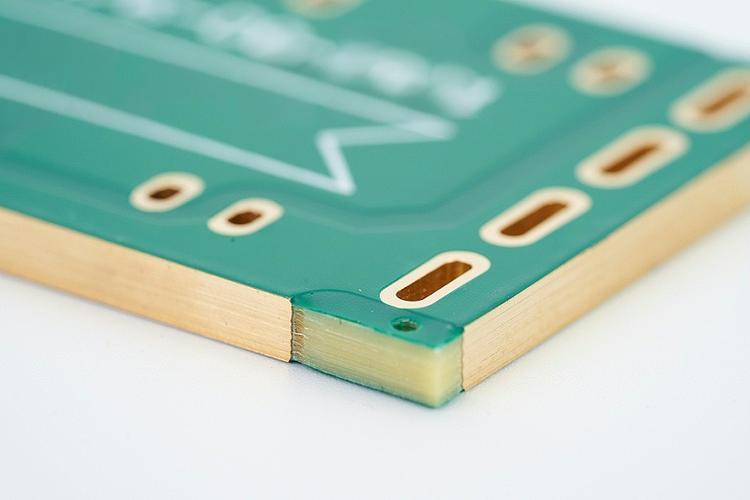
Last Saturday, Jun 28th, 2025, we are thrilled to celebrate the 19th anniversary of EBest Circuit (Best Technology) both in our factory and office. It has been an inspiring journey of innovation, perseverance, and continuous growth since our company was officially established on June 28, 2006, in Hong Kong. What started as a small team with a single product line has now become a leading printed circuit board (PCB) and assembly service provider trusted by hundreds of global customers.
Our Growth Capability
In the early days, EBest Circuit (Best Technology) focused on producing metal dome switches, with only one staff member and a very small office. Our scale was small, but our vision was big: to become a reliable, long-term PCB manufacturing partner that values quality, precision, and speed.
As time passed, our capabilities matured. We gradually expanded our product lines from metal domes to FR4 PCBs, Heavy Copper PCBs, Flexible Circuits (FPC), Rigid-Flex PCBs, Metal Core PCBs (MCPCBs), Ceramic PCBs and built a SMT factory, aiming to provide customer with one-stop service. Today, we are proud to support a wide range of industries including automotive, medical, aerospace, LED lighting, industrial control, power electronics, and many more.
Solid Team Backed us
One of our most valuable assets is our people. From a single founder Peter to a dedicated team of over 100 skilled professionals, our growth has been powered by individuals who care deeply about every board we produce. Most of our engineers and production staff have over 10 years of experience, enabling us to tackle even the most complex and high-precision PCB projects. Here are some our office staff.
To support increasing demand and advanced technical requirements, weâve continually invested in state-of-the-art production equipment and testing instruments. Today, we operate dozens of machines that help us deliver:
20 OZ heavy copper PCBs
4-layer metal core PCBs
High-frequency Rogers and Taconic boards
Controlled impedance multilayers
Quick-turn prototypes within 24 hours
With over 260,000 square feet of monthly production capacity and a strict ISO9001, ISO13485, IATF16949, and AS9100D certified quality system, we ensure our boards meet the highest international standards.
Growing Together with Global Customers
As weâve grown, so has our customer base. From serving a handful of clients locally, we now support hundreds of customers across Asia, Europe, North America, and Oceania. Many of our customers are long-term partners who appreciate our fast delivery, consistent quality, and professional engineering support.
We are especially proud to have built strong relationships with companies in medical electronics, military and defense systems, communication devices, and green energy products, helping them bring reliable and high-performance solutions to market.
We Offer Turnkey PCB Solutions
EBest Circuit (Best Technology) is not just a PCB manufacturing. Weâre a one-stop solution provider. Over the past 19 years, weâve expanded our services to include:
PCB duplication and layout
Engineering and process design
Component sourcing and BOM management
In-house SMT and DIP assembly
Full system integration and final product assembly
This comprehensive capability allows us to assist customers from initial concept to final product shipment, saving them time, cost, and communication hassle.
Looking Back with Pride, Looking Ahead with Confidence
Nineteen years may sound like a long time, but for us, this is only the beginning. With each passing year, weâve learned, improved, and evolved. From manual operations to fully digitized and MES-monitored workflows, from domestic sales to a global footprint, EBest Circuit (Best Technology) has transformed into a modern, competitive, and customer-focused enterprise.
We are grateful to every employee who contributed to our growth, and to every customer who chose to trust us. Your continued support is the reason we are here today, celebrating this special milestone.
As we look forward to the future, we remain committed to:
Continuous innovation
Advanced manufacturing capabilities
Rigorous quality control
Flexible and responsive customer service
Thank You for Being Part of Our 19-Year Journey
We believe that the best is yet to come. As we step into our 20th year, we invite you to grow with us, explore new ideas together, and build even stronger partnerships.
Whether you need standard FR4 PCBs, high-power heavy copper boards, high-frequency circuits, or custom PCB assembly solutions â EBest Circuit (Best Technology) is always ready to be your reliable manufacturing partner.
👉 Have a project in mind? Contact us today to find out how we can help bring your vision to life.
Happy 19th Anniversary to all of us at EBest Circuit (Best Technology)!