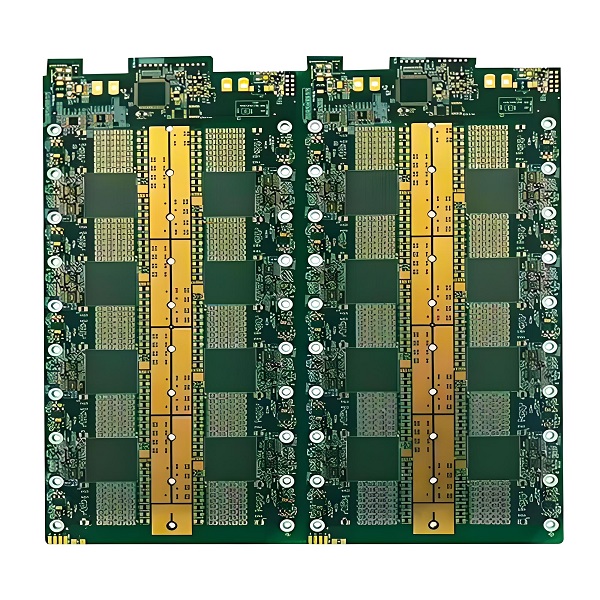
PCB manufacturing PCB manufacturing
Home > Blog

multilayer pcb manufacturing process

Multilayer PCBA Manufacturing in China for Medical Electronics
Wednesday, January 21st, 2026

Multilayer PCBA is the practical way to integrate dense routing, controlled impedance, and stable interconnects into compact medical electronics where signal integrity and reliability must hold up in real use. This article explains the engineering controls, standards, materials, manufacturing flow, and application choices that make Multilayer PCBA Manufacturing in China for Medical Electronics both scalable and dependable.

Which Process Risks Most Often Affect PCBA Assembly Multilayer?

  • Stack-up assumptions drift from the real board build, causing impedance and EMI surprises.
  • Via quality and plating variability leads to intermittent opens under thermal cycling.
  • Warp and twist create BGA/QFN solder defects and unstable test yields.
  • Material and finish mismatch triggers delamination risk or poor solderability in rework.
  • Inspection gaps and weak test coverage allow latent defects to ship.

And How Are They Prevented?

  • Lock the multilayer PCB stackup early with controlled impedance targets and signed build notes.
  • Control holes and copper using defined plating windows, microsection checks, and via process discipline.
  • Manage flatness with panel design rules, reflow profiles, and fixture strategy for fine-pitch assembly.
  • Select proven materials and finishes (e.g., FR4 multilayer PCB PCBA + stable ENIG parameters) and validate substitutes.
  • Close the verification loop using AOI + X-Ray + ICT/FCT strategy and documented acceptance criteria.

EBest Circuit (Best Technology) is a PCB + PCBA manufacturer focused on high-reliability builds, including medical electronics that require disciplined process control, traceability, and consistent output across prototype-to-production ramps. If you are evaluating Multilayer PCBA Manufacturing in China for Medical Electronics, we support engineering review, stack-up confirmation, DFM feedback, and test planning as part of a practical build workflow. If you’d like to explore a suitable multilayer PCBA solution, contact our team at sales@bestpcbs.com.

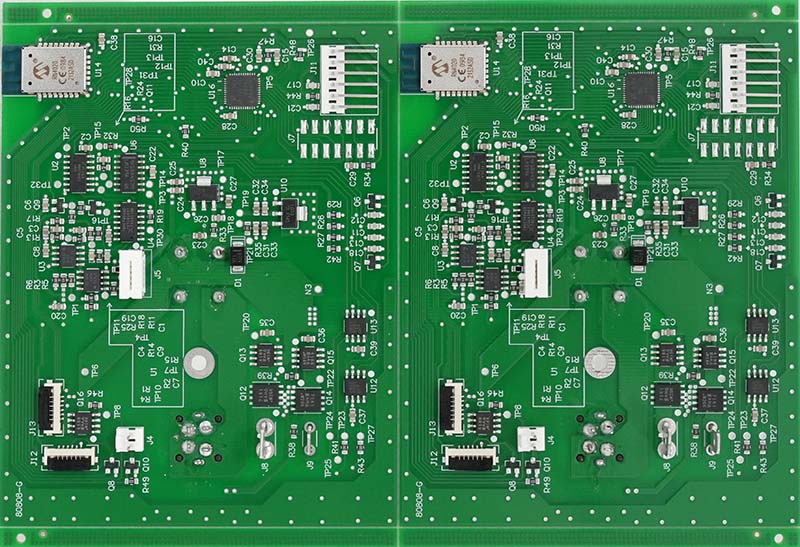
Multilayer PCBA

What Engineering Controls Are Required To Ensure Stable Multilayer PCBA Production?

Stable multilayer PCBA output is not “good machines”; it is a controlled system: design inputs are frozen, process windows are defined, inspection gates are enforced, and exceptions are documented. For medical devices, these controls reduce variation and make your build auditable.

Core engineering controls that matter most

  1. Stack-up control and sign-off
    • Defined dielectric thickness, copper weights, resin content, and impedance targets.
    • Explicit notes for Rigid PCB vs Flex PCB vs mixed builds.
  2. Hole quality control (drill, smear, desmear, plating)
    • Aspect-ratio limits, copper thickness targets, microsection sampling.
    • Special handling for small vias on high-layer designs.
  3. Laminate and lamination discipline
    • Press cycles, prepreg selection, and glass weave considerations for SI stability.
  4. Assembly process window definition
    • Reflow profile validation, paste selection, stencil strategy, and rework rules.
    • Essential for fine pitch and dense routing typical of PCBA assembly multilayer.
  5. Inspection and test gating
    • AOI criteria aligned to IPC class; X-Ray for hidden joints.
    • Clear pass/fail rules, not “operator judgment.”
  6. Traceability and change control
    • Lot-level tracking for laminate, solder paste, and key components.
  7. DFM/DFT readiness
    • Test point policy, boundary scan planning, and fixture feasibility.

Quick control checklist for medical builds

Control ItemWhat You Want To SeeWhy It Builds Trust
Stack-up freezeSigned build note + impedance tablePrevents “build drift”
Microsection planDefined coupons + sampling frequencyVerifies vias and dielectric
Assembly windowProfile + paste + stencil rulesCuts BGA/QFN defects
TraceabilityLot mapping and recordsSupports audits and RMAs

In practice, multilayer PCBA stability comes from repeatable inputs and measurable checkpoints—not from last-minute inspections.
Multilayer PCBA

How Are Multilayer PCB PCBA Assembly Standards Applied In Medical And Automotive Manufacturing?

This section is about execution: standards only matter when they are translated into work instructions, acceptance criteria, and measurable records. Medical and automotive overlap on reliability culture, but medical electronics adds documentation expectations, controlled change management, and traceability intensity.

Where standards show up on the factory floor

  1. Acceptance criteria tied to IPC class
    • Solder joint requirements, conductor spacing, annular ring, and cosmetic rules.
  2. Documented process instructions
    • Paste handling, bake rules, moisture sensitivity, and rework limits.
  3. Inspection plans with defined escape-prevention
    • AOI programming rules, X-Ray sampling logic, and manual inspection triggers.
  4. Test strategy aligned to risk
    • ICT where coverage makes sense; FCT to validate functional intent.
  5. Traceability and deviation control
    • Controlled records for component substitutions and process exceptions.
  6. Reliability-oriented verification
    • Thermal cycling or stress screening where the product risk demands it.

Medical vs automotive execution focus

TopicMedical Electronics FocusAutomotive Electronics Focus
DocumentationTraceability + controlled deviationsTraceability + PPAP-style rigor
Change controlTight, audit-friendlyTight, high-volume resilience
Reliability targetsPatient safety and continuityHarsh environment durability

When you evaluate multilayer PCB PCBA assembly, look for proof of standards in records and checkpoints—not only certificates on a wall.

What Makes FR4 Multilayer PCB PCBA A Common Industry Choice?

For medical electronics, FR-4 is common because it balances electrical stability, manufacturability, and cost control across prototypes and volume builds—especially when the design is not strictly RF/microwave. A well-chosen FR-4 system supports consistent lamination, predictable drilling, and stable soldering behavior.

Why FR-4 keeps winning for many medical boards

  • Broad supplier ecosystem in China for controlled quality builds.
  • Predictable processing for lamination and drilled hole reliability.
  • Cost-effective for iterations when you are still tuning firmware and sensors.
  • Compatible with high-density routing in mainstream multilayer designs.
  • Supports common finishes for reliable assembly and rework.

Where FR-4 is used most often in medical electronics

  • Patient monitoring modules
  • Control boards with mixed analog/digital signals
  • Interface boards and connector-rich designs
  • Compact power and communication boards

If your project includes FR4 multilayer PCB PCBA, the trust factor comes from specifying the right Tg, controlling resin flow, and maintaining consistent lamination results across lots.

How Does Multilayer PCB Manufacturing Process Affect Final PCBA Quality?

Medical PCBA quality is “built in” during PCB fabrication, not rescued during assembly. The multilayer process controls how well vias survive cycling, how consistent impedance stays, and how stable the board behaves through reflow.

Manufacturing steps that most influence assembly yield

  1. Layer imaging and registration
    • Misregistration steals annular ring margin and risks opens.
  2. Lamination quality
    • Poor lamination increases delamination and CAF risk in harsh conditions.
  3. Drilling and desmear
    • Smear control and wall prep drive plating adhesion.
  4. Electroless + electrolytic copper plating
    • Defines via wall integrity and continuity over life.
  5. Solder mask definition
    • Matters for fine pitch spacing and solder bridging control.
  6. Surface finish quality
    • Impacts solder wetting, rework success, and long-term reliability.
  7. Electrical test strategy
    • Nets verification reduces escapes before assembly.

A compact “process-to-risk” view

Process AreaTypical RiskWhat A Good Factory Does
LaminationDelamination, voidsControlled press recipe + coupons
Via formationIntermittent opensMicrosection + plating window control
Mask/finishPoor solderingTight mask alignment + finish QA
E-testEscapes100% net test where appropriate

For PCBA manufacturing multilayer, process transparency is a practical trust signal: you want measurable controls, not verbal assurances.

What Are Typical Use Cases For 6 Layers PCBA Multilayer PCB Designs?

A 6-layer build is often the “sweet spot” where you can separate noisy digital sections from sensitive analog, add solid reference planes, and still keep cost and lead time under control. In medical devices, this is especially useful for compact boards that include wireless, sensors, and regulated power.

Common 6-layer patterns in medical electronics

  • Signal / Ground / Signal / Power / Ground / Signal
  • High-speed + analog separation using dedicated reference planes
  • Cleaner EMI behavior from continuous planes and controlled return paths
  • Better routing efficiency around connectors and shielding constraints
  • Improved power integrity with well-defined plane impedance

Typical products where 6-layer is practical

  • Wearable and portable monitoring units
  • Medical interface and communications modules
  • Compact controller boards with motor/actuator interfaces
  • Dense connector and isolation-heavy designs

If you are scoping 6 layers PCBA multilayer PCB, the decision should be driven by return path control, EMI margin, and routing congestion—not by layer count as a status symbol.

Where Are Multilayer PCB Application Scenarios Most Common Today?

Multilayer PCBs appear wherever systems are compact, feature-rich, and expected to run reliably over long duty cycles. In medical electronics, the drivers are miniaturization, low noise, and predictable behavior through assembly and rework.

High-frequency and specialty scenarios

While FR-4 covers a large share, certain designs call for specialty builds such as multilayer high frequency metal base PCB PCBA circuit boards when thermal and RF constraints dominate. These are less common in mainstream medical controls, but they matter in imaging, high-power modules, and RF front ends.

Common multilayer PCB application categories

  • Medical monitoring and diagnostics (signal integrity + low noise)
  • Industrial medical subsystems (robust interfaces)
  • Automotive-adjacent medical modules (harsh environment tolerance)
  • LED and indicator systems (where LED 94v0 FR4 multilayer PCBA may appear)
  • EMS programs needing fast iteration (multilayer EMS PCBA)
  • Prototype-to-production flows (rapid learning cycles)

“Application fit” is a trust builder when your manufacturer can map your use case to specific process controls and validation steps.

Why Choose EBest Circuit (Best Technology) as Your Reliable Multilayer PCBA Manufacturer In China?

For medical electronics, supplier selection is a risk decision: you need stable output, audit-friendly records, and the ability to handle complex builds without constant escalation. EBest Circuit (Best Technology) focuses on engineering-led manufacturing where build inputs are verified early and controlled throughout production.

What sets EBest Circuit (Best Technology) apart in medical multilayer PCBA manufacturing

  • ISO 13485–Certified Quality System: Medical PCBA manufacturing governed by ISO 13485, with audit-ready documentation, controlled change management, and traceable production records.
  • MES-Enabled Digital Workshop: A fully digitalized manufacturing environment powered by MES, enabling 5-second traceability across materials, PCBA serials, production cycles, and real-time production status.
  • Engineering-Led DFM Pre-Review: Structured DFM analysis conducted by PCB and PCBA engineers with over 20 years of experience, delivering formal DFM reports, process-fit recommendations, and BOM optimization outputs.
  • Prototype-to-Volume Continuity: Seamless scaling from prototype and pilot builds to volume production under the same quality system, MES framework, and engineering controls—without process resets or traceability gaps.

If you are sourcing China multilayer PCBA or evaluating a multilayer PCBA manufacturer, the most reliable indicator is how clearly the factory explains controls, records, and exception handling. For project evaluation and quoting, contact sales@bestpcbs.com.
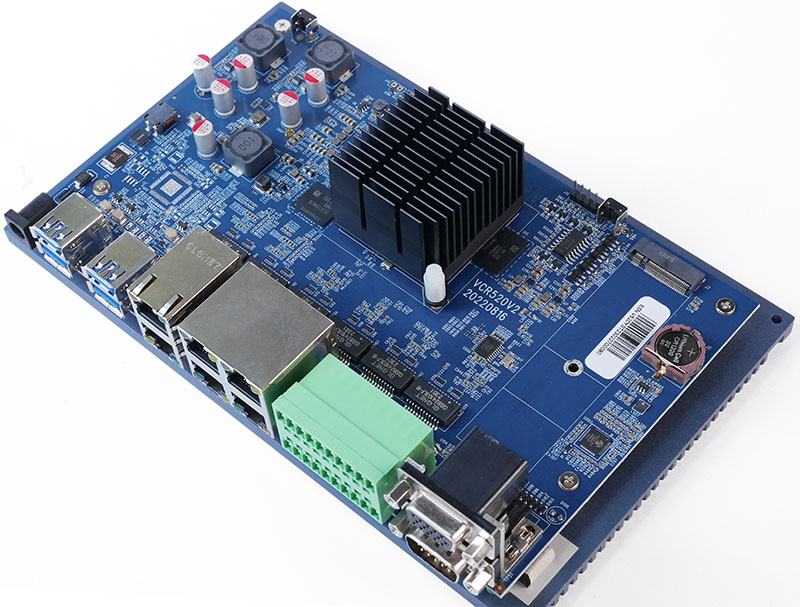
Multilayer PCBA

In a nutshell, multilayer PCBA enables compact, reliable medical electronics by combining dense routing, stable reference planes, and robust interconnect structures that survive real-world assembly and operation. This article walked through the process risks and prevention methods, engineering controls, standards execution, FR-4 material rationale, manufacturing flow impacts, 6-layer use cases, and where multilayer designs fit best in medical systems. EBest Circuit (Best Technology) supports Multilayer PCBA Manufacturing in China for Medical Electronics with engineering-led controls, inspection discipline, and production-ready documentation. Contact sales@bestpcbs.com to discuss your stack-up, build requirements, and manufacturing plan.

FAQs

When to use multilayer PCB?

Use a multilayer PCB when routing congestion, EMI margin, power integrity, or controlled impedance requirements cannot be met on a double layer PCB without compromises that increase risk.

What does a 4 layer PCB mean?

A 4-layer PCB typically includes two outer signal layers and two inner layers used as ground and power planes, improving return paths, EMI control, and routing space versus a 2-layer board.

Is there a 3 layer PCB?

Yes, a 3-layer PCB can exist, but it is uncommon because symmetric stack-ups are preferred for lamination stability and warpage control; most designs move to 4 layers instead.

Can you have a 3 layer PCB?

You can, but it is usually a special-case decision; 4 layers is the more standard step up because it balances electrical performance and manufacturing stability.

What is a class 3 PCB?

Class 3 refers to the highest reliability level in IPC classification, typically used in products where continued performance is critical and defects are less tolerable than in Class 1 or Class 2.

What are the 7 types of PCB testing methods?

Common PCB/PCBA test methods include AOI, X-Ray inspection, electrical net test, ICT, flying probe test, functional test (FCT), and burn-in or stress screening (used when risk requires it).

What does a 2 layer PCB mean?

A 2-layer PCB has copper on the top and bottom only; it is cost-effective and fast, but it offers less routing space and weaker EMI/power integrity control compared with multilayer boards.
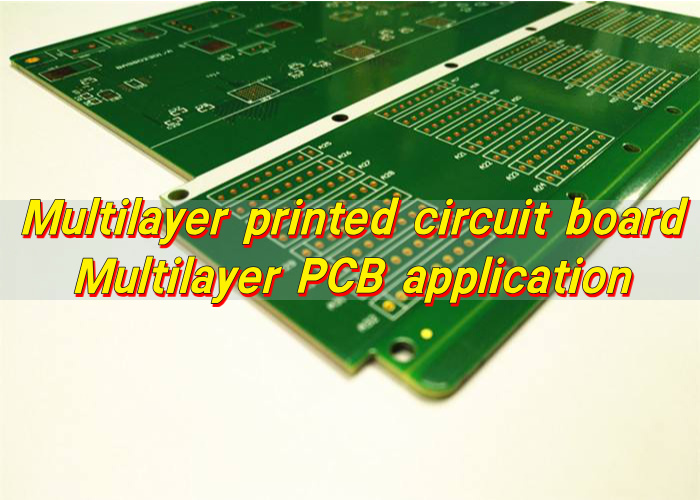
Multilayer printed circuit board, Multilayer PCB application
Tuesday, January 13th, 2026

Multilayer printed circuit board is a circuit board built from three or more conductive copper layers laminated together with insulating material. Unlike single- or double-sided boards, multilayer PCBs stack internal signal and power layers between outer layers, allowing complex circuits to fit into a much smaller footprint.

Multilayer printed circuit board, Multilayer PCB application

What is a multilayer PCB?

Multilayer printed circuit board is a circuit structure that combines three or more conductive copper layers into a single, unified board. These layers are separated by insulating materials and bonded together under heat and pressure to form a compact electrical platform.

In practical electronics, a multilayer printed circuit board allows designers to place signal layers, power planes, and ground planes in carefully controlled positions. This internal structure improves electrical stability while reducing electromagnetic interference.

As products continue to shrink while performance expectations rise, multilayer printed circuit boards have become the backbone of modern electronic systems. Smartphones, medical equipment, automotive electronics, and industrial controls all rely on this technology to meet demanding requirements.

From a manufacturing standpoint, multilayer PCB production requires precise process control. Layer alignment, dielectric thickness, copper balance, and via reliability all influence final performance. At EBest Circuit (Best Technology), multilayer printed circuit boards are produced as part of a fully integrated Turnkey EMS service, ensuring design intent and production reality stay aligned.

How to identify multi-layer PCB?

Identifying a multi-layer PCB usually starts with visual inspection, but surface clues alone are often not enough. Unlike single-layer boards, multilayer designs hide most of their complexity inside the board structure.

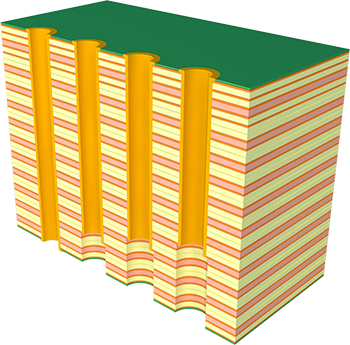
One common indicator is the presence of plated through holes that connect multiple layers. These vias typically appear filled or copper-lined, suggesting internal interconnections. Dense via fields are often associated with multilayer printed circuit boards, especially in high-speed or high-density designs.

Board thickness can also provide hints. Multilayer PCBs are often thicker than simple boards, even when designed for compact products. The additional dielectric layers add measurable depth.

For accurate identification, manufacturers use cross-sectional analysis or fabrication drawings. These clearly show the number of copper layers and their arrangement. It is defined, documented, and verified before production begins.

How can you tell how many layers a PCB has?

Determining the exact number of layers in a PCB requires more than observation. The most reliable method is reviewing the fabrication documentation, where the stack-up is clearly specified. This document lists each copper layer, dielectric material, and thickness in sequence.

In a production environment, cross-section testing is commonly used. A small sample of the board is cut and polished so the internal layers can be counted under magnification. This method is precise and often used for quality validation in multilayer PCB manufacturing.

Electrical testing can also provide indirect clues. The number of reference planes affects impedance behavior and signal integrity. Experienced engineers can infer layer complexity based on performance characteristics, but this approach is supplementary rather than definitive.

For customers working with Turnkey EMS providers like EBest Circuit (Best Technology), layer count transparency is standard practice. Every multilayer printed circuit board process begins with a confirmed stack-up, ensuring consistency from prototype to volume production.

Multilayer printed circuit board, Multilayer PCB application

What material is used for multilayer PCB?

The most common material used in multilayer printed circuit boards is FR-4, a glass-reinforced epoxy laminate. FR-4 offers a balance of mechanical strength, electrical stability, and cost efficiency.

For more demanding environments, alternative materials are often selected. High-Tg laminates improve thermal performance and dimensional stability. Low-loss materials support high-speed signal transmission by reducing dielectric losses.

Copper foil is used for conductive layers, with thickness selected based on current requirements and impedance design. The dielectric layers between copper planes control capacitance, signal propagation, and thermal behavior. Material selection directly influences power bus decoupling on multilayer printed circuit boards, especially in high-current designs.

How to design a multilayer PCB?

Designing a multilayer PCB begins with system requirements, not routing convenience. Engineers first define signal integrity goals, power distribution needs, and thermal constraints.

A well-designed multilayer printed circuit board separates functions across layers. Signal layers are placed adjacent to solid reference planes. Power planes are distributed to minimize voltage drop and noise.

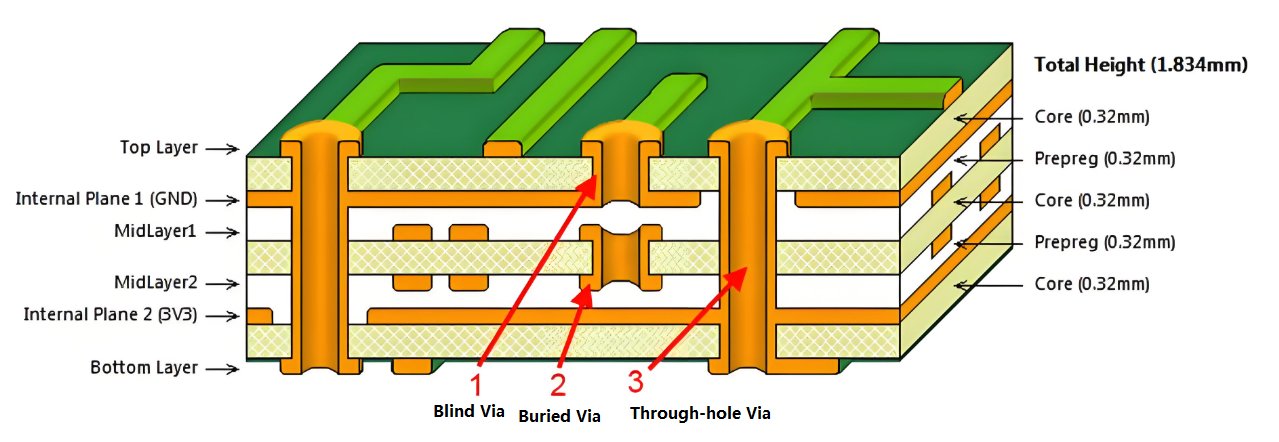
Via strategy is another critical element. Through vias, blind vias, and buried vias each serve different purposes. High-speed signal optimization at differential vias in multilayer printed circuit boards requires careful geometry control to maintain impedance and timing balance.

Simulation plays an important role in modern design. Analytical evaluation of via plate capacitance for multilayer printed circuit boards and packages helps engineers predict parasitic effects before fabrication.

At EBest Circuit (Best Technology), design support is closely tied to manufacturing expertise. Design-for-manufacturability reviews ensure that multilayer PCB designs translate smoothly into reliable production, even for complex stack-ups.

What is the highest number of layers in a PCB?

There is no absolute limit to the number of layers in a PCB, but practical constraints define realistic boundaries. Commercial multilayer printed circuit boards commonly range from four to twenty layers. Advanced systems may use thirty or more layers when required.

In high-performance computing and aerospace applications, extremely high layer counts have been achieved. These designs demand precise control of materials, lamination cycles, and registration accuracy. Each added layer increases complexity and cost.

More layers provide routing flexibility and power integrity, but they also introduce manufacturing challenges. Balance is essential.

Experienced manufacturers guide customers toward optimal solutions rather than maximum complexity. The goal is not to use the most layers, but the right number of layers to meet performance and reliability goals.

Multilayer printed circuit board, Multilayer PCB application

What is the purpose of having multiple layers in a PCB?

The primary purpose of multiple layers in a PCB is functional separation. Different electrical roles are assigned to dedicated layers, improving performance and predictability. Signal layers carry data. Power layers distribute energy. Ground layers provide stable references.

This separation enhances signal integrity by reducing noise coupling and crosstalk. It also supports efficient power distribution, which is critical in modern electronics with fast switching devices.

Multilayer printed circuit boards also enable compact product design. By routing signals vertically through vias, designers reduce board area while maintaining functionality.

Thermal performance is another key benefit. Internal copper planes act as heat spreaders, helping manage temperature rise. When designed correctly, multilayer structures contribute directly to long-term reliability.

What are the advantages of multilayer PCBs?

Multilayer PCBs offer several compelling advantages that make them the preferred choice for advanced electronics.

  • One major benefit is improved electrical performance. Shorter signal paths and controlled impedance support high-speed operation.
  • Another advantage is mechanical stability. Laminated layers create a rigid structure that resists warping and vibration.
  • Design flexibility also increases with layer count. Engineers can route complex circuits without overcrowding, improving yield and manufacturability.
  • From a system perspective, multilayer printed circuit boards enable integration. More functionality fits into less space, reducing assembly complexity.

How do multilayer PCBs work?

Multilayer PCBs work by distributing electrical functions across stacked conductive layers. Signals travel through copper traces on designated layers, while power and ground planes provide stable electrical environments.

Vias connect these layers vertically, creating three-dimensional routing paths. This structure allows complex interconnections without excessive surface congestion.

The internal planes also act as capacitive elements. Power bus decoupling on multilayer printed circuit boards benefits from closely spaced power and ground layers.

Manufacturing precision ensures that each layer aligns correctly. Lamination bonds layers into a single unit, while drilling and plating create reliable interconnections. The result is a cohesive electrical platform designed to perform consistently.

What is the difference between single layer and multilayer PCB?

The difference between single layer and multilayer PCB lies in complexity, capability, and application scope. A single-layer board has one conductive layer and is suitable for simple circuits. It offers low cost and straightforward manufacturing.

A multilayer PCB, by contrast, supports complex routing and higher performance. Multiple layers enable better signal control, power distribution, and noise reduction.

Single-layer boards struggle with high-speed signals and dense layouts. Multilayer printed circuit boards handle these challenges with structured stack-ups and dedicated planes.

The choice depends on requirements. Simple products benefit from simplicity. Advanced systems demand multilayer solutions.

Multilayer printed circuit board, Multilayer PCB application

Common multilayer PCB application scenarios

Multilayer PCB application spans nearly every advanced electronic sector.

  • Consumer electronics rely on multilayer printed circuit boards to support compact, feature-rich devices. Smartphones and tablets are prime examples.
  • In medical electronics, multilayer designs support precision, reliability, and miniaturization. Diagnostic equipment and monitoring systems depend on stable signal integrity and controlled power distribution.
  • Automotive systems use multilayer PCBs for safety-critical functions. Engine control units, driver assistance systems, and infotainment platforms all benefit from multilayer architecture.
  • Industrial equipment also relies heavily on multilayer PCB application. Automation, robotics, and power control systems require robust designs that withstand harsh environments.

Across all these scenarios, manufacturing consistency matters. EBest Circuit (Best Technology) integrates multilayer PCB manufacturing with assembly and testing, delivering complete Turnkey EMS solutions that support diverse applications.

Conclusion:

Multilayer printed circuit boards form the foundation of modern electronics. They enable compact design, stable performance, and functional integration across industries. From material selection to stack-up design, every decision shapes reliability and efficiency.

Choosing the right partner is just as important as choosing the right layer count. If you are planning a multilayer PCB project or need full Turnkey EMS support, EBest Circuit (Best Technology) is ready to help.

For technical consultation or quotations, contact sales@bestpcbs.com

Multilayer PCB Design Guide, Multilayer PCB Stack-up
Friday, May 30th, 2025

Multilayer PCB design is at the heart of compact, high-speed electronics. As more devices require higher functionality in smaller packages, multilayer PCBs have become the go-to solution. In this blog, we’ll explore how these boards are designed, what materials go into them, and how they are manufactured.

EBest Circuit (Best Technology) is a trusted PCB manufacturer based in China, specializing in small to medium-volume PCB fabrication, PCB assembly, and comprehensive electronic manufacturing services (EMS). As a one-stop PCB solutions provider, we go beyond manufacturing. Our services cover turnkey assembly, component sourcing, box build assembly, PCBA testing, and full electronics assembly. Whether you’re developing a prototype or scaling up to full production, EBest Circuit (Best Technology) is committed to delivering reliable quality, fast turnaround, and personalized support to meet all your PCB and electronics manufacturing needs.

What Is PCB Multilayer?

A multilayer PCB is a type of printed circuit board made by stacking multiple copper layers with insulating materials in between. While a single-sided PCB has only one conductive layer and a double-sided PCB has two, a multilayer PCB typically starts at four layers and can exceed thirty layers depending on the design complexity.

These copper layers are interconnected using vias (small plated holes). The main advantage is that multilayer PCBs allow more complex circuitry in a compact form. They’re used when simple routing becomes impossible due to high component density, high-speed signals, or design restrictions.

Multilayer boards usually contain signal layers, power planes, and ground planes that are symmetrically arranged to ensure electrical balance and mechanical stability.

Multilayer PCB Design Guide, Multilayer PCB Stack-up

Advantages of Multilayer PCB

There are many advantages of multilayer PCBs, especially for high-end, compact, and performance-driven applications:

  • High Circuit Density: Multilayer PCBs offer more real estate by using multiple layers. This helps route more connections without crowding.
  • Compact Size: By stacking layers, complex circuits can be condensed into smaller board sizes, which is important for modern gadgets.
  • Better Signal Integrity: Ground and power planes shield signal layers, helping reduce electromagnetic interference and signal loss.
  • Enhanced Reliability: Since many connections are internal and automated, multilayer PCBs tend to be more reliable than manually wired boards.
  • Improved Power Distribution: Dedicated power planes help distribute power evenly across the board.
  • Cost Efficiency in Mass Production: Although more expensive to design, they become cost-effective when produced at scale.

What Materials Are Used for Multilayer PCB?

Multilayer PCB construction involves several materials chosen based on the application’s electrical, thermal, and mechanical requirements. Common materials include:

  • Copper Foil: Used for all conductive layers. Thickness ranges from 0.5oz to 3oz, depending on current requirements.
  • Core Material (FR4): The most widely used substrate, made from fiberglass-reinforced epoxy. It provides mechanical strength and insulation.
  • Prepreg (Pre-impregnated resin): A resin-impregnated fiberglass that bonds layers together during lamination.
  • High-Frequency Materials: For applications like 5G or RF circuits, materials such as PTFE, Rogers, or ceramic substrates are used.
  • Solder Mask: This green or colored coating protects the board from oxidation and solder bridges.
  • Silkscreen: Printed on the board to mark component positions and labels.

For high-temperature or high-reliability applications, alternative materials like polyimide or metal cores may also be used.

Why Are There No 3 Layer PCBs?

Technically, you can make a 3-layer PCB, but they are very uncommon and often impractical. PCB manufacturing is designed to favor even-numbered layer configurations for several reasons:

1. Symmetry: Even-layered stack-ups offer better mechanical balance. Odd layers may lead to board warping due to uneven internal stress.

2. Manufacturing Simplicity: Most production lines are optimized for 4, 6, or 8 layers. A 3-layer board would require a custom process, which increases cost.

3. Signal Performance: High-speed signals benefit from a symmetrical structure. Odd-layer designs make it harder to maintain signal and power integrity.

Because of these reasons, designers usually move to 4-layer designs when they outgrow double-sided layouts.

How to Design a Multilayer PCB?

Designing a multilayer PCB starts with understanding the functional needs of your product. Here’s a step-by-step process:

  • Define Layer Count: Decide how many layers are required based on circuit complexity, signal integrity, and available space. Common configurations include 4, 6, and 8 layers.
  • Create a Stack-Up: Plan how each layer will function — signal, ground, or power. Layer arrangement impacts EMI performance and routing efficiency.
  • Component Placement: Place high-speed, sensitive, and power components with care. Keep analog and digital sections separate.
  • Routing Strategy: Route critical signals on inner layers to shield them from external noise. Use short, direct routes for clock and high-speed lines.
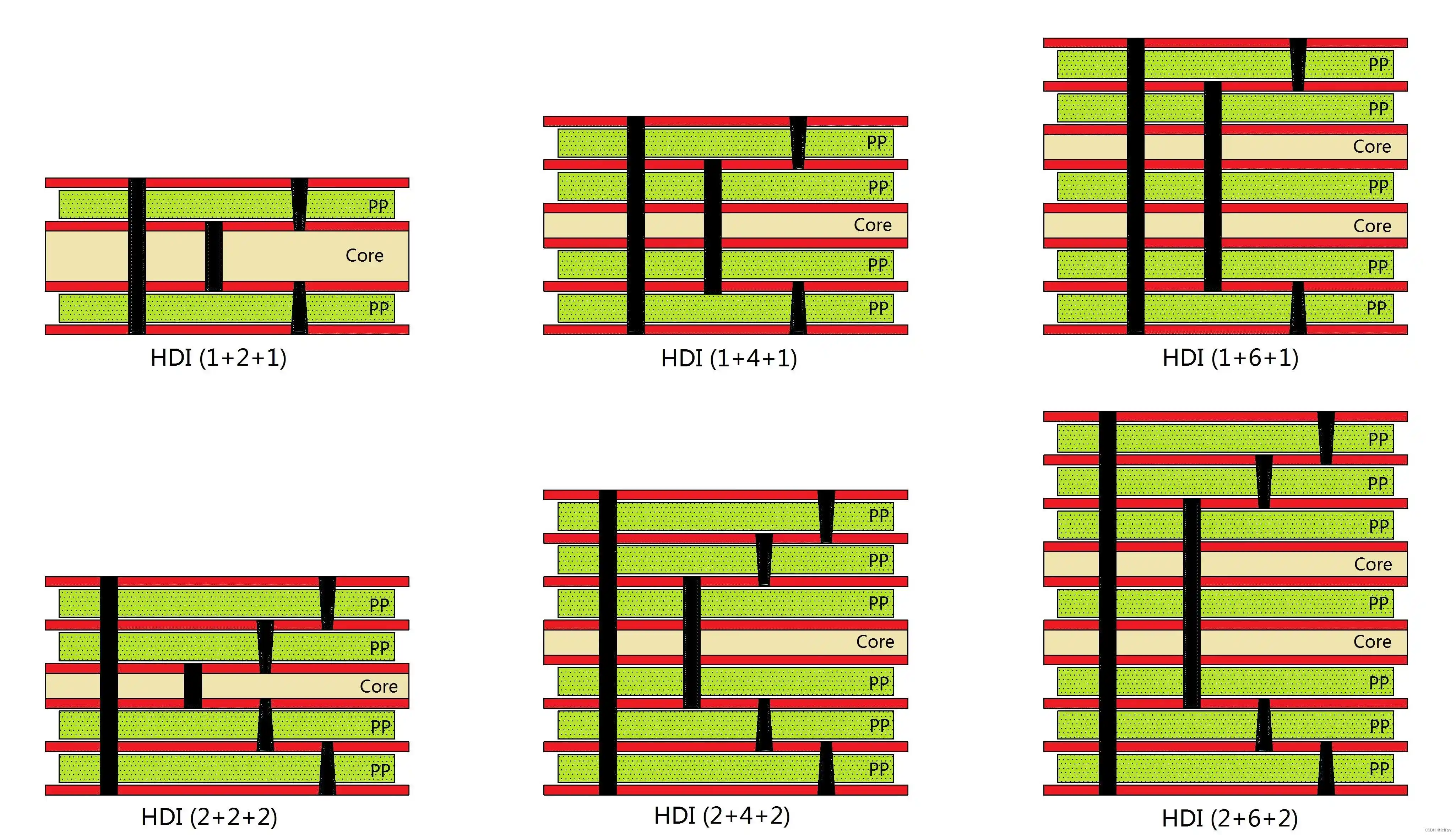
  • Via Planning: Use through-hole vias, blind vias, and buried vias to connect different layers.
  • Impedance Control: For high-speed signals, calculate and control the trace impedance using PCB design software.
  • Thermal Management: Add thermal vias and consider copper pour for better heat distribution.
  • Design for Manufacturability (DFM): Ensure trace widths, spacing, hole sizes, and clearances follow manufacturer guidelines.

Design tools like Altium Designer, Eagle, or KiCad can help streamline multilayer PCB design while checking for errors along the way.

How to Build a Multilayer PCB Stack-Up?

A stack-up is the arrangement of copper and dielectric layers in a multilayer PCB. It affects signal quality, EMI, thermal behavior, and mechanical strength.

Multilayer PCB Design Guide, Multilayer PCB Stack-up

Common 4-Layer Stack-Up:

  • Top layer: Signal
  • Inner layer 1: Ground
  • Inner layer 2: Power
  • Bottom layer: Signal

6-Layer Stack-Up Example:

  • Top: Signal
  • Layer 2: Ground
  • Layer 3: Signal
  • Layer 4: Signal
  • Layer 5: Power
  • Bottom: Signal

Tips for Effective Stack-Up:

  • Keep ground and power layers close for decoupling.
  • Place critical signals between ground planes.
  • Symmetry reduces warping.
  • Maintain consistent dielectric thickness to control impedance.

At EBest Circuit (Best Technology), our engineering team assists clients with stack-up planning to match their performance, size, and cost targets.

Multilayer PCB Manufacturing Process

The multilayer PCB manufacturing process involves combining multiple copper and insulation layers through precise steps:

1. Inner Layer Imaging

    Each internal copper layer is printed with the desired circuit pattern using photoresist and UV light.

    2. Etching

    Unwanted copper is chemically etched away, leaving only the circuit traces.

    3. Lamination

    All layers are stacked with prepreg between them and laminated under high heat and pressure to form a single board.

    4. Drilling

    Holes are drilled through the stack to connect layers. These include through-hole, blind, and buried vias.

    5. Plating

    Copper is plated into drilled holes and on the board’s surface to create electrical paths.

    6. Outer Layer Imaging and Etching

    Outer layers undergo the same photoimaging and etching process as inner layers.

    7. Solder Mask and Silkscreen Application

    A solder mask is added to prevent oxidation and short circuits. Silkscreen is printed for component labeling.

    8. Surface Finishing

    Finishes like HASL, ENIG, or OSP are applied to pads for better solderability.

    9. Testing and Inspection

    Every board undergoes electrical tests and visual inspections to catch defects.

    At EBest Circuit (Best Technology), we combine automated optical inspection (AOI), flying probe testing, and impedance measurement tools to ensure product quality at every stage.

    Multilayer PCB Application

    Multilayer PCBs are used in products where performance and miniaturization are critical. Here are some typical multilayer PCB applications:

    • Smartphones and Tablets: Compact devices need high-density PCBs to fit advanced features in tight spaces.
    • Medical Equipment: Imaging machines, heart monitors, and portable diagnostic tools depend on stable multilayer circuits.
    • Automotive Electronics: Modern vehicles use multilayer PCBs for infotainment systems, sensors, and control units.
    • Telecommunication Devices: Routers, switches, and 5G antennas rely on multilayer designs for signal integrity.
    • Industrial Controls: Multilayer PCBs support automation equipment and high-voltage circuits.
    • Military and Aerospace: Satellites, drones, and radar systems require rugged multilayer boards with excellent thermal and electrical performance.

    How to Identify Multilayer PCB?

    Identifying a multilayer PCB can be tricky just by looking at the surface. However, here are some tips:

    • Edge View: Under a magnifier, you can often see multiple stacked layers at the board edge.
    • X-ray Inspection: In factories, X-ray equipment can show internal connections and vias not visible from outside.
    • Blind/Buried Vias: If the board has vias that don’t go through the entire thickness, it’s likely multilayer.
    • Complexity and Component Density: A compact board handling many components usually suggests a multilayer design.
    Multilayer PCB Design Guide, Multilayer PCB Stack-up

    FAQs

    1. What is the typical number of layers in a multilayer PCB?

    Most commonly, multilayer PCBs have 4, 6, or 8 layers. High-end designs may go up to 32 or more.

    2. Can multilayer PCBs be flexible?

    Yes. Flexible multilayer PCBs are used in wearables, cameras, and aerospace applications where bending is needed.

    3. Are multilayer PCBs expensive?

    They cost more than single or double-layer PCBs but offer more value in space savings and performance.

    4. What’s the difference between blind and buried vias?

    Blind vias connect outer and inner layers. Buried vias connect internal layers only, and are hidden from the surface.

    5. How does EBest Circuit (Best Technology) support multilayer PCB projects?

    We offer complete support — design review, stack-up suggestions, high-speed materials, and full traceability via MES systems.