





Automotive MCPCB assembly is the specialized process of integrating metal-core printed circuit boards into vehicle systems, combining high-temperature soldering and rigorous reliability protocols to ensure stable performance in harsh automotive environments. This article covers process optimization, material selection, quality standards, and how to choose a trusted China round MCPCB assembly board light manufacturers partner for your lighting and vision projects.
Are you struggling with these common issues in automotive MCPCB assembly?
- Overheating components causing premature failure
- Solder joint cracks from thermal cycling stress
- Poor heat dissipation in compact lighting modules
- Unreliable suppliers with inconsistent quality
- Non-compliance with automotive certification standards
We address these pain points with targeted solutions as follows:
- High-temp soldering processes for durable joints
- Metal-core substrates for efficient thermal transfer
- Rigid-flex compatible designs for compact spaces
- IATF 16949 certified quality control systems
- End-to-end turnkey services from design to delivery
EBest Circuit (Best Technology) is a professional Automotive MCPCB assembly provider with 20 years of experience in metal-core PCB manufacturing and PCBA services. We specialize in China round MCPCB assembly board light manufacturing solutions, offering IATF 16949 certified production, advanced SMT capabilities (including 0.25mm BGA pitch), and full turnkey assembly. Pls feel free to contact us at sales@bestpcbs.com for custom automotive lighting and vision system solutions.
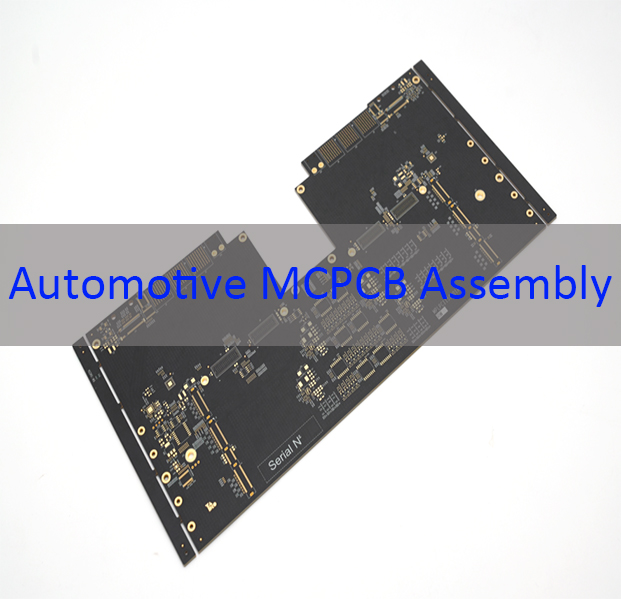
What Is Automotive MCPCB Assembly?
Automotive MCPCB assembly refers to the process of populating metal-core printed circuit boards (MCPCBs) with electronic components for vehicle applications, focusing on high-temperature soldering and reliability to withstand extreme operating conditions. Unlike standard PCB assembly, it prioritizes thermal management and mechanical durability for automotive use.
Key elements include:
- Metal-Core Substrate – Aluminum or copper bases for heat dissipation
- High-Temp Soldering – SAC305 or similar alloys for joint strength
- Reliability Testing – Thermal cycling, vibration, and humidity exposure
- Automotive Compliance – AEC-Q100, IATF 16949, and ISO 26262 alignment
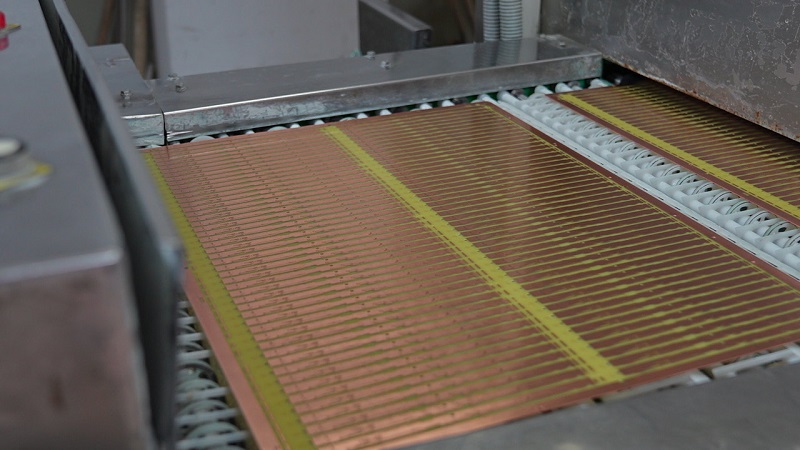
How To Optimize High-Temp Soldering Processes For Automotive MCPCB Assembly?
Optimizing high-temp soldering for automotive MCPCB assembly ensures durable joints that resist thermal fatigue.
| Parameter | Optimization Strategy | Benefit |
|---|---|---|
| Temperature Profile | Peak temp 245–260°C, soak time 60–90s | Minimizes voids and cold joints |
| Solder Alloy | SAC305 (96.5% Sn, 3% Ag, 0.5% Cu) | High melting point (217°C) for thermal stability |
| Stencil Design | 0.12–0.15mm thickness for MCPCB pads | Consistent solder paste deposition |
| Reflow Atmosphere | Nitrogen-filled oven (O₂ < 1000ppm) | Reduces oxidation and improves wetting |
| Post-Solder Inspection | X-ray (for BGA) + AOI | Detects hidden defects (voids, bridges) |
These steps align with our Automotive MCPCB assembly capabilities, including nitrogen reflow ovens and 3D AOI for defect-free soldering.
When Should You Use Automotive MCPCB Assembly For Lighting Systems?
Use Automotive MCPCB assembly for lighting systems when:
- High Thermal Loads – LED arrays generating >3W of heat per module
- Space Constraints – Round or compact form factors (e.g., headlight bezels)
- Vibration Resistance – Operation in wheel wells or engine bays
- Long Lifespan – Required 50,000+ hour operation (e.g., daytime running lights)
- Regulatory Compliance – ECE/SAE lighting standards
This is where China round MCPCB assembly board light manufacturers like EBest excel—we produce round MCPCBs (up to 610 * 1625mm) with 0.5oz–10oz copper thickness for optimal heat dissipation in circular lighting modules.
What Materials Are Used In Automotive MCPCB Assembly For Heat Dissipation?
Material selection directly impacts thermal performance in Automotive MCPCB assembly:
| Layer | Common Materials | Key Properties |
|---|---|---|
| Metal Core | Aluminum 5052/6061, Copper | 5052: ~135 W/mK; 6061: ~167 W/mK |
| Dielectric | Thermally conductive epoxy (3–5 W/mK) | Insulation + heat transfer |
| Circuit Layer | 1–10oz copper | Low resistance for high-current LEDs |
| Surface Finish | ENIG (2–5μm Au) or HASL | Corrosion resistance + solderability |
Aluminum 6061 is preferred for high-heat applications (e.g., headlights) due to its higher thermal conductivity, while 5052 suits cost-sensitive, moderate-heat modules (e.g., interior lighting).
How To Ensure Reliability In Automotive MCPCB Assembly?
Reliability in Automotive MCPCB assembly is achieved through:
- Thermal Cycling Testing – -40°C to +125°C, 1,000 cycles (AEC-Q100)
- Vibration Testing – 10–2,000Hz, 20G acceleration (ISO 16750)
- Solder Joint Inspection – X-ray for BGA voids (<15% void area)
- Conformal Coating – Acrylic or silicone for moisture/humidity resistance
- Process Control – IATF 16949 certified SPC (statistical process control)
Our facility uses X-ray and 3D SPI to validate solder joint integrity, ensuring 97.2% on-time delivery and 1,700+ satisfied clients.
How To Choose China Round MCPCB Assembly Board Light Manufacturers?
Select China round MCPCB assembly board light manufacturers based on:
- Automotive Certifications – IATF 16949, ISO 9001, RoHS compliance
- Round MCPCB Capability – Max diameter 610mm, 0.5oz–10oz copper
- SMT Precision – 01005 component placement, 0.25mm BGA pitch
- Testing Infrastructure – X-ray, AOI, function testing
- Turnkey Services – Component sourcing (authorized distributors), PCBA, box building
EBest meets all criteria: 20 years of experience, 3,000㎡ factory, and 1–5 day lead times for prototypes.
What Are The Quality Standards For Automotive MCPCB Assembly?
Key quality standards for Automotive MCPCB assembly include:
- AEC-Q100 – Integrated circuit stress test for automotive
- IATF 16949 – Quality management for automotive production
- IPC-A-610 Class 3 – Acceptability of electronic assemblies
- ISO 26262 – Functional safety for road vehicles
- RoHS/REACH – Restriction of hazardous substances
We adhere to these standards with 100% AOI inspection, X-ray verification for BGAs, and full traceability of components (sourced from authorized distributors like Digikey).
Why Choose EBest Circuit (Best Technology) For Automotive MCPCB Assembly?
EBest Circuit is your ideal Automotive MCPCB assembly partner because:
- 20 Years of Expertise – Specialized in metal-core PCBs and automotive PCBA
- IATF 16949 Certified – Ensures compliance with automotive quality requirements
- Advanced SMT Capabilities – 13.2M chips/day placement speed, 0.25mm BGA pitch
- Turnkey Solutions – From PCB design to box building (metal/plastic housing)
- Global Support – 40+ countries served, 97.2% on-time delivery
Pls feel free to contact sales@bestpcbs.com to discuss your China round MCPCB assembly board light manufacturers needs.
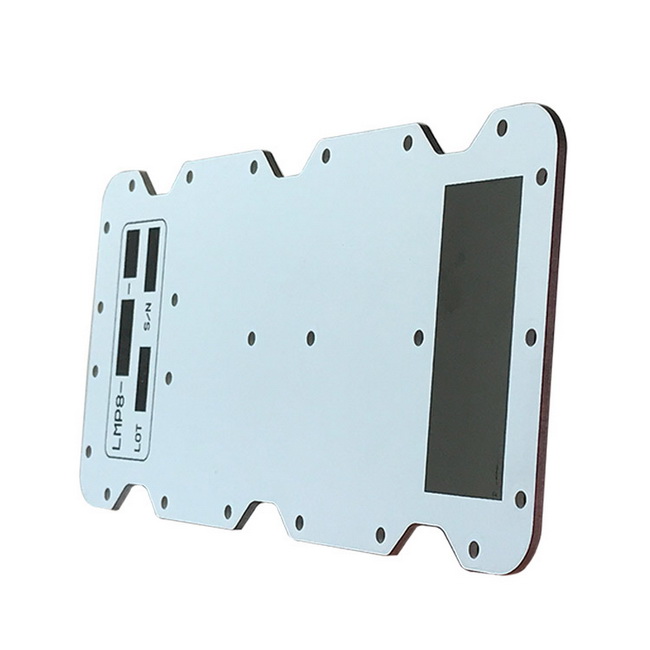
In closing, automotive MCPCB assembly is critical for reliable, high-performance vehicle lighting and vision systems, requiring high-temperature soldering and rigorous quality control. This article covered process optimization, material selection, and how to choose a trusted China round MCPCB assembly board light manufacturers partner. EBest Circuit (Best Technology) offers 20 years of automotive PCBA expertise, IATF 16949 certified production, and full turnkey services. Contact us at sales@bestpcbs.com to start your project.
FAQs About Automotive MCPCB Assembly
Q: What’s the difference between MCPCB and FR-4 assembly?
A: MCPCB uses metal cores for heat dissipation, while FR-4 relies on copper traces—MCPCB is 3–5x more thermally efficient for high-power LEDs.
Q: Can you assemble round MCPCBs for headlights?
A: Yes—we produce round MCPCBs up to 610mm diameter with 0.5oz–10oz copper for optimal heat transfer.
Q: How long does automotive MCPCB assembly take?
A: Prototypes: 1–5 days; mass production: 2–3 weeks (depending on complexity).
Q: Do you test for thermal cycling?
A: Yes—we perform 1,000 cycles (-40°C to +125°C) per AEC-Q100 standards.
Q: What surface finishes are available?
A: ENIG, HASL, OSP, and ENEPIG—ENIG is recommended for automotive due to corrosion resistance.