





Medical device printed circuit boards (PCBs) are the critical, intelligent core of life-saving and life-enhancing equipment, where absolute reliability is non-negotiable. This comprehensive guide explores the unique world of medical-grade PCBs, detailing their key differences from standard boards, the stringent manufacturing and compliance landscape, and how to identify a truly capable partner for your next project.
Finding a manufacturer who can consistently deliver reliable, compliant, and high-performance medical device printed circuit boards is fraught with challenges. Are you struggling with:
- Unreliable boards causing frequent failures and recalls in critical applications.
- Navigating a minefield of regulations (ISO 13485, ISO 9001, IPC-A-600 Class 3, etc.) without expert guidance.
- Supply chain instability and inconsistent quality from general-purpose PCB suppliers.
- Balancing sky-high performance requirements with manageable cost and lead time.
- Lacking a partner with deep expertise in designing and manufacturing for biocompatibility, longevity, and miniaturization.
As a leading specialist in medical device printed circuit board fabrication, EBest Circuit (Best Technology) provides the solutions:
- Guaranteed Reliability: Implementation of high-reliability processes, exhaustive testing (HALT, HASS), and traceability for every board.
- Full Compliance Assurance: We are fully certified (ISO 13485, ISO 9001, etc.) and manage all documentation to ensure your device meets global standards.
- Robust, Audited Supply Chain: Long-term partnerships with top-tier material suppliers ensure consistent quality and stable supply, specifically for lead-free RoHS medical device printed circuit board PCB manufacturing.
- Optimized Cost & Lead Time: Dedicated medical PCB production lines and process expertise streamline manufacturing without compromising standards.
- DFM & Technical Partnership: Our engineers work alongside you from the design stage to ensure manufacturability, compliance, and optimal performance for complex printed circuit board assembly medical device projects.
EBest Circuit (Best Technology) is a trusted and specialist manufacturer of high-end printed circuit boards, with a profound focus on the medical device industry. Our state-of-the-art facility is built around the core principles of quality, reliability, and traceability, holding essential certifications like ISO 13485:2016. We partner with medical innovators to turn complex, critical designs into reliable, certified products. For your next medical PCB or medical PCB assembly project, pls feel free to contact our experts at sales@bestpcbs.com.
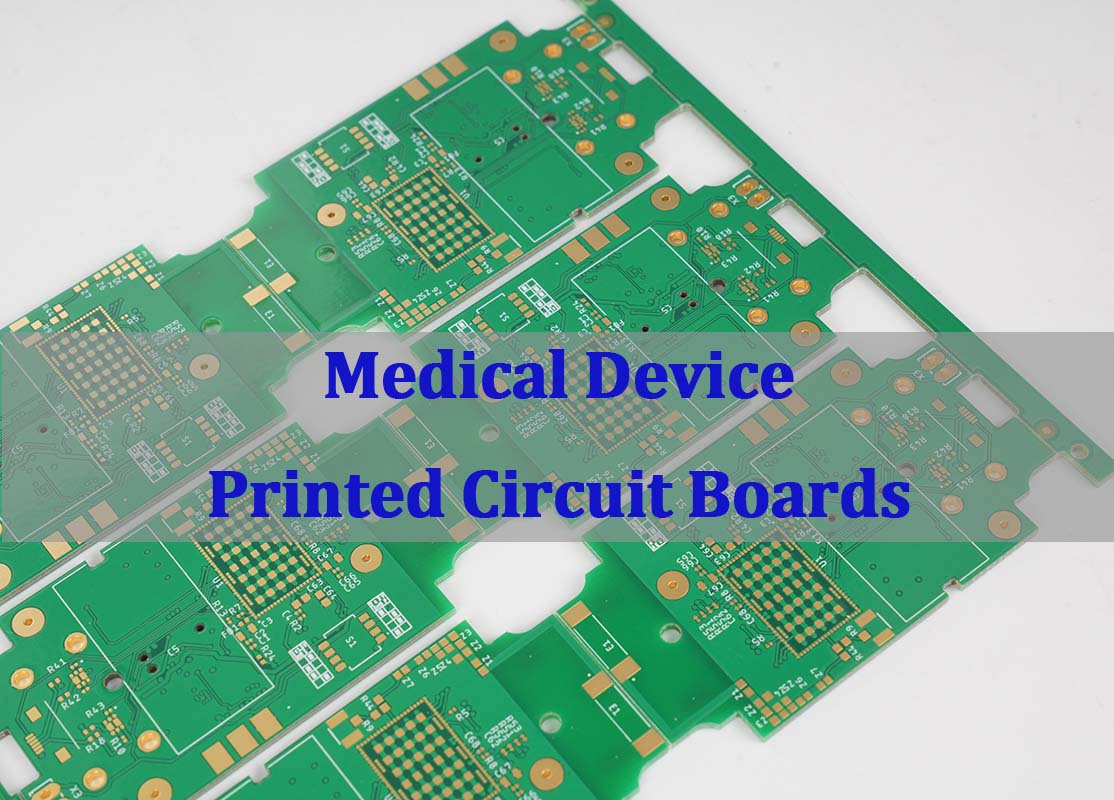
What Are the Differences Between Medical Device Printed Circuit Boards and Normal Industrial PCBs?
Medical and industrial PCBs serve fundamentally different purposes, leading to stark contrasts in their design, manufacturing, and validation. While industrial PCBs prioritize cost-effectiveness and durability for their environment, medical PCBs are engineered for absolute, fail-safe reliability in human-critical applications.
| Parameter | Medical Device PCBs | Normal Industrial PCBs |
|---|---|---|
| Reliability Class | IPC Class 3 | IPC Class 2 / Class 1 |
| Failure Tolerance | Zero-failure expectation | Fit-for-purpose |
| Traceability | Full lot & board-level | Batch-level or none |
| Testing Scope | 100% E-test, burn-in, stress tests | Sample or basic E-test |
| Material Focus | High-Tg, low-outgassing, compliant | Cost-driven FR-4 |
| Cleanliness Control | Ionic contamination strictly limited | Standard factory control |
| Quality System | ISO 13485, FDA QSR | ISO 9001 typical |
| Documentation Level | Fully documented & auditable | Basic production records |
In essence, the manufacture of printed circuit boards in medical devices is governed by a “zero-failure” mindset, where every aspect of production is controlled, documented, and validated to ensure patient safety, as opposed to the “fit-for-purpose” approach of general industrial PCB manufacturing.
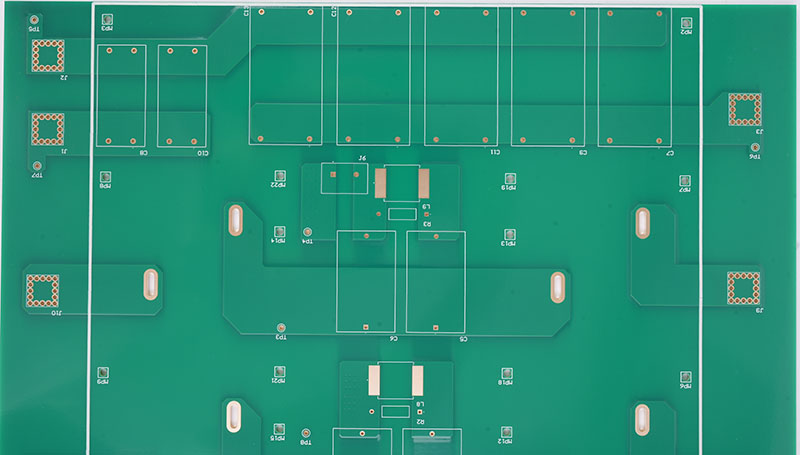
What Are the Processes of Manufacturing Printed Circuit Boards in Medical Devices?
The process for medical-grade PCBs incorporates extreme precision, control, and additional verification steps at every stage to guarantee the highest integrity. It follows a “quality built-in” philosophy rather than relying solely on final inspection.
The journey of a medical device PCB involves several critical, enhanced phases:
- Design Review & DFM Analysis: A thorough pre-production analysis ensures the design is optimized for manufacturability, testability, and reliability, adhering to medical IPC standards.
- Controlled Material Procurement: Sourcing of certified, high-performance substrates (like high-Tg FR-4, Rogers) and lead-free, medical-grade solder masks and inks from approved vendors with full material certifications.
- Precision Fabrication in Clean Environment: Core processes (imaging, etching, lamination, drilling) are performed with tighter tolerances. AOI (Automated Optical Inspection) is used after each critical layer.
- Stringent Plating & Surface Finish: Application of RoHS-compliant, biocompatible finishes (such as Immersion Gold, ENEPIG) with strict process control for uniform thickness and solderability.
- Comprehensive Electrical Testing: 100% electrical testing (Flying Probe or Fixture-based) is mandatory to verify netlist continuity and isolation, far exceeding the sample testing common in commercial boards.
- Enhanced Quality Assurance & Traceability: Each panel and often each individual board receives a unique identifier. Documentation packages (including IPC-6012 reports, test logs, material certs) are compiled for each lot, enabling full traceability—a cornerstone of medical device printed circuit board fabrication.
From design to delivery, every step in manufacturing PCBs for medical devices is governed by documented procedures, in-process controls, and validation protocols, ensuring that the final product is not just functional, but predictably and demonstrably reliable for its entire service life.
What Are the Special Requirements for Lead-Free RoHS Medical Device Printed Circuit Board PCB Manufacturing?
Lead-free RoHS medical device printed circuit board PCB manufacturing isn’t just about swapping solder; it’s a holistic system overhaul driven by the EU’s Restriction of Hazardous Substances (RoHS) and similar global directives. The primary goal is patient and environmental safety by eliminating lead (Pb) and other restricted substances, which introduces new technical challenges.
Manufacturing RoHS-compliant medical PCBs demands specific adaptations:
- Material Compatibility: All board materials—laminate, solder mask, legend ink, and surface finish—must be certified for high-temperature, lead-free processing. High-Tg (Glass Transition Temperature >170°C) materials are essential to withstand higher soldering temperatures (typically 30-40°C higher than leaded solder).
- High-Temperature Processes: Reflow and wave soldering profiles must be meticulously re-optimized for lead-free alloys (like SAC305). This requires precise oven calibration and profiling to ensure reliable solder joints without damaging sensitive components or the PCB substrate.
- Flux and Cleanliness: Lead-free soldering often requires more active fluxes. Post-assembly, stringent cleaning processes are critical to remove ionic residues that could lead to electrochemical migration and failure in the humid, sensitive environments of some medical devices. Ionic contamination testing per IPC-TM-650 2.3.25 is standard.
- Component and Finish Selection: All sourced SMD and through-hole components must have RoHS-compliant terminations. The preferred PCB surface finishes are those that maintain excellent solderability and shelf life without containing lead, such as Immersion Silver (IAg), Immersion Tin (ISn), or Electrolytic Nickel/Gold.
Ultimately, lead-free RoHS medical device printed circuit board PCB manufacturing requires a certified supply chain, recalibrated equipment, validated processes, and rigorous testing to ensure the final assembly is both reliably functional and fully compliant with environmental and safety regulations.
What Certifications and Standards Are Needed for the Manufacturing of Printed Circuit Boards in Medical Devices?
Certifications are the objective proof of a manufacturer’s commitment to a quality management system (QMS) designed for medical devices. They are non-negotiable prerequisites, not just marketing badges, for any serious manufacture of printed circuits boards in medical devices.
A trusted medical PCB manufacturer must hold and actively maintain the following core certifications and standards:
| Certification / Standard | Primary Focus |
|---|---|
| ISO 13485:2016 | Medical device QMS |
| ISO 9001:2015 | General quality management |
| IPC-A-600 Class 3 | High-reliability workmanship |
| IPC-6012 Class 3 | High-reliability PCB performance |
| UL 94 / UL 746 | Material safety & flammability |
| FDA 21 CFR Part 820 | Quality system regulation (QSR) |
| RoHS / REACH | Hazardous substance compliance |
Adherence to these standards ensures that every medical device printed circuit board is produced under a system that prioritizes risk management, documentation, process validation, and ultimately, patient safety. Always verify a potential manufacturer’s certifications are current and scope-appropriate.
How to Design Compliant Medical Device Printed Circuit Boards?
Designing a compliant medical device PCB is a proactive process of integrating regulatory and reliability requirements from the very first schematic capture. It requires a shift from a “make it work” to a “make it work perfectly, always” mentality, considering the entire product lifecycle.
Key design principles for medical device PCBs include:
- Prioritize Reliability & Derating: Components should be used significantly below their rated maximums (voltage, current, temperature, power). This reduces stress, extends lifespan, and provides a safety margin—a core tenet of medical device design.
- Implement Robust Safety & Isolation: For patient-connected devices, ensure proper creepage and clearance distances (per IEC 60601-1). Use reinforced isolation barriers, isolation amplifiers, and isolated power supplies where required to protect the patient from electrical hazards.
- Design for Manufacturability & Testability (DFM/DFT): Collaborate early with your manufacturer. Adhere to their Capability Guidelinesfor trace width, hole size, and spacing. Include ample test points (ICT, JTAG) for 100% test coverage during printed circuit board assembly medical device.
- Plan for Longevity & Obsolescence: Medical devices have long lifecycles. Choose components with stable, long-term availability. Design with second-sources in mind and consider “last-time-buy” strategies for key parts. This is critical for sustaining production for decades.
- Mitigate Risk Through Redundancy & Monitoring: For critical functions, consider redundant circuits. Implement self-test and monitoring features (watchdog timers, voltage supervisors, signal integrity checks) that can detect and report failures.
- Select Approved Materials: Choose substrates, finishes, and conformal coatings that are proven for biocompatibility (if needed), longevity, and compatibility with sterilization methods (e.g., autoclave, gamma radiation, EtO).
By embedding these principles into the design phase, engineers create a foundation that enables smooth, compliant, and high-yield medical device printed circuit board fabrication, reducing costly re-spins and accelerating the path to regulatory approval.
Who Manufactures Printed Circuit Board Assembly for Medical Devices in China?
China is a global hub for electronics manufacturing, hosting a wide spectrum of PCB assembly providers. However, printed circuit board assembly for medical devices represents a specialized tier within this industry, demanding stringent certifications, rigorous quality controls, and a deep understanding of regulatory landscapes. Identifying the right partner requires looking beyond general assembly houses to firms with proven medical industry expertise, dedicated quality systems, and a track record of supporting regulatory submissions.
When seeking a manufacturer for medical device PCB assembly in China, key differentiators include active ISO 13485:2016 certification, cleanroom assembly environments, full component traceability, and experience with the long lifecycle and high-reliability requirements of medical products. Here are several manufacturers recognized for their capabilities in this demanding field:
- EBest Circuit (Best Technology): A specialist focused on high-reliability and complex PCBs, with a strong emphasis on the medical and aerospace sectors. They offer turnkey medical device printed circuit board fabrication and assembly, backed by ISO 13485, IPC Class 3 standards, and robust testing protocols. Their value proposition lies in technical collaboration, offering design-for-manufacturability (DFM) support from the earliest stages to ensure compliance and reliability.
- Suntak Technology: A large-scale, publicly listed manufacturer with a dedicated business unit for medical electronics. They possess comprehensive certifications and offer end-to-end services from PCB fabrication to box-build assembly. Their strength is in high-volume manufacturing for diagnostic equipment and patient monitoring devices, supported by extensive in-house engineering and testing resources.
- Kinwong Electronic Co., Ltd.: A major global PCB manufacturer that has invested significantly in its medical electronics division. Kinwong provides advanced HDI, rigid-flex, and high-layer count PCBs alongside assembly services. They are known for their technological prowess in miniaturization and sophisticated interconnect solutions, which are critical for next-generation portable and implantable medical devices.
- Shenzhen Fastprint Circuit Tech Co., Ltd.: While renowned as a leading PCB fabricator, Fastprint also provides advanced assembly services through partners and affiliated divisions. They are a common choice for medical device OEMs requiring exceptionally high-quality, complex multilayer PCBs (including heavy copper and RF boards) that are then assembled in controlled, certified partner facilities they qualify and manage.
- AKM Meadville (Arisa): This company is part of a larger conglomerate with deep roots in precision technology. They specialize in high-end, technology-intensive PCB solutions and assembly, particularly for life-critical applications. Their expertise is often sought for advanced imaging systems, surgical robotics, and other high-performance medical equipment where signal integrity and absolute reliability are paramount.
In conclusion, the landscape for printed circuit board assembly medical device manufacturing in China is populated by both broad-spectrum giants and focused specialists. The optimal choice depends on the specific device’s complexity, volume, and technological demands. For innovators seeking a partner that combines stringent medical quality systems with deep technical collaboration and a commitment to reliability, EBest Circuit (Best Technology) stands out as a trusted specialist dedicated to turning critical medical designs into certified, life-supporting products. For a consultation on your medical device PCB assembly project, please contact us at sales@bestpcbs.com.
Comparing Normal PCBs, What Are the Cost and Lead Time for Medical Device Printed Circuit Boards?
It is a reality that medical device printed circuit boards command a higher cost and often a longer lead time compared to standard industrial PCBs. This premium is directly attributable to the extensive value-added processes, materials, and quality overhead required to ensure fail-safe operation.
The cost and time differential stems from several critical, non-negotiable factors:
| Factor | Impact on Cost | Impact on Lead Time |
|---|---|---|
| Higher-Grade Materials | +15% to +40% | +1 to 2 weeks (sourcing certified, often specialized materials) |
| Tighter Tolerances (IPC Class 3) | +10% to +25% | +3 to 5 days (slower, more precise manufacturing, more inspections) |
| Enhanced Testing (100% ET, Burn-in, etc.) | +20% to +50% | +1 to 3 weeks (depending on test program duration and ESS requirements) |
| Documentation & Traceability | +5% to +15% | +2 to 5 days (for compiling DHR, test reports, material certs) |
| Regulatory Compliance Overhead | +10% to +20% | Built into the entire process (quality system maintenance, audits, etc.) |
- Cost Analysis: While a commercial PCB might cost based purely on size, layer count, and quantity, a medical PCB’s cost is significantly driven by testing, documentation, and the quality system. You are investing in assured reliabilityand regulatory compliance, not just the physical board.
- Lead Time Analysis: The lead time for medical device printed circuit board fabrication includes not just production time, but also time for rigorous in-process inspections, comprehensive electrical testing, and often environmental stress screening. Rushing these steps compromises the very integrity you are paying for.
Choosing a manufacturer like EBest Circuit (Best Technology), with dedicated medical production lines and expertise, optimizes this equation. Our experience allows us to streamline compliant processes effectively, providing the most realistic and efficient timelines without cutting corners, delivering true value for your investment in quality and safety.
Why Choose Best Technology for Medical Device Printed Circuit Board Fabrication?
Selecting a manufacturing partner is one of the most critical decisions in developing a medical device. It is a choice between a generic vendor and a true extension of your quality and engineering team. Best Technology stands out as a dedicated specialist, not a generalist, in the medical device printed circuit board arena.
Here’s why leading medical device OEMs partner with us:
- Uncompromising Quality System: Our operations are built on a live, implemented ISO 13485:2016 certified QMS. Every action is guided by procedures ensuring traceability, control, and continuous improvement specific to medical devices.
- Deep Expertise & Partnership: We don’t just build prints; we collaborate. Our engineers provide early Design for Excellence (DfX) feedback, focusing on manufacturability, testability, and long-term reliability, de-risking your project from the start.
- Vertical Integration & Control: We manage medical device printed circuit board fabrication and assembly under one roof. This gives us complete control over the supply chain, quality, and timeline, eliminating the finger-pointing common with multi-vendor approaches.
- Proven Medical Device Portfolio: Our experience spans diagnostic equipment, patient monitors, wearable sensors, and surgical tools. This practical experience means we understand the unique challenges of signal integrity, miniaturization, and biocompatibility.
- Commitment to Your Long-Term Success: We view our relationship as a long-term partnership. We support you through design, prototyping, regulatory submission, volume production, and ongoing lifecycle management, including obsolescence monitoring.
For a partner who views your device’s reliability as their own reputation, who navigates the complex regulatory landscape as a guide, and who invests in the long-term success of your product, the choice is clear.
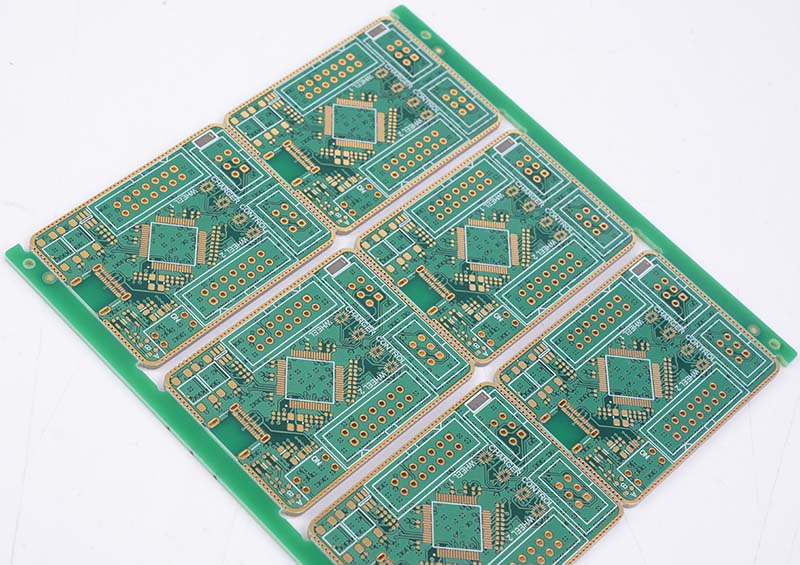
Medical device printed circuit boards are the fundamental building blocks of modern healthcare technology, where precision, reliability, and compliance converge to create products that save and improve lives. This article has outlined the critical distinctions, processes, standards, and considerations that define this specialized field, from initial design to final assembly.
EBest Circuit (Best Technology) stands as a leading trusted medical device printed circuit boards manufacturer in China, offering end-to-end solutions grounded in ISO 13485 principles, deep technical collaboration, and a track record of success in the most demanding applications. Pls feel free to contact our team of specialists anytime at sales@bestpcbs.com for a consultation on your project requirements.