





Why Is LED turn signal light aluminum PCB critical for auto manufacturers’ frequent on-off scenarios? If you’re an auto manufacturer struggling with overheating, short lifespan, or unstable performance of LED turn signal lights, have you considered how LED turn signal light aluminum PCB can solve these pain points? Choose EBest’s LED turn signal light aluminum PCB we deliver superior quality, fast lead times, cost-effective solutions, professional service, and a stable supply chain. This blog covers everything you need to know about selecting, using, and optimizing LED turn signal light aluminum PCB for automotive applications.
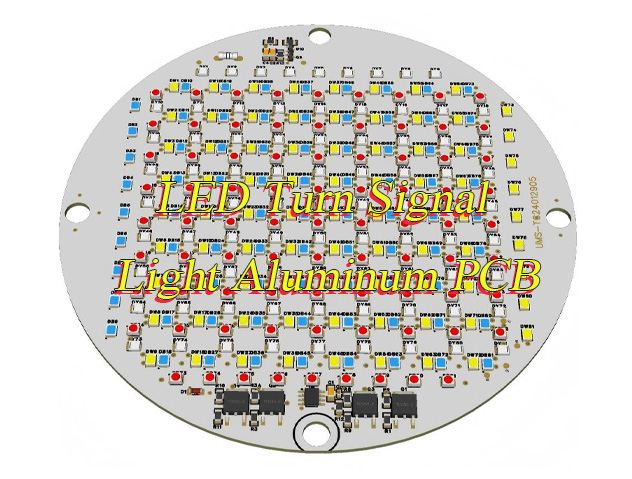
How to Choose LED Turn Signal Light Aluminum PCB for Frequent On-Off Scenarios?
Choosing the right LED turn signal light aluminum PCB for frequent on-off scenarios is key to ensuring long-term reliability and performance of automotive turn signals. Frequent on-off cycles create repeated thermal stress, which can degrade PCBs over time, so selecting components and parameters tailored to this use case is essential. The following guidelines break down the critical factors to consider, making the selection process straightforward and aligned with automotive industry standards.
- Match thermal conductivity to your LED power. Select a substrate with 1.5W/m·K to 5W/m·K, which effectively dissipates the heat generated by frequent on-off cycles and prevents LED overheating and premature failure.
- Choose substrate thickness between 1.0mm to 2.0mm. This range balances efficient heat transfer and structural robustness, adapting to the vibration and temperature fluctuations of automotive environments.
- Optimize for a high temperature resistant solder mask. It must withstand at least 260℃ to resist peeling or cracking during repeated thermal cycles, ensuring long-term electrical insulation.
- Select 6061 or 5052 aluminum alloy for the base. These alloys offer optimal strength, corrosion resistance and thermal conductivity, making them ideal for automotive LED turn signal applications.
- Ensure the dielectric layer uses high temperature PI material. It should maintain stable insulation between -50℃ to 200℃, adapting to all weather conditions from extreme cold to high heat.
- Choose 1oz to 2oz copper foil. This thickness ensures sufficient current carrying capacity, reduces resistance-induced heat and enhances heat transfer from LEDs to the aluminum base.
- Verify component spacing meets automotive standards. Slightly increase spacing to mitigate vibration-induced stresses, preventing solder joint damage during vehicle operation.
- Prioritize customizable parameters. EBest’s LED turn signal Light aluminum PCB can be tailored to your specific LED power, size and performance requirements for seamless integration.
Does LED Turn Signal Light Aluminum PCB Improve Heat Dissipation Stability?
Yes, LED turn signal light aluminum PCB significantly improves heat dissipation stability, a critical advantage for automotive turn signals that operate in frequent on-off cycles. Unlike traditional FR4 PCBs, which have a low thermal conductivity of ≤0.5W/m·K and trap heat like a “heat quilt”, aluminum substrates leverage the excellent thermal conductivity of aluminum alloys (such as 6061) to transfer heat from LEDs to the base quickly and evenly.
This Uniform heat distribution prevents hotspots that cause LED degradation, brightness loss, or premature failure. Aluminum PCBs dissipate heat 3-10 times faster than FR4, maintaining consistent operating temperatures even during repeated thermal cycles. This stability ensures reliable performance in extreme automotive environments, from -40℃ to 85℃, meeting the strict environmental requirements of automotive exterior lighting systems and prolonging the overall lifespan of LED turn signals.
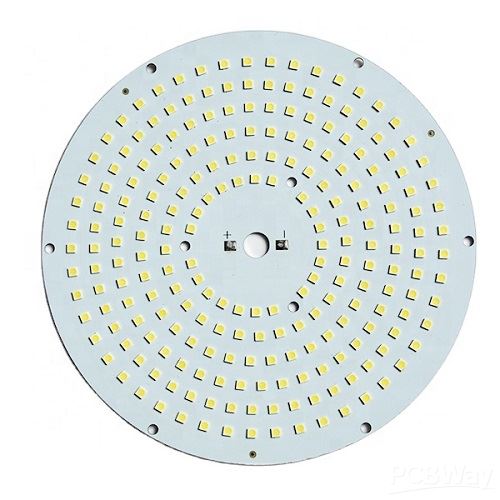
What Thermal Conductivity Does LED Turn Signal Light Aluminum PCB Need?
The required thermal conductivity of LED turn signal light aluminum PCB depends on the LED power and application environment, but the industry standard range is 1.5W/m·K to 10W/m·K. For low-power LED turn signals (≤1W), 1.5W/m·K to 3W/m·K is sufficient. For medium-power (1W-3W), 3W/m·K to 5W/m·K is ideal. For high-power (≥3W) or harsh environments (e.g., heavy-duty vehicles), 5W/m·K to 10W/m·K is recommended. Below is a quick reference table for different LED powers:
| LED Power | Recommended Thermal Conductivity (W/m·K) | Application Scenario |
| ≤1W | 1.5-3.0 | Passenger car turn signals |
| 1W-3W | 3.0-5.0 | Mid-size vehicle turn signals |
| ≥3W | 5.0-10.0 | Heavy-duty trucks, off-road vehicles |
Can LED Turn Signal Light Aluminum PCB Speed Up Turn Signal Response?
Yes, LED turn signal light aluminum PCB can slightly accelerate turn signal response time, but its primary value lies in maintaining consistent response performance during long-term, frequent on-off use. This is closely tied to the thermal management capability of aluminum PCBs, which directly impacts the electrical stability of LED components.
Heat buildup is a key factor that slows down LED turn signal response. As temperature rises, the electrical resistance of LED components increases, delaying the on-off reaction. LED Turn Signal Light Aluminum PCB leverages excellent thermal conductivity to quickly transfer heat generated by LEDs to the aluminum base, avoiding heat accumulation and keeping the LED’s electrical performance stable.
In practical automotive scenarios, LED turn signal light aluminum PCB typically delivers a 10-20ms faster response than traditional FR4 PCBs, especially in high-temperature environments. This slight speed improvement enhances driving safety by giving other road users more reaction time to recognize turn intentions.
Notably, this response stability also aligns with automotive safety standards, which require turn signals to maintain consistent activation speed even after prolonged use. EBest’s LED turn signal light aluminum PCB is engineered to support this stability, ensuring reliable signal transmission in all automotive operating conditions.
How to Ensure LED Turn Signal Light Aluminum PCB Meets Automotive Grade Quality?
Ensuring LED turn signal light aluminum PCB meets automotive grade quality is essential for auto manufacturers, as it directly impacts driving safety, product reliability and compliance with industry standards. Automotive-grade PCBs must withstand extreme temperatures, vibration, chemical exposure and frequent thermal cycles, so following targeted, practical steps is key to avoiding quality issues and ensuring long-term performance. Below are actionable guidelines to achieve this goal.
- Select automotive-grade raw materials. Choose 6061 or 5052 aluminum alloy for the base 6061 offers high strength while 5052 provides better corrosion resistance. Use 1oz to 2oz copper foil for sufficient current carrying capacity and automotive-grade solder mask that meets IPC-840E and RoHS requirements to resist high temperatures and chemical corrosion.
- Comply with core automotive certifications. Prioritize IATF 16949 certification, the global standard for automotive manufacturing, and ensure materials meet AEC-Q200 requirements for electronic component reliability.
- Conduct strict reliability testing. Perform thermal shock tests from -40℃ to 85℃ for 1000 cycles, vibration tests at 10-2000Hz, solderability tests at 260℃ for 10 seconds and electrical reliability tests including insulation resistance and voltage resistance.
- Ensure dielectric layer quality. Use high-temperature PI material that maintains stable insulation between -50℃ to 200℃, preventing breakdown in extreme weather conditions.
- Verify manufacturing process control. Choose manufacturers with strict contamination control measures to avoid dust or moisture during production, which can cause electrical faults.
- Partner with a trusted manufacturer. Select a supplier like EBest with a proven track record in automotive PCB production, complete testing laboratories and traceable test data to ensure consistent quality.
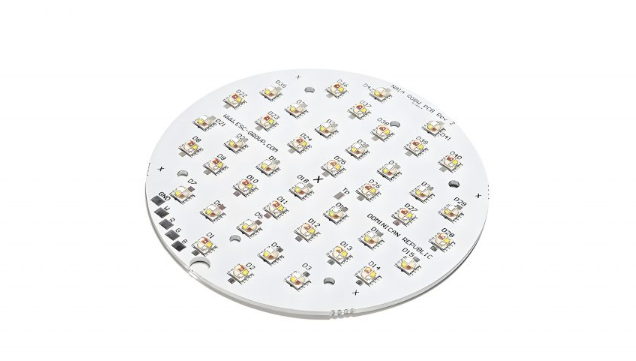
What Causes LED Turn Signal Light Aluminum PCB Failures in Frequent Use?
LED turn signal light aluminum PCB failures in frequent use often stem from predictable, avoidable issues related to material quality, design parameters, manufacturing processes, or installation. Understanding these root causes helps auto manufacturers prevent downtime, reduce replacement costs, and ensure long-term reliability of turn signal systems.
- Poor thermal conductivity is a top cause of failure. Substrates with thermal conductivity below 1.5W/m·K cannot effectively dissipate heat from frequent on-off cycles, leading to overheating, solder joint damage, and eventual PCB failure.
- Low-quality solder mask contributes to premature breakdown. Solder mask that cannot withstand 260℃ or more will peel, crack, or delaminate during repeated thermal cycles, causing short circuits and electrical faults.
- Inadequate substrate thickness undermines structural stability. Substrates thinner than 0.8mm cannot resist vibration-induced stress in automotive environments, leading to deformation and component detachment.
- Manufacturing contamination is a hidden failure trigger. Dust, moisture, or residual chemicals left during production create electrical inconsistencies that worsen with frequent use, resulting in unexpected PCB faults.
- Improper installation damages PCBs. Tight mounting or uneven pressure during installation strains the PCB, weakening solder joints and the dielectric layer over time.
- Low-quality dielectric layers or adhesives also cause failures. Inferior materials degrade quickly under thermal stress, leading to delamination between the aluminum base and copper foil, and eventual electrical breakdown.
How Long Is the Lead Time for Bulk LED Turn Signal Light Aluminum PCB Orders?
| Order Type | Order Quantity | Standard Lead Time (Working Days) |
| Small Bulk | 1,000 – 5,000 pieces | 5 – 7 |
| Medium Bulk | 5,000 – 20,000 pieces | 7 – 10 |
| Large Bulk | ≥ 20,000 pieces | 10 – 15 |
| Customized Bulk | Any quantity | Base lead time + 2 – 3 |
Does LED Turn Signal Light Aluminum PCB Resist Thermal Fatigue?
Yes, high-quality LED turn signal light aluminum PCB effectively resists thermal fatigue when designed and manufactured to automotive standards, critical for auto manufacturers relying on durable turn signal systems. Thermal fatigue occurs when repeated heating and cooling from frequent on-off cycles cause material expansion and contraction, leading to cracks, solder joint failure, or layer delamination.
The key to this resistance lies in material and design optimization. Aluminum’s thermal expansion coefficient (23.1×10^-6/℃) is closely matched to LED components, minimizing stress from temperature swings that would otherwise damage the PCB. This alignment reduces the risk of structural failure even after thousands of thermal cycles.
EBest’s LED turn signal light aluminum PCB enhances thermal fatigue resistance further by using high-temperature adhesive and solder mask. These materials withstand extreme temperature fluctuations (-40℃ to 85℃) and support over 1000 thermal cycles without failure, meeting automotive reliability requirements.
For auto manufacturers, this resistance translates to fewer replacements, reduced downtime, and consistent performance. It ensures the PCB maintains structural integrity and electrical stability, even in harsh automotive environments where turn signals operate frequently.
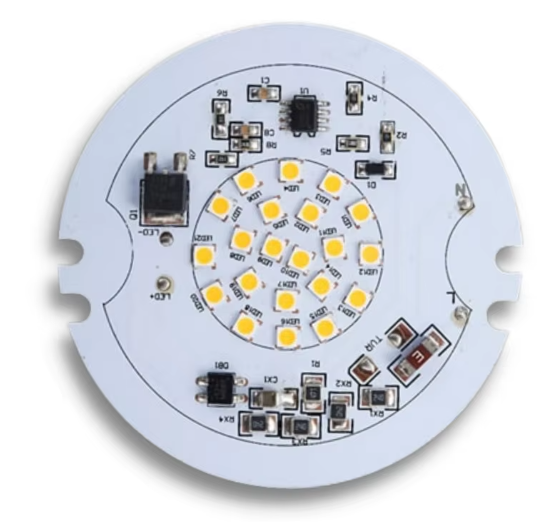
FAQs About LED Turn Signal Light Aluminum Circuit Board
Q1: Can led turn signal light aluminum PCB be used in all types of vehicles?
A1: Yes, led turn signal light aluminum PCB is suitable for all vehicle types, including passenger cars, trucks, buses, and off-road vehicles. It can be customized to fit different LED power requirements, space constraints, and environmental conditions (extreme cold, heat, or vibration), making it a versatile solution for automotive turn signal applications.
Q2: Is led turn signal light aluminum PCB more expensive than FR4 PCB?
A2: While led turn signal light aluminum PCB has a slightly higher initial cost than FR4 PCB, it offers long-term cost savings. Its superior heat dissipation reduces LED replacement costs (by 30-50% over time) and prevents downtime, making it a cost-effective choice for auto manufacturers focused on reliability. This aligns with industry trends where aluminum PCBs balance performance and affordability better than FR4 for automotive applications.
Q3: Can I customize the size and shape of led turn signal light aluminum PCB?
A3: Yes, EBest offers full customization for led turn signal light aluminum PCB, including size, shape, thickness, thermal conductivity, and solder mask color. We work with your engineering team to match your exact design specifications, ensuring the PCB fits seamlessly into your turn signal assembly. This customization supports the unique design needs of different vehicle models.
Q4: How do I test the thermal performance of led turn signal light aluminum PCB?
A4: To test thermal performance, use a thermal imaging camera to measure surface temperature during LED operation. Stable temperatures (below 70℃) indicate good heat dissipation. You can also conduct a thermal shock test (from -40℃ to 85℃) to ensure the PCB withstands extreme temperature changes without failure. EBest provides test reports for all bulk orders, complying with AEC-Q200 automotive reliability standards.
Q5: What is the lifespan of led turn signal light aluminum PCB?
A5: The lifespan of led turn signal light aluminum PCB is typically 100,000+ hours under normal automotive use (frequent on-off cycles, -40℃ to 85℃). This is 2-3 times longer than FR4 PCBs, thanks to its superior heat dissipation and resistance to thermal fatigue. This extended lifespan reduces maintenance and replacement costs for auto manufacturers, aligning with automotive PCB durability requirements.