





Industrial Control PCBA is critical for automation systems, providing stable signal control, high reliability, and long lifecycle performance. In this article, we will explore how industrial control PCBA works, what engineering requirements define reliable industrial controllers, and how manufacturers ensure stable long-term production for automation systems.
EBest Circuit (Best Technology) is a credible PCB and PCBA manufacturer with extensive industry mileage gained through 20 years of supporting demanding engineering projects across multiple industries. We work with many name-brand customers located in the United States, Germany, and Israel, delivering reliable manufacturing solutions tailored to their technical standards. By combining experienced engineering support, stable supply chains, and efficient production systems, EBest provides cost-effective PCB and PCBA services that help customers move from prototype to volume production.
What Makes Industrial Control PCBA Essential For Modern Automation Systems?
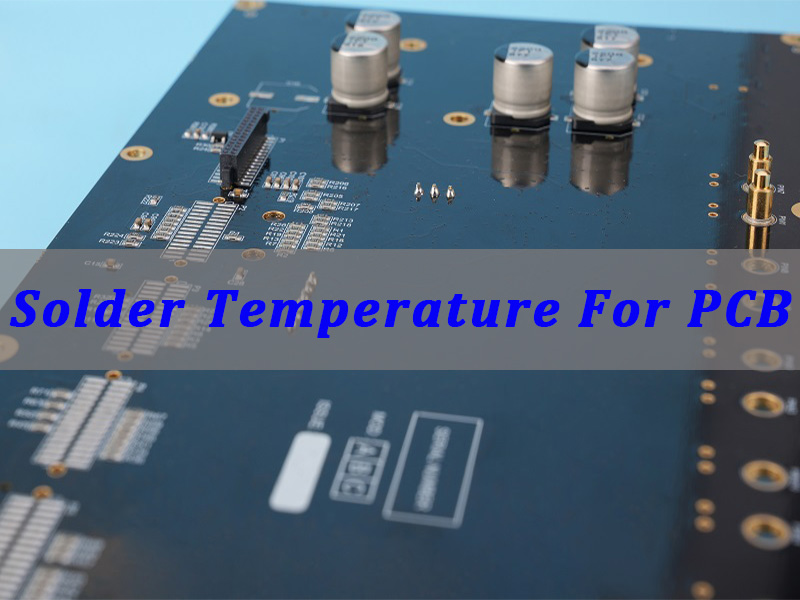
An industrial control PCBA is a printed circuit board assembly designed to manage and control industrial equipment. It integrates electronic components that perform signal processing, data communication, system monitoring, and device control.
Industrial control boards are widely used in:
- PLC controllers
- Robotics systems
- Motor drives
- CNC machines
- Industrial IoT gateways
- Power management equipment
These boards process sensor signals and control actuators such as motors, valves, or relays. They often communicate with upper-level systems like SCADA platforms or industrial networks.
A typical industrial controller PCBA includes:
- Microcontrollers or industrial processors
- Analog and digital signal circuits
- Communication interfaces (RS485, CAN, Ethernet)
- Power conversion circuits
- Protection components and isolation circuits
Because industrial systems operate continuously, reliability becomes the most critical design goal. Even a small failure can interrupt production and cause significant economic losses.
What Performance Requirements Define Industrial Control Equipment PCBA In Harsh Environments?
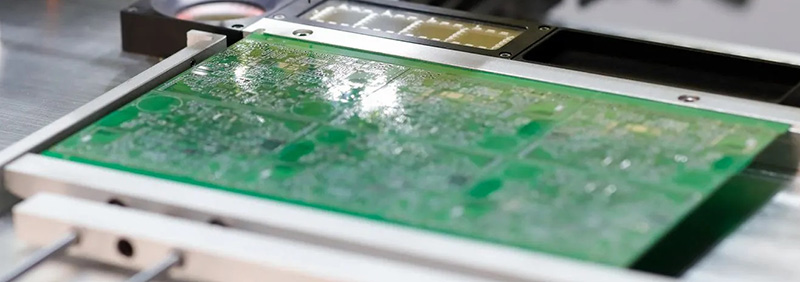
Industrial environments place strict requirements on industrial control equipment PCBA. Unlike consumer electronics, these systems must maintain stable performance under difficult operating conditions.
Common environmental challenges include:
- High temperature operation
- Electrical noise from motors
- Mechanical vibration
- Dust and humidity
- Unstable industrial power systems
To meet these requirements, engineers often design industrial PCBA with enhanced reliability features.
Key Performance Requirements
| Requirement | Engineering Solution |
|---|---|
| Temperature tolerance | High Tg PCB materials and thermal design |
| Electromagnetic compatibility | Ground planes and EMI shielding |
| Electrical isolation | Optocouplers or digital isolators |
| Vibration resistance | Reinforced connectors and mechanical support |
| Power stability | Industrial grade voltage regulators |
Many industrial boards operate in temperature ranges from -40°C to 85°C, and some specialized equipment must support even wider ranges.
Additionally, electromagnetic interference (EMI) from motors and inverters is common in factories. Engineers often use multi-layer PCB designs with dedicated ground planes to reduce noise and maintain signal integrity.
How Does Industrial Control Board PCBA Prototype Assembly Validate Hardware Before Mass Production?
Before large-scale manufacturing begins, engineers usually create a industrial control board PCBA prototype assembly. This prototype stage is critical for validating hardware design and ensuring system stability.
Prototype assembly allows engineers to evaluate several important aspects:
- Hardware functionality
- Signal integrity
- Thermal performance
- EMI compatibility
- Firmware interaction
During this phase, engineers perform tests such as:
- Functional testing of control algorithms
- Communication interface verification
- Thermal stress testing
- Noise and EMI evaluation
If design issues are discovered, engineers can adjust PCB layout, component selection, or firmware configuration before mass production.
Prototype PCBA also helps verify manufacturability. Assembly engineers analyze solder joint quality, component placement accuracy, and potential production risks.
This early validation stage significantly reduces the risk of production defects and costly design changes later.
What Design Principles Ensure Reliable PCBA For Industrial Controller Systems?
Designing PCBA for industrial controller applications requires careful engineering decisions. Industrial controllers must remain stable during long operation cycles and under varying environmental conditions.
Several design principles are widely used in industrial PCBA development.
1. Robust Power Design
Industrial equipment often operates with fluctuating power sources. Engineers design multi-stage power regulation circuits to stabilize voltage supply.
Typical power architectures include:
- DC-DC conversion modules
- Over-voltage protection circuits
- Reverse polarity protection
These circuits protect sensitive components from power disturbances.
2. Strong EMI And Noise Protection
Factories contain many electrical noise sources. Motors, inverters, and switching power supplies generate electromagnetic interference.
Engineers reduce EMI using several methods:
- Multi-layer PCB grounding structure
- Differential signal routing
- Shielding and filtering circuits
- Ferrite beads and common mode chokes
These design strategies ensure stable signal transmission.
3. Thermal Management
Industrial electronics often operate continuously. Heat accumulation can affect component reliability.
Thermal design techniques include:
- Large copper planes
- Thermal vias under power devices
- Heat sinks and airflow design
Proper thermal design helps maintain long operating lifetimes.
4. Long Lifecycle Component Selection
Industrial systems often remain in service for more than ten years. Engineers choose components with long lifecycle availability to avoid redesign.
Industrial grade components also provide higher reliability compared with consumer parts.
How Is PCBA Industrial Controller Manufacturing Optimized For Long Lifecycle Products?
Manufacturing PCBA industrial controller boards requires strict process control. Industrial products demand consistent quality across many production cycles.
Key manufacturing practices include:
Stable PCB Fabrication
Industrial PCBs often use:
- 4-layer or 6-layer stackups
- Thick copper layers
- High Tg FR-4 materials
These structures improve electrical stability and thermal performance.
Precision SMT Assembly
Surface mount technology ensures accurate component placement. Automated equipment such as SPI, AOI, and X-ray inspection helps detect assembly defects early.
Typical inspection flow includes:
- Solder paste inspection
- Pick-and-place verification
- Reflow soldering monitoring
- Automated optical inspection
These steps help maintain consistent solder joint quality.
Functional Testing
Industrial controller boards usually undergo functional testing before shipment.
Functional tests verify:
- Communication ports
- Input and output signals
- Power supply stability
- Processor operation
This testing ensures that every board performs correctly before integration into equipment.
Why Do Automation Companies Choose OEM Industrial Control PCBA Manufacturing?
Many automation companies prefer OEM industrial control PCBA manufacturing instead of building production lines internally.
OEM PCBA manufacturers provide several advantages.
Engineering Collaboration
Professional PCBA manufacturers often provide:
- Design for manufacturing analysis
- BOM optimization
- PCB stackup recommendations
These services improve manufacturability and reduce production risk.
Advanced Manufacturing Equipment
OEM factories typically operate automated SMT lines with inspection equipment such as:
- AOI inspection systems
- X-ray inspection for BGA components
- Flying probe testing machines
These tools ensure consistent manufacturing quality.
Supply Chain Management
Industrial control systems often require many electronic components. Professional manufacturers maintain strong supply chain networks to secure reliable component sourcing.
This reduces component shortages and production delays.
How To Evaluate A Professional Industrial Control PCBA Supplier For Stable Production?
Selecting the right industrial control PCBA supplier directly affects product reliability and long-term production stability.
Several key factors should be evaluated.
Manufacturing Experience
Industrial control electronics require specialized knowledge. Manufacturers with long industry experience better understand automation system requirements.
Quality Certifications
Reliable PCBA suppliers often maintain certifications such as:
- ISO9001
- ISO13485
- IATF16949
- AS9100
These standards demonstrate structured quality management.
Engineering Support
Professional suppliers usually provide technical support including:
- DFM review
- PCB stackup recommendations
- Assembly optimization
This collaboration improves overall product reliability.
Production Capacity
Industrial products may require both prototype and mass production. A strong PCBA partner should support flexible production volumes.
What Capabilities Should A PCBA Supplier For Industrial Control Provide To OEM Manufacturers?
A qualified PCBA supplier for industrial control should provide more than simple assembly services. Industrial systems require complete manufacturing support.
Important capabilities include:
| Capability | Why It Matters |
|---|---|
| PCB fabrication | Integrated manufacturing improves quality control |
| Component sourcing | Reliable supply chain reduces production risk |
| SMT assembly | High precision assembly ensures stability |
| Functional testing | Ensures controller operation before shipment |
| Traceability systems | Supports long lifecycle product management |
Manufacturers with integrated PCB and PCBA services can often provide faster production cycles and better process control.
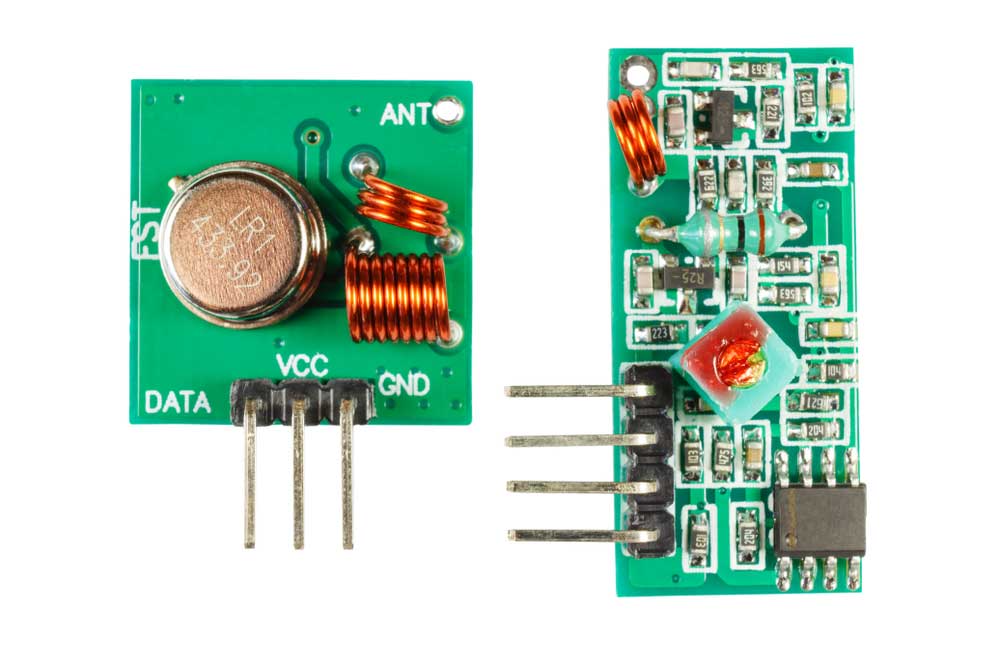
In a nutshell, industrial automation continues to expand across manufacturing industries. Reliable electronics are essential for maintaining stable production systems. Industrial control PCBA plays a central role in controlling machines, processing signals, and managing industrial communication networks.
Designing and manufacturing these boards requires strong engineering expertise. Factors such as thermal design, EMI protection, robust power management, and strict testing procedures all contribute to long-term reliability.
Working with an experienced PCBA manufacturer helps automation companies reduce development risk and achieve stable product performance.
If you are looking for professional support for industrial controller electronics, feel free to contact our engineering team via sales@bestpcbs.com. Our team will be happy to assist with your industrial control PCBA projects.
FAQs About Industrial Control PCBA
What Is Industrial Control PCBA?
Industrial control PCBA is a printed circuit board assembly designed for automation systems such as PLC controllers, robotics equipment, and industrial communication devices.
What Is The Difference Between Industrial PCBA And Consumer Electronics PCBA?
Industrial PCBA focuses on reliability and long-term operation. Consumer electronics prioritize cost and compact design.
Industrial boards often include stronger protection circuits and higher grade components.
How Long Does Industrial Controller PCBA Typically Last?
Many industrial controllers operate for 10 to 15 years when properly designed and maintained.
Long lifecycle components and robust PCB design help achieve this durability.
What PCB Materials Are Common For Industrial Control Boards?
Most industrial boards use high Tg FR-4 materials, while some power control systems may require thicker copper layers or specialized laminates.
These materials improve thermal stability and electrical performance.
How Important Is Testing In Industrial PCBA Manufacturing?
Testing is extremely important. Industrial controller boards often undergo AOI inspection, electrical testing, and functional testing to ensure stable operation.
These tests help detect manufacturing defects early.