PCB manufacturing PCB manufacturing
Home > Blog

Posts Tagged ‘Robotics PCB Design’

PCB Robotics with Quick Mid Volume Robotics PCB Assembly​
Friday, December 12th, 2025

PCB Robotics​ refers to the specialized field of designing and manufacturing printed circuit boards that serve as the central nervous system for robotic applications, enabling precise control, sensing, and actuation. This article explores the unique demands of robotics PCB design and assembly, with a focus on achieving reliability and agility in mid-volume production runs.

What are the key pain points in sourcing robotics PCB assembly​ for mid-volume orders?

  • Prolonged Lead Times:​ Standard high-volume factories have slow setups and long minimum order quantities (MOQs), causing agonizing delays for builds of 500 to 5,000 units.
  • Inflexible Processes:​ Rigid production lines cannot accommodate frequent engineering change orders (ECOs) or component substitutions common in robotics development.
  • Inconsistent Quality at Scale:​ Transitioning from hand-assembled prototypes to automated production introduces new failure points, like weak solder joints or misaligned components, that undermine reliability.
  • High Upfront Tooling Costs:​ Traditional assembly imposes high, non-recurring engineering (NRE) and fixture costs that are prohibitive for mid-volume budgets.
  • Supply Chain Fragility:​ Managing component procurement for dozens of specialized sensors, motor drivers, and MCUs across hundreds of boards is a logistical nightmare that risks production stoppages.

Overcoming these hurdles requires a partner whose operational model is built for the dynamic nature of mid volume robotics PCB assembly. The solution is a manufacturer that combines scalable processes with the agility of a prototype shop.

  • Optimized Mid-Volume Lines:​ Utilize production lines engineered for faster changeovers and efficient runs in the 500-10,000 unit range, dramatically cutting lead times.
  • Agile, Responsive Engineering:​ Work with a partner whose engineering team actively manages ECOs and provides Design for Manufacturability (DFM)​ feedback tailored for robotic assemblies.
  • Process-Driven Quality:​ Implement robust, audited processes—like automated optical inspection (AOI) and X-ray for BGAs—that ensure consistent, high-yield results from the first batch to the last.
  • Cost-Effective Scaling:​ Leverage manufacturers that minimize upfront tooling fees and offer transparent, scalable pricing models perfect for growth-stage production.
  • Integrated Component Sourcing:​ Rely on the manufacturer’s established supply chain and procurement expertise to source, manage, and kit all necessary components, de-risking your build.

BEST Technology specializes in bridging the gap between prototype and mass production. We are experts in mid volume robotics PCB assembly, offering the perfect blend of quick-turn agility and production-ready rigor. Our streamlined processes, stringent quality controls, and dedicated engineering support are designed to transform your robotic design into a reliable, market-ready product without the traditional scale-up headaches. If you would like to visit our PCB factory, pls feel free to contact us at sales@bestpcbs.com.

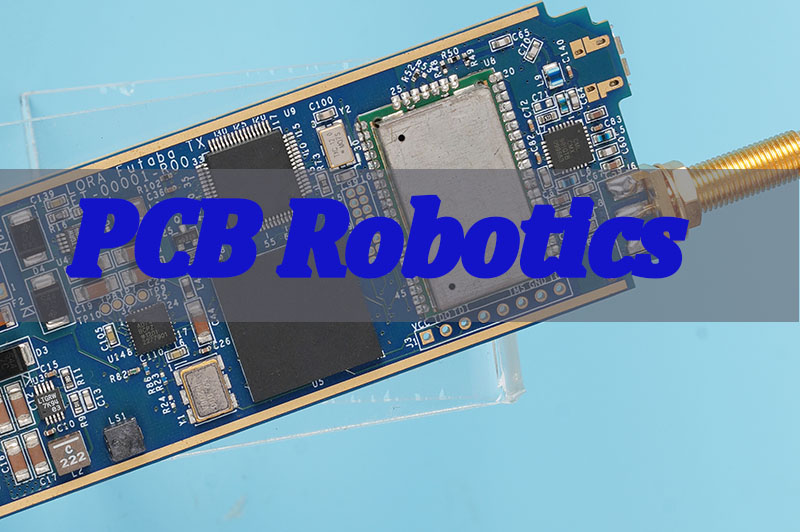
PCB Robotics

What is PCB Robotics?

PCB Robotics is the convergence of printed circuit board technology and robotic systems.

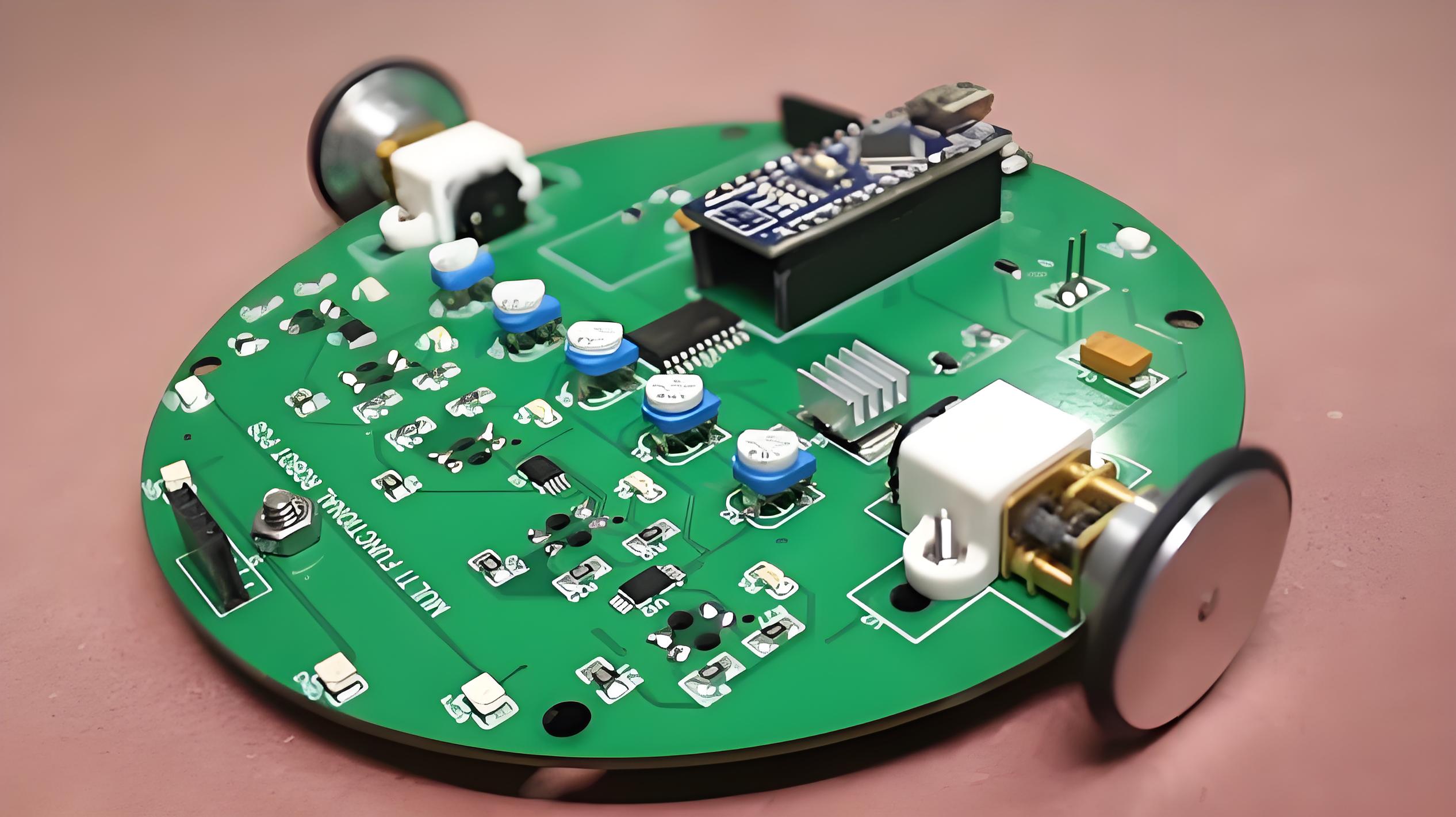
It encompasses everything from the PCB design for a line follower robot​ to the complex, multi-board assemblies inside industrial arms. The PCB in robotics​ is not just a carrier for components; it is the integral platform that hosts microcontrollers, sensor interfaces, power regulation, and motor drivers, forming the essential backbone for the robot’s “brain” and “nervous system.”

Success in this field hinges on PCBs that are mechanically robust, electrically reliable, and optimized for manufacturability.

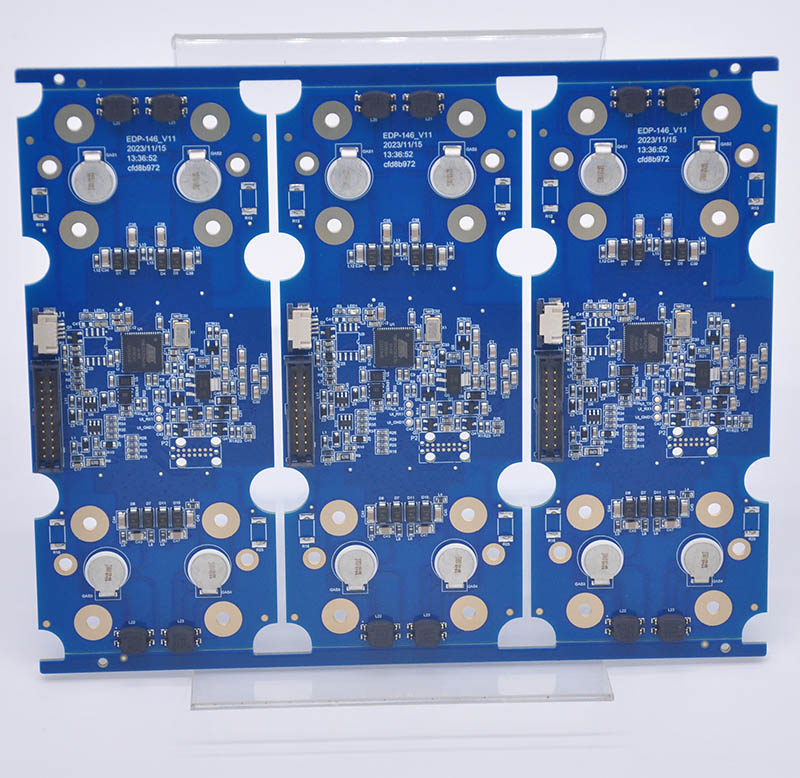
PCB Robotics

How Does PCB in Robotics Enable Precise Control, Sensing, and Motion Execution?

The PCB in robotics​ acts as the central hub that integrates all subsystems. Its design directly dictates the robot’s capability and performance.

  • Data Processing Core:​ Hosts the main CPU/MPU, running control algorithms and processing data from various sensors in real-time.
  • Sensor Fusion Platform:​ Provides clean, regulated power and precise signal conditioning circuits for a suite of sensors (LiDAR, IMUs, cameras, encoders), ensuring accurate environmental data.
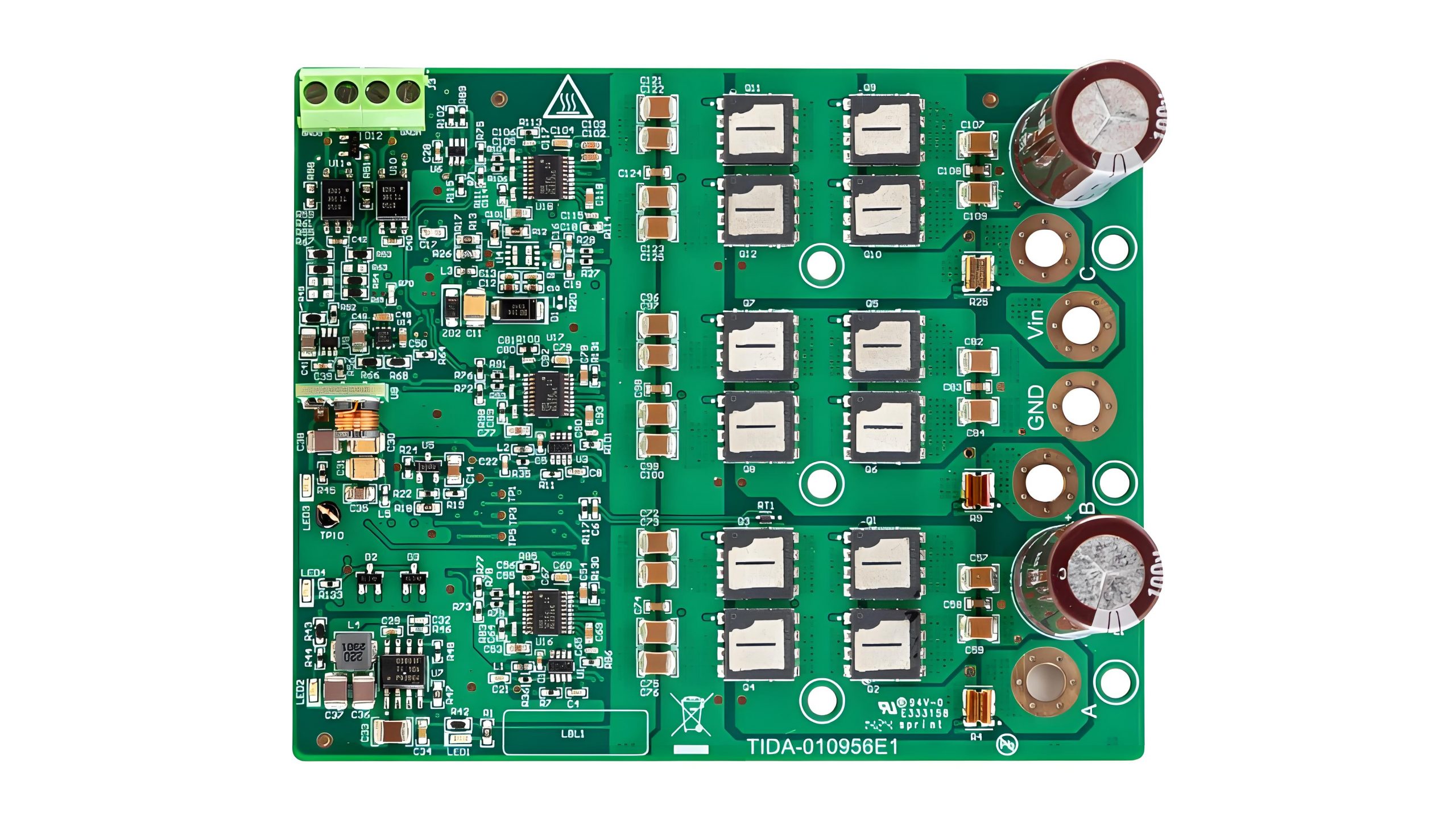
  • Power Distribution & Management:​ Efficiently routes and regulates high-current power to actuators and motors while providing clean, stable low-voltage power to sensitive digital and analog components.
  • Motion Control Interface:​ Contains motor drivers (H-bridges, stepper controllers) and robust connectors that translate control signals into precise physical movement.
  • Communication Backbone:​ Implements various communication protocols (CAN, Ethernet, SPI, I2C) on the board layout to ensure fast, error-free data exchange between all subsystems.

What Are the Core Design Requirements for Reliable Robotics PCB Design?

Robotics PCB design​ must satisfy a harsher set of requirements than standard consumer electronics. Reliability under stress is paramount.

  1. Mechanical Robustness: Boards must withstand constant vibration, shock, and potential physical impact. This demands:
    • Strategic stiffener placement.
    • Reinforced mounting holes (plated or with pads).
    • Conformal coating for moisture and dust protection.
  2. Thermal Management:Motor drivers and processors generate significant heat. Designs must incorporate:
    • Thermal relief pads and adequate copper pours for heat spreading.
    • Strategic placement of thermal vias under hot components.
    • Consideration for metal-core PCBs (IMPCB) for high-power sections.
  3. Signal Integrity & EMI Control:High-speed digital signals and motor noise must not interfere with sensitive analog sensor lines.
    • Careful stack-up planning with dedicated ground planes.
    • Proper separation of analog, digital, and power sections.
    • Use of filters, ferrite beads, and strategic grounding for motor driver noise mitigation.
  4. Connector & Interface Reliability:Connectors are common failure points. Designs must specify:
    • Locking or high-retention connectors for cables.
    • Strain relief features.
    • Redundant pins for critical power connections.

How Robotics PCB Assembly Differs From Standard Electronics Manufacturing?

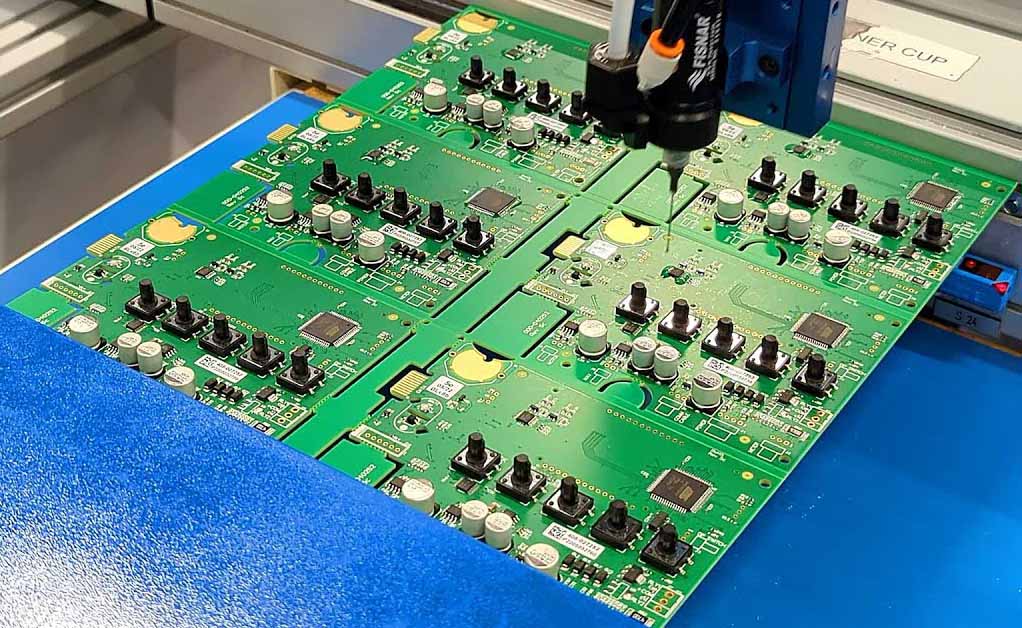
Robotics PCB assembly​ introduces unique challenges that go beyond populating a standard board. It requires a manufacturer that understands the functional criticality of every joint and component.

  • Mixed Technology Focus:​ Robotics boards often mix large through-hole connectors (for motors), fine-pitch BGAs (for processors), and heavy thermal mass components (like MOSFETs). The assembly process must be optimized for this mix.
  • Enhanced Inspection Requirements:​ Beyond standard AOI, robotics pcbs​ often require:
    • X-ray Inspection:​ To verify solder joints under large BGAs or hidden terminations.
    • In-Circuit Test (ICT) or Flying Probe:​ For functional validation of complex circuits.
    • Stress Testing:​ Vibration or thermal cycle testing on sample batches.
  • Component Qualification:​ Using extended temperature-range or industrial-grade components is often necessary, requiring stricter supply chain oversight from the assembler.
  • Conformal Coating:​ Applying protective conformal coating is frequently a standard requirement, adding a critical process step to the assembly line.

How PCB Design for Line Follower Robot Improves Stability and Tracking Accuracy?

A line follower robot​ is a perfect case study in how PCB design​ directly impacts core performance. An optimized board layout is crucial for stability and accurate tracking.

  • Sensor Placement & Symmetry:​ The IR or optical reflectance sensors must be placed with micron-level precision relative to each other and the board’s centerline. Any asymmetry in the PCB layout​ creates inherent tracking bias.
  • Low-Noise Analog Design:​ The sensor signals are weak and analog. The PCB design​ must:
    • Provide a clean, regulated analog power supply separate from motor noise.
    • Use short, guarded traces from sensors to the analog-to-digital converter (ADC).
    • Include proper grounding and filtering to reject electrical noise from the motors.
  • Power Delivery for Motors:​ Sudden motor loads can cause voltage sags that reset the microcontroller. The design must use wide power traces, large power planes, and strategically placed bulk capacitors near the motor drivers.
  • Center of Gravity Management:​ Component placement on the PCB robot​ itself affects its physical balance. Dense components should be centered and low to prevent tipping during sharp turns.

How to Ensure the Quality for Robot PCB Assembly?

Ensuring quality in robot PCB assembly​ is a multi-stage, proactive process.

  1. Design for Excellence (DFX) Review:A collaborative pre-production review between the designer and manufacturer to eliminate manufacturability, testability, and reliability issues before fabrication.
  2. Incoming Material Inspection:​ Verifying all components against the bill of materials (BOM) for correctness and checking for moisture sensitivity (MSL) to prevent “popcorning” during reflow.
  3. Process Control During Assembly:​ Monitoring key parameters like solder paste deposition, reflow oven temperature profiles, and placement machine accuracy in real-time.
  4. Comprehensive Post-Assembly Testing:​ A combination of tests is essential:
    • Automated Optical Inspection (AOI):​ Checks for solder bridges, component misalignment, and presence.
    • X-Ray Inspection:​ Examines hidden solder joints (BGAs, QFNs).
    • Functional Testing (FCT):​ Powers up the board and runs a test program to verify all inputs, outputs, and logic.

Case about PCB in Aero Robotics Projects by BEST Technology

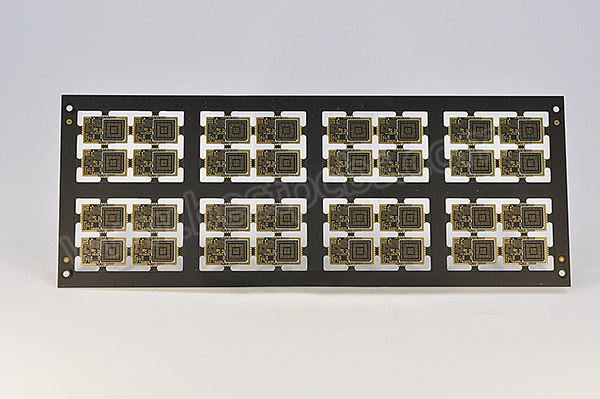
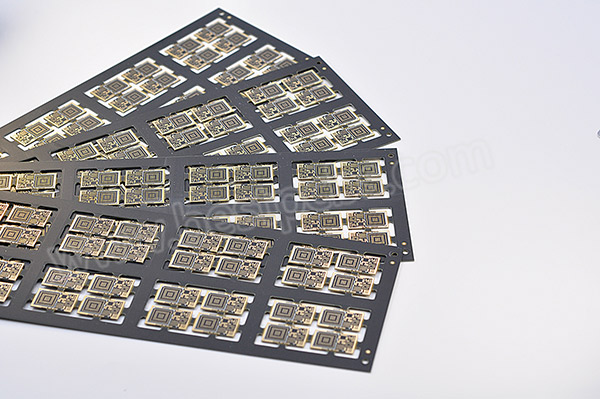
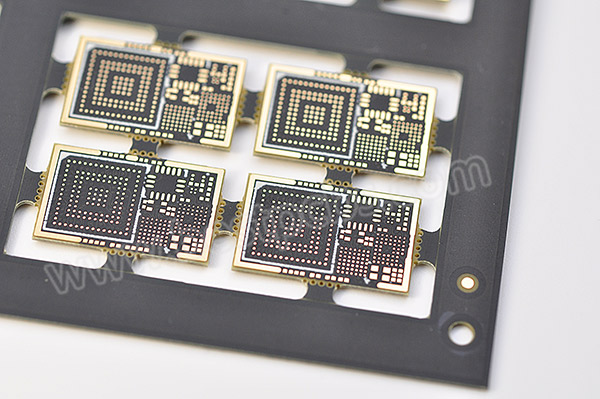
This project entailed the fabrication of a sophisticated 6-layer RF PCB for a mission-critical aero robotics​ system. The board’s demanding specifications—including hybrid high-frequency materials, complex HDI via structures, and tight impedance control—were designed to ensure superior signal integrity and reliability in a challenging operational environment. The successful execution of this project highlights our capability in advanced robotics pcb assembly​ and manufacturing.

6-Layer Aero Robotics RF Board Specifications:

ItemSpecification
Laminate CombinationRogers RO4350B + Isola Astra MT77 (Hybrid Lamination)
Inner Layer Copper Thickness0.5 oz (17.5 µm)
Outer Layer Copper Thickness0.5 oz (17.5 µm)
Trace Width Tolerance±1 mil (RF traces)
Solder Mask Thickness≤ 15 µm (Green solder mask, no legend)

Why Choose BEST Technology for Mid Volume Robotics PCB Assembly?

BEST Technology is engineered to be the ideal partner for your scale-up phase. We excel at mid volume robotics PCB assembly​ by removing the traditional barriers between prototyping and mass production.

  • Agility Meets Process Rigor:​ Our production lines are configured for efficient, smaller batches (500-10,000 units) without sacrificing the disciplined processes needed for consistent quality.
  • Robotics-Specific Expertise:​ Our engineers understand the unique demands of motor control, sensor integration, and ruggedized design, providing actionable DFM feedback.
  • Integrated Supply Chain Management:​ We handle the complexity of sourcing and managing the long-tail of specialized components common in robotics BOMs.
  • Comprehensive Quality Assurance:​ From automated inspection to functional testing, we build verification steps into the process to ensure every board meets the reliability demands of a robotic application.
  • Transparent Partnership:​ We provide clear communication, predictable scheduling, and scalable pricing, making us a true extension of your development team.
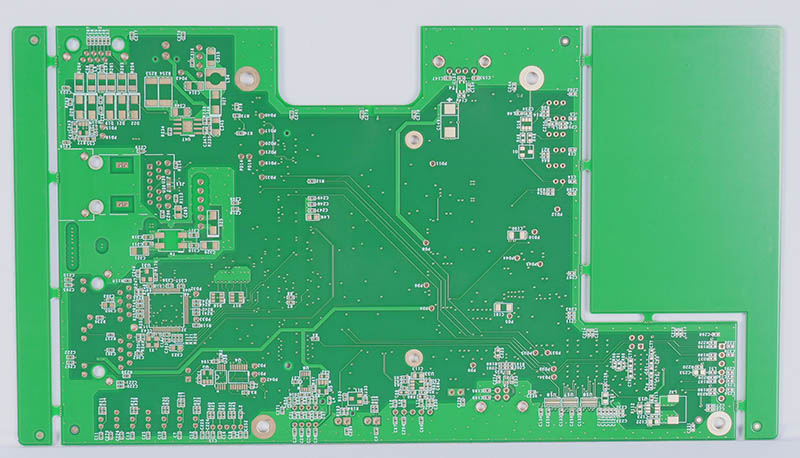
PCB Robotics

All in all, PCB Robotics​ is the foundational engineering discipline that transforms conceptual robotic designs into functional, reliable machines. This guide has detailed the critical considerations in design, assembly, and testing that separate a successful robotic product from a fragile prototype.

Navigating the transition to mid volume robotics PCB assembly​ requires a partner that understands both the technical complexities and the business need for speed and flexibility. BEST Technology provides this essential partnership, combining agile manufacturing with rigorous quality control to deliver robust, production-ready assemblies that accelerate your path to market. Pls contact us to discuss your project via sales@bestpcbs.com.

Robotics PCB Design, Robotics PCB Board Manufacturer
Thursday, June 5th, 2025

Looking for cutting-edge robotics PCB design solutions that ensure precision and durability for your robotic applications? This guide covers everything from technical specifications to manufacturer selection for reliable robotic PCB production.

Best Technology stands out as a leading ‌robotics PCB design manufacturer‌ by combining engineering expertise with customer-centric services. Our advantage lies in offering ‌free DFM (Design for Manufacturability) analysis‌ – our engineers proactively identify potential production issues in your robotic PCB designs before fabrication, saving 15-30% revision time. With ‌5 dedicated high-mix PCB lines‌, we achieve ‌7-12 days standard lead times‌ (30% faster than industry averages) for rigid-flex boards up to 20 layers, critical for agile robotics prototyping. Advanced capabilities include ‌6μm laser drilling‌ for high-density interconnects in robotic joints and ‌impedance control ±7%‌ for motor control signals. We serve 40+ robotics clients globally with ‌98.2% on-time delivery‌ and ‌IPC Class 3‌ compliance for industrial-grade reliability. Contact us to experience how our ‌free DFM + fast-turn service‌ accelerates your robotics innovation cycle: sales@bestpcbs.com.

What Is Robotics PCB Design?

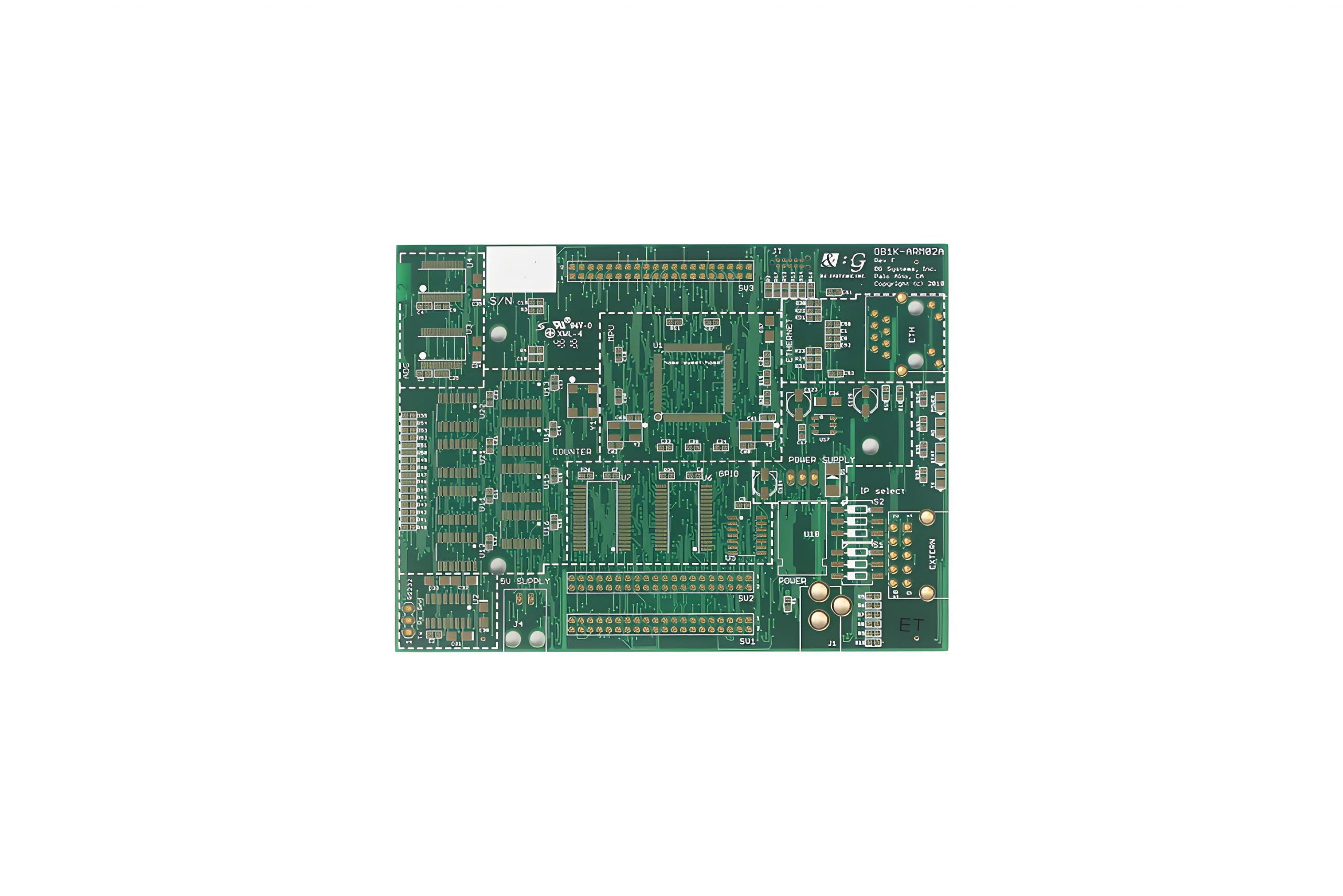
Robotics PCB design refers to the specialized process of creating printed circuit boards tailored for robotic systems. This discipline integrates electronic circuit layout with mechanical constraints unique to robotics, considering factors like dynamic motion tolerance, vibration resistance, and compact spatial requirements. Unlike conventional PCB design, robotics PCB design demands careful coordination between sensor interfaces, motor drivers, and onboard processors while accommodating three-dimensional movement patterns. The design must ensure reliable power distribution across articulated joints and maintain signal integrity despite electromagnetic interference from actuators. Successful implementations balance electrical performance with physical robustness, enabling autonomous navigation, precise manipulation, and real-time data processing within the robot’s operational environment. Modern approaches increasingly incorporate flexible circuits and modular architectures to support adaptive robotic behaviors.

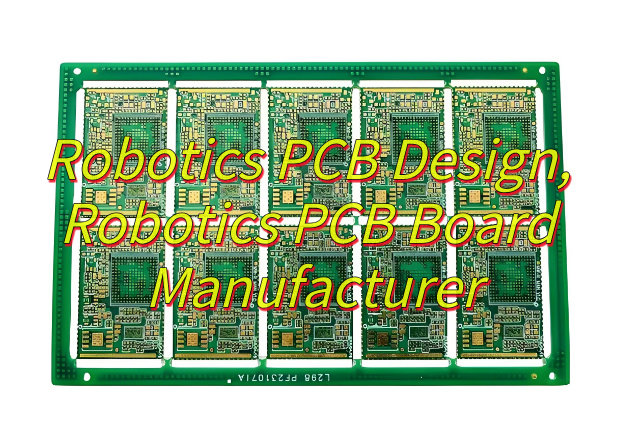
Robotics PCB Design

What Are Features of Robotics PCB Design?

Here are features of robotics PCB design:

  • Motion-Aware Layout‌ – Circuit traces and components are arranged accounting for continuous mechanical movement, preventing stress fractures in solder joints during robotic arm articulation.
  • Multi-Sensor Integration‌ – Dedicated interfaces for LiDAR, IMU, and force/torque sensors maintain signal purity despite electromagnetic noise from nearby motors.
  • Power Resilience‌ – High-current paths for servo drivers incorporate thick copper pours (≥2oz) and redundant vias to handle sudden torque demands.
  • Compact Stack-ups‌ – Multilayer boards (6-12 layers) achieve high-density routing in confined spaces like robotic joints, using microvias for escape routing.
  • Vibration Resistance‌ – Components under 10g are secured with corner glue dots or underfill, while connectors use locking mechanisms.
  • Real-Time Processing‌ – FPGAs and MCUs are positioned to minimize latency in control loops, with careful clock distribution to avoid jitter.
  • Environmental Hardening‌ – Conformal coatings protect against dust/moisture, and thermal vias manage heat in sealed robotic enclosures.
  • Modularity‌ – Board-to-board connectors allow easy expansion, such as adding new gripper modules without redesigning the main controller.
  • EMI Mitigation‌ – Motor driver sections are isolated with moats and shielded with grounded copper fences to prevent interference with sensitive analog circuits.
  • Field-Repairable Design‌ – Critical components use socketed mounting or labeled test points for quick maintenance during robotic deployments.
Robotics PCB Design

Robotics PCB Design Technical Parameters

Technical parameters for robotics PCB design:

Dimensional and Layer Configuration

  • Form Factor: Compact designs (e.g., 60mm×40mm to 200mm×150mm) to fit within robotic chassis, with mounting holes and mechanical interfaces pre-integrated.
  • Layer Count: 4–16 layers depending on complexity, with dedicated power/ground planes for high-speed signals and isolation between analog/digital domains.

Material Selection for Robustness

  • Substrate: High-Tg laminates (e.g., FR-408HR, Tg ≥ 170°C) to withstand thermal cycling in motor-driven or high-power applications.
  • Flexible PCBs: Polyimide (PI) materials for dynamic bending applications (e.g., robotic arms), with laser-etched traces and reinforced stiffeners at critical stress points.

Electrical Performance

  • Signal Integrity: Controlled impedance (50Ω ± 10%) for high-speed interfaces (e.g., CAN FD, EtherCAT), with differential pair length matching ≤2mil.
  • Power Delivery: 2oz copper thickness for 24V motor driver traces, with via diameters ≥0.5mm to minimize voltage drop.
  • EMC Compliance: Ring-shaped ground planes around noisy components (motors, wireless modules), spaced ≥0.5mm from signal traces.

Thermal Management

  • High-Power Components: Copper pour areas ≥200mm² under MOSFETs/DC-DC converters, with thermal vias (≥8 per component, 0.3mm diameter) for heat dissipation.
  • Simulation: Thermal mapping across -20°C to 85°C operating range, ensuring ≤30°C temperature rise for critical sensors.

Mechanical Reliability

  • Vibration Resistance: Random vibration testing (5–2000Hz, 5Grms) with teardrop-shaped SMT pads to mitigate crack propagation.
  • Shock Protection: “Crosshair” connector reinforcement for 50G impact resistance, preventing solder joint failure in mobile robots.

Connectivity and Expandability

  • ESD Protection: TVS diodes for RJ45/USB-C ports, withstanding ≥±8kV surge events.
  • Modular Interfaces: Gold-plated (≥3μin) expansion headers (e.g., Pmod, Arduino Shield) rated for ≥1000 mating cycles.

Design for Manufacturing (DFM)

  • Trace/Space: Minimum 3mil line width/spacing for SMT compatibility, with solder mask dams between pads.
  • Test Points: Dedicated vias for all power/ground/signal nets, spaced ≥1.27mm apart for flying probe testing.

Safety and Compliance

  • Standards: IEC 60204-1 (machinery safety) and ISO 13849 (functional safety), with 1500V AC hipot testing for insulation.
  • E-Stop Circuitry: Independent monitoring channel with ≤10ms response time to cut power during faults.

Advanced Trends

  • Magnetic Current Sensors: Integrated solutions (e.g., Allegro ACS37041) for compact, high-accuracy current sensing in motor drives.
  • AI-Driven Inspection: 3D AOI systems for detecting micro-defects (e.g., blind via filling, laser drilling residues) in HDI boards.

    Design Consideration For Robotics PCB Design

    Below are design consideration for robotics PCB design:

    Component Robustness

    • Select industrial-grade components rated for extended temperature ranges (-40°C to 125°C) and high vibration tolerance.
    • Use ceramic capacitors (X7R/C0G dielectric) for critical decoupling to avoid microphonic noise in motor control circuits.

    Power Delivery Optimization

    • Segment power planes into digital, analog, and high-current domains to minimize ground bounce and noise coupling.
    • Place low-ESR decoupling capacitors (e.g., 10μF ceramic + 0.1μF parallel) within 2mm of power pins for transient stability.

    Signal Integrity Management

    • Isolate high-speed interfaces (e.g., SPI, Ethernet) from noisy motor driver circuits using guard traces and ground stitching.
    • Route differential pairs (CAN, RS-485) with matched lengths (≤5mil skew) and controlled impedance (100Ω ± 10%).

    Thermal Dissipation Strategies

    • Position high-power devices (e.g., MOSFETs) near ventilation paths and use thermal via arrays (≥8 vias, 0.3mm diameter) to conduct heat to internal ground planes.
    • Avoid placing temperature-sensitive components (e.g., oscillators) adjacent to heat-generating areas.

    Mechanical Stress Mitigation

    • Reinforce connector solder joints with epoxy underfill for shock resistance in mobile robotics applications.
    • Use 45° trace bends instead of 90° angles in flexible zones (e.g., robotic joints) to reduce stress concentration.

    EMI/EMC Compliance

    • Enclose wireless modules (Wi-Fi, Bluetooth) in copper-clad shields connected to ground via multiple low-impedance paths.
    • Add ferrite beads to motor power lines and control signals to suppress conducted electromagnetic interference.

    Design for Testability (DFT)

    • Include boundary-scan (JTAG) headers for in-system programming and hardware diagnostics.
    • Expose critical test points (power rails, clock signals) on PCB edges with 0.1″ spacing for probe compatibility.

    Safety and Redundancy

    • Implement dual redundant power rails for safety-critical functions (e.g., emergency stop) with diode-ORing for fail-safe operation.
    • Integrate a watchdog timer circuit to reset the microcontroller if software hangs during motion control tasks.

      How to Make A Robot PCB Circuit Board?

      Production process for robotics PCB circuit boards:

      1. Design and Schematic Capture

      • Begin by defining system requirements (power budget, sensor interfaces, motor drivers).
      • Use EDA software to create schematics, ensuring proper signal flow between microcontrollers, actuators, and communication modules.

      2. Layout and Routing

      • Place components to balance thermal and mechanical constraints (e.g., heat-generating ICs near vents).
      • Route traces with priority for high-speed signals (e.g., SPI, CAN), avoiding 90° angles to reduce impedance discontinuities.

      3. Design Rule Check (DRC)

      • Validate against manufacturing constraints (trace width, spacing, annular rings) using built-in EDA tools.
      • Ensure compliance with industry standards (IPC-2221 for electrical clearance).

      4. Material Preparation

      • Select substrate materials based on application needs (e.g., FR-4 for cost efficiency, polyimide for flexibility).
      • Cut raw laminate sheets to panel size, accounting for tooling holes and fiducial markers.

      5. Inner Layer Imaging

      • Apply photoresist coating to copper-clad laminate, then expose to UV light through a film mask.
      • Develop the image to retain copper traces, followed by etching to remove excess copper.

      6. Layer Stacking and Lamination

      • Align inner layers with prepreg (resin-impregnated fiber) and copper foils using optical registration.
      • Press the stack in a hydraulic lamination press at elevated temperature to fuse layers.

      7. Drilling and Plating

      • Drill via holes and mounting holes using CNC machines, with precision down to 0.1mm diameter.
      • Electroplate copper onto hole walls to establish electrical connections between layers.

      8. Outer Layer Imaging and Etching

      • Repeat photoresist and etching steps for outer layers, incorporating solder mask and silkscreen patterns.
      • Apply surface finishes (e.g., ENIG, HASL) to protect copper traces and improve solderability.

      9. Solder Paste Stenciling

      • Print solder paste onto pads using a stainless-steel stencil, ensuring consistent deposition (±0.05mm accuracy).
      • Inspect stencil alignment with automated optical inspection (AOI) systems.

      10. Component Placement

      • Use pick-and-place machines to mount SMD components (resistors, capacitors, ICs) with 0201 package precision.
      • Hand-solder through-hole connectors (e.g., power jacks) for high-reliability joints.

      11. Reflow Soldering

      • Pass the assembled board through a convection reflow oven, following a temperature profile optimized for the solder paste alloy.
      • Monitor peak temperatures (235–245°C for lead-free solder) to avoid component damage.

      12. Automated Optical Inspection (AOI)

      • Scan the board for defects (solder bridges, missing components) using multi-angle cameras and machine vision.
      • Flag potential issues for manual rework if needed.

      13. Functional Testing

      • Apply power and inject test signals to validate circuit functionality (e.g., motor driver PWM output).
      • Use boundary-scan (JTAG) tools for embedded system debugging.

      14. Final Assembly

      • Attach connectors, heat sinks, and shields using screwdrivers or automated screwdrivers.
      • Perform vibration testing to ensure mechanical stability under operational stress.

      15. Packaging and Shipping

      • Seal finished PCBs in ESD-safe bags with desiccant packs to prevent moisture absorption.
      • Label packages with part numbers, revision codes, and handling instructions.
      Robotics PCB Design

      How to Choose A Robotics PCB Board Manufacturer?

      Here are tips about how to choose a robotics PCB board manufacturer:

      Design Collaboration Proficiency

      • Prioritize manufacturers offering seamless design-to-manufacturing support. Evaluate their Design for Manufacturing (DFM) feedback efficiency—aim for actionable suggestions within 24 hours.
      • Confirm direct compatibility with your design tools (e.g., Altium, Eagle) to minimize file conversion errors.

      Prototyping Expertise

      • Assess rapid prototyping capabilities—request 3–5 day turnaround for SMT assemblies with AOI inspection reports.
      • Inquire about flexibility for small-batch mixed designs (e.g., 1–10 unique boards per batch) to reduce iteration costs.

      Material Selection Database

      • Choose vendors with an online material library containing electrical/thermal properties for specialty substrates (e.g., PTFE, metal-core boards).
      • Verify if they proactively recommend alternative materials during component shortages.

      Signal/Power Integrity Simulation

      • Partner with manufacturers providing SI/PI simulation services. Request eye-diagram reports for high-speed interfaces (e.g., PCIe 4.0) and target impedance analysis for power planes.

      Thermal Management Solutions

      • Evaluate thermal simulation capabilities—demand heat sink/thermal pad recommendations with predicted temperature rise data.
      • Confirm support for liquid cooling integration, including flow resistance calculations.

      Customized Testing Strategies

      • Select vendors tailoring test plans to your design (e.g., motor driver phase current harmonic analysis).
      • Inquire about accelerated reliability testing (HALT/HASS) to uncover latent design flaws.

      IP Protection Protocols

      • Ensure NDA execution and encrypted file transfer systems are in place.
      • Request segregated production lines to prevent cross-contamination between projects.

      Design Iteration Support

      • Prioritize manufacturers with Engineering Change Order (ECO) management systems tracking all design revisions.
      • Confirm access to failure analysis services, including 8D reports for root cause identification.
      Robotics PCB Design

      How to Ensure Electromagnetic Compatibility in Robotics PCB Board Manufacturing?

      Layer Stack-up Optimization

      • Design a dedicated ground plane directly beneath high-speed traces (e.g., SPI, Ethernet) to minimize return path discontinuities.
      • Isolate noisy circuits (motor drivers, switching regulators) using split power planes connected via ferrite beads to reduce cross-domain interference.

      Controlled Impedance Routing

      • Define trace dimensions to maintain 50Ω ± 10% impedance for RF and differential pairs, using online calculators to validate geometry.
      • Avoid 90° trace bends; use 45° angles or filleted corners to prevent impedance mismatches and signal reflections.

      Component Placement Strategies

      • Position EMI-sensitive components (oscillators, LNAs) at least 10mm away from power converters and motor terminals.
      • Orient wireless modules (Wi-Fi, Bluetooth) perpendicular to digital circuits to minimize magnetic coupling.

      Filtering and Decoupling Techniques

      • Install ferrite beads on motor power lines and I/O cables to suppress high-frequency noise (>100MHz).
      • Use 0402/0201-package MLCC capacitors for high-frequency decoupling, placed within 2mm of IC power pins.

      Grounding and Shielding Implementation

      • Connect chassis grounds to digital grounds at a single point to eliminate ground loops.
      • Apply conductive shielding paint to PCB edges and connectors to contain RF emissions (<1GHz).

      Via and Hole Management

      • Minimize via stubs in high-speed signals using blind/buried vias or backdrilling techniques.
      • Offset via arrays around sensitive analog areas to avoid parallel resonance effects.

      Pre-Compliance Testing Protocols

      • Conduct near-field probe scans during prototyping to locate EMI hotspots (e.g., switching regulators).
      • Perform conducted emissions testing across 150kHz–30MHz using a LISN to validate compliance early.

      Material and Process Selection

      • Specify low-loss dielectric materials (e.g., PTFE, ceramic-filled laminates) for RF sections to reduce dielectric losses.
      • Control solder mask thickness (±0.02mm tolerance) to avoid altering microstrip line impedance.

        How to Check Quality of Robotics PCB Board Manufacturing?

        Below are tips about how to check quality of robotics PCB board manufacturing:

        Visual Inspection Under Magnification

        • Use a microscope (≥10x magnification) to inspect solder joints for voids, cold joints, or tombstoning.
        • Check for proper component polarity marking alignment and absence of flux residues in critical areas.

        Automated Optical Inspection (AOI)

        • Deploy AOI systems to detect lifted pads, missing components, or incorrect part orientations.
        • Validate that barcodes/QR codes for traceability are clearly legible and undamaged.

        In-Circuit Testing (ICT)

        • Perform boundary-scan tests to verify connectivity between microcontroller pins and peripheral circuits.
        • Measure resistance, capacitance, and diode forward voltage within 5% tolerance of design values.

        X-Ray Inspection for Hidden Defects

        • Use X-ray systems to inspect BGA solder balls for voids (>25% voiding requires rework).
        • Confirm via fill quality in multilayer boards to ensure electrical continuity.

        Thermal Cycle Testing

        • Subject PCBs to -40°C to 125°C cycles (100x iterations) to identify solder joint fatigue.
        • Monitor for delamination between layers using cross-sectional analysis post-testing.

        Electromagnetic Compatibility (EMC) Screening

        • Conduct radiated emissions scans (30MHz–1GHz) to ensure compliance with EN 55032 limits.
        • Test immunity to 80MHz–1GHz RF fields at 3V/m without functional degradation.

        Mechanical Stress Testing

        • Apply 3-axis vibration (5–2000Hz sweep, 10G RMS) to simulate robotic motion impacts.
        • Perform connector mating cycles (100x insertions) to validate retention force integrity.

        Cross-Sectional Analysis

        • Micro-section critical areas (e.g., via barrels, plated slots) to measure copper thickness (≥1mil).
        • Verify dielectric spacing between layers matches design rules (e.g., 4mil minimum for FR-4).

        Conclusion

        In summary, robotics PCB design demands specialized expertise in high-density interconnects, impedance control, and ruggedized layouts to meet the rigorous demands of robotic motion control and sensor integration. Critical factors include EMI/EMC shielding techniques, multilayer stack-up optimization, and industrial-grade reliability validation. If you have any request for robotics PCB design, welcome to contact us: sales@bestpcbs.com.