PCB manufacturing PCB manufacturing
Home > Blog

Posts Tagged ‘RF Microwave PCB’

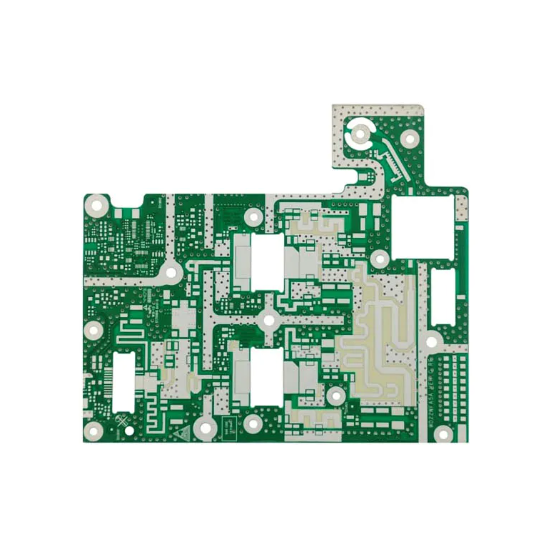
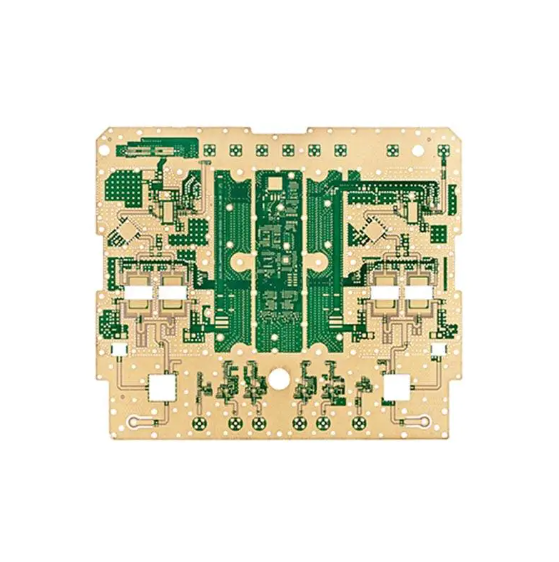
Top 10 RF Microwave PCB Manufacturers for High-Power Applications
Thursday, December 4th, 2025

High-power RF and microwave systems—such as RF amplifiers, 5G base stations, radar modules, satellite communication units, and microwave transmitters—require PCBs that can maintain stable performance under intense thermal and electrical stress. Ordinary FR-4 boards simply cannot handle the dielectric loss, heat generation, tight impedance requirements, and frequency-dependent behavior seen above 1 GHz.

In this guide, we highlight the Top 10 RF microwave PCB manufacturers for high-power applications—ideal for RF amplifiers, radar systems, 5G infrastructure, satellite communication, and other high-frequency uses.

Top 10 RF Microwave PCB Manufacturers for High-Power Applications

Why You Need a Specialized RF Microwave PCB Manufacturer?

High-power RF designs introduce challenges such as elevated heat, strict impedance requirements, and performance losses at microwave frequencies. Manufacturers must have:

  • Expertise in low-loss materials like Rogers, Taconic, or PTFE-based substrates
  • Multi-layer RF/microwave stackup engineering
  • High-precision etching and drilling for mmWave designs
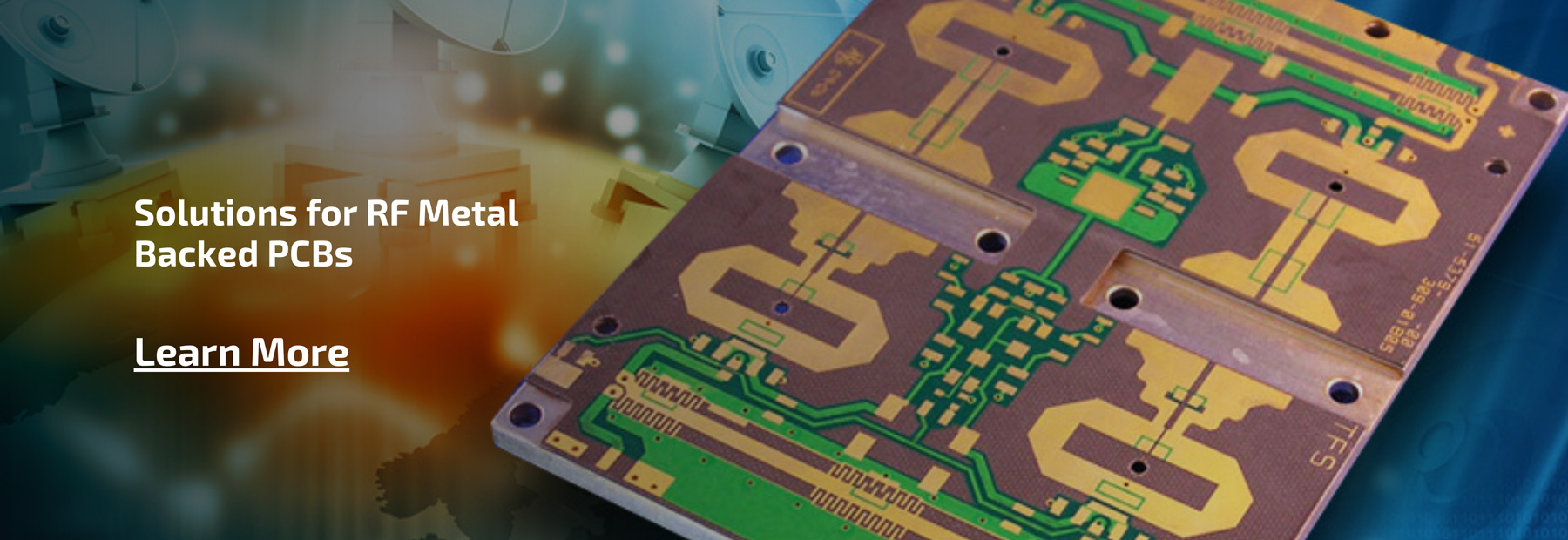
  • Support for heat-sink integration, metal-backed PCBs, or thick-copper construction
  • Robust quality systems for aerospace/defense-grade reliability

Choosing the right vendor ensures stable power handling, lower insertion loss, and consistent performance across your operating frequency range.

Top 10 RF Microwave PCB Manufacturers for High-Power Applications

1. American Standard Circuits (ASC)

ASC is one of the most experienced RF microwave PCB manufacturers in North America. They specialize in complex high-power designs, including:

  • Metal-backed PCBs for heat dissipation
  • PTFE-based microwave laminates (Rogers, Taconic, Isola)
  • Tight impedance control
  • High-layer-count microwave PCBs

Best for: High-power RF, metal-backed microwave PCBs, aerospace/defense

Their engineering support for thermal-management and high-frequency performance makes them ideal for RF amplifiers and transmitters.

Top 10 RF Microwave PCB Manufacturers for High-Power Applications

2. HT Global Circuits

HT Global produces RF microwave PCBs operating up to 77 GHz and beyond. Their strengths include:

  • Multi-layer PTFE stackups
  • 2–20 layer RF/microwave builds
  • Heavy copper up to 6 oz for high-power devices
  • Hybrid stackups combining FR-4 with RF materials

They are a top choice for automotive radar, mmWave modules, and high-power RF designs.

Best for: mmWave, radar, low-loss PTFE boards, thick-copper RF PCBs

3. Summit Interconnect

Summit Interconnect is known for premium high-frequency and high-reliability microwave PCBs used in:

  • Aerospace
  • Defense
  • Telecom infrastructure

Their fabrication process emphasizes precision drilling, micro-vias, and controlled dielectric thickness—critical for high-frequency energy transfer and low insertion loss.

Best for: Mission-critical high-frequency systems

4. KKPCB

KKPCB works extensively with RF laminates such as Rogers, Isola, Taconic, and Panasonic materials. Their capabilities include:

  • Rigid, flex, and rigid-flex RF PCBs
  • Controlled impedance routing
  • Low-loss dielectric materials
  • High-density microwave layouts

A good mid-cost option for commercial RF/microwave products and 5G devices.

Best for: Telecom, 5G, RF modules

5. Highleap Electronics

Highleap supports complex microwave PCB builds requiring:

  • Hybrid materials
  • Multi-layer RF stackups
  • Cavity/RF shielding structures
  • Precise copper-weight control

Ideal for radar, satellite systems, and advanced RF sensing.

Best for: Multi-layer high-frequency and mmWave PCBs

6. RayMing Technology (RayPCB)

RayMing is widely referenced as a top microwave PCB manufacturer. Their key strengths include:

  • PTFE + hybrid dielectric combinations
  • High-frequency up to mmWave
  • ENIG, ENEPIG finishes for RF connectors
  • HDI for mixed digital + RF sections

Great for high-frequency testing equipment, RF sensors, and wireless communication modules.

Best for: Broad RF material selection, advanced stackups

7. WellPCB

WellPCB provides high-frequency PCBs up to 64 layers with:

  • Tight impedance tolerances
  • Low-loss laminates (Rogers, Isola, Taconic)
  • Quick-turn RF prototyping capability

A strong choice for R&D labs, engineering teams, and rapid iteration cycles.

Best for: Low-loss microwave PCBs and prototype runs

8. Sanmina Corporation

Sanmina serves enterprise and industrial markets requiring:

  • High-reliability RF PCB mass production
  • Telecom and infrastructure RF boards
  • Integrated assembly + testing

If your product needs scale, Sanmina is a top-tier partner.

Best for: High-volume microwave PCB production

9. TTM Technologies

TTM is one of the world’s largest PCB manufacturers with deep expertise in:

  • Microwave PCBs for defense/avionics
  • Very tight tolerance stackups
  • Hybrid laminates for both RF + digital

Perfect for mission-critical high-power RF systems.

Best for: High-reliability aerospace/defense RF PCBs

10. Best Technology (BEST TECH)

Best Technology stands out for its deep expertise in Rogers, Taconic, PTFE, ceramic-filled laminates, and hybrid RF stackups. Our core strengths include:

  • High-power RF PCB manufacturing with thick copper
  • PTFE microwave PCBs for >10 GHz
  • Cavity structures, tight impedance control, and controlled Dk/Df
  • RF prototype-to-production support

We are especially strong in thermal management, cost-effective PTFE processing, and mixed-material high-frequency boards used in RF amplifiers and microwave modules.

Best for: Custom high-power RF PCB manufacturing & PTFE-based microwave PCBs

What Should You Provide for High-Power RF PCBs?

When ordering high-power RF microwave PCBs, your manufacturer needs precise engineering data to ensure correct impedance, dielectric performance, and thermal stability. Below is a complete checklist.

1. Operating Frequency Range

Specify the exact frequency band, such as:

  • 1–6 GHz (RF)
  • 10–30 GHz (Microwave)
  • 24–77 GHz (mmWave)

Higher frequencies require lower-loss materials and tighter tolerances.

2. Target Impedance & Tolerance

Provide the intended impedance values such as:

  • 50Ω microstrip
  • 75Ω signal lines
  • Differential RF pairs

This allows the PCB manufacturer to determine trace width, spacing, copper thickness, and dielectric thickness.

3. Expected Power Handling / Heat Load

Thermal load affects stackup and material choice, especially for:

  • RF amplifiers
  • High-power transmitters
  • Power combiners/splitters

Manufacturers may include metal-backed substrates or copper coins if required.

4. Material Preferences

List materials if known:

  • Rogers 4350B, 4003C, 5880, 3006
  • Taconic TLX, TLY, RF-35
  • Isola Astra / I-Tera HT / PTFE laminates

Or request material recommendations based on your frequency and power.

5. Stackup Requirements

Specify:

  • Number of layers
  • Hybrid stackup (PTFE + FR-4)
  • Dielectric thickness
  • Copper weight (e.g., 1oz, 2oz, 3oz+)

High-power RF typically needs high-copper layers for heat dissipation.

6. RF-sensitive Structure Information

Provide details on:

  • RF cavities
  • Via fences / Ground vias
  • Via-in-pad for RF chips
  • Microstrip or stripline routing

These influence manufacturability and RF performance.

7. Connector Type & Finish

RF connectors need stable surface performance:

  • ENIG
  • ENEPIG
  • Hard gold

Let the manufacturer know if you’re using SMA, MMCX, SMP, or edge-launch connectors. Please remember, the more detailed information you provided, the fast you get your prototype.

What Should You Provide for High-Power RF PCBs?

What Should You Provide for High-Power RF PCBs?

Why Best Technology Is Your Best Partner?

Best Technology is one of the most leading radio frequency manufacturers in Asia, we have more than 19 years experienced in this field. Our team deeply specializing in high-power RF PCBs and PTFE-based microwave PCB fabrication. Here’s why we stand out for most years:

1. Expertise in High-Frequency Materials

BEST TECH processes complex RF materials including:

  • Rogers (4350B, 5880, 3003)
  • Taconic
  • Teflon/PTFE
  • Ceramic-filled laminates

2. Superior High-Power Handling Capability

Their thick-copper RF PCB options (2–6 oz) ensure stable thermal performance in:

  • Power amplifiers (PA)
  • High-power transmitters
  • RF power distribution networks

3. Precision Fabrication & Tight Impedance Control

With advanced drilling, lamination, and copper etching technologies, they achieve:

  • ±5% impedance tolerance
  • Excellent line width stability
  • Accurate dielectric thickness across the panel

4. RF Prototyping + Mass Production

From engineering samples to volume production, Best Technology supports fast lead times with stable process control.

5. Competitive Pricing for PTFE & Microwave Boards

Compared with Western manufacturers, BEST TECH offers better pricing while maintaining high quality—ideal for startups, R&D teams, and cost-sensitive RF applications.

If you are interested in RF PCB design or want to get your first RF PCB prototype with fast delivery, please do not hesitate to contact us, our sales team are engineered sales, they deeply know the RF PCB, and enable to provide you the best solution and competitive price in short time.

FAQs

1. What is an RF microwave PCB?

An RF microwave PCB is a printed circuit board designed to operate at high frequencies (1–100+ GHz). It uses low-loss materials such as Rogers or PTFE to maintain stable impedance and minimize signal attenuation.

2. What causes high-power RF PCBs to fail?

Common failure causes include:

  • Excessive heat
  • Poor thermal design
  • Incorrect stackup selection
  • Impedance mismatch
  • Delamination from improper lamination of PTFE materials

Choosing the right RF PCB manufacturer greatly reduces failure risk.

3. What is the recommended copper thickness for high-power microwave PCBs?

For heat-heavy RF circuits:

  • 2 oz or 3 oz copper is common
  • 4–6 oz for very high-power amplifiers

4. Why is controlled impedance so important in RF PCB design?

Proper impedance ensures:

  • Lower insertion loss
  • Minimal signal reflection
  • Stable RF phase and amplitude
  • Accurate high-frequency performance

5. Can I use FR-4 for microwave PCBs?

FR-4 is not recommended above 3–6 GHz due to high dielectric loss. For microwave frequencies, PTFE or Rogers materials are necessary.

What is a Microwave PCB? An Ultimate Guide 2026
Wednesday, December 3rd, 2025

A microwave PCB handles signals that run at very high frequencies, and these boards support systems that need clean, stable performance. You will find a microwave PCB in equipment such as radar modules, satellite links, high-speed wireless platforms, and precision test devices. As industries push toward higher data rates and smaller RF systems, the need for dependable microwave boards grows quickly.

Today, many engineers search for rf microwave PCB options that keep loss low and impedance steady. Others look for complete rf & microwave PCB solutions that simplify material choice, stack-up planning, and manufacturing. If you’re evaluating RF microwave PCB materials or sourcing RF & microwave PCB solutions, this article will give you a complete understanding.

What is a Microwave PCB? An Ultimate Guide 2026

What Is a Microwave PCB?

A microwave PCB is a printed circuit board designed to operate at extremely high frequencies, typically:

  • Microwave band: 300 MHz – 30 GHz
  • Millimeter-wave (mmWave): 30 – 100+ GHz

At these frequencies, PCB traces behave like transmission lines, and even tiny layout variations can impact signal loss, phase accuracy, antenna performance, and overall system reliability.

Microwave PCBs are commonly used in radar systems, satellite communication, aerospace navigation, and 5G mmWave modules. Compared with standard RF boards, microwave PCBs demand more precise materials, controlled impedance, and stricter fabrication tolerances.

What Materials Are Used for Microwave PCBs?

Material choice is one of the most important decisions in microwave design. Standard FR-4 cannot support microwave frequencies due to high loss and unstable dielectric properties. Instead, microwave PCBs use advanced materials engineered for low loss and tight dielectric tolerances.

Here are the materials most commonly used:

Material TypeExamplesFeaturesBest Use Case
PTFE (Teflon)RT/duroid 5880, Taconic TLYExtremely low loss, stable Dk, best for high GHzRadar, mmWave, satellites
Hydrocarbon CeramicsRogers RO4350B, RO4003CLow loss, easy to manufacture, cost-effective1–20 GHz microwave circuits
Ceramic-Filled PTFERogers RO3006/3010Ultra-stable Dk, low thermal expansionHigh-power microwave and phased arrays
Hybrid StackupsFR4 + RogersPerformance + lower costMixed-signal RF/microwave designs

The best material depends on target frequency, environmental exposure, and mechanical requirements. Each laminate affects loss, phase stability, and long-term reliability.

Key Design Rules and Layout for Microwave PCB Design

Designing a microwave PCB is very different from routing a standard digital or low-frequency board. At microwave frequencies, each copper trace behaves like a transmission line. Small changes in width, dielectric height, copper roughness, or via structure can shift impedance and alter the entire RF chain. Because of that, layout and stack-up design must follow strict engineering rules to keep signal quality stable.

Key Design Rules and Layout for Microwave PCB Design

Below are the core principles used by RF engineers when building reliable microwave layouts.

1. Maintain Tight Impedance Control

Stable impedance is the foundation of microwave design. Even small dimensional changes can introduce reflections or distort the waveform.

Key requirements:

  • Define target impedance early (commonly 50Ω or 75Ω).
  • Choose the correct structure: microstrip, stripline, or grounded coplanar waveguide (GCPW).
  • Keep trace width consistent along the entire path.
  • Maintain stable dielectric thickness and copper thickness.
  • Use field-solver tools (ADS, HFSS, CST, Polar SI, or Altium impedance calculator).
  • Keep differential pairs phase-matched if used in RF mixers or high-frequency paths.

GCPW is widely used for microwave PCB design because it offers strong field confinement and supports compact layouts.

2. Use Smooth Routing Instead of Sharp Corners

High-frequency energy does not like sudden changes. Sharp corners cause impedance shifts and increase local reflections.

Preferred routing practices:

  • Avoid 90° turns.
  • Use gradual curves (arc routing) for cleaner field transitions.
  • Use mitered 45° bends if space is limited.
  • Keep sensitive paths straight and short whenever possible.

Smooth routing helps preserve phase stability and reduces insertion loss.

3. Keep the Ground Plane Continuous

A microwave signal needs a clean, uninterrupted return path. Gaps in the ground plane cause radiation, coupling, and impedance drift.

Ground plane guidelines:

  • Maintain a solid ground layer directly under RF traces.
  • Avoid splits, voids, or cutouts beneath the signal path.
  • Do not place digital return paths through RF areas.
  • Add stitching vias around RF traces to create a “via fence” barrier.

A well-designed ground structure stabilizes the electromagnetic field and reduces unwanted emissions.

4. Manage Vias Carefully

A via is not just a hole at microwave frequencies—it’s a small inductor. Too much via inductance can degrade signal quality.

Best practices for vias:

  • Avoid unnecessary layer jumps.
  • Use multiple parallel vias to lower effective inductance.
  • Keep via barrels short when possible.
  • Add grounding vias around pads and connectors to improve shielding.
  • Avoid routing RF traces directly over via fields or ground voids.

Good via strategy can significantly improve stability in PA, LNA, and filter sections.

5. Select the Right Transmission Line Structure

Different RF paths require different structures depending on frequency, isolation, and mechanical constraints.

Common options:

  • Microstrip – simple, ideal for top-layer routing.
  • Stripline – fully shielded, good for noise-sensitive circuits.
  • Grounded coplanar waveguide (GCPW) – excellent isolation, compact layout, and easy impedance tuning.
  • Wide microstrip – lower conductor loss, suitable for power amplifiers.

GCPW has become the most popular for microwave work due to its predictable behavior and high routing density.

6. Align Components with the Signal Flow

Component orientation affects load matching and return loss.

Component placement guidelines:

  • Place RF blocks (filter, LNA, PA, mixer) in the order of the signal chain.
  • Keep matching networks close to device pins.
  • Avoid unnecessary gaps between RF parts.
  • Place RF connectors, such as SMA or SMP, near the board edge for clean transitions.

When Should You Choose Microwave PCB vs. RF PCB?

Many engineers compare microwave PCBs with standard RF boards because both handle high-frequency signals. But the decision depends on frequency, performance targets, and loss tolerance.

TechnologyFrequency RangeBest For
RF PCBUp to ~6 GHzBluetooth, Wi-Fi, sub-6 GHz communication
Microwave PCB6–100+ GHz5G mmWave, radar, satellite, high-precision sensing

Choose an RF PCB when:

  • Frequencies are below 6 GHz
  • Cost is a major concern
  • FR-4 or mixed-material stackups are acceptable

Choose a Microwave PCB when:

  • You operate above 6 GHz
  • You require ultra-low loss
  • Your system needs stable phase and predictable impedance
  • Applications involve radar, mmWave, or satellite links

In short, microwave PCBs suit high-precision projects where even small layout or material changes can affect real performance. They are the preferred choice for radar, satellite links, and advanced communications.

Microwave PCBs Applications & Industries

Microwave PCBs appear in many sectors because they support stable, low-loss transmission for sensitive circuits. You’ll often see them in systems that require fast data, long-range signal paths, or precise sensing.

Common applications include:

  • 5G and 6G wireless infrastructure
  • Satellite communication systems (SATCOM)
  • Automotive radar (24 GHz, 77 GHz)
  • Military and commercial radar platforms
  • Microwave filters, couplers, and antennas
  • High-frequency power amplifiers
  • Navigation and guidance systems
  • Medical imaging devices such as MRI coils
  • Instrumentation and RF test equipment
  • Industrial microwave heating and sensing

These industries rely on microwave boards because small performance shifts can affect overall system behavior. Stable materials and predictable routing keep these systems accurate and responsive.

Microwave PCBs Applications & Industries

Does Size of a Microwave PCB Affect Its Application?

Yes, board size can influence performance because microwave signals respond to physical dimensions. At these frequencies, even a few millimeters can change how energy travels.

Board size affects:

  • Impedance stability:Longer traces add more loss and potential phase distortion.
  • Resonance behavior:Larger boards can introduce unwanted resonances.
  • Shielding structure:Compact layouts may need tighter via fences.
  • Thermal changes:Bigger boards may expand more under heat, shifting dielectric spacing.
  • Antenna performance:Antenna length and board shape affect radiation patterns.

Small boards require sharper tolerance control. Large boards demand stronger handling of expansion and material stability. The ideal size depends on whether the circuit is an antenna, filter, amplifier, or sensor.

How to Tell If a Microwave Control Board Is Bad?

Many users ask this because microwave ovens and industrial microwave systems depend on small control boards. Failures are often easy to spot once you know what to check. Common signs of a bad microwave control board include:

  • No power, no response, or blank display
  • Buttons that fail to react
  • Burning smell or visible damage
  • Unusual noises or sparking
  • Microwave stops heating while lights and fan still work
  • Random behavior such as auto-starting or shutting off
  • Relays that click repeatedly without function

If above signs occur, you can perform below visual checks safely:

  • Scorch marks or dark spots
  • Swollen capacitors
  • Cracked solder joints
  • Damaged connectors
  • Loose ribbon cables

These symptoms point to circuitry or relay failure. For home microwaves, technicians often replace the entire board rather than repair individual components.

How Much Does It Cost to Repair a Microwave Circuit Board?

Repair cost depends on equipment type, part availability, and labor requirements.

Typical consumer microwave repair ranges:

  • Basic repair: USD 80–120
  • Control board replacement: USD 120–250
  • High-end or built-in models: USD 180–350

Industrial microwave equipment repair ranges:

  • Board-level component repair: USD 250–600
  • Full board replacement: USD 400–1,200+ depending on complexity

Factors that influence cost include:

  • Part scarcity
  • Board size and layer count
  • Number of relays, sensors, or high-voltage circuits
  • Whether the board is conformal-coated
  • Testing and calibration requirements

Consumer microwaves are often cheaper to replace than repair, but industrial microwave systems usually justify board-level repair. Best Technology can repair the microwave circuit board for free if your PCB are ordered from our company.

Where to Get RF Microwave PCB Boards with UL/CE Certification?

Many companies need microwave PCBs that meet safety and compliance standards, especially when the final product enters global markets. UL and CE certifications help confirm material reliability and safety. When sourcing certified microwave boards, a good supplier should provide:

  • UL-certified laminates (Rogers, Taconic, Arlon, Panasonic)
  • CE-compliant production and testing
  • Rogers/PTFE/ceramic microwave PCB fabrication
  • Controlled impedance testing reports
  • Hybrid laminations and multi-layer microwave stackups
  • RF & microwave PCB solutions for 1–100 GHz

Best Technology is a strong option for RF and microwave PCB production because the company offers:

  • UL-approved material systems
  • Stable performance with PTFE, Rogers, and ceramic-filled substrates
  • Tight impedance control for microwave designs
  • Complete CE-related documentation support
  • Strong engineering assistance during stack-up and DFM review
  • Consistent production with IPC standards
  • Fast global delivery for prototypes and batches

If you are preparing a new microwave PCB or RF hardware program, welcome to contact us at sales@bestpcbs.com, our team is 24/7 hours online for you!

RF Microwave PCB Board Design & Manufacturer, No MOQ
Friday, October 31st, 2025

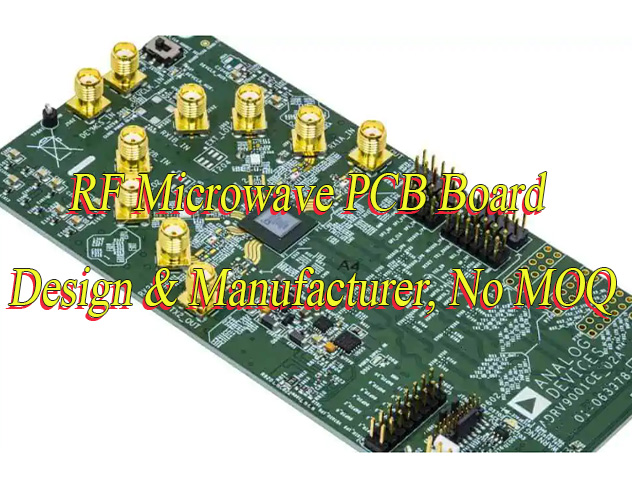
Why choose RF microwave PCB? Let’s discover definition, benefits, applications, design spec and layout, recommended PCB manufacturer for RF microwave PCBs.

Are you worried about these problems?

  • High-frequency signal loss is high, how to improve RF performance?
  • Above 5GHz, interlayer crosstalk is hard to control, how to ensure signal stability?
  • High-power device thermal design, how to achieve precise temperature control?

As a RF Microwave PCB manufacturer, Best Technology can provide you service and solutions:

  • Substrate customization by frequency band: match low-loss materials with 20% impedance margin to reduce loss.
  • Dual-verified impedance control: error within ±2mil, TDR measured deviation <5%, crosstalk suppressed >20dB.
  • Thermal solution: solder pad + via array + 2oz copper top/bottom layers, thermal resistance <5℃/W, hotspot temperature <85℃.

Welcome to contact us if you have any request for microwave RF PCB: sales@bestpcbs.com.

What Is RF Microwave PCB?

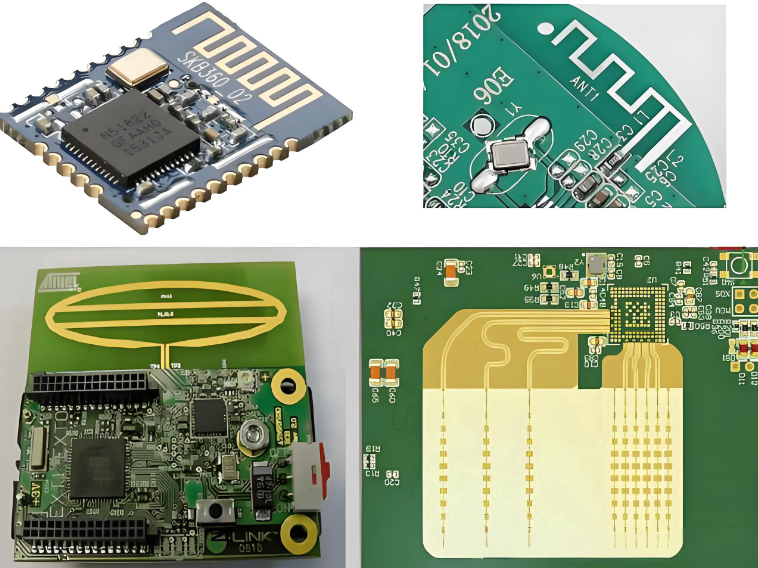
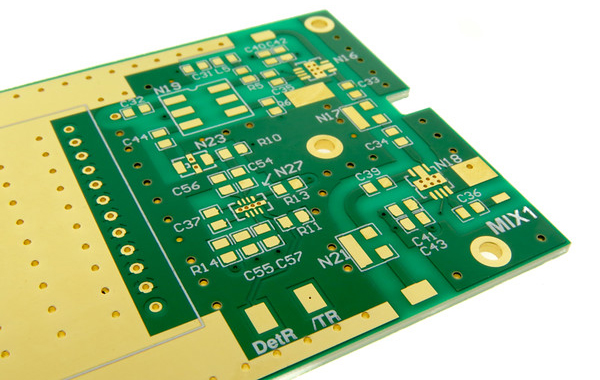
RF Microwave PCB is a specialized circuit board designed for carrying and processing high-frequency signals, typically covering radio frequency (RF) from approximately 300 kHz to 300 GHz and microwave frequencies from 1 GHz to 300 GHz.

Unlike conventional PCBs, it utilizes high-frequency substrate materials such as Rogers, Teflon, or ceramic-filled composites. These materials feature extremely low signal loss, stable dielectric constant, and excellent thermal performance. Its design and manufacturing are highly precise, emphasizing signal integrity through exact control of trace impedance, optimized transmission line structures like microstrip and stripline, minimized parasitic effects, and strict regulation of laminate processes and surface treatments. This ensures efficient, low-distortion, and low-interference transmission of high-frequency or microwave signals on the board.

What Is RF Microwave PCB?

Why Choose RF Microwave PCB?

Benefits of RF Microwave Printed Circuit Board:

  • Stable High-Frequency Signal Transmission: Utilizes low-loss substrates and precise impedance control technology to support GHz-level high-frequency signal transmission. This reduces signal attenuation and crosstalk, ensuring signal integrity in high-speed scenarios such as 5G communications, radar, and satellite equipment, thereby enhancing the reliability of terminal products.
  • Reduced System Energy Consumption and Heat Dissipation Pressure: Optimizes circuit layout and high-performance dielectric materials like PTFE and ceramic-filled composites to achieve low insertion loss and efficient thermal management. This minimizes energy waste, lowers device heat generation, extends product lifespan, and reduces cooling module costs.
  • Compact Design for Miniaturization Needs: Enables high-density multi-layer routing to integrate complex RF modules. This allows precise arrangement of high-frequency components such as filters and amplifiers within limited space, meeting stringent miniaturization and lightweight requirements for smartphones, IoT devices, and other applications, boosting market competitiveness.
  • Superior Anti-Interference and Electromagnetic Compatibility: Incorporates shielding layers, optimized grounding, and electromagnetic simulation validation to effectively suppress high-frequency noise and external interference. This ensures stable device operation in complex electromagnetic environments like industrial control and automotive electronics, reducing failure rates and customer maintenance costs.
  • Accelerated Product Development Cycle: Standardized design processes and mature manufacturing techniques such as laser drilling and electroplating via filling shorten prototype verification and mass production timelines. Combined with Design for Manufacturability (DFM) guidance, this reduces trial production iterations, helping clients seize market opportunities and lower overall development costs.
  • Significant Long-Term Cost Efficiency: Although initial material and process costs are higher, the high reliability, low failure rate, and long-term stability result in reduced repair and replacement frequencies, lowering the total lifecycle cost. This makes it particularly suitable for high-reliability sectors like medical and aerospace applications.
Why Choose RF Microwave PCB?

When to Use RF Microwave PCB Board?

Applications of RF Microwave PCB Board:

  • 5G/6G Communication Base Stations: 5G Massive MIMO Antenna Array (AAU), Base Station RF Front-End Module, Millimeter Wave Small Cell.
  • Satellite Communication Systems: Satellite Onboard Transponder, Ground Station Antenna Feed Network, Low-Earth Orbit Satellite Constellation Terminal.
  • Radar Systems: Automotive 77GHz Millimeter Wave Radar, Military Phased Array Radar, Weather Radar Antenna Feeder.
  • Aerospace Electronics: Airborne Radar System, Satellite Navigation Receiver (GPS/BeiDou), Aircraft Communication Data Link.
  • Microwave Test Instruments: Spectrum Analyzer Signal Processing Module, Network Analyzer Test Port, High-Frequency Signal Generator.
  • Medical Devices: Microwave Ablation Therapy Probe, Medical MRI RF Coil.
  • Wireless Infrastructure: Microwave Backhaul Equipment (Point-to-Point Transmission), Indoor Distribution System Combiner.
  • Automotive Electronics: V2X Vehicular Communication Module (5.9GHz), In-Vehicle Satellite TV Receiver.

RF Microwave PCB Design Technical Parameter

Parameter NameTypical Value/Range
Impedance Control50Ω (Common) / 75Ω (Video)
Dielectric Constant (ε)2.2-10 (FR4: 4.3-4.8)
Loss Tangent (tanδ)0.001-0.025 (High-frequency Boards <0.005)
Substrate Thickness0.2-3.2mm
Copper Foil RoughnessRa<0.5μm (High-frequency Applications)
Glass Fiber EffectWeave Density >7628
Thermal Expansion Coefficient (CTE)X/Y Axis <18ppm/℃, Z Axis <50ppm/℃
Thermal Conductivity0.3-2W/(m·K)
Surface FinishENIG/Immersion Silver/OSP
Line Width Tolerance±10% (Conventional)/±5% (High-frequency)
Layer-to-Layer Alignment Accuracy±25μm (Multilayer Boards)
Dielectric UniformityΔε<5%

RF Microwave PCB Board Design & Layout

1. Substrate Selection and Characteristic Matching

  • Material Expansion Selection: For high-frequency scenarios, recommend Rogers RO4350B, Taconic TLX series; for high-precision scenarios, select Panasonic Megtron 6 (Dk=3.3±0.05, loss<0.002@10GHz) or Isola I-Tera MT40 (Dk=3.45, loss<0.003@5GHz). FR-4 is limited to low-frequency test boards or cost-control scenarios, requiring gold-plating/immersion silver to reduce surface roughness impact.
  • Dynamic Parameter Verification: Use Agilent 85070D Dielectric Constant Tester to measure Dk values, combined with temperature-humidity aging tests to verify long-term stability. Thickness tolerance control requires collaboration with substrate supplier capabilities (e.g., ±5% high-end substrates), and design margin is increased to 25% to address processing errors.
  • Special Scenario Adaptation: Millimeter-wave (>30GHz) applications recommend Liquid Crystal Polymer (LCP) substrate (Dk=3.0, loss<0.0015), paired with microvia arrays for ultra-low loss transmission.

2. Precise Impedance Control and Verification

  • Multidimensional Calculation Verification: Cross-validate using Polar SI9000 and Altium Designer 2D/3D impedance calculators. For non-standard impedances (e.g., 75Ω video signals), optimize line width/dielectric thickness combinations via Taguchi method to ensure process window ≥±3mil.
  • TDR In-Depth Application: Set reference planes near TDR test points, measure single-ended/common-mode impedance via differential probes, and synchronously verify signal integrity metrics (rise time<20ps). For high-speed digital-RF hybrid circuits, use eye diagram instruments to validate timing margins.
  • Differential Pair Optimization: For serpentine differential pairs, validate bending radius impact on impedance via electromagnetic simulation, ensuring length matching error<0.5mil@10GHz.

3. Stack-Up Structure Optimization Design

  • Multilaminate Expansion Scheme: 8-layer boards recommend “Signal-GND-Power-Signal-Power-GND-Signal-Signal” structure with dual GND layers in the middle for dual shielding. 4-layer boards are only suitable for low-power RF modules, requiring blind/buried via technology for interlayer interconnection.
  • Interlayer Coupling Suppression: Insert low-dielectric isolation layers (e.g., Arlon AD300) between adjacent signal layers to reduce interlayer crosstalk>20dB. Power-GND spacing is optimized via finite element analysis to ensure capacitance coupling>90%.
  • Mixed-Signal Processing: For digital-RF hybrid circuits, use “island GND” technology to isolate digital noise, paired with beads/inductors to construct low-pass filter networks.

4. Signal Path Layout Specifications

  • Trace Process Refinement: Use tapered line width technology for smooth impedance transition (e.g., 50Ω to 75Ω) to avoid impedance discontinuity reflections. For microwave signals, adopt coplanar waveguide (CPW) structure with ground via arrays forming a continuous reference plane.
  • Via Optimization Design: Laser microvia technology achieves 0.1mm microvias, paired with back-drilling to eliminate stubs. High-frequency vias require parasitic parameter verification via Ansys Q3D to meet design thresholds.
  • Shielding Structure Upgrade: Set electromagnetic shielding walls around critical signal paths, using nickel/gold plating to enhance shielding effectiveness. For radiation-sensitive devices, use shielding covers + thermal gel composite heat dissipation solutions.

5. Grounding and Shielding Strategies

  • Hybrid Grounding Enhancement: Low-frequency modules use “star grounding” to the main ground terminal; high-frequency modules use “mesh grounding” to reduce ground bounce noise. RF front-end modules adopt “GND-Signal-GND” sandwich structure for dual shielding.
  • Shielding Effectiveness Verification: Use EMxpert near-field scanner to measure shielding effectiveness>60dB@1GHz. Sensitive devices require 3D electromagnetic simulation to validate shielding structure effectiveness.
  • Ground Via Arrays: Adopt “honeycomb” via array layout with spacing≤λ/20@operating frequency to form a continuous Faraday cage. Vias require plating fill technology to enhance reliability.

6. Power Integrity Optimization

  • Decoupling Capacitor Strategy: “0.01μF high-frequency + 10μF low-frequency” capacitor combinations paired with beads to construct multi-stage filter networks. Power noise-sensitive devices use embedded capacitor technology (e.g., buried capacitor layers).
  • PDN Simulation Enhancement: Use Ansys SIwave for full-wave electromagnetic simulation to verify PDN impedance<0.5Ω@3GHz. High-frequency power noise uses power plane segmentation + capacitor bridging technology.
  • Power Plane Optimization: Mesh copper pour enhances current carrying capacity, paired with thermal vias for thermal-electrical co-design. Power planes are validated via voltage drop simulation to ensure drop<3%.

7. Thermal Management and Heat Dissipation Design

  • Heat Dissipation Structure Upgrade: High-power devices use “thermal pad + thermal via + heat sink” three-tier cooling solutions, paired with thermal interface materials to achieve thermal resistance<5℃/W. Millimeter-wave devices use diamond heat sink substrates.
  • Thermal Simulation Verification: Use Ansys Icepak for thermal simulation to validate hotspot temperature<85℃. For high-density layouts, use thermal-electrical-structural co-simulation to ensure thermal stress<material yield strength.
  • Copper Thickness Selection: Top/bottom layers use 3oz copper for enhanced thermal diffusion; inner layers use 1oz copper to balance cost and performance. Extreme environment applications use gold-plating/immersion silver for corrosion resistance.

8. Design for Manufacturability and Testability

  • DFM Check Expansion: Includes line width uniformity, pad size consistency, minimum annular ring verification, etc. Use Valor NPI software for automated checks to meet IPC-6012 standards.
  • Test Point Deepening Design: Use 50Ω SMA interfaces paired with calibration kits for precise testing. High-speed digital signals use differential test points paired with eye diagram instruments for timing validation.
  • File Delivery Expansion: Includes complete Gerber files (impedance layer, pad layer, silkscreen layer, stencil layer) paired with process specification documents (back-drill depth, blind/buried via positions). Use Git version control for document traceability.

9. Simulation Verification and Document Delivery

  • Simulation Tool Expansion: Besides ADS/HFSS, use Keysight ADS Momentum for planar electromagnetic simulation or ANSYS HFSS 3D Layout for full-wave simulation. For time-domain response validation, use SPICE models paired with eye diagram instruments.
  • Document Package Enhancement: Includes design specifications, simulation reports, Gerber files, BOM lists, process specification documents, test reports, etc. Use PDF/A format for long-term readability, paired with digital signatures for tamper-proof validation.
  • Risk Management Strengthening: Use FMEA tools for risk assessment, clarify potential failure modes (crosstalk, hotspots, soldering defects) and solutions. Establish design change tracking systems to ensure all changes are validated and documented.
RF Microwave PCB Board Design & Layout

Why Choose Best Technology as RF Microwave PCB Board Manufacturer?

Reasons why choose us as RF microwave PCB board manufacturer:

  • International Certification Assurance: Holds ISO 9001 quality management system certification and complies with industry-mandated certifications (e.g., medical, automotive, RoHS), ensuring product compatibility with global stringent application scenarios.
  • Free DFM Design Verification: Offers free Design for Manufacturability (DFM) analysis to identify and resolve potential design issues early, reducing development costs and risks while ensuring first-pass manufacturing success.
  • Competitive Pricing: Achieves cost control through optimized production processes and supply chain management, delivering cost-effective RF microwave PCB solutions particularly suitable for budget-sensitive projects.
  • 24-Hour Rapid Prototyping: Supports sample production within 24 hours, enabling quick response to customer needs, shortened R&D cycles, and market opportunity capture, ideal for urgent project validation.
  • Flexible Low-MOQ and Small-Batch Production: Accepts low minimum order quantities (MOQ) and small-batch orders to meet R&D testing, small-scale production, or customization needs, reducing customer inventory pressure and capital tie-up.
  • Strict Full-Process Quality Control: Implements end-to-end quality control from raw material inspection, production monitoring, to final product testing, ensuring each PCB meets high reliability standards and minimizes defect rates.
  • Expert Technical Team Support: Features a team of experienced RF microwave engineers providing full-process technical support from design optimization and material selection to process adjustments to resolve complex technical challenges.
  • Efficient Supply Chain Management: Collaborates deeply with high-quality raw material suppliers to ensure stable material supply and rapid delivery, coupled with optimized production scheduling for on-time and reliable delivery.
  • Customized Service Capability: Offers tailored solutions for special requirements, including high-frequency material selection, impedance control optimization, and specialized surface treatments, to meet diverse project needs.
  • Responsive Customer Service: Provides 24/7 customer support for quick responses to inquiries, order tracking, and after-sales issues, delivering professional advice and solutions to enhance customer experience and trust.
Why Choose Best Technology as RF Microwave PCB Board Manufacturer?

Our RF Microwave PCB Capabilities

ParameterSpecification
Base material:Rogers/Telfon
Board Thickness:0.5mm~3.0mm(0.02″~0.12″)
Copper thickness:0.5 OZ, 1.0 OZ, 2.0 OZ, 3.0 OZ
Outline:Routing, punching, V-Cut
Soldermask:White/Black/Blue/Green/Red Oil
Legend/Silkscreen Color:Black/White
Surface finishing:Immersion Gold, HASL, OSP
Max Panel size:600*500mm(23.62″*19.68″)
Packing:Vacuum/Plastic bag
Samples L/T:7~9 Days
MP L/T:8~10 Days

Our Quality Certification

  • ISO9001:2015: Universal quality management system covering design, production, and service. Enables continuous improvement via internal audits, KPI monitoring, and customer-centric processes.
  • ISO13485:2016: Medical device-specific certification focusing on lifecycle risk management, regulatory compliance, and supply chain traceability. Includes design validation, sterilization verification, and adverse event reporting.
  • RoHS: Environmental standard limiting 10 hazardous substances (e.g., Pb, Hg, Cd) in electrical/electronic equipment. Mandates homogeneous material testing and supplier declarations of conformity.
  • IATF16949: Automotive quality standard emphasizing defect prevention through APQP, PPAP, SPC, and FMEA. Ensures supply chain collaboration and customer-specific requirement compliance.
  • AS9100D: Aerospace quality system for safety-critical components. Mandates configuration management, design change traceability, NDT testing, and first article inspection (FAI) via ERP/MES systems.

How to Get A Quote for Your RF Microwave PCB Project?

Checklist for RF microwave PCB project quotations:

  • Layer and Structure: Specify layer count (e.g., 4/6/8 layers), board thickness (e.g., 1.0mm/1.6mm), and core layer positions.
  • Substrate Parameters: Indicate high-frequency substrate model (e.g., Rogers RO4350B), dielectric constant (Dk), and dissipation factor (Df).
  • Trace Precision: Minimum trace width/spacing (e.g., 50μm/50μm), impedance value (e.g., 50Ω±10%).
  • Surface Finish: Select options like ENIG, OSP, or electroless nickel gold, with thickness specifications (e.g., ENIG: 3-5μm Ni / 0.05-0.2μm Au).
  • Drill Requirements: Minimum mechanical/laser drill diameter (e.g., 0.15mm/0.075mm), hole wall copper thickness (≥25μm).
  • Testing Standards: Include impedance testing (TDR), signal integrity testing (e.g., S-parameters), and reliability testing (e.g., thermal shock).
  • Quantity & Lead Time: Clarify order quantity (e.g., prototype: 5pcs) and phased delivery timelines (e.g., engineering review: 3 days, production: 10 days).
  • Documentation: Provide Gerber files, BOM, assembly drawings, and process specifications.
  • Environmental Compliance: Meet RoHS/REACH standards, offer halogen-free options, and specify flame retardancy rating (e.g., UL94-V0).
  • Special Requirements: Include thermal management (e.g., metal-core boards), EM shielding, embedded components, or rigid-flex structures.

Welcome to contact us if you have any request for RF microwave PCB: sales@bestpcbs.com.