PCB manufacturing PCB manufacturing
Home > Blog

Posts Tagged ‘Polyimide Flex PCB’

Reliable Polyimide Circuit Board Solutions with Quick Prototypes
Friday, January 2nd, 2026

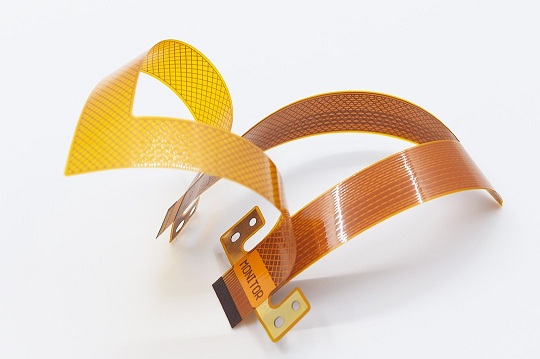
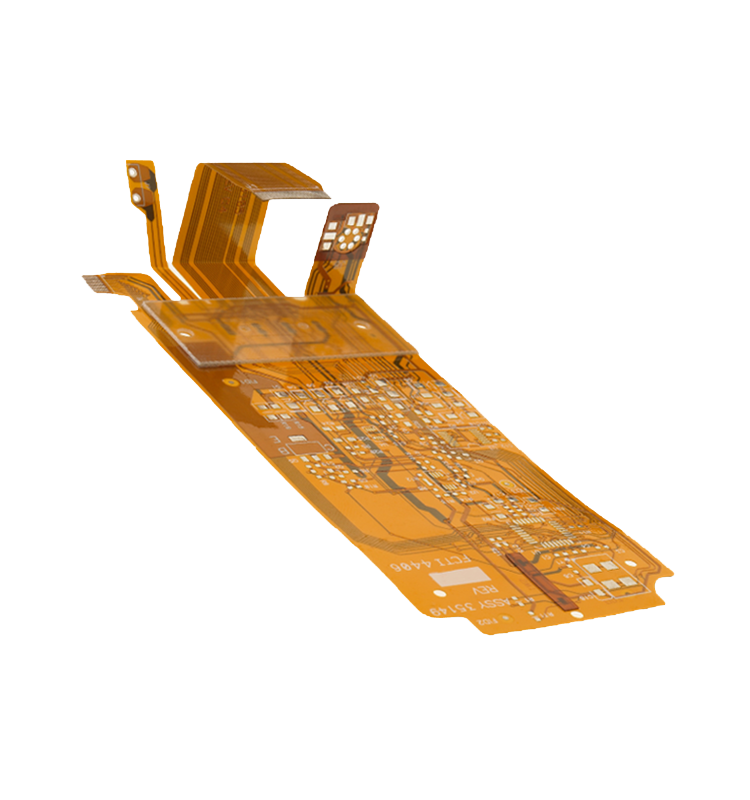
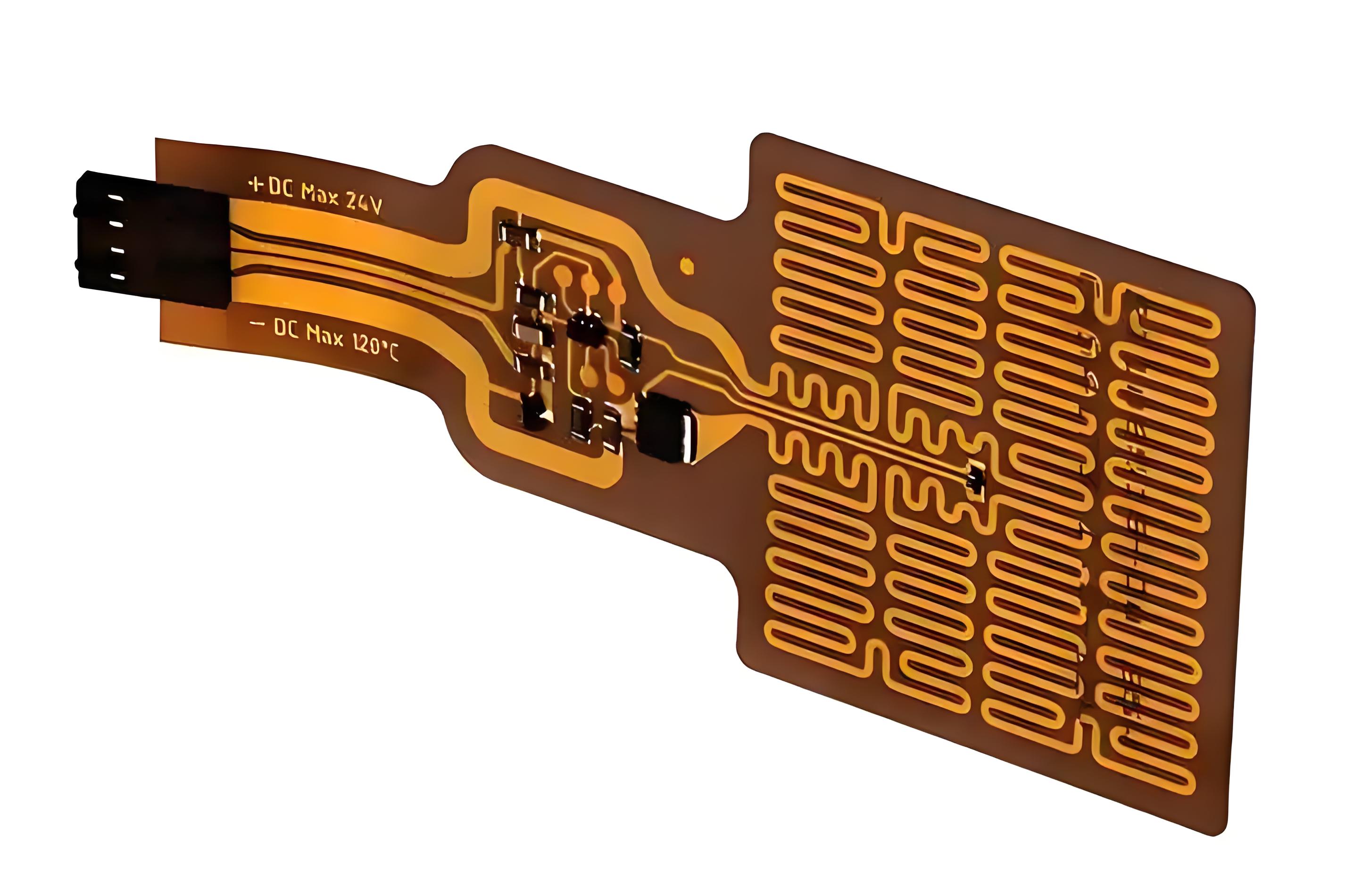
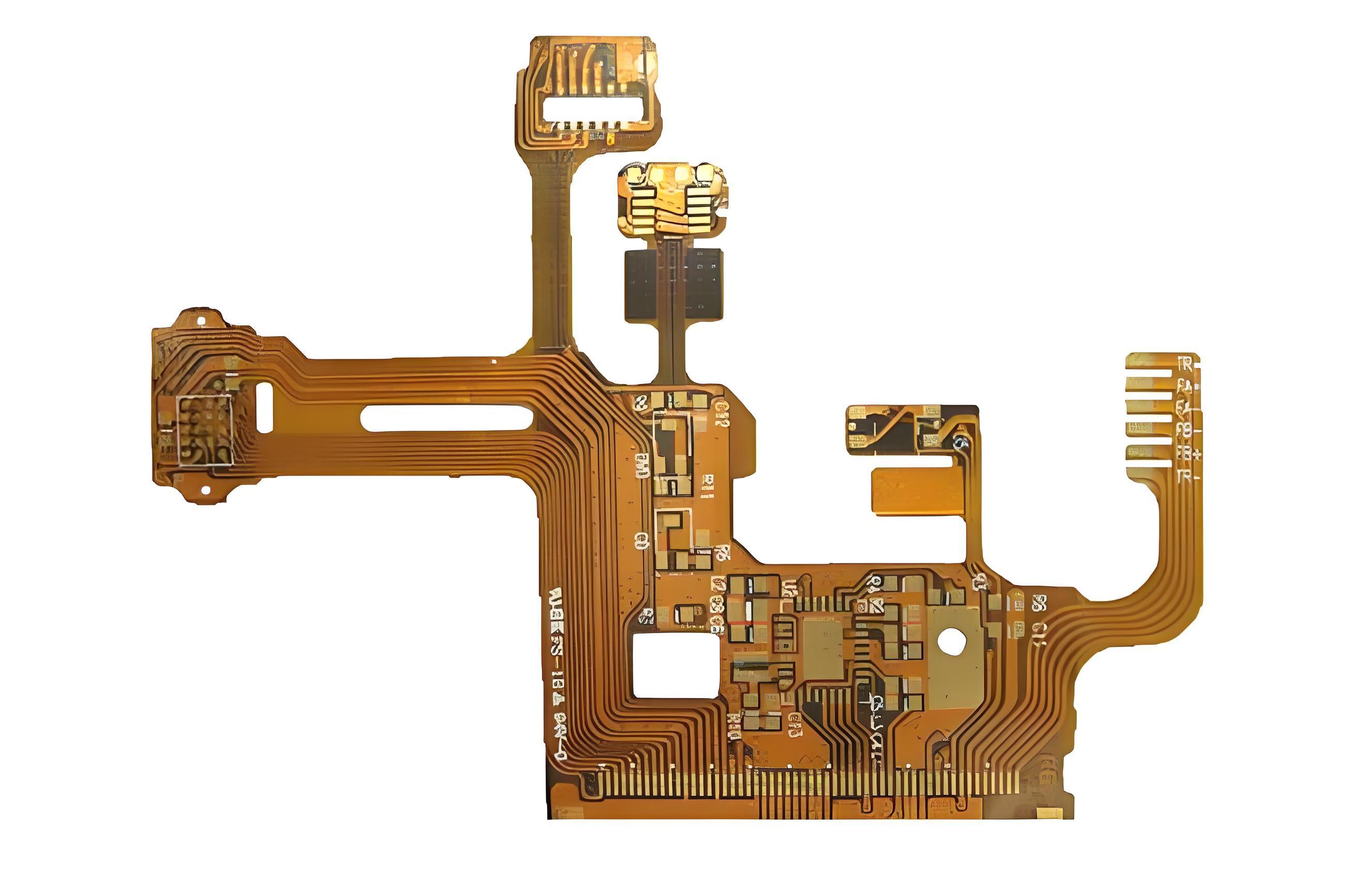
Polyimide Circuit Board​ materials represent the pinnacle of performance for electronics that must endure extreme environments and demanding mechanical stress. This article explores the unique properties, applications, and selection criteria for polyimide PCBs, providing engineers with the insights needed to leverage their full potential for reliable, next-generation devices.

Developing cutting-edge electronics for aerospace, medical, or advanced automotive applications often hits a wall when conventional materials like FR4 reach their limits. Where do these pain points typically emerge?

  • High material and processing costs​ strain project budgets, making it difficult to justify the switch to high-performance substrates without clear ROI.
  • Inadequate thermal management​ leads to premature device failure, delamination, or performance drift in high-temperature applications.
  • Mechanical stress and fatigue​ cause cracks in conductors or the substrate itself, especially in dynamic flexing or vibration-prone environments.
  • Complex assembly and soldering issues​ arise due to polyimide’s different thermal expansion and surface properties, affecting manufacturing yield.
  • Long lead times and slow prototyping​ delay critical validation phases, slowing down time-to-market for innovative products.

The solution lies in expert engineering support and controlled processes that transform the inherent properties of polyimide circuit board material​ into reliable, producible hardware.

  • Cost-Effective Design Optimization:​ Our engineering team optimizes panel utilization, layer stack-ups, and material selection to control costs without compromising the core polyimide circuit board material properties​ needed for your application.
  • Proven Thermal Management Strategies:​ We employ precise thermal simulation and process controls to ensure the thermal stability​ of your polyimide board, preventing delamination and ensuring long-term reliability.
  • Mechanical Reliability Engineering:​ By optimizing bend radii, stiffener placement, and conductor design, we mitigate mechanical stress​ to prevent cracking and extend the lifecycle of your polyimide flex PCB.
  • Assembly-Ready Process Controls:​ Our stringent process controls for surface finish, soldermask, and lamination ensure high yield during assembly, addressing common polyimide circuit board problems​ related to soldering.
  • Rapid Prototyping Pipeline:​ We maintain dedicated capacity and material inventory for quick-turn polyimide circuit board prototypes, accelerating your design iteration and testing phases dramatically.

At EBest Circuit (Best Technology), we provide reliable polyimide circuit board solutions backed by 19 years of PCB manufacturing experience, serving medical, IoT, and industrial control customers. With aerospace AS9100D and medical ISO 13485 certifications, advanced fabrication capability, and MES-driven production lines, we combine material science expertise with strict process control to deliver high-performance and production-ready polyimide flex PCB designs. For your next polyimide flex PCB project, pls feel free to contact us at sales@bestpcbs.com.
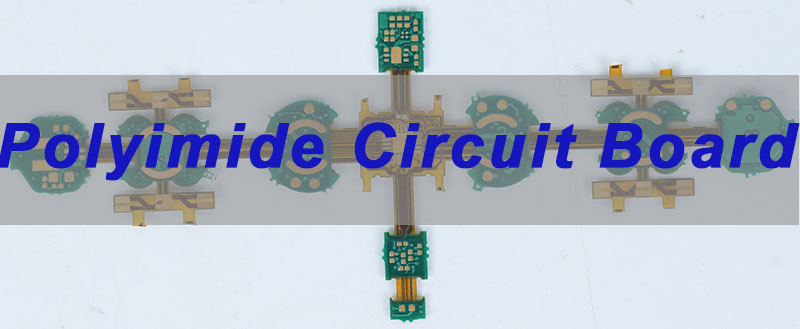
Polyimide Circuit Board

What Is a Polyimide Circuit Board Material?

A polyimide circuit board material​ is a high-performance polymer laminate used as the insulating substrate in printed circuit boards. Renowned for its exceptional thermal, chemical, and mechanical stability, polyimide material​ serves as the backbone for electronics operating in extreme conditions where common materials like FR4 PCB board​ would fail. Unlike standard epoxy-based laminates, polyimide maintains its integrity across a vast temperature range.

The core value of this material lies in its molecular structure, which provides a unique set of properties essential for advanced applications.

  • Exceptional Thermal Endurance:​ It has a high glass transition temperature (Tg), often exceeding 250°C, and can withstand continuous operating temperatures up to 260°C without degrading.
  • Superior Mechanical Strength:​ Even in thin gauges, polyimide films offer high tensile strength and modulus, making them ideal for flexible PCB material.
  • Excellent Chemical Resistance:​ It is highly resistant to solvents, acids, and oils, which is crucial for harsh environments like automotive under-the-hood applications.
  • Inherent Flame Retardancy:​ Most polyimide materials are naturally flame-retardant (UL94 V-0) without requiring halogenated additives.
  • Stable Dielectric Properties:​ Its electrical insulation properties remain consistent across a wide frequency and temperature range.

In summary, what is polyimide material​ in the context of electronics? It is the engineered answer for reliability under stress, forming the critical foundation for circuits that must be as durable as they are functional.
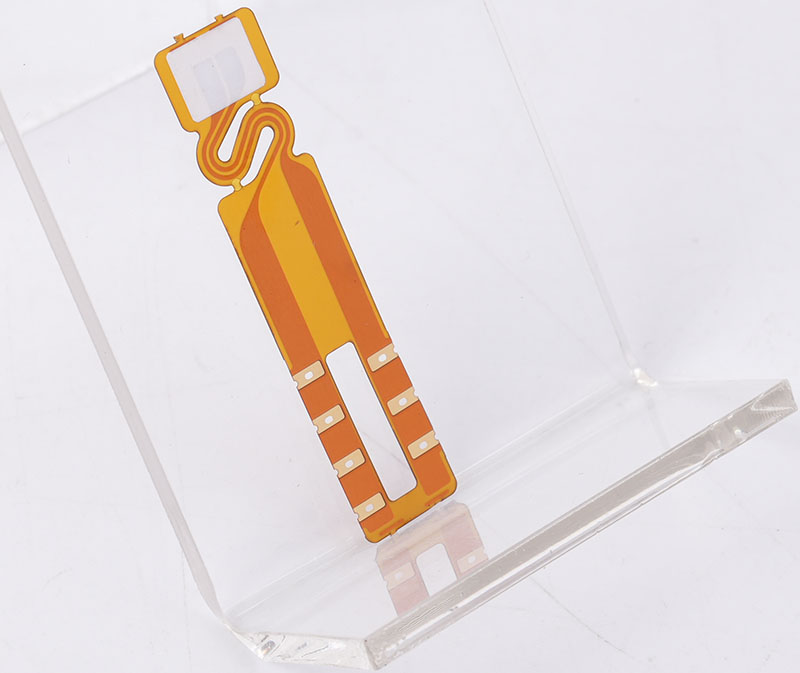
Polyimide Circuit Board

What Are the Unique Advantages of a Polyimide Circuit Board for High-Reliability Applications?

Polyimide circuit boards​ are not just an alternative to standard PCBs; they are a necessity for applications where failure is not an option. Their advantages directly address the stringent requirements of mission-critical systems in aerospace, military, medical implants, and downhole drilling equipment.

The primary benefits stem from the material’s ability to perform consistently under extreme duress.

  • Unmatched Thermal Stability:​ Devices experience minimal expansion, contraction, or warping during thermal cycling, preventing solder joint failure and maintaining signal integrity. This is a key differentiator in the polyimide vs FR4 PCB​ debate.
  • Outstanding Durability & Flex Life:​ For dynamic flexing applications, polyimide flex PCB​ constructions can endure millions of bend cycles without failure, which is essential for moving parts in robotics or foldable electronics.
  • High Radiation and Chemical Resistance:​ Polyimide withstands exposure to gamma radiation, UV light, and corrosive chemicals much better than most materials circuit boards are made of, ensuring longevity in space or industrial settings.
  • Miniaturization Enabler:​ Its strength at thin profiles allows for dense, lightweight, and compact packaging of complex circuitry.
  • Reliable Performance in Vacuum:​ It has low outgassing properties, making it safe for use in vacuum environments like satellites and scientific instruments.

Ultimately, the unique advantages of a polyimide printed circuit board​ translate into unparalleled reliability. They enable engineers to push the boundaries of technology, designing electronics that are more powerful, compact, and resilient than ever before.

Understanding Polyimide Circuit Board Material and How It Differs From Conventional Laminates

To choose the right substrate, it’s crucial to understand how polyimide circuit board material​ fundamentally differs from conventional laminates like FR4. While both serve as insulating layers, their composition, performance boundaries, and ideal use cases are worlds apart. The choice often boils down to the operational envelope of the final product.

The differences are most apparent when comparing key characteristics side-by-side.

FeaturePolyimide LaminateConventional FR4 Laminate
Base ResinPolyimide polymerEpoxy (typically brominated for FR)
Glass Transition Temp (Tg)Very High (>250°C)Mid-Range (130°C – 180°C)
Max Continuous Operating Temp~260°C~130°C – 150°C
Flexural EnduranceExcellent (for flex grades)Poor (rigid, brittle)
Chemical ResistanceExcellentGood
Moisture AbsorptionLowModerate to High
CostHigherLower

This comparison clarifies the polyimide vs FR4​ decision. FR4 PCB​ is the economical, high-volume workhorse for standard commercial electronics. In contrast, polyimide PCB​ is the specialized, high-performance solution for extreme thermal, mechanical, or environmental challenges. Other high-end materials like PTFE PCB​ (excellent for RF) may compete in specific niches, but polyimide remains the champion for combined thermal-mechanical performance.

How Polyimide Circuit Board Material Properties Influence Thermal Stability and Mechanical Durability?

The legendary thermal stability and mechanical durability​ of polyimide PCBs are not accidental; they are the direct result of specific, engineered polyimide circuit board material properties. These properties are intrinsically linked at the molecular level, creating a synergistic effect that defines the material’s performance ceiling.

The key properties driving this performance can be broken down as follows:

  • High Glass Transition Temperature (Tg):​ This is the temperature at which the polymer transitions from a hard, glassy state to a soft, rubbery one. Polyimide’s exceptionally high Tg (>250°C) means it retains its rigidity and dimensional stability at soldering temperatures and in high-heat operating environments, preventing warping and delamination.
  • Low Coefficient of Thermal Expansion (CTE):​ Polyimide’s CTE is closely matched to copper. This minimizes stress at the copper-substrate interface during temperature swings, dramatically reducing the risk of plated through-hole (PTH) barrel cracking and conductor delamination—a common polyimide circuit board problem​ if not properly managed.
  • Aromatic Heterocyclic Structure:​ The rigid, ring-based molecular chains create a high modulus (stiffness) and tensile strength, even in thin-film form. This provides the mechanical backbone for polyimide flex PCB​ applications, allowing repeated bending without permanent deformation or cracking.
  • Strong Molecular Bonds:​ The covalent bonds within the polyimide chain are highly resistant to thermal and chemical breakdown, contributing to its long-term stability under stress and its excellent dielectric strength.

In essence, the polyimide PCB material properties​ form a virtuous cycle: thermal stability prevents mechanical stress from temperature changes, while mechanical strength maintains structural integrity under thermal load. Understanding this interplay is essential for designing reliable hardware that leverages the full potential of this advanced material.

Comparing Polyimide vs FR4 to Determine the Right Material for Demanding Electronics

The decision between polyimide vs FR4​ is a fundamental one in PCB design, impacting cost, performance, and manufacturability. There is no universally “better” material; the right choice depends entirely on the demands of the specific application. A clear comparison illuminates the trade-offs.

The selection criteria hinge on several environmental and operational factors, as summarized below:

Decision FactorChoose Polyimide PCB​ When…Choose FR4 PCB Board​ When…
Operating TemperatureExceeds 150°C or involves intense thermal cycling.Remains below 130°C-150°C consistently.
Mechanical EnvironmentDynamic flexing, vibration, or space/weight constraints are critical.The board is static within a rigid enclosure.
Chemical/Radiation ExposureThe environment is harsh (oils, fuels, solvents, radiation).The environment is benign (standard indoor use).
Electrical PerformanceStable dielectric constant (Dk) over a wide temp/frequency range is needed.Standard electrical properties at room temperature are sufficient.
Project BudgetPerformance and reliability justify a higher unit cost.Cost minimization for high-volume production is the priority.

For instance, a polyimide vs FR4 PCB​ analysis for an automotive engine control unit (ECU) would heavily favor polyimide due to under-the-hood temperatures. Conversely, a consumer television’s mainboard would optimally use cost-effective FR4 PCB. Understanding this polyimide vs FR4​ matrix allows engineers to make data-driven material selections that align technical requirements with business objectives.

Why Polyimide Flex PCB Designs Are Essential for Wearables, Aerospace, and Miniaturized Devices?

Polyimide flex PCB​ designs are not merely convenient; they are enabling technologies that make modern miniaturized and robust electronics possible. Their unique combination of thinness, flexibility, and reliability solves geometric and environmental challenges that rigid boards cannot address.

The essential nature of these designs is evident across several cutting-edge industries:

  • Wearable Medical Devices & Consumer Tech:​ They conform comfortably to the human body, endure constant movement, and enable ultra-lightweight designs for hearing aids, fitness monitors, and smart clothing.
  • Aerospace & Avionics:​ In satellites and aircraft, polyimide flex PCBs​ save crucial weight and space. Their reliability under extreme thermal cycling (from -55°C to +125°C+), vacuum, and vibration is unmatched by other flexible PCB material​ options.
  • Advanced Automotive Systems:​ They navigate the tight, hot, and moving spaces within vehicles, connecting sensors in doors, seats, and around the engine where rigid boards would fail.
  • Miniaturized Electronics:​ They allow for innovative 3D packaging, folding, and stacking of circuitry in smartphones, cameras, and drones, maximizing functionality in minimal volume.
  • High-Reliability Industrial:​ Used in robotic arms and moving machine parts, they provide a durable, dynamic interconnection that outlasts cables and connectors.

The move towards polyimide flex PCB​ solutions is driven by the need for devices that are smaller, lighter, more durable, and capable of operating in three dimensions. As polyimide PCB manufacturers​ advance their processes, these designs continue to push the boundaries of what’s electrically and mechanically possible.

What Polyimide Circuit Board Manufacturers Provide in Terms of Engineering Capability and Process Control?

Selecting among polyimide circuit board manufacturers​ is as critical as selecting the material itself. The high-performance potential of polyimide can only be realized through expert engineering and meticulous process control. A top-tier manufacturer provides a partnership that extends far beyond simple fabrication.

Key capabilities that distinguish leading polyimide PCB manufacturers​ include:

  • Deep Material Science Expertise:​ Understanding the nuances of different polyimide grades (e.g., polyimide vs polyamide), adhesiveless vs. adhesive-based constructions, and their compatibility with various finishes is crucial.
  • Advanced DFM (Design for Manufacturability) Analysis:​ Proactive engineering review to optimize designs for yield and reliability, advising on critical aspects like bend radii, stiffener placement, and coverlay openings.
  • Precision Lamination Process Control:​ Consistent pressure, temperature, and vacuum cycles are vital to prevent voids, delamination, and to control the material properties​ of the final multilayer stack-up.
  • Specialized Handling and Etching:​ Polyimide’s sensitivity to moisture and chemicals requires controlled environments and tailored etching processes to achieve fine features without damaging the substrate.
  • Rigorous Testing and Inspection Protocols:​ Implementation of electrical testing, microsectioning, and thermal stress testing (e.g., solder float test) to validate the reliability​ promised by the polyimide PCB material data sheet.

In short, the best polyimide PCB manufacturers​ act as an extension of your engineering team. They translate your design intent into a physical product that reliably meets all specifications, navigating the complexities inherent in working with this premium material.

Key Findings in a Polyimide PCB Material Data Sheet and How to Interpret Thermal and Electrical Ratings

A polyimide PCB material data sheet​ is the blueprint for performance. Knowing how to interpret its key findings allows engineers to make accurate predictions about how a board will behave in the real world and to select the optimal grade for their application.

When reviewing a data sheet, focus on these critical sections:

  • Glass Transition Temperature (Tg):​ This is the starting point. A higher Tg indicates better resistance to thermal deformation. For lead-free soldering (peak ~260°C), a Tg of 250°C+ is essential.
  • Decomposition Temperature (Td):​ The temperature at which the material begins to chemically break down and lose mass (typically measured at 5% weight loss). A higher Td provides a greater safety margin above Tg.
  • Coefficient of Thermal Expansion (CTE):​ Usually given in X, Y, and Z axes (e.g., CTE (Z-axis) < 3%). A lower, more isotropic CTE is vital for reliability in thermal cycling, especially for multilayer boards and plated through-holes.
  • Dielectric Constant (Dk) and Dissipation Factor (Df):​ These govern signal speed and loss. Note their values at your operating frequency (e.g., 1 GHz or 10 GHz) and whether they are stable over your expected temperature range.
  • Dielectric Strength:​ Expressed in kV/mm, this indicates the dielectric strength of polyimide PCB—its ability to withstand high voltages without breaking down. It’s crucial for high-power or high-voltage designs.
  • Moisture Absorption:​ A lower percentage is always better, as absorbed moisture can affect Dk, cause popcorning during soldering, and reduce insulation resistance.
  • Flexural Endurance & Tensile Strength:​ For flex applications, these numbers, often given for the base film, indicate how well the material will withstand bending and stretching.

Interpreting these ratings requires context. For example, a stable Dk over temperature might be more important than its absolute value for a precision RF circuit. Cross-referencing data sheet claims with your manufacturer’s process capabilities is the final step in ensuring your design’s success.

Common Polyimide Circuit Board Problems and How Engineers Mitigate Failure Risks in Production

Even with its superior properties, polyimide circuit boards​ are not immune to challenges. Awareness of common polyimide circuit board problems​ is the first step toward preventing them. Proactive design and collaboration with a skilled manufacturer are the best risk mitigation strategies.

Here are key issues and their engineering solutions:

  • Problem: Plated Through-Hole (PTH) Cracking.
    Cause: Mismatch in the Z-axis CTE between copper and polyimide during thermal cycling.
    Mitigation: Use polyimide materials with a low Z-axis CTE (<3%). Implement optimal desmear and plating processes to ensure good copper adhesion in the hole barrel.
  • Problem: Delamination or Blistering.
    Cause: Moisture absorption, contamination during lamination, or excessive thermal stress during assembly.
    Mitigation: Pre-bake boards before assembly. Ensure cleanroom lamination processes. Specify materials with low moisture absorption and verify assembly profiles.
  • Problem: Dimensional Instability/Warpage.
    Cause: Asymmetric layer stack-ups or unbalanced copper distribution creating internal stress. Mitigation: Follow symmetrical stack-up design rules. Work with the manufacturer on a balanced layup and controlled multi-stage lamination cycles.
  • Problem: Solder Mask Adhesion Failure.
    Cause: The smooth, chemically resistant surface of polyimide can challenge adhesion.
    Mitigation: Use polyimide-specific solder masks. Ensure proper surface preparation (e.g., plasma treatment) prior to mask application. Perform thorough adhesion testing.
  • Problem: “Orange Peel” or Surface Roughness.
    Cause: Inconsistent etchback or desmear processes on multilayer boards.
    Mitigation: Tightly control chemical process parameters, times, and concentrations. Perform regular microsection analysis to monitor inner-layer interconnect quality.

By anticipating these issues, engineers can design rules and manufacturers can calibrate processes to avoid them. This collaborative, knowledge-based approach is fundamental to achieving the reliable polyimide circuit board solutions​ promised by the material’s exceptional data sheet properties.
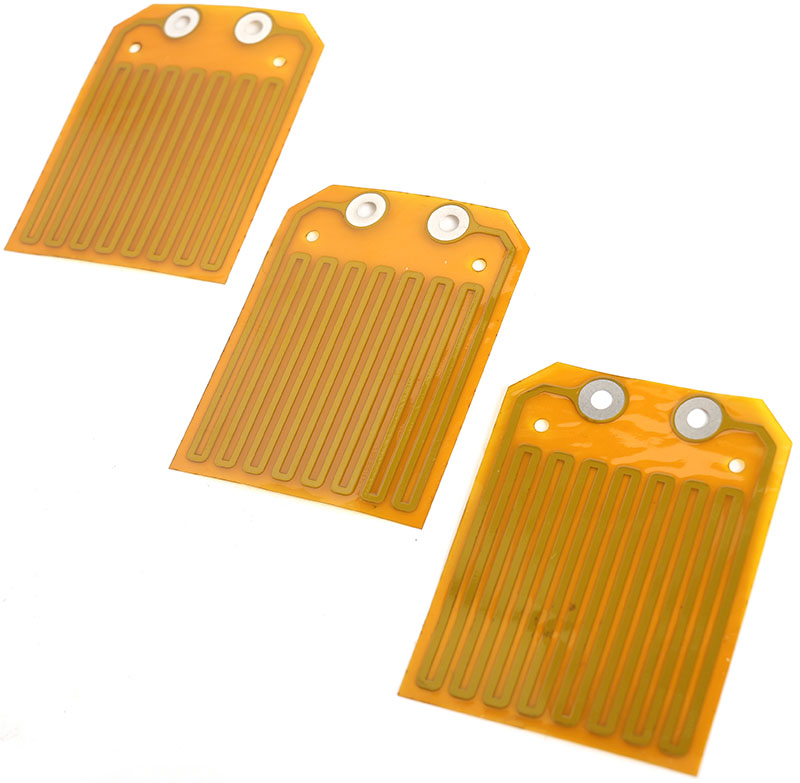
Polyimide Circuit Board

Polyimide Circuit Board​ materials are the foundation upon which the most durable and advanced electronic systems are built. This article has detailed their properties, applications, and selection process to empower your design decisions.

From understanding the critical polyimide PCB material properties​ to navigating the choice of polyimide vs FR4, success hinges on expert execution. At EBest Circuit (Best Technology), we specialize in transforming these high-performance materials into reliable, production-ready solutions. For a partnership that delivers both reliability and agility, pls feel free to contact us anytime at sales@bestpcbs.com.

FAQs

How Thick Is Polyimide PCB?

The thickness of a polyimide PCB​ varies widely based on application. Flexible single-layer boards can be as thin as 0.025 mm (1 mil) for the core polyimide film, with overall build-ups including copper and coverlay ranging from 0.05 mm to 0.2 mm. Rigid or rigid-flex multilayer boards using polyimide can range from 0.4 mm to over 3.0 mm, similar to standard PCB thicknesses but with much higher thermal performance.

What Is the Dielectric Strength of Polyimide PCB?

The dielectric strength of polyimide PCB​ material is exceptionally high, typically in the range of 200 to 300 kV/mm​ for the base film. This means it can withstand a very high voltage per unit thickness before electrical breakdown occurs. However, the actual breakdown voltage of a finished PCB assembly will be lower and depends on factors like conductor spacing, surface cleanliness, and the presence of solder mask.

What Is the Color of Polyimide PCB?

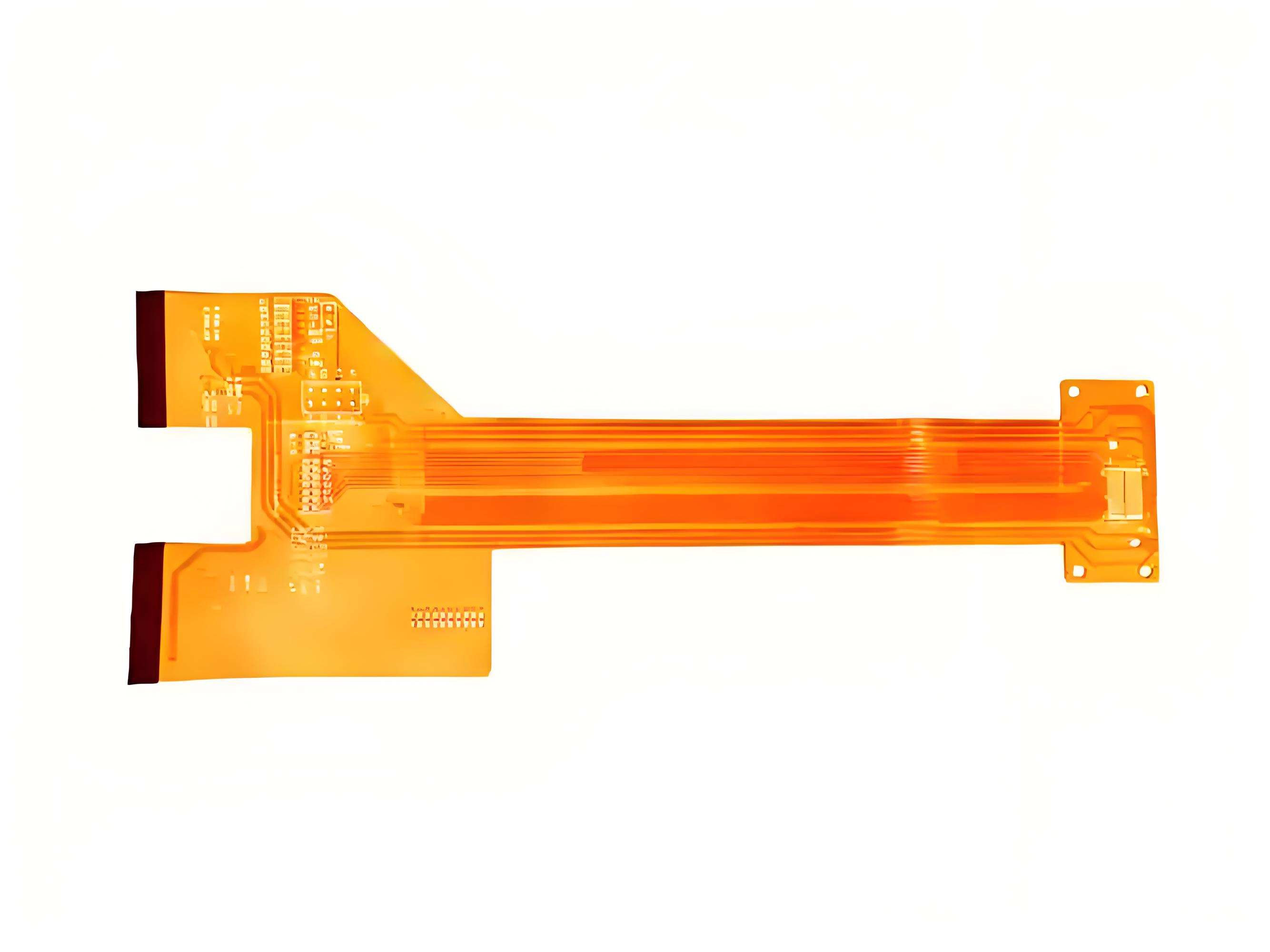
The natural color of polyimide PCB​ base material is a distinctive amber or orange-gold. This is due to the chemistry of the polyimide polymer itself. The exposed substrate in “windows” of flexible circuits or the edges of boards will show this color. However, the surface is typically covered by copper, solder mask (which can be various colors, though green is common), and coverlay.
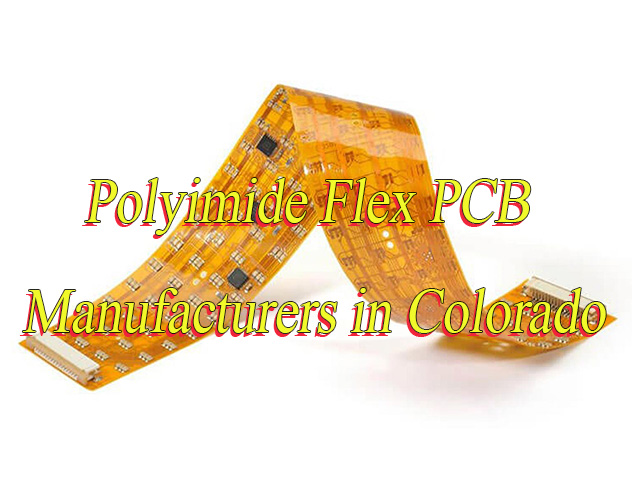
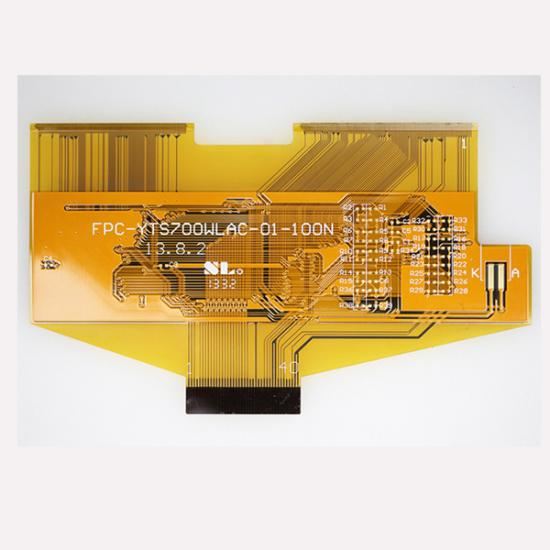
Polyimide Flex PCB Manufacturers in Colorado
Tuesday, November 25th, 2025

Why choose Colorado polyimide flex PCB manufacturer? This blog is mainly about selection guide and required quality certifications for Colorado flex manufacturers.

Are you troubled with these questions?

  • What to do when flexible PCB cracks easily after repeated bending?
  • How to ensure stable soft board performance in high-temperature environments?
  • How to control costs when design and production cycles are too long?

As a professional Polyimide flex PCB manufacturer, EBest Circuit (Best Technology) can provide you serv ice and solution:

  • Customized Flexibility Design: Leverage 19 years of experience for simulation-optimized bending structures, ensuring integrity through million-cycle bending tests and extending product life by 30%.
  • High-Temperature Adaptability Solution: Select polyimide materials with -40°C to 200°C resistance, combined with precision lamination to disperse thermal stress, ensuring stable operation in harsh environments—proven in consumer electronics and medical devices.
  • Rapid Response Manufacturing System: Intelligent production lines + end-to-end service reduce sample delivery to 7 days, compress mass production cycles by 20%, cutting costs while accelerating time-to-market.

Welcome to contact us if you have any inquiry for flexible polyimide PCB: sales@bestpcb.com.

Why Choose Colorado Polyimide Flex PCB Manufacturer?

Reasons Why Choose Colorado Polyimide Flex PCB Manufacturer:

  • Localized rapid delivery: Colorado hosts multiple local PCB manufacturers, such as Advanced Circuits and PCB Prime, capable of completing the entire process from production to delivery within 1 day to 4 weeks, significantly shortening project cycles.
  • Professional processing capabilities for polyimide materials: Local manufacturers have mature experience in polyimide flexible board production, providing circuit boards with high heat resistance (long-term operating temperature over 200°C), excellent chemical stability, and mechanical flexibility, suitable for harsh environments in aerospace, medical, and automotive electronics.
  • Comprehensive service coverage: From design review, prototype production, multi-layer boards (up to 40 layers) to assembly (SMT/THT), Colorado manufacturers offer one-stop solutions, avoiding communication and quality risks associated with cross-regional collaboration.
  • Strict quality and compliance standards: Most manufacturers hold certifications such as ISO 9001, ITAR, and UL, and implement processes like impedance control, microvia laser drilling, and dynamic bending tests during production to ensure performance in high-frequency, high-reliability scenarios.
  • Technical support and customization: Engineering teams in Colorado are familiar with complex designs such as rigid-flex boards, HDI, and high-frequency materials (e.g., Rogers), providing customized solutions for signal integrity, thermal management, and space constraints.
  • Supply chain resilience: Local production reduces delivery delays caused by international logistics, tariffs, or geopolitical factors, while facilitating on-site audits and sample verification to lower project risks.
Why Choose Colorado Polyimide Flex PCB Manufacturer?

Top Polyimide Flex PCB Manufacturers in Colorado

Advanced Circuits (AdvancedPCB)

  • Business: Offers manufacturing of rigid, flexible, and rigid-flex circuit boards from prototyping to mass production, covering high-speed, RF, and microwave applications.
  • Strengths: Boasts U.S.-based production facilities, provides free design verification software, no minimum order quantity, rapid delivery (same-day shipping available), and adheres to international standards such as IPC and RoHS for quality systems.

AlteraFlex Circuits

  • Business: Specializes in rapid prototyping and mid-to-large volume production of flexible and rigid-flex circuit boards with assembly, serving regions like Denver and Aurora in Colorado.
  • Strengths: Features an engineering team with over 30 years of experience, offers 24/7 project management and local technical support, and supports end-to-end processes from design to mass production.

PCB Unlimited

  • Business: Manufactures flexible and rigid-flex circuit boards, primarily using polyimide as the substrate material for its flexible boards.
  • Strengths: Exhibits flexible order handling capabilities, supports small-to-medium batch production with competitive pricing, and provides a comprehensive range of material options and surface treatment processes.

Nexus PCB

  • Business: A Denver-based PCB design and manufacturing expert, offering over 30-layer rigid, flexible, and rigid-flex boards with advanced processes such as blind/buried vias and non-conductive via filling.
  • Strengths: Provides rapid lead times ranging from 24 hours to 10 days, suitable for commercial and military-grade applications, and possesses high-density interconnect (HDI) technology capabilities.
Top Polyimide Flex PCB Manufacturers in Colorado

Required Quality Certifications for Colorado Polyimide PCB Project

ISO 9001: Global Quality Management System Standard

  • Widely recognized by US customers, this certification demonstrates the ability to consistently deliver products meeting international standards, applicable to high-reliability fields such as medical and industrial control.

UL Certification: Mandatory Safety Certification for North American Market

  • Underwriters Laboratories’ authoritative certification verifies the electrical safety performance of PCBs (e.g., fire resistance, voltage resistance, compliance of flame-retardant materials). It is a mandatory requirement for entering the US market, particularly suitable for high-temperature applications of polyimide materials.

AS9100: Specialized Certification for Aerospace Industry

  • Based on ISO 9001 expansion, applicable to the US aerospace supply chain (e.g., Boeing, NASA suppliers). It requires critical characteristic identification, production environment control, and full traceability to ensure reliability under extreme conditions.

IATF 16949: Automotive Industry Quality Benchmark

  • Standard of the International Automotive Task Force, mandatory for US automakers such as Ford and General Motors. It focuses on defect prevention and supply chain consistency, suitable for high-reliability automotive electronics PCBs

ISO 13485: Medical Device Quality Management Standard

  • Specialized quality management system for the US medical device industry, integrating FDA regulatory requirements. It emphasizes risk management and full lifecycle traceability, applicable to medical equipment PCBs.

FCC Certification: US Electromagnetic Compatibility Mandatory Standard

  • Federal Communications Commission certification verifies the electromagnetic radiation and interference immunity of PCBs. Essential for PCBs with wireless modules (e.g., Bluetooth, Wi-Fi) to comply with US electromagnetic compatibility regulations.

CB Certification: International Mutual Recognition Accelerates US Market Access

  • Through IECEE standard test reports, it can quickly convert to US certifications such as UL, reducing redundant testing costs and accelerating US customer recognition of product compliance.

How to Choose Colorado Polyimide Flex PCB Manufacturers?

A Detailed Guide to Colorado Polyimide Flex PCB Manufacturer:

1. Technical Capability Verification

  • Require provision of patent documents for double-sided/multi-layer flexible PCB design and polyimide material special treatment process parameters (e.g., temperature resistance range -200°C to +300°C, bending life ≥1 million cycles).
  • Verify minimum line width/spacing precision (e.g., ≤50μm), HDI design capability, and successful case data in medical/aerospace fields (e.g., pacemaker circuit boards, satellite antenna flexible components).

2. Quality Certification Verification

  • Mandatory requirements include ISO 9001, ISO 13485 (medical), UL 94 V-0 certifications, and request for polyimide material high-temperature/chemical corrosion resistance special test reports (e.g., ASTM D522 vertical combustion test).
  • Confirm compliance with EU RoHS, REACH environmental directives, and US FDA medical device registration requirements, with third-party certification documents provided.

3. Supply Chain Transparency Management

  • Require demonstration of raw material procurement (polyimide film suppliers must be Tier 1 manufacturers such as DuPont/Kaneka), conductive paste batch traceability system, and real-time monitoring of key node data (e.g., lamination temperature curves, etching uniformity).
  • Reject intermediary-type suppliers relying on external subcontracting and ensure the manufacturer has a complete in-house production line (including laser cutting, chemical nickel/gold plating equipment).

4. Customized Service Responsiveness

    • Evaluate 24-hour rapid prototyping capability (e.g., sample delivery within 48 hours) and small-batch production feasibility (e.g., MOQ ≤100 pieces), and verify experience in handling special requirements (e.g., non-rectangular irregular boards, embedded components like resistors/capacitors between layers).
    • Confirm provision of free DFM analysis services, including manufacturability assessment reports (e.g., pad design optimization suggestions) and electrical performance simulation data.

    5. Cross-Timezone Communication Support

      • Select manufacturers with multilingual technical teams (English + German/Japanese/etc.) providing 7×24 online support, specifying communication channels (e.g., dedicated customer portal, video conferencing systems) and response timelines (e.g., urgent issues replied within 2 hours).
      • Verify presence of local warehouses or partner service providers in target markets (e.g., Munich, Germany; Tokyo, Japan) to shorten logistics cycles to 3-5 working days.

      6. Cost Transparency Guarantee

        • Require itemized quotation sheets (material costs ≤40%, processing costs ≤30%, testing costs ≤15%, logistics costs ≤15%), with clear price fluctuation mechanisms for mass production (e.g., annual decrease of 3%-5%) and volume discount policies (e.g., ≥1000 pieces enjoy 10% discount).
        • Verify availability of extended warranty periods (e.g., extended to 2 years), spare parts inventory sharing (e.g., 500 spare pieces in stock), and other long-term cooperation terms to reduce maintenance costs.

        7. Environmental Sustainability Commitment

          • Prioritize manufacturers certified with ISO 14001, requesting specific environmental indicators (e.g., waste recycling rate ≥95%, unit energy consumption ≤5kWh/m², carbon footprint ≤2kg CO₂e/m²).
          • Confirm adoption of lead-free processes, water-based cleaning, and other green production technologies, supporting customer participation in carbon footprint accounting (e.g., providing production process emission data) and emission reduction target setting (e.g., commitment to carbon neutrality by 2025).
          How to Choose Colorado Polyimide Flex PCB Manufacturers?

          Why Colorado Clients Choose EBest Circuit (Best Technology) for Polyimide PCB?

          Reasons Why Colorado Clients Choose EBest Circuit (Best Technology) for Polyimide PCB:

          • Free DFM Analysis: Provide free Design for Manufacturing (DFM) analysis to identify production risks in advance, reduce rework costs for international clients, and ensure first-pass design success.
          • 19 Years of Flexible PCB Expertise: Deep specialization in polyimide flexible PCB for 19 years, with extensive process databases to precisely match complex technical requirements of international clients and shorten development cycles.
          • Senior Engineer Team: Average 10+ years of industry experience per engineer, familiar with European and American technical standards, offering full-process technical support from design to mass production to resolve international clients’ technical challenges.
          • Rapid Prototyping Service: 48-hour quick prototyping to support international clients in rapid design verification and market opportunity capture, ideal for small-batch, multi-variety international orders.
          • Low MOQ Flexible Production: MOQ as low as 1 piece, no minimum order quantity restrictions, significantly reducing inventory pressure and capital occupation for international clients, adapting to customized small-batch needs.
          • Cost Competitiveness Guarantee: Through scaled production and supply chain optimization, offer price advantages comparable to international peers while ensuring profit margins, assisting international clients in cost control.
          • Dual Quality Certification System: Certified by ISO 9001 Quality Management System and ISO 13485 Medical Device Quality Certification, meeting stringent European and American standards to provide traceable quality assurance for international clients.
          • Strict Quality Control Process: Adopt AQL sampling standards and full-process quality monitoring, with 12 inspection procedures from raw materials to finished products, ensuring zero-defect delivery for international clients.

            Our Polyimide Flex PCB Fabrication Capabilities

            ItemCapabilities
            Layers Count1-10L
            Max Board Dimension:1L:500*2000mm; 2L:250*1380mm
            Conductor Thickness:1/3 OZ (12 um) – 4OZ (140um)
            Min Line Width/Line Space:2/2mil
            Min Hole Spacing:NPTH:16mil; PTH:20mil
            Hole Position Deviation:±4mil (0.10mm)
            Outline Tolerance:Laser: +0.15mm/-0.05mm;
            Die Punch: +0.10/-0.20 mm
            Surface Treatment:ENIG(Au 4u”), Hard Gold Plating (Au 50u”), Immersion Silver, Immersion Tin, OSP, ENEPIG

            Case Studies of Our Polyimide Flex PCB Project

            Project Background

            A deep space exploration device requires long-term operation under conditions of intense vibration, wide temperature range (-55°C to 125°C), and strong radiation. The original solution used traditional rigid wiring harnesses, weighing 1.5 pounds (approximately 680 g), with complex wiring and error-prone assembly, failing to meet the device’s dual requirements for lightweight design and reliability.


            Solution

            1. Material Selection

                • The substrate employs glass fiber reinforced polyimide (copper-clad glass-supported polyimide) and pure polyimide film (flexible polyimide film), combined with polyimide prepreg and acrylic adhesive, ensuring dimensional stability and chemical resistance at high temperatures.
                • The cover layer is entirely polyimide, covering copper foil and the pad-trace transition area, significantly enhancing bending resistance.

                2. Structural Design

                • Designed as a 30-layer rigid-flex combination board with 7 press cycles, achieving high-density interconnection and isolating signal, power, and ground layers within limited space.
                • Teardrop-shaped pad-trace transition structures reduce stress concentration, preventing copper foil fracture caused by dynamic bending.

                3. Process Innovation

                • Concurrent engineering was adopted, and the entire manufacturing process was completed in-house, shortening the development cycle and reducing outsourcing risks.
                • The polyimide cover thickness in critical areas was increased to 25 μm, further improving mechanical durability.

                Solution Results

                • Significant Weight Reduction: The final circuit board weighs only 87 g, approximately 87% lighter than the original wiring harness, greatly reducing system load.
                • Enhanced Reliability: Operated continuously for 90 days in extreme Martian surface environments, far exceeding the original 30-day mission target, with no electrical or mechanical failures.
                • Technology Inheritance: This solution became the baseline design for subsequent deep space missions, validating the maturity and reliability of polyimide flexible circuits in aerospace-grade applications.
                Case Studies of Our Polyimide Flex PCB Project

                How to Get A Quote for Polyimide Flex PCB Project?

                All Materials Required for Polyimide Flex PCB Project:

                • Technical Specification Sheet: English version, including number of layers, dimensions, thickness (e.g., 25μm polyimide), temperature resistance range (-200℃ to 300℃), impedance control value, flexibility grade (bending radius ≥1mm), material certification standards (e.g., UL EI4401, IPC-4204).
                • Design File Package: Gerber files (including impedance layer and drilling files), BOM list (accurate to component models/packages), CAD design drawings (3D models or STEP files).
                • Testing and Certification Documents: Sample thermal shock test report, bending life test report (≥1 million cycles), UL/SGS certification originals, RoHS/REACH compliance declaration, IPC-6013D Class 2/3 standard compliance certificate.
                • Production Capacity and Quality Certification: Production capacity certificate for monthly output ≥5000㎡, AQL sampling standard process, quality management system documents (e.g., ISO 9001/TS 16949).
                • Business and Logistics Documents: English version inspection report, certificate of origin, packaging specifications (anti-static/moisture-proof), DHL/FedEx international logistics agreement, payment method confirmation letter (e.g., T/T 30% advance payment).
                • Intellectual Property and Legal Documents: NDA non-disclosure agreement, intellectual property ownership statement, draft contract (including technical parameters, acceptance criteria, liability for breach of contract).

                Welcome to contact us if you have any request for polyimide flex PCB: sales@bestpcbs.com.

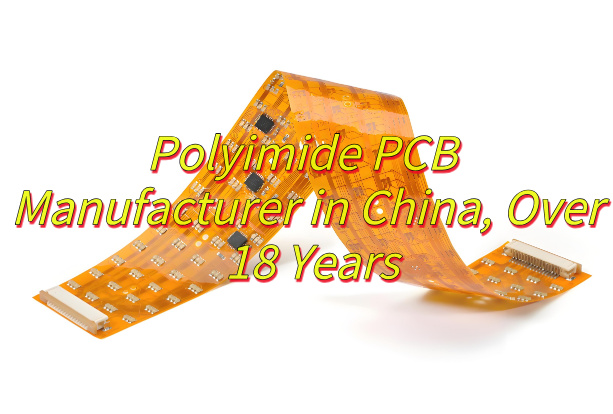
                Polyimide PCB Manufacturer in China, Over 18 Years
                Monday, July 21st, 2025

                Why choose polyimide PCB?‌ This guide details their critical properties, thickness, thermal conductivity, pros and cons, manufacturing processes and applications.

                Are you still troubled by these problems?

                • Complex circuit design leads to low yield?
                • Traditional materials degrade in humid environment?
                • Does micro-aperture processing affect circuit accuracy?

                EBest Circuit (Best Technology) 丨Polyimide PCB Manufacturer in China Over 18 years:

                • High-precision graphic transfer technology: using laser direct imaging (LDI) process, line width/line spacing up to 25μm, yield increased by 30%.
                • Ultra-low water absorption material: 0.2% water absorption formula, insulation resistance retention rate in humid environment> 95%.
                • Precision micro-hole processing: CO2 laser + UV laser combined drilling, aperture accuracy ±15μm, hole wall roughness <10μm.

                Welcome to contact us if you have any request for polyimide PCB: sales@bestpcbs.com.

                What Is Polyimide PCB?

                A polyimide PCB is a flexible printed circuit board utilizing polyimide as its dielectric substrate, providing remarkable flexibility for repeated bending, folding, or twisting without mechanical damage. This polymer offers exceptional thermal stability, handling temperatures up to 400°C, a low dielectric constant near 3.5, and high tensile strength, making it suitable for electronics requiring dynamic movement or intricate three-dimensional packaging.

                Commonly applied in neural implants and wearable devices, these PCBs enable reliable electrical connections in space-constrained environments while maintaining performance under stress. Fabrication involves microelectronics-compatible techniques, supporting mass production for high-density interconnects across medical and consumer applications.

                What Is Polyimide PCB?

                How Thick Is a Polyimide PCB?

                Core Material Thickness

                • Base Polyimide Film‌: Typically ‌12.5 μm to 100 μm (0.0005–0.004 inches)‌, with ‌25 μm (0.001 inch)‌ and ‌50 μm (0.002 inches)‌ being industry standards.

                Total Stackup Thickness

                • Single-Layer Flexible PCB‌: ‌50–125 μm (0.002–0.005 inches)‌ when combined with copper foil (9–18 μm).
                • ‌Multi-Layer Designs‌: Ranges ‌up to 0.3 mm (0.012 inches)‌ for 4–6 layer configurations using adhesive bonding.

                Influencing Factors

                • Copper Foil‌: Ultra-thin ‌9–18 μm‌ electrodeposited copper reduces bulk.
                • ‌Adhesive Layers‌: Bonding films add ‌10–25 μm‌ per layer; adhesive-less laminates reduce total thickness to ‌30 μm‌.
                • ‌Stiffeners‌: Localized PI or steel reinforcements (‌0.1–0.3 mm‌) enhance connector zones.

                Polyimide PCB Material Data Sheet & Properties

                Property CategoryTest ParameterTest StandardValue with UnitCharacteristics
                Physical PropertiesDensityASTM D7921.43 g/cm³Lightweight design advantage
                Water AbsorptionASTM D5700.3%Low moisture absorption for high-frequency stability
                Flammability RatingUL94Non-flammableComplies with aerospace safety requirements
                Mechanical PropertiesTensile StrengthASTM D63890 MPa3× stronger than FR-4 substrates
                Elongation at BreakASTM D6386-8%High ductility for dynamic bending applications
                Flexural StrengthASTM D79098 MPaSupports 5mm bend radius designs
                Thermal PropertiesHDT @1.82MPaASTM D648360℃Withstands reflow soldering
                Continuous Operating Temp.UL746B260℃Suitable for automotive electronics
                CTE (Z-axis)ASTM D6961-5×10⁻⁵ /℃Matches copper foil expansion (Cu: 17×10⁻⁶/℃)
                Electrical PropertiesDk @1MHzIEC 602503.4 Low signal loss for high-frequency transmission
                Volume ResistivityIEC 6009310¹⁷ Ω·cm100× higher insulation than standard materials
                Dielectric StrengthIEC 60243110-120 kV/mmSuperior high-voltage breakdown resistance
                Special PerformanceFlex Life @5mm radiusIPC-6013D>100,000 cyclesValidated in smart wearable devices
                Peel Strength (Cu foil)IPC-TM-650≥1.0 N/mmEnsures flex circuit reliability
                Min. Line Width/SpacingIPC-222330/30 μmUltra-high-density routing capability

                What Is the Thermal Conductivity of Polyimide Flex PCB?

                Material TypeThermal ConductivityEnhancement Mechanism
                Pure Polyimide (PI)0.18 W/(m·K)N/A (base material)
                PI/CNNS Nanocomposite2.04 W/(m·K) (+1033%)CNNS in-plane self-orientation
                Graphene-PI CompositeUp to 739.56 W/(m·K)Layered graphene thermal networks

                What Are the Pros and Cons of Polyimide Circuit Board?

                Pros (Advantages)‌

                • High wiring density and miniaturization‌: Enables compact designs for space-constrained applications like mobile devices or wearables.
                • Lightweight and thin profile‌: Reduces overall weight and thickness of electronic products, ideal for portable electronics.
                • Excellent flexibility and durability‌: Can withstand millions of dynamic bends without wire breakage, supporting complex 3D assemblies.
                • Versatility in spatial layout‌: Allows arbitrary scaling and movement in three-dimensional space for integrated component connections.
                • Broad applicability‌: Suitable for high-reliability fields such as aerospace, military, and digital cameras due to robust insulating properties.

                Cons (Disadvantages)‌

                • High initial cost‌: Design, routing, and photographic processes are expensive due to specialized manufacturing requirements.
                • Limited use for general applications‌: Typically justified only for specific needs, not cost-effective for standard PCBs.
                • Maintenance challenges‌: Repair and rework, such as soldering, require trained personnel to avoid damage.
                What Are the Pros and Cons of Polyimide Circuit Board?

                What Are Applications of Flexible Polyimide PCB?

                Applications of Flexible Polyimide PCB

                • Consumer Electronics – Foldable displays (smartphones/tablets).
                • Aerospace – High-temperature wiring in satellites/spacecraft.
                • Medical Devices – Wearable sensors (ECG patches/implantable modules).
                • Automotive – Battery management systems (EVs) & autonomous vehicle sensors.
                • Industrial Automation – Flexible joints in robotic arms/motion control systems.
                • Energy – Solar panel interconnections (flexible photovoltaic modules).
                • Telecommunications – High-frequency signal routing in 5G/mmWave devices.
                What Are Applications of Flexible Polyimide PCB?

                How Are Polyimide PCBs Manufactured?

                Manufacturing Process of Flexible Polyimide PCBs

                1. Material Preparation

                • Base Film: Polyimide (PI) film (12.5–50µm) selected for thermal stability (Tg > 250°C).
                • Adhesive Coating: Epoxy/acrylic adhesive applied to PI film for copper bonding.

                2. Copper Cladding

                • Lamination: Adhesive-coated PI film laminated with electrolytic copper foil (1/3–2 oz) at 180–200°C.
                • Temporary Carrier: Aluminum/steel carrier attached for ultra-thin FPCs to prevent warping.

                3. Circuit Patterning

                • Dry Film Application: Photosensitive dry film laminated onto copper.
                • Exposure & Development: UV light exposes circuit pattern; unexposed areas washed away.
                • Etching: Ferric chloride/alkaline etching removes unprotected copper (line width/spacing ≥25µm).

                4. Coverlay Application

                • PI Coverlay: Second PI film with adhesive laminated over circuits for protection.
                • Laser Ablation: CO₂ laser drills precision holes (via/pad openings).

                5. Plating & Surface Finish

                • ENIG Plating: Electroless nickel/immersion gold applied to pads for solderability.
                • Stiffener Bonding: FR4/PI stiffeners attached to connector zones via thermal bonding.

                6. Testing & Inspection

                • AOI: Automated optical inspection for defects (open/short circuits).
                • Electrical Testing: Flying probe/bed-of-nails tests verify continuity/impedance.

                7. Cutting & Forming

                • Laser Cutting: Precision shaping of FPC outlines.
                • Bending Test: Flexibility validation (1,000+ bend cycles at 180°).

                8. Final Cleaning & Drying

                • Ultrasonic Cleaning: Removes residual particles from etching/plating.
                • Baking: FPCs dried in 80–100°C oven to eliminate moisture.

                9. Packaging

                • Anti-Static Protection: FPCs placed in anti-static bags with desiccant packs.
                • Cushioning: Foam inserts or vacuum-formed trays used to prevent movement.
                • Labeling: Barcode/QR code labels include product ID, batch number, and RoHS compliance.

                10. Quality Final Check

                • Visual Inspection: Confirm no scratches, folds, or contamination.
                • Electrical Recheck: Sample testing for critical parameters (e.g., impedance).
                How Are Polyimide PCBs Manufactured?

                Polyimide PCB Manufacturer in China – EBest Circuit (Best Technology)

                Reasons why choose us as polyimide PCB manufacturer:

                • 24-hour rapid prototyping: shorten the R&D cycle by 50% and accelerate product launch.
                • 1 Piece MOQ: zero inventory risk, trial production cost reduced by 90%.
                • Competitive & Transparent Pricing – No hidden costs, offering the best value without compromising quality.
                • Turnkey Solutions – Full-service PCB manufacturing from design to delivery, accelerating your product’s time-to-market.
                • ISO 14001/ISO 13485 certification: medical/automotive customers are exempt from secondary testing, and compliance costs are reduced by 30%
                • 0.075mm ultra-thin substrate processing: folding screen FPC thickness is reduced by 40%, and the bending life reaches 200,000 times.
                • Mature blind and buried via technology: circuit density increased by 40%, adapting to the needs of 5G modules/medical implants.
                • Free DFM (Design for Manufacturability) Analysis: Optimizes PCB layouts to reduce material waste, lower production costs, and avoid late-stage design revisions.

                Please feel free to contact EBest Circuit (Best Technology) if you have any inquiry for polyimide PCB: sales@bestpcbs.com. Looking forward to hearing from you soon!