PCB manufacturing PCB manufacturing
Home > Blog

PCB stencil

Your Trusted SMT Stencil Manufacturer – Precision & Reliability
Tuesday, January 27th, 2026

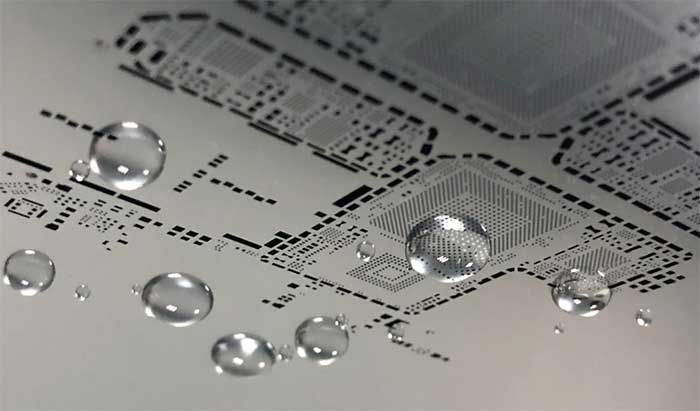
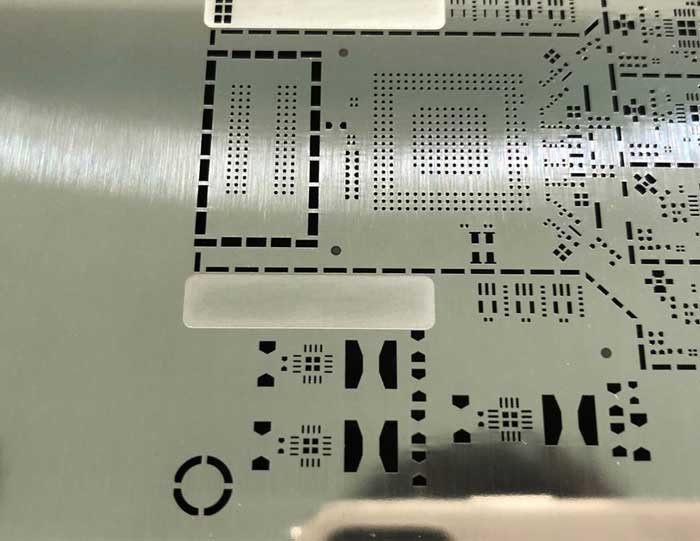
When searching for a professional SMT stencil manufacturer, BestPCBS stands out as the top choice for electronic manufacturers worldwide. Our decades of expertise in producing high-precision stencils make us the most reliable SMT stencil manufacturer for all your surface mount technology needs, from prototyping to mass production.
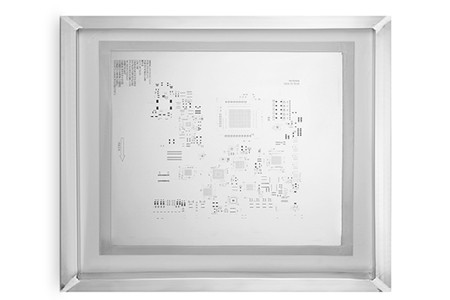
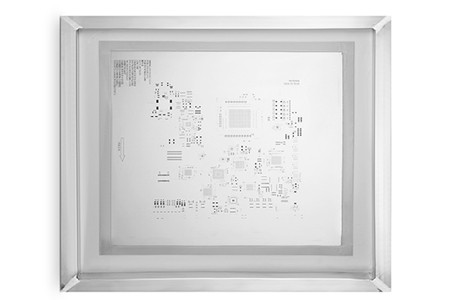
Why BestPCBS Is Your Top Choice for an SMT Stencil Manufacturer?

At BestPCBS, we combine advanced manufacturing technology with strict quality control to deliver SMT stencils that meet the highest industry standards. We offer 24/7 customer support, customizable solutions, and competitive pricing—factors that make us the preferred SMT stencil manufacturer for SMEs and large enterprises alike. Our on-time delivery rate exceeds 98%, ensuring your production lines never face delays.

Our Core Advantages

  • Precision: ±5μm aperture tolerance for fine-pitch components (01005, BGA, QFP)
  • Speed: 24-hour expedited service for urgent SMT stencil orders
  • Cost: 15% lower production costs compared to industry averages
  • Support: Dedicated engineering team for DFM reviews and technical guidance
SMT Stencil Manufacturer

What Defines a High-Quality SMT Stencil Manufacturer?

A high-quality SMT stencil manufacturer must master both technical precision and customer-centric service. At BestPCBS, we adhere to ISO 9001:2015 quality management standards, conducting 3 rounds of inspection before shipping any stencil. This commitment to quality ensures our stencils reduce solder defects by up to 70% for our clients.

4 Core Processes We Use for Custom SMT Stencil Manufacturing

Our custom SMT stencil manufacturing process is tailored to your specific PCB design requirements. We use four proven processes to cover all application scenarios, ensuring optimal solder paste transfer and long stencil lifespan:

ProcessPrecisionIdeal For
Laser Cutting≤5μmHigh-volume production
Electroforming≤3μmUltra-fine pitch components
Chemical Etching≤10μmLow-cost prototypes
Hybrid Process≤4μmMixed-technology PCBs

How We Ensure High-Precision SMT Stencil Production at BestPCBS

High-precision SMT stencil production starts with advanced equipment and skilled engineers. We use CNC laser cutters and 3D measuring systems to verify every aperture, ensuring positional accuracy within ±2μm. This level of precision directly improves PCB assembly yield by 10-15% for our customers.

Industrial-Grade Materials for Durable SMT Stencils

We only use industrial-grade SUS301 and SUS304 stainless steel for our SMT stencils, providing 400,000+ printing cycles per stencil—20% more than standard materials. For flexible PCB applications, we offer Kapton stencils with reinforced edges for added durability.

SMT Stencil Quality Inspection Standards at BestPCBS

Our SMT stencil quality inspection process includes three critical steps: dimensional verification, tension testing (35-50N/cm²), and surface finish inspection. Every stencil is tested on a dummy PCB to confirm solder paste transfer efficiency before delivery, eliminating post-shipping issues.

How to Reduce SMT Stencil Costs Without Compromising Quality

SMT stencil cost optimization is a key focus at BestPCBS. We offer bulk pricing discounts, design optimization suggestions to reduce material waste, and reusable stencil frames to lower long-term costs. Our engineering team reviews your PCB design for free to identify cost-saving opportunities without sacrificing performance.

Short Lead Time for SMT Stencils: Our Expedited Service

We understand the urgency of production deadlines, which is why our SMT stencil lead time starts at 24 hours for expedited orders and 3-5 business days for standard orders. We offer free express shipping on all expedited orders, ensuring your stencils arrive on time, every time.

FAQ: Common SMT Stencil Issues & BestPCBS’s Solutions

Q1: Why is my SMT stencil causing solder bridges?

A: Solder bridges are often caused by oversized apertures or poor surface finish. We calibrate aperture sizes based on your solder paste type and offer electro-polished stencils to reduce solder adhesion, eliminating bridge defects.

Q2: How can I extend the life of my SMT stencil?

A: Regular cleaning with ultrasonic cleaners and proper storage (23±3°C, 40-60% humidity) extends stencil life. We provide a free maintenance guide with every order to help you maximize stencil usage.

Q3: Can you modify an existing SMT stencil?

A: Yes, our engineering team can modify apertures or repair minor damage to existing stencils, saving you the cost of a full replacement. Modifications are completed within 12 hours for urgent requests.

Q4: Do you offer DFM reviews for SMT stencil designs?

A: Yes, we provide free SMT stencil design for manufacturability reviews to identify potential printing issues before production, reducing rework and delays.

Q5: What after-sales support do you provide?

A: We offer a 30-day warranty on all stencils and 24/7 technical support. Our team can assist with stencil installation, cleaning, and troubleshooting via video call or email.

SMT Stencil Design for Manufacturability (DFM) Guidelines

Our SMT stencil design for manufacturability guidelines help optimize your PCB design for efficient stencil production. We recommend aperture sizes 1.5x the stencil thickness, rounded aperture corners to reduce stress, and spacing guidelines for fine-pitch components to avoid printing defects.

After-Sales Support for Our SMT Stencil Customers

Our SMT stencil after-sales support doesn’t end with delivery. We offer free technical training for your production team, stencil repair services, and replacement parts for frames and gaskets. Our customer support team responds to all inquiries within 1 business hour.

Case Studies: Successful SMT Stencil Projects by BestPCBS

We’ve supplied SMT stencils to leading electronics manufacturers in automotive, medical, and consumer electronics industries. One medical device client saw a 25% reduction in solder defects after switching to our high-precision stencils, while an automotive client reduced production downtime by 30% with our short lead time service.
SMT stencil manufacturer

sales@bestpcbs.com

If you’re currently using an SMT stencil manufacturer that doesn’t meet your quality, speed, or cost requirements, it’s time to switch to BestPCBS. We offer a free sample stencil (up to 100x100mm) for new customers to test our quality firsthand. Contact us at sales@bestpcbs.com to place your order or request a quote—our team is ready to help you optimize your SMT stencil supply chain today.
PCB Stencil: What is Stencil in PCB & How to Use PCB Stencil
Tuesday, February 18th, 2025

What is a Stencil in PCB?

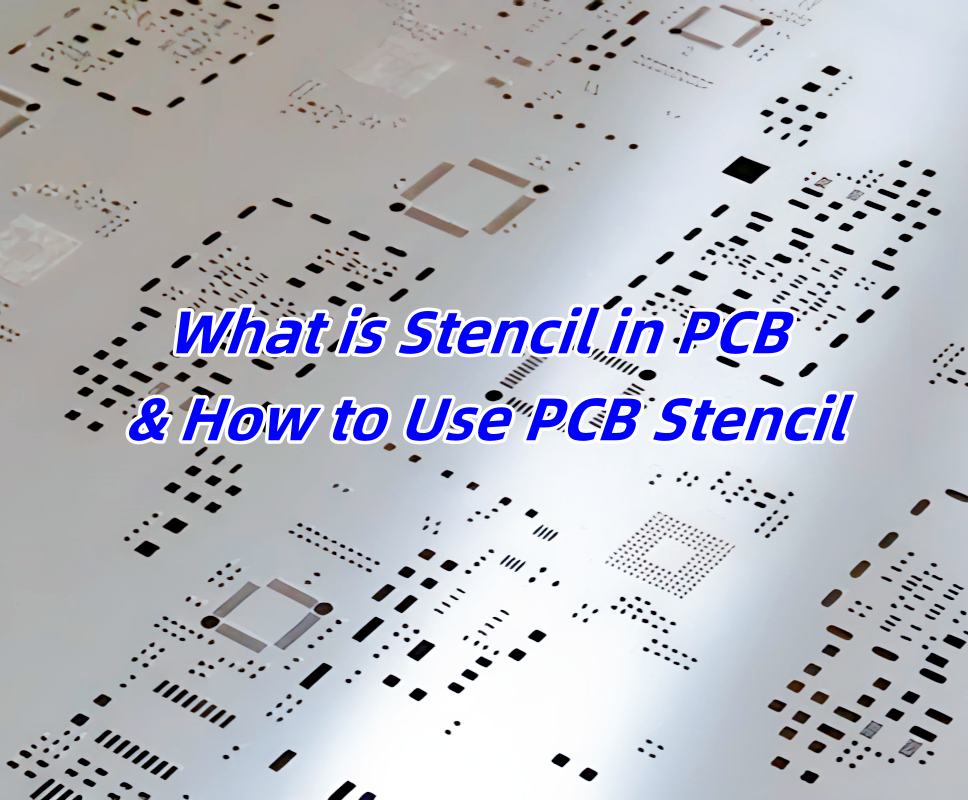
A PCB stencil is a precision tool used in the process of assembling printed circuit boards. Its main function is to apply solder paste to the board in a controlled manner, ensuring the paste only reaches the pads where components will be mounted. By creating uniform paste deposits, the stencil facilitates the correct soldering of components during the assembly process, contributing significantly to the quality and reliability of the final product.

PCB Stencil: What is Stencil in PCB & How to Use PCB Stencil

What Does a Stencil Do?

A PCB stencil plays several crucial roles in the PCB assembly process, including:

1. Applies Solder Paste: The primary function of a stencil is to accurately apply solder paste to the PCB. The paste is deposited onto the pads of the PCB through the openings in the stencil, ensuring the right amount of paste is used for each component.

2. Improve Precision: By using a stencil, manufacturers can achieve highly precise solder paste placement. This is especially important for fine-pitch components, where precision is key to avoiding defects like bridging or insufficient solder.

3. High Efficiency: Stencils speed up the solder paste application process, making it more efficient than manual paste application. This is particularly beneficial in high-volume manufacturing, where consistency and speed are vital.

4. Reduces Human Error: Using a stencil minimizes the chances of human error in solder paste application. This leads to more consistent and reliable results, reducing the likelihood of defects in the final product.

5. Facilitates High-Volume Production: Stencils are essential for mass production, allowing manufacturers to quickly and efficiently apply paste across multiple PCBs with high consistency.

6. Improves Reflow Soldering: With the right amount of solder paste applied, the stencil helps ensure that the reflow soldering process is carried out effectively, leading to strong and durable solder joints.

What is a PCB Stencil Consist of?

A PCB stencil consists of several crucial components that work together to ensure precise solder paste application. These elements include:

1. Frame

The frame is essential for holding the stencil in place during the application process. It is categorized into movable frames and fixed frames. The movable frame attaches the steel plate directly to the frame, allowing the template to be reused. On the other hand, the fixed frame uses adhesive to attach the wire mesh to the formwork. For optimal performance, a strong frame with uniform steel tension—typically between 35 and 48 N/cm²—is preferred. The normal fixed frame tension is between 35 N to 42 N, ensuring stability and accuracy.

2. Sheet Plates

High-quality stainless steel plates such as 301/304 stainless steel are commonly used because they offer excellent mechanical properties, significantly increasing the service life of the stencil. Other materials such as copper plates, nickel alloy, and polyester may also be used, depending on the specific application requirements.

3. Mesh

The mesh is used to fix the steel plates and formwork in place. There are two main types of mesh: stainless steel mesh and polymer polyester mesh. Stainless steel mesh is typically around 100 mesh and ensures stable tension, but it can deform and lose tension over time. Polyester mesh, on the other hand, is made from an organic fabric that doesn’t easily deform and has a longer service life, making it a more durable option for long-term use.

4. Adhesive (Glue)

The glue used in PCB stencils serves as the binding material that attaches the trellis frame to the steel sheet. It is an essential part of maintaining the integrity and stability of the stencil. The adhesive used needs to provide strong adhesion and be able to withstand heavy cleaning with various plate cleaners without losing its effectiveness.

Together, these components—frame, sheet, mesh, and glue—combine to form a PCB stencil that ensures accurate, consistent, and efficient solder paste application during the PCB assembly process.

What Are the Different Types of Stencils?

There are various types of PCB stencils, each designed for specific applications and production requirements:

  • Laser-Cut Stencils: These are the most accurate and commonly used type. Laser cutting provides high precision, making these stencils perfect for fine-pitch components or designs with intricate details.
  • Etched Stencils: Etching is an older method but still used for simpler projects. Though less precise than laser-cut stencils, etched stencils are still valuable for projects where absolute precision is not as critical.
  • 3D Printed Stencils: 3D printing technology has opened up a new avenue for creating PCB stencils. This method is ideal for low-volume or prototype PCB assembly, offering flexibility and faster turnaround times for custom designs.
  • DIY Stencils: For hobbyists or small-scale production, DIY methods using materials like adhesive-backed foil or plastic sheets can be used to create simple stencils. These are cost-effective but come with trade-offs in precision and durability.
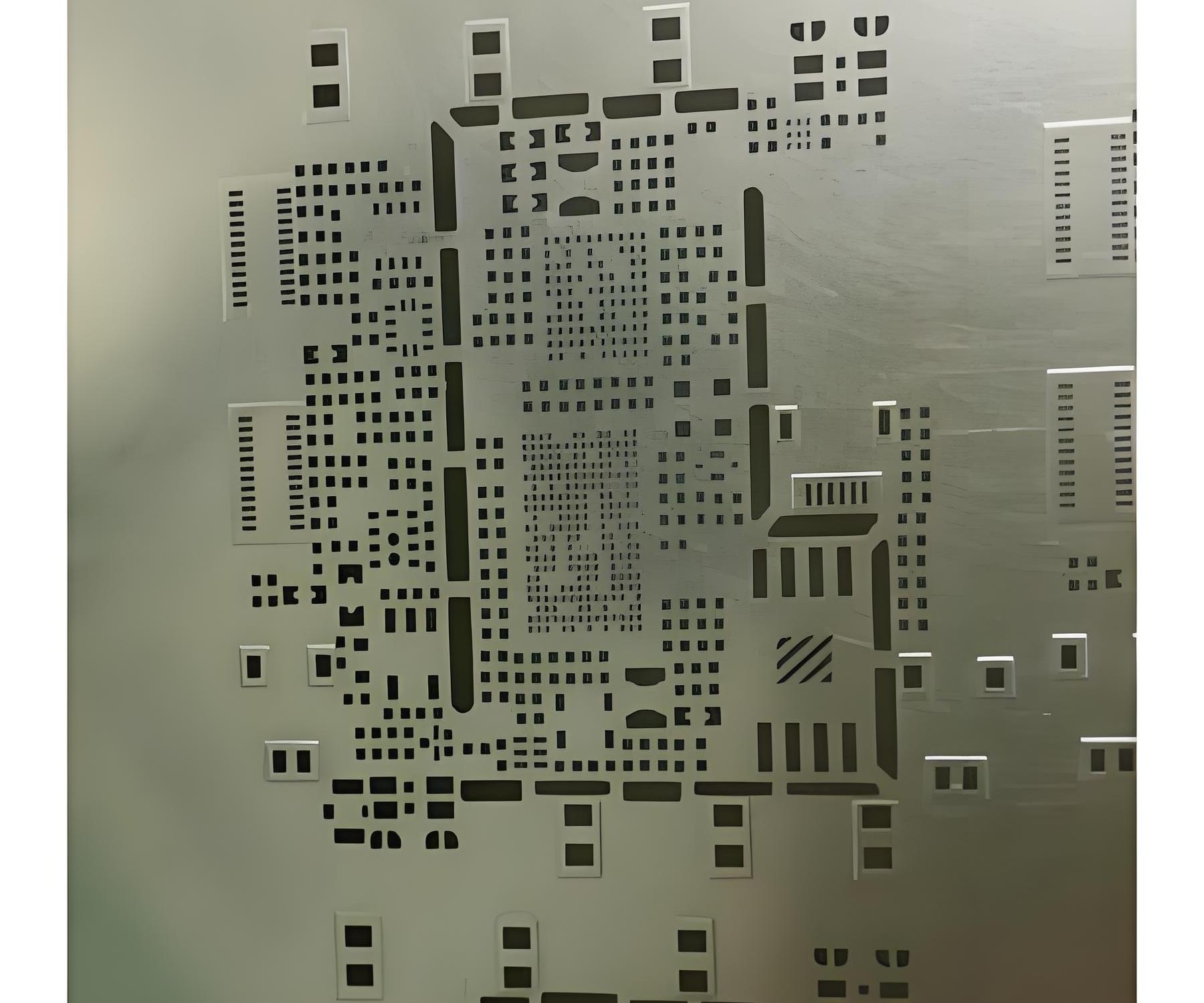
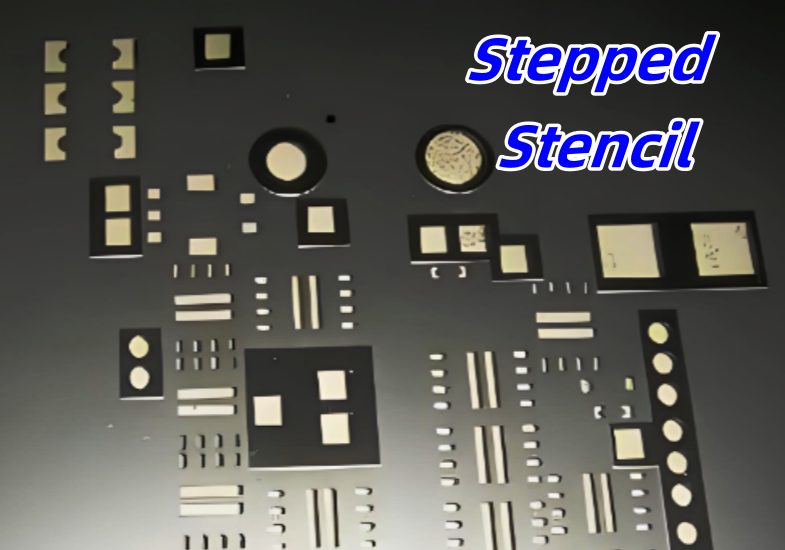
  • Stepped Stencil: A stepped stencil features varying thicknesses across different areas of the stencil. These thickness changes, or “steps,” allow the stencil to deposit different amounts of solder paste for different components on the same PCB. Stepped stencils are particularly useful when there is a mix of fine-pitch components and larger, more spaced-out components on the same board. Below is a typical photo of stepped stencil.
PCB Stencil: What is Stencil in PCB & How to Use PCB Stencil

PCB Stencil HS Code

The HS code for PCB stencils is 7314490000.

This code is specifically used for steel product, which includes PCB stencils used in the manufacturing process. It’s important to use the correct HS code for shipping and customs purposes to ensure smooth international transactions.

Warm Notice:

It’s always advisable to check with your local customs authority for any updates or specific requirements based on your region or the material type.

PCB Stencil Thickness

The thickness of a PCB stencil is an important factor in ensuring the correct amount of solder paste is applied. Generally, the stencil thickness ranges between 0.08 mm to 0.20 mm.

And it depends on the smallest spacing of the components on the PCB.

  • For BGAs or ICs with a 0.35mm pitch, a stencil of 0.08mm or thinner is recommended. If the entire PCB features such fine-pitch components, a stencil thickness of 0.06mm or even 0.05mm is more suitable.
  • For BGAs or ICs with a pitch of 0.4mm or greater, a 0.1mm thick stencil is acceptable. In some cases, for BGAs with a slightly larger pitch, a 0.08mm thick stencil may also be considered. When dealing with BGAs or ICs that have a pitch of 0.5mm or more, a 0.12mm thick stencil is the optimal choice.

Moreover, the stencil thickness affects both its suitability and lifespan. Thinner stencils, like 0.08mm, are ideal for high-precision solder points. On the other hand, thicker stencils, such as 0.12mm, are better for scenarios where component spacing is larger, ensuring greater stability and strength.

PCB Stencil Material

The material selection for PCB stencils influences the overall performance and durability of the tool. Common materials include:

  • Stainless Steel: As the most popular option, stainless steel provides the necessary durability, resistance to corrosion, and ease of cleaning required for frequent use in high-precision environments.
  • Nickel: While not as common as stainless steel, nickel-based stencils are valued for their flexibility and wear resistance. They are often chosen for specific applications requiring extra resilience.

The material selected must align with the type of PCB being produced, ensuring long-term effectiveness.

How to Make a PCB Stencil?

Creating a PCB stencil requires both precision and attention to detail. The process typically involves:

1. Designing the Stencil

The stencil design is created based on the PCB layout, ensuring the paste is applied to the correct pads.

2. Selecting the Material

Choose either stainless steel or nickel, depending on the project requirements.

3. Cutting or Etching the Design

For laser-cut stencils, a laser cutter is used to cut out the design with high precision. Etched stencils use chemical etching to create the openings.

4. Testing the Stencil

After the stencil is manufactured, it is tested to ensure that it meets the design specifications and can transfer solder paste accurately.

How Do You Solder a PCB with Stencils?

Soldering a PCB with a stencil involves several steps:

1. Place the PCB: The PCB is positioned on a flat surface or assembly board.

2. Align the Stencil: The PCB stencil is carefully placed on top of the PCB, ensuring that the openings align with the pads.

3. Apply Solder Paste: Solder paste is applied over the stencil using a squeegee or automated machine, filling the openings on the stencil.

PCB Stencil: What is Stencil in PCB & How to Use PCB Stencil

4. Remove the Stencil: The stencil is carefully lifted off, leaving solder paste on the pads.

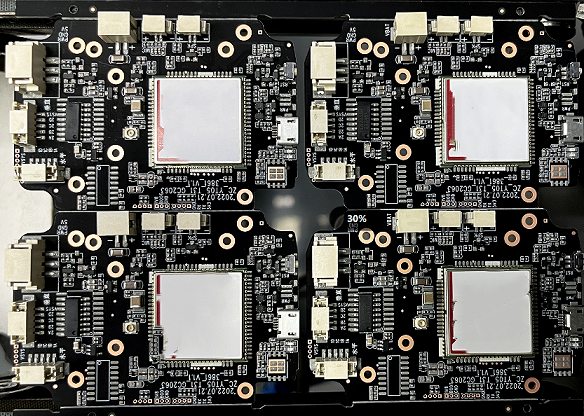
5. Place Components: Components are placed onto the paste before the board is sent through a reflow oven, where the paste melts and creates strong, reliable solder joints.

PCB Stencil: What is Stencil in PCB & How to Use PCB Stencil

How Much Does a PCB Stencil Cost?

The cost of a PCB stencil varies depending on the material, thickness, design complexity, and order volume. On average:

  • Laser-cut stencils can range from $50 to $200 for single units, with bulk orders offering reduced prices.
  • Etched stencils tend to be more affordable, typically priced around $30 to $100 depending on size and complexity.
  • 3D printed stencils are generally more expensive due to the novelty of the technology, with prices starting around $100 for small projects.

For high-volume production, manufacturers often work with suppliers to negotiate bulk pricing.

Stencil PCB Printers vs. PCB Stencils

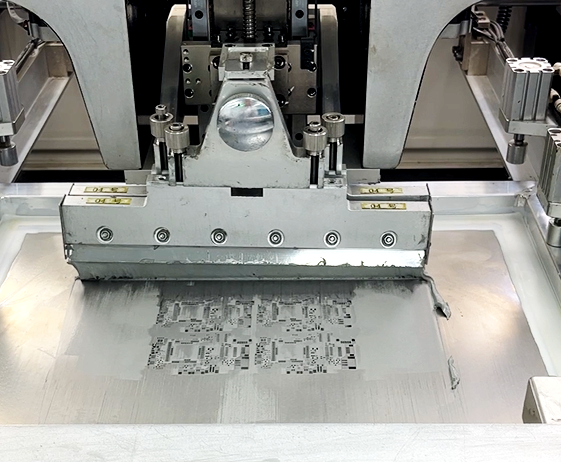
While PCB stencils manually apply solder paste, PCB stencil printers are automated machines designed for mass production. The printer ensures the paste is applied consistently and accurately across the entire board, which is ideal for high-volume manufacturing.

The main difference is in automation. Stencil printers remove the need for manual labor, reducing the chance of human error and speeding up production time. On the other hand, manual PCB stencils are still effective for small-scale or custom PCB production, though they may require more time and care.

PCB Stencil Manufacturer – EBest Circuit (Best Technology)

At EBest Circuit (Best Technology), we specialize in producing high-quality PCB stencils designed to meet the most demanding needs of the PCB assembly industry. With over 18 years of experience, we provide custom stencil solutions, ensuring your production runs smoothly and efficiently.

Whether you’re looking for a laser-cut, etched, or 3D printed stencil, our team offers precision and flexibility to help bring your designs to life. Choose EBest Circuit (Best Technology) for your PCB stencil needs and experience the difference in quality and service. For more information, e-mail us at sales@bestpcbs.com.

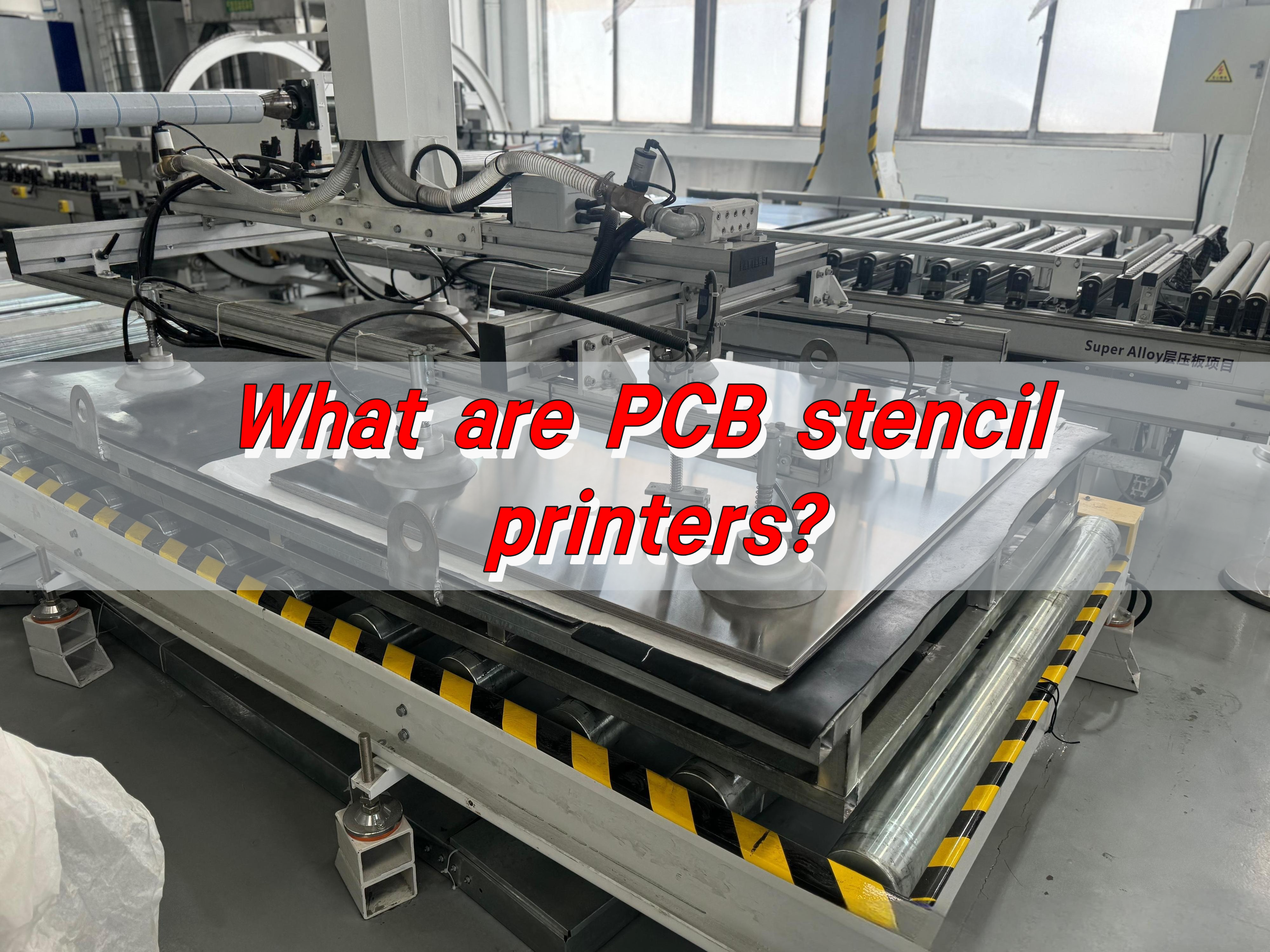
What are PCB stencil printers?
Wednesday, December 18th, 2024

What are PCB stencil printers? stencil pcb printers is a process for applying solder paste to specific pad locations on a PCB board with high precision. The core tool is the PCB stencil, a thin sheet of precision-machined metal with holes that exactly match the shape, size, and location of the PCB board pads.

What is a PCB stencil?

A stencil in PCB refers to a tool used in the surface mount assembly process to precisely deposit solder paste at specific locations on a printed circuit board. The stencil is usually made of brass or stainless steel and is engraved with circuit patterns that match the locations of surface mount devices (SMDs) on the PCB.

What are PCB stencil printers?

The stencil plays a vital role in the PCB assembly process. It ensures that solder paste is accurately deposited at the locations of the SMDs, thereby ensuring that the components are accurately mounted in the correct locations.

The design of the stencil, including its composition, thickness, and the shape and size of the holes, will affect the quality of the solder paste deposition. Too much or too little solder paste can lead to welding quality problems, such as ball formation, bridging or tombstoning.

What is a PCB stencil made of?

PCB stencils are mainly made of stainless steel, which has good corrosion resistance and high hardness. This stencil is usually called a SMT Stencil or a solder paste printing stencil, which is mainly used to print solder paste onto PCB circuit boards during SMT assembly.

The stencil is cut by high-precision laser, and has holes or grooves corresponding to the PCB pads, which are used to accurately control the printing of solder paste.

What types of PCB stencils are there?

The types of stencil in PCB stencils mainly include the following:

  • AI stencil: mainly used in SMT process, can replace dispensing machines, improve production efficiency and reduce costs.
What are PCB stencil printers?
  • Laser stencil: through high-energy laser cutting to create an opening that perfectly matches the PCB pad, it has the advantages of high precision and smooth edges, and is particularly suitable for high-density and high-demand PCB assembly.
  • Etched stencil: The opening is formed by chemical etching liquid corroding the steel sheet. The cost is lower, but the accuracy and edge smoothness are not as good as laser cutting.

These stencil types have their own characteristics and are suitable for different PCB manufacturing needs. Laser stencils are particularly suitable for high-density and high-demand PCB assembly due to their high precision and smooth edges; while etched stencils are suitable for applications with low precision requirements due to their low cost and simple manufacturing process.

What is the function of a PCB stencil?

The stencil in the PCB template plays a vital role in the manufacturing process. The stencil is a high-strength metal grid that is mainly used to apply solder paste on the PCB. Its specific functions include:

  • Accurate quantitative distribution of solder paste: The stencil accurately controls the distribution of solder paste through the holes on it, ensuring that the solder paste is evenly and accurately applied to the predetermined pad position on the PCB, avoiding too much or too little solder paste, thereby ensuring welding quality.
  • Improve welding quality: By precisely controlling the distribution of solder paste, stencil helps reduce welding defects such as bridging and empty soldering, improves the consistency and reliability of welding, and thus improves the electrical performance of the entire PCB and the overall quality of the product.
  • Adapt to complex designs: With the trend of miniaturization and high density of electronic products, the components on PCBs are getting smaller and smaller, and the spacing is getting closer and closer. Stencil can be customized according to design requirements to meet the needs of high-end electronic products.
  • Improve production efficiency: On an automated production line, with the use of precision stencil and automatic solder paste printers, fast and efficient mass production can be achieved, greatly improving production efficiency and reducing the error rate of manual operation.

How to design a PCB stencil?

In the surface mount (SMT) assembly process, solder paste stencil plays a key role. Its ability to accurately apply solder paste is directly related to the quality and reliability of the connection between SMD components and PCB pads. The following are the key points to focus on when designing solder paste stencils:

  • Matching design files: The design of solder paste stencils must be closely constructed based on the solder paste layer information of the PCB to ensure that every hole and shape on the stencil is precisely matched with the solder paste layer, so as to provide an accurate basis for subsequent solder paste coating and avoid poor welding problems caused by design deviations.
  • Selection and thickness: There are many types of solder paste stencils, the most common of which are stainless steel stencils and polymer stencils. At the same time, the determination of stencil thickness cannot be ignored. It is usually in the range of tens to hundreds of microns. It needs to be finely adjusted in combination with factors such as pad size, pin spacing, and required solder paste amount to ensure uniformity and stability of solder paste coating.
What are PCB stencil printers?
  • Hole size and shape: The hole size and shape of the stencil should be perfectly matched with the solder paste area on the solder paste layer, and the solder paste coating range should be strictly controlled to prevent the solder paste from overflowing to the adjacent pads and causing short circuit failures, or insufficient solder paste coating affecting the welding quality, to ensure that the solder paste coating is accurate at every location.
  • Customized special design: For special components or parts with special pin structures, a special design scheme is required on the solder paste stencil.

How to use a PCB stencil?

The following are the steps to use a PCB stencil:

1. Preparation:

  • Check whether the PCB stencil opening is blocked or deformed, and whether the PCB board surface is clean.
  • According to the size of the printer and the stencil, install the stencil through the positioning hole and the printer positioning pin to ensure the correct direction and secure fixation.
What are PCB stencil printers?

2. Solder paste preparation:

  • Select solder paste according to PCB welding requirements and component type, check the shelf life and quality, take it out and stir it for 3-5 minutes to make it uniform.

3. Solder paste printing:

  • According to the thickness of the stencil, opening and solder paste characteristics, adjust the parameters such as the printer scraper pressure, printing speed), demolding speed and stroke.
  • Start the printer, and the scraper moves to fill the stencil opening with solder paste and transfer it to the PCB pad. Observe the printing situation during the process and adjust it in time if there is any problem.

4. Post-printing inspection and cleaning:

  • Use a magnifying glass or SPI to check the quality of solder paste printing on the PCB board, and reprint the unqualified ones after cleaning.
  • Use special solvents and tools to clean the template, remove the residual solder paste, and store it properly after drying.

PCB stencil printing is an indispensable key process in the field of electronic manufacturing. As a core tool, the quality and precision of the stencil directly determine the coating effect of the solder paste on the PCB board, which in turn affects the welding quality of electronic components, and ultimately plays a decisive role in the performance, reliability and stability of electronic products.