PCB manufacturing PCB manufacturing
Home > Blog

Medical PCBA

Medical PCBA EMS Factory For Quick Turn PCBA Prototype Medical Device
Monday, February 9th, 2026

Medical PCBA​ (Printed Circuit Board Assembly) forms the electronic heartbeat of modern medical equipment, from diagnostic monitors to life-sustaining implants. This article explores the specialized world of medical device electronics manufacturing, detailing the critical standards, design considerations, and supply chain strategies that ensure safety, reliability, and accelerated innovation.

Developing a new medical PCBA device is fraught with unique challenges. Do you struggle with these common hurdles?

  • Navigating complex regulatory compliance (e.g., ISO 13485, FDA) for electronics.
  • Achieving high reliability and longevity in critical, life-dependent applications.
  • Sourcing biocompatible and high-performance materials for specialized designs.
  • Managing extended lead times for multilayer medical PCBA production​ and components.
  • Validating design functionality and manufacturability early without slowing down.

An expert medical PCBA manufacturer​ addresses these points directly.

  • Providing ISO13485 medical PCBA​ certified manufacturing and comprehensive documentation support.
  • Implementing rigorous medical PCBA quality control​ and testing protocols for high-reliability medical PCBA.
  • Offering expertise in material selection for biocompatible medical PCBA​ and high-performance medical PCBA​ designs.
  • Delivering quick turn PCBA prototype medical device​ services to compress development cycles.
  • Offering best turnkey PCB and PCBA small-batch services for medical devices​ for seamless early-stage builds.

At EBest Circuit (Best Technology), we are a specialized medical device PCBA supplier​ focused on medical PCBA design, custom medical PCBA prototypes, precision medical PCBA mass production, and medical PCBA testing. We have implemented an MES system at our factory. And we combine ISO 13485:2016 certified processes with rapid prototyping expertise to offer fast track PCBA medical​ device development, helping you transition from medical PCBA design to ISO 13485 medical PCBA customized product with fast speed. A warm welcome to contact us at sales@bestpcbs.com​ to discuss your OEM medical control PCBA assembly project.
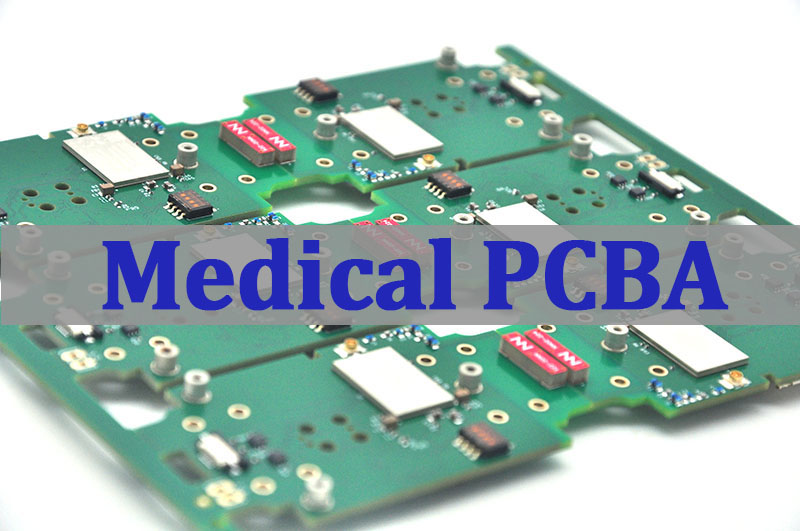
Medical PCBA

What Is Medical PCBA?

Medical PCBA refers to the specialized process of assembling printed circuit boards for use in medical devices and equipment. This domain demands an extreme focus on precision, traceability, and reliability, as these electronic assemblies often perform critical diagnostic, monitoring, or therapeutic functions.

Unlike consumer electronics, medical PCBAs are characterized by:

  • Stringent Regulatory Compliance:​ Adherence to standards like ISO 13485 (Quality Management) and IEC 60601-1 (Safety) is non-negotiable.
  • Enhanced Reliability Requirements:​ Devices must perform flawlessly over long service lives, often in demanding environments.
  • Material Rigor:​ Use of high-Tg laminates, biocompatible coatings, and conformal coatings suitable for sterilization or bodily contact.
  • Comprehensive Traceability:​ Full documentation of components, materials, processes, and test results for each batch or unit.
  • Robust Testing Regimens:​ Subjecting assemblies to rigorous electrical, environmental, and functional tests beyond standard industrial practice.

In essence, medical PCBA​ is the foundation upon which safe, effective, and innovative healthcare technology is built, requiring a manufacturing partnership that prioritizes quality and compliance above all else.
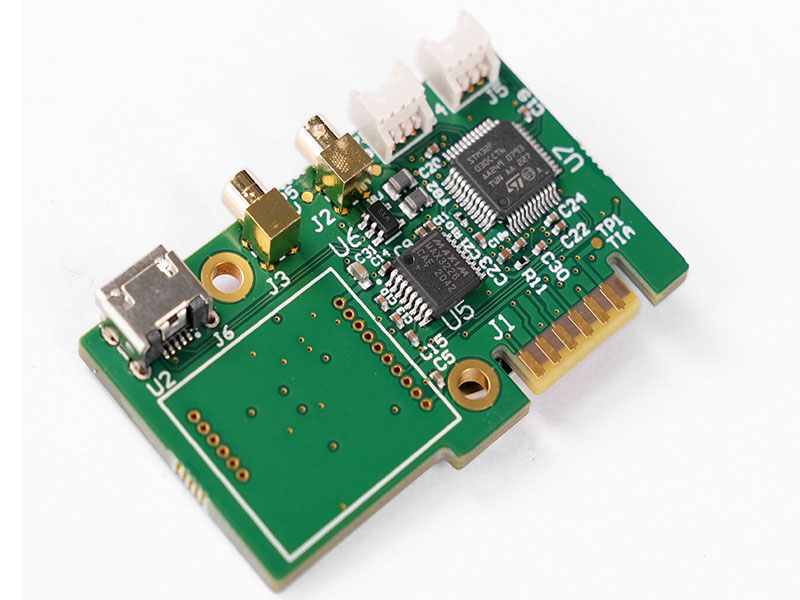
Medical PCBA

How Does PCBA Medical Device Manufacturing Differ From Standard Industrial PCBA?

The manufacturing of PCBA for medical equipment​ operates under a fundamentally different paradigm than standard industrial assembly, primarily governed by risk management and patient safety. The key distinctions are systemic and profound.

AspectStandard Industrial PCBAMedical Device PCBA Manufacturing
Governance StandardISO 9001 Quality SystemISO 13485 Risk-Based QMS
Primary DriverCost, Performance, SpeedSafety, Compliance, Reliability
TraceabilityLot-Level TrackingFull Batch or Unit Traceability
DocumentationBOM, Gerber, Assembly FilesDHF, DMR, Controlled Records
Cleanliness ControlIPC-Based HandlingStrict Contamination Control
Failure ImpactDowntime, Financial LossPatient Risk, Regulatory Exposure
Testing & ValidationSample Testing100% Testing, IQ/OQ/PQ

Therefore, choosing a partner experienced in medical electronics PCBA​ is critical. They understand that every process—from medical PCBA fabrication​ to final inspection—is part of a controlled, documented system aimed at ensuring the highest possible outcome for patient health.

What Materials And Standards Are Required For High-Reliability PCB Medical Designs?

Creating a high-reliability medical PCBA​ starts with the foundational choices of materials and adherence to a strict hierarchy of standards. These choices directly impact the device’s performance, longevity, and regulatory acceptability.

Core Material Considerations:

  • PCB Laminates:High-Tg (Glass Transition Temperature) materials like FR-4 Tg170 or polyimide are standard for better thermal and mechanical stability during assembly and in-field use.
  • Surface Finishes:​ For PCB customized immersion gold bare PCBA board for medical equipment, Immersion Gold (ENIG) offers excellent planarity for fine-pitch components and reliable shelf life. Other options include Immersion Silver or hard gold for edge connectors.
  • Conformal Coatings:​ Biocompatible, moisture-resistant coatings (e.g., USP Class VI approved silicone or parylene) are often required for wearable medical PCBA​ or devices exposed to fluids.
  • Components:​ Use of automotive-grade or higher-specification components to ensure tolerance to stress and long-term availability.

Essential Standards Framework:

  • ISO 13485:2016:​ The cornerstone quality management standard for medical device manufacturing.
  • IEC 60601-1:​ The international standard for basic safety and essential performance of medical electrical equipment.
  • IPC-A-610 (Class 3):​ The highest acceptability standard for electronic assemblies, mandatory for critical applications.
  • ISO 14971:​ Application of risk management to medical devices.
  • FDA 21 CFR Part 820:​ Quality System Regulation for devices marketed in the United States.
  • EU MDR (2017/745):​ Regulatory framework for devices in the European Union.

A proficient custom ISO13485 medical PCBA​ partner guides this selection process, ensuring your medical PCB assembly​ meets all material and regulatory prerequisites for a successful submission.

Why Is Multilayer Medical PCBA Production Important For Advanced Diagnostic Systems?

Multilayer medical PCBA production​ is not just a technical choice but a necessity for the advanced functionality, speed, and miniaturization required in next-generation diagnostic systems like MRI machines, CT scanners, and digital PCR instruments.

The importance stems from several critical advantages:

  • Increased Circuit Density:​ Allows for more complex functionality in a smaller footprint, crucial for portable or handheld diagnostic tools.
  • Improved Signal Integrity:​ Dedicated power and ground planes reduce noise and cross-talk, which is vital for the high-speed, low-noise analog signals found in sensors and imaging detectors.
  • Enhanced Thermal Management:​ Internal layers can help dissipate heat from high-power components more effectively, improving reliability.
  • Better EMI/RFI Shielding:​ Carefully designed layer stack-ups can contain electromagnetic interference, preventing it from affecting sensitive measurements or violating emission regulations.
  • Design Flexibility:​ Enables the integration of mixed-signal (analog/digital/RF) circuits on a single board with proper isolation.

For a medical device PCBA manufacturer, producing these complex multilayer boards requires precision lamination, advanced laser drilling for microvias, and stringent impedance control. This capability is fundamental to delivering the precision medical PCBA at the core of devices that clinicians and patients depend on for accurate diagnoses.

How Can Wearable Medical PCBA Enable Next-Generation Patient Monitoring Devices?

Wearable medical PCBA​ is the driving force behind the shift from episodic clinic-based care to continuous, personalized health monitoring. These PCBA designs present unique engineering challenges that, when solved, unlock transformative patient benefits.

Key enabling factors of wearable PCBA technology include:

  • Ultra-Miniaturization:​ Using HDI (High-Density Interconnect) techniques and chip-scale packaging to create tiny, unobtrusive devices.
  • Low-Power Design:​ Incorporating ultra-low-power MCUs, efficient power management ICs (PMICs), and energy harvesting possibilities to enable multi-day battery life.
  • Flexible & Rigid-Flex PCBs:​ Allowing the assembly to conform to the body’s contours, improving comfort and wearability for items like patches or smart clothing.
  • Robust Connectivity:​ Reliably integrating Bluetooth Low Energy (BLE), Wi-Fi, or cellular modems for seamless data transmission to cloud platforms.
  • Sensor Fusion:Precision medical PCBA​ that accurately integrates multiple sensors (ECG, PPG, accelerometer, temperature) on a single, stable platform.
  • Environmental Robustness:​ Designs must be sweat-proof, dust-resistant, and capable of enduring daily mechanical stress, requiring careful medical PCBA design​ and coating strategies.

By mastering these aspects, a medical electronics PCBA​ specialist can help develop wearable medical PCBA​ solutions that provide continuous vital sign monitoring, early anomaly detection, and improved patient outcomes outside traditional clinical settings.

Why Do Engineers Choose Prototype PCBA Medical Device Services For Early Validation?

Engineers opt for dedicated prototype PCBA medical device​ services to de-risk the development process long before committing to full-scale production. This phase is about empirical validation and iterative refinement.

The primary reasons for this crucial step are:

  • Functional Verification:​ Testing the real-world performance of the circuit design, firmware, and sensor interfaces.
  • Form Factor Testing:​ Ensuring the physical PCB assembly fits within the intended industrial design and enclosure.
  • Thermal & EMI Assessment:​ Identifying hot spots or electromagnetic interference issues in a representative assembly.
  • Manufacturability Analysis (DFM):​ Uncovering potential production flaws—such as component placement issues or soldering defects—that are not apparent in CAD models.
  • Regulatory Strategy Testing:​ Early identification of test points and data collection needs for future regulatory submissions.
  • Stakeholder Demonstration:​ Creating tangible units for internal reviews, investor pitches, or early clinician feedback.

A partner offering best turnkey PCB and PCBA small-batch services for medical devices​ is ideal for this stage. They provide a seamless transition from design files to functional prototypes, incorporating necessary medical PCBA quality control​ checks even at low volumes to ensure the prototype is a meaningful test article.

How Can Quick Turn PCBA Prototype Medical Device Reduce Time To Market?

Quick turn PCBA prototype medical device​ services are a strategic accelerator, directly compressing the critical path of medical device development and directly addressing the need for fast track PCBA medical​ programs.

The time-saving impact is realized across multiple phases:

  • Shortened Design Cycles:​ Rapid feedback from physical prototypes allows for faster design iterations, moving from “what if” to “what is” in days, not weeks.
  • Parallel Development:​ Hardware prototypes can be built and tested while software is being developed, and while enclosure tooling is being designed.
  • Faster Regulatory Testing:​ Having stable, production-representative prototypes earlier allows regulatory testing (safety, EMC, biocompatibility) to begin sooner.
  • Supply Chain Validation:​ Prototype builds help verify component availability and performance, preventing last-minute sourcing crises during ramp-up.
  • Early User Feedback:​ Functional prototypes enable crucial human factors and usability testing, leading to design improvements before costly tooling is finalized.

For a China electronics PCBA supplier for medical equipment with ISO13485, offering reliable quick-turn services while maintaining medical-grade processes is a key competitive advantage. It allows global innovators to leverage efficient manufacturing without compromising on the rigorous standards required for medical device PCBA manufacturing.

How Does Medical PCBA Quality Control Ensure Long-Term Reliability?

Medical PCBA quality control​ is a multi-layered, continuous process designed to ensure that every single assembly will perform its intended function reliably over its entire specified service life. It goes far beyond simple visual inspection.

A comprehensive QC regimen includes:

  • Incoming Material Inspection:​ Certifying all components and PCB bare boards to required specifications.
  • Automated Optical Inspection (AOI):​ 100% inspection for soldering defects, component presence, and correct placement.
  • X-Ray Inspection (AXI):​ Essential for checking hidden solder joints under BGAs or in multilayer medical PCBA production.
  • In-Circuit Test (ICT):​ Verifies component values, presence, and basic connectivity.
  • Functional Testing (FCT):​ Simulates the device’s operating environment to validate full assembly performance.
  • Environmental Stress Screening (ESS):​ Subjecting units to thermal cycling or burn-in to precipitate early-life failures.
  • Data Recording & Traceability:​ Documenting every test result and linking it to the specific unit and its component batches.

This rigorous approach, mandated by standards like ISO 13485, is what defines a true high-reliability medical PCBA​ supplier. It transforms quality from a final checkpoint into a property built into the product at every stage.

What Should You Evaluate When Choosing A Medical Device PCBA Manufacturer?

Selecting the right medical device PCBA manufacturer​ is a decision that impacts your product’s safety, success, and scalability. The evaluation must extend beyond basic capabilities to encompass culture and systems.

Critical evaluation criteria include:

  • Certifications & Regulatory Expertise:​ Valid ISO 13485:2016​ certification is the baseline. Experience with FDA audits and EU MDR is a major plus.
  • Quality Systems & Traceability:​ Assess their documentation practices, lot/unit traceability systems, and approach to corrective and preventive actions (CAPA).
  • Technical & Material Competence:​ Evaluate their experience with your specific technology (HDI, flex, RF) and materials (biocompatible coatings, high-reliability laminates).
  • Prototyping & NPI Process:​ Scrutinize their quick turn PCBA prototype medical device​ process and New Product Introduction (NPI) workflow for efficiency and feedback quality.
  • Supply Chain Resilience:​ Understand their component sourcing strategies, relationships with distributors, and management of long-lead-time items.
  • Communication & Transparency:​ The partner must act as an extension of your team, providing clear, proactive communication, especially when issues arise.
  • Scalability:​ Ensure they can support you from prototype PCBA medical​ builds through to OEM PCBA for medical equipment​ volume production.

What Makes A China Electronics PCBA Supplier For Medical Equipment With ISO13485 Competitive Globally?

A China electronics PCBA supplier for medical equipment with ISO13485​ competes globally by offering an unmatched combination of stringent quality, advanced technical capability, and scalable efficiency.

The formula for global competitiveness is:

  • Deep Process Rigor, Not Just Certification:​ Truly integrating the risk-management principles of ISO 13485 into every workflow, from medical PCBA design​ to shipping, creating a culture of quality equal to Western counterparts.
  • Advanced Manufacturing Infrastructure:​ Investing in state-of-the-art SMT lines, precision assembly equipment, and comprehensive testing labs (AOI, X-Ray, FCT) capable of producing high-performance China medical PCBA.
  • Integrated Supply Chain & Cost Efficiency:​ Proximity to the world’s largest component and raw material markets enables stable sourcing and significant cost advantages without sacrificing quality.
  • Technical Engineering Support:​ Providing valuable medical PCBA services​ like DFM/DFA analysis, material selection guidance, and test fixture design, adding engineering value beyond simple assembly.
  • Flexibility and Speed:​ Excelling at fast track PCBA medical device​ prototyping and supporting rapid design changes, which accelerates the overall innovation cycle for global clients.

By mastering this blend, leading China medical PCBA suppliers like EBest Circuit (Best Technology) transition from being seen as low-cost vendors to being strategic partners capable of delivering custom medical PCBA​ solutions that are reliable, compliant, and cost-effective for the global market.
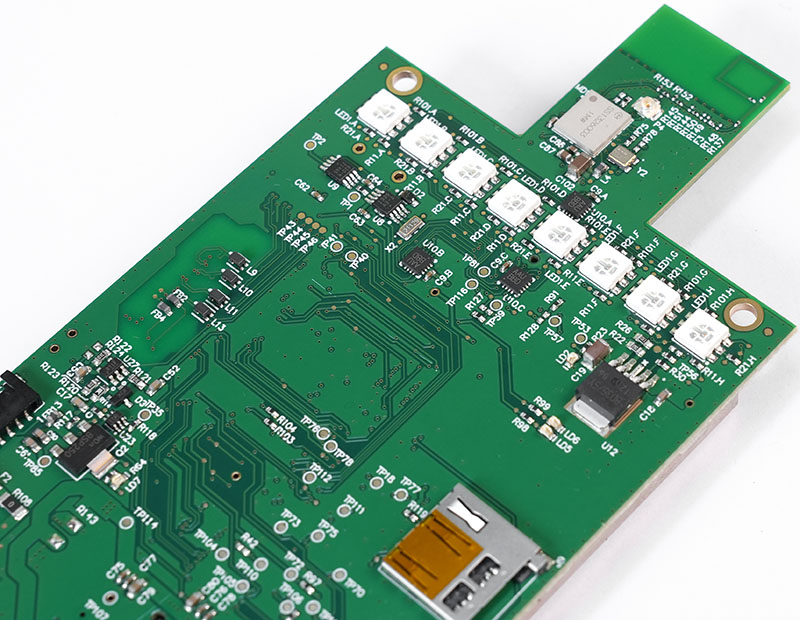
Medical PCBA

In a nutshell, medical PCBA​ is the critical, behind-the-scenes technology that powers the safety, intelligence, and innovation of modern healthcare devices. Success in this field demands a manufacturing partnership that equally prioritizes unwavering quality, regulatory intelligence, and agile development support.

Navigating the journey from a prototype to a certified, reliable product requires a partner with a proven system. EBest Circuit (Best Technology) provides exactly that. As your dedicated medical device PCBA supplier, we combine our ISO 13485:2016 certified processes with expertise in quick turn PCBA prototype medical device​ development and high-reliability medical PCBA​ production. Let us help you accelerate your time to market while ensuring the utmost quality and compliance. Contact our team today at sales@bestpcbs.com​ to start a conversation about your next medical electronics project.

FAQs about Medical PCBA

What is a medical PCB?

A medical PCB is the bare, unpopulated printed circuit board designed specifically for use in a medical device. It is characterized by the use of high-reliability materials (like high-Tg laminates), stringent tolerance controls, and often specialized features like impedance control or biocompatible surface finishes. It serves as the foundational substrate for the medical PCB assembly​ process.

How Do Engineers Verify Quality When Outsourcing Medical PCBA Manufacturing?

Engineers verify quality through a multi-faceted approach:

First, they audit the supplier’s ISO13485 medical PCBA certification and quality management system.

Second, they review the supplier’s detailed Quality Control plan, insisting on 100% electrical testing and comprehensive inspection reports (AOI, X-Ray).

Third, they conduct regular on-site audits (or virtual audits) and perform rigorous acceptance testing on incoming batches.

Finally, they establish clear quality agreements that define roles, responsibilities, and metrics for failure analysis and corrective actions.

Why Is Traceability So Important In Medical PCB Assembly?

Traceability is paramount in medical PCB assembly​ for three critical reasons:

1) Patient Safety:​ In the event of a component failure or field issue, full unit-level traceability allows for the precise and rapid identification of all affected devices, enabling targeted recalls to prevent patient harm.

2) Regulatory Requirement:​ Standards like ISO 13485 and FDA 21 CFR Part 820 explicitly require traceability of components, materials, and production processes.

3) Process Control & Improvement:​ Traceability data helps isolate the root cause of production defects, enabling effective corrective actions and continuous improvement of the manufacturing process.

A Basic Guide to IQ, PQ, OQ in Medical PCBAs
Friday, January 9th, 2026

In medical PCBA (Printed Circuit Board Assembly), IQ, OQ, and PQ are not procedural formalities; they are foundational controls that directly support patient safety, regulatory compliance, and long-term product reliability. Together, they form a structured validation framework required by global medical regulations and expected by auditors, OEMs, and notified bodies.

Below is a clear, manufacturing-focused explanation of why IQ, OQ, and PQ are critical for medical PCBA projects.

A Basic Guide to IQ, PQ, OQ in Medical PCBAs

Regulatory Compliance Is Not Optional in Medical PCBA

Medical electronic assemblies fall under strict regulatory frameworks such as ISO 13485, FDA 21 CFR Part 820, and EU MDR. These regulations explicitly require manufacturers to validate production processes, not merely inspect finished products.

IQ, OQ, and PQ collectively demonstrate that:

  • The manufacturing environment is suitable
  • The process is capable and controlled
  • The output is consistently compliant

Without documented IQ/OQ/PQ evidence, a medical PCBA supplier will fail audits, risk regulatory findings, or cause customer design transfer delays.

IQ (Installation Qualification): Proving the Factory Is Correctly Set Up

IQ answers one fundamental question:

Is the equipment and infrastructure installed exactly as required?

In medical PCBA, IQ typically covers:

  • SMT placement machines (model, accuracy, software version)
  • Reflow ovens (zones, nitrogen capability, temperature uniformity)
  • AOI, SPI, X-ray systems
  • ESD control systems
  • MES and traceability systems
  • Calibration status of measurement equipment

Why IQ matters for medical PCBA:

  • Ensures no unauthorized equipment substitutions
  • Prevents undocumented machine changes that invalidate builds
  • Establishes a baseline configuration for future audits
  • Supports traceability for long-life medical devices

Without IQ, even a “good” PCBA build can be regulatorily unacceptable.

OQ (Operational Qualification): Proving the Process Works Under Defined Limits

OQ focuses on process capability, not just setup.

It verifies that each PCBA process step performs reliably within specified operating ranges, such as:

  • Solder paste printing pressure, speed, and alignment
  • Pick-and-place accuracy at min/max component sizes
  • Reflow temperature profiles and thermal margins
  • Cleaning effectiveness for ionic contamination limits
  • Conformal coating thickness consistency (if applicable)

Why OQ is essential in medical PCBA:

  • Medical electronics often have tight solder joint reliability requirements
  • High-density, fine-pitch, or mixed-technology boards amplify risk
  • Many medical failures are process-induced, not design-induced
  • OQ establishes defensible process windows

Auditors often focus heavily on OQ because it proves engineering control, not operator dependence.

PQ (Performance Qualification): Proving Consistent, Repeatable Output

PQ answers the most important question:

Can we repeatedly build compliant medical PCBAs under real production conditions?

PQ involves:

  • Running multiple production lots
  • Using trained operators
  • Normal shift conditions (not engineering trials)
  • Measuring yields, defects, and key quality metrics

Typical PQ evidence includes:

  • First-pass yield (FPY)
  • Defect per million (DPMO)
  • Functional test pass rates
  • Reliability screening results (as applicable)

Why PQ is critical for medical PCBA programs:

  • Confirms stability over time, not just once
  • Supports design transfer from prototype to volume
  • Reduces field failure risk
  • Protects OEMs from recalls and liability exposure

For implantable, life-support, or diagnostic devices, PQ is often scrutinized line-by-line during audits.

Risk Reduction and Patient Safety

Medical PCBAs frequently operate in:

  • Life-critical systems
  • Continuous-use environments
  • High-reliability diagnostic platforms

IQ/OQ/PQ validation directly reduces:

  • Latent solder joint defects
  • Intermittent electrical failures
  • Process drift over long production cycles
  • Human variability in assembly steps

In medical applications, a single uncontrolled process variable can translate into patient harm. Validation converts unknown risks into controlled, documented ones.

OEM Confidence and Long-Term Supply Stability

From a customer perspective, IQ/OQ/PQ:

  • Shortens supplier qualification timelines
  • Simplifies regulatory submissions
  • Enables faster scale-up
  • Reduces ongoing audit burden

Medical OEMs increasingly select PCBA partners based on validation maturity, not just price or capacity.

A supplier that can present complete IQ/OQ/PQ documentation is signaling long-term manufacturing discipline and regulatory readiness.

Why IQ, OQ, PQ Are Non-Negotiable for Medical PCBA?

In medical PCBA manufacturing:

  • IQ proves the factory is correctly installed
  • OQ proves the process is technically capable
  • PQ proves consistent, real-world performance

Together, they ensure:

  • Regulatory compliance
  • Process stability
  • Product reliability
  • Patient safety

Medical electronics demand more than “working boards.” They demand validated processes that work every time.

China Medical PCBA Manufacturer With ISO 13485
Thursday, November 20th, 2025

Looking for medical PCBA manufacturer? This blog will explain its standards, manufacturing processes, and service types, and demonstrate how EBest Circuit (Best Technology), as a leading ISO 13485 certified manufacturer in China, provides reliable solutions.

Are you troubled these following issues with medical PCBA?

  • How can PCB supply chains ensure one-time pass for lengthy medical certification cycles?
  • How to ensure long-term stability and no drift of PCBs for high-precision in-vitro diagnostic signals?
  • What special requirements do implantable devices have for biocompatible materials and miniaturization processes?

As a professional medical PCBA manufacturer, EBest Circuit (Best Technology) can provide you service and solutions:

  • Full-process compliance support: ISO13485/GMP certification package plus technical documentation collaboration to ensure end-to-end compliance from design to production.
  • Signal precision assurance: 4-wire differential impedance control, high-Tg substrates, and ENIG finishing to achieve ±1% impedance accuracy, ensuring stable oxygen saturation and ECG signals.
  • Miniaturized biocompatible solutions: Biocompatible FR4 substrates and low-temperature co-fired ceramic technology, paired with 01005 ultra-precision placement, to meet long-term stability and miniaturization needs of implantable devices.

Welcome to contact us if you have any inquiry for medical PCBA: sales@bestpcbs.com.

What Is Medical PCBA?

Medical PCBA (Medical Printed Circuit Board Assembly) is a functional circuit system in medical devices where electronic components (such as resistors, capacitors, and IC chips) are integrated onto a medical PCB (printed circuit board) through soldering. Its core characteristics include strict adherence to medical industry certification standards (such as ISO 13485) to ensure quality, safety, and biocompatibility, requiring special treatments such as sterilization and moisture protection (e.g., conformal coating).

What Is Medical PCBA?

Applications of Medical PCB Assembly

  • Imaging equipment (CT, MRI), electrophysiological monitoring equipment (ECG, EMG), blood analyzers, etc.
  • Pacemakers, neurostimulators, ventilators, blood glucose meters, blood pressure/temperature monitors.
  • Implantable cardiac devices, deep brain stimulators, cochlear implants.
  • Wearable medical devices (such as smart bracelets), Internet of Things for Medical Technology (IoMT) terminals, medical aesthetic devices.

Medical PCB Assembly Standards & Requirements

ISO 13485:2016

  • Requirements: A quality management system covering the entire lifecycle of medical devices, including PCB design, procurement, assembly, and testing. Ensure suppliers have traceable process control capabilities to reduce equipment failure risks and support CE marking and FDA audits.

ISO 9001:2015

  • Requirements: A general quality management framework emphasizing continuous improvement and customer satisfaction, applied in conjunction with ISO 13485. Ensure consistency in mass production and reduce the probability of recalls due to process variations.

Medical PCB Assembly Manufacturing Process

1. Design Verification and DFM Analysis

  • Circuit Design: Utilize Altium Designer/Cadence tools to complete medical-grade circuit design, prioritizing EMC compliance, signal integrity (e.g., differential routing, 3W rule), and thermal management.
  • DFM Validation: Generate SMT coordinates from Gerber files and BOM lists. Validate manufacturability metrics including line width accuracy (±0.02mm), hole position accuracy (±0.01mm), and layer-to-layer alignment (multilaminate thickness tolerance ±5%).

2. Bare PCB Fabrication

Substrate Selection: Prefer high-Tg (≥170℃) halogen-free substrates meeting IEC 61249-2-21 environmental standards, with CTE ≤13ppm/℃ (X/Y directions).

Process Control:

  • Etching precision ±0.02mm; edge roughness Ra≤0.5μm.
  • Multilaminate lamination via stepwise heating (120℃→150℃→180℃) at 25–30kg/cm² pressure, ensuring interlayer bonding strength ≥1.5N/mm.
  • Drilling hole position deviation ±0.01mm; chemical copper plating thickness ≥0.5μm on hole walls.

Surface Finish: Immersion gold (Au 0.8–1.2μm/Ni 5–8μm) or hot-air solder leveling (SAC305 lead-free solder) for solder pad wetting angle ≤30° and 48-hour salt spray resistance.

3. SMT Placement and Reflow Soldering

Placement Accuracy: High-precision pick-and-place machines (error ≤0.01mm) for sensitive components (e.g., crystals, microcontrollers).

Solder Paste Printing: Laser-cut stencil printing with uniform paste thickness (±10%) to prevent bridging/solder balls.

Reflow Control:

  • Temperature profiling: Preheat 80–120℃ (1–2℃/s ramp), soak 120–150℃, peak 230–250℃ (240±5℃ for 30–60s), cooling 2–3℃/s.
  • Nitrogen atmosphere (≥99.99% purity) to reduce solder voids (≤5%) and achieve ≥99.8% soldering yield.
  • Sensitive component protection: Kapton tape masking for crystals to prevent thermal damage.

4. DIP Insertion and Wave Soldering

  • Insertion Process: Manual insertion for through-hole components (e.g., connectors, electrolytic capacitors). Wave soldering temperature 250–260℃ with cooling rate 2–3℃/s.
  • Solder Joint Inspection: AOI + X-ray testing for joint integrity verification, void-free soldering, and ≤10% void rate in critical joints.

5. Testing and Validation

  • Electrical Testing: ICT (continuity/isolation), FCT (signal integrity/timing), and burn-in (85℃/85%RH for 1000 hours).
  • EMC Testing: Compliance with IEC 60601-1-2 for conducted/radiated emissions; ESD immunity ≥8kV.
  • Environmental Testing: Thermal cycling (-40℃~85℃ for 1000 cycles), salt spray (48 hours), vibration (IEC 60068-2).

6. Cleaning and Coating

  • Cleaning Process: Ultrasonic cleaning to remove flux residues (VOC≤10mg/m³), followed by deionized water rinsing and drying.
  • Protective Coating: Biocompatible Parylene-C (2–5μm) or silicone encapsulation for moisture/corrosion resistance. Sterile packaging requires microbial load ≤10CFU/cm².

7. Packaging and Traceability

  • Sterile Packaging: Vacuum packaging + nitrogen flushing with EO/gamma sterilization for ≥3-year shelf life.
  • Traceability System: Batch tracking of substrates, process parameters, and test data per FDA 21 CFR Part 820 for end-to-end traceability.
Medical PCB Assembly Manufacturing Process

Types of Medical PCB Assembly Service We Can Offer

  • Medical PCBA Rapid Prototyping: Supports iterative testing in the early stages of medical device R&D, shortening the cycle from design to functional prototype and meeting the high innovation efficiency requirements of international clients.
  • Small-Batch Customized Medical PCBA Production: Provides flexible assembly solutions for low-volume needs in clinical trials or customized medical devices, complying with ISO 13485 and client technical specifications.
  • Large-Batch Standardized Medical PCBA Production: Achieves high-precision mass production through automated production lines, meeting the cost control and delivery timeliness requirements of large-scale medical devices such as monitors and diagnostic equipment.
Types of Medical PCB Assembly Service We Can Offer

Why Choose EBest Circuit (Best Technology) As China Medical PCBA Manufacturer?

Reasons why choose us as China medical PCBA manufacturer:

Dual International Certifications + 19 Years of Experience for Compliance and Trust

  • With ISO 13485:2016 medical quality system certification and ISO 9001:2015 quality management system certification, combined with 19 years of medical PCBA assembly experience, we ensure full compliance with FDA, CE, and other international standards. This reduces compliance risks for designers and accelerates product launch timelines.

One-Stop Full-Process Service for Seamless Design-to-Mass Production Transition

  • We provide one-stop services from PCB design optimization, material procurement, SMT placement, DIP insertion, functional testing to final assembly. Designers avoid coordinating multiple suppliers, shortening project cycles by 40% to focus on innovative design rather than production coordination.

Free DFM Analysis for Proactive Design Defect Detection

  • Tailored to medical devices’ high reliability requirements, we offer free Design for Manufacturability (DFM) analysis. This precisely identifies potential issues like pad dimensions, spacing, and impedance control, avoiding late-stage modification costs and reducing time-to-market by over 30%.

Medical-Grade Precision Manufacturing for Micro-Component Accuracy

  • Equipped with medical-grade clean rooms, high-precision Siemens/Panasonic placement machines, and AOI/X-Ray inspection systems, we achieve ±0.05mm accuracy for 01005 micro-components. This meets stringent signal integrity demands for medical devices, ensuring long-term stability.

Rapid Response to Customization Needs for Flexible R&D Iteration

  • Supporting small-batch trial production (starting at 50 units) and quick prototyping (3-5 days), we adapt to fast iteration needs during medical device R&D. Our 19-year process library quickly matches specialized design requirements like embedded components or high-frequency materials.

Cost Optimization Solutions to Enhance Product Competitiveness

  • Through bulk procurement, process optimization, and automated production, we reduce manufacturing costs. BOM cost analysis services help designers control costs while maintaining quality, boosting market competitiveness.

Expert Technical Team for Full-Cycle Design Support

  • Our experienced FAE (Field Application Engineer) team provides end-to-end technical support—from DFM recommendations and Design for Testability (DFT) to production problem resolution—ensuring design intent translates precisely into mass-produced products.
Why Choose EBest Circuit (Best Technology) As China Medical PCBA Manufacturer?

    Our PCBA Manufacturing Capabilities

    ItemCapabilities
    Placer Speed13,200,000 chips/day
    Bare Board Size0.2 x 0.2 inches – 20 x 20 inches/ 22*47.5 inches
    Minimum SMD Component01005
    Minimum BGA Pitch0.25mm
    Maximum Components50*150mm
    Assembly TypeSMT, THT, Mixed assembly
    Component PackageReels, Cut Tape, Tube, Tray, Loose Parts
    Lead Time1 – 5 days

    Case Studies of Our Medical PCBA Project

    Medical PCBA Project Case: Development and Production of Portable Blood Glucose Meter

    Project Background: A medical device company plans to develop a portable blood glucose meter, requiring the PCB to feature compact size and high precision while passing strict medical industry certifications (e.g., ISO certification).

    Challenges:

    • The circuit board must maintain high precision and long-term stability within an extremely small form factor;
    • It must comply with medical device testing standards such as EMC (Electromagnetic Compatibility) and biocompatibility;
    • The production process requires full traceability to ensure every PCBA meets quality specifications.

    Solutions:

    • Customized Design – Selection of high-performance medical-grade components and optimized wiring to enhance anti-interference capability and signal stability;
    • End-to-End Quality Control – Implementation of multiple inspection methods including X-ray inspection, In-Circuit Test (ICT), and establishment of a product traceability system to record production data for each PCBA;
    • Regulatory Compliance Support – Assistance in preparing technical documentation for ISO, CE, and other certification audits to ensure products meet medical regulatory requirements.

      Results:

      • The blood glucose meter successfully passed ISO certification and obtained market approval;
      • The product achieved customer expectations in precision and reliability, helping establish a stable market share;
      • Through optimized material procurement and process refinement, the project was delivered on time within budget, achieving cost control objectives.

      How to Get A Quote for Medical PCBA Service?

      All Documents Required for Medical PCBA Project:

      Circuit Design Documentation:

      • Schematic diagrams, PCB layout files, interlayer connection diagrams, and Gerber files (including stack-up structure, routing details, and component coordinates).
      • Special process specifications (e.g., multi-stage HDI blind/buried boards, copper thickness ≥3oz, impedance control accuracy ±5%, surface treatments like ENIG/OSP).

      Bill of Materials (BOM)

      • Component models, specifications, quantities, supplier information, and medical-grade material requirements (e.g., FR-4 with high Tg ≥170°C, PTFE substrates, aluminum/ceramic substrates).
      • Biocompatibility, temperature resistance, and corrosion resistance specifications.

      Testing and Certification Documents

      • Test procedures, testing standards, test point location diagrams, and functional test plans (e.g., ICT/FCT testing).
      • Medical-grade certification requirements: ISO13485, RoHS 2.0, UL94V-0 flammability rating, biocompatibility test reports.

      Production Parameters and Timeline

      • Production quantity, delivery date, packaging requirements (ESD/moisture-proof packaging).
      • Process parameters: reflow oven profile, soldering parameters, AOI/X-ray inspection standards.

      Special Requirements Description

      • ESD/corrosion protection measures (e.g., grounding design, anti-static coatings), signal anti-interference solutions (e.g., layered design, proper routing).
      • Sample or design verification documents (for process validation or special requirement confirmation).

      Compliance and Quality Documents

      • Medical device registration certificates, product manuals, quality standard documents (e.g., IEC 60601 safety standards).
      • Historical batch quality records (e.g., rework or failure analysis reports).

      Welcome to contact us if you have any request for medical PCBA: sales@bestpcbs.com.