PCB manufacturing PCB manufacturing
Home > Blog

wave soldering

Wave Soldering: Process, Advantages, Defects, and When to Use It in PCB Assembly?
Tuesday, February 3rd, 2026

Wave soldering remains one of the most stable and cost-effective PCB assembly methods for through-hole components. Wave soldering is still widely used in industrial, power, automotive, and control electronics.

This guide explains wave soldering clearly, step by step, from a manufacturing engineer’s point of view.

If you are looking for a reliable wave soldering manufacturer, EBest is a proven one-stop PCBA partner trusted by engineers worldwide.

What Is Wave Soldering in PCB Assembly?

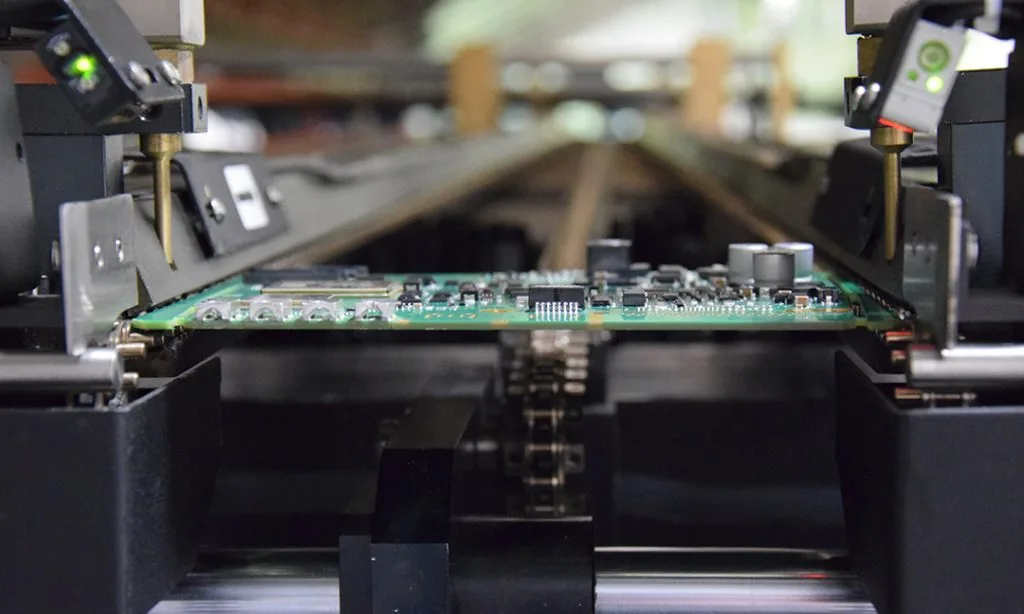
Wave soldering is a mass soldering process mainly used for through-hole PCB assembly.

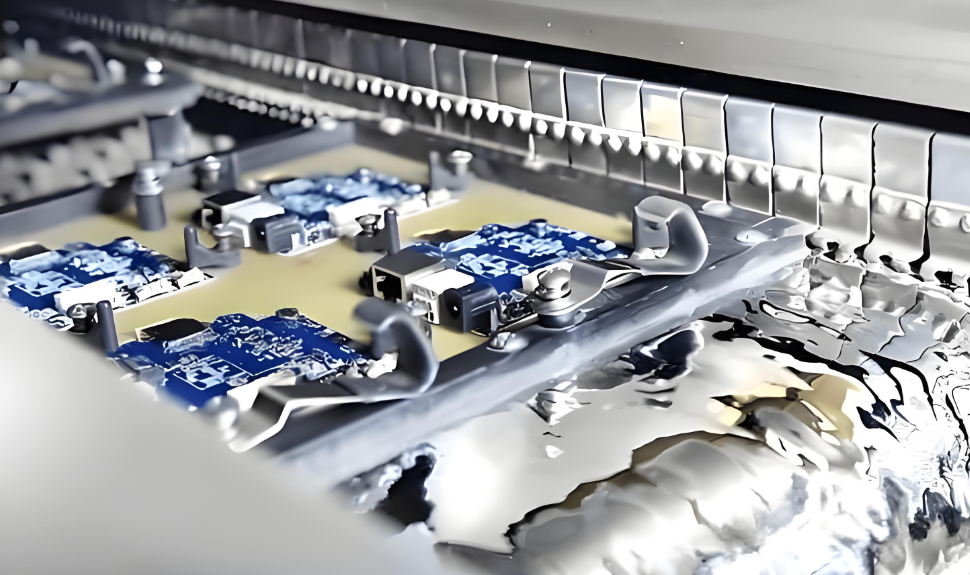
In this process, the assembled PCB passes over a controlled wave of molten solder, forming solder joints simultaneously on all exposed pads and leads.

Why Is Wave Soldering Still Used Today?

Wave soldering is not “old tech.” It stays popular because it produces strong joints at high speed.

  • Strong mechanical joints for connectors and large leads
  • Stable quality due to controlled parameters
  • Efficient throughput for medium to high volume production

Where Does Wave Soldering Fit Best?

Wave soldering is a strong match for designs that depend on physical strength and current capacity.

  • Power supply boards and energy modules
  • Industrial control boards and I/O boards
  • Automotive and transportation modules with connectors
  • Relay boards and mixed-technology assemblies
What Is Wave Soldering in PCB Assembly?

What Is Wave Soldering in PCB Assembly?

How Does the Wave Soldering Process Work Step by Step?

Wave soldering follows a strict sequence to control wetting, hole fill, and joint stability.

If one step drifts, defects show up quickly, so it helps to understand the logic behind each stage.

Step 1: Flux Application

Flux removes oxides and improves solder wetting on pads and component leads.

A good flux process is even, repeatable, and matched to your cleaning plan.

Common Flux Options

  • No-clean flux (lower residue, less cleaning)
  • Water-soluble flux (strong activity, typically needs cleaning)
  • Rosin-based flux (traditional option, depends on chemistry)

What to Watch During Fluxing

  • Coverage consistency across the full board width
  • Flux density control and measurement discipline
  • Overspray risk on keep-out areas

Step 2: Preheating

Preheating raises the PCB temperature gradually before solder contact.

This activates flux and reduces thermal shock, especially on thicker boards or heavy copper designs.

Why Preheat Matters

  • Improves wetting and hole fill
  • Reduces solder “skipping”
  • Limits warpage and stress on parts

Step 3: Solder Wave Contact

The PCB passes over a molten solder wave at a controlled angle, speed, and contact time.

This is where joints form, so stability here drives yield more than any other stage.

Key Wave Contact Variables

  • Solder pot temperature
  • Wave height and wave stability
  • Conveyor speed and contact time
  • Board angle and component orientation

Step 4: Cooling

Cooling solidifies solder joints and impacts microstructure, appearance, and long-term reliability.

Controlled cooling reduces stress and can help avoid brittle joints on certain alloys.

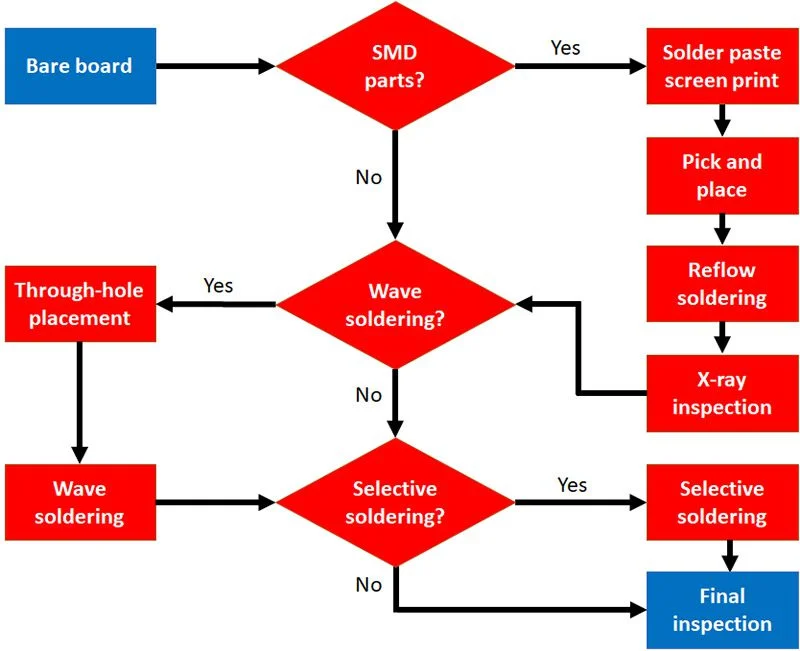
Here is a completed soldering process:
How Does the Wave Soldering Process Work Step by Step?

What Types of PCBs Are Best Suited for Wave Soldering?

Wave soldering is best when through-hole components dominate or when you need strong joints for connectors.

It is also common for mixed-technology boards where SMT is done first, then THT soldering is done by wave.

Typical Boards for Wave Soldering

  • Connector-heavy boards (terminal blocks, headers, power connectors)
  • High-current boards (power conversion, motor drives)
  • Industrial control boards (I/O, relays, sensors)
  • Transformer and coil assemblies

Can Mixed SMT and THT Boards Use Wave Soldering?

Yes. Mixed-technology boards can use wave soldering when SMT parts are protected.

Common protection methods include pallets, selective masking, adhesives for bottom-side parts, and orientation control.

What Are the Key Parameters in Wave Soldering?

Wave soldering success depends on controlling a small set of parameters with discipline.

The most important point is consistency: stable settings beat frequent adjustments.

Critical Wave Soldering Parameters

  • Solder pot temperature (commonly around 245–265 °C depending on alloy and design)
  • Conveyor speed (defines contact time)
  • Flux density (affects activity and residue)
  • Preheat temperature (affects wetting and thermal stress)
  • Wave height and wave shape (affects bridging and hole fill)

How to Think About Parameter Tuning

Start with board constraints: thickness, copper weight, component thermal mass, and hole geometry.

Then tune preheat for stable activation, and only after that adjust wave contact and speed.

What Is the Difference Between Wave Soldering and Reflow Soldering?

Wave soldering and reflow soldering solve different assembly problems.

Reflow is dominant for SMT. Wave remains efficient for through-hole and connector-heavy designs.

Comparison ItemWave SolderingReflow Soldering
Primary UseThrough-hole, mixed-technology boardsSMT assembly
Solder MethodMolten solder waveSolder paste + reflow profile
Mechanical StrengthHigh, strong joints on large leadsGood for SMT, less mechanical anchoring
Production SpeedHigh for suitable designsHigh, but depends on paste printing and profile
Best FitConnectors, power parts, relaysFine pitch ICs, high-density SMT

When Should You Choose Wave Soldering Instead of Selective Soldering?

Choose wave soldering when the design is wave-friendly and throughput matters.

Choose selective soldering when you need localized soldering with less risk to nearby SMT parts.

Wave Soldering Is Often Better When

  • Through-hole content is high
  • Board layout is simple and spacing is safe
  • Volume is medium to high
  • Cost per board must be minimized

Selective Soldering Is Often Better When

  • Dense mixed-technology boards need localized heating
  • Bottom-side SMT parts are sensitive
  • Only a few through-hole joints need soldering

What Are the Advantages of Wave Soldering?

Wave soldering delivers strong, repeatable joints at scale, especially on through-hole assemblies.

For many industrial boards, it remains the simplest path to stable quality.

Practical Advantages Engineers Notice

  • High throughput for suitable designs
  • Consistent solder joint formation when parameters are stable
  • Excellent hole fill on properly designed through-holes
  • Lower labor dependence than manual soldering
  • Strong mechanical anchoring for connectors and heavy parts

What Are the Limitations of Wave Soldering?

Wave soldering is powerful, but it is not universal.

Understanding limits early helps you avoid layout choices that fight the process.

Typical Limitations

  • Not suitable for fine-pitch SMT on the wave side without protection
  • Higher risk of bridging if spacing is tight
  • More design constraints than reflow for mixed layouts

What Are Common Wave Soldering Defects and Their Causes?

Most wave soldering defects are predictable. That is good news.

Once you link defect patterns to root causes, yield improvement becomes systematic.

DefectTypical Root CauseCommon Fix
Solder BridgingExcess solder, poor spacing, high wave heightReduce wave height, improve pad spacing, adjust angle
Icicles / Solder SpikesLow solder temperature or poor peel-offIncrease pot temperature, adjust speed and angle
Solder SkipsOxidation, insufficient flux, poor preheatImprove fluxing, tune preheat, check surface finish
Cold JointsInsufficient heat input or contaminationIncrease preheat, stabilize pot temperature, improve cleaning
Blow Holes / VoidsMoisture in PCB or componentsBake boards, improve storage and handling

How Can You Reduce Wave Soldering Defects?

Defect reduction works best when you combine DFM discipline with stable process control.

Think in two layers: what you fix in design, and what you lock down in production.

Design-Level Practices That Help

  • Maintain safe pad spacing to reduce bridging risk
  • Use proper annular ring size for hole fill stability
  • Control lead protrusion length to reduce icicles
  • Plan component orientation to support clean peel-off

Process-Level Practices That Help

  • Measure flux density consistently, not occasionally
  • Keep preheat profiles stable across shifts
  • Maintain solder pot cleanliness and dross control
  • Use inspection feedback (AOI, visual, X-ray when needed)
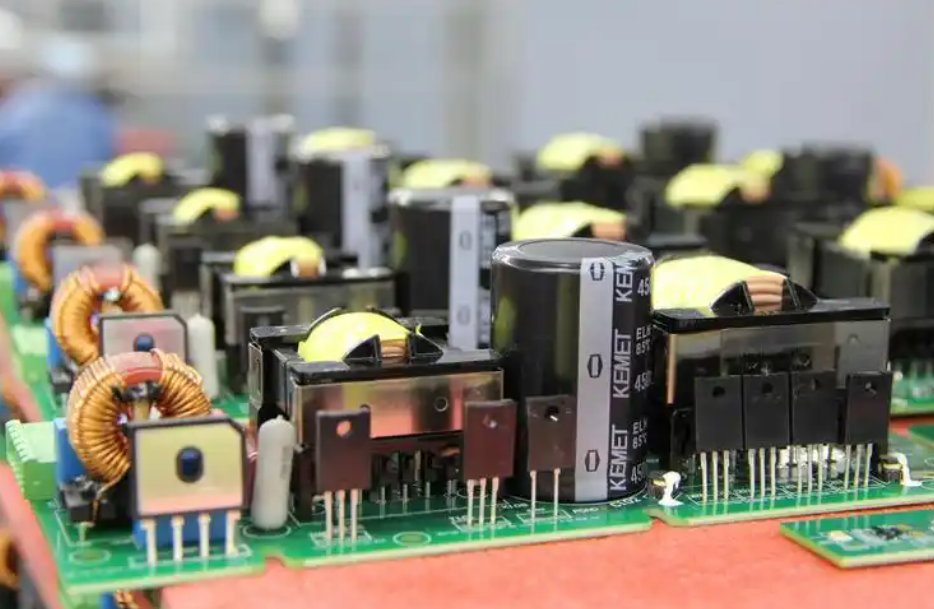
How Can You Reduce Wave Soldering Defects?

How Much Does Wave Soldering Cost in PCB Assembly?

Wave soldering cost depends on design complexity and volume, but it usually becomes more economical as volume rises.

Boards with many through-hole connectors often benefit most because wave soldering replaces time-consuming hand soldering.

What Drives Cost in Real Projects?

  • Board size and thickness
  • Through-hole count and pitch density
  • Flux and solder alloy choice
  • Masking or pallet requirements for mixed boards
  • Inspection and reliability requirements

Why Choose EBest as Your Wave Soldering Manufacturer?

If you need stable wave soldering results, you need more than a machine. You need engineering control.

EBest is a one-stop PCBA service provider, built to better understand the needs of engineers.

What You Get with EBest

  • Free DFM and process adaptation suggestions
  • 20 years of experience serving 1,800+ customers and 10,000+ engineers
  • One-Stop Service: PCB, components, PCBA, testing, and box-building
  • No MOQ and personal service for prototypes
  • Certifications: ISO9001, ISO13485, IATF16949, AS9100D
  • MES and full traceability
  • 1.5-week rapid PCBA delivery
  • Technical support before and after sales
  • Quick turn-out with on-time delivery focus
  • Prompt feedback within 12 hours

FAQ — Common Questions About Wave Soldering

What is wave soldering mainly used for?

Wave soldering is mainly used for through-hole components, especially connectors and parts that need strong mechanical joints.

Is wave soldering still relevant today?

Yes. Wave soldering is still common in industrial control, power electronics, and connector-heavy designs.

Can wave soldering handle mixed-technology boards?

Yes, but you need proper masking, orientation planning, and protection for sensitive SMT parts on the wave side.

Does EBest welcome prototypes or small-quantity orders?

Yes. EBest supports prototypes and small volume runs with personal engineering support.

Do you offer quick-turn production for wave soldering PCBA?

Yes. EBest supports quick-turn schedules, including 1.5-week rapid PCBA delivery for eligible builds.

What files do you need to quote wave soldering PCB assembly?

Typically you need Gerbers, BOM, pick-and-place (if SMT is included), assembly drawings, and special process notes.

Final Call to Action

If you need wave soldering or complete PCBA services, EBest is ready to support your project.

We deliver reliable wave soldering solutions with fast turnaround, disciplined quality control, and full traceability.

Contact us to place your order: sales@bestpcbs.com

EBest — One-stop PCBA service provider, better understanding the needs of engineers.
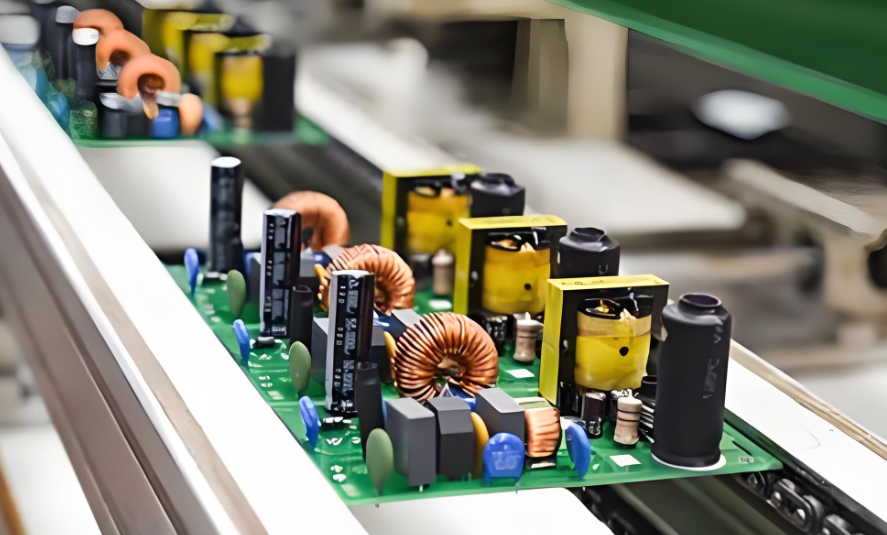
What is Wave Soldering? A Complete Engineering Guide for PCB Assembly
Tuesday, February 3rd, 2026

Wave soldering remains one of the most dependable soldering methods in PCB assembly, especially for through-hole and mixed-technology boards. While surface-mount reflow dominates modern electronics, wave soldering still plays a critical role in industrial control, power electronics, automotive modules, and cost-sensitive high-volume products. Its strength lies in consistency, mechanical robustness, and efficiency when properly controlled.

This guide explains wave soldering from an engineering and manufacturing perspective—how it works, when to use it, how to control defects, and how to select a capable wave soldering partner.

What Is Wave Soldering in PCB Assembly?

Wave soldering is a PCB assembly process where the bottom side of a populated board briefly contacts a controlled wave of molten solder to form solder joints on exposed metal areas, mainly through-hole leads. It is best suited for PCBs with many through-hole components, such as connectors, transformers, relays, and power devices. The process relies on flux activation, controlled preheating, and precise solder contact time to achieve proper wetting and hole fill.

In simple terms, wave soldering uses liquid solder instead of solder paste. This allows many joints to be formed at once, making it efficient and mechanically robust. However, because the entire board bottom passes over molten solder, the process requires careful design rules and parameter control.

Wave soldering is commonly used in industrial control boards, power supplies, automotive modules, and infrastructure electronics, where solder joint strength and consistency are more important than ultra-high component density.

What is Wave Soldering? A Complete Engineering Guide for PCB Assembly

How Does the Wave Soldering Process Work Step by Step?

The wave soldering process consists of four tightly linked stages: flux application, preheating, solder wave contact, and controlled cooling. If defects appear, the root cause almost always traces back to one of these stages being outside its proper process window.

1. Flux Application

Flux is applied to the PCB bottom side by spray or jet. Its job is to remove oxides and promote solder wetting.

  • Too little flux → poor wetting, insufficient hole fill
  • Too much flux → bridging, residues, solder balls

2. Preheating

Preheating gradually raises the PCB temperature. This activates the flux and reduces thermal shock when the board touches molten solder. Insufficient preheat is one of the most common causes of wave soldering defects.

3. Solder Wave Contact

The PCB passes over one or two solder waves:

  • A turbulent wave helps solder penetrate plated through-holes
  • A laminar wave smooths the solder fillets

Contact time is controlled by conveyor speed.

4. Cooling

Controlled cooling solidifies the solder joints and stabilizes intermetallic formation. Cooling that is too fast or uneven can affect long-term reliability.

What Types of PCBs Are Best Suited for Wave Soldering?

Wave soldering works best for PCBs with a high proportion of through-hole components and limited bottom-side fine-pitch SMDs. It is especially suitable when mechanical strength and current-carrying capability are priorities.

Typical suitable boards include:

  • Power supply PCBs
  • Industrial control boards
  • Automotive connector boards
  • Motor drivers and inverter boards
  • Mixed-technology boards with bottom-side protection

Boards that are densely populated with fine-pitch SMDs on the bottom side are usually poor candidates unless pallets or masking are used. From an engineering standpoint, the decision should be made during PCB layout, not after fabrication.

What Types of PCBs Are Best Suited for Wave Soldering?

What Are the Key Parameters in Wave Soldering?

Wave soldering quality depends on controlling a group of interacting parameters, not a single setting. Changing one parameter without adjusting others often moves defects rather than eliminating them.

Key parameters include:

  • Solder temperature (typically 245–260 °C for lead-free)
  • Top-side preheat temperature (commonly 90–130 °C)
  • Conveyor speed (controls solder contact time)
  • Wave height and angle
  • Flux type and application density

A practical rule for beginners:

First stabilize preheat and conveyor speed, then fine-tune flux and wave height.

What Is the Difference Between Wave Soldering and Reflow Soldering?

Wave soldering and reflow soldering serve different assembly needs and should not be treated as interchangeable processes.

Wave Soldering vs Reflow Soldering

AspectWave SolderingReflow SolderingEngineering Guidance
Main applicationThrough-hole componentsSurface-mount componentsChoose based on component type
Solder formMolten solder waveSolder paste + heatFundamentally different
Joint strengthVery strong for THTOptimized for SMDPower and connectors favor wave
Process control focusFlux, preheat, speedPaste printing, thermal profileDifferent failure modes
Typical defectsBridging, iciclesTombstoning, voidsDiagnosis differs
Cost efficiencyHigh for THT volumeHigh for dense SMDMany products use both

When Should You Choose Wave Soldering Instead of Selective Soldering?

Wave soldering is preferred when many through-hole joints can be soldered simultaneously without risking bottom-side SMD damage. Selective soldering is better when only a few through-hole components exist.

Wave Soldering vs Selective Soldering

FactorWave SolderingSelective SolderingSelection Logic
Through-hole quantityHighLowMany joints → wave
FlexibilityLowerHigherComplex layouts → selective
ThroughputHighMediumVolume favors wave
ToolingPallets may be neededMinimalDepends on layout
Cost per boardLower at scaleHigherVolume sensitive

What Are the Advantages of Wave Soldering?

Wave soldering offers high efficiency, strong solder joints, and excellent through-hole fill when properly controlled. These advantages explain why it remains common in power and industrial electronics.

  • High throughput for THT assemblies
  • Strong mechanical solder joints
  • Reliable hole fill on thick boards
  • Lower unit cost at medium to high volume
  • Proven long-term reliability

For applications exposed to vibration, current load, or thermal cycling, wave soldering remains a solid engineering choice.

What Are the Limitations of Wave Soldering?

The main limitation of wave soldering is its lack of selectivity. Because the entire board bottom contacts molten solder, fine-pitch bottom-side SMDs require protection.

  • Higher bridging risk on dense layouts
  • Need for pallets or masking in mixed assemblies
  • Less flexibility than selective soldering
  • Greater sensitivity to PCB layout rules

These limitations reinforce the importance of early DFM review.

What Are Common Wave Soldering Defects and Their Causes?

Most wave soldering defects result from imbalance between flux activity, preheating, and solder contact time. Understanding the cause-and-effect relationship is critical.

Common Defects, Causes, and Fixes

DefectAppearanceRoot CausePrimary Correction
BridgingAdjacent joints connectedExcess solder, slow speedReduce wave height, increase speed
IciclesSharp solder spikesPoor drainageAdjust exit angle, improve preheat
Poor hole fillIncomplete solder riseLow preheat, weak fluxIncrease preheat, adjust flux
Non-wettingDull or missing solderOxidation, contaminationImprove cleaning, flux activity

How Can You Reduce Wave Soldering Defects?

Defect reduction starts at PCB design and is locked in during first-article setup. Most defects cannot be “fixed” later without redesign or process instability.

  • Proper pad spacing and solder mask design
  • Use of solder thieves where necessary
  • Matching flux chemistry to PCB finish
  • Stable preheat and conveyor speed
  • First-article verification and SPC monitoring

From experience, investing time in setup saves far more time in rework.

How Much Does Wave Soldering Cost in PCB Assembly?

Wave soldering cost depends on board size, through-hole count, production volume, and tooling needs—not just the process itself.

Cost Structure Overview

Cost ElementWhat Drives ItHow to Optimize
Equipment & line timeThroughput, utilizationEfficient scheduling
Solder & fluxAlloy, consumption controlProper maintenance
ToolingPallets, maskingDFM optimization
Labor & inspectionYield, rework rateStable process
Defects & scrapProcess variationEarly validation

Why Choose EBest as Your Wave Soldering Manufacturer?

When selecting a wave soldering partner, the most important factor is process discipline, not equipment alone. An experienced manufacturer understands how layout, materials, and parameters interact.

Best Technology provides wave soldering services with strong engineering support, including:

  • Dedicated wave and selective soldering lines
  • Nitrogen-assisted wave soldering capability
  • DFM feedback focused on defect prevention
  • Experience with industrial, automotive, and power electronics
  • Integrated PCB fabrication and PCBA production

This reduces risk and improves consistency from prototype to mass production.

EBest Circuit Wave Soldering Capabilities

ItemEBest Capability Data
Soldering ProcessLead-free wave soldering
Supported AlloysSAC305 / SAC405
Solder Pot Temp.245–260 °C
Temp. Stability±2 °C
Conveyor Speed0.8–1.8 m/min
Speed ResolutionFine adjustable
Preheat ZonesMulti-zone
Top-Side Preheat90–130 °C
Preheat UniformityControlled
Wave TypeDual wave
Turbulent WaveSupported
Laminar WaveSupported
Wave HeightAdjustable
Contact TimeSpeed-controlled
Nitrogen ModeSupported
O₂ Level (N₂)Low-oxygen environment
Flux TypeNo-clean / Water-soluble
Flux MethodSpray
Flux VolumeAdjustable
PCB Thickness (Min)~0.8 mm
PCB Thickness (Max)~3.2 mm
Copper WeightStd / Heavy copper
Through-Hole DensityHigh pin-count
Lead DiameterThick leads supported
Hole Aspect RatioHigh AR supported
Hole FillHigh consistency
Bottom-Side SMDPallet / masking
Pallet SupportCustom pallets
PCB Surface FinishHASL / ENIG / ENEPIG
Solder MaskLPI
Board SizeConveyor adjustable
First ArticleMandatory
Parameter LockAfter FA approval
Process MonitoringIn-line
Defect FocusBridging / Icicles / Hole fill
ReworkManual / Selective
Production VolumePrototype → Mass
Typical ApplicationsPower / Industrial / Automotive / Medical / Aerospace / Military

FAQ — Common Questions About Wave Soldering

1. What is wave soldering used for in PCB assembly?

Wave soldering is mainly used for through-hole components that require strong mechanical joints, such as connectors and power devices.

2. What temperature is used for lead-free wave soldering?

Most lead-free wave soldering processes operate between 245 °C and 260 °C, depending on alloy and board design.

3. How do you prevent bridging in wave soldering?

Bridging is reduced by optimizing wave height, increasing conveyor speed, improving solder mask design, and controlling flux volume.

4. How can you improve through-hole fill in wave soldering?

Adequate preheating, active flux, and sufficient solder contact time are the most effective ways to improve hole fill.

5. What PCB thickness works best for wave soldering?

Most boards from 1.0 mm to 3.2 mm are suitable with proper preheat control.

6. Is wave soldering better than selective soldering for THT boards?

For boards with many through-hole joints, wave soldering is usually faster and more cost-effective.

7. Can wave soldering be used for mixed THT and SMD boards?

Yes, but bottom-side SMDs must be protected using pallets, masking, or adhesive methods.

What is Wave Soldering? Wave soldering vs Reflow Soldering
Tuesday, January 13th, 2026

Wave soldering is one of the most established and reliable PCB assembly methods used in electronics manufacturing. Although surface mount technology (SMT) and reflow soldering dominate modern production, wave soldering PCB processes remain essential for through-hole components, mixed-technology boards, and high-reliability applications.

In this guide, we’ll explain what wave soldering is, how it works, its benefits and requirements, and clearly compare wave soldering vs reflow to help you choose the right process for your project.

What Is Wave Soldering?

Wave soldering is a mass soldering process in which the underside of a populated printed circuit board passes over one or more controlled waves of molten solder. The solder wets the exposed pads and component leads, forming metallurgical bonds in a single pass.

This process is primarily used for:

  • Through-hole components
  • Large connectors and terminals
  • Power components
  • Mixed-technology (SMT + THT) assemblies

Wave soldering PCB assembly is widely applied in industrial electronics, automotive systems, power supplies, aerospace hardware, and medical equipment, where joint integrity and mechanical strength are critical.

What is Wave Soldering? Wave soldering vs Reflow Soldering

What is Wave Soldering? Wave soldering vs Reflow Soldering

Benefits of Wave Soldering

Although newer soldering technologies exist, wave soldering continues to offer clear advantages for specific applications.

  • High Throughput for Through-Hole Assembly
  • Superior Mechanical Strength
  • Process Stability and Repeatability
  • Cost Efficiency in Volume Production
  • Compatibility with Mixed-Technology Designs

How Does Wave Soldering Work?

The wave soldering process is a tightly controlled sequence of thermal and chemical stages. Each stage must be optimized to ensure solder joint integrity and prevent defects.

1. Flux Application

Flux is applied to the bottom side of the PCB by spray, foam, or jet fluxing. Its function is to:

  • Remove oxides from pads and leads
  • Improve solder wetting
  • Prevent oxidation during heating

Proper flux selection and coverage are critical to avoiding non-wetting and bridging defects.

2. Preheating

The PCB is gradually heated using infrared or convection heaters. Preheating:

  • Activates the flux
  • Drives off solvents
  • Reduces thermal shock to components
  • Improves solder flow and hole fill

Inadequate preheat is a common root cause of soldering defects.

3. Solder Wave Contact

The board passes over one or more solder waves:

  • Turbulent wave for penetration around component leads
  • Laminar wave for smoothing and joint shaping

The molten solder wets the pads and leads through capillary action, forming intermetallic bonds.

4. Cooling and Solidification

After leaving the wave, the assembly is cooled in a controlled manner to solidify the solder joints and stabilize the microstructure.

Is Wave Soldering the Most Common Soldering Method?

No. Reflow soldering is the dominant process in modern electronics manufacturing due to the prevalence of SMT components and high-density designs.

However, wave soldering remains:

  • The primary method for through-hole assembly
  • Essential for power electronics and connector-heavy designs
  • Common in automotive, industrial control, and infrastructure equipment

In many products, both processes are used in sequence: reflow for SMT components, followed by wave soldering for through-hole parts.

What Temperature Is Wave Soldering?

Wave soldering temperature depends on the solder alloy:

  • Lead-free solder (SAC alloys): 245°C – 260°C
  • Leaded solder (SnPb): 230°C – 250°C

Temperature control is critical:

  • Excessive temperature can cause delamination, pad lifting, and component damage
  • Insufficient temperature leads to poor wetting, cold joints, and incomplete hole fill

A properly developed thermal profile is mandatory for high-reliability wave soldering PCB assembly.

What Is the Minimum Pitch for Wave Soldering?

Wave soldering is not suitable for fine-pitch components. Typical design limits are:

  • Recommended minimum pitch: 2.5 mm (0.1”)
  • Below 2.0 mm, it will occur potential risk like:
  • Solder bridging
  • Incomplete solder fill
  • Shorts between adjacent pins

For fine-pitch or high-density layouts, reflow soldering or selective soldering is the preferred solution.

Wave Soldering Requirements

Successful wave soldering depends on coordinated control of design, materials, and process parameters.

PCB Design Requirements

  • Adequate pad size and annular ring
  • Proper hole-to-lead diameter ratio
  • Solder mask dams to control solder flow
  • Component orientation aligned with solder wave direction

Component Requirements

  • Leads compatible with wave soldering temperatures
  • Suitable lead finishes (Sn, SnCu, NiAu)
  • Proper lead protrusion for reliable hole fill

Process Control Requirements

  • Stable solder pot temperature
  • Controlled conveyor speed and immersion time
  • Consistent flux density and application
  • Clean solder alloy with minimal dross

Ignoring any of these requirements significantly increases defect risk.

What Is the Difference Between Reflow and Wave Soldering?

ParameterWave SolderingReflow Soldering
Primary ApplicationThrough-hole componentsSurface mount components
Solder ApplicationMolten solder waveSolder paste + thermal reflow
Component DensityLow to mediumHigh to ultra-high
Pitch Capability≄ 2.5 mmDown to 0.3 mm
Mechanical StrengthVery highModerate
Design FlexibilityLimitedExcellent
Typical UseConnectors, power partsICs, BGAs, QFNs, passives

Key Engineering Differences

  • Wave soldering PCB assembly excels in mechanical robustness and hole fill quality
  • Reflow soldering supports miniaturization, fine pitch, and high component density
  • Many assemblies require both processes to meet functional and mechanical requirements

The decision between wave soldering vs reflow should be made during the DFM stage, not after layout completion.

What Is the Alternative to Wave Soldering?

When wave soldering is not suitable, alternatives include:

Selective Soldering

  • Computer-controlled mini-wave solders specific joints only
  • Ideal for mixed-technology assemblies
  • Reduces risk to nearby SMT components

Pin-in-Paste (Intrusive Reflow)

  • Through-hole leads are inserted into solder paste and reflowed
  • Suitable for low-profile connectors and moderate volumes

Hand Soldering

  • Used for prototypes, rework, and very low volumes
  • Highly flexible but labor intensive and variable

Each alternative has trade-offs in cost, throughput, and reliability.

What Is the Alternative to Wave Soldering?

When Should You Use Wave Soldering PCB Assembly?

Wave soldering is the correct choice when:

  • Your design includes large through-hole connectors or terminals
  • Mechanical strength and vibration resistance are critical
  • You are producing medium to high volumes
  • Long-term reliability outweighs miniaturization

For power electronics, industrial controllers, and infrastructure equipment, wave soldering remains the industry standard.

Why Choose EBest Circuit (Best Technology) for Wave Soldering PCB Assembly?

At EBest Circuit (Best Technology), wave soldering is treated as a controlled engineering process—not a commodity operation. We apply strict process discipline, DFM analysis, and IPC-compliant inspection to every project.

Our Capabilities Include:

  • Leaded and lead-free wave soldering
  • Mixed technology (SMT + THT) assemblies
  • Selective soldering for complex designs
  • IPC-A-610 compliant inspection
  • Full DFM review before production

Our manufacturing system operates under ISO 13485 quality management controls, ensuring traceability, documentation, and process consistency—even without a fully isolated medical production line. Contact EBest Circuit (Best Technology) today to request a free DFM review and quote for your wave soldering PCB assembly project.