PCB manufacturing PCB manufacturing
Home > Blog

Posts Tagged ‘PCB Box Build Assembly Services’

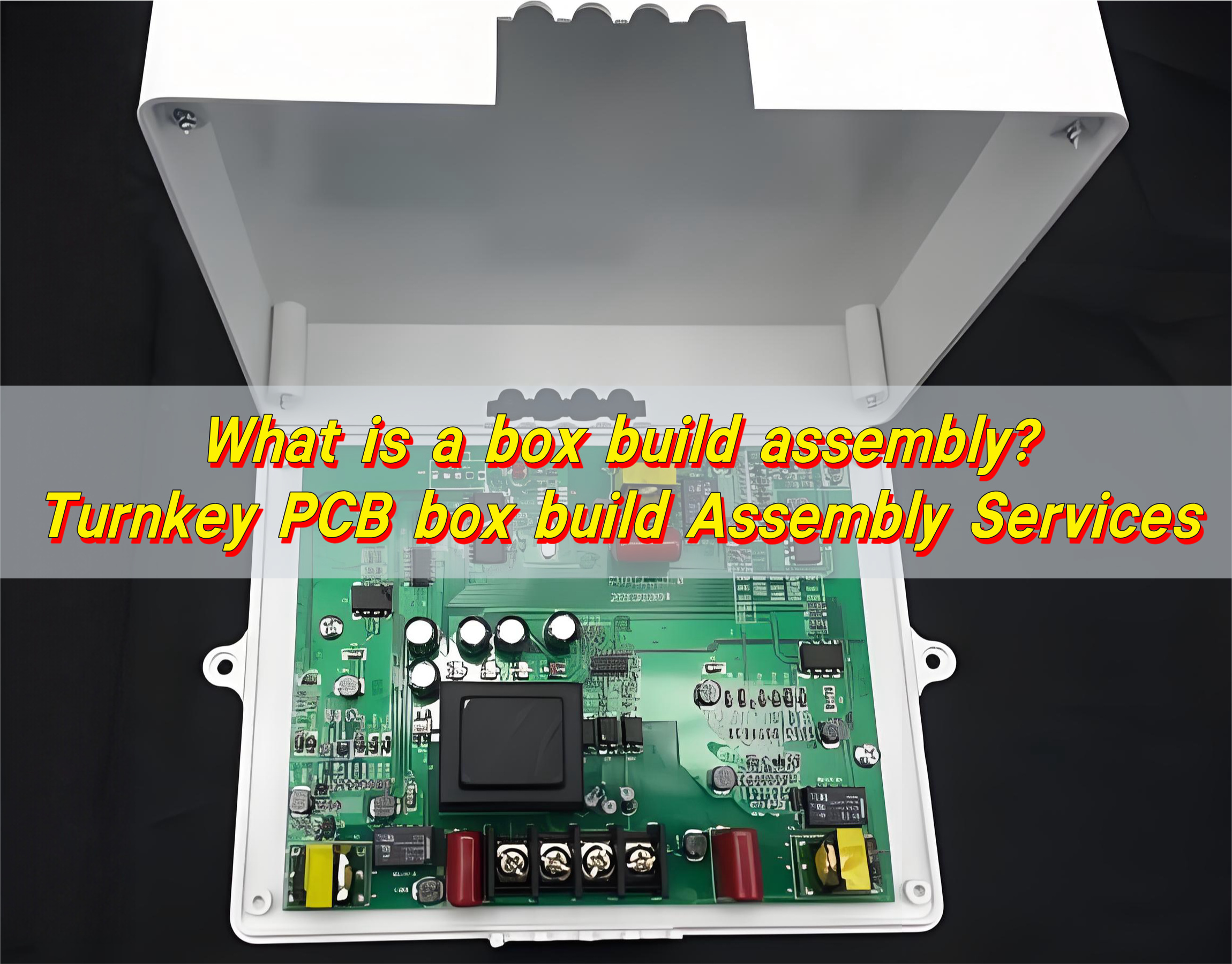
What Is a Box Build Assembly? Turnkey PCB Box Build Assembly Services
Wednesday, November 26th, 2025

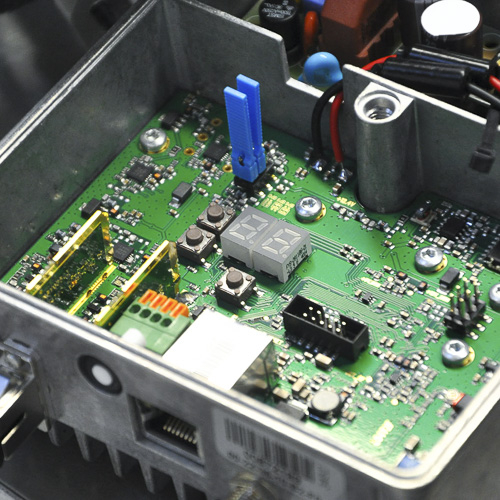
Box build assembly is the final stage of creating an electronic product. It takes a finished PCB and adds everything around it—cables, hardware, enclosure, firmware, and testing—until the unit becomes a complete device. It is the step where separate parts turn into one working system.

In simple terms, PCBA builds the board, while a box build creates the full product.

What Is a Box Build Assembly? Turnkey PCB Box Build Assembly Services

What is a box build assembly in electronics?

Box build assembly is the complete end stage of an electronic product. It brings the PCB, wiring, structure, enclosures, displays, and firmware together into one finished unit. It is often called a “systems integration service” because everything inside the device is prepared, checked, connected, and tested.

When you work with a provider that handles both PCB assembly and box build assembly, the entire flow feels smoother. The engineering work stays consistent. The production team understands the design early. The build moves faster.

Instead of coordinating ten vendors for PCBs, cables, housings, firmware, and functional testing, you work with one partner who manages all parts and pieces.

For buyers, this type of service is reliable because it removes guesswork. It also lowers hidden costs like rework, shipping between suppliers, and poor communication. As a result, more teams now see box build assembly as an essential part of their product roadmap rather than an optional feature.

What does the box build assembly service include?

A complete box build assembly service covers many detailed steps. While different manufacturers offer different scopes, the core parts usually include:

  • 1. PCB assembly: This is the foundation. The PCB is built, soldered, inspected, and tested before going into the final unit.
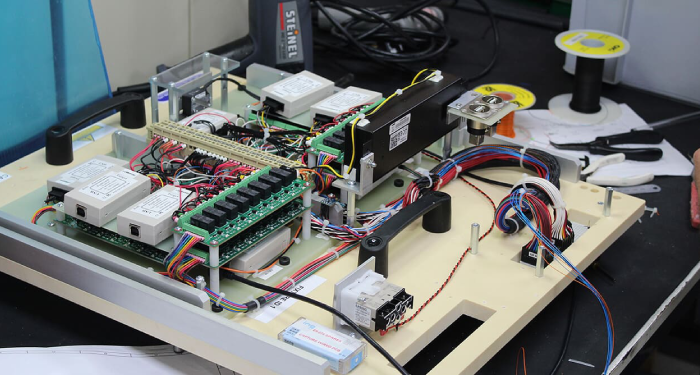
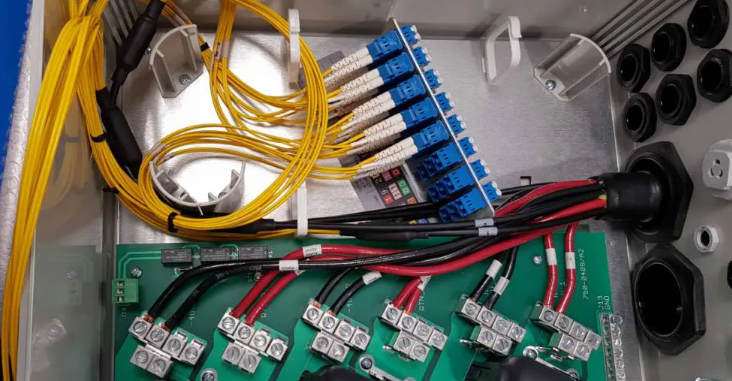
  • 2. Cable and wire harness assembly: Most products need wires to connect modules. A box build service includes cable cutting, crimping, labeling, bundling, and routing.
  • 3. Mechanical structure assembly: This includes mounting brackets, frames, plates, screws, spacers, supports, buttons, and switches.
  • 4. Enclosure integration: The full housing is installed. It may be metal, plastic, or a hybrid. Every part must match the PCB layout and thermal needs.
  • 5. Display, sensor, or module installation: Many products involve screens, cameras, antennas, batteries, motors, or sensors.
  • 6. Software programming and firmware flashing: Your unit receives its firmware, bootloader, or custom programming scripts.
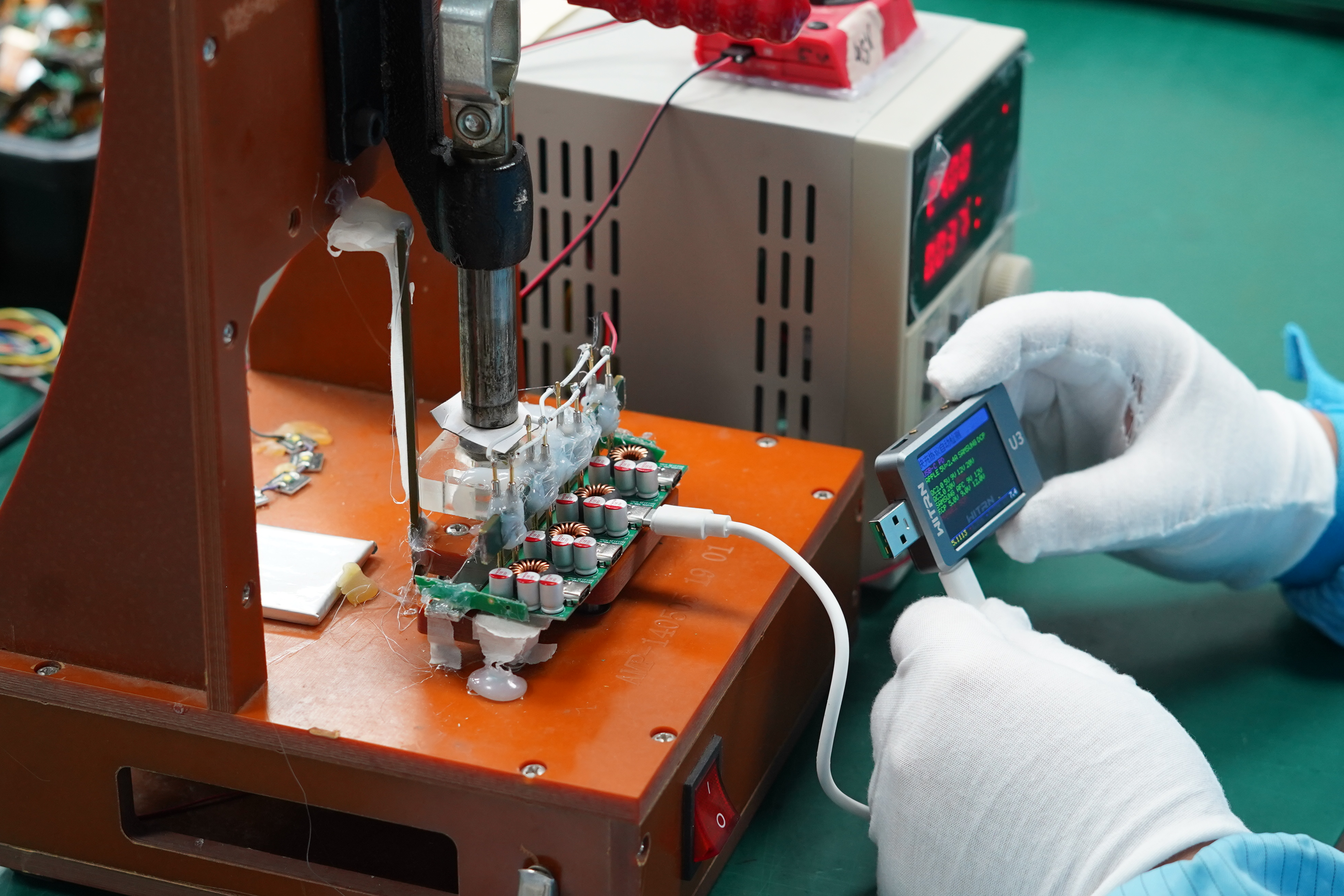
  • 7. Functional testing: This step checks if the product works as intended. It may include signal tests, power-on checks, button tests, noise checks, or communication protocol tests.
  • 8. Reliability testing: Drop test. Vibration test. Temperature test. Burn-in test. These tests confirm long-term stability.
  • 9. Packaging and labeling: The final step adds barcodes, serial labels, or QR codes. The product is packed and ready for shipment or retail shelves.

When all of these steps are handled by a single factory, your project gains better control. You get fewer delays. You avoid repeated communication loops. And your team has more time to focus on design, marketing, and new products.

How do box build electronics improve device integration?

Many companies struggle when they use separate suppliers for PCB assembly, wiring, structure, and testing. Each vendor sees only one part of the product. When something does not match, the project slows down. The schedule becomes tight. Energy drains from your team.

What Is a Box Build Assembly? Turnkey PCB Box Build Assembly Services

This is where box build electronics shine. Because one team oversees all stages, the integration becomes tighter. The design has fewer risks. Every step flows into the next without friction. Here is how box build services enhance product integration:

  • Better Alignment of Electronics and Mechanics: PCB engineers and mechanical engineers stay in sync.
  • Cleaner Wire Management: Cable routing stays neat. This reduces electrical noise and movement inside the product.
  • Lower Failure Rates: With fewer vendors touching the product, the risk of assembly mistakes drops.
  • Consistent Material Flow: Components arrive at the same factory. This reduces lead time and shipping costs.
  • Better Communication: A single team handles questions.
  • Stronger Quality Control: One factory follows one standard, so quality stays stable.

It also builds trust between your team and the manufacturer because every step is transparent.

What is the box build assembly process?

The box build assembly process moves step by step from a bare PCB to a complete product. Below is a detailed walk-through of how the process works in a professional manufacturing environment.

  • Incoming Material Review: Every part enters the factory with labels and origin data. Teams verify quantity, certification, and condition.
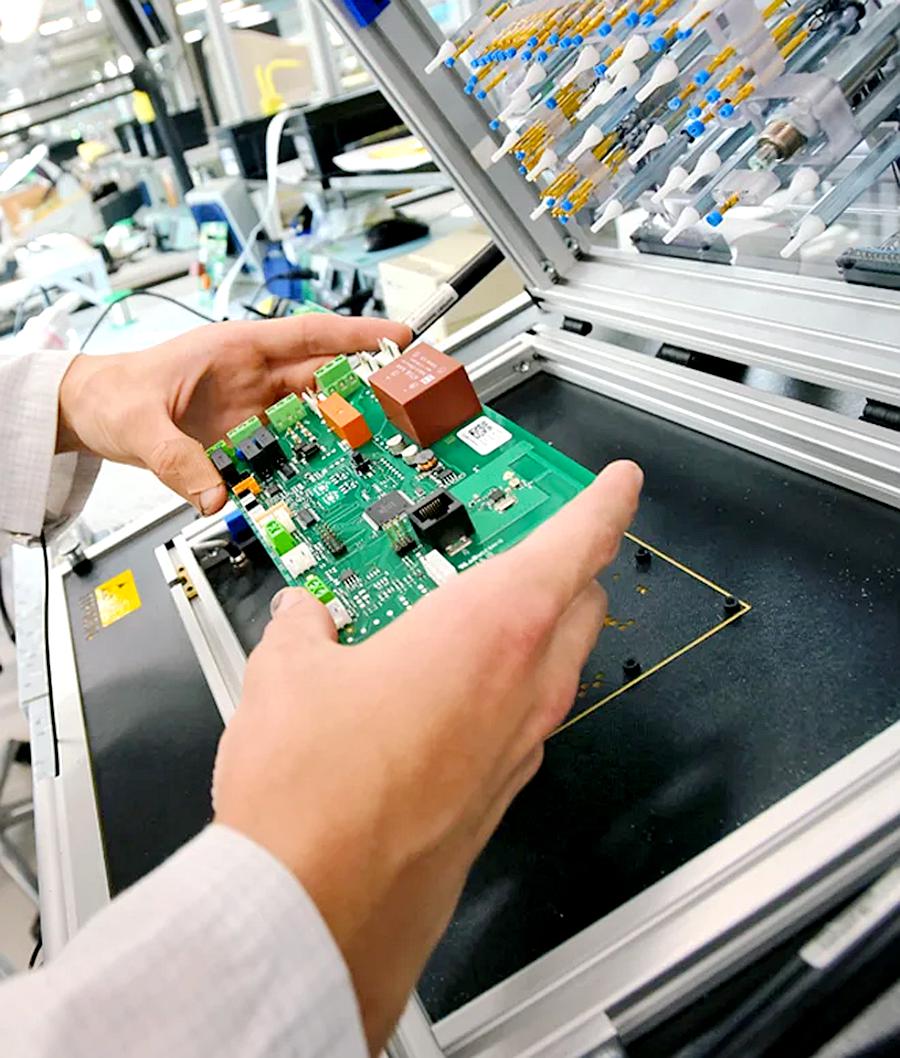
  • PCB Assembly and Testing: The PCB is produced, components are placed, soldered, cleaned, and inspected. AOI and X-ray are used if needed.
  • Wiring and Harnessing: Wires are cut, stripped, crimped, and checked. Harnesses are grouped using heat-shrink, sleeving, or cable ties.
  • Mechanical Prep: Housings, plates, standoffs, nuts, and brackets are inspected.
  • Sub-Assembly Build: Modules such as screens, antennas, microphones, and sensors are prepared as smaller units.
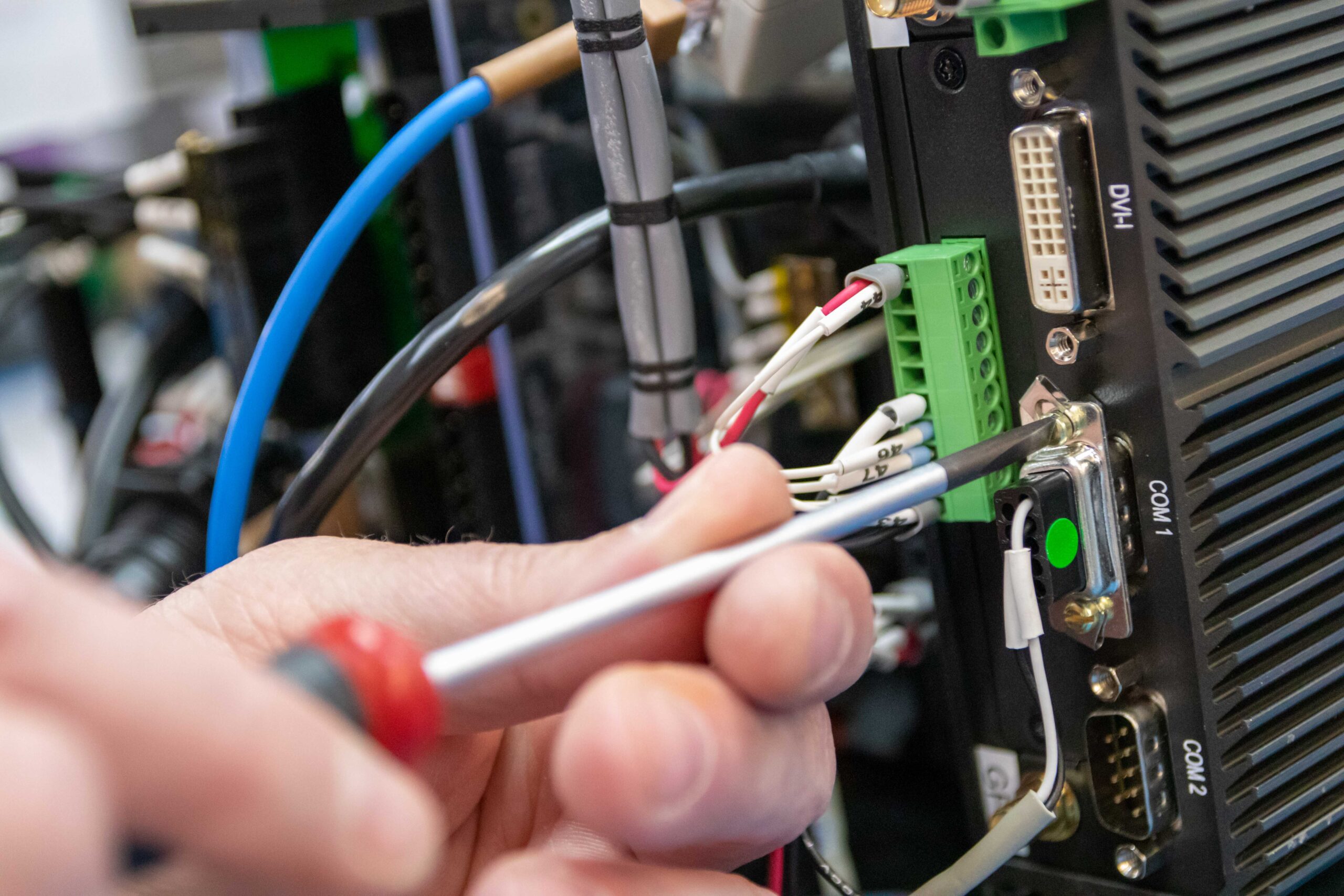
  • Full Assembly: The PCB, wiring, and mechanical parts come together. The technicians work with torque limits, grounding rules, and ESD protection.
  • Programming and Firmware: Firmware is flashed. Functional software is loaded. Internal memory is tested.
  • Functional Testing: Now the product “comes alive.” Buttons are checked. Signals are tracked. Power flow is monitored. Communication ports are tested.
  • Reliability Run: A batch may go through aging tests, vibration tests, drop tests, or thermal cycles.
  • Final QC and Packaging: Labels are added. Serial tracking is created in MES.
What Is a Box Build Assembly? Turnkey PCB Box Build Assembly Services

This full process forms the backbone of any modern electronic device. When the flow is strong, your final product feels strong as well.

What are the benefits of box build assemblies?

Companies choose box build assemblies because they offer advantages across the full production chain. These benefits help teams launch products faster with fewer problems.

  • 1. One Supplier for Many Tasks

The more vendors you manage, the more time you lose. Box build assembly compresses your supply chain into one partner. It cuts delays. It boosts clarity.

  • 2. Faster Time to Market

Because the assembly work stays in one place, your schedule moves smoothly. There is less waiting and fewer handoffs.

  • 3. Lower Operational Costs

You save on shipping between suppliers. You save on troubleshooting. And you save on hidden mistakes.

  • 4. Higher Quality Control

A single factory watches every step, so defects have fewer chances to hide.

  • 5. Improved Product Reliability

The product feels stronger because the entire flow is planned. Wiring stays neat. PCB placement is optimized. Mechanical alignment stays accurate.

  • 6. Better Engineering Support

When the same team handles PCB assembly and box build, your questions get solved quickly.

  • 7. Easier Scaling

Once your product passes small runs, scaling to mass production becomes easier.

  • 8. Greater Flexibility in Custom Designs

If you need a reverse-L enclosure, a compact sensor module, or a special bracket, box build partners can adjust quickly.

These benefits turn box build assembly into a strong tool for innovators who want fast, reliable production with fewer headaches.

What is the difference between box build and PCBA?

Although box build and PCBA often work together, they are two distinct stages. Below is a clear comparison that shows how the two processes work, how they support each other, and why both matter in electronics manufacturing. Here is the table version for better clarity:

ItemPCBA (Printed Circuit Board Assembly)Box Build Assembly
Main PurposeBuild the electronic circuit on the PCBBuild the complete final product
Core ScopeSoldering components, reflow, AOI, X-ray, ICT, FCTPCBA + wiring + housing + firmware + labeling + packaging
What It ProducesA functional electronic boardA ready-to-ship device
Key ComponentsPCB, ICs, resistors, capacitors, connectorsPCBA, cables, screws, display, enclosure, sensors, batteries
Skill FocusElectronics assemblyFull system integration
Testing LevelElectrical testing onlyElectrical + functional + reliability testing
Required FilesGerber, BOM, pick-and-place fileAssembly drawing, wiring list, enclosure drawing, test instructions
Who Uses ItR&D teams, electronics designersHardware companies, system integrators, product brands
Typical OutputA finished circuit boardA final box-build unit ready for distribution
Production ComplexityMediumHigh
Where It Fits in the FlowMiddle of the manufacturing chainFinal stage before shipment

What defines a reliable box build electronics manufacturer?

Choosing the right box build electronics manufacturer can change your entire production journey. A strong partner raises your product quality, reduces your stress, and protects your timeline.

Here are the qualities that signal a trustworthy supplier:

  • 1. Strong Engineering Team

A good partner can read your drawings, identify risks early, and confirm each detail. They discuss material options, connector choices, and safety needs.

  • 2. Full Manufacturing Flow

The best providers offer PCB assembly, wiring, molding, machining, testing, and packaging.

  • 3. Traceability System

MES tracking records component batch numbers, operator actions, test data, and timestamps. This gives you visibility and peace of mind.

  • 4. Certifications

A reliable manufacturer holds certifications such as ISO9001, ISO13485, IATF16949, and AS9100D.

  • 5. Clean Production Environment

ESD flooring, controlled humidity, and temperature-stable rooms support sensitive electronics.

  • 6. Clear Communication

Fast, accurate engineering communication removes confusion. When changes happen, the team updates you quickly.

  • 7. Transparent Quality Reports

This includes FAI, CPK, SOP, SPI, AOI, ICT, FCT, and final inspection.

  • 8. Experience Across Industries

A skilled partner has handled automotive, medical, industrial, and consumer electronics.

What Is a Box Build Assembly? Turnkey PCB Box Build Assembly Services

These traits help you identify a manufacturer that can protect your product from design to delivery.

Why choose BEST Technology for your box build assembly needs?

Choosing the right partner for box build assembly services is a crucial decision. BEST Technology stands out because of strict quality control, strong engineering, and a clear commitment to customer success.

  • 1. Complete One-Stop Production

BEST Technology covers PCB fabrication, SMT assembly, wiring, mechanical parts, testing, and final box build. The full flow stays in-house for better stability.

  • 2. Strong Engineering Support

From DFM to DFA, our engineers help refine layouts, structures, and wiring plans.

  • 3. Quality Certifications

BEST Technology holds ISO9001, ISO13485, IATF16949, and AS9100D. These certifications reflect our commitment to strict quality. Your products follow robust procedures from incoming materials to the final build.

  • 4. MES Traceability System

The MES system records every step—component batch, solder temperature, inspection data, test results, and operator ID.

  • 5. Advanced Equipment

AOI systems, X-ray inspection, reflow ovens, SMT lines, machining tools, and test jigs create a strong foundation for stable builds.

  • 6. Reliable Supply Chain

We work with trusted suppliers for connectors, housings, cables, and custom parts. Every item is tracked and verified.

  • 7. Custom Box Build Solutions

Whether you need a compact IoT device, a sensor module, an industrial controller, or a medical box build, the team handles complex requirements with skill and patience.

  • 8. Smooth Communication

Your project manager updates you on progress, issues, schedules, and tests.

  • 9. Competitive Pricing

You get strong engineering, stable quality, and reliable service at cost-efficient rates.

All these advantages make BEST Technology a dependable partner for turnkey box build and PCB assembly services.

Conclusion:

Box build assembly gives companies a clean path from PCB to final product. It brings electronics, wiring, structure, testing, and packaging into one controlled flow. This approach reduces risks, improves speed, strengthens reliability, and sharpens the final user experience.

BEST Technology provides this level of support with a friendly, detail-oriented team that understands how much each project matters.

If you want dependable and powerful box build assembly services, reach out to us anytime. Contact: sales@bestpcbs.com

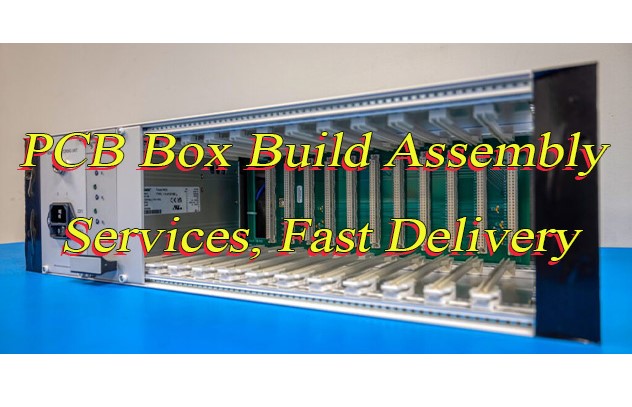
PCB Box Build Assembly Services, Fast Delivery
Monday, November 17th, 2025

Looking for PCB box build assembly services? This blog covers types, processes, and benefits and recommended suppliers for PCB box build assembly.

Are you worried these issues about PCB box build assembly?

  • Have you ever faced doubled debugging time due to mechanical-electrical interface mismatch?
  • Struggling with delivery delays and quality gaps while coordinating multiple suppliers?
  • Frustrated by repeated design revisions for compliance certifications like CE/IP protection, delaying market launch?

As a China PCB box building assembly manufacturer, Best Technology can provide you service and solutions:

  • Free DFM Collaborative Design: Early validation of mechanical, cable, and PCB compatibility to eliminate assembly conflicts at the source.
  • End-to-End One-Stop Delivery: Unified responsibility from component procurement to final testing, eliminating supply chain fragmentation.
  • Integrated Compliance Pre-Audit: Embedding safety/EMC requirements into the design phase for first-time certification success.

Welcome to contact us if you have any request for PCB box building assembly: sales@bestpcbs.com.

What Are PCB Box Build Assembly Services?

PCB Box Build Assembly Services refer to the system integration of printed circuit boards (PCBs) with electronic components, mechanical structures, power modules, connecting cables, software, and enclosures to form complete and usable electronic devices or systems.

This service is provided by Electronic Manufacturing Services (EMS) companies and is applicable to consumer electronics, industrial control, medical devices, and communication equipment. Its advantages include reducing the logistics and equipment costs associated with customer self-assembly, providing a turnkey solution from design to finished product, ensuring rapid time-to-market and compliance with industry standards (such as RoHS, CE, UL, etc.).

What Are PCB Box Build Assembly Services?

What Does PCB Box Building Assembly Service Include?

PCB Box Build Assembly Services Includes:

  • PCB Assembly: Soldering components onto the bare PCB.
  • Wire Harness/Cable Assembly: Fabricating and installing connecting cables and harnesses.
  • System Integration: Installing the assembled PCB into the chassis/enclosure.
  • Peripheral Component Installation: Installing power supplies, fans, displays, switches, connectors, panels, etc.
  • Cable Management: Organizing and securing internal cables.
  • Software Burning/Basic Testing: Loading the program and performing preliminary functional tests.
  • Final Assembly and Testing: Completing the overall equipment assembly and performing comprehensive functional, performance, and safety tests.
  • Packaging: Packaging the finished product for shipment.

Why Choose PCB Box Build Assembly Services?

Benefits of PCB Box Build Assembly Services:

  • Single-Source Accountability: Eliminate interface delays by having one supplier manage PCB fabrication, component procurement, assembly, and enclosure integration. All communication and quality control are centralized, saving coordination time.
  • Accelerated Time-to-Market: Integrated manufacturing processes reduce handoffs between multiple vendors. Parallel workflow execution, such as mechanical housing preparation alongside PCB assembly, which cuts lead times by 30-50%.
  • Design for Manufacturability (DFM) Insights: Receive valuable early feedback on your design from a production and system integration standpoint, helping to optimize for manufacturability and testability from the start.
  • Supply Chain Simplification: We consolidate sourcing of components, connectors, cables, and enclosures. Bulk purchasing power and vetted supplier networks ensure material availability while reducing procurement overhead.
  • Risk Mitigation Through Testing: Full functional testing (including burn-in, EMI, and environmental stress screening) occurs at final assembly stage. This prevents field failures and reduces warranty claims by validating complete system performance.
  • Scalability Flexibility: Support volumes from prototype batches (10-50 units) to mass production (10,000+ units). Flexible capacity planning accommodates demand spikes without compromising delivery schedules or unit cost efficiency.
  • Lifecycle Cost Optimization: Reduced logistics complexity, minimized rework cycles, and consolidated supplier management typically lower total project costs by 15-25% compared to multi-vendor approaches.
Why Choose PCB Box Build Assembly Services?

PCB Box Build Assembly Process

1. Design and Planning Phase

  • Requirement refinement: Clarify product functional parameters, interface types, mechanical dimensions, and thermal requirements. Develop a detailed BOM list and assembly flowchart.
  • 3D modeling verification: Use CAD software to simulate the assembly relationship between the housing and PCBA, checking for spatial interference, thermal pathways, and electromagnetic shielding design rationality.
  • Design for Manufacturing (DFM): Evaluate PCB pad design and component layout process feasibility, optimize cable routing paths to reduce signal interference.

2. Material Procurement and Quality Inspection

  • Supplier management: Select ISO-certified suppliers to ensure components meet RoHS/REACH environmental standards. Critical components must provide material certificates and test reports.
  • Incoming material inspection: Use X-ray for BGA package integrity checks, multimeters for resistance/capacitance value verification, and dimensional measurements to ensure mechanical part precision (e.g., screw hole tolerance ±0.1mm).
  • Inventory management: Track material batches via ERP systems to avoid mixing risks, maintain safety stock to address supply chain fluctuations.

3. PCBA Manufacturing Process

  • SMT Surface Mount:
  • Solder paste printing: Laser-cut stencils control paste thickness (50-100μm), SPI detects paste coverage uniformity.
  • Component placement and reflow: High-precision pick-and-place machines handle micro-components (e.g., 01005), nitrogen-protected reflow ovens reduce oxidation, temperature profiles comply with IPC standards.
  • DIP Through-Hole and Wave Soldering: Manual insertion of through-hole components followed by wave soldering, clip height controlled at 1.5-2.0mm to prevent cable insulation damage.
  • Inspection and repair: AOI detects solder joint defects, X-ray inspects BGA solder ball voids, rework stations perform manual soldering or component replacement.

4. System Integration and Cable Connection

  • Modular assembly: Physically connect PCBA, power modules, and interface boards via connectors (e.g., HDMI, USB) to ensure signal integrity.
  • Cable management: Use shielded cables to reduce EMI interference, secure cable bundles with ties to prevent vibration wear, maintain minimum bend radius >3× cable diameter.
  • Interface protection: Install dust plugs and waterproof gaskets to meet IP ratings (e.g., IP67 requires water immersion testing).

5. Mechanical Assembly and Housing Installation

  • Structural fixation: Secure PCBA to aluminum heat dissipation base using stainless steel screws (grade 8.8 or higher), apply thermal silicone evenly (0.2-0.5mm thickness).
  • Thermal design: Install heat sinks and fans (2000-5000RPM), ensure temperature rise stays within design thresholds (e.g., CPU core ≤85°C).
  • Appearance finishing: Coat housing with UV-cured paint for wear resistance, install acrylic windows to protect displays, apply nameplates smoothly without bubbles.

6. Functional Testing and Reliability Validation

  • Functional testing (FCT): Simulate real-world scenarios to verify communication, display, and power management functions using logic analyzers for signal waveforms.
  • Burn-in testing: 72-hour high-temperature/high-humidity (85°C/85% RH) powered operation to monitor current changes and component temperature rise.
  • Environmental testing: Pass vibration table (sine wave 5-500Hz) for transport shock simulation, temperature chambers (-40°C to 125°C) for weather resistance, salt spray tests for metal corrosion resistance.

7. Assembly Precautions and Quality Control

  • ESD protection: Use ESD-safe equipment (wrist straps, mats) throughout the process, maintain workshop humidity at 40%-60% to reduce static.
  • Soldering quality: Avoid cold/dry joints; solder joints should be smooth and conical with appropriate solder volume. BGA solder ball voids must be ≤10%.
  • Cable protection: Add rubber grommets at sharp edges to prevent cable cuts, secure bundles ≤100mm apart to avoid shaking.
  • Thermal management: Ensure full contact between heat sinks and hot components to prevent heat accumulation. Regularly clean fan dust to maintain cooling efficiency.
  • Traceability: Record assembly personnel, test data, and material batches for each device to facilitate quality tracking and issue analysis.
PCB Box Build Assembly Process

Difference Between PCB Box Building Assembly and PCBA Service

Assembly Scope

  • PCBA: Focuses on electronic component-level assembly, including SMT placement, DIP insertion, and functional testing, ultimately outputting a complete single circuit board.
  • Box Building: Expands to system-level integration, including structural assembly (e.g., enclosures, brackets), wiring harness routing, heat sink installation, and power module integration, ultimately forming an independently operational complete product.

Technical Verification

  • PCBA: Requires solder joint reliability testing (e.g., X-ray inspection, AOI optical inspection), signal integrity verification (e.g., impedance matching, flying probe testing) to ensure electrical performance compliance.
  • Box Building: Requires additional mechanical assembly tolerance verification (e.g., snap-fit coordination, screw torque control), system-level EMC/EMI testing, thermal management verification (e.g., heat sink thermal conductivity matching), and whole-unit vibration testing (e.g., ISTA 1A standard) to ensure both mechanical and electrical reliability.

Supply Chain and Cost Control

  • PCBA: Supply chain focuses on electronic component procurement (e.g., ICs, resistors, capacitors) and precision placement processing, with cost structure dominated by electronic materials and manual soldering.
  • Box Building: Involves cross-domain material procurement (e.g., sheet metal parts, injection-molded parts, wiring harnesses) and multi-process collaboration (e.g., CNC machining, laser cutting), requiring balance between mechanical and electronic component material costs while considering transportation packaging design impact on costs.

Lead Time and Risk Control

  • PCBA: Production cycle is shorter (typically 3-7 days), with risks concentrated on electronic component shortages and soldering defects.
  • Box Building: Production cycle is longer (typically 1-4 weeks) due to multi-process integration, with risks including mechanical assembly tolerance out-of-spec, system-level testing failures (e.g., power module compatibility issues), and transportation packaging failures.

Certification and Compliance Requirements

  • PCBA: Must comply with electronic assembly standards such as IPC-A-610, with high-reliability fields requiring J-STD-001 soldering certification.
  • Box Building: Must meet whole-unit safety specifications (e.g., IEC 60950, UL/CE certifications), covering structural safety (e.g., sharp edge protection), electromagnetic compatibility (e.g., FCC Part 15), and environmental adaptability (e.g., RoHS, REACH).

Failure Analysis and Traceability

  • PCBA: Failure analysis focuses on electrical parameter anomalies (e.g., open/short circuits, impedance drift), with traceability path from component batch to soldering parameters to test data.
  • Box Building: Failure requires combined mechanical and electrical dimensions, such as whole-unit startup failure possibly caused by power module contact issues or structural deformation leading to internal shorts, requiring simultaneous investigation of assembly logs and test records.

Tips for Selection Assembly Service

  • PCBA: Preferred during pure electronic design verification stages for rapid circuit functionality validation and design optimization.
  • Box Building: Mandatory during complete product delivery stages to ensure full-chain reliability from electronic modules to whole units, while meeting client requirements for packaging, transportation, and after-sales support.
Difference Between PCB Box Building Assembly and PCBA Service

Why Choose Best Technology for Box Build Assembly Services?

Reasons Why Choose Us for Box Build Assembly Services:

  • Seamless Transition from Rapid Prototyping to Mass Production: Small-batch production allows for rapid response to design changes, supporting a smooth transition from prototype verification to mass production and reducing communication costs associated with repeated modifications by designers.
  • Customized Mechanical Design Capabilities: Providing customized mechanical assembly services such as non-standard shell adaptation and heat dissipation module integration, directly addressing the pain points of overseas engineers in structural matching.
  • Transparent Pricing: Pricing is broken down by project stage, with full disclosure of everything from BOM optimization suggestions to assembly and testing cost details, helping engineers accurately control project budgets.
  • Modular Assembly Process: Supports adjustments to the process according to customer-specified assembly sequence and testing nodes, adapting to different product iteration rhythms and avoiding the limitations of a one-size-fits-all industrial process that restricts design innovation.
  • Compatibility Testing Laboratory: Equipped with test chambers simulating various environmental conditions, capable of performing reliability verifications such as temperature shock and vibration durability tests, exposing design flaws early and reducing the risk of rework later.
  • Rapidly Responsive Spare Parts Inventory: Establishing a spare parts inventory of commonly used components in cooperation with regional distributors ensures that production can be initiated within 24 hours for urgent orders, meeting the stringent delivery cycle requirements of overseas customers.
  • Design Defect Prediction Service: Provides free DFM service to proactively identify manufacturability issues in design drawings (such as insufficient pad spacing or unreasonable heat dissipation paths) and provide optimization suggestions before production.

Types of PCB Box Build Assembly Services By Best Technology

System-Level Assembly

  • Integration of multiple PCBs, electronic modules, and mechanical components into complete systems or devices (e.g., industrial control boxes, medical equipment hosts).
  • Includes wire harness connections, cable assembly, interface integration (e.g., USB, HDMI), and functional testing to ensure interoperability of components.

Sub-Level Product Assembly

  • Secondary assembly of semi-finished or modular components, such as power modules, control units, or sensor arrays, with independent packaging and testing.
  • Suitable for scenarios requiring phased production or customized sub-modules, e.g., automotive electronic sub-control units, consumer electronics accessories.

Packaging & Labeling

  • Design of finished product packaging, application of anti-static/shock-resistant materials, and printing/application of barcodes/QR codes.
  • Complies with environmental standards like RoHS, supports customized branding, user manual embedding, and logistics label matching.

Testing & Validation

  • Functional tests (e.g., circuit continuity, signal integrity), environmental tests (temperature/humidity, vibration), burn-in testing, and software/firmware validation.
  • Some providers offer failure analysis (FA) to identify production defects or design issues.

Software Loading & Configuration

  • Firmware burning, OS installation, parameter configuration, and UI customization.
  • Supports batch firmware flashing, personalized feature settings, and reserved remote debugging interfaces.

Electro-Mechanical Integration

  • Precision assembly combining electronic components with mechanical structures (e.g., sheet metal enclosures, plastic casings) to ensure structural robustness and thermal performance.
  • Involves screw fixation, adhesive bonding, waterproof sealing, etc., applicable to outdoor equipment or high-reliability scenarios.

Supply Chain & Logistics Coordination

  • Component procurement, inventory management, global transportation coordination, and customs clearance support.
  • Some enterprises offer end-to-end services covering raw materials to finished products with full logistics tracking.

    How to Get A Quote For PCB Box Build Assembly Services?

    Material List Required for PCB Box Build Assembly Services Quotation:

    • Product Specifications: PCB size, number of layers, substrate type (e.g., FR4, high-frequency materials), surface treatment process (e.g., HASL, ENIG), and special structural requirements (e.g., blind/buried vias, impedance control).
    • BOM and Bill of Materials: Complete component list (including model, brand, and quantity), clearly specifying whether self-procurement or supplier outsourcing is required, along with component specifications or alternative material plans.
    • Design Document Package: Gerber files, PCB panel layout, schematic diagram, 3D model (if available), assembly instructions, and special process annotations (e.g., BGA balling, thermal pad placement).
    • Assembly Process Requirements: SMT placement accuracy requirements (e.g., 0.1005/0.3mm pitch), through-hole type, mixed assembly ratio, connector soldering method, and enclosure integration details (e.g., wire harness length, heatsink module installation).
    • Testing and Verification Requirements: AOI/X-RAY inspection level, ICT/FCT test coverage, aging test conditions (temperature/duration), functional verification process and certification standards (e.g., CE, UL, RoHS).
    • Quantity and Delivery Time: Annual demand, initial order quantity, tiered pricing, expedited delivery time and logistics methods (e.g., air freight/sea freight/local delivery).
    • Additional Service Options: Conformal coating specifications, laser marking content, packaging material type (anti-static/moisture-proof), software programming requirements and after-sales service policy.
    • Engineering Support Requirements: DFM analysis feedback, BOM optimization suggestions, alternative material verification and production feasibility assessment report.

    Welcome to contact us if you need any help for PCB box building service: sales@bestpcbs.com.