





Which is positive and negative in capacitor symbol? In capacitor symbols, the positive side is the straight line, and the negative side is the curved line. If a “–” sign appears, it marks the negative terminal; For electrolytic capacitors, match the symbol with the part: the negative lead has a stripe, and the positive lead is usually the longer leg; Non-polarized capacitors have two straight lines, meaning no positive or negative side.
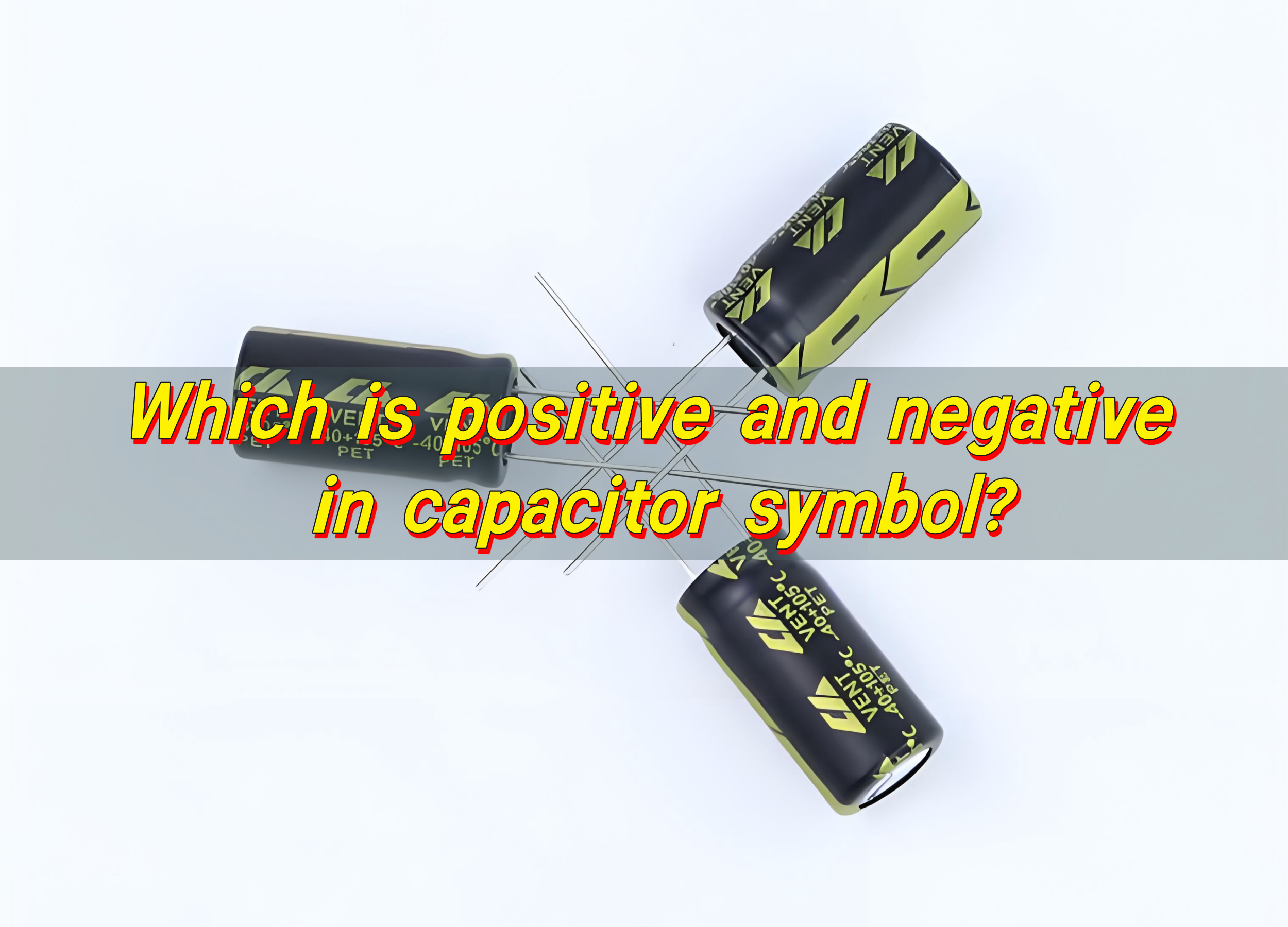
How to Identify Capacitor Polarity?
Before we explore each type of capacitor, let’s start with one clear rule: Not all capacitors have polarity
Some are polarized. Some are not. When a capacitor is polarized, the symbol and the body show a clear difference between the positive and negative sides.
Electrolytic capacitors = polarized
Electrolytic capacitors are the most common polarized type. They use an electrolyte inside, which requires the positive side to stay positive and the negative side to stay negative. These capacitors almost always have a visible mark to show the negative lead.
Ceramic capacitors = non-polarized
Ceramic capacitors do not have polarity. You can place them in any direction. There is no positive or negative lead. They work the same no matter how you install them.
Polarity matters because a polarized capacitor is designed to handle voltage in only one direction. When it is wired correctly, it performs well. When it is wired backwards, pressure builds inside. That stress can break the internal layer and cause failure.
Which Side Is Positive and Negative on a Capacitor?
When you read a capacitor symbol on a schematic, here’s how to spot polarity quickly:
Polarized capacitor symbol. In most schematics:
- The positive plate is drawn as a straight line.
- The negative plate is drawn as a curved line.
- Sometimes, the negative side has a minus sign. The positive side may have a plus sign.
The curved line shows the side that must be negative. Designers use the curve to signal the shape of the electrolyte interface.
Non-polarized capacitor symbol: When the symbol has two straight lines, it is not polarized. You can install it any way. Ceramic, film, and mica capacitors all fall into this category.
On the actual capacitor body. Electrolytic capacitors make polarity clear:
- The negative lead is marked with a bold stripe. The stripe usually has many minus signs.
- The positive lead is the opposite side without the stripe.
On SMD capacitors, the bar often marks the positive pad instead. This is where confusion starts, because SMD electrolytic capacitors often reverse the marking style.
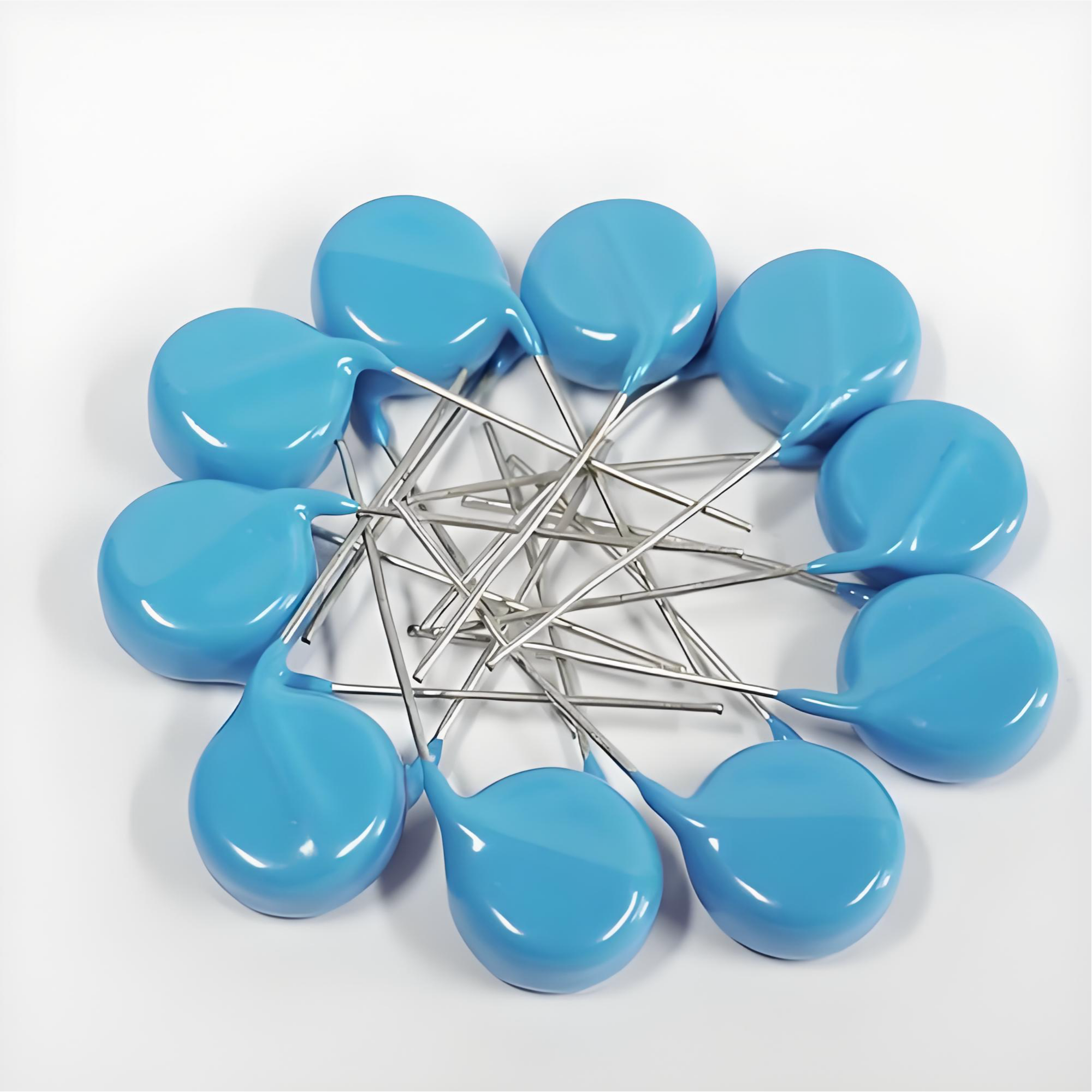
Ceramic capacitors have no markings. Both sides look the same. That is because they have no polarity.
Is the Longer Leg on a Capacitor Positive?
Yes, in through-hole electrolytic capacitors, the longer leg is the positive leg. The long leg is easy to identify. Manufacturers use this method to reduce confusion when the body is small.
However, this rule does not apply to:
- SMD capacitors
- Ceramic capacitors
- Film capacitors
- Tantalum chip capacitors
- Specialty high-voltage capacitors
For those parts, you must rely on markings on the body, the PCB, or the datasheet. The long-leg rule is great, but always double-check. A quick look prevents long-term trouble.
How to Check Capacitor Polarity with a Multimeter?
A multimeter is a powerful tool. You can use it to test many capacitor problems. But checking polarity is simple.
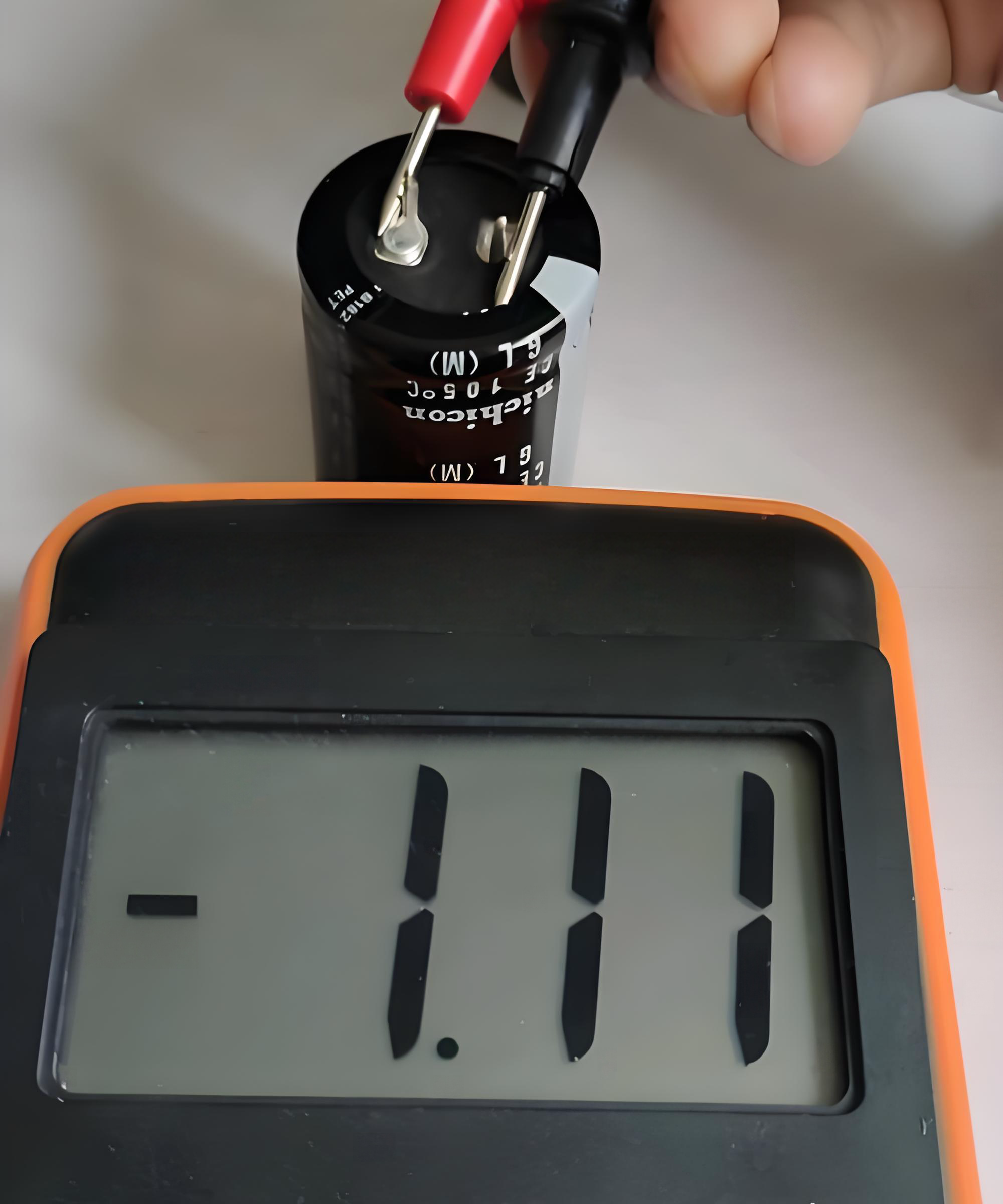
- Method 1 — Check continuity or resistance. Set your multimeter to resistance mode.
The positive probe (red) should connect to the positive leg. The negative probe (black) should connect to the negative leg. When the capacitor is discharged, the resistance reading rises smoothly from low to high.
This shows the correct orientation: When the capacitor charges, the resistance reading climbs. When you reverse the probes, the jump in the reading is different. This method is useful for larger electrolytic capacitors.
- Method 2 — Look for visual marks. Often the fastest way is not measuring but observing:
The stripe marks the negative side on most electrolytics. On tantalum capacitors, a line marks the positive side.
- Method 3 — Check PCB markings. Boards usually show:
The positive pad is indicated by a plus sign. The positive lead is indicated by a square pad (common in power supply circuits).
A shaded area or half-moon mark for the negative pad
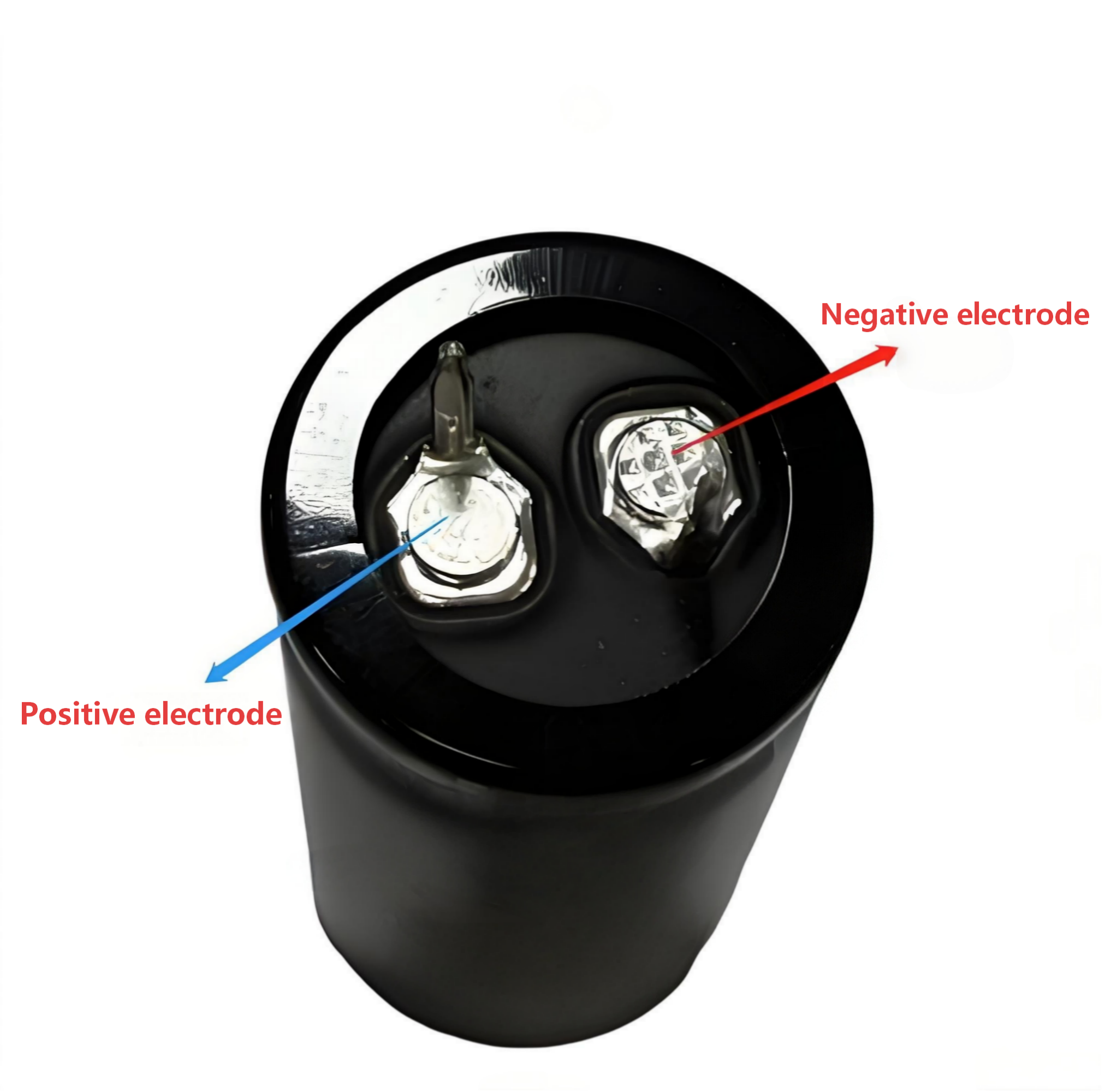
What Do HERM and C Stand for on a Capacitor?
These labels show up on HVAC capacitors, refrigeration systems, and air conditioners.
- HERM: HERM means hermetic compressor.
This terminal connects to the compressor motor. The word “hermetic” means sealed. Capacitors in these systems help the compressor start and run smoothly.
- C: C means common.
This is the shared terminal between the fan motor and the compressor motor. All the return connections go back to this point.
- FAN: Some capacitors also include a terminal marked FAN.
These parts combine two capacitors in one housing. They save space. They simplify the wiring. They reduce stress on the system.
What Happens if You Put an Electrolytic Capacitor Backwards?
Putting an electrolytic capacitor backwards is not safe. The internal structure is built for one direction. When reversed, the dielectric film starts to break down.
Here is what can happen:
- The capacitor warms up.
- Gas builds inside.
- Pressure rises quickly.
- The vent on top may open.
- The capacitor can leak.
- In rare cases, it can pop.
When voltage pushes the wrong way, the chemical reaction becomes unstable. The part tries to protect itself, but it cannot hold forever. Even small capacitors can fail fast when installed backwards. Always check polarity before soldering or powering the circuit.
What Does 473 on a Capacitor Represent?
Capacitor codes can seem confusing. But 473 is simple to decode.
For capacitors with three-number codes: The first two digits are the base number. The third digit is the multiplier.
Example: 4 7 3
47 × 10³ pF = 47,000 pF = 47 nF = 0.047 µF
This code is common on ceramic capacitors, film capacitors, and surface-mount capacitor labels.
Which Is the Most Common Reason for Capacitor Failure?
Capacitor failure happens for many reasons, but one stands out above all:
- Heat: Heat is the number one stress factor. It reduces the life of electrolytic capacitors fast. Every 10°C increase above the rated temperature cuts the life by half. This rule is known as the Arrhenius law for capacitors.
- Voltage spikes: Sudden spikes push the dielectric layer too hard. This weakens the internal structure.
- Over-voltage: When the part gets more than its rated voltage, it breaks down over time.
- Reverse polarity: Polarity mistakes damage the electrolyte and reduce lifespan.
- Poor quality materials: Cheap capacitors often fail early because the electrolyte degrades.
- Ripple current stress: High ripple current heats the capacitor from the inside.
- Aging: Electrolyte evaporates slowly in long-term use. High heat speeds up this process.
- Mechanical stress: Vibration, bending, or poor solder joints create cracks.
Heat is the most destructive factor on this list. Engineers try to reduce heat by placing capacitors away from hot parts, improving airflow, and choosing high-temperature ratings.
Conclusion:
Polarized capacitors like electrolytics need the correct orientation. Ceramic capacitors do not have polarity at all. You can check polarity using body markings, PCB patterns, or a multimeter.
If you need help with capacitor selection for your project, feel free to reach out to us at: sales@bestpcbs.com