If youâre in tech, youâve probably seen âICTâ tossed around in reports, job descriptions, or project briefsâbut do you know its full form and how it differs from related terms like IT or IoT? As a technical professional, understanding ICT (Information and Communication Technology) isnât just about memorizing a definitionâitâs about grasping how this broad technology category shapes operations, solves problems, and drives innovation across industries. Letâs break down the basics, real-world uses, and fixes for the most frustrating ICT pain points.
ICT Full Form & Core Definition
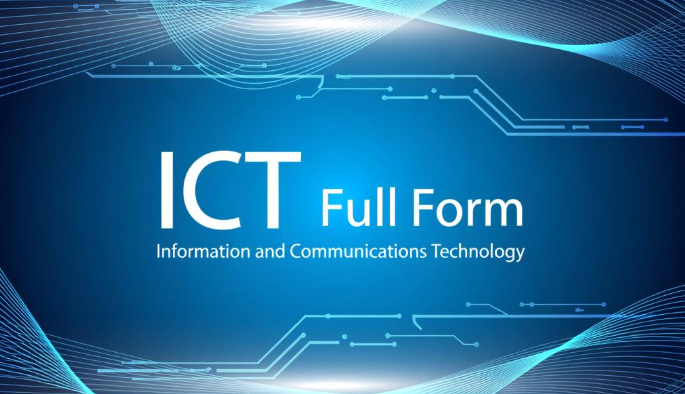
First things first: ICT stands for Information and Communication Technology. Unlike IT (Information Technology), which focuses solely on information processing and storage (think databases, software, and hardware), ICT expands to include communication tools that connect people, devices, and data. This means ICT encompasses everything from computers and cloud platforms to 5G networks, IoT devices, and video conferencing systems . At its core, ICT is about bridging information processing with communication to make data accessible, shareable, and actionableâwhether youâre in manufacturing, healthcare, or education.
How ICT Differs From IT & IoT
Itâs easy to mix up ICT with similar tech terms, but the distinctions matter for technical planning and problem-solving. Letâs clarify:
ICT vs. IT
IT is a subset of ICT. IT handles the âinformationâ sideâdata storage, analysis, and processing (e.g., ERP systems, data centers). ICT adds the âcommunicationâ layer, enabling data to flow between users, devices, and locations (e.g., email, 5G, collaboration tools). Think of IT as building the data engine, and ICT as the roads that let that engineâs output reach where itâs needed .
ICT vs. IoT
IoT (Internet of Things) is a subset of ICT. IoT refers to physical devices connected to the internet that collect and share data (e.g., smart sensors, wearables). ICT includes IoT but also covers the broader infrastructureânetworks, software, and protocolsâthat make IoT devices work together. Without ICT, IoT devices would be isolated, unable to transmit data or receive commands .
Key ICT Applications Across Industries
ICT isnât a one-size-fits-all technologyâitâs integrated into nearly every sector to boost efficiency and enable new capabilities. Here are the most impactful use cases for technical professionals:
Manufacturing: In-Circuit Testing (ICT) & Quality Control
In manufacturing, ICT (specifically In-Circuit Test systems) is critical for PCBA (Printed Circuit Board Assembly) quality checks. These systems detect shorts, open circuits, soldering defects, and component mismatchesâensuring products meet specs before shipment. The catch? ICT systems often suffer from false positives, which slow production and waste resources . Weâll dive into fixes later.
ICT enables telemedicine (remote patient consultations via video) and e-learning (virtual classes, digital libraries). For technical teams, this means building secure, low-latency networks that handle sensitive data (patient records, student information) while ensuring accessibilityâeven in areas with limited infrastructure .
Enterprise: Cloud Integration & Data Sharing
Modern businesses rely on ICT to connect on-premises systems with cloud platforms (e.g., Google Drive, AWS). This integration lets teams share data globally, automate workflows, and scale operationsâ but it requires robust cybersecurity and network stability to avoid breaches or downtime .
Top ICT Challenges & Practical Solutions
Technical professionals face consistent pain points with ICT implementation and maintenance. These issues arenât just annoyingâthey impact productivity, costs, and trust. Hereâs how to tackle them:
1. ICT Test System False Positives (Manufacturing)
The biggest frustration with ICT testing is false failuresâgood boards flagged as defective. Seventy percent of these issues stem from poor probe contact (worn needles, oxidation, loose probe holders). Fixes include replacing probes every 10,000â20,000 cycles, cleaning probe tips regularly, and calibrating probe positions for perpendicularity . Also, optimize test point design (0.9â1.2mm diameter, no solder mask coverage) to improve signal stability.
2. Infrastructural Gaps & Network Instability
Spotty internet, inadequate power, and outdated hardware derail ICT performanceâespecially in remote areas. Solutions include investing in 5G or fiber networks, adding backup power supplies, and using modular infrastructure that scales with demand. For enterprise teams, segmenting networks (e.g., separating IoT devices from core systems) reduces congestion and risk .
3. Cybersecurity Threats
ICT connects more devices and data than ever, making it a target for hacks, viruses, and data leaks. Mitigate risks by enforcing end-to-end encryption, updating software regularly, and training teams on phishing prevention. For IoT-focused ICT setups, use secure protocols (e.g., MQTT-SN) and isolate devices to limit breach impact .
4. Skills Gaps & Tool Adoption
Even the best ICT tools fail if teams lack training. Address this by creating role-specific workshops (e.g., ICT test system maintenance, cloud security) and partnering with vendors for hands-on support. Document standard operating procedures (SOPs) for common tasksâlike probe replacement or parameter optimizationâto reduce errors .
How to Optimize ICT Systems for Maximum Reliability
ICT performance depends on a holistic approachâyou canât fix one component and ignore the rest. Follow these steps to build a stable, efficient ICT ecosystem:
Prioritize Design for Testability (DFT)
For manufacturing ICT, integrate DFT principles early in PCB design. Reserve test points for power and ground, space points at least 1.2mm apart, and avoid covering pads with solder mask. This reduces false positives and speeds up testing.
Schedule Regular Maintenance
ICT hardware (probes, fixtures, cables) wears out over time. Calibrate fixtures every 3 months, check for loose connections weekly, and replace aging components before they fail. For networks, run monthly speed and latency tests to identify bottlenecks .
Monitor & Analyze Performance Data
Use ICT analytics tools to track metrics like pass rate, false positive rate, and probe contact rate (aim for â„99%). This data reveals patternsâlike frequent false failures from a specific probeâand lets you address issues proactively instead of reactively .
ICT FAQ: Answers to Common Technical Questions
Q1: Why do ICT test systems have false positives?
Most false positives come from probe contact issues (wear, oxidation), poor test point design, or incorrect parameter settings (too narrow voltage windows, insufficient delay time). Fixes include regular probe maintenance, DFT optimization, and parameter tuning .
Q2: Is ICT the same as IT?
No. IT focuses on information processing (hardware, software, data storage), while ICT adds communication tools (networks, video conferencing, IoT) to connect data and users. ICT is a broader category that includes IT .
Q3: How can small businesses afford ICT upgrades?
Opt for cloud-based ICT solutions (pay-as-you-go models) to avoid upfront hardware costs. Prioritize upgrades that solve critical pain points (e.g., reliable internet for remote work) and leverage government grants for digital transformation.
Q4: Whatâs the biggest risk of IoT in ICT systems?
Unsecured IoT devices are a major riskâthey can act as entry points for cyberattacks. Mitigate this by using secure devices, isolating IoT networks, and updating firmware regularly .
Q5: How do I measure ICT system effectiveness?
Key metrics include uptime (aim for 99.9%+), pass rate (for testing systems), latency, and user satisfaction. Track these over time to identify improvements and justify upgrades.
Q6: Can ICT help bridge the digital divide?
Yesâbut it requires affordable infrastructure (low-cost internet, devices) and digital literacy training. Initiatives like community Wi-Fi and mobile ICT labs help make technology accessible in underserved areas .
Future Trends Shaping ICT
ICT is evolving rapidly, with emerging technologies like 6G, AI, and edge computing driving change. 6G will deliver faster, more reliable connectivity for ICT systems, while AI will automate predictive maintenance (e.g., alerting teams to failing probes before they cause downtime) . Edge computing will reduce latency by processing ICT data closer to devicesâcritical for real-time applications like industrial IoT and telemedicine.
Final Thoughts: ICT as a Foundation for Technical Success
Understanding ICTâfrom its full form to practical troubleshootingâisnât just for tech leaders. For technical professionals, itâs about leveraging ICT to solve problems, reduce downtime, and deliver value. By focusing on maintenance, optimization, and security, you can turn ICT from a source of frustration into a competitive advantage. Remember: ICT success is systemicâevery component (hardware, software, networks, training) works together to drive results.
Need help optimizing your ICT test systems or troubleshooting performance issues? Reach out to a specialized ICT solutions provider with experience in your industryâthey can tailor strategies to your unique needs.
If youâre knee-deep in the electronics, PCB, or manufacturing world, youâve probably stumbled across the acronym âICTâ more times than you can count. But what *exactly* does ICT stand for? Is it the same across different industries, or does it have a specific meaning when youâre talking about printed circuit boards (PCBs), assembly, or quality control? Letâs break it down in plain languageâno jargon overload, just the facts you need as a tech professional.
The Core ICT Full Form You Need to Know
First things first: the most common ICT full form in electronics, manufacturing, and PCB design is In-Circuit Test. This isnât some vague industry buzzwordâitâs a critical process that separates functional products from faulty ones, especially when youâre producing PCBs, assembled components, or complex electronic devices.
While there are other niche meanings (like âInformation and Communication Technologyâ in broader tech contexts), if youâre working with PCBs, component sourcing, or electronic assembly, In-Circuit Test is the ICT definition that matters. Itâs the standard term used by engineers, quality inspectors, and manufacturers worldwideâincluding teams at EBest Technology, where we rely on ICT to ensure every PCB prototype and mass-produced board meets our strict quality standards.
Why ICT (In-Circuit Test) Matters for Your Electronics Projects
You might be thinking: âDo I really need to care about ICT?â The short answer: yesâif you want reliable, high-performance products that donât fail in the field. Hereâs why ICT is non-negotiable:
Catches defects early: ICT tests individual components and connections on a PCB *before* final assembly. This means you spot issues like soldering errors, missing components, or short circuits earlyâsaving you time, money, and headaches down the line.
Ensures consistency: For mass production (like our 260,000 square feet monthly PCB capacity at EBest), ICT provides repeatable, accurate testing. No more guessing if a batch of boards is up to specâICT verifies every unit.
Supports compliance: Certifications like IATF 16949 (automotive), ISO 13485 (medical), and AS9100D (aerospace) often require rigorous quality controlâand ICT is a key part of meeting those standards.
How ICT Works â A Simplified Explanation
You donât need a PhD in electrical engineering to understand the basics of ICT. Hereâs a quick breakdown:
An ICT system uses a test fixture with pins that make contact with specific points on a PCB (called test points). The system sends small electrical signals through the board to check: 1. If components are correctly placed and soldered. 2. If there are open circuits (broken connections) or short circuits (unintended connections). 3. If component values (like resistors, capacitors) match the design specs.
Itâs like giving your PCB a âhealth checkupâ before itâs integrated into a final product. Fast, efficient, and thoroughâexactly what you need when youâre dealing with tight deadlines (including our 24-hour expedite service for urgent PCB orders).
ICT vs. Other Common Testing Methods â Whatâs the Difference?
ICT isnât the only testing method out there, but itâs one of the most reliable for PCB-based projects. Letâs compare it to two other popular options to help you decide whatâs right for your work:
Testing Method
Key Use Case
Pros
Cons
ICT (In-Circuit Test)
PCB prototypes, mass production, component verification
High accuracy, catches component-level defects, fast for high volumes
Requires test points on the PCB design
Functional Test (FT)
Final product validation
Tests how the product works in real-world use
Canât pinpoint individual component defects
Visual Inspection
Quick checks for obvious issues (e.g., missing parts)
For most PCB projectsâwhether youâre designing a custom multi-layer PCB or a rigid-flexible PCBâICT is the best first line of defense against defects.
When to Integrate ICT into Your PCB Project Workflow
Timing is everything when it comes to ICT. Hereâs the optimal workflow to maximize its value: 1. PCB Design: Work with your designer to include test points (this is criticalâwithout them, ICT isnât possible). 2. PCB Prototype: Run ICT on prototypes to validate your design and catch issues before mass production. 3. Mass Production: Implement ICT as part of your quality control process for every batch (we do this for all our PCB assembly and box-build assembly services). 4. Post-Assembly: Use ICT to verify that components are functioning correctly after final assembly.
Common ICT Myths Debunked
Thereâs a lot of misinformation floating around about ICT. Letâs set the record straight:
Myth 1: ICT is too expensive for small projects. Fact: Many ICT systems are scalableâyou donât need a huge setup for prototypes or small batches. At EBest, we offer ICT as part of our PCB prototype and assembly services, so you donât have to invest in equipment yourself.
Myth 2: ICT slows down production. Fact: Modern ICT systems test boards in seconds. For mass production, the time saved by catching defects early far outweighs the testing time.
Myth 3: If a PCB passes visual inspection, it doesnât need ICT. Fact: Visual inspection misses hidden issues like cold solder joints or faulty components. ICT is the only way to ensure electrical functionality.
FAQ â Your Most Pressing ICT Full Form & Testing Questions Answered
1. What is the most common ICT full form in electronics?
The most common ICT full form in electronics, PCB design, and manufacturing is In-Circuit Test. Other meanings (like Information and Communication Technology) are used in broader tech contexts but arenât relevant for PCB or assembly work.
2. Do I need to include test points on my PCB for ICT?
YesâICT relies on test points to make electrical contact with the board. Work with your PCB designer to include them in the layout; this is a simple step that saves time later.
3. Can ICT test all types of PCBs?
ICT works for most PCB types, including standard FR4 PCBs, multi-layer PCBs, metal-based PCBs (MCPCBs), ceramic PCBs, and rigid-flexible PCBs. We use ICT for all these PCB types at EBest.
4. How long does an ICT test take?
For a single PCB, ICT tests take 10â30 seconds. For mass production batches, the process is automated, so you can test hundreds or thousands of boards per hour.
5. Is ICT required for PCB certifications like ISO 9001 or IATF 16949?
While the certifications donât explicitly ârequireâ ICT, they do mandate rigorous quality control. ICT is a widely accepted way to meet those requirements, especially for industries like automotive and medical (which require ISO 13485 compliance).
6. Can ICT detect faulty components?
YesâICT checks component values, connections, and functionality. If a resistor is out of spec, a capacitor is faulty, or a component is missing, ICT will flag it.
7. Do you offer ICT as part of your PCB services at EBest?
Absolutely. We integrate ICT into our PCB prototype, mass production, and PCB assembly services to ensure every product meets our quality standards and your specifications.
How EBest Technology Uses ICT to Deliver Reliable PCB Solutions
At EBest, weâve been in the PCB game for over 20 yearsâso we know that quality starts with rigorous testing. Hereâs how we leverage ICT to support our one-stop PCB solutions:
End-to-end testing: We run ICT on every prototype and production batch, from standard FR4 boards to high-frequency PCBs and custom ceramic PCBs.
Compliance-focused: Our ICT processes are aligned with global certifications (IATF 16949, ISO 9001:2015, AS9100D) to meet the strictest industry requirements.
Customized for your needs: Whether you need ICT for a small prototype order or a large-scale mass production run, we tailor our testing to your projectâs specs.
Fast turnaround: Even with ICT testing, we maintain our 24-hour expedite service for urgent ordersâno compromise on speed or quality.
Key Considerations When Choosing an ICT-Enabled PCB Partner
Not all PCB manufacturers use ICT effectively. When choosing a partner, look for these red flags (and why EBest checks all the boxes):
Do they integrate ICT into their workflow? Avoid partners who skip ICT or only offer it as an expensive add-on. We include it as standard for most services.
Are they certified? Certifications like ISO 9001 and IATF 16949 prove they take quality (and ICT) seriously.
Can they handle your PCB type? Make sure they use ICT for your specific needsâwhether itâs flexible PCBs, MCPCBs, or high-frequency boards.
Do they offer component sourcing and assembly? A one-stop partner (like EBest) can handle PCB design, prototype, mass production, component sourcing, PCB assembly, and box-build assemblyâall with ICT testing built in.
Real-World Example â How ICT Saved a Clientâs Project
A few months ago, a client came to us for mass production of 5,000 multi-layer PCBs for an automotive application (requiring IATF 16949 compliance). During our ICT testing phase, we detected a batch of resistors with incorrect valuesâsomething that would have caused the PCBs to fail in the field.
Instead of shipping faulty products, we replaced the defective components, re-tested with ICT, and delivered the batch on time. The client avoided costly recalls, maintained their reputation with their automotive partner, and saved thousands in potential damages. Thatâs the power of ICTâand why we never skip it.
Ready to Work with a PCB Partner That Prioritizes ICT & Quality?
If youâre tired of dealing with faulty PCBs, missed deadlines, or partners who cut corners on testing, itâs time to switch to EBest Technology. Weâre a trusted global provider of one-stop PCB solutions with over 20 years of experience, and ICT is at the heart of everything we do.
Whether you need PCB design, a quick prototype, mass production (up to 260,000 square feet monthly), component sourcing, PCB assembly, or box-build assemblyâweâve got you covered. Our team of experts uses ICT to ensure every product meets your specs, complies with global certifications (IATF 16949, ISO 9001:2015, ISO 13485:2016, AS9100D, REACH, RoHS, UL), and performs reliably in the field.
We also offer 24-hour expedite service for urgent ordersâbecause we know deadlines matter. No jargon, no hidden fees, just transparent communication, personalized support, and high-quality PCBs tested with ICT to perfection.
Donât risk your project with a partner that skips critical testing. Contact EBest Technology today to discuss your PCB needs. Letâs bring your vision to lifeâwith the quality and reliability that only ICT testing can guarantee. Weâre ready to be your trusted PCB partnerâso reach out now and get started.