PCB manufacturing PCB manufacturing
Home > Blog

Posts Tagged ‘hts code for pcb’

HTS Code for PCBA Board: A Deep Guide for Global Buyers
Tuesday, December 2nd, 2025

The HTS Code for PCBA Board defines how an assembled circuit board is classified when shipped across international borders, and it influences tariffs, customs clearance, and trade documentation. The HTS Code for PCBA Board is not a single universal number; instead, classification depends on the board’s function, industry, and application. Understanding HTS rules helps procurement teams avoid delays, unnecessary duties, or documentation issues.

What Is the HTS Code for a PCBA Board?

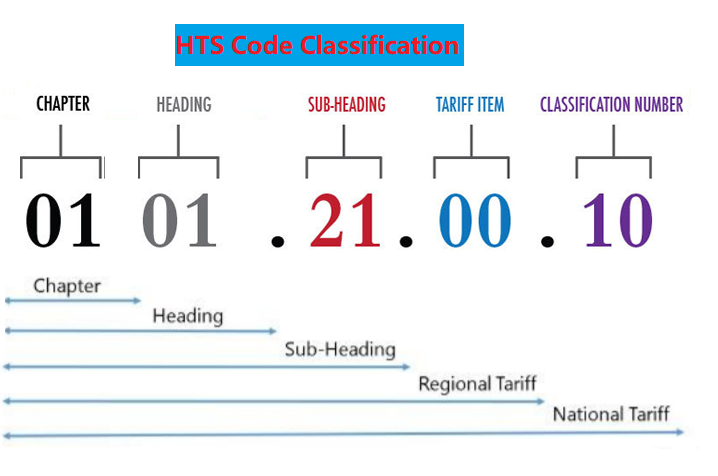
An HTS code, or Harmonized Tariff Schedule code, is a ten-digit classification number used in the United States to identify products entering the country. It is based on the international Harmonized System (HS), which assigns a six-digit universal description recognized by over 200 customs authorities worldwide.

For PCBA boards, the HTS code identifies the assembly as:

  • A part of another device
  • A functional module
  • Or a complete unit, depending on its design and application

Customs authorities rely on the HTS system to decide tariff rates, inspection procedures, and trade control requirements. Because PCBAs vary widely—from simple relay boards to high-density RF modules—there is no single category that covers every type.

In practice, classifying a PCBA means understanding what the board does, where it will be used, and whether it is considered a part, subassembly, or independent electronic device.
What Is the HTS Code for a PCBA Board?

What Does HTS Code Mean in Electronics Manufacturing?

In global electronics manufacturing, the HTS code serves as the product’s legal identity during import or export. Engineers may view the PCBA as a technical assembly, but customs departments see it as a commercial item needing precise classification. The HTS code plays several roles:

  • Product Definition

It describes the function of the board so that customs officials can categorize it correctly. This prevents confusion about whether the item is a raw material, a module, or a complete device.

  • Tariff Assessment

Duty rates vary according to HTS classification. Some PCBA categories have zero duty, while others incur higher charges. Proper classification ensures accurate tariff calculation.

  • Trade Compliance

Different HTS codes link to different trade obligations. A board containing RF functions, encryption chips, or power-conversion circuits may trigger additional review, depending on its HTS category.

  • Logistics Efficiency

Shipments with correct HTS codes clear faster. Customs officers rely on the description matched to the code to process cargo with fewer questions.

For manufacturers and buyers working in the electronics industry, the HTS code connects engineering reality with global trade rules. It helps ensure that the journey from factory to destination follows legal and procedural standards.

Which HTS Codes Are Commonly Used for PCBA Boards?

While no single HTS code covers all PCBAs, several codes appear frequently across different industries. Each code corresponds to a particular function or device category. Below are some commonly referenced headings:

1. HTS 8538.90 – Parts of electrical control or switching equipment

2. HTS 8517.70 – Parts for communication devices

3. HTS 8504.90 – Parts of power supply or transformer equipment

4. HTS 8543.90 – Parts of other electronic apparatus

5. HTS 9032.90 – Parts of control instrumentation

The HTS number changes depending on:

  • The board’s purpose
  • The type of device it supports
  • Whether it is a finished functional module or just an assembly inside a system

Two PCBAs may look similar from a technical standpoint but belong to different HTS categories because their applications differ.
Which HTS Codes Are Commonly Used for PCBA Boards?

Common HTS Codes Used for PCBA

How to Determine the Correct HTS Code for Your PCBA?

Customs classification is based on a principle called “essential character.” In simple terms, this means customs officers want to know what the board actually does. This concept guides classification for most PCBA shipments. Here is a practical method used by importers, engineers, and compliance teams:

Step 1: Identify the primary function of the PCBA

Questions to consider:

  • Does the board handle power?
  • Does it communicate wirelessly?
  • Does it control machinery?
  • Does it process signals or data?

The function points to the relevant HTS chapter.

Step 2: Determine whether the board is a part or a complete unit

A PCBA that performs a standalone role may fall under a device category rather than a part category.

Examples:

  • A complete motor driver board may be classified as a device.
  • A temperature sensor PCBA that only works within a larger system is classified as a part.

Step 3: Check product similarity in customs rulings

The U.S. Customs Rulings Online Search System (CROSS) provides binding rulings for similar products. These examples help shorten classification time.

Step 4: Match the end-device industry

Different industries use distinct chapters in the HTS:

  • Telecom → 8517
  • Control instruments → 9032
  • Power systems → 8504
  • Consumer devices → several possible categories

Step 5: Consult with a customs broker

The importer has ultimate responsibility for classification. Because PCBAs vary so widely, many companies confirm their final selection with a licensed customs broker before filing.

Correct classification is a collaboration between engineering understanding and trade compliance expertise.

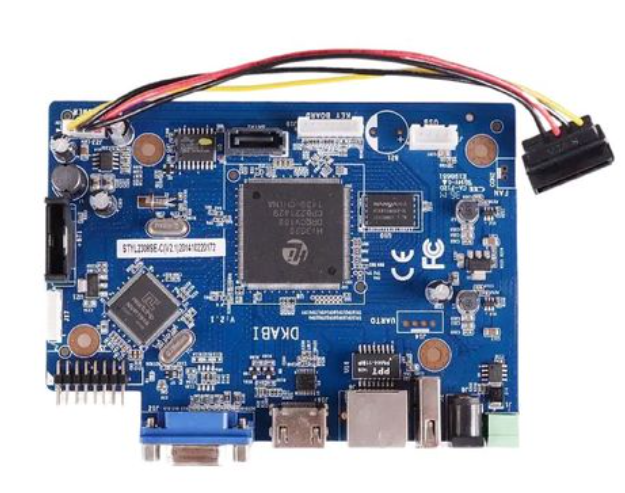
Industry-Specific HTS Code for PCBA Boards

1. Automotive Electronics

Many automotive PCBAs, such as brake control modules, lighting controllers, or infotainment boards, fall under:

  • HTS 8537.10 or 8537.20 for control systems
  • HTS 8512.xx for automotive lighting units
  • HTS 8543.90 for modules not explicitly listed elsewhere

2. Telecommunication Products

Communication PCBAs commonly fall under:

  • HTS 8517.70 (parts for telecom devices)

This includes Wi-Fi modules, Bluetooth modules, 4G/5G PCBAs, and router boards.

3. Industrial Automation

Factory-control PCBAs often use:

  • HTS 9032.90 for controllers and sensor-driven assemblies
  • HTS 8538.90 for switchgear control boards

4. Power-Conversion Systems

Power-related PCBAs often use:

  • HTS 8504.90 for transformer and power-supply parts

5. Medical Devices

Boards used in medical equipment vary widely:

  • HTS 9027.xx for measurement devices
  • HTS 9018.xx for certain medical instrument parts
Industry-Specific HTS Code for PCBA Boards

Industry-Specific HTS Code for PCBA Boards

Common Classification Mistakes Importers Make

Even experienced buyers, logistics teams, and engineering groups encounter challenges when classifying PCBAs. Misunderstandings occur because electronics are complex, and customs rules do not always match engineering terminology. Here are frequent mistakes that cause delays, reclassification, or unexpected duties.

Mistake 1: Using the bare PCB code for assembled boards

Some companies mistakenly assign HS 8534.00 to populated assemblies because the board structure resembles a PCB. However, customs distinguish clearly between bare boards and assembled modules. Using the bare board HS code for a PCBA often results in:

  • Documentation mismatches
  • Duty miscalculations
  • Customs inspections
  • Possible penalties

Mistake 2: Classifying based on physical appearance instead of function

A PCBA may look like another assembly, but its purpose may differ. Customs classification is function-driven, not appearance-driven. Two boards with identical shapes may belong to different HTS chapters if they serve different roles.

Mistake 3: Overlooking embedded features

Boards with communication features, encryption chips, or RF modules may fall under special categories. Importers sometimes classify these boards as simple electronic parts, which leads to customs corrections once officers identify communication functions.

Mistake 4: Relying solely on supplier suggestions

While experienced suppliers like Best Technology provide accurate recommendations, the importer holds legal responsibility. A suggestion from a factory should be verified against customs rules and the product’s final usage.

Mistake 5: Ignoring parent-device classification

PCBA classification often depends on the device it supports. If the end product belongs to a specialized HS chapter, the PCBA may also follow that chapter. Importers sometimes choose generic HTS codes without considering this connection.

How HTS Codes Affect Tariffs and Customs Clearance?

The HTS code not only labels the PCBA; it determines how much duty the importer must pay. Different chapters and subheadings in the tariff schedule carry different duty rates. Selecting the correct HTS code ensures that the importer pays the proper amount and avoids unnecessary costs.

Tariff impact examples

  • Many PCBA categories under Chapter 85 have 0% duty for U.S. imports.
  • Certain PCBA parts for telecom equipment (8517.70) also have 0% duty.
  • PCBAs classified under broader headings like 8543.90 may have variable duty rates depending on the exact subheading used.

Impact on clearance speed

Shipments with correct HTS codes:

  • Clear customs faster
  • Face fewer inspections
  • Build a history of compliance with customs authorities

Incorrect classification may flag a shipment for review, especially if the declared value appears inconsistent with the code assigned.

Impact on compliance

Some HTS categories trigger special requirements. For example:

  • Communication-related PCBAs may require detailed FCC-related documentation in some markets.
  • Boards used in medical devices may fall under specific regulatory frameworks depending on the import country.

Correct classification reduces the likelihood of compliance complications after arrival.

HTS Code vs HS Code vs ECCN: What’s the Difference?

Engineers and buyers sometimes mix these terms, but each serves a different purpose.

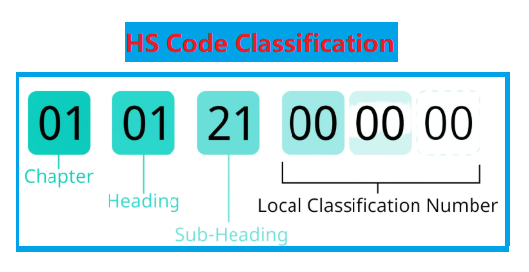
HS Code

  • A standardized 6-digit code used globally
  • Defines the basic category of the product
  • Example: 8538.90 (parts for switchgear)
HS Code classification

HTS Code

  • The U.S. version of the HS system
  • Extends the HS code to 10 digits
  • Determines duty rates and U.S. customs procedures
  • Example: 8538.90.6000
hts code classification

ECCN (Export Control Classification Number)

  • Part of the U.S. Export Administration Regulations
  • Controls export of sensitive technologies
  • Completely separate from tariff classification
  • Applies only to certain PCBAs, such as those with encryption or advanced RF capabilities

Many PCBA boards have simple ECCN classifications, but understanding the distinction is still important for compliance.

In summary:

  • HS = international
  • HTS = U.S.-specific
  • ECCN = export control

All three may apply to a single PCBA shipment, depending on product complexity and destination country.

FAQs

1. Is there one official HTS Code for PCBA Board?

No, PCBAs are classified based on their purpose. Different applications use different codes.

2. Does every PCBA fall under Chapter 85?

Many PCBAs do, but not all. Boards for instruments, medical devices, or specialized equipment may fall under Chapter 90 or other chapters.

3. Can I classify a PCBA as a bare PCB?

No. Once components are mounted, the product becomes an electronic assembly and must follow its functional category.

4. Who is responsible for declaring the HTS code?

The importer holds the final responsibility, although manufacturers often provide a recommended code for reference.

5. What is the HTS code 8542.39.00?

HTS 8542.39.00 refers to electronic integrated circuits, specifically those not categorized as processors, controllers, memories, or amplifiers. This category is often used for mixed-function ICs or general semiconductor devices. It applies to standalone chips, not assembled PCBAs.

6. What is the HTS code 8504.90.6500?

HTS 8504.90.6500 is used for parts of power supplies, including transformer-based systems and switching power equipment. When a PCBA functions as a power-conversion module—such as an AC-DC or DC-DC converter—this code is commonly referenced.

7. What is HS Code 8542.90.0000?

HS 8542.90.0000 covers parts of electronic integrated circuits and microassemblies. It is typically used for subcomponents or accessories related to semiconductor devices rather than complete PCBAs.

8. What is the HS Code 8543.20.0000?

HS 8543.20.0000 applies to signal generating equipment, excluding devices already classified under specialized communication categories. This code is often used for signal generators, test instruments, and electronic measurement modules.

9. What is the HTS code 8543.70.99?

HTS 8543.70.99 covers miscellaneous electronic apparatus and assemblies that do not fit into other more specific subheadings. Many general-purpose PCBA boards fall into this category when their function is not tied to telecom, medical, automotive, or power systems.
What is HTS Code for PCBA Board? Bare Board HS Code
Monday, December 1st, 2025

The HTS code for PCBA boards often fall under headings in Chapter 85, particularly sections dealing with electrical apparatus, but it doesn’t have a standard HS code cause it should depends on its function and purpose.

Understanding the HTS Code for PCBA Board is one of the most important steps in moving electronic assemblies across borders. This code tells customs how to classify a PCBA during import and export, and although the idea seems simple, the real process often causes uncertainty for buyers, logistics teams, and even engineers. The correct classification affects tariffs, clearance speed, and how your shipment is documented, so a solid grasp of HTS rules helps companies avoid delays and build a more predictable supply chain.

What Is HTS Code?

The HTS code, also called HS code or Harmonized Tariff Schedule code, is a numerical classification used by U.S. Customs for imports. It is based on the international Harmonized System (HS), which is managed by the World Customs Organization. These codes define how goods should be categorized during cross-border trade.

HTS is used in the United States, while many other countries use the six-digit HS format. The HTS expands those six digits into ten digits, offering more detailed classification for tariffs and trade control.

For electronic assemblies and PCBA shipments, an HTS code describes the board’s function, its degree of assembly, and how it will be used inside the final device. Although many companies assume there is only one standard code for PCBAs, classification actually depends on the product’s characteristics and end application.

In simple terms, HTS code = product identity in the customs system. It determines how the product is taxed, tracked, and cleared.

What is HTS Code for PCBA Board? Bare Board HS Code

Why Correct HTS Code Is Important in International Trade?

Using the correct HTS code is a critical requirement for every international shipment. Customs authorities rely on the HS/HTS number to understand what the product is, how it should be taxed, and whether it has any special restrictions. When the code is accurate, shipments pass through customs faster and without extra checks.

The importance of accurate HTS classification lies in several areas:

  • Accurate duty calculation

Tariffs depend entirely on the HTS code. Some codes have zero duty, while others carry higher rates. An incorrect code could lead to unexpected costs or disputes with customs authorities.

  • Compliance and risk prevention

Incorrect classification may trigger delays, inspections, or even penalties. Customs departments may reclassify goods, creating extra paperwork and cost for importers.

  • Proper trade documentation

Commercial invoices, packing lists, and declarations must use the right HTS code to match the product description. This consistency reduces the chance of errors during review.

  • Avoiding future trade complications

Many companies are audited months or years after importing goods. A wrong HTS code can create issues long after the shipment has cleared.

For PCBA boards, correct classification also affects export compliance because some assemblies include RF modules, encryption components, or high-power devices. While the HTS code focuses on customs, an accurate description supports broader trade requirements.

How to Classify Electronic Board HS Code?

Classifying electronic boards requires a clear understanding of the product’s function. Customs classification is not based on the component list alone. Instead, the primary purpose of the board determines the HS code.

To classify any electronic board, the following factors are considered:

1. Is the board bare or assembled?

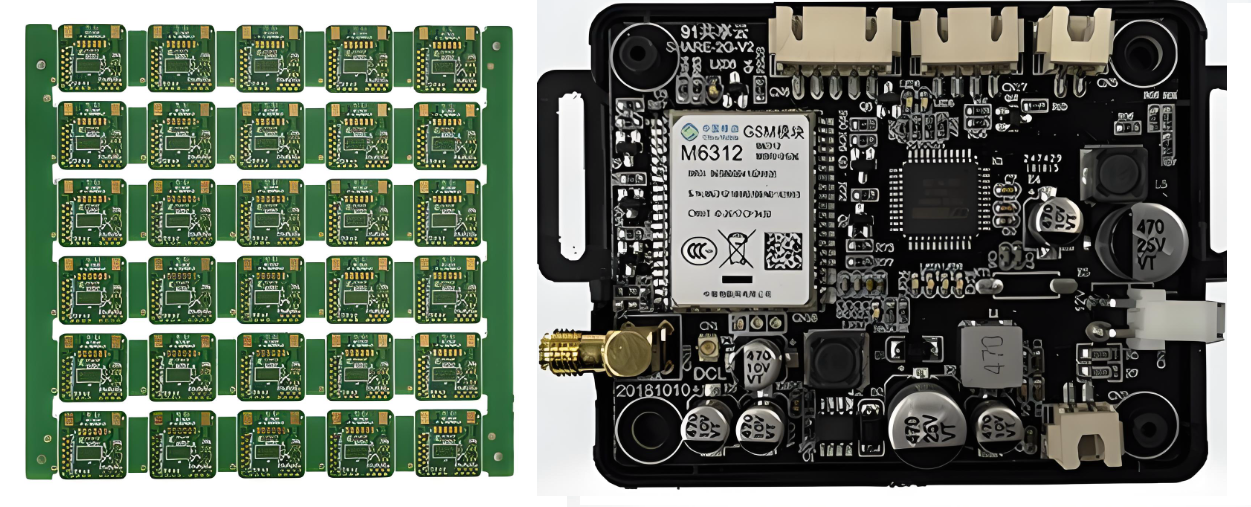
Bare PCBs and PCBAs fall under different HS categories. A bare copper-clad laminate with etched traces belongs to one code. Once components are mounted, the board is treated as an electronic module or a part of another machine.

How to Classify Electronic Board HS Code?

2. What is the board used for?

Function is the central element in HS classification. Customs asks what device the PCBA belongs to:

  • A control module
  • A communication device
  • A power supply
  • A medical instrument
  • An automotive controller
  • A home appliance module

Each category may match a different HTS subheading.

3. Does the board perform a complete function or act as a part?

Some PCBAs operate as standalone electronic devices. Others are only subassemblies. Customs will place standalone units and internal modules in different HS categories.

For example:

  • A PCBA that serves as a complete power supply may fall under power supply device codes.
  • A PCBA used as a part inside a larger machine is classified as a “part of” that machine.

Common HS Codes for PCBA & PCB

When importing or exporting PCB and PCBA products, several HS codes are frequently used. While the final code always depends on product function, here are the most common categories buyers encounter.

Common HS Code for Bare PCB (Unassembled)

Bare printed circuit boards usually fall under:

  • HS 8534.00 – Printed circuits

This covers rigid boards, flexible boards, metal-core PCBs, ceramic PCBs, and hybrid structures without mounted components.

Common HS Codes for PCBA & PCB

Bare Board HS Code

Common HS Codes for PCBA (Assembled Boards)

PCBAs often fall under headings in Chapter 85, particularly sections dealing with electrical apparatus.

Common examples include:

  • HS 8538.90 – Parts suitable for use with equipment of 8535/8536

Often used for control boards, relay boards, switch assemblies, and modules used inside electrical equipment.

  • HS 8504.90 – Parts of electrical transformers and power supply units

Used for PCBA boards functioning as power supply modules.

  • HS 8543.90 – Parts of other electronic apparatus

Covers general-purpose electronic assemblies not specifically addressed in other HS categories.

  • HS 8517.70 – Parts of telephone and communication equipment

Used for IoT modules, RF transceiver boards, Wi-Fi boards, and 4G/5G PCBAs.

  • HS 9032.90 – Parts of automatic control instruments

Used for sensor boards, industrial automation modules, and process control units.

Common HS Codes for PCBA & PCB

HTS Code for PCBA Board

Because PCBA boards serve different industries—automotive, telecom, medical, industrial—the HS classification changes with the board’s role. Customs does not assign a “universal PCBA code,” so buyers must evaluate each product individually.

3 Key Factors Affecting PCB & PCBA HS Codes

Although many engineers assume HS classification is based on technical features like layers, copper weight, or assembly density, customs decisions rely on broader functional principles. Three major factors influence how a board is coded during import or export.

1. Degree of Assembly

A bare board and a populated board fall under different HS chapters.

  • Bare boards = “printed circuits”
  • PCBA boards = “parts” or “devices,” depending on function

2. Intended Application

The final use of the PCBA determines its HS category. Customs looks at the device where the board will be installed:

  • A PCBA for a communication product
  • A PCBA for an appliance
  • A PCBA for industrial equipment

Each category corresponds to a specific customs heading.

3. Functionality of the Assembled Board

A board that performs its own function may receive a different classification from one that relies on other modules.

For example:

  • A complete motor controller board is treated as a control device.
  • A sensor board that works only when embedded in a larger system is treated as a part.

When exporters understand these three factors, selecting the correct HTS code becomes far easier and more consistent.

3 Key Factors Affecting PCB & PCBA HS Codes

Why PCBA HTS Code Is Different from PCB HTS Code?

Many importers confuse the codes for PCB and PCBA, assuming both belong to the same tariff category. In reality, they represent different stages of production and different customs responsibilities.

A bare printed circuit board has no components mounted on it. It consists of copper layers, dielectric structure, and mechanical features. Customs recognizes it as a raw material, not a functioning electronic item. Bare PCBs therefore fall under HS 8534.00, which covers printed circuits only.

A PCBA board, however, is populated with electronic components. It may include ICs, connectors, resistors, sensors, and specialized chips. Once assembly occurs, the board gains a specific purpose, such as power regulation, communication, or control. Customs treats this assembly as a part of a machine or an electronic module.

Therefore:

  • PCB = printed circuit (raw structure, no mounted parts)
  • PCBA = module or part of a larger device (active, functional assembly)

Because the HTS system is function-based, PCBAs must be classified according to their function or application—not simply as “printed circuits.”

Can I Use Bare Board HS Code for PCBA Import & Export?

No, a bare board HS code cannot be used for a PCBA shipment. This is one of the most common mistakes made by buyers and new importers. Using HS 8534.00 for a populated PCBA is not acceptable in U.S. customs or in most global trade systems because:

  • It misrepresents the product’s value.
  • It misstates the function of the item.
  • It leads to incorrect tariff calculation.
  • It may trigger customs inspection or reclassification.

For example, a PCBA used in a communication product should fall under HS 8517.70. A PCBA used in an appliance belongs under a different heading. Filing it under HS 8534.00 would cause a mismatch between the invoice description and the actual product.

How to Find the Correct HTS Code for Your PCBA Board?

Selecting the correct HTS code for a PCBA requires a combination of technical understanding and compliance knowledge. Importers follow a structured approach to ensure the selected code is reasonable, accurate, and defensible during customs review.

Here is a practical method that companies use:

1. Define the function of the PCBA

Ask: What does the board do?

  • Communication module
  • Power control board
  • Sensor or measurement board
  • Industrial automation controller
  • Automotive ECU board

This will point you to the correct HS chapter.

2. Look at the end product

What product does the PCBA support?

  • A communication device → Chapter 85 (8517)
  • A home appliance → Chapter 85 (various subheadings)
  • A control instrument → Chapter 90 (9032)

The parent device determines the parent HTS number.

3. Check U.S. HTS database or your country’s HS system

The U.S. International Trade Commission (USITC) maintains updated HTS tables. Searching for the device type helps narrow down the code.

How to Find the Correct HTS Code for Your PCBA Board?

4. Review binding rulings

Customs rulings provide examples of how similar products were classified in the past. These rulings often help clarify classification for ambiguous cases.

5. Confirm with your customs broker

A licensed broker provides guidance aligned with import regulations. Many companies finalize their HTS selection with professional review to avoid risk.

6. Maintain consistency in documentation

The commercial invoice, packing list, CO, and airway bill must all reference the same HS number.

Why Work With Best Technology for Global PCBA Shipments?

Companies looking for a reliable PCBA manufacturer benefit from working with a supplier who understands technical manufacturing and export procedures. Best Technology supports customers across North America, Europe, and Asia with dependable engineering, stable production, and accurate shipment documentation.

Best Technology offers:

  • Professional PCB and PCBA manufacturing under ISO9001, ISO13485, IATF16949, and AS9100D
  • Full traceability with MES systems
  • Detailed export documents including recommended HTS codes
  • Engineering support for prototype, low-volume, and mass-production PCBA
  • High-mix capability covering RF boards, heavy copper boards, ceramic PCBs, HDI PCBs, and more

Accurate HTS classification is part of Best Technology’s shipment workflow. With every order, customers receive consistent documentation that supports smoother customs clearance and reduced administrative work.

For PCBA projects requiring global shipping, Best Technology helps simplify trade steps and shorten your delivery timeline.

Frequently Asked Questions

1. Is there a universal HTS code for all PCBA boards?

No. HTS codes for PCBA boards depend on their function and the device where they will be installed.

2. Can I classify a PCBA under HS 8534.00?

No. HS 8534.00 applies only to bare printed circuit boards without components.

3. Who decides the final HTS code: supplier or importer?

The importer has final responsibility for correct classification, although suppliers often provide recommendations.

4. Why does application matter so much for PCBA classification?

Because customs categorize PCBAs as “parts” of other devices. The parent device determines the correct HS code.

5. Can one PCBA have multiple possible HTS codes?

Yes. When a PCBA could belong to several categories, importers choose the most accurate code based on primary function.