PCB manufacturing PCB manufacturing
Home > Blog

Posts Tagged ‘blank pcb’

What Is Blank PCB and Parts? Blank PCB Board Supplier
Wednesday, December 3rd, 2025

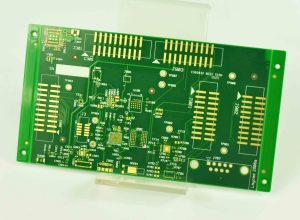
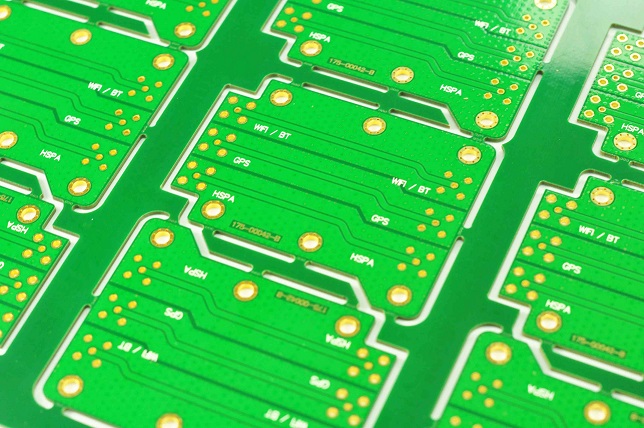
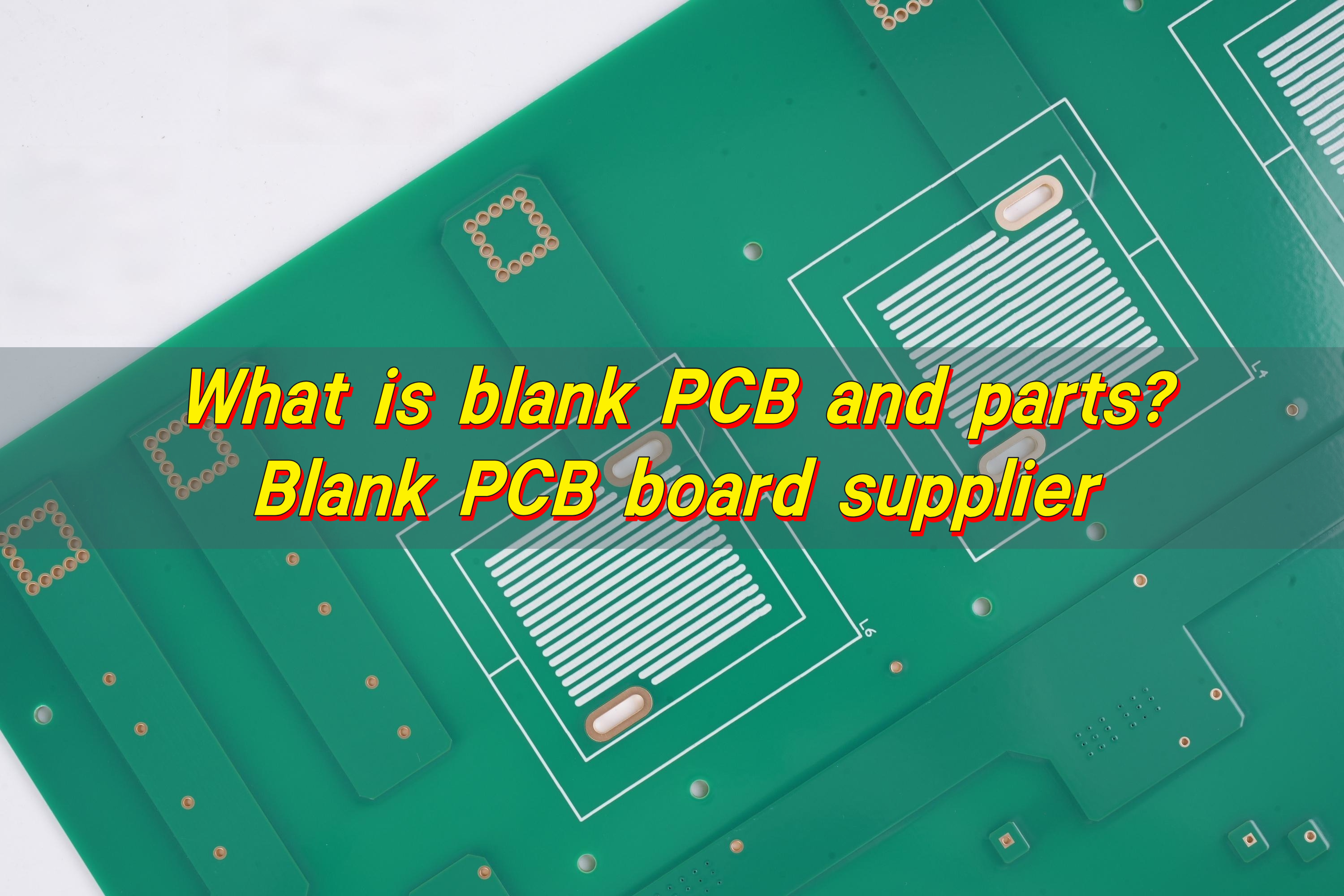
Blank PCB and parts form the base structure of nearly every electronic product. A blank PCB is a printed circuit board without mounted components. It carries copper traces, pads, and vias that guide electrical signals, but it has no chips, connectors, or resistors installed yet. This empty structure becomes the starting point for prototypes, new layouts, and full production builds.
What Is Blank PCB and Parts? Blank PCB Board Supplier

BEST Technology meets these expectations with years of manufacturing experience and a strong focus on quality and service. The company provides dependable blank PCB boards built with strict inspection, solid materials, and fast support. If you have any needs or plan to start a project, feel free to contact: sales@bestpcbs.com

What Is a Blank PCB?

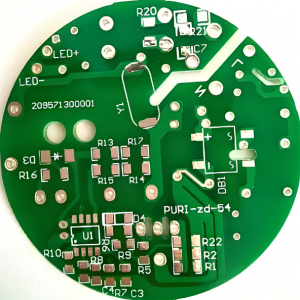
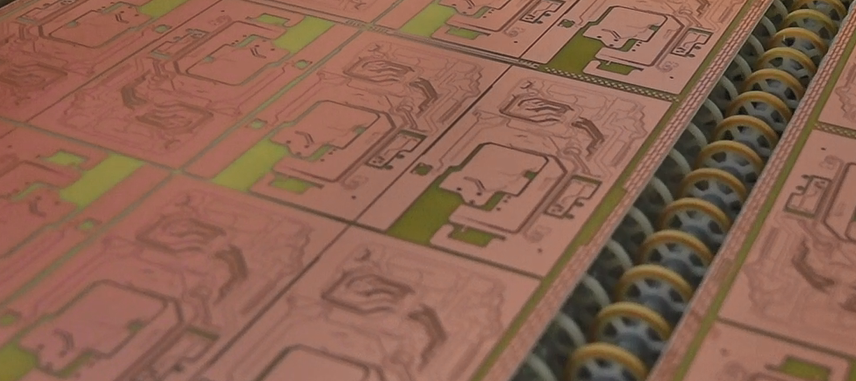
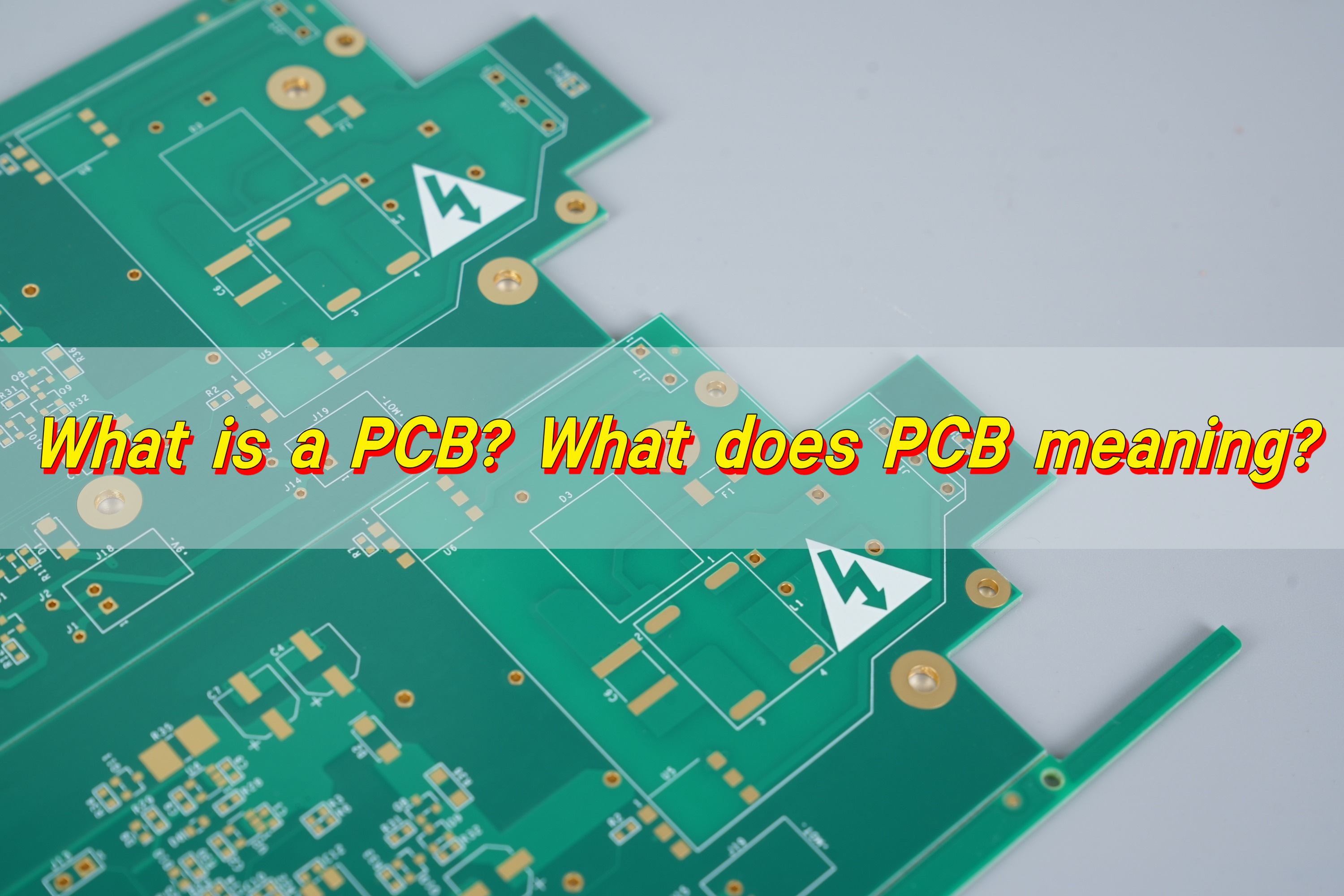
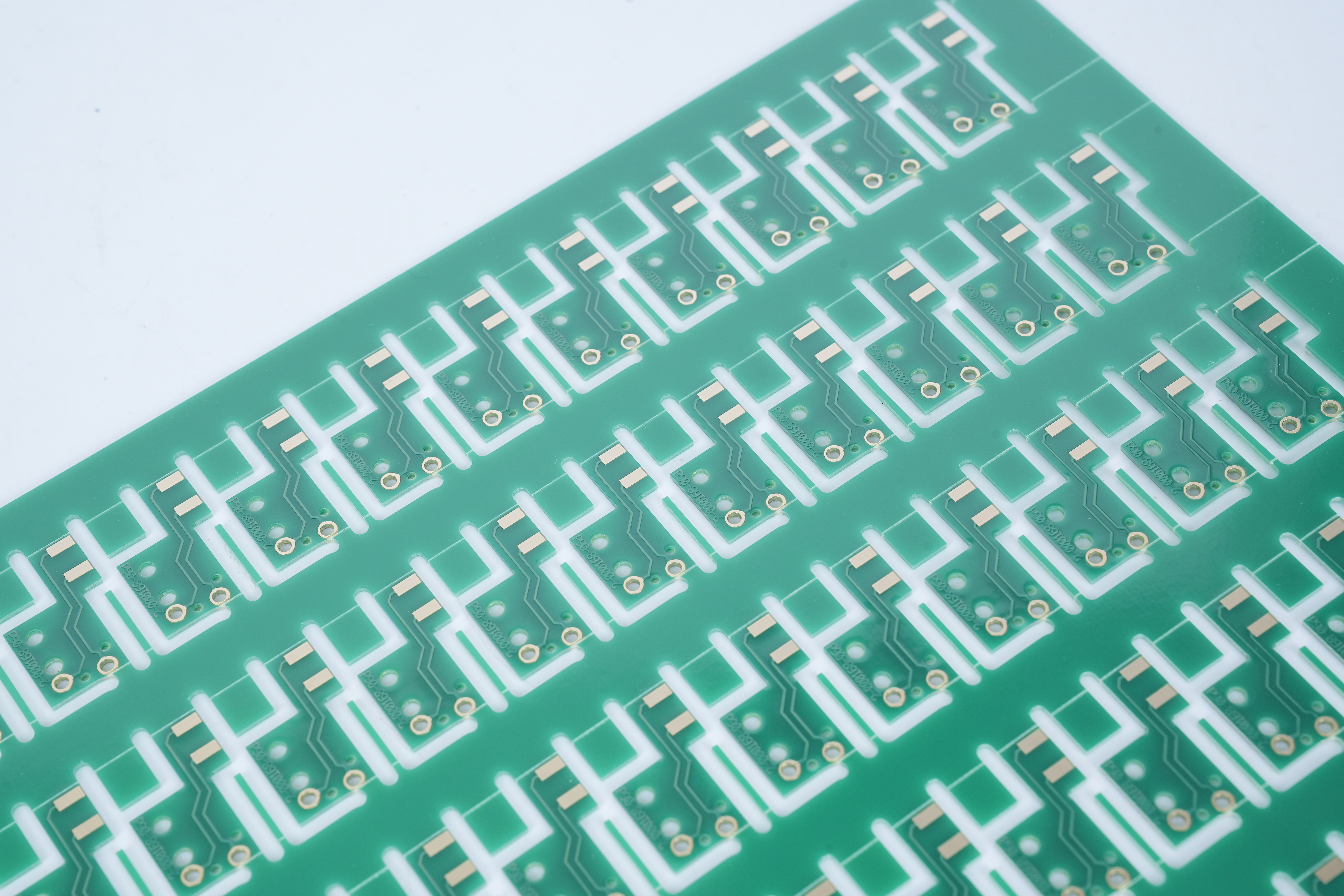
Blank PCB is a printed circuit board with no components added. It carries copper traces, pads, and plated holes, but nothing else. It is the base where resistors, chips, and connectors will sit later.

Blank PCBs come in many forms. Single-layer. Double-layer. Even multi-layer. Some people call them blank PCB boards, blank PCBs, or just blank PCB for short. The names change, but the meaning stays the same. These boards offer a strong, stable, and clean foundation for a design to grow.

Because they carry no parts, blank PCBs stay flexible for many uses. They stand ready for prototyping, testing, training, and evaluation.

What Makes Blank PCBs Different From Assembled Boards?

Blank PCBs focus on structure. Assembled boards focus on full function. This simple difference changes their purpose.

Blank PCBs have no active or passive parts. They hold circuits but no energy flows through them yet. You can work on them, test ideas on them, and adjust layouts if needed.

Assembled boards, on the other hand, already include all components. They can power devices. They can run programs. They can be installed inside a product.

Because of this difference, blank PCBs cost less. They are lighter. They are more adaptable. Engineers use them when they want full control over a design. Assembled boards are used only when all details are finalized.

What Are the Uses of a Blank PCB Board?

Blank PCBs are used in numerous fields. Their flexibility allows them to play a role at countless stages of product development.

  • They help during early concept work. Designers love blank PCB boards when they start shaping a new circuit layout. They give space to experiment, fix, and refine.
  • They support prototype builds. Teams place components on blank PCBs to test behavior. If something needs improvement, they change the board.
  • They fit training and education. Blank PCBs give students hands-on experience. They help beginners learn routing, soldering, and assembly.
  • They assist small-run production. Blank PCBs are perfect for low-volume builds.
  • They help repair tasks. When a specific small board needs replacement, they populate a blank one.
  • They support DIY and hobby projects. Makers and innovators use blank PCBs for personal inventions.
  • The beauty of blank PCBs comes from their open nature. They can shift roles based on your ideas and goals.
What Is Blank PCB and Parts? Blank PCB Board Supplier

Why Choose Blank PCB Boards for Prototypes?

Prototypes must stay flexible. That is why blank PCB boards win here. You control layout, pads, holes, and shapes.

  • You reduce risk. If something is not right, you adjust it. A blank board lets you fix a design without a full redesign of the entire product.
  • You save cost. Prototype components can be added or removed easily. Blank boards give freedom without high waste.
  • You move faster. Blank PCB boards are available in many sizes. You can quickly test and update the design without delays.
  • You keep creativity alive. You can test different parts. You can change trace width. You can add new ideas.

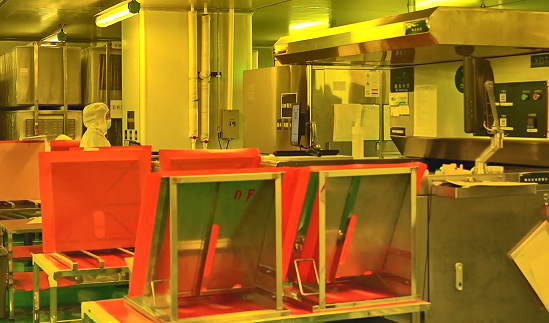
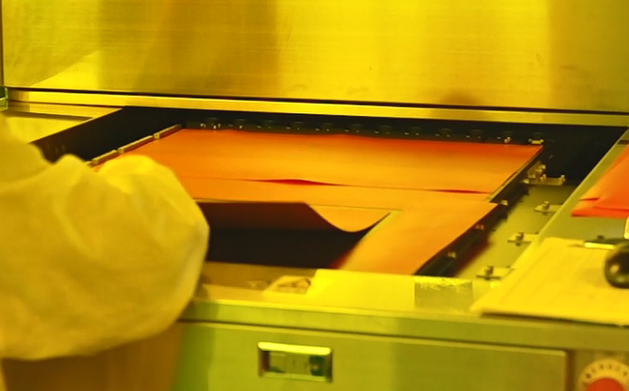
How Are Blank PCB Boards Manufactured?

The manufacturing of blank PCBs looks simple on the outside, but inside it requires strict control.

  • 1. Design preparation

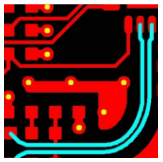
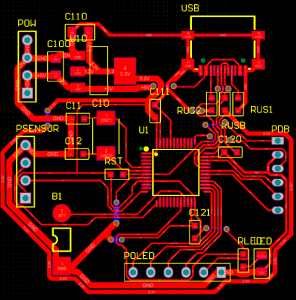
The process begins with a PCB layout file. Engineers check trace spacing, hole size, and copper thickness.

  • 2. Material cut

Large sheets of laminate get cut into board size. The laminate often includes fiberglass and copper layers.

  • 3. Image transfer

The circuit pattern transfers onto the copper surface. Light-sensitive film helps protect the needed areas.

  • 4. Etching

Chemical etching removes exposed copper and forms the final traces.

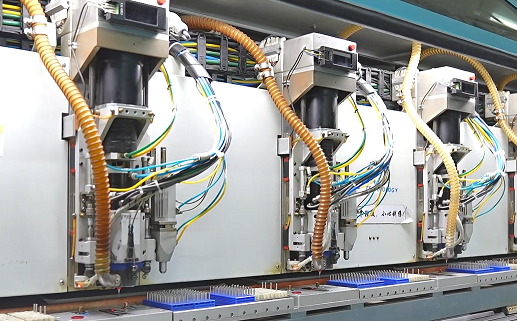
  • 5. Drilling

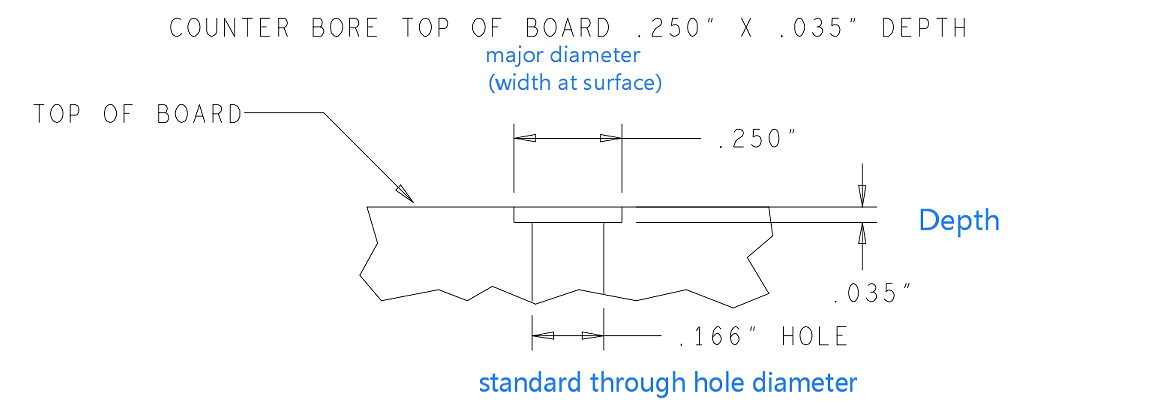
CNC drills create holes for future component mounting.

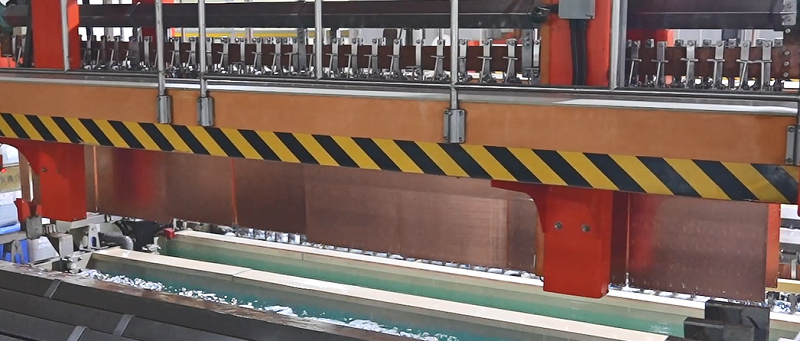
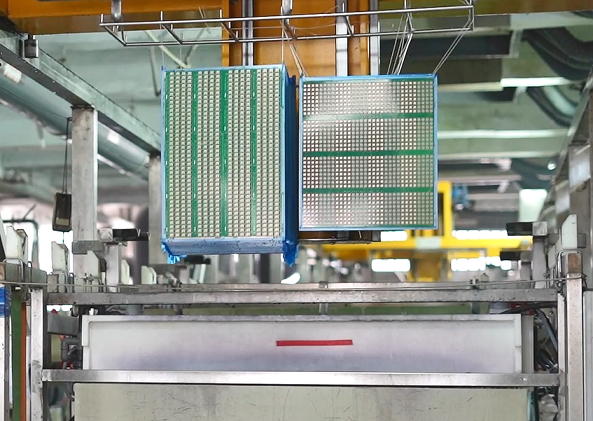
  • 6. Plating

Copper plating coats the hole walls to create strong electrical paths.

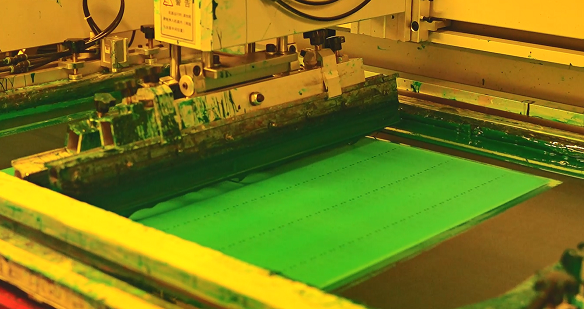
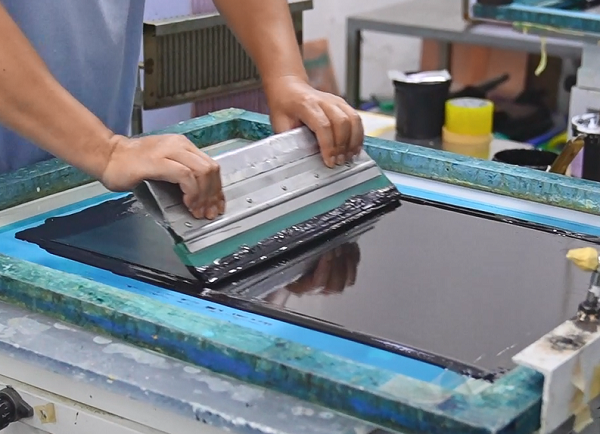
  • 7. Solder mask coating

A green, black, white, blue, or red coating protects the copper. It prevents oxidation and solder bridging.

  • 8. Silkscreen printing

Labels and markings get printed for easy recognition.

  • 9. Surface finish

Finishes like HASL, ENIG, OSP, or immersion silver protect pads and support soldering.

  • 10. Testing and inspection

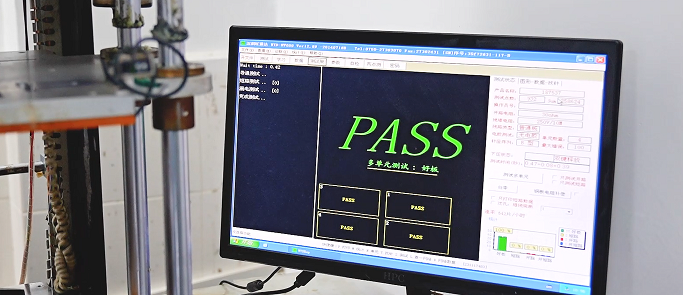
Each blank PCB passes electrical checks. This ensures there are no shorts or opens.

The entire flow requires precision. Even small errors can break the final circuit. That is why reliable suppliers take manufacturing very seriously.

What Materials Are Common in a Blank PCB?

Blank PCB and parts rely on stable materials. Each type supports a specific group of applications.

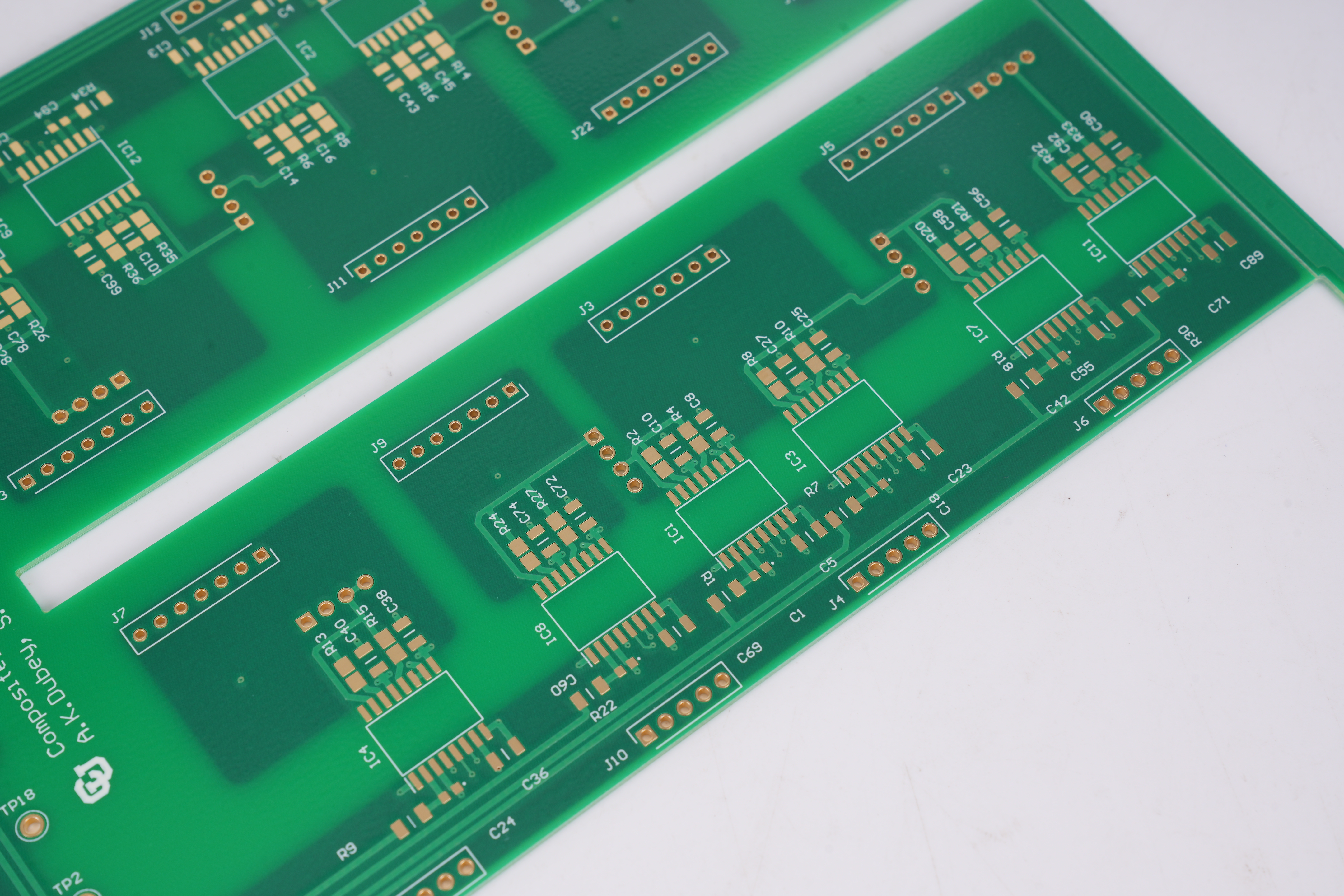
  • FR4: The most common material. It provides strength, durability, and cost balance. Many blank PCB boards use FR4 because it fits most electronic projects.
What Is Blank PCB and Parts? Blank PCB Board Supplier
  • Aluminum substrate: Used for LED applications and high-power circuits. Aluminum offers better heat control.
  • Flexible polyimide: For flex circuits. These boards can bend and twist without damage.
  • Rogers materials: Used for high-frequency systems. These boards deliver better signal control.
  • CEM materials: A mix of resin and fiberglass. They fit basic designs at lower cost.

The right material affects performance, durability, and heat handling.

What Factors Affect Blank PCB Quality?

Blank PCBs may look simple, but their quality depends on many points.

  • Copper thickness: Thicker copper supports higher current. Thin copper suits low-power circuits.
  • Trace width and spacing: Accurate spacing prevents signal loss and heat buildup.
  • Drill accuracy: Precise holes ensure clean component mounting.
  • Layer alignment: Multi-layer boards need perfect alignment to avoid breaks.
  • Material purity: High-quality laminates reduce warping and improve lifespan.
  • Surface finish: A strong finish helps soldering and protects copper.
  • Solder mask quality: A stable solder mask prevents peeling and cracking.

When these factors stay under control, blank PCB boards become more reliable. They also last longer and support better performance.

Where to Find a Reliable Blank PCB Board Supplier?

Finding a trustworthy supplier of blank PCB boards is very important. A strong supplier gives you confidence. They offer quality, speed, and clear communication.

Look for suppliers with:

  • Stable process control: A supplier with strong production systems avoids defects and delays.
  • Long-term experience: Years in the industry translate into better handling of special needs.
  • Clear certifications: ISO9001, RoHS, and UL show strong quality management.
  • Material transparency: Suppliers should always share material sources.
  • Fast feedback and support: A good supplier stays reachable. They answer questions quickly.
  • Flexible order size: Small prototype orders and large production runs should both be possible.
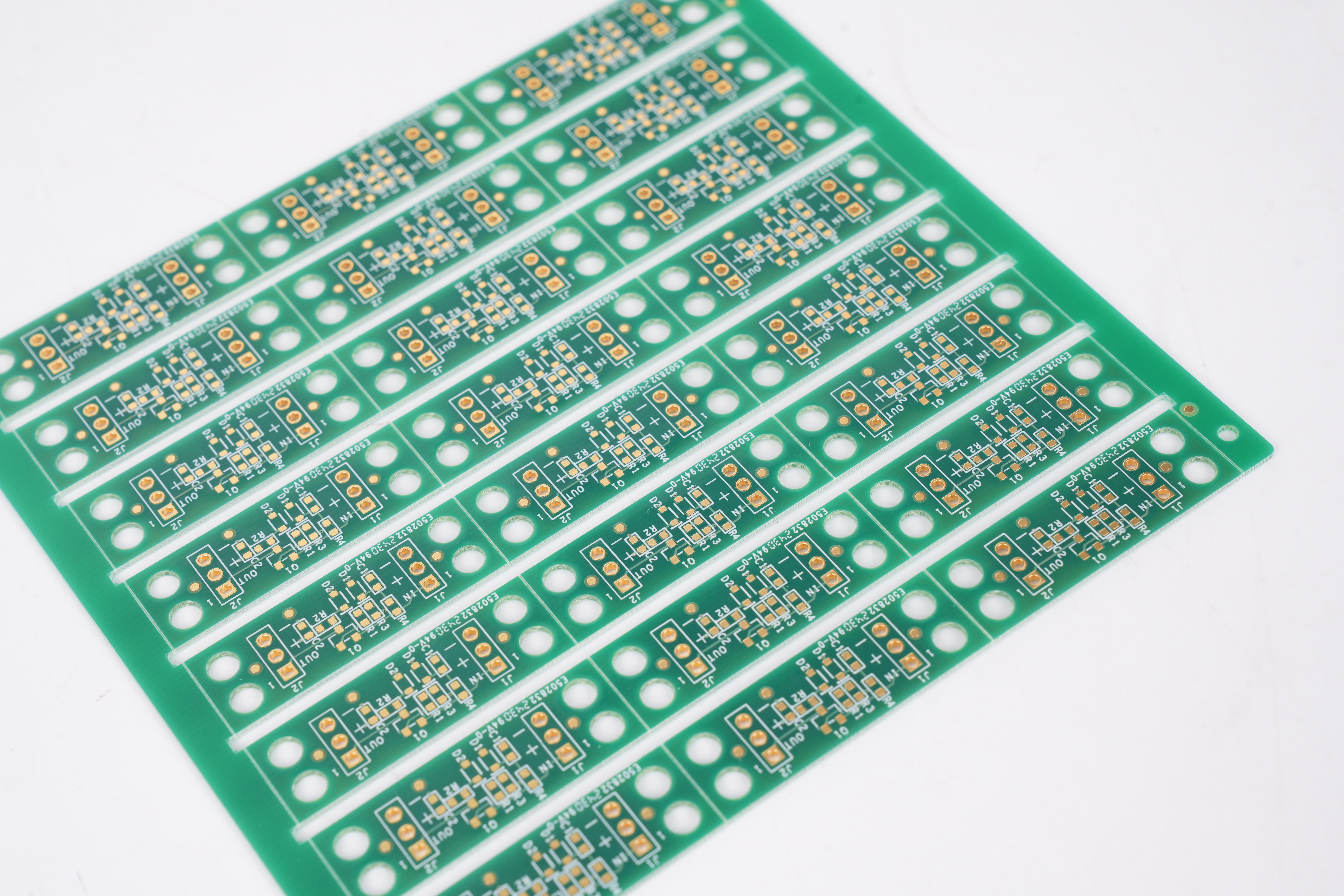
  • Strong inspection process: Reliable suppliers test every board, even the blank ones.
What Is Blank PCB and Parts? Blank PCB Board Supplier

BEST Technology Co., Ltd. meets these standards with confidence. The company has been working in the PCB field since 2006 and has earned strong trust from global customers.

Our blank PCB boards go through strict process control, complete inspections, and advanced production steps. We use stable materials, follow ISO9001:2015, and support both small prototype runs and high-volume orders. Our team responds quickly, offers honest technical guidance, and keeps communication smooth from start to finish.

Conclusion:

Blank PCBs may look simple. They create a clean, stable path for components. They help teams test, explore, and refine every detail.

For further help or cooperation, feel free to reach us at sales@bestpcbs.com
What is Blank PCB?
Monday, October 7th, 2024

What Is a Blank PCB Called?

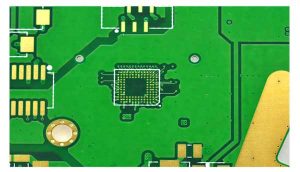
A blank PCB is commonly referred to as a bare board. This term is used because the board has no components soldered onto it yet. It’s simply the foundation of a printed circuit board (PCB), typically made from a material like fiberglass and copper. The copper traces on the board outline where the electrical connections will eventually be made, but before any components are attached, the board remains “blank.”

What is Blank PCB?

A bare board is key point in the manufacturing process of electronic devices. Once components like resistors, capacitors, and integrated circuits are added, the blank PCB transforms into a fully functional circuit board. This is the stage where the blank board evolves, moving from raw material to the heart of a functioning device.

How to Use a Blank PCB Board?

Using a blank PCB starts with designing a circuit schematic. Specialized software is used to create a layout that specifies where each component will be placed and how they’ll be connected through copper traces. Once the design is finalized, the blank board serves as a canvas where components are either soldered by hand or using automated machines in mass production.

If you are working on a DIY project or prototyping, the blank PCB allows for customization and flexibility. You can use a soldering iron to manually attach your components. For large-scale production, automated machines place and solder components onto the blank board with precision. Using blank PCBs for custom designs or modifications is a cost-effective way to experiment with electronics.

Why Is PCB So Cheap?

PCBs are considered affordable due to mass production techniques. Modern manufacturing processes, such as automated assembly lines and the use of standard materials, have significantly reduced costs. The global nature of the electronics industry also plays a role, as many manufacturers source materials and labor from countries with lower production costs.

The materials used, primarily fiberglass and copper, are relatively inexpensive. Furthermore, technological advancements have optimized the process of making PCBs, allowing manufacturers to produce them quickly and in large quantities. The result is that even highly specialized PCBs can be produced at a low cost, making them accessible to hobbyists, startups, and large corporations alike. If you want to know the details about factors affect the price of PCB board, welcome to check our another blog:

How Are Blank PCBs Made?

The process of making blank PCBs is a sophisticated, multi-stage operation that ensures the boards meet high precision standards before any components are added. Here’s a detailed breakdown of the steps involved in manufacturing a blank PCB:

  • Material Selection and Lamination

Blank PCBs start with a substrate, typically made from fiberglass-reinforced epoxy laminate (FR4), which serves as the board’s structural foundation. This substrate is non-conductive, providing insulation for the circuit. A copper layer is then bonded to one or both sides of the substrate using heat and pressure, forming what is known as a copper-clad laminate. The thickness of this copper layer varies based on the board’s intended application, with typical copper thickness ranging from 1 oz (35 µm) to 2 oz (70 µm) per square foot. Thicker copper layers may be used for boards handling higher currents.

What is Blank PCB?
  • Photoresist Application

After lamination, the copper layer is coated with a light-sensitive material called photoresist. This step prepares the board for the next process, which is exposing the circuit pattern. The photoresist layer can be either liquid or dry film and plays a critical role in protecting certain parts of the copper during etching.

What is Blank PCB?
  • Imaging the Circuit Pattern

The desired circuit pattern, generated from PCB design software, is transferred onto the board. This is done by aligning the photoresist-coated board with a photomask (a stencil-like film) that contains the circuit layout. The board is then exposed to ultraviolet (UV) light. The areas of the photoresist not covered by the photomask are hardened, while the areas shielded by the mask remain soft and will later be removed.

What is Blank PCB?
  • Etching Process

The next step is to remove the unneeded copper from the board, a process called etching. Chemical etchants, like ferric chloride or ammonium persulfate, are used to dissolve the unprotected copper, leaving behind only the circuit traces. The areas of the copper protected by the hardened photoresist remain intact, forming the conductive pathways for the future components.

What is Blank PCB?
  • Drilling Holes for Components

After the etching process, holes need to be drilled into the board. These holes, called vias, allow for the placement of components such as resistors, capacitors, and integrated circuits, and are also used to connect different layers in multi-layer PCBs. Advanced PCB manufacturing often uses computer numerical control (CNC) drilling machines to ensure precision, especially for boards with many layers or small trace designs. Some manufacturers employ laser drilling for microvias.

What is Blank PCB?
  • Plating and Hole Metallization

Once the holes are drilled, they need to be plated to create electrical connections between the different layers of the PCB. This is done through a process called electroless copper plating, which deposits a thin layer of copper inside the drilled holes. The plating process ensures that when components are later inserted, electrical signals can flow between layers through the plated holes.

What is Blank PCB?
  • Solder Mask

After drilling and plating, the board is cleaned and coated with a layer of solder mask. This mask protects the copper traces and prevents solder from accidentally bridging across traces during assembly. The solder mask is typically green, though other colors like blue, red, black, or white can also be used. The solder mask is applied through a screen-printing process or as a dry film, and it is cured using UV light or heat.

What is Blank PCB?
  • Silkscreen Printing

Silkscreen printing is applied to the board to mark component locations, symbols, logos, or other identifiers needed during the assembly process. This layer is typically applied using a silk-screening process, similar to how images are printed onto clothing. White is the most common color used for silkscreen, as it provides high contrast against the green solder mask, but other colors can be used depending on the design.

What is Blank PCB?
  • Surface Finishing

The copper pads, where components will be soldered later, are treated with a surface finish to protect them from oxidation and ensure good solderability. Common finishes include HASL (Hot Air Solder Leveling), where the board is dipped in molten solder and excess solder is blown off with hot air, leaving a smooth surface. Another popular finish is ENIG (Electroless Nickel Immersion Gold), where a thin layer of nickel followed by gold is applied to the copper pads.

What is Blank PCB?
  • Electrical Testing and Quality Control

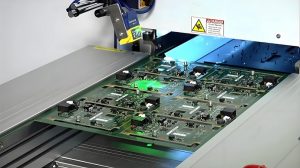
The final step in producing a blank PCB is electrical testing and quality control. Every trace and connection is tested to ensure there are no shorts or opens, which could render the board useless. Automated Optical Inspection (AOI) systems are used to visually inspect the board for defects, while flying probe tests and bed-of-nails tests check for electrical continuity. Any defects found at this stage are flagged for repair or, in severe cases, the board is scrapped.

What is Blank PCB?

What Is the Difference Between Bare PCB and PCB?

The term bare PCB refers to the unpopulated circuit board, which means it lacks any electronic components. In contrast, a PCB refers to a fully assembled board that includes all the necessary components to function.

In the bare stage, the PCB is simply the foundation for the circuit but isn’t functional. Once components are soldered onto the bare PCB, it becomes an operational printed circuit board, ready to be integrated into electronic devices.

How Do You Cut Blank PCB?

Cutting a blank PCB requires precision. Tools such as PCB shears, laser cutters, or CNC machines are commonly used to achieve clean, straight cuts without damaging the copper traces. For smaller DIY projects, a hand saw or scoring tool can be used, but these methods require a steady hand and careful planning to avoid mistakes.

Before cutting, it’s important to mark the board clearly to ensure the cuts are accurate. If the board is part of a larger project, cutting should be done after confirming that all components will fit within the intended space.

Why Are PCBs Green?

The green color on most PCBs comes from the solder mask that coats the board. While green is the most common color, the solder mask can be found in other colors such as red, blue, or black. The preference for green is largely historical, as it provided the best contrast for technicians to inspect the board visually.

Green solder masks also tend to offer better performance under different lighting conditions, which can be helpful during manufacturing and quality control processes.

Do PCBs Use AC or DC?

PCBs can handle both AC (alternating current) and DC (direct current), depending on the design and the type of components used. Some boards are designed specifically for DC circuits, while others are built to handle AC power.

For example, a power supply PCB may convert AC from a wall outlet into DC, which is used by many electronic devices. The flexibility to work with either type of current makes PCBs essential for a wide range of applications.

Blank PCB Board Supplier – Best Technology

With over 18 years as an industry leader, Best Technology is one of the most experienced PCB and PCB assembly manufacturer in Asia. We are highly specialized not only in quick-turn PCB prototype and PCB assembly, but also medium and small volume PCB fabrication. In Best Technology, you can enjoy a full-comprehensive one-stop service from PCB design, layout, PCB fabricate, PCB assembly, function testing and delivery. We always try our best to fabricate your PCB with copper clad laminate with the highest quality to meet your demands.

 If you have any questions, please feel free to contact us with sales@bestpcbs.com, we will be happy to help you.