





In practical electronics, open circuit appears in many places. A broken trace on a PCB can stop signal transmission. A loose connector may interrupt power delivery. Even a damaged solder joint can produce the same effect. Because of this, engineers must understand how to identify and prevent open circuits during design, manufacturing, and maintenance.
This guide explains the open circuit definition, common causes, real examples, and how it differs from short circuits. It also explores open circuit voltage and troubleshooting methods used by engineers.
What Is an Open Circuit?
An open circuit refers to a circuit where the electrical path is interrupted. Current cannot flow because the conductive path is broken.
In a normal circuit, electrons move through conductors from the power source to the load and return. When any point in that path breaks, the circuit becomes open.
In simple terms:
Open circuit definition:
An electrical circuit where current cannot flow due to a break in the conductive path.
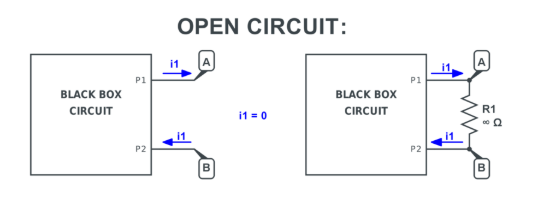
Key characteristics include:
- Infinite or extremely high resistance
- No current flow
- Voltage may still exist across the break
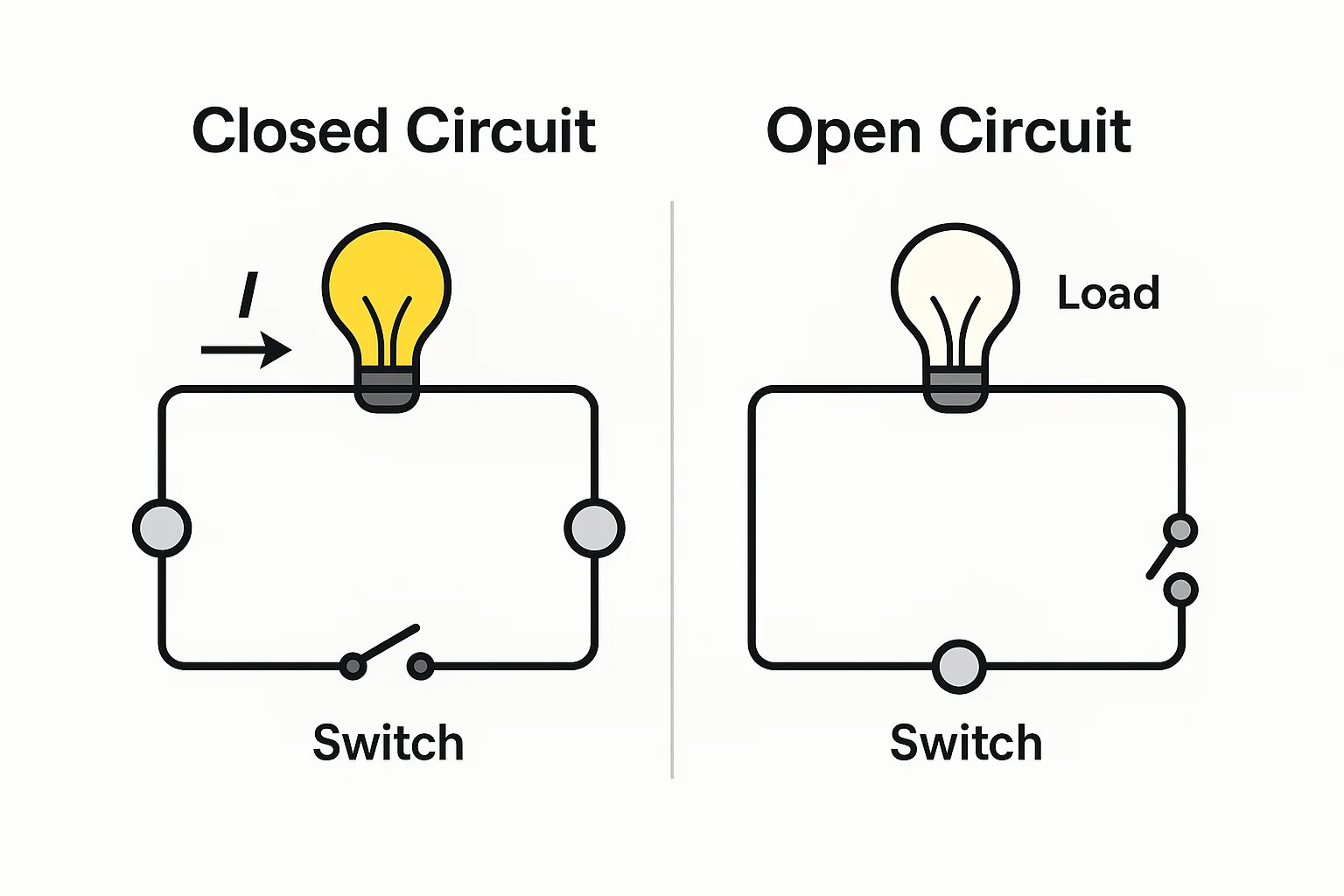
A simple example is a light switch turned off. The wiring still exists, but the circuit path is open, so current stops flowing.
In PCB electronics, an open circuit can occur due to:
- Broken copper traces
- Poor solder joints
- Cracked vias
- Disconnected connectors
Because of these reasons, detecting open circuits early is important for maintaining system reliability.
Why Is an Open Circuit Bad?
In most practical applications, an open circuit represents a fault condition that prevents the electrical system from functioning properly.
Although open circuits are generally less dangerous than short circuits, they can still cause serious operational problems in electronic systems.
Common Problems Caused by Open Circuits
- Equipment Failure
When the electrical path is interrupted, power cannot reach the load. As a result, equipment such as motors, lights, or sensors stops functioning.
- System Downtime
In industrial environments, a single open circuit can stop an entire production line. For example, an open connection in a control circuit may disable machinery or automated systems.
- Signal Loss
In communication circuits, an open circuit can block signal transmission. This may disrupt data communication between components or systems.
- Intermittent Faults
Sometimes an open circuit occurs only intermittently due to vibration, temperature changes, or loose connections. These faults can be difficult to detect and diagnose.
Because of these risks, identifying and repairing open circuits quickly is critical for maintaining system reliability.
What Are Examples of Open Circuits?
Open circuits appear in many everyday electrical situations. Some are intentional, while others result from faults or damage.
1. Switch in the OFF Position
A simple example of an open circuit is a light switch in the OFF position. When the switch is open, the electrical path is interrupted, and current cannot reach the light bulb.
This is actually a controlled open circuit designed to safely stop current flow.
2. Broken Wire
If a wire inside a cable breaks or disconnects, the circuit path is interrupted. This commonly occurs in damaged cables, worn-out power cords, or improperly installed wiring.
3. Burned-Out Light Bulb
In traditional incandescent bulbs, the filament provides the path for current. When the filament breaks due to overheating or aging, the circuit becomes open and the bulb stops working.
4. Loose Electrical Connection
Loose connectors or terminals can create open circuits. This often happens in electrical panels, wiring harnesses, or PCB connectors.
5. Faulty PCB Trace
In electronics manufacturing, a cracked or damaged copper trace on a printed circuit board can interrupt the electrical path, creating an open circuit.
What Causes an Open Circuit?
Many different factors can lead to an open circuit. These causes generally fall into mechanical, electrical, manufacturing, or environmental categories.
1. Mechanical Damage
Physical damage is one of the most common causes of open circuits.
Examples include:
- Broken wires
- Damaged connectors
- Cut or worn cables
- Bent or broken component leads
Repeated bending or stretching of wires can eventually cause internal conductors to break.
2. Component Failure
Electronic components can fail and interrupt current flow.
Examples include:
- Burned resistors
- Failed integrated circuits
- Broken capacitor leads
- Open semiconductor junctions
When a component fails internally, it may stop conducting electricity, effectively creating an open circuit.
3. Manufacturing Defects
Poor manufacturing practices can introduce open circuits in electronic assemblies.
Common defects include:
- Cold solder joints
- Insufficient solder
- Missing solder connections
- Incomplete PCB traces
These defects are often detected during inspection processes such as AOI (Automated Optical Inspection) or electrical testing.
4. Environmental Factors
External conditions can gradually damage electrical connections.
Examples include:
- Corrosion due to moisture
- Thermal expansion and contraction
- Vibration and mechanical stress
- Oxidation of connectors
Over time, these factors can weaken electrical connections and eventually cause open circuits.
What Happens If You Have an Open Circuit?
When an open circuit occurs, the electrical behavior of the circuit changes significantly.
- No Current Flow
The most important effect is that current stops flowing completely. Because the path is broken, electrons cannot move through the circuit.
- Voltage Across the Break
Even though current stops flowing, voltage may still appear across the open portion of the circuit. This occurs because the power source still maintains a potential difference.
- Loss of Functionality
Since electrical devices require current to operate, the load connected to the circuit stops working.
For example:
- A motor stops rotating
- A light bulb turns off
- A sensor stops transmitting signals
- A control system becomes inactive
- Diagnostic Indicators
Open circuits often produce symptoms that help identify them during troubleshooting.
Typical indicators include:
- Infinite resistance readings
- Lack of continuity
- Voltage present but no current flow
- Device not responding
What Is Open Circuit Voltage?
Open circuit voltage (OCV) refers to the voltage measured across two terminals when no current flows. This measurement occurs when the circuit path is open. In practice, OCV represents the maximum available voltage of a power source. Examples include:
| Device | Typical Open Circuit Voltage |
| AA battery | ~1.5 V |
| Lithium-ion battery | ~4.2 V when fully charged |
| Solar panel cell | ~0.5 – 0.6 V per cell |
| Automotive battery | ~12.6 V when fully charged |
Engineers often measure open circuit voltage to evaluate battery condition or solar panel performance. Since no current flows during measurement, the value reflects the inherent electrical potential of the source.
Open Circuit vs Closed Circuit
An open circuit and a closed circuit represent opposite conditions of electrical continuity.
| Feature | Open Circuit | Closed Circuit |
| Current flow | No current flows | Current flows normally |
| Resistance | Extremely high | Normal operating resistance |
| Circuit path | Broken or disconnected | Continuous conductive path |
| Device operation | Device does not operate | Device operates normally |
| Example | Switch OFF | Switch ON |
Most electrical systems alternate between these states. For example, a light switch intentionally creates an open or closed circuit to control power.
Short Circuit vs Open Circuit
Although both are electrical faults, short circuits and open circuits behave very differently.
| Feature | Open Circuit | Short Circuit |
| Current flow | Zero current | Excessive current |
| Resistance | Very high resistance | Extremely low resistance |
| Risk level | Device stops working | Risk of overheating or fire |
| Typical cause | Broken wire or connection | Two conductors touching |
| Example | Broken PCB trace | Solder bridge between pins |
An open circuit usually results in device failure without heat damage. A short circuit often causes overcurrent and component damage. Both faults must be identified during PCB testing.
Does Open Circuit Mean Blown Fuse?
Often yes, but not always. A blown fuse intentionally creates an open circuit to protect equipment.
Inside the fuse, a thin metal strip melts when current exceeds the safe limit. Once the strip breaks, the circuit path opens. This stops current flow and prevents damage to other components.
However, an open circuit can also occur without a blown fuse.
Examples include:
- Broken wiring
- Failed connectors
- PCB trace damage
Therefore, a blown fuse is one possible cause of an open circuit, but it is not the only cause.
FAQs
1. How to Check If a Circuit Is Open or Closed?
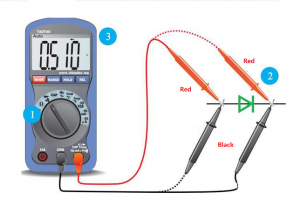
Engineers typically use a multimeter or continuity tester.
Steps include:
- Turn off power to the circuit.
- Set the multimeter to continuity or resistance mode.
- Place probes on both ends of the conductor.
- Observe the reading.
Results interpretation:
- Low resistance / beep sound: circuit is closed
- Infinite resistance: circuit is open
2. Can an Open Circuit Still Have Voltage?
Yes. An open circuit can still have voltage present across the break. Voltage represents electrical potential difference, not current flow. When a circuit path is open, electrons cannot move, so current becomes zero. However, the power source can still create voltage across the disconnected points.
3. Is an Open Circuit Dangerous?
In most cases, an open circuit is not dangerous. Because current cannot flow, the circuit typically stops operating safely. Devices simply shut down or fail to function.
4. Can an Open Circuit Damage Electronic Components?
Normally, an open circuit does not directly damage components. Most electronic parts stop operating when current stops flowing. The system simply becomes inactive.
You may also like




Tags: open circuit, open circuit definition, short circuit vs open circuit