A copper PCB price does not rise one-for-one with the London Metal Exchange benchmark, but copper near USD 14,000 per metric ton keeps material costs and quotation validity under pressure. On August 20, 2026, LME three-month copper eased 0.4% to USD 13,988 per metric ton after reaching a six-month high earlier in the week. The correct message is therefore “copper remains expensive,” not “copper surged today.”
For PCB and PCBA buyers, the useful question is how long a high benchmark persists and whether copper foil, copper-clad laminate, plating chemicals, and board suppliers pass that pressure into current quotations. No market report obtained for this article confirms a uniform PCB price increase, effective date, or lead-time change.
What Happened to Copper Prices on August 20, 2026?
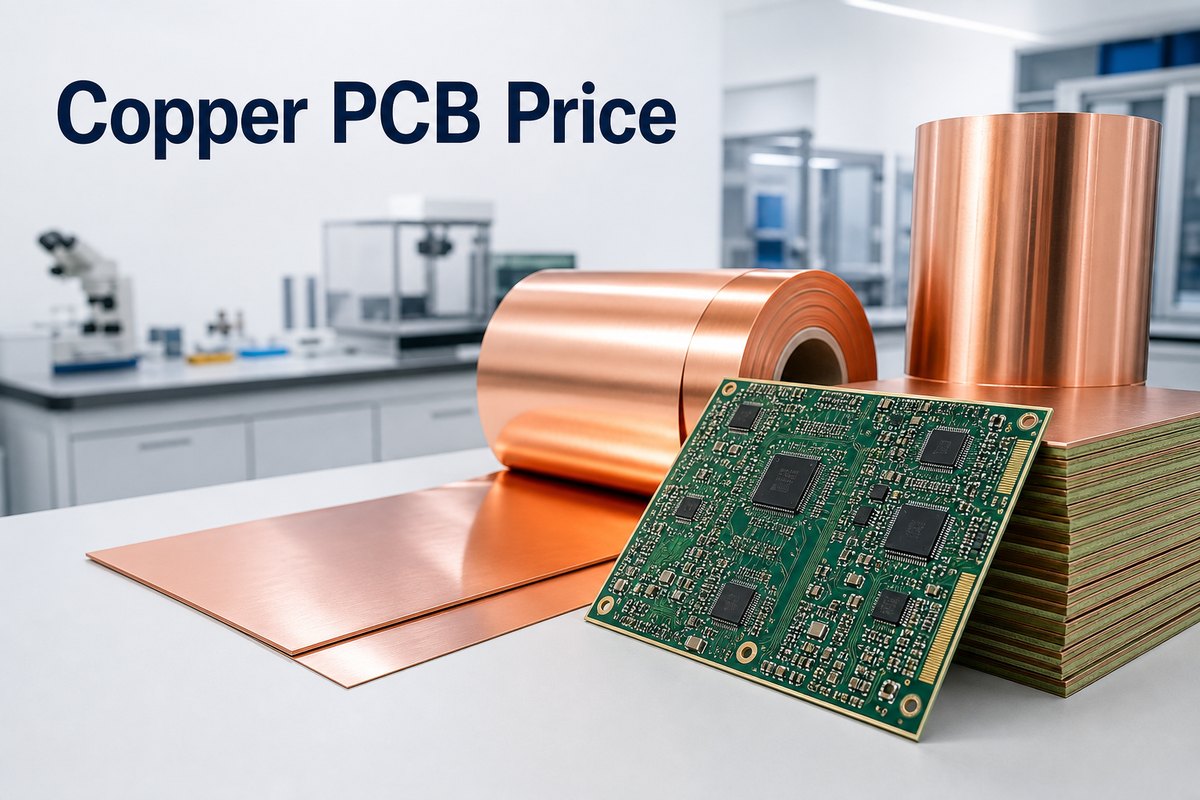
Copper slipped during the August 20 trading session but remained close to a historically high level. Reuters reported benchmark LME three-month copper at USD 13,988 per metric ton, down 0.4% at the observation time. The contract had reached a six-month peak on August 17 before inventory inflows reduced some of the immediate supply concern.
| Market Signal | Observed Value | Procurement Meaning |
| LME three-month copper | USD 13,988/metric ton, down 0.4% | Still near USD 14,000; continue rolling material checks |
| SHFE copper | CNY 107,200/metric ton, up 0.2% | Regional benchmarks can move differently during the same period |
| Recent market direction | Six-month high on August 17, then a modest pullback | A high range matters more than one intraday move |
The LME identifies its Official Price as a global benchmark used in physical copper contracts and hedging. Its copper contract is quoted in US dollars per tonne with a 25-tonne lot size. That makes the benchmark relevant to upstream pricing discussions, but it is not a direct quotation for copper foil, CCL, bare PCBs, or assembled boards.
Why Does the Copper Price Matter to PCB Buyers?
Copper matters because it appears in foil, plated holes, traces, planes, pads, heat-spreading structures, busbars, and some metal-base constructions. A PCB supplier buys processed materials and manufacturing services, not exchange-grade copper alone. The effect therefore reaches a quote through several steps rather than one formula.
- Copper foil is laminated to dielectric materials to make cores and copper-clad laminate.
- Additional copper is deposited during through-hole and surface plating.
- Etching removes part of the starting copper, so panel utilization and copper distribution affect process cost.
- Heavy-copper, high-current, copper-base, and large-format products consume more copper or require more demanding processing.
- Suppliers may shorten quote validity before they apply a visible line-item price change.
Buyers who want more background on laminate pricing can review EBest Circuit’s guide to copper-clad laminate price factors.
How Does Copper Move Through the PCB Cost Chain?
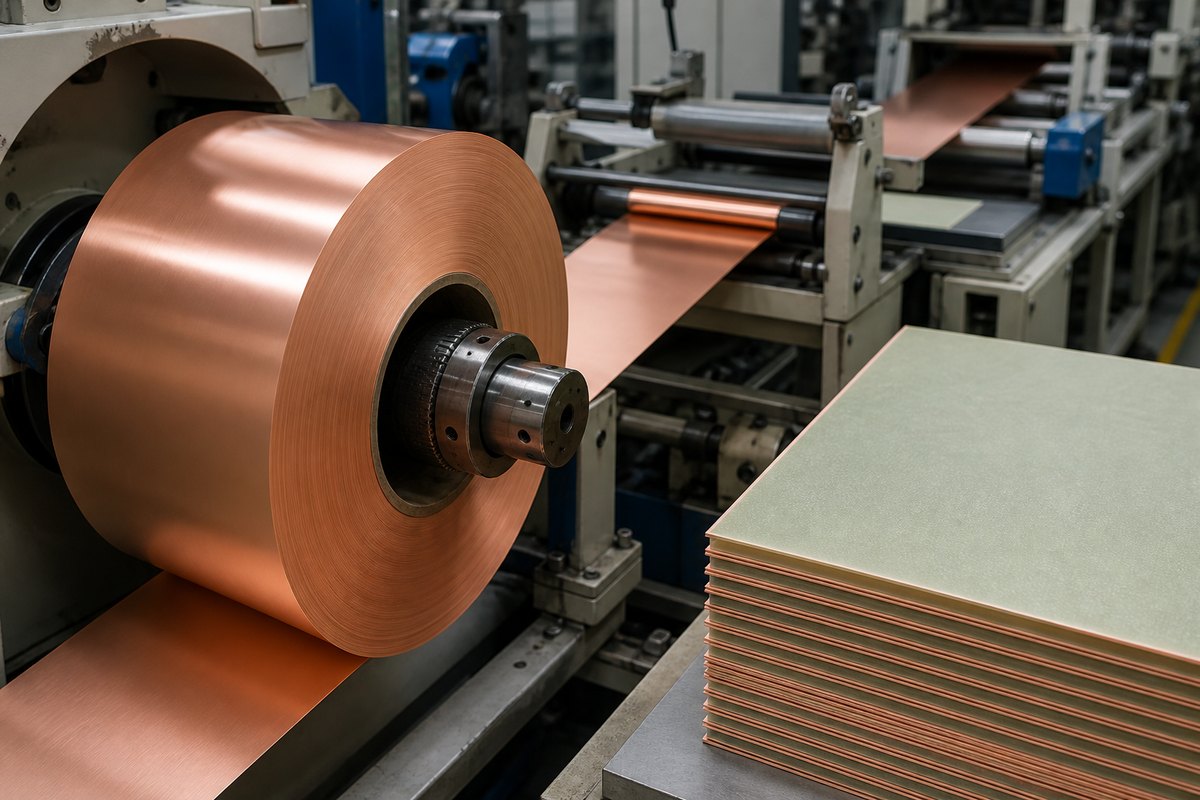
Copper moves from an exchange benchmark into PCB pricing through refined metal, foil conversion, laminate production, board fabrication, and quotation policy. Each stage adds its own conversion cost, inventory timing, contract terms, yield risk, freight, and margin.
- Benchmark movement: LME and regional exchange prices influence negotiations for refined copper and copper-linked products.
- Foil conversion: copper is processed into electrodeposited or rolled foil with specified thickness, profile, treatment, and performance.
- Laminate production: foil is combined with resin and reinforcement to produce cores and laminate sheets.
- PCB fabrication: imaging, etching, lamination, drilling, plating, surface finish, inspection, and yield determine the finished-board cost.
- Commercial release: order quantity, quote validity, payment terms, delivery schedule, and reserved material affect the final offer.
This is why a 10% change in an exchange copper contract must never be reported as a 10% change in a PCB quote. The copper share differs by design, and every factory may hold different material inventory or supplier agreements.
Which PCB Types Have the Highest Copper Exposure?
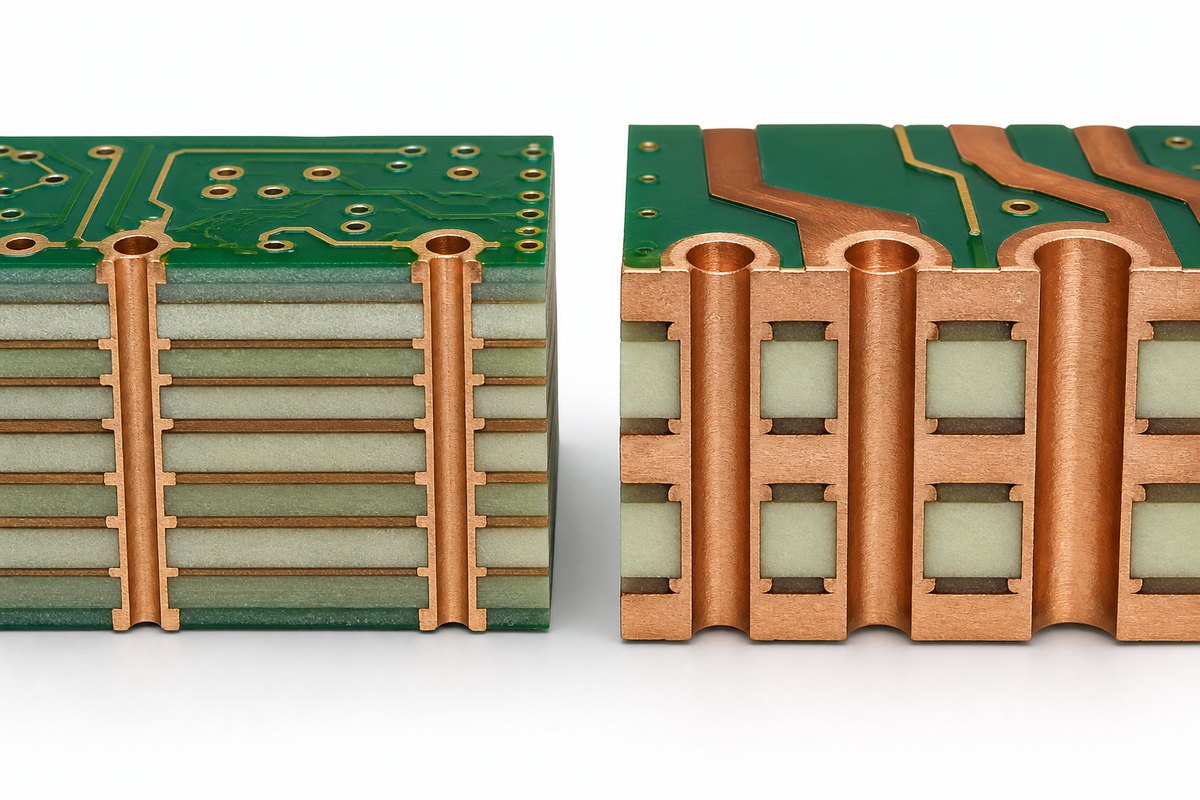
Heavy-copper and high-current boards usually have the clearest exposure because their finished structures contain more copper and often require longer plating or more difficult etching. Large panels, multiple copper layers, thick copper weights, copper bases, embedded copper features, and busbar-style conductors can also increase sensitivity.
| PCB Construction | Copper Exposure | Main Cost Driver |
| Standard multilayer FR-4 | Moderate | Number of foil layers, panel area, and plating |
| Heavy-copper PCB | High | Thick copper, etching control, plating time, and yield |
| Copper-base or copper-core PCB | High | Copper substrate mass and specialized processing |
| High-layer-count backplane | Moderate to high | Multiple foil layers, large size, lamination, and yield |
| High-current PCBA | Design dependent | Heavy copper, busbars, terminals, and assembly complexity |
The design specification still decides the actual exposure. Our article on choosing PCB copper thickness explains why copper weight should be set by electrical and manufacturing needs, not by market headlines.
What Does Copper Clad PCB Price Actually Include?
A copper clad PCB price includes far more than raw copper. The laminate system combines copper foil, resin, reinforcement, surface treatment, thickness control, dimensional stability, thermal performance, and supplier-specific qualification. Finished PCB pricing then adds imaging, etching, lamination, drilling, plating, solder mask, surface finish, routing, testing, inspection, yield, and order handling.
Two quotations can therefore react differently to the same metal market. One supplier may have inventory purchased earlier, while another must buy current material. One board may use common 1 oz copper and good panel utilization; another may require thick copper, a large outline, controlled impedance, sequential lamination, or a low-loss material. Buyers should compare specifications and validity dates before concluding that the price difference comes from copper alone.
How Should Buyers Read the Copper Foil Price Trend?
The copper foil price trend should be read as a manufacturing-input signal, not as a finished-PCB price chart. Track the benchmark direction, foil supplier notices, laminate supplier quotes, quotation validity, minimum order quantities, and confirmed lead time together.
- One-day movement: useful for market context but too narrow for a sourcing decision.
- Multi-week range: better for judging whether high input costs are persistent.
- Supplier notice: stronger evidence of an actual commercial change, especially when it gives products and an effective date.
- Your quotation history: the best evidence of how the market is reaching your exact stackup and quantity.
Keep exchange data and supplier evidence in separate columns. This prevents a market headline from becoming an unsupported claim about a factory’s current price.
What Changes a PCB Material Cost Comparison?
A PCB material cost comparison is meaningful only when both quotations use the same board definition. Copper weight is important, but material brand or family, layer count, board thickness, finished size, panelization, surface finish, controlled impedance, hole structure, quality requirements, quantity, and delivery schedule can change the result.
Before comparing offers, align at least these inputs:
- Gerber or ODB++ revision and fabrication drawing
- Layer count, finished thickness, stackup, and impedance table
- Base and finished copper weight for every layer
- Material family, Tg requirement, and any low-loss requirement
- Surface finish, via type, finished hole size, and special plating
- Order quantity, panel requirements, test method, and requested delivery
For a broader calculation framework, see our guide to custom PCB cost per unit.
How Should Procurement Manage PCB Raw Material Cost?
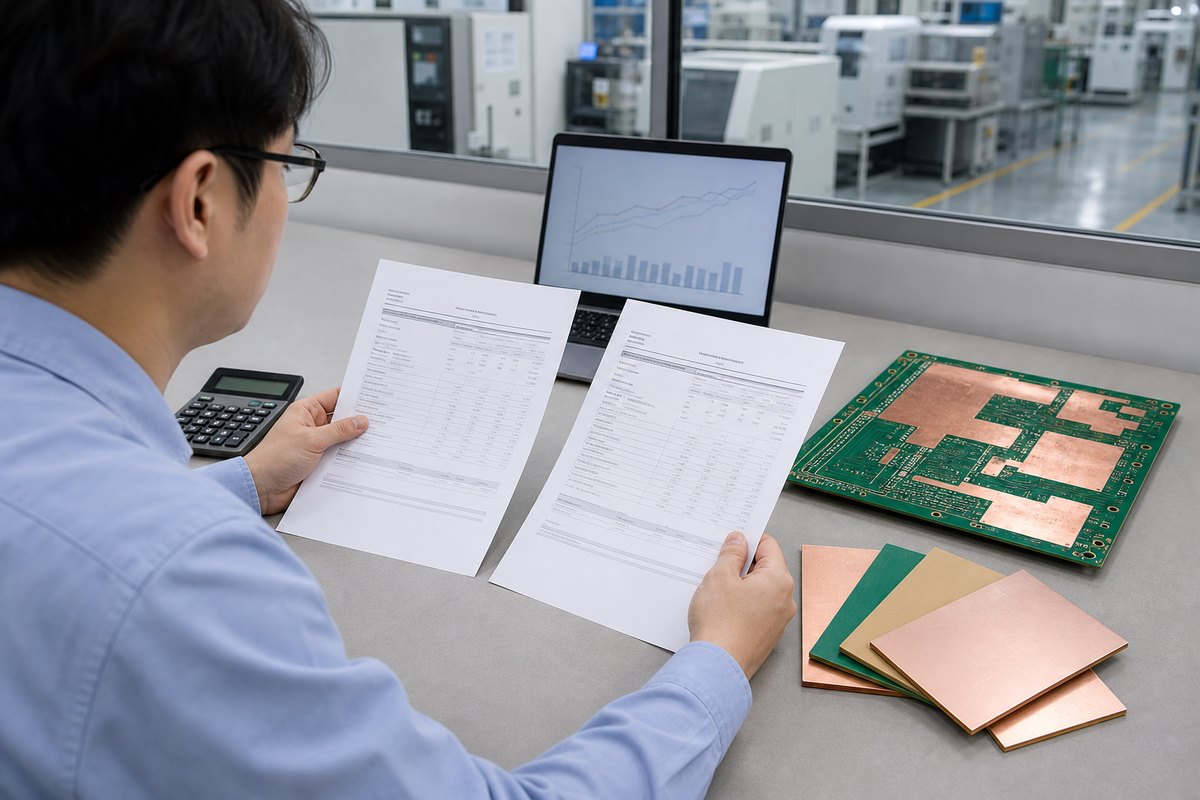
Procurement should manage PCB raw material cost through quote discipline rather than panic buying. Ask suppliers to identify quotation validity, material basis, lead time, reservation terms, and the conditions that trigger requoting. Use the same released files and quantities for every comparison.
- Request the quote validity period and the date on which material pricing was checked.
- Separate prototype, scheduled production, and blanket-order quantities.
- Confirm whether material is reserved only after purchase-order acceptance or deposit.
- Ask whether a change affects all boards or only copper-intensive constructions.
- Keep a monthly comparison of the same representative stackups instead of comparing unrelated jobs.
- For thick-copper products, review the actual design and manufacturing requirements before seeking a cheaper copper weight.
Reducing copper without checking current density, temperature rise, voltage drop, mechanical strength, and process limits can create a larger reliability cost than the material saving. Buyers evaluating power boards can also review our introduction to heavy-copper PCB construction.
FAQ About Copper PCB Price
Did copper prices rise on August 20, 2026?
No. LME three-month copper was down 0.4% at USD 13,988 per metric ton at the Reuters observation time. The important procurement signal is that copper remained near USD 14,000 after reaching a six-month high earlier in the week.
Does a higher LME copper price immediately raise every PCB quote?
No. Transmission depends on copper foil and laminate supplier pricing, factory inventory, the board’s copper content, process complexity, yield, quantity, and quotation policy. A benchmark move alone does not prove a finished-board price increase.
Which boards are most sensitive to expensive copper?
Heavy-copper, copper-base, high-current, large-format, and high-layer-count boards are generally more exposed. The actual effect still depends on copper weight, layer area, plating, etching, panel utilization, and production yield.
Should buyers order extra PCBs because copper is near USD 14,000?
Not automatically. First confirm demand, design stability, supplier quotation validity, storage limits, revision risk, and the real cost difference. Excess inventory can become obsolete if a BOM, PCB revision, or customer forecast changes.
What evidence should support a copper-related price adjustment?
Ask for the affected material or construction, effective date, quote validity, supplier notice where available, and a comparison against the same stackup and quantity. Do not accept an exchange-price percentage as a finished-PCB percentage without a cost breakdown.
How Can EBest Circuit Help You Keep Quotes Comparable?
At EBest Circuit, we review PCB and PCBA requirements against the released Gerber files, stackup, copper weight, BOM, quantity, testing needs, and delivery plan. If high copper prices are affecting your sourcing decision, send the same controlled data set for each quotation so we can identify which requirements drive cost and where an alternative needs engineering review. Contact our team at sales@bestpcbs.com for technical support and a quote. A current copper PCB price should always be tied to a defined board, quantity, validity period, and material basis.
Source note: Market figures reflect the Reuters update published August 20, 2026 and LME copper contract information accessed August 21, 2026. Exchange prices are market benchmarks, not EBest Circuit supplier quotations.
You may also like



Tags: copper clad PCB price, copper foil price trend, copper PCB price, PCB material cost comparison, PCB raw material cost