





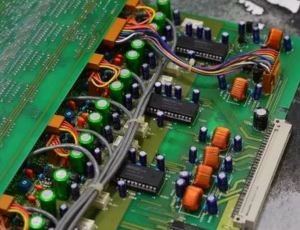
In electronics and manufacturing, EMS most commonly stands for Electronics Manufacturing Services. These are companies that provide end-to-end solutions including PCB fabrication, component sourcing, PCB assembly, testing, and full product integration.
At the same time, EMS can also represent other meanings such as Emergency Medical Services or Energy Management System. However, in engineering and industrial environments, EMS almost always refers to electronics production services.
Understanding this distinction is critical, especially for engineers, product designers, and procurement teams evaluating manufacturing partners.
What Does EMS Mean in Electronics Manufacturing?
In electronics manufacturing, EMS refers to companies that provide comprehensive production services for electronic products, covering everything from PCB fabrication to final product assembly.
An EMS provider acts as a one-stop manufacturing partner. Instead of working with multiple vendors, companies can rely on a single EMS partner to manage the entire production lifecycle.
Typical EMS scope includes:
- PCB fabrication (FR4, HDI, RF, MCPCB)
- Component sourcing and BOM management
- SMT and THT assembly
- Functional testing and inspection
- Box build and system integration
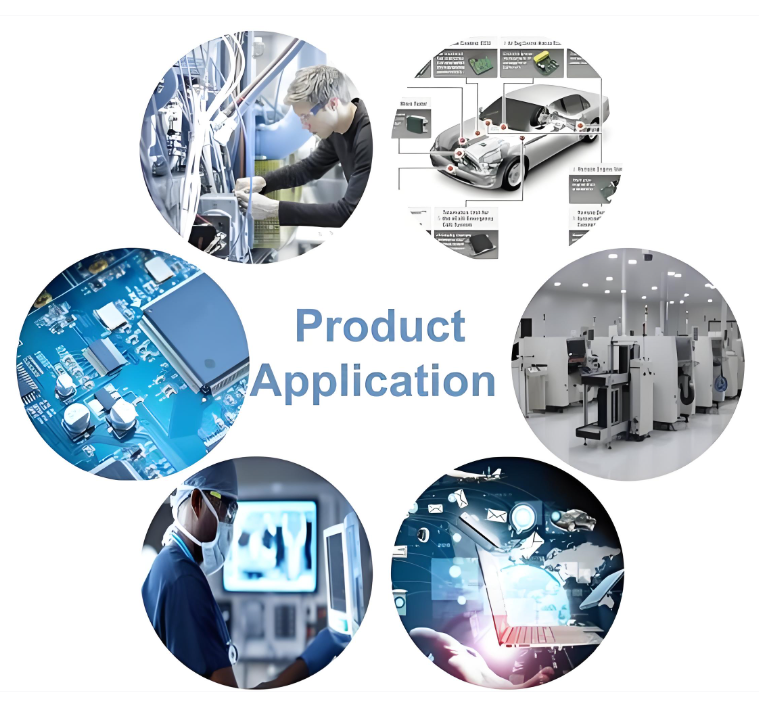
This model is widely adopted in industries such as automotive electronics, industrial control systems, medical devices, and consumer electronics.
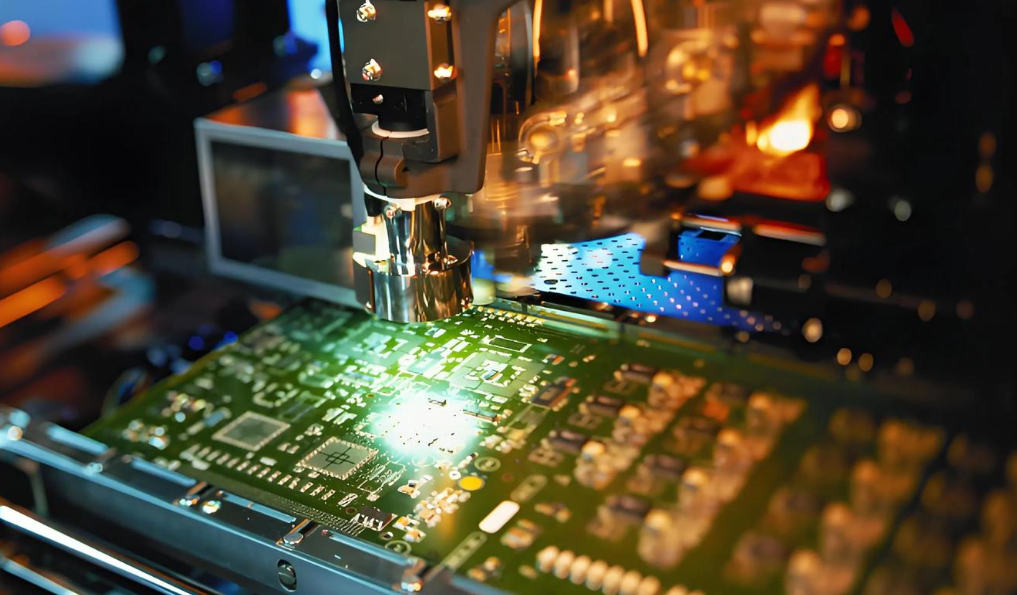
What Does E.M.S Stand for in Electronics and Manufacturing?
What Services Are Included in Electronics Manufacturing Services?
Electronics Manufacturing Services include a wide range of production and supply chain capabilities designed to bring electronic products from concept to reality.
A complete EMS offering typically covers the following:
| Service Type | Description | Output |
| PCB Fabrication | Manufacturing bare circuit boards | PCB boards |
| PCB Assembly | SMT, DIP, BGA assembly | PCBA boards |
| Component Sourcing | Procurement and BOM optimization | Qualified components |
| Testing & Inspection | AOI, ICT, X-ray, functional test | Test reports |
| Box Build | Final product assembly | Finished products |
From an engineering perspective, EMS reduces complexity by integrating all manufacturing steps into a single controlled workflow.
This significantly improves communication efficiency, reduces lead time, and ensures better quality consistency.
How Does EMS Work in the PCB and PCBA Process?
EMS providers follow a structured workflow to ensure high reliability and manufacturability of electronic products. The process typically begins with design evaluation and ends with final product delivery.
The standard EMS workflow includes:
- Design Review (DFM/DFA)
- PCB Fabrication
- Component Sourcing
- PCB Assembly (SMT/THT)
- Testing & Quality Control
- Final Assembly (Box Build)
- Packaging & Delivery
This integrated approach ensures traceability, quality control, and production efficiency.
Is EMS the Same as OEM?
No, EMS is not the same as OEM. EMS (Electronics Manufacturing Services) focuses on manufacturing and assembly, while OEM (Original Equipment Manufacturer) owns the product design, branding, and market distribution.
In simple terms, EMS builds the product, while OEM owns and sells the product.
This distinction is critical in electronics manufacturing because it defines responsibilities, intellectual property ownership, and supply chain structure.
Key differences between EMS and OEM:
| Aspect | EMS | OEM |
|---|---|---|
| Core Role | Manufacturing service provider | Product owner and brand |
| Design Ownership | No | Yes |
| Manufacturing | Yes | Sometimes outsourced |
| Brand Control | No | Yes |
| Revenue Model | Service-based | Product-based |
From an engineering perspective, EMS providers are responsible for executing production with high precision, while OEMs focus on product development, innovation, and market strategy.
In most modern electronics supply chains, OEM companies rely heavily on EMS partners to handle PCB fabrication, PCB assembly, and full product manufacturing.
For example, a hardware startup may design a PCB and product architecture (OEM role), then partner with an EMS provider to manufacture and assemble the product at scale.
To better understand how EMS integrates into production, you can explore our PCB Manufacturing Services and PCBA Assembly Solutions.
What Is the Difference Between EMS, OEM, and ODM?
EMS, OEM, and ODM are often confused, but they serve very different roles in the electronics supply chain. Understanding the differences is critical for selecting the right manufacturing strategy.
| Type | Role | Design Ownership | Manufacturing |
| EMS | Service provider | No | Yes |
| OEM | Brand owner | Yes | Sometimes |
| ODM | Design + manufacturing | Yes | Yes |
Key takeaway:
- EMS manufactures your design
- OEM owns the product
- ODM designs and produces products
For most engineering-driven projects, EMS is the preferred choice because it allows companies to maintain control over their designs while outsourcing production.
Why Do Engineers and Companies Use EMS Providers?
Companies use EMS providers to improve efficiency, reduce costs, and access advanced manufacturing capabilities without investing in their own production facilities. From an engineering perspective, EMS offers several practical advantages:
- Faster time-to-market
- Reduced supply chain complexity
- Access to advanced manufacturing technologies
- Scalable production from prototype to mass production
EMS providers also help optimize BOM costs and improve production yield through engineering support.
When Should You Choose EMS Instead of PCB-Only Suppliers?
You should choose an EMS provider when your project involves more than just PCB fabrication. If your product requires assembly, testing, or full system integration, EMS is the more efficient choice.
Typical scenarios where EMS is preferred:
- Complex multi-component assemblies
- High-reliability products (medical, automotive)
- Need for full product manufacturing
- Limited internal manufacturing capability
PCB-only suppliers are suitable for simple board production, but EMS providers deliver a complete solution.
Why Choose EBest Circuit (Best Technology) as Your EMS Partner?
EBest Circuit (Best Technology) provides a complete EMS solution designed for engineers who need reliability, flexibility, and fast turnaround.
Core advantages include:
- 20 years of PCB & PCBA experience
- One-stop service from PCB to box build
- No MOQ for prototyping and small batches
- 1.5-week fast PCBA delivery
- Strong certifications (ISO9001, ISO13485, IATF16949)
- Advanced traceability system (5-second tracking)
Engineering support:
- Free DFM analysis
- BOM optimization
- 1+3 engineering support model
Whether you are developing prototypes or scaling production, EBest provides a stable and efficient EMS solution.
Contact us: sales@bestpcbs.com
Common FAQs about E.M.S Meaning
1. What does E.M.S. Stand for in the Medical Field?
In a healthcare context, E.M.S. stands for Emergency Medical Services. It refers to the system that provides emergency medical care, including paramedics, emergency medical technicians (EMTs), and the ambulances or equipment used to stabilize and transport patients to a hospital.
2. Does E.M.S. have a Meaning in Shipping and Logistics?
Yes. In the world of global shipping, E.M.S. stands for Express Mail Service. It is an international expedited mail delivery service offered by postal administrations that are members of the Universal Postal Union (UPU), designed to provide faster delivery across borders.
3. What is an E.M.S. in Environmental Management?
In an organizational or corporate context, E.M.S. stands for Environmental Management System. This is a set of processes and practices that enable an organization to reduce its environmental impact and increase its operating efficiency, often following the ISO 14001 standard.
4. What does E.M.S. Mean in Fitness and Muscle Recovery?
In the fitness industry, E.M.S. stands for Electrical Muscle Stimulation. This technology uses electrical impulses to elicit muscle contractions. It is frequently used in physical therapy for rehabilitation and by athletes for muscle strengthening or recovery.
5. What is the E.M.S. in a Vehicle’s Engine?
In automotive engineering, E.M.S. stands for Engine Management System. This is a high-tech “brain” (usually an Electronic Control Unit) that controls the fuel injection, ignition timing, and idle speed to ensure the engine operates at peak efficiency and performance.
You may also like

Tags: e.m.s meaning, Is EMS the same as OEM?, what does e.m.s stand for