Searching for PCA vs PCB often starts with a terminology question, but the answer affects cost, lead time, and what arrives at your receiving department. If you request a PCB while expecting an assembled board, the quote may cover only bare boards. If you request a PCA without defining sourcing, inspection, programming, or testing, important work may still be excluded.
EBest Circuit (Best Technology) can coordinate PCB manufacturability review, PCB fabrication, BOM sourcing, SMT and through-hole assembly, inspection, and agreed testing assistance under one production order. This gives you fewer handoffs and a clearer quote. Send your released PCB files, BOM, placement data, assembly drawings, and test requirements to sales@bestpcbs.com for a scope review and quote.
What Is the Difference Between PCB and PCA?
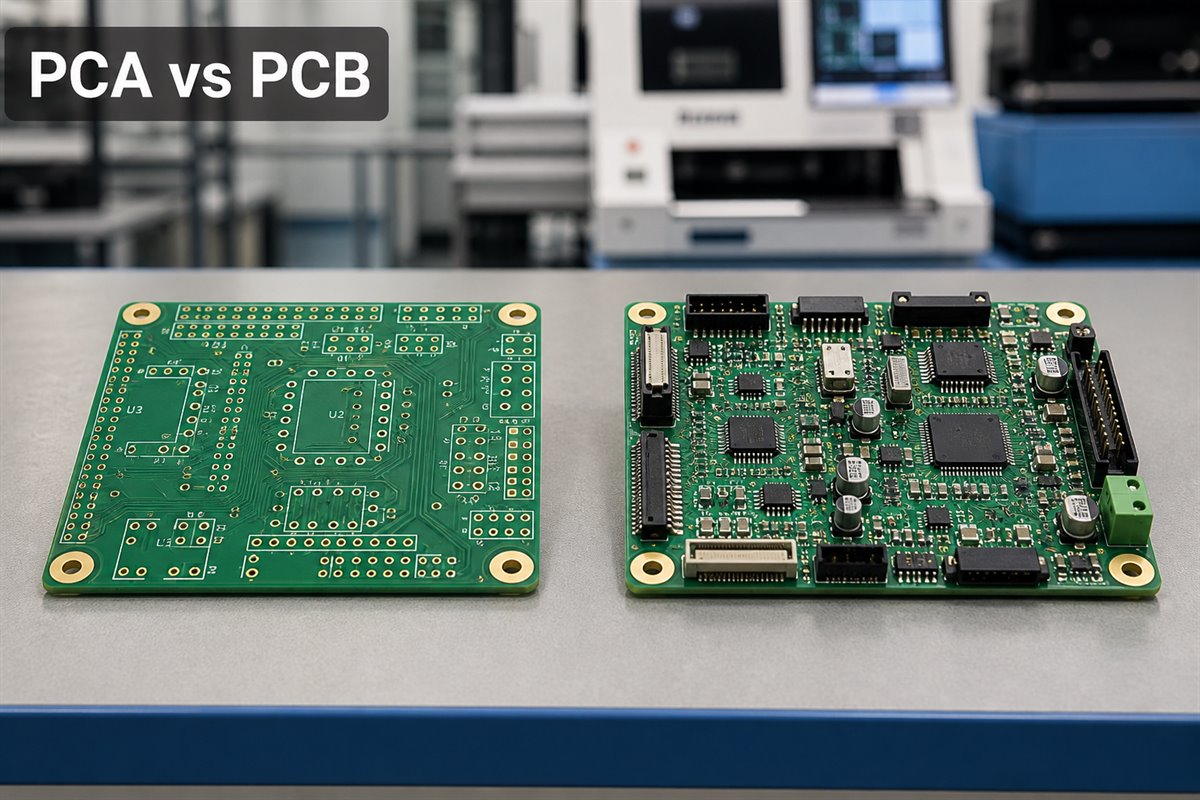
A PCB is the manufactured printed circuit board before electronic components are assembled onto it. It provides the copper circuitry, holes, pads, solder mask, surface finish, mechanical outline, and other features required by the released fabrication data.
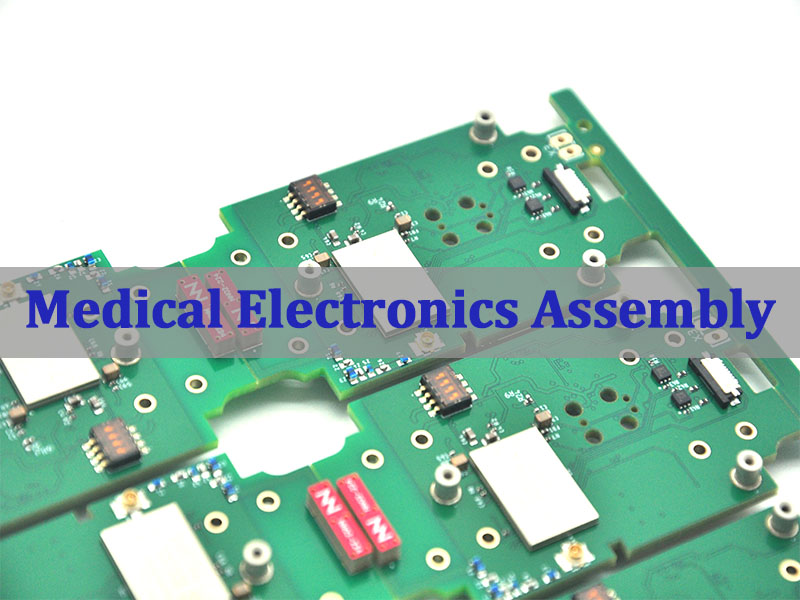
A PCA is a printed circuit assembly: a PCB populated with specified electronic components. In many companies, PCA and PCBA refer to the same assembled-board stage. The terminology may vary, but the difference in purchasing scope remains important.
The buyer-facing difference is the expected deliverable:
- A PCB order normally covers bare-board fabrication and its agreed inspection records.
- A PCA order normally adds component sourcing or consigned-material handling, assembly, and agreed inspection.
- Programming, functional testing, conformal coating, cables, enclosure assembly, and product certification are not automatically included just because the order says PCA.
An assembled board is therefore not automatically a fully validated product. It may still need firmware, system integration, regulatory evaluation, or customer-level acceptance testing. Define those requirements separately instead of relying on an abbreviation.
How Can Confusing PCA and PCB Create an Incomplete Quote?
The wrong term can make a quote look complete while leaving out the production stage the buyer actually needs. A request containing only Gerber files and a quantity will usually be treated as a bare-PCB inquiry. Even if an email mentions an assembled board, the supplier cannot reliably quote components and assembly without the corresponding BOM and placement information.
This creates several avoidable problems:
- The initial price may cover only PCB fabrication, making it appear lower than a complete assembly quote.
- Component lead time is discovered only after the PCB order has already started.
- Stencil, SMT, through-hole, X-ray, programming, or testing costs are added later.
- The buyer has to restart the supplier-selection process because the original quotes did not cover the same scope of work.
- A prototype schedule slips while missing BOM, placement, polarity, or test information is collected.
Prevent the mismatch before requesting quotes: state whether you need bare PCBs, assembled boards, or a defined combination of fabrication, sourcing, assembly, inspection, and testing assistance.
The words in the subject line matter less than the deliverables listed in the RFQ. A clear scope of work lets every supplier price the same services and gives the buyer a fair basis for comparison.
What Does a PCA Board Quote Include—and What May Still Be Excluded?
There is no universal rule that makes every PCA quote identical. One supplier may include PCB fabrication and all component procurement. Another may quote assembly labor only and expect the customer to supply the bare boards and parts. Buyers should compare what is included before comparing total prices.
A PCA board quote may include:
- PCB fabrication based on the released fabrication package;
- BOM sourcing, approved alternatives, or consigned-component handling;
- solder-paste stencil;
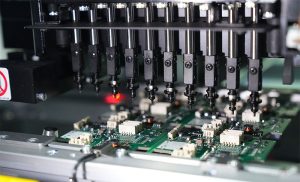
- SMT placement and reflow soldering;
- through-hole insertion and soldering;
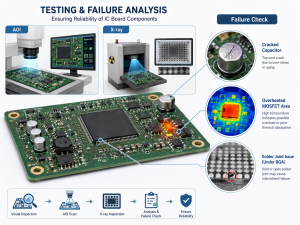
- standard visual inspection and AOI where applicable;
- X-ray inspection for specified hidden-joint packages;
- cleaning, depanelization, and agreed packaging;
- agreed electrical or functional testing assistance.
Items that often require separate confirmation include:
- firmware programming and version control;
- customer-specific test fixtures and software;
- flying-probe or in-circuit testing;
- conformal coating, potting, or special cleaning requirements;
- cable, wire-harness, display, or enclosure integration;
- serialized traceability and special reports;
- regulatory testing or final product certification.
Do not assume that a short line such as “complete PCBA” settles these details. Ask the supplier to identify what is included, what depends on customer-provided tools or instructions, and what is excluded from the quote.
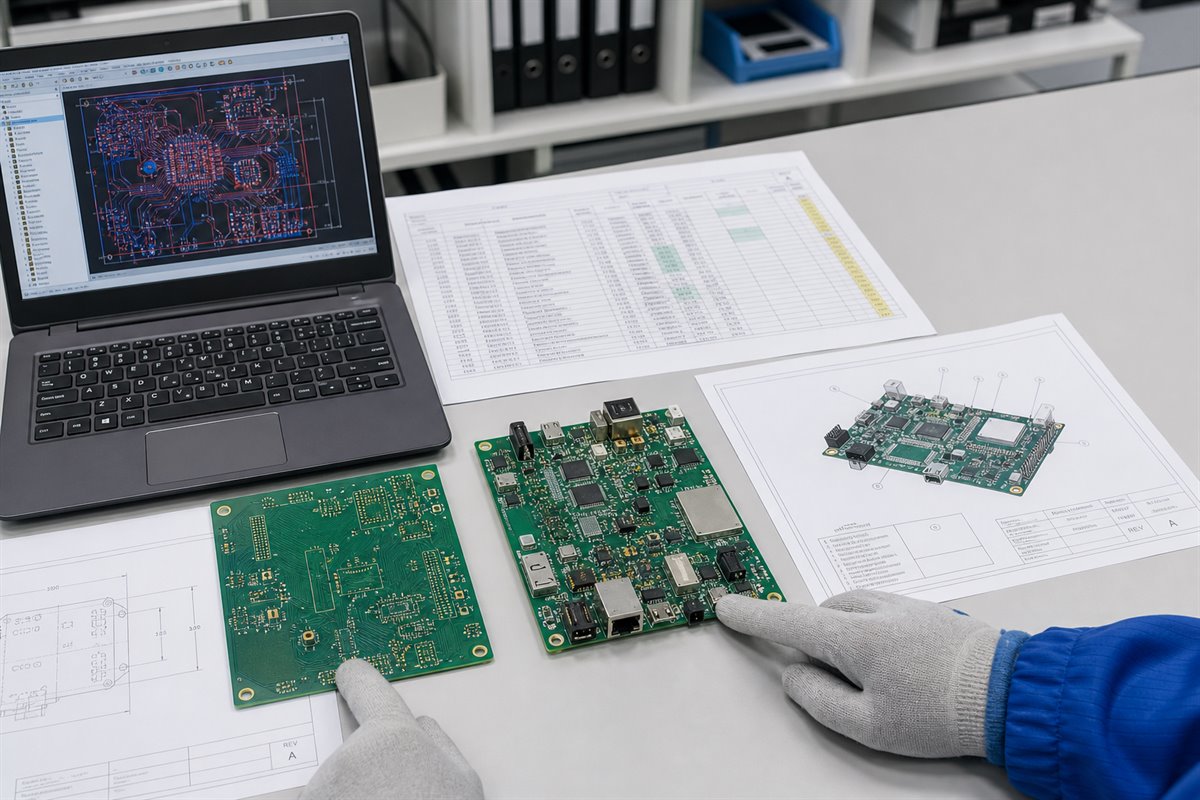
Which Files Prevent Delays in Printed Circuit Assembly?
A supplier can quote and build only from the information released by the customer. Clear files reduce engineering questions, sourcing assumptions, orientation errors, and the risk of fabrication and assembly teams working from different revisions.
For PCB fabrication, provide:
- Gerber or ODB++ fabrication data;
- NC drill files;
- fabrication drawing and board dimensions;
- layer stack-up and controlled-impedance requirements, when applicable;
- material, copper, thickness, surface-finish, solder-mask, and marking requirements;
- panel or delivery-format requirements, if already defined.
For printed circuit assembly, also provide:
- a BOM with manufacturer names and complete manufacturer part numbers;
- approved-alternative rules and do-not-substitute items;
- centroid or pick-and-place data;
- assembly drawings showing polarity, orientation, and special notes;
- the required assembly revision and matching fabrication revision;
- programming files and instructions, when programming is requested;
- test procedures, limits, fixtures, firmware, and expected outputs, when testing is requested.
The file package should also identify consigned parts, customer-supplied boards, moisture-sensitive components, special handling, and any required traceability. A complete release package reduces clarification cycles that can hold up a quote or production lot.
How Can a PCB-Only Quote Turn Into an Unexpected PCA Cost?
Consider a buyer who sends Gerber files and requests 100 “boards.” Supplier A returns a low price for PCB fabrication. Supplier B asks for the BOM and placement data, then quotes fabricated boards, sourced components, stencil, SMT assembly, AOI, X-ray for BGAs, and functional-test assistance.
Supplier A appears less expensive, but the two prices do not cover the same deliverable. After the purchase order is placed, the buyer discovers that important work was never included.
The missing scope typically includes:
- electronic components and procurement losses;
- the solder-paste stencil;
- SMT and through-hole assembly;
- BGA X-ray inspection;
- programming and functional testing;
- assembly packaging and traceability records.
The buyer must now request another quote, confirm component availability, and revise the schedule. PCB fabrication did not suddenly become more expensive. The problem is that the buyer compared a bare-board quote with a PCA quote.
A useful comparison separates each quote into clear cost categories: PCB fabrication, components, tooling, assembly, inspection, testing, and optional services. This shows where the cost comes from and reveals missing work before the buyer selects a supplier.
When Should You Order PCB vs PCA?
The correct choice depends on the next production step in your project—not on which abbreviation sounds more complete.
Order a PCB when:
- you need bare boards for material, stack-up, dimensional, or fabrication evaluation;
- your own facility or another approved supplier will assemble the components;
- components and assembly data are not yet released;
- the purchase order is intentionally limited to bare-board fabrication.
Order a PCA when:
- you have a released BOM, placement data, and assembly drawings;
- you need the supplier to source or manage the specified components;
- the order must include SMT, through-hole, or mixed-technology assembly;
- inspection and test requirements can be defined before quoting;
- you want fabricated boards and assembly managed under one coordinated production order.
If the design is still changing, clarify which revision is approved for quoting and which revision is released for production. A PCA quote based on an incomplete BOM or an unreleased layout may need to be updated once the final manufacturing data becomes available.
What Should Be Verified Before Accepting a PCA Delivery?
Receiving populated boards does not prove that every required step was completed. Acceptance should be based on the purchase order, released drawings, approved BOM, workmanship requirements, and agreed inspection or test plan.
Before accepting the delivery, verify:
- part number, revision, quantity, and serialization where required;
- approved PCB construction and surface finish;
- installed component part numbers and authorized substitutions;
- polarity, orientation, placement, and workmanship;
- inspection results required by the order, such as AOI or X-ray;
- programming version and programming record, if programming was included;
- test scope, limits, results, and any untested functions;
- deviations, rework, shortages, or customer-approved concessions;
- packaging and moisture-control requirements for shipment.
The test report should state exactly what was tested. A result marked “Passed” has little value if the order never defined the fixture, test procedure, firmware version, limits, or expected result. Likewise, inspecting solder joints does not prove that the complete product functions as intended.
Customers remain responsible for released design requirements, product-level compliance decisions, firmware function, and final acceptance unless a different responsibility is explicitly agreed. The manufacturer can support manufacturability review, assembly inspection, and testing against customer-provided requirements.
How Can One Supplier Reduce Handoffs Across PCA and PCB Orders?
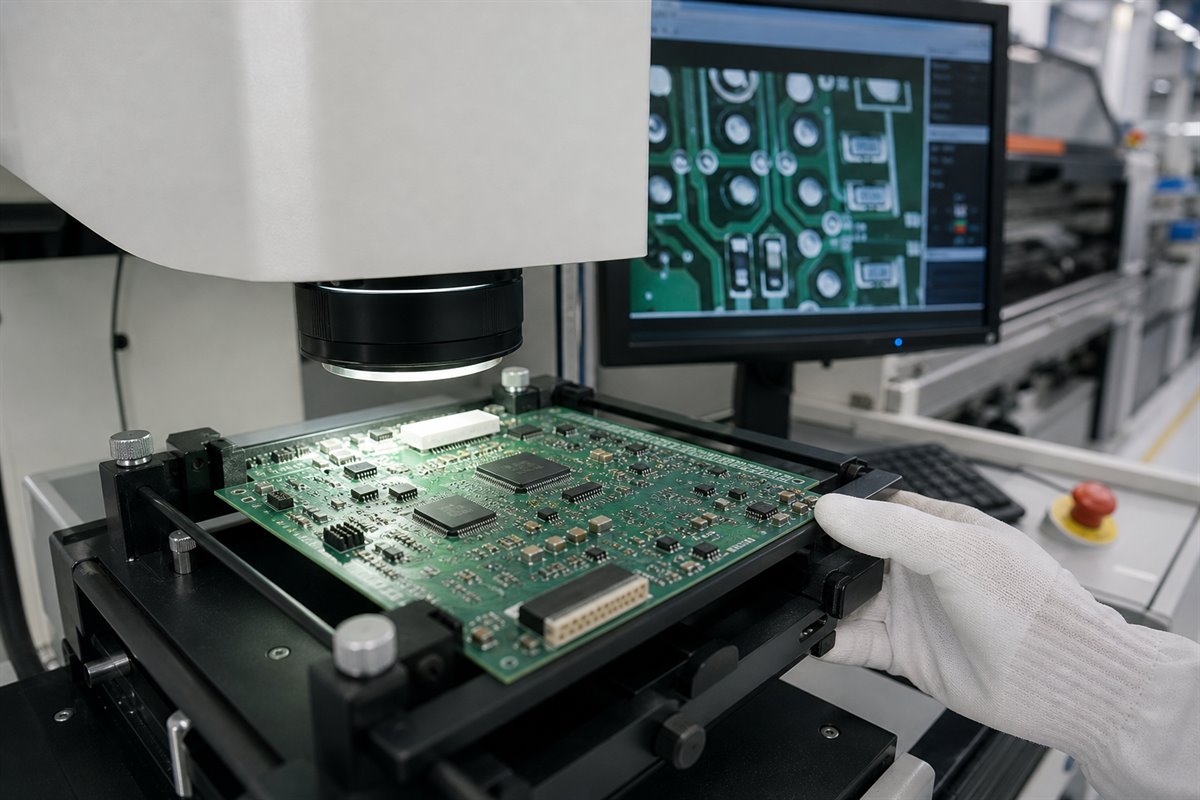
Using separate suppliers for bare-board fabrication, component procurement, and assembly can work, but every handoff creates another opportunity for revisions and responsibilities to fall out of sync.
Common handoff risks include:
- the PCB factory and assembly house receiving different data revisions;
- a fabrication adjustment not reaching the assembly team;
- component substitutions being approved without considering footprint or process compatibility;
- the buyer repeatedly answering the same engineering questions;
- unclear responsibility when a defect may involve the board, component, or soldering process;
- added transport, incoming inspection, and schedule coordination between suppliers.
EBest Circuit (Best Technology) can coordinate PCB layout manufacturability review, PCB fabrication, BOM sourcing, SMT and through-hole assembly, inspection, and agreed testing assistance under one production order. For the customer, that means fewer handoffs, one point of contact, clearer revision control, and faster answers when a manufacturing issue involves both the bare board and the assembly process.
This coordinated service does not transfer product-design ownership to the manufacturer. The customer still controls circuit function, approved files, BOM decisions, firmware, regulatory requirements, and final product acceptance. The benefit is a better-coordinated manufacturing process—not an assumption that the supplier will redesign or certify the product.
How Should You Write a Clear PCA or PCB RFQ?
A good RFQ lets the supplier understand the deliverable without guessing. It also makes the quotes easier to compare because each supplier is pricing the same scope of work.
State the required outcome first:
- bare PCB only;
- PCB fabrication plus customer-supplied component assembly;
- PCB fabrication, BOM sourcing, and assembly;
- assembly plus defined programming, inspection, or test assistance.
Then include:
- project name, board part number, and revision;
- prototype and expected production quantities;
- complete fabrication and assembly files;
- BOM sourcing responsibility and substitution rules;
- customer-supplied materials and delivery timing;
- workmanship or acceptance requirements;
- inspection, X-ray, programming, and testing scope;
- required reports, traceability, packaging, and delivery date;
- a list of optional items that should be priced separately.
Ask the supplier to document assumptions and exclusions in the quote. If a requirement cannot yet be defined, mark it as pending instead of allowing each supplier to make a different assumption.
For a quote covering PCB fabrication, BOM sourcing, PCBA, and agreed testing assistance, send the released project package to sales@bestpcbs.com. EBest Circuit (Best Technology) can review the scope of work and identify missing production inputs before the order is released.
FAQs About PCA vs PCB
Does PCA mean the same thing as PCBA?
In common electronics manufacturing use, both usually describe a PCB populated with components. Because company terminology varies, define the required fabrication, sourcing, assembly, inspection, and testing deliverables in the RFQ.
Can I request a PCA quote with Gerber files only?
Gerber files are not enough for a reliable assembly quote. The supplier also needs a BOM, placement data, assembly drawings, quantity, sourcing responsibility, and any programming or testing requirements.
Does a PCA quote always include the PCB?
No. Some quotes cover full turnkey fabrication and assembly, while others cover only assembly labor using customer-supplied boards and components. Confirm the material and service scope in writing.
Is a completed PCA ready to install in the final product?
Not necessarily. The board may still require programming, functional testing, cable or enclosure integration, system validation, and product-level compliance work.
What is the fastest way to compare PCA quotes?
Compare the same released revision and separate each quote into PCB fabrication, components, tooling, assembly, inspection, testing, optional services, lead time, and stated exclusions. Do not compare total prices until the scopes match.
Choosing between PCA vs PCB should leave no doubt about what will arrive at your receiving department. Define the deliverable, release the matching files, and agree on inspection and testing before the purchase order. That preparation prevents a simple terminology gap from becoming a cost, schedule, or acceptance problem.