





LED PAR Can Light Copper Core PCB is a specialized thermal-management circuit board designed to handle the intense heat generated in high-power stage lighting systems. This article explains how copper core PCB technology improves reliability, brightness stability, and lifespan in LED PAR can lights, and how to select the right design and manufacturer.
EBest Circuit (Best Technology) is a professional LED PAR Can Light Copper Core PCB manufacturer with strong experience in thermal PCB design and production for demanding lighting applications. Whether you are a production engineer concerned about uneven heat dissipation and color inconsistency, a hardware designer looking for better thermal efficiency for fast color switching, a sourcing team balancing cost and lead time, or a technical researcher evaluating materials under repeated thermal cycling, our team can provide dependable copper core PCB solutions that match real stage lighting requirements. For project support or immediate assistance, pls feel free to call us at +86-755-2909-1601.
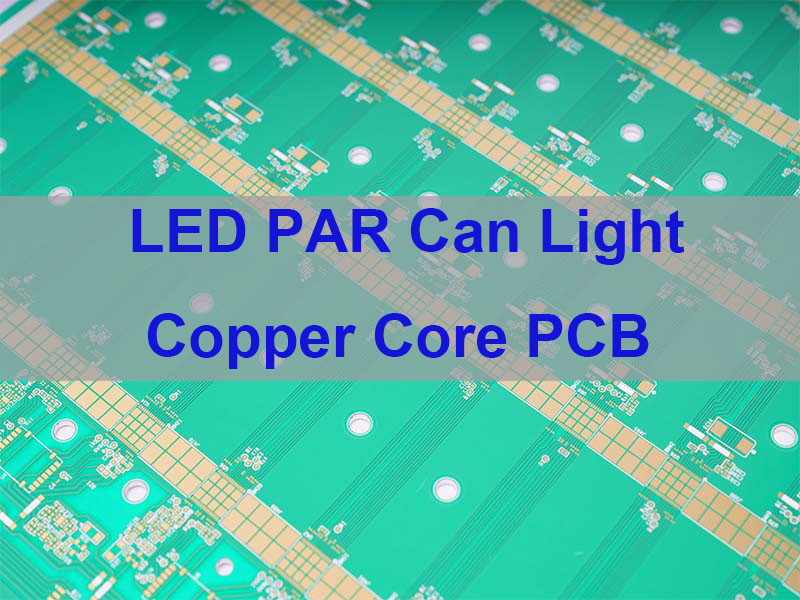
What Is LED PAR Can Light Copper Core PCB?
An LED PAR Can Light Copper Core PCB is a type of metal core printed circuit board that uses copper as the base material instead of traditional aluminum or FR4.
Unlike standard boards, it offers a highly efficient thermal path from the LED chips to the heat sink. This helps stage lighting products maintain stable brightness and color output during long operating periods.
Typical Structure
| Layer | Material | Function |
|---|---|---|
| Top Layer | Copper Circuit 1 oz to 3 oz | Electrical routing and LED mounting |
| Dielectric Layer | High thermal conductivity insulation | Electrical isolation and heat transfer |
| Base Layer | Copper core 1.0 mm to 2.0 mm | Heat spreading and structural support |
This structure is especially useful in PAR can fixtures, where power density is high and thermal buildup can quickly affect performance.
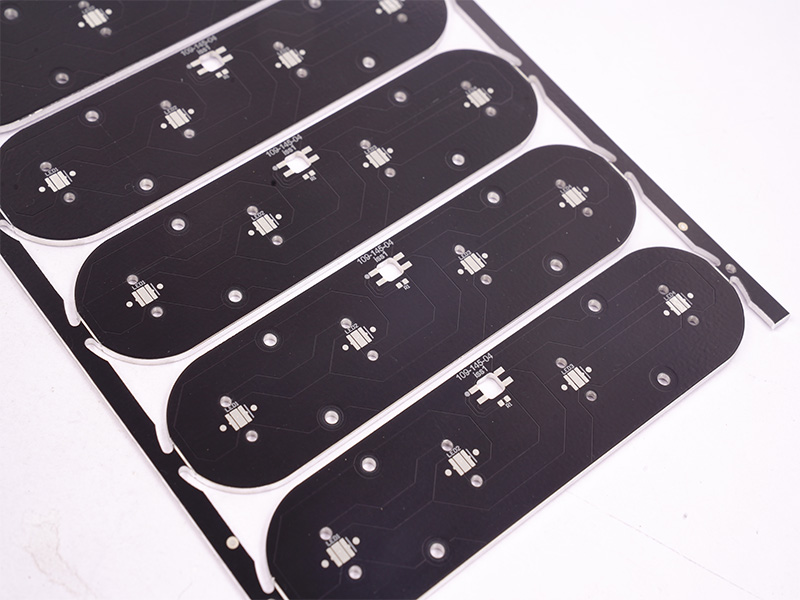
Why Do LED PAR Can Lights Overheat Easily?
LED PAR can lights often work in compact housings with limited airflow. At the same time, they are expected to deliver strong output, precise color mixing, and stable performance during long shows.
This creates several thermal challenges:
- High power LED arrays in a small space
- Continuous operation during live events
- Frequent color switching and changing thermal load
- Dense component placement around the light source
When the PCB cannot dissipate heat evenly, several issues may appear:
- Brightness drops during operation
- Color output becomes less stable
- Solder joints age faster
- LED lifespan becomes shorter
- Product consistency becomes harder to control
For stage lighting, thermal design affects much more than temperature. It also affects color quality, reliability, and long-term maintenance cost.
Why Choose Copper Core PCB for LED PAR Can Lighting?
Copper core PCB is often selected for premium PAR can designs because it gives stronger thermal performance than conventional board options.
Superior Heat Dissipation
Copper has very high thermal conductivity, so it can spread heat faster across the board. This helps reduce local hotspots under high-power LEDs.
Better Color Stability
In stage lighting, color consistency matters. Uneven heat distribution can shift the working condition of LEDs, especially in multi-color designs. A copper core structure helps keep thermal conditions more balanced, which supports more stable color output.
Improved Reliability
Repeated heating and cooling cycles put stress on solder joints and LED packages. Copper core PCBs help reduce thermal stress and improve product durability.
Support for Higher Power Density
For compact PAR can fixtures, designers often need more output from less space. Copper core PCB makes that easier by improving thermal transfer and supporting tighter, high-power layouts.
How Does Copper Core PCB Compare to Aluminum PCB in PAR Lights?
| Feature | Copper Core PCB | Aluminum PCB | Practical Impact in PAR Lights |
|---|---|---|---|
| Thermal Conductivity | Higher | High | Copper spreads heat faster |
| Heat Uniformity | Excellent | Good | Better for multi-color LED consistency |
| Structural Strength | Strong | Good | Suitable for demanding designs |
| Cost | Higher | Lower | Aluminum fits basic projects, copper fits high-performance builds |
| Long-Term Reliability | Very high | High | Copper performs better under repeated thermal stress |
For standard lighting products, aluminum PCB may be enough. For high-power PAR can lights with stricter thermal and color stability requirements, copper core PCB is usually the better engineering choice.
What Are the Key Layout Rules for LED PAR Can Copper Core PCB?
Good material selection helps, but layout design has an equally large influence on final thermal performance.
Keep Thermal Paths Short and Direct
Place LEDs in positions that allow heat to move quickly into the copper base. Avoid unnecessary thermal barriers in the structure.
Distribute Heat Evenly
Arrange LEDs symmetrically when possible. This helps prevent one area of the board from running much hotter than the rest.
Match Trace Width to Current Demand
High-power lighting circuits need proper copper width to carry current safely and reduce voltage drop. This is especially important in PAR can boards with multiple LED channels.
Consider Color Channel Balance
For RGB or RGBW stage lighting, different channels may generate different heat loads. The layout should consider this to maintain balanced color switching and stable output.
Use Suitable Dielectric Materials
The dielectric layer should provide both electrical insulation and efficient heat transfer. Selecting the right thermal conductivity level is essential for reliable board behavior.
Leave Room for Mechanical Integration
PAR can fixtures often have compact housings, reflectors, screws, heat sinks, and optical parts nearby. PCB layout should support easy integration into the full lighting structure.
What Materials and Stackups Are Used in LED PAR Can Copper Core PCB?
The exact stackup depends on power level, LED density, and target fixture design, but several configurations are common.
Common Stackup Example
| Parameter | Typical Range |
|---|---|
| Circuit Copper Thickness | 1 oz to 3 oz |
| Dielectric Thermal Conductivity | 3 W/m·K to 8 W/m·K |
| Copper Core Thickness | 1.0 mm to 2.0 mm |
| Surface Finish | ENIG, OSP |
For Higher Power Designs
High-end PAR can boards may use:
- Thicker copper circuits for higher current
- Thinner dielectric layers for faster heat transfer
- Optimized pad structures for direct thermal flow
- More robust material combinations for repeated thermal cycling
The right stackup should match both electrical demand and lighting application conditions.
When Should You Use Copper Core PCB Instead of Aluminum?
Copper core PCB is especially suitable when the project includes one or more of the following conditions:
- High power LED output
- Compact fixture size
- Frequent color switching
- Strict color consistency requirements
- Continuous operation in professional lighting environments
- Demand for longer service life
If the product is lower power and more cost-sensitive, aluminum PCB may still be a practical option. But for premium stage lighting performance, copper core is often worth the investment.
How to Choose a Reliable Manufacturer for Copper Core PCB?
Choosing the right supplier is not only about price. For stage lighting projects, a reliable manufacturer should understand both thermal PCB fabrication and practical lighting requirements.
Look for Real Copper Core PCB Experience
Not every PCB factory handles copper core boards well. Processing copper core materials requires more control in machining, routing, and thermal structure design.
Check Engineering Support
A good manufacturer should help with:
- Stackup recommendation
- Thermal design review
- Manufacturability optimization
- Material selection advice
Review Quality Control Capability
Important controls include:
- Incoming material inspection
- AOI and process inspection
- Thermal structure consistency checks
- Reliability validation for long operating cycles
Evaluate Delivery and Supply Stability
For purchasing teams, lead time matters just as much as quality. A dependable supplier should provide reasonable production planning and stable batch delivery.
Why Work With EBest for LED PAR Can Light Copper Core PCB?
EBest Circuit (Best Technology) provides custom copper core PCB manufacturing and assembly support for high-demand LED lighting applications.
Our team understands the challenges behind stage lighting products, including thermal balance, color switching stability, structural integration, and delivery efficiency. We support customers from prototype evaluation to mass production with engineering-focused service.
What We Offer
- Copper core PCB fabrication for lighting applications
- Design for manufacturability support
- Material and stackup recommendations
- PCB assembly support when required
- Stable production capacity for prototype and volume orders
Why Customers Choose Us
- Strong experience in thermal PCB manufacturing
- Support for custom high-power lighting boards
- Engineering communication that helps solve real product issues
- Responsive service for both development and sourcing teams
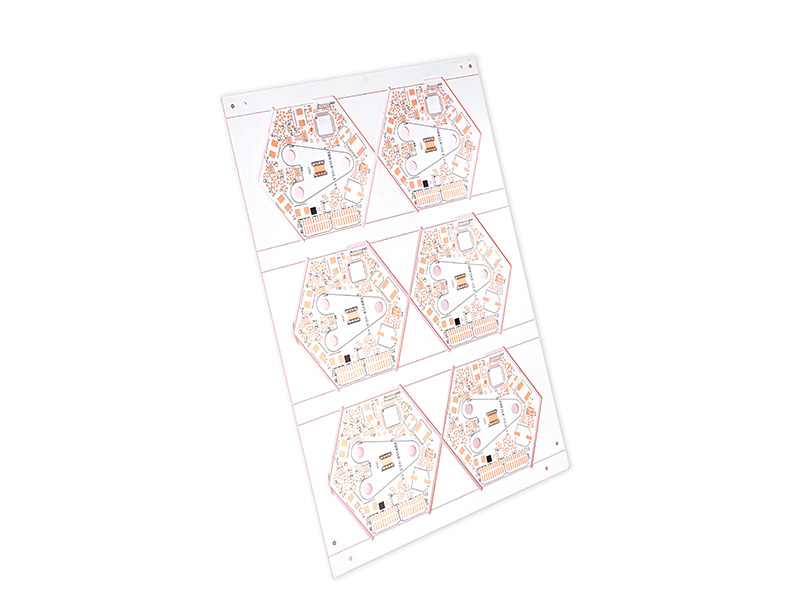
To conclude, for stage lighting products, overheating is not only a thermal issue. It also affects color quality, service life, and product consistency. That is why many higher-end PAR can designs move toward copper core PCB instead of standard alternatives.
If your fixture needs stronger thermal control, better color stability, and more dependable long-term performance, LED PAR Can Light Copper Core PCB is a very practical solution.
If you are developing a new stage lighting product or improving an existing PAR can design, EBest Circuit (Best Technology) can support you with professional copper core PCB solutions. Pls feel free to contact us at sales@bestpcbs.com or call +86-755-2909-1601 to discuss your project.
FAQs About LED PAR Can Light Copper Core PCB
What is the main benefit of copper core PCB in LED PAR can lights?
The main benefit is faster and more uniform heat dissipation. This improves reliability, brightness stability, and color consistency.
Is copper core PCB always better than aluminum PCB?
Not always. It depends on the product target. For high-power, compact, or color-sensitive PAR can designs, copper core PCB usually provides better performance.
Does copper core PCB help color switching stability?
Yes. Better thermal control helps reduce temperature-related variation, which supports more stable color behavior during operation.
Is copper core PCB more expensive?
Yes, the material and processing cost are generally higher than aluminum PCB. However, it can offer better long-term value in demanding stage lighting products.
What files are needed for a quotation?
A complete quote usually requires Gerber files, PCB specifications, quantity, and any special thermal or assembly requirements.
You may also like




Tags: Copper Core MCPCB Manufacturer, Copper Core PCB for Stage Lighting, High Power LED Copper PCB, LED PAR Can Light Copper Core PCB, Stage Lighting LED PCB Design, Thermal Management PCB for LED Lighting