Custom PCB assembly services turn a bare printed circuit board, component list and assembly data into a working PCBA built for a specific product. A useful assembly order is not defined only by quantity and delivery date. It depends on a clean BOM, verified footprints, component availability, DFM review, soldering method, inspection plan, functional test needs and clear acceptance criteria.
For buyers and hardware teams, the right question is not only “who can assemble this PCB?” A better question is “what information does the assembly supplier need to build the first batch without guessing?” This checklist explains the files, engineering checks, sourcing decisions, quality controls and RFQ questions that should be settled before custom PCBA production starts.
What Are Custom PCB Assembly Services?
Custom PCB assembly services cover the process of mounting and soldering components onto a customer-specific PCB, then inspecting and testing the assembled board against the product requirement.
The service may include SMT assembly, through-hole assembly, mixed-technology assembly, BGA placement, cable or wire soldering, conformal coating, programming, box-build steps, component sourcing and functional testing. For a simple prototype, the supplier may only need Gerbers, a BOM and a pick-and-place file. For a production PCBA, the supplier also needs revision control, approved alternates, test fixtures, packaging requirements and a clear defect-handling process.
A bare PCB can look correct and still fail after assembly if the footprint, pad design, component height, thermal relief, polarity marking or soldering process was not checked early. That is why custom assembly should be treated as an engineering workflow, not just a labor quote.
Files Needed Before a PCBA Supplier Can Quote Accurately
A PCBA quotation is only reliable when the supplier can see the board design, component demand and assembly method without filling gaps by assumption.
At minimum, send Gerber or ODB++ files, NC drill data, a BOM with manufacturer part numbers, quantity, designator and package, a centroid or pick-and-place file, assembly drawings, polarity notes, special soldering notes, test requirements and the target quantity. If the project has critical parts, include approved substitutes, lifecycle notes and any customer-supplied material plan.
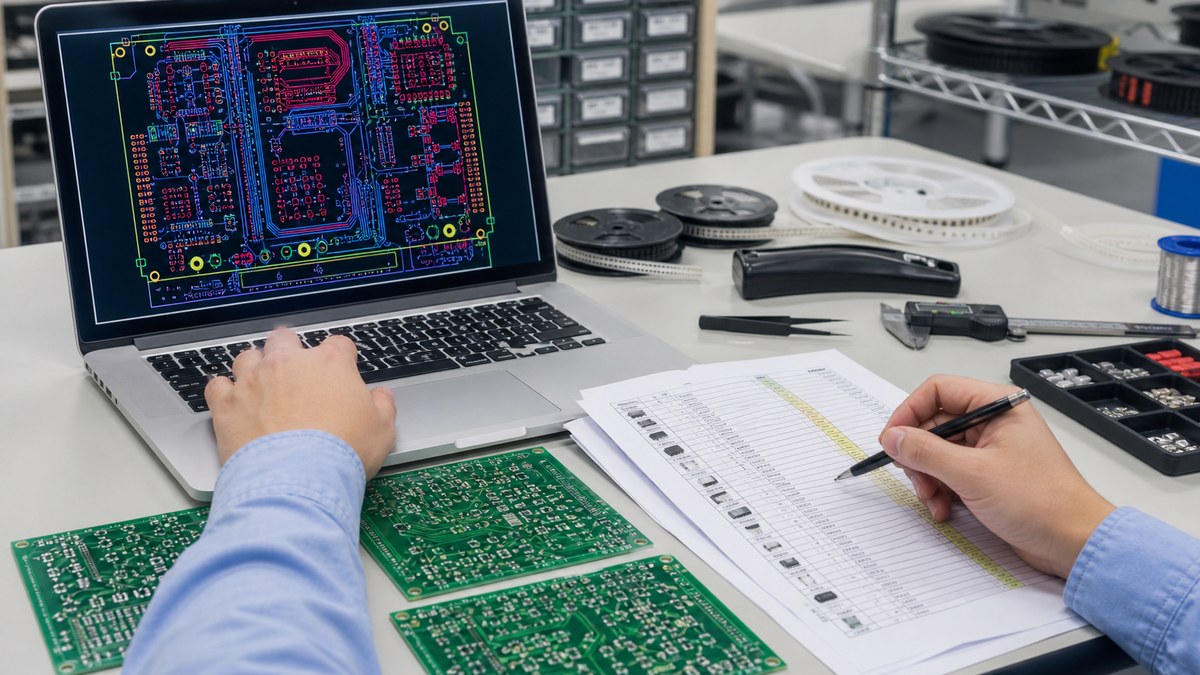
Common quoting problems include obsolete parts, inconsistent package names, missing polarity, a centroid file that does not match the latest Gerbers, unclear do-not-populate parts, no test method, and a requested delivery date that ignores component lead time. Best Technology’s Component Sourcing page is a useful internal reference when a project needs turnkey sourcing instead of consigned parts.
BOM Review Comes Before Assembly Scheduling
BOM review should confirm that every part can be bought, placed, soldered and inspected before the assembly job is released.
A practical BOM review checks manufacturer part numbers, distributor availability, package consistency, moisture sensitivity, polarity, lifecycle risk, RoHS or other compliance needs, approved alternates and customer-supplied parts. It should also separate no-load parts, optional variants and parts that need special storage or handling. For prototypes, this prevents delays. For repeat builds, it reduces the chance of silent substitutions and batch-to-batch variation.
| BOM Item | What to Check | Why It Matters |
| MPN and package | Manufacturer part number, footprint, pin count and package code. | Wrong packages cause placement errors or unusable boards. |
| Availability | Stock, lead time, MOQ and approved substitutes. | Component shortages can delay assembly more than PCB fabrication. |
| Polarity and orientation | Diodes, LEDs, ICs, connectors, electrolytic capacitors and batteries. | Orientation mistakes can damage the product during first power-up. |
| Special handling | MSL level, baking needs, ESD controls and storage limits. | Moisture or handling problems can create hidden reliability defects. |
| Test relevance | Parts tied to programming, calibration or functional test. | Testing cannot be planned correctly if critical parts are not identified. |
DFM and DFA Checks That Prevent Assembly Rework
DFM and DFA checks should focus on placement, solderability, inspection access and test access before the first board enters production.
- Confirm solder paste openings for fine-pitch ICs, QFN packages and thermal pads.
- Check BGA escape routing, via-in-pad treatment and X-ray inspection needs.
- Review component spacing, connector keep-out areas and tall part interference.
- Verify fiducials, panel rails, tooling holes and board support for SMT handling.
- Check test points for programming, ICT, functional test or power rail measurement.
- Review through-hole clearances for wave soldering, selective soldering or hand soldering.
- Confirm polarity marks are visible after assembly and not hidden under components.
When the design includes dense IC packages, early review of BGA Assembly requirements can prevent problems with pad design, X-ray inspection, rework access and thermal profile control.
SMT, Through-Hole and Mixed Assembly Need Different Planning
The correct assembly method depends on component package, mechanical strength, thermal demand, production volume and inspection requirements.
| Assembly Type | Best Fit | Buyer Check |
| SMT assembly | Most modern ICs, passives, sensors, communication modules and compact products. | Confirm stencil, fiducials, placement accuracy and reflow profile needs. |
| Through-hole assembly | Connectors, power parts, large capacitors and mechanically stressed parts. | Confirm wave, selective or manual soldering and keep-out clearance. |
| Mixed assembly | Boards with both SMT and through-hole devices. | Confirm process order, hand-solder risk and cleaning requirements. |
| Box-build support | PCBAs that must be wired, enclosed, programmed or packed as a module. | Confirm drawings, cable routing, labeling, fixture needs and final test steps. |
If the project must move from engineering samples to repeated builds, Prototype PCB Assembly and Quick Turn PCB Assembly pages are relevant internal references for prototype and schedule-sensitive PCBA planning.
Inspection and Testing Should Be Defined Before Production
Inspection and testing should match the product risk, not a generic pass-fail line in the purchase order.
Typical PCBA checks include solder paste inspection when needed, first-article inspection, AOI, X-ray for BGA or hidden joints, visual inspection, programming, power-on check, ICT, flying probe, functional test, burn-in or environmental screening when the application requires it. The buyer should define which tests are included, which reports are required, and what happens when a board fails.
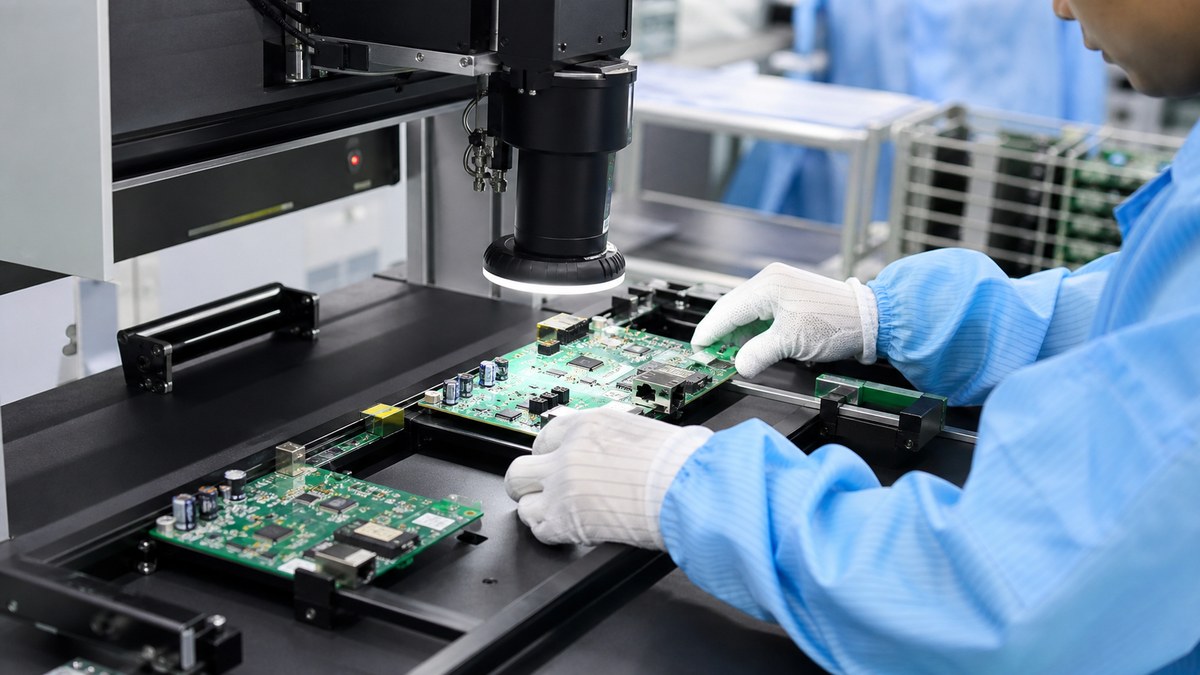
For projects where test coverage affects acceptance, Best Technology’s PCB test equipment page can help buyers understand common inspection and test resources. The article should not replace a project-specific test plan, but it gives useful vocabulary for RFQ discussions.
Cost and Lead Time Drivers in Custom PCB Assembly Services
Assembly cost and lead time are usually driven by component sourcing, placement complexity, test requirements and rework risk rather than board quantity alone.
Main cost drivers include BOM line count, fine-pitch packages, BGA or QFN devices, double-sided assembly, through-hole soldering, conformal coating, programming, functional test fixtures, component shortages, consigned material handling, packaging and urgent delivery. A low assembly price can become expensive if it excludes sourcing review, test setup or failure analysis support.
Buyers should ask the supplier to separate PCB fabrication, component sourcing, SMT assembly, through-hole assembly, testing, programming, packaging and freight. That makes it easier to compare quotes and identify where the real risk sits.
RFQ Questions to Ask a Custom PCBA Supplier
Good RFQ questions reveal whether the supplier understands the assembly risk before the purchase order is issued.
- Are any parts obsolete, long-lead, high-risk or missing approved substitutes?
- Do the BOM, centroid file, Gerbers and assembly drawings match the same revision?
- Which DFM or DFA issues should be fixed before production?
- Which soldering process will be used for SMT, through-hole and mixed components?
- Which inspection steps are included, and which need a separate request?
- Can the supplier support first-article approval before the full batch?
- What test data, photos, reports or failure feedback will be provided?
- How will customer-supplied parts, shortages and alternate parts be controlled?
For turnkey projects, the main service page for PCB assembly support should be reviewed together with the quote, because sourcing, assembly, inspection and testing are connected decisions.
FAQ
What files do I need for custom PCB assembly services?
You usually need Gerber or ODB++ files, NC drill files, a BOM with manufacturer part numbers, a centroid file, assembly drawings, polarity notes and test requirements. For turnkey assembly, include approved substitutes and any customer-supplied material list.
Is custom PCB assembly the same as PCB fabrication?
No. PCB fabrication makes the bare board. PCB assembly mounts and solders components onto that board. A complete PCBA project may include both steps, plus component sourcing, inspection, programming and functional testing.
What causes delays in PCB assembly projects?
Common delays come from obsolete parts, missing BOM data, mismatched file revisions, unclear polarity, unavailable substitutes, DFM problems, missing test fixtures and late design changes. Component sourcing often controls the schedule more than SMT placement time.
Should I use consigned or turnkey PCB assembly?
Use consigned assembly when you already control parts and want the supplier to assemble them. Use turnkey assembly when you want the supplier to source components, manage purchasing risk and coordinate fabrication, assembly and testing.
When is X-ray inspection needed for PCBA?
X-ray inspection is useful for BGA, QFN, hidden solder joints, via-in-pad structures and assemblies where solder quality cannot be judged visually. It should be specified before quotation if it is part of acceptance.
How can I reduce custom PCB assembly cost?
Clean the BOM, approve alternates, avoid unnecessary special handling, design for accessible testing, reduce avoidable hand soldering, confirm footprints early and separate required tests from optional reports. Do not remove checks that protect product reliability.
What should be checked before first-article approval?
Check component values, polarity, solder joints, connector orientation, programming status, power rails, functional behavior, mechanical fit, labeling and packaging. Any deviation should be corrected before the remaining quantity is released.
Final Thoughts
Custom PCB assembly services work best when the supplier receives clear files, a controlled BOM, realistic process requirements and a defined inspection plan before production. A complete RFQ does not slow the project down. It reduces avoidable clarification, rework and delivery risk.
If you are preparing a prototype, pilot build or production PCBA, send your Gerber files, BOM, centroid file, assembly drawings and test requirements to the Best Technology engineering team at sales@bestpcbs.com for review and quotation support.
You may also like


Tags: custom PCBA, DFM checklist, PCB Assembly, SMT assembly