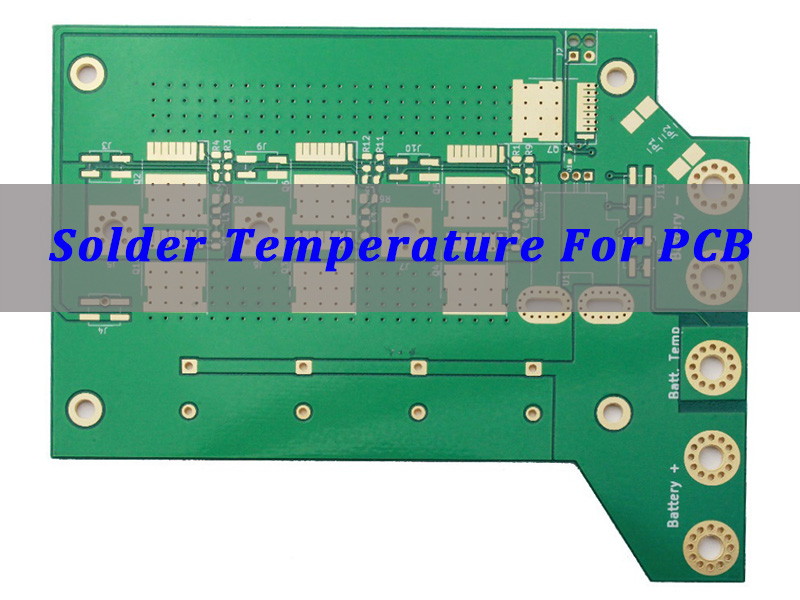
Horizontal PCB busbars are used when standard PCB copper traces cannot provide enough current capacity, thermal stability, or mechanical connection strength.
For OEM buyers, the key question is not how to design every copper path. The real question is simpler: Can this PCB manufacturer build a reliable high-current board that fits the product’s electrical, thermal, and assembly needs?
EBest Circuit (Best Technology) supports custom high-current PCB manufacturing, including bus bar PCB, embedded copper PCB, heavy copper PCB, copper inlay PCB, and power electronics PCB projects. If your project involves battery power distribution, EV modules, charging systems, industrial power control, or high-current terminals, send your files and requirements to sales@bestpcbs.com for engineering review.
What Are Horizontal PCB Busbars?
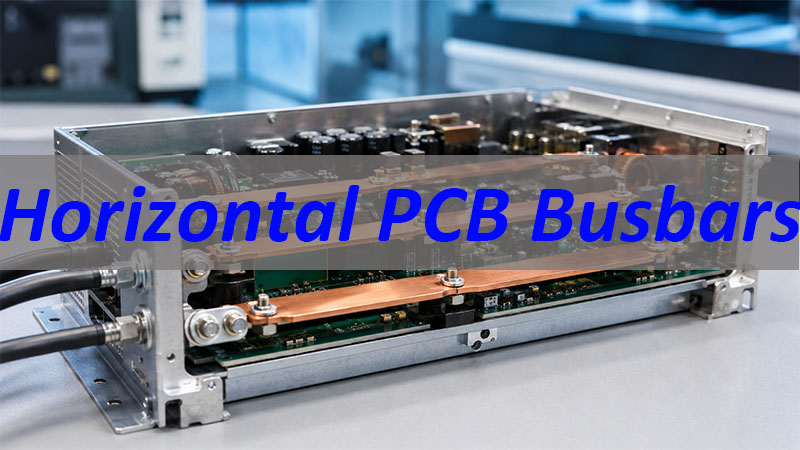
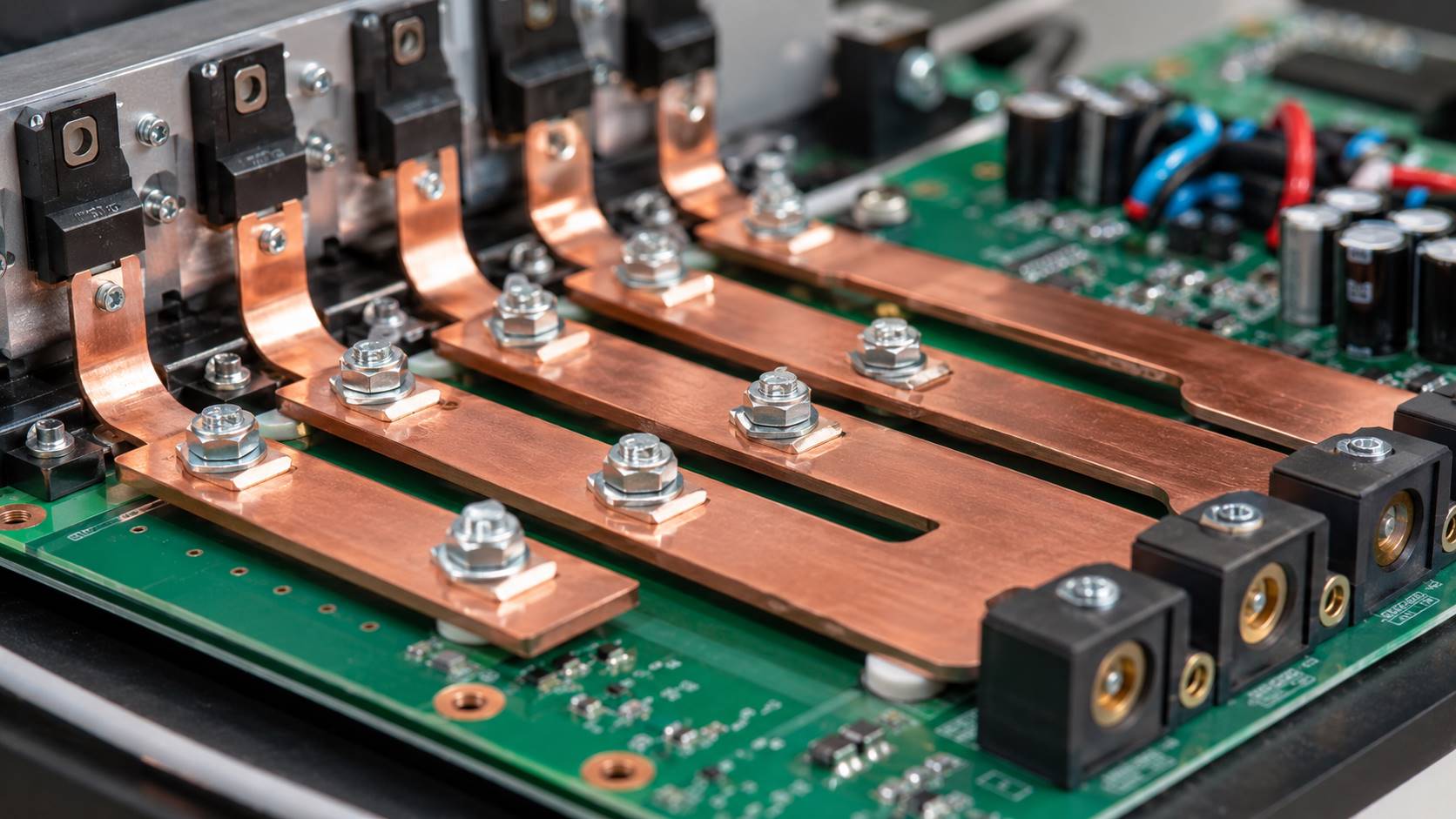
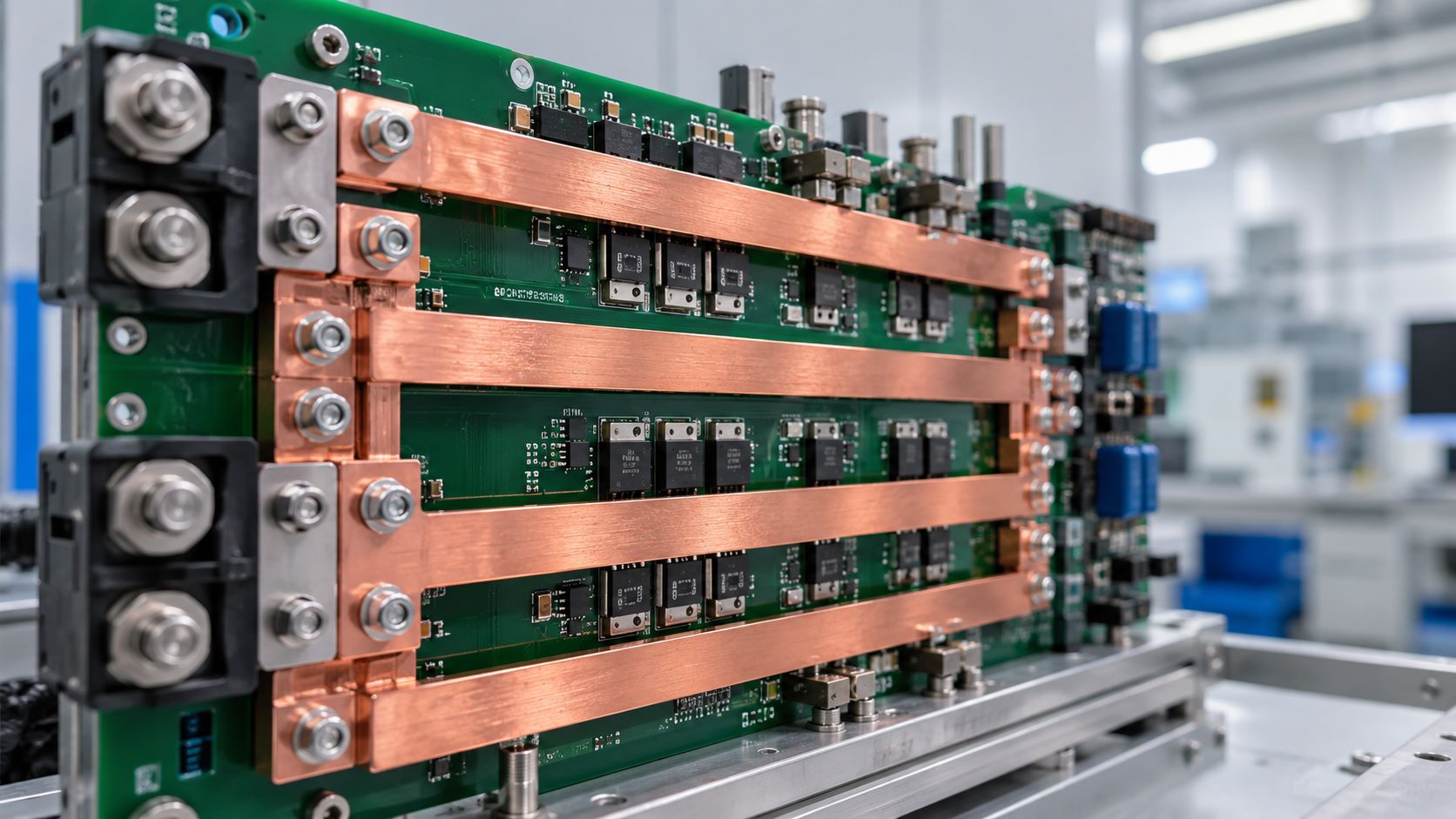
Horizontal PCB busbars are copper current-carrying structures used across or within a PCB assembly. They help create stronger, lower-resistance current paths than standard copper traces.
They may appear as:
- Copper busbars mounted on a PCB
- Embedded copper bars inside the PCB
- Copper inlay areas for high-current sections
- Board-level power paths connected to terminals or screws
- Custom copper structures for power distribution
Their main purpose is to carry higher current, reduce resistance, improve heat spreading, and create more stable power connections.
Why Are Horizontal PCB Busbars Used in High-Current PCB Projects?
Horizontal PCB busbars are used when a product needs stronger current handling without relying only on wide copper traces or bulky external wiring.
They can help with:
- Higher current capacity
- Lower voltage drop
- Better heat spreading
- Cleaner internal product layout
- Stronger terminal or screw connection
- More stable power distribution
- Reduced risk from weak current paths
For OEM buyers, the value is practical: fewer overheating issues, fewer unstable connections, and fewer assembly problems in high-current products.
Where Are Horizontal PCB Busbars Commonly Used?
Horizontal PCB busbars are suitable for compact power products where current handling and space control matter.
Common applications include:
- EV battery modules
- Energy storage systems
- Battery power distribution boards
- Charging systems
- Inverters and converters
- Industrial power control boards
- Motor drive and relay control modules
- High-power LED systems
- New energy electronics
- Compact power electronics
If your product uses batteries, high-current relays, power terminals, screw connections, thick wires, or power modules, a PCB busbar structure may be worth reviewing.
Horizontal PCB Busbars vs Heavy Copper PCB vs Embedded Copper PCB
These solutions are related, but they solve different manufacturing needs.
- Heavy copper PCB uses thicker copper layers to increase current capacity across the board. It is suitable when the design needs stronger copper on larger areas.
- Embedded copper PCB places copper blocks or copper bars into the PCB structure. It is suitable when specific areas need stronger current or better thermal transfer.
- Horizontal PCB busbars focus on defined current paths and mechanical power connections. They are useful when the PCB must connect with terminals, screws, battery modules, or high-current interfaces.
Simple selection logic:
- Use heavy copper PCB for stronger copper layers
- Use embedded copper PCB for local high-current or thermal areas
- Use horizontal PCB busbars for defined power paths and stronger connection points
In many real projects, these options can also be combined.
What Manufacturing Challenges Should OEM Buyers Watch For?
Horizontal PCB busbars can improve performance, but they also require controlled manufacturing.
Key manufacturing challenges include:
- Copper bar positioning
- Resin filling around copper structures
- Lamination stability
- Drilling near thick copper areas
- Plating control
- Flatness control
- Solder mask coverage
- Terminal hole accuracy
- Mechanical tolerance
- Final inspection and electrical testing
If these steps are not controlled well, the PCB may face delamination, poor flatness, unstable contact, soldering difficulty, or assembly issues.
That is why a busbar PCB should not be quoted like a standard FR4 board. It needs engineering review before production.
What Should Be Checked During DFM Review?
For horizontal PCB busbar projects, DFM review should focus on manufacturability, assembly risk, and production stability.
Important review points include:
- Current requirement and copper structure
- PCB stack-up and copper thickness
- Busbar position and tolerance
- Terminal or screw connection requirements
- Hole size and plating requirements
- Resin filling or copper inlay process
- Surface finish selection
- Assembly and inspection access
- Board thickness and mechanical fit
- Quantity and production repeatability
A good DFM review helps prevent problems before production starts. It also helps the buyer understand whether the structure is practical, cost-effective, and stable for repeat manufacturing.
How Does EBest Circuit (Best Technology) Support Custom Horizontal PCB Busbar Projects?
EBest Circuit (Best Technology) supports custom PCB projects where standard copper traces are not enough.
We can support:
- Bus bar PCB manufacturing
- Embedded copper PCB structures
- Heavy copper PCB production
- Copper inlay PCB solutions
- High-current FR4 PCB
- Metal core PCB for thermal support
- Ceramic PCB for higher thermal conductivity needs
- PCB assembly support when required
- DFM review before production
For OEM buyers, EBEST is not only a PCB supplier. We help review whether the copper structure is manufacturable, whether the stack-up is suitable, whether the busbar area may affect drilling or lamination, and whether the connection method needs special process control.
If your project involves EV modules, battery power distribution, industrial power control, charging systems, high-current terminals, or compact power electronics, please send your Gerber files, drawings, current requirements, stack-up, and mechanical notes to sales@bestpcbs.com.
Our team will review your project carefully and help you move forward with a clearer manufacturing plan.
FAQs About Horizontal PCB Busbars
What are horizontal PCB busbars?
Horizontal PCB busbars are copper current-carrying structures used across or inside a PCB assembly to support high-current power distribution.
Are horizontal PCB busbars the same as heavy copper PCB?
No. Heavy copper PCB uses thicker copper layers, while horizontal PCB busbars usually refer to defined copper structures or current paths for stronger power connection.
When should I consider a PCB busbar?
You should consider it when standard copper traces become too wide, too hot, too resistive, or difficult to fit into the product structure.
What information is needed for a busbar PCB quote?
Gerber files, stack-up, copper thickness, current requirement, mechanical drawing, terminal or screw connection details, surface finish, board thickness, and estimated quantity are helpful.
Can EBest Circuit (Best Technology) support custom bus bar PCB projects?
Yes. EBest Circuit (Best Technology) supports bus bar PCB, embedded copper PCB, heavy copper PCB, copper inlay structures, and other high-current PCB manufacturing projects.
In a nutshell, horizontal PCB busbars are not just thicker copper. They are a manufacturing solution for high-current PCB products that need stable current paths, stronger connections, and better production reliability.
For OEM buyers, the right supplier should understand PCB manufacturing, copper structure, DFM review, mechanical connection, inspection, and repeat production.
EBest Circuit (Best Technology) would be glad to review your high-current PCB project with care. If you need horizontal PCB busbars, bus bar PCB, embedded copper PCB, or heavy copper PCB manufacturing support, please send your files and requirements to sales@bestpcbs.com.