





What makes a high reliability circuit board essential for critical applications? It endures extreme conditions and meets strict standards, making it irreplaceable in key industries. Many engineers struggle with its key elements. This guide helps navigate its design, materials and testing.
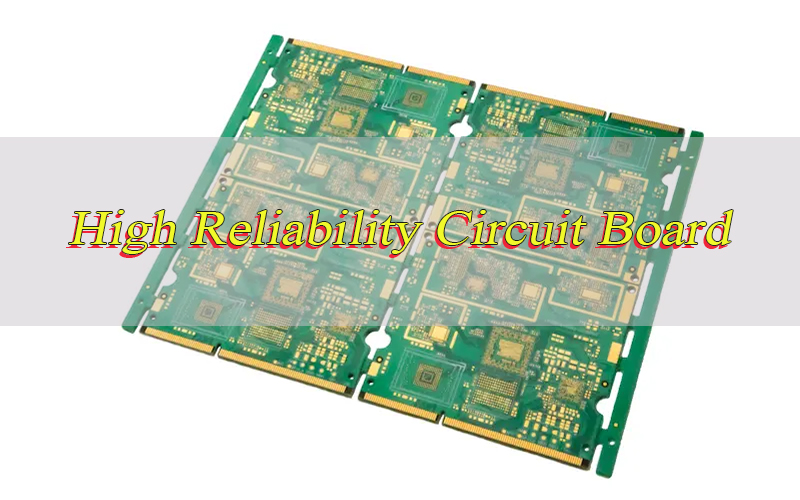
What is a High Reliability Circuit Board?
A high reliability circuit board is a specialized printed circuit board designed to maintain consistent performance and durability in harsh or critical environments where failure could lead to safety risks, significant financial losses, or operational downtime. Unlike standard boards, high reliability printed circuit boards undergo stricter design, material selection, manufacturing, and testing processes to ensure they can withstand extreme temperatures, vibration, humidity, chemical exposure, and long-term use without degradation.
High reliability board are used in applications where performance is non-negotiable, such as aerospace, defense, medical devices, industrial automation, and automotive safety systems. These boards are engineered to meet specific reliability metrics, including mean time between failures (MTBF), thermal stability, and mechanical robustness. The core goal of a high reliability PCB is to eliminate potential points of failure, from component placement to solder joints, ensuring the board operates as intended for its entire service life.
Multilayer PCB fabrication plays a key role in creating high reliability circuit boards, as multilayer designs allow for greater component density, improved signal integrity, and better thermal management, all critical for reliability in complex systems. Multilayer PCB fabrication enables engineers to design boards that fit into compact spaces while maintaining the durability needed for harsh environments, making it a cornerstone of high reliability printed circuit boards manufacturing.
What Are the Differences Between High Reliability Circuit Board and Standard Circuit Board?
Understanding the distinctions between high reliability circuit boards and standard ones is crucial for selecting the right board for your application. These differences span materials, manufacturing, testing, and performance, directly impacting how well the board can meet your project’s requirements. Below is a detailed comparison to clarify their unique characteristics.
| Category | High Reliability Circuit Boards | Standard Circuit Boards |
| Material Quality | Use high-grade materials such as FR-4 with high Tg (glass transition temperature), polyimide, or Rogers materials for thermal and mechanical stability. Materials are rigorously tested for consistency and durability. | Use standard FR-4 or low-grade materials with lower Tg. Materials are selected for cost-effectiveness rather than long-term reliability. |
| Manufacturing Tolerances | Strict manufacturing tolerances for trace width, spacing, hole size, and layer alignment. Multilayer PCB fabrication for high reliability uses precise lamination processes to ensure layer adhesion and minimize defects. | Wider manufacturing tolerances to reduce costs. Multilayer PCB fabrication (when used) uses basic lamination processes with less quality control. |
| Testing Requirements | Comprehensive testing including thermal cycling, vibration testing, humidity testing, X-ray inspection, and continuity testing. Every board may undergo 100% inspection to ensure no defects. | Basic testing such as visual inspection and continuity checks. Random sampling is common, and many defects may go undetected. |
| Design Focus | Designed for thermal management, signal integrity, and mechanical robustness. Multilayer PCB fabrication is often used to optimize these factors, with careful consideration of component placement and trace routing. | Designed for cost-effectiveness and basic functionality. Little focus on thermal management or signal integrity beyond basic requirements. |
| Application Use Cases | Aerospace, defense, medical devices, industrial automation, automotive safety systems, and other critical applications where failure is catastrophic. | Consumer electronics, toys, basic appliances, and other non-critical applications where occasional failure is acceptable. |
| Service Life | Engineered for long service life (10+ years) with minimal degradation. Multilayer PCB fabrication enhances durability, ensuring the board withstands long-term use in harsh conditions. | Service life is typically 2-5 years, with degradation expected over time due to lower-quality materials and manufacturing. |
What Design Principles Should Be Followed for High Reliability PCB Design?
Designing a high reliability PCB requires more than basic circuit layout, it demands intentional choices to enhance durability, signal integrity, and thermal performance. The following principles are foundational to creating boards that can withstand harsh conditions and deliver long-term reliability.
- Prioritize Thermal Management: High reliability PCB generate heat during operation, so design must include heat sinks, thermal vias, and proper component placement to dissipate heat. Multilayer PCB fabrication allows for dedicated thermal layers to distribute heat evenly, preventing overheating and component failure. Ensure components with high heat output are placed away from heat-sensitive parts and use materials with high Tg to resist thermal expansion.
- Optimize Signal Integrity: Signal degradation can lead to board failure, so design traces to minimize noise, crosstalk, and impedance mismatch. Use controlled impedance traces, separate analog and digital signals, and keep high-speed traces short. Multilayer PCB fabrication enables signal layers to be isolated from power and ground layers, reducing interference and improving signal integrity.
- Mechanical Robustness: Design the board to withstand vibration, shock, and physical stress. Use thicker copper layers for mechanical strength, avoid sharp corners on traces, and ensure proper mounting points. Multilayer PCB fabrication with strong lamination bonds enhances the board’s mechanical stability, making it resistant to bending and warping.
- Redundancy and Fault Tolerance: Incorporate redundant components or pathways to ensure the board continues functioning if one component fails. This is critical for high reliability board used in critical applications such as medical devices and aerospace systems. Redundancy design should be integrated early in the process, with multilayer PCB fabrication allowing for compact placement of redundant components.
- Component Selection: Choose components rated for high reliability, including extended temperature ranges, low failure rates, and compliance with industry standards. Avoid counterfeit or low-grade components, as they are a common source of board failure. Components should be compatible with the board’s material and manufacturing processes, including multilayer PCB fabrication requirements.
- Controlled Impedance: Maintain consistent impedance across traces to ensure signal integrity, especially for high-speed applications. Use impedance calculators to determine trace width and spacing, and verify impedance during manufacturing. Multilayer PCB fabrication allows for precise control of trace dimensions, ensuring consistent impedance throughout the board.
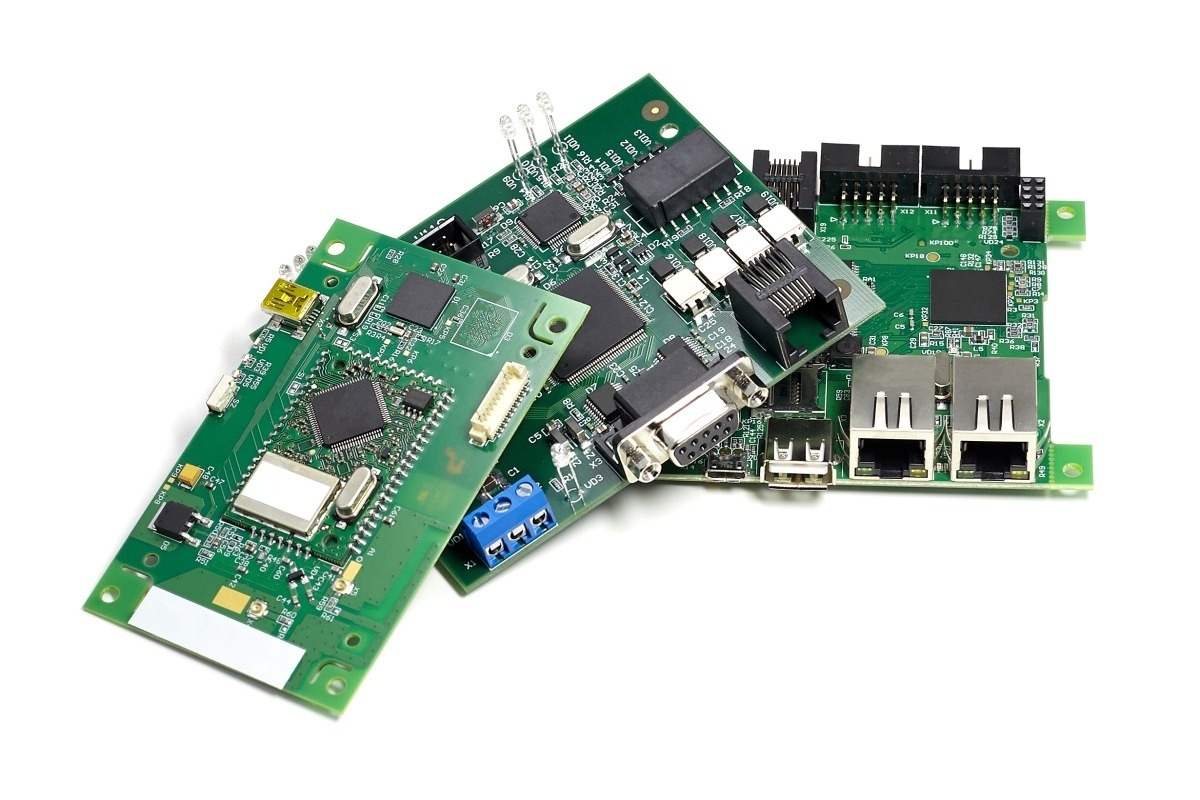
How to Ensure Quality in High-Reliability Circuit Board Assembly Processes?
Even the best-designed high reliability PCB can fail if assembly processes are not carefully controlled. Quality assurance at every step of assembly is key to preventing defects and ensuring the board meets its reliability standards. Here’s how to maintain quality during assembly.
- Strict Material Inspection: Inspect all raw materials, including PCB substrates, copper foils, solder paste, and components, before assembly. Verify material specifications, including Tg, thermal conductivity, and mechanical properties. For multilayer PCB fabrication, inspect each layer before lamination to ensure no defects or contamination.
- Precision Solder Paste Application: Use automated solder paste printers with high accuracy to ensure consistent paste volume and placement. Solder paste should be stored and handled according to manufacturer guidelines to prevent degradation. Proper paste application is critical for strong solder joints, which are essential for high reliability board performance.
- Controlled Reflow Soldering: Use reflow ovens with precise temperature control to ensure solder joints are formed correctly. Follow a carefully calibrated reflow profile to avoid cold joints, bridging, or component damage. For high reliability PCB, reflow processes should be monitored and documented to ensure consistency.
- Automated Optical Inspection (AOI): Use AOI systems to inspect solder joints, component placement, and board defects after assembly. AOI can detect issues such as missing components, misalignment, and solder bridging that may be missed by visual inspection. This step is critical for ensuring high reliability in mass-produced boards.
- X-Ray Inspection: For multilayer PCB fabrication and boards with hidden components (such as BGA packages), use X-ray inspection to verify solder joint quality and layer alignment. X-ray inspection can detect internal defects, such as voids in solder joints, which can compromise reliability.
- Environmental Testing After Assembly: Subject assembled boards to environmental testing, including thermal cycling, humidity testing, and vibration testing, to simulate real-world conditions. This ensures the board can withstand harsh environments without failure. Testing results should be documented and used to improve assembly processes.
- Quality Control Documentation: Maintain detailed records of all assembly processes, including material inspections, solder paste application, reflow profiles, and testing results. Documentation ensures traceability and allows for root cause analysis if defects are found. This is essential for compliance with industry standards for high reliability printed circuit boards.
What Are the Materials for Manufacturing High Reliability Printed Circuit Boards?
The materials used in high reliability printed circuit boards directly influence their performance and durability. Choosing the right substrates, conductors, and auxiliary materials is essential for withstanding extreme conditions and meeting industry standards. Below are the key materials for manufacturing these specialized boards.
- High-Tg FR-4: The most common material for high reliability PCB, high-Tg FR-4 (glass transition temperature above 170°C) offers excellent thermal stability, mechanical strength, and electrical insulation. It is suitable for most high reliability applications and is compatible with standard multilayer PCB fabrication processes. High-Tg FR-4 resists warping and degradation at high temperatures, making it ideal for industrial and automotive applications.
- Polyimide (PI): A high-performance material with exceptional thermal resistance (Tg above 250°C), chemical resistance, and mechanical flexibility. Polyimide is used for high reliability printed circuit boards in extreme temperature environments, such as aerospace and defense applications. It is compatible with multilayer PCB fabrication and can be used for flexible or rigid-flex boards.
- Rogers Materials: Specialized high-frequency materials designed for applications requiring excellent signal integrity, such as aerospace and telecommunications. Rogers materials offer low dielectric loss, controlled impedance, and high thermal conductivity. They are often used in multilayer PCB fabrication for high-speed, high-frequency high reliability board.
- High-Grade Copper Foils: Thick copper foils (1oz or more) are used for high reliability circuit boards to improve current-carrying capacity, thermal conductivity, and mechanical strength. Copper foils with high purity (99.9% or higher) reduce resistance and minimize signal loss. For multilayer PCB fabrication, copper foils are bonded to substrate layers to form conductive traces.
- Lead-Free Solder: Compliant with RoHS standards, lead-free solder (such as SAC305) is used for high reliability PCB to ensure environmental safety and long-term reliability. Lead-free solder offers better thermal fatigue resistance than traditional lead-based solder, making it suitable for applications with frequent temperature cycles. It is essential for multilayer PCB fabrication where solder joints must withstand harsh conditions.
- Underfill Materials: Used for BGA and CSP components, underfill materials fill the gap between the component and the PCB, improving mechanical strength and thermal conductivity. Underfill materials protect solder joints from vibration and thermal stress, reducing the risk of failure. They are commonly used in high reliability printed circuit boards for aerospace and medical applications.
What Special Requirements Are There for High Reliability PCB for Aerospace Applications?
Aerospace applications present unique challenges for high reliability PCB, including extreme temperatures, radiation, and strict weight constraints. These boards must meet rigorous standards to ensure safety and performance in space and aviation environments. Here are the special requirements for aerospace-grade high reliability PCB.
- Extreme Temperature Resistance: Aerospace high reliability PCB must withstand temperatures ranging from -55°C to 125°C (or higher) during operation. Materials such as polyimide or Rogers are used to ensure thermal stability, and multilayer PCB fabrication is optimized to prevent layer separation at extreme temperatures. Thermal cycling testing is required to verify performance under temperature extremes.
- Radiation Hardening: Boards used in space applications must be radiation-hardened to resist the effects of ionizing radiation, which can damage components and cause board failure. Radiation-hardened components and materials are used, and multilayer PCB fabrication processes are designed to minimize radiation-induced defects.
- Lightweight and Compact Design: Aerospace systems have strict weight and space constraints, so high reliability PCB must be lightweight and compact. Multilayer PCB fabrication allows for high component density, reducing board size and weight while maintaining reliability. Lightweight materials such as polyimide are preferred to minimize overall system weight.
- Mechanical Vibration and Shock Resistance: Aerospace high reliability board must withstand intense vibration and shock during launch and operation. Design features such as thick copper layers, reinforced mounting points, and proper component placement are used to enhance mechanical robustness. Multilayer PCB fabrication with strong lamination bonds ensures the board can withstand these stresses.
- Low Outgassing: Materials used in aerospace high reliability PCB must have low outgassing to prevent contamination of sensitive equipment (such as optical systems) in the vacuum of space. Materials are tested for outgassing according to NASA standards, and only low-outgassing materials are used in multilayer PCB fabrication.
- Traceability and Compliance: Aerospace high reliability printed circuit boards must comply with strict industry standards, including MIL-PRF-55110 and AS9100. Full traceability of materials, manufacturing processes, and testing results is required to ensure quality and accountability. Multilayer PCB fabrication processes are documented in detail to meet these requirements.
How to Design High Reliability Multilayer PCB to Withstand Harsh Environments?
Multilayer PCB are often the preferred choice for high reliability applications due to their compact design and enhanced performance. Designing these boards to withstand harsh environments requires specific optimizations to their layer structure, materials, and component placement. Below are the key steps to achieve this.
- Layer Stackup Optimization: Design the layer stackup to maximize thermal management, signal integrity, and mechanical robustness. Use dedicated power and ground layers to reduce noise and improve signal quality. Multilayer PCB fabrication allows for precise layer placement, with signal layers between power and ground layers to minimize interference. Include thermal layers to distribute heat evenly across the board.
- Use High-Quality Lamination Materials: Select lamination materials with high Tg and excellent adhesion to ensure layer bonding in harsh environments. For multilayer PCB fabrication,use lamination processes with controlled temperature and pressure to ensure no delamination. Materials such as high-Tg FR-4 or polyimide are ideal for harsh environment applications.
- Thermal Via Placement: Incorporate thermal vias to transfer heat from the surface layer to internal thermal layers or heat sinks. Thermal vias should be placed near high-heat components and spaced evenly to maximize heat dissipation. Multilayer PCB fabrication allows for thermal vias that pass through multiple layers, improving thermal conductivity.
- Reinforce Mechanical Structure: Use thicker core materials and copper layers to enhance mechanical strength. Avoid large unsupported areas on the board, as they are prone to bending and warping. Multilayer PCB fabrication can include stiffener layers to improve mechanical robustness, making the board resistant to vibration and shock.
- Seal and Coat the Board: Apply conformal coating to protect the board from moisture, dust, and chemical exposure. Conformal coatings such as urethane or silicone create a barrier that prevents corrosion and component damage. For multilayer PCB fabrication, conformal coating is applied after assembly to ensure all components and traces are protected.
- Test for Harsh Environment Performance: Subject the multilayer PCB to environmental testing, including thermal cycling, humidity testing, salt spray testing, and vibration testing. Testing simulates real-world harsh conditions and identifies potential points of failure. Multilayer PCB fabrication processes are adjusted based on testing results to improve reliability.
- Optimize Component Placement: Place components to minimize stress on the board and ensure even heat distribution. Heavy components should be mounted securely, and heat-sensitive components should be placed away from high-heat areas. Multilayer PCB fabrication allows for compact component placement, reducing the risk of mechanical stress and improving thermal management.
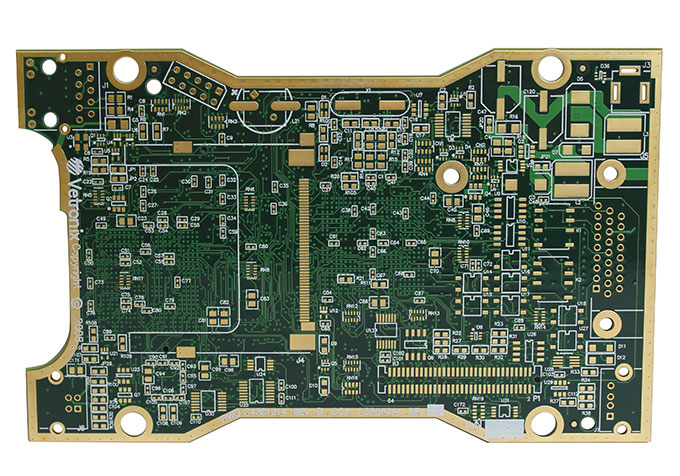
What Testing Methods Are Used to Verify the Reliability of High Reliability Boards?
Verifying the reliability of high reliability boards requires comprehensive testing to simulate real-world conditions and identify potential defects. These tests ensure the board can withstand thermal stress, vibration, moisture, and other harsh factors. Here are the key testing methods used to validate reliability.
- Thermal Cycling Testing: Exposes the high reliability board to extreme temperature cycles (e.g., -55°C to 125°C) to test thermal fatigue resistance. This test simulates real-world temperature changes and identifies issues such as solder joint cracking, layer delamination, or component failure. Thermal cycling is critical for multilayer PCB fabrication, as it verifies the board’s ability to withstand temperature-induced stress.
- Vibration Testing: Applies controlled vibration to the board to simulate the mechanical stress of applications such as aerospace, automotive, or industrial equipment. Vibration testing identifies loose components, solder joint failures, or board warping. For high reliability PCB, vibration testing is performed at various frequencies and amplitudes to ensure robustness.
- Humidity Testing: Exposes the board to high humidity (e.g., 85% RH at 85°C) to test resistance to moisture. Moisture can cause corrosion, short circuits, or layer delamination, so humidity testing is essential for high reliability printed circuit boards used in humid environments. Testing duration varies based on application requirements.
- X-Ray Inspection: Uses X-ray technology to inspect internal components, solder joints, and layer alignment. X-ray inspection is critical for multilayer PCB fabrication, as it detects hidden defects such as voids in solder joints, misaligned layers, or internal shorts that cannot be seen with visual inspection.
- Continuity and Insulation Resistance Testing: Verifies that traces are continuous and that there is no unintended electrical connection between traces (short circuits). Insulation resistance testing ensures that the board’s insulation materials prevent current leakage. These tests are performed on every high reliability PCB to ensure electrical performance.
- Mechanical Shock Testing: Applies sudden mechanical shock to the board to simulate impact events (e.g., drops, collisions). Shock testing identifies structural weaknesses, such as cracked traces or loose components, that could lead to failure. High reliability board used in portable or high-impact applications require rigorous shock testing.
- Accelerated Life Testing (ALT): Subjects the board to accelerated environmental conditions (e.g., high temperature, high humidity) to simulate long-term use in a short period. ALT predicts the board’s service life and identifies potential failure modes early. This test is essential for high reliability printed circuit boards used in critical applications.
What Common Issues Arise in High Reliability Circuit Board Assembly and How to Solve Them?
Even with strict quality control, assembly of high reliability circuit boards can encounter common issues that threaten performance. Identifying these problems early and implementing effective solutions is critical to maintaining the board’s reliability. Below are the most frequent issues and their resolutions.
- Solder Joint Voiding: Voiding in solder joints reduces mechanical strength and thermal conductivity, leading to premature failure. To solve this, use high-quality lead-free solder paste, optimize reflow profiles to ensure complete solder melting, and inspect solder joints with X-ray technology. For multilayer PCB fabrication, ensure proper stencil design to control solder paste volume.
- Layer Delamination: Delamination occurs when layers of the PCB separate due to poor lamination, moisture, or thermal stress. To solve this, use high-quality lamination materials with high Tg, control humidity during assembly, and optimize thermal cycling processes. Multilayer PCB fabrication should use controlled temperature and pressure during lamination to ensure strong layer adhesion.
- Component Misalignment: Misaligned components can cause short circuits, poor signal integrity, or mechanical stress. To solve this, use automated pick-and-place machines with high accuracy, inspect component placement with AOI systems, and ensure stencil alignment is precise. For high reliability PCB, component placement should be verified before reflow soldering.
- Trace Damage: Trace damage (e.g., scratches, breaks) can cause open circuits or signal degradation. To solve this, handle boards carefully during assembly, use protective coatings to prevent scratches, and inspect traces with AOI or visual inspection. Multilayer PCB fabrication should use high-quality copper foils to reduce trace brittleness.
- Moisture Contamination: Moisture can seep into the PCB during assembly, causing corrosion or delamination. To solve this, bake boards before assembly to remove moisture, store components in dry environments, and apply conformal coating after assembly. High reliability printed circuit boards should be sealed to prevent moisture ingress.
- Thermal Overheating: Overheating can damage components and reduce board reliability. To solve this, optimize thermal management design (e.g., thermal vias, heat sinks), select components with high temperature ratings, and ensure proper airflow around the board. Multilayer PCB fabrication can include dedicated thermal layers to distribute heat evenly.
How to Choose the Right Manufacturer for Printed Circuit Board Assembly High Reliability?
Selecting the right manufacturer is a critical step in ensuring the quality and reliability of your high reliability PCB. Not all manufacturers have the expertise or capabilities to meet the strict standards required for these specialized boards. Here’s what to look for when choosing a manufacturer.
- Verify Industry Certifications: Choose a manufacturer with certifications such as AS9100 (aerospace), ISO 13485 (medical), or IPC-6012 (PCB qualification). Certifications ensure the manufacturer follows strict quality control processes for high reliability PCB. Verify that the manufacturer has experience with multilayer PCB fabrication for high reliability applications.
- Assess Manufacturing Capabilities: Ensure the manufacturer has the equipment and expertise for high precision manufacturing, including multilayer PCB fabrication, automated assembly, and advanced testing. Check if they can handle specialized materials (e.g., polyimide, Rogers) and strict tolerances required for high reliability board.
- Review Quality Control Processes: Ask about the manufacturer’s quality control processes, including material inspection, in-process testing, and final inspection. A reliable manufacturer will have 100% inspection for high reliability printed circuit boards and detailed documentation of all processes. Verify that they use AOI, X-ray, and environmental testing to ensure quality.
- Evaluate Experience in Critical Applications: Choose a manufacturer with experience in your industry (e.g., aerospace, medical) to ensure they understand the unique requirements of high reliability PCB. Ask for case studies or references from clients in similar applications, especially those involving multilayer PCB fabrication.
- Check Traceability and Documentation: Ensure the manufacturer provides full traceability of materials, components, and manufacturing processes. Detailed documentation is essential for compliance with industry standards and for root cause analysis if defects occur. This includes records of multilayer PCB fabrication, assembly, and testing.
- Assess Customer Support and Communication: A reliable manufacturer will provide clear communication throughout the manufacturing process and offer technical support for design optimization. They should be able to answer questions about multilayer PCB fabrication, material selection, and testing, and provide timely updates on order status.
- Compare Lead Times and Pricing: While quality is the top priority for high reliability board, compare lead times and pricing to ensure they align with your project timeline and budget. Avoid manufacturers with unusually low pricing, as this may indicate lower quality materials or processes. Ensure the manufacturer can meet your deadlines without compromising quality.
What Industry Standards Must High Reliability Circuit Boards Comply With?
High reliability circuit boards must adhere to strict industry standards to ensure consistency, safety, and performance. These standards govern materials, manufacturing, testing, and assembly, varying by application. Below are the key standards that apply to high reliability PCB.
- IPC-6012: A standard for the qualification and performance of rigid printed boards, including high reliability PCB.It specifies requirements for material quality, manufacturing processes, and testing. IPC-6012 is critical for multilayer PCB fabrication, as it sets standards for layer alignment, trace quality, and lamination.
- IPC-A-610: A standard for the acceptability of electronic assemblies. It provides guidelines for solder joint quality, component placement, and board cleanliness. High reliability printed circuit boards must comply with IPC-A-610 Class 3 (the highest class) for critical applications.
- MIL-PRF-55110: A military standard for rigid printed circuit boards used in aerospace and defense applications.It specifies strict requirements for materials, manufacturing, and testing, including thermal stability, mechanical robustness, and radiation resistance. Compliance with MIL-PRF-55110 is essential for high reliability board in military systems.
- AS9100: A quality management system standard for the aerospace industry. Manufacturers of high reliability PCB for aerospace applications must be AS9100 certified to ensure compliance with strict quality and safety requirements. AS9100 covers all aspects of manufacturing, including multilayer PCB fabrication and assembly.
- ISO 13485: A standard for quality management systems in the medical device industry. High reliability printed circuit boards used in medical devices must comply with ISO 13485 to ensure safety and effectiveness. This standard includes requirements for traceability, documentation, and risk management.
- RoHS: A European Union standard that restricts the use of hazardous substances (e.g., lead, cadmium) in electronic products. High reliability PCB must comply with RoHS to ensure environmental safety and global market access. This includes using lead-free solder and RoHS-compliant materials in multilayer PCB fabrication.
- UL 94: A standard for flammability of plastic materials used in electronic devices. High reliability board must comply with UL 94 to ensure they do not catch fire or spread flame in the event of a short circuit. This is critical for applications such as automotive and industrial equipment.
How Does High Reliability PCB Design Impact the Lifespan of Electronic Devices?
The design of a high reliability PCB has a direct and significant impact on the overall lifespan of the electronic device it powers. From thermal management to component selection, every design choice influences how long the device can operate reliably. Here’s how design decisions affect device lifespan.
- Thermal Management Design: Proper thermal management in high reliability PCB design prevents overheating, which is a leading cause of component failure. By incorporating heat sinks, thermal vias, and dedicated thermal layers through multilayer PCB fabrication, the board dissipates heat efficiently, extending the lifespan of components and the overall device.
- Mechanical Robustness: High reliability PCB designed for mechanical robustness (e.g., thick copper layers, reinforced mounting points) can withstand vibration, shock, and physical stress. This reduces the risk of component damage or board failure, extending the device’s lifespan. Multilayer PCB fabrication enhances mechanical robustness by ensuring strong layer adhesion and structural integrity.
- Component Selection and Placement: Selecting high-reliability components and placing them strategically reduces the risk of component failure. Components placed away from heat sources and vibration points last longer, while redundant components ensure the device continues functioning if one component fails. This directly extends the device’s lifespan.
- Signal Integrity Optimization: Poor signal integrity can cause errors, component damage, or system failure. High reliability PCB design with controlled impedance, minimal crosstalk, and proper trace routing ensures consistent signal performance. Multilayer PCB fabrication allows for signal layer isolation, improving signal integrity and reducing component wear.
- Material Selection: Using high-quality materials (e.g., high-Tg FR-4, polyimide) in high reliability printed circuit boards ensures the board resists degradation from temperature, moisture, and chemical exposure.These materials have a longer service life, directly extending the lifespan of the electronic device. Multilayer PCB fabrication with high-quality materials enhances durability.
- Testing and Quality Control: High reliability PCB design includes rigorous testing to identify and eliminate potential defects before the board is integrated into the device. This reduces the risk of premature failure and ensures the board operates reliably for its entire service life, extending the device’s lifespan.
- Environmental Protection: Design features such as conformal coating and moisture sealing protect the high reliability board from harsh environmental conditions. This prevents corrosion, short circuits, and component damage, extending the board’s service life and the overall device lifespan. Multilayer PCB fabrication with sealed layers further enhances environmental protection.
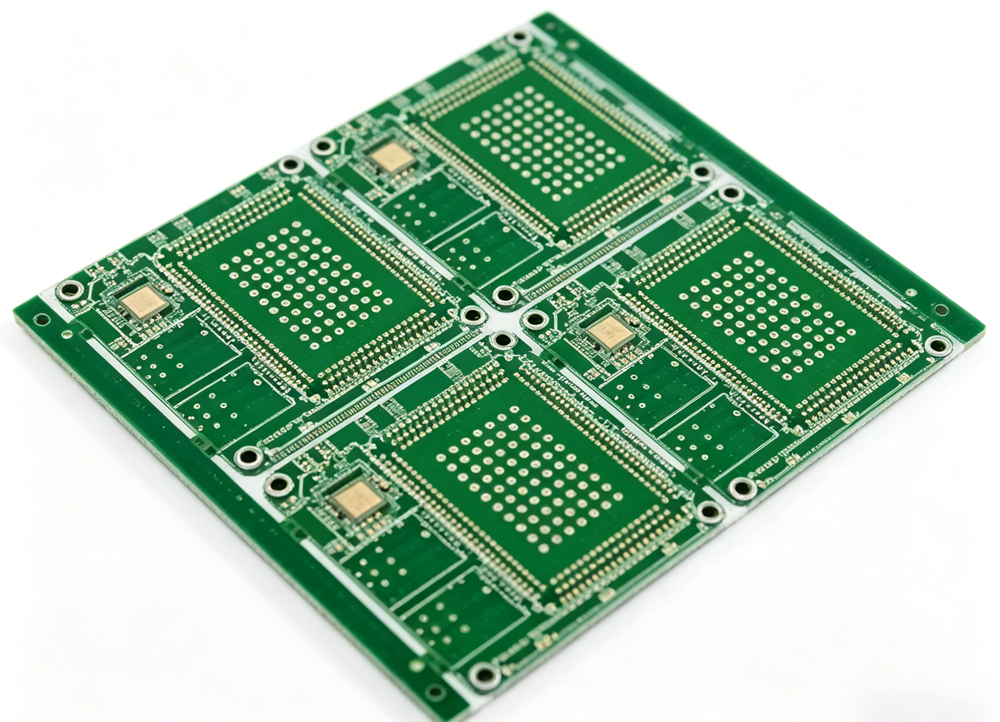
FAQ About High Reliability Circuit Board
Q1: What is the difference between high reliability circuit board and standard PCB?
A1: High reliability circuit board are designed for durability in harsh or critical environments, using high-grade materials, strict manufacturing tolerances, and comprehensive testing. Standard PCB use lower-quality materials, wider tolerances, and basic testing, making them suitable for non-critical applications. Multilayer PCB fabrication for high reliability also involves more precise processes than standard multilayer boards.
Q2: What materials are best for high reliability printed circuit boards?
A2: The best materials for high reliability printed circuit boards include high-Tg FR-4 (for general applications), polyimide (for extreme temperatures), and Rogers materials (for high-frequency applications). High-grade copper foils, lead-free solder, and underfill materials also enhance reliability, especially in multilayer PCB fabrication.
Q3: How does multilayer PCB fabrication impact high reliability?
A3: Multilayer PCB fabrication enhances high reliability by allowing for greater component density, improved signal integrity, better thermal management, and increased mechanical robustness. Precise lamination processes in multilayer PCB fabrication ensure layer adhesion, while dedicated thermal and signal layers optimize performance in harsh environments.
Q4: What testing is required for high reliability board?
A4: High reliability board require comprehensive testing, including thermal cycling, vibration testing, humidity testing, X-ray inspection, continuity testing, mechanical shock testing, and accelerated life testing. These tests verify the board’s ability to withstand harsh conditions and ensure long-term reliability.
Q5: What industry standards apply to high reliability PCB?
A5: Key industry standards for high reliability PCB include IPC-6012 (PCB qualification), IPC-A-610 (assembly acceptability), MIL-PRF-55110 (military), AS9100 (aerospace), ISO 13485 (medical), RoHS (environmental), and UL 94 (flammability). Compliance with these standards ensures quality and reliability.
Q6: How to choose a manufacturer for high reliability PCB assembly?
A6: Choose a manufacturer with relevant certifications (AS9100, ISO 13485), experience in high reliability applications, advanced manufacturing capabilities (including multilayer PCB fabrication), strict quality control processes, full traceability, and strong customer support. Evaluate their testing capabilities and references from similar clients.
You may also like


Tags: High Reliability Circuit Board, High Reliability Circuit Board Assembly, high reliability PCB, high reliability PCB design