





Solder is the invisible backbone of modern electronics. Every smartphone, industrial controller, and medical device depends on thousands of tiny solder joints to create electrical connections. For decades, engineers relied on traditional tin-lead solder. Today, however, most electronics manufacturing uses lead-free alloys.
This shift created an ongoing discussion among engineers and manufacturers: leaded vs lead free solder — which one actually performs better in PCB assembly?
What Is the Difference Between Leaded vs Lead Free Solder?
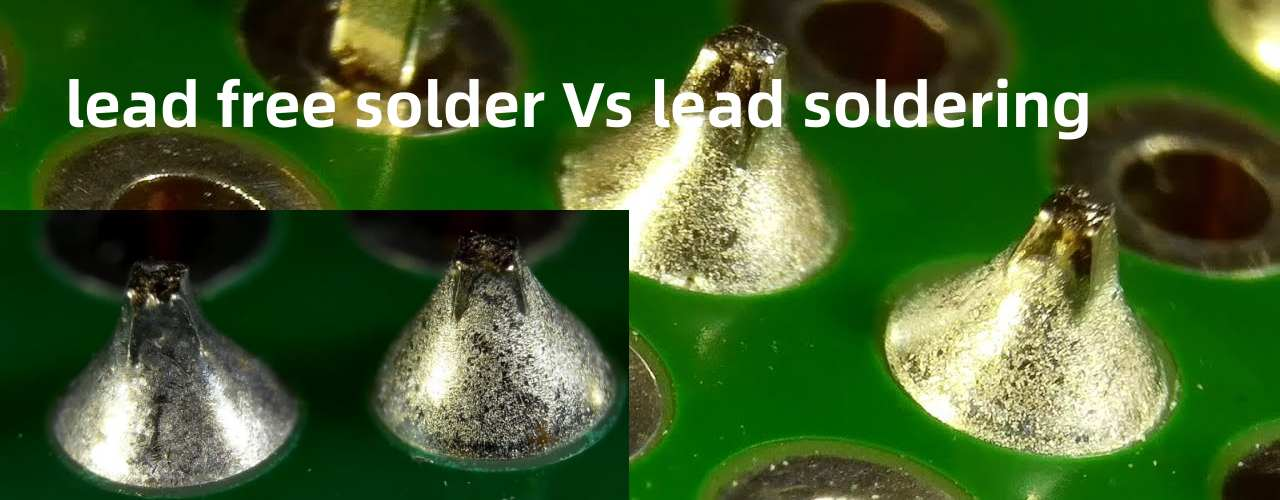
The main difference between leaded vs lead free solder lies in the alloy composition. Leaded solder contains lead, while lead-free solder replaces it with other metals such as silver or copper.
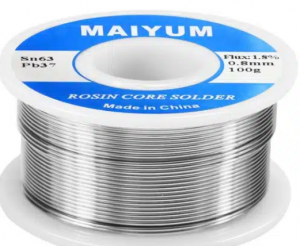
Traditional solder used in electronics for decades is a tin-lead alloy, often written as Sn63/Pb37. Lead-free solder removes lead due to environmental regulations. Below is a simple comparison:
| Property | Leaded Solder | Lead Free Solder |
| Typical Alloy | Sn63/Pb37 | SAC305 (Sn96.5/Ag3/Cu0.5) |
| Melting Temperature | ~183°C | ~217-221°C |
| Wettability | Excellent | Moderate |
| Mechanical Strength | Good | Higher strength but more brittle |
| Environmental Impact | Contains toxic lead | Environmentally safer |
| Industry Compliance | Not RoHS compliant | RoHS compliant |
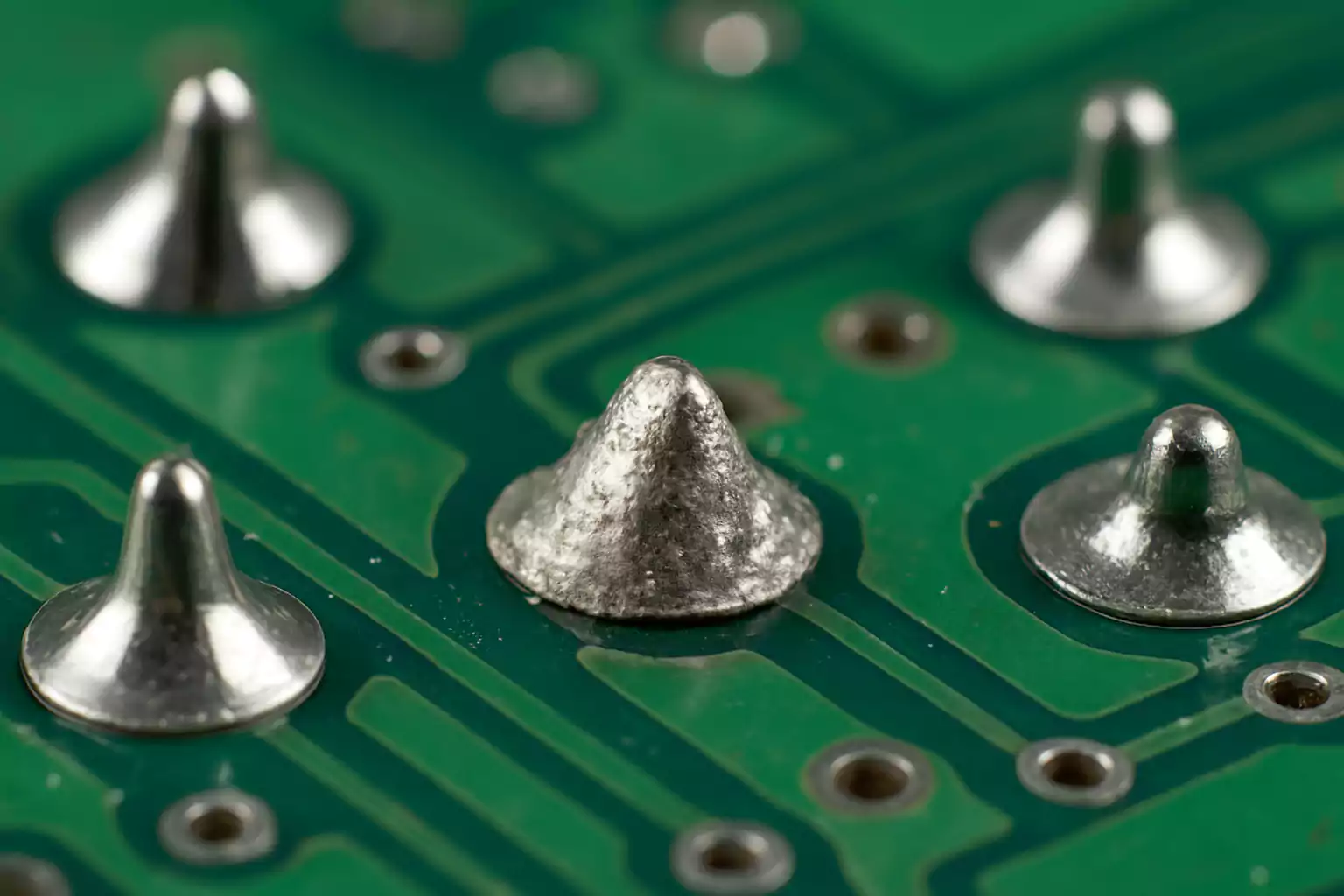
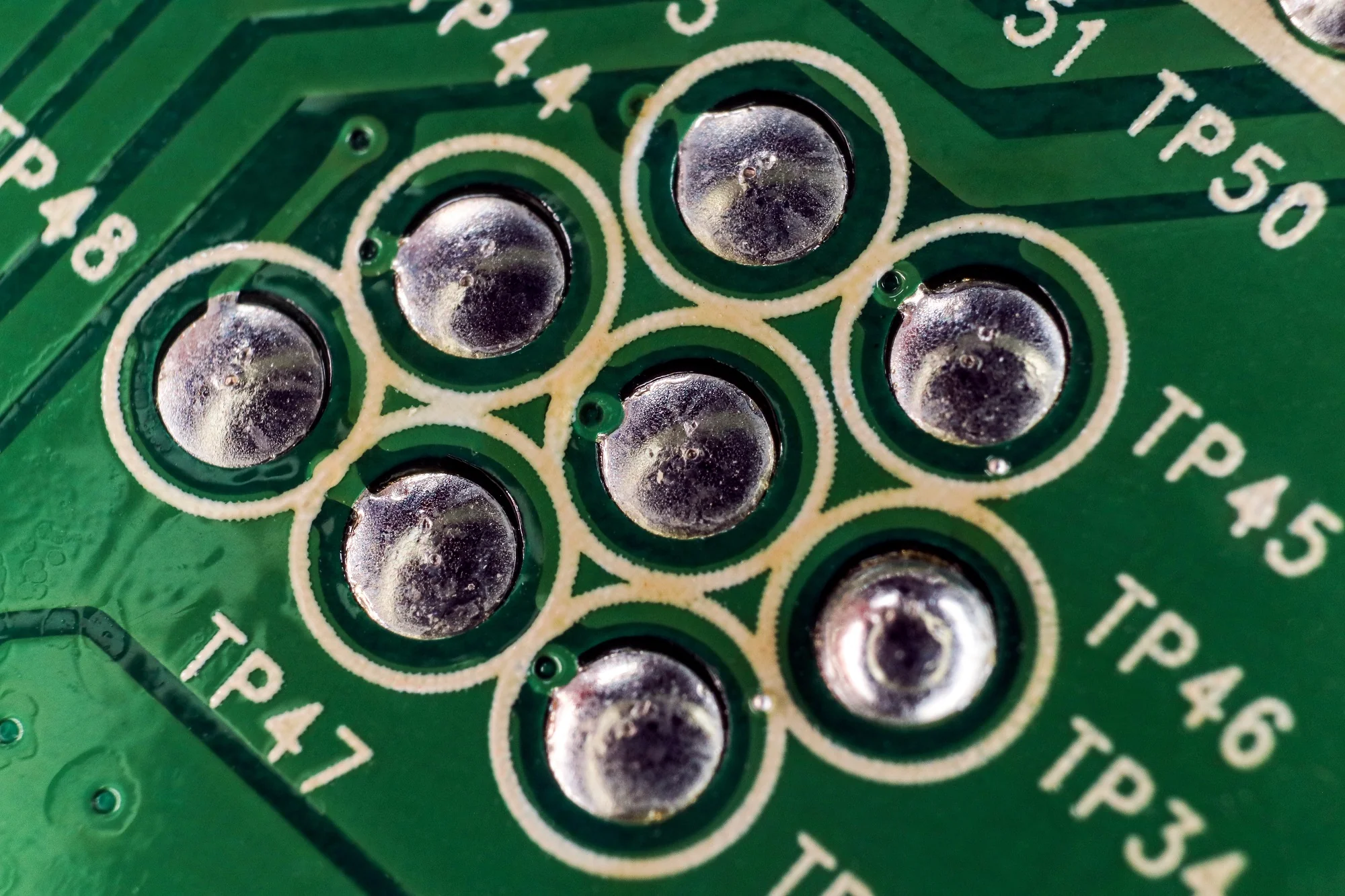
Leaded solder forms smooth and shiny joints. It flows easily during reflow. Many engineers still appreciate its process stability.
Lead-free solder focuses on environmental safety. It reduces heavy metal contamination and supports global electronics regulations.
Today, most commercial electronics rely on lead-free alloys, though leaded solder remains common in specialized sectors.
Why Did the Electronics Industry Move from Leaded to Lead Free Solder?
The transition from leaded to lead-free solder was driven mainly by environmental regulations.
Lead is a heavy metal. If discarded electronics enter landfills, lead may contaminate soil and water. Governments began addressing this concern in the early 2000s.
One of the most important regulations is the RoHS directive (Restriction of Hazardous Substances) introduced in the European Union.
RoHS restricts several materials in electronics, including:
- Lead (Pb)
- Mercury (Hg)
- Cadmium (Cd)
- Hexavalent chromium
- Certain flame retardants
Under RoHS rules, most consumer electronics must avoid lead. Because of this regulation, global manufacturers shifted their production processes. Lead-free solder became the industry standard.
The move required major adjustments:
- Higher reflow temperatures
- New solder alloys
- Improved PCB materials
- More precise process control
Modern PCBA factories now design equipment and processes around lead-free assembly.
Is Leaded Solder Better Than Lead Free Solder?
The answer depends on the application. In terms of process behavior, many engineers find leaded solder easier to use. It melts at lower temperature and wets copper pads quickly.
However, lead-free solder offers strong environmental benefits and better long-term compliance.
| Factor | Leaded Solder | Lead Free Solder |
| Process stability | Very stable | Requires tighter process control |
| Reflow temperature | Lower | Higher |
| Environmental safety | Lower | Higher |
| Compliance | Limited | Global standard |
| Mechanical strength | Flexible | Strong but harder |
Leaded solder is still preferred in some specialized industries such as:
- aerospace electronics
- military equipment
- high-reliability legacy systems
Lead-free solder dominates consumer electronics, automotive electronics, and industrial equipment. Most new electronic products today are designed around lead-free assembly processes.
What Is the Melting Point of Leaded vs Lead Free Solder?
Melting temperature is one of the most critical differences between leaded vs lead free solder.
The widely used Sn63/Pb37 alloy melts at 183°C. It has a eutectic composition. This means it transitions directly from solid to liquid without a plastic phase.
Lead-free alloys melt at higher temperatures, common lead-free alloys include:
| Alloy | Composition | Melting Range |
| SAC305 | Sn96.5 Ag3 Cu0.5 | 217-221°C |
| SAC405 | Sn95.5 Ag4 Cu0.5 | ~217-219°C |
| SnCu | Tin-Copper | ~227°C |
Because of the higher melting point, lead-free solder requires:
- higher reflow oven temperatures
- more heat-resistant components
- PCB laminates with higher Tg
Typical peak reflow temperatures for lead-free solder reach 240-250°C.
Why Is Lead Free Solder Harder to Work With?
Many engineers report that lead-free solder is more difficult to work with compared to leaded solder. There are several reasons for this:
1. Higher melting temperature
Lead-free alloys require higher soldering temperatures, which can increase thermal stress on components and PCB materials.
2. Reduced wetting performance
Lead-free solder tends to spread less easily across metal surfaces, making it harder to form smooth solder joints.
3. Oxidation sensitivity
Lead-free alloys oxidize more quickly at high temperatures, which can affect solder joint quality.
4. Different joint appearance
Unlike the shiny joints produced by leaded solder, lead-free joints often appear dull or grainy, which can confuse technicians during inspection.
For these reasons, PCB manufacturers must carefully control:
- Reflow temperature profiles
- Flux chemistry
- Surface finishes such as ENIG or OSP
Lead Free vs Lead Solder: Reliability Comparison
Reliability is a major factor when evaluating lead free vs lead solder. Leaded solder has long been known for its excellent fatigue resistance and mechanical flexibility. Lead-free solder, while environmentally friendly, can be more brittle due to its alloy structure.
| Reliability Factor | Leaded Solder | Lead Free Solder |
| Thermal fatigue resistance | High | Moderate |
| Mechanical flexibility | Good | Lower |
| Operating temperature tolerance | Moderate | Higher |
| Long-term reliability | Proven | Improving |
Despite these concerns, improvements in lead-free alloy formulations and process control have significantly improved reliability in recent years.
What Temperature Should Be Used for Lead Free Solder?
In PCB assembly, lead-free solder requires a carefully controlled reflow temperature profile. For the commonly used SAC305 alloy, the typical reflow profile includes:
| Reflow Stage | Temperature Range | Purpose |
| Preheat | 150–180°C | Gradually warm the PCB |
| Soak | 180–200°C | Activate flux and equalize temperature |
| Reflow | Above 217°C | Melt solder and form joints |
| Peak | 240–250°C | Ensure complete solder wetting |
| Cooling | Controlled drop | Solidify solder joints |
Maintaining the correct temperature profile ensures strong, reliable solder joints without damaging components.
Can You Mix Leaded and Lead Free Solder?
Mixing leaded and lead-free solder is generally not recommended in production environments. When the two alloys mix, they form unpredictable metallurgical structures that can affect reliability and melting behavior.
Potential problems include:
- Irregular melting temperatures
- Weak solder joints
- Poor wetting performance
In repair or rework situations, technicians may sometimes mix alloys, but it is best practice to fully remove the old solder before applying a different alloy type.
Leaded vs Lead Free Solder in PCB Manufacturing
In modern PCB manufacturing and assembly, lead-free solder is the dominant technology.
Typical processes that use lead-free solder include:
- SMT reflow soldering
- Wave soldering
- Selective soldering
However, certain high-reliability electronics still prefer leaded solder due to its proven long-term reliability. Examples include:
- aerospace avionics
- defense electronics
- specialized medical equipment
These applications often operate under strict reliability requirements, where long-term performance is critical.
How to Choose Between Leaded and Lead Free Solder?
Choosing between leaded vs lead free solder depends on several factors related to your product design, regulatory requirements, and reliability needs. Consider the following points:
Choose lead-free solder if:
- Your product must comply with RoHS regulations
- You manufacture consumer electronics
- Environmental compliance is required
Choose leaded solder if:
- Your product falls under RoHS exemptions
- Maximum reliability is required
- The system operates in harsh environments
Most modern PCB manufacturers support both soldering technologies, depending on customer requirements.
If you are developing a new electronics product or planning PCB assembly, working with an experienced manufacturing partner can make a significant difference.
EBest Circuit (Best Technology) provides complete PCB fabrication and PCBA services, supporting prototypes, small-volume production, and complex electronics projects.
For technical consultation or manufacturing inquiries, feel free to contact: sales@bestpcbs.com
FAQs
1. Is lead free solder better than leaded solder?
Lead-free solder is better for environmental compliance and regulatory requirements. However, leaded solder is often easier to work with and historically offers excellent reliability.
2. Why is lead free solder required?
Lead-free solder is required mainly because of environmental regulations such as RoHS, which restrict the use of hazardous substances like lead in electronic products.
3. What temperature melts lead free solder?
Most lead-free solder alloys melt between 217°C and 221°C, depending on the specific alloy composition.
4. Can lead free solder cause reliability issues?
Early lead-free solder alloys had reliability concerns, but modern alloys such as SAC305 have significantly improved performance and are widely used in commercial electronics.
5. Is lead free solder required for RoHS compliance?
Yes. Products that must comply with RoHS regulations generally require lead-free solder unless the product qualifies for a specific exemption.
You may also like

Tags: lead-free assembly, lead-free solder, Leaded vs Lead Free Solder