





A metal core PCB can have a dielectric breakdown figure, a finished-board withstand test result and an equipment working-voltage requirement. These are not interchangeable. A report that a sample survived a specified test does not set a continuous operating rating for the assembled product.
Which Electrical Path Is Being Discussed?
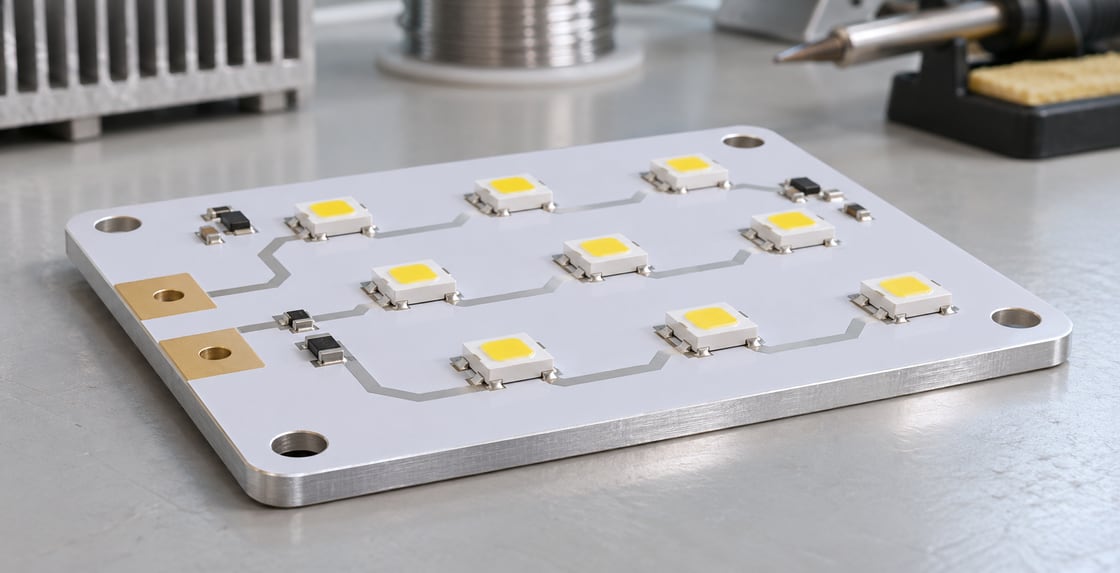
On a single-sided insulated metal substrate, dielectric separates the circuit copper from the metal base. Copper-to-base isolation is different from spacing between two top-layer nets. Thermagon’s insulated metal substrate guide discusses dielectric isolation in different constructions.
What Breakdown Evidence Means
A material breakdown test characterizes failure under a defined test configuration. The number depends on the specimen and method. Check whether the report measured actual breakdown or instead stopped at a leakage threshold; those observations should not be treated as identical.
Detailed Parameters to Request
| Field | What to record | Purpose |
| Sample identity | Material coupon or finished board | Defines evidence scope |
| Electrode or circuit path | Copper to base or another path | Defines what was tested |
| Test type | AC or DC, as specified | Keeps results comparable |
| Condition | Duration, criteria and conditioning | Defines the reported outcome |
| Working requirement | System specification | Separate design input |
Breakdown vs Withstand vs Working Voltage
| Term | What it describes | What it does not prove |
| Breakdown | Failure under the stated test | Continuous use rating |
| Dielectric withstand | Result against a specified test | Long-term performance by itself |
| Working voltage | Voltage in the intended application | Which production screen applies |
Example: Read a Report Without Promoting It to a Rating
Imagine a report records that a bare board passed its specified copper-to-base withstand test. That supports the sampled board or lot only as defined by the test plan. It does not establish the permissible continuous voltage after the board is mounted, wired and enclosed.
Check Whether the Material Report Matches the Build
Ask for the dielectric grade, thickness, foil construction and specimen conditions. A material coupon with generous margins can differ from a finished PCB with cutouts, edges and plated features. Keep material selection evidence separate from production acceptance evidence.
Include the Metal Base in the System Review
The equipment design determines whether the base is bonded, exposed, floating or tied to another conductive part. Identify that arrangement in the design record. Do not assume a thermal interface or mounting screw has no electrical significance.
Inspect the Edge and Mounting Geometry
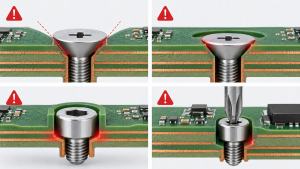
The shortest relevant path may involve a board edge, fastener, cutout or exposed conductor. Ask the responsible safety engineer to evaluate the assembled geometry and applicable requirements. A laminate coupon does not represent every mechanical interface in a finished enclosure.
Keep AC and DC Results Under Their Own Methods
Different waveforms and test setups can produce different observations. Do not apply an informal conversion to replace an approved requirement. Ask for the applicable method and the actual recorded conditions rather than comparing only the largest number in volts.
Separate Thermal and Isolation Decisions
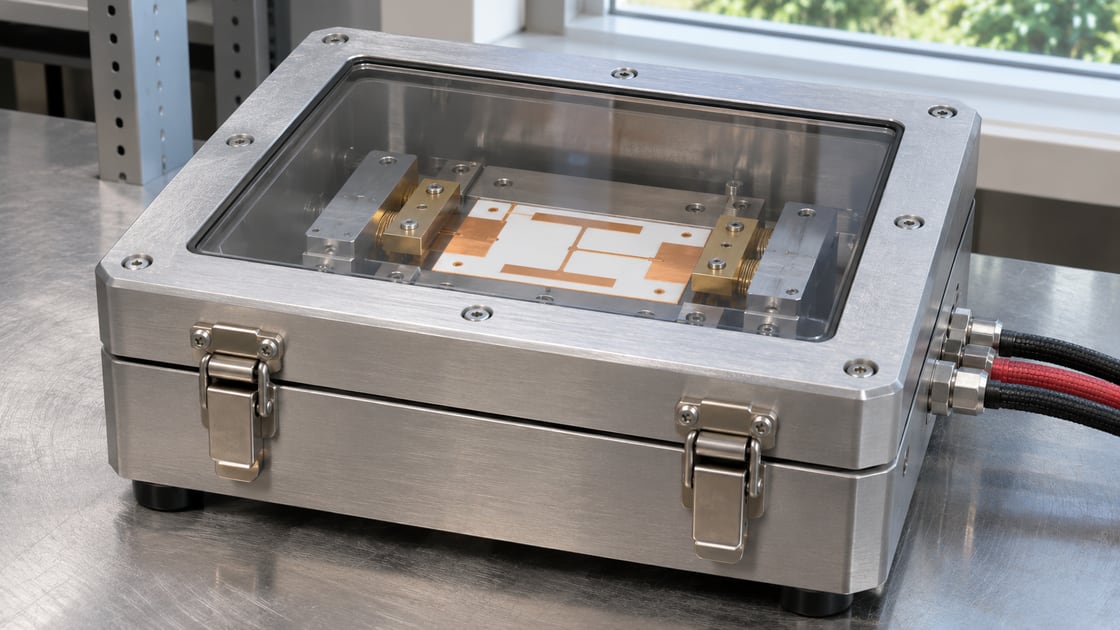
A thinner dielectric can change the thermal path, but selection still needs electrical and manufacturing verification. Compare the intended material and construction on both requirements. The BestPCBs metal core PCB resources provide a material-test example, not a working-voltage approval.
Identify Who Owns Each Acceptance Decision
The supplier can report material or board test evidence. The equipment team determines the applicable system requirements and verifies the complete build. Keep those records linked, and have qualified personnel conduct any specified high-voltage testing in an approved setup.
Record What Would Trigger a New Review
A change to the dielectric, mounting, edge clearance or electrical connection can alter what the previous evidence represents. Keep the approved construction and report together. Check whether the existing result still applies rather than inheriting it by board name.
Request a Construction Review
Share the stackup, isolation path and applicable test requirements with Best Technology.
FAQ
Can I use a breakdown figure as the working voltage?
No. Breakdown characterizes a test specimen under particular conditions. Working voltage belongs to the system design and its applicable requirements, including the assembled construction and environment. Have the responsible engineer verify the equipment instead of deriving a continuous rating from a single material number.
Does a passed hipot test show that breakdown was measured?
Not necessarily. A withstand test checks performance against a specified condition and can finish without breakdown. Read the endpoint and criteria on the report. A pass is meaningful for that test, but it is not automatically a measurement of the voltage at which failure occurs.
Is copper-to-base isolation the same as trace-to-trace spacing?
No. The first concerns the path between circuitry and the metal base; the second concerns conductors on the circuit side or elsewhere in the assembly. State the path explicitly and evaluate both where relevant. A report for one path does not establish the other.
Can I compare AC and DC figures directly?
Not without the applicable specification and method. Waveform, leakage criteria, duration and specimen arrangement affect interpretation. Keep the results identified by their original test conditions and ask the responsible engineer which evidence satisfies the requirement. Do not substitute an informal conversion for a defined test.
Does the metal base always need to be grounded?
That is a system design question, not a universal board rule. The required arrangement depends on the equipment architecture and applicable safety requirements. Record how the base is mounted or connected, and have the complete assembly reviewed instead of assuming a generic grounding scheme.
What if the coupon passes but the assembled board fails?
Check whether the two tests cover the same electrical path and geometry. The assembly can add fasteners, edges, interfaces or connections absent from a coupon. Preserve the reports and have qualified personnel investigate the difference under the approved procedure rather than repeating tests without a plan.
Does higher thermal conductivity mean better electrical isolation?
No. Thermal conductivity and isolation are separate properties, and the finished construction affects both. Compare the actual material and thickness against the thermal and electrical requirements. Do not infer a voltage rating from a thermal property or accept a thermal result as electrical evidence.
What should a supplier report identify?
Ask for the construction, sample or lot identity, test path, method, conditions, criteria and outcome. Clarify whether the evidence is from raw material, a qualification specimen or production boards. Keep it tied to the drawing and do not use it outside the scope it represents.
You may also like


Tags: dielectric breakdown, hipot report, metal core PCB isolation, working voltage