





A 560 Ohm resistor is a fundamental passive component that limits current flow and divides voltage in electronic circuits, making it essential for protecting LEDs, setting bias points, and ensuring proper circuit operation. This guide explains how to identify, select, and apply the right 560 ohm resistor for your PCBA projects.
Are you struggling with identifying the right resistor or avoiding costly mistakes in your circuit design?
- Can’t quickly decode the 560 ohm resistor color code or distinguish between 4-band and 5-band types.
- Unsure whether a 510 ohm resistor can safely replace a 560 ohm resistor in your application.
- Confused about selecting the correct wattage (e.g., 560 ohm 1/4 watt resistor vs. 560 ohm 1 watt resistor).
- Risk of using incorrect values like 560 ohm resistor color code 5 band misinterpretations leading to circuit failure.
- Difficulty sourcing reliable, high-quality resistors in volume for PCBA applications.
We provide precision component selection and assembly support to eliminate these common issues.
- Offer clear reference charts for 560 ohm resistor colour code across 4-band and 5-band configurations.
- Provide engineering guidance on when a 510 ohm resistor is acceptable as a substitute based on circuit tolerance.
- Stock and recommend optimal wattage options including 560 ohm 1/2 watt resistor and 560 ohm 5 watt resistor.
- Ensure accurate BOM matching with verified 560 ohm resistor color bands and tolerance specifications.
- Deliver consistent, high-reliability components for all resistor 560 ohm 1 watt and resistor 560 ohm 2 watt needs.
We are a professional PCB and PCBA manufacturer based in China, specializing in high-precision circuit board assembly for industrial, automotive, and consumer electronics. With strict quality control and component sourcing expertise, we help customers avoid design and production errors. Pls feel free to contact us at sales@bestpcbs.com for reliable PCBA solutions.
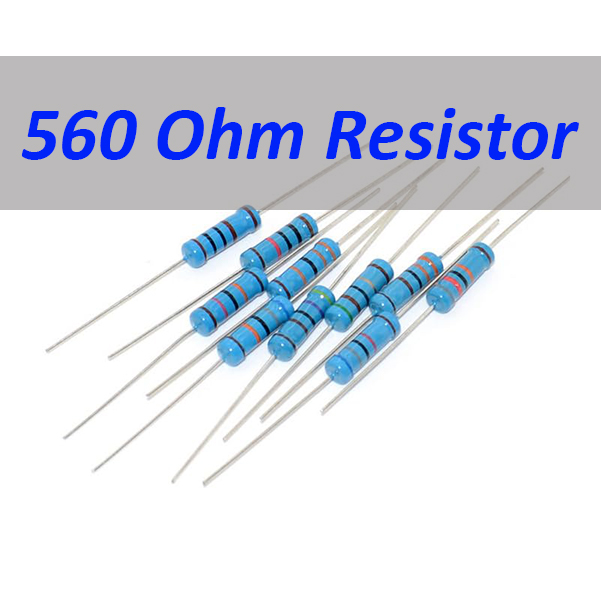
What Is A 560 Ohm Resistor?
- A 560 ohm resistor is a fixed resistor designed to provide 560 ohms of resistance in an electrical circuit.
- Its main function is to control current flow. In simple terms, it helps prevent too much current from reaching sensitive electronic components.
- Although it is a very small part, it has an important role in keeping a circuit stable, safe, and predictable.
- A 560 ohm resistor is often used in low-voltage electronic circuits because it offers a practical balance between current limiting and normal circuit operation.
- This resistor value is common in applications such as:
- LED current limiting
- transistor biasing
- pull-up resistors
- pull-down resistors
- voltage divider circuits
- In an LED circuit, a 560 ohm resistor helps reduce current so the LED can work properly without being damaged by excessive current.
- In digital and logic circuits, it can help keep a signal line at a known voltage level, which improves signal stability and reduces unwanted floating states.
- In transistor circuits, it is often used to set or control operating conditions so the circuit performs as expected.
- One reason this resistor is widely used is that 560 ohms is a very practical middle-range value. It is not too low, so current is still limited, and it is not too high, so the circuit can still function normally.
- A 560 ohm resistor is usually available in different power ratings, such as:
- 560 ohm 1/4 watt resistor
- 560 ohm 1/2 watt resistor
- 560 ohm 1 watt resistor
- 560 ohm 2 watt resistor
- 560 ohm 5 watt resistor
- It can also come in different package styles, including:
- through-hole resistors
- surface mount resistors
- Because it belongs to the standard resistor value series, it is easy to source and commonly included in resistor kits for prototyping, repair, and production.
- In short, a 560 ohm resistor is a standard electronic component used to limit current, protect parts, and support stable circuit performance in a wide range of applications.
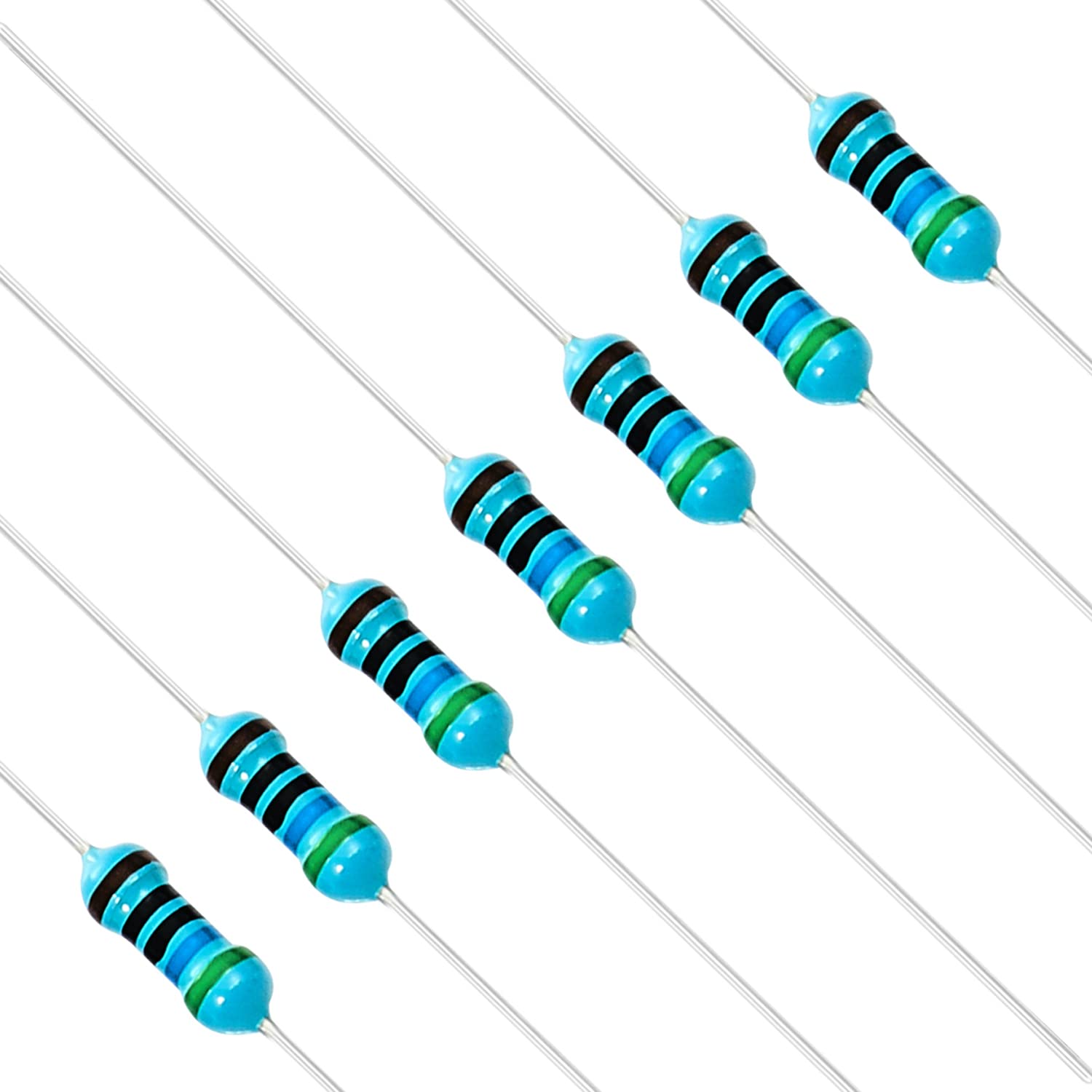
How Many Watt For 560 Ohm Resistor?
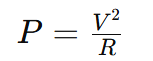
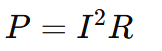
Selecting the correct wattage prevents overheating and ensures long-term reliability. Use the formula:
or
| Application Type | Recommended Wattage | Example Use Case |
|---|---|---|
| Signal / Logic | 1/8W – 1/4W | Microcontroller pull-up |
| LED Current Limit | 1/4W – 1/2W | 5V–12V LED circuits |
| Power Circuits | 1W – 5W | Driver stages, relays |
For most standard designs, a 560 ohm 1/4 watt resistor suffices. High-current paths may require a 560 ohm 1 watt resistor or 560 ohm 5 watt resistor.
Will 510 Ohm Resistor Work For 560 Ohm?
A 510 ohm resistor can sometimes substitute a 560 ohm resistor, but only if your circuit tolerates a ~9% variance.
- ✅ Acceptable in non-critical applications (e.g., LED brightness adjustment)
- ❌ Not recommended for precision biasing, timing circuits, or voltage dividers
Always check if the circuit’s tolerance allows this deviation before substitution.
How To Identify A 560 Ohm Resistor Color Code Quickly?
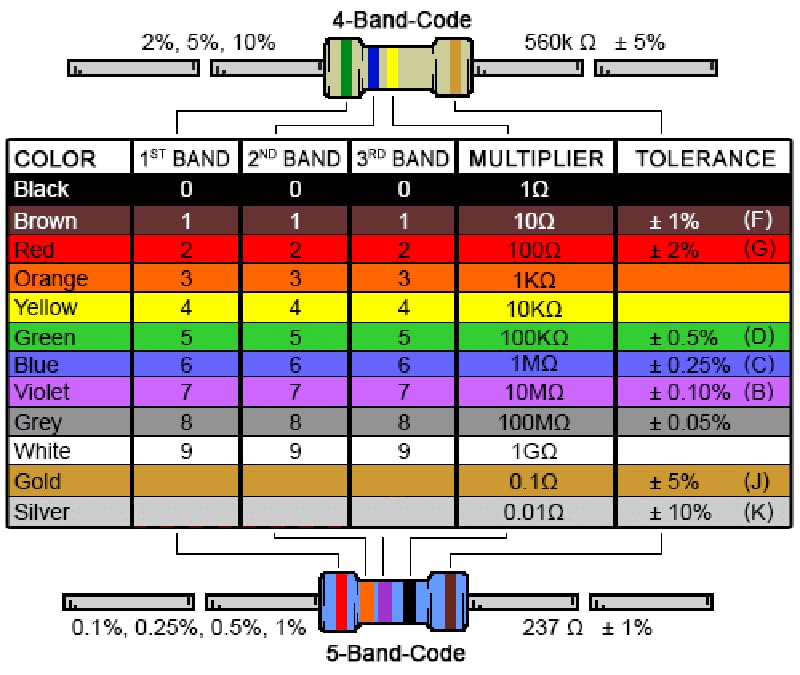
The fastest way is to memorize the color sequence or use a chart. For a 560 ohm resistor color code:
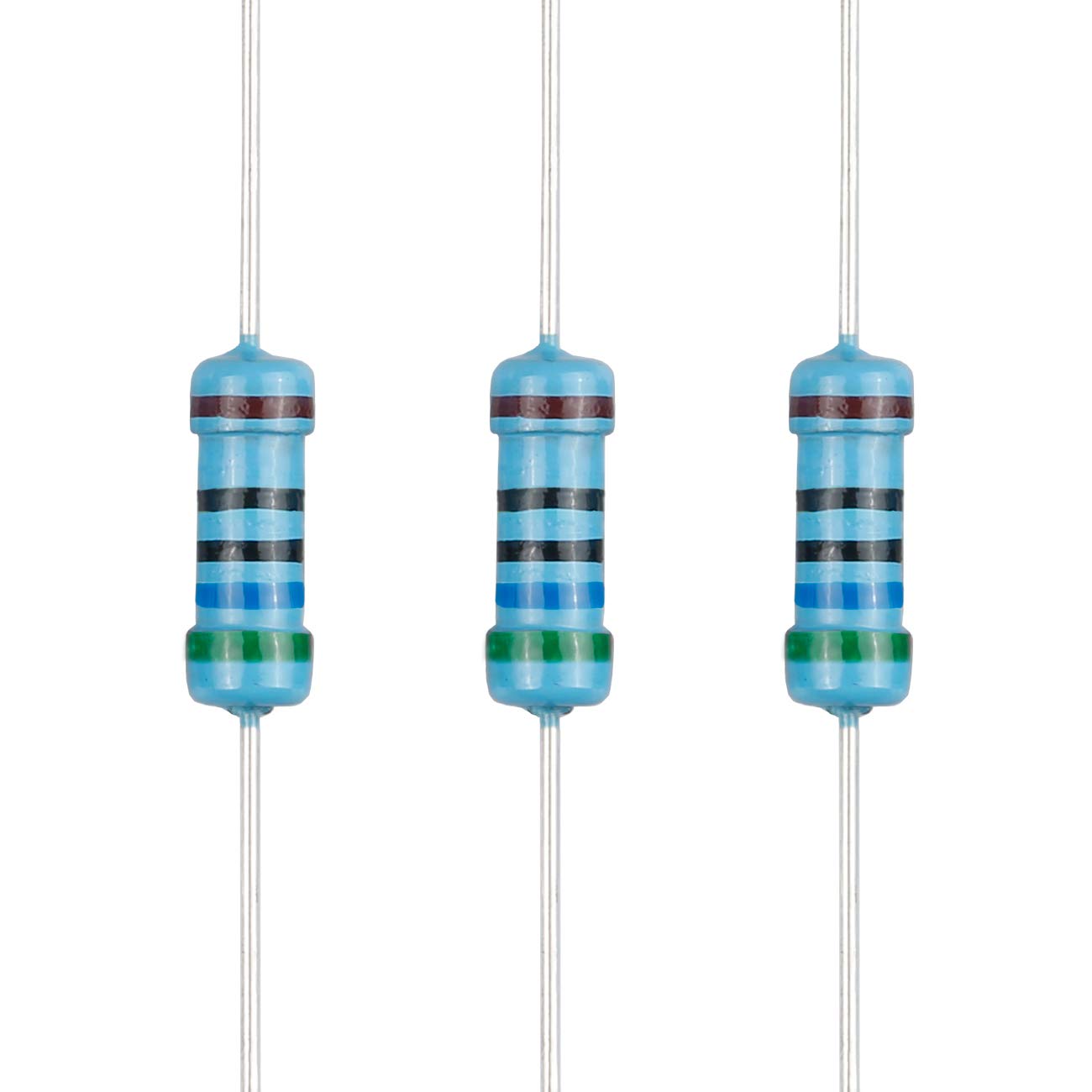
- 4-Band: Green (5), Blue (6), Brown (×10) → 56 × 10 = 560Ω
- 5-Band: Green (5), Blue (6), Black (0), Black (×1), Gold (±5%) → 560Ω
What Is The 560 Ohm Resistor Color Code For 4-Band And 5-Band Types?
| Band Type | Color Sequence | Value | Tolerance |
|---|---|---|---|
| 4-Band | Green, Blue, Brown, Gold | 560Ω | ±5% |
| 5-Band | Green, Blue, Black, Black, Gold | 560Ω | ±5% |
| 5-Band (Precision) | Green, Blue, Black, Black, Brown | 560Ω | ±1% |
Note: A 560 ohm resistor color code 5 band often indicates tighter tolerance, ideal for sensitive analog circuits.
When Should You Use A 560 Ohm Resistor In Circuit Design?
Use a 560 ohm resistor when:
- Limiting current to an LED from a 5V–12V supply
- Setting base current for bipolar transistors
- Creating voltage dividers where moderate resistance is needed
- Pull-up/pull-down in digital circuits requiring specific impedance
It’s a versatile middle-range value suitable for many general-purpose applications.
What Happens If You Use The Wrong Value Instead Of A 560 Ohm Resistor?
Using an incorrect resistor can lead to:
- Overdriven LEDs (too low resistance) → burnout
- Insufficient current (too high resistance) → device malfunction
- Incorrect voltage levels → logic errors or unstable operation
- Excessive heat → damaged components or fire risk
Always verify your 560 ohm resistor before soldering.
How To Choose The Right 560 Ohm Resistor For Your PCBA Application?
Follow these steps:
- Determine required power rating using P = V²/R
- Choose tolerance based on circuit sensitivity (±1%, ±5%)
- Select package size (through-hole or SMD)
- Verify 560 ohm resistor color code or marking
- Source from trusted suppliers to ensure consistency
For resistor 560 ohm 2 watt or high-power needs, ensure adequate PCB thermal relief.
In conclusion, a 560 ohm resistor is a critical component for controlling current and voltage in electronic circuits, and selecting the correct type ensures performance and reliability. This article covered how to identify, choose, and apply 560 ohm resistors effectively in your designs. At EBest Circuit (Best Technology), we support your PCBA success with expert component selection and manufacturing services. Contact our team at sales@bestpcbs.com for dependable solutions tailored to your project.
FAQs About 560 Ohm Resistor
1. What are the color bands for a 560 ohm resistor?
For a standard 4-band resistor with a 5% tolerance, the color sequence is:
- Band 1: Green (5)
- Band 2: Blue (6)
- Band 3: Brown (Multiplier: $\times 10$)
- Band 4: Gold (Tolerance: $\pm 5\%$)
If you are using a 5-band precision resistor, the sequence is Green-Blue-Black-Black-Gold (or Brown for 1% tolerance).
2. Can I use a 560 ohm resistor for an LED on a 12V circuit?
Yes, it is a very common choice. When using a standard Red or Yellow LED (which typically has a forward voltage of about 2V) on a 12V power supply, a 560 ohm resistor limits the current to approximately 18mA.

This is safely below the 20mA limit of most standard LEDs, ensuring they stay bright without burning out.
3. How much power can a 560 ohm resistor handle?
The power rating depends on the physical size of the resistor, not the resistance value itself.
- 1/4 Watt (0.25W): The most common size for hobby electronics.
- 1/2 Watt (0.50W): Slightly larger, used for higher current needs.
- SMD (Surface Mount): Can range from 1/16W to 1/8W.
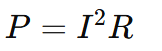
Always ensure your actual power dissipation
or
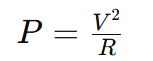
is less than the resistor’s rated wattage to prevent overheating.
4. What can I use if I don’t have a 560 ohm resistor?
If you don’t have a 560 ohm resistor, you can create the equivalent resistance by combining others:
- Series: Connect a 470 ohm and a 100 ohm resistor (Total: 570 ohms).
- Parallel: Connect two 1.2k ohm resistors in parallel (Total: 600 ohms).In most non-precision circuits (like lighting an LED), a 470 ohm or 680 ohm resistor can often be substituted without causing issues.
You may also like






Tags: 560 Ohm Resistor, 560 ohm resistor color code, 560 ohm resistor colour code